Yes Iron Tablets Can Cause a Rash and Here Is What to Know
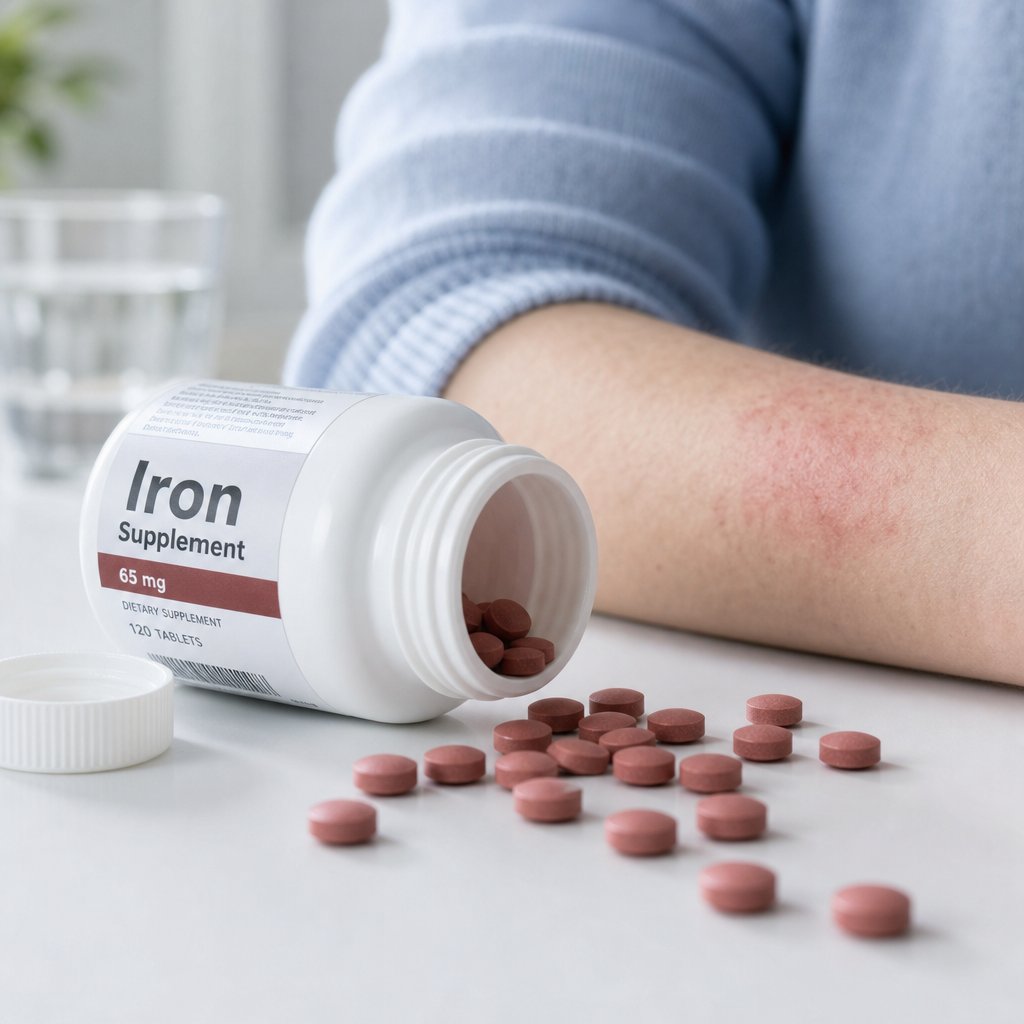
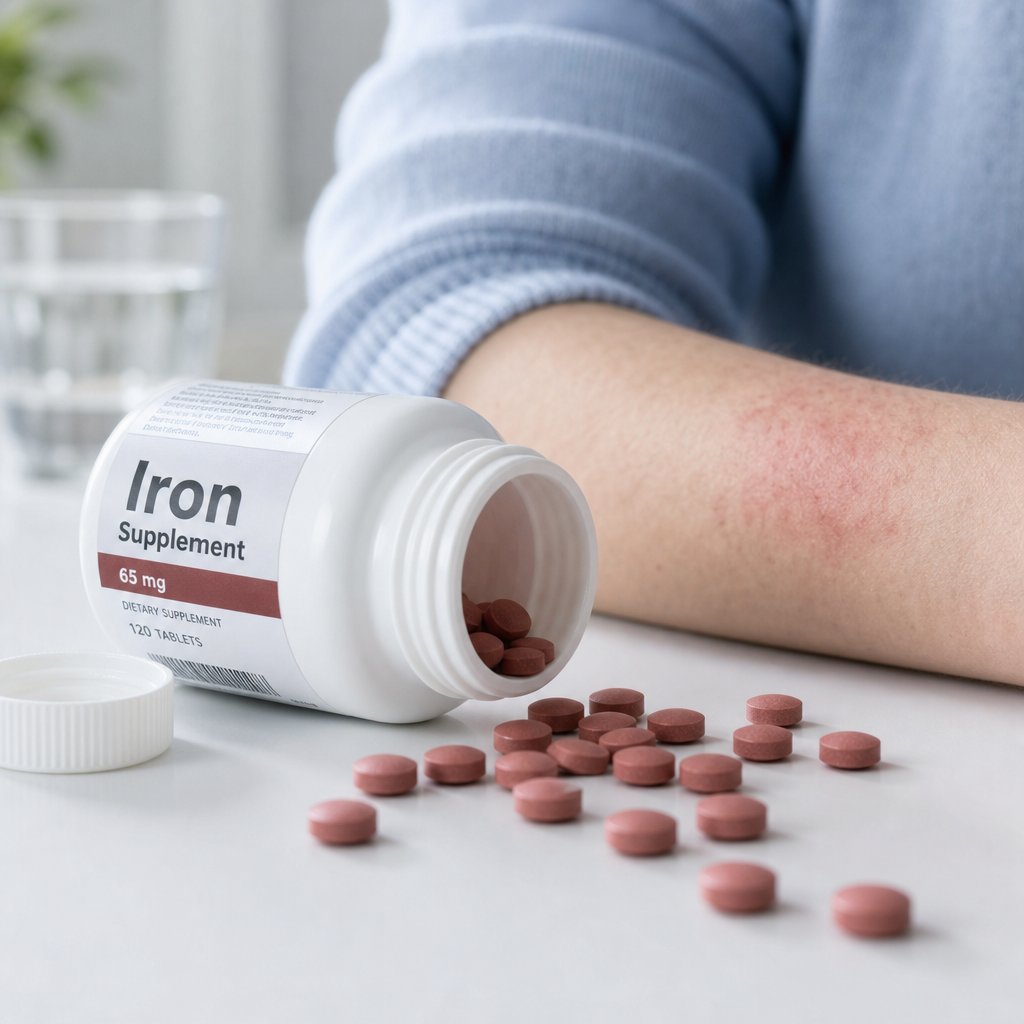
You started taking iron supplements a few days ago, and now there is an unfamiliar rash on your skin. Naturally, you are wondering: can iron tablets cause a rash? The short answer is yes. While gastrointestinal side effects like nausea and constipation get most of the attention, iron tablets can also trigger skin reactions in some people. These reactions range from mild itching and localized redness to full-blown allergic responses involving hives or swelling.
The Short Answer About Iron Tablets and Rashes
Cutaneous reactions to oral iron are considered rare, but they are well-documented in clinical literature. Research published in the Annals of Allergy, Asthma and Immunology describes cases of generalized pruritus and erythematous maculopapular eruptions triggered by oral iron compounds. Allergists at the American Academy of Allergy, Asthma and Immunology (AAAAI) also acknowledge reports of positive skin tests to iron salts and cases of generalized skin reactions following oral supplementation. So if you suspect your iron pills are behind that new rash, you are not imagining things.
Iron-related rashes are uncommon but clinically recognized. The type of reaction you are experiencing, whether it appears within minutes or develops over days, determines how urgently you need to act.
Why This Matters for Your Health
Here is the tricky part. You likely need iron for a real reason, whether it is iron-deficiency anemia, heavy periods, or a doctor's recommendation after blood work. Stopping your supplement without a plan can leave you feeling exhausted and unwell. The good news is that can iron supplements cause a rash does not mean iron supplementation is off the table entirely. In many cases, the rash is triggered by an inactive ingredient in the tablet rather than the iron itself, and switching formulations solves the problem.
This article walks you through exactly what you need to know: how to identify what type of rash you are dealing with, why your body might be reacting, when the situation calls for emergency care, and what alternative iron forms can iron pills cause a rash less frequently. By the end, you will have a clear path forward, one that keeps both your iron levels and your skin in good shape.
The first step is understanding what these rashes actually look like on the skin, because not all iron-related skin reactions are the same, and their appearance tells you a lot about what is happening inside your body.
What an Iron Tablet Rash Looks Like on Your Skin
Not every iron rash looks the same. The appearance, timing, and location of your skin reaction offer important clues about what is happening beneath the surface. Some people develop raised welts within an hour of swallowing a tablet. Others notice a gradual, spreading redness days or even weeks into supplementation. Knowing which pattern matches yours helps you and your doctor determine the cause and the right response.
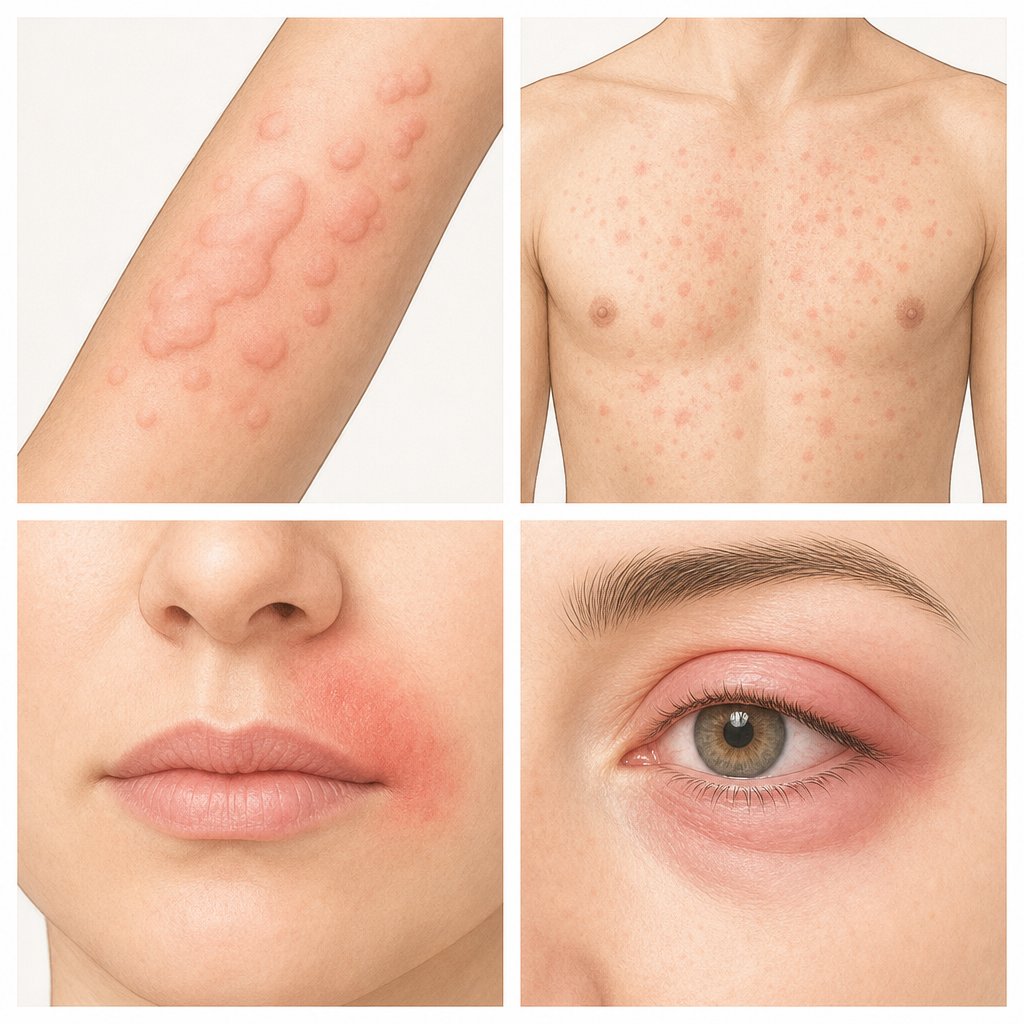
An iron supplement rash generally falls into one of four categories, each with distinct visual characteristics and clinical significance.
Urticaria and Hives From Iron Supplements
Urticaria, commonly called hives, is the most immediately recognizable type of rash from iron tablets. You will see raised, pale or pink welts surrounded by a ring of redness. These welts can range from a few millimeters to several centimeters across, and they often shift location over hours, disappearing from one area and reappearing in another. The itching tends to be intense.
Hives from iron supplements typically appear within minutes to a few hours after taking the tablet. This rapid onset suggests an IgE-mediated allergic reaction, meaning your immune system has identified something in the supplement as a threat and released histamine in response. Clinical literature on drug-induced urticaria describes these lesions as small wheals that may coalesce or form cyclical patterns, resolving rapidly once the offending agent is withdrawn. Distribution tends to favor the trunk, arms, and thighs, though hives can appear anywhere on the body.
Maculopapular Rash and Delayed Skin Reactions
A maculopapular rash looks quite different from hives. Imagine flat red spots (macules) mixed with slightly raised bumps (papules) spreading symmetrically across your chest, back, and arms. The spots may start small and gradually merge into larger patches of redness. This is the most common pattern of drug eruptions overall, and a case report published in Cureus documented exactly this presentation in a patient who developed a diffuse whole-body maculopapular rash following iron administration.
The key difference from hives is timing. Maculopapular eruptions typically develop 4 to 21 days after starting the medication. In the documented case, the rash began on the patient's elbow two days after the iron dose, then progressed over the following three days to the chest, back, bilateral upper extremities, and eventually the face and lower extremities. This delayed onset points to a type IV hypersensitivity reaction, a T-cell mediated immune response rather than the immediate histamine release seen with hives.
The rash is usually pruritic (itchy) and may be accompanied by low-grade fever. It spares the palms and soles in most cases. If you notice a spreading, symmetrical rash that appeared several days after starting iron, this pattern is what you are likely dealing with.
It is worth noting that people sometimes confuse an iron supplement rash with an anaemia rash, which is the pale, dry, or itchy skin that can accompany iron deficiency itself. Can anemia cause a rash? Technically, severe iron deficiency can produce skin changes like pallor and dryness, but these look nothing like the raised welts or red spotted eruptions caused by a drug reaction. An anemic skin rash tends to be diffuse dullness rather than distinct lesions.
Contact Dermatitis and Angioedema
Two less common presentations round out the picture. Contact dermatitis from iron tablets appears as localized redness, dryness, or small blisters confined to areas that physically touched the supplement, typically the lips, corners of the mouth, or fingertips if you handle the tablets frequently. This is more of an irritant reaction than a systemic allergy.
Angioedema is the most concerning presentation. Rather than a surface rash, you will notice deeper swelling beneath the skin, most often around the eyes, lips, tongue, or throat. The skin may look normal in color or slightly red, but the puffiness is unmistakable. Angioedema can develop alongside hives or on its own, and when it involves the airway, it becomes a medical emergency.
How Iron Rashes Differ From Other Common Rashes
A helpful way to distinguish whether your skin reaction is truly a rash from iron tablets or something unrelated is to consider the timeline. Did the rash appear after you started supplementation, and does it correlate with your dosing schedule? Drug eruptions follow a predictable relationship with the medication. Viral rashes, eczema flares, and contact reactions from laundry detergent do not track with when you take your iron pill.
The table below compares the four main types of iron-related skin reactions by their defining features:
| Rash Type | Appearance | Onset After Iron Dose | Typical Location | Severity Level |
|---|---|---|---|---|
| Urticaria (hives) | Raised, itchy welts that shift location; pale centers with red borders | Minutes to hours | Trunk, arms, thighs; can appear anywhere | Mild to moderate |
| Maculopapular eruption | Flat red spots mixed with small bumps; may coalesce into patches | 2 to 21 days | Chest, back, arms; spreads symmetrically; spares palms and soles | Moderate |
| Contact dermatitis | Localized redness, dryness, or tiny blisters at contact site | Hours to days of repeated exposure | Lips, mouth corners, fingertips | Mild |
| Angioedema | Deep swelling beneath the skin; minimal surface color change | Minutes to hours | Eyes, lips, tongue, throat | Moderate to severe (emergency if airway involved) |
The pattern you identify matters because it points directly to the underlying mechanism. Rapid-onset reactions like hives and angioedema suggest your immune system is mounting an immediate response, while delayed maculopapular rashes indicate a slower, T-cell driven process. Each pathway has different implications for treatment, for whether you can try iron again, and for what might actually be triggering the reaction in the first place.
Why Iron Tablets Trigger Skin Reactions in Some People
Knowing what your rash looks like is one thing. Understanding why your body is producing it is another, and it changes how you solve the problem. An iron allergy or sensitivity does not happen randomly. There are specific biological pathways that explain why your skin reacts to a supplement most people tolerate without issue.
Three distinct mechanisms can produce iron allergy symptoms on your skin. Each one involves a different part of your body's defense or metabolic system, and each calls for a different solution.
- True iron salt hypersensitivity: Your immune system misidentifies the iron compound as a harmful invader and launches a defensive response, releasing histamine and other inflammatory chemicals.
- Excipient sensitivity: Your body reacts not to the iron itself but to inactive ingredients in the tablet, such as dyes, coatings, or fillers.
- Iron overload-driven inflammation: Excess iron accumulates in tissues and promotes oxidative stress, triggering inflammatory skin responses without involving the classical immune system.
How Your Immune System Reacts to Iron Compounds
When you experience a true allergic reaction to iron supplement compounds, your immune system has essentially made a mistake. It treats the iron salt, whether ferrous sulfate, ferrous fumarate, or ferrous gluconate, as though it were a dangerous pathogen. On first exposure, your body may quietly produce IgE antibodies against the iron compound. You feel nothing at this stage. The trouble starts on subsequent exposures, when the iron binds to those IgE antibodies sitting on the surface of mast cells and basophils.
This binding triggers degranulation, a rapid release of histamine, leukotrienes, and other inflammatory mediators into surrounding tissue. The result is the hives, itching, or swelling you see on your skin. Research on hypersensitivity reactions to iron confirms that mast cell and basophil activation is the final common pathway in these responses, whether triggered by IgE or by complement activation. The secretion products of these cells, including histamine, thromboxanes, and platelet-activating factor, cause smooth muscle contraction, increased capillary permeability, and fluid leakage into tissues.
This is the mechanism behind rapid-onset reactions, the ones that appear within minutes to hours of taking your tablet.
The Role of Histamine in Iron-Related Rashes
Histamine is the central player in most immediate iron supplement allergy reactions. When mast cells release histamine into your skin, it binds to H1 receptors on blood vessel walls. The vessels dilate and become leaky, allowing fluid and immune cells to flood into the surrounding tissue. That is what creates the raised, red, itchy welts characteristic of urticaria.
But histamine release does not always require IgE antibodies. Some excipients in iron tablets can trigger non-IgE-mediated histamine release, where substances directly stimulate mast cell membranes without any prior sensitization. This means you can develop a rash the very first time you take a particular iron product, which often confuses people who assume allergies require repeated exposure. Excipients like certain dyes and polyethylene glycol coatings have been documented to provoke this direct mast cell activation.
Iron Overload and Skin Inflammation
The third pathway has nothing to do with your immune system treating iron as a threat. Instead, it involves too much iron accumulating in your tissues. Iron is a transition metal that cycles between two oxidation states (Fe2+ and Fe3+), and this property makes it highly reactive with oxygen species in your cells.
When iron levels exceed what your body can safely store and transport, free iron participates in the Fenton reaction, generating hydroxyl radicals that damage cell membranes and trigger inflammatory cascades. Research published in Frontiers in Pharmacology demonstrates that localized iron deposition in skin activates a subset of pro-inflammatory M1 macrophages. These iron-overloaded macrophages sustain chronic inflammation, producing cytokines that can manifest as persistent skin irritation, redness, or slow-healing lesions.
This pathway is more relevant for people taking high doses over extended periods, or those with conditions that impair iron regulation. It develops gradually rather than appearing suddenly after a single dose, which distinguishes it from the immune-mediated reactions described above.
The practical question these mechanisms raise is straightforward: if your rash is caused by an excipient rather than the iron compound itself, switching brands could eliminate the problem entirely without changing your iron intake. Identifying which pathway is responsible becomes the critical next step.

Iron Salt Allergy Versus Excipient Sensitivity
Here is a question most people never think to ask: can you be allergic to iron tablets themselves, or is something else in the pill causing the problem? This distinction matters enormously because it determines whether you need to avoid iron entirely or simply switch to a different product.
A true ferrous sulfate allergy, where your immune system reacts to the iron compound itself, is genuinely rare. Far more often, the culprit is one of the inactive ingredients packed into the tablet alongside the iron. A landmark case report published in Allergy documented a severe skin reaction in a patient taking oral iron treatment. Testing confirmed the reaction was caused by the tablet's excipients, specifically azo dye coloring agents, not the ferrous sulfate. The patient tolerated iron from a different formulation without any skin issues.
Common Excipients in Iron Tablets That Cause Skin Reactions
When you look at the ingredient list on a standard ferrous sulfate 325 mg tablet, the iron salt is just one component. The prescribing information for a widely available ferrous sulfate product lists inactive ingredients including FD&C Red #40, titanium dioxide, polyethylene glycol, hypromellose, and mineral oil. Each of these has documented sensitization potential.
A 2022 review in Current Treatment Options in Allergy highlights excipients as an increasingly recognized cause of drug hypersensitivity reactions. The researchers note that polyethylene glycol (PEG) derivatives, dyes, and lactose-based fillers are among the most frequently implicated agents. For someone who is allergic to iron supplements in appearance, the real trigger may be one of these hidden ingredients.
| Excipient | Found In | Sensitization Potential |
|---|---|---|
| FD&C Red #40 (Allura Red) | Many coated ferrous sulfate tablets | Moderate; linked to urticaria and maculopapular rash |
| FD&C Yellow #5 (Tartrazine) | Some multivitamins with iron, generic iron tablets | Moderate; cross-reacts with aspirin sensitivity in some patients |
| FD&C Yellow #6 (Sunset Yellow) | Certain iron capsule shells, coated tablets | Moderate; documented generalized maculopapular eruptions |
| Polyethylene glycol (PEG) | Film-coated ferrous sulfate tablets | High; can trigger IgE-mediated anaphylaxis in sensitized individuals |
| Titanium dioxide | White or colored tablet coatings | Low to moderate; occasional contact sensitization |
| Lactose | Some iron tablet fillers | Moderate in cow's milk allergic patients; contains trace milk proteins |
| Shellac-based coatings | Enteric-coated and slow-release iron formulations | Low; rare contact sensitization reported |
How to Tell If You Are Reacting to Iron or a Filler Ingredient
The simplest diagnostic approach is also the most practical. If you suspect an allergy to iron tablets, try switching to a different brand that uses the same iron salt but different inactive ingredients. For example, if you developed a rash on a coated ferrous sulfate tablet containing Red #40 and PEG, try an uncoated or dye-free ferrous sulfate product. If the rash resolves, the excipient was the problem, not the iron.
This brand-switching strategy works because a ferrous sulphate allergy to the actual iron compound would produce a reaction regardless of which brand you take. When the reaction disappears with a new formulation, you have effectively ruled out the iron salt as the trigger.
If you react to multiple brands with different excipient profiles, that raises the possibility of a true allergy to iron supplements at the compound level. At that point, an allergist can perform skin testing with the individual iron salt and specific excipients to pinpoint the cause. The key takeaway: do not assume you cannot tolerate iron at all until you have tested at least one alternative formulation with a different inactive ingredient list.
Of course, even when the iron salt is not the allergen, the amount of iron you take still influences how your body responds. Higher doses create more opportunity for both immune and non-immune reactions, which raises the question of whether adjusting your dosage could reduce your risk.
How Iron Dosage Affects Your Risk of a Skin Reaction
If you are already dealing with a rash from your iron supplement, you might be wondering whether the amount you are taking plays a role. It does. The dose of elemental iron you swallow directly influences how much unabsorbed iron remains in your gut, and that leftover iron is not harmless. It triggers local inflammation, oxidative stress, and immune signaling that can manifest on your skin.
A standard ferrous sulfate 325mg tablet delivers approximately 65 mg of elemental iron. That is a substantial dose. Research published in Haematologica demonstrates that larger iron doses decrease the proportion of iron your body actually absorbs. With a 200 mg dose, fractional iron absorption dropped significantly compared to a 100 mg dose in women with iron-deficiency anemia. The unabsorbed portion does not simply pass through quietly. It increases free radical production and lipid peroxidation in the gut mucosa, promotes gut inflammation, and can shift the gut microbiome toward pathogenic species. This cascade of inflammatory signaling does not stay confined to your digestive tract. It can amplify systemic immune responses, including skin reactions.
So the ferrous sulfate 325 mg side effects you are experiencing, including that rash, may partly be a dose-dependent problem rather than a fixed allergy.
Does a Higher Iron Dose Increase Rash Risk
The relationship is straightforward: more iron in, more unabsorbed iron left behind, more inflammatory potential. A Clinical Practice Update from the American Gastroenterological Association confirms that side effects from oral iron are common and that there is no reason to take iron more than once a day because doing so will not improve absorption but will increase side effects. When you take 325 mg ferrous sulfate and your body absorbs only 15-25% of the elemental iron, the remaining 50+ mg of unabsorbed iron sits in your intestinal lumen generating reactive oxygen species and triggering inflammatory pathways.
A study in octogenarians found that low-dose iron therapy (as little as 15 mg elemental iron daily) was effective at correcting iron deficiency, with significantly fewer side effects than standard high-dose regimens. The iron 325 mg ferrous sulfate side effects that drive people to stop treatment, including skin reactions, may be avoidable with a smarter dosing approach.
Split Dosing and Alternate-Day Strategies
If you need iron but struggle to tolerate it, you are not stuck. This is a solvable problem, and clinical evidence supports several dose-adjustment strategies that can reduce your reaction risk while still correcting your deficiency.
The most promising approach is alternate-day dosing. Research from ETH Zurich published in Haematologica showed that iron absorption was 40-50% higher on alternate days compared to consecutive days in women with iron-deficiency anemia. The mechanism involves hepcidin, a hormone that regulates iron absorption. Each iron dose triggers a hepcidin spike that persists for about 24 hours, blocking further absorption. By waiting 48 hours between doses, hepcidin returns to baseline and your gut is ready to absorb efficiently again. You absorb more iron per dose while exposing your body to less total unabsorbed iron over time.
The WA Iron Centre recommends that patients experiencing side effects reduce dosing frequency to every third day or two to three times per week until the body adapts, then gradually increase back to alternate-day dosing. The AGA's clinical guidance similarly states that every-other-day iron dosing may be better tolerated with similar or equal rates of iron absorption as daily dosing.
Here are practical dose-adjustment strategies to reduce your risk of skin reactions:
- Switch from daily to alternate-day dosing, taking your ferrous sulphate 325 mg every 48 hours instead of every 24 hours
- Try a lower elemental iron dose (such as ferrous gluconate at 27-38 mg elemental iron per tablet) to reduce the amount of unabsorbed iron
- Take your iron as a single morning dose rather than splitting it into multiple daily doses, which only increases hepcidin without improving absorption
- If alternate-day dosing still causes reactions, reduce further to two or three times per week and reassess after two to three weeks
- Pair your iron with 80 mg of vitamin C on an empty stomach to maximize the percentage absorbed, leaving less to irritate your gut
- Avoid tea and coffee within one hour of your dose, as these inhibit absorption and increase the unabsorbed iron load
The emotional weight of this situation is real. You know you need iron. Your fatigue, your lab results, maybe even your doctor's concern, all point to the same conclusion. Yet every time you take the tablet, your skin flares. That tension between needing the supplement and fearing the reaction is exhausting. The strategies above offer a genuine path forward, one that respects both your iron needs and your body's limits.
Adjusting your dose is often enough to resolve mild skin irritation. But what if the rash is more than a minor nuisance? Knowing the difference between a reaction you can manage at home and one that demands immediate medical attention could be the most important distinction in this entire process.
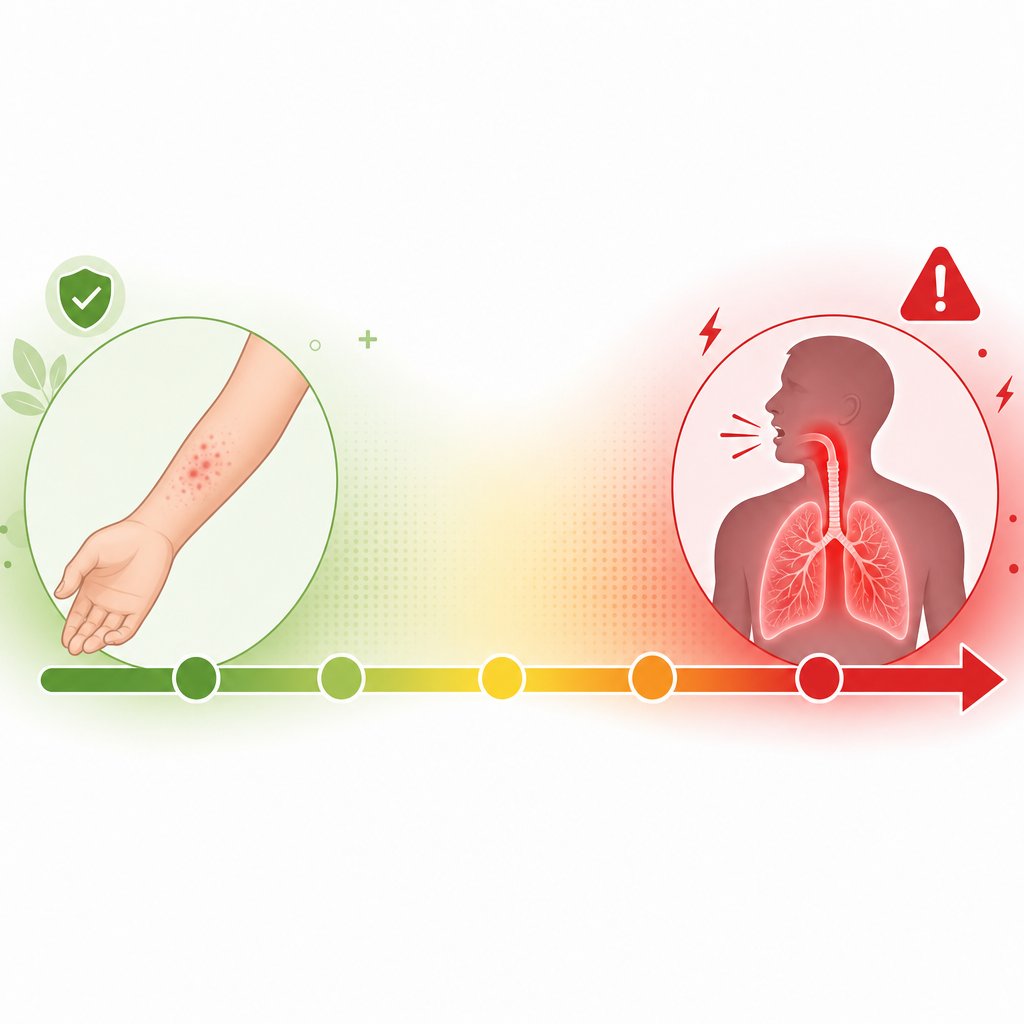
When an Iron Tablet Rash Needs Emergency Care
A mild rash that stays in one spot and a reaction that tightens your throat are two completely different situations, yet both start the same way: you take an iron tablet and your body responds. The difference between them can escalate in minutes, so having a clear framework for deciding what to do matters more than almost anything else in this article.
Can you be allergic to iron? Yes. And the severity spectrum is wide. Some people experience nothing more than a faint itch on their forearms. Others develop a life-threatening iron allergic reaction that requires epinephrine. Your job is to recognize which category your symptoms fall into and act accordingly.
Emergency Signs That Require Immediate Medical Attention
A severe allergic reaction to iron pills can progress to anaphylaxis, a systemic response that affects multiple body systems simultaneously. Cleveland Clinic identifies the hallmarks of a severe allergic reaction as swelling of the face, lips, tongue, or throat, difficulty breathing or swallowing, and feeling faint or dizzy. Mayo Clinic adds tightening of the airways, a weak and rapid pulse, a drop in blood pressure, and nausea or abdominal cramping to the list of anaphylaxis symptoms.
Call 911 immediately if you experience throat tightness, difficulty breathing, facial or tongue swelling, a rapid or weak heartbeat, dizziness, or hives spreading quickly across your body after taking an iron supplement. Use an epinephrine auto-injector if one has been prescribed to you.
Iron tablets dizziness that comes on suddenly after a dose, especially when paired with skin changes, is not a benign side effect. It may signal a blood pressure drop associated with anaphylaxis. Similarly, can iron tablets cause palpitations? While mild heart rate changes can occur with iron supplementation for other reasons, a racing or irregular heartbeat combined with hives or swelling points to a systemic allergic response that needs emergency evaluation.
The timeline is critical here. These severe symptoms of iron allergy typically appear within minutes to one hour of taking the tablet. The speed of onset reflects IgE-mediated mast cell degranulation, the same rapid immune mechanism described earlier. If your reaction is escalating, meaning hives are spreading, swelling is increasing, or breathing is becoming harder, do not wait to see if it resolves on its own.
Lower-Urgency Rash Symptoms You Can Monitor at Home
Not every skin reaction warrants a trip to the emergency room. You can generally monitor at home if your symptoms match this profile:
- A localized rash confined to a small area, such as your forearms or chest, that is not spreading
- Mild itching without any swelling of the face, lips, or throat
- Skin irritation that developed gradually over several days rather than appearing suddenly
- No breathing difficulty, no dizziness, and no heart rate changes
- Symptoms that remain stable or improve after you skip your next dose
These lower-urgency reactions still deserve medical attention, just not emergency attention. Schedule an appointment with your doctor within a few days. Stop taking the iron supplement in the meantime and note whether the rash begins to fade. If it worsens despite stopping, or if new symptoms appear, escalate to urgent care.
Can you be allergic to iron supplements and still safely take iron in the future? In most cases, yes, but the answer depends on the severity of your initial reaction. A mild delayed rash has very different implications for rechallenge than an episode of anaphylaxis. Your doctor needs specific details about your reaction to make that determination.
What Information to Bring to Your Doctor
The quality of information you provide directly affects how quickly your doctor can identify the cause and recommend a safe alternative. Drug allergy documentation guidelines from the UK's National Institute for Health and Care Excellence (NICE) recommend recording the exact drug name and formulation, a description of the reaction, the timeframe between taking the drug and symptom onset, and which drugs to avoid going forward.
Here is a checklist to prepare before your appointment:
- Write down the exact brand name, iron salt type (ferrous sulfate, ferrous fumarate, etc.), and dosage of the supplement you were taking
- Note how many doses you took before the rash appeared, and the time gap between your last dose and the onset of symptoms
- Take clear, well-lit photos of the rash at its worst, including close-ups and wider shots showing distribution across your body
- Record any additional symptoms beyond the rash: itching intensity, swelling locations, breathing changes, dizziness, or heart rate changes
- Bring the supplement bottle so your doctor can review the full inactive ingredient list
- Note whether you have reacted to other medications, supplements, or foods containing dyes in the past
- Document what you did in response (stopped the supplement, took antihistamines, etc.) and whether it helped
This level of detail allows your doctor to distinguish between a true iron allergy and an excipient reaction, determine whether allergy testing is warranted, and recommend a specific alternative formulation with confidence. Without it, you may end up with a vague "iron allergy" label in your medical record that unnecessarily limits your future options.
Once you have clarity on the type and severity of your reaction, the next logical question becomes practical: which iron supplement forms are least likely to trigger skin reactions in the first place?

Alternative Iron Supplement Forms With Lower Rash Risk
Reacting to one iron tablet does not mean you have to live with iron deficiency. The supplement market offers multiple iron forms, each with a different chemical structure, delivery format, and excipient profile. Some are far gentler on the skin than others, and understanding why gives you a clear path toward finding one your body accepts.
The relationship between iron supplements and skin reactions depends heavily on two factors: how the iron compound interacts with your immune system and what inactive ingredients surround it. A standard ferrous sulfate tablet coated in dyes and film polymers presents a very different challenge to your body than iron gummies made with chelated iron and minimal additives. Let's break down the options.
Iron Supplement Forms Ranked by Skin Reaction Risk
Not all iron is created equal at the molecular level. The chemical form determines how the iron behaves in your gut, how much free ionic iron your body encounters, and how likely it is to provoke an immune or inflammatory response.
Iron bisglycinate (chelated iron) consistently ranks as the gentlest option. In this form, the iron atom is bonded to two glycine amino acid molecules, creating a stable chelate that your intestinal cells absorb through amino acid transport pathways rather than the standard ionic iron channel. This matters for skin reactions because free ionic iron is what triggers oxidative stress and inflammatory signaling. A randomized controlled trial comparing ferrous sulfate to iron bis-glycinate chelate found that the chelated form caused fewer collateral effects, and a tolerability study by Coplin et al. reported side effects in only 21% of the bisglycinate group versus 37% in the ferrous sulfate group. The chelate structure also means fewer excipients are needed to stabilize the product, reducing your exposure to potential sensitizers.
Carbonyl iron takes a different approach. It consists of highly purified elemental iron particles that dissolve slowly in stomach acid, releasing iron gradually rather than flooding your system all at once. This controlled release reduces the spike of free iron that can overwhelm your body's transport capacity and trigger inflammation. Carbonyl iron is also less toxic in overdose situations, which reflects its gentler interaction with tissues overall.
Polysaccharide iron complex (PIC) wraps ferric iron in a carbohydrate shell. The iron stays bound until it reaches the intestinal absorption sites, limiting free-ion exposure in the stomach and upper gut. Clinical experience suggests PIC causes fewer GI and systemic side effects than ferrous salts, though head-to-head data on skin reactions specifically is limited.
Ferrous gluconate delivers less elemental iron per tablet than ferrous sulfate. A standard 324mg ferrous gluconate tablet provides roughly 38 mg of elemental iron compared to 65 mg from ferrous sulfate 325 mg. This lower dose per unit means less unabsorbed iron and less inflammatory potential per dose. It is often recommended as a first-line alternative for people who cannot tolerate sulfate.
Ferrous fumarate contains the highest percentage of elemental iron (33%) among common ferrous salts. While effective for severe deficiency, this concentrated iron load can increase side effects. If your rash is dose-dependent, fumarate may not offer much relief unless you take a lower-dose formulation.
Liquid iron formulations deserve separate consideration. They allow precise dose titration, starting very low and increasing gradually, which can help your body adapt without triggering a reaction. However, the side effects of iron liquid include tooth staining and a metallic taste that some people find intolerable. From a skin reaction standpoint, liquids often contain fewer excipients than tablets (no coatings, no compression agents), but they may include flavoring agents or preservatives that carry their own sensitization risk.
Iron gummies have become increasingly popular, particularly iron gummies for women managing mild to moderate deficiency. Gummies typically use gentler iron forms like ferrous bisglycinate or ferric pyrophosphate and contain fewer problematic excipients than traditional tablets. There are no film coatings, no compression binders, and no enteric layers. The trade-off is a lower elemental iron dose per serving, which actually works in your favor if high doses were contributing to your skin reaction.
Slow release iron tablets use matrix or coating technology to meter out iron over several hours. In theory, this reduces peak free-iron concentration. In practice, slow release iron tablets can be unpredictable in absorption because they may release iron past the duodenum, where absorption is less efficient. They also tend to contain more excipients (the sustained-release matrix itself), which could be problematic if you are excipient-sensitive.
Prescription iron pills, such as polysaccharide iron complex or certain controlled-release formulations, may be appropriate when over-the-counter options have failed. Your doctor can also consider IV iron infusions for cases where no oral form is tolerated, though these carry their own hypersensitivity risks.
Choosing a Gentler Iron Format for Sensitive Users
The table below compares each iron form by its delivery format, typical excipient burden, and reported frequency of skin reactions. Gentler options appear first.
| Iron Form | Common Format | Elemental Iron per Dose | Typical Excipient Load | Reported Skin Reaction Frequency |
|---|---|---|---|---|
| Iron bisglycinate (chelated) | Iron capsules, gummies | 18-25 mg | Low (minimal coatings, often dye-free) | Very low |
| Carbonyl iron | Tablets, capsules | 45-65 mg | Low to moderate | Low |
| Polysaccharide iron complex | Iron capsules | 50-150 mg | Low (carbohydrate shell acts as carrier) | Low |
| Ferrous gluconate | Tablets (324mg ferrous gluconate = 38 mg elemental) | 27-38 mg | Moderate (often fewer dyes than sulfate) | Low to moderate |
| Liquid iron (various salts) | Oral liquid, syrup | Variable (dose-adjustable) | Low (no coatings or binders; may contain flavoring) | Low to moderate |
| Iron gummies | Gummy candy | 10-18 mg | Low (pectin-based, often dye-free) | Very low |
| Ferrous fumarate | Tablets, capsules | 65-106 mg | Moderate to high | Moderate |
| Ferrous sulfate | Coated tablets | 65 mg | High (film coatings, dyes, PEG common) | Moderate |
| Slow release iron tablets | Matrix tablets | 45-105 mg | High (sustained-release matrix, coatings) | Moderate |
A few patterns emerge from this comparison. The forms least likely to cause skin reactions share two characteristics: they limit free ionic iron exposure (through chelation, gradual dissolution, or lower dosing), and they require fewer excipients in their finished product. Iron capsules filled with bisglycinate powder, for example, need nothing more than the gelatin or vegetable capsule shell and perhaps a flow agent. Compare that to a coated ferrous sulfate tablet that may contain a dozen inactive ingredients.
This is where product formulation becomes genuinely important. Supplement brands that work with experienced contract manufacturers can request customized formulations that eliminate problematic excipients, use alternative iron salts, or deliver iron in formats like gummies, capsules, or oral liquids specifically designed for sensitive users. OEM/ODM partners such as ZhuFeng, which offers flexible production across hard capsules, soft capsules, gummy candy, tablets, powder/granules, and oral liquids, give brands the ability to develop iron supplements tailored to consumers who react to standard tablets. If you are a brand owner or supplement importer looking to offer gentler iron options, this kind of manufacturing flexibility is what makes it possible to bring those products to market.
For consumers, the practical takeaway is this: if a ferrous sulfate tablet caused your rash, you have at least five or six alternative forms to try before concluding that oral iron is not for you. Start with iron bisglycinate in a dye-free capsule or gummy format. If that still causes issues, move to carbonyl iron or polysaccharide iron complex. Keep your doctor informed at each step, and give each new form at least two to three weeks before evaluating whether your skin stays clear.
Finding the right form is half the equation. The other half is knowing what to expect after you stop the supplement that caused the reaction, how long the rash takes to resolve, and how to safely reintroduce iron once your skin has healed.
Recovery Timeline and How to Safely Restart Iron
You have stopped the iron tablet, the rash is still visible, and now you are staring at the bottle wondering two things: how long until my skin clears, and can I ever take iron again? Both questions have reassuring answers for most people, but the timeline and approach depend on what type of reaction you experienced.
How Long an Iron Rash Takes to Clear After Stopping
The speed of resolution maps directly to the type of reaction your body mounted. Immediate IgE-mediated reactions like hives typically fade within 24 to 72 hours once the offending supplement is discontinued and the histamine response winds down. An over-the-counter antihistamine can accelerate this process.
Delayed hypersensitivity reactions, the maculopapular rashes that developed days or weeks into supplementation, take longer. Clinical literature on drug-induced skin eruptions notes that exanthematous reactions generally resolve one to two weeks after discontinuation, and in some cases the rash temporarily worsens before improving. This is normal and does not mean you are still reacting. Your immune system is completing the inflammatory cycle it already started.
As a general framework:
- Urticaria (hives): 1-3 days to clear after stopping
- Maculopapular rash: 7-14 days, occasionally up to 3 weeks for widespread eruptions
- Contact dermatitis: 3-7 days once exposure stops
- Post-inflammatory hyperpigmentation: weeks to months for discoloration to fade completely, even after the rash itself resolves
If your rash has not improved at all after two weeks of stopping iron, or if it continues to spread, the supplement may not have been the cause. Revisit your doctor to explore other explanations.
Safe Rechallenge Protocols for Reintroducing Iron
Among the most common side effects of iron supplements is GI distress, and many people restart iron without much thought once stomach issues settle. Skin reactions require more caution. A rash signals immune involvement, and reintroducing the same trigger without a plan risks a more severe response the second time around.
The American Academy of Allergy, Asthma and Immunology recommends trying a different formulation as the first step, noting that liquid ferrous sulfate changes the excipient profile and that varying the dose can help determine whether the rash recurs. Published desensitization protocols in the Journal of Investigational Allergology and Clinical Immunology demonstrate that even patients with confirmed anaphylaxis to oral iron salts were successfully reintroduced using slow, incremental dosing under medical supervision.
Here is a step-by-step rechallenge protocol for mild to moderate reactions (localized rash, mild hives that resolved quickly, gradual-onset irritation):
- Wait until the rash has completely resolved. Do not restart while any skin changes remain, even faint discoloration.
- Choose a different iron formulation than the one that caused the reaction. Switch the iron salt, the delivery format, or both. Iron bisglycinate in a dye-free capsule is a common first choice.
- Start at half the standard dose or lower. If the new product provides 25 mg elemental iron, begin with one capsule every other day.
- Monitor your skin closely for 48-72 hours after the first dose. Check your arms, chest, and any areas where the original rash appeared.
- If no reaction occurs after three doses over one week, increase to the full recommended dose.
- Continue monitoring for two to three weeks at the full dose before considering yourself tolerant of the new formulation.
Self-managed rechallenge is reasonable when taking iron pills if your original reaction was mild, localized, and resolved quickly without medical intervention. You are essentially running a controlled experiment: new product, low dose, careful observation.
However, not all iron pills side effects warrant a DIY approach. The severity of your initial reaction determines whether you need professional oversight.
If you experienced anaphylaxis, angioedema involving the throat or tongue, difficulty breathing, or required epinephrine or emergency treatment, never rechallenge with any oral iron product without direct allergist supervision. These reactions can be more severe on re-exposure.
For patients in this category, an allergist can perform skin testing with individual iron salts and excipients to identify the exact trigger, then design a graded oral challenge or desensitization protocol in a monitored clinical setting. The side effects of ferrous sulfate that landed you in the ER are not something to test alone at your kitchen table.
The broader picture is encouraging. Among the known oral iron side effects, skin reactions are one of the most solvable. Most people who react to one formulation tolerate another without issue. The side effects of oral iron supplements vary dramatically between products, and a systematic approach to rechallenge, guided by the severity of your original reaction, almost always leads to a workable solution.
Moving Forward With Iron Supplementation Safely
A rash from your iron tablet feels like a dead end, but it is not. The vast majority of people who react to one iron formulation can tolerate another form without any skin issues. What matters now is taking the right steps in the right order, so you can get back to correcting your deficiency without dreading each dose.
Your Next Steps If Iron Tablets Are Causing a Rash
Think of this as a simple decision tree. You have already done the hardest part: recognizing that your skin reaction is connected to your supplement. From here, the path forward is methodical rather than complicated.
- Stop the current supplement and document everything: brand name, iron salt type, dosage, full inactive ingredient list, time between your last dose and rash onset, and photos of the rash at its worst.
- Assess severity immediately. If you have throat swelling, breathing difficulty, rapid heartbeat, or spreading hives, call 911. If your rash is localized, stable, and not accompanied by systemic symptoms, schedule a doctor visit within a few days.
- Wait for full resolution before trying anything new. Hives typically clear in 1-3 days. Maculopapular rashes may take 1-3 weeks. Do not layer a new product on top of an active reaction.
- Switch formulations strategically. Try a different iron salt (bisglycinate instead of sulfate), a different format (gummies or capsules instead of coated tablets), or both. Start at a low dose every other day and monitor for 48-72 hours.
- Rule out excipients. If you reacted to a dye-coated tablet, try a dye-free version of the same iron salt first. Resolution confirms the filler was the problem, not the iron.
- Involve your doctor if two different formulations cause reactions, or if your original reaction was severe. Allergy testing can pinpoint the exact trigger and open the door to supervised rechallenge or IV iron options.
Each step narrows the problem. Most people find their answer at the formulation-switch stage, never needing allergy testing at all. The iron pill side effects that scared you into stopping are usually tied to a specific product rather than to iron as a substance.
Finding the Right Iron Supplement for Your Body
What are side effects of iron tablets? They vary enormously depending on the form, the dose, and the inactive ingredients surrounding the iron. That variability is actually good news for you. It means the supplement market has enough diversity to accommodate your body's specific sensitivities.
Look for brands that publish complete ingredient lists, offer multiple delivery formats, and use minimal excipients. Transparency matters here because you need to compare inactive ingredients across products to identify your trigger. Brands that work with specialized contract manufacturers have the flexibility to formulate iron supplements in gentler formats. Manufacturers like ZhuFeng, which provides OEM/ODM production across gummies, capsules, oral liquids, tablets, and powder formats, help supplement brands develop customized iron products designed to reduce adverse reactions through careful ingredient selection and scalable production. For consumers, this translates into more options on the shelf, products specifically engineered for people who cannot tolerate standard iron tablets.
Iron deficiency is too important to leave untreated, and a skin reaction is too disruptive to ignore. The good news is you do not have to choose between the two. Can iron supplements cause rash? Yes. Can you still find an iron supplement that works for your body? Almost certainly yes. The side effects of iron pills are real, but they are not universal across every form and format. Your next step is simply finding the one that fits.
Frequently Asked Questions About Iron Tablets and Rashes
1. How quickly does a rash appear after taking iron tablets?
The timing depends on the type of reaction. Hives and urticaria from an IgE-mediated allergy typically appear within minutes to a few hours of taking the tablet. Maculopapular rashes caused by delayed hypersensitivity develop more slowly, usually 2 to 21 days after starting supplementation. Contact dermatitis from handling tablets may take hours to days of repeated exposure. The speed of onset is a key diagnostic clue: rapid reactions suggest a true allergy, while gradual ones often point to excipient accumulation or T-cell mediated responses.
2. Can you be allergic to iron itself or is it usually the inactive ingredients?
A true allergy to the iron salt compound is genuinely rare. In most documented cases, the skin reaction is triggered by inactive ingredients (excipients) in the tablet, such as FD&C dyes like Red #40, polyethylene glycol coatings, titanium dioxide, or lactose fillers. The diagnostic test is straightforward: switch to a different brand with the same iron salt but different inactive ingredients. If the rash resolves, the excipient was the culprit. Only if multiple brands with different excipient profiles all cause reactions should a true iron salt allergy be suspected and confirmed through allergist testing.
3. What should I do if I get a rash from my iron supplement?
Stop taking the supplement immediately and assess severity. If you experience throat swelling, breathing difficulty, rapid heartbeat, or fast-spreading hives, call emergency services right away. For mild, localized rashes without systemic symptoms, document the reaction (brand name, dosage, timing, photos) and schedule a doctor visit within a few days. Wait until the rash fully resolves before trying a different formulation. When you rechallenge, choose a different iron salt or delivery format, start at half the dose on alternate days, and monitor your skin for 48-72 hours before increasing.
4. Which iron supplement form is least likely to cause a skin reaction?
Iron bisglycinate (chelated iron) in dye-free capsules or gummies consistently shows the lowest skin reaction rates. The chelate structure allows absorption through amino acid pathways rather than the free-ion channel, reducing oxidative stress and inflammatory signaling. Iron gummies also rank well because they use gentler iron forms with minimal excipients and no film coatings or compression binders. Carbonyl iron and polysaccharide iron complex are other low-risk options. Manufacturers like ZhuFeng (https://en.ahzfsw.com/service.html) offer OEM/ODM production across gummies, capsules, and oral liquids, helping brands formulate iron supplements specifically designed for sensitive users.
5. How long does an iron tablet rash take to go away after stopping the supplement?
Hives from an immediate allergic reaction typically clear within 1 to 3 days after discontinuation, especially with antihistamine support. Delayed maculopapular rashes take longer, generally 7 to 14 days, and occasionally up to 3 weeks for widespread eruptions. The rash may temporarily worsen before improving as the immune system completes its inflammatory cycle. Contact dermatitis resolves in 3 to 7 days. Any post-inflammatory hyperpigmentation (dark marks left behind) can take weeks to months to fade completely, even after the active rash is gone. If no improvement occurs after two weeks, the iron supplement may not have been the cause.