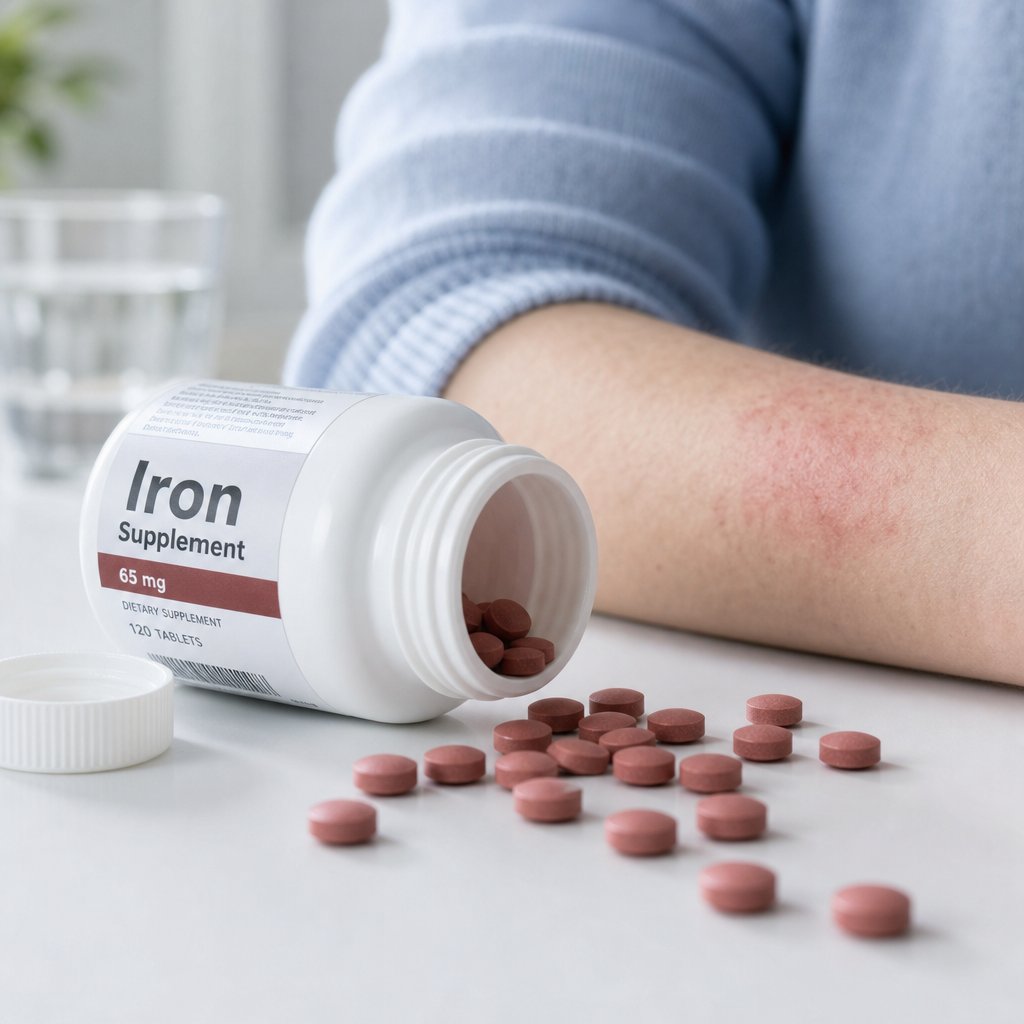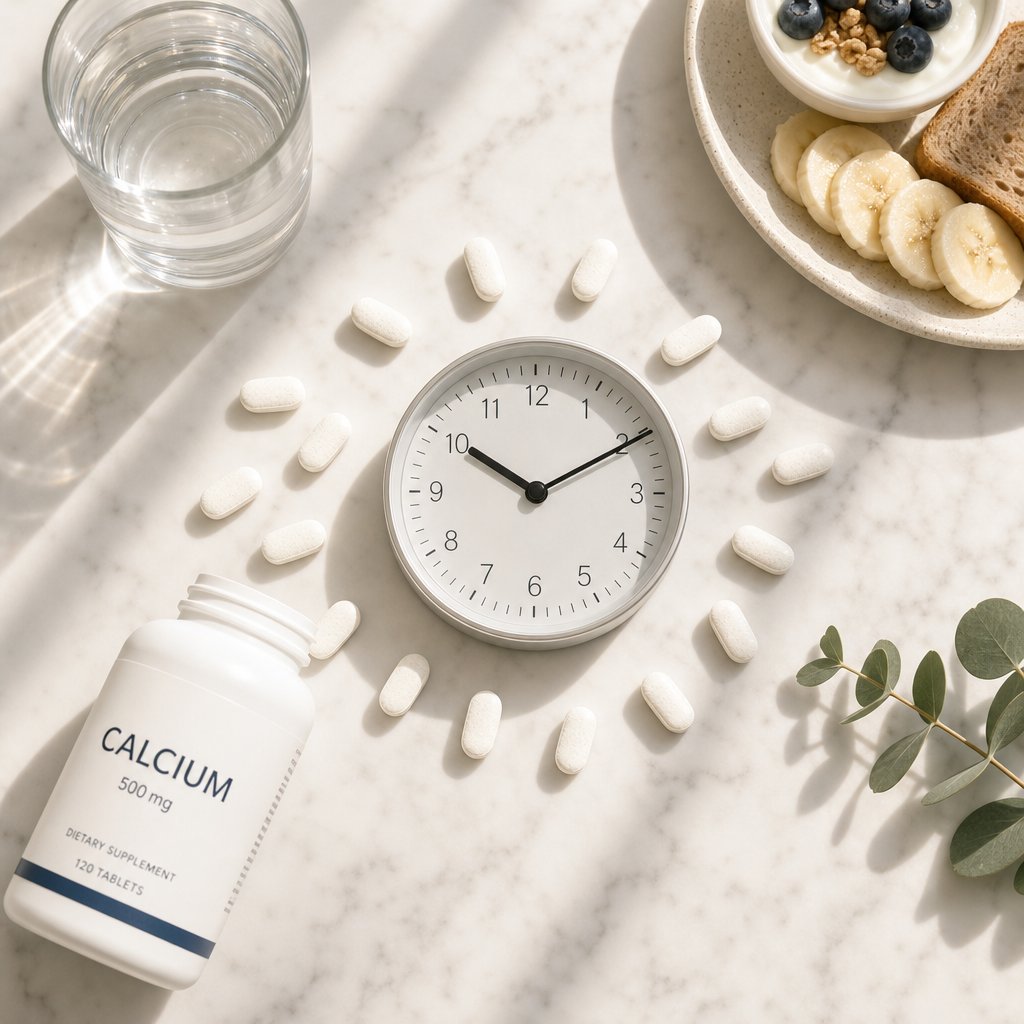


Yes, Iron Tablets Can Cause Diarrhea
Can iron tablets cause diarrhea? The short answer is yes. Diarrhea is a recognized gastrointestinal side effect of oral iron supplementation, and it affects a meaningful number of users. If you started taking iron and noticed loose stools or urgency within a few days, you are not imagining things and you are not alone.
The Short Answer About Iron and Diarrhea
Most conversations about iron supplement side effects focus on constipation, dark stools, and nausea. Diarrhea gets far less attention, yet clinical data confirm it is equally real. An analysis of the FDA Adverse Event Reporting System (FAERS) documented diarrhea among the top reported gastrointestinal adverse events for multiple oral iron preparations, with certain formulations showing particularly strong reporting signals. The side effects of iron supplements vary from person to person, and your gut's response depends on factors like the type of iron you take, your dose, and your individual biology.
Here is what matters: diarrhea from iron does not automatically mean you need to stop treatment. It often means you need a different strategy, whether that involves adjusting your dose, switching formulations, or changing when you take your tablet. The side effects of iron tablets are manageable in most cases once you understand what is driving them.
What This Guide Covers
This guide goes beyond generic advice. You will find the biochemical explanation for why iron causes diarrhea in some people, a ranked comparison of iron forms by diarrhea risk, dosage thresholds that trigger symptoms, population-specific risk factors (pregnancy, IBS, concurrent medications), and a step-by-step decision framework for resolving the problem without abandoning your treatment.
Diarrhea from iron is usually manageable with simple adjustments to timing, dose, or formulation. However, it can occasionally signal a more serious reaction, such as iron overdose or an allergic response, that requires immediate medical attention.
Whether you are dealing with iron pills side effects right now or trying to prevent them before starting supplementation, the sections ahead give you the science and the practical tools to handle it. Can iron supplements cause diarrhea without meaning something is seriously wrong? In most cases, yes. But knowing the difference between a nuisance side effect and a warning sign is critical, and that distinction is exactly where this guide starts.
How Unabsorbed Iron Triggers Diarrhea in Your Gut
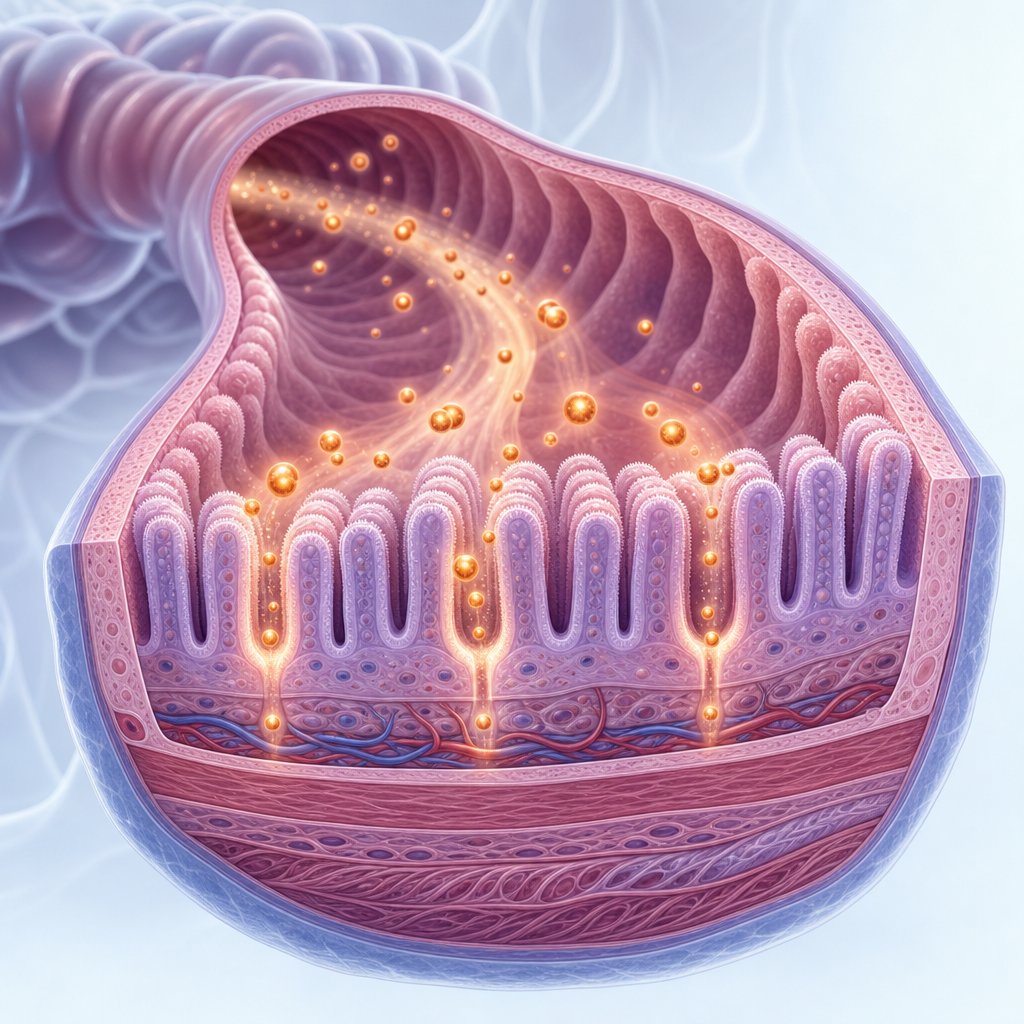
You swallow an iron tablet expecting it to replenish your stores. But here is the uncomfortable reality: your body can only absorb a fraction of what you take in. A standard ferrous sulfate tablet delivers about 65 mg of elemental iron, yet the maximum your intestines can absorb under even severe deficiency conditions is roughly 25 mg per day. Under normal circumstances, daily absorption sits closer to 1-2 mg. That leaves the vast majority of supplemental iron, often 80-90%, unabsorbed and traveling through your gastrointestinal tract. What happens to that surplus iron explains why it can cause diarrhea in some people and constipation in others.
Unabsorbed Iron and Osmotic Effects in the Colon
When unabsorbed ferrous iron reaches the lower intestine, it does not simply pass through quietly. Iron is a pro-oxidant, meaning it readily donates and accepts electrons. In the intestinal lumen, free iron participates in the Fenton reaction, where ferrous iron (Fe2+) reacts with hydrogen peroxide to generate hydroxyl radicals and other reactive oxygen species (ROS). Research published in Microbiology Research confirms that this process causes oxidative stress to intestinal cells, damaging membrane proteins, triggering lipid peroxidation, and compromising tight junction proteins between mucosal enterocytes.
Imagine your intestinal lining as a protective barrier. When ROS damage that barrier, the result is mucosal inflammation, increased intestinal motility, and elevated fluid secretion into the bowel. Your colon responds to the irritant by pushing contents through faster and drawing more water into the lumen. The outcome is osmotic diarrhea: loose, watery stools driven by your gut's attempt to flush out the offending substance.
This mechanism is fundamentally different from how iron causes constipation. In constipation-prone individuals, iron interacts with gut bacteria (particularly methanogenic archaea) and forms compounds that slow transit time. Iron diarrhea, by contrast, results from direct chemical irritation that speeds everything up.
Why Diarrhea Happens Instead of Constipation
If the same unabsorbed iron can cause opposite reactions, what determines which one you get? Several factors tip the balance:
- Gut microbiome composition - Individuals with higher populations of methanogenic species tend toward constipation because methane gas slows intestinal transit. Those with fewer methanogens and more Proteobacteria may experience the inflammatory, diarrhea-promoting pathway instead. Research on iron and the gut microbiota shows that high-dose iron supplementation increases Proteobacteria while reducing beneficial species like Akkermansia and Faecalibacterium, both of which help maintain gut barrier integrity.
- Existing motility patterns - If your baseline gut transit is already fast (common in people with IBS-D or naturally active bowels), the added irritation from iron pushes you toward diarrhea rather than constipation.
- Iron form and dose - Ferrous salts like ferrous sulfate are more soluble and reactive in the gut lumen, generating more ROS. Higher doses overwhelm absorption capacity, leaving more free iron to irritate the colon.
- Microbiota disruption - Iron supplementation promotes the growth of pathogenic species such as Escherichia and Salmonella while decreasing protective Lactobacilli. This shift can destabilize the gut environment and contribute to iron diarrhea.
The relationship between iron and diarrhea is not random. It reflects your unique gut biology responding to a chemical stressor in a predictable way.
Diarrhea as a Side Effect vs. a Warning Sign
Most iron supplement diarrhea is a nuisance, not a danger. You might notice looser stools, mild cramping, or increased frequency within the first few days of starting supplementation. This type of diarrhea from iron supplements is your gut reacting to the oxidative irritation described above, and it often improves with dose or timing adjustments.
However, certain patterns of diarrhea signal something more serious. You need to distinguish between common GI irritation and signs of iron overdose or allergic reaction. Clinical data from Medscape's toxicology review notes that ingestion exceeding 20 mg/kg of elemental iron can produce GI toxicity, while doses above 60 mg/kg may be lethal.
Seek immediate medical attention if you experience any of the following:
- Black watery diarrhea (distinct from the normal dark stools iron causes, this suggests GI bleeding)
- Severe abdominal pain that worsens progressively
- Vomiting blood or material that looks like coffee grounds
- Diarrhea accompanied by fever, rapid heartbeat, or dizziness
- Signs of allergic reaction: hives, swelling of the face or throat, difficulty breathing
- Diarrhea in a child who may have accidentally ingested iron tablets
Up to 60% of people taking oral iron report gastrointestinal side effects overall, with diarrhea specifically affecting approximately 8.3% of oral iron users based on comparative data from clinical trials. These numbers confirm that diarrhea from iron is common enough to warrant attention but not so universal that it should be accepted without exploring solutions.
Understanding the mechanism gives you leverage. The oxidative damage and microbiome disruption driving your symptoms are dose-dependent and formulation-dependent, which means they respond to strategic changes. The question is not just whether iron can cause diarrhea but which specific factors in your situation are making it worse, and that depends heavily on the type of iron you are taking.
Why Some People Get Diarrhea While Others Get Constipated
Ask ten people about iron side effects and most will mention constipation. So when you experience the opposite, loose stools or urgency, it can feel confusing. Does iron make you constipated, or does it cause diarrhea? The answer is both, depending on who you are. The same unabsorbed iron that slows transit in one person accelerates it in another. Your individual biology determines which side of this paradox you land on.
Individual Factors That Determine Your Response
Your gut does not exist in a vacuum. Several overlapping variables dictate whether can iron pills cause diarrhea or constipation in your specific case:
- Gut transit time - People with naturally faster baseline motility are predisposed to diarrhea. If your bowels already move quickly, the added irritation from unabsorbed iron tips you further toward loose stools rather than slowing things down.
- Microbiome diversity - As discussed in the previous section, your microbial profile matters. Individuals with higher methanogenic archaea populations tend toward constipation because methane gas slows peristalsis. Those with lower methanogen counts and higher Proteobacteria levels are more likely to experience the inflammatory, diarrhea-promoting response to luminal iron.
- Hydration status - Dehydration concentrates iron in the colon and reduces the fluid available to buffer its oxidative effects. Paradoxically, well-hydrated individuals may experience more watery stools because there is more fluid for the colon to secrete when irritated.
- Dietary fiber intake - Soluble fiber absorbs water and adds bulk, which can buffer the osmotic effects of unabsorbed iron. Low-fiber diets leave the colon more vulnerable to iron-induced fluid shifts.
- Concurrent medications - Proton pump inhibitors (PPIs) and antacids reduce stomach acid, which impairs iron absorption and sends more unabsorbed iron to the colon. Antibiotics alter the microbiome in ways that increase GI sensitivity. If you are on these medications, can iron supplements cause loose stools? The probability goes up significantly.
- Existing GI conditions - People with IBS-D, inflammatory bowel disease, or celiac disease have compromised mucosal barriers. Their intestinal lining is already sensitized, so the oxidative stress from iron produces a stronger diarrheal response.
This explains why your friend might tolerate the same iron tablet that sends you running to the bathroom. Can iron tablets make you constipated instead? Absolutely, if your microbiome, transit time, and fiber intake favor that pathway. Neither response is abnormal. They are simply different expressions of the same underlying problem: too much unabsorbed iron interacting with your gut.
The Role of Iron Dose and Absorption Rate
Here is where things get counterintuitive. You might assume that taking iron with food would reduce diarrhea because it feels gentler on the stomach. Food does reduce nausea and upper GI discomfort, but it also decreases iron absorption by roughly 40%. That means more unabsorbed iron reaches your colon, potentially worsening lower GI symptoms like diarrhea.
The same logic applies to other absorption inhibitors. Calcium, tannins from tea, and polyphenols from coffee all reduce how much iron your body takes up. Each ferrous sulfate tablet contains about 65 mg of elemental iron, but your body can absorb a maximum of around 25 mg even under severe deficiency. When absorption is further reduced by food or competing nutrients, the surplus iron reaching the colon increases, and so does the irritation.
Higher doses compound the problem. Do iron supplements cause constipation or diarrhea at standard doses? Clinical guidance traditionally recommended 195 mg of elemental iron daily (three ferrous sulfate tablets), but emerging research shows that simply increasing the dose does not increase the amount absorbed and can lead to gut inflammation. The excess overwhelms your absorptive capacity, flooding the colon with reactive iron. For diarrhea-prone individuals, this dose-dependent relationship is the key lever to pull.
Timeline of Symptoms
When does iron-related diarrhea typically appear? Most people notice changes within 1-3 days of starting supplementation. The onset is fast because unabsorbed iron begins irritating the colon with the very first dose. You do not need to accumulate iron over weeks for the effect to kick in.
The more important question is whether your body adapts. Some users report improvement after 1-2 weeks as their gut microbiome adjusts and mucosal defenses upregulate. Others see no improvement at all, particularly if their dose remains high or they have pre-existing GI sensitivity.
If diarrhea persists beyond 2 weeks without improvement despite consistent supplementation, your body is unlikely to adapt on its own. This is the signal to change your approach rather than wait it out.
Persistent diarrhea beyond the 2-week mark suggests one of two things: either the dose is too high for your absorptive capacity, or the iron formulation itself is too reactive for your gut. Can taking iron cause diarrhea indefinitely? It can, if nothing changes. But the timeline gives you a clear decision point. Mild symptoms in week one warrant patience. Unchanged or worsening symptoms by week three warrant action, and that action starts with understanding which iron forms carry the highest risk.
Iron Supplement Forms Ranked by Diarrhea Risk
Not all iron supplements punish your gut equally. The form of iron inside your tablet, capsule, or liquid determines how much free iron reaches your colon and how aggressively it irritates the lining. Choosing the right formulation can mean the difference between tolerating treatment and abandoning it.
Common Iron Supplement Forms Explained
When you compare ferrous gluconate vs sulfate, or weigh chelated iron against standard salts, you are really comparing how each form behaves once it hits your digestive tract. Here is what you need to know about each one:
- Ferrous sulfate - The most commonly prescribed form. A standard 325 mg tablet delivers about 65 mg of elemental iron. It is cheap and effective at raising hemoglobin, but its high reactivity in the gut lumen produces significant oxidative stress. A systematic review in PLoS One found that ferrous sulfate causes GI side effects so severe that 40-50% of users stop taking it.
- Ferrous gluconate - Delivers roughly 35 mg of elemental iron per 325 mg tablet. Lower elemental iron per dose means less surplus reaching the colon. Generally better tolerated than sulfate, though still an ionic salt that can irritate sensitive guts.
- Ferrous bisglycinate (iron glycinate) - A chelated iron form where iron is bound to two glycine amino acid molecules. This structural difference changes how it is absorbed and dramatically reduces free iron in the intestinal lumen.
- Polysaccharide iron complex - A non-ionic form where iron is bound within a polysaccharide shell. It releases iron more slowly and produces less direct oxidative contact with the mucosal lining.
- Liquid iron formulations - Available in various salt forms (typically ferrous gluconate or iron protein succinylate). Liquid iron side effects tend to mirror the underlying salt used, but the liquid format allows precise dose titration, which helps diarrhea-prone individuals find their tolerance threshold.
Diarrhea Risk Comparison Table
The table below ranks common iron forms from highest to lowest diarrhea risk, based on clinical trial data and tolerability reviews:
| Iron Form | Elemental Iron per Typical Dose | Bioavailability | Diarrhea Risk | Constipation Risk | Best For |
|---|---|---|---|---|---|
| Ferrous sulfate | 65 mg (from 325 mg tablet) | Good (10-15%) | High | High | Severe deficiency, budget-conscious users |
| Ferrous fumarate | 106 mg (from 325 mg tablet) | Good (10-15%) | Moderate-High | High | Severe deficiency when higher elemental dose needed |
| Ferrous gluconate | 35 mg (from 325 mg tablet) | Good (10-15%) | Moderate | Moderate | Mild-moderate deficiency, those intolerant to sulfate |
| Liquid iron (various salts) | Variable (dose-adjustable) | Depends on salt form | Low-Moderate | Low-Moderate | Dose titration, children, swallowing difficulties |
| Polysaccharide iron complex | 50-150 mg (varies by product) | Moderate | Low | Low | GI-sensitive individuals, maintenance dosing |
| Ferrous bisglycinate chelate | 25-50 mg (typical supplement dose) | Excellent (2-3x higher than sulfate) | Low | Low | GI-sensitive, IBS, pregnancy, long-term use |
A clinical comparison published in Canadian Family Physician found that in children, ferrous sulfate caused less diarrhea than polysaccharide iron complex (35% vs 58%) in one trial, though it produced more nausea in adults. These mixed results highlight that diarrhea risk depends on the interaction between formulation, dose, and individual gut biology rather than formulation alone. What remains consistent across studies is that chelated forms like ferrous bisglycinate chelate produce the fewest overall GI complaints.
What Chelated Iron Means for Your Gut
Chelated iron works differently at the molecular level. In ferrous bisglycinate, the iron atom is bonded to two glycine molecules, forming a stable ring structure that protects the iron from reacting with other compounds in the gut lumen. This matters for diarrhea risk in two ways.
First, the chelate structure prevents free iron from participating in Fenton reactions as it travels through your intestines. Less reactive oxygen species means less mucosal irritation, less inflammatory signaling, and less osmotic fluid secretion. Your colon simply encounters less chemical aggression.
Second, chelated iron uses a partially different absorption pathway. Research from a 2019 study in Nutrients using DMT1-knockout intestinal cells found that iron from ferrous bisglycinate is primarily transported via DMT1, the same transporter used by inorganic iron, but the chelate structure enhances uptake efficiency. Higher bioavailability, estimated at 2-3x that of ferrous sulfate at equivalent doses, means a larger proportion of the iron you swallow actually enters your bloodstream rather than continuing to the colon.
The practical result: you can take a lower dose of iron glycinate and achieve comparable iron repletion to a higher dose of ferrous sulfate, with far less unabsorbed iron irritating your lower GI tract. For anyone whose primary complaint is diarrhea, this trade-off between formulation cost and gut comfort is often worth making.
Formulation choice sets the baseline for your GI experience, but it is only one variable. How much you take, when you take it, and whether you dose daily or on alternate days all interact with your chosen form to determine whether diarrhea persists or resolves.

Dosage Thresholds, Timing, and the Alternate-Day Strategy
Choosing a gentler iron form helps, but it is only half the equation. How much iron you take per sitting and when you take it determine how much unabsorbed iron floods your colon at any given time. Get the dose and timing wrong, and even a well-tolerated formulation can trigger diarrhea. Get them right, and you may resolve your symptoms without switching products at all.
Dosage Thresholds and Diarrhea Severity
The traditional approach to iron deficiency anemia was aggressive: ferrous sulfate 325 mg (containing roughly 65 mg elemental iron) taken two or three times daily, totaling 130-195 mg of elemental iron per day. Can too much iron cause diarrhea at these doses? Absolutely. Your intestines can absorb a maximum of about 25 mg of elemental iron per dose under severe deficiency, and far less under normal conditions. A single 65 mg dose already overwhelms absorptive capacity, leaving 40+ mg of reactive iron to irritate your colon. Triple that dose across the day, and you are flooding your lower GI tract with oxidative stress on a continuous basis.
Emerging clinical guidance has shifted away from this high-dose paradigm. A 2025 expert consensus from the Iron Consortium at Oregon Health & Science University concluded that lower, less frequent dosing reduces GI adverse effects without compromising hematologic outcomes. Guidelines from both the American College of Gastroenterology and the European Hematology Association now reflect this shift, recommending strategies that prioritize tolerability and adherence over raw dose volume.
What does this mean practically? If you are experiencing diarrhea on a standard ferrous sulfate 325 mg dose, consider these adjustments:
- Split the dose - Instead of one 65 mg elemental iron tablet, take two 25 mg tablets at different times of day. Less iron per sitting means less surplus reaching the colon at once.
- Use a lower-dose tablet - Ferrous gluconate at 35 mg elemental iron per tablet, or a chelated form at 25 mg, may deliver enough iron for repletion while staying below your gut's irritation threshold.
- Reduce frequency - Taking one tablet daily instead of two or three cuts total unabsorbed iron proportionally. For mild-to-moderate deficiency, this slower approach still works.
Does too much iron cause diarrhea in a dose-dependent way? The evidence says yes. The relationship between dose and GI distress is not linear, but it is consistent: more unabsorbed iron in the colon means more oxidative irritation, more fluid secretion, and looser stools. Reducing the per-dose load is often the simplest first step for anyone wondering how to stop stomach pain from iron pills.
The Alternate-Day Dosing Strategy
Here is where the science gets interesting. Your body has a built-in regulatory system that limits how much iron it absorbs, and that system resets on a predictable schedule. Understanding this cycle opens up a dosing strategy that improves both absorption efficiency and gut comfort.
The key player is hepcidin, a hormone produced by your liver that acts as the gatekeeper for iron absorption. After you take an oral iron dose of 60 mg or more, hepcidin levels spike within 8 hours and remain elevated for approximately 24 hours. While hepcidin is elevated, it degrades ferroportin, the only transporter that moves absorbed iron from intestinal cells into your bloodstream. The result: a second iron dose taken the next day faces a partially closed gate, reducing absorption by 35-45% compared to the first dose.
This is not just a theoretical concern. A double-blind, randomized controlled trial published in eClinicalMedicine (n=150 iron-depleted women) directly compared consecutive-day versus alternate-day dosing of 100 mg iron as ferrous sulfate. The findings were striking: at equal total iron doses, alternate-day dosing achieved comparable serum ferritin levels (44.8 vs 43.8 mcg/L, P=0.98) while triggering significantly fewer GI side effects. The longitudinal prevalence ratio for all GI symptoms on days of iron intake was 1.56 in the consecutive-day group compared to alternate-day (P<0.0001), meaning daily dosing produced 56% more side effect days. Stomach pain showed the largest difference, occurring 2.5 times more frequently with daily dosing.
A 2025 systematic review and meta-analysis pooling 11 randomized trials (N=1,014) confirmed these findings: pooled mean hemoglobin values were similar for daily dosing (12.84 g/dL) and alternate-day dosing (12.52 g/dL), with no significant difference in serum ferritin, transferrin saturation, or other iron indices between groups. Newer randomized trials from 2025 further demonstrated that alternate-day regimens produced fewer GI adverse effects (9% vs 45% in one trial; 20% vs 60% in another) without compromising adherence or hemoglobin response.
The logic is straightforward: by waiting 48 hours between doses, you allow hepcidin to normalize, which means a higher percentage of your next dose actually gets absorbed. More absorbed iron means less unabsorbed iron irritating your colon. You get better efficiency and fewer symptoms from the same total amount of iron, just spread over a longer timeline. For anyone whose primary barrier to treatment is GI distress, this trade-off is favorable.
Timing Trade-Offs That Affect Your Gut
When is the best time to take iron pills? The answer depends on whether you are optimizing for absorption or for comfort, because those two goals often conflict. A study from ETH Zurich using stable iron isotopes in iron-deficient women quantified these trade-offs precisely:
- Empty stomach in the morning (best absorption, worst GI tolerance) - This is the gold standard for maximizing iron uptake. Fractional iron absorption is highest when no food competes for binding sites and stomach acid is undiluted. However, this is also when your gut lining faces the full oxidative impact of unabsorbed iron with no buffering. If diarrhea is your problem, this approach may make it worse.
- With food (reduced absorption by ~40-66%, better upper GI tolerance) - Food buffers the direct irritation to your stomach and reduces nausea, but it significantly decreases absorption. The ETH Zurich data showed that taking iron with breakfast and coffee reduced absorption by 66% compared to taking it with water alone. More unabsorbed iron reaches the colon, which can paradoxically worsen diarrhea even though your stomach feels better.
- With vitamin C (enhanced absorption without worsening GI effects) - Ascorbic acid at 80 mg increased fractional iron absorption by 30% in the same study. Consuming iron with orange juice rather than with coffee and breakfast resulted in approximately 4-fold greater absorption, providing roughly 20 more mg of absorbed iron per 100 mg dose. More iron absorbed means less iron left to irritate the colon, making this the best compromise for diarrhea-prone individuals.
- Morning vs. afternoon dosing - Serum hepcidin was significantly higher in the afternoon (P<0.001), and fractional iron absorption was 37% lower compared to morning dosing. Taking iron in the morning captures the natural hepcidin trough, maximizing absorption and minimizing colonic iron exposure.
The practical takeaway for diarrhea-prone individuals: take your iron in the morning with a glass of orange juice or another vitamin C source, away from coffee and heavy meals. This combination maximizes the proportion of iron that enters your bloodstream rather than continuing to your colon. If you still need food for comfort, a small vitamin C-rich snack (a few strawberries, a kiwi, a small glass of citrus juice) provides buffering without the heavy absorption penalty of a full meal.
Can too much iron give you diarrhea even with perfect timing? It can, if the dose itself exceeds your absorptive ceiling. That is why timing and dose work together. Alternate-day dosing at a moderate dose, taken in the morning with vitamin C, represents the current evidence-based sweet spot: it respects your body's hepcidin cycle, maximizes absorption per dose, and minimizes the colonic iron load that drives diarrhea. For many people, this combination resolves symptoms entirely without requiring a formulation switch.
But dose and timing adjustments assume a relatively healthy gut. When pregnancy hormones alter motility, when medications change your microbiome, or when existing GI conditions compromise your mucosal barrier, the threshold for iron-induced diarrhea drops considerably, and the population-specific factors that amplify your risk deserve their own attention.
Who Is Most at Risk for Iron-Related Diarrhea
Your baseline gut health, hormonal status, and medication list all shift the threshold at which iron triggers diarrhea. Some populations face compounding factors that make GI distress almost inevitable at standard doses. If you fall into one of these groups, understanding why your risk is elevated helps you advocate for a tailored approach rather than accepting discomfort as the cost of treatment.
Pregnant Women and Iron-Related GI Distress
Pregnancy already disrupts normal gut function. Rising progesterone relaxes smooth muscle throughout the GI tract, slowing motility in some women while making others more reactive to irritants. The growing uterus compresses the intestines, and hormonal shifts alter microbiome composition. Layer iron supplementation on top of this, commonly prescribed at 30-60 mg elemental iron daily from the 20th week onward, and GI complaints become nearly universal.
Here is what makes the picture complicated for iron pills for women during pregnancy: a randomized double-blind placebo-controlled trial comparing ferrous sulfate (50 mg daily) to placebo in 176 pregnant women found no significant difference in GI complications between groups at either 24-28 or 32-36 weeks of gestation. The researchers concluded that GI symptoms in pregnant women using ferrous sulfate are mostly caused by physiologic changes of pregnancy rather than the iron itself. This means that if you are pregnant with green poop or experiencing diarrhea, the iron may not be the sole culprit. Pregnancy hormones alone can produce identical symptoms.
That said, dose matters. The same study used a relatively low 50 mg dose. Other research comparing daily versus weekly iron in pregnancy found that daily dosing at 60 mg produced significantly more GI complications than weekly dosing (17% vs 6%). Higher doses prescribed for confirmed anemia (often 120-200 mg elemental iron daily) carry substantially greater diarrhea risk because they overwhelm the already-compromised absorptive capacity of the pregnant gut.
One reassuring note: green stool in pregnancy from iron is completely normal and not a sign of harm. Iron supplements green stool is caused by unabsorbed iron oxidizing as it passes through the intestines. If you notice green poop while pregnant and you are taking iron, this color change is expected and harmless. It only becomes concerning if stools are black and tarry (suggesting upper GI bleeding) or accompanied by severe pain.
Children, Elderly, and Sensitive Populations
Iron supplements for kids present unique challenges. Children have developing GI systems with less robust mucosal barriers, and they are more susceptible to iron's oxidative effects at lower absolute doses. Liquid iron formulations allow precise dose titration for pediatric patients, but even small excesses relative to body weight can trigger diarrhea or cramping. Accidental iron ingestion in children remains a medical emergency, as pediatric GI tracts are far more vulnerable to iron toxicity.
Elderly patients face a different set of compounding factors. Polypharmacy is common, and many medications taken by older adults (PPIs, NSAIDs, antibiotics) directly interact with iron absorption or gut integrity. Reduced stomach acid production with aging impairs iron absorption, sending more unabsorbed iron to the colon. Can low iron cause diarrhea in the elderly? Interestingly, yes. The underlying conditions causing iron deficiency, such as celiac disease, IBD, or GI malignancies, often produce diarrhea independently. Clinical reviews note that approximately two-thirds of IBD patients have anemia at diagnosis, and 12-82% of celiac patients present with concurrent anemia. These patients face a double burden: the disease causes diarrhea, and the iron prescribed to treat the resulting anemia can worsen it.
People with IBS, IBD, or celiac disease have compromised mucosal barriers that amplify iron's irritant effects. Their intestinal lining is already inflamed, meaning the oxidative stress from unabsorbed iron meets less resistance. For these populations, standard ferrous sulfate is often intolerable, and intravenous iron or highly bioavailable chelated forms become necessary alternatives.
Drug Interactions That Worsen Iron-Related Diarrhea
Your medication list can quietly sabotage iron tolerance. Several commonly prescribed drugs alter either iron absorption or gut sensitivity in ways that increase diarrhea risk. These interactions are under-discussed in standard iron counseling:
- PPIs and antacids (omeprazole, pantoprazole, calcium carbonate) - These reduce stomach acid, which is essential for converting ferric iron to the absorbable ferrous form. Less absorption means more iron reaching the colon. PPIs can reduce iron absorption significantly, compounding the colonic iron load that drives diarrhea.
- Antibiotics (tetracyclines, fluoroquinolones) - Iron binds to these medications, reducing both antibiotic and iron effectiveness. More critically, antibiotics disrupt the gut microbiome, reducing protective Lactobacilli and increasing populations of pathogenic bacteria that amplify GI sensitivity to iron.
- Thyroid medications (levothyroxine) - Iron must be taken at least 4 hours apart from levothyroxine to avoid absorption interference. This timing constraint often forces patients to take iron at suboptimal times (afternoon, with food), which reduces absorption and increases colonic iron exposure.
- NSAIDs (ibuprofen, naproxen) - Both iron and NSAIDs irritate the GI lining independently. Together, they compound mucosal damage. NSAIDs also increase the risk of GI bleeding, which can worsen iron deficiency and create a cycle of higher iron doses and greater GI distress.
If you are taking any of these medications alongside iron, the standard advice to simply "take iron on an empty stomach" may not be realistic or safe. Work with your healthcare provider to map out a timing schedule that respects all drug interactions while minimizing the window where unabsorbed iron accumulates in your colon. In many cases, switching to a more bioavailable iron form reduces the total colonic iron load enough to break the cycle, even when timing constraints remain tight.
Knowing your risk category is the first step. The next is knowing exactly what to do about it, in what order, and when to escalate from self-management to professional intervention.

Practical Steps to Reduce or Eliminate Iron-Induced Diarrhea
You know your risk factors. You understand the mechanism. The question now is straightforward: how do you stop diarrhea when taking iron tablets without abandoning the treatment your body needs? The answer is a sequential approach, starting with the simplest adjustments and escalating only if symptoms persist. Most people find relief within the first two or three steps.
Step-by-Step Protocol to Reduce Iron-Induced Diarrhea
Think of this as a troubleshooting ladder. Start at step one and move down only if the previous change does not resolve your symptoms within 5-7 days:
- Take iron with a small meal containing vitamin C - A few strawberries, a kiwi, or a small glass of orange juice buffers your stomach while enhancing absorption. More iron absorbed means less iron irritating your colon. Avoid large meals, dairy, coffee, or tea within 2 hours, as these reduce absorption and worsen the colonic iron load.
- Split your dose into two smaller amounts - If you are taking 65 mg elemental iron at once, try two 25-30 mg doses separated by several hours. Less iron per sitting keeps you below the irritation threshold that triggers fluid secretion.
- Switch to alternate-day dosing - Take your full dose every 48 hours instead of daily. This respects the hepcidin cycle, improves absorption efficiency per dose, and reduces GI side effect days by over 50% compared to consecutive-day dosing.
- Try a different iron form - Switch from ferrous sulfate to ferrous bisglycinate or ferrous gluconate. Chelated forms produce less oxidative stress in the gut lumen and achieve comparable repletion at lower doses due to higher bioavailability.
- Consider a slow-release or liquid formulation - Liquid iron allows precise dose titration to find your personal tolerance ceiling. Slow-release formats distribute iron delivery across a longer GI transit window, though research shows they may have lower overall absorption than conventional-release tablets.
- Consult your healthcare provider - If diarrhea with iron tablets persists beyond 2 weeks despite trying the steps above, professional evaluation is warranted. Your provider can assess whether intravenous iron, a different oral formulation, or investigation of an underlying GI condition is appropriate.
This protocol works because each step targets a different variable in the diarrhea equation. Step one reduces colonic iron exposure through better absorption. Step two lowers per-dose irritation. Step three exploits hormonal timing. Steps four and five change the chemical nature of the iron itself. Most people experiencing iron pills diarrhea find their solution somewhere in steps one through four without needing medical escalation.
Choosing a Gentler Iron Formulation
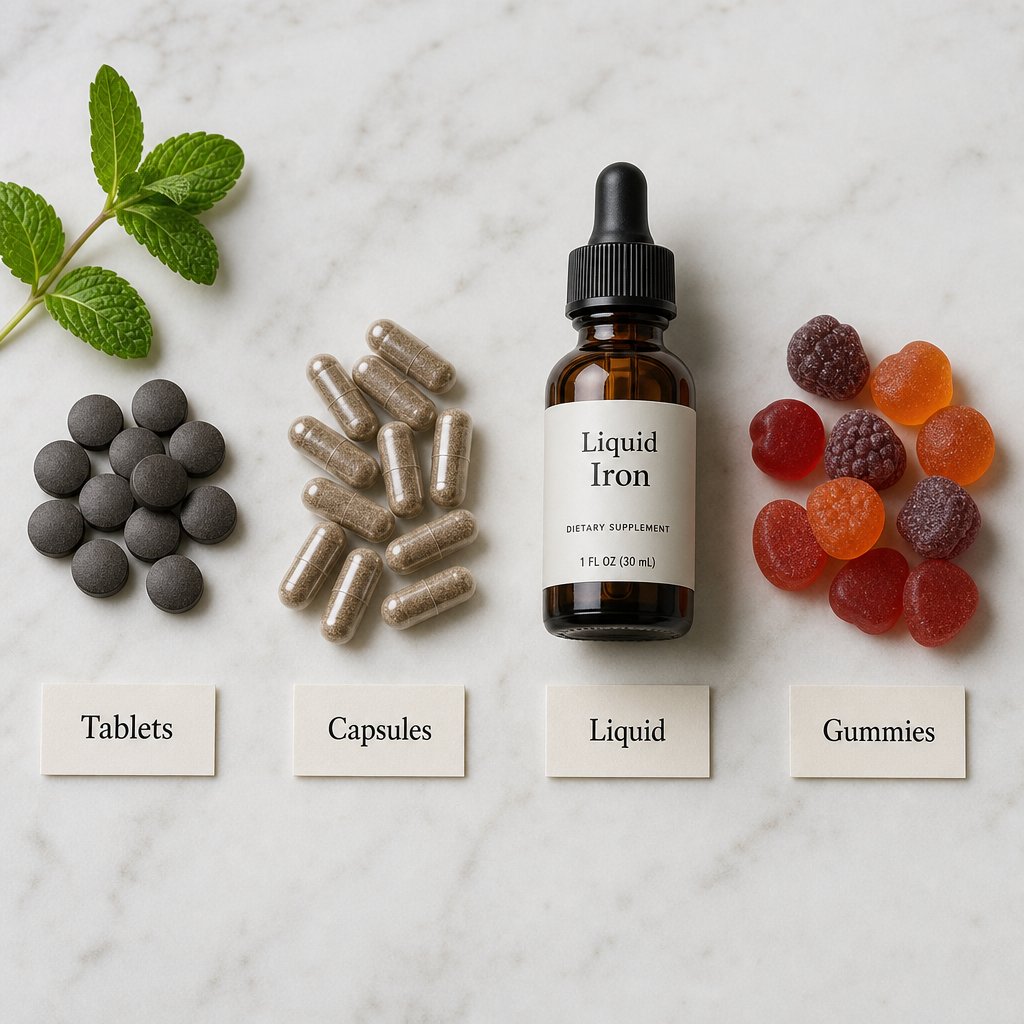
Can iron supplements upset your stomach even at low doses? They can, if the formulation itself is highly reactive. Formulation science has advanced considerably beyond basic ferrous salts, and the delivery format, whether tablet, capsule, liquid, or gummy, affects where and how iron is released in your GI tract.
Tablets dissolve primarily in the stomach under acidic conditions. A study comparing oral iron preparations found that conventional-release ferrous sulfate tablets dissolved in 48 minutes under gastric conditions, while modified-release capsules took over 270 minutes. This dissolution profile determines whether iron is released high in the GI tract (where absorption occurs) or lower down (where it causes irritation). Hard capsules and enteric-coated tablets shift dissolution further along the intestine, which can reduce upper GI nausea but may increase lower GI symptoms if iron is released past the primary absorption zone in the duodenum.
Liquid formulations sidestep the dissolution variable entirely. Iron is already in solution, available for immediate absorption in the duodenum. This makes liquids particularly useful for dose titration: you can start at a very low dose and increase gradually until you find the threshold where iron tablets causing diarrhea becomes a non-issue.
Gummy formats use a food-matrix approach that slows iron release and pairs it with absorption enhancers built into the formulation. For nutrition brands, supplement importers, and private label sellers developing iron products with reduced GI side effects, the choice of delivery format is as important as the iron salt itself. Partnering with experienced manufacturers who offer customized formulation across multiple formats is essential to creating products that consumers can actually tolerate. ZhuFeng's OEM/ODM health food manufacturing services provide flexible product formats including tablets, hard capsules, soft capsules, liquid iron, and gummy candy, enabling brands to develop gentler iron formulations with optimized dissolution and absorption profiles through scalable, customized production.
Dietary Adjustments That Help
Beyond supplementation strategy, what you eat alongside iron influences whether diarrhea and iron tablets remain a problem or fade into the background:
- Pair iron with vitamin C-rich foods - Citrus fruits, bell peppers, kiwi, and tomatoes enhance absorption by converting ferric iron to the more absorbable ferrous form. Vitamin C also counteracts absorption inhibitors like phytates and polyphenols, meaning more iron enters your bloodstream and less reaches the colon.
- Avoid dairy and coffee within 2 hours of your dose - Calcium in dairy and polyphenols in coffee and tea bind iron in the gut, reducing absorption by up to 60-66%. This leaves more unabsorbed iron to trigger the oxidative cascade that produces diarrhea.
- Increase soluble fiber intake - Oatmeal, bananas, psyllium husk, and cooked apples absorb excess water in the colon and add bulk to stools. Soluble fiber acts as a physical buffer against the osmotic effects of unabsorbed iron, helping normalize stool consistency without affecting iron absorption.
- Stay well-hydrated - Diarrhea depletes fluids rapidly. Adequate water intake supports mucosal integrity and prevents the dehydration that can concentrate irritants in the colon.
- Consider probiotic-rich foods - Yogurt, kefir, and fermented vegetables help maintain Lactobacilli populations that iron supplementation tends to deplete. A healthier microbiome is more resilient against iron's disruptive effects.
These dietary strategies work synergistically with the dosing protocol above. Vitamin C improves absorption (reducing colonic iron), fiber buffers the colon, and probiotics stabilize the microbiome. Together, they address the three mechanisms driving iron supplements and diarrhea: oxidative irritation, osmotic fluid shifts, and microbial disruption.
For most people, combining two or three of these strategies resolves the problem entirely. But what if it does not? How to stop iron tablets causing diarrhea when you have already tried the gentle approaches requires a more structured decision framework, one that tells you exactly when to switch forms, when to lower your dose further, and when the situation calls for professional intervention.
When to Switch Iron Forms, Lower Your Dose, or See a Doctor
You have adjusted your timing, tried alternate-day dosing, and paired your tablet with vitamin C. If diarrhea after taking iron still persists, you need a clear decision framework rather than more trial and error. The table below maps each scenario to a specific action so you know exactly when to wait, when to switch, and when to seek help.
A Decision Framework for Managing Iron and Diarrhea
Do iron tablets cause diarrhea that always requires intervention? Not necessarily. Severity, duration, and accompanying symptoms determine the appropriate response. Use this matrix to guide your next step:
| Situation | Recommended Action | Rationale |
|---|---|---|
| Mild diarrhea during the first week | Wait and monitor; continue current dose | Many users adapt within 7-14 days as the gut microbiome adjusts to supplemental iron |
| Persistent diarrhea beyond 2 weeks | Switch iron form (e.g., ferrous bisglycinate) or reduce dose and adopt alternate-day dosing | Continued symptoms indicate your absorptive capacity cannot handle the current formulation or dose |
| Severe diarrhea with cramping or nausea | Consult your healthcare provider; consider intravenous iron | Severe GI distress compromises adherence and quality of life; IV iron bypasses the gut entirely |
| Black watery diarrhea with vomiting | Seek immediate emergency care | May indicate iron overdose toxicity or upper GI bleeding; potentially life-threatening |
| Diarrhea with hives, facial swelling, or breathing difficulty | Discontinue iron immediately and seek emergency care | Allergic or hypersensitivity reaction requiring urgent medical intervention |
This framework eliminates guesswork. Most people dealing with iron pills and diarrhea fall into the first two rows, where self-management strategies resolve the issue. The bottom three rows require professional involvement, and delaying that decision can be dangerous.
Switching Iron Forms Without Losing Effectiveness
A common concern: will iron supplements cause diarrhea with every formulation, or can switching actually solve the problem without sacrificing results? The evidence is reassuring. A randomized controlled trial comparing ferrous bisglycinate chelate (28 mg/day) to ferrous sulfate (105 mg/day) in iron-deficient patients found equivalent improvements in hemoglobin and ferritin after two months. Adverse events occurred in only 17% of the bisglycinate group versus 33% of the ferrous sulfate group, and all were mild (grade 1). Lower elemental iron content does not mean weaker treatment when bioavailability compensates.
Can ferrous sulfate cause diarrhea that other forms avoid? In many cases, yes. Ferrous bisglycinate delivers iron through a chelated structure that reduces free-radical generation in the gut lumen. Ferrous gluconate provides a lower elemental dose per tablet, naturally limiting colonic iron exposure. Either switch can maintain your hematologic progress while eliminating the GI burden that iron supplements cause diarrhea through.
For brands and supplement businesses developing iron products that minimize GI complaints, formulation choice is a market differentiator. ZhuFeng's OEM/ODM manufacturing services support formulation of chelated iron, iron bisglycinate, and combination products across multiple delivery formats including tablets, hard capsules, soft capsules, oral liquids, and gummy candy, helping create market-ready supplements designed for tolerability through scalable, customized production.
When Diarrhea Means Something More Serious
The side effects of iron pills are well-characterized and usually benign. But diarrhea and iron supplements do not always tell a simple story. Sometimes the diarrhea is not caused by the iron at all. Conditions like celiac disease, inflammatory bowel disease, microscopic colitis, and colorectal malignancies all produce diarrhea independently and often coexist with iron deficiency because they impair absorption or cause chronic blood loss. Clinical guidance from gastroenterology specialists recommends trying a maximum of two different oral iron preparations before escalating to intravenous supplementation or further investigation.
Persistent diarrhea that does not respond to formulation changes, dose reductions, or alternate-day dosing warrants medical evaluation to rule out underlying gastrointestinal conditions unrelated to iron supplementation.
Effective anemia treatment should not come at the cost of your quality of life. If you have worked through the decision framework above and still experience unresolved symptoms, your provider can order stool studies, celiac serology, or endoscopic evaluation to identify whether something beyond iron is driving the problem. The goal is not just to tolerate iron but to thrive on it, and that sometimes means looking deeper than the supplement itself.
Frequently Asked Questions About Iron Tablets and Diarrhea
1. How long does diarrhea from iron tablets usually last?
Most people notice diarrhea within 1-3 days of starting iron supplementation. For some, symptoms improve after 1-2 weeks as the gut microbiome adjusts. However, if diarrhea persists beyond 2 weeks without improvement, your body is unlikely to adapt on its own. At that point, changing your dose, switching to a gentler formulation like ferrous bisglycinate, or adopting alternate-day dosing is recommended rather than waiting it out.
2. Is diarrhea or constipation more common with iron supplements?
Constipation is more frequently discussed, but both are common GI side effects of oral iron. Approximately 60% of oral iron users report some form of gastrointestinal distress, with diarrhea affecting around 8.3% of users in clinical trials. Whether you experience diarrhea or constipation depends on your gut microbiome composition, baseline motility, iron form, and dose. People with faster gut transit or existing IBS-D tend toward diarrhea, while those with higher methanogenic bacteria populations lean toward constipation.
3. Can I take iron supplements on an empty stomach if they cause diarrhea?
Taking iron on an empty stomach maximizes absorption but can worsen GI irritation. A better compromise for diarrhea-prone individuals is taking iron with a small vitamin C-rich snack like a kiwi or a glass of orange juice. Research shows vitamin C increases iron absorption by about 30%, meaning more iron enters your bloodstream and less reaches the colon to cause irritation. Avoid taking iron with dairy, coffee, or large meals, as these reduce absorption and increase the colonic iron load.
4. What type of iron supplement is least likely to cause diarrhea?
Ferrous bisglycinate (chelated iron) consistently shows the lowest diarrhea risk in clinical studies. Its chelate structure prevents free iron from generating reactive oxygen species in the gut, and its higher bioavailability (2-3x that of ferrous sulfate) means less unabsorbed iron reaches the colon. Polysaccharide iron complex is another gentle option. For brands developing GI-friendly iron products, ZhuFeng's OEM/ODM manufacturing services (https://en.ahzfsw.com/service.html) offer customized formulation across tablets, capsules, liquids, and gummies to optimize tolerability.
5. When should I see a doctor about diarrhea from iron tablets?
Seek immediate medical attention if you experience black watery diarrhea (which may indicate GI bleeding or overdose), severe abdominal pain, vomiting blood, diarrhea with fever or rapid heartbeat, or signs of allergic reaction like hives or throat swelling. Schedule a routine appointment if diarrhea persists beyond 2 weeks despite trying alternate-day dosing, dose reduction, and formulation changes. Your provider may recommend intravenous iron or investigate underlying GI conditions that could be contributing to symptoms.