Yes, Protein Powder Can Cause Diarrhea and Here Is Why
Can protein powder cause diarrhea? Yes, and you are far from alone if it is happening to you. Digestive distress from protein supplements is one of the most common complaints among users, yet few people talk about it openly. Whether you have been dealing with urgent bathroom trips after your morning shake or loose stools that seem to follow every scoop, the problem is real, recognized, and most importantly, fixable.
Here is what most people get wrong: it is rarely the protein itself causing the issue. The culprits are usually hiding in the formula around it. Residual lactose in whey concentrate, sugar alcohols used as sweeteners, thickeners that ferment in your gut, excessive serving sizes, poor timing relative to exercise, or a pre-existing condition like IBS can all trigger protein powder diarrhea. Sometimes multiple factors stack on top of each other.
The good news? Once you identify which mechanism is responsible, the fix is usually straightforward. You do not have to give up protein supplementation entirely. You just need to understand what is going wrong in your specific case.
The Short Answer About Protein and Digestive Distress
Does protein powder cause diarrhea for everyone? No. But a significant number of users experience gastrointestinal discomfort ranging from gas and bloating to full-blown diarrhea. Harvard Health Publishing notes that people with dairy sensitivities or trouble digesting lactose can experience gastrointestinal discomfort from milk-based protein powders. Beyond lactose, additives like artificial sweeteners and sugar alcohols draw water into the colon, creating an osmotic laxative effect that leads to loose stools. Can protein cause diarrhea on its own? In high enough doses consumed too quickly, even the protein itself can overwhelm your digestive enzymes. The relationship between protein powder and diarrhea is almost always about context: the type, the dose, the timing, and what else is in the formula.
Who Is Most at Risk for Protein Powder Diarrhea
Not everyone reacts the same way. Your risk profile depends on why you are using protein powder in the first place and what your gut can handle. Does protein powder make you poop more than usual? That answer varies by category:
- Gym-goers increasing protein for muscle building — Often consuming 1-2 large shakes daily, sometimes on an empty stomach immediately post-workout when blood flow is diverted away from the digestive tract. They tend to use whey concentrate for cost reasons and may exceed 30g per serving, both of which raise diarrhea risk.
- People using protein for weight management — Frequently replacing meals with shakes, which means the gut receives a concentrated liquid bolus instead of whole food. Protein powder causing diarrhea in this group often traces back to sugar alcohols in "diet-friendly" formulas or simply the volume of liquid protein consumed daily.
- Those with medical protein needs — Including older adults with reduced appetite or patients recovering from surgery. This group may have compromised gut function already, making them more sensitive to lactose, additives, and concentrated formulas.
Each group faces different triggers, but the underlying mechanisms overlap. Understanding those mechanisms is the first step toward solving the problem without sacrificing your protein goals.
Three Biological Mechanisms That Trigger Digestive Distress
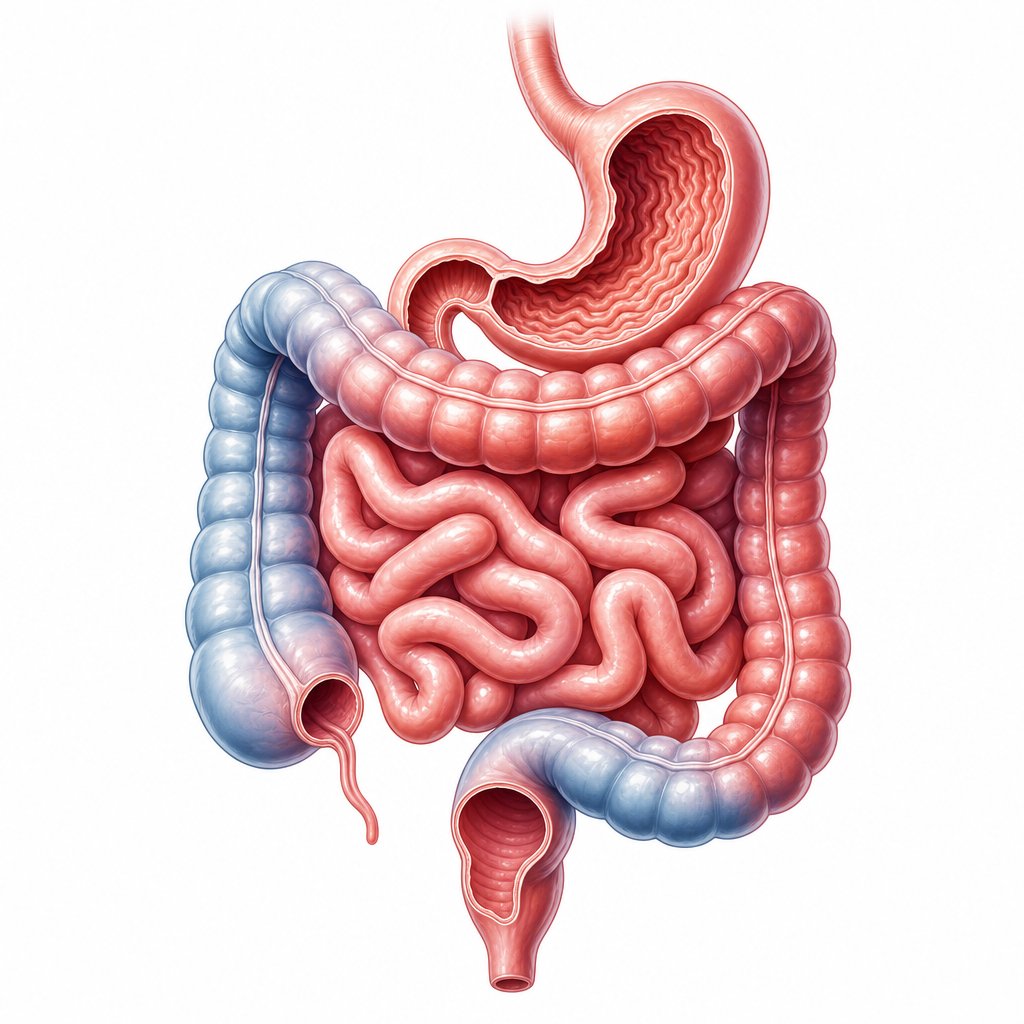
So why does protein make you poop, sometimes urgently, after drinking a shake? The answer is not a single cause but three distinct biological pathways, each with its own trigger and its own solution. Understanding which one applies to you is the difference between months of trial-and-error and a quick fix.
The mechanism matters because the fix depends entirely on which pathway is causing the problem. Switching to a plant protein will not help if your issue is the gastrocolic reflex. Reducing your serving size will not help if sugar alcohols are drawing water into your colon. Identify the pathway first, then apply the right solution.
The Gastrocolic Reflex and Liquid Protein Intake
Ever wonder why do protein shakes make me poop within minutes of finishing one? That urgency is likely the gastrocolic reflex at work. This is a normal physiological response where food entering the stomach triggers increased motility in the colon. Your body is essentially making room for incoming nutrition by pushing existing contents toward the exit.
The reflex works through a coordinated system of stretch receptors, neuropeptides like serotonin and cholecystokinin, and the enteric nervous system. When your stomach stretches from a meal or a shake, signals travel through the myenteric plexus and stimulate high-amplitude propagating contractions in the colon. These contractions push stool toward the rectum, creating the urge to defecate.
Liquid protein amplifies this effect for two reasons. First, a shake consumed quickly delivers a sudden volume to the stomach, stretching it rapidly and producing a stronger reflex signal. Second, drinking protein on an empty stomach, which many gym-goers do first thing in the morning or immediately post-workout, means there is no solid food to slow gastric emptying. The result is a fast, intense gastrocolic response. People with IBS experience an even stronger version of this reflex, which explains why can protein shakes make you poop so urgently in that population.
Osmotic Diarrhea From Concentrated Ingredients
The second mechanism is purely about water balance in your intestines. Osmotic diarrhea occurs when certain substances in your shake pull water from surrounding tissues into the intestinal lumen. Imagine dropping a sponge into a dry bowl and then pouring water nearby. The sponge draws the water toward itself. Sugar alcohols, concentrated whey, and high-dose artificial sweeteners do the same thing inside your gut.
When these poorly absorbed substances reach the colon, they create a high osmotic load. Your body responds by flooding the intestinal space with water to equalize the concentration. The result is loose, watery stools, sometimes within 30 to 60 minutes of consumption. This is the same mechanism behind osmotic laxatives sold in pharmacies.
Protein shake diarrhea from this pathway tends to be dose-dependent. A small amount of sorbitol might not bother you, but two scoops of a protein powder sweetened with sugar alcohols can push you past your threshold. The protein powder gas and bloating that often accompany this type of diarrhea come from bacterial fermentation of these same unabsorbed substances in the colon.
Lactose Malabsorption and Fermentation in the Colon
The third pathway involves undigested lactose, and it affects far more people than realize it. When your body does not produce enough lactase enzyme, lactose passes intact into the colon. There, gut bacteria ferment it rapidly, producing hydrogen, carbon dioxide, methane, and short-chain fatty acids. The gas causes bloating and cramping. The fermentation byproducts draw additional water into the colon through the same osmotic mechanism described above, producing protein diarrhea.
What makes this tricky is that lactose intolerance exists on a spectrum. You might handle a splash of milk in your coffee or a slice of cheese without issue, yet react badly to whey concentrate. The difference is concentration and delivery speed. A protein shake delivers a bolus of lactose in liquid form, bypassing the slower digestion that solid dairy foods allow. Do protein shakes make you poop more than eating cheese? For lactose-sensitive individuals, absolutely, because the lactose hits the colon faster and in higher concentrations.
There is also a timeline factor worth noting. Research presented at ASM Microbe 2024 demonstrated that switching to a protein-rich diet induces immediate changes to the gut microbiome, with microbial composition shifting significantly within the first two weeks. This adaptation period explains why many people experience digestive distress when they first start using protein powder, only to find symptoms resolve after 7 to 14 days of consistent intake. Your gut bacteria are literally reorganizing to handle the new substrate. If symptoms persist beyond that window, the issue is likely one of the three mechanisms above rather than simple adaptation.
Whey Concentrate vs Whey Isolate and the Lactose Factor
Lactose malabsorption is one of the most common reasons whey protein diarrhea occurs, yet the type of whey you choose determines whether you will actually experience symptoms. The distinction between concentrate and isolate is not just a marketing label. It reflects a measurable difference in lactose content that directly affects your gut.
Why Whey Concentrate Has More Lactose Than You Think
Whey protein concentrate contains roughly 35 to 80 percent protein, with the remaining composition made up of fats, minerals, and lactose. An 80-percent whey concentrate carries approximately 4 to 10 grams of lactose per 100 grams of powder. That might sound manageable, but consider how it reaches your gut: dissolved in liquid, consumed quickly, and often on a partially empty stomach.
This is why someone who handles a slice of cheese or a cup of yogurt without issue can still experience a whey protein stomach ache. Cheese contains minimal lactose due to the fermentation process, and yogurt delivers its lactose alongside bacterial cultures that assist digestion. A whey concentrate shake, by contrast, delivers a concentrated bolus of lactose in liquid form that hits the small intestine rapidly. If your lactase production is even mildly insufficient, that speed overwhelms your capacity to break it down. The undigested lactose ferments in the colon, producing gas, bloating, and loose stools.
Whey Isolate as a Lower-Lactose Alternative
Can whey protein cause diarrhea even in its isolate form? It is far less likely. Whey isolate undergoes additional filtration and purification steps that push protein content to 90 percent or higher while reducing lactose to less than 1 gram per 100 grams of powder. That is a dramatic reduction compared to concentrate.
For people with mild to moderate lactose sensitivity, this difference is often enough to eliminate symptoms entirely. Does whey protein make you poop urgently after every shake? Switching from concentrate to isolate removes the lactose variable from the equation, letting you determine whether lactose was actually the trigger. Whey isolate also dissolves more easily and digests faster due to its higher purity, which reduces the fermentation substrate available to colonic bacteria.
Casein, the other major dairy protein, presents a different profile. It digests slowly, forming a gel-like structure in the stomach that releases amino acids gradually. This slower transit can reduce the gastrocolic reflex intensity, but casein still contains lactose in its concentrate form. For people asking does whey protein cause diarrhea specifically because of lactose, casein isolate is another option, though it is less commonly available than whey isolate.
How Your Mixing Liquid Makes It Better or Worse
Your choice of mixing liquid either compounds or eliminates the lactose problem. Mixing whey concentrate with cow's milk adds another 12 grams of lactose per cup on top of what the powder already contains. For someone with borderline lactase production, that combination can push total lactose intake well past their threshold, turning a manageable dose into one that triggers whey protein gas and diarrhea.
Water eliminates the variable entirely. Plant-based milks like almond, oat, or coconut milk are also lactose-free and add no additional digestive burden from dairy sugars. If you suspect lactose is behind your symptoms, switching your mixing liquid to water is the simplest first test you can run before changing your protein powder itself.
| Protein Type | Protein Content | Lactose Content (per 100g) | Digestion Speed | Diarrhea Risk |
|---|---|---|---|---|
| Whey Concentrate | 35-80% | 4-10 grams | Fast | High (if lactose sensitive) |
| Whey Isolate | 90%+ | Less than 1 gram | Fast | Low |
| Casein | 80-90% | Variable (lower in isolate form) | Slow (gel-forming) | Medium |
Lactose content is the clearest differentiator, but it is not the only ingredient in protein powders that causes digestive problems. Many formulas contain artificial sweeteners, sugar alcohols, and thickeners that trigger diarrhea through entirely separate mechanisms, even in lactose-free products.
Hidden Additives and Sweeteners That Wreck Your Gut
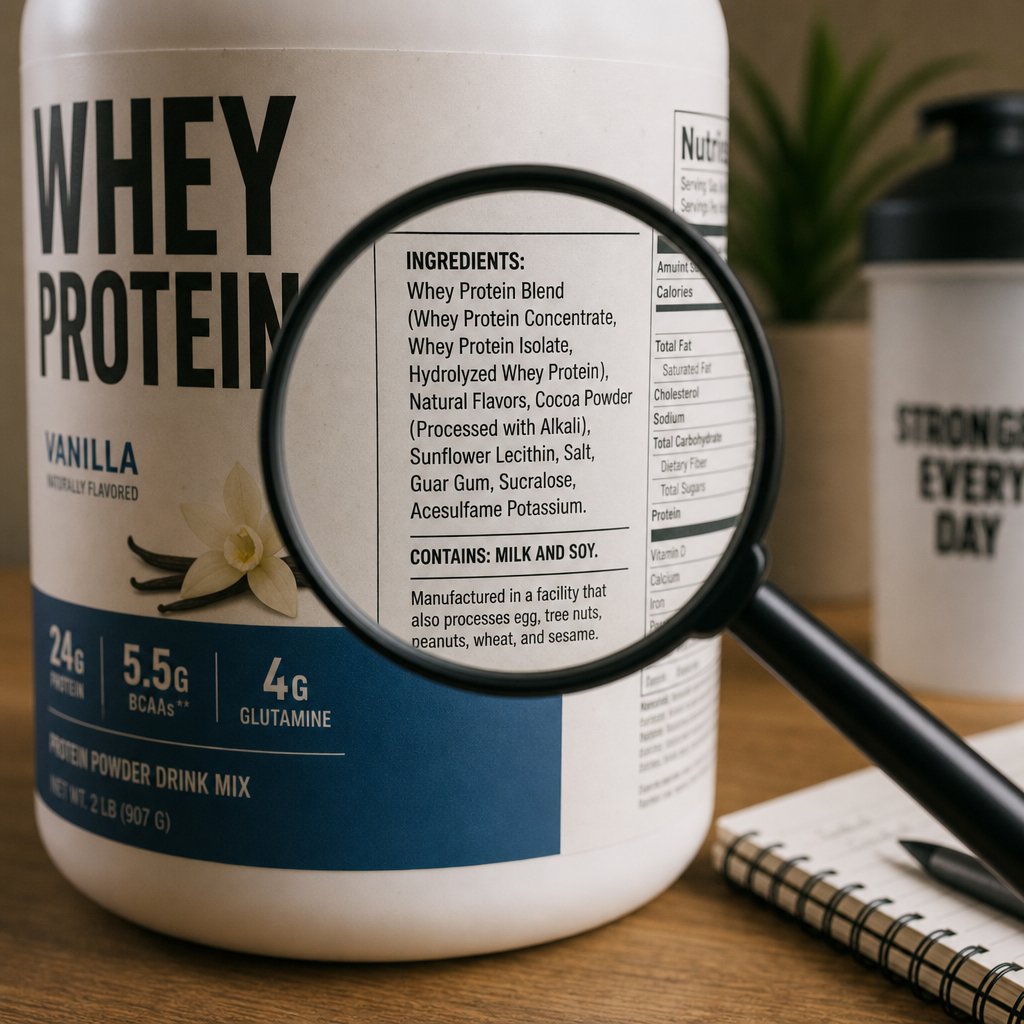
Here is the distinction that changes everything: in most cases of protein powder upset stomach, the protein is not the problem. The additives are. Flavored protein powders contain a cocktail of sweeteners, thickeners, emulsifiers, and stabilizers designed to make the product taste good and mix smoothly. These ingredients are where digestive trouble usually begins, and they explain why do protein shakes hurt my stomach even when the protein source itself should be well tolerated.
If you have already switched to whey isolate or a plant-based protein and still experience issues, the ingredient panel beyond the protein line is where you need to look next.
Artificial Sweeteners That Act as Osmotic Laxatives
Most protein powders use non-nutritive sweeteners to deliver flavor without added sugar or calories. The problem is that several of these sweeteners have documented effects on gut function, ranging from pulling water into the colon to altering your microbiome composition. Each one works slightly differently:
- Sucralose — A synthetic sweetener roughly 600 times sweeter than sugar. Research published in Advances in Nutrition found that sucralose consumption decreased total anaerobic and aerobic bacteria, bifidobacteria, lactobacilli, Bacteroides, and Clostridium in animal studies. These shifts in gut bacteria can impair normal digestion and contribute to loose stools. While considered safe at approved intake levels, daily consumption through protein shakes adds cumulative exposure.
- Acesulfame-K (Ace-K) — Often paired with sucralose in protein formulas. Animal studies show it can perturb gut microbiota composition, with sex-specific effects on bacterial populations including changes in Bacteroides, Anaerostipes, and Lactobacillus. For some users, this translates to GI sensitivity that builds over weeks of consistent use.
- Sorbitol — A sugar alcohol used in some protein bars and powders. This is a well-documented osmotic laxative. Research shows that 71 percent of healthy people demonstrate malabsorption after consuming just 10 grams, and doses above 20 grams per day can cause outright diarrhea with abdominal cramping. Sorbitol draws water into the intestinal lumen through osmosis, producing watery stools within hours of ingestion.
- Xylitol — Another sugar alcohol that shifts gut microbiota composition, reducing Bacteroidetes while increasing Firmicutes. Like sorbitol, it acts as an osmotic agent in the colon and can trigger diarrhea at moderate doses, particularly in people with IBS.
- Erythritol — Generally the best-tolerated sugar alcohol because roughly 90 percent of it is absorbed in the small intestine and excreted through urine without reaching the colon. It is essentially non-fermentable by gut bacteria. However, some individuals still report bloating at higher doses, and it can cause a protein shake stomach ache when combined with other poorly absorbed sweeteners in the same formula.
The key pattern: sugar alcohols are dose-dependent triggers. A single scoop might sit fine, but two scoops in a large shake can push you past your personal osmotic threshold. If you wonder why do protein shakes make me nauseous on days you use a double serving, the sweetener load is likely doubling alongside the protein.
Thickeners and Emulsifiers That Ferment in Your Gut
Beyond sweeteners, protein powders rely on thickeners and emulsifiers to create that smooth, creamy texture. These compounds are technically fiber-like polysaccharides, and your gut bacteria treat them as fermentation fuel. The result is gas production, bloating, and in sensitive individuals, diarrhea.
- Carrageenan — Extracted from red seaweed, this thickener is one of the most problematic additives for digestive health. Research indicates carrageenan can disrupt tight junctions in the intestinal lining, activate the pro-inflammatory NF-kB pathway, alter gut microflora including Akkermansia muciniphila, and reduce short-chain fatty acid-producing bacteria. For people with existing gut sensitivity, even small amounts can trigger bloating, cramping, and diarrhea.
- Guar gum — Derived from guar beans, this soluble fiber thickens protein shakes effectively but undergoes bacterial fermentation in the gut. Studies show it can adversely impact gut microbiota activity and increase susceptibility to colonic inflammation. It also slows digestive transit, which can promote bacterial overgrowth in susceptible individuals.
- Xanthan gum — Produced through bacterial fermentation of simple sugars, xanthan gum acts as a soluble fiber in the gut. Bacteria ferment it, producing gas and byproducts that contribute to bloating and abdominal discomfort. Its effect on gut motility can be particularly problematic for people with slowed digestion, prolonging exposure to fermentation byproducts.
Do protein drinks cause diarrhea more often when they contain multiple thickeners? Yes. Many formulas stack two or three of these ingredients together, compounding the fermentation load. The relationship between protein drinks and diarrhea often comes down to this additive accumulation rather than the protein itself.
Reading Labels to Identify Your Specific Trigger
The first diagnostic step for protein shakes and diarrhea is flipping the container around and reading the full ingredient list, not just the nutrition facts panel. Look below the protein source for anything ending in "-ol" (sugar alcohols), any gum or carrageenan listing, and sweetener names like sucralose or acesulfame potassium.
A practical approach: compare your current product's ingredient list against a single-ingredient protein powder that contains nothing but protein. If the simple version causes no issues, you have confirmed that additives are your trigger. From there, you can reintroduce ingredients one at a time to pinpoint exactly which additive is responsible for your protein shake upset stomach.
This additive-first investigation matters because it prevents unnecessary dietary restrictions. Too many people abandon protein supplementation entirely or switch to expensive specialty products when the real fix might be as simple as choosing a formula without sorbitol or carrageenan. The protein is not the enemy. The ingredients surrounding it usually are.
Protein Powder Types Ranked by Digestive Tolerability
Additives explain a large share of digestive problems, but the protein source itself still matters. Different proteins carry different biological baggage: allergen potential, residual sugars, anti-nutritional compounds, and fiber-like oligosaccharides that ferment in the colon. Can protein shakes cause diarrhea purely because of the protein type you chose? Absolutely. Here is how each option stacks up.
Dairy-Based Proteins Ranked by Gut Tolerance
Whey concentrate sits at the top of the risk scale for the reasons covered above: high residual lactose, fast absorption that triggers the gastrocolic reflex, and common pairing with problematic sweeteners. Whey isolate removes most of the lactose issue while retaining the same amino acid profile, making it the go-to swap for anyone experiencing protein drink diarrhea from dairy-based shakes.
Casein occupies a middle ground. Its slow-digesting, gel-forming nature reduces the speed at which substrates reach the colon, which can lower diarrhea risk. However, casein is still a dairy protein and still contains lactose in concentrate form. People with a true cow's milk protein allergy (distinct from lactose intolerance) will react to both whey and casein regardless of processing level.
Plant-Based Proteins and Their Unique Digestive Challenges
Switching to plant proteins does not guarantee a calm stomach. The triggers simply change. Instead of lactose, you are dealing with fiber, oligosaccharides, and anti-nutritional factors that affect digestion through entirely different pathways.
Pea protein is a complete protein containing all nine essential amino acids, but its FODMAP content varies wildly between products. Monash University tested multiple retail pea protein products and found significant variability in FODMAP levels across brands, likely due to differences in how thoroughly manufacturers extract and isolate the protein component. Pea protein concentrate retains more carbohydrate molecules, including galacto-oligosaccharides (GOS), which ferment in the colon and produce gas. Pea protein isolate is purer but not universally low-FODMAP. For IBS sufferers, this unpredictability makes pea protein a moderate-risk choice without brand-specific FODMAP testing.
Soy protein introduces a unique digestive challenge: trypsin inhibitors. These anti-nutritional factors impair protein digestion by blocking trypsin, a key pancreatic enzyme. While heat processing during manufacturing inactivates most trypsin inhibitors, residual amounts can still compromise nitrogen digestibility and contribute to GI discomfort. Soy also contains raffinose and stachyose, oligosaccharides that human enzymes cannot break down, leaving them for colonic bacteria to ferment into gas. People wondering does protein drinks cause diarrhea when they switch to soy often find the answer is yes, just through a different mechanism than dairy.
Rice protein is one of the gentlest options available. It is hypoallergenic, low in fiber, free of lactose and major FODMAPs, and rarely triggers digestive issues. The tradeoff is an incomplete amino acid profile (low in lysine), which means it works best when blended with another source like pea protein.
Hemp protein retains more fiber than most protein powders because it is less heavily processed. That fiber content supports long-term gut health but can cause gas and bloating during the initial adaptation period, particularly at higher doses. It is also lower in total protein per serving, meaning you need more powder to hit the same target, which increases fiber intake further.
Collagen and Specialty Proteins for Sensitive Stomachs
Collagen peptides consistently rank as the easiest protein supplement to digest. They are hydrolyzed into small peptide fragments that absorb readily in the small intestine with minimal residue reaching the colon. Research indicates that taking high doses of collagen is unlikely to cause adverse effects, with mild stomach upset being the most common and still rare side effect. Collagen contains no lactose, no fiber, no oligosaccharides, and no trypsin inhibitors. The limitation is functional: collagen is not a complete protein and lacks tryptophan entirely, so it cannot serve as your sole protein source for muscle building.
For people who find that protein drinks cause diarrhea regardless of which mainstream option they try, collagen peptides mixed with water offer the lowest-risk starting point for an elimination protocol. From there, you can layer in other protein powder shakes one at a time to identify your personal threshold.
| Protein Type | Primary Trigger | Diarrhea Risk | Gas Risk | Best For | Key Consideration |
|---|---|---|---|---|---|
| Whey Concentrate | Lactose, fast absorption | High | High | Budget muscle building (if lactose tolerant) | Contains 4-10g lactose per 100g |
| Whey Isolate | Minimal (fast absorption only) | Low | Low | Lactose-sensitive athletes | Less than 1g lactose per 100g |
| Casein | Lactose (in concentrate), slow transit | Medium | Medium | Sustained release, nighttime use | Gel-forming slows digestion; still dairy-derived |
| Pea Protein | GOS (FODMAPs), variable by brand | Medium | Medium-High | Dairy-free complete protein | FODMAP content varies significantly between brands |
| Soy Protein | Trypsin inhibitors, raffinose, stachyose | Medium | High | Affordable plant-based complete protein | Anti-nutritional factors impair enzyme function |
| Rice Protein | Minimal | Low | Low | Hypoallergenic needs, sensitive stomachs | Incomplete amino acid profile (low lysine) |
| Hemp Protein | High fiber content | Low-Medium | Medium | Whole-food nutrition, omega fatty acids | Lower protein percentage requires larger servings |
| Collagen Peptides | Minimal (rare allergic reaction) | Very Low | Very Low | Gut-sensitive individuals, skin and joint support | Not a complete protein; cannot replace whey for muscle synthesis |
Do protein shakes cause diarrhea more often with certain types? The data is clear: whey concentrate and soy carry the highest risk through different mechanisms, while rice protein and collagen peptides sit at the opposite end. But even a low-risk protein type can cause problems if you consume too much at once or take it at the wrong time. Dosage and timing introduce their own set of thresholds that interact with everything discussed so far.

Dosage Thresholds, Timing, and Pre-Existing Conditions
Can too much protein cause diarrhea even when you have chosen the right type and avoided problematic additives? Yes. The amount you consume per sitting, the total daily load, and when you drink your shake relative to exercise all create independent triggers that stack on top of ingredient-related issues.
How Much Protein Per Serving Triggers Digestive Distress
Your digestive system has a finite capacity to process protein at any given moment. Research published in the Journal of the International Society of Sports Nutrition indicates that muscle protein synthesis is optimally stimulated at roughly 0.4 g/kg per meal, with an upper practical range of 0.55 g/kg per meal. For an 80 kg person, that translates to about 32-44 grams per feeding. Exceed that threshold significantly, and the surplus amino acids are oxidized or transaminated rather than utilized for tissue building.
From a digestive standpoint, the problem is more immediate. When you dump 50 or 60 grams of protein into your stomach as a liquid, your pancreatic enzymes (trypsin, chymotrypsin, peptidases) cannot keep pace. Undigested protein fragments reach the colon, where bacteria ferment them into hydrogen sulfide, ammonia, and short-chain fatty acids. The result is too much protein diarrhea accompanied by foul-smelling gas and bloating. Will too much protein cause diarrhea every time? Not necessarily, but consistently exceeding 30 grams per shake raises your odds substantially, especially if you are new to supplementation.
Total daily intake matters too. A high protein diet diarrhea pattern often emerges when someone jumps from 80 grams to 160 grams per day overnight. The gut microbiome needs time to upregulate proteolytic bacteria and enzyme production. Most healthy guts adapt within 7 to 14 days of consistent intake, so ramping up gradually, adding 10 to 15 grams per day each week, gives your system time to adjust without triggering high protein diet loose stool.
Exercise Timing and Blood Flow to the Gut
Imagine finishing a hard set of squats, heart pounding, muscles engorged with blood, and immediately chugging a protein shake. Your body is still in fight-or-flight mode, directing blood flow toward working muscles and away from the digestive tract. Research from the Canadian Society of Intestinal Research confirms that during moderate to high intensity exercise, blood flow is redirected away from the GI tract, compromising the intestinal barrier and increasing the risk of digestive symptoms like bloating and diarrhea.
Post workout diarrhea is not random. It follows a predictable pattern: intense exercise elevates cortisol, increases gut permeability, and reduces the resources available for digestion. Consuming a concentrated protein shake in this window forces your compromised gut to process a demanding substrate. Diarrhoea after exercise becomes especially common when training fasted, because low energy availability amplifies cortisol elevation and gut permeability further.
The fix is simple. Wait 15 to 30 minutes after intense training before drinking your shake. Let your heart rate return toward baseline and blood flow redistribute back to the digestive organs. If you train fasted, consider a small carbohydrate snack before your shake to prime digestive function. Sports nutrition guidelines recommend 1-2 grams of carbohydrates per kilogram of bodyweight 1-2 hours before training to reduce fasted-state gut stress.
Pre-Existing Conditions That Amplify Protein Sensitivity
Does too much protein cause diarrhea more easily if you already have a digestive condition? Significantly. Pre-existing GI conditions lower your threshold for every trigger discussed in this article. What a healthy gut handles without issue can send a compromised gut into distress at half the dose.
- IBS (Irritable Bowel Syndrome) — IBS sufferers have a heightened gastrocolic reflex and visceral hypersensitivity. Clinical nutritionists specializing in IBS recommend spreading protein across multiple meals (20-40 grams each) rather than concentrating it in one or two large shakes. Plant proteins high in FODMAPs like pea concentrate and soy can trigger symptoms through oligosaccharide fermentation. Best options: whey isolate, rice protein, collagen peptides, or single-ingredient pea isolate verified as low-FODMAP.
- IBD and Crohn's Disease — Inflammation and compromised intestinal barrier function mean these patients need easily digestible, low-residue protein sources. High-fiber plant proteins and products with emulsifiers like carrageenan can exacerbate flares. Best options: hydrolyzed whey, collagen peptides, or well-cooked whole food proteins like eggs and fish.
- SIBO (Small Intestinal Bacterial Overgrowth) — Any fermentable substrate reaching the small intestine feeds the overgrown bacteria. This includes lactose from whey concentrate, GOS from pea protein, and even sugar alcohols from sweeteners. Best options: elemental or hydrolyzed protein sources that absorb high in the small intestine before reaching bacterial colonies. Single-ingredient powders with zero additives are essential.
- Acid Reflux (GERD) — Large protein doses slow gastric emptying and increase stomach acid production. Consuming more than 25 grams in liquid form can worsen reflux symptoms and create a cascade of upper and lower GI distress. Best options: smaller servings (15-20 grams) consumed with meals rather than as standalone shakes.
For all of these conditions, the adaptation timeline still applies, but it may extend beyond the typical two-week window. Working with a registered dietitian who understands both sports nutrition and digestive health can help you find the right protein type, dose, and timing without months of painful experimentation. The goal is not to avoid protein. It is to deliver it in a form and quantity your specific gut can handle.
Step-by-Step Elimination Protocol to Find Your Trigger
Knowing the mechanisms, protein types, and dosage thresholds gives you a framework, but it does not tell you which specific factor is causing your protein poops. The only way to answer that definitively is through a structured elimination process. Think of it like debugging code: you remove variables one at a time until the problem disappears, then reintroduce them to confirm the culprit.
This four-week protocol is designed as a protein shake stomach ache remedy you can follow at home before involving a doctor. It works for any protein type and any symptom pattern, whether you are dealing with full diarrhea, gas, bloating, or nausea.
A Four-Week Elimination Protocol You Can Follow at Home
Why does protein powder make me poop urgently every single day? The answer is hiding somewhere in your current routine, and this protocol will expose it. Follow each week sequentially. Do not skip ahead.
- Week 1: Complete elimination. Stop all protein powder and protein supplement use entirely. Continue eating whole food protein sources (chicken, eggs, fish, legumes) as normal. If your digestive symptoms resolve within 5 to 7 days, you have confirmed that protein powder is involved. If symptoms persist unchanged, the cause is likely unrelated to supplementation and warrants a different investigation.
- Week 2: Reintroduce a single-ingredient isolate. Choose a protein powder with one ingredient only: whey protein isolate, pea protein isolate, or collagen peptides. No flavoring, no sweeteners, no thickeners. Mix with water only. Use one 20-gram serving per day, consumed with a meal (not on an empty stomach). If symptoms return, the protein source itself is your trigger. If you remain symptom-free, move to Week 3.
- Week 3: Test your dosage threshold. Keep the same single-ingredient powder and water. Start at 15 grams per serving and increase by 5 grams every two days. Track exactly when symptoms appear. This tells you your personal per-serving ceiling. Many people discover they tolerate 25 grams perfectly but cross into trouble at 35 grams. Knowing how to stop diarrhea from whey protein often comes down to simply staying below this threshold.
- Week 4: Reintroduce your original product. Switch back to the protein powder you were using before the protocol. Same dose that was symptom-free in Week 3, same timing, same mixing liquid. If symptoms return, the difference between your original product and the single-ingredient version is your trigger. Compare ingredient labels side by side. The additives, sweeteners, or thickeners present in your original but absent from the isolate are what is causing the problem.
This process works because it isolates one variable at a time. By the end of four weeks, you will know whether your issue is the protein source, the dose, or the additives. That clarity is how to stop protein poops permanently rather than cycling through random product switches hoping something works.
Tracking Your Symptoms to Isolate the Cause
The protocol only works if you track consistently. Healthline recommends keeping a food diary that logs everything you consume alongside your symptoms, pain rating, and even mood, since stress can amplify gut reactivity. For this protocol, record the following daily:
- Protein powder brand, type, and exact serving size in grams
- Mixing liquid used (water, milk, plant milk)
- Time of consumption relative to meals and exercise
- Stool consistency using the Bristol Stool Scale (1 = hard lumps, 7 = liquid)
- Presence of gas, bloating, cramping, or nausea and their severity (1-10)
- Time between consumption and symptom onset
The timing detail is especially useful. Symptoms within 30 minutes suggest the gastrocolic reflex or osmotic load. Symptoms at 2 to 4 hours point toward lactose fermentation or bacterial processing of undigested protein. Knowing how to stop feeling sick after protein shake starts with understanding when the sickness hits relative to when you drank it.
A pattern will emerge within days if you track honestly. Most people discover their trigger is far more specific than they expected: not "protein powder" broadly, but "more than 30 grams of this particular brand consumed on an empty stomach before 8 AM." That specificity is what makes the problem solvable.
When to Stop Self-Managing and See a Doctor
This elimination protocol is appropriate for garden-variety protein poop: loose stools, gas, bloating, and urgency that correlate clearly with supplement use. It is not appropriate for symptoms that suggest something more serious is happening.
Stop self-managing and consult a gastroenterologist immediately if you experience any of the following: blood or mucus in your stool, symptoms persisting more than two weeks after switching to a single-ingredient isolate, unintentional weight loss exceeding 5 percent of body weight, fever alongside GI symptoms, or severe abdominal pain that wakes you from sleep. These are red flags that may indicate inflammatory bowel disease, infection, or other conditions requiring medical diagnosis and treatment.
Gastroenterology specialists note that chronic diarrhea lasting longer than a few weeks can cause dehydration and nutrient loss if left untreated, and may point to conditions like celiac disease, IBD, or infections that require stool studies, blood work, or colonoscopy to diagnose properly.
Also seek professional guidance if you have completed the full four-week protocol and cannot identify a clear trigger. Some people have overlapping sensitivities, multiple intolerances stacking together, or subclinical conditions that only manifest under the stress of concentrated supplementation. A registered dietitian experienced in sports nutrition can run more targeted testing and design a protocol tailored to your specific physiology.
The elimination approach gives you a concrete, actionable path forward. But even the best self-directed protocol has limits. Knowing where those limits are protects you from dismissing a serious condition as "just protein poops." Once you have confirmed your trigger and ruled out red flags, the final piece of the puzzle is understanding how product formulation at the manufacturing level determines whether a protein powder will agree with your gut or wreck it.
How Formulation Quality Prevents Protein Powder Digestive Issues
If protein powder makes me gassy, is it the protein or the product? In most cases, it is the product. Two protein powders can list the same protein source on the front label yet deliver completely different digestive experiences because of what happens during formulation and manufacturing. The decisions made at the production level, from ingredient sourcing to sweetener systems to enzyme inclusion, determine whether a finished product causes gas, bloating, and diarrhea or digests cleanly without a trace of discomfort.
Why Manufacturing Quality Determines Digestive Tolerance
Does protein powder give you gas even when you have chosen an isolate with minimal additives? The issue may trace back to manufacturing quality rather than the formula on paper. Products carrying third-party certifications like NSF Certified for Sport or Informed Sport undergo rigorous testing that verifies the contents match the label, confirms no unsafe contaminant levels exist, and audits the manufacturing facility for GMP compliance. NSF tests for approximately 270+ banned substances and ensures facilities are audited twice annually. Informed Sport requires every batch to be tested before market release.
Why does this matter for your gut? Undisclosed fillers, cross-contaminated ingredients, and impure protein sources introduce unexpected digestive triggers. A protein powder that claims 90% isolate but actually contains residual lactose from poor filtration will still cause problems for sensitive users. Third-party testing correlates with fewer of these hidden variables, which is why certified products tend to produce fewer GI complaints.
Formulation Features That Protect Your Gut
Do protein shakes make you gassy because of the protein itself, or because the formula lacks the support ingredients that aid digestion? Smart formulation anticipates digestive challenges and builds solutions directly into the product. Digestive enzymes like protease break down protein into simpler amino acids and peptides, reducing the undigested fragments that reach the colon and ferment into gas. Lactase inclusion neutralizes residual lactose in whey-based products. Lipase and amylase handle fats and carbohydrates that might otherwise contribute to osmotic load.
Can protein shakes cause bloating even with enzymes included? They can if the sweetener system or thickener package works against the enzymes. This is where formulation expertise becomes critical. Choosing stevia or monk fruit over sugar alcohols eliminates osmotic triggers. Minimizing gum-based thickeners reduces fermentation substrate. Adding a prebiotic fiber like partially hydrolyzed guar gum at a controlled dose supports beneficial bacteria without overwhelming the colon.
These decisions require deep technical knowledge of how ingredients interact at scale. For nutrition brands and private label sellers developing their own protein products, working with an experienced OEM/ODM manufacturer enables this level of customized formulation. ZhuFeng's health food manufacturing services, for example, offer flexible powder and granule formats with the ability to select gut-friendly protein sources, appropriate sweetener systems, and digestive enzyme inclusions tailored to the target consumer. This kind of formulation expertise at the manufacturing level is what separates products that cause digestive distress from those that do not.
What to Look for on the Label Before You Buy
Do protein shakes give you gas every time you try a new brand? Use this checklist before purchasing. A gut-friendly protein powder typically includes these formulation features:
- Added digestive enzymes — Look for protease, lactase, or bromelain listed in the ingredient panel. These reduce undigested protein reaching the colon.
- No sugar alcohols — Avoid sorbitol, xylitol, maltitol, and mannitol. Erythritol is better tolerated but still problematic for some.
- Minimal thickeners — Products without carrageenan, or those using only a single gum at low concentration, produce less fermentation gas.
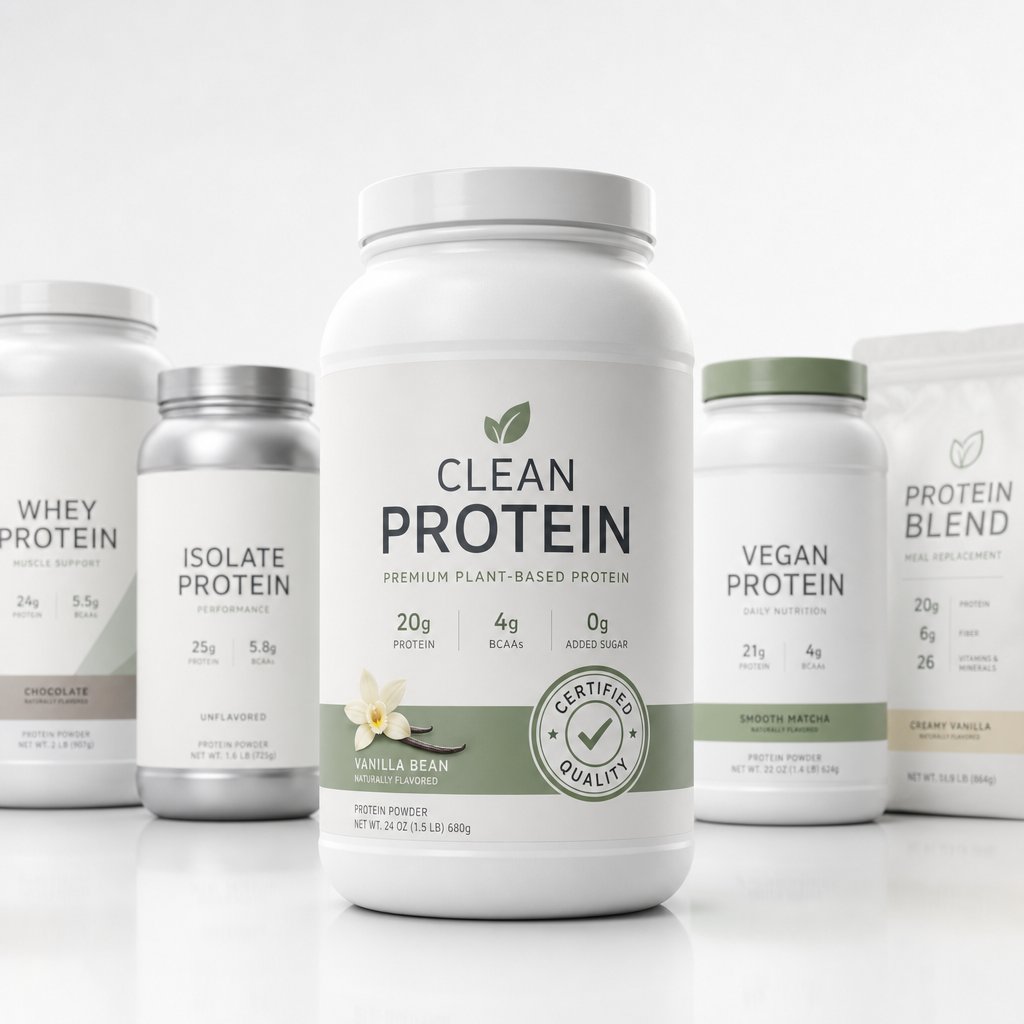
- Third-party tested — NSF Certified for Sport or Informed Sport logos indicate verified purity and label accuracy.
- Short ingredient list — Fewer additives mean fewer potential triggers. Single-ingredient powders carry the lowest risk.
- Natural sweeteners — Stevia leaf extract or monk fruit instead of artificial sweeteners that alter gut microbiota.
Can protein powder cause gas even when all these boxes are checked? Rarely. When you combine a high-purity protein source, enzyme support, clean sweetening, and verified manufacturing quality, the digestive burden drops dramatically. Does protein powder make you gassy because of some inherent property of supplemental protein? No. It happens because of how the product was formulated and manufactured. Choose products built with your gut in mind, and the problem resolves itself.
Frequently Asked Questions About Protein Powder and Diarrhea
1. Why does protein powder give me diarrhea but regular food protein doesn't?
Protein powder delivers a concentrated dose of protein in liquid form, which bypasses the slower digestion that solid foods allow. This rapid delivery can overwhelm your digestive enzymes, trigger a stronger gastrocolic reflex, and flood your colon with undigested substrates. Additionally, most protein powders contain additives like sugar alcohols, artificial sweeteners, and thickeners that act as osmotic laxatives or ferment in your gut. Regular food protein digests gradually and lacks these problematic additives, which is why it rarely causes the same issues.
2. How long does it take for your gut to adjust to protein powder?
Most healthy guts adapt to increased protein intake within 7 to 14 days of consistent use. During this period, your gut microbiome reorganizes to handle the new substrate, upregulating proteolytic bacteria and enzyme production. If your symptoms persist beyond two weeks after starting a new protein powder or switching types, the issue is likely not adaptation but rather a specific trigger such as lactose, sugar alcohols, or excessive dosage that requires identification and elimination.
3. Is whey isolate better than whey concentrate for sensitive stomachs?
Whey isolate is significantly better tolerated by people with lactose sensitivity. Concentrate contains 4 to 10 grams of lactose per 100 grams of powder, while isolate contains less than 1 gram due to additional filtration steps that push protein content above 90%. For anyone experiencing digestive distress from whey-based shakes, switching from concentrate to isolate removes the lactose variable entirely. However, if your symptoms stem from additives or excessive dosage rather than lactose, the switch alone may not resolve the problem.
4. What is the best protein powder for people with IBS or digestive issues?
Collagen peptides rank as the easiest to digest because they are hydrolyzed into small fragments that absorb readily with minimal colonic fermentation. Rice protein is another gentle option due to its hypoallergenic profile and low FODMAP content. Whey isolate works well for those without dairy protein allergy. For IBS sufferers specifically, avoid pea protein concentrate (variable FODMAP levels) and soy protein (contains fermentable oligosaccharides). Choose single-ingredient powders without sugar alcohols, carrageenan, or artificial sweeteners, and look for products with added digestive enzymes like protease and lactase.
5. How much protein per serving is too much for digestion?
For most people, consuming more than 30 to 35 grams of protein in a single liquid serving begins to overwhelm digestive enzyme capacity. Undigested protein fragments then reach the colon where bacteria ferment them into gas and osmotically active byproducts, causing diarrhea and bloating. Starting at 15 to 20 grams per serving and increasing by 5-gram increments every few days helps you find your personal threshold. Spreading total daily protein across 4 to 5 smaller doses rather than 1 to 2 large shakes also reduces digestive burden significantly.