
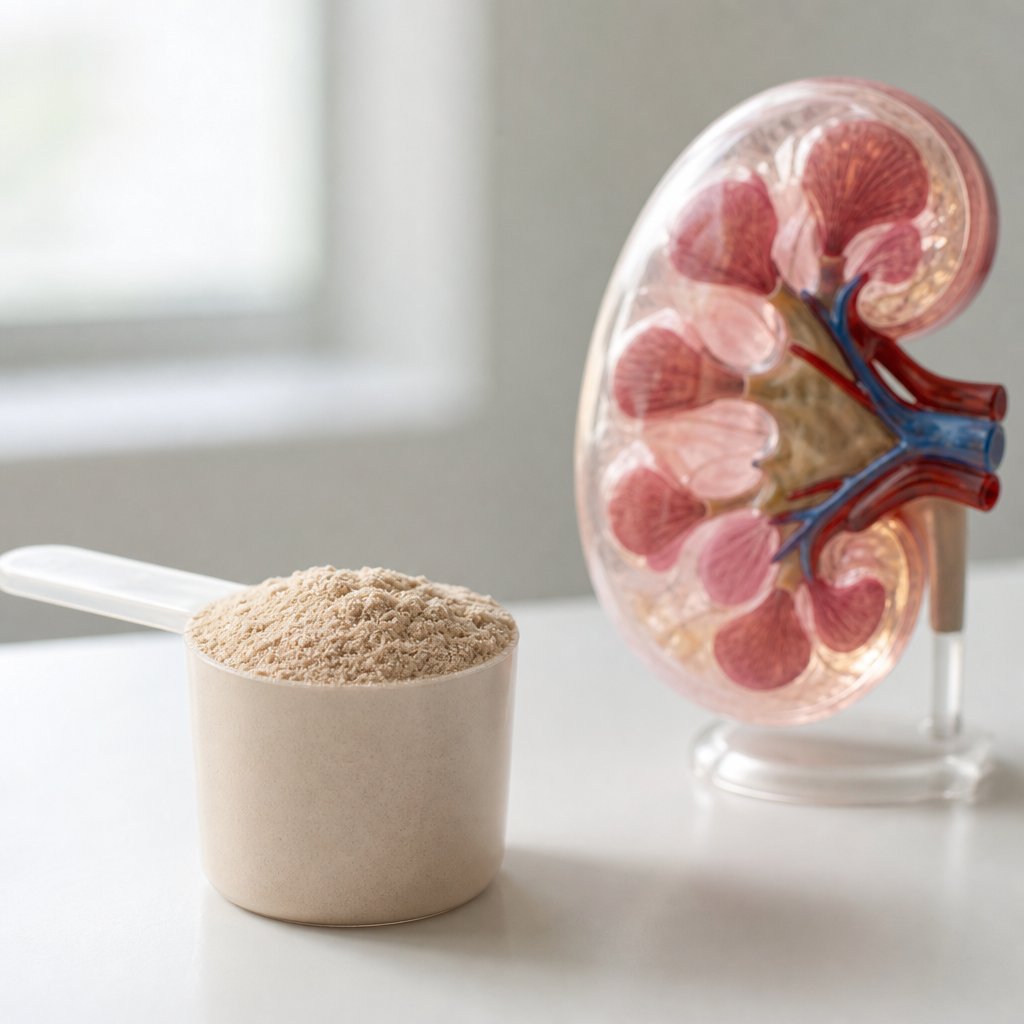
The Real Answer Depends on Your Kidney Health Status
You have probably seen the headlines: protein powder wrecks your kidneys. Or maybe you have read the opposite claim, that it is completely harmless no matter how many scoops you add to your shaker bottle. So is protein powder bad for your kidneys, or is this just another oversimplified health scare?
The honest answer is neither a flat yes nor a reassuring no. It depends almost entirely on your current kidney health, your overall risk profile, and how much protein you are actually consuming relative to what your body needs. For a healthy adult with normal kidney function, research published in the Journal of the American Society of Nephrology indicates that high-protein diets cause a temporary increase in glomerular filtration rate, a phenomenon called hyperfiltration, but this does not equate to kidney damage. Think of it like your heart rate rising during a jog. The organ is working harder, yet it is not being harmed.
The confusion stems from conflating this adaptive response with the pathological hyperfiltration seen in people who already have compromised kidneys. When media outlets report that protein is bad for kidneys, they often skip this critical distinction, leaving readers to assume the risk applies universally.
Why This Question Keeps Coming Up
Protein is now a $114 billion industry, and 61% of U.S. consumers increased their protein intake last year alone. Influencers, fitness brands, and even coffee chains are pushing protein-packed products at every turn. With that surge in consumption comes a parallel surge in concern, especially when studies mention terms like intraglomerular hypertension or proteinuria without explaining who those findings actually apply to. The result is a cycle of alarming headlines followed by dismissive rebuttals, and very little nuance in between.
What This Guide Will Help You Determine
Rather than offering a one-size-fits-all verdict, this guide breaks the question down by population segment. You will learn what the evidence says for healthy adults without risk factors, for people managing conditions like diabetes or hypertension, and for those already diagnosed with chronic kidney disease. Each group faces a different level of concern, and each requires a different approach to supplementation.
Key distinction to keep in mind: observational studies showing associations between protein intake and kidney decline do not prove causation. Many of those associations disappear or weaken significantly once researchers control for lifestyle factors, comorbidities, and baseline kidney function.
Is protein good for kidneys? In the right amounts and the right context, protein supports muscle maintenance, bone density, and metabolic health without harming renal function. The question is not whether protein powders are universally dangerous. It is whether your specific body, with its specific health history, can handle the load you are giving it. The sections ahead will help you figure that out with clarity rather than guesswork.
How Your Kidneys Actually Process Protein Powder
Understanding the relationship between protein powder and kidneys starts with knowing what happens inside your body the moment amino acids hit your bloodstream. Your kidneys are not passive filters. They are dynamic organs that actively adjust their workload based on what you eat, and protein, whether from a shake or a steak, triggers a specific cascade of metabolic events.
How Your Kidneys Handle Protein Metabolism
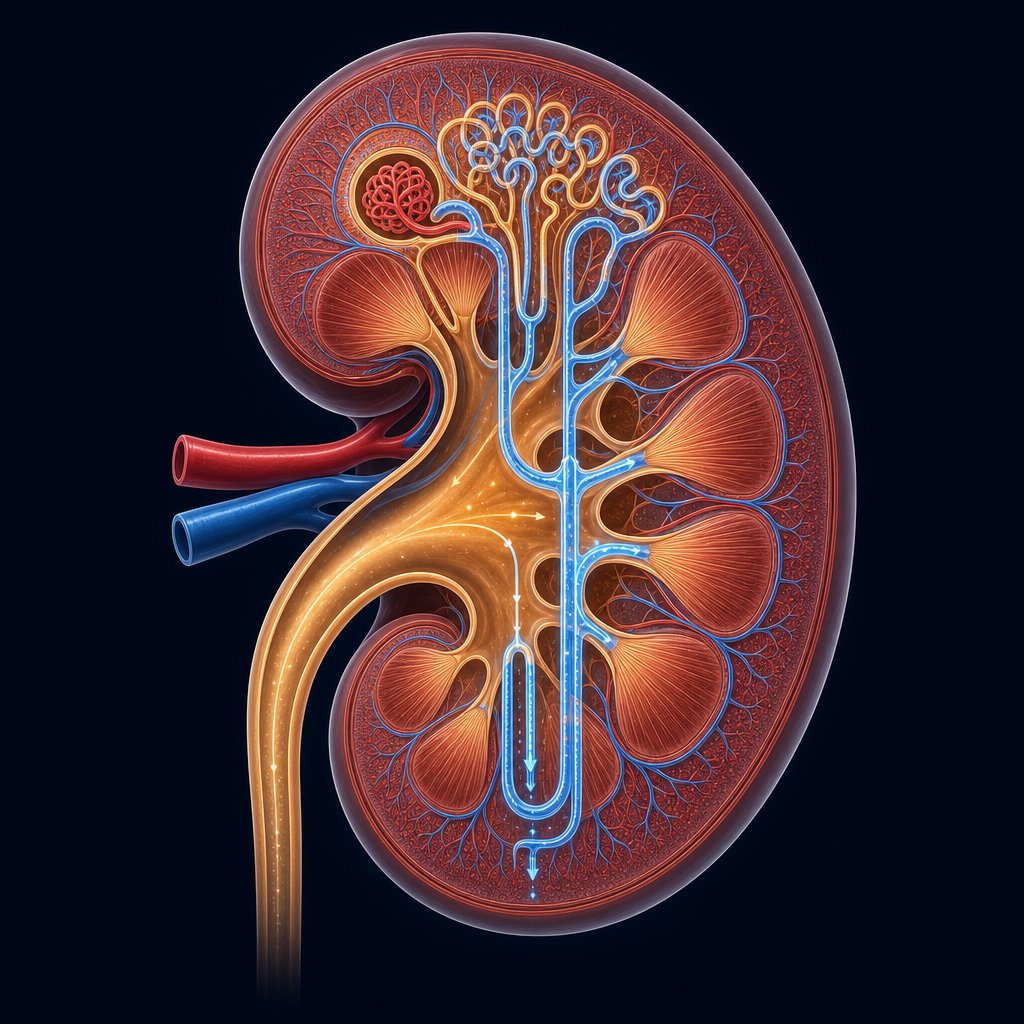
When you consume protein, your body breaks it down into amino acids. Those amino acids are either used for muscle repair, enzyme production, and other functions, or they are degraded. During degradation, the alpha-amino group is removed and converted to urea in the liver. As research from the Clinical Journal of the American Society of Nephrology explains, urea is the largest circulating pool of nitrogen in the body, and its production changes in direct proportion to the amount of protein you eat.
Your kidneys then filter this urea out of the blood through a structure called the glomerulus. Here is where things get interesting: when protein intake rises, your kidneys respond by increasing their glomerular filtration rate (GFR). This means more blood flows through the filtering units, more urea gets cleared, and glomerular pressure temporarily rises. A large protein meal can transiently raise GFR well above baseline levels.
Imagine your kidneys like a water treatment plant that can scale up operations when demand increases. In a healthy system, this scaling is seamless. The nephrons handle the extra workload, clear the metabolic byproducts, and return to baseline once the protein load is processed. This adaptive hyperfiltration is a normal physiological response, much like how your cardiac output increases during a sprint without damaging your heart.
The problem arises when kidneys are already compromised. In someone with reduced nephron mass or early-stage damage, that same increase in glomerular pressure does not resolve cleanly. Instead, it accelerates wear on the remaining functional tissue, potentially driving further decline. This is pathological hyperfiltration, and it is the mechanism that makes protein and kidney disease a legitimate clinical concern for specific populations.
Protein Powder Absorption vs Whole Food Protein
A common worry about protein shakes and kidneys is whether the concentrated, fast-absorbing nature of supplements creates a uniquely harmful spike compared to eating chicken, eggs, or fish. When you drink a whey protein shake, amino acids flood your bloodstream within 20 to 40 minutes. A whole food source like grilled chicken delivers those same amino acids over two to three hours as digestion progresses.
Does that faster delivery translate to greater kidney stress? The concern is reasonable on the surface, but clinical evidence does not support a meaningful difference in kidney outcomes. A systematic review examining protein intake and kidney function in healthy adults found that whether protein came from supplements or food sources, GFR responses remained within normal ranges and no pattern of kidney damage emerged. Multiple randomized controlled trials comparing protein intakes of 1.0 to 2.4 g/kg per day, using both supplemental and food-derived protein, reported that all kidney function markers stayed within normal limits for healthy subjects.
That said, the rapid absorption of protein powder does create a sharper, more concentrated urea production spike. Your kidneys handle it, but they handle it in a compressed timeframe. For someone with healthy renal function, this is not a problem. For someone already dealing with protein powder and kidney problems due to underlying conditions, that concentrated bolus could theoretically add more acute stress than a slow-digesting meal would.
The practical takeaway: the protein powder kidney concern is not about the supplement format itself being inherently more dangerous. It is about total daily protein load, baseline kidney health, and whether compounding factors like dehydration or medication use are stacking additional stress on top of that load.
Who Should Actually Worry About Protein and Kidneys
The biology is clear: healthy kidneys adapt to higher protein loads without sustaining damage. But biology does not operate in a vacuum. Your personal risk profile, existing conditions, and kidney function status all determine whether protein powder and kidney disease are a real concern for you or a non-issue. The research draws sharp lines between three distinct groups, and where you fall on that spectrum changes the conversation entirely.
Healthy Adults Without Risk Factors
If you have no history of kidney problems, normal blood pressure, no diabetes, and no family history of renal disease, the evidence is reassuring. A systematic review of 26 studies including 18 randomized controlled trials and 8 observational studies found no evidence that protein intakes above the RDA cause kidney damage in healthy adults with normal GFR. Across these trials, protein intakes ranged from 1.0 to 2.4 g/kg per day, and kidney function markers consistently remained within normal limits.
Consider the specifics. In a cross-sectional analysis of over 11,000 healthy U.S. adults, researchers found no association between increasing protein consumption (up to 1.45 g/kg per day) and declining GFR, blood urea nitrogen, or creatinine levels after adjusting for confounding variables. A 15-year prospective cohort of nearly 3,800 Dutch adults similarly showed that total protein intake was not associated with changes in eGFR over time. Even bodybuilders consuming close to 2.0 g/kg per day showed no negative kidney function markers during follow-up periods.
Multiple global and national evidence-based reviews designed to establish dietary reference intakes have found insufficient evidence to set an upper limit for protein intake in healthy populations. The US, WHO, and European Food Safety Authority all reached this same conclusion independently. GFR does increase with higher protein intake, but as the research consistently demonstrates, this adaptive hyperfiltration carries no clinical relevance in people with intact renal function.
People With Diabetes, Hypertension, or Family History
This is where the picture shifts. Diabetes and hypertension both independently stress the kidneys through mechanisms that have nothing to do with protein, but adding a high protein load on top of that existing stress may accelerate decline.
A nested case-control study within the Southern Community Cohort Study tracked over 1,000 incident end-stage renal disease cases and found that among individuals with diabetes, a 1% increase in daily energy from protein was associated with a 6% increased odds of developing ESRD. The relationship was dose-dependent, with those in the highest quartile of protein intake (1.96 g/kg per day) showing 76% higher odds of ESRD compared to the lowest quartile.
Why does diabetes create this vulnerability? Both high protein consumption and diabetes independently cause glomerular hyperfiltration and renal hypertrophy. When you stack both triggers simultaneously, the cumulative pressure on the glomeruli compounds. Diabetes also impairs protein metabolism through insulin resistance, potentially generating metabolic byproducts that injure podocytes and other kidney cells.
Hypertension adds another layer. Elevated blood pressure damages the delicate vasculature within the kidneys over time, reducing their capacity to handle additional filtration demands. If you are managing high blood pressure, even well-controlled with medication, your kidneys are already operating with less reserve than someone with normal vascular health.
For people in this category, protein powder is not automatically off the table. But it does require monitoring. Regular kidney function tests, staying within moderate intake ranges (typically 0.8 to 1.2 g/kg per day total protein), and working with a healthcare provider to track trends over time are all warranted.
People With Diagnosed Chronic Kidney Disease
Chronic kidney disease and protein have a well-established clinical relationship. Once kidney function is measurably impaired, the rules change fundamentally. A chronic kidney disease low protein diet is standard guidance across most nephrology organizations, though the specific thresholds vary.
The 2020 KDOQI Clinical Practice Guideline for Nutrition in CKD recommends protein restriction of 0.55 to 0.60 g/kg per day for metabolically stable adults with CKD stages 3 through 5 who are not on dialysis. The KDIGO 2012 guideline takes a slightly more conservative approach, suggesting lowering protein intake to 0.8 g/kg per day for adults with GFR below 30 mL/min/1.73 m2 (stages G4 to G5). The UK Kidney Association recommends a normal protein intake of 0.8 to 1.0 g/kg per day for CKD stages 4 and 5, essentially no restriction beyond the general population RDA.
The recommended daily protein for someone with chronic kidney disease depends heavily on their specific stage and whether they are on dialysis. Protein for CKD patients on dialysis actually increases because the dialysis process itself removes amino acids and protein from the blood. This creates a paradox: restrict before dialysis, increase after.
It is worth noting that the evidence supporting aggressive protein restriction in CKD is debated. The landmark Modification of Diet in Renal Disease (MDRD) study, the largest trial on this question, found no significant difference in GFR decline between low-protein and normal-protein groups. A 2020 Cochrane systematic review similarly reported no effect of low-protein diets on dialysis initiation across six studies involving 1,814 participants. Some nephrologists argue that the best protein for kidney disease patients is simply a moderate, well-monitored intake rather than severe restriction, especially given the risks of malnutrition and muscle wasting in this population.
Regardless of where the debate lands, one point is not controversial: if you have diagnosed CKD, protein supplementation should only happen under direct medical supervision. Self-prescribing protein powder in this context carries real risk.
| Population Segment | Risk Level | Recommended Protein Approach | Protein Powder Use |
|---|---|---|---|
| Healthy adults, no risk factors | Low | 0.8 - 2.2 g/kg/day depending on activity | Generally safe within recommended ranges |
| Diabetes (type 1 or 2), normal kidney function | Moderate | 0.8 - 1.2 g/kg/day with monitoring | Use cautiously; track kidney biomarkers regularly |
| Hypertension or obesity | Moderate | 0.8 - 1.2 g/kg/day with monitoring | Use cautiously; ensure blood pressure is controlled |
| Family history of kidney disease | Moderate | 0.8 - 1.2 g/kg/day; baseline labs recommended | Acceptable with periodic kidney function testing |
| CKD Stages 1-2 (GFR 60-89+) | Elevated | 0.8 g/kg/day per nephrologist guidance | Only under medical supervision |
| CKD Stages 3-5 (GFR below 60) | High | 0.55 - 0.80 g/kg/day per guideline | Not recommended without nephrologist approval |
| Dialysis patients | Variable | 1.0 - 1.2 g/kg/day (higher needs) | Only as directed by renal dietitian |
The chronic kidney disease protein question is not simply about restriction for its own sake. It is about matching intake to what your kidneys can realistically handle at their current level of function. For the majority of people reading this article, healthy adults wondering whether their daily scoop is causing harm, the evidence says it is not. But if you carry risk factors or have any reason to suspect reduced kidney function, the calculus changes, and knowing your numbers becomes essential.
Kidney Biomarkers Every Protein User Should Monitor
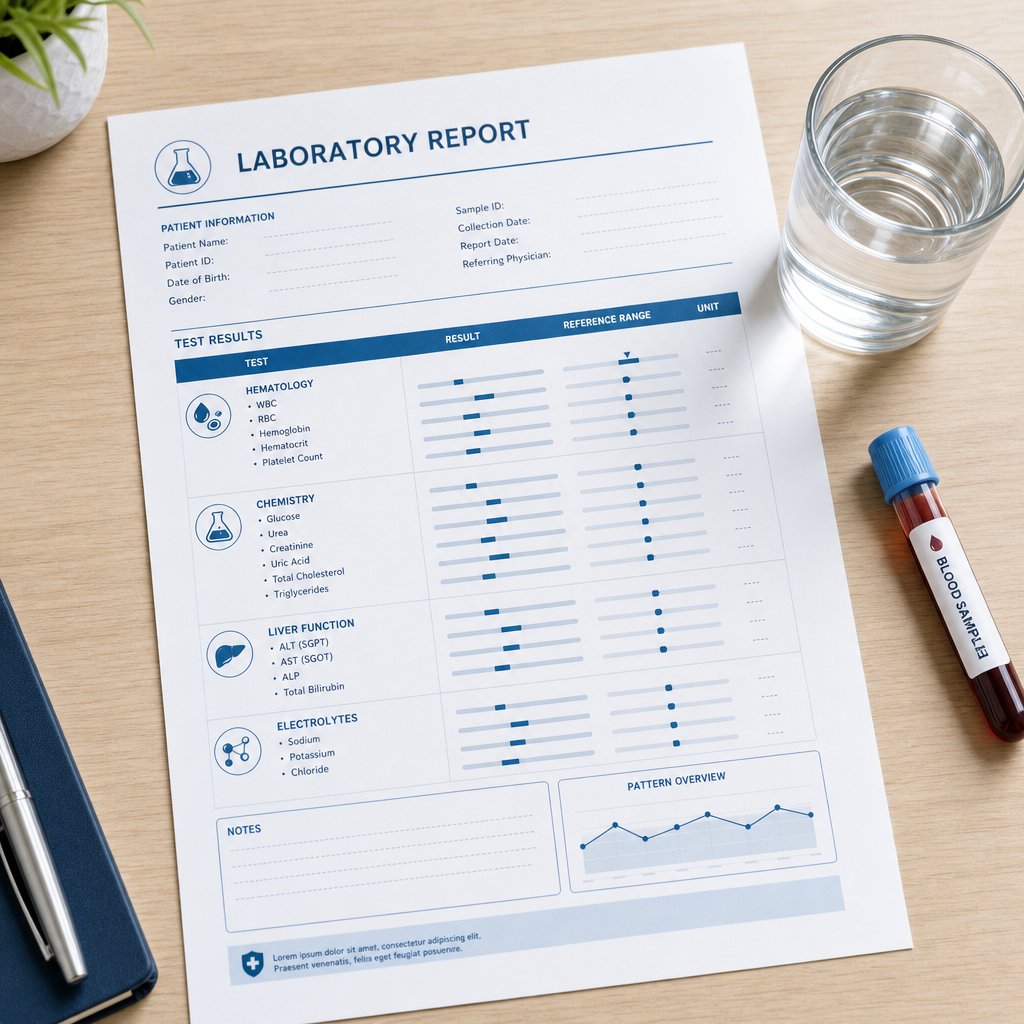
Knowing your numbers is the difference between guessing and making informed decisions about protein supplementation. Four key biomarkers give you a clear picture of how your kidneys are handling their workload. You do not need a medical degree to understand them, and requesting these tests from your doctor is straightforward.
- GFR (Glomerular Filtration Rate): Measures how well your kidneys filter blood. Normal is 60 or higher. Below 60 may indicate kidney disease. Below 15 suggests kidney failure.
- Serum Creatinine: A waste product from muscle metabolism filtered by the kidneys. Normal range is roughly 0.7 to 1.3 mg/dL for men and 0.6 to 1.1 mg/dL for women. Elevated levels can signal reduced kidney function, but high-protein diets and intense exercise can temporarily raise creatinine independently of kidney damage.
- BUN (Blood Urea Nitrogen): Reflects how much urea your kidneys are clearing. Normal range is 7 to 20 mg/dL. Because urea is a direct byproduct of protein metabolism, BUN rises predictably with higher protein intake. A high BUN alone does not mean kidney damage, but a rising BUN paired with rising creatinine warrants attention.
- Urine Albumin-to-Creatinine Ratio (uACR): Detects tiny amounts of protein leaking into urine. Normal is below 30 mg/g. Between 30 and 299 mg/g indicates moderate kidney disease risk. At or above 300 mg/g signals severe risk of kidney failure.
GFR and Creatinine Explained Simply
When you look at a lab report, GFR is the single most important number for assessing overall kidney function. It tells you how many milliliters of blood your kidneys filter per minute. The National Institute of Diabetes and Digestive and Kidney Diseases defines a GFR of 60 or higher as normal, while anything below 60 sustained over three months points toward chronic kidney disease.
Here is where protein intake complicates things. The OmniHeart trial found that a high-protein diet increased cystatin C-based eGFR by approximately 4 mL/min/1.73 m2 compared to lower-protein diets. At the same time, serum creatinine also rose slightly. This creates a confusing picture on paper: your GFR looks fine or even elevated, but your creatinine is creeping up. In reality, both changes reflect the normal hyperfiltration response to increased protein, not kidney injury.
The OmniHeart researchers noted that creatinine-based GFR equations may underestimate true filtration rate in people eating high-protein diets because dietary protein itself raises serum creatinine independently of kidney function. Cystatin C, a newer biomarker less influenced by diet and muscle mass, provides a more accurate picture in this context. If you are consuming protein supplements regularly and your creatinine appears borderline elevated, asking your doctor about a cystatin C test can clarify whether the number reflects dietary influence or genuine kidney stress.
The Albumin-to-Creatinine Ratio as an Early Warning
Of all the biomarkers listed above, the urine albumin-to-creatinine ratio deserves special attention if you are a regular protein powder user. Albumin is a blood protein that healthy kidneys keep out of your urine. When the glomerular filters sustain damage, even microscopic amounts of albumin begin leaking through, a condition called microalbuminuria. The Cleveland Clinic notes that a uACR below 30 mg/g is normal, while results between 30 and 299 mg/g indicate elevated risk of kidney failure, heart attack, or stroke.
What makes ACR particularly valuable is its sensitivity. It can detect kidney stress before GFR drops or creatinine rises noticeably. For someone consuming high daily protein loads, ACR acts as a canary in the coal mine. If your GFR and creatinine look normal but your ACR starts climbing above 30, that is an early signal that your kidneys are under more pressure than they can comfortably manage.
People sometimes wonder whether other factors can cause protein in urine besides kidney disease. The answer is yes. Intense exercise, fever, urinary tract infections, and even dehydration can temporarily elevate urine albumin. You might also ask: do kidney stones cause protein in urine? They can. Kidney stones may irritate or damage the urinary tract lining, leading to detectable proteinuria and diet-unrelated albumin spillage. This is why a single elevated ACR reading should always be confirmed with a repeat test before drawing conclusions. Proteinuria and diet are closely linked when protein intake is high, but transient causes need to be ruled out first.
If you are supplementing with protein powder regularly, here is a practical testing schedule to consider:
- Healthy adults with no risk factors: Baseline kidney panel (GFR, creatinine, BUN, uACR) once, then recheck annually if consuming more than 1.6 g/kg protein per day.
- Adults with diabetes, hypertension, or family history: Full kidney panel every 6 months, with uACR included each time.
- Anyone noticing warning signs (foamy urine, swelling, fatigue, changes in urination): Test immediately regardless of schedule.
Kidney disease and protein in urine share a direct relationship. The earlier you catch rising albumin levels, the more options you have to adjust your intake, address underlying causes, and prevent progression. These tests are inexpensive, widely available, and give you the data you need to supplement with confidence rather than uncertainty.
Hidden Factors That Make Protein Powder Riskier
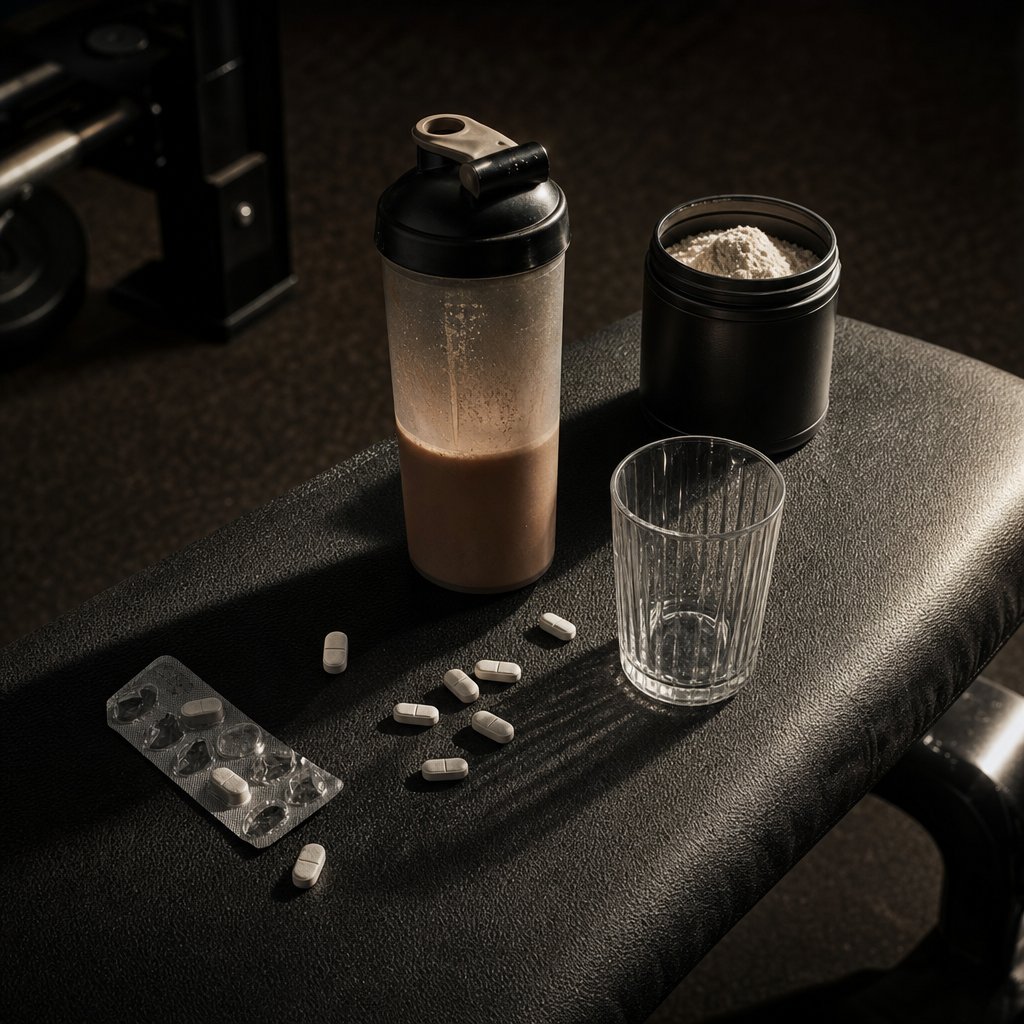
Protein powder on its own may not threaten healthy kidneys, but it rarely exists in isolation. The typical protein powder user is also training hard, possibly taking NSAIDs for soreness, stacking creatine for performance, and not always drinking enough water. Each of these factors independently stresses the kidneys. Layer them together, and you create a cumulative burden that transforms a manageable workload into a genuine risk. Understanding what supplements are bad for kidneys in combination helps you avoid the compounding trap that catches many athletes off guard.
Dehydration and Protein Powder Combined Risk
When you consume protein, your body produces urea as a metabolic byproduct. Urea needs water to be flushed out through the kidneys. If fluid intake does not keep pace with protein intake, urea and other nitrogenous waste products become more concentrated in the blood, forcing the kidneys to work harder to maintain clearance. The American Kidney Fund specifically notes that higher protein intake increases urea production, which may raise fluid needs and lead to potential dehydration if fluid intake does not increase accordingly.
Imagine running a dishwasher with half the normal water supply. The machine still tries to clean everything, but it strains under the reduced flow. Your kidneys face a similar scenario when you drink a concentrated protein shake but skip the extra water your body now requires. This is especially relevant for people who train in hot environments, use saunas post-workout, or rely on caffeinated pre-workouts that have mild diuretic effects.
Research on bodybuilders confirms that dehydration practices, including deliberate water restriction and sodium depletion, have been linked to increased risk of kidney dysfunction. While most recreational protein users are not cutting water for a competition, even moderate under-hydration during high-protein phases concentrates waste products and elevates the risk of acute kidney stress. A practical rule: for every 25 grams of protein powder consumed, aim for an additional 8 to 12 ounces of water beyond your baseline hydration needs.
NSAIDs, Creatine, and Other Compounding Factors
Non-steroidal anti-inflammatory drugs like ibuprofen and naproxen are the go-to pain relief for sore muscles after heavy training. They are also directly nephrotoxic. NSAIDs work by inhibiting prostaglandins, which among other functions help maintain blood flow to the kidneys. When prostaglandin production drops, renal blood flow decreases, and the kidneys lose some of their ability to filter waste efficiently. A narrative review on bodybuilding and kidney function found that regular high-dose NSAID administration significantly increases risks, particularly predisposing users to acute kidney injury and accelerating the progression of CKD.
The self-reported prevalence of NSAID use among athletes reaches up to 50%. Pair that with high protein intake, and you have two simultaneous stressors: one increasing the filtration demand on the kidneys, the other reducing their capacity to meet that demand. The review also noted that NSAID use is likely an underappreciated factor in reports of kidney damage among athletes who supplement heavily.
Creatine co-supplementation introduces a different kind of problem. Creatine itself, at standard doses of 3 to 5 grams per day for maintenance, has not been shown to damage healthy kidneys. However, creatine is converted to creatinine in the body, and creatinine is the primary marker doctors use to estimate kidney function. A case report published in BMJ Case Reports documented a 42-year-old man whose creatine ethyl ester supplementation raised his serum creatinine to 227 micromol/L, corresponding to an eGFR of just 28 mL/min. This looked like advanced kidney failure on paper. In reality, his kidneys were perfectly healthy. Once he stopped the supplement, creatinine returned to normal within two weeks.
This masking effect is the real danger. If you are taking both protein powder and creatine, your blood tests may show elevated creatinine that your doctor interprets as kidney stress. Alternatively, and more concerning, genuinely declining kidney function could be dismissed as "just the creatine" if your provider is not aware of the interaction. Either scenario delays accurate diagnosis. If you stack creatine with protein supplements, inform your doctor so they can order cystatin C testing, which is not influenced by creatine intake, for a clearer picture of actual kidney function.
Beyond NSAIDs and creatine, other compounding factors include anabolic androgenic steroids, which have been associated with focal segmental glomerulosclerosis in multiple case series, and high-dose vitamin D supplementation, which can cause hypercalcemia and subsequent acute kidney injury. The relationship between supplements and kidneys is rarely about a single substance. It is about the total load from everything you are putting into your body simultaneously.
Does protein powder cause kidney stones? The relationship is indirect but worth noting. High protein intake increases urinary calcium excretion and lowers urinary citrate, both of which promote stone formation. Concentrated protein loads also produce more uric acid, another stone-forming compound. While protein powder alone is unlikely to cause stones in someone with adequate hydration and no predisposition, the combination of high protein, low fluid intake, and creatine supplementation creates conditions where stone risk rises. Can protein shakes cause kidney stones on their own? Unlikely in isolation, but as part of a dehydrated, high-protein, multi-supplement lifestyle, the risk becomes meaningful.
Warning Signs That Indicate Kidney Stress
Your body gives signals when the kidneys are struggling under cumulative load. The challenge is that early kidney stress is often silent, and by the time symptoms appear, some damage may already be underway. Watch for these indicators, especially if you are combining protein powder with any of the compounding factors discussed above:
- Foamy or bubbly urine: Persistent foam that does not dissipate suggests protein is leaking into your urine, a sign the glomerular filters are under strain.
- Ankle or facial swelling: Fluid retention, particularly around the ankles, feet, or eyes upon waking, can indicate the kidneys are not clearing excess fluid properly.
- Persistent fatigue or brain fog: When waste products accumulate in the blood due to reduced kidney clearance, you may feel unusually tired, sluggish, or mentally cloudy despite adequate sleep.
- Changes in urination frequency or color: Urinating significantly more or less than usual, dark or tea-colored urine, or urine that appears reddish-brown all warrant immediate attention.
- Lower back pain unrelated to exercise: Dull, persistent pain in the flank area (below the ribs, toward the back) that does not correlate with your training may signal kidney inflammation or stones.
- Nausea or loss of appetite: Uremic symptoms from waste buildup can cause persistent nausea, metallic taste, or aversion to food, particularly protein-rich foods.
- Unexplained high blood pressure: The kidneys regulate blood pressure. When they are stressed, blood pressure can rise even in people with no prior history of hypertension.
Any single symptom in isolation may have a benign explanation. But if you notice two or more of these signs while consuming protein supplements regularly, especially alongside NSAIDs, creatine, or inadequate hydration, stop supplementing and get kidney function tested before resuming. Protein powder side effects on the kidney are rarely dramatic or sudden. They build gradually, which makes vigilance and periodic testing far more protective than waiting for obvious symptoms to appear.
The core lesson here is context. Protein powder kidney damage is not typically caused by the powder alone. It emerges from the ecosystem of habits surrounding it: the painkillers you pop after leg day, the water you forget to drink, the creatine you stack on top, the underlying condition you have not been screened for. Managing those surrounding factors is often more important than obsessing over the protein itself.
How Much Protein Powder Is Safe for Your Body Weight
Knowing which factors compound kidney stress is useful, but it still leaves a practical question unanswered: how much protein powder can you actually take without crossing into risky territory? The answer is not a single number. It is a calculation that accounts for your body weight, activity level, dietary protein from food, and individual health status. Getting this math right is what separates safe supplementation from blindly scooping and hoping for the best.
Calculating Your Total Daily Protein Load
Most people underestimate how much protein they already eat from food. Before adding a single scoop of powder, you need a realistic picture of your baseline intake. Consider a typical day: two eggs at breakfast (12 g), a chicken breast at lunch (38 g), Greek yogurt as a snack (15 g), and salmon at dinner (34 g). That is roughly 99 grams of protein before any supplement enters the equation.
For a 75 kg (165 lb) recreational exerciser whose target range is 1.2 to 1.6 g/kg per day, the goal falls between 90 and 120 grams total. In this scenario, supplementation is barely necessary, maybe a half scoop on days when meals fall short. Adding a full 25 to 30 gram serving of protein powder on top of that food intake pushes total daily protein to 124 to 129 grams, or about 1.65 to 1.72 g/kg. That is still within safe limits for a healthy person, but it is already above the recreational exerciser range and approaching serious athlete territory.
The mistake many people make is treating protein powder as an addition without subtracting what food already provides. Too much protein powder becomes a real concern not because a single shake is dangerous, but because it stacks on top of an already protein-rich diet and pushes total intake well beyond what your goals or kidneys require. UCLA Health dietitian Yasi Ansari notes that most healthy adults can safely consume up to 2 g/kg of body weight, which for a 150-pound person is about 135 grams per day, but exceeding that threshold chronically without monitoring is where problems begin.
Safe Supplementation Thresholds by Activity Level
How much protein is safe for kidneys depends heavily on what you are asking your body to do. A sedentary office worker and a competitive powerlifter have fundamentally different protein turnover rates, and their kidneys face correspondingly different workloads. Research supports the following ranges for total daily protein intake, including both food and supplements:
| Population Category | Recommended Total Protein (g/kg/day) | Max Supplement Contribution | Notes |
|---|---|---|---|
| Sedentary healthy adults | 0.8 - 1.0 | 0 - 15 g/day (if diet falls short) | Most can meet needs through food alone |
| Recreational exercisers (3-4x/week) | 1.2 - 1.6 | 15 - 30 g/day (1 serving) | One shake post-workout is typically sufficient |
| Serious athletes / heavy resistance training | 1.6 - 2.2 | 30 - 50 g/day (1-2 servings) | Spread intake across the day; monitor annually |
| Older adults (65+) maintaining muscle | 1.0 - 1.2 | 15 - 25 g/day | Higher per-meal doses (25-30 g) improve muscle protein synthesis |
| Early-stage CKD (stages 1-2) | 0.6 - 0.8 (per nephrologist) | Only as medically directed | Total intake must stay within strict limits |
These ranges draw from multiple sources. The review by Wu (2016) in Food & Function established that long-term consumption at 2 g/kg per day is safe for healthy adults, with a tolerable upper limit of 3.5 g/kg per day for well-adapted subjects. However, the same review warns that chronic intake above 2 g/kg per day may result in digestive, renal, and vascular abnormalities. The American College of Sports Medicine recommends 1.2 to 1.7 g/kg per day for active individuals, while avid exercisers may need up to 2.0 g/kg according to UCLA Health guidance.
Is a high protein diet bad for kidneys? For healthy people staying within these evidence-based ranges, no. The risk emerges when intake chronically exceeds the upper thresholds without periodic kidney function monitoring. Someone consuming 2.5 or 3.0 g/kg per day month after month, often by combining multiple protein shakes with an already protein-dense diet, is operating in territory where the safety data thins out and the potential for renal stress increases.
Can too much protein cause kidney stones? At very high intakes, yes. Excess protein increases urinary calcium and uric acid excretion while reducing citrate, all of which promote stone formation. Staying within the recommended ranges for your activity level, combined with adequate hydration, keeps this risk minimal.
Here is a quick formula to determine whether you even need protein powder on a given day:
- Multiply your body weight in kilograms by the upper end of your recommended range (e.g., 80 kg x 1.6 = 128 g target).
- Estimate your protein from food. A palm-sized portion of meat or fish provides roughly 25 to 30 g. An egg gives 6 g. A cup of Greek yogurt adds 15 to 20 g.
- Subtract food protein from your target. The remainder is what supplementation should cover, nothing more.
If the math shows you are already hitting your target through meals, the extra scoop is not helping your muscles. It is just generating more urea for your kidneys to clear. Is too much protein bad for your kidneys in this context? For a healthy person, one extra shake will not cause damage. But habitually consuming 40 to 60 grams beyond your actual needs, day after day, offers no performance benefit while incrementally increasing renal workload for no reason.
The practical goal is precision, not restriction. Know your target range, track your food intake for a few days to establish a baseline, and use protein powder to fill genuine gaps rather than as a default habit. Too much protein for kidneys is not about a single bad day. It is about chronic overconsumption without awareness, the kind that accumulates quietly over months and years. Matching your intake to your actual needs protects both your performance and your long-term kidney health.
Comparing Protein Powder Types for Kidney Safety
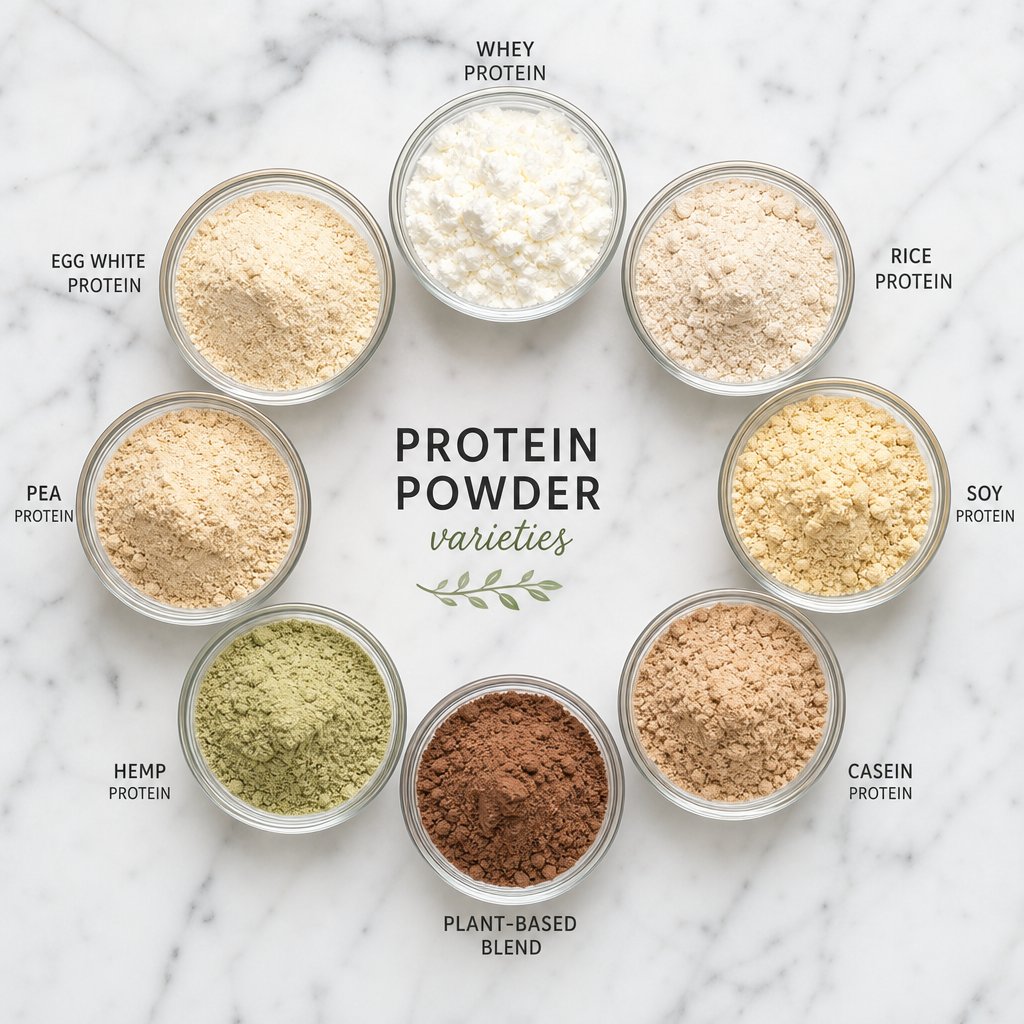
Matching your protein intake to your body weight and activity level is one half of the equation. The other half is what kind of protein powder you are putting into your body. Not all protein types are created equal when it comes to kidney impact. They differ in phosphorus content, potassium load, acid-generating potential, absorption speed, and contamination risk. If you are asking whether is whey protein bad for kidneys or wondering whether plant-based alternatives are gentler, the answer depends on the specific nutritional profile of each type and your individual kidney status.
Whey, Casein, and Animal-Based Protein Powders
Whey protein dominates the supplement market, and it comes in two primary forms: concentrate and isolate. The distinction matters for kidney health because of what gets removed during processing.
Whey concentrate retains more of the original milk components, including lactose, fat, and notably, phosphorus. A typical serving of whey concentrate contains 100 to 200 mg of phosphorus. Whey isolate undergoes additional filtration that strips away most of the lactose and fat, reducing phosphorus content to roughly 50 to 100 mg per serving. For someone with healthy kidneys, this difference is negligible. For someone managing early kidney decline or monitoring phosphorus levels, it becomes clinically relevant.
Does protein have phosphorus? Yes, virtually all protein sources contain some phosphorus because it is integral to amino acid structures and cellular energy metabolism. The key difference is bioavailability. Phosphorus from animal-based protein powders like whey and casein is highly bioavailable, meaning your body absorbs 80 to 100% of it. This contrasts sharply with plant-based sources, where phosphorus exists primarily as phytate, a form humans absorb at only 20 to 50% efficiency. Research published in the Clinical Journal of the American Society of Nephrology confirmed that vegetarian protein sources produce lower serum phosphorus and FGF-23 levels compared to meat-based protein in CKD patients, even when total phosphorus content on the label appears similar.
Casein, the other major milk protein, absorbs more slowly than whey. It forms a gel-like structure in the stomach that releases amino acids over several hours rather than flooding the bloodstream all at once. This slower delivery means a more gradual urea production curve and a less acute spike in glomerular filtration demand. For people concerned about whey protein side effects on the kidney, casein offers a theoretically gentler alternative, though clinical trials have not demonstrated a significant difference in kidney outcomes between the two in healthy populations.
Animal-based powders also tend to carry higher sodium content depending on flavoring and processing. Sodium directly affects blood pressure and fluid retention, both of which influence kidney workload over time. Checking the nutrition label for sodium per serving is a simple but often overlooked step.
Plant-Based Protein Powders and Kidney Impact
Pea, soy, rice, and hemp protein powders have gained popularity for reasons beyond dietary preference. From a kidney perspective, they offer several distinct advantages that make them worth considering, especially for anyone managing risk factors.
Is plant protein powder bad for kidneys? The evidence suggests the opposite. A cross-sectional study of 377 CKD patients published in Nutrients found that each 10% increase in plant protein intake was associated with a 20% higher likelihood of adhering to a low-protein diet, lower potential renal acid load (PRAL), and higher serum bicarbonate levels. Critically, these benefits occurred without compromising lean muscle mass or grip strength.
Why does the protein source matter so much? Three mechanisms explain the kidney-friendliness of plant-based options:
- Lower acid load: Animal proteins are rich in sulfur-containing amino acids (methionine, cysteine) that generate sulfuric acid during metabolism. Plant proteins contain fewer of these amino acids, producing less metabolic acid. Chronic metabolic acidosis accelerates kidney decline, damages bone, and impairs muscle homeostasis. Reducing dietary acid load through plant protein helps counteract this cascade.
- Reduced phosphorus bioavailability: As noted above, plant-based phosphorus in phytate form is poorly absorbed. This means a pea protein powder with 150 mg of phosphorus on the label delivers far less absorbable phosphorus to your bloodstream than a whey powder with the same listed amount.
- Lower uremic toxin production: Research in the Clinical Journal of the American Society of Nephrology demonstrated that vegetarian diets produce significantly less p-cresyl sulfate and indoxyl sulfate, two protein-bound uremic toxins that accumulate in CKD and contribute to cardiovascular damage and disease progression.
For people with diagnosed kidney disease seeking the best plant based protein for kidney disease, pea and rice protein blends offer complete amino acid profiles with minimal potassium and phosphorus loads. Hemp protein provides additional fiber but tends to carry slightly higher potassium per serving. Soy protein is well-studied and effective but may not suit everyone due to phytoestrogen content or personal preference. A low potassium protein powder is particularly important for CKD patients in later stages, where potassium management becomes a daily concern.
Does whey protein cause kidney stones? The relationship is indirect. Whey increases urinary calcium excretion and acid load, both stone-promoting factors. Plant proteins, by contrast, tend to be more alkaline-forming and may actually reduce stone risk by maintaining higher urinary citrate levels. For someone with a history of calcium oxalate stones, plant-based powders represent a lower-risk choice.
Contaminant Risk and Quality Control
Beyond the protein type itself, product quality introduces an entirely separate kidney risk factor. A Consumer Reports investigation tested 23 popular protein powders and found that more than two-thirds contained more lead per serving than their threshold of concern (0.5 micrograms per day). Two plant-based products contained lead levels exceeding 6 micrograms per serving, high enough that Consumer Reports advised avoiding them entirely.
Heavy metals like lead, cadmium, and arsenic are nephrotoxic. Lead accumulates in the body over decades, stored in bones with a half-life of 10 to 30 years. Chronic low-level lead exposure is linked to hypertension, a major kidney disease risk factor, and direct tubular damage. The danger is not from a single contaminated shake but from daily consumption over months and years, exactly the pattern of a regular protein powder user.
The Consumer Reports findings revealed that plant-based powders tested contained lead levels nine times higher on average than dairy and beef-based powders. This creates a paradox: plant proteins may be gentler on kidneys from a metabolic standpoint, but if they carry higher heavy metal contamination, that advantage can be offset. The explanation lies in sourcing. Plants absorb heavy metals from soil, and protein concentrates derived from those plants concentrate the contaminants along with the protein.
Since protein powders are regulated as dietary supplements rather than food or drugs, the FDA does not test or approve them before sale. Manufacturers are responsible for their own quality control, and standards vary enormously. Third-party certifications like NSF International, Informed Sport, or USP verification indicate that a product has been independently tested for contaminants and label accuracy. Products without these certifications are essentially asking you to trust the manufacturer's word alone.
The protein types safe for kidneys are ultimately those that combine an appropriate nutritional profile with verified purity. A clean, third-party tested whey isolate may be safer for your kidneys than a contaminated plant-based powder, despite the theoretical metabolic advantages of plant protein. Quality control is not a secondary consideration. It is a primary one.
| Protein Type | Phosphorus Level | Potassium Level | Absorption Rate | Acid Load | Kidney-Friendliness Rating |
|---|---|---|---|---|---|
| Pea protein | Low (poorly absorbed phytate form) | Low to moderate | Moderate | Low | High |
| Rice protein | Low (phytate form) | Low | Moderate | Low | High |
| Hemp protein | Low to moderate (phytate form) | Moderate to high | Moderate | Low | Moderate-High |
| Soy protein isolate | Moderate (partially bioavailable) | Low to moderate | Moderate-fast | Low-moderate | Moderate-High |
| Casein | Moderate (highly bioavailable) | Low to moderate | Slow (2-4 hours) | Moderate | Moderate |
| Whey isolate | Low-moderate (highly bioavailable) | Low | Fast (20-40 min) | Moderate-high | Moderate |
| Whey concentrate | Moderate-high (highly bioavailable) | Low to moderate | Fast (20-40 min) | Moderate-high | Low-Moderate |
The table above provides a general framework, but individual products vary significantly based on processing methods, additives, and sourcing. A whey isolate from a manufacturer with rigorous heavy metal testing may outperform a plant-based powder from a company with no third-party verification. The protein type sets the baseline; the manufacturer's quality standards determine whether that baseline holds in practice.
For anyone prioritizing kidney safety, the selection process involves two layers of decision-making. First, choose a protein type that aligns with your metabolic needs: lower phosphorus bioavailability and acid load if you have risk factors, or whichever type fits your dietary preferences if your kidneys are healthy. Second, verify that the specific product you buy has been tested for contaminants by an independent lab. Skipping either layer leaves a gap that could undermine your efforts to supplement responsibly.
Choosing Kidney-Safe Protein Supplements That Work
Knowing which protein types rank higher for kidney safety and which contaminants to avoid gives you a framework. But walking into a supplement store or scrolling through hundreds of online options still leaves a gap between knowledge and action. How do you actually identify a kidney friendly protein powder on the shelf? What specific label details separate a safe product from one that quietly adds renal stress over months of daily use?
What to Look for in a Kidney-Friendly Protein Product
The best protein powder for kidney disease prevention is not necessarily the one with the highest protein per scoop or the most impressive amino acid profile. It is the one that delivers adequate protein without dragging along excessive phosphorus, potassium, sodium, or heavy metal contamination. Think of it as a checklist where every box matters:
- Low phosphorus content: Look for products with less than 100 mg of phosphorus per serving. Egg white protein and collagen-based powders tend to have the lowest phosphorus levels, while dairy-based concentrates sit at the higher end. As noted by nutrition researchers, egg white protein can actually help lower phosphorus levels in the blood, making it a strong candidate for renal protein supplements.
- Low potassium per serving: Aim for products under 150 mg of potassium per serving. Some plant-based powders, particularly hemp, can exceed 300 mg per serving, which becomes problematic for anyone monitoring electrolyte balance.
- Third-party tested for heavy metals: Look for NSF International, Informed Sport, or USP verification marks. These certifications confirm the product has been independently screened for lead, cadmium, arsenic, and banned substances. Products without third-party testing are essentially unverified claims on a label.
- No phosphate-based additives: Scan the ingredient list for anything containing "PHOS," including dipotassium phosphate, tricalcium phosphate, and sodium phosphate. These additives are nearly 100% bioavailable and can significantly increase your actual phosphorus load beyond what the nutrition panel suggests.
- Transparent, short ingredient list: The fewer additives, the fewer unknowns. Single-ingredient protein powders (just the protein source itself) eliminate the risk of hidden phosphorus or potassium from emulsifiers, thickeners, and artificial sweeteners. Research suggests that food additives common in protein supplements may disrupt gut microbiome balance, which has been linked to increased production of uremic toxins that burden the kidneys.
- Appropriate serving size: Products that default to 40 or 50 gram protein servings push many users beyond their actual needs. A kidney friendly protein product should offer 20 to 25 gram servings, allowing you to dose precisely based on your calculated daily gap.
- Minimal sodium: Keep sodium under 200 mg per serving. Higher sodium increases blood pressure and fluid retention, both of which add kidney workload over time.
For people with diagnosed CKD seeking the best protein shake for kidney disease management, these criteria become non-negotiable rather than nice-to-have. Protein powder for renal patients must meet tighter thresholds across all these parameters, and ideally should be selected in consultation with a renal dietitian who can cross-reference the product's nutritional profile against your specific lab values and dietary restrictions.
Low protein shakes for kidney disease, those formulated with smaller serving sizes and controlled mineral content, are increasingly available as manufacturers recognize this underserved market. Protein drinks for renal patients differ from standard fitness supplements in that they prioritize what they leave out (excess phosphorus, potassium, sodium, and contaminants) as much as what they include.
Working With Manufacturers Who Prioritize Formulation Quality
Product formulation is where kidney safety is either built in or overlooked. A protein powder designed for general fitness consumers optimizes for taste, mixability, and protein density. A product designed for kidney-conscious consumers optimizes for mineral control, purity, and appropriate dosing. These are fundamentally different design goals, and they require manufacturers with the technical capability to formulate accordingly.
For nutrition brands, supplement importers, and private label sellers looking to develop kidney-friendly protein products, the manufacturing partner matters as much as the formula itself. An experienced OEM/ODM manufacturer with customized formulation capabilities can control phosphorus and potassium levels at the ingredient sourcing stage, test for heavy metals throughout production, and offer flexible product formats that serve different consumer needs.
Consider the range of delivery formats that kidney-conscious consumers might need: a standard powder or granule format for mixing into shakes, an oral liquid for patients with swallowing difficulties or those who need precise volume-based dosing, or even capsule formats for targeted amino acid supplementation without the bulk of a full protein serving. Manufacturers like ZhuFeng, which offer scalable production across formats including powder/granules, oral liquids, hard capsules, and soft capsules, enable brands to build product lines specifically tailored to renal patients rather than repurposing generic fitness formulas with a new label.
The difference between a kidney-safe product and a standard protein powder often comes down to decisions made during formulation: which protein source to use, which additives to exclude, what heavy metal thresholds to enforce, and how to structure serving sizes for controlled intake. Brands that partner with OEM/ODM manufacturers offering customized formulation and rigorous quality testing can create genuinely differentiated products rather than adding another generic whey powder to an already crowded market.
Regardless of whether you are a consumer choosing a product or a brand developing one, the principle is the same. Kidney safety is not an afterthought you bolt onto a finished formula. It is a design constraint that shapes every decision from raw material selection through final packaging. The best kidney friendly protein powder is the one built with that constraint from the start, verified by independent testing, and transparent enough in its labeling that you can confirm it meets your specific needs without guessing.
The Bottom Line on Protein Powder and Kidney Health
You have made it through the biology, the biomarkers, the compounding risk factors, and the product comparisons. So where does all of this leave you? The answer is surprisingly clear once you strip away the noise: are protein powders bad for kidneys? Not inherently. But context is everything, and your individual health profile determines whether that daily scoop is a non-issue or something that warrants careful management.
Your Personal Risk Assessment Summary
The blanket claim that protein is bad for kidneys collapses under the weight of evidence when applied to healthy adults. Systematic reviews, prospective cohorts, and randomized controlled trials consistently show that protein intakes up to 2.0 g/kg per day do not cause kidney damage in people with normal renal function. Hyperfiltration occurs, yes, but it is adaptive, not destructive. Your kidneys are designed to handle variable protein loads the same way your lungs handle a flight of stairs.
The picture changes meaningfully for people carrying risk factors. Diabetes, hypertension, obesity, and family history of kidney disease all reduce the margin of safety. And for anyone with diagnosed CKD, protein supplementation without medical oversight is genuinely risky. The question is not whether protein powder is universally harmful. It is whether your kidneys, specifically, have the reserve capacity to manage what you are asking of them.
Protein powder is not inherently bad for your kidneys. Individual context, including baseline kidney function, existing health conditions, hydration habits, and total daily protein load, determines whether supplementation is safe, cautious, or contraindicated for you.
Is protein shake bad for your kidneys if you are a healthy 30-year-old who exercises four times a week and drinks adequate water? The evidence says no. Is powder protein bad for your kidneys if you have stage 3 CKD and are already exceeding your nephrologist's recommended intake? The evidence says yes. Same product, completely different risk profiles.
Next Steps Based on Your Situation
Rather than leaving you with abstract conclusions, here is a concrete action plan based on where you fall on the risk spectrum. These steps apply whether you are currently supplementing or considering starting:
- Get baseline kidney labs. If you supplement with protein powder regularly and have never had your kidney function tested, request a basic panel: GFR, serum creatinine, BUN, and urine albumin-to-creatinine ratio. This gives you a reference point to track changes over time. The American Kidney Fund emphasizes that CKD is often undiagnosed in its early stages, making proactive testing essential for anyone consuming extra protein.
- Calculate your actual protein needs. Multiply your body weight in kilograms by the appropriate range for your activity level (0.8-1.0 for sedentary, 1.2-1.6 for recreational exercise, 1.6-2.2 for serious athletes). Track your food intake for three days to see how much protein you already consume. Supplement only the gap, not a default amount.
- Stay adequately hydrated. For every 25 grams of protein powder consumed, add 8 to 12 ounces of water beyond your baseline needs. Dehydration concentrates waste products and forces your kidneys to work harder for the same clearance.
- Eliminate compounding risk factors. Avoid chronic NSAID use alongside high protein intake. If you stack creatine, inform your doctor so they can use cystatin C rather than creatinine-based estimates for kidney function. Address any uncontrolled blood pressure.
- Choose quality products with verified purity. Select protein powders that are third-party tested (NSF, Informed Sport, or USP), low in phosphorus and potassium, free of phosphate-based additives, and transparent in their ingredient lists. Are protein shakes bad for kidneys when they carry heavy metal contamination? They certainly can be, which is why product quality is not optional.
- Retest periodically. If you consume more than 1.6 g/kg per day, recheck kidney labs annually. If you have risk factors, test every six months. If any warning signs appear, foamy urine, swelling, unexplained fatigue, or changes in urination, test immediately and pause supplementation until results are clear.
- Consult a specialist if needed. Anyone with a GFR below 60, a uACR above 30, or diagnosed CKD should work directly with a nephrologist and renal dietitian before using any protein supplement. Protein powder bad for kidneys is not a myth in this population. It is a clinical reality that requires professional guidance.
For supplement brands and private label sellers developing products for kidney-conscious consumers, these same principles apply at the formulation level. Working with an OEM/ODM manufacturing partner that offers customized formulation across multiple product formats, such as ZhuFeng's health food manufacturing services, enables brands to create kidney-optimized protein products with controlled mineral content, verified purity, and appropriate serving sizes from the ground up.
The protein-kidney conversation does not need to be binary. It is not a choice between avoiding protein powder entirely and ignoring the concern altogether. With the right data about your own kidney function, a clear understanding of your actual protein needs, and a commitment to quality products and smart habits, you can supplement confidently. Your kidneys are remarkably capable organs. Respect their limits, give them what they need to function well, and they will handle the rest.
Frequently Asked Questions About Protein Powder and Kidney Health
1. Can protein powder damage healthy kidneys?
Current evidence from systematic reviews and randomized controlled trials shows no kidney damage from protein powder in healthy adults with normal renal function. Protein intake up to 2.0 g/kg body weight per day has been studied without adverse kidney outcomes in this population. The temporary increase in glomerular filtration rate (hyperfiltration) that occurs after consuming protein is an adaptive response, not a sign of injury. However, chronic intake above 2.0 g/kg per day without periodic kidney function monitoring enters territory where safety data becomes limited, so annual testing is recommended for heavy supplementers.
2. How much protein powder per day is safe for kidneys?
Safe amounts depend on your total daily protein from all sources combined, not just supplements. Sedentary adults need 0.8-1.0 g/kg/day total, recreational exercisers 1.2-1.6 g/kg/day, and serious athletes 1.6-2.2 g/kg/day. Protein powder should only fill the gap between what food provides and your target. For most people, this means one serving (20-30 grams) is sufficient. Calculate your food protein first, then supplement only the difference. Exceeding your range chronically generates extra urea without performance benefit, adding unnecessary kidney workload.
3. Which type of protein powder is safest for kidneys?
Plant-based protein powders like pea and rice protein rank highest for kidney safety due to lower bioavailable phosphorus, reduced metabolic acid load, and fewer uremic toxin precursors. However, some plant-based products carry higher heavy metal contamination from soil absorption. Whey isolate is also acceptable for healthy kidneys due to lower phosphorus than whey concentrate. The safest choice combines an appropriate protein type with third-party testing verification (NSF, Informed Sport, or USP) to confirm low heavy metal levels. For brands developing kidney-optimized formulas, OEM/ODM manufacturers like ZhuFeng offer customized formulation with controlled mineral content across powder, liquid, and capsule formats.
4. What are the warning signs that protein powder is affecting your kidneys?
Key indicators include persistently foamy or bubbly urine (suggesting protein leakage), ankle or facial swelling from fluid retention, unexplained fatigue or brain fog from waste accumulation, changes in urination frequency or color, lower back pain unrelated to exercise, nausea or appetite loss, and unexplained blood pressure increases. These symptoms often develop gradually rather than suddenly. If you notice two or more signs while supplementing, pause protein powder use and request kidney function testing including GFR, creatinine, and urine albumin-to-creatinine ratio before resuming.
5. Should people with diabetes or high blood pressure avoid protein powder?
They do not need to avoid it entirely, but they should approach it with caution and medical monitoring. Research shows that among individuals with diabetes, higher protein intake is associated with increased odds of developing end-stage renal disease in a dose-dependent manner. Both diabetes and hypertension independently stress the kidneys through vascular damage and hyperfiltration. Adding high protein loads compounds this existing burden. People in this category should keep total protein at 0.8-1.2 g/kg/day, get kidney function tested every six months, and work with a healthcare provider to track biomarker trends over time.