No, They Are Not the Same and Here Is Why It Matters
Are baking soda and baking powder the same? No. Despite sitting side by side on grocery store shelves and sharing nearly identical names, these two white powders are fundamentally different products. Grabbing the wrong one mid-recipe is one of the most common baking mistakes, and it can turn a batch of golden chocolate chip cookies into flat, metallic-tasting discs or leave a birthday cake dense enough to double as a doorstop.
The Short Answer to a Common Kitchen Question
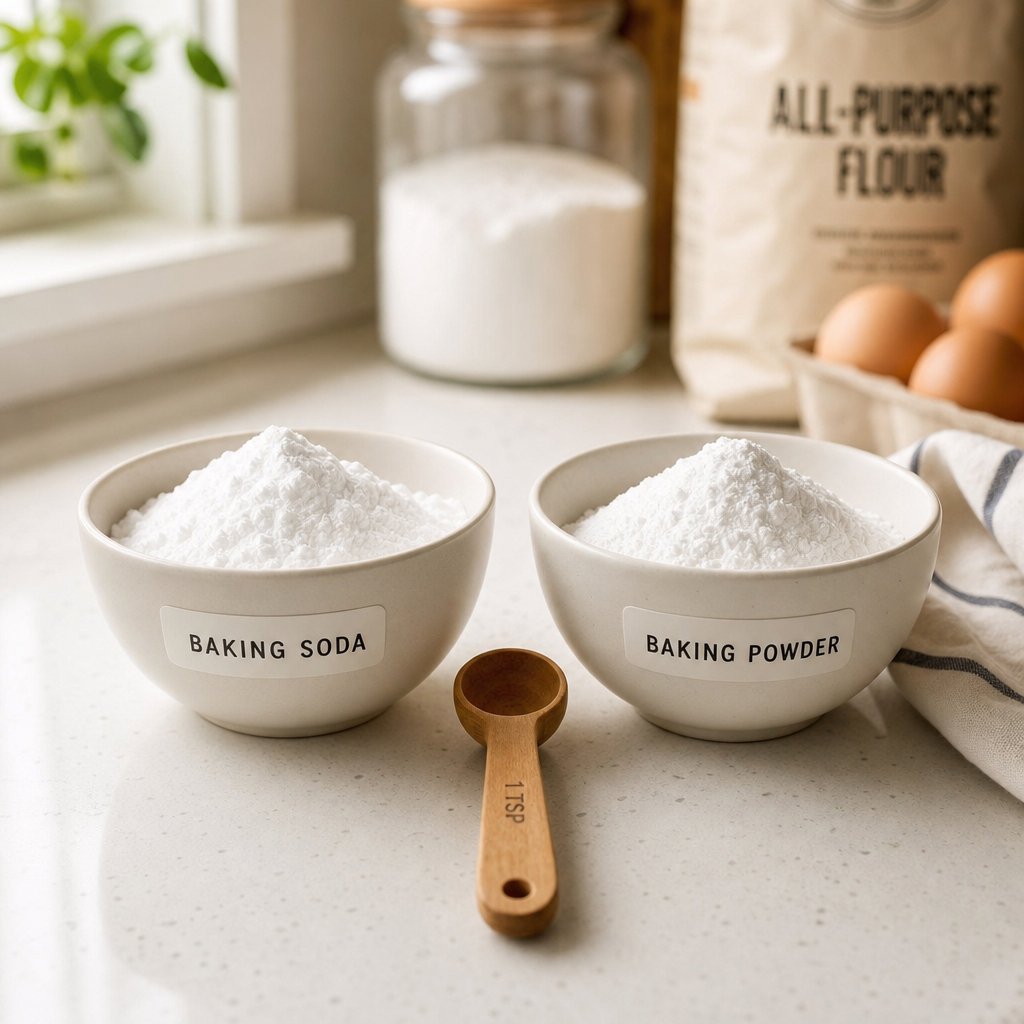
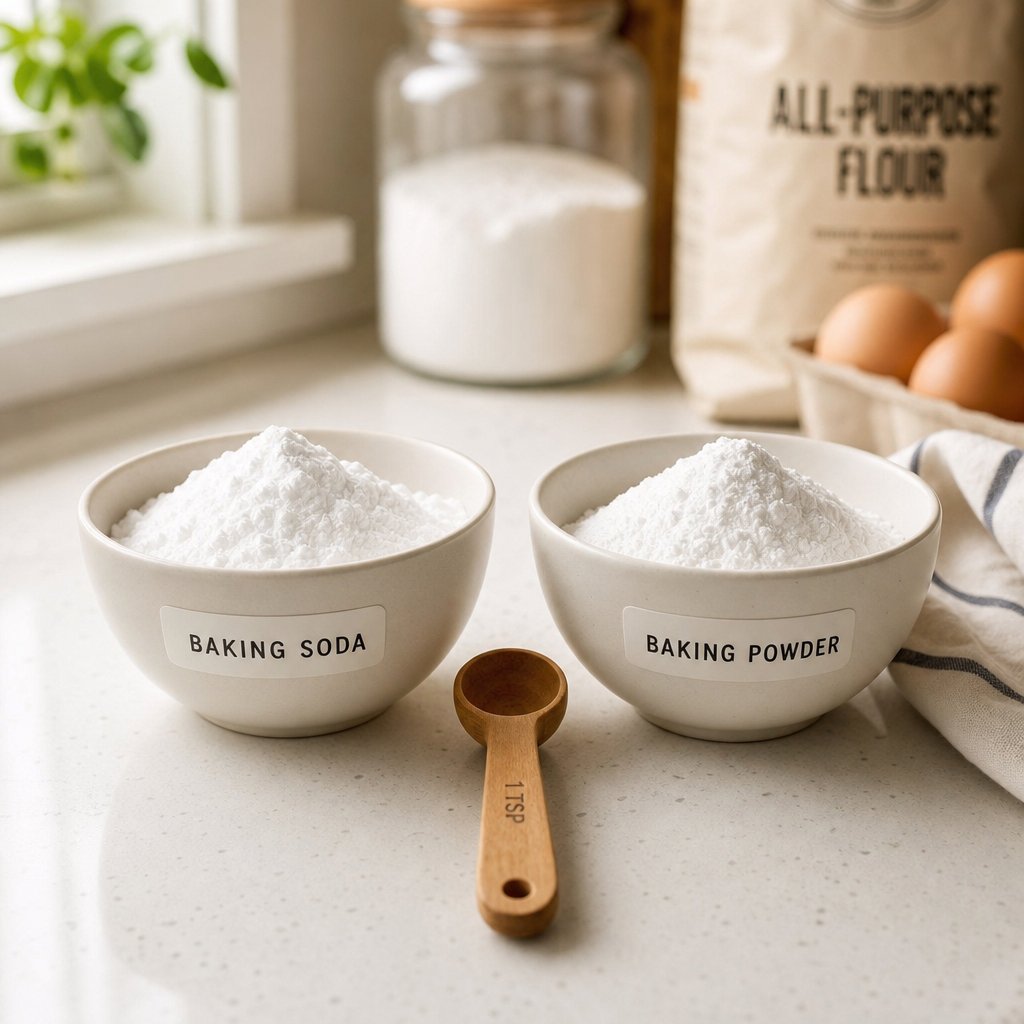
Baking soda is pure sodium bicarbonate, a single-ingredient compound that acts as a base. It needs an external acid, like buttermilk or lemon juice, to produce the carbon dioxide gas that makes baked goods rise. Baking powder, on the other hand, is a mixture of sodium bicarbonate plus an acid and a starch buffer (usually cornstarch). It carries everything it needs to create lift right inside the can. So is baking powder and baking soda the same? Not even close. One is a solo ingredient; the other is a self-contained leavening system.
Baking soda and baking powder share one ingredient, sodium bicarbonate, but they work through fundamentally different chemical mechanisms. Treating them as interchangeable is the fastest way to ruin a recipe.
Why This Distinction Matters for Your Baking
When you wonder whether baking powder is it the same as baking soda, consider what happens when you swap them without adjusting the recipe. Too much baking soda without enough acid leaves behind a soapy, metallic aftertaste. Baking powder used where soda belongs produces pale cookies that barely spread. The consequences are real: wasted butter, wasted time, and a dessert nobody wants to eat.
Understanding the baking soda vs baking powder distinction gives you control over texture, color, and flavor in every recipe you touch. You will know why your pancakes fall flat, why your muffins taste bitter, and why certain recipes call for both leaveners at once. Are baking powder and baking soda the same thing in practice? Never. And once you understand the science behind each one, you will bake with confidence instead of guesswork.
This guide breaks down the chemistry, substitution ratios, and troubleshooting strategies you need, all in plain language that connects the lab to your kitchen counter.
The Acid-Base Chemistry Behind Each Leavener Explained Simply
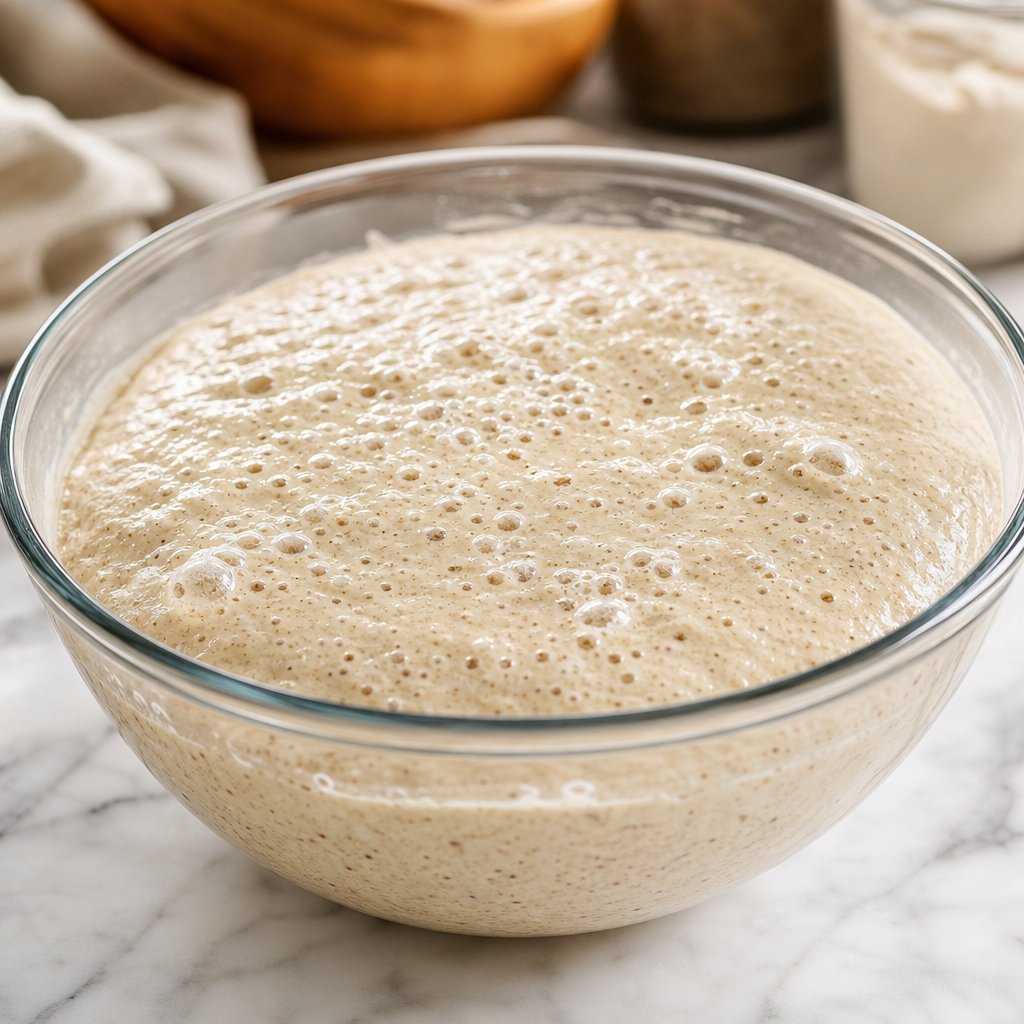
Every fluffy pancake and every airy muffin owes its texture to a gas: carbon dioxide. Both baking soda and baking powder generate CO₂, but they take completely different chemical paths to get there. Understanding those paths is the difference between a recipe that rises on cue and one that fizzles out before it hits the oven.
How Baking Soda Creates Lift Through Acid Reactions
Baking soda is pure sodium bicarbonate. The cooking soda chemical formula is NaHCO₃, and it behaves as a base in solution. So is baking soda an acid or base? It is firmly a base, with a pH around 8.3 when dissolved in water. That alkaline nature is exactly what makes it useful in baking, because bases react with acids to produce gas.
Here is the step-by-step process of what does baking soda do in a recipe:
- You mix baking soda into a batter that contains an acidic ingredient, such as buttermilk, yogurt, lemon juice, vinegar, honey, or brown sugar (which contains molasses).
- The sodium bicarbonate dissolves in the liquid and immediately encounters the acid.
- An acid-base reaction occurs: NaHCO₃ + acid → sodium salt + H₂O + CO₂.
- Carbon dioxide gas forms bubbles within the batter, expanding pre-existing air pockets created during mixing.
The key detail? This reaction happens fast. The moment baking soda contacts an acid in liquid form, CO₂ starts releasing in a single, immediate burst. There is no second wave. That is why recipes using only baking soda need to go into the oven quickly, before the gas escapes from the batter. As McGill University's Office for Science and Society explains, the acid-base reaction produces one molecule of CO₂ for every molecule of sodium bicarbonate, making it highly efficient when properly balanced with an acid source.
How Baking Powder Works as a Self-Contained System
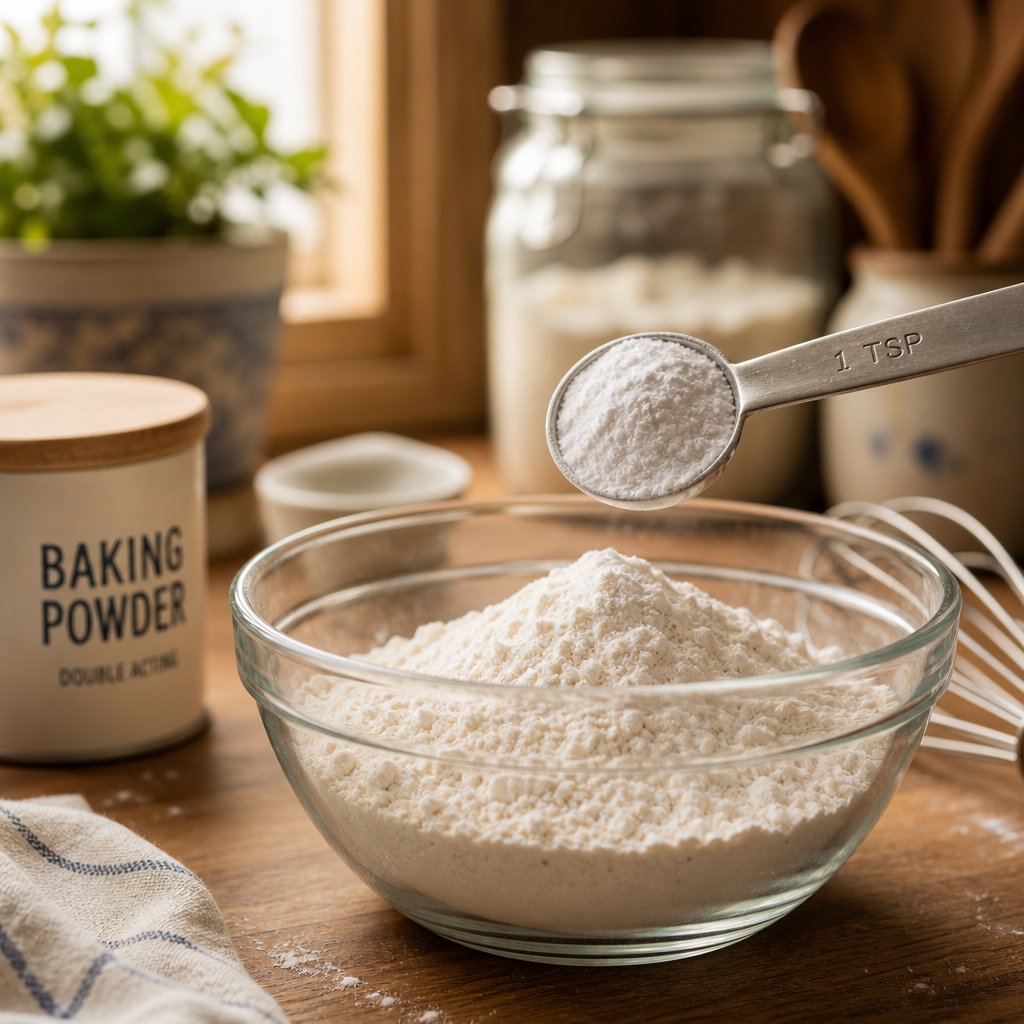
Baking powder takes a different approach. Instead of relying on your recipe to supply the acid, it brings its own. If you can name two constituents of baking powder, they would be sodium bicarbonate (the base) and a powdered acid such as cream of tartar or sodium aluminum sulfate. A third component, cornstarch, acts as a buffer to absorb moisture and prevent premature reactions during storage.
So what does baking powder do differently? When liquid is added to the batter, the acid and base dissolve together and react, producing CO₂ without needing buttermilk, lemon juice, or any other external acid. In double-acting formulas, a second acid activates only when exposed to oven heat, providing a delayed rise that continues after the batter is already in the pan.
This self-contained design makes baking powder the go-to leavener for recipes with neutral or low-acid batters, like vanilla cake or sugar cookies made without buttermilk. It does not depend on what else is in the bowl.
The Role of CO₂ Gas in Leavening
Regardless of which leavener you use, the end goal is the same: generate enough carbon dioxide to inflate the batter's structure before heat sets the proteins and starches in place. But as Pastry Arts Magazine points out, leaveners do not create new air bubbles from scratch. They enlarge bubbles that already exist from creaming butter, whipping eggs, or simply stirring. Without those pre-existing pockets to trap the gas, CO₂ would simply rise to the surface and escape, much like carbonation leaving an open soda can.
This is why mixing technique matters alongside leavener choice. A well-creamed batter gives baking soda or baking powder something to work with. The chemistry provides the gas; your technique provides the structure to hold it.
| Property | Baking Soda | Baking Powder |
|---|---|---|
| Chemical Name | Sodium bicarbonate (NaHCO₃) | Sodium bicarbonate + acid salt + starch |
| Requires External Acid | Yes (buttermilk, yogurt, vinegar, etc.) | No (acid is included in the powder) |
| Activation Trigger | Contact with acid in liquid | Moisture and/or heat |
| Strength of Reaction | Immediate, single burst of CO₂ | Gradual, can be two-stage (double-acting) |
Because baking soda is basic or acidic matters so much to the final product, the timing of gas release shapes everything from crumb texture to surface browning. Baking soda's instant reaction rewards speed. Baking powder's staged release rewards patience. And that staged release, particularly in double-acting formulas, introduces a layer of flexibility that changes how you plan your baking schedule entirely.
Single-Acting vs Double-Acting Baking Powder and Why It Matters
That two-stage gas release mentioned above is not just a chemistry footnote. It represents a real fork in the road when you reach for baking powder at the store. Most home bakers never think about it, but baking powder comes in two distinct types, and the one you use quietly shapes how much flexibility you have between mixing a batter and sliding it into the oven.
Single-Acting Baking Powder and Its Timing Constraints
Single-acting baking powder contains sodium bicarbonate paired with a single fast-acting acid, often cream of tartar. The moment liquid hits the powder, the acid and base dissolve together and react immediately, releasing all available CO₂ gas at once. There is no second phase. No backup. Every bubble forms right there in the mixing bowl.
What does this mean in practice? You have a narrow window. Once you stir liquid into a batter leavened with single-acting baking powder, the clock starts ticking. Delay getting that pan into the oven, and the gas escapes before heat can set the structure. The result is a flat, dense product that never reaches its full rise potential.
Single-acting formulas are not useless, though. Some professional donut makers actually prefer them. As The Bake School explains, donuts fried with double-acting powder can crack on the outside because the second rise triggers after the surface has already set in hot oil. A fast-acting, single-acting powder finishes reacting before the dough hits the fryer, producing a smooth exterior without cracks.
Why Double-Acting Baking Powder Became the Standard
Walk down the baking aisle of any North American grocery store and you will almost exclusively find double-acting baking powder. Brands like Clabber Girl, Rumford, and Magic Baking Powder all use this formula. So what is baking powder made of in these double-acting versions?
Double-acting baking powder contains sodium bicarbonate plus two acids that react at different stages:
- A fast-acting acid (such as monocalcium phosphate or cream of tartar) that reacts when moistened at room temperature, releasing a small initial burst of CO₂.
- A slow-acting acid (such as sodium aluminum sulfate or sodium acid pyrophosphate) that requires heat to fully activate, releasing the bulk of the gas once the batter reaches oven temperatures.
According to Understanding Ingredients for the Canadian Baker, approximately 15% of the CO₂ releases during the cold stage when liquid is first added, while the remaining 85% releases in the oven starting around 40°C (105°F). This two-phase design is the core baking powder and soda difference when it comes to timing: baking soda demands urgency, while double-acting powder gives you breathing room.
This split reaction is precisely why double-acting powder became the industry standard. Bakeries and restaurants need the flexibility to mix batters in advance and bake them later without losing leavening power. Home bakers benefit from the same advantage, even if they do not realize it. Got interrupted by a phone call after mixing muffin batter? With double-acting powder, most of the rise is still waiting for oven heat.
How the Two-Stage Rise Affects Your Baking Schedule
Imagine you are prepping brunch for guests. You mix pancake batter, then realize the griddle is not hot yet. With single-acting powder, those pancakes are already losing lift. With double-acting powder, the batter holds its potential because the second acid has not yet been triggered.
This flexibility extends to several common kitchen scenarios:
- Muffin batters that rest overnight in the refrigerator retain most of their rising power because the heat-activated acid stays dormant until baking.
- Cookie doughs chilled for better flavor development still rise properly in the oven.
- Large-batch recipes mixed in stages do not lose potency while you fill multiple pans.
Understanding the purpose of baking powder in baking goes beyond knowing it creates lift. It is about knowing when that lift happens and planning accordingly. The baking powder and soda difference matters most here: baking soda gives you one shot the instant acid meets base, while double-acting baking powder holds its strongest punch for the heat of the oven.
| Type | First Rise Trigger | Second Rise Trigger | Best For | Timing Flexibility |
|---|---|---|---|---|
| Single-Acting | Contact with liquid (room temperature) | None | Fried items like donuts; recipes baked immediately | Low: batter must be baked right away |
| Double-Acting | Contact with liquid (~15% of gas released) | Oven heat above 40°C / 105°F (~85% of gas released) | Cakes, muffins, quick breads, refrigerated doughs | High: batter can rest before baking |
Knowing what is in baking powder, specifically which acids are doing the work and when, turns a mysterious white powder into a predictable tool. And that predictability matters most when a recipe calls for both baking powder and baking soda at the same time, a strategy that raises a different question entirely: why would you ever need two leaveners in one bowl?

Why Some Recipes Use Both Baking Soda and Baking Powder Together
You open a trusted banana bread recipe and notice it calls for baking soda and baking powder. That is not a typo or a belt-and-suspenders approach. Recipes that use both leaveners are solving a specific problem that neither ingredient can handle alone.
Why One Leavener Sometimes Is Not Enough
Think about a buttermilk pancake batter. The buttermilk is acidic, so baking soda reacts with it and produces CO₂. But here is the catch: you only want enough baking soda to neutralize the acid present. Use more than that, and the excess soda leaves behind a soapy, metallic taste with no acid left to cancel it out. As The Kitchn explains, you want just enough soda to neutralize the acid, since leftover soda in the batter tastes unpleasant.
The problem? The small amount of CO₂ generated from neutralizing that acid often is not enough to leaven the entire batter. A heavy banana bread or a thick pancake batter needs more lift than one acid-base reaction can deliver. That is where baking powder steps in. It provides additional, reliable rise independent of whatever acid the recipe contains, because it carries its own acid internally. The result is a baking leaven strategy that covers both flavor balance and structural lift.
The Balancing Act Between Flavor and Lift
When baking soda and baking powder appear together, each one has a distinct job. The soda handles acid management: it neutralizes tartness from ingredients like yogurt, molasses, or natural cocoa powder so the finished product does not taste sour. The powder handles volume: its double-acting formula ensures the batter keeps rising in the oven regardless of how much acid is or is not left in the mix.
Consider this real recipe logic. A chocolate cake uses natural cocoa powder (acidic) and buttermilk. Baking soda reacts with both acids, taming their sharpness and producing some gas. But cocoa batters are dense, and the CO₂ from that reaction alone will not produce a tall, tender crumb. Baking powder supplements the rise without adding more alkalinity. You could use baking powder or baking soda alone, but neither delivers the same balanced outcome. Using cooking soda and baking powder together gives you flavor neutrality from the soda and guaranteed lift from the powder.
This dual approach is also why some Irish recipes call for baking powder bread soda in combination. The acidic buttermilk in traditional soda bread reacts with the bread soda (baking soda), while a small amount of baking powder ensures consistent height even if the buttermilk's acidity varies from batch to batch.
How Baking Soda Enhances Browning in Dual-Leavener Recipes
Baking soda and baking contribute more than just lift. Baking soda raises the pH of the batter, creating an alkaline environment that accelerates the Maillard reaction, the chemical process responsible for golden-brown surfaces and complex caramelized flavors. Research from Dickinson College confirms that excess alkalinity speeds up the reaction between amino acids and sugars, producing deeper browning and richer flavor compounds.
This is why chocolate chip cookies made with both leaveners get those gorgeous dark edges while staying thick in the center. The baking soda promotes spread and browning at the surface. The baking powder counteracts excessive spread by providing vertical lift during the oven phase. Together, they create a cookie that is crisp on the outside, chewy in the middle, and beautifully golden, not pale.
Here are common recipe scenarios where both baking soda and baking powder work as a team:
- Banana bread: Baking soda neutralizes the mild acidity of ripe bananas and promotes browning on the crust. Baking powder provides the extra rise needed to keep the dense batter from becoming a brick.
- Buttermilk pancakes: Baking soda reacts with buttermilk acid for flavor balance. Baking powder delivers the fluffy height and double-acting insurance if the batter rests before cooking.
- Chocolate chip cookies: Baking soda reacts with brown sugar's molasses, encouraging spread and deep color. Baking powder adds just enough lift for a thicker, chewier center.
- Devil's food cake: Baking soda tames the acidity of natural cocoa and deepens the dark color. Baking powder ensures a tall, even rise in the heavy batter.
- Buttermilk biscuits: Baking soda handles the buttermilk's tang. Baking powder creates the layered, sky-high lift biscuits are known for.
Every dual-leavener recipe follows the same logic: baking soda manages acid and browning, baking powder guarantees volume. Once you see that pattern, you can read any ingredient list and understand exactly why both are there. The next logical question becomes practical: what happens when you are out of one and need to substitute the other?
Substitution Ratios and Conversion Chart for Every Scenario
Running out of one leavener mid-recipe does not have to mean a trip to the store. You can substitute baking powder for baking soda and vice versa, but the swap is not a simple one-to-one trade. The ratios matter, the side effects are real, and knowing the limits of each substitution keeps your baked goods from tasting like a chemistry experiment gone wrong.
Exact Ratios for Swapping Baking Soda and Baking Powder
Can I use baking soda instead of baking powder? Yes, but you need to supply the missing acid yourself. Since baking soda is roughly three to four times stronger than baking powder, a small amount goes a long way. The standard substitution recommended by McCormick is 1/4 teaspoon of baking soda plus 1/2 teaspoon of cream of tartar for every 1 teaspoon of baking powder the recipe calls for. If you do not have cream of tartar on hand, 1/4 teaspoon of baking soda paired with 1/2 teaspoon of lemon juice or white vinegar achieves the same effect.
Going the other direction: can I use baking powder instead of baking soda? Technically, yes. Replace 1 teaspoon of baking soda with 3 teaspoons (1 tablespoon) of baking powder. But this swap comes with a warning. Tripling the volume of leavener adds significant amounts of starch and acid salt to your batter, which can produce a metallic or bitter aftertaste at higher quantities. Southern Living's test kitchen recommends reducing any salt in the recipe by at least half when making this substitution, and cutting back on other acidic ingredients like buttermilk or yogurt to avoid excessive tang.
The rule to memorize: 1 teaspoon baking powder equals 1/4 teaspoon baking soda plus 1/2 teaspoon cream of tartar. Going the other way, 1 teaspoon baking soda equals 3 teaspoons baking powder.
Limitations and Side Effects of Each Substitution
These conversions work in a pinch, but they are not perfect replacements. Here is what changes:
- Substituting baking soda for baking powder: You lose the double-acting benefit. Cream of tartar reacts immediately on contact with liquid, so your batter behaves like it contains single-acting powder. Get it into the oven fast.
- Substituting baking powder for baking soda: The extra cornstarch can make delicate batters slightly drier or denser. You also lose the browning boost that baking soda provides through alkalinity, so cookies may come out paler than expected.
- Flavor shifts: Can you use baking powder instead of baking soda without tasting the difference? In small quantities, usually yes. But in recipes calling for a full teaspoon of soda, the 3 teaspoons of powder needed can introduce a noticeable chemical taste.
The baking soda to baking powder conversion also changes how the recipe interacts with its acid sources. If you replace soda with powder in a buttermilk recipe, the buttermilk's acid goes unneutralized, potentially leaving a sour note in the finished product.
Emergency Alternatives When You Have Neither
Completely out of both? You still have options, though each comes with trade-offs:
- Self-rising flour: It already contains baking powder and salt. Replace your all-purpose flour with self-rising flour and omit any leavener and salt the recipe calls for. This is the easiest baking soda substitute when you are out of everything else.
- Yogurt or buttermilk plus baking soda: If you have even a small amount of baking soda left, combine 1/4 teaspoon with 1/2 cup of plain yogurt or buttermilk to substitute for baking powder. Reduce other liquids in the recipe by the same amount to keep the batter's consistency intact.
- Whipped egg whites: For recipes like pancakes or certain cakes, whipped egg whites folded into the batter provide mechanical lift through trapped air rather than chemical gas production. This works best in lighter batters, not dense cookie doughs.
- Club soda: Contains small amounts of sodium bicarbonate. Use it to replace liquid in the recipe for a mild leavening boost in pancakes or waffles, though it will not fully replace a dedicated leavener in heavier batters.
| Substitution Scenario | Ratio | Additional Ingredient Needed | Important Notes |
|---|---|---|---|
| Baking powder replaced with baking soda | 1/4 tsp soda per 1 tsp powder | 1/2 tsp cream of tartar (or 1/2 tsp lemon juice) | Loses double-acting benefit; bake immediately |
| Baking soda replaced with baking powder | 3 tsp powder per 1 tsp soda | None | Reduce salt by half; may taste metallic at high amounts; less browning |
| Both replaced with self-rising flour | Replace all-purpose flour 1:1 | None | Omit all leavener and salt from recipe |
| Baking powder replaced with yogurt + soda | 1/4 tsp soda + 1/2 cup yogurt per 1 tsp powder | Plain yogurt or buttermilk | Reduce other liquids by 1/2 cup to maintain consistency |
| Both replaced with whipped egg whites | Varies by recipe | Extra eggs | Best for light batters (pancakes, angel food cake); fold gently |
Every substitute for baking powder or baking soda introduces a compromise, whether it is timing, flavor, texture, or browning. The best approach is always to use the leavener the recipe specifies. But when the pantry is bare, these conversions keep your baking on track. The real skill, though, is not just knowing which leavener to grab as a backup. It is knowing which one belongs in each type of baked good from the start.

Which Leavener Works Best for Each Type of Baked Good
Choosing the right leavener is not guesswork. Each category of baked good has specific texture goals, acid levels, and structural demands that point clearly toward baking soda, baking powder, or both. Once you understand the logic behind each pairing, you can apply it to any recipe you encounter, even ones you create from scratch.
Matching Leaveners to Cookies, Cakes, and Quick Breads
When it comes to baking soda vs baking powder in cookies, the choice shapes everything from spread to color. Baking soda for baking cookies promotes horizontal spread and deep golden browning through the Maillard reaction. It delays protein coagulation, giving the dough more time to flatten before setting. That is why classic chocolate chip cookie recipes rely on it for those thin, chewy edges. Baking powder for baking cookies does the opposite: it encourages vertical lift, producing puffier, cake-like cookies with less spread and a lighter color. Many sugar cookie recipes use baking powder specifically to hold their cut-out shapes without flattening.
For cakes, the answer is almost always baking powder. What does the baking powder do in a cake batter? It provides a steady, reliable rise in neutral batters that lack significant acid content. A vanilla layer cake or a white cake has no buttermilk or cocoa to react with soda, so baking powder's self-contained acid system handles all the leavening. The double-acting formula ensures the batter keeps rising in the oven even if you took an extra minute filling the pans.
Quick breads and muffins often use both leaveners. Banana bread, for example, contains mildly acidic ripe bananas, so baking soda neutralizes that tartness while baking powder guarantees enough lift for the dense batter. Pancakes follow similar logic: baking powder delivers fluffy height in standard recipes, while buttermilk pancakes add baking soda to react with the acid and balance flavor. Biscuits lean heavily on baking powder for those tall, flaky layers, especially when the recipe uses sweet cream rather than buttermilk.
So what is baking powder and what does it do across all these categories? It acts as the dependable workhorse for volume in any batter that does not bring its own acid to the party. Meanwhile, what does baking soda do in baking? It handles acid neutralization, browning, and spread whenever acidic ingredients are present. Baking soda for cooking and baking tasks always requires that acid partner to function properly.
Does baking soda or baking powder make things rise? Both do, but through different triggers and timelines. The table below matches each baked good to its ideal leavener and explains why.
| Baked Good | Recommended Leavener | Why | Adjustment Notes |
|---|---|---|---|
| Chocolate chip cookies | Baking soda (or both) | Promotes spread, browning, and chewy texture via Maillard reaction | Use both if you want thickness with color; reduce soda if cookies spread too much |
| Sugar cookies | Baking powder | Maintains shape, provides gentle lift without excessive spread | Use less than standard ratio to prevent puffing beyond cookie cutter outlines |
| Vanilla or white cake | Baking powder | Neutral batter lacks acid; powder supplies its own for even rise | Use about 1 tsp per cup of flour; do not overmix after adding |
| Chocolate cake (natural cocoa) | Both | Soda neutralizes cocoa's acidity; powder ensures full rise in dense batter | Balance soda amount to cocoa acidity; too much soda darkens color excessively |
| Banana bread / muffins | Both | Soda handles banana acidity; powder provides supplemental lift | Riper bananas are more acidic and may need slightly more soda |
| Buttermilk pancakes | Both | Soda reacts with buttermilk; powder adds fluffy double-acting rise | Let batter rest 2-3 minutes for first activation before cooking |
| Plain pancakes (no buttermilk) | Baking powder | No acid present; powder handles all leavening independently | Double-acting formula allows batter to sit briefly without losing lift |
| Biscuits | Baking powder (or both with buttermilk) | Powder creates tall, layered rise; soda added only if buttermilk is used | Handle dough minimally to preserve gas pockets |
How Altitude and Humidity Change the Rules
Your environment quietly alters how leaveners perform. At high altitude, starting around 3,500 feet above sea level, atmospheric pressure drops. Lower pressure means CO₂ gas expands more aggressively, causing baked goods to rise faster and then collapse before the structure sets. According to WebstaurantStore's high altitude baking guide, reducing leavening agents by 15 to 25% prevents this over-rise at elevations above 3,500 feet. You may also need to increase oven temperature by 15-25 degrees Fahrenheit and add extra liquid to compensate for faster moisture evaporation.
Humidity presents a different challenge. In damp climates, baking powder absorbs ambient moisture through its starch buffer, triggering slow premature reactions inside the container. Over weeks of exposure, this quietly reduces potency. Your measured teaspoon delivers less gas than expected, and your cake comes out shorter than it should. Storing baking powder in an airtight container away from the stove helps, but in consistently humid kitchens, testing freshness every few months becomes essential rather than optional.
These environmental factors remind us that leavener performance is not just about choosing the right powder. It is also about storage, freshness, and the invisible conditions surrounding your oven, topics that connect directly to health considerations, shelf life, and knowing when your leaveners have quietly expired.
Health Considerations, Dietary Needs, and Shelf Life Tips
Leaveners seem like such small-quantity ingredients that health implications rarely cross a baker's mind. But when you are managing sodium intake, avoiding allergens, or wondering why last month's muffins rose beautifully while today's fell flat, these details matter more than you might expect.
Sodium Content and Dietary Restrictions to Consider
The baking soda ingredients list is short: just one compound, sodium bicarbonate. But that simplicity hides a significant nutritional detail. A single teaspoon of baking soda contains approximately 1,260 milligrams of sodium, which is over half the FDA's recommended daily limit of 2,300 milligrams. Most recipes use only 1/4 to 1/2 teaspoon spread across an entire batch, so the per-serving sodium contribution is modest. Still, for anyone on a strict low-sodium diet or managing hypertension, it is worth calculating how much sodium each serving actually delivers, especially in recipes that call for both baking soda and added salt.
Sodium bicarbonate and baking powder both contribute sodium, though baking powder delivers less per teaspoon because it is diluted with starch and acid salts. If sodium reduction is a priority in commercial baking mixes or functional food products, brands developing health-conscious formulations benefit from working with OEM/ODM manufacturing partners like ZhuFeng, who offer customized formulation across powder and granule formats to control sodium levels precisely while meeting specific dietary certifications.
Aluminum-Free and Gluten-Free Options
Some double-acting baking powders use sodium aluminum sulfate as their heat-activated acid. While no definitive link between dietary aluminum and health conditions has been established, many consumers prefer to avoid it. Aluminum-free brands like Rumford use monocalcium phosphate as both the fast-acting and slow-acting acid, eliminating aluminum entirely. As Whole New Mom notes, you can also make your own aluminum-free baking powder at home using baking soda, cream of tartar, and arrowroot powder.
Does baking powder have gluten? Pure baking soda is always gluten-free since it is nothing but sodium bicarbonate. Most commercial baking powders use cornstarch as their moisture-absorbing buffer, making them gluten-free as well. However, a small number of brands historically used wheat starch, so checking the label matters if you have celiac disease or a gluten sensitivity. When in doubt, look for a certified gluten-free label on the container.
You may also encounter baking soda sold under different names depending on your region. Is baking soda and bicarbonate of soda the same thing? Yes. In the UK and Australia, baking soda is bicarb soda, short for bicarbonate of soda. Is baking soda soda bicarbonate? Same compound, same function, just different naming conventions. What is bicarbonate of soda if not the exact same NaHCO₃ you find in any American box of Arm & Hammer? The chemistry is identical regardless of what the label says, so bicarbonate of soda vs baking soda is purely a question of regional terminology, not formulation.
Shelf Life and Simple Freshness Tests
Baking soda stored in an airtight container in a cool, dry location lasts indefinitely in terms of safety. Its leavening power remains stable for years as long as moisture stays out. The catch? An open box absorbs odors from its surroundings, which is exactly why people place one in the refrigerator. That fridge box should never go back into your baking. Use a separate, sealed container for cooking.
Baking powder is less forgiving. Its built-in acid and base can slowly react with ambient moisture over time, quietly losing potency. Most manufacturers recommend replacing it every 9 to 12 months after opening. If you cannot remember when you bought it, test it before trusting it with an important recipe.
Here is how to check freshness for each leavener:
- Testing baking soda: Add 1/2 teaspoon of baking soda to a small bowl. Pour in 1/2 teaspoon of white vinegar or lemon juice. If it fizzes vigorously and immediately, the soda is still active. A weak or delayed reaction means it has lost potency and should be replaced for baking purposes.
- Testing baking powder: Stir 1/2 teaspoon of baking powder into 1/3 cup of hot water. Fresh powder will bubble and fizz noticeably within seconds. If the water stays mostly flat, the powder is expired and will not leaven your batter properly.
- Storage tip for both: Keep containers tightly sealed and stored away from the stove, dishwasher, or any heat source that generates steam. Humidity is the silent killer of leavening power.
Knowing your leaveners are fresh eliminates one variable from the baking equation. But freshness alone does not guarantee success. Even perfectly potent baking soda or baking powder can ruin a recipe if you use the wrong amount, and diagnosing those failures after the fact requires a different kind of knowledge entirely.
Troubleshooting Baking Failures Caused by the Wrong Leavener
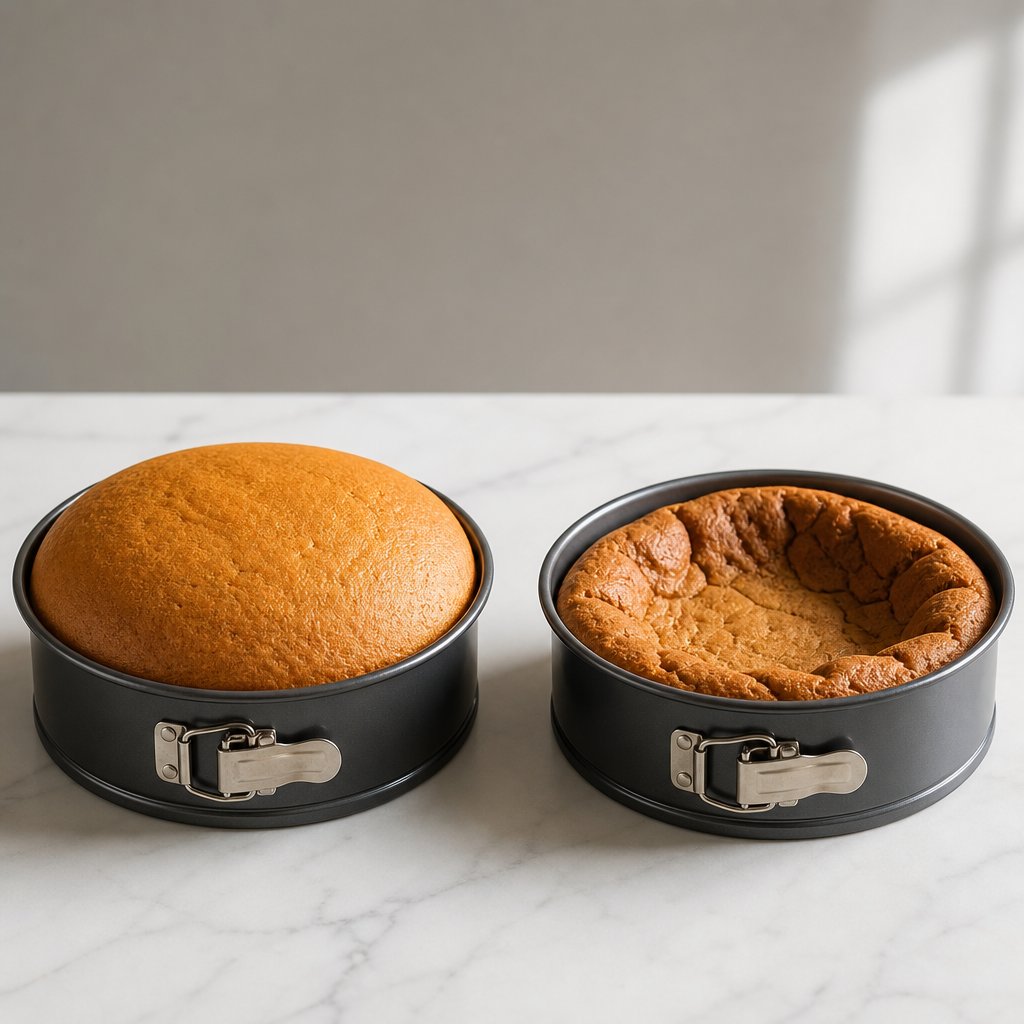
Something went wrong. Your cookies taste like pennies, your cake collapsed in the center, or your muffins have tunnels running through them like a subway map. Before you blame the oven or the recipe, look at the leavener. Most baking disasters trace back to using the wrong one, using too much, or using a container that quietly expired months ago. Understanding what is the difference between baking soda and baking powder helps you diagnose these failures and prevent them from happening again.
When Your Bake Tastes Metallic or Soapy
That unpleasant metallic or soapy flavor is almost always excess baking soda that never got neutralized. Remember, baking soda is a base. It needs an acid to react with. When there is more soda than the recipe's acid can handle, the leftover sodium bicarbonate lingers in the finished product, leaving a harsh chemical taste on your tongue. This happens most often when bakers accidentally double the soda, reduce the buttermilk, or swap in regular milk where buttermilk was specified.
The fix is straightforward: measure carefully and confirm your recipe has enough acid to match the soda. A general guideline is 1/4 teaspoon of baking soda per 1/2 cup of acidic liquid. If you have already overbaked with too much soda, a squeeze of lemon juice in a glaze or frosting can partially mask the off-flavor, though prevention is always better than a patch.
Why Your Cake Fell Flat or Your Cookies Spread Too Much
Flat, dense results usually point to one of two culprits: expired leavener or a missing acid. If your baking powder failed the hot water fizz test from the previous section, it simply cannot produce enough CO₂ to lift the batter. The structure sets in the oven before any meaningful rise occurs, and you end up with a hockey puck instead of a cake.
Cookies that spread into paper-thin discs often contain too much baking soda. The excess alkalinity delays protein coagulation in the dough, giving it more time to melt and flatten before the structure firms up. Reducing the soda by 1/8 teaspoon at a time usually solves the problem. If you are debating baking powder vs baking soda for cookies and want less spread, switching a portion of the soda to baking powder encourages vertical lift instead of horizontal creep.
On the flip side, too little leavener produces dense, gummy textures. The batter never gets enough gas to create an open crumb, and the result feels heavy on the palate. When a recipe seems under-leavened, verify your measuring spoons are accurate and level, not heaped.
Fixing Overbrowning, Tunneling, and Bitter Aftertaste
Tops that brown too quickly while the interior stays underdone signal excess baking soda. The elevated pH accelerates the Maillard reaction at the surface, producing dark color long before the center finishes baking. Lowering the soda amount or tenting the pan with foil halfway through baking helps manage this.
Tunneling, those large holes or channels running through muffins and cakes, often results from overmixing after adding baking powder. As Scientifically Sweet explains, excessive stirring develops gluten strands that trap expanding gas into large pockets rather than distributing it evenly. The solution: mix your batter until just combined, with a few small streaks of flour still visible. Those streaks disappear in the oven without creating tunnels.
A bitter aftertaste typically comes from too much baking powder. At high quantities, the unreacted acid salts inside the powder leave a chemical bitterness that no amount of sugar can cover. This is especially noticeable in the baking powder vs soda debate when someone substitutes 3 teaspoons of powder for 1 teaspoon of soda. The volume of acid salt overwhelms the palate. Stick to recommended amounts, and if a recipe tastes bitter, reduce the powder by 1/4 teaspoon next time.
The right amount of leavener depends on balancing acid, liquid, and flour ratios. More is not better. Every extra fraction of a teaspoon shifts flavor, texture, and browning in ways that compound through the entire bake.
The table below maps each common failure to its root cause and the specific fix, so you can troubleshoot quickly the next time something goes sideways.
| Problem | Likely Cause | Leavener Involved | Fix |
|---|---|---|---|
| Metallic or soapy taste | Too much baking soda without enough acid to neutralize it | Baking soda | Reduce soda or increase acidic ingredients (buttermilk, yogurt, lemon juice) |
| Flat, dense cake or bread | Expired leavener or baking soda used without an acid present | Either | Test freshness before baking; ensure acid source exists for soda |
| Excessive cookie spread | Too much baking soda delaying protein set | Baking soda | Reduce soda by 1/8 tsp increments; chill dough before baking |
| Tunneling in muffins or cake | Overmixing after adding baking powder; uneven leavener distribution | Baking powder | Mix until just combined; sift dry ingredients to distribute evenly |
| Overly browned tops | Excess baking soda raising pH and accelerating Maillard reaction | Baking soda | Reduce soda; lower oven temperature by 25°F; tent with foil |
| Bitter aftertaste | Too much baking powder leaving unreacted acid salts | Baking powder | Reduce powder by 1/4 tsp; avoid over-substituting powder for soda |
When you look at the difference between baking powder and baking soda through the lens of what goes wrong, the distinction becomes visceral rather than academic. Baking soda versus baking powder is not just a chemistry question. It is the difference between a cookie you proudly share and one you quietly toss in the trash. Every problem in the table above traces back to the same root: treating these two powders as interchangeable when they are anything but. So the next time someone asks what's the difference between baking powder and baking soda, you can answer with more than definitions. You can point to the metallic bite, the collapsed center, or the burnt top and explain exactly which leavener went wrong and why.
Frequently Asked Questions About Baking Soda and Baking Powder
1. Can I use baking soda instead of baking powder in a recipe?
Yes, but you must add an acid to compensate. Use 1/4 teaspoon of baking soda plus 1/2 teaspoon of cream of tartar to replace 1 teaspoon of baking powder. Without the added acid, baking soda alone will not activate and your baked goods will taste metallic. Keep in mind this creates a single-acting reaction, so get your batter into the oven immediately since there is no second rise from heat activation.
2. Why do some recipes call for both baking soda and baking powder?
Recipes use both when they need to balance flavor and lift separately. Baking soda neutralizes acidic ingredients like buttermilk or cocoa powder, preventing a sour taste, while also promoting browning through the Maillard reaction. Baking powder then provides additional reliable rise independent of the recipe's acid content. Neither leavener alone can accomplish both tasks without creating off-flavors or insufficient volume in the finished product.
3. How do I test if my baking powder or baking soda is still fresh?
For baking soda, drop 1/2 teaspoon into a small amount of vinegar. Vigorous, immediate fizzing means it is still active. For baking powder, stir 1/2 teaspoon into 1/3 cup of hot water. Fresh powder bubbles noticeably within seconds. If either produces a weak or delayed reaction, replace it before baking. Baking powder typically loses potency after 9 to 12 months once opened, while baking soda lasts indefinitely if stored in a sealed container away from moisture.
4. What happens if I accidentally use baking soda instead of baking powder?
Using baking soda where baking powder belongs, without adjusting for the missing acid, results in a soapy or metallic taste because the excess sodium bicarbonate has nothing to react with. Your baked goods may also brown excessively on top while remaining underdone inside, since unreacted soda raises the pH and accelerates surface browning. To fix this mid-recipe, add 1/2 teaspoon of cream of tartar or lemon juice per 1/4 teaspoon of soda used.
5. Is baking soda the same as bicarbonate of soda?
Yes, they are identical. Baking soda, bicarbonate of soda, bicarb soda, and sodium bicarbonate all refer to the same chemical compound with the formula NaHCO3. The different names reflect regional terminology: North America uses baking soda, while the UK and Australia commonly say bicarbonate of soda or bicarb. Regardless of the label, the product functions the same way in recipes and requires an external acid to produce carbon dioxide for leavening.