The Real Answer to Whether Liquid Gels Beat Tablets
Are liquid gels better than tablets? Here's the direct answer: liquid gels absorb faster for certain compounds, but they are not universally superior. The difference depends almost entirely on what active ingredient you're taking and why you're taking it.
The Short Answer Most Articles Won't Give You
Liquid gels offer a measurable speed advantage when the active ingredient is lipophilic (fat-soluble) or already pre-dissolved inside the capsule. For these compounds, the body skips a critical step in the absorption process, and you may feel effects sooner. A systematic review and meta-analysis on ibuprofen liquigels versus solid tablets confirmed a faster onset of action for the liquid gel format in acute pain scenarios.
But here's what most comparison articles won't tell you: for many medications and supplements, particularly water-soluble compounds taken daily, the clinical difference between liquid gels vs tablets is negligible. A tablet dissolves quickly enough in your stomach that the few extra minutes a liquid gel saves you simply don't matter for therapeutic outcomes.
So is liquid medicine better than pills across the board? No. The format advantage is real but narrow, applying mainly to acute-use situations and poorly water-soluble ingredients.
Why the Answer Depends on What You're Taking
Think of it this way: if you're reaching for pain relief during a migraine, those extra minutes of faster absorption genuinely matter. If you're taking a daily multivitamin, they don't. The question of whether softgels vs tablets or capsules vs tablets produces better results always circles back to three variables:
- The solubility profile of the active ingredient (fat-soluble vs. water-soluble)
- Your individual physiology (digestive health, stomach acid levels, age)
- The use case (acute symptom relief vs. long-term supplementation)
Format superiority is context-dependent, not absolute. A well-formulated tablet can outperform a poorly made liquid gel, and vice versa.
Are softgels better than tablets for fat-soluble vitamins like D and E? The evidence leans yes, because these compounds are already dissolved in an oil-based medium inside the capsule, mimicking the conditions needed for absorption. For a water-soluble B-complex vitamin? The advantage largely disappears.
The rest of this analysis breaks down exactly when liquid gels earn their premium price, when tablets are actually the smarter choice, and the single manufacturing factor that matters more than format itself. You'll walk away with a practical framework for every purchase decision at the pharmacy shelf or supplement aisle.

Understanding the Different Oral Dosage Formats
Before you can evaluate whether one format outperforms another, you need to understand what you're actually comparing. The difference between tablet and capsule formats goes deeper than shape or color. Each delivery system handles the active ingredient differently at a physical and chemical level, and that distinction drives real differences in how your body processes what's inside.
What Makes a Liquid Gel Different from a Standard Capsule
So what are capsules, exactly? In the broadest sense, a capsule is any shell-enclosed dosage form. But the category splits into two fundamentally different designs.
Hard capsules (two-piece capsules) consist of a body and a cap that fit together, enclosing powdered, granulated, or pelletized ingredients in dry form. The shell is typically made from gelatin or HPMC (a plant-based alternative). When you swallow a hard capsule, the shell dissolves first, then the dry contents must dissolve in your stomach fluid before absorption begins.
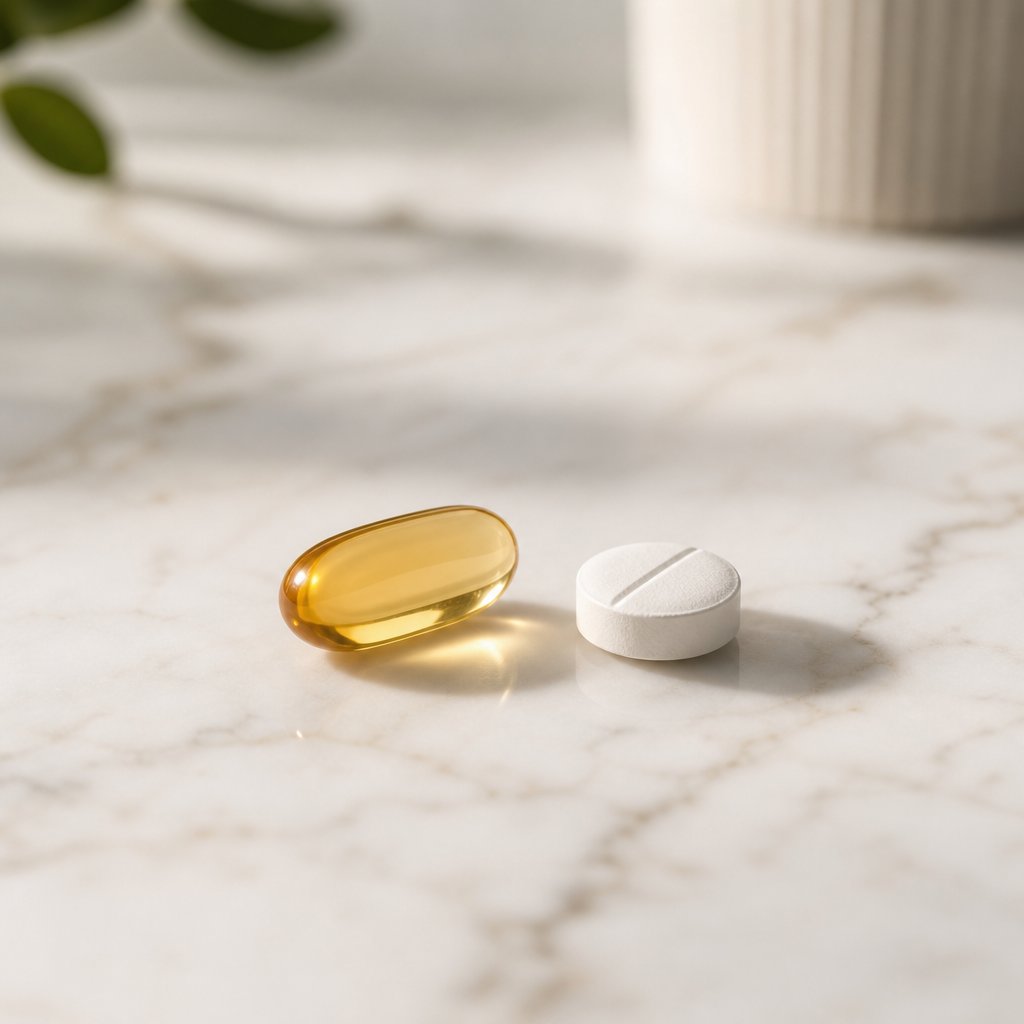
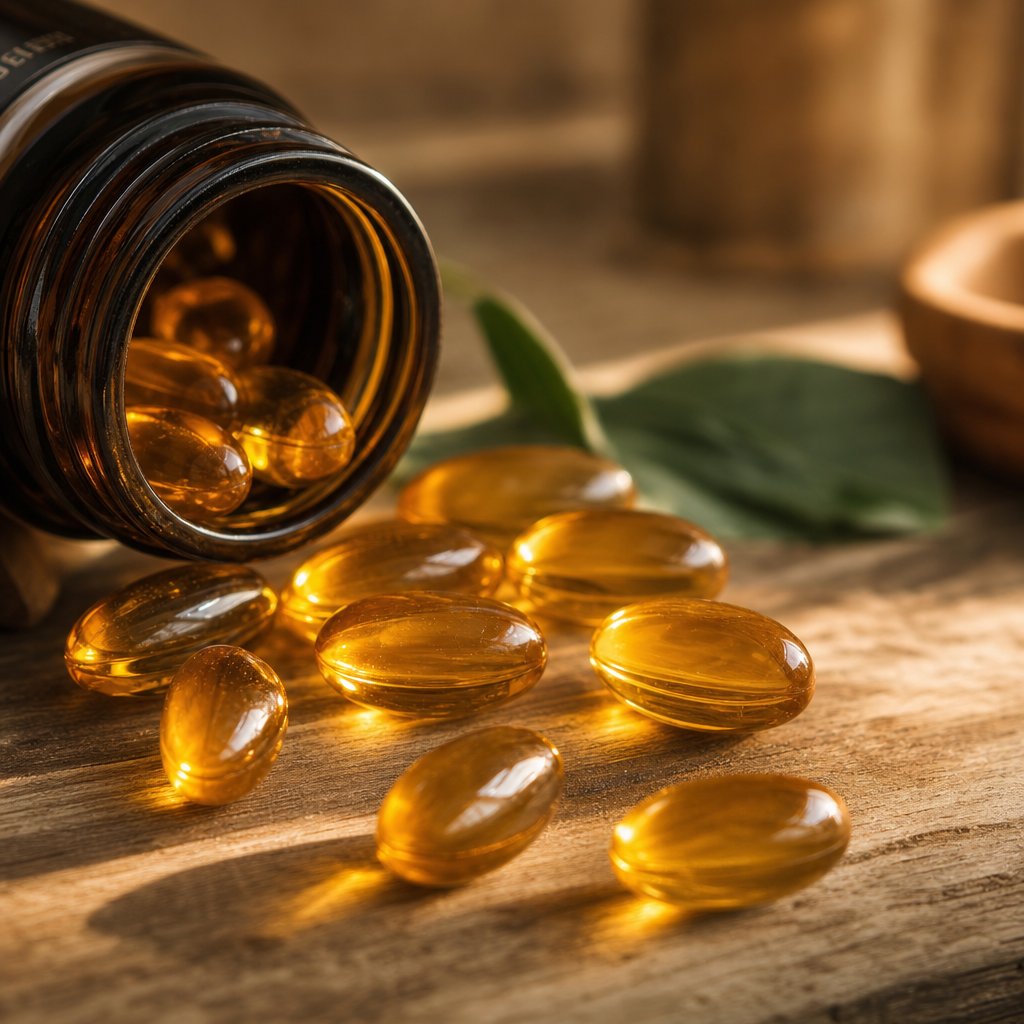
Softgel capsules, commonly marketed as liquid gels, work differently. These are one-piece, flexible capsules with a soft gelatin shell surrounding a liquid or semi-solid fill. The active ingredient is already dissolved or suspended in an oil-based or solubilized medium. This means the dissolution step is partially or fully complete before the capsule even reaches your stomach. The manufacturing process forms, fills, and seals softgel capsules in a single continuous operation, which contributes to their higher production cost.
That structural difference is the core of the capsule vs tablet debate. A liquid gel doesn't need your digestive system to break down dry powder. It delivers a ready-to-absorb solution.
Tablets, Caplets, and Hard Capsules Explained
Tablets are the most common oral dosage form. They're produced by compressing powdered ingredients, along with binders, fillers, and other excipients, into a solid mass. Tablets can be scored for dose splitting, coated for controlled release, and manufactured at the lowest cost per unit of any format.
What is a caplet? It's essentially a tablet shaped like a capsule. Caplets have the same compressed-powder interior as standard tablets but feature a smooth, elongated coating that makes them easier to swallow. Think of caplets as tablets with better ergonomics rather than a distinct technology.
The table below clarifies how these four formats compare across the characteristics that matter most for absorption and usability:
| Format | Shell Material | Internal State of Active Ingredient | Dissolution Mechanism | Common Examples |
|---|---|---|---|---|
| Compressed Tablet | None (may have film coating) | Dry compressed powder with binders | Must disintegrate, then dissolve in gastric fluid | Aspirin, most generic medications |
| Caplet | Smooth film or gelatin coating | Dry compressed powder with binders | Coating dissolves, then tablet disintegrates and dissolves | Tylenol caplets, coated ibuprofen |
| Hard Capsule | Gelatin or HPMC (two-piece) | Dry powder, granules, or pellets | Shell dissolves, then contents dissolve in gastric fluid | Probiotic capsules, herbal supplements |
| Softgel / Liquid Gel | Soft gelatin (one-piece, flexible) | Liquid or semi-solid solution/suspension | Shell dissolves, releasing pre-dissolved active ingredient | Fish oil, vitamin D, Advil Liqui-Gels |
Notice the key distinction in the third column. Softgel capsules are the only format where the active ingredient is already in a dissolved or suspended liquid state. Every other format requires your digestive system to do that work. Whether that head start translates into meaningful performance gains depends on the specific compound inside, which is exactly where the science of dissolution and absorption speed comes into play.
The Science of Dissolution and Absorption Speed
Here's a fundamental pharmacokinetic principle: a drug must be in solution before your body can absorb it. It doesn't matter how potent the active ingredient is or how much you paid for it. If it can't dissolve in your gastrointestinal fluid, it can't cross the intestinal membrane and reach your bloodstream. This single rule explains why do liquid gels work faster than tablets for certain compounds and why the difference is irrelevant for others.
How Pre-Dissolved Ingredients Skip a Step
When you swallow a standard tablet, your body must complete a multi-step process before absorption can even begin:
- The tablet disintegrates, breaking apart into smaller granules
- Those granules deaggregate into fine particles
- The active ingredient dissolves into the surrounding gastric fluid
- The dissolved molecules cross the intestinal membrane into your bloodstream
Each step takes time. As the Merck Manual's pharmacokinetics reference explains, dissolution becomes the rate-limiting step when it proceeds more slowly than absorption itself. In other words, the bottleneck isn't your gut's ability to absorb the drug. It's how quickly the drug can get into solution in the first place.
Liquid gels bypass this bottleneck. Because the active ingredient is already dissolved or suspended in a liquid medium inside the soft gelatin shell, the moment that shell ruptures in your stomach, the compound is immediately available for absorption. No disintegration. No waiting for powder to dissolve.
This matters most for poorly water-soluble (lipophilic) compounds. An estimated 60 to 70% of new drug molecules have insufficient aqueous solubility for reliable absorption from the GI tract. For these compounds, the dissolution step in a standard tablet can be painfully slow, especially in the acidic environment of the stomach. Pre-dissolving them in a lipid-based carrier inside a liquid gel eliminates that delay entirely.
For water-soluble compounds, though, the advantage shrinks dramatically. If an ingredient dissolves rapidly in gastric fluid regardless of format, the head start a liquid gel provides is measured in seconds rather than minutes.
When Faster Dissolution Equals Faster Relief
Does liquid medicine work faster than pills in a way you'd actually notice? That depends on whether you're dealing with an acute symptom or a long-term regimen.
What is solubilized ibuprofen? It's ibuprofen that has been pre-dissolved in a liquid medium, typically a polyethylene glycol solution, and sealed inside a soft gelatin capsule. This format allows the drug to skip the dissolution step that standard ibuprofen tablets require. Ibuprofen is a carboxylic acid with low solubility in the acidic environment of the stomach, which means standard tablets dissolve slowly and delay the onset of pain relief.
Pharmacokinetic studies comparing solubilized ibuprofen vs regular ibuprofen show a meaningful difference in absorption speed. Research published in Drugs in R&D found that fast-absorbed ibuprofen formulations reached peak plasma concentration with a median Tmax of 30 to 40 minutes, compared to 120 minutes for standard ibuprofen tablets. That's roughly 80 minutes faster to peak blood levels. Clinical pain studies using the dental extraction model confirmed this translates to real-world relief: patients reported meaningful pain reduction approximately 10 to 18 minutes sooner with fast-absorbed formulations versus standard tablets.
So how fast does ibuprofen work in liquid gel form? You can expect initial relief within 20 to 30 minutes rather than the 45-plus minutes typical of standard tablets. The onset of action of ibuprofen depends directly on how quickly it reaches therapeutic plasma concentrations, and pre-dissolved formats get there faster.
The speed advantage of liquid gels is most clinically relevant for acute symptom relief, such as headaches, dental pain, and menstrual cramps, where every minute of waiting matters. For daily supplements or chronic medications, a 10 to 15 minute absorption difference has no meaningful impact on outcomes.
This distinction is critical. If you take a daily vitamin D capsule, whether it absorbs in 20 minutes or 35 minutes changes nothing about your long-term blood levels. But if you're managing a sudden migraine, that same time difference is the gap between functioning and being incapacitated. Do liquid gels work faster? Yes, measurably so. Does that speed always matter? Only when rapid onset is the goal.
The practical question then becomes: for which specific medications and supplements does this absorption advantage translate into a genuine performance difference worth paying for?
When Liquid Gels Genuinely Outperform Tablets
The absorption science is clear, but which specific products actually benefit from the liquid gel format? Not every compound earns that premium. Below is a practical breakdown of the medications and supplements where ibuprofen liquid gels and other softgel formulations deliver a real, measurable advantage over their tablet counterparts.
OTC Pain Relief and Acute Symptom Medications
Ibuprofen is the most studied example of a compound where liquid gel delivery genuinely matters. A systematic review and meta-analysis published in the Journal of Pharmacy and Pharmaceutical Sciences compared ibuprofen liquigels versus solid tablets across 22 clinical trials. The findings showed that ibuprofen liquid gels yielded significantly greater odds of meaningful pain relief at 60, 90, and 120 minutes compared to standard tablets. The difference wasn't statistically significant at 30 minutes, suggesting the advantage builds over the first hour rather than appearing instantly.
When you compare Advil tablets vs liquid gels, you're looking at the same 200mg dose of ibuprofen in two different delivery vehicles. The Advil liquid gel contains liquid ibuprofen already dissolved in a solubilized medium, which means it reaches peak plasma concentration faster than the compressed tablet version. For acute pain scenarios like headaches, dental pain, and menstrual cramps, this translates to relief arriving sooner when every minute counts.
The same principle applies to other acute-use OTC medications. Acetaminophen, naproxen, and certain antihistamines also show faster absorption profiles in pre-dissolved formats. If you're evaluating ibuprofen gel vs tablets for your medicine cabinet, the liquid gel earns its place specifically for situations where rapid onset matters. For chronic daily use or preventive dosing, the Advil liquid gel vs tablet distinction becomes clinically irrelevant.
Fat-Soluble Vitamins and Lipophilic Supplements
Pain relief isn't the only category where liquid gels shine. Fat-soluble compounds face a unique absorption challenge: they require dietary fat and bile salts to form micelles before your intestines can absorb them. When these ingredients sit as dry powder inside a tablet, your body must first dissolve them and then emulsify them with available fats. That's two bottlenecks instead of one.
Softgel capsules solve this by pre-dissolving the active ingredient in an oil-based carrier, effectively mimicking the conditions your gut needs to create on its own. The result is enhanced bioavailability, meaning more of the compound actually reaches your bloodstream rather than passing through unabsorbed.
Specific compound categories where liquid gels provide genuine bioavailability advantages over tablets:
- Fat-soluble vitamins (A, D, E, K) - already suspended in oil, bypassing the need for dietary fat co-ingestion to trigger absorption
- Omega-3 fatty acids (EPA/DHA) - delivered in their natural lipid medium, reducing oxidation and improving uptake
- CoQ10 (ubiquinone) - notoriously poor bioavailability in dry powder form; oil-based softgels significantly improve absorption
- Curcumin - extremely low water solubility makes tablet delivery inefficient without lipid-based enhancement
- Lutein and astaxanthin - carotenoids that require fat for absorption and degrade when exposed to air in dry formats
- CBD and other cannabinoids - highly lipophilic compounds with documented bioavailability improvements in softgel delivery
Imagine taking a vitamin D tablet on an empty stomach. Without dietary fat present, a significant portion of that dose may pass through your system unabsorbed. The same vitamin D in a softgel is already dissolved in an oil medium, so it arrives ready for micelle formation regardless of what you've eaten. For people who don't consistently take supplements with meals, this difference compounds over weeks and months into meaningfully different blood levels.
The pattern is consistent: the less water-soluble the compound, the greater the advantage liquid gels hold over tablets. For highly water-soluble ingredients like vitamin C, B vitamins, or most minerals, tablets dissolve rapidly in gastric fluid and the format difference largely disappears. The premium price of ibuprofen liquid gels or softgel supplements is justified only when the ingredient's chemistry creates a genuine absorption barrier that pre-dissolution overcomes.
Of course, knowing when liquid gels win raises an equally important question: when are tablets actually the smarter choice, and where do liquid gels fall short despite their marketing claims?
When Tablets Are Actually the Better Choice
Liquid gels earn their advantage in specific scenarios, but the tablets vs capsules debate has another side that rarely gets equal airtime. There are situations where a compressed tablet isn't just "good enough" but is genuinely the superior format. Ignoring these cases leads to overspending on liquid gels that deliver zero additional benefit or, worse, choosing a format that can't do what your medication requires.
Extended-Release and Enteric-Coated Formulations
Some medications need to release their active ingredient slowly over 8, 12, or even 24 hours. Others must survive stomach acid intact and dissolve only in the small intestine. Tablets handle both of these requirements in ways liquid gels simply cannot.
Extended-release (ER) tablets use matrix systems, osmotic pumps, or layered coatings to meter out the drug gradually. This maintains steady blood levels throughout the day, reducing the number of doses you need and minimizing the peaks and troughs that cause side effects. As Healthline notes, tablets can come in quick release, delayed release, or extended release formats, a versatility that soft gelatin capsules lack.
Enteric coatings protect stomach-sensitive compounds like aspirin (at cardioprotective doses), certain enzymes, and proton pump inhibitors from degrading in acidic gastric fluid. The coating dissolves only at the higher pH of the small intestine. Liquid gels release their contents the moment the soft shell ruptures in the stomach, making them incompatible with any drug that requires intestinal-only delivery.
If your medication relies on controlled timing or location-specific release, the tablet or caplet format isn't a compromise. It's a requirement.
Stability, Dose Splitting, and Compound Compatibility
The difference between capsules and tablets extends beyond absorption speed into practical chemistry. Certain active ingredients actually degrade faster in liquid environments. Research published in The Pharmaceutical Journal explains that hydrolysis, the reaction of a molecule with water resulting in bond cleavage, is the most common pathway for drug breakdown. Esters and amides are particularly vulnerable. Keeping these compounds in dry powder form inside a compressed tablet minimizes their exposure to moisture and extends shelf life significantly.
Tablets also offer practical advantages that liquid gels can't match. Many tablets are scored, allowing you to split them in half for dose adjustment. You can't cut a liquid gel in half without destroying it and losing medication. When comparing caplets vs tablets, both share this splitting capability since caplets are simply tablets with a capsule-shaped coating for easier swallowing.
Here's where the "liquid gels are a marketing scam" critics have a point. For water-soluble compounds that dissolve rapidly in gastric fluid regardless of format, the premium price of capsules versus tablets offers minimal clinical benefit. A standard acetaminophen tablet dissolves within minutes in your stomach. Paying extra for a liquid gel version of a highly soluble drug buys you almost nothing in terms of real-world performance.
Specific scenarios where tablets are the preferable format:
- Medications requiring extended-release or sustained-release delivery over many hours
- Compounds needing enteric coating to bypass stomach acid (e.g., certain aspirin formulations, digestive enzymes)
- Active ingredients prone to hydrolysis that degrade in liquid environments
- Situations requiring dose splitting or titration (scored tablets allow half-dose flexibility)
- Water-soluble compounds where dissolution speed is already fast in tablet form
- Long-term storage needs, since tablets are more stable in heat and humidity
- Budget-conscious daily regimens where the liquid gel premium adds up over months
When choosing between tablets or capsules, the honest answer is that neither format wins universally. The caplet vs tablet distinction is mostly about swallowing comfort rather than performance, while the tablets vs capsules question depends entirely on what's inside and how it needs to behave in your body. A well-designed tablet with proper dissolution characteristics can match or outperform a liquid gel for the right compound.
Format performance, though, is only half the purchasing equation. The other half involves what you're actually paying for that difference and whether the investment holds up over time on your shelf.

Cost, Shelf Life, and Practical Value Compared
You've seen where liquid gel pills earn their absorption advantage and where tablets hold the edge. But standing in the pharmacy aisle, you're also staring at a price difference. That gel cap version of ibuprofen or vitamin D often costs 20 to 50% more per dose than the equivalent tablet. Is the markup worth it, or are you paying for packaging?
The Price Premium and Whether It's Justified
Liquid gels cost more because they're harder to make. The softgel manufacturing process requires specialized encapsulation equipment, precise temperature control, and a continuous forming-filling-sealing operation that compressed tablets simply don't need. Tablets, by contrast, use straightforward powder compression, which is why they remain the most economical oral dosage form on the market. That's the core reason capsules are often pricier than tablets: complexity drives cost.
When is the premium justified? Two scenarios stand out:
- Acute pain relief - If you're buying ibuprofen for migraines or menstrual cramps, the faster onset from a gel pill format has tangible value. Paying an extra dollar or two for relief that arrives 15 to 20 minutes sooner is a reasonable trade.
- Fat-soluble supplements with documented bioavailability gains - Vitamin D, CoQ10, omega-3s, and curcumin absorb meaningfully better from oil-based gel pills. Over months of daily use, higher absorption rates mean you're getting more of what you paid for, even at a higher per-unit cost.
When is it not justified? For water-soluble compounds like vitamin C, B-complex vitamins, or most minerals, a standard tablet dissolves rapidly in gastric fluid. The capsule vs pill distinction here is purely cosmetic. You're paying more for a smoother shell, not better performance. The same applies to chronic medications where onset speed is irrelevant, such as daily blood pressure drugs or cholesterol statins.
Shelf Life and Storage Considerations
Cost per dose isn't the only practical factor. A gel tablet sitting in your medicine cabinet faces environmental challenges that compressed tablets handle more gracefully.
Soft gelatin shells are sensitive to both temperature and humidity. The optimal storage range for gelatin capsules is 15 to 25 degrees Celsius (59 to 77 degrees Fahrenheit) at 35 to 65% relative humidity. Exceed those conditions, and the shells can soften, stick together, or undergo cross-linking that slows dissolution. Store them in a hot bathroom cabinet during summer, and you may find your gel caps fused into a clump. Tablets, meanwhile, tolerate wider temperature swings and maintain their integrity in less-than-ideal storage conditions.
Research on soft gelatin capsule stability shows that storage at 40 degrees Celsius or higher can significantly prolong disintegration time, meaning heat-damaged gel pills may actually absorb slower than a fresh tablet would.
| Factor | Liquid Gels / Gel Caps | Compressed Tablets |
|---|---|---|
| Cost per dose | 20-50% higher due to complex manufacturing | Lower; simple compression process |
| Shelf life stability | Shorter; shell degrades faster over time | Longer; dry format resists degradation |
| Storage sensitivity | High; requires 15-25°C, 35-65% RH | Low; tolerates wider environmental range |
| Dose splitting flexibility | None; cannot be cut or divided | Scored tablets allow half-dose adjustment |
The practical takeaway? If you buy gel pills in bulk for daily supplementation, store them in a cool, dry location away from bathrooms and kitchens. And if you live in a hot, humid climate without consistent climate control, tablets may actually deliver more reliable performance over time simply because they survive your storage conditions intact.
Cost and shelf life are factors you can control. But some variables that influence format choice are built into your own biology, and those deserve their own consideration.
How Individual Health Factors Affect Your Best Choice
Price tags and absorption science apply to everyone in general, but your body isn't general. Personal physiology, age, digestive health, and even the physical act of swallowing can shift the format equation in ways that override any universal recommendation. For some people, the question of how to take a capsule pill isn't about preference. It's about whether they physically can.
Swallowing Difficulties and Digestive Conditions
Dysphagia, or difficulty swallowing solid dosage forms, affects a significant portion of the population, particularly older adults managing chronic conditions. Research into pill swallowing aids highlights that smooth-shelled gel capsules reduce friction during the swallowing process through the pharynx and esophagus, making them easier to get down than rough-textured compressed tablets. The slippery gelatin surface glides more readily than a chalky, uncoated tablet.
That said, size matters too. Some liquid pills are physically larger than their tablet equivalents because the liquid fill and gelatin shell add volume. If you struggle with large dosage forms, a smaller scored tablet may actually be easier to swallow than a bulky softgel. How do you take capsules comfortably? Tilting your chin slightly downward (rather than back) while swallowing with water helps capsules float toward the throat naturally.
Digestive conditions add another layer. People with reduced stomach acid, whether from atrophic gastritis, long-term proton pump inhibitor use, or bariatric surgery, may not disintegrate tablets as efficiently. Following procedures like Roux-en-Y gastric bypass, physiologic changes can impair the breakdown of solid dosage forms. Liquid gels, with their pre-dissolved contents, bypass this limitation because they don't rely on gastric acid to dissolve the active ingredient. For patients with IBD or shortened gut transit time, the same logic applies: less dissolution work required means more reliable absorption.
Elderly Populations and Medication Absorption
Aging changes your gut in ways that directly affect how do you take a capsule or tablet and what happens after you swallow it. The MSD Manual's pharmacokinetics reference explains that age-related slowing of gastrointestinal motility can delay absorption and reduce peak drug concentrations. Gastric pH increases with age, and gastric emptying slows. For medications absorbed in the upper small intestine, these changes can meaningfully delay onset of action from solid tablets.
Liquid gels may offer more consistent absorption for older adults because the active ingredient arrives pre-dissolved, reducing dependence on gastric acid strength and motility to initiate the dissolution process. When your stomach produces less acid and moves contents more slowly, a format that skips the dissolution step has a built-in advantage.
For children, neither standard liquid gels nor tablets may be appropriate. Pediatric patients often do better with drinkable ibuprofen suspensions or ibuprofen chewable kids formulations designed for smaller bodies and developing swallowing coordination. Can you chew ibuprofen tablets designed for adults? Generally no, because standard tablets aren't formulated for chewing and may taste extremely bitter or irritate the mouth. Adult liquid ibuprofen suspensions exist but are less common than pediatric versions. Children's dosing requires age-appropriate formats and concentrations.
Here's a quick reference for how different populations should approach the format decision:
- Adults with dysphagia - Smooth gel capsules or liquid pills reduce swallowing friction; alternatively, pill swallowing gels can coat tablets to ease passage
- Post-bariatric surgery patients - Liquid gels or liquid formulations preferred for medications where reliable absorption is critical; monitor drug levels for narrow therapeutic index drugs
- Older adults (65+) - Liquid gels may provide more consistent absorption due to reduced gastric acid and slower motility; consult pharmacist about format options for daily medications
- People with IBD or short bowel - Pre-dissolved formats reduce reliance on compromised digestive function; avoid extended-release tablets that may transit too quickly for full release
- Children under 12 - Liquid suspensions or chewable formulations are typically safest; standard capsules and tablets pose choking risk and dosing challenges
- Adults with no digestive issues - Format choice driven by ingredient type and use case rather than physiology; tablets and liquid gels perform comparably for most water-soluble compounds
Your individual biology can make one format clearly superior for you, even when population-level data shows minimal difference. But there's a variable that cuts across all these individual factors and often matters more than any of them: the quality of manufacturing behind whatever format you choose.

Why Manufacturing Quality Trumps Format Every Time
A soft gel capsule from a manufacturer with poor quality control can underperform a well-formulated tablet. That's the uncomfortable truth the liquid gels vs tablets debate usually ignores. You can choose the theoretically optimal format for your ingredient, but if the product behind it is poorly made, the format advantage evaporates.
What is a gel capsule at its core? It's a delivery system, and like any system, it's only as good as the engineering behind it. The shell must rupture predictably. The fill must contain the labeled dose. The active ingredient must remain stable throughout shelf life. When any of these elements fail, format becomes irrelevant.
Why Manufacturing Standards Matter More Than Format
Quality control testing for soft gelatin capsules is rigorous when done properly. According to pharmaceutical research on softgel quality control, the critical tests include uniformity of dosage units, disintegration testing (all units must disintegrate within 30 minutes for immediate-release forms), and dissolution testing that verifies the active ingredient actually releases as intended. The European Pharmacopoeia and United States Pharmacopeia have harmonized these standards, but meeting them requires manufacturing expertise and investment.
What are softgels if the shell cross-links during storage and fails to rupture on time? What are medicine capsules made of if the gelatin degrades and traps the active ingredient inside? These aren't hypothetical problems. Cross-linking, where gelatin proteins bond together and form an insoluble membrane called a pellicle, is a well-documented failure mode in soft gelatin capsules. It slows or prevents disintegration entirely, meaning your expensive gel capsule may pass through your system without fully releasing its contents.
For tablets, the equivalent failure is poor disintegration due to excessive compression force or inadequate disintegrant levels. A tablet compressed too tightly becomes a rock that your stomach acid can't break down efficiently. In the capsule vs gel cap comparison, neither format is immune to manufacturing shortcuts.
What to Look for in Quality Supplement Manufacturing
Whether you're a consumer choosing products or a brand deciding what are medication capsules made of in your product line, these quality markers separate reliable manufacturers from the rest:
- Current Good Manufacturing Practices (cGMP) certification - FDA-mandated for supplements sold in the US; ensures standardized processes, documentation, and facility controls
- Third-party verification - Programs from USP, NSF International, or ConsumerLab independently confirm that products contain labeled ingredients at declared potencies and meet dissolution standards
- Dissolution and disintegration testing - Verifies that the dosage form actually releases its contents within pharmacopeial time limits; critical for both soft gel capsule and tablet formats
- Stability testing under ICH guidelines - Confirms the product maintains potency and shell integrity across its stated shelf life under realistic storage conditions
- Uniformity of dosage units - Ensures every capsule or tablet contains a consistent dose, with acceptance values within 15% of label claim
- Raw material identity and purity testing - Confirms active ingredients are what they claim to be, free from contaminants and adulterants
A 2012 study cited by US Pharmacist found that only 12% of dietary supplements were certified by an independent scientific agency. That means the vast majority of products on shelves, whether gel capsules or tablets, haven't been independently verified for quality. Format choice becomes a secondary concern when you can't confirm the product meets basic manufacturing standards.
For supplement brands and private label sellers, this is where the format decision intersects with manufacturing partnership. Choosing between offering a soft gel capsule or a tablet product requires more than market research. It requires a manufacturer who understands the formulation science behind each format and can match delivery systems to ingredient characteristics. OEM/ODM manufacturers like ZhuFeng work across multiple formats, including soft capsules, hard capsules, tablets, and oral liquids, providing formulation guidance on which delivery vehicle optimizes bioavailability for specific active ingredients. That cross-format expertise matters because the right answer isn't always the same format for every product in a brand's lineup.
The bottom line for consumers and brands alike: a well-manufactured tablet will outperform a poorly made gel capsule every time. Quality of execution is the single factor that matters more than format selection, which is exactly what the title of this article promised. With that principle established, the remaining question is practical: how do you apply everything covered here to your specific situation?
Choosing the Right Format for Your Situation
Everything covered so far, absorption science, ingredient chemistry, individual physiology, and manufacturing quality, feeds into one practical moment: standing in front of a shelf (or a product development spreadsheet) and making a decision. Rather than memorizing pharmacokinetic principles, use the framework below to match your situation to the format that actually serves it best.
A Simple Decision Framework for Choosing Your Format
When comparing gel caps vs tablets, the answer always comes back to context. Are you treating an acute symptom or maintaining a daily routine? Is the ingredient fat-soluble or water-soluble? Do you have digestive limitations that affect dissolution? These questions matter more than any blanket claim about one format being superior.
Consider the Aleve liquid gels vs tablets comparison. Naproxen sodium in a liquigel vs tablet format follows the same pattern as ibuprofen: the liquid gel reaches peak plasma concentration faster, which matters for sudden pain but is irrelevant if you're taking it on a scheduled anti-inflammatory regimen. Are liquid gels better for your stomach? Not inherently. Both formats deliver the same active ingredient to the same gastric lining. The difference is speed of dissolution, not gentleness.
Here's the decision table that pulls together every factor discussed in this article:
| Decision Criteria | Choose Liquid Gels / Softgels | Choose Tablets |
|---|---|---|
| Use case timing | Acute symptoms needing rapid onset (pain, headache, pre-workout) | Chronic daily use where onset speed is irrelevant |
| Ingredient solubility | Fat-soluble or poorly water-soluble compounds (vitamin D, CoQ10, omega-3s) | Water-soluble compounds that dissolve quickly regardless of format |
| Target population | Elderly with reduced gastric acid; post-bariatric patients; those with dysphagia | General adult population with normal digestive function |
| Budget priority | Willing to pay premium for measurable absorption benefit | Cost-sensitive; daily regimen where savings compound over months |
| Storage conditions | Climate-controlled environment; cool and dry storage available | Hot or humid climate; less controlled storage (travel, gym bags) |
| Release profile needed | Immediate release only | Extended-release, delayed-release, or enteric-coated delivery required |
| Dose flexibility | Fixed dose acceptable | Dose splitting or titration needed (scored tablets) |
When you map your specific situation against these criteria, the softgel vs tablet answer becomes straightforward. Most people will find that some products in their routine belong in liquid gel form (acute pain relievers, fat-soluble supplements) while others belong as tablets (daily multivitamins, extended-release medications, budget-driven choices). It's rarely an all-or-nothing decision.
For Supplement Brands Choosing Product Formats
If you're launching a supplement line rather than buying for personal use, the format decision carries additional weight. Your choice of liqui gels vs tablets directly impacts product positioning, manufacturing cost, shelf stability, and how consumers perceive efficacy. A CoQ10 product in tablet form may underperform competitors offering softgels because the market increasingly understands that lipophilic compounds absorb better from oil-based delivery. Conversely, offering a water-soluble B-complex in an expensive gelcaps vs tablets format may erode your margins without delivering a bioavailability advantage you can defend.
The smartest approach for brands is working with a manufacturer that operates across multiple formats and can provide ingredient-specific formulation guidance. OEM/ODM partners like ZhuFeng offer customized formulation across soft capsules, tablets, hard capsules, powders, and oral liquids, helping brands match each SKU's delivery format to the science of its active ingredients rather than defaulting to a single format across an entire product line. That flexibility lets you offer tablets vs gel caps strategically, choosing the format that maximizes both efficacy and market positioning for each specific product.
Whether you're a consumer or a brand, the conclusion is the same: format is a tool, not a trophy. The right tool depends on the job. Use liquid gels where pre-dissolution creates a genuine, measurable benefit. Use tablets where stability, cost, or controlled release matters more. And above all, prioritize manufacturing quality, because a well-made product in either format will always outperform a poorly made product in the "better" one.
Frequently Asked Questions About Liquid Gels vs Tablets
1. Do liquid gels work faster than tablets?
Yes, liquid gels generally work faster than tablets for poorly water-soluble compounds like ibuprofen. Because the active ingredient is already pre-dissolved inside the soft gelatin shell, it skips the dissolution step that tablets require. Pharmacokinetic studies show solubilized ibuprofen in liquid gel form reaches peak plasma concentration in 30 to 40 minutes versus 120 minutes for standard tablets. However, this speed advantage only matters for acute symptom relief. For daily supplements or chronic medications, the few extra minutes a tablet needs to dissolve have no meaningful impact on therapeutic outcomes.
2. Are softgels better than tablets for vitamins?
Softgels are better than tablets specifically for fat-soluble vitamins (A, D, E, K) and lipophilic supplements like CoQ10, omega-3s, and curcumin. These compounds require fat for absorption, and softgels pre-dissolve them in an oil-based carrier that mimics the conditions your gut needs. This means higher bioavailability regardless of whether you take them with food. For water-soluble vitamins like vitamin C or B-complex, tablets dissolve quickly in gastric fluid on their own, so the softgel format offers minimal additional benefit and costs more per dose.
3. Why are liquid gels more expensive than tablets?
Liquid gels cost 20 to 50% more per dose because their manufacturing process is significantly more complex. Softgel production requires specialized encapsulation equipment, precise temperature control, and a continuous forming-filling-sealing operation. Tablets use straightforward powder compression, making them the most economical oral dosage form. The premium is justified when you're buying acute pain relievers where faster onset matters, or fat-soluble supplements with documented bioavailability improvements. For water-soluble compounds or daily medications where absorption speed is irrelevant, the extra cost buys minimal clinical benefit.
4. Can you split liquid gel capsules in half?
No, liquid gel capsules cannot be split or divided for dose adjustment. Cutting a softgel destroys the shell and causes the liquid contents to leak out, making accurate dosing impossible. If you need dose flexibility or titration, scored tablets are the better format choice. Many compressed tablets are designed with a score line specifically for splitting in half. This is one practical advantage tablets hold over liquid gels, particularly for medications where doctors adjust dosages gradually or where half-dose options are needed.
5. Are liquid gels better for your stomach than tablets?
Liquid gels are not inherently gentler on your stomach than tablets. Both formats deliver the same active ingredient to the same gastric lining. The difference is dissolution speed, not stomach irritation. If a medication causes GI discomfort, the format rarely changes that. However, for people with reduced stomach acid production, post-bariatric surgery patients, or those with digestive conditions that impair tablet breakdown, liquid gels may provide more reliable absorption since the contents are pre-dissolved and don't depend on gastric acid strength for dissolution.