Can Calcium Tablets Actually Cause Kidney Stones
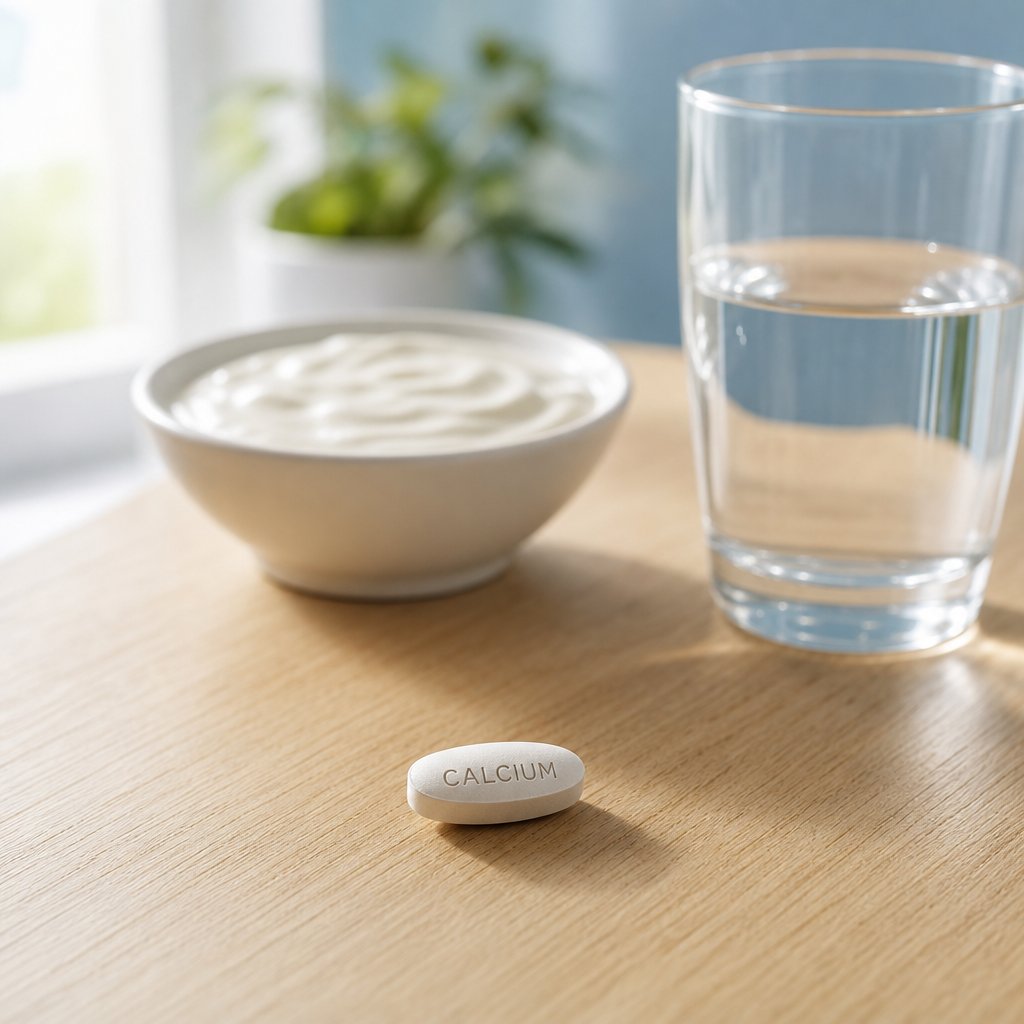
If you landed here worried that your daily calcium tablet might be silently building stones in your kidneys, you deserve a straight answer. Yes, calcium tablets can increase kidney stone risk under certain conditions. But the full picture is far more nuanced than a simple yes or no, and understanding the details puts you back in control.
The Short Answer About Calcium Tablets and Stones
Research involving over 91,000 women in the Nurses' Health Study found that supplemental calcium was associated with a 20% increased risk of kidney stones, while dietary calcium from food actually lowered risk by 35%. So does calcium cause kidney stones? It depends entirely on the source and how you take it.
Can calcium supplements cause kidney stones if taken with meals? The risk drops significantly. Taken on an empty stomach or between meals? That is where the danger climbs. The timing, dosage, and form of your supplement all shape whether it helps or harms your kidneys.
Why This Topic Confuses So Many People
The confusion exists because calcium plays a dual role in stone formation. Most people assume that since kidney stones contain calcium, eating or supplementing calcium must be the problem. The reality is the opposite for food-based calcium.
Dietary calcium reduces kidney stone risk by binding oxalate in the gut before it ever reaches the kidneys, while supplemental calcium taken without food bypasses this protective mechanism and may increase urinary calcium concentration.
This is the calcium paradox, and it catches both patients and some clinicians off guard. The National Kidney Foundation emphasizes that people with calcium kidney stones should not follow a low-calcium diet. Instead, getting enough calcium from food actually helps prevent calcium oxalate stones.
So will calcium cause kidney stones for you specifically? That depends on your personal risk factors, your supplement habits, and a few simple adjustments you can make starting today. This article gives you an evidence-based framework to decide whether your calcium tablets are safe, what changes reduce risk, and when a conversation with your doctor is warranted.
The good news: you do not need to choose between strong bones and healthy kidneys. You just need the right strategy.
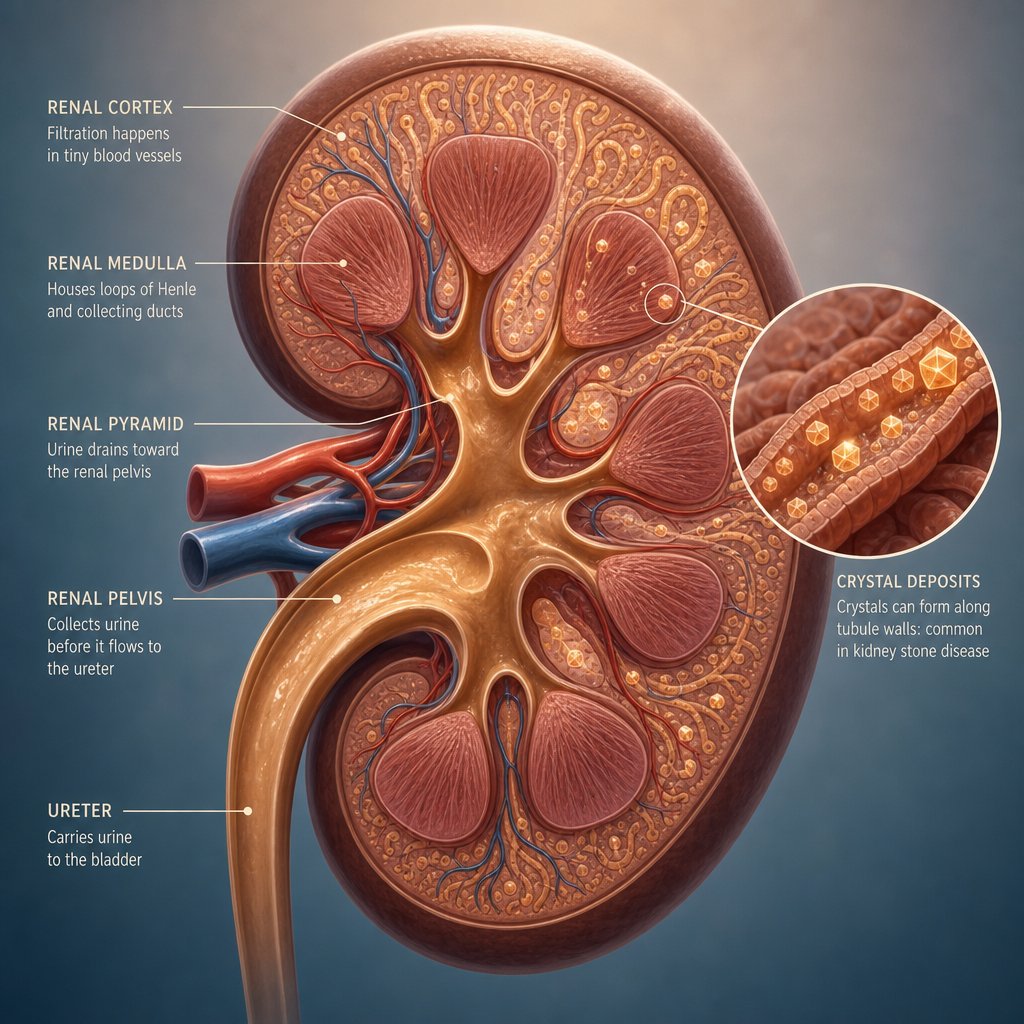
How Calcium Kidney Stones Form in Your Body
Knowing that calcium tablets can raise stone risk is one thing. Understanding why requires a closer look at what actually happens inside your kidneys when mineral concentrations tip out of balance. The process is surprisingly similar to something you have seen in your own kitchen.
What Calcium Oxalate Stones Are Made Of
Imagine stirring sugar into a glass of cold water. At first, the sugar dissolves completely. Keep adding more, and eventually the water cannot hold any more sugar in solution. Crystals start forming at the bottom of the glass. Your urine works the same way with calcium and oxalate ions.
When a positively charged calcium ion meets a negatively charged oxalate ion in your urine, they bind together to form calcium oxalate. In small amounts, these microscopic particles get flushed out harmlessly every time you urinate. Problems begin when concentrations climb too high and the crystals start accumulating faster than your body can clear them.
Calcium oxalate kidney stones account for roughly 80% of all kidney stones, either in pure form or mixed with calcium phosphate at varying percentages. The remaining 20% include uric acid stones (about 10%), struvite stones (about 9%), and cystine stones (about 1%). Among calcium-based stones specifically, the distribution breaks down like this:
- Pure calcium oxalate stones: approximately 50% of all kidney stones
- Mixed calcium oxalate and calcium phosphate stones: approximately 45% of calcium stones
- Pure calcium phosphate stones: approximately 5% of calcium stones
Calcium oxalate itself crystallizes in different forms. Calcium oxalate monohydrate kidney stones (known as COM or whewellite) are the most thermodynamically stable and hardest variety, often appearing as smooth, dark brown stones. Calcium oxalate dihydrate (COD or weddellite) forms spiky, lighter-colored crystals that are more brittle. Your doctor may identify ca oxalate crystals in urine during a routine urinalysis, which can signal elevated stone risk even before a full stone develops.
How Supersaturation Leads to Crystal Formation
The driving force behind every calcium oxalate stone is a concept called supersaturation. When the concentration of dissolved calcium and oxalate in your urine exceeds their combined solubility limit, the urine becomes supersaturated. At that point, crystals can spontaneously form, just like sugar crystallizing in an oversaturated solution.
Supersaturation is expressed as a ratio: the actual concentration of a mineral divided by its maximum solubility. When that ratio exceeds 1, crystal formation becomes thermodynamically possible. Research published in the New England Journal of Medicine confirms that supersaturation is generally higher in stone formers than in non-stone formers, and the type of stone formed correlates directly with which minerals are supersaturated in the urine.
Crystal formation follows a sequence of events:
- Nucleation: Tiny clusters of calcium and oxalate ions form the first microscopic seed crystals. This can happen freely in urine (homogeneous nucleation) or on existing surfaces like cell debris or proteins (heterogeneous nucleation). Heterogeneous nucleation requires lower supersaturation levels and is considered the more common pathway in the kidney.
- Crystal growth: Once stable nuclei form, additional calcium and oxalate ions attach to them layer by layer, enlarging the crystals over time.
- Aggregation: Individual crystals stick together, forming larger masses. Urinary proteins can act as "glue" between crystals, accelerating this process.
- Retention: If aggregates grow large enough or adhere to the kidney lining, they become trapped in the renal system rather than being flushed out with urine.
Your body does have natural defenses against this cascade. Substances like citrate, magnesium, and certain urinary proteins act as crystallization inhibitors, coating crystal surfaces and blocking further growth. Citrate, for example, chelates calcium in the urine, reducing supersaturation and slowing crystal growth. When these protective factors are overwhelmed by excess calcium or oxalate, the balance shifts toward stone formation.
This is precisely why the source of calcium matters so much. Calcium from supplements taken without food goes directly into the bloodstream, gets filtered by the kidneys, and raises urinary calcium concentration without any offsetting benefit. The result is higher supersaturation and a greater chance that a calcium oxalate stone begins to form. Understanding this mechanism is the first step toward making smarter choices about how and when you take calcium.
Dietary Calcium vs Supplemental Calcium and Why It Matters
The supersaturation process described above makes one thing clear: the more calcium and oxalate floating around in your urine at the same time, the greater the chance crystals form. So you might assume all calcium, whether from food or a tablet, carries the same risk. It does not. The location where calcium meets oxalate in your body changes everything.
How Dietary Calcium Binds Oxalate in the Gut
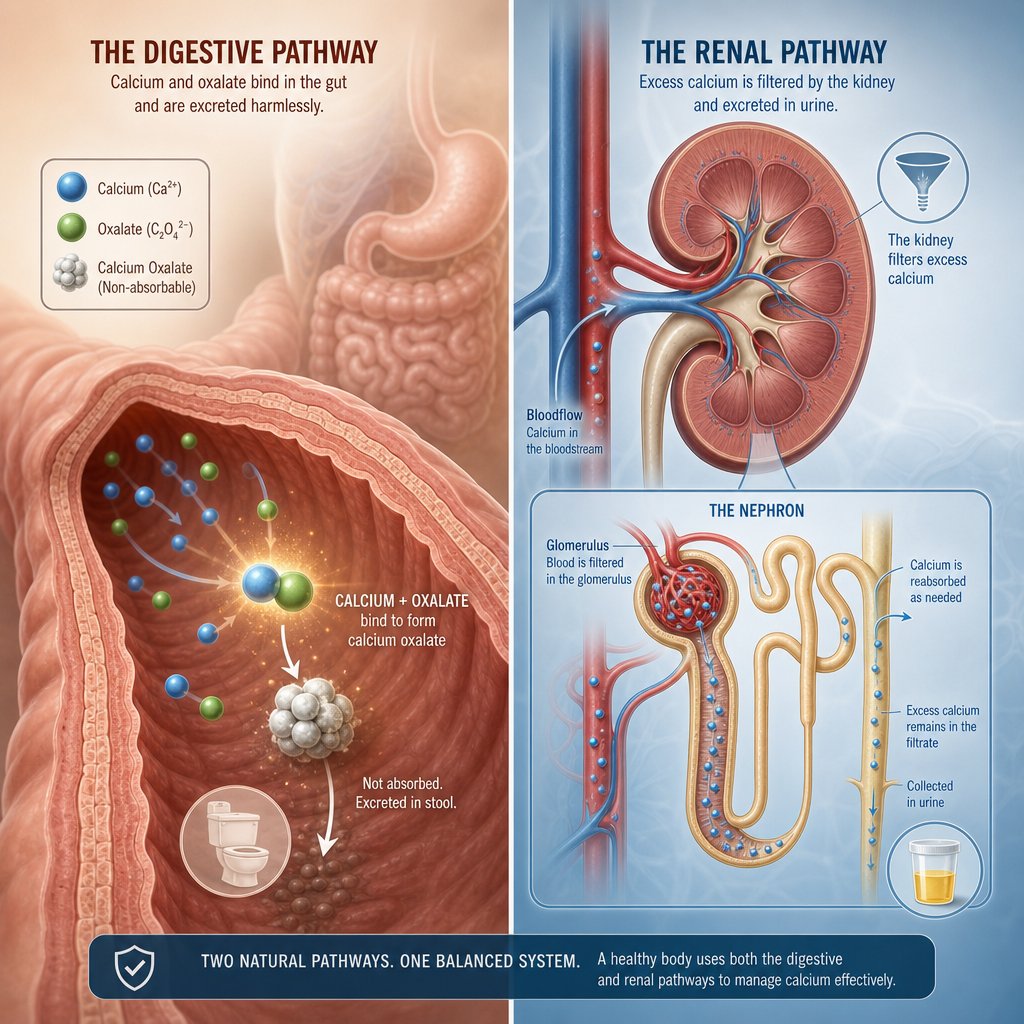
When you eat calcium-rich foods alongside a meal, something protective happens in your intestines. Calcium ions encounter oxalate from the food you just ate, and the two bind together right there in the digestive tract. This forms an insoluble calcium-oxalate complex that your body cannot absorb. It simply passes through your intestines and leaves in your stool.
The result? Less free oxalate gets absorbed into your bloodstream, less oxalate reaches your kidneys, and your urine stays further from that dangerous supersaturation threshold. Dietary calcium and kidney stones have this inverse relationship precisely because food-based calcium acts as an oxalate sponge before oxalate ever enters circulation.
Calcium consumed with food traps oxalate in the gut and prevents it from reaching the kidneys. Calcium supplements taken without food skip this protective step entirely, raising urinary calcium without reducing urinary oxalate.
This is why the question "is milk bad for kidney stones" gets a counterintuitive answer. Milk and other dairy products consumed at meals actually help prevent stones by binding dietary oxalate in the intestines. The National Kidney Foundation recommends 2-3 servings of dairy per day with meals for people with calcium kidney stones. So can milk cause kidney stones? The evidence consistently says no. In fact, research from the Health Professionals Follow-up Study showed that men with the highest dietary calcium intake had a 35% lower risk of stones compared to those eating the least calcium. The milk kidney stones concern is largely a myth rooted in the flawed assumption that all calcium behaves the same way regardless of source.
Why Supplements Taken Without Food Skip This Protection
Imagine taking a calcium tablet between meals or first thing in the morning on an empty stomach. There is no oxalate-containing food in your gut for that calcium to bind. Instead, the calcium is absorbed directly into your bloodstream. Your kidneys then filter this extra calcium out of the blood and into the urine.
The net effect is a spike in urinary calcium concentration without any corresponding reduction in urinary oxalate. You have added one half of the stone-forming equation without removing the other. As urinary calcium rises, supersaturation increases, and the conditions for crystal nucleation improve.
This timing issue explains why calcium supplements kidney stones risk depends so heavily on when you take them. A randomized crossover study in healthy men demonstrated this directly: subjects who took 3,000 mg of calcium carbonate at bedtime had significantly higher urinary oxalate levels than those who took the same total dose split across three meals. Despite similar increases in urinary calcium between both groups, only the with-meals group saw a protective drop in urinary oxalate that prevented calcium oxalate supersaturation from rising.
The relationship between calcium and oxalate in the gut is the key protective mechanism. When that interaction is bypassed, supplemental calcium behaves very differently from dietary calcium.
What Clinical Studies Reveal About the Difference
The strongest evidence comes from the Women's Health Initiative (WHI) randomized clinical trial, which followed 36,282 postmenopausal women for an average of 7 years. Women who received 1,000 mg of calcium carbonate plus 400 IU of vitamin D daily experienced a 17% increase in kidney stone incidence compared to the placebo group (hazard ratio: 1.17; 95% CI: 1.02, 1.34). In absolute numbers, 449 women in the supplement group reported stones versus 381 in the placebo group.
Notably, the WHI participants already had an average dietary calcium intake of approximately 1,150 mg at baseline. Adding another 1,000 mg from supplements pushed total intake above 2,100 mg daily, likely promoting hypercalciuria in the supplemented group.
The Nurses' Health Study I found a similar pattern in observational data: supplemental calcium was associated with a 20% increased risk of stones in women, while high dietary calcium intake was protective. Critically, 67% of the women taking calcium supplements in that study took them either between meals or with low-oxalate meals, meaning the gut-binding mechanism was largely inactive.
These findings do not mean calcium and kidney stones are always linked. They mean the delivery method matters enormously. Calcium from food arrives in the gut alongside oxalate and neutralizes it. Calcium from a supplement taken at the wrong time simply adds to the kidney's filtration burden. The distinction between these two pathways is the single most important concept for anyone trying to protect both their bones and their kidneys simultaneously.
This raises an obvious follow-up question: is there a specific dose where supplemental calcium tips from manageable to risky? And do other dietary habits amplify or reduce that threshold?
Dosage Thresholds and Risk Factors You Should Know
The answer is yes, there is a threshold, and it is lower than most people expect. Whether too much calcium cause kidney stones depends on how much you take at once, how much you consume overall, and what else is happening in your diet at the same time.
How Much Supplemental Calcium Raises Your Risk
Your body can only absorb a limited amount of calcium at one time. When you swallow a large dose, the excess calcium that is not absorbed in the intestines or that overwhelms your body's regulatory mechanisms gets filtered through the kidneys and excreted in urine. This is how does high calcium cause kidney stones: it pushes urinary calcium levels past the point where supersaturation becomes dangerous.
Clinical guidance from Mayo Clinic recommends keeping individual calcium doses below 600 mg because absorption efficiency drops sharply above that level. Most nephrologists suggest an even more conservative ceiling of 500 mg per dose for people concerned about stones. Above this amount, a disproportionate share of the calcium ends up in your urine rather than your bones.
Total daily intake matters too. In the Women's Health Initiative trial, women whose total calcium intake exceeded 2,100 mg daily (1,100 mg from food plus 1,000 mg from supplements) showed a 17% increased stone risk. A separate study found that postmenopausal women consuming over 2,400 mg total daily calcium had significantly higher rates of hypercalciuria compared to placebo. Current evidence suggests that keeping total calcium intake between 1,000 and 1,200 mg daily from all sources combined offers bone protection without substantially raising stone risk.
Splitting your supplement into two smaller doses rather than one large dose is one of the simplest ways to reduce calcium in urine spikes. If you need 1,000 mg of supplemental calcium, taking 500 mg with breakfast and 500 mg with dinner keeps blood calcium levels steadier and gives your kidneys time to process each load without becoming overwhelmed. Can too much calcium cause kidney stones even with split dosing? It can if total intake is excessive, but splitting doses meaningfully reduces the peak urinary calcium concentration after each tablet.
Compounding Factors That Multiply the Danger
Calcium dosage does not exist in a vacuum. Several dietary causes of kidney stones work alongside supplemental calcium to amplify risk. When these factors stack up, even a moderate calcium dose can become problematic.
High sodium intake is one of the most underappreciated contributors. Research published in Nutrition Reviews found that urinary calcium excretion increases by approximately 40 mg for every 2,300 mg increase in dietary sodium in healthy adults. In people who already form stones, the effect is even more pronounced, with urinary calcium rising by roughly 80 mg per 2,300 mg sodium increase. A low sodium diet kidney stones strategy directly reduces the amount of calcium your kidneys dump into urine, making it one of the most effective non-medication interventions available.
The relationship between protein and kidney stones adds another layer. Excess animal protein from red meat, poultry, and fish generates acid in the body. Your kidneys buffer this acid load partly by pulling calcium from bones and excreting it in urine. High animal protein intake also reduces urinary citrate, one of the body's natural stone inhibitors, and increases uric acid excretion, which can promote calcium oxalate crystallization.
Inadequate fluid intake concentrates every solute in your urine simultaneously. When urine volume drops below about 2 liters per day, calcium, oxalate, and other stone-forming minerals become more concentrated, pushing supersaturation levels higher regardless of how carefully you manage your calcium dose.
| Risk Factor | Effect on Urinary Chemistry | How It Compounds Calcium Supplement Risk |
|---|---|---|
| High sodium intake (>2,300 mg/day) | Increases urinary calcium by 40-80 mg per 2,300 mg sodium | Adds to the urinary calcium load from supplements, raising supersaturation |
| Excess animal protein (>80 g/day) | Increases urinary calcium, uric acid; decreases citrate | Removes protective citrate while adding calcium and crystallization promoters |
| Low fluid intake (<2 L/day) | Concentrates all urinary solutes | Magnifies the impact of any urinary calcium increase from supplements |
| Supplemental calcium >500 mg per dose | Disproportionate rise in urinary calcium excretion | Exceeds absorption capacity; excess calcium filtered directly into urine |
| Total calcium >2,000 mg/day (all sources) | Significantly higher hypercalciuria rates | Overwhelms renal calcium handling, especially combined with high sodium |
These factors interact multiplicatively rather than additively. A person taking 1,000 mg of calcium in a single dose, eating a high-sodium diet, consuming large portions of animal protein, and drinking minimal water faces a dramatically higher stone risk than someone with just one of these factors in isolation. Learning how to reduce calcium in urine often means addressing the entire dietary pattern rather than focusing on the supplement alone.
Does too much calcium cause kidney stones by itself? It can. But in most real-world cases, it is the combination of excessive supplemental calcium with these compounding dietary habits that tips the balance from safe to dangerous. The type of calcium supplement you choose also shifts the equation, and not all forms carry equal risk.
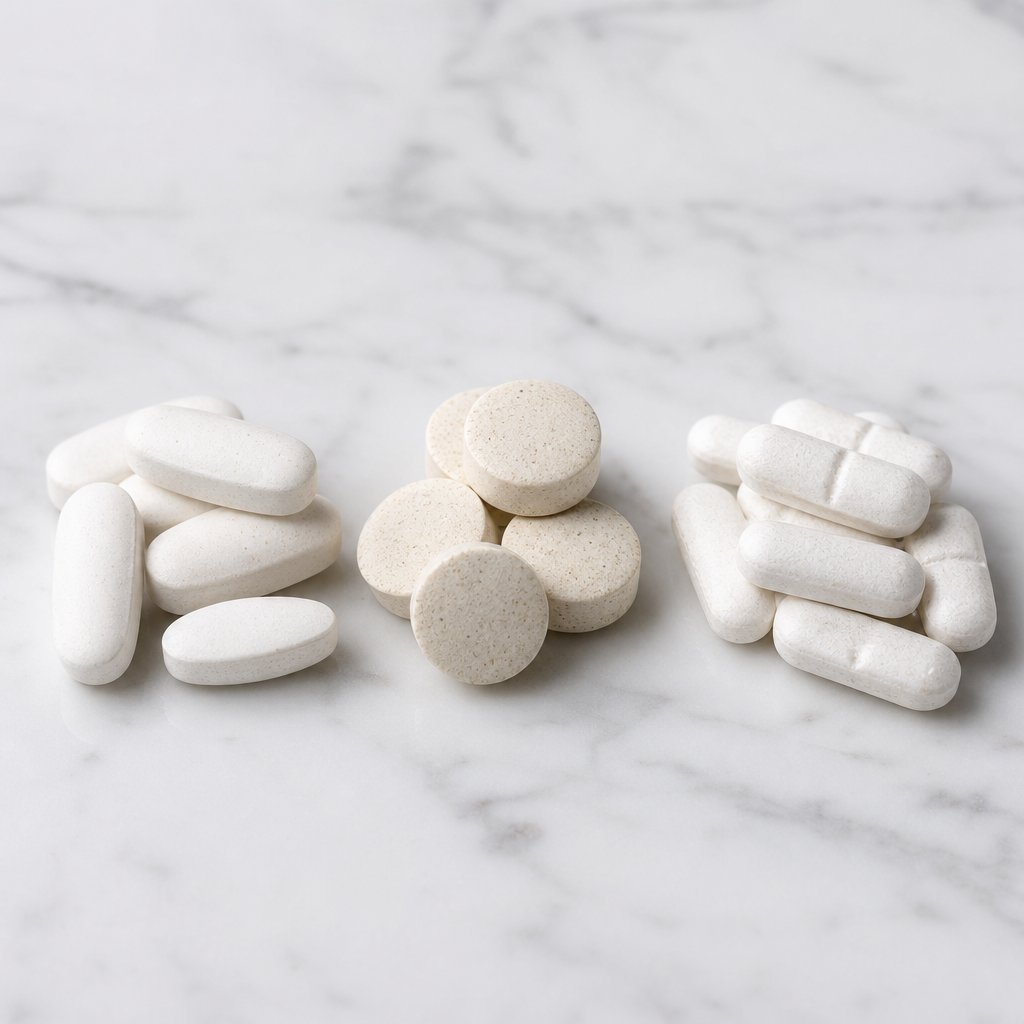
Calcium Citrate vs Carbonate vs Phosphate for Stone Risk
Not all calcium supplements carry the same stone-forming potential. The type of calcium salt in your tablet influences how it is absorbed, when you can take it, and whether it introduces protective or harmful compounds into your urinary system. This distinction rarely appears on supplement labels, yet it may be the single most actionable variable you can control.
Calcium Carbonate and Stone Risk
Calcium carbonate is the most widely used calcium supplement worldwide. It contains the highest percentage of elemental calcium per tablet (about 40%), making it cost-effective and requiring fewer pills to reach your target dose. So does calcium carbonate cause kidney stones more readily than other forms?
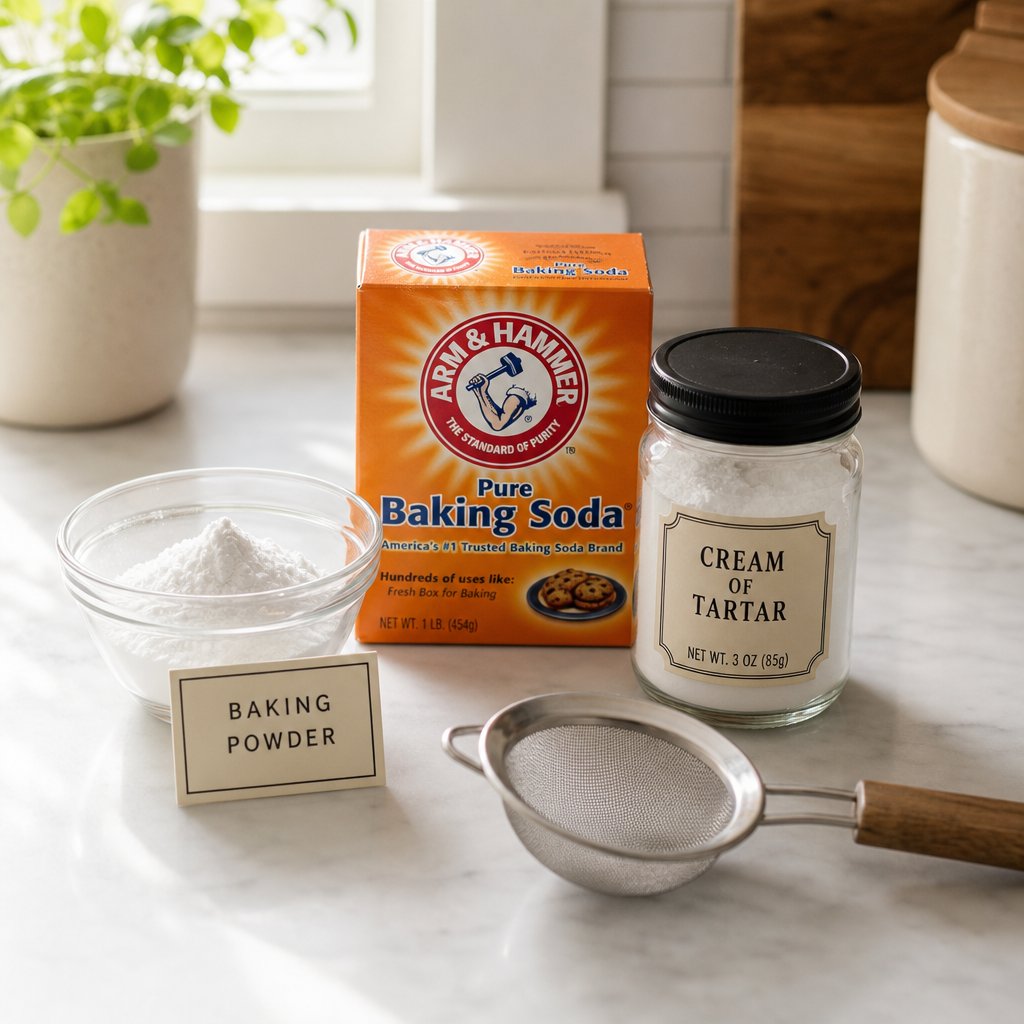
The issue is not the calcium itself but the conditions required for absorption. Calcium carbonate needs stomach acid to dissolve. Without adequate gastric acid, the calcium remains poorly absorbed. This requirement means it must be taken with meals for optimal uptake. In practice, however, the gastrointestinal side effects of calcium carbonate, including bloating, gas, and constipation caused by CO2 production during dissolution, lead many people to take it between meals or at bedtime to avoid discomfort.
A randomized crossover trial published in the Journal of Bone and Mineral Research found that calcium carbonate was associated with significantly more constipation than calcium citrate (30.4% vs. 4.3%, p=0.047). This GI intolerance creates a behavioral chain: discomfort leads to between-meal dosing, which bypasses the gut oxalate-binding mechanism, which raises urinary calcium without reducing urinary oxalate. The connection between kidney stones calcium carbonate risk is largely driven by this timing problem rather than the calcium ion itself.
Can calcium carbonate cause kidney stones if taken correctly with food? The risk is substantially lower. But the real-world pattern of GI-driven timing shifts makes carbonate the higher-risk option for many users.
Why Calcium Citrate May Be the Safer Choice
Calcium citrate offers several mechanistic advantages for people concerned about stone formation. The most important: it does not require stomach acid for absorption. This means it can be taken with or without food, giving you flexibility to always pair it with meals without worrying about reduced uptake.
The citrate component itself provides a separate layer of protection. Potassium citrate is a first-line prescription treatment for preventing kidney stones because citrate directly inhibits calcium oxalate crystal formation. It works by binding free calcium in urine to form soluble calcium-citrate complexes, reducing the amount of calcium available to combine with oxalate. Citrate also coats existing crystal surfaces, blocking further growth and aggregation.
Does calcium citrate cause kidney stones? The clinical evidence suggests a more favorable profile. The same randomized trial comparing calcium citrate and calcium carbonate found that calcium citrate was associated with a significant reduction in urinary oxalate-to-creatinine ratio compared to calcium carbonate (-2.46 mmol/mol vs. +7.42 mmol/mol, p=0.029). The researchers attributed this to calcium citrate's higher gastric solubility, which releases more free calcium ions in the gut to bind oxalate before absorption. Since urinary oxalate is one of the most potent promoters of crystal growth, this reduction has meaningful clinical implications.
Can calcium citrate cause kidney stones at all? Yes, any calcium supplement can raise urinary calcium if taken in excessive doses or without food. But the dual benefit of citrate, acting as both a calcium delivery vehicle and a crystallization inhibitor, makes it the preferred choice for anyone with stone risk factors. The trade-off is that calcium citrate contains less elemental calcium per tablet (about 21%), meaning you need more pills to reach the same dose.
Calcium Phosphate Considerations
Calcium phosphate in kidney stones represents a distinct clinical scenario. Unlike calcium oxalate stones that form in acidic urine, calcium phosphate stones (brushite and hydroxyapatite) crystallize preferentially when urine pH rises above 6.0. This makes them more common in people with renal tubular acidosis, hyperparathyroidism, or those taking alkali-producing medications.
Calcium phosphate supplements (like tricalcium phosphate or dicalcium phosphate) introduce both calcium and phosphate into the system. For someone already prone to calcium phosphate stones, this combination adds both components of the stone-forming equation simultaneously. Research from UT Southwestern Medical Center confirms that calcium phosphate stone formers share metabolic risk factors with calcium oxalate stone formers, including hypercalciuria (present in 60-70%) and hypocitraturia (30-50%), but are distinguished by significantly higher urine pH.
For this reason, calcium phosphate supplements are generally the least recommended form for anyone with a history of kidney stones, regardless of stone type.
| Feature | Calcium Carbonate | Calcium Citrate | Calcium Phosphate |
|---|---|---|---|
| Elemental calcium per tablet | ~40% (highest) | ~21% (moderate) | ~38% (high) |
| Requires stomach acid | Yes | No | Partially |
| Best timing | With meals only | With or without meals | With meals |
| Stone risk profile | Higher (GI issues promote between-meal use) | Lower (citrate inhibits crystallization) | Highest for CaP stone formers |
| Effect on urinary oxalate | May increase (if taken without food) | Reduces oxalate excretion | Neutral |
| GI tolerance | Poor (gas, bloating, constipation) | Good (less constipation) | Moderate |
| Cost | Lowest | Moderate | Moderate |
| Best for | People with normal stomach acid who always take with meals | Stone-risk patients, PPI users, flexible schedules | Generally not recommended for stone formers |
The differences in this table are not trivial. For someone asking whether calcium citrate kidney stones risk is lower than carbonate, the answer is supported by both mechanistic logic and clinical data. The citrate form provides a built-in stone inhibitor, better GI tolerance that encourages proper meal-time dosing, and documented reductions in urinary oxalate excretion.
This is where supplement formulation quality becomes genuinely important. Forward-thinking nutrition brands are increasingly working with specialized OEM/ODM manufacturers like ZhuFeng to develop calcium products specifically designed to minimize stone risk. By choosing calcium citrate as the base, adding complementary stone-inhibiting co-factors like magnesium, and optimizing per-tablet dosage to stay below 500 mg, these formulations reflect the clinical evidence rather than simply maximizing elemental calcium content. For brands and private label sellers developing calcium supplements, evidence-based formulation is no longer optional; it is what informed consumers now expect.
The form of calcium you choose matters. But calcium rarely travels alone in a supplement bottle. Vitamin D, magnesium, and other co-supplements each carry their own effects on stone chemistry, and some of those interactions are less intuitive than you might expect.
Vitamin D and Other Supplements That Affect Stone Risk
Vitamin D is the most common companion to calcium tablets, bundled into the same capsule or recommended alongside them by doctors focused on bone density. Yet this pairing introduces a layer of risk that rarely makes it into patient-facing discussions. Vitamin D does not just support calcium absorption; it supercharges it, and in certain individuals, that amplification can push urinary calcium into dangerous territory.
The Vitamin D and Calcium Double Risk
Vitamin D enhances calcium absorption in the intestines by activating a transcellular transport pathway. When your vitamin D levels rise, your gut pulls more calcium from food and supplements into the bloodstream. Your kidneys then filter this extra circulating calcium, increasing urinary calcium excretion. So does vitamin d cause kidney stones directly? Not exactly. But it raises the concentration of urinary calcium, which is one of the two critical ingredients in calcium oxalate crystal formation.
A narrative review published in Nutrients found that long-term vitamin D supplementation increased the risk of hypercalciuria by up to 64% compared to placebo. That finding held regardless of baseline vitamin D levels, the dosage used, or whether calcium supplements were taken simultaneously. For people already taking calcium tablets, adding vitamin D creates a compounding effect: the supplement delivers extra calcium while the vitamin D ensures more of it gets absorbed and eventually excreted through the kidneys.
The role of vitamin d in kidney stones becomes especially concerning for a specific subgroup: people with idiopathic hypercalciuria, meaning they already excrete unusually high amounts of calcium in urine without a clear medical cause. A meta-analysis by Hu et al. examining 22 observational cohorts with over 23,000 participants found that hypercalciuric stone formers had markedly elevated levels of both active and inactive vitamin D compared to healthy controls. Normocalciuric stone formers also showed higher active vitamin D, suggesting the connection between vitamin d and kidney stones extends beyond simple calcium overload.
Can vitamin d cause kidney stones in people without these predispositions? The evidence is less clear. A large randomized trial of 5,110 subjects receiving high-dose monthly vitamin D (100,000 IU/month) found no increased stone risk in the general population after 3.3 years of follow-up. The critical distinction is genetic susceptibility. People carrying mutations in the CYP24A1 gene, which controls vitamin D degradation, may be hypersensitive to supplementation. Estimates suggest 420 to 1,960 per 100,000 individuals carry the homozygous form of this mutation, making them vulnerable to hypercalcemia and hypercalciuria even at standard vitamin D doses.
Vitamin D supplementation can increase the risk of hypercalciuria by up to 64%, and this effect is independent of dosage, baseline vitamin D status, or concurrent calcium use.
The practical takeaway: if you take calcium and vitamin D together, ask your doctor to check your urinary calcium levels a few weeks after starting supplementation. This simple test can reveal whether the combination is pushing your kidney chemistry in the wrong direction.
Supplements That Increase Your Risk
Calcium and vitamin D are not the only supplements that affect stone formation. Several common products found in medicine cabinets raise urinary oxalate or calcium levels through mechanisms most consumers never consider.
- High-dose vitamin C (ascorbic acid): Your body metabolizes ascorbic acid into oxalate as a byproduct. A prospective study of nearly 200,000 participants across the Nurses' Health Studies and Health Professionals Follow-up Study found that men consuming 1,000 mg or more of total vitamin C daily had a 43% increased risk of kidney stones (HR 1.43; 95% CI, 1.15-1.79). Supplemental vitamin C at 1,000 mg or more carried a 19% increased risk in men. Interestingly, dietary vitamin C from food was not associated with stone risk in either men or women, likely because few people reach the 700-800 mg/day threshold through food alone. The connection between ascorbic acid and kidney stones appears strongest at supplemental doses that far exceed the recommended daily allowance.
- High-dose vitamin D (without monitoring): As discussed above, doses that raise serum calcitriol can increase intestinal calcium absorption and urinary calcium excretion, particularly in genetically susceptible individuals.
- Cranberry supplements: While cranberry juice is often promoted for urinary tract health, concentrated cranberry extracts can significantly increase urinary oxalate excretion, potentially raising calcium oxalate supersaturation.
Supplements That Help Prevent Stones
The supplement landscape is not all risk. Several compounds actively work against stone formation, and understanding what supplements cause kidney stones versus which ones prevent them can reshape your daily regimen.
- Magnesium: Magnesium supplements and kidney stones have an inverse relationship. Magnesium competes with calcium for binding sites on oxalate in the urine, forming soluble magnesium-oxalate complexes that do not crystallize. This effectively reduces the amount of free oxalate available to combine with calcium. Magnesium also increases urinary citrate, adding a second layer of protection. While large-scale trials specifically isolating magnesium's effect are limited, clinical guidelines frequently recommend adequate magnesium intake (310-420 mg daily) as part of a comprehensive stone prevention strategy.
- Potassium citrate: This is the gold standard for pharmacological stone prevention. A prospective double-blind clinical trial demonstrated that potassium-magnesium citrate reduced the risk of recurrent calcium oxalate stones by 85% over 3 years, with new stones forming in only 12.9% of treated patients compared to 63.6% in the placebo group. Citrate works by chelating calcium in urine, raising urine pH to reduce uric acid crystallization, and directly inhibiting calcium oxalate crystal growth and aggregation.
- Vitamin B6 (pyridoxine): Pyridoxine is a cofactor in the metabolic pathway that processes glyoxylate. Adequate B6 helps divert glyoxylate away from oxalate production, potentially lowering urinary oxalate levels. While evidence is strongest at therapeutic doses in people with primary hyperoxaluria, moderate supplementation may benefit the general stone-forming population.
- Fish oil (omega-3 fatty acids): Some research suggests omega-3 supplementation may reduce urinary calcium and oxalate excretion, though the evidence remains preliminary and inconsistent.
What about multivitamins? Most standard multivitamins contain moderate amounts of calcium (100-200 mg), vitamin D (400-1,000 IU), and vitamin C (60-90 mg). At these doses, the individual contributions to stone risk are minimal. The concern arises when a multivitamin is stacked on top of separate calcium, vitamin D, and vitamin C supplements, creating a cumulative load that can quietly exceed safe thresholds. If you take a multivitamin plus individual supplements, tally the total amounts of each nutrient to avoid unintentional overdosing.
These supplement interactions highlight an important truth: stone risk is rarely about a single pill. It is the total biochemical environment in your urine, shaped by everything you swallow, that determines whether crystals form. The question then becomes personal: given your specific history, genetics, and health goals, how should you calibrate your supplement choices?
Who Is Most at Risk From Calcium Supplements
Your personal stone risk is not the same as your neighbor's. A 30-year-old woman taking calcium for bone health after a stress fracture faces a fundamentally different equation than a 55-year-old man who has already passed two stones. Yet most supplement labels and even many doctors offer the same generic advice regardless of individual history. Can taking calcium supplements cause kidney stones for everyone equally? No. Risk depends on where you fall on a spectrum shaped by your stone history, genetics, diet, and concurrent health conditions.
Understanding which category you belong to is the difference between unnecessary worry and genuinely actionable caution. Let's break it down by patient type.
Guidance for People With No Stone History
If you have never had a kidney stone and have no family history of stones, your risk from calcium supplements is the lowest of any group. This does not mean zero risk, but it means the protective strategies are straightforward and highly effective.
For this group, the primary concern is bone health, and calcium supplementation is often recommended by physicians to prevent osteoporosis or address dietary gaps. The key is how you take it, not whether you take it. Focus on:
- Always taking calcium with meals to activate the gut oxalate-binding mechanism
- Keeping individual doses at or below 500 mg
- Choosing calcium citrate if you have any digestive issues or take acid-reducing medications
- Maintaining adequate hydration (aim for 2.5 liters of urine output daily)
Can supplements cause kidney stones in this low-risk group? They can, but the probability remains small when basic timing and dosing rules are followed. The Health Professionals Follow-up Study and Nurses' Health Study II found no increased stone risk in supplement users when these factors were controlled. Your focus should be on building good habits now rather than worrying about a problem that may never materialize.
One caveat: if you are stacking calcium with high-dose vitamin D, vitamin C supplements, and eating a high-sodium diet, those compounding factors can shift you from low-risk to moderate-risk even without a personal stone history. Pay attention to the total picture, not just the calcium tablet in isolation.
What Recurrent Stone Formers Should Do Differently
If you have passed one kidney stone, your risk of forming another within 5 years is approximately 50%. If you have had two or more episodes, you are a recurrent stone former, and the calculus around calcium supplementation changes dramatically.
For first-time stone formers, the question becomes: does taking calcium supplements cause kidney stones in someone already proven susceptible? The answer is that your kidneys have already demonstrated a tendency toward supersaturation. Adding supplemental calcium without careful management is like pouring fuel near a fire that has already ignited once.
First-time stone formers should:
- Request a 24-hour urine collection to identify their specific metabolic risk factors (hypercalciuria, hyperoxaluria, low citrate, etc.)
- Evaluate whether calcium supplements are truly necessary or whether dietary sources can meet their needs
- If supplements remain necessary, use calcium citrate exclusively, taken with the largest meals of the day
- Reduce sodium intake to below 2,300 mg daily and moderate animal protein portions
Recurrent stone formers face the highest concern level. For this group, a food-first calcium strategy is strongly preferred over supplementation. The landmark randomized trial by Borghi et al. demonstrated that recurrent calcium oxalate stone formers who consumed 1,200 mg of dietary calcium daily (combined with low sodium and low animal protein) reduced their stone recurrence by approximately 50% over 5 years compared to those on a restricted 400 mg calcium diet. This trial proved that adequate dietary calcium is not just safe for stone formers; it is actively protective.
Supplements that cause kidney stones in this population include not only calcium taken improperly but also high-dose vitamin C, excessive vitamin D without monitoring, and concentrated cranberry extracts. Recurrent stone formers should audit their entire supplement regimen with a nephrologist or urologist, not just their calcium intake.
Balancing Bone Health and Kidney Health
Postmenopausal women face a uniquely difficult trade-off. Declining estrogen accelerates bone loss, raising the risk of osteoporotic fractures. At the same time, the Women's Health Initiative trial showed that calcium plus vitamin D supplementation in this exact population increased stone risk by 17%. So can taking calcium cause kidney stones in the very group that needs it most for bone protection? Unfortunately, yes, if the approach is not carefully calibrated.
The nuance here is that bone health and kidney health are not mutually exclusive goals. They require a coordinated strategy rather than a one-size-fits-all prescription. Postmenopausal women should:
- Prioritize dietary calcium from dairy, fortified foods, and low-oxalate leafy greens (target 1,000-1,200 mg daily from food)
- Use supplements only to fill a documented gap between dietary intake and the recommended total
- Choose calcium citrate in split doses of no more than 500 mg each
- Have urinary calcium checked after starting or adjusting supplementation
- Discuss bone density results with their doctor to determine whether the fracture risk truly justifies supplementation beyond what food provides
People with a family history of kidney stones occupy another important risk category. Kidney stone disease has a significant genetic component, including polymorphisms in genes like CYP24A1 and VDR that affect calcium metabolism and vitamin D sensitivity. A review in Nutrients notes that mutations in CYP24A1, which impair vitamin D degradation, may affect 420 to 1,960 per 100,000 individuals in the general population. If your parent or sibling has had stones, you may carry genetic variants that make you more sensitive to supplemental calcium and vitamin D, even if you have never formed a stone yourself.
For this group, the approach mirrors that of first-time stone formers: get baseline metabolic testing, favor food-based calcium, and monitor urinary calcium if supplements are used. The family history is a signal to be proactive rather than reactive.
| Patient Type | Risk Level | Recommended Calcium Approach | Key Actions |
|---|---|---|---|
| No stone history, no family history | Low | Supplements acceptable with proper timing and dosing | Take with meals, keep doses under 500 mg, stay hydrated |
| No stone history, family history of stones | Low-Moderate | Food-first preferred; supplements with caution | Consider 24-hour urine baseline, use calcium citrate, monitor urinary calcium |
| First-time stone former | Moderate | Evaluate necessity; food-first if possible | Get 24-hour urine test, reduce sodium, switch to citrate form if supplementing |
| Recurrent stone former | High | Food-first strongly preferred; avoid supplements if possible | Work with nephrologist, maximize dietary calcium with meals, eliminate compounding risk factors |
| Postmenopausal women (osteoporosis risk) | Moderate-High | Dietary calcium prioritized; supplement only documented gaps | Balance fracture risk vs. stone risk, split doses, check urinary calcium after starting |
Notice how the risk factors discussed throughout this article, including low fluid intake, high-oxalate diet, excessive sodium, vitamin D co-supplementation, and high animal protein, compound differently depending on which category you fall into. A low-risk person with one compounding factor remains low-risk. A recurrent stone former with three compounding factors faces a near-certainty of another episode without intervention.
The relationship between kidney stones and supplements is not binary. It is a gradient shaped by your biology, your history, and your daily habits. Can taking calcium supplements cause kidney stones? For some people, absolutely. For others, the risk is negligible with proper management. The difference lies in honest self-assessment and a willingness to match your supplement strategy to your actual risk profile rather than following generic advice designed for the average person.
Knowing your risk category is the starting point. The next logical step is translating that knowledge into a concrete daily plan, one that protects your kidneys without sacrificing the calcium your bones need.

Practical Steps to Protect Your Kidneys While Taking Calcium
You know your risk category. You understand the mechanism. The question now is: what do you actually do tomorrow morning when you reach for that calcium bottle? Here is a concrete, evidence-based action plan for anyone asking how can I prevent kidney stones while taking calcium, organized from the simplest changes to the most impactful shifts.
Step-by-Step Plan If You Currently Take Calcium Tablets
These six steps are ranked by ease of implementation. Start at the top and work your way down. Each one independently reduces your stone risk, and together they form a comprehensive kidney stones diet strategy that does not sacrifice bone health.
- Take every dose with a meal. This is the single most important change. Calcium consumed alongside food binds oxalate in your gut before it reaches your kidneys. Pair your tablet with your largest meals, ideally ones containing oxalate-rich foods like whole grains, beans, or leafy greens. Never take calcium on an empty stomach or at bedtime without food.
- Split your dose so no single tablet exceeds 500 mg. If your doctor recommends 1,000 mg daily, take 500 mg with breakfast and 500 mg with dinner. Your body absorbs smaller doses more efficiently, and your kidneys handle the filtered calcium without sharp concentration spikes.
- Switch from calcium carbonate to calcium citrate. Citrate is absorbed without stomach acid, causes less GI discomfort, and delivers a built-in crystallization inhibitor. If bloating or constipation from carbonate has been pushing you toward between-meal dosing, citrate eliminates that problem entirely.
- Reduce sodium to below 2,300 mg daily. The National Kidney Foundation confirms that sodium and calcium share the same kidney transport system. Every extra gram of sodium you eat forces more calcium into your urine. Cut processed foods, canned soups, and restaurant meals to keep sodium in check.
- Drink enough fluid to produce at least 2.5 liters of urine daily. Mayo Clinic Health System identifies hydration as the most effective single therapy for preventing kidney stones. For most people, this means drinking 2.5 to 3 liters of water throughout the day. Carry a water bottle and sip consistently rather than gulping large amounts at once.
- Consult your doctor if you have recurrent stones, a family history of stones, or abnormal calcium levels on blood work. A 24-hour urine collection can reveal whether your current supplement regimen is raising urinary calcium or oxalate beyond safe thresholds. This test costs little and provides personalized data no article can replace.
How do you prevent kidney stones while still meeting your calcium needs? By following these steps, you keep the protective gut-binding mechanism active while minimizing the urinary calcium load that drives crystal formation.
Food-First Calcium Sources That Protect Your Kidneys
The best diet for kidney stones is not a low-calcium diet. It is a food-based calcium diet. The National Institute of Diabetes and Digestive and Kidney Diseases (NIDDK) recommends getting enough calcium from foods rather than supplements to help prevent calcium oxalate and calcium phosphate stones. Here are calcium rich foods for kidney stones prevention, each delivering meaningful calcium alongside meals where they can bind dietary oxalate:
- Plain yogurt (1 cup): ~415 mg calcium
- Milk, 2% (1 cup): ~293 mg calcium
- Cheddar cheese (1.5 oz): ~307 mg calcium
- Calcium-fortified orange juice (1 cup): ~349 mg calcium
- Calcium-fortified cereal (1 serving): ~100-1,000 mg calcium (check label)
- Sardines with bones (3 oz): ~325 mg calcium
- Bok choy, cooked (1 cup): ~160 mg calcium (low oxalate)
- Broccoli, cooked (1 cup): ~60 mg calcium (low oxalate)
- Kale, cooked (1 cup): ~177 mg calcium (low oxalate)
Notice that the leafy greens listed above are specifically low oxalate foods for kidney stones prevention. Spinach and Swiss chard, while calcium-containing, are extremely high in oxalate and should be moderated in a calcium oxalate kidney stones diet. The National Kidney Foundation recommends eating calcium-rich foods and oxalate-rich foods together during meals so they bind in the stomach and intestines before reaching the kidneys.
Three servings of dairy per day with meals typically provides 900-1,000 mg of calcium, meeting most adults' needs without any supplement at all. If you can reach 1,000-1,200 mg through food alone, you may not need a tablet. This food-first approach is how to prevent calcium oxalate stones while still protecting bone density.
A practical calcium oxalate kidney stones diet also means moderating high-oxalate foods rather than eliminating them entirely. Spinach, rhubarb, beets, nuts, wheat bran, and chocolate are the highest-oxalate items. You do not need to avoid them completely. Just eat them alongside calcium-rich foods so the oxalate gets bound in your gut rather than absorbed into your bloodstream.
Choosing a Smarter Supplement Formulation
If dietary calcium alone cannot meet your needs, whether due to lactose intolerance, dietary restrictions, or documented deficiency, the supplement you choose should reflect what the research actually shows about stone prevention. Not all calcium products are created with kidney safety in mind.
A kidney-friendly calcium supplement should check these boxes:
- Calcium citrate as the primary calcium source (not carbonate or phosphate)
- Per-tablet dose of 500 mg or less to prevent absorption overload
- Added magnesium to compete with calcium for oxalate binding in urine
- No excessive vitamin D (400-800 IU is generally sufficient unless labs show deficiency)
- No added vitamin C above 60 mg (higher doses convert to oxalate)
The supplement industry is catching up to this science. Forward-thinking brands are now partnering with specialized OEM/ODM health food manufacturers like ZhuFeng to develop calcium formulations specifically engineered for kidney safety. These manufacturers offer customized formulation services across tablets, capsules, powders, and gummies, allowing brands to build products with optimized citrate-based calcium, stone-inhibiting co-factors like magnesium and potassium citrate, and per-serving dosages that align with clinical evidence. For nutrition brands and private label sellers, this represents a growing market opportunity: consumers increasingly research stone risk before purchasing calcium, and products designed with that concern in mind earn trust.
The bottom line on how do you prevent kidney stones while maintaining calcium intake is straightforward: eat calcium with food, keep supplement doses small, choose citrate over carbonate, stay hydrated, and reduce the dietary factors that amplify urinary calcium. These are not dramatic lifestyle overhauls. They are small, evidence-backed adjustments that let you protect your bones and your kidneys simultaneously, without choosing one over the other.
Frequently Asked Questions About Calcium Tablets and Kidney Stones
1. Can calcium supplements cause kidney stones if taken with meals?
Taking calcium supplements with meals significantly lowers stone risk compared to between-meal dosing. When calcium enters your gut alongside food, it binds dietary oxalate and prevents it from being absorbed into the bloodstream and filtered through the kidneys. Studies show that supplement users who consistently take calcium with their largest meals experience stone risk levels closer to those of people relying on dietary calcium alone. The key is pairing your tablet with oxalate-containing foods like whole grains or beans so the binding mechanism activates fully.
2. Is calcium citrate safer than calcium carbonate for kidney stone prevention?
Clinical evidence supports calcium citrate as the lower-risk option. Calcium citrate does not require stomach acid for absorption, which means it causes less GI discomfort and reduces the temptation to take it between meals. More importantly, the citrate component itself acts as a crystallization inhibitor in urine, binding free calcium and blocking crystal growth. A randomized trial found calcium citrate reduced urinary oxalate excretion compared to calcium carbonate. For anyone with stone risk factors, citrate-based formulations from quality manufacturers offer a meaningful safety advantage.
3. How much calcium per day is safe without increasing kidney stone risk?
Current evidence suggests keeping total calcium intake between 1,000 and 1,200 mg daily from all sources combined, including food and supplements. Individual supplement doses should not exceed 500 mg because absorption efficiency drops sharply above that level, and excess calcium gets filtered directly into urine. The Women's Health Initiative found increased stone risk when total daily intake exceeded 2,100 mg. Splitting your supplement into two smaller doses taken with separate meals helps your kidneys process each load without urinary calcium spikes.
4. Does vitamin D taken with calcium increase kidney stone risk?
Vitamin D enhances intestinal calcium absorption, which can raise urinary calcium excretion and increase stone risk in susceptible individuals. Research shows long-term vitamin D supplementation increased hypercalciuria risk by up to 64% regardless of dosage or baseline vitamin D status. People with genetic variants affecting vitamin D metabolism (CYP24A1 mutations) are especially vulnerable. If you take both calcium and vitamin D, ask your doctor to check urinary calcium levels a few weeks after starting to confirm the combination is not pushing your kidney chemistry toward supersaturation.
5. What is the best way to get calcium if you have a history of kidney stones?
A food-first strategy is strongly preferred for anyone with prior stones. Three servings of dairy per day with meals typically provides 900-1,000 mg of calcium while simultaneously binding dietary oxalate in the gut. A landmark trial showed recurrent stone formers eating 1,200 mg of dietary calcium daily with low sodium and low animal protein reduced recurrence by 50% compared to a restricted calcium diet. If supplements remain necessary due to dietary limitations, use calcium citrate in doses under 500 mg, always paired with meals, and work with a nephrologist to monitor urinary chemistry.