No, Chili Powder and Paprika Are Not the Same Spice
The Direct Answer
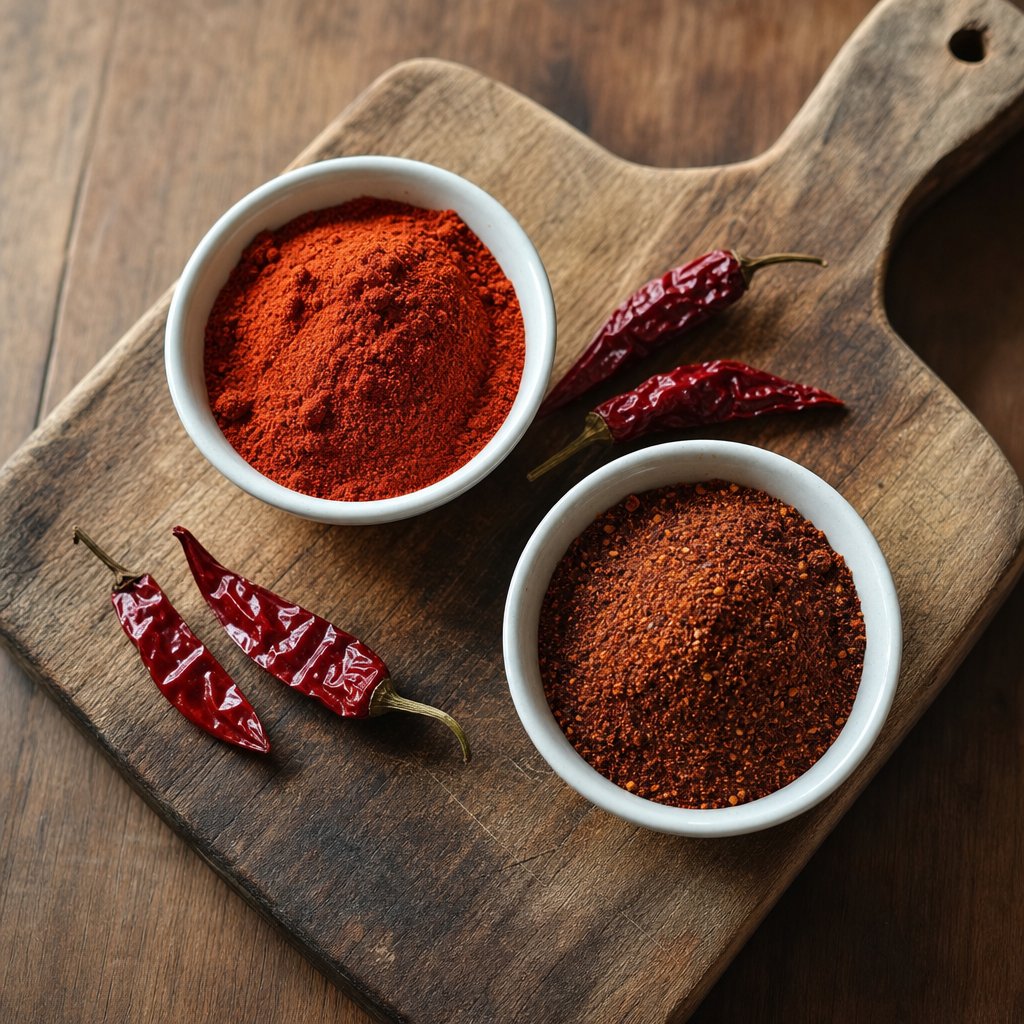
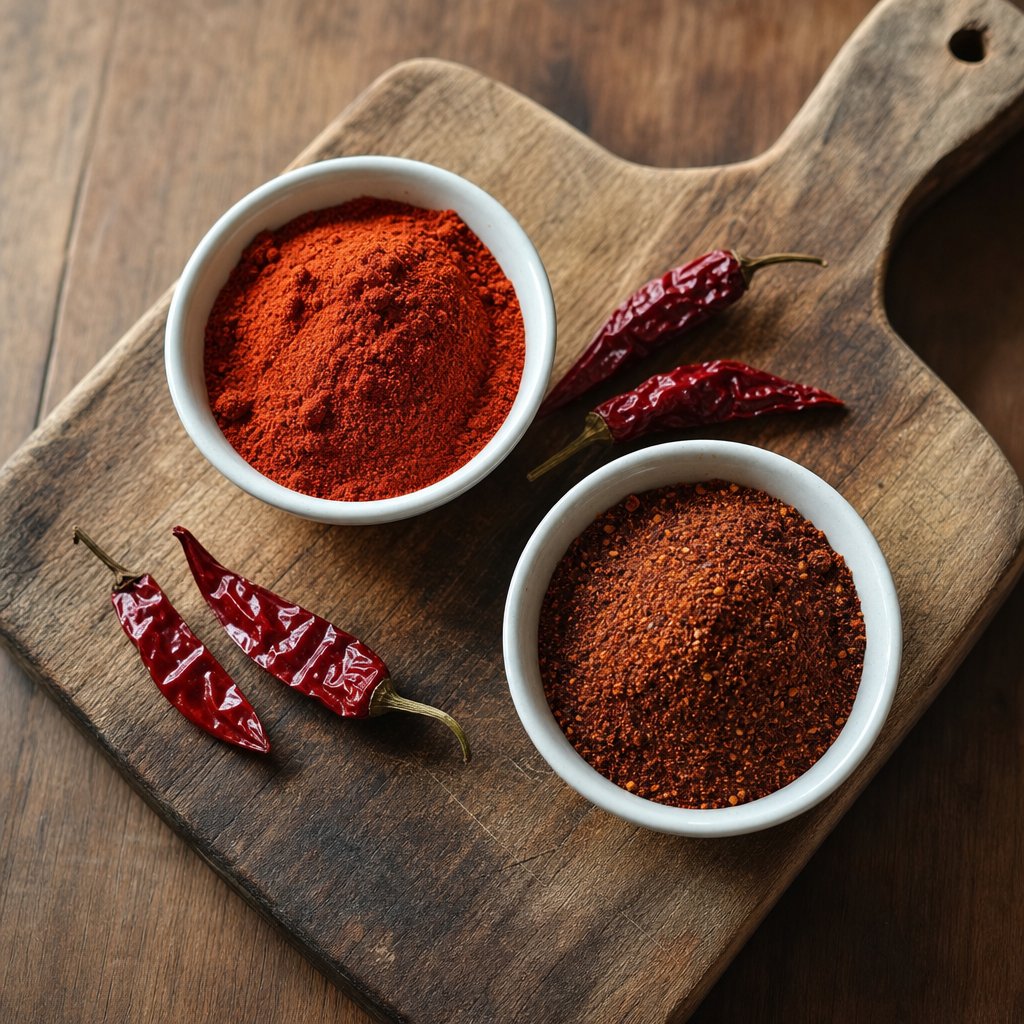
Is chili powder the same as paprika? No. Despite looking similar in the jar and sharing shelf space in your kitchen, these two red powders are fundamentally different products. Paprika is a single-ingredient spice made exclusively from dried, ground Capsicum annuum peppers. American chili powder, on the other hand, is a seasoning blend that combines ground chile peppers with cumin, garlic powder, oregano, and other spices.
Paprika = one ingredient (ground dried peppers). Chili powder = a blend of multiple spices built around ground chiles.
That single distinction explains why swapping one for the other can throw off an entire recipe. When you reach for paprika chili powder thinking they are interchangeable, you are either adding unwanted cumin and garlic notes or stripping away the complexity a dish needs.
Why This Confusion Exists
The mix-up makes sense when you consider the botanical connection. Both paprika and chili powder start with peppers from the Capsicum family. They share a similar red hue, and their containers often sit side by side on the spice rack. Many home cooks assume that paprika is chili powder under a different name, or that the two terms describe the same product from different brands.
They don't. Paprika and chili powder serve different culinary purposes entirely. Paprika delivers color and a mild, sweet pepper flavor. Chili powder delivers a layered, savory spice profile designed for dishes like chili con carne and taco seasoning. Is paprika and chili powder the same thing you can freely swap? Only if you understand what each one brings to the plate and adjust accordingly.
In the sections ahead, you'll find a full breakdown of their composition, heat levels on the Scoville scale, exact substitution ratios, and guidance on when each spice works best. Whether you grabbed the wrong jar mid-recipe or you are planning a grocery run, this guide covers what you need to know before making the swap.
What Paprika Actually Is and Its Main Varieties
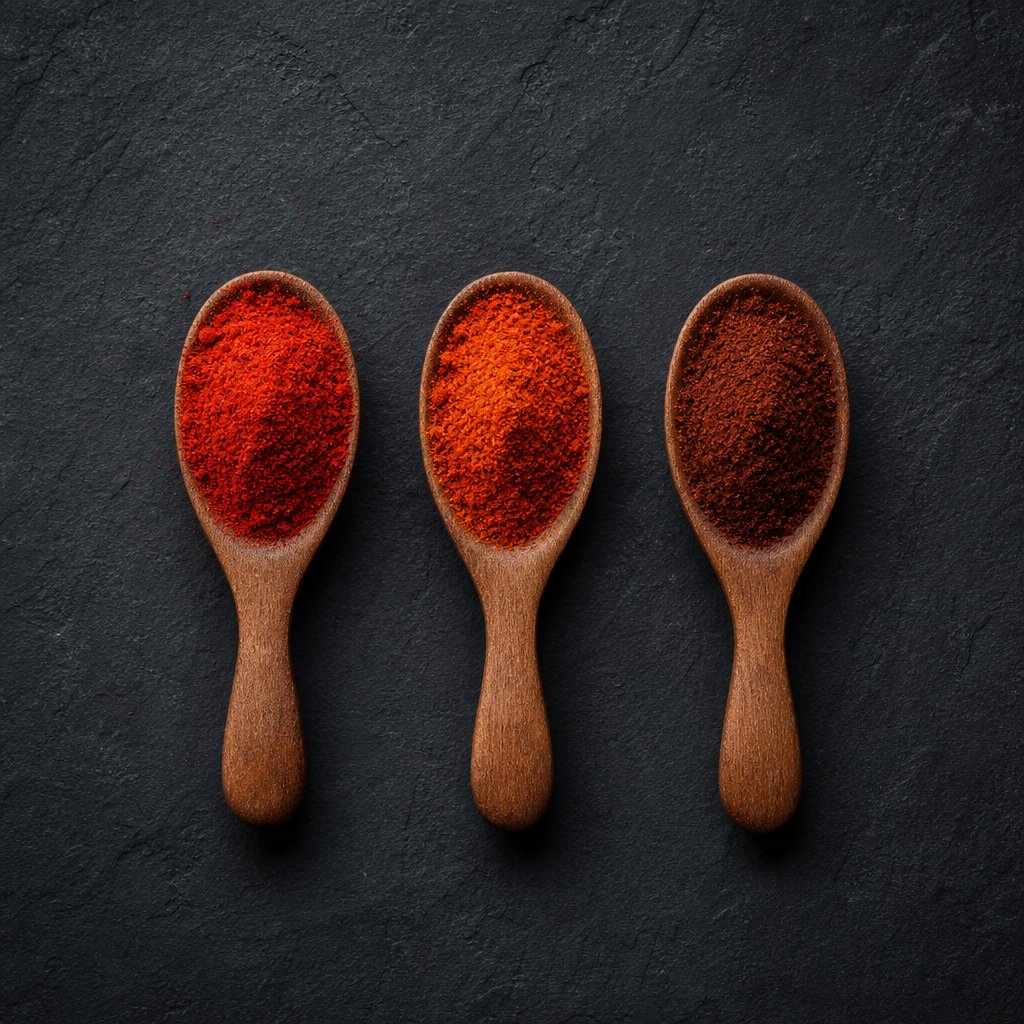
So what exactly is this red paprika powder that sits in nearly every spice cabinet? The paprika powder meaning is straightforward: it is a spice made by grinding the dried flesh of specific Capsicum annuum pepper varieties into a fine powder. No blending, no added ingredients, no fillers. Just peppers, dried and ground. That simplicity is what separates it from chili powder blends and makes it a pure, single-ingredient product every time.
Think of paprika peppers the way you would wine grapes. The same species produces wildly different results depending on the cultivar, the climate, and how the peppers are processed after harvest. Growers select specific cultivars for traits like deep red pigment, mild flavor, or concentrated heat. The result is a range of powdered paprika varieties that look similar but taste quite different from one another.
Sweet, Hot, and Smoked Varieties
When a recipe simply calls for "paprika" without further detail, it almost always means sweet paprika. But you'll encounter three main types on store shelves, each with a distinct personality:
- Sweet paprika - Made from mild, bright red peppers with seeds removed. The flavor is fruity, slightly bitter, and earthy with virtually no heat. This is the variety you sprinkle on deviled eggs, stir into goulash, or use anywhere you want vibrant color and gentle warmth without spiciness.
- Hot paprika - Produced from spicier pepper cultivars, and the seeds and inner membranes are ground along with the flesh to increase heat. It functions more like cayenne in small doses, though it retains a richer, rounder flavor. Use it in spice rubs, fiery stews, or anywhere you want pepper heat with depth.
- Smoked paprika (Pimenton de la Vera) - The peppers are dried slowly over smoldering oak fires before grinding, which infuses the powder with a bold, bacon-like smokiness. It can be made from sweet or hot pepper varieties. Reach for it when you want smoky flavor without an actual smoker or grill.
In the debate of paprika vs red pepper, the key difference is specificity. "Red pepper" on a spice label can refer to cayenne, crushed red pepper flakes, or a generic ground chile. Paprika always refers to this particular family of mild-to-moderate Capsicum annuum cultivars processed for color and nuanced flavor rather than raw heat. Similarly, paprika vs bell pepper comes down to purpose: bell peppers are a fresh vegetable from the same species, while dry paprika peppers are cultivars bred specifically for drying and grinding into this spice.
Where Paprika Comes From
Hungary and Spain dominate paprika production, and each region puts its own stamp on the final product. Hungarian paprika is considered the national spice of Hungary, where eight official grades range from the mild, vibrant red Kulonleges to the brownish-orange, fiery Eros. The continental climate produces peppers with concentrated sweetness and rich color.
Spanish paprika, or pimenton, tends toward earthier, more rustic flavors. The La Vera region is famous for its oak-smoked varieties, while other Spanish producers offer dulce (sweet), agridulce (bittersweet), and picante (hot) versions depending on pepper type and seed inclusion.
Terroir matters here just as it does with coffee or wine. Soil composition, sun exposure, and altitude all influence the pepper's sugar content, pigment density, and subtle flavor notes. A Hungarian sweet paprika pepper powder will taste noticeably different from a Californian or South American version of the same category, even though both are pure, single-ingredient spices.
This purity is the critical point. Regardless of origin or variety, paprika is always one thing: ground dried peppers. That single-ingredient composition is exactly what makes it behave so differently from the multi-spice blend sitting next to it on the rack.
What Makes Chili Powder a Blend, Not a Single Spice
Paprika is one ingredient. Chili powder is a team. That distinction is the single most important thing to understand when you are deciding whether these two can trade places in a recipe. Is chili powder a spice? Technically yes, but it is more accurately described as a spice blend, a pre-mixed combination of multiple seasonings designed to deliver a complex, layered flavor in one scoop.
The Blend Behind the Label
When you pick up a jar labeled "chili powder" at an American grocery store, you are not buying ground chiles alone. You are buying a seasoning blend that was originally formulated to simplify the process of making chili con carne. The idea was to combine all the key flavors into one convenient powder so cooks would not need to measure out five or six separate jars.
So what does chili powder taste like? It is earthy, warm, slightly smoky, and savory with moderate heat. That complexity comes from the combination of ingredients working together rather than from any single component. Here is what you will typically find inside a standard American chili powder blend:
- Ground dried chile peppers - The base of the blend, usually ancho, guajillo, or a mix of mild-to-medium dried chiles that provide color, body, and gentle heat.
- Cumin - Adds a warm, earthy, slightly nutty flavor that is the signature backbone of Tex-Mex cooking.
- Garlic powder - Contributes savory depth and a subtle pungency.
- Oregano - Typically Mexican oregano, which has a more citrusy, peppery character than its Mediterranean cousin.
- Onion powder - Rounds out the savory profile with mild sweetness.
- Additional spices - Some blends include coriander, smoked paprika, black pepper, allspice, cloves, or salt depending on the brand and recipe.
Is paprika in chili powder? Often, yes. Many commercial blends use paprika as part of the ground pepper base or add it separately for color. But paprika is just one player in a much larger lineup. When you substitute chili powder for paprika in a recipe, you are not just swapping pepper for pepper. You are introducing cumin, garlic, oregano, and everything else in that blend into a dish that may not want those flavors.
Imagine adding a tablespoon of chili powder to Hungarian chicken paprikash. Instead of the clean, sweet pepper flavor the dish relies on, you would get cumin and oregano competing with the sour cream sauce. The result would taste more like a taco filling than a traditional Hungarian stew. That is the practical consequence of treating a blend like a single-ingredient spice.
Chili Powder vs Pure Ground Chile Pepper
Here is where product labels create real confusion. "Chili powder" and "chile powder" sound identical when spoken aloud, and they look nearly the same on the shelf. But the difference between chili powder vs chili seasoning and a pure ground chile is significant:
- Chili powder (blend) - Multiple spices combined. Designed as a complete seasoning. Lower heat because the chile peppers are diluted by other ingredients.
- Chile powder or ground chile pepper (single ingredient) - Just one type of dried pepper, ground into powder. No cumin, no garlic, no oregano. Examples include ancho chile powder, guajillo powder, or cayenne pepper.
Is chili pepper the same as chili powder? Not at all. A pure ground chile pepper behaves much more like paprika in a recipe because it is also a single-ingredient product. It adds heat and pepper flavor without dragging along a supporting cast of spices. If a recipe calls for paprika and you only have a jar of pure ancho chile powder, you are much closer to a workable swap than if you reach for the blended chili powder.
The chili powder vs chili seasoning distinction follows the same logic. Some brands label their product "chili seasoning" to signal that it contains salt, sugar, or thickeners in addition to the standard spice blend. These are even further removed from paprika because they introduce ingredients that affect texture and sodium levels.
The takeaway is simple: always read the ingredient list. If you see only one pepper variety listed, you have a pure ground chile. If you see cumin, garlic, oregano, and other spices, you have a blend. That difference determines whether a 1:1 swap with paprika will work or whether it will send your recipe in an entirely different flavor direction.
Paprika vs Chili Powder Side-by-Side Comparison
You know the ingredients are different. You understand one is a blend and the other is a single spice. But what is the difference between paprika and chili powder when you line them up across every dimension that matters in the kitchen? A direct comparison makes the gap impossible to miss.
Composition and Ingredient Breakdown
The clearest way to see the difference between chili powder and paprika is to lay them side by side across the factors that actually affect your cooking. The table below compares sweet paprika, hot paprika, smoked paprika, and American chili powder blend so you can see the full spectrum at a glance.
| Attribute | Sweet Paprika | Hot Paprika | Smoked Paprika | American Chili Powder |
|---|---|---|---|---|
| Composition | 100% ground dried sweet peppers | 100% ground dried hot peppers (seeds included) | 100% oak-smoked dried peppers | Ground chiles + cumin, garlic, oregano, onion powder, and other spices |
| Heat Level | Very mild (100-250 SHU) | Mild to moderate (500-1,000 SHU) | Mild to moderate (varies by pepper) | Moderate (1,000-2,500 SHU) |
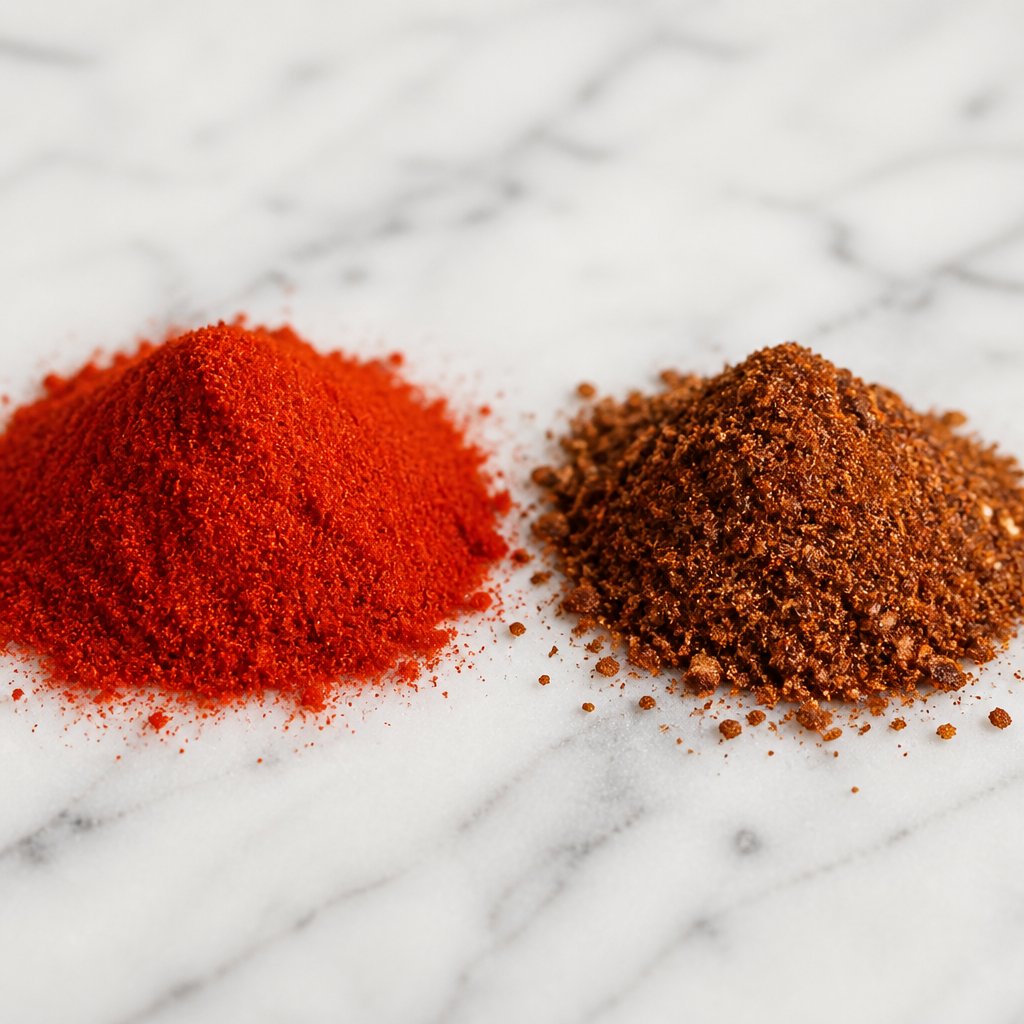
| Color | Bright, vibrant red | Deep red to red-orange | Dark, rich red-brown | Darker brownish-red |
| Flavor Profile | Sweet, fruity, earthy | Warm, peppery, slightly bitter | Bold, smoky, bacon-like | Complex, savory, earthy with cumin and garlic notes |
| Best Uses | Goulash, deviled eggs, garnishes, soups | Spice rubs, stews, sauces | Grilled meats, beans, paella, BBQ | Chili con carne, tacos, Tex-Mex, meat rubs |
| Origin | Hungary, Spain, California | Hungary | Spain (La Vera region) | United States (Tex-Mex tradition) |
Notice how paprika powder vs chili powder differs most sharply in the composition row. Every paprika variety contains exactly one ingredient. The chili powder column is the only one with a list of spices, and that list is what drives the flavor, color, and heat differences you see in every other row.
Flavor and Color Compared
When comparing paprika vs cayenne vs chili powder, think of them on a flavor axis. Sweet paprika sits at the mild, color-forward end, delivering vibrant red hues and gentle sweetness without competing flavors. Cayenne occupies the heat-forward extreme, adding fire with minimal flavor complexity. Chili powder lands in a different category altogether because it is not just about pepper character. The cumin, garlic, and oregano create a savory, almost meaty depth that no single-ingredient spice can replicate.
Color tells a similar story. Paprika tends toward a bright, clean red because nothing dilutes the pepper pigment. Chili powder skews darker and more brownish-red because cumin, oregano, and garlic powder mute the vibrancy. If you are making a dish where appearance matters, like a garnish on hummus or a finishing dust on roasted potatoes, paprika gives you that eye-catching color. Chili powder will look muddier by comparison.
What is the difference between chili powder and paprika in practical terms? It comes down to this: paprika adds color and a single clean pepper note. Chili powder adds a complete seasoning profile. One is a solo instrument; the other is a full band. Choosing between them depends entirely on whether your recipe needs a subtle accent or a bold, multi-layered flavor foundation, and that decision gets easier once you understand how their heat levels actually compare on a measurable scale.
Heat Levels and Scoville Scale Breakdown
Flavor and composition aside, the question most people really want answered is simple: is paprika spicy? And how does it compare to chili powder in terms of actual heat? The Scoville Heat Unit (SHU) scale gives us a measurable way to answer both questions instead of relying on vague descriptions like "mild" or "medium."
Scoville Ratings for Each Spice
The Scoville scale measures capsaicin concentration, the compound responsible for the burning sensation you feel when eating hot peppers. Higher SHU numbers mean more capsaicin and more heat on your tongue. Here is how paprika, chili powder, and cayenne stack up from mildest to hottest:
| Spice | Scoville Heat Units (SHU) | Heat Perception |
|---|---|---|
| Sweet paprika | 100 - 250 | Barely perceptible warmth, no sting |
| Hot Hungarian paprika | 500 - 1,000 | Mild tingle, gentle warmth |
| American chili powder blend | 1,000 - 2,500 | Noticeable but moderate heat |
| Jalapeno pepper | 2,500 - 8,000 | Medium heat, familiar reference point |
| Cayenne pepper | 30,000 - 50,000 | Significant, sharp heat |
Look at the gap between sweet paprika and cayenne. Cayenne powder registers at roughly 120 to 500 times hotter than the paprika most people have in their cabinet. That difference between cayenne and paprika is not subtle. It is the difference between a gentle warmth you barely notice and a sharp burn that lingers on your lips.
Is chili powder spicy? Moderately. Its SHU range of 1,000 to 2,500 puts it well above sweet paprika but far below cayenne. The heat feels approachable because the other spices in the blend (cumin, garlic, oregano) spread the sensation across a broader flavor profile rather than concentrating it into pure fire.
Is Paprika Actually Spicy?
In its most common form, no. Is paprika powder spicy enough to make you reach for a glass of water? Not even close. The sweet paprika you find in a typical grocery store aisle tops out around 250 SHU. That is at least four times milder than a jalapeno pepper, and most people cannot detect any heat at all. You taste sweetness, earthiness, and a faint warmth rather than anything resembling spiciness.
Hot Hungarian paprika is a different story. Varieties like Eros (the hottest grade in Hungary's eight-tier paprika classification) can push toward 1,000 SHU and deliver a real peppery bite. Some hot paprika blends even include a small amount of cayenne to boost the heat factor. Still, even the spiciest paprika stays well below what most people would call "hot" compared to dedicated heat-forward spices.
The difference between cayenne pepper and paprika comes down to purpose. Cayenne exists to add heat. Its flavor is relatively neutral and peppery, acting as a vehicle for capsaicin delivery. Paprika exists to add color, sweetness, and nuanced pepper flavor. When you compare paprika vs cayenne pepper side by side, you are comparing a color-and-flavor spice against a heat-delivery spice. They happen to come from related plants, but they serve opposite roles in a recipe.
This heat gap also explains why substitution ratios matter so much. Replacing one teaspoon of cayenne powder vs paprika at a 1:1 ratio would either leave your dish completely flat (if you swap cayenne for paprika) or dangerously over-spiced (if you swap paprika for cayenne). Understanding where each spice sits on the Scoville scale turns guesswork into precision, which is exactly what you need when a recipe calls for one and you only have the other on hand.
Substitution Ratios and How to Adjust Recipes
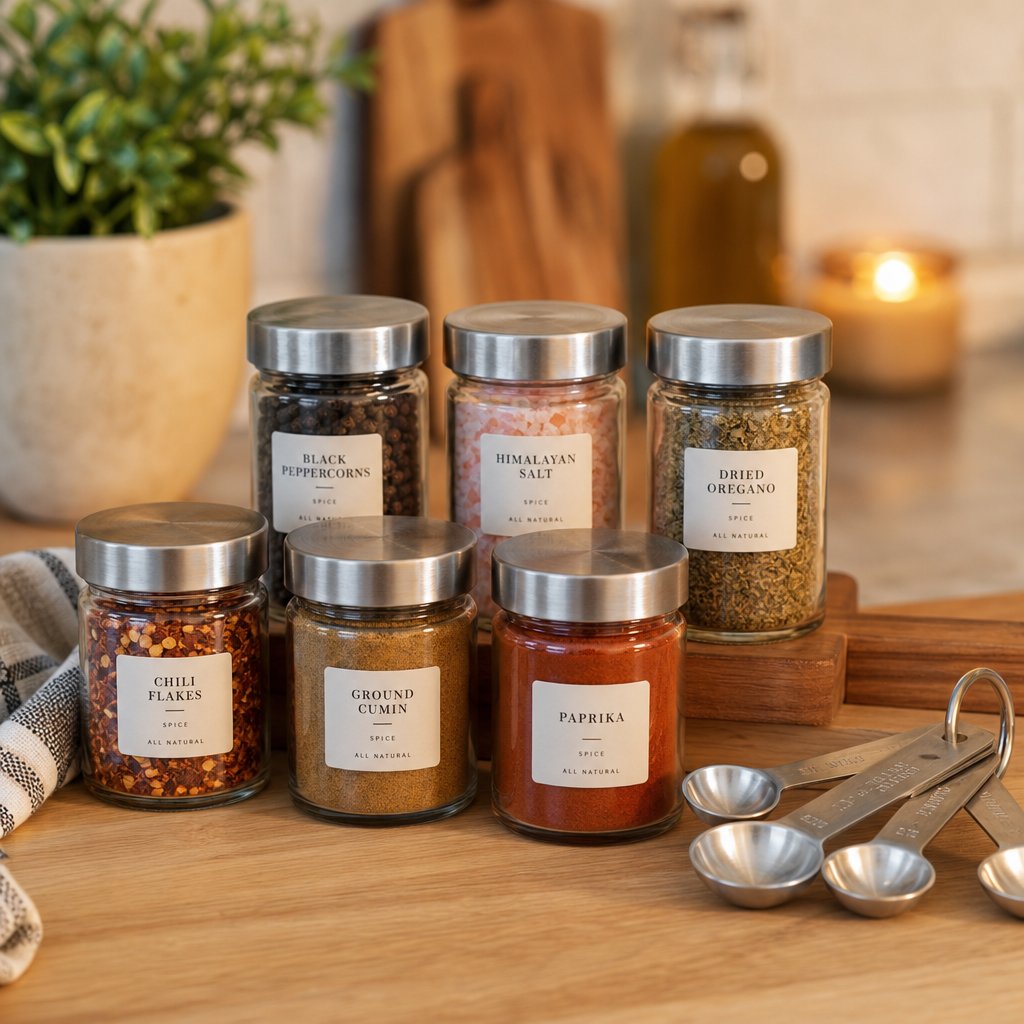
Knowing the Scoville numbers and flavor differences is useful, but it does not help much when you are standing at the stove with the wrong jar already in your hand. What you need are specific ratios, not vague advice like "use less." Whether you are looking for a substitute for paprika powder or trying to use paprika for chili powder in a pinch, the swaps below give you exact measurements and the additional spices needed to close the flavor gap.
Exact Ratios for Common Swaps
Every substitution scenario requires a slightly different approach depending on which direction you are swapping and what type of dish you are making. The table below covers the most common situations with precise ratios you can follow immediately.
| Substitution Scenario | Ratio | Additional Spices Needed | Notes |
|---|---|---|---|
| Paprika instead of chili powder | 1 tsp paprika per 1 tsp chili powder | + 1/2 tsp cumin, + 1/4 tsp garlic powder, + pinch of oregano | Recreates the blend's savory depth; add cayenne for heat |
| Chili powder instead of paprika | 3/4 tsp chili powder per 1 tsp paprika | None required | Expect cumin and garlic notes; reduce if dish already contains those spices |
| Chili powder instead of smoked paprika | 3/4 tsp chili powder per 1 tsp smoked paprika | + 1/4 tsp cumin (if smoky depth needed) | Cannot replicate oak-smoke flavor; consider adding a drop of liquid smoke |
| Smoked paprika instead of chili powder | 1 tsp smoked paprika per 1 tsp chili powder | + 1/2 tsp cumin, + 1/4 tsp garlic powder | Adds smokiness the original blend may not have; reduce if dish tastes too smoky |
| Sweet paprika instead of hot paprika | 1 tsp sweet paprika per 1 tsp hot paprika | + 1/8 tsp cayenne pepper | Adjust cayenne up or down to match desired heat |
The most reliable paprika chili powder substitute follows what spice experts call the 2-1-1/4 rule: 2 teaspoons paprika, 1 teaspoon cumin, and 1/4 teaspoon cayenne to replace 1 tablespoon of chili powder. This ratio works because paprika already makes up roughly 40% of most commercial chili powder blends. You are essentially rebuilding the blend from scratch with individual jars.
What spice can I use instead of paprika when the jar is empty? Your best chili powder substitute for paprika is to use about three-quarters of the amount called for and accept that cumin and garlic will come along for the ride. In dishes like stews, soups, or braises where those flavors already exist, the difference is barely noticeable. In delicate dishes like deviled eggs or cream-based sauces, the extra flavors will stand out more, so reduce the amount further to half a teaspoon per teaspoon of paprika.
For a substitute for sweet paprika powder specifically, ancho chile powder is actually a closer match than chili powder blend. Ancho delivers mild, slightly fruity pepper flavor without the cumin and garlic baggage. Use it at a 1:1 ratio when you need that clean pepper sweetness.
What to Do When You Grab the Wrong Spice
Imagine you have already stirred a full tablespoon of chili powder into a dish that called for paprika. The cumin and garlic are in there now, and you cannot scoop them back out. Do not panic. Here is your recipe rescue plan:
- If you added chili powder where paprika was needed: Taste the dish. If the cumin and garlic notes work with the other ingredients, leave it alone and skip any cumin or garlic the recipe calls for later. If the flavors clash (common in Hungarian or Spanish dishes), increase the liquid slightly and add a teaspoon of sweet paprika to push the pepper flavor back to the front.
- If you added paprika where chili powder was needed: Your dish will taste flat and one-dimensional. Add 1/2 teaspoon cumin, 1/4 teaspoon garlic powder, and a pinch of oregano per tablespoon of paprika you used. Build the missing blend components back in one at a time, tasting between additions.
- If you used sweet paprika where smoked paprika was needed: A few drops of liquid smoke can bridge the gap. Start with two drops, stir, and taste. Alternatively, a quarter teaspoon of chipotle powder adds both smokiness and mild heat.
The key principle behind every spice substitute for paprika or chili powder is the same: identify what flavor components are missing and add them individually. A paprika substitute for chili powder needs cumin, garlic, and heat added separately. A chili powder substitute for paprika needs its extra flavors diluted or balanced against.
Smoked paprika deserves special attention because its oak-fire flavor is genuinely difficult to replicate. No combination of regular paprika plus other spices perfectly mimics that deep smokiness. If smoked paprika is central to your recipe, like in Spanish chorizo seasoning or smoky bean soup, it is worth keeping a dedicated jar on hand rather than relying on workarounds.
One final tip: spices intensify as they cook. If you have made a swap and the dish tastes slightly off at first, give it ten minutes of simmering before adding more corrections. The flavors often meld and balance themselves with a little heat and time, saving you from over-adjusting and creating a new problem on top of the original one.
Global Terminology Differences and Storage Guide
Every substitution ratio in the world will not help if the recipe you are following uses a completely different definition of "chili powder" than the one sitting in your cabinet. This is one of the biggest hidden traps in international cooking: the same term means different things depending on where the recipe was written.
UK and Indian Chilli Powder vs American Chili Powder
When a British or Indian recipe calls for "chilli powder," it is referring to pure ground chili peppers and nothing else. No cumin, no garlic, no oregano. Just dried red chillies ground into a fine powder. This makes chilli powder vs paprika a much closer comparison in those markets because both are single-ingredient spices made from ground Capsicum peppers. The main difference is heat: Indian chilli powder is significantly spicier, while paprika prioritizes color and mild flavor.
American chili powder, as covered earlier, is a seasoning blend. That one spelling difference (chilli vs chili) signals a fundamentally different product in many parts of the world. Is chilli powder spicy? In the UK and Indian context, absolutely. Indian red chilli powder can range from 25,000 to 100,000 SHU depending on the pepper variety, making it far hotter than either American chili powder or paprika.
If a recipe comes from the UK, India, or most of Asia, "chilli powder" means pure ground peppers, not a spice blend. Substituting American chili powder will add unwanted cumin and garlic while delivering far less heat than intended.
This terminology gap creates real problems. Imagine following a British curry recipe that calls for two teaspoons of chilli powder. If you use American chili powder blend, your dish will be under-spiced and taste oddly of cumin where it should not. If you use cayenne, you will get the heat but miss the fruity, rounded pepper flavor that Indian or UK chilli powder provides. The closest American equivalent is a pure ground chile pepper like ancho or guajillo for milder dishes, or cayenne for recipes that need serious heat.
In Spanish-speaking countries, you will encounter chile paprika or pimenton as the dominant terminology. The word "paprika" itself comes from Hungarian, but the product exists under different names globally. Understanding that chilli and paprika are both single-ingredient ground pepper products in most markets outside the US helps clarify why international cooks often treat paprika and chili as close relatives rather than entirely different categories.
Shelf Life and Storage Tips
Whether you stock paprika, American chili powder, or Indian chilli powder, all ground spices lose potency over time. But they degrade differently depending on their composition, and knowing those differences helps you decide when a jar is past its useful life.
Single-ingredient spices like paprika and pure ground chiles have a shelf life of roughly two to three years when stored properly. Spice blends like American chili powder retain most of their flavor for about two years. The difference exists because blends contain multiple ingredients that oxidize at different rates. Cumin loses its punch faster than dried chile peppers, and garlic powder can develop off-flavors sooner than oregano. As individual components fade unevenly, the overall balance of the blend shifts, making it taste "flat" or "muddy" rather than simply weaker.
How do you know when it is time to replace a jar? Three quick tests tell you everything:
- Color check - Fresh paprika is vibrant red. Fresh chili powder is a rich brownish-red. If either looks dull, faded, or brownish-gray, the flavor has faded along with the pigment. Color loss directly correlates with flavor loss in pepper-based spices.
- Aroma test - Rub a pinch between your fingers. You should smell the spice immediately. If the scent is faint or absent, the essential oils have evaporated and the powder will contribute little to your cooking.
- Texture check - Clumping or unusual dryness suggests moisture exposure or excessive age. Spices that clump may also develop off-flavors.
For storage, keep both paprika and chili powder in airtight containers away from heat, light, and moisture. Red pepper spices like paprika and chili powder benefit from refrigeration more than most other spices because their pigments (carotenoids) break down faster at room temperature. A dark, cool cabinet works well, but the refrigerator extends peak freshness noticeably if you do not use these spices frequently.
Avoid shaking either spice directly over a steaming pot. The moisture from cooking creates condensation inside the jar, accelerating degradation and causing clumps. Measure into a spoon or small dish first, then add to your dish.
One practical tip: if you cook with both paprika and chili regularly, buy them in smaller quantities and replace more often rather than stocking large containers that sit for years. A fresh jar of either spice will outperform a two-year-old bottle every time, regardless of how carefully it was stored. The compounds that give these spices their color, aroma, and flavor are volatile by nature, and time works against all of them.
Nutritional Benefits and Health Applications of Pepper Spices
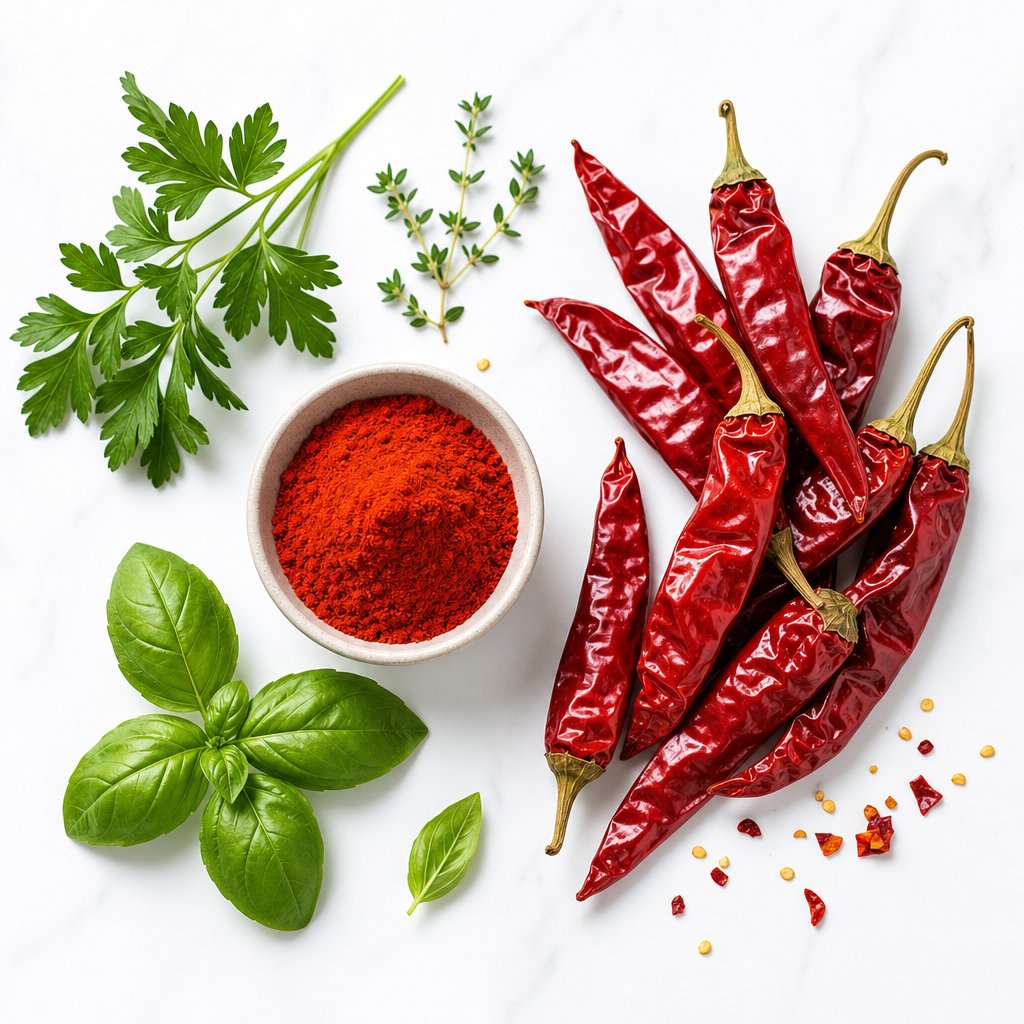
Beyond flavor and color, both paprika and chili powder deliver measurable nutritional value. Is paprika a spice worth reaching for on health grounds alone? The data says yes. These ground pepper products pack vitamins, antioxidants, and bioactive compounds that researchers have linked to real physiological benefits, from eye health to inflammation control.
Antioxidants and Vitamins in Paprika
A single tablespoon of paprika (about 6.8 grams) provides 19% of your daily vitamin A and 13% of your daily vitamin E needs. It also delivers 9% of the Daily Value for vitamin B6 and 8% for iron. For a spice you measure in teaspoons, that nutrient density is remarkable.
The real story, though, is the carotenoid antioxidants. Paprika contains beta carotene, lutein, zeaxanthin, and capsanthin, compounds that fight oxidative stress caused by free radicals. Research has linked higher dietary intakes of lutein and zeaxanthin to a 32% lower risk of cataracts in women and a decreased risk of age-related macular degeneration. Capsanthin, the pigment responsible for paprika's vibrant red color, has been shown to raise HDL (good) cholesterol levels in animal studies.
Is paprika red pepper in nutritional terms? It shares the same carotenoid family as other red Capsicum products, but paprika concentrates these compounds because the peppers are specifically bred for deep pigment. Is paprika ground red pepper? Yes, but the cultivars selected for paprika production tend to be richer in color-related antioxidants than generic red pepper varieties, which is why paprika delivers more visual punch and more carotenoids per gram.
Are paprika peppers spicy enough to deliver capsaicin benefits? Sweet varieties contain only trace amounts. Hot paprika and chili powder contain more, but the real capsaicin concentration comes from hotter peppers like cayenne. A common misconception is that paprika is cayenne pepper under a milder name. It is not. Is cayenne pepper similar to paprika botanically? They share the Capsicum genus, but cayenne contains dramatically more capsaicin, which is precisely why it dominates the supplement market for heat-related health benefits.
Capsaicin in Functional Health Products
Capsaicin has moved well beyond the spice rack. This compound activates the TRPV1 receptor, creating the sensation of heat while simultaneously triggering anti-inflammatory and metabolic responses. Topical capsaicin is a well-documented pain reliever, with studies showing it reduces discomfort from arthritis, diabetic neuropathy, and lower back pain by desensitizing nerve cells that transmit pain signals.
On the metabolic side, a 2022 review found that eating spicy foods six to seven days per week was linked to a 14% lower risk of all-cause mortality. Capsaicin supplements have also shown promise for blood sugar management. In one study of 42 pregnant women with diabetes, a daily 5 mg capsaicin supplement significantly decreased post-meal blood sugar levels compared to a placebo.
Is paprika hot spicy enough to deliver these capsaicin-driven benefits at culinary doses? Generally no. The concentrations needed for therapeutic effects typically require either very hot pepper varieties or standardized supplement forms, including capsules, powder formulations, and extracts where the capsaicin content is controlled and measurable.
This is where spice-derived ingredients cross from kitchen use into the functional health product space. Capsaicin extracts, paprika-sourced carotenoids, and capsanthin concentrates are increasingly formulated into supplements targeting pain relief, metabolic support, and antioxidant protection. Brands developing these products often work with OEM/ODM health food manufacturers like ZhuFeng that offer flexible formats, from hard capsules and tablets to powder/granule blends and soft capsules, allowing nutrition companies to launch capsaicin or carotenoid-based products with customized formulations and scalable production without building manufacturing infrastructure from scratch.
Whether you are sprinkling paprika on your eggs for a vitamin A boost or sourcing capsaicin extracts for a supplement line, the underlying science is the same: Capsicum peppers deliver bioactive compounds with documented health applications. The difference is simply one of concentration and delivery format, from a pinch of spice in your kitchen to a standardized dose in a capsule.
Frequently Asked Questions About Chili Powder and Paprika
1. Can I use chili powder instead of paprika in a recipe?
You can, but expect a flavor shift. Use 3/4 teaspoon of chili powder per 1 teaspoon of paprika called for. Because chili powder contains cumin, garlic, and oregano, it will add savory depth that paprika alone does not provide. This swap works well in stews and soups but may clash in delicate dishes like deviled eggs or cream sauces where clean pepper flavor is essential.
2. What is the main difference between paprika and chili powder?
Paprika is a single-ingredient spice made from dried ground Capsicum annuum peppers. American chili powder is a pre-mixed seasoning blend combining ground chiles with cumin, garlic powder, oregano, and onion powder. This means paprika delivers pure pepper flavor and color, while chili powder provides a complex, multi-layered savory profile designed for Tex-Mex cooking.
3. Is paprika spicier than chili powder?
No, standard sweet paprika is milder than chili powder. Sweet paprika registers 100-250 Scoville Heat Units, while American chili powder blends range from 1,000-2,500 SHU. However, hot Hungarian paprika (500-1,000 SHU) can approach the lower end of chili powder's heat range. Cayenne pepper, often confused with both, is far hotter at 30,000-50,000 SHU.
4. Does chili powder contain paprika as an ingredient?
Many commercial chili powder blends do include paprika as part of their ground pepper base or as a separate addition for color. However, paprika is just one component among several. The blend also contains cumin, garlic powder, oregano, and onion powder, which collectively create a flavor profile very different from using paprika alone.
5. Why does British chilli powder differ from American chili powder?
In the UK, India, and most of Asia, chilli powder refers to pure ground chili peppers with no added spices. It is a single-ingredient product similar in concept to paprika but significantly hotter, ranging from 25,000 to 100,000 SHU. American chili powder is a milder seasoning blend. If you follow a British or Indian recipe using American chili powder, your dish will be under-spiced and taste unexpectedly of cumin.