Can I Chew Vitamin D3 Tablets Safely
You have a bottle of vitamin D3 tablets sitting on your kitchen counter, and for whatever reason, swallowing one whole just is not happening today. Maybe the tablet feels too big, maybe you do not have water nearby, or maybe you simply prefer chewing your supplements. The question pops into your head: is it safe to chew vitamin D3 tablets instead of swallowing them?
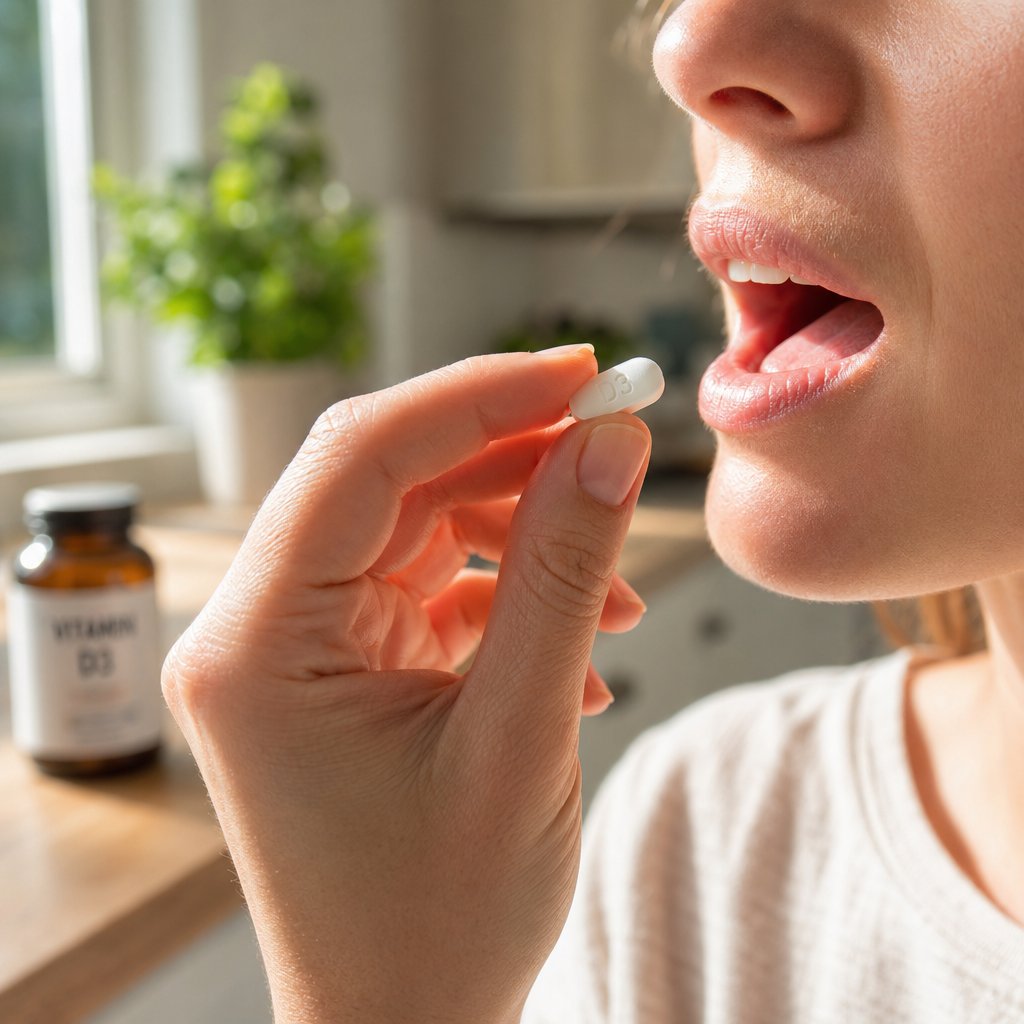
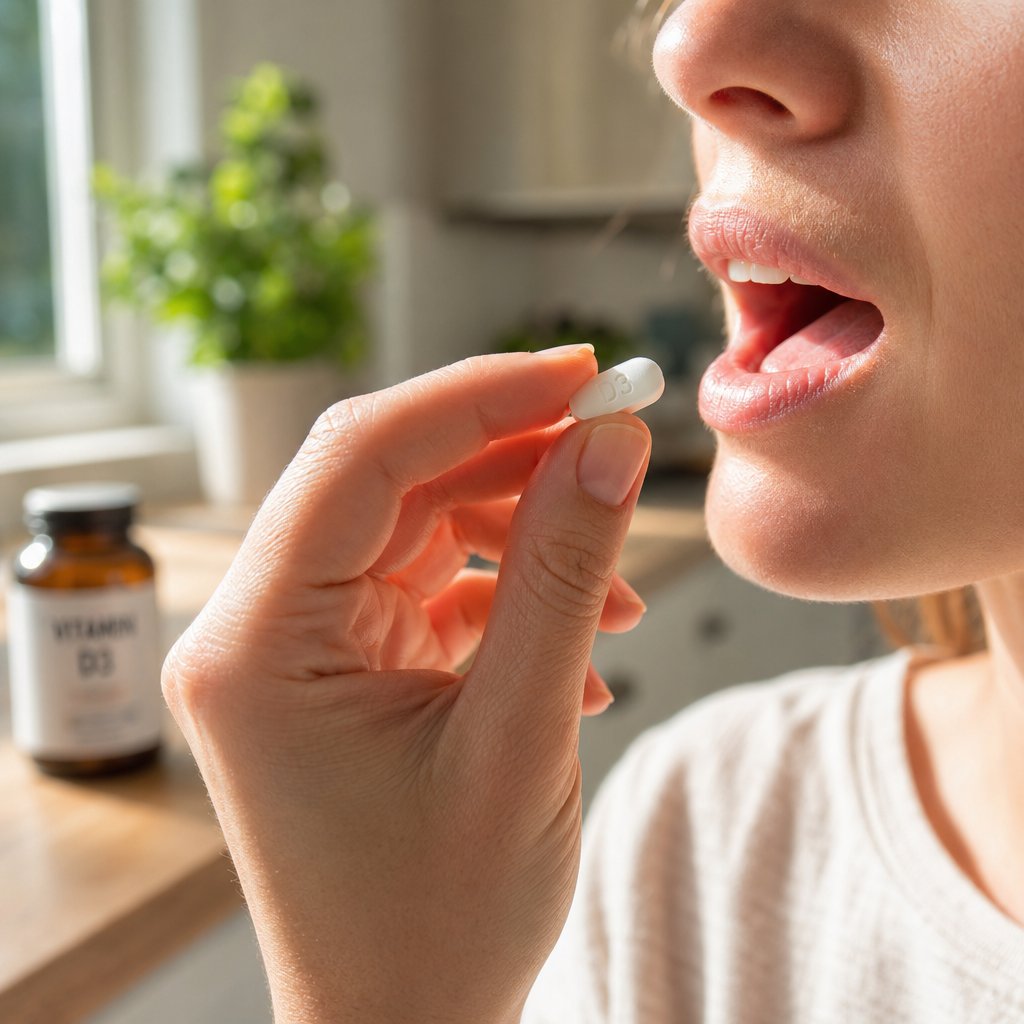
Here is the straightforward answer: yes, most standard vitamin D3 tablets can be chewed without any safety concerns or loss of effectiveness. Vitamin D3, also known as cholecalciferol, is not typically manufactured with enteric coatings or time-release mechanisms that would be damaged by chewing. A plain compressed D3 tablet is designed to break apart in your digestive system anyway, so starting that process in your mouth simply moves the timeline up a bit.
Standard vitamin D3 tablets can generally be chewed unless the label says swallow whole.
That said, chewing a non-chewable tablet is not quite the same experience as biting into a purpose-made chewable vitamin. You will likely notice a chalky texture and a mildly bitter or bland taste, depending on the inactive ingredients like binders and fillers used in the formulation. It is perfectly safe, just not particularly enjoyable. There are no known chewing vitamin D3 tablets side effects beyond that temporary unpleasant taste.
One important distinction to keep in mind: this applies specifically to plain vitamin D3 tablets. Softgel capsules, enteric-coated pills, and combination supplements like calcium-plus-D3 formulas may have different rules. Chewing a softgel, for example, releases an oily liquid that tastes unpleasant and defeats the purpose of the capsule design. So when you are deciding whether to chew or swallow your vitamin D3 tablet, the type of supplement you are holding matters just as much as the active ingredient inside it.
The Short Answer About Chewing D3 Tablets
Can you chew vitamin D3 instead of swallowing it whole? For a standard compressed tablet, absolutely. The active ingredient remains fully intact whether the tablet enters your stomach as a whole piece or as chewed fragments. Vitamin D3 is absorbed in the small intestine regardless of how it arrives there, so chewing does not reduce potency or create any harmful reaction. You are simply doing mechanically what your stomach acid would do minutes later.
Registered dietitian Brittany Michels, RDN, with The Vitamin Shoppe, confirms that supplements in tablet form can generally be cut, crushed, or broken apart without lowering their nutritional value, as long as they are not time-release or enteric-coated formulations. The same logic applies to chewing: if the tablet is not designed with a protective coating or slow-release mechanism, breaking it down in your mouth is functionally no different from cutting it in half.
Why the Label Is Your First Stop
Before you bite down, take five seconds to flip the bottle around and read the directions on the label. This is the single most reliable way to know whether your specific product is safe to chew. Look for a few key phrases:
- "Chewable" means the tablet was designed to be chewed and will likely have added flavoring.
- "Swallow whole" or "Do not crush or chew" means the formulation relies on staying intact, possibly due to an enteric coating or a co-ingredient that requires it.
- "Enteric-coated" signals a protective layer that should not be broken before the tablet reaches your intestine.
If the label does not include any of these warnings and simply lists a standard dosage direction like "take one tablet daily," you can generally chew it without worry. When in doubt, a quick call to your pharmacist can clear things up in seconds.
The label check becomes even more important when your D3 tablet is part of a combination formula. Some multi-nutrient products pair vitamin D3 with ingredients that do require special coatings, even though D3 alone does not. Knowing exactly what you are holding is the difference between a safe chew and an avoidable mistake.
Why People Want to Chew Their Vitamin D3 Instead of Swallowing
Knowing that chewing is safe is one thing. But what actually drives someone to chew a vitamin D3 tablet rather than just swallowing it with water? The reasons are more common and more practical than you might expect.
- Dysphagia or general difficulty swallowing pills
- Pediatric supplementation for children who refuse to swallow tablets
- Elderly care where caregivers need simpler administration methods
- Convenience such as not having water available at the moment
- Personal comfort and a preference for chewing over swallowing
Difficulty Swallowing Pills and Dysphagia
Trouble swallowing vitamin D3 pills is far more widespread than most people realize. A systematic review published in the European Journal of Clinical Pharmacology found that roughly 14% of community-dwelling older adults experience difficulty swallowing oral medicines. That is not a small number, and it does not even account for the many people who can physically swallow a pill but find the experience uncomfortable, anxiety-inducing, or simply unpleasant.
Dysphagia, the clinical term for swallowing difficulty, can stem from neurological conditions, age-related muscle weakening, or even psychological aversion. For someone dealing with any of these challenges, chewing a standard D3 tablet or switching to a vitamin D3 format designed for people who can't swallow tablets becomes a practical everyday solution rather than a workaround.
The same research noted that between one quarter and one third of all medicine administration occasions for older patients involve some form of modification, whether that is crushing, splitting, or chewing. It is a routine reality in eldercare settings, and vitamin D3 supplements are no exception.
Giving Vitamin D3 to Children and Elderly Individuals
Parents searching for ways to give vitamin D3 to kids who won't swallow pills know the struggle well. Young children often lack the coordination or willingness to swallow a tablet whole, and forcing the issue rarely ends well. Chewing the tablet, crushing it into applesauce, or mixing it into yogurt are all strategies parents and pediatric dietitians regularly recommend. As one registered dietitian specializing in pediatric nutrition points out, choosing the right supplement form is one of the most important factors in getting a picky eater to actually take their vitamins consistently.
Elderly individuals present a similar picture from the caregiver's perspective. A grandparent with mild dysphagia or reduced dexterity may struggle with standard tablets, and the person helping them administer supplements needs a reliable, safe option. Chewing a plain D3 tablet checks that box without requiring a separate product purchase.
Some people fall outside both of these groups and simply prefer chewing. There is no medical reason they need to, they just find it more comfortable or reassuring to feel the tablet break down in their mouth before swallowing. That preference is completely valid and, as covered earlier, completely safe for standard compressed tablets.
Whatever the reason, the underlying question is the same: will chewing change anything about how the supplement works? That depends entirely on what type of vitamin D3 product you are holding, and not every format responds the same way to being chewed.
How to Tell If Your Vitamin D3 Tablet Is Safe to Chew
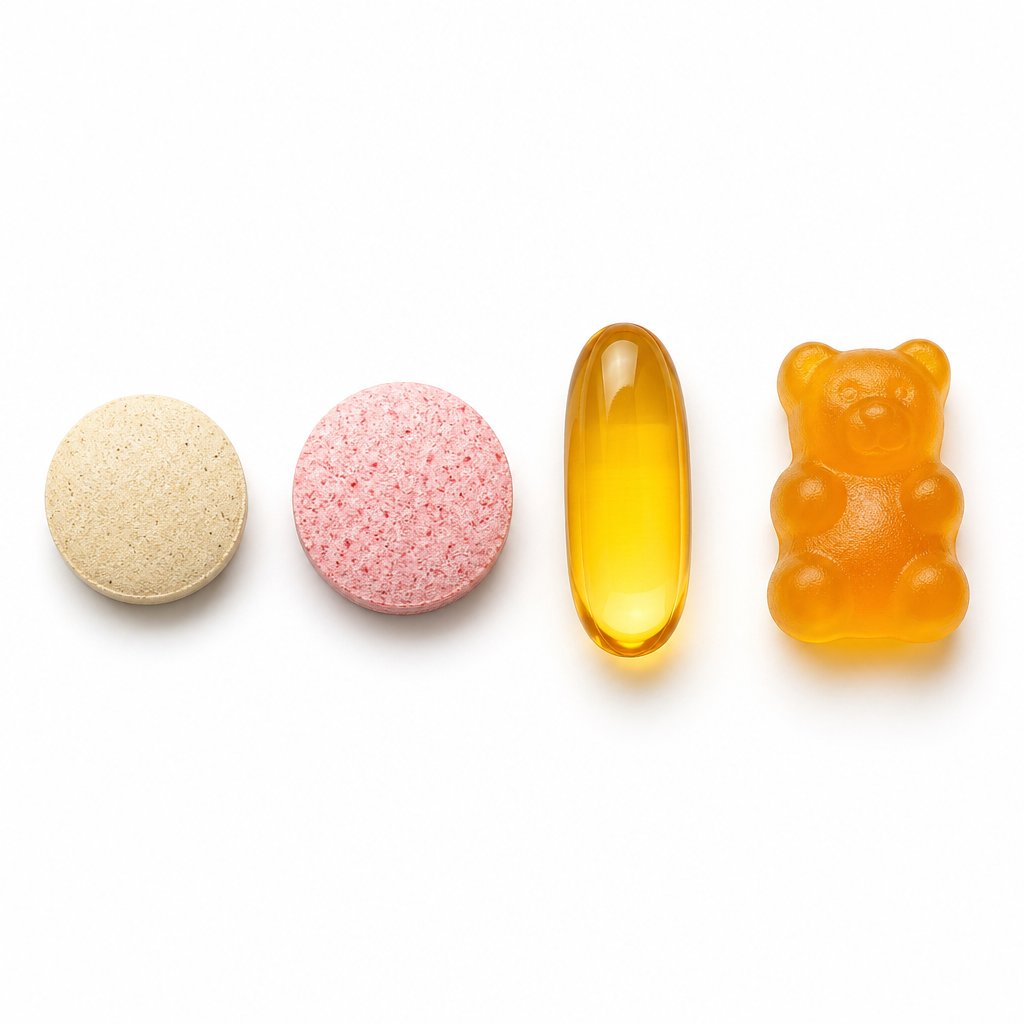
The type of vitamin D3 supplement in your hand is the single biggest factor in whether chewing is a good idea or a messy mistake. A standard compressed tablet and a softgel capsule may contain the exact same active ingredient at the exact same dose, but they respond very differently when you bite down. Learning how to tell if a vitamin D3 tablet is chewable comes down to two things: reading the label and recognizing the physical form of what you are holding.
How to Read Your Supplement Label
Your supplement label is essentially a user manual, and the information you need is usually right on the back of the bottle. The challenge is knowing where to look and what the key phrases actually mean.
Start with the directions or suggested use section. This is where manufacturers spell out exactly how the product is intended to be taken. You will see language like "take one tablet daily with a meal" or "chew one tablet daily." If the word "chewable" appears anywhere in the directions, the product name, or the front label, the tablet was formulated with flavoring, sweeteners, and a softer compression specifically so it can be chewed comfortably. That is your green light.
On the other hand, phrases like "swallow whole," "do not crush or chew," or "do not break tablet" indicate that the formulation depends on the tablet staying intact as it travels through your digestive system. This is common with enteric-coated products, where a special outer layer prevents the tablet from dissolving in the stomach so it can release its contents in the intestines instead.
Next, check the supplement facts panel and the "other ingredients" list. This section reveals the inactive ingredients, including binders, fillers, coatings, and flavorings. If you spot terms like "enteric coating," "delayed-release," or "methacrylic acid copolymer" (a common enteric coating material), the product is designed to bypass your stomach intact. Chewing would defeat that purpose entirely.
Also pay attention to the product form description. Labels typically state whether the product is a "tablet," "chewable tablet," "softgel," "capsule," or "sublingual tablet." This single word tells you a lot. A "tablet" with no further qualifier is usually a standard compressed form. A "softgel" is a sealed gelatin shell filled with liquid or oil. These two products require completely different handling, even when the vitamin D3 inside is identical.
If the label does not explicitly say "chewable" but also does not warn against chewing, you are most likely looking at a plain compressed tablet. These are generally safe to chew, though the taste and texture will not be as pleasant as a purpose-made chewable. When the label leaves you uncertain, a quick call to the manufacturer's customer service line or your pharmacist can settle the question in seconds.
Five Vitamin D3 Tablet Types and Their Chewing Safety
Vitamin D3 supplements come in several distinct formats, and each one has its own rules when it comes to chewing. Here is a breakdown of the five most common types you will encounter, along with what happens if you chew each one and how to identify it from the packaging.
| Type | Can You Chew It? | What Happens If You Do | How to Identify It on the Label |
|---|---|---|---|
| Standard Compressed Tablet | Yes, generally safe | Chalky texture, mildly bitter or bland taste. Breaks into granular fragments. No harm to effectiveness. | Label says "tablet" with no special coating mentioned. Appears as a solid, often slightly powdery disc or oval. No glossy or shiny outer layer. |
| Chewable Tablet | Yes, designed for it | Pleasant taste with added flavoring and sweeteners. Softer compression makes chewing easy and comfortable. | Label clearly states "chewable tablet" or "chew" in the directions. Often fruit-flavored. May be marketed toward children or adults who dislike swallowing pills. |
| Softgel Capsule | No, not recommended | Biting through the gelatin shell releases an oily liquid with an unpleasant taste. The shell becomes sticky and difficult to chew. May cause gagging. | Label says "softgel" or "soft gelatin capsule." The product is a smooth, flexible, often translucent oval or oblong shape filled with liquid or oil. |
| Enteric-Coated Tablet | No, do not chew | Chewing destroys the protective coating meant to prevent dissolution in the stomach. May cause stomach irritation or reduce effectiveness of co-ingredients that need intestinal release. | Label states "enteric-coated," "delayed-release," or "swallow whole." Tablet has a smooth, glossy, or shiny outer layer that looks distinctly different from a plain compressed tablet. |
| Sublingual Tablet | Not intended for chewing | Designed to dissolve under the tongue for direct absorption through oral mucosa. Chewing and swallowing bypasses the intended absorption route, though it is not harmful. | Label says "sublingual" or instructs you to "place under the tongue and allow to dissolve." Tablets are usually very small and thin. |
When comparing a vitamin D3 softgel vs. tablet for chewing, the difference is clear: a compressed tablet crumbles into dry fragments you can swallow easily, while a softgel bursts open and floods your mouth with oil. The physical form dictates the experience far more than the active ingredient does.
Enteric-coated vitamin D3 products are less common as standalone supplements, but they do appear in combination formulas where another ingredient, like calcium or aspirin, benefits from delayed release in the intestines rather than the stomach. If your D3 is bundled with other nutrients, the enteric coating may be there to protect a co-ingredient even though vitamin D3 itself does not require it. That coating still should not be chewed.
Sublingual tablets occupy a unique middle ground. They are not dangerous to chew, but chewing defeats their design. These tiny tablets are meant to dissolve slowly under your tongue so the active ingredient absorbs directly into your bloodstream through the thin tissue there. If you chew and swallow one, you simply reroute it through normal digestion, which is safe but less efficient for that particular formulation.
A quick visual and tactile check can also help when the label is not immediately handy. Standard uncoated tablets feel slightly rough or powdery to the touch and may leave a faint residue on your fingers. Enteric-coated or film-coated tablets feel smooth and glossy, almost like a piece of candy. Softgels are squishy and flexible when you press them gently between your fingers. These physical cues, combined with the vitamin D3 tablet label instructions on the bottle, give you everything you need to make a confident decision.
Identifying your supplement type takes just a few seconds, but it is the step that separates a perfectly fine chewing experience from an unpleasant or counterproductive one. The real question that follows is what the chewing experience actually feels like when you do have the right type of tablet, and whether breaking it down in your mouth changes anything about how your body puts that vitamin D3 to use.
What Happens When You Chew a Non-Chewable D3 Tablet
So you have confirmed your vitamin D3 is a standard compressed tablet with no enteric coating or "swallow whole" warning. You pop it in your mouth and bite down. What actually happens next, both on your tongue and inside your body?
Taste and Texture When Chewing a Standard Tablet
If you have ever wondered what a vitamin D3 tablet tastes like when chewed, the honest answer is: not great, but not terrible either. Standard compressed tablets are built for function, not flavor. The moment your teeth crack through the surface, the tablet crumbles into dry, granular fragments that coat your tongue with a chalky, powdery residue.
The taste itself depends almost entirely on the inactive ingredients, not the vitamin D3. Cholecalciferol is present in such a tiny amount per tablet (measured in micrograms) that it contributes virtually nothing to the flavor. What you are actually tasting are the excipients like microcrystalline cellulose, dicalcium phosphate, magnesium stearate, and various binders that give the tablet its structure. These ingredients tend to produce a mildly bitter or mineral-like flavor, sometimes with a starchy undertone from fillers like maltodextrin or corn starch.
Compare that to a purpose-made chewable tablet, and the difference is obvious. Chewable formulations use ingredients like mannitol, sorbitol, xylitol, and dextrose specifically chosen for their sweetness and smooth mouthfeel. They also include full flavor systems designed to mask any bitterness from the active ingredients. A standard swallow tablet skips all of that because taste was never part of the design brief. The manufacturing goal for a swallow tablet is durability and controlled disintegration after ingestion, not a pleasant chewing experience.
The texture difference is just as noticeable. Swallow tablets are compressed under higher pressure, making them harder and more densely packed. When you chew one, it does not break apart smoothly the way a chewable does. Instead, it fractures into coarse, gritty pieces that can feel like chewing on a piece of chalk. You might need a sip of water to wash down the residue comfortably. None of this is harmful. It is just the natural consequence of chewing a product that was engineered to survive your medicine cabinet, not your taste buds.
Does Chewing Change How Your Body Absorbs Vitamin D3
Here is the question that matters most: does chewing vitamin D3 affect absorption? The short answer is that it makes very little practical difference. Whether you chew the tablet into fragments in your mouth or swallow it whole and let your stomach acid do the work, the vitamin D3 ends up in the same place and follows the same absorption pathway.
Vitamin D3 is absorbed primarily in the small intestine, particularly in the duodenum and jejunum, where bile acids and digestive enzymes break down fats and fat-soluble nutrients. Chewing a tablet does begin the mechanical breakdown process earlier, which can slightly speed up how quickly the tablet fragments dissolve once they reach the stomach. But this head start does not meaningfully change the total amount of vitamin D3 your body ultimately absorbs. The rate-limiting step is not how fast the tablet disintegrates. It is how efficiently your intestinal lining takes up the cholecalciferol molecules and packages them into chylomicrons for transport into your bloodstream.
A crossover bioequivalence study published in Nutrients compared vitamin D3 gummies (which are chewed) to standard tablets (which are swallowed whole) and found that the gummy preparation actually showed greater bioavailability, with significantly higher peak blood concentrations and area under the curve values. The researchers noted that chewing and the early dissolution process in the mouth, combined with saliva, may contribute to this difference. They even raised the possibility that some vitamin D3 from chewed formulations could be absorbed sublingually, bypassing the liver and avoiding degradation from digestive enzymes in the middle GI tract. While this potential mechanism needs further study, it suggests that chewing your D3 tablet is unlikely to reduce absorption and may, if anything, give it a slight nudge in the right direction.
That said, the biggest factor influencing vitamin D3 bioavailability is not whether you chew or swallow. It is what you eat alongside it.
Vitamin D3 is fat-soluble, so taking it with a meal that contains dietary fat significantly enhances absorption regardless of whether the tablet is chewed or swallowed whole.
This is because vitamin D3 needs to be incorporated into mixed micelles formed during fat digestion before it can cross the intestinal wall. Without dietary fat triggering bile secretion and micelle formation, a portion of the vitamin D3 may pass through your gut without being absorbed efficiently. A handful of nuts, a slice of avocado, or even a glass of whole milk alongside your supplement does more for absorption than any amount of chewing ever could.
So the vitamin D3 bioavailability picture, chewed vs. swallowed, is reassuringly simple. Chewing does not hurt absorption. It may modestly help early dissolution. And the real absorption lever you should focus on is pairing your D3 with some fat at mealtime. The sensory experience of chewing a non-chewable tablet is the only real downside, and that is a matter of personal tolerance rather than health risk.
Of course, all of this assumes you are chewing the right type of supplement. Some vitamin D3 formats should never be chewed, and the consequences go beyond just an unpleasant taste.
When You Should Not Chew Your Vitamin D3 Supplement
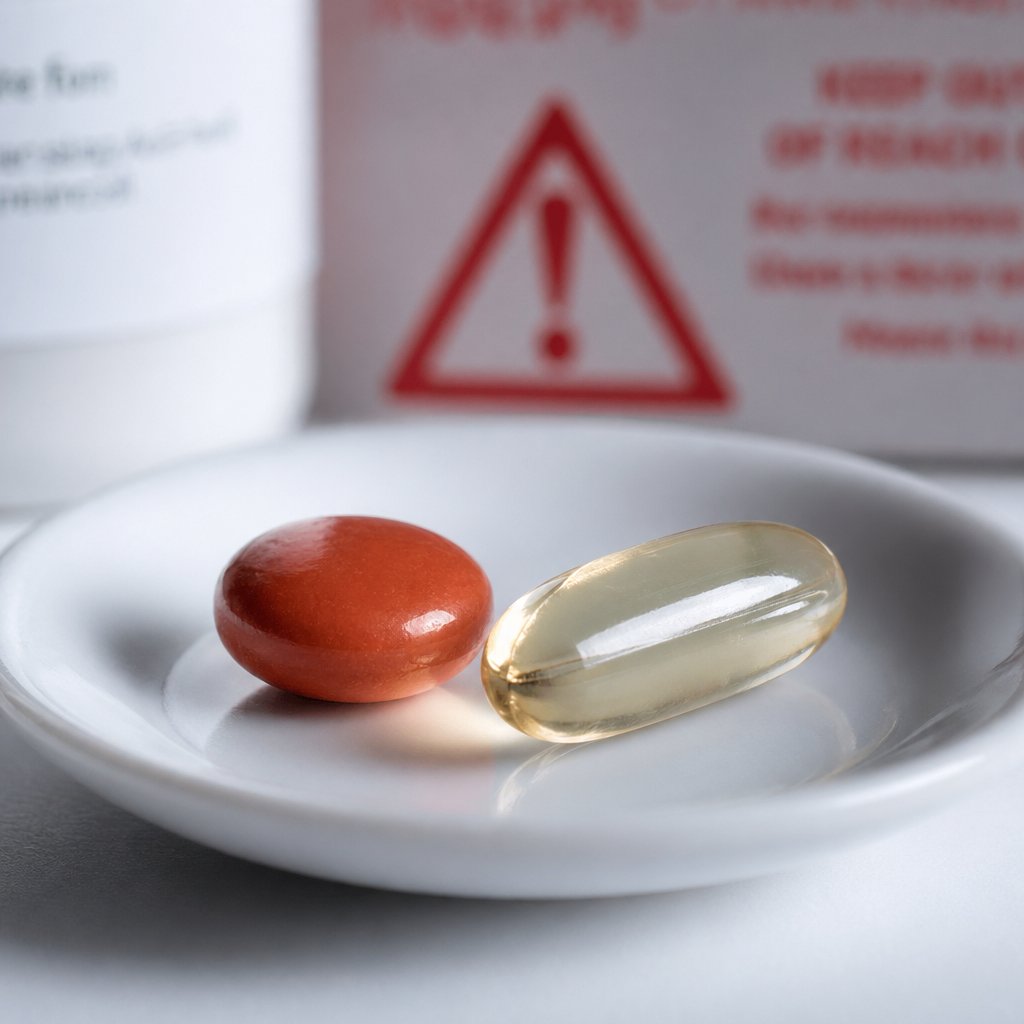
Not every vitamin D3 product in your medicine cabinet is fair game for chewing. While standard compressed tablets handle it just fine, several other formats can turn a simple bite into an unpleasant experience, a less effective dose, or even mild stomach trouble. Knowing which vitamin D3 supplements you should not chew is just as important as knowing which ones you can.
Why You Should Never Chew Softgel Capsules
Can you chew vitamin D3 softgel capsules? Technically, your teeth can break through one. But you really do not want to. Softgels are sealed gelatin shells filled with vitamin D3 dissolved in oil, typically a carrier like olive oil, coconut oil, or medium-chain triglycerides. The moment you bite down, that shell ruptures and floods your mouth with a slick, oily liquid that tastes strongly of whatever carrier oil is inside, often with a sharp, unpleasant aftertaste from the cholecalciferol concentrate.
The gelatin shell itself creates a second problem. It is not designed to be chewed. Once broken, the soft gelatin becomes sticky and gummy, clinging to your teeth and the roof of your mouth in a way that is difficult to clear without water. Many people who have accidentally bitten into a softgel report gagging from the combination of the sudden oil release and the tacky gelatin texture.
Beyond the sensory issues, chewing a softgel also makes it harder to get a consistent dose. Some of the oil may stick to your teeth or get spit out reflexively, meaning you absorb less than the labeled amount. Specialist pharmacy guidance from the NHS confirms that soft capsules are usually not suitable for opening or altering because their liquid or paste contents are not designed for direct oral exposure. The same logic applies to chewing: the delivery system depends on the intact capsule reaching your stomach, where the gelatin dissolves in a controlled way and releases the oil for digestion.
If you struggle with swallowing softgels, a better approach is switching to a different format entirely rather than trying to chew through one. Liquid drops, chewable tablets, and gummies all deliver the same active ingredient without the mess.
Enteric-Coated and Combination Supplements to Watch For
Enteric-coated tablets carry a protective outer layer specifically engineered to resist stomach acid. This coating ensures the tablet passes through the stomach intact and only dissolves once it reaches the more alkaline environment of the small intestine. Chewing destroys that barrier completely. What happens if you chew an enteric-coated tablet? The contents release prematurely in your stomach, which can cause irritation to the stomach lining and may reduce the effectiveness of ingredients that were meant to be absorbed further down the digestive tract.
Standalone vitamin D3 tablets rarely use enteric coatings because cholecalciferol is stable in stomach acid and does not irritate the gastric lining on its own. The real risk shows up in combination supplements. Calcium and vitamin D combination products, for example, are among the most widely used supplements for bone health, and some formulations use enteric coatings or even extended-release technology. Drugs.com notes that calcium and vitamin D combinations are available in regular tablets, chewable tablets, and extended-release tablets, with the extended-release form carrying a clear warning: "Do not crush, chew, or break an extended-release tablet. Swallow it whole." Chewing calcium and vitamin D combination tablets in an extended-release format could release the full dose at once, potentially causing gastrointestinal discomfort or reducing the intended slow absorption of calcium.
GoodRx pharmacists emphasize that crushing, splitting, or chewing medications with modified-release dosage forms can cause the active ingredient to release all at once and at higher amounts than intended. While this concern is most critical for prescription drugs, the same pharmaceutical principle applies to any supplement with a delayed-release or extended-release design. Look for abbreviations like DR, ER, XR, SR, or CR on the label. If any of those appear, the product belongs on your "do not chew" list.
Here is a quick-reference checklist of vitamin D3 supplement types you should never chew:
- Softgel capsules — oil fill creates an unpleasant taste, sticky gelatin clings to teeth, and dose accuracy drops
- Enteric-coated tablets — chewing destroys the protective layer, risking stomach irritation and reduced effectiveness
- Extended-release or modified-release formulations — chewing causes the full dose to release at once instead of gradually
- Combination supplements with "swallow whole" instructions — a co-ingredient like calcium may require the intact tablet form even if vitamin D3 alone does not
- Any product where the label explicitly states "do not crush or chew" — the manufacturer included that warning for a formulation-specific reason, and it should be followed
When in doubt, treat the label as the final word. If it says swallow whole, swallow whole. If it says nothing about chewing and the product is a plain compressed tablet, you are almost certainly fine. And if your current supplement falls into one of the categories above and you need a chew-friendly option, the good news is that vitamin D3 comes in more delivery formats than almost any other supplement on the market.
Every Vitamin D3 Format Compared for Chewing and Absorption
Vitamin D3 is available in more delivery formats than most people realize. Whether you are shopping for yourself, picking something for a child who refuses pills, or helping an elderly parent find a supplement they can actually take comfortably, the format you choose shapes the entire experience. Some can be chewed, some should never be chewed, and some skip the chewing question altogether. Here is a side-by-side look at every major option so you can match the format to the person rather than the other way around.
Side-by-Side Format Comparison
The following vitamin D3 supplement formats comparison chart covers the seven most common delivery types on the market. For each one, you will find whether it can be chewed, the dosage strengths typically available, who it works best for, and what to know about absorption.
| Format | Can Be Chewed? | Common Strengths | Best For | Absorption Notes |
|---|---|---|---|---|
| Standard Compressed Tablet | Yes, generally safe | 400 IU, 1,000 IU, 2,000 IU, 5,000 IU | Adults comfortable with pills; budget-conscious buyers | Absorbed in the small intestine after stomach dissolution. Take with a fat-containing meal for best results. Chewing does not reduce effectiveness. |
| Chewable Tablet | Yes, designed for it | 400 IU, 1,000 IU, 2,000 IU, 5,000 IU | Children, adults with dysphagia, anyone who dislikes swallowing pills | Same intestinal absorption pathway as standard tablets. Flavoring and softer compression make the experience pleasant. Early dissolution in the mouth may slightly speed initial breakdown. |
| Softgel Capsule | No | 400 IU, 1,000 IU, 2,000 IU, 5,000 IU, 10,000 IU | Adults who prefer a smooth, easy-to-swallow format; those wanting an oil-based carrier | D3 is pre-dissolved in oil inside the capsule, which pairs well with fat-soluble absorption. Often considered one of the most bioavailable tablet-style formats. |
| Gummy Vitamin | Yes, designed for it | 400 IU, 1,000 IU, 2,000 IU, 5,000 IU | Children, teens, adults who want a candy-like experience | Chewing and mixing with saliva begins dissolution early. A crossover study found gummies had significantly higher bioavailability than tablets, with nearly double the peak blood concentration. |
| Liquid Drops | N/A (liquid format) | 400 IU, 1,000 IU, 2,000 IU, 4,000 IU per drop or per mL (varies by product) | Infants, toddlers, elderly with swallowing difficulties, anyone needing flexible dosing | Oil-based drops offer excellent bioavailability. Dosing is highly adjustable. Can be added to food or beverages. No pill-swallowing required. |
| Sublingual Tablet | Not intended for chewing | 1,000 IU, 2,000 IU, 5,000 IU | Adults seeking fast absorption who are comfortable with under-the-tongue delivery | Dissolves under the tongue for absorption through oral mucosa, partially bypassing the GI tract. Chewing reroutes it through normal digestion, which is safe but defeats the sublingual design. |
| Oral Liquid (Syrups and Solutions) | N/A (liquid format) | 400 IU, 1,000 IU, 2,000 IU per measured dose | Pediatric use, elderly care, anyone who cannot manage solid formats | Similar absorption profile to liquid drops. Often flavored for palatability. Measured with a dropper or dosing cup for accuracy. |
One detail worth noting: chewing safety applies across dosage levels for standard compressed tablets. Whether your tablet contains 400 IU or 5,000 IU, the active ingredient and typical excipients remain the same. A higher-strength tablet simply contains a slightly larger amount of cholecalciferol powder, not a different formulation that would change how it responds to being chewed. So if you have been chewing your 1,000 IU tablets safely, you can do the same with a 2,000 IU or 5,000 IU version from the same product line without concern.
Which Format Works Best for Different People
Imagine you are standing in the supplement aisle with seven options in front of you. How do you narrow it down? The answer depends less on the vitamin D3 itself and more on who is taking it and how.
For infants and toddlers, liquid drops are the clear winner. They can be placed directly on the breast before nursing, added to a bottle of formula, or mixed into a small amount of food. Healthline's pediatric supplement guide notes that nursing infants and those consuming less than 32 ounces of formula daily should receive 400 IU of vitamin D through supplementation. Drops make that simple and precise, with no chewing or swallowing required.
For older children, chewable tablets and gummies tend to work best. Kids who resist swallowing pills often accept a flavored chewable or a fruit-flavored gummy without a fight. Dissolvable tablets are another solid option for parents concerned about the added sugars that gummies typically contain. Products like sugar-free dissolvable D3 tablets give children a pleasant experience without the candy-like format that can lead to overconsumption.
For elderly adults, the best vitamin D3 format depends on their specific challenges. Those with mild dysphagia often do well with chewable tablets or liquid drops. For individuals in care settings where a caregiver administers supplements, liquid formulations or oral solutions offer the most control and the lowest choking risk. Softgels, while popular with younger adults, can be difficult for elderly individuals with reduced grip strength or swallowing coordination.
For adults with dysphagia or pill aversion, vitamin D3 liquid drops vs. chewable tablets is a common comparison. Both eliminate the need to swallow a whole pill. Drops offer more dosing flexibility and can be mixed into food, while chewables provide a more familiar, self-contained supplement experience. Either format delivers the same active ingredient through the same intestinal absorption pathway.
For adults who simply want convenience, standard tablets and softgels remain the most popular choices. They are compact, shelf-stable, easy to travel with, and available in the widest range of strengths. If swallowing is not an issue, these formats get the job done with minimal fuss.
One question comes up repeatedly in this comparison: are vitamin D3 gummies as good as tablets? The active ingredient is identical. Both deliver cholecalciferol that gets absorbed in the small intestine. A crossover clinical trial at the Medical University of South Carolina actually found that vitamin D3 gummies had significantly greater bioavailability than standard tablets. The study measured peak blood concentrations (Cmax) and area under the curve (AUC) after a single 20,000 IU dose and found the gummy preparation produced roughly double the circulating vitamin D3 levels compared to the tablet. The researchers suggested that chewing and early salivary dissolution, along with the gummy's syrup-and-gelatin matrix, may enhance the release and absorption of the fat-soluble vitamin.
The trade-off? Gummies typically contain added sugars, often 2 to 3 grams per serving from ingredients like tapioca syrup and sucrose. For most adults, that amount is negligible. For children taking daily gummies over months or years, it is worth factoring into their overall sugar intake. Gummies also need to be stored safely out of reach of young kids, since they look and taste like candy.
The bottom line on vitamin D3 gummies vs. tablets effectiveness is straightforward: gummies deliver the same nutrient and may actually offer a slight absorption advantage, but they come with added sugars and a higher price point per serving. Tablets are leaner, cheaper, and just as effective when taken with food. Neither format is objectively better. The right choice is the one that fits your routine, your preferences, and your body's needs.
With so many formats available, the real barrier to consistent vitamin D3 supplementation is rarely a lack of options. More often, it is not knowing how to work around a specific challenge like pill aversion, a child's refusal, or an elderly parent's swallowing difficulty. A few practical strategies can bridge that gap without requiring a format switch at all.

Practical Tips If You Struggle With Swallowing D3 Tablets
Sometimes the simplest solution is not switching to a new product but finding a smarter way to take the one you already have. If swallowing a vitamin D3 tablet feels like a daily battle, you have more options than you might think. Some require nothing more than a spoon and a snack from your fridge. Others involve picking up a different format on your next shopping trip. Here is a ranked list of practical alternatives, starting with the easiest and moving toward more specialized approaches.
- Chew the tablet — If your D3 is a standard compressed tablet with no "swallow whole" warning, simply chewing it is the fastest fix. The taste may be chalky, but the effectiveness stays the same.
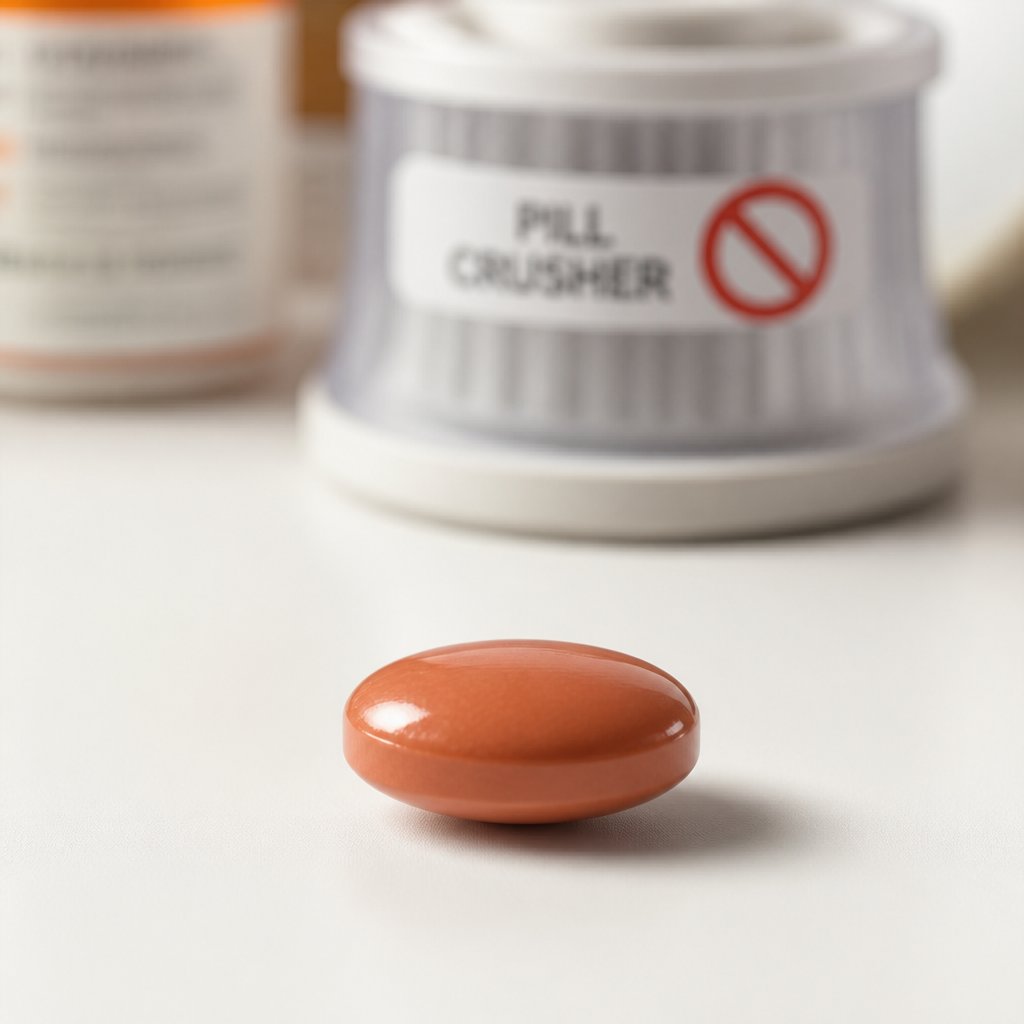
- Crush the tablet and mix it with soft food — Use a pill crusher, the back of a spoon, or two nested spoons to grind the tablet into a fine powder, then stir it into applesauce, yogurt, pudding, or mashed banana.
- Switch to a chewable tablet — Purpose-made chewable D3 tablets include flavoring and sweeteners that make the experience far more pleasant than chewing a standard tablet.
- Try gummy vitamins — Gummies eliminate the pill-swallowing step entirely and feel more like a treat than a supplement. They deliver the same active ingredient through the same absorption pathway.
- Use liquid drops — Vitamin D3 liquid drops can be placed directly on the tongue, mixed into a beverage, or added to food. Dosing is flexible down to a single drop.
- Consider sublingual tablets — These dissolve under the tongue and absorb through the oral mucosa, bypassing the need to swallow anything at all.
- Ask about oral liquid solutions — Flavored syrups and measured-dose solutions are available for people who cannot manage any solid format, including very young children and elderly individuals in care settings.
Crushing and Mixing Tablets With Food
Crushing vitamin D3 tablets and mixing with food is one of the most accessible workarounds for anyone who struggles with pills. You do not need special equipment, though an inexpensive pill crusher from any pharmacy produces a finer, more consistent powder than improvised methods. A review published in Drugs & Aging found that medication loss during crushing ranged from 1.9% to 13.3% depending on the device used, and that rinsing the crusher twice with water after grinding reduced loss significantly. For a vitamin D3 tablet, where the active ingredient is measured in micrograms, even modest powder loss is unlikely to affect your dose in a meaningful way. Still, rinsing the crusher into your food vehicle is a good habit.
The choice of food matters more than you might expect. Applesauce and yogurt are the two most commonly recommended vehicles because they are soft, mildly flavored, and easy to swallow. Pudding works well too. The key is choosing something with enough body to hold the powder in suspension so you consume the full dose in a few spoonfuls rather than leaving residue on the bowl. Avoid mixing crushed tablets into hot liquids or large volumes of food or drink, since you may not finish the entire serving and end up with an incomplete dose.
One practical detail that often gets overlooked: if you take multiple supplements, crush and administer each one separately rather than grinding them all together. Research on crushed medication administration notes that combining multiple crushed products can create unpredictable chemical interactions between different active ingredients and excipients. For a single vitamin D3 tablet mixed into a spoonful of yogurt, this is not a concern. But if you are also crushing a calcium tablet or a multivitamin, keep them separate.
Switching to Easier Formats Like Liquids and Chewables
If crushing feels like too much effort for a daily routine, switching formats is the more sustainable long-term solution. Vitamin D3 liquid drops are especially practical for adults with dysphagia because they eliminate every swallowing challenge at once. There is nothing to chew, nothing to crush, and nothing that can get stuck in your throat. A single drop from a calibrated dropper delivers a precise dose, typically 400 IU or 1,000 IU depending on the product, and can be placed directly on the tongue or stirred into any food or drink you are already consuming.
For children, chewable tablets and liquid drops are often the most practical choices. Kids who resist swallowing pills will usually accept a flavored chewable without protest, and infants or toddlers too young for chewables can receive their daily D3 through a single drop added to breast milk, formula, or a spoonful of puree. Preventive medicine physician Dr. Michele Kettles of Cooper Clinic notes that compliance improves dramatically when people do not mind taking their vitamins, and format plays a bigger role in that than most consumers realize.
For elderly individuals with swallowing difficulties, liquid or chewable formats reduce choking risk while still delivering the full labeled dose. Caregivers in home or long-term care settings often find liquid formulations the easiest to administer consistently, especially when the person they are caring for takes multiple supplements throughout the day.
Regardless of which format you choose or how you take it, one absorption principle stays constant: vitamin D3 is a fat-soluble vitamin, so pairing it with a meal that contains dietary fat makes a real difference. Health.com reports that the type of fat does not appear to matter, with one study finding no difference in vitamin D absorption between monounsaturated and polyunsaturated fats. A handful of almonds, a drizzle of olive oil on a salad, a slice of avocado, or even a glass of whole milk alongside your D3 all work. This applies whether you are swallowing a tablet whole, chewing a gummy, placing drops on your tongue, or stirring crushed powder into a bowl of yogurt. The fat triggers bile secretion and micelle formation in your small intestine, which is where the actual absorption of vitamin D3 takes place.
There is no single best time of day to take vitamin D3. What matters is consistency and pairing it with food. Pick a meal you eat reliably every day, take your D3 with it, and the format becomes a matter of personal comfort rather than a barrier to getting the nutrient your body needs.
With so many ways to get vitamin D3 into your system comfortably, the final step is choosing the format that fits your life, your preferences, and the specific needs of whoever is taking it.
Choosing the Right Vitamin D3 Format for Your Needs
Every format, workaround, and absorption tip covered so far points to one underlying truth: the best vitamin D3 supplement is the one you will actually take consistently. A bottle of softgels collecting dust on your shelf because you dread swallowing them does nothing for your bones, your immune system, or your mood. A chewable tablet you look forward to taking with breakfast every morning does everything it needs to.
Key Factors for Choosing Your Ideal D3 Format
How do you choose the best vitamin D3 supplement format for your situation? It comes down to four practical questions:
- Swallowing ability — Can you comfortably swallow a standard tablet or softgel? If not, chewable tablets, gummies, and liquid drops all remove that barrier. For infants and toddlers, liquid is the only realistic option. For elderly individuals with dysphagia, chewables and liquids reduce choking risk.
- Taste preference — Do you want something flavorless and quick, or do you prefer a pleasant chewing experience? Standard tablets are neutral but chalky when chewed. Gummies taste like candy. Liquid drops are nearly tasteless when mixed into food. Your tolerance for taste directly affects whether you will stick with a product long-term.
- Dosage needs — Are you taking a maintenance dose of 1,000 IU daily, or has your doctor recommended a higher corrective dose like 5,000 IU? Most formats are available across the common dosage range, but liquid drops offer the most granular control since you can adjust by a single drop. Standard tablets and softgels are available in the widest variety of strengths.
- Who is taking it — A supplement for a three-year-old looks very different from one for a 75-year-old with arthritis in their hands. Children do best with chewables, gummies, or drops. Elderly adults in care settings benefit from liquids that a caregiver can administer easily. Active adults who travel frequently may prefer the portability of tablets or softgels.
When you weigh vitamin D3 chewable vs. softgel vs. gummy options, none of them wins across every category. Softgels offer excellent bioavailability thanks to their oil-based carrier but cannot be chewed. Gummies are the most enjoyable to take but contain added sugars. Chewable tablets strike a middle ground with pleasant taste and no oil mess, though they may cost slightly more than standard tablets. The best vitamin D3 type for kids and elderly individuals is whichever format they will accept without resistance, because consistency matters more than any marginal difference in absorption.
If your current supplement is a plain compressed tablet and you have been chewing it without issue, there is no reason to switch. You already know the label permits it, the absorption is comparable, and the only trade-off is a chalky taste you have learned to tolerate. But if that chalky taste is starting to wear on you, or if you are shopping for someone else who needs a gentler option, the market has never offered more choices.
The Growing Range of Vitamin D3 Delivery Options
The supplement industry has expanded vitamin D3 delivery well beyond the traditional tablet-and-capsule model. The global vitamin D market reached US$1.32 billion in 2024 and is projected to grow to US$2.42 billion by 2032, driven in large part by the diversification of delivery formats. Manufacturers are developing hard capsules, tablets, powder and granules, soft capsules, gummy candy, and oral liquids to meet the preferences of different demographics, from toddlers to seniors, from convenience-focused adults to caregivers managing complex supplement routines.
This format expansion reflects a broader shift in how consumers think about supplementation. People are no longer willing to force themselves through an uncomfortable daily routine. They want a vitamin D3 experience that fits their body, their schedule, and their comfort level. That demand is pushing innovation in formulation science, flavoring systems, and bioavailability optimization across every delivery type.
For nutrition brands, supplement importers, private label sellers, and functional food businesses, this diversity creates both opportunity and complexity. Developing a vitamin D3 product that stands out means choosing the right format for your target audience and finding a manufacturing partner who can execute it at scale. OEM/ODM partners like ZhuFeng offer customized formulation across the full spectrum of delivery formats, from hard capsules and compressed tablets to gummy candy and oral liquids, helping businesses launch market-ready health products without building manufacturing infrastructure from scratch.
Whether you are a consumer trying to find a vitamin D3 supplement you will actually enjoy taking, or a brand exploring product development in this growing market, the principle is the same. The format should serve the person, not the other way around.
Choosing the right vitamin D3 format is about matching the supplement to the person, not forcing the person to adapt to the supplement.
So, can you chew your vitamin D3 tablets? If they are standard compressed tablets without a "swallow whole" warning, yes. If chewing is not your preference, chewable tablets, gummies, liquid drops, and other formats are all waiting on the shelf. The only wrong choice is the supplement that stays in the bottle.
Frequently Asked Questions About Chewing Vitamin D3 Tablets
1. Does chewing a vitamin D3 tablet reduce its effectiveness?
No, chewing a standard compressed vitamin D3 tablet does not reduce its effectiveness. Vitamin D3 is absorbed in the small intestine regardless of whether the tablet enters your stomach whole or as chewed fragments. A crossover bioequivalence study actually found that chewed vitamin D3 formats like gummies showed greater bioavailability than swallowed tablets, suggesting chewing may slightly enhance early dissolution without any negative impact on potency.
2. What happens if you accidentally chew a vitamin D3 softgel capsule?
Biting into a softgel capsule ruptures the gelatin shell and releases an oily liquid into your mouth with an unpleasant taste. The gelatin becomes sticky and clings to your teeth, which may cause gagging. While not dangerous, chewing a softgel can result in an inconsistent dose since some oil may stick to your teeth or be spit out. If you struggle with swallowing softgels, switching to chewable tablets, gummies, or liquid drops is a better solution.
3. Can I crush vitamin D3 tablets and mix them with food?
Yes, crushing a standard vitamin D3 tablet and mixing it with soft food like applesauce, yogurt, or pudding is a safe and effective alternative to swallowing or chewing. Use a pill crusher for a fine, consistent powder, and rinse the crusher into your food to minimize any dose loss. Avoid mixing crushed tablets into hot liquids or large volumes of food you might not finish, as this could lead to an incomplete dose.
4. Are vitamin D3 gummies as effective as tablets?
Vitamin D3 gummies deliver the same active ingredient, cholecalciferol, through the same intestinal absorption pathway as tablets. Clinical research from the Medical University of South Carolina found gummies produced roughly double the peak blood concentration compared to standard tablets after a single dose. The trade-off is that gummies typically contain 2 to 3 grams of added sugar per serving and cost more per dose than compressed tablets.
5. What is the best vitamin D3 format for elderly adults with swallowing difficulties?
Liquid drops and chewable tablets are generally the best vitamin D3 formats for elderly adults with dysphagia or swallowing challenges. Liquid formulations eliminate choking risk entirely and allow caregivers to administer precise doses mixed into food or beverages. Chewable tablets offer a familiar supplement experience with added flavoring for palatability. For care settings where multiple supplements are given daily, oral liquid solutions provide the most consistent and safe administration method.