
Can Iron Tablets Actually Cause Anxiety
You started taking iron to feel better. Instead, your heart races, your chest tightens, and a wave of unease rolls in about an hour after each dose. So can iron tablets cause anxiety, or is something else going on?
The Short Answer About Iron and Anxiety
Yes, iron supplements can contribute to anxiety, but the relationship is not a simple cause-and-effect. Research published in Antioxidants (Basel) confirms that both iron deficiency and iron overload are linked to mood disturbances, including anxious behavior. A separate Mendelian randomization study found that genetically lower iron levels causally increase the risk of anxiety disorders. The picture is layered, and your experience deserves more than a one-word answer.
Both too much and too little iron can disrupt brain chemistry and affect mental health. The goal is balance, not simply more.
Three Pathways That Connect Iron Tablets to Anxious Feelings
If you are wondering whether can iron supplements cause anxiety or if can iron pills cause anxiety, the answer runs through three distinct mechanisms:
- Physical side effects mimicking panic. Iron tablets commonly trigger heart palpitations, nausea, and chest tightness that feel indistinguishable from an anxiety attack.
- Excess iron disrupting brain chemistry. Surplus iron generates oxidative stress in neural tissue, potentially destabilizing dopamine and serotonin pathways that regulate mood.
- Underlying deficiency persisting despite supplementation. Poor absorption or incorrect dosing can leave your brain iron-starved even while you take pills daily, and low iron itself is a recognized driver of anxiety.
This article synthesizes peer-reviewed research from PubMed Central and clinical insights from institutions like Michigan Medicine to walk you through each pathway. You will learn how to identify what is actually happening in your body and what steps to take next.
The mechanisms behind these pathways start at the molecular level, where iron acts as a gatekeeper for the very neurotransmitters that keep your mood stable.
How Iron Affects Your Brain Chemistry and Mood
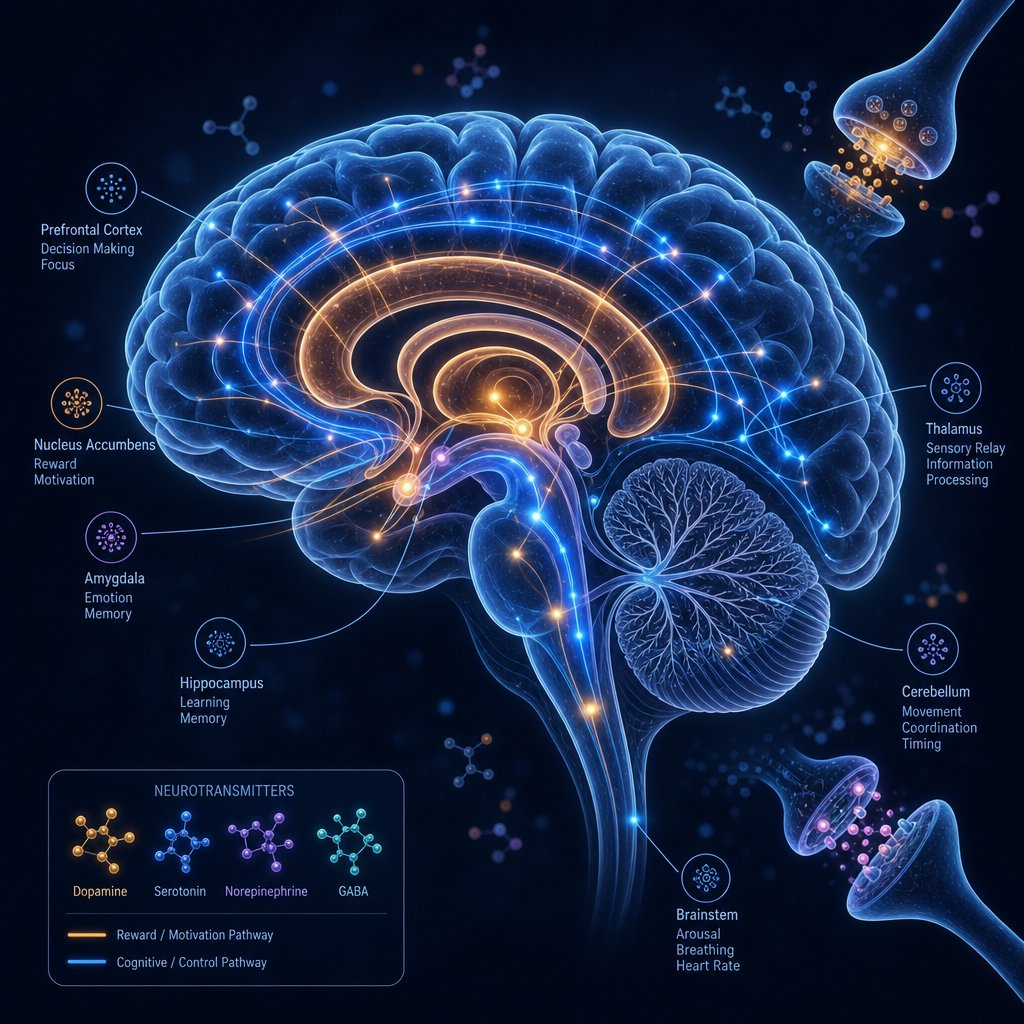
Iron does far more than carry oxygen in your red blood cells. Inside your brain, it functions as a molecular switch that controls the production of chemicals responsible for how you feel, think, and respond to stress. When iron levels shift in either direction, the downstream effects on mood can be significant enough to produce iron anxiety that feels very real.
Iron's Role in Dopamine and Serotonin Production
Imagine a factory assembly line where every product depends on one specific tool. In your brain, that tool is iron. The enzymes responsible for building your mood-regulating neurotransmitters literally cannot function without it.
Here is how it works: your brain uses a group of enzymes called aromatic amino acid hydroxylases to manufacture its key chemical messengers. These enzymes require ferrous iron (Fe2+) as an obligatory cofactor, meaning no iron, no product. Research published in EJHaem confirms that iron and tetrahydrobiopterin (BH4) together govern the rate-limiting step in neurotransmitter synthesis, making them the bottleneck for your entire mood system.
The key neurotransmitters affected by iron status include:
- Dopamine - produced via tyrosine hydroxylase (iron-dependent). Governs motivation, reward, pleasure, and the drive to engage with life. Low dopamine is linked to apathy, while dysregulated dopamine contributes to restlessness and anxiety.
- Serotonin (5-HT) - produced via tryptophan hydroxylase (iron-dependent). Regulates mood stability, emotional resilience, and the sense of calm. Deficient serotonin is a hallmark of both depression and anxiety disorders.
- Norepinephrine (noradrenaline) - synthesized from dopamine. Controls alertness, the stress response, and the fight-or-flight system. Imbalances can trigger hypervigilance and panic-like symptoms.
Can low iron cause anxiety? The research strongly suggests yes. Animal studies have demonstrated that iron deficiency decreases intracerebral concentrations of tryptophan and serotonin, while simultaneously reducing dopamine D1 and D2 receptor density in the brain. The substantia nigra, a brain region rich in iron and critical for dopamine production, appears particularly vulnerable to iron depletion. Reduced tyrosine hydroxylase activity in this area leads to impaired dopamine synthesis, which can cause both psychological and motor problems in adults.
There is also a feedback loop worth noting. Serotonin itself helps regulate iron entry into the brain through the serotonin transporter (SERT). When iron drops, serotonin production falls, which further reduces the brain's ability to acquire iron. This creates a self-reinforcing cycle where iron and anxiety become increasingly intertwined.
How Oxidative Stress From Excess Iron Affects Your Nervous System
The opposite end of the spectrum carries its own risks. Your brain is exquisitely sensitive to iron overload because excess iron participates in Fenton reactions, generating highly reactive free radicals that damage cell membranes, proteins, and DNA in neural tissue.
When you take iron tablets and your stores are already adequate, the surplus iron that reaches brain tissue can trigger oxidative stress. This is not a theoretical concern. Iron accumulation in specific brain regions, particularly the basal ganglia, has been linked to neurodegenerative processes and cell death through ferroptosis, a form of iron-dependent programmed cell destruction. While neurodegeneration is an extreme outcome, even mild oxidative stress in these regions can destabilize the neurotransmitter systems that keep anxiety in check.
The basal ganglia, which contain some of the highest iron concentrations in the brain, are presumed to play a role in emotional processes, behaviors, and motivation. Oxidative damage here does not just affect movement. It can alter emotional regulation, heighten the stress response, and produce anxiety-like neurological symptoms that feel indistinguishable from a mood disorder.
Your brain needs iron delivered in precise amounts, through tightly regulated pathways involving the blood-brain barrier, transferrin receptors, and specialized transport proteins. Flooding the system with supplemental iron does not guarantee that more reaches the right neurons in the right quantities. Instead, it can create pockets of excess that generate free radicals while other areas remain functionally deficient.
This dual vulnerability explains why the relationship between iron and anxiety is not linear. Too little iron starves your neurotransmitter factories. Too much poisons the surrounding tissue. Both endpoints converge on the same outcome: a nervous system that struggles to maintain emotional equilibrium. The physical sensations this produces are the subject of the next section, where the line between a supplement side effect and a genuine anxiety attack becomes surprisingly difficult to draw.
Iron Tablet Side Effects That Mimic Anxiety Symptoms
Picture this: thirty minutes after swallowing your iron tablet, your heart starts pounding, your stomach churns, and a wave of dizziness makes you grip the counter. Your first thought is probably "I'm having a panic attack." But what if it's not anxiety at all? The effects of iron tablets can produce a cluster of physical sensations so similar to an anxiety episode that even experienced clinicians sometimes struggle to tell them apart.
Physical Side Effects That Feel Like Anxiety Attacks
Iron supplements, particularly ferrous sulfate, are well-documented to cause gastrointestinal and systemic reactions. The NHS lists nausea, stomach discomfort, and heartburn among the most common side effects. What they don't emphasize is how these GI symptoms cascade into sensations that feel psychological rather than physical.
Here's what happens in your body after you take an iron tablet:
- GI irritation triggers vagal responses. Iron is chemically reactive. When it contacts your stomach lining, it causes mild inflammation and increased sensitivity. This irritation stimulates the vagus nerve, which connects your gut to your brain and heart. Vagal stimulation can produce sudden heart rate changes, chest tightness, lightheadedness, and a sense of impending doom, all hallmarks of a panic attack.
- Rapid iron absorption causes cardiovascular effects. When elemental iron enters your bloodstream quickly, especially on an empty stomach, it can temporarily affect vascular tone. The result? Heart palpitations, a flushed or jittery feeling, and restlessness that feels like your body is running on adrenaline.
- Nausea feeds the anxiety loop. Feeling suddenly nauseous activates your sympathetic nervous system. Your body interprets nausea as a threat signal, releasing stress hormones that produce sweating, rapid breathing, and heightened alertness. You feel anxious because your body is responding to a physical stressor as if it were danger.
Can iron pills give you headaches? Absolutely. Iron-related headaches often present as a pressure or throbbing sensation that compounds the feeling of being unwell, further reinforcing the perception that something is seriously wrong. Can iron pills cause dizziness? Yes, and dizziness is one of the most anxiety-provoking sensations because it triggers fear of fainting or losing control.
How to Tell the Difference Between Side Effects and True Anxiety
The overlap between iron side effects and anxiety symptoms is striking. But the two conditions follow different patterns, and recognizing those patterns is the fastest way to identify what you're actually dealing with.
| Symptom | Iron Tablet Side Effect | Generalized Anxiety / Panic |
|---|---|---|
| Heart palpitations | Onset 30-60 min after dose; resolves within 1-2 hours | Can occur any time; often triggered by thoughts or situations |
| Nausea | Directly tied to dosing; improves when taken with food | Linked to worry or anticipation; not meal-timed |
| Chest tightness | Accompanies GI discomfort; no racing thoughts | Paired with catastrophic thinking or fear of dying |
| Dizziness | Peaks shortly after ingestion; positional component | Often accompanies hyperventilation; situation-dependent |
| Restlessness / jitteriness | Physical sensation without mental worry; dose-related | Accompanied by intrusive thoughts and difficulty concentrating |
| Headache | Develops within hours of dose; consistent pattern daily | Variable timing; worsens with stress or sleep deprivation |
The single most reliable differentiator is timing. Iron tablet side effects follow a predictable clock. They appear roughly 30 to 60 minutes after you take your supplement, peak within one to two hours, and fade as your body processes the dose. If your "anxiety" arrives like clockwork after your morning iron and disappears by lunch, you're likely experiencing a physical reaction, not a psychological one.
True generalized anxiety, by contrast, is not dose-timed. It drifts in and out based on cognitive triggers, stressful situations, sleep quality, and thought patterns. Panic attacks can strike at any hour and are typically accompanied by intense fear, catastrophic thoughts, or a sense of unreality that iron side effects alone don't produce.
There's also a useful self-test: skip your iron tablet for two or three days (with your doctor's knowledge) and observe whether the "anxiety" disappears. If it does, the supplement is almost certainly the culprit. If the anxious feelings persist regardless of whether you take iron, the cause likely lies elsewhere.
This distinction matters because the solution for each scenario is completely different. A physical side effect calls for a change in supplement form, dosage, or timing. True anxiety requires psychological or pharmacological intervention. And the type of iron you're taking plays a larger role in side effect severity than most people realize.
Comparing Iron Supplement Forms and Anxiety Risk
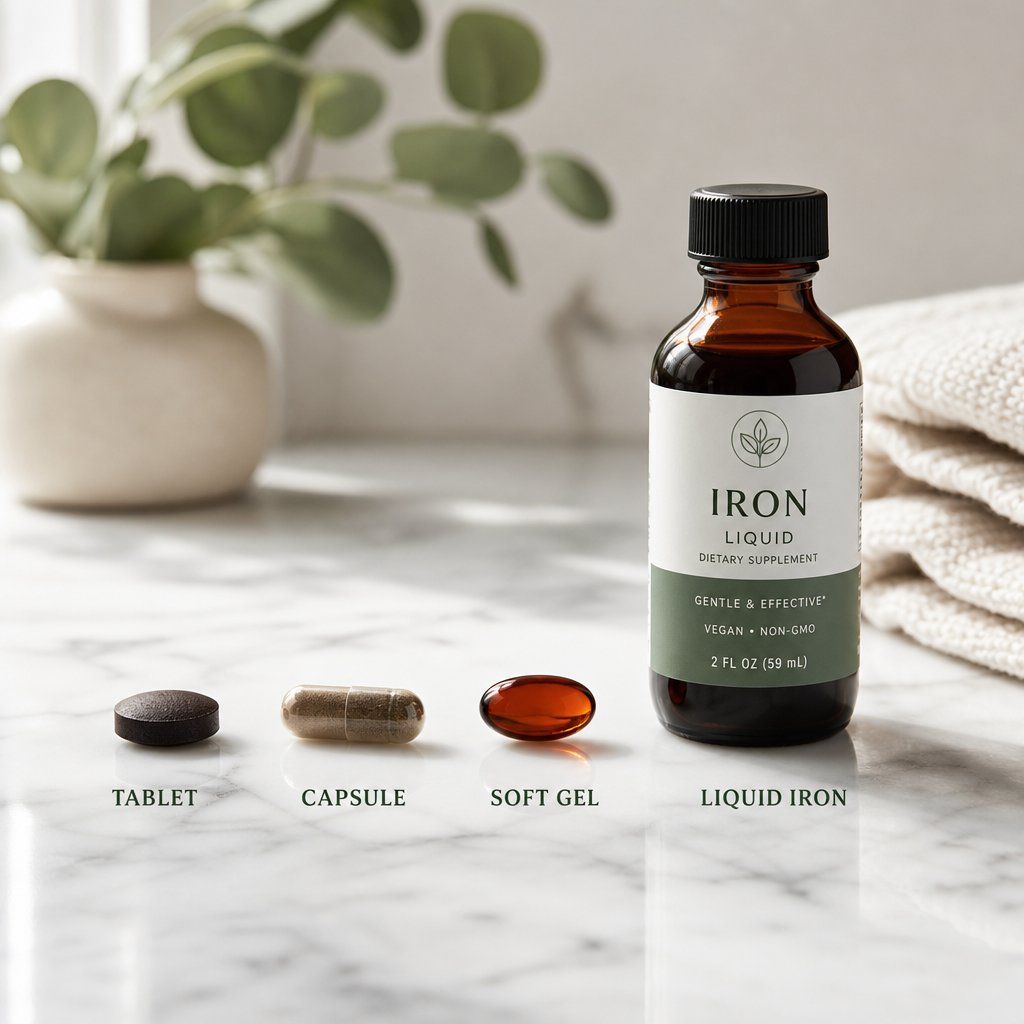
Not all iron tablets hit your body the same way. The specific form of iron in your supplement determines how much elemental iron floods your system per dose, how aggressively it irritates your gut lining, and ultimately how likely it is to produce those anxiety-mimicking symptoms. If you've been white-knuckling through palpitations and nausea every morning, the culprit might not be iron itself but the particular formulation sitting in your medicine cabinet.
Ferrous Sulfate and Its Side Effect Profile
Ferrous sulfate is the most widely prescribed iron supplement worldwide and the gold standard in clinical trials. It's inexpensive, effective at raising hemoglobin, and available everywhere. The trade-off? It's also the harshest on your digestive system.
A systematic review and meta-analysis of 43 randomized controlled trials involving 6,831 adults found that ferrous sulfate significantly increased the risk of gastrointestinal side effects versus placebo, with an odds ratio of 2.32. That means people taking ferrous sulfate were more than twice as likely to experience nausea, cramping, constipation, and abdominal pain compared to those taking a placebo pill.
Why does this matter for anxiety? Each of those ferrous sulphate side effects can trigger the vagal cascade described earlier: gut irritation stimulates the vagus nerve, which produces heart rate changes, chest pressure, and lightheadedness. The more severe the GI reaction, the more intense the anxiety-like response.
Ferrous sulfate also causes a rapid spike in serum iron after ingestion. Research shows it promotes a transient increase in non-transferrin bound iron (NTBI), a redox-active form that generates reactive oxygen species. This oxidative burst, even if temporary, may contribute to the jittery, unsettled feeling some people report within an hour of their dose. A standard 325 mg ferrous sulfate tablet delivers approximately 65 mg of elemental iron, and only 10-20% of that gets absorbed. The remaining 80-90% sits in your digestive tract, irritating tissue along the way.
Ferrous Fumarate and Iron Absorption Differences
Ferrous fumarate packs the highest elemental iron content of any common supplement form: roughly 33% elemental iron by weight. A 325 mg tablet delivers about 107 mg of elemental iron, nearly double what you'd get from the same weight of ferrous sulfate.
This concentration creates a different risk profile. While ferrous fumarate side effects overlap with those of sulfate (nausea, constipation, cramping), the sheer volume of elemental iron per dose raises the ceiling for how much unabsorbed iron remains in the gut and how much enters circulation at once. For someone whose iron stores are already adequate or borderline high, that larger iron load increases the potential for excess-related neurological effects, including the oxidative stress pathway that destabilizes mood-regulating neurotransmitters.
Iron fumarate side effects tend to be moderate in severity for most people, but individuals who are sensitive to GI disturbances or who already experience anxiety may find the higher elemental dose amplifies their symptoms. The body's hepcidin response, which blocks further iron absorption for up to 24 hours after a large dose, also means that much of that 107 mg goes unabsorbed, lingering in the intestines and prolonging discomfort.
Gentler Alternatives With Fewer Anxiety-Adjacent Effects
If ferrous sulfate and fumarate sit at the harsher end of the spectrum, several alternatives occupy the gentler side. These forms reduce the GI irritation that triggers anxiety-mimicking symptoms, either by lowering the amount of free iron in the gut or by using different absorption pathways entirely.
- Ferrous gluconate contains only about 12% elemental iron (roughly 39 mg per 325 mg tablet). The lower iron load means less unabsorbed iron irritating your gut, which translates to fewer vagal-mediated symptoms. It's a reasonable middle ground for people who can't tolerate sulfate or fumarate.
- Iron bisglycinate (chelated iron) binds iron to the amino acid glycine, protecting it from interacting with the stomach lining and dietary inhibitors. Studies suggest comparable absorption to ferrous sulfate with significantly fewer GI side effects. Less gut irritation means less vagal activation and fewer false anxiety alarms.
- Heme iron polypeptide is derived from animal hemoglobin and absorbed through a completely different pathway (heme carrier protein 1) than standard nonheme iron. It bypasses many of the mechanisms that cause GI distress, resulting in minimal nausea and fewer cardiovascular-like sensations after dosing.
- Polysaccharide-iron complexes release iron slowly, reducing the sharp serum spike that ferrous salts produce. Clinical data show excellent gastrointestinal tolerability, with over 96% of patients in one study completing 12 weeks of therapy without discontinuation.
| Iron Form | Elemental Iron per 325 mg | Common Side Effects | Anxiety-Symptom Risk |
|---|---|---|---|
| Ferrous Sulfate | ~65 mg (20%) | Nausea, cramping, constipation, NTBI spike | High |
| Ferrous Fumarate | ~107 mg (33%) | Nausea, constipation, higher iron load | Moderate-High |
| Ferrous Gluconate | ~39 mg (12%) | Mild nausea, less constipation | Moderate |
| Iron Bisglycinate | ~20% (varies by product) | Minimal GI irritation | Low |
| Heme Iron Polypeptide | Variable | Minimal GI effects, well tolerated | Low |
| Polysaccharide-Iron Complex | Variable | Very low GI irritation, slow release | Very Low |
The pattern is clear: forms that dump large amounts of free iron into your stomach quickly produce the most anxiety-adjacent reactions. Forms that protect iron from direct gut contact or release it gradually produce far fewer of those panic-like sensations.
Switching formulations is one lever you can pull. But the amount you take matters just as much as the type, and there's a threshold where even a gentle form can overwhelm your system.
Dosage Thresholds and the Adjustment Period
You know the type of iron matters. But how much you take on any given day can be the difference between mild stomach grumbling and a full-blown episode that sends you spiraling. Do iron supplements cause anxiety at every dose, or is there a threshold where the body tips from tolerating iron into reacting against it?
Dosage Levels and Neurological Side Effects
Standard therapeutic doses for iron deficiency anemia range from 65 to 200 mg of elemental iron daily. That's a wide window, and where you land within it dramatically affects your neurological experience. According to StatPearls clinical guidance, amounts up to 20 mg/kg of elemental iron are generally well-tolerated but may still produce mild GI symptoms. Between 20 and 60 mg/kg, toxicity becomes mild to moderate, and above 60 mg/kg, severe symptoms including central nervous system instability can occur.
For most adults, a single 65 mg elemental iron dose (one standard ferrous sulfate tablet) sits well below toxic thresholds. But "not toxic" doesn't mean "symptom-free." Your body's response depends on two variables that no dosing chart can predict for you:
- Individual absorption rate. If you absorb iron efficiently (low hepcidin, adequate stomach acid, no competing minerals), even a moderate dose can produce a sharp serum iron spike. That spike generates non-transferrin bound iron, the redox-active form linked to oxidative stress and jittery, unsettled sensations.
- Existing iron stores. Someone with depleted ferritin absorbs iron aggressively because the body is hungry for it. Someone with borderline-adequate stores absorbs less, leaving more unabsorbed iron in the gut to cause irritation. Paradoxically, both scenarios can produce anxiety-adjacent symptoms through different mechanisms: one via rapid systemic absorption, the other via prolonged GI distress.
Can iron supplements cause irritability? Yes, and it often correlates with dose. Higher elemental iron loads produce more pronounced GI reactions, more vagal nerve stimulation, and a greater oxidative burden on neural tissue. If you're taking 200 mg of elemental iron daily (a common prescription for severe anemia), you're far more likely to experience restlessness, irritability, and physical sensations that feel like anxiety than someone on 30 mg.
The side effects of ferrous supplements also intensify when the full daily dose is taken at once rather than split across the day. A single large bolus overwhelms your intestinal absorption capacity, leaving excess iron to irritate tissue and trigger that familiar cascade of nausea, palpitations, and unease.
The Adjustment Period and When Symptoms Should Fade
Here's the reassuring part: for many people, anxiety-like symptoms from iron tablets are temporary. Your body needs time to upregulate the proteins that handle iron transport and storage. During the first one to three weeks of supplementation, your gut lining, hepcidin signaling, and ferritin production are all recalibrating to accommodate the new iron influx.
Research from GoodRx clinical pharmacists confirms that iron pills typically start working within 3 to 7 days, with symptom improvement appearing after 2 to 4 weeks. During that initial window, side effects tend to be at their worst because your system hasn't yet adapted to the increased iron load. Think of it like starting a new exercise routine: the first week is the hardest, and your body protests before it adjusts.
Most people find that GI-related symptoms (and the anxiety-mimicking sensations they produce) diminish noticeably by week two or three. The body's hepcidin response becomes more efficient at regulating absorption, less unabsorbed iron lingers in the gut, and the vagal reactions that mimic panic gradually quiet down.
But not everyone adjusts. Some individuals continue experiencing significant symptoms beyond the three-week mark, and that's a signal worth paying attention to. Here's how to distinguish normal adaptation from a reaction that needs intervention:
Signs your symptoms are part of normal adjustment:
- Symptoms are milder than they were during the first few days
- Episodes are shorter in duration and less intense week over week
- Symptoms remain tightly linked to dosing time (30-60 minutes post-tablet)
- You have no symptoms on days you skip your dose
- Your overall energy and other deficiency symptoms are improving
Signs that indicate a problematic reaction requiring medical attention:
- Symptoms are worsening or staying the same intensity after three weeks
- Anxiety-like feelings persist throughout the day, not just after dosing
- You develop new symptoms such as severe headaches, chest pain, or confusion
- Heart palpitations last longer than two hours after each dose
- Irritability or mood changes are affecting your relationships or daily functioning
- You notice signs of iron overload: joint pain, skin darkening, or persistent fatigue despite supplementation
There's another layer worth considering. If you have a pre-existing anxiety disorder, your nervous system is already primed to interpret ambiguous physical sensations as threatening. A mild stomach flutter that a non-anxious person would ignore becomes, for you, the opening note of a panic attack. This heightened interoceptive awareness means iron's physical side effects don't just mimic anxiety; they actively trigger it by feeding your brain exactly the kind of body signals it's hypervigilant about.
For anxiety-prone individuals, even the adjustment period can feel unbearable because each dose reinforces the association between taking the tablet and feeling panicked. This creates a conditioned response where anticipation of the side effects generates genuine anxiety before the iron even hits your stomach. If this pattern sounds familiar, it doesn't mean you can't tolerate iron. It means your approach likely needs modification: a different dose, a different timing strategy, or a different way the supplement interacts with your other medications.
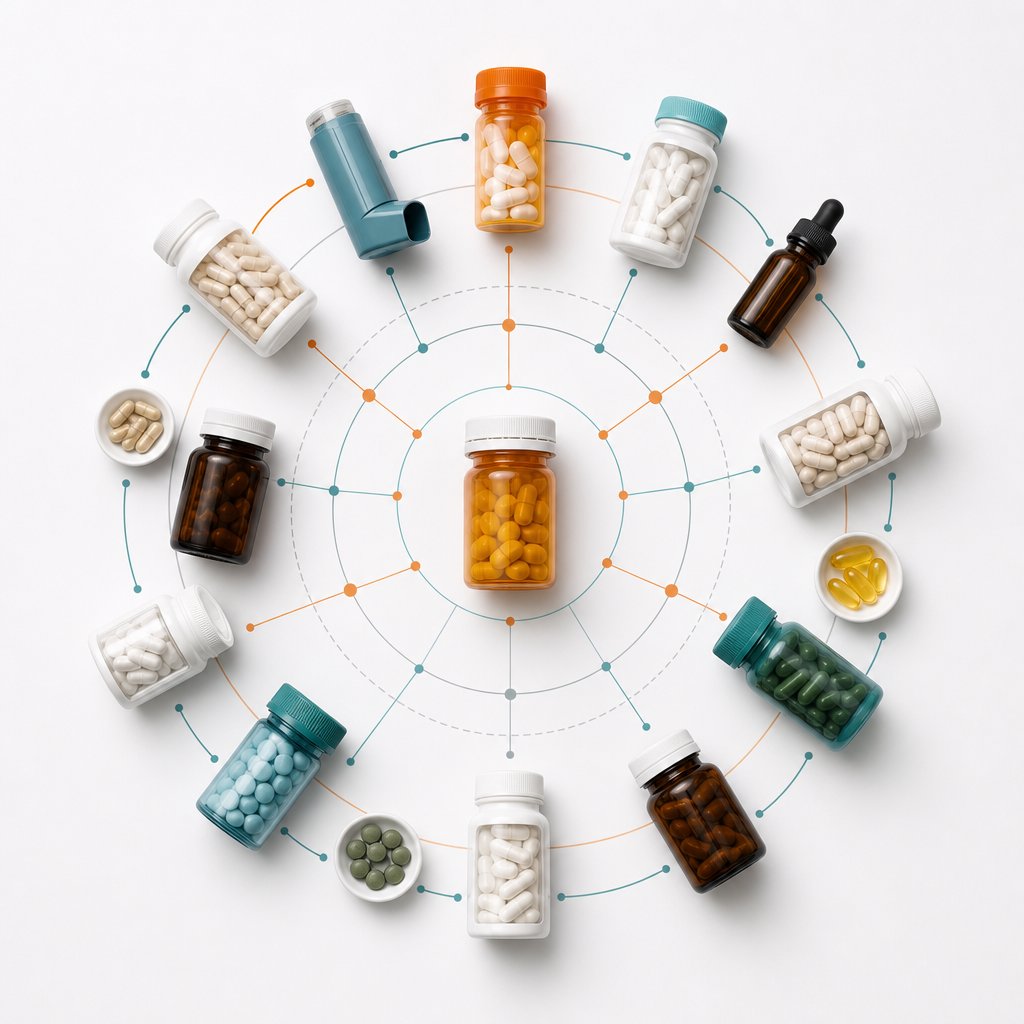
Drug Interactions That Can Amplify Anxiety
Iron doesn't exist in a vacuum inside your body. If you're taking other medications alongside your supplement, the interaction between them can intensify those anxiety-like symptoms or create entirely new ones. The issue isn't always that iron causes anxiety directly. Sometimes it disrupts the absorption or effectiveness of another medication, and the resulting imbalance is what sends your nervous system into overdrive.
Iron and Thyroid Medication Interactions
Levothyroxine (Synthroid) is one of the most commonly prescribed medications worldwide, and its interaction with iron is well-documented. All forms of iron, whether ferrous sulfate, ferrous fumarate, or ferrous gluconate, form a bond with levothyroxine and prevent your body from absorbing it. When your thyroid medication isn't absorbed properly, your thyroid hormone levels drop. And what does undertreated hypothyroidism feel like? Anxiety, heart palpitations, fatigue, brain fog, and irritability.
Here's the frustrating cycle: you take iron for anemia, the iron blocks your levothyroxine absorption, your thyroid levels slip, and you develop anxiety symptoms that you attribute to the iron itself. The iron isn't directly causing the anxiety. It's sabotaging the medication that keeps your thyroid stable, and the thyroid instability produces the mood disturbance.
The fix is straightforward but non-negotiable. You should take levothyroxine at least 4 hours apart from iron supplements. Most clinicians recommend levothyroxine first thing in the morning on an empty stomach, with iron taken later in the day. If you've been taking them within the same window and experiencing worsening anxiety, a simple timing adjustment may resolve the problem entirely.
How Antidepressants and Stimulants Interact With Iron
The relationship between iron and psychiatric medications is more nuanced than a simple absorption conflict. SSRIs (selective serotonin reuptake inhibitors) work by keeping more serotonin available in your synapses. Iron, as covered earlier, is required for serotonin synthesis in the first place. When you combine folic acid and iron supplementation with an SSRI, you're influencing the serotonin system from multiple angles simultaneously: production, recycling, and cofactor availability.
Folic acid (often paired with iron in combination supplements labeled ferrous fumarate FA) plays its own role in neurotransmitter metabolism. It helps convert homocysteine to methionine, a pathway that feeds into SAMe production, which in turn supports serotonin and dopamine synthesis. For some people, this multi-pronged boost to neurotransmitter activity is beneficial. For others, particularly those already on SSRIs, it can tip the balance toward overstimulation: restlessness, insomnia, agitation, and heightened anxiety.
Stimulant medications for ADHD (methylphenidate, amphetamine salts) present a different concern. These drugs increase dopamine and norepinephrine activity. Iron supports the production of those same neurotransmitters. Taking both simultaneously doesn't necessarily cause a dangerous interaction, but it can amplify the stimulatory load on your nervous system. If you're already prone to anxiety as a stimulant side effect, adding iron supplementation may push those jittery, on-edge feelings past your tolerance threshold.
Common medication categories that interact with iron and their anxiety-related risks:
- Thyroid medications (levothyroxine) - Iron blocks absorption, leading to undertreated hypothyroidism with anxiety, palpitations, and mood instability
- SSRIs (sertraline, fluoxetine, escitalopram) - Combined serotonin-boosting effects may cause overstimulation, agitation, or restlessness in sensitive individuals
- ADHD stimulants (methylphenidate, amphetamines) - Additive dopamine and norepinephrine enhancement can heighten jitteriness and anxious arousal
- Folic acid co-supplements - Amplifies neurotransmitter precursor availability, potentially intensifying mood fluctuations when combined with psychiatric medications
- NSAIDs (ibuprofen, naproxen) - Both irritate the GI tract; combined use increases stomach distress, which triggers more vagal-mediated anxiety-like symptoms
Timing Your Iron Dose to Minimize Side Effects
Can you take ferrous fumarate at night instead of in the morning? Yes, and for many people dealing with anxiety-adjacent side effects, this single change makes a meaningful difference. Here's why: if your iron-related symptoms peak 30 to 60 minutes after dosing, taking your tablet at bedtime means you sleep through the worst of it. The nausea, restlessness, and palpitations occur while you're unconscious rather than while you're trying to function at work or manage daily stress.
There are a few caveats. Iron is best absorbed on an empty stomach, so taking it at night means waiting at least two to three hours after your last meal. If you take levothyroxine at bedtime (some people do), you'll need to separate the two by at least four hours, which may make nighttime dosing impractical. And if iron causes you significant nausea, lying down shortly after taking it can worsen reflux symptoms.
A practical timing framework looks like this: take your most time-sensitive medications (levothyroxine, stimulants) in the morning. Space iron at least four hours away from thyroid medication and two hours from antacids or dairy. If morning iron triggers anxiety symptoms that disrupt your day, shift the dose to early evening or bedtime. Track your response for a week to see whether the timing change reduces your symptoms.
The goal isn't just avoiding interactions on paper. It's finding the schedule where iron does its job without amplifying the side effects of everything else in your regimen. For people who've optimized timing and formulation but still struggle, the next step involves rethinking the supplementation strategy itself.
Alternative Iron Supplementation Strategies for Anxiety-Prone Individuals
Timing and formulation switches only go so far. If you've tried adjusting your schedule and still dread every dose, the problem may be structural: the way your supplement delivers iron to your body is fundamentally mismatched with your nervous system's sensitivity. Finding the best iron supplement for sensitive stomach and anxious temperament often means rethinking the entire approach rather than tweaking one variable at a time.
Lower-Dose and Split-Dosing Strategies
Your body can only absorb a limited amount of iron per sitting. Research published in Foods confirms that high-dose iron administration triggers hepcidin upregulation, which blocks further absorption for up to 24 hours and leaves excess unabsorbed iron to irritate the gut. Splitting your dose sidesteps this bottleneck.
Instead of one 65 mg elemental iron tablet producing a sharp serum spike and a cascade of anxiety-mimicking symptoms, two 25-30 mg doses taken 8 hours apart deliver iron more gradually. The Cleveland Clinic notes that taking iron through two or more doses each day allows your body to absorb the greatest amount while reducing the per-dose GI burden that triggers vagal responses.
Food-based strategies offer another path. Pairing smaller iron doses with vitamin C-rich foods (orange juice, strawberries, bell peppers) enhances absorption efficiency, meaning you can take less elemental iron and still meet your therapeutic target. For people whose iron pills ferrous fumarate or sulfate formulations cause intolerable reactions, dietary iron from lean meats, lentils, and fortified cereals can supplement a reduced tablet dose rather than replace it entirely.
Choosing the Right Supplement Format for Sensitive Individuals
The physical form of your supplement matters as much as the chemical form. Standard compressed tablets dissolve rapidly in the stomach, creating a concentrated pool of reactive iron in one location. Alternative delivery formats spread that iron load differently through your digestive tract, reducing the localized irritation that sparks anxiety-like responses.
Here's a step-by-step approach for transitioning to a better-tolerated iron supplementation routine:
- Identify your current trigger pattern. Track whether symptoms correlate with dose size, timing, or the specific product format. Note whether nausea, palpitations, or restlessness dominate your reaction.
- Reduce your dose by 50% for one week. If symptoms improve significantly, your previous dose was likely exceeding your absorption capacity. Maintain the lower dose and recheck ferritin after 6-8 weeks.
- Switch to a slow-release or liquid format. Slow-release tablets use a matrix that meters iron into your intestines over several hours rather than dumping it all at once. Liquid iron supplements allow precise micro-dosing (as low as 10-15 mg per serving) and bypass the tablet dissolution step entirely.
- Try a chelated or liposomal form. Iron bisglycinate and liposomal iron formulations protect the mineral from direct contact with your stomach lining. In vitro research shows liposomal iron can be absorbed up to four times more efficiently than standard ferrous sulfate, meaning lower doses achieve equivalent results with far less GI exposure.
- Pair with food if needed. Taking iron with a small meal reduces absorption by roughly 40%, but for anxiety-prone individuals, the trade-off is worth it. Less acute GI irritation means fewer false panic signals, and consistent daily dosing with food beats skipping doses entirely because you can't tolerate them.
- Reassess after three weeks. If the new routine eliminates your anxiety-like symptoms while your energy improves and lab values trend upward, you've found your match.
The role of formulation quality cannot be overstated. Iron supplements for anxiety-prone consumers need precise control over particle size, coating technology, and release kinetics. This is where manufacturing expertise becomes relevant. OEM/ODM health food manufacturers with customized formulation capabilities, like ZhuFeng, can develop iron products across multiple formats, including hard capsules, tablets, soft capsules, and oral liquids, each engineered for specific tolerability profiles. For nutrition brands looking to serve the growing segment of consumers who abandon iron therapy due to anxiety-adjacent side effects, working with manufacturers who offer flexible format development and scalable production opens the door to genuinely differentiated products.
Ultimately, the right iron strategy for you is the one you can actually stick with. A perfectly dosed supplement that sits untouched in your cabinet because it makes you feel panicked is worse than a lower-dose, gentler format that you take consistently. But if symptoms persist despite these adjustments, the question shifts from "how do I tolerate iron better" to "do I need medical guidance to figure out what's really going on."

When to Talk to Your Doctor About Iron Tablets Side Effects and Anxiety
You've adjusted your dose, switched formats, and experimented with timing. If anxiety-like symptoms still shadow every dose, or if they've started bleeding into hours when you haven't taken iron at all, it's time to stop troubleshooting alone and bring a clinician into the conversation. Self-management has limits, and iron tablets side effects anxiety can sometimes mask something that requires professional evaluation.
Red Flags That Require Medical Attention
Some reactions to iron supplementation fall outside the range of normal adjustment. These warrant a prompt conversation with your healthcare provider, not a wait-and-see approach:
- Chest pain or pressure that lasts longer than a few minutes or occurs at rest, unrelated to dosing time
- Heart palpitations that persist for more than two hours after taking your tablet or occur on days you skip your dose
- Severe dizziness, fainting, or near-fainting episodes
- Panic attacks that include depersonalization, a sense of unreality, or intense fear of dying
- Worsening anxiety after three or more weeks on a stable dose with no sign of improvement
- New symptoms suggesting iron overload: joint pain, unexplained skin darkening, or persistent fatigue despite rising hemoglobin
- Suicidal thoughts or feelings of hopelessness alongside your physical symptoms
The side effects of ferrous fumarate, ferrous sulfate, or any iron form should not produce sustained psychological distress. If they do, the supplement may be unmasking or worsening an underlying anxiety disorder that needs its own treatment pathway.
Self-adjusting iron supplementation without medical guidance can worsen both anemia and anxiety. Stopping iron abruptly may deepen deficiency, while continuing an intolerable regimen reinforces the panic cycle. Your doctor can find the middle path.
Tests Your Doctor May Recommend
A clinician investigating the connection between your iron regimen and anxiety symptoms will likely start with bloodwork. The most informative test is a serum ferritin blood test, which measures how much iron your body has in storage. This single number helps answer the central question: is your anxiety stemming from deficiency, excess, or something unrelated to iron status entirely?
Here's what different ferritin levels can reveal:
- Low ferritin (below 30 ng/mL) suggests your brain may still be iron-starved despite supplementation. Anxiety in this case likely reflects ongoing deficiency rather than a side effect of the tablets themselves. Your doctor may adjust the form or explore absorption barriers.
- Normal ferritin (30-150 ng/mL) indicates adequate stores. If anxiety persists, the cause is more likely the physical side effects of your specific iron fumarate or sulfate formulation, a drug interaction, or an independent anxiety disorder.
- Elevated ferritin (above 150-200 ng/mL) raises concern about iron overload, which can produce oxidative stress in neural tissue and contribute to mood instability. Your provider may pause supplementation and investigate further.
Beyond ferritin, your doctor may order a complete iron panel (serum iron, transferrin saturation, total iron-binding capacity) to get a fuller picture of how iron moves through your system. Thyroid function tests (TSH, free T4) are also worth requesting if you take levothyroxine alongside iron, since impaired thyroid medication absorption mimics anxiety closely. A complete blood count confirms whether your anemia is actually resolving, which helps determine if continued supplementation is even necessary.
Your clinician can also help you distinguish between iron-related symptoms and a standalone anxiety disorder that happens to coexist with your supplementation. Sometimes the answer is both: the physical side effects of iron trigger genuine anxiety in someone already predisposed, and treatment needs to address both the supplementation strategy and the underlying mental health concern simultaneously.
For supplement brands and private label sellers observing this growing consumer pain point, the opportunity is clear. Developing iron products with improved tolerability profiles, whether through chelated forms, controlled-release technology, or lower-dose liquid formats, addresses a real gap in the market. Partnering with experienced OEM/ODM manufacturers who offer scalable production and flexible format options can help bring these better-formulated products to consumers who would otherwise abandon iron therapy altogether.
Frequently Asked Questions About Iron Tablets and Anxiety
1. Can iron tablets cause panic attacks?
Iron tablets do not directly cause panic attacks, but they can produce physical symptoms that closely mimic them. Heart palpitations, chest tightness, nausea, and dizziness commonly appear 30 to 60 minutes after taking a dose, particularly with ferrous sulfate. These sensations trigger vagal nerve responses and activate the sympathetic nervous system, creating an experience nearly identical to a panic episode. The key difference is timing: iron-related symptoms follow a predictable pattern tied to your dose, while true panic attacks are triggered by thoughts, situations, or occur unpredictably.
2. How long do anxiety-like side effects from iron supplements last?
For most people, anxiety-mimicking side effects from iron tablets are strongest during the first one to three weeks of supplementation. Your body needs time to upregulate iron transport proteins and adjust hepcidin signaling. Per-dose symptoms typically peak within one to two hours after ingestion and resolve as the iron is processed. If symptoms persist at the same intensity beyond three weeks, or if they occur outside of dosing windows, consult your healthcare provider to rule out iron overload, drug interactions, or an underlying anxiety disorder.
3. Which iron supplement form is least likely to cause anxiety symptoms?
Iron bisglycinate (chelated iron) and polysaccharide-iron complexes carry the lowest risk of anxiety-adjacent side effects. These forms protect iron from direct contact with the stomach lining, reducing the GI irritation that triggers vagal-mediated palpitations and restlessness. Liposomal iron is another option, offering up to four times greater absorption efficiency than ferrous sulfate, which means lower doses achieve equivalent results with far less digestive exposure. For brands developing gentler iron products, OEM/ODM manufacturers like ZhuFeng offer flexible format options including oral liquids and soft capsules designed for improved tolerability.
4. Can taking iron at night reduce anxiety side effects?
Yes, shifting your iron dose to bedtime can help you sleep through the peak side-effect window. Since anxiety-mimicking symptoms typically appear 30 to 60 minutes after ingestion, nighttime dosing means nausea, restlessness, and palpitations occur while you are asleep rather than during your active hours. However, wait at least two to three hours after eating for optimal absorption, and separate iron from thyroid medications by at least four hours. If iron causes significant nausea, lying down shortly after may worsen reflux.
5. Should I stop taking iron if it gives me anxiety?
Do not stop iron supplementation abruptly without medical guidance, as this can worsen anemia and deepen the deficiency that may itself be driving anxiety. Instead, try reducing your dose by 50%, splitting it across two daily servings, or switching to a gentler form like iron bisglycinate or a liquid supplement. If symptoms persist beyond three weeks or include red flags such as chest pain lasting more than a few minutes, palpitations unrelated to dosing, or worsening mood, see your doctor for a serum ferritin test to determine whether deficiency, overload, or an independent condition is the true cause.