


Iron Tablets and Bloating
You started taking iron, and now your stomach feels like an inflated balloon. Sound familiar? You are far from alone. Yes, iron tablets can cause bloating, and it ranks among the most frequently reported gastrointestinal complaints alongside constipation, nausea, and abdominal pain.
Yes, Iron Tablets Can Cause Bloating
Iron supplement side effects hit the gut hard. A systematic review published in PLoS ONE found that up to 60% of people taking oral iron report gastrointestinal side effects, with bloating, constipation, and nausea topping the list. The side effects of iron tablets are not rare or unusual. They are a predictable consequence of how iron interacts with your digestive system, particularly when large amounts remain unabsorbed in the intestinal tract.
Iron pills side effects tend to be most pronounced with standard ferrous sulfate, the most commonly prescribed form. Each 325 mg tablet delivers roughly 65 mg of elemental iron, yet the body can absorb a maximum of about 25 mg per day even under conditions of severe deficiency. The surplus stays in your gut, and that is where the trouble begins.
Why This Side Effect Matters for Your Health
Here is the real problem: iron supplements side effects drive people to quit treatment. Research shows that up to 50% of patients stop following their iron replacement plan because of GI discomfort, and roughly 10-16% discontinue within the first 30 days alone. When you stop taking iron prematurely, your deficiency persists, your energy stays low, and the underlying anemia goes unresolved.
Bloating from iron is common but manageable. Stopping supplementation without guidance can be more harmful than the discomfort itself.
This article covers the full picture: why iron tablets cause bloating at a physiological level, when symptoms typically start and whether they resolve, which iron forms produce less gas, and practical dosage and timing strategies that reduce gut irritation. You will also learn when bloating signals something that needs medical attention versus when you can safely self-manage at home.
The side effects of iron supplements do not have to derail your treatment. Understanding the mechanism behind the discomfort is the first step toward finding a solution that works for your body, and that starts with knowing exactly what iron does once it reaches your gut.
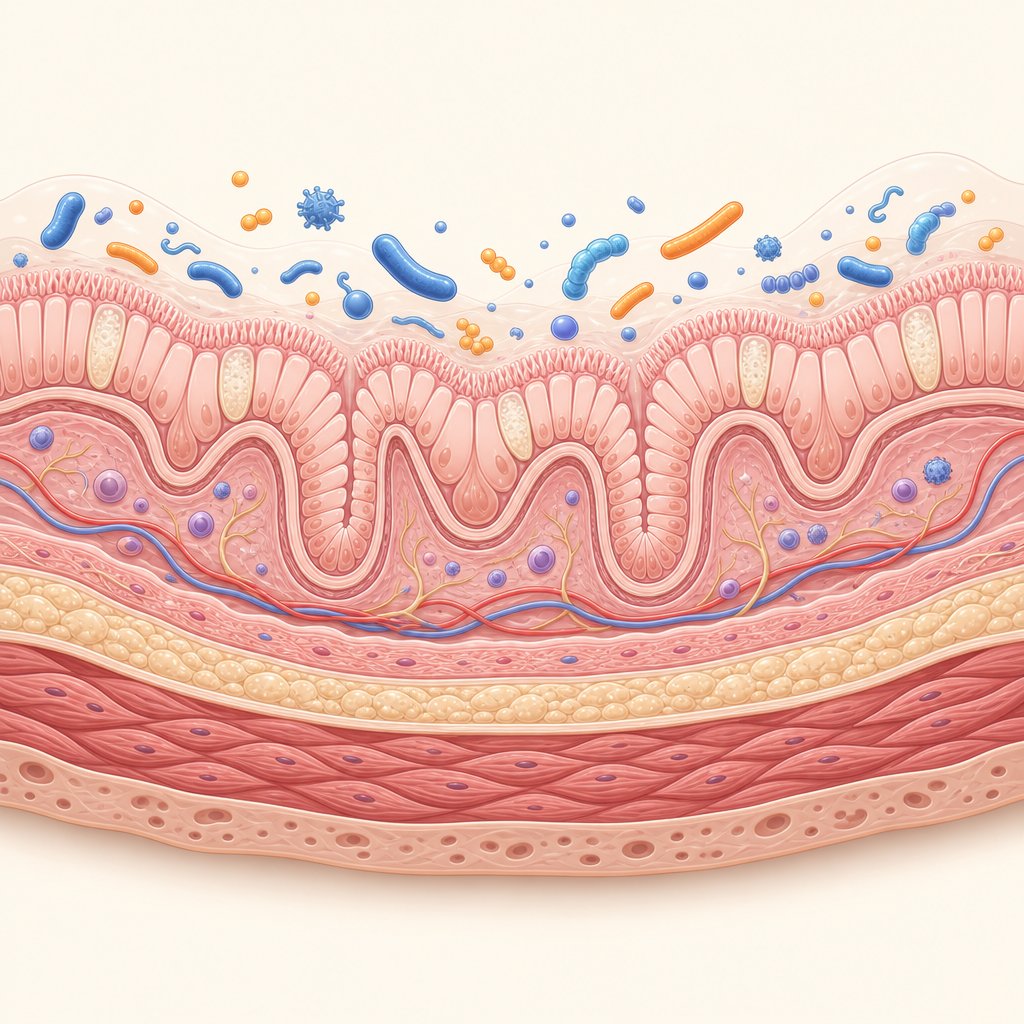
Why Iron Tablets Cause Bloating in Your Body
Your gut is not randomly rebelling against iron. There are specific biological pathways that explain why do iron supplements cause constipation, gas, and that uncomfortable distension. The bloating you feel after swallowing an iron tablet is the result of a chain reaction involving your intestinal lining, your gut bacteria, and even ancient microorganisms called archaea.
Three distinct mechanisms work together to produce iron-related bloating:
- Oxidative stress on the gut lining — unabsorbed iron generates free radicals that damage intestinal cells and trigger inflammation.
- Gut microbiome disruption — excess luminal iron feeds harmful bacteria while starving protective species, producing gas as a byproduct.
- Methane overproduction — iron fuels methane-producing archaea, and methane gas slows intestinal transit, trapping gas and causing distension.
Each of these pathways deserves a closer look.
How Unabsorbed Iron Irritates Your Gut Lining
Imagine swallowing 195 mg of elemental iron daily (the standard dose for iron deficiency anemia) when your body can absorb no more than 25 mg. The remaining 170+ mg passes through your gastrointestinal tract, and it does not travel quietly.
Iron is a pro-oxidant. It readily donates and accepts electrons, which triggers what scientists call the Fenton reaction. In simple terms, iron reacts with hydrogen peroxide already present in your gut to produce hydroxyl radicals, one of the most damaging types of free radicals. These reactive oxygen species (ROS) attack the membrane proteins of your intestinal cells and cause lipid peroxidation, damage to intestinal villi, and breakdown of tight junction proteins between mucosal cells.
The result? Inflammation of the intestinal mucosa. When your gut lining is inflamed, it swells, fluid accumulates, and normal digestive motility slows down. Food and gas move through more sluggishly, creating that bloated, heavy feeling. The inflammation also stimulates hepcidin production, which paradoxically reduces iron absorption even further, leaving more unabsorbed iron to continue the cycle of damage.
This oxidative mechanism explains why iron tablets cause bloating even in people with otherwise healthy digestive systems. The sheer volume of unabsorbed iron overwhelms the gut's natural antioxidant defenses.
The Gut Microbiome Connection to Iron-Related Gas
Your intestines house trillions of microorganisms, and many of them depend on iron to survive. When you flood the gut lumen with supplemental iron, you are essentially changing the food supply for your entire microbial ecosystem. The problem is that not all bacteria respond equally.
Research consistently shows that excess luminal iron promotes the growth of pathogenic species while suppressing beneficial ones. A randomized controlled trial in Kenyan infants found that iron fortification increased Enterobacteriaceae (a family that includes E. coli and Salmonella) while decreasing Lactobacillus and Bifidobacterium, two protective species that normally keep pathogens in check. Similar findings emerged from studies in African children, where iron supplementation boosted Salmonella, Shigella, and pathogenic E. coli populations.
Why does this matter for bloating? Pathogenic bacteria tend to produce more gas during their metabolic processes. They ferment substrates differently than beneficial species, generating hydrogen, carbon dioxide, and other gases that accumulate in the intestinal lumen. Meanwhile, the decline in Lactobacillus removes a natural brake on pathogen colonization and reduces the production of short-chain fatty acids like butyrate, which normally support healthy gut motility.
Do iron pills cause gas directly? Not exactly. The iron itself does not produce gas. But by reshaping your microbial community toward gas-producing species, iron supplementation creates the conditions for excessive intestinal gas and the bloating that follows. This is also part of the reason why does iron make you constipated: the shift in microbial balance alters fermentation patterns and disrupts normal bowel function.
Methane Production and Intestinal Slowdown
The third mechanism is perhaps the most fascinating and least discussed. Your gut contains not just bacteria but also archaea, ancient single-celled organisms that produce methane gas. The most common species in the human GI tract is Methanobrevibacter smithii, present in an estimated 30-50% of the population.
Iron is essential for methanogen growth and metabolism. These organisms rely heavily on iron-sulfur (Fe-S) clusters for their key enzymatic reactions, and iron can be directly oxidized via the methanogenesis reaction to produce methane gas and generate energy for archaeal growth. Biogas production experiments have shown that adding iron to fermentation systems can enhance methane production by up to 17%. It has been hypothesized that ferrous sulfate, being a highly soluble form of iron, could augment methanogenic species growth in the human gut.
Here is where it connects to your bloating: methane slows intestinal transit. Studies have demonstrated that methane attenuates peristaltic movement by promoting the contraction of non-propagating circular muscles in the intestines. People who produce more methane have significantly slower oro-caecal and whole gut transit times compared to non-methane producers. Methane may even act as a gaseous neurotransmitter, permeating through the intestinal wall to directly affect smooth muscle activity.
When transit slows, contents sit longer in the intestines. Gas accumulates rather than being moved along and expelled. The intestinal walls stretch, and you feel distended and uncomfortable. This mechanism also helps explain why does iron constipate you: the methane-driven slowdown of gut motility creates a bottleneck where both stool and gas build up.
Can iron supplements cause gas through this pathway alone? The evidence is still emerging, but the connection between iron availability, methanogen proliferation, and slowed transit is well-supported. For some individuals, this methane pathway may be the primary driver of their iron-related bloating, particularly those who already harbor higher baseline populations of methanogenic archaea.
These three mechanisms rarely operate in isolation. In most people experiencing iron-related bloating, oxidative damage, microbial imbalance, and methane overproduction compound each other. The inflamed gut lining absorbs less iron, leaving more for pathogenic bacteria and methanogens. The altered microbiome produces more gas while methane slows its clearance. Understanding this interplay is what makes the difference between blindly tolerating discomfort and taking targeted steps to reduce it.
The Timeline of Iron-Related Bloating
Knowing why iron irritates your gut is one thing. Knowing how long it will last is what actually helps you decide whether to push through or pivot. Most people start feeling iron pills symptoms within the first few days of supplementation, but the trajectory from there varies widely. Some bodies adapt. Others never do.
When Bloating Typically Starts After Beginning Iron
Iron does not take long to make its presence known. Because the side effects of taking iron tablets stem from unabsorbed iron reaching the lower GI tract, bloating and gas often appear within 24 to 72 hours of your first dose. Iron pills typically start working within 3 to 7 days, and GI discomfort tends to arrive on a similar schedule.
Here is a general timeline framework for what to expect when taking iron pills:
- Days 1-3: Initial GI response. Mild nausea, slight abdominal fullness, or early bloating may appear. Some people notice nothing yet.
- Week 1-2: Peak discomfort for most users. Bloating, gas, and constipation are at their strongest as unabsorbed iron accumulates and the gut microbiome begins shifting.
- Week 3-4: Adaptation window. Symptoms either begin easing as the body adjusts, or they plateau at a consistent level of discomfort.
- Beyond 4 weeks: Decision point. If bloating persists without improvement, the side effects from iron supplements are unlikely to resolve on their own.
If you are feeling worse after taking iron supplements during the first two weeks, that does not necessarily mean something is wrong. Mild stomach upset is common during the first few weeks as the digestive system adjusts to the new chemical load.
Does Your Body Adapt Over Time
GI adaptation is real, but it is not guaranteed. Many people find that digestive symptoms improve within 1 to 3 weeks as the intestinal lining acclimates and the microbiome reaches a new equilibrium. Signs iron pills are working without ongoing gut distress include bloating that gradually shortens in duration after each dose, gas that becomes less intense by week three, and bowel movements that normalize after an initial period of irregularity.
Signs that adaptation is not happening look different: bloating that stays the same intensity from day five onward, symptoms that worsen rather than stabilize, or new issues like cramping or diarrhea appearing after the second week. These patterns suggest chronic intolerance rather than temporary adjustment.
A simple symptom journal can clarify which camp you fall into. Each day, note the time you took your iron, what you ate around it, and rate your bloating on a 1-5 scale. After two weeks, the trend line tells you more than any single day of discomfort can.
How Long to Wait Before Making Changes
The general guidance is to give your body at least 2 to 3 weeks before concluding that side effects to taking iron supplements are intolerable. This gives your gut enough time to attempt adaptation without unnecessarily prolonging discomfort.
However, you should not wait if symptoms are severe. Intense abdominal pain, vomiting, or symptoms that interfere with daily functioning warrant earlier intervention. For moderate but persistent bloating, a reasonable approach is to try timing and food adjustments during weeks one and two, then reassess at the three-week mark. If your symptom journal shows no downward trend by week four, it is time to explore a different iron form rather than continuing to endure the same side effects.
The type of iron you are taking plays a major role in whether adaptation is even possible. Some formulations are inherently gentler on the gut, which raises an important question: does the form of iron matter as much as the dose?

Iron Supplement Forms Ranked by Bloating Risk
It matters enormously. Not all iron capsules and tablets are created equal. The chemical form of iron inside your supplement determines how quickly it dissolves, how much free iron floods your gut lumen, and ultimately how bloated you feel after taking it. Here is how the most common forms stack up.
Ferrous Sulfate and Why It Causes the Most Bloating
Ferrous sulfate 325 mg is the most widely prescribed iron supplement worldwide, and it also carries the heaviest GI burden. A systematic review of 111 studies covering over 10,000 patients found that ferrous sulfate (without mucoproteose coating) produced gastrointestinal adverse events in roughly 30% of users. The ferrous sulfate 325 mg side effects you hear about most often — bloating, nausea, constipation, and acid reflux — stem from its rapid dissolution profile.
When you swallow a ferrous sulphate supplement, it breaks apart quickly in the acidic environment of your stomach. This releases a concentrated burst of free Fe2+ ions. High levels of free iron disrupt the gastric mucosal barrier, trigger local inflammatory responses including mucosal hyperemia and edema, and can even activate enterochromaffin cells to secrete serotonin, which induces nausea. FAERS data analysis confirms that ferrous sulfate shows strong positive disproportionality signals specifically for dyspepsia and acid reflux (ROR = 14.57), constipation, and nausea.
Iron sulfate 325 mg delivers about 65 mg of elemental iron per tablet. At the standard therapeutic dose of three tablets daily, that is 195 mg of elemental iron — far more than your body can absorb in a single day. The surplus sits in your intestines, generating the oxidative stress and microbial disruption covered earlier.
Gentler Iron Forms and How They Compare
Ferrous gluconate is sometimes marketed as a milder alternative, but the evidence is mixed. The same systematic review found ferrous gluconate side effects at a rate of about 30% for GI complaints, comparable to ferrous sulfate. Interestingly, FAERS pharmacovigilance data tells a more nuanced story: ferrous gluconate actually showed the strongest disproportionality signals for vomiting (ROR = 10.21), diarrhea (ROR = 9.35), and abdominal pain (ROR = 20.33). So while overall incidence may be similar, the type of GI distress can differ.
Ferrous fumarate presents a complex picture. The 2013 systematic review reported the highest overall GI adverse event rate among iron salts at 43.4%. However, more recent pharmacovigilance analysis found no positive disproportionality signals for any individual GI symptom, and a clinical study confirmed that ferrous fumarate caused minimal gastrointestinal effects at prophylactic doses. The takeaway: at therapeutic doses for treating anemia, fumarate can be just as harsh as sulfate. At lower prophylactic doses, it may be better tolerated.
Polysaccharide iron complex takes a different approach entirely. Its macromolecular structure delivers iron as a stable chelated complex, preventing the dissociation of free Fe2+ ions and avoiding direct mucosal irritation. Clinical data shows only about 5.4% of patients experience GI reactions with this form, and FAERS analysis found no significant overall disproportionality signal for gastrointestinal adverse events. The trade-off is somewhat lower absorption efficiency compared to ferrous salts.
Chelated Iron and Bisglycinate Tolerability
Iron bisglycinate represents a fundamentally different design philosophy. Rather than existing as a free mineral salt, the iron is bound to two molecules of the amino acid glycine. This chelation stabilizes the iron as it moves through your digestive system, preventing it from interacting with the gut lining or disrupting your microbiome in the same way free iron does.
The clinical results reflect this structural advantage. Research shows that iron bisglycinate offers higher bioavailability than conventional iron salts while producing fewer gastrointestinal side effects. One randomized trial demonstrated that ferrous bisglycinate at just 25 mg of elemental iron was as effective as ferrous sulfate at 50 mg for preventing iron deficiency in pregnancy. Iron bisglycinate side effects are significantly milder because less total iron is needed and less free iron reaches the intestinal lumen.
The table below consolidates these comparisons into a single reference:
| Iron Form | Common Dose (Elemental Iron) | Relative Bloating Risk | Absorption Rate | Best For |
|---|---|---|---|---|
| Ferrous Sulfate | 65 mg per 325 mg tablet | High | Moderate (10-15%) | Rapid repletion when tolerability is not an issue |
| Ferrous Gluconate | 36 mg per 325 mg tablet | High | Moderate (10-15%) | Lower elemental dose per tablet; still causes significant GI issues |
| Ferrous Fumarate | 106 mg per 325 mg tablet | High | Moderate (10-15%) | High elemental iron content; similar GI profile to sulfate at therapeutic doses |
| Iron Bisglycinate (Chelated) | 25-50 mg | Low | High (up to 3-4x ferrous salts) | Sensitive stomachs, long-term supplementation, pregnancy |
| Polysaccharide Iron Complex | 150 mg | Low | Moderate-Low | Patients intolerant to all ferrous salts; gentle daily use |
| Liquid Iron (form-dependent) | Varies (10-25 mg per dose) | Low-Medium | Varies by iron form used | Dose flexibility; avoiding tablet dissolution issues |
A key pattern emerges from this comparison: the faster iron dissolves and releases free Fe2+ into your gut, the more bloating it causes. Iron salts like ferrous sulfate 325 dissolve rapidly and dump concentrated iron into a small area of the intestinal tract. Chelated forms and polysaccharide complexes keep iron bound and protected, releasing it gradually and reducing local irritation.
Choosing a gentler form is one lever you can pull. But even within the same iron form, how much you take and when you take it can dramatically shift your bloating experience.
Dosage and Timing Tricks to Reduce Bloating
You do not necessarily need to switch iron forms to get relief. Sometimes the difference between tolerable and miserable comes down to how much iron hits your gut at once and when it arrives. These strategies work with whatever iron supplement you already have on hand.
Dose-Splitting to Reduce Gut Irritation
When you swallow a full 325 mg iron supplement in one go, your intestines receive a concentrated bolus of elemental iron all at once. Splitting that dose into two smaller portions spreads the iron load across a longer window, giving your gut less to deal with at any single moment.
Here is the catch: research on split dosing reveals a trade-off. A randomized controlled trial published in The Lancet Haematology found that twice-daily split dosing caused hepcidin levels to rise more than once-daily regimens. Hepcidin is the hormone that blocks iron absorption, so higher hepcidin means your body absorbs less iron from the second dose. In practical terms, splitting a 325 mg iron supplement into two 162 mg doses may reduce bloating per dose but also reduce total absorption efficiency.
Does that mean dose-splitting is pointless? Not at all. If iron 325 mg ferrous sulfate side effects are severe enough that you are considering stopping treatment entirely, absorbing slightly less iron while actually staying on your supplement is a far better outcome than quitting. The goal is compliance. A dose you can tolerate daily beats a dose you abandon after a week.
An alternative approach gaining traction is alternate-day dosing. The same research group demonstrated that alternate-day iron supplementation increased fractional absorption by 40-50% compared to consecutive-day dosing, because hepcidin levels have time to reset between doses. A randomized controlled trial of 200 adults with iron deficiency anemia found no significant difference in hemoglobin improvement between daily and alternate-day regimens over 8 weeks. Alternate-day dosing gives your gut a full recovery day between exposures, which can meaningfully reduce cumulative bloating.
Timing Strategies That Minimize Bloating
When you take iron matters almost as much as how much you take. Here are the key timing variables and how each one affects your gut:
- Empty stomach vs. with food: Iron absorbs best on an empty stomach, ideally 30 minutes before eating or two hours after a meal. But this maximizes direct contact between free iron and your unprotected gut lining. Taking iron with a small amount of food reduces absorption by roughly 40-60%, yet it also significantly reduces nausea and bloating. If you cannot tolerate iron on an empty stomach, a small snack with lean protein is a reasonable compromise.
- Morning vs. evening: Research on iron-deficient women found that morning dosing produced higher absorption than afternoon dosing. However, some studies show no meaningful difference between morning and evening. If morning doses cause nausea that ruins your appetite for the day, evening dosing with dinner is a valid alternative.
- Spacing from calcium and antacids: Calcium competes with iron for the same intestinal uptake pathways. Dairy products, calcium supplements, and antacids should be taken at least two hours apart from your iron dose. This is critical to know about what not to take with iron: calcium-containing products, phosphorus supplements, proton pump inhibitors, and certain antibiotics like tetracycline all interfere with absorption and can indirectly worsen bloating by leaving more unabsorbed iron in the gut.
- Vitamin C pairing: Taking iron alongside vitamin C (ascorbic acid) increases stomach acidity and converts ferric iron to the more absorbable ferrous form. This means more iron gets absorbed and less remains in the intestinal lumen to cause trouble. A glass of orange juice or a 200 mg vitamin C tablet with your iron dose can improve absorption enough to allow a lower iron dose while achieving the same therapeutic effect, reducing bloating at the source.
- Avoid taking iron with high-fiber meals, coffee, or tea: Phytates in whole grains and polyphenols in coffee and tea bind iron and block absorption, leaving more free iron to irritate your gut. If you eat a high-fiber breakfast, wait at least two hours before taking your supplement.
The simplest starting protocol for someone struggling with bloating: take your iron first thing in the morning with a vitamin C source, on an empty stomach, and eat breakfast 30 minutes later. If that still causes discomfort, shift to taking it with a small protein-rich snack in the evening, spaced well away from any calcium or dairy.
Slow-Release Formulations and Enteric Coatings
Slow iron release formulations sound like the perfect solution on paper. Instead of dumping all the iron into your stomach at once, they use a matrix or coating that meters out iron gradually as the tablet moves through your digestive tract. Products marketed as slow-release iron (like Slow Fe) aim to reduce the peak concentration of free iron in any one section of the gut.
The slow fe side effects profile is generally milder than standard ferrous sulfate for bloating and nausea. Users often report less acute stomach irritation because the iron release is spread over several hours rather than concentrated in the first 30 minutes after swallowing. For people whose primary complaint is that intense wave of discomfort right after taking their pill, slow iron fe side effects may be noticeably more manageable.
However, there is a significant downside. Slow-release tablets often deliver iron past the duodenum, the short section of the upper small intestine where iron absorption is most efficient. By the time the tablet releases its iron payload further downstream in the jejunum or ileum, absorption drops considerably. You may feel less bloated, but you may also be getting less therapeutic benefit from each dose.
Enteric-coated iron tablets take this concept further. The coating prevents the tablet from dissolving in the stomach entirely, only releasing iron once it reaches the higher-pH environment of the small intestine. The intent is to eliminate gastric irritation completely. The reality is more complicated. A stable isotope study measuring actual iron absorption found that enteric-coated ferrous sulphate delivered only 3.5% fractional absorption compared to 12% from uncoated tablets. That is roughly 70% less iron reaching your bloodstream.
The iron slow fe side effects trade-off comes down to this: less bloating now, but potentially longer treatment duration because you are absorbing less iron per dose. For mild deficiency or maintenance supplementation, that trade-off may be acceptable. For moderate to severe anemia requiring rapid repletion, the reduced absorption of enteric-coated and some slow-release formulations can be clinically problematic.
A practical middle ground exists. Rather than relying on slow-release coatings to reduce gut exposure, you can achieve a similar effect by using a lower dose of standard iron paired with vitamin C, taken every other day. This approach maintains strong duodenal absorption while naturally limiting the amount of unabsorbed iron irritating your gut. It also avoids the side effects of slow fe formulations that stem from iron being released in less absorptive regions of the intestine.
Dosage and timing adjustments can take you far, but they are not the only variables in play. What you eat around your iron dose, and what your overall diet looks like, can either amplify or dampen the bloating response in ways that deserve their own attention.

Diet Changes That Help With Iron Bloating
Your iron supplement does not exist in a vacuum. It lands in a gut already processing whatever you ate that day, and certain foods can amplify the bloating response while others actively work against it. The relationship between iron supplements and constipation, gas, or distension often depends as much on what surrounds the dose as on the dose itself.
Foods That Make Iron Bloating Worse
Some foods create a perfect storm when combined with iron supplementation. They either increase gas production independently, slow digestion further, or leave more unabsorbed iron sitting in your intestines.
High-fiber meals taken alongside iron are a common culprit. Whole grains, raw vegetables, and bran contain phytates that bind to iron and block absorption. This means more free iron stays in your gut lumen, feeding pathogenic bacteria and fueling the oxidative damage discussed earlier. The fiber itself also undergoes bacterial fermentation in the colon, producing hydrogen and carbon dioxide gas. Combine that with iron-driven microbial shifts, and you get compounded gas production. MedlinePlus specifically advises against eating high-fiber foods at the same time as iron supplements for this reason.
Dairy products create a double problem. Calcium directly competes with iron for intestinal absorption, reducing how much iron enters your bloodstream and increasing how much remains in the gut. Lactose in dairy can also cause independent bloating in people with even mild lactose sensitivity, a condition that often goes undiagnosed. When you layer lactose-related gas on top of iron-related gas, the bloating feels disproportionately severe.
Carbonated beverages introduce carbon dioxide directly into your digestive tract. On their own, they cause temporary distension. Paired with iron-induced slowed transit, that gas has nowhere to go quickly. The carbonation lingers longer than it normally would.
Coffee and tea taken near your iron dose contain polyphenols and tannins that chelate iron, reducing absorption by up to 60-90%. More unabsorbed iron means more gut irritation. If you drink coffee with breakfast and take iron at the same time, you are maximizing the amount of iron left to cause trouble downstream.
Dietary Strategies That Ease Iron-Related Gas
The flip side is encouraging. Certain foods actively counteract the mechanisms that produce iron-related bloating.
Fermented foods like yogurt (taken separately from your iron dose), kefir, sauerkraut, and kimchi introduce beneficial Lactobacillus and Bifidobacterium species back into your gut. Since iron supplementation depletes these protective bacteria, replenishing them through diet helps restore microbial balance. A randomized controlled study in Kenyan infants demonstrated that prebiotic galacto-oligosaccharides (GOS) mitigated the adverse effects of iron on the gut microbiome by enhancing commensal bacteria and protecting against enteropathogen overgrowth. Fermented foods work through a similar principle, lowering intestinal pH and supporting the species that iron tends to suppress.
Probiotics deserve special attention here. Research shows that specific strains can directly counteract iron's disruption of gut bacteria. Lactobacillus fermentum increases iron absorption by converting Fe3+ to Fe2+ via its ferric reducing activity, which means less unabsorbed iron remains to irritate your gut. Lactiplantibacillus plantarum 299v has also been shown to improve iron absorption in pregnant women. Multistrain probiotics used in adults with functional constipation reduced whole gut transit time by over 13 hours and significantly reduced bloating in meta-analysis. Taking a quality probiotic alongside your iron regimen addresses the root cause of microbiome-driven gas rather than just masking symptoms.
Ginger has well-documented prokinetic effects, meaning it helps move gas through the intestines rather than letting it pool and cause distension. A small piece of fresh ginger in hot water, taken 20-30 minutes after your iron dose, can ease that post-supplement heaviness.
Small amounts of lean protein (chicken, fish, eggs) taken with iron actually enhance absorption of non-heme iron while providing a gentle buffer for the stomach lining. Unlike high-fiber foods that block absorption, protein facilitates it, reducing the amount of free iron left to cause problems.
| Foods/Habits That Worsen Bloating | Foods/Habits That Help |
|---|---|
| High-fiber meals taken with iron (whole grains, raw vegetables, bran) | Fermented foods (kefir, sauerkraut, kimchi) taken separately from iron |
| Dairy products within 2 hours of iron dose | Probiotic supplements (Lactobacillus, Bifidobacterium strains) |
| Carbonated drinks around supplement time | Ginger tea 20-30 minutes after iron |
| Coffee or tea within 1 hour of iron | Small portions of lean protein with iron |
| Large, heavy meals that slow digestion further | Vitamin C-rich foods (bell peppers, citrus) paired with iron |
| Alcohol (irritates gut lining and disrupts microbiome) | Prebiotic-rich foods (garlic, onions, bananas) at other meals |
Is It Really the Iron or Something Else
Here is a question worth asking honestly: is your supplement actually causing the bloating, or is something else going on? Many people start iron around the same time they change other habits, begin new medications, or experience stress that independently affects digestion. Diarrhea and iron tablets often get linked in people's minds, but iron supplements and diarrhea can also reflect an underlying condition like IBS or food intolerance that was already developing.
Iron tablets and diarrhoea do co-occur in some users. MedlinePlus notes that both constipation and diarrhea are common side effects of iron supplementation, and iron supplements nausea affects those taking higher doses most frequently. But if your bloating does not follow a clear pattern tied to your supplement schedule, other causes deserve investigation.
If bloating started within days of beginning iron and resolves on days you skip it, the supplement is likely the cause. If bloating persists regardless of whether you take iron that day, look elsewhere.
A simple elimination test can clarify things. Skip your iron for 3-4 days (with your provider's awareness) and track whether bloating improves. Then resume and see if it returns. This on-off pattern is the strongest evidence that your supplement is the primary driver. If bloating stays constant whether you take iron or not, consider other possibilities: food intolerances, SIBO, hormonal fluctuations, or medications like antibiotics or proton pump inhibitors that independently alter gut function.
Also consider whether constipation and iron pills are creating a secondary bloating effect. Iron-induced constipation slows everything down, and backed-up stool produces its own gas and distension. In that scenario, addressing the constipation directly with adequate hydration, magnesium, or a gentle osmotic laxative may resolve the bloating even without changing your iron supplement. Iron supplement diarrhea, on the other hand, suggests a different mechanism, possibly related to osmotic effects or mucosal irritation, and may respond better to switching iron forms entirely.
Diet adjustments can meaningfully reduce iron-related bloating for many people, but they have limits. When you have tried timing changes, food pairing strategies, and probiotics without adequate relief, the question shifts from what to eat to whether your symptoms have crossed a line that requires professional guidance.
When to See a Doctor About Iron Bloating
Most iron-related bloating falls squarely in the "annoying but harmless" category. But not all of it does. Certain symptoms signal something more serious than routine GI irritation, and knowing the difference keeps you safe while avoiding unnecessary panic over normal side effects. What are the side effects of iron tablets that you can ride out at home, and which ones demand a phone call to your provider?
Red Flags That Need Medical Attention
Iron supplementation produces some expected changes in your body. Dark or greenish-black stools, for example, are completely normal. Does iron make your poop black? Yes, and this happens because unabsorbed iron oxidizes as it passes through your intestines, turning stool noticeably darker. This color change is harmless and actually confirms that iron is moving through your system.
The critical distinction is between dark stools and tarry stools. Can iron supplements cause black tarry stools? Not from the supplement itself. Black, sticky, tar-like stool with a distinct foul odor (called melena) indicates bleeding in the upper GI tract, potentially from a stomach ulcer or other mucosal damage. Iron supplements can cause black stool that looks dark and formed, but tarry consistency with a shiny, almost petroleum-like appearance is a different situation entirely.
Seek medical attention promptly if you experience any of the following while taking iron:
- Black, tarry stools or stools with red streaks — suggests GI bleeding rather than normal iron-related color change
- Severe abdominal pain or cramping — sharp, localized pain (especially in the upper abdomen) may indicate ulceration from iron irritating the stomach lining
- Vomiting, especially with blood — GoodRx notes that in severe cases of stomach damage from iron, you may vomit blood or see bright red blood in stool, which requires emergency care
- Bloating accompanied by fever — fever suggests infection or significant inflammation beyond normal supplement irritation
- Symptoms persisting beyond 4-6 weeks despite trying timing adjustments, dose-splitting, and dietary changes
- Severe or worsening diarrhea lasting more than a few days — especially if accompanied by abdominal pain or dehydration
Does iron tablets cause black stool that should worry you? Only if the texture is tarry and sticky rather than simply dark in color. A quick visual check: normal iron-darkened stool holds its shape and looks dark brown to black. Melena looks wet, shiny, and smears easily. When in doubt, report any stool changes to your healthcare provider, as MedlinePlus recommends contacting your provider right away if stools appear tarry or contain red streaks.
Symptoms You Can Safely Self-Manage
Not every uncomfortable sensation requires medical intervention. Many iron-related GI symptoms fall within the expected range and respond well to the timing, dosage, and dietary strategies covered in earlier sections. You can generally manage at home if you experience:
- Mild abdominal distension that appears within an hour of taking your dose and resolves within a few hours
- Occasional gas or flatulence that increases after starting iron but does not cause pain
- Dark-colored stools without tarry texture or red streaks — can iron tablets cause dark stools? Absolutely, and this is expected
- Mild nausea that improves when you take iron with a small snack
- Symptoms that noticeably improve when you adjust timing, split doses, or pair iron with vitamin C
- Bloating that gradually decreases in intensity over the first 2-3 weeks
The key differentiator is responsiveness. Manageable symptoms respond to adjustments. Concerning symptoms persist or worsen regardless of what you try. Can iron supplements make your stool black without any danger? Yes, in the vast majority of cases. Can iron cause black stool that signals a problem? Only when the appearance shifts from simply dark to tarry and foul-smelling.
A Decision Framework for Your Next Steps
Rather than guessing whether to push through or seek help, follow this step-by-step pathway. Each stage gives your body a fair chance to adapt before escalating to the next intervention:
- Weeks 1-2: Try timing and food adjustments. Take iron with vitamin C on an empty stomach in the morning, or with a small protein-rich snack if empty-stomach dosing is intolerable. Space iron at least two hours from calcium, dairy, coffee, and high-fiber foods. Track symptoms daily.
- Weeks 2-3: If no improvement, try dose-splitting or alternate-day dosing. Split your daily dose into two smaller portions, or take your full dose every other day. AGA clinical guidance supports every-other-day dosing as equally effective for iron absorption with potentially better tolerability.
- Weeks 3-5: If still problematic, switch iron form. Move from ferrous sulfate to iron bisglycinate or polysaccharide iron complex. These forms release less free iron into the gut and carry significantly lower bloating risk. Discuss the switch with your provider.
- Beyond 5-6 weeks: If all oral strategies fail, consult your provider about alternatives. Intravenous iron bypasses the GI tract entirely and may be appropriate for patients who cannot tolerate any oral form. Your provider can also rule out other conditions mimicking or compounding iron-related symptoms.
This framework is not rigid. If you experience any red flag symptoms at any stage, skip ahead to medical consultation immediately. The decision pathway assumes your symptoms are uncomfortable but not dangerous. Severe pain, tarry stools, vomiting, or fever override the timeline and warrant prompt evaluation regardless of how long you have been supplementing.
For many people, the solution lands somewhere in steps one through three. Switching iron forms alone resolves bloating for a significant percentage of users who struggled with standard ferrous sulfate. And for those who need to explore beyond traditional tablets entirely, newer delivery formats offer additional options worth considering.

Gentler Iron Formats That Reduce Bloating
Switching from ferrous sulfate to iron bisglycinate addresses the chemical form of iron. But what about the physical format? The way iron is delivered to your gut — tablet, liquid, capsule, gummy, or powder — affects how quickly it dissolves, where it concentrates, and how much local irritation it produces. For people searching for an iron supplement that doesn't make you constipated or bloated, the delivery vehicle matters just as much as the iron compound inside it.
Liquid Iron and Why It May Cause Less Bloating
When you swallow a compressed iron tablet, it must first dissolve in your stomach before any iron becomes available. Research using a human intestinal model found that conventional ferrous sulfate tablets dissolved in approximately 48 minutes under gastric conditions, while modified-release tablets took over 250 minutes. During that dissolution window, iron concentrates in one localized area of the stomach or upper intestine, creating a hotspot of oxidative stress.
Liquid iron sidesteps this problem entirely. Because it arrives pre-dissolved, there is no tablet sitting in one spot slowly releasing a concentrated burst of free iron. Instead, the iron disperses more evenly across the mucosal surface from the moment it enters your stomach. This broader distribution means less peak irritation at any single point along your gut lining.
Ferrous sulfate liquid and other liquid iron formulations also offer precise dose flexibility. Rather than being locked into a fixed 65 mg elemental iron tablet, you can start with a lower dose — say 10 to 15 mg — and gradually increase as your tolerance allows. This makes liquid iron an excellent option for people who need the best iron supplement for anemia without constipation but cannot tolerate standard tablet doses. The trade-off? Some liquid preparations contain fruit juice bases with polyphenols that can inhibit absorption, and taste remains a common complaint.
Alternative Formats Worth Trying
Beyond liquids, several other delivery formats reduce GI irritation through different mechanisms. Each has distinct advantages depending on your specific symptoms and preferences:
- Soft capsules (softgels): Iron is suspended in an oil-based medium inside a gelatin shell. The oil provides a buffer between iron and the stomach lining, and the capsule dissolves more gradually than a compressed tablet. Softgels tend to be an iron supplement easy on stomach for people whose primary issue is nausea or acute gastric burning rather than lower-intestinal bloating.
- Iron gummies: The iron is embedded in a pectin or gelatin matrix that dissolves slowly and distributes iron more gradually during digestion. Gummies typically contain lower elemental iron per serving (14-20 mg), which naturally reduces the unabsorbed iron load. They are palatable and easy to take consistently, though they often include more additives for flavor and texture.
- Powder and granule formats: Iron delivered as a powder or granule can be mixed into food or beverages, allowing for extremely gradual ingestion over the course of a meal. This mimics how dietary iron enters the gut — slowly and dispersed among other nutrients — rather than arriving as a single concentrated bolus. Powder formats also allow custom dosing down to very small increments.
- Oral sprays: These bypass the GI tract almost entirely by delivering iron through the buccal mucosa (inner cheek). Absorption occurs directly into the bloodstream without passing through the stomach or intestines. For people with severe GI intolerance to all oral forms, sprays eliminate gut-related side effects at the cost of lower total iron delivery per dose.
The common thread across all these formats is the same principle: they avoid concentrating large amounts of free iron in a single location within the gut. Whether through pre-dissolution, oil suspension, matrix embedding, or buccal delivery, each format reduces the peak local iron concentration that triggers oxidative damage and microbial disruption.
What to Look for in a Gentle Iron Supplement
Finding iron supplements that don't cause constipation or bloating requires looking at both the iron form and the delivery format together. The gentlest combination pairs a well-tolerated iron compound (like bisglycinate or ferritin iron) with a delivery format that avoids concentrated release (liquid, softgel, or powder).
When evaluating options, consider these factors:
- Elemental iron per dose: Lower is often better for tolerability. Products delivering 14-25 mg of elemental iron produce far less unabsorbed surplus than those delivering 65+ mg.
- Added vitamin C: Formulations that include ascorbic acid improve absorption at lower doses, meaning less iron needs to enter your gut to achieve the same therapeutic effect.
- Absence of known GI irritants: Check for unnecessary fillers, artificial colors, or excipients that independently cause digestive upset. Simpler ingredient lists generally mean fewer variables irritating your gut.
- Format matched to your symptoms: If nausea is your main issue, softgels or sprays may help most. If bloating and constipation dominate, liquids or powders that allow low-dose gradual intake tend to work better.
The supplement industry continues to innovate in this space. Newer approaches include microencapsulated iron that protects the mineral within a coating until it reaches optimal absorption sites, liposomal delivery systems that wrap iron in phospholipid layers for enhanced uptake, and ferritin-based iron extracted from legumes that delivers iron in a naturally encapsulated protein structure. These technologies aim to solve the fundamental tension between absorption and tolerability that has plagued iron supplementation for decades.
For nutrition brands, supplement importers, and private label sellers looking to develop iron products specifically designed for GI tolerability, working with flexible OEM/ODM manufacturers enables creating formulations across multiple delivery formats. Companies like ZhuFeng offer scalable production in oral liquids, soft capsules, gummies, and powder/granule formats, allowing brands to develop iron supplements that don't make you constipated by optimizing both the iron compound and the physical delivery system for reduced bloating.
The right format for you depends on your specific symptoms, your required iron dose, and how long you need to supplement. Someone correcting severe deficiency may need higher-absorption forms even at the cost of some discomfort, while someone on long-term maintenance can prioritize gentleness over speed. Either way, the days of ferrous sulfate tablets being the only option are long past — and your gut has better choices available.
Your Next Steps to Beat Iron Bloating
You have the full picture now: why iron irritates your gut, how long it lasts, which forms and formats cause the least trouble, and when symptoms cross into medical territory. The question is no longer whether iron tablets can cause bloating. It is what you are going to do about it. Here is your consolidated action plan.
Your Iron Bloating Action Plan
Rather than trying everything at once, work through these strategies in order. Each step builds on the last, and most people find relief before reaching the end of the list:
- Adjust timing and food pairing first. Take iron in the morning with vitamin C, spaced two hours from calcium, coffee, and high-fiber foods. If empty-stomach dosing causes nausea, pair it with a small protein-rich snack.
- Try alternate-day dosing. Research confirms that daily and alternate-day iron produce equivalent hemoglobin improvements, and skipping a day gives your gut time to recover between exposures.
- Add a probiotic. Replenishing Lactobacillus and Bifidobacterium species counteracts iron's disruption of your microbiome and reduces gas production at the source.
- Switch iron forms. Move from ferrous sulfate to iron bisglycinate or polysaccharide iron complex. These release less free iron into your intestinal lumen.
- Change the delivery format. Liquid iron, softgels, powders, or gummies avoid the concentrated dissolution hotspot that compressed tablets create.
- Consult your provider. If all oral strategies fail after 5-6 weeks, intravenous iron bypasses the GI tract entirely. Can iron supplements cause nausea, bloating, and diarrhea severe enough to justify IV therapy? In some cases, yes, and your doctor can determine if that applies to you.
Can iron cause diarrhea, constipation, and bloating simultaneously? It can, and these side effects of iron pills often overlap. But each one responds to the same core principle: reduce the amount of unabsorbed free iron sitting in your gut. Every strategy above works toward that single goal through a different mechanism.
Finding the Right Iron Solution for You
Iron deficiency is too serious to leave untreated. Fatigue, cognitive fog, weakened immunity, and worsening anemia all carry real health consequences. Do iron supplements cause diarrhea and bloating for some people? Absolutely. Can iron supplements cause constipation that makes daily life uncomfortable? Yes. But can iron tablets make you constipated forever without any solution? No. The right combination of form, dose, timing, and format exists for nearly everyone.
Track your symptoms, give each adjustment at least two weeks, and be willing to try more than one approach. The supplement industry continues to innovate in iron delivery, and for nutrition brands or private label sellers developing stomach-friendly iron products, partnering with OEM/ODM manufacturers like ZhuFeng allows for customized formulations across capsules, liquids, gummies, and powders designed to minimize GI side effects. More options mean better chances of finding what works for your body.
The goal is not to give up on iron. It is to find the right form, the right dose, and the right timing so your body gets what it needs without your gut paying the price.
Frequently Asked Questions About Iron Tablets and Bloating
1. How long does bloating from iron tablets last?
Bloating from iron tablets typically begins within 1-3 days of starting supplementation and peaks during weeks one and two. Some people adapt within 2-4 weeks as the gut adjusts to the iron load. If bloating persists beyond 4-6 weeks despite trying timing adjustments, dose-splitting, and dietary changes, it is unlikely to resolve on its own and you should consider switching to a gentler iron form like bisglycinate or a different delivery format such as liquid iron or softgels.
2. Which iron supplement causes the least bloating?
Iron bisglycinate (chelated iron) and polysaccharide iron complex cause significantly less bloating than standard ferrous sulfate. Bisglycinate keeps iron bound to amino acids, preventing free iron from irritating the gut lining, and offers higher bioavailability at lower doses. Polysaccharide iron complex shows only about 5.4% GI reaction rates compared to 30-43% for ferrous salts. Liquid iron and powder formats also reduce bloating by avoiding the concentrated dissolution hotspot that compressed tablets create.
3. Can I take iron tablets with food to reduce bloating?
Yes, taking iron with a small amount of food, particularly lean protein, can significantly reduce bloating and nausea. The trade-off is that food reduces iron absorption by roughly 40-60%. However, consistently taking a slightly less-absorbed dose is far better than abandoning iron entirely due to GI discomfort. Pairing iron with vitamin C-rich foods helps offset the absorption reduction while keeping bloating manageable. Avoid taking iron with high-fiber meals, dairy, coffee, or tea, as these block absorption and leave more unabsorbed iron to irritate your gut.
4. Does alternate-day iron dosing help with bloating?
Alternate-day iron dosing is one of the most effective strategies for reducing bloating while maintaining therapeutic benefit. Research shows that alternate-day supplementation increases fractional iron absorption by 40-50% compared to consecutive-day dosing because hepcidin levels reset between doses. Clinical trials found no significant difference in hemoglobin improvement between daily and alternate-day regimens over 8 weeks. This approach gives your gut a full recovery day between iron exposures, meaningfully reducing cumulative GI irritation.
5. When should I see a doctor about iron supplement side effects?
Seek medical attention if you experience black tarry stools with a sticky, shiny appearance (distinct from normal dark stools caused by iron), severe abdominal pain, vomiting with blood, bloating accompanied by fever, or symptoms persisting beyond 4-6 weeks despite trying multiple strategies. Normal iron side effects like mild distension after doses, occasional gas, and dark-colored formed stools can be safely self-managed. If all oral iron strategies fail, your doctor may recommend intravenous iron, which bypasses the GI tract entirely.