Is Baking Powder Gluten Free and Why It Depends
The Short Answer About Baking Powder and Gluten
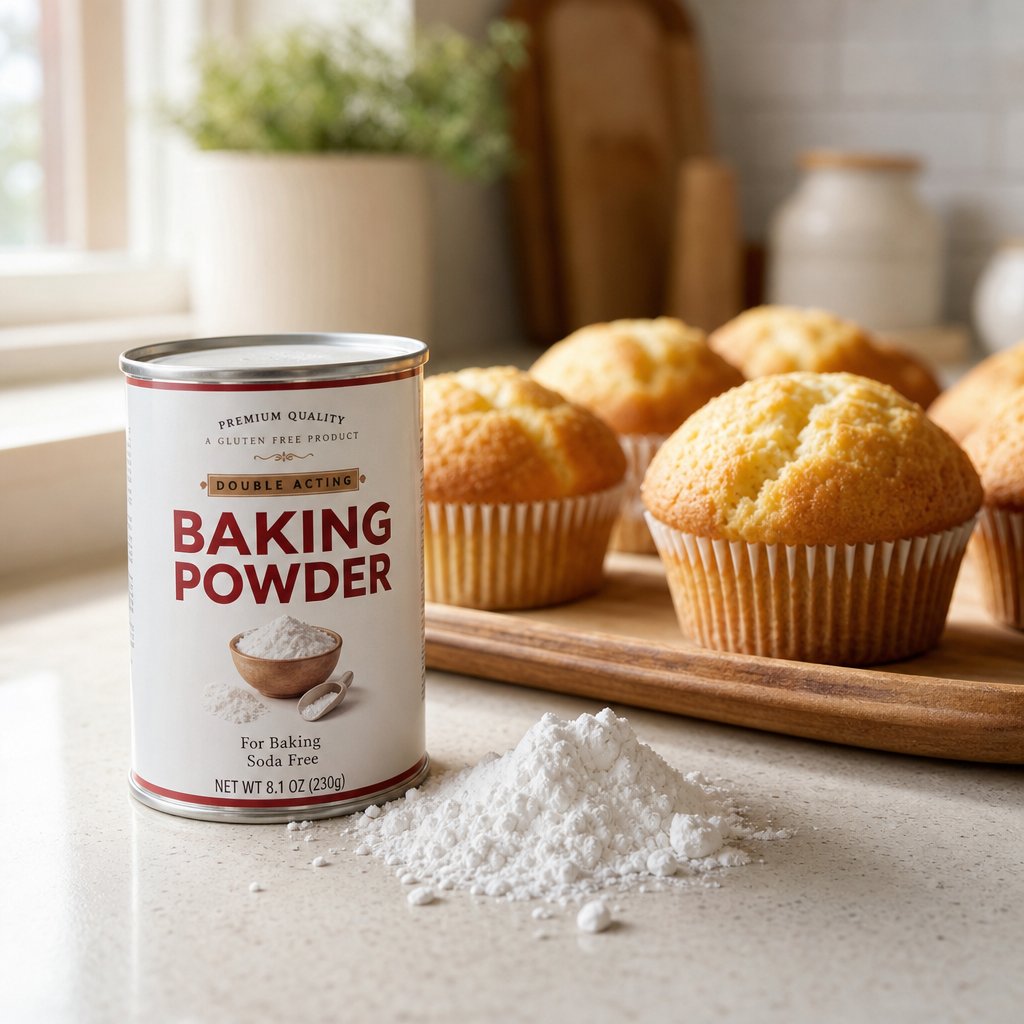
Is baking powder gluten free? Most of the time, yes. But not always. The difference comes down to a single ingredient you might overlook on the label: the starch.
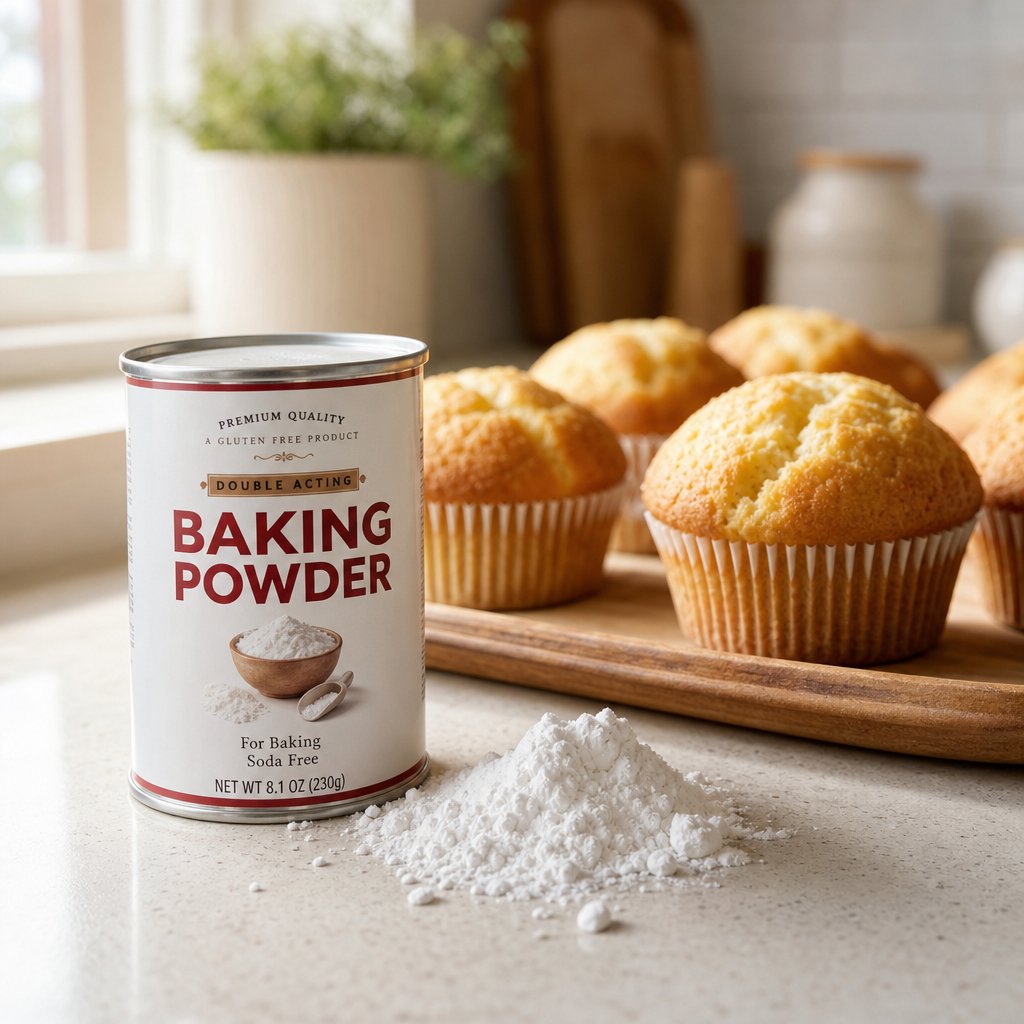
Baking powder is a leavening agent made from three components working together. It contains a base (baking soda), an acid (like cream of tartar or sodium aluminum sulfate), and a starch buffer that keeps the other two from reacting prematurely in the container. That starch absorbs ambient moisture so your baking powder stays active on the shelf instead of fizzling out before it ever reaches your batter.
Here is where it gets interesting. The base and acid are naturally gluten free on their own. They are simple chemical compounds with no connection to wheat, barley, or rye. The starch, however, varies by manufacturer. Most brands use cornstarch or potato starch, both completely safe for a gluten-free diet. A few products, particularly in certain European markets, use wheat starch instead, and that changes everything.
The active leavening ingredients in baking powder are inherently gluten free. The starch filler is the only variable that determines whether a specific product is safe for gluten-sensitive individuals.
So when you ask whether baking powder is gluten free, the real question is: what starch did the manufacturer choose? One quick glance at the ingredient list gives you the answer.
Why This Matters for Different Dietary Needs
Not everyone avoiding gluten faces the same level of risk, and understanding the distinction helps you decide how cautious to be.
Celiac disease is a chronic autoimmune condition where even trace amounts of gluten damage the small intestine. Roughly 1 percent of people worldwide have it, and for them, a baking powder containing wheat starch is not a minor concern. It is a genuine health threat that can trigger intestinal damage, malnutrition, and long-term complications.
Non-celiac gluten sensitivity produces similar symptoms, including abdominal pain and fatigue, but does not cause the same intestinal damage. People in this group still benefit from avoiding gluten, though their threshold for trace exposure may be slightly higher.
A wheat allergy is a different mechanism entirely. Your immune system reacts to proteins in wheat, potentially causing symptoms ranging from hives to difficulty breathing. If you have a wheat allergy, baking powder with wheat starch is off the table regardless of gluten content.
Each of these conditions demands a different level of vigilance when scanning ingredient labels. For someone with celiac disease, even an ambiguous "starch" listing without a specified source is reason enough to put the container back on the shelf. For someone with mild sensitivity, a product made with cornstarch but manufactured on shared equipment might still be acceptable.
The composition of baking powder is simple enough, but the details of that composition matter more than you might expect.
What Baking Powder Is Made Of
Three ingredients. That is all it takes to make baking powder work. Each one plays a specific chemical role, and understanding those roles helps you identify exactly where gluten could enter the picture. Think of it like a tiny chemistry kit sitting in your pantry, waiting for moisture and heat to set off a controlled reaction.
The Three Ingredients in Every Baking Powder
Every commercial baking powder follows the same basic formula: a base, an acid, and a buffer. The base and acid react together to produce carbon dioxide gas, which creates the lift in your cakes, muffins, and biscuits. The buffer keeps them separated until you are ready to bake.
- A base (sodium bicarbonate): This is plain baking soda. It provides the alkaline half of the leavening reaction. On its own, it needs an acid to produce carbon dioxide. In baking powder, that acid is already built in.
- An acid (cream of tartar, sodium aluminum sulfate, or monocalcium phosphate): The acid triggers the base to release gas. Different acids react at different speeds and temperatures, which is why some baking powders behave differently than others. Does cream of tartar contain gluten? No. It is a byproduct of winemaking, derived from tartaric acid, with no connection to wheat or grain proteins.
- A starch buffer (cornstarch, potato starch, or wheat starch): The starch absorbs ambient moisture in the container, preventing the acid and base from reacting prematurely during storage. Without it, humidity in your kitchen would slowly neutralize the powder before you ever open the lid. This is the one component that determines whether a gluten free baking powder stays gluten free.
As Britannica notes, baking powder contains "added diluents, such as starch, which act as a buffer between the base and acid." That buffer role sounds minor, but it is essential for shelf stability. Imagine your baking powder quietly fizzing away inside a sealed can because kitchen humidity triggered a slow reaction. The starch prevents exactly that scenario.
Single-Acting vs Double-Acting Types
You will find two categories of baking powder on store shelves, and they differ in when their leavening reaction happens.
Single-acting baking powder reacts as soon as it contacts liquid. The acid dissolves, meets the base, and immediately starts producing carbon dioxide. This means your batter needs to go into the oven quickly. Wait too long, and those gas bubbles escape before the structure sets. Traditional single-acting formulas often use cream of tartar as the acid component.
Double-acting baking powder contains acids that react in two stages. A portion of the gas releases when the powder gets wet during mixing. The rest releases later, when heat activates a second acid in the oven. This two-phase approach gives bakers more flexibility. You can mix a batter, let it rest, and still get a good rise because the heat-activated acid has not yet done its job.
In North America, nearly all grocery stores carry double-acting baking powder exclusively. This matters for the gluten question because double-acting products overwhelmingly use cornstarch as their buffer. The preference for cornstarch in these formulations is partly practical: it is inexpensive, widely available, flavor-neutral, and performs reliably as a moisture absorber across varying humidity levels.
Single-acting varieties, more common in specialty or European markets, occasionally use alternative starches. Some older or regional formulations still rely on wheat starch or potato starch. If you are shopping for a gluten free leavening agent and encounter an unfamiliar brand, the type of baking powder alone does not guarantee safety. The ingredient list remains your definitive guide.
The starch choice might seem like a trivial manufacturing decision, but for anyone managing celiac disease or gluten sensitivity, it is the single detail that separates a safe product from a harmful one.
When Baking Powder Contains Gluten and How to Spot It
Wheat starch and cornstarch do the exact same job inside a can of baking powder. Both absorb moisture, both prevent premature reactions, and both dissolve seamlessly into your batter without affecting flavor. From a purely functional standpoint, a manufacturer could swap one for the other and the leavening performance would be identical. The critical difference is biological, not chemical: wheat starch carries gluten proteins that cornstarch simply does not.
So does baking powder have gluten? It depends entirely on whether the manufacturer chose wheat as the starch source. And some still do.
Why Wheat Starch Still Appears in Some Products
If cornstarch works just as well, why would any company use wheat starch in the first place? The answer comes down to economics, geography, and tradition.
In parts of Europe, particularly the UK and Germany, wheat has historically been the dominant crop and the cheapest available starch. Manufacturers in these regions built their formulations around locally sourced wheat starch decades ago, long before gluten-free awareness became mainstream. Some of those legacy recipes persist in products still on shelves today.
Cost also plays a role. In markets where corn is not widely cultivated, wheat starch can be significantly cheaper to source. For a manufacturer producing millions of units, even a small per-unit savings on the starch component adds up. Regional supply chains naturally favor whatever grain grows most abundantly nearby.
There is also a processing consideration. Wheat starch is a byproduct of gluten extraction for the food industry. When manufacturers produce vital wheat gluten for bread-making or meat alternatives, they generate large quantities of leftover starch. Using that starch in other products, including baking powder, creates an efficient use of the entire wheat kernel. It is practical from a production standpoint, even if it creates problems for gluten-sensitive consumers.
The Celiac Disease Foundation lists wheat starch that has not been processed to remove gluten below 20 ppm as a gluten-containing ingredient. This distinction matters because not all wheat starch is created equal. Some manufacturers wash their wheat starch extensively to reduce gluten content (known as Codex wheat starch), while others use standard wheat starch with no gluten removal at all.
Here is the problem: when wheat starch appears in baking powder, it is typically standard, unprocessed wheat starch. It has not undergone the specialized washing that produces Codex-grade gluten-free wheat starch. The starch is there as a cheap filler, not as a carefully controlled ingredient designed for celiac safety.
Label Terms That Signal Gluten Risk
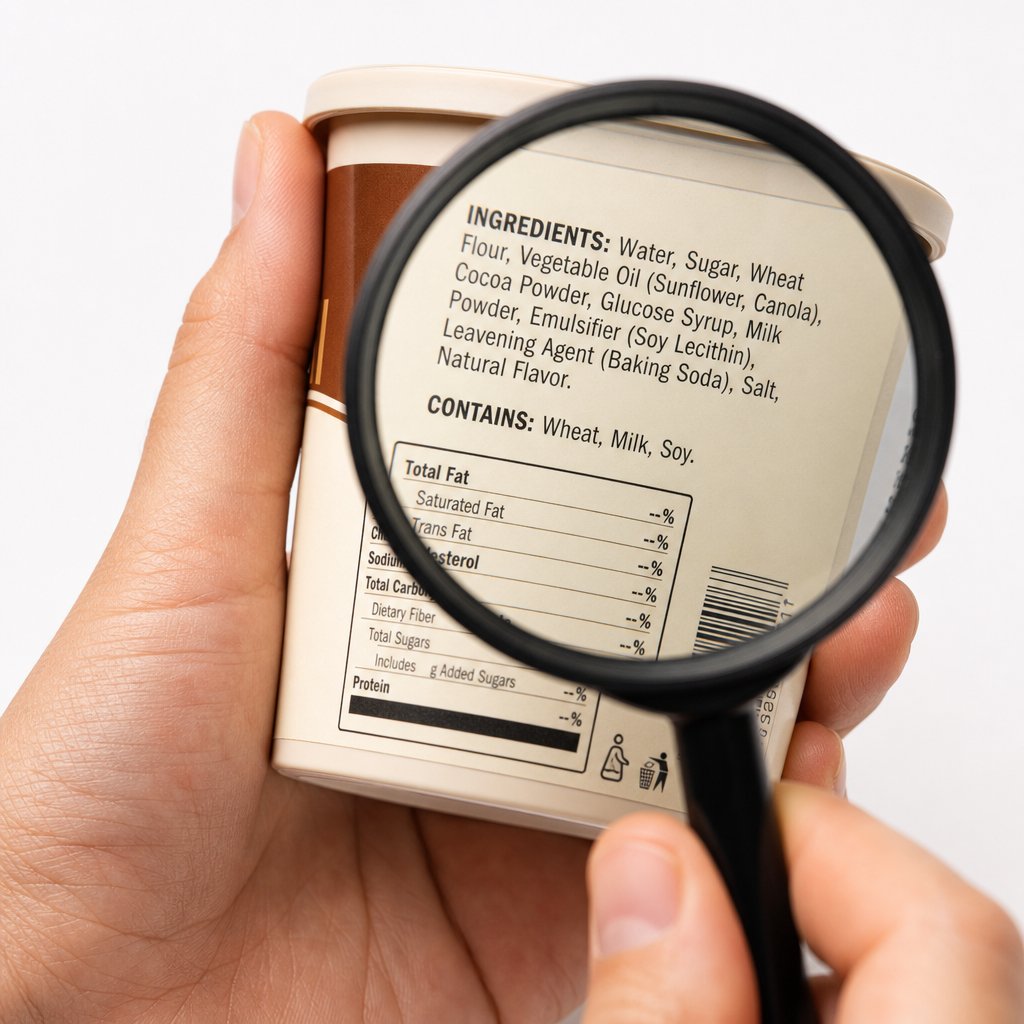
Is there gluten in baking powder you already own? The ingredient list holds the answer, but you need to know what to look for. Some terms are obvious. Others are deliberately vague.
A straightforward label will say "cornstarch" or "potato starch," and you can move on with confidence. The trouble starts when labels use less specific language. In the United States, FDA labeling rules require wheat to be declared as an allergen. But in other markets, or on imported products, the rules differ. A product might simply list "starch" without identifying the plant source.
Watch for these terms on baking powder labels:
- Wheat starch: The clearest indicator. This product contains gluten unless it is specifically labeled as gluten-free Codex wheat starch, which is rare in baking powder.
- Modified starch (source unspecified): "Modified" refers to how the starch was processed, not what plant it came from. Without a source declaration, this could be wheat-derived.
- Starch (no source listed): If the label simply says "starch" with no qualifier, treat it as a potential wheat product until you can confirm otherwise with the manufacturer.
Think of it as a simple decision tree. You see the word "starch" on the label. Is it followed by a specific source like corn, potato, or tapioca? If yes, and that source is not wheat, you are safe. If no source is specified, or if the source is wheat, put it back.
Does baking powder have gluten in it if the label says "contains wheat" in the allergen statement? Yes, always. That allergen declaration exists precisely to catch situations where the ingredient name alone might not be clear enough. In the US, the Food Allergen Labeling and Consumer Protection Act requires manufacturers to identify wheat in plain language, either in the ingredient list or in a separate "contains" statement.
One more nuance worth noting: is all baking powder gluten free if it uses cornstarch? Not necessarily. The formula might be wheat-free, but cross-contamination during manufacturing can introduce trace gluten. A product made with cornstarch on a shared production line with wheat-containing products still carries risk for highly sensitive individuals. The ingredient list tells you what went into the formula intentionally. It does not always tell you what else might be present at trace levels.
Processing does not eliminate the baking powder gluten concern either. Unlike distilled spirits, where the distillation process removes gluten peptides, baking powder undergoes no such transformation. The starch is blended in dry form with the acid and base. If wheat starch goes in, wheat proteins remain in the finished product. Heat, mixing, and packaging do nothing to break down or remove those proteins.
For anyone managing celiac disease, the safest approach is to choose products that explicitly state their starch source on the label and, ideally, carry a third-party gluten-free certification. That certification tells you the product has been independently tested, not just formulated without wheat.
Gluten-Free Baking Powder Brands You Can Trust
Knowing what to look for on a label is one thing. Knowing which brands of baking powder actually pass the test saves you time in the grocery aisle. The good news is that most major US brands formulate with cornstarch and are safe by default. The better news is that several go a step further with independent certification, giving you documented proof rather than just a clean ingredient list.
Certified Gluten-Free Baking Powder Brands
Not all gluten-free claims carry the same weight. Some products are simply made without wheat ingredients. Others have been independently tested and verified by third-party organizations. Here is how the most common baking powder gluten free brands break down across US and UK markets.
| Brand | Starch Base | Certification Status | Market Availability |
|---|---|---|---|
| Bob's Red Mill | Cornstarch | Certified gluten free (tested to < 20 ppm) | US, limited UK |
| Rumford | Cornstarch | Labeled gluten free (no third-party certification) | US |
| Clabber Girl | Cornstarch | Labeled gluten free (no third-party certification) | US |
| Argo | Cornstarch | Labeled gluten free (no third-party certification) | US |
| Dr. Oetker | Varies by product (cornstarch or wheat starch) | Some products certified; check regional formulation | UK, EU, US |
A few things stand out. Is Argo baking powder gluten free? Yes. It uses cornstarch and carries a gluten-free label, though it does not hold a third-party certification seal. For most people avoiding gluten, that formulation is perfectly safe. For someone with celiac disease who wants the extra assurance of independent lab testing, Bob's Red Mill is the stronger choice among widely available US brands.
Dr. Oetker deserves special attention because its formulations vary by country. Products sold in the UK and parts of Europe have historically used wheat starch in some lines, while US versions typically use cornstarch. Always check the specific package in your hand rather than assuming consistency across markets.
Brands with certified gluten-free status:
- Bob's Red Mill (tested and verified gluten free)
- Hain Pure Foods Featherweight (aluminum-free, certified gluten free)
Brands that are wheat-free by formulation but lack third-party certification:
- Rumford (cornstarch-based, no certification seal)
- Clabber Girl (cornstarch-based, no certification seal)
- Argo (cornstarch-based, no certification seal)
- Davis (cornstarch-based, no certification seal)
Understanding Certification vs Label Claims
Imagine two cans of baking powder side by side. Both say "gluten free" on the front. One also carries a small circular logo from a certification body. What is the actual difference?
A manufacturer's own gluten-free label claim means the company states its product meets the regulatory threshold. In the US, the FDA defines gluten free as containing less than 20 ppm of gluten. The manufacturer is responsible for ensuring compliance, but no independent lab has necessarily verified the claim on an ongoing basis.
A third-party certification adds a layer of accountability. The two most recognized programs in North America are the Gluten-Free Certification Organization (GFCO) and the Celiac Support Association (CSA). GFCO requires products to test below 10 ppm of gluten, which is stricter than the FDA's 20 ppm threshold. CSA goes even further, certifying products at less than 5 ppm. Both programs involve regular audits, facility inspections, and batch testing rather than a one-time check.
What does this mean practically? If you are managing celiac disease and want the highest confidence in your gluten free baking powder brands, look for the GFCO or CSA seal on the package. These certifications confirm that the product has been tested repeatedly and consistently falls well below the level that triggers immune responses in most celiac patients.
For someone with mild gluten sensitivity, a manufacturer's label claim on a cornstarch-based product like Rumford or Clabber Girl is likely sufficient. The formula contains no wheat ingredients, and the risk is minimal. But for anyone who reacts to trace amounts, certification is not just marketing. It represents a measurable, verified standard backed by independent testing protocols.
The distinction between a safe formula and a certified safe product becomes especially relevant when you consider what happens during manufacturing. A baking powder might contain only cornstarch, baking soda, and acid salts, yet still pick up trace gluten from shared equipment or facility air handling systems. Certification programs account for these production realities in ways that a simple label claim does not.
Baking Soda and Gluten Safety Compared
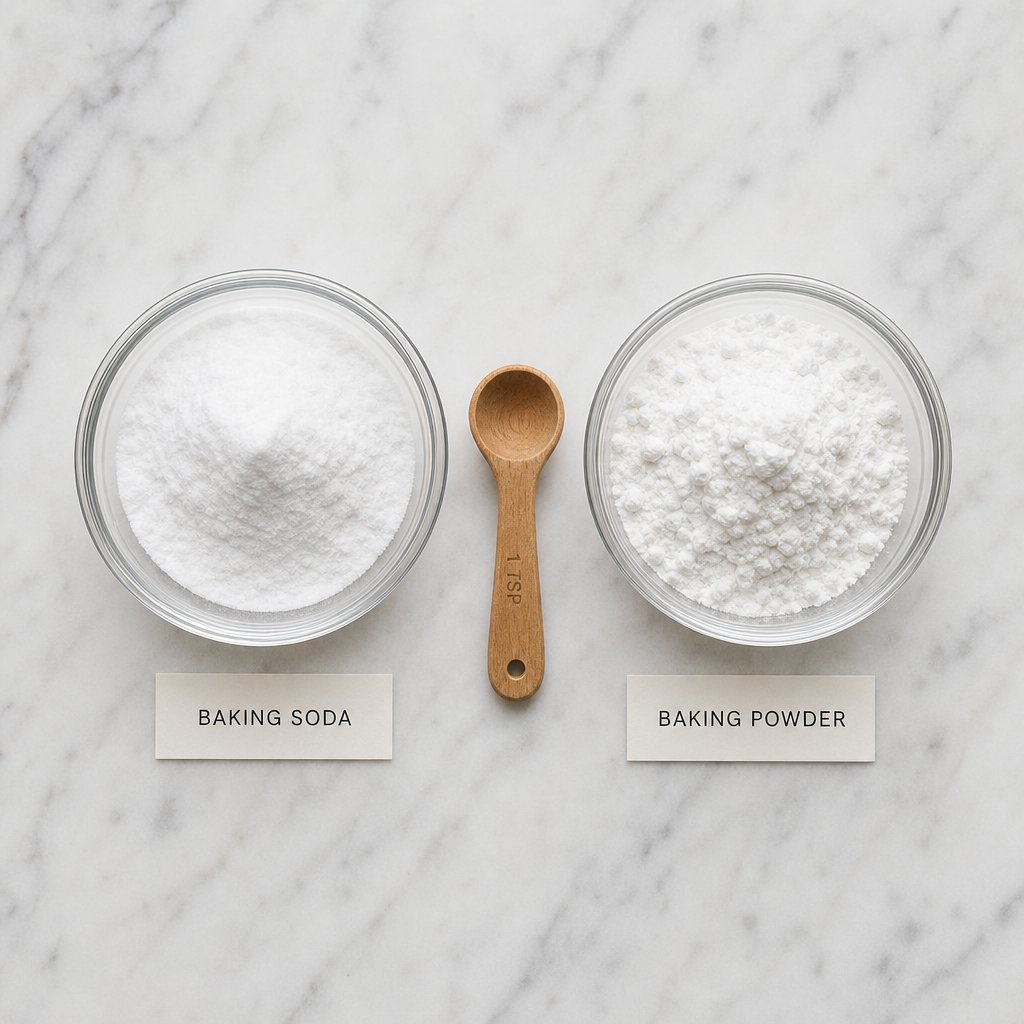
Baking powder gets all the scrutiny, but the question people ask almost as often is: is baking soda gluten free? The answer here is far simpler, and it comes down to ingredient count. Baking soda is a single-ingredient product. There is no starch filler, no acid component, no buffer. Just pure sodium bicarbonate, a mineral compound with zero connection to wheat, barley, or rye.
That simplicity is exactly why baking soda rarely raises gluten concerns. There is nothing in the formula for gluten to hide behind.
Is Baking Soda Always Gluten Free
Pure baking soda is sodium bicarbonate and nothing else. It is mined from trona ore, a naturally occurring mineral, and refined into the fine white powder you find in boxes and bags at the store. Because it contains no grains, no starch, and no additives, it is inherently gluten free regardless of brand.
So does baking soda contain gluten? No. Not in its pure form. The compound itself has no biological relationship to wheat proteins. Unlike baking powder, which requires a starch buffer to prevent premature chemical reactions, baking soda is stable on its own. It only activates when it encounters an acid in your recipe, so there is no need for a moisture-absorbing filler to keep it shelf-stable.
Is Arm & Hammer baking soda gluten free? Yes. Arm and Hammer baking soda is pure sodium bicarbonate without any added ingredients. However, it is worth noting that the product is not officially certified gluten free by a third-party organization like GFCO. The company takes precautions during production, but does not carry the certification seal that some celiac consumers look for.
For most people, this distinction is academic. A single-ingredient mineral product processed in dedicated facilities presents virtually no cross-contamination risk. But if you have severe celiac disease and want documented verification, gluten free baking soda brands like Bob's Red Mill offer products that are specifically labeled and tested as gluten free.
Why do most baking soda brands skip certification entirely? Because the economics do not justify it. Certification programs involve ongoing audits, batch testing, and facility inspections. For a product that contains one ingredient with no gluten-related raw materials anywhere in the production process, the contamination risk is so low that certification adds cost without meaningful safety improvement. The situation is fundamentally different from baking powder, where multiple ingredients and shared manufacturing lines create genuine opportunities for gluten introduction.
Baking Powder vs Baking Soda for Gluten-Free Baking
These two leaveners sit next to each other on the shelf and sound almost interchangeable, but they work through completely different mechanisms. Understanding that difference matters for both gluten safety and baking success.
Baking soda is a base. It needs an acidic ingredient already present in your recipe, such as buttermilk, yogurt, lemon juice, or brown sugar, to trigger a reaction and produce carbon dioxide gas. No acid in the recipe means no rise. As King Arthur Baking explains, baking soda reacts instantly once it contacts an acid, which means batters need to go into the oven quickly before the gas escapes.
Baking powder is self-contained. It already includes both the base and the acid, plus a starch buffer. Add liquid, and the reaction starts on its own without needing anything else from your recipe. Double-acting versions react a second time when heat is applied in the oven, giving you more flexibility with timing.
You cannot substitute one for the other at a 1:1 ratio. Baking soda is roughly three times stronger than baking powder. If a recipe calls for 1 teaspoon of baking powder and you only have baking soda, you would use about 1/4 teaspoon of baking soda plus 1/2 teaspoon of an acid like cream of tartar. Going the other direction, replacing 1 teaspoon of baking soda requires approximately 3 teaspoons of baking powder, which can introduce a bitter taste from the excess acid salts.
| Factor | Baking Powder | Baking Soda |
|---|---|---|
| Gluten Risk | Possible (depends on starch type) | None (single ingredient, no starch) |
| Composition | Base + acid + starch buffer | Sodium bicarbonate only |
| Activation Method | Self-activating with liquid (and heat for double-acting) | Requires an acid in the recipe |
| Substitution Ratio | 3 tsp baking powder = 1 tsp baking soda | 1/4 tsp baking soda + 1/2 tsp acid = 1 tsp baking powder |
| Certification Needed | Yes (multi-ingredient, starch variable) | Rarely (single ingredient, minimal risk) |
For gluten-free baking specifically, both baking soda and baking powder play important roles. Gluten-free flours tend to be denser than wheat flour and benefit from extra leavening help. Many gluten-free recipes call for both leaveners together: baking powder provides the primary lift, while baking soda neutralizes acidic ingredients and contributes additional rise. The key difference from a safety standpoint is that baking soda is always gluten free by nature, while baking powder requires you to verify the starch source every time you buy a new brand or product.
The practical takeaway is straightforward. Does baking soda have gluten? Never, in its pure form. Does baking powder? Only if it contains wheat starch. Both are essential tools in gluten-free baking, but only one demands label vigilance. Keep that distinction in mind, and you will never accidentally introduce gluten through your leavening agents.
Of course, choosing the right leavener is only part of the equation. The starch that buffers your baking powder also subtly influences how your baked goods behave, from moisture retention to how they brown in the oven.
How Different Starch Bases Change Your Baking
You have confirmed your gluten-free baking powder uses a safe starch. But have you ever wondered whether the type of starch, cornstarch versus potato starch versus tapioca starch, actually changes how your baked goods turn out? Each starch behaves differently when exposed to moisture and heat, and those differences ripple through your final product in subtle ways.
How Starch Type Affects Your Baking Results
Every starch absorbs moisture at a different rate and gelatinizes at a different temperature. In the context of baking powder, the starch is present in small quantities, typically around 25-30% of the total formula. That limited amount means the functional differences between starches are minimal for everyday home baking. A batch of muffins made with cornstarch-based baking powder will taste virtually identical to one made with a potato starch-based version.
The differences become more noticeable at scale. As Baking Business notes, starch functionality in baked goods "provides viscosity control, retains volume and structure, controls stickiness, provides binding and moisture retention, and extends the shelf life by controlling staling." When a commercial bakery produces thousands of units daily, even small variations in moisture absorption or heat response compound across batches.
Here is how the three most common gluten-free starches compare when used as the buffer in baking powder:
| Property | Cornstarch | Potato Starch | Tapioca Starch |
|---|---|---|---|
| Moisture Absorption | Moderate; consistent and predictable | High; absorbs more moisture per gram | Moderate to high; absorbs quickly |
| Heat Stability | Stable at typical baking temperatures; freeze-thaw stable | Lower gelatinization temperature; can break down under prolonged heat | Stable under heat; maintains structure well |
| Flavor Neutrality | Very neutral; no detectable taste | Neutral; no potato flavor | Neutral to slightly sweet in large quantities |
| Shelf Life Impact | Excellent long-term stability as a moisture buffer | Good stability; slightly more sensitive to humidity | Good stability; performs well in sealed containers |
Cornstarch dominates the gf baking powder market for good reason. It is inexpensive, flavor-neutral, and performs reliably as a moisture buffer across a wide range of storage conditions. Its freeze-thaw stability also means baking powder stored in cold environments, like a garage pantry in winter, stays consistent.
Potato starch absorbs more moisture per gram, which can be an advantage in humid climates where baking powder is more vulnerable to premature activation. However, as Everyday Gluten Free Gourmet points out, potato starch has a lower gelatinization temperature than cornstarch. In baking powder this rarely matters since the starch is not meant to gelatinize, but it does mean potato starch-based products may behave slightly differently if exposed to heat during shipping or storage.
Tapioca starch brings a unique property: elasticity. In larger quantities it gives baked goods a chewy, stretchy texture. Inside baking powder, the amount is too small to produce that effect. But for brands formulating specialty gluten-free baking mixes where the baking powder is pre-blended with flour, the cumulative starch profile starts to matter. Tapioca starch can contribute to a slightly more cohesive crumb structure when combined with other tapioca-containing ingredients in the same recipe.
For home bakers asking is baking powder gf and safe to use, the starch type is a safety question first and a performance question second. You will not taste the difference between a cornstarch-based and potato starch-based baking powder in a standard recipe. The quantity is simply too small to influence texture, rise, or flavor in any meaningful way.
Shelf Life and Storage Considerations
Baking powder does not last forever, and the starch component plays a role in how quickly it degrades. The starch's primary job is absorbing ambient moisture so the acid and base stay separated. Once the starch becomes saturated, it can no longer protect the reactive ingredients, and the powder slowly loses potency.
Most commercial baking powder, regardless of starch type, remains effective for 9 to 12 months after opening. Unopened containers typically last 18 months to 2 years. These timelines assume proper storage conditions.
Practical storage tips to maximize shelf life:
- Keep the container sealed tightly after every use. Exposure to kitchen humidity is the primary cause of premature degradation.
- Store in a cool, dry location away from the stove, dishwasher, or any heat source. Temperature fluctuations accelerate moisture absorption.
- Avoid dipping wet measuring spoons into the container. Even a small amount of liquid triggers a localized reaction that reduces overall potency.
- Do not refrigerate or freeze baking powder. The temperature cycling when you remove and return the container creates condensation inside the can.
Potato starch-based baking powders may be slightly more sensitive to humidity because of their higher moisture absorption capacity. In very humid environments, they can reach saturation faster than cornstarch-based alternatives. Tapioca starch falls somewhere in between. For most kitchens with reasonable climate control, these differences are negligible.
A quick freshness test works regardless of starch type: drop a teaspoon of baking powder into a cup of hot water. Active powder will bubble vigorously and immediately. Weak or expired powder produces little to no reaction. If yours fails the test, replace it. No amount of extra scoops will compensate for a product that has already spent its reactive potential absorbing moisture on the shelf.
Starch choice, storage habits, and shelf life all fall within your control as a home baker. Manufacturing conditions, however, introduce a different kind of variable, one that even the cleanest ingredient list cannot fully address on its own.

Cross-Contamination Risks and Manufacturing Standards
A clean ingredient list is not the full story. You can pick up a can of baking powder, read "cornstarch, sodium bicarbonate, sodium aluminum sulfate" on the back, and still face a gluten risk that has nothing to do with the formula itself. The risk lives in the factory, not the recipe.
Does baking powder contain gluten if the formula is wheat-free but the production line is not? Potentially, yes. Cross-contamination during manufacturing is a real concern, and it is the reason certified gluten free baking powder exists as a distinct category from products that are merely formulated without wheat.
Shared Facility Risks for Celiac Consumers
When you see "manufactured in a facility that also processes wheat" on a label, what does that actually mean for your body? It means the equipment that blends, fills, and packages your baking powder may also handle wheat-containing products during other production runs. Residual flour dust in the air, traces left on conveyor belts, shared hoppers and blending vessels: all of these create pathways for gluten to enter an otherwise safe product.
A 2024 review published in Nutrients found that cross-contamination can occur at any step of the food production chain, from raw ingredient handling to final packaging. The research noted that roughly 50% of celiac patients on a gluten-free diet still show signs of persistent inflammation, often linked to unintentional gluten ingestion through contaminated foods. Shared environments and equipment were identified as contributing factors, though the review also found that appropriate protocols and staff training can minimize the risk significantly.
For baking powder specifically, the concern is airborne particulates. Wheat flour and wheat starch are fine powders that become aerosolized easily during handling. As CRB Group's food manufacturing guidance explains, airborne allergens "can travel long distances" within a facility, and proper air management is critical to preventing cross-contamination. A baking powder production line running in the same room, or even the same building, as a wheat-based product line faces contamination risk through shared air handling systems alone.
The practical implication? A baking powder and gluten interaction can happen even when no wheat ingredient was intentionally added. For someone with celiac disease, where gluten intake as low as 10 mg per day can cause intestinal damage, trace contamination from shared facilities is not a theoretical concern. It is a measurable health risk.
How Dedicated Manufacturing Protects Gluten-Free Integrity
The solution is physical separation. Dedicated manufacturing lines, isolated production rooms, and controlled air handling systems create barriers between gluten-containing and gluten-free products. This is exactly what third-party certification programs like GFCO verify during their annual facility audits. Their 80-step verification process checks not just the ingredient list but the entire production environment, including equipment sanitation, air pressure differentials, personnel movement, and batch testing protocols.
Modern allergen-controlled facilities use several layers of protection:
- Segregated production lines: Equipment dedicated exclusively to gluten-free products, never shared with wheat-containing formulations.
- Pressurized clean rooms: Higher air pressure in allergen-free zones prevents contaminated air from flowing in from adjacent areas.
- Personnel controls: Workers moving from gluten-containing areas cannot enter clean zones without changing garments and following decontamination protocols.
- Batch testing: Finished products are tested using ELISA methods to confirm gluten levels remain below detectable thresholds before release.
These controls are standard practice for manufacturers producing certified gluten free baking powder and other allergen-sensitive powder products. The investment in dedicated infrastructure is what separates a product carrying a certification seal from one that simply lists safe ingredients.
For brands developing gluten-free baking mixes, powder supplements, or functional food products, this level of manufacturing control is not optional. It is the baseline requirement for earning consumer trust and meeting certification standards. OEM/ODM health food manufacturers like ZhuFeng address this need by offering dedicated powder and granule production lines with allergen segregation protocols built into the facility design. Their scalable production model allows nutrition brands and private label sellers to develop custom gluten-free powder formulations without the capital investment of building their own certified facility.
The gap between a safe formula and a safe product is bridged by manufacturing discipline. Ingredients tell you what was intended. Certification tells you what was achieved. For anyone who reacts to trace gluten, that distinction is the difference between confidence and risk every time they reach for the baking powder.
Make Your Own Gluten-Free Baking Powder at Home
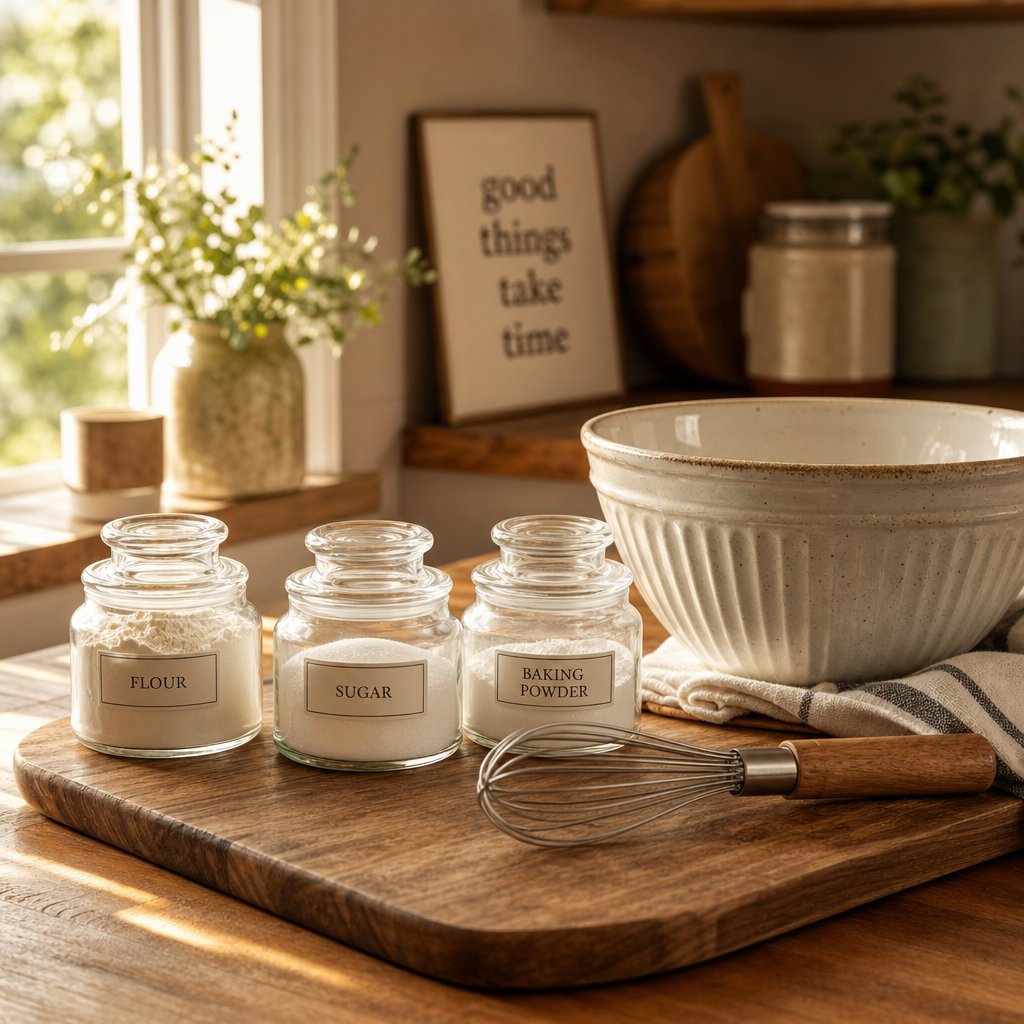
Certified products and dedicated manufacturing lines offer peace of mind, but there is an even simpler way to guarantee your baking powder is completely gluten free: make it yourself. Three pantry staples, a bowl, and about two minutes of your time produce a leavening agent you can trust completely because you control every ingredient that goes into it.
Is baking powder and baking soda gluten free when you source them yourself? Absolutely. Pure baking soda is a single mineral compound, cream of tartar is derived from winemaking, and cornstarch comes from corn. None of these ingredients have any connection to wheat, barley, or rye. When you combine them at home, you eliminate the starch ambiguity and the shared-facility risk in one step.
The Perfect Homemade Baking Powder Ratio
The standard ratio for homemade baking powder is 2 parts cream of tartar, 1 part baking soda, and 1 part starch. This produces a single-acting leavening agent that works as a direct 1:1 replacement for store-bought baking powder in any recipe.
Why does this ratio work? Cream of tartar (potassium bitartrate) is the acid. Baking soda (sodium bicarbonate) is the base. When they meet liquid in your batter, the acid donates a hydrogen ion to the base, triggering a reaction that releases carbon dioxide gas. That gas gets trapped in your batter, creating the bubbles that make cakes rise and muffins dome. The 2:1 acid-to-base ratio ensures complete neutralization, meaning neither excess acid nor excess base remains to leave an off-taste in your finished product.
The starch serves the same purpose here as it does in commercial formulations: it absorbs ambient moisture and prevents the acid and base from reacting prematurely in storage. Without it, humidity in your kitchen would slowly trigger the reaction inside the jar, leaving you with flat baking powder before you ever use it.
Here is how to make a batch:
- Measure your ingredients. For a small batch equivalent to about 1 tablespoon of baking powder, combine 1 teaspoon cream of tartar, 1/2 teaspoon baking soda, and 1/2 teaspoon cornstarch.
- Whisk or stir thoroughly. Use a small bowl or jar and mix until the powders are completely uniform in color and texture. Uneven blending can cause inconsistent rise in your baking.
- Use immediately or store in an airtight container. If baking right away, add the powder to your dry ingredients as the last step before combining with wet ingredients. If storing, transfer to a sealed glass jar and keep in a cool, dry spot.
- Bake promptly after mixing into batter. Homemade baking powder is single-acting, meaning it reacts as soon as it contacts liquid. Unlike double-acting commercial versions, there is no second heat-triggered reaction in the oven. Get your batter into the pan and into the oven without unnecessary delay.
For a larger batch that lasts through multiple baking sessions, scale up while keeping the ratio constant. A convenient volume to prepare is 4 tablespoons cream of tartar, 2 tablespoons baking soda, and 2 tablespoons cornstarch. This yields roughly half a cup of baking powder, enough for several weeks of regular baking.
Want to avoid corn entirely? Swap the cornstarch for arrowroot powder or tapioca starch at the same 1:1 measurement. As A Modern Homestead notes, arrowroot works identically to cornstarch in this application and is a reliable option for anyone with a corn allergy or sensitivity. You can also skip the starch altogether if you plan to use the baking powder immediately. Without starch, the mixture is only 3/4 teaspoon per 1 teaspoon called for in a recipe, since the starch contributes volume but no leavening power.
Are baking soda and baking powder gluten free when made this way? Yes, without question. Every component is naturally free of gluten proteins, and you have full visibility into what went into the blend. No shared equipment, no ambiguous labels, no wheat starch hiding behind vague terminology.
Testing Freshness and Scaling for Your Needs
Homemade baking powder lacks the commercial stabilizers that extend shelf life in store-bought versions. Without those additives, expect your DIY blend to remain fully active for approximately 2 to 4 weeks when stored in a sealed container. After that window, potency begins to decline as the starch gradually absorbs enough moisture to trigger slow, low-level reactions between the acid and base.
Before using any baking powder, whether homemade or commercial, that has been sitting for a while, run a quick freshness test. This takes ten seconds and saves you from a flat, dense bake.
Drop 1 teaspoon of baking powder into 1/3 cup of hot water. If it bubbles and fizzes vigorously and immediately, the powder is active and ready to use. If the reaction is weak or absent, discard the batch and make a fresh one.
As RecipeTin Eats points out, baking powder can lose its rising power even before its expiration date due to heat, humidity, and improperly sealed containers. This applies doubly to homemade versions that lack commercial moisture barriers. Testing before every bake is a habit worth building.
Tips for frequent bakers who want to keep homemade baking powder on hand:
- Make smaller batches more often rather than one large batch that sits for weeks. A 2-tablespoon batch takes seconds to prepare and stays fresh longer.
- Label your container with the date you mixed it. After 3 to 4 weeks, test before using or simply make a new batch.
- Store with a silica gel packet inside the jar (not touching the powder) to absorb excess humidity and extend active life.
- Keep cream of tartar and baking soda stocked as permanent pantry staples. Both have long shelf lives on their own, over a year for cream of tartar and indefinitely for baking soda, making them always ready for a fresh mix.
Is baking soda and baking powder gluten free when you scale this recipe for larger projects? The answer stays the same regardless of batch size. The chemistry does not change, and the ingredients remain inherently free of gluten at any volume. Whether you are mixing a teaspoon for a single recipe or a cup for a week of baking, the safety profile is identical.
For home bakers, this DIY approach offers complete control and confidence. For businesses or brands looking to develop custom gluten-free baking mixes or functional food powders at commercial scale, the jump from kitchen jar to production line requires a different kind of infrastructure. OEM/ODM manufacturers like ZhuFeng specialize in exactly this transition, offering customized powder and granule formulation with scalable production, allergen-controlled environments, and the capacity to bring a recipe from prototype to market-ready product. If you have developed a gluten-free blend that works in your kitchen and want to turn it into a brand, that is the path from DIY to distribution.
Either way, the core principle holds. Are baking powder and baking soda gluten free? In their pure forms, always. The only variable is what else gets added or introduced along the way. Control the starch, control the environment, and you control the answer.
Frequently Asked Questions About Baking Powder and Gluten
1. Can celiacs safely use any baking powder from the grocery store?
Not all baking powder is safe for celiacs. While most US brands like Rumford, Clabber Girl, and Argo use cornstarch and are wheat-free, they may lack third-party certification verifying gluten levels below 10 or 20 ppm. For maximum safety, celiacs should choose certified gluten-free brands like Bob's Red Mill, which undergoes independent batch testing. Products from European markets, particularly some Dr. Oetker formulations, may contain wheat starch, so always check the specific package rather than assuming safety based on brand name alone.
2. What is the difference between gluten-free labeled and certified gluten-free baking powder?
A gluten-free label means the manufacturer claims the product meets the FDA threshold of less than 20 ppm gluten, but no independent lab necessarily verified this. Certified gluten-free products carry seals from organizations like GFCO (testing below 10 ppm) or CSA (below 5 ppm), which conduct regular facility audits, batch testing, and production line inspections. Certification accounts for cross-contamination risks during manufacturing that a simple label claim does not address, making it the stronger assurance for highly sensitive individuals.
3. Is homemade baking powder better for a gluten-free diet than store-bought?
Homemade baking powder gives you complete control over ingredients and eliminates shared-facility contamination risk. Mix 2 parts cream of tartar, 1 part baking soda, and 1 part cornstarch for a reliable single-acting leavener. The tradeoff is shorter shelf life of 2 to 4 weeks versus 9 to 12 months for commercial versions, and single-acting behavior means batters must go into the oven quickly. For occasional bakers or those with extreme sensitivity, homemade is ideal. For frequent bakers, a certified commercial product offers more convenience.
4. Does the type of starch in baking powder affect how my gluten-free baked goods turn out?
For home baking, the difference is negligible. Baking powder contains only about 25-30% starch, and at the small quantities used per recipe, cornstarch, potato starch, and tapioca starch perform almost identically. Cornstarch offers the most consistent moisture buffering and freeze-thaw stability. Potato starch absorbs more moisture per gram, which can help in humid climates. Tapioca starch adds slight elasticity. These distinctions matter more at commercial production scale where small variations compound across thousands of units.
5. Can baking powder become contaminated with gluten even if wheat is not in the ingredients?
Yes. Cross-contamination during manufacturing is a documented risk. Shared production lines, airborne wheat flour particles, and common equipment like blending vessels and conveyor belts can introduce trace gluten into otherwise wheat-free products. Labels stating 'manufactured in a facility that also processes wheat' signal this risk. For brands developing gluten-free powder products commercially, working with manufacturers that maintain dedicated allergen-controlled production lines, like ZhuFeng's OEM/ODM facilities, ensures the finished product meets certified gluten-free standards through physical separation and batch testing protocols.