


Yes, Calcium Tablets Can Constipate You and Here Is How to Fix It
If you have been wondering whether your calcium supplement is behind those sluggish, uncomfortable bowel movements, the answer is straightforward: yes, calcium tablets can cause constipation. But the full picture is more nuanced than a simple yes or no. How severely it affects you depends on the form of calcium you are taking, how much you take at once, and a handful of individual factors like your hydration, diet, and other medications.
Calcium carbonate is the form most commonly linked to digestive trouble. It is the active ingredient in popular brands like Caltrate and many store-brand supplements. A 2018 research review found that calcium carbonate is frequently associated with constipation, bloating, and abdominal discomfort. And if you have ever reached for Tums to settle heartburn and noticed things slowing down afterward, that is the same compound at work. Does Tums cause constipation? It absolutely can, since its active ingredient is calcium carbonate, and constipation is its most commonly reported side effect.
The Short Answer About Calcium and Constipation
Calcium supplements, particularly calcium carbonate, slow gut motility by tightening smooth muscle contractions in the colon and promoting water reabsorption. The result is harder, drier stool that moves through your system more slowly.
This is not a rare or fringe side effect. A review of seven randomized controlled trials identified constipation as one of the most frequently reported complaints among calcium supplement users. The National Institutes of Health also acknowledges that calcium might cause constipation in some people, though not everyone experiences it to the same degree.
Why This Guide Takes a Different Approach
Most resources on this topic either explain the problem and stop there, or jump straight to pushing a specific product. This guide does neither. Instead, it walks you through a sequential decision framework, step by step, so you can pinpoint the cause, adjust your regimen with precision, and know exactly when it is time to talk to a healthcare provider.
One angle that nearly every other article overlooks is the compounding effect of concurrent supplements and medications. If you are stacking calcium with iron supplements, opioid pain relievers, or antacids, your constipation risk multiplies. Many people also ask, does vitamin D cause constipation? Vitamin D on its own is not a direct culprit, but it enhances calcium absorption, which can amplify the constipating effects of your calcium tablet. Whether you are wondering does vitamin D make u constipated or whether can vitamin D cause constipation at higher doses, the interaction between these two nutrients is a critical piece of the puzzle that most guides skip entirely.
Here is what you will walk away with by the end of this guide:
- A clear method to confirm that calcium is actually causing your constipation, not something else in your routine
- Specific dose and timing adjustments that reduce unabsorbed calcium in your gut
- A side-by-side comparison of calcium forms so you can switch to a gentler option
- Counterbalancing strategies using magnesium, fiber, and dietary calcium sources
- Population-specific guidance for older adults, pregnant women, and people on multiple medications
- Red flags that signal when professional help is needed
The fix often comes down to changing one thing, the form of calcium you take. But getting there requires ruling out other factors first, and that is exactly where this guide begins.
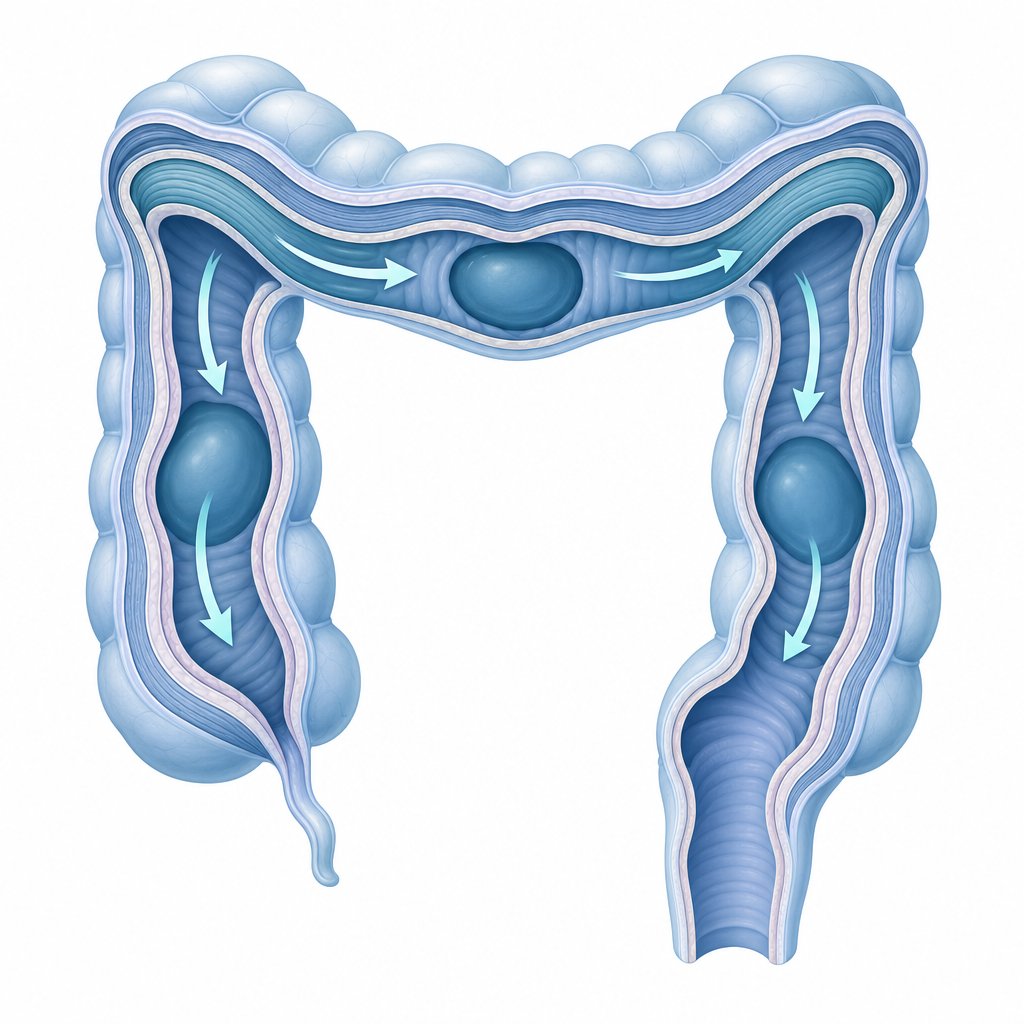
Step 1: Understand Why Calcium Causes Constipation in the First Place
Knowing that calcium tablets can slow things down is one thing. Understanding exactly how they do it gives you the leverage to fix the problem. The mechanism is not complicated once you break it down, and it explains why some forms of calcium are far worse offenders than others.
How Calcium Slows Down Your Digestive Tract
Your digestive system moves food through a process called peristalsis, a coordinated wave of muscle contractions that pushes contents from your stomach all the way to your rectum. These contractions depend on smooth muscle cells lining the walls of your intestines, and those muscle cells rely on tightly regulated calcium signaling to contract and relax in rhythm.
Here is where the problem starts. When you take a calcium supplement, not all of it gets absorbed in the small intestine. The leftover, unabsorbed calcium travels into the colon, where it interacts directly with smooth muscle cells. Excess calcium ions in the intestinal lumen can disrupt the normal contraction-relaxation cycle that drives peristalsis. Research on gastrointestinal motility shows that L-type voltage-dependent calcium channels are a primary mechanism through which gut smooth muscle cells achieve excitation-contraction coupling. When free calcium floods the colonic environment from an unabsorbed supplement, it interferes with this finely tuned signaling.
Excess unabsorbed calcium in the colon tightens smooth muscle tone and promotes water reabsorption, producing harder, drier stool that moves sluggishly through the large intestine.
The water piece matters just as much as the muscle piece. Calcium ions in the colon draw water out of the stool and back into the intestinal wall through osmotic shifts. Less water in the stool means a firmer, more compact mass that your colon struggles to push along. Peristaltic waves in the large intestine already occur only about two to four times per day, so any additional slowdown becomes noticeable fast.
Why Calcium Carbonate Is Worse Than Other Forms
Not every calcium supplement does calcium cause constipation at the same rate. Calcium carbonate is the worst offender, and the reason comes down to chemistry.
Calcium carbonate requires an acidic environment to dissolve and be absorbed. That means it depends heavily on your stomach acid. If you take it on an empty stomach, or if your stomach acid production is lower than average, a significant portion of that calcium passes through your small intestine without being absorbed. It then arrives in the colon intact, where it triggers the muscle-tightening and water-absorbing effects described above.
Calcium citrate, by contrast, dissolves independently of stomach pH. A randomized crossover study published in Obesity Surgery demonstrated that calcium citrate produced significantly higher serum calcium levels and greater PTH suppression compared to calcium carbonate, confirming its superior bioavailability. Because more calcium citrate actually gets absorbed in the small intestine, less of it reaches the colon to cause trouble. This is the core reason can calcium cause constipation more often with carbonate formulations than with citrate.
Several factors make this absorption gap even wider:
- Older adults naturally produce less stomach acid, reducing calcium carbonate absorption further
- People taking proton pump inhibitors or H2 blockers for acid reflux have suppressed stomach acid, compounding the problem
- Taking calcium carbonate between meals, when stomach acid is at its lowest, leaves even more unabsorbed calcium heading toward the colon
Mayo Clinic notes that all varieties of calcium supplements are better absorbed when taken in small doses of 500 mg or less, typically with a meal. For calcium carbonate specifically, pairing it with food is not optional; it is essential for minimizing the amount of unabsorbed calcium that ends up causing digestive issues.
The Vitamin D Connection Most People Miss
Open any calcium supplement bottle and you will likely see vitamin D listed on the label. Manufacturers add it because vitamin D enhances calcium absorption in the small intestine, and that pairing is well supported by research. But this creates a layered interaction that most people never think about.
On one hand, vitamin D helps your body pull more calcium out of the supplement and into your bloodstream before it reaches the colon. In theory, this should reduce constipation risk by leaving less unabsorbed calcium behind. On the other hand, some people wonder: will vitamin D3 cause constipation on its own? At standard supplemental doses, vitamin D3 is unlikely to cause constipation directly. At very high doses, however, vitamin D can raise blood calcium levels excessively, a condition called hypercalcemia, which itself can slow gut motility.
The practical takeaway is this: vitamin D in your calcium supplement is generally helpful, not harmful, for digestive comfort. It improves absorption efficiency, meaning less calcium waste in the colon. The risk only shifts if you are taking high-dose vitamin D separately on top of a calcium supplement, pushing total intake well beyond recommended levels. If you are supplementing both, tracking your combined dosage matters more than most people realize.
With the mechanism clear, the next logical question is whether calcium is actually the thing causing your constipation, or whether something else in your routine deserves the blame. Can tums cause constipation? Absolutely. Can an iron supplement do the same? Just as easily. Sorting out the real culprit is the critical step before making any changes to your regimen.
Step 2: Confirm That Calcium Is Actually Causing Your Constipation
Jumping straight to switching supplements or adjusting doses makes sense only if calcium is genuinely the problem. Constipation has dozens of potential triggers, and many of them overlap with the same lifestyle changes that lead people to start a calcium supplement in the first place. Before you change anything, you need a reliable way to isolate the cause.
Rule Out Other Common Constipation Triggers
Calcium gets blamed quickly because the timing often lines up: you start a supplement, and within days your bowel habits shift. But correlation is not confirmation. Several other factors can cause or worsen constipation at the same time, and overlooking them means you might switch your calcium form for nothing.
Run through this checklist before pointing the finger at your calcium tablet:
- Iron supplements: Oral iron is a well-known cause of drug-induced constipation. It generates oxidative stress in the gut, disrupts the microbiota, and slows colonic transit. If you started iron around the same time as calcium, the iron may be the bigger culprit, or the two are compounding each other.
- Opioid pain relievers: Opioids bind to receptors in the gut wall and inhibit motility and secretions. Up to 80% of patients on opioids experience constipation, and unlike many side effects, this one does not improve with tolerance over time.
- Anticholinergic drugs: Medications for overactive bladder, certain antihistamines, and some antidepressants carry anticholinergic properties that reduce intestinal tone and secretions. About 27% of patients using anticholinergics experience constipation.
- Calcium channel blockers: If you take verapamil or diltiazem for blood pressure, these drugs block L-type calcium channels in gut smooth muscle, slowing transit in around 7% of patients.
- Reduced fiber or water intake: A dietary shift, even a subtle one like eating out more often or cutting carbs, can drop your fiber intake enough to slow things down.
- Decreased physical activity: Movement stimulates peristalsis. A period of reduced exercise, recovery from illness, or a more sedentary work schedule can quietly contribute.
- Stress and routine changes: Travel, disrupted sleep, or emotional stress all affect gut motility through the gut-brain axis.
The medication interaction angle is the one most resources skip entirely. Stacking calcium with iron supplements or opioid pain relievers does not just add constipation risk; it multiplies it. Each substance slows the gut through a different mechanism, and together they create a compounding effect that a single dietary tweak will not fix. If you are on any of these medications, review your full list with a healthcare provider before assuming calcium alone is the issue. Can vitamins make you constipated? They certainly can, but so can half a dozen prescription drugs sitting in the same medicine cabinet.
Run a Simple Elimination Test
Once you have reviewed the checklist above and nothing else obvious stands out, a short elimination test is the most direct way to confirm whether calcium is the cause. The protocol is straightforward:
- Stop taking your calcium supplement for 5 to 7 days.
- Keep everything else constant: same diet, same water intake, same medications, same activity level.
- Track your bowel habits daily. Note frequency, consistency, and ease of passage.
- After the test period, evaluate the results.
If your bowel movements normalize during those 5 to 7 days, calcium is very likely the cause. Restarting the supplement and seeing constipation return seals the case. If constipation persists even without the supplement, something else in your routine needs attention, and it is worth revisiting the checklist above or consulting a healthcare provider.
One important note: do not change multiple variables at once. If you stop calcium and simultaneously increase your water intake or add a fiber supplement, you will not know which change made the difference. Isolate the variable. That is what makes this a test rather than a guess.
Distinguish Temporary Adjustment From Persistent Problems
Not every case of supplement-related constipation signals a long-term problem. Your digestive system sometimes needs a brief adjustment period when you introduce something new. If constipation appeared within the first week of starting calcium and remains mild, meaning slightly less frequent bowel movements without pain or significant discomfort, your body may adapt on its own within one to two weeks.
The distinction between temporary and persistent matters because it changes what you should do next. Mild, early-onset constipation that is already trending toward improvement does not require switching supplement forms or overhauling your regimen. Persistent constipation that holds steady or worsens beyond two to three weeks does.
Here is a practical way to think about the timeline:
| Timeline | What You Are Experiencing | Recommended Action |
|---|---|---|
| Days 1-7 | Mild constipation, slight change in frequency | Monitor and maintain hydration; likely temporary adjustment |
| Weeks 1-2 | Constipation improving gradually | Continue monitoring; body is adapting |
| Weeks 2-3 | Constipation unchanged or worsening | Begin the elimination test described above |
| Beyond 3 weeks | Persistent constipation with no improvement | Active intervention required: adjust dose, form, or supporting strategies |
Constipation lasting more than 3 weeks after starting a calcium supplement warrants active intervention. Waiting longer rarely leads to spontaneous improvement and increases the risk of the problem becoming entrenched.
This timeline also applies if you are wondering whether other supplements in your stack are contributing. Can vitamins make you constipated beyond just calcium? Iron, high-dose folic acid, and certain herbal compounds can all play a role. The same elimination logic works for any of them: remove one variable at a time, hold everything else steady, and let the data tell you what is actually going on.
With the cause confirmed and the timeline understood, the next move is adjusting how much calcium you take and when you take it, because the dose reaching your colon matters far more than the total dose on the label.
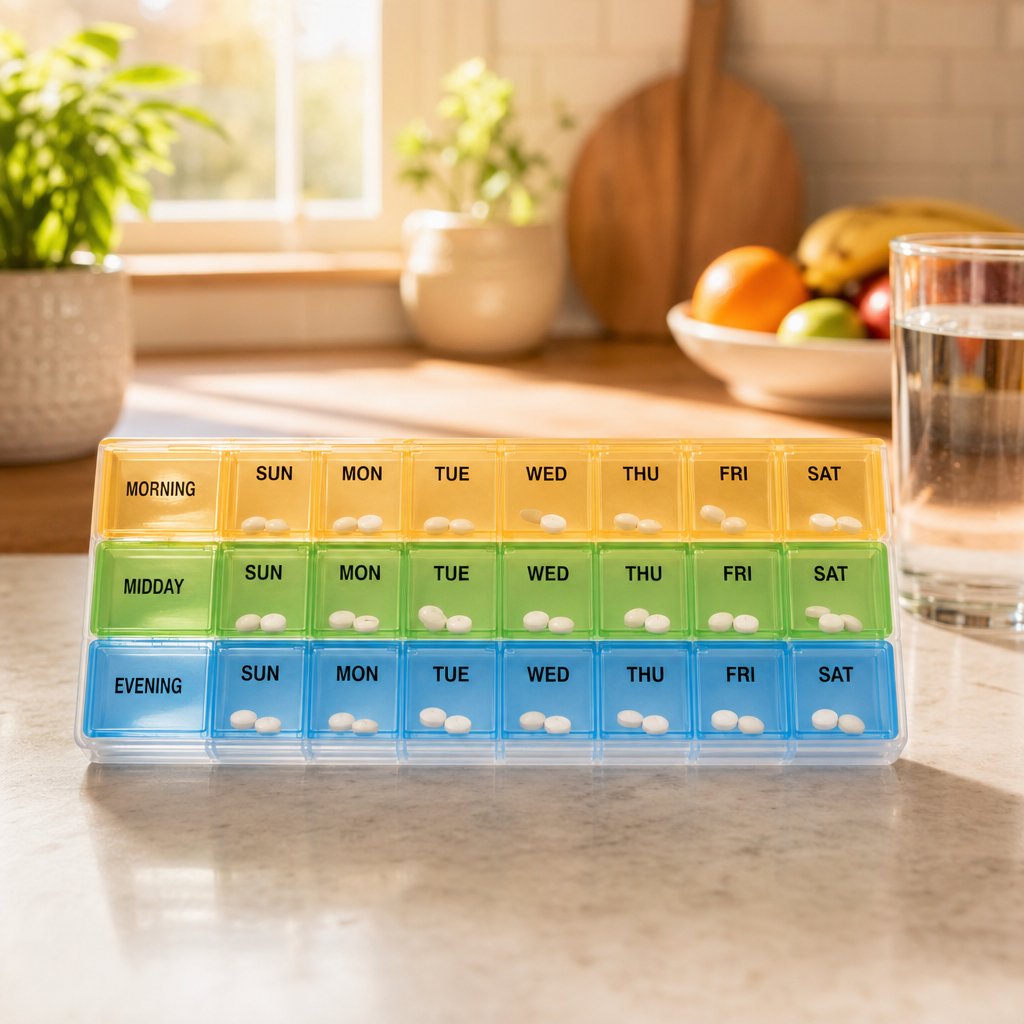
Step 3: Adjust Your Calcium Dose and Timing for Better Absorption
You have confirmed that calcium is the culprit. The instinct at this point is to switch to a different supplement entirely, but there is a simpler adjustment worth trying first: change how much you take at once and when you take it. Dose and timing alone can dramatically reduce the amount of unabsorbed calcium that reaches your colon, and that is the material that does calcium carbonate cause constipation in the first place.
How Much Calcium Your Body Can Actually Absorb at Once
Your small intestine has a ceiling on how much calcium it can process in a single sitting. Mayo Clinic Health System states that the recommended intake of calcium at one time is 500 mg or less, because absorption efficiency drops sharply above that threshold. Purdue Extension reinforces this point, advising that you should not take more than 500 mg of calcium at one time and should allow 4 to 6 hours between doses.
Imagine pouring water through a funnel. A slow, steady stream flows through cleanly. Dump the whole bucket at once and most of it spills over the sides. Your small intestine works the same way with calcium. When you swallow a 1,000 mg tablet in one go, your body absorbs a fraction of it, and the rest passes into the colon unabsorbed. That surplus calcium is exactly what tightens smooth muscle tone, pulls water out of stool, and slows everything down.
This is why do calcium supplements cause constipation more often in people who take their full daily dose in a single tablet. The total amount on the label matters less than the amount your body can actually use per dose. Splitting the same daily target into smaller servings keeps more calcium in your bloodstream and less in your colon.
A Practical Dose-Splitting Schedule
The table below compares single-dose and split-dose regimens across common daily calcium targets. Notice how splitting changes both the timing strategy and the expected impact on your digestion.
| Daily Target | Single-Dose Approach | Recommended Split | Timing Suggestions | Expected Constipation Risk |
|---|---|---|---|---|
| 500 mg | 1 x 500 mg | 1 x 500 mg (no split needed) | With breakfast (calcium carbonate) or any time (calcium citrate) | Lower |
| 1,000 mg | 1 x 1,000 mg | 2 x 500 mg, spaced 4-6 hours apart | With breakfast and dinner (calcium carbonate) or any two meals (calcium citrate) | Significantly reduced vs. single dose |
| 1,200 mg | 1 x 1,200 mg | 2 x 600 mg or 3 x 400 mg, spaced across meals | With each main meal (calcium carbonate) or spread throughout the day (calcium citrate) | Significantly reduced vs. single dose |
| 1,500 mg | 1 x 1,500 mg | 3 x 500 mg, spaced 4-6 hours apart | With breakfast, lunch, and dinner (calcium carbonate) or any three intervals (calcium citrate) | Substantially reduced vs. single dose |
A few details worth highlighting. If you are taking calcium carbonate, pairing each dose with food is not just a suggestion; it is essential. Mayo Clinic notes that all varieties of calcium supplements are better absorbed when taken in small doses of 500 mg or less, typically with a meal. Stomach acid production increases when you eat, and calcium carbonate depends on that acid to dissolve. Taking it between meals or on an empty stomach means even less absorption and more unabsorbed calcium heading straight for your colon.
Calcium citrate is more forgiving. It dissolves regardless of stomach pH, so you can take it with or without food. That flexibility makes dose-splitting easier to fit into an irregular schedule. If you find yourself asking do Tums make you constipated even at moderate doses, the same logic applies: Tums are calcium carbonate, so spacing them out and taking them with food reduces the digestive burden.
When Reducing Your Total Dose Makes Sense
Splitting your dose is effective, but there is an even simpler question worth asking first: are you supplementing more calcium than you actually need?
Many people start a calcium supplement based on the general recommendation of 1,000 to 1,200 mg per day without accounting for the calcium they already get from food. Mayo Clinic recommends 1,000 mg daily for adults aged 19 to 50, and 1,000 to 1,200 mg for adults 51 and older, but that target includes dietary sources. If you drink a glass of milk at breakfast (about 300 mg), eat yogurt as a snack (around 300 to 415 mg), and have cheese or leafy greens at dinner, you could easily be getting 600 to 800 mg from food alone. Adding a 1,000 mg supplement on top of that pushes you well past what your body needs and closer to the tolerable upper limit of 2,000 to 2,500 mg per day, where constipation risk climbs and other complications like kidney stones become a concern.
Here is a practical approach: track your dietary calcium for three to four days. Write down what you eat and estimate the calcium content using a food diary app or a simple reference list. Once you have a rough daily average, subtract that from your recommended target. The remainder is all you need to supplement.
For example, if your target is 1,200 mg and your diet consistently provides around 700 mg, you only need a 500 mg supplement. That single adjustment, dropping from a 1,000 mg tablet to a 500 mg tablet, can be enough to resolve constipation entirely. Does calcium make you constipated at 500 mg the way it does at 1,000 mg? For most people, the difference is dramatic, because the lower dose stays within the absorption window and leaves far less unabsorbed calcium in the colon.
Reducing your supplemental dose is often the simplest, most overlooked fix. It costs nothing, requires no new products, and aligns your intake with what your body actually needs rather than an arbitrary number on a bottle.
Dose and timing adjustments solve the problem for many people, but not everyone. If constipation persists even after splitting doses and trimming your total intake, the form of calcium itself is likely the bottleneck, and that is where a targeted switch makes the biggest difference.
Step 4: Switch to a Calcium Form That Is Gentler on Your Gut
Splitting doses and trimming your total intake are smart first moves, but if your gut is still protesting, the calcium compound itself is the variable that needs to change. Not all calcium supplements behave the same way once they hit your digestive tract. The form dictates how much stomach acid you need, how efficiently the calcium gets absorbed, and how much leftover material ends up in your colon causing trouble. Choosing the right form is often the single switch that resolves the issue for good.
Calcium Supplement Forms Compared Side by Side
One of the biggest frustrations when researching what vitamins cause constipation is the lack of clear, structured comparisons. You get vague advice like "try a different form" without any specifics on what to try or why. The table below lays out the five most common calcium supplement forms with the details that actually matter for your digestion.
| Form | Elemental Calcium Per Tablet (Typical) | Requires Stomach Acid | Constipation Risk | Best Taken With | Ideal For |
|---|---|---|---|---|---|
| Calcium Carbonate | 500-600 mg | Yes | Higher | Food (requires stomach acid) | Younger adults with strong digestion; budget-conscious users |
| Calcium Citrate | 200-315 mg | No | Lower | With or without food | Older adults; those with low stomach acid; those prone to constipation |
| Calcium Phosphate (Tricalcium Phosphate) | 300-390 mg | Partially | Moderate | Food preferred | General population; those seeking a middle-ground option |
| Calcium Gluconate | 40-90 mg | No | Lower | With or without food | Those who need very small supplemental doses; sensitive stomachs |
| Plant-Based / Algae Calcium | 250-360 mg | No | Lower | With or without food | Vegans; those preferring whole-food supplements; users wanting built-in trace minerals |
A few things stand out immediately. Calcium carbonate packs the most elemental calcium per tablet, which is why it is the most popular and cheapest option on shelves. But that concentration comes with a tradeoff: it demands stomach acid to dissolve, and any portion that does not dissolve passes into the colon intact. Mayo Clinic highlights that calcium carbonate is 40% elemental calcium while calcium citrate is 21%, meaning you need fewer carbonate pills to hit your target but absorb them less reliably.
Calcium gluconate sits at the opposite extreme with only about 9% elemental calcium per tablet. It is gentle on the gut but impractical as a primary supplement because you would need a large number of pills to reach a meaningful dose. Tricalcium phosphate and algae-based options fall in the middle, offering moderate absorption without the strict stomach acid requirement of carbonate.
If you take a daily multivitamin alongside your calcium supplement, it is worth checking what form of calcium is in that multivitamin as well. Can a multivitamin make you constipated? It can, especially if it contains calcium carbonate or iron, both of which slow gut transit. Many people unknowingly double up on constipating ingredients by taking a multivitamin and a standalone calcium tablet without comparing labels.
How to Switch Forms Safely
Transitioning from one calcium form to another is simpler than most people expect. You do not need a taper period or a gradual crossover. The key is matching your elemental calcium dose, not the total milligrams on the bottle.
Here is the step-by-step protocol:
- Check the Supplement Facts label on your current product and note the elemental calcium per serving, not the total calcium compound weight.
- Find a new supplement in your preferred form (calcium citrate is the top recommendation for constipation sufferers) that provides the same elemental calcium per daily dose.
- Stop the old supplement and start the new one the next day. There is no need to overlap or wean off.
- Keep all other variables constant: same diet, same hydration, same medications, same activity level.
- Allow 2 to 4 weeks to evaluate whether the new form reduces your constipation before making further changes.
That 2-to-4-week evaluation window is critical. Your digestive system needs time to adjust, and judging results after just a few days can lead to premature conclusions. If constipation improves noticeably within that window, you have found your fix. If it persists, the next steps in this guide, adding magnesium and fiber, become your focus.
One practical note on label reading: because calcium citrate contains less elemental calcium per tablet, you will likely need to take more pills per day to match your previous dose. For example, if you were taking one 600 mg elemental calcium carbonate tablet, you may need two or three calcium citrate tablets to reach the same amount. Osteoporosis Canada notes that calcium citrate tablets also tend to be physically larger, which can be a swallowing concern for some people. Chewable or liquid citrate formulations are available if tablet size is a barrier.
Understanding the Calcium Citrate Advantage
Calcium citrate earns its reputation as the gentler option for a straightforward biochemical reason: it dissolves in both acidic and neutral pH environments. Unlike calcium carbonate, which sits inert without sufficient stomach acid, calcium citrate breaks down regardless of what is happening in your stomach. This means a larger percentage of the calcium you swallow actually gets absorbed in the small intestine, and less of it travels to the colon where it causes problems.
This pH independence makes calcium citrate especially valuable for specific groups:
- Older adults who naturally produce less stomach acid as they age
- People taking proton pump inhibitors or H2 blockers for acid reflux, which suppress the very acid calcium carbonate needs
- Anyone who prefers taking supplements between meals or on an empty stomach, since citrate does not require food for absorption
BodySpec's supplement guide describes calcium citrate as the option that "absorbs well with or without food" and "works effectively even if you have low stomach acid," making it the go-to recommendation for seniors and people with sensitive stomachs. The vitamin d and constipation connection also plays a role here: many calcium citrate products include vitamin D to further boost absorption, which means even less unabsorbed calcium reaching the colon.
Does calcium citrate cause constipation at all? It can. No calcium supplement is completely free of digestive side effects. But the rates are significantly lower than with calcium carbonate because the core mechanism, unabsorbed calcium accumulating in the colon, is reduced when absorption efficiency improves. For most people who switch from carbonate to citrate at the same elemental dose, the difference in bowel comfort is noticeable within the first few weeks.
The tradeoffs are real but manageable. Calcium citrate tablets are bulkier, you may need to swallow more of them, and the cost per milligram of elemental calcium is slightly higher. For many users, those are small prices to pay for a supplement that does not grind their digestion to a halt. Can multivitamins cause constipation even after you switch your standalone calcium? They can if the multivitamin still contains calcium carbonate or iron, so check that label too.
Switching to calcium citrate resolves the problem for a large number of people. For those who need additional support, pairing the right calcium form with a targeted counterbalancing strategy, specifically magnesium and fiber, addresses the issue from the other direction entirely.

Step 5: Add Magnesium and Fiber to Counteract the Constipation
Switching to calcium citrate and splitting your dose tackles the problem at its source by reducing unabsorbed calcium in the colon. But your digestive system also has a built-in counterbalance you can activate from the other side of the equation. Magnesium works through the exact opposite mechanism of calcium in the gut, and pairing it with the right fiber strategy creates a two-pronged defense that keeps things moving even if some residual calcium still reaches the large intestine.
Why Magnesium Is the Best Natural Counterbalance to Calcium Constipation
Where calcium tightens smooth muscle and pulls water out of stool, magnesium does the reverse. It draws water into the intestines through osmosis and relaxes smooth muscle in the colon, directly counteracting the constipating effects that calcium supplements produce. This is not a vague wellness claim. PubChem's compound profile for magnesium citrate confirms that it increases the amount of water in the intestinal tract, which softens stool and triggers a bowel movement. That osmotic pull is the core reason magnesium-based products are used clinically as laxatives.
Not all magnesium forms produce the same digestive effect, though. The form you choose matters just as much as the dose:
- Magnesium citrate: The strongest laxative effect among common supplemental forms. It draws significant water into the intestines and is highly bioavailable, meaning your body absorbs it efficiently. This is the go-to choice if constipation is your primary concern. It is also the form most frequently discussed in online communities. If you have ever searched miralax reddit threads for constipation advice, you will notice magnesium citrate comes up repeatedly as a preferred natural alternative.
- Magnesium oxide: A moderate laxative effect. It contains a higher percentage of elemental magnesium per tablet but has lower bioavailability than citrate. Some of the unabsorbed magnesium oxide reaches the colon and draws water in, which helps with constipation but can cause cramping at higher doses.
- Magnesium glycinate: The gentlest option on the stomach. Health.com notes that magnesium glycinate is often a better option for people prone to digestive symptoms because it is less likely to cause diarrhea or stomach discomfort. It still supports muscle relaxation and overall magnesium status, but its laxative effect is milder. Choose this form if you want magnesium's general health benefits without a strong bowel impact.
A magnesium-to-calcium ratio is often discussed in supplementation contexts, with some practitioners referencing a general range. However, the right dose for you depends on your age, sex, kidney function, and current medications. The NIH recommends 310 to 420 mg of magnesium daily for adults, with an upper limit of 350 mg from supplements specifically. Consult your healthcare provider for personalized dosing, especially if you take blood pressure medications or have kidney concerns, since magnesium can interact with several drug classes.
People sometimes wonder whether adding vitamin D3 to this mix creates additional digestive issues. Does vitamin D3 make you constipated when stacked with calcium and magnesium? At standard doses, vitamin D3 is unlikely to cause constipation on its own. In fact, it improves calcium absorption in the small intestine, which means less unabsorbed calcium reaching the colon. The concern only arises at very high vitamin D3 doses that push blood calcium levels beyond normal range. For most people, a standard vitamin D3 supplement alongside calcium and magnesium is a net positive for both bone health and digestive comfort.
Fiber and Hydration as Essential Supporting Strategies
Magnesium handles the muscle relaxation and water-drawing side of the equation. Fiber addresses stool formation directly. When can calcium supplements cause constipation even after you have added magnesium, insufficient fiber is usually the missing piece.
Two types of fiber play distinct roles, and you want both:
- Soluble fiber absorbs water in the gut and forms a gel-like substance that softens stool. Good sources include oats, beans, lentils, psyllium husk, apples, and chia seeds. Healthline reports that psyllium husks are indigestible but retain large amounts of water, acting as a stool-bulking agent. A tablespoon of psyllium husk mixed into water or a smoothie is one of the simplest daily additions you can make.
- Insoluble fiber does not dissolve in water. Instead, it moves through the digestive tract intact, adding bulk to stool and stimulating the intestinal walls to push contents forward. Whole grains, vegetables, wheat bran, and the skins of fruits are rich sources. One cup of raw oat bran alone provides 14.5 g of fiber.
The USDA recommends about 14 grams of dietary fiber per 1,000 calories consumed, which works out to roughly 28 grams per day on a standard 2,000-calorie diet. Most Americans fall well short of that target, and the gap becomes more noticeable when calcium is already slowing colonic transit.
Hydration ties the whole strategy together. Calcium promotes water reabsorption in the colon, which is a core reason it hardens stool. Magnesium counteracts this by pulling water back in, but it can only work with the water that is available. If you are not drinking enough, magnesium's osmotic effect is blunted and fiber can actually make constipation worse by creating bulky, dry stool that is difficult to pass. Aim for at least 8 cups of water daily, and increase that amount when you are supplementing both calcium and fiber.
Timing Your Supplements for Maximum Benefit
Here is a detail that trips up many people: calcium and magnesium compete for absorption when taken at the same time. They use overlapping transport pathways in the small intestine, and taking them together can interfere with your body's ability to absorb either nutrient optimally. The fix is simple. Separate them by several hours.
A practical approach is to take calcium earlier in the day with meals and magnesium in the evening. This spacing maximizes absorption of both minerals and gives magnesium's relaxing effect a chance to work overnight, which many people find helps with morning bowel regularity.
The sample schedule below shows how to spread calcium, magnesium, and fiber across a typical day without any two competing nutrients landing in your gut at the same time:
| Time of Day | Supplement / Strategy | Notes |
|---|---|---|
| Breakfast (7-8 AM) | Calcium (500 mg) with food | Essential for calcium carbonate; optional for citrate. Pair with a fiber-rich meal like oatmeal or whole grain toast. |
| Mid-Morning (10 AM) | Fiber boost (if needed) | Add psyllium husk to water or a smoothie. Drink a full glass of water alongside it. |
| Lunch (12-1 PM) | Calcium (500 mg) with food (if splitting dose) | Second dose for those targeting 1,000 mg or more daily. Include vegetables or legumes for dietary fiber. |
| Afternoon (3-4 PM) | Hydration check | Ensure you have consumed at least 4-5 cups of water by this point. Add a fiber-rich snack like an apple or berries. |
| Dinner (6-7 PM) | Fiber-rich meal | Include leafy greens, whole grains, or beans. Avoid taking calcium at this meal if you plan to take magnesium soon after. |
| Evening (8-9 PM) | Magnesium (200-350 mg) | Take at least 2 hours after your last calcium dose. Magnesium glycinate if you want sleep support; magnesium citrate if constipation relief is the priority. |
This schedule is flexible. The core principle is separation: calcium and magnesium at different times, fiber distributed throughout the day, and water intake consistent from morning to evening. You do not need to follow it to the minute. Just avoid swallowing your calcium and magnesium tablets in the same sitting.
For many people, the combination of a gentler calcium form, a well-timed magnesium supplement, and adequate fiber and water resolves constipation completely. But individual biology varies, and certain populations face compounding risk factors that require a more tailored approach, from medication interactions to age-related digestive changes that shift the entire equation.

Step 6: Explore Calcium-Rich Foods as a Gentler Alternative
Supplements, magnesium, fiber, timing strategies — all of these work. But there is an entirely different path that sidesteps the constipation problem at its root: getting more of your calcium from food instead of tablets. Dietary calcium is absorbed more gradually through the intestinal wall, arrives packaged with water, fiber, and other nutrients that support digestion, and rarely produces the concentrated bolus of unabsorbed mineral that makes tablets so problematic. Yet this option is almost entirely ignored in most guides about calcium and constipation.
High-Calcium Foods That Rarely Cause Constipation
When you swallow a 500 mg calcium tablet, that entire dose hits your small intestine within minutes. Food-sourced calcium behaves differently. It is bound within a complex food matrix that your body breaks down slowly during digestion, releasing calcium in smaller increments over a longer period. This gradual release keeps absorption efficient and minimizes the surplus that reaches the colon.
The table below lists common calcium-rich foods with their approximate calcium content per serving, based on data from the International Osteoporosis Foundation and Mayo Clinic. The last column highlights additional digestive benefits each food provides, which is the piece that makes dietary calcium fundamentally different from a pill.
| Food | Approximate Calcium per Serving | Serving Size | Additional Digestive Benefits |
|---|---|---|---|
| Yogurt (plain, natural) | 207 mg | 150 g (about 2/3 cup) | Probiotics support gut motility and healthy microbiome balance |
| Milk (semi-skimmed) | 240 mg | 200 ml (about 1 cup) | High water content helps maintain stool hydration |
| Hard cheese (Cheddar, Parmesan) | 240 mg | 30 g (about 1 oz) | Contains fat that stimulates bile release, which promotes motility |
| Calcium-enriched soy milk | 240 mg | 200 ml (about 1 cup) | Provides fluid and often contains added fiber; suitable for lactose intolerance |
| Sardines in oil (canned, with bones) | 240 mg | 60 g (about 2 oz) | Omega-3 fatty acids have anti-inflammatory effects on the gut lining |
| Kale / Collard greens | 32 mg per 50 g raw (scales with portion) | 50 g raw | Rich in insoluble fiber that adds stool bulk and stimulates peristalsis |
| Broccoli | 112 mg | 120 g raw | High in both soluble and insoluble fiber; contains sulforaphane that supports gut health |
| Bok choy | 20 mg per 50 g raw (scales with portion) | 50 g raw | High water content and gentle fiber; easy to digest even for sensitive stomachs |
| Tofu (prepared with calcium sulfate) | 126 mg | 120 g (about 4 oz) | Plant-based protein with minimal digestive irritation; pairs well with vegetables |
| Canned salmon (with bones) | ~180 mg | 120 g (about 4 oz) | Omega-3s reduce gut inflammation; soft bones provide slow-release calcium |
| Fortified orange juice | ~300 mg (varies by brand) | 240 ml (about 1 cup) | Citric acid may enhance mineral absorption; high water content supports hydration |
| White beans | 132 mg | 200 g cooked | Excellent source of soluble and insoluble fiber; feeds beneficial gut bacteria |
| Almonds | 75 mg | 30 g (about 1 oz) | Contain prebiotic fiber and healthy fats that support regular bowel movements |
| Dried figs | 96 mg | 60 g (about 4 figs) | Natural laxative properties; high in both soluble fiber and sorbitol |
Notice the pattern. Nearly every high-calcium food on this list brings something extra to the table for your digestion: fiber, water, probiotics, healthy fats, or anti-inflammatory compounds. A calcium tablet delivers calcium and nothing else. That is the fundamental difference, and it is why food-sourced calcium rarely triggers the same constipation issues that concentrated supplements do.
Yogurt deserves special attention. It delivers over 200 mg of calcium per serving while simultaneously introducing live probiotic cultures that support gut motility. If you are already dealing with vitamin d constipation concerns from high-dose supplementation, swapping one calcium tablet for a daily serving of yogurt addresses both the calcium need and the digestive slowdown in a single move. Dried figs are another standout — they provide nearly 100 mg of calcium per small serving alongside natural sorbitol and fiber, both of which actively promote bowel regularity. For people searching for vitamins for constipation relief, the irony is that the best solution often is not a vitamin at all but a shift in food choices.
Can You Meet Your Calcium Needs Without Supplements
This is the question most guides avoid giving a straight answer to. Here is a realistic one: many people can meet their calcium needs through diet alone, but not everyone.
Mayo Clinic recommends 1,000 mg daily for adults aged 19 to 50 and 1,000 to 1,200 mg for adults 51 and older. Look at the food table above and you can see how a well-planned day of eating gets you there without a single pill. A cup of milk at breakfast (240 mg), yogurt as a snack (207 mg), a serving of cheese at lunch (240 mg), and a cup of broccoli with dinner (112 mg) already totals roughly 800 mg. Add a handful of almonds and a glass of fortified orange juice and you are past 1,000 mg comfortably.
That said, certain populations face real barriers to hitting these numbers through food alone:
- Postmenopausal women need 1,200 mg daily at a life stage when estrogen loss accelerates calcium excretion. Mayo Clinic notes that after menopause, more calcium is lost in urine, making dietary intake alone harder to rely on.
- People with lactose intolerance lose access to dairy, which is the most calcium-dense food category. Fortified plant milks and leafy greens can partially compensate, but reaching 1,000 to 1,200 mg without dairy requires deliberate planning.
- Vegans face a similar challenge. A NHANES analysis spanning 1999 to 2018 found that a substantial portion of the US population consistently falls short of calcium intake targets even with supplements included, and dietary patterns that exclude dairy make the gap wider.
- People with inflammatory bowel disease or celiac disease may absorb calcium less efficiently from food due to intestinal damage, making supplementation medically necessary regardless of dietary intake.
For everyone else, especially those who eat dairy regularly and include a variety of vegetables, legumes, and fortified foods, diet-only calcium intake is entirely achievable. The key is awareness. Most people have no idea how much calcium their meals already provide, which is why they default to a supplement and end up over-supplementing.
A Hybrid Approach That Minimizes Constipation Risk
For those who cannot or prefer not to rely on food alone, the smartest strategy is a hybrid: maximize dietary calcium first, then supplement only the gap. This approach slashes the tablet burden and with it the constipation risk.
Here is how it works in practice. Say your daily target is 1,200 mg. You track your food intake for a few days and find you consistently get about 700 mg from meals. Instead of taking a 1,000 mg supplement on top of that, which would push you to 1,700 mg and well past what your body can efficiently absorb, you supplement just 500 mg. That single lower-dose tablet stays within the absorption window, leaves minimal unabsorbed calcium for the colon, and keeps you right at your target.
The math shifts even further in your favor when you make small, intentional dietary additions:
- Swap your afternoon coffee for a latte made with regular or fortified plant milk: +200 to 240 mg
- Add a side of steamed broccoli or bok choy to dinner: +50 to 112 mg
- Snack on a small container of yogurt instead of a granola bar: +170 to 207 mg
- Toss canned sardines or salmon into a salad once or twice a week: +180 to 240 mg per serving
Each of these additions chips away at the amount you need from a tablet. Someone who starts at 500 mg from food and makes two or three of these swaps can push dietary intake to 800 or 900 mg, reducing their supplement need to just 300 to 400 mg. At that dose, even calcium carbonate is unlikely to cause significant constipation for most people, and calcium citrate side effects at such a low dose are minimal to nonexistent.
The hybrid approach also protects against the risk of do multivitamins make you constipated scenarios. If your multivitamin already contains 200 to 300 mg of calcium, and your diet provides another 700 mg, you may not need a standalone calcium supplement at all. Checking labels and doing the arithmetic can eliminate an entire pill from your daily routine.
Dietary calcium is not a magic bullet. It requires more planning than popping a tablet, and it demands consistency. But for people who have struggled with supplement-related constipation through every adjustment in this guide, shifting the balance toward food is often the change that finally makes the problem disappear.
Food choices and supplement doses are only part of the equation, though. Your age, health conditions, and medication list all influence how your body handles calcium and how aggressively constipation sets in. A strategy that works perfectly for a healthy 35-year-old may fall short for someone managing multiple prescriptions or navigating the digestive changes that come with aging.
Step 7: Adjust Your Approach Based on Your Health Profile
Every strategy covered so far, splitting doses, switching to calcium citrate, adding magnesium and fiber, leaning on dietary sources, assumes a relatively straightforward situation. But calcium constipation does not happen in a vacuum. Your age, existing health conditions, and the other medications in your cabinet all shape how your gut responds to calcium supplementation. A one-size-fits-all plan ignores the reality that a 70-year-old on three prescriptions faces a fundamentally different digestive landscape than a 30-year-old taking calcium as a standalone supplement.
Who Faces the Highest Risk of Calcium-Related Constipation
Certain groups are predisposed to constipation before they ever open a calcium bottle. When you layer a calcium supplement on top of those existing risk factors, the effect compounds quickly. The table below segments practical guidance by population, so you can find the recommendations most relevant to your situation.
| Population | Why Constipation Risk Is Higher | Recommended Calcium Strategy |
|---|---|---|
| Elderly Adults (65+) | Slower gut motility with age, reduced stomach acid production, higher likelihood of constipating medications (opioids, anticholinergics, diuretics), and lower physical activity levels | Start with calcium citrate rather than carbonate, since it does not require stomach acid. Use the lowest effective dose (often 500 mg or less supplemental). Prioritize dietary calcium from yogurt, fortified beverages, and canned fish. Add magnesium citrate in the evening if constipation persists. |
| Pregnant Women | Progesterone relaxes smooth muscle throughout the body, including the colon, slowing transit significantly. Iron supplements prescribed during pregnancy compound the problem further. | Coordinate all calcium supplementation with your prenatal care provider. If prenatal vitamins already contain calcium and iron, adding a standalone calcium tablet may push the constipation burden too high. Calcium citrate is generally better tolerated. Increase fiber and water intake proactively from the start of supplementation. |
| People Taking Multiple Medications | Iron supplements, opioids, antacids, calcium channel blockers, and anticholinergic drugs each slow the gut through different mechanisms. Stacking any of these with calcium creates a compounding effect. | Review your full medication list with a pharmacist or physician before starting or adjusting calcium. Identify which drugs contribute to constipation and discuss whether dose adjustments, alternative formulations, or prophylactic laxative therapy are appropriate. Do not add magnesium without medical guidance if you take blood pressure medications or have kidney concerns. |
| People with IBS or Digestive Conditions | Irritable bowel syndrome (constipation-predominant), inflammatory bowel disease, and celiac disease all involve altered gut motility or impaired absorption. Calcium carbonate can trigger flares or worsen baseline symptoms. | Avoid calcium carbonate entirely. Use calcium citrate with careful dose titration, starting at the lowest dose and increasing gradually over several weeks. Monitor symptoms closely. Some individuals tolerate plant-based algae calcium better due to its slower release profile. Work with a gastroenterologist to balance bone health needs against digestive tolerance. |
Elderly adults deserve particular attention because they sit at the intersection of nearly every risk factor. Mayo Clinic lists older age as a standalone risk factor for chronic constipation, and the medications most commonly prescribed to this group, including opioid pain relievers, calcium channel blockers for blood pressure, and anticholinergic drugs for bladder control, all independently slow the gut. Can calcium pills cause constipation more severely in this population? Absolutely, because the baseline motility is already compromised before the supplement enters the picture.
Pregnant women face a different but equally challenging dynamic. Progesterone, which rises steadily throughout pregnancy, relaxes smooth muscle tissue to accommodate the growing uterus. That same relaxation extends to the colon, slowing transit and making constipation one of the most common pregnancy complaints even without supplements. Add a prenatal vitamin containing iron and calcium carbonate, and the digestive slowdown intensifies. The solution is not to skip calcium, since fetal bone development depends on adequate intake, but to choose the form and dose carefully under medical supervision.
Medication Interactions That Make Constipation Worse
This is the angle that most calcium constipation guides overlook entirely. Will vitamins make you constipated on their own? Sometimes. But the real trouble starts when calcium supplements interact with prescription medications that already impair gut motility. Each drug class below slows the digestive tract through a distinct mechanism, and combining any of them with calcium creates a layered effect that dietary adjustments alone may not overcome.
- Iron supplements: Oral iron generates oxidative stress and inflammation in the gut, disrupts the microbiota, and slows colonic transit. Taking iron and calcium together is one of the most common supplement stacks, and one of the most constipating. If you need both, take them at separate times of day and consider slow-release iron formulations.
- Opioid pain relievers: Opioids bind to receptors in the gut wall, inhibiting motility and secretions. Unlike most side effects, opioid-induced constipation does not improve with tolerance. If you are on chronic opioid therapy and also supplementing calcium, discuss prophylactic bowel management with your prescriber.
- Calcium channel blockers (verapamil, diltiazem): These blood pressure medications block L-type calcium channels in gut smooth muscle, directly reducing peristalsis. Constipation occurs in around 7% of patients on these drugs. Adding a calcium supplement on top of a calcium channel blocker means your colon is being slowed from two directions simultaneously.
- Aluminum-containing antacids: Aluminum binds to phosphate in the gut and slows motility. If you are using an aluminum-based antacid for heartburn and also taking calcium carbonate (which is itself an antacid), you are doubling the constipating load without realizing it.
- Anticholinergic drugs: This broad category includes medications for overactive bladder, certain first-generation antihistamines, and some antidepressants. They block acetylcholine, which decreases intestinal tone and secretions. About 27% of patients on anticholinergics experience constipation, and the risk climbs when calcium is added to the mix.
- Certain antidepressants: Tricyclic antidepressants carry potent anticholinergic activity. Even some SSRIs and SNRIs, particularly paroxetine and venlafaxine, can reduce gut motility through serotonergic modulation.
If you recognize two or more of these medications in your own regimen, the constipation you are experiencing may not be a calcium problem alone. It may be a cumulative drug burden problem that requires a comprehensive medication review. A pharmacist can map out the total constipation load across your prescriptions and supplements, identify which agents contribute the most, and suggest adjustments that do not compromise your treatment goals.
Clear Signs You Should See a Doctor
Most calcium-related constipation is uncomfortable but manageable with the strategies in this guide. There are situations, however, where constipation signals something more serious, or where self-management has reached its limit. Do calcium pills cause constipation that warrants medical attention? They can, especially when the following red flags appear.
Contact your healthcare provider if you experience any of the following:
- No bowel movement for more than 3 days: Mayo Clinic defines constipation as fewer than three stools per week, but going beyond 3 days without any movement, especially if accompanied by bloating or discomfort, warrants evaluation.
- Blood in your stool or on toilet tissue: This can indicate hemorrhoids from straining, anal fissures, or less common but more serious conditions that need to be ruled out.
- Severe abdominal pain: Mild bloating is common with constipation. Sharp, persistent, or worsening abdominal pain is not, and could indicate a bowel obstruction or other acute issue.
- Constipation accompanied by vomiting: This combination can signal a bowel obstruction, which requires urgent medical attention.
- Unintentional weight loss: Losing weight without trying, alongside persistent constipation, may point to an underlying condition unrelated to your calcium supplement.
- Constipation that does not respond to any intervention after 4 to 6 weeks: If you have worked through every step in this guide, split your dose, switched to calcium citrate, added magnesium and fiber, increased dietary calcium, and adjusted for your medications, and constipation still persists after a full 4 to 6 weeks, the cause may extend beyond your supplement regimen. A healthcare provider can evaluate for structural issues, motility disorders, or other medical conditions.
Mayo Clinic also recommends seeking care if constipation symptoms last longer than three weeks or make it difficult to carry out everyday activities. Chronic constipation that goes unaddressed can lead to complications including hemorrhoids, anal fissures, fecal impaction, and in rare cases, rectal prolapse.
The goal of this step is not to alarm you. Does calcium supplements cause constipation that reaches emergency-level severity? Rarely. For the vast majority of people, the adjustments outlined in this guide resolve the issue well before it reaches a clinical threshold. But knowing where the line is, and being willing to cross it into a doctor's office when needed, is what separates a smart self-management approach from a risky one.
With your health profile accounted for and red flags clearly mapped, the final piece is pulling every step together into a single decision framework, one that lets you move through the troubleshooting sequence efficiently and land on a calcium strategy that supports your bones without compromising your gut.
Putting It All Together and Choosing a Smarter Calcium Supplement
You have worked through the physiology, confirmed the cause, adjusted your dose and timing, explored gentler calcium forms, added counterbalancing strategies, shifted toward dietary sources, and accounted for your individual health profile. That is a lot of ground to cover, and it is easy to lose the thread when you are in the middle of troubleshooting. This final step distills everything into a single decision framework you can follow from top to bottom, plus guidance on what separates a well-formulated calcium product from one that is likely to leave you uncomfortable.
Your Calcium Constipation Decision Tree
Think of this as your sequential playbook. Each step builds on the one before it. If the first adjustment resolves your constipation, you stop there. If it does not, you move to the next. The goal is systematic problem-solving rather than guesswork.
- Confirm calcium is the cause via elimination test. Stop your calcium supplement for 5 to 7 days while keeping all other variables constant. If bowel habits normalize, calcium is the culprit. If constipation persists, investigate other medications, supplements, or lifestyle factors before making changes to your calcium regimen.
- Split your dose to 500 mg or less per serving. Your body absorbs calcium most efficiently in small amounts. Taking 1,000 mg at once guarantees a significant portion passes unabsorbed into the colon. Divide your daily target across two or three meals, spaced 4 to 6 hours apart.
- Switch from calcium carbonate to calcium citrate. Calcium citrate dissolves independently of stomach acid, meaning better absorption and less unabsorbed calcium reaching the large intestine. Match your elemental calcium dose when switching and allow 2 to 4 weeks to evaluate results.
- Add magnesium and increase fiber and water. Magnesium draws water into the intestines and relaxes colonic smooth muscle, directly counteracting calcium's constipating effects. Take magnesium in the evening, separated from calcium by several hours. Increase both soluble and insoluble fiber, and drink at least 8 cups of water daily.
- Replace some supplemental calcium with dietary sources. Track your food-based calcium intake for a few days. If you are already getting 600 to 800 mg from meals, you may only need a 300 to 500 mg supplement rather than a full 1,000 mg tablet. Dietary calcium is absorbed gradually and comes packaged with fiber, water, and probiotics that support digestion.
- Consult a healthcare provider if constipation persists after 4 to 6 weeks. If you have worked through every step above and constipation remains, the issue may involve motility disorders, medication interactions, or structural factors that require professional evaluation.
Most people find their solution somewhere between steps 2 and 4. The full sequence exists because individual biology varies, and what works for one person may not be sufficient for another. Can calcium make you constipated even after all these adjustments? In rare cases, yes, which is why step 6 exists as the safety net.
What to Look for in a Better-Formulated Calcium Product
Not all calcium supplements are created equal, and formulation quality matters more than most consumers realize. Two products can list the same elemental calcium on the label and produce vastly different digestive experiences based on the form used, the complementary nutrients included, and how the tablet or capsule is manufactured for absorption.
Here is what distinguishes a well-formulated calcium product from a basic one:
- Bioavailable calcium form: Calcium citrate or plant-based algae calcium absorbs more efficiently than calcium carbonate, leaving less unabsorbed material in the colon. The best products prioritize absorption over raw milligram count.
- Complementary nutrients at appropriate ratios: Vitamin D enhances calcium absorption in the small intestine, reducing the surplus that causes digestive issues. Magnesium supports both calcium metabolism and gut motility. A product that includes these nutrients in balanced amounts addresses the constipation problem proactively rather than leaving it to the consumer to solve.
- Dose-optimized serving sizes: Products designed around 500 mg or less per tablet align with your body's absorption ceiling. A single 1,200 mg mega-tablet may seem convenient, but it guarantees poor absorption and higher constipation risk.
- Absorption-enhancing manufacturing: Tablet disintegration time, particle size, and coating technology all influence how quickly and completely calcium dissolves in the digestive tract. Products manufactured with absorption optimization in mind outperform generic compressed tablets.
Can vitamins cause constipation even when the formulation is good? They can, but the incidence drops substantially when the product is designed with digestive tolerance as a priority rather than an afterthought. Does vitamin d3 cause constipation when included in a calcium formula? At standard supplemental doses, vitamin D3 actually helps by improving calcium uptake, meaning less waste in the colon. The concern only arises at excessive doses taken independently.
For nutrition brands, supplement importers, and private label sellers looking to create calcium products that minimize digestive side effects, working with an experienced OEM/ODM manufacturer is critical. The formulation decisions described above, choosing the right calcium form, balancing complementary nutrients, and optimizing tablet design for absorption, require manufacturing expertise that goes beyond simply pressing powder into a pill. ZhuFeng's health food manufacturing services offer customized formulation across multiple product formats, including tablets, hard capsules, soft capsules, powder/granules, gummy candy, and oral liquids. This flexibility enables brands to develop calcium supplements with optimized bioavailability and gentler digestive profiles through scalable production, whether the goal is a citrate-based tablet with built-in magnesium or a gummy format that improves consumer compliance.
The vitamin d constipation remedy that many consumers search for often comes down to proper formulation balance rather than eliminating vitamin D entirely. A well-designed product pairs vitamin D at an appropriate dose with a bioavailable calcium form, so the vitamin enhances absorption without contributing to excess circulating calcium. This is the kind of nuance that separates thoughtfully manufactured supplements from commodity products.
Moving Forward With Confidence
Calcium-related constipation is manageable. It rarely requires stopping supplementation entirely, and it almost never means you have to choose between bone health and digestive comfort. The sequential approach in this guide gives you a clear path from diagnosis to resolution, with each step addressing a specific piece of the puzzle.
Will calcium supplements cause constipation for everyone? No. Many people tolerate them without any digestive issues. But for those who do experience problems, the fix is usually straightforward: a change in form, a reduction in dose, better timing, or a shift toward dietary sources. The key is identifying which lever to pull for your specific situation rather than making random changes and hoping something sticks.
Can vitamins cause constipation beyond just calcium? They can, and the same systematic thinking applies. Iron, high-dose folic acid, and certain herbal compounds all have the potential to slow gut transit. If you take multiple supplements, evaluate each one individually using the elimination test logic from Step 2. The framework works regardless of which nutrient is causing the problem.
The goal is not to avoid calcium. It is to find the right form, dose, and supporting strategy that lets you maintain bone health without sacrificing digestive comfort. That balance exists for nearly everyone, and the steps in this guide will help you find it.
Your bones need calcium. Your gut needs you to deliver it intelligently. Those two goals are not in conflict once you understand the mechanics and make informed choices about how you supplement. Start at the top of the decision tree, work your way down until the problem resolves, and trust that the answer is there waiting for you.
Frequently Asked Questions About Calcium Tablets and Constipation
1. Which type of calcium supplement is least likely to cause constipation?
Calcium citrate is the least constipating common form because it dissolves in both acidic and neutral pH environments, meaning more calcium gets absorbed in the small intestine and less reaches the colon. Plant-based algae calcium is another gentle option. Calcium carbonate causes the most constipation because it requires stomach acid to dissolve, and any unabsorbed portion travels to the colon where it hardens stool and slows motility. If you need a custom-formulated calcium product with optimized bioavailability, OEM/ODM manufacturers like ZhuFeng offer flexible formats including citrate-based tablets, capsules, gummies, and oral liquids designed for better digestive tolerance.
2. How long does calcium-related constipation last before I should worry?
Mild constipation within the first one to two weeks of starting calcium may resolve on its own as your body adjusts. However, if constipation persists unchanged or worsens beyond three weeks, active intervention is needed. Try splitting your dose to 500 mg or less per serving, switching from calcium carbonate to calcium citrate, and adding magnesium in the evening. If symptoms continue after four to six weeks of systematic adjustments, consult a healthcare provider to rule out motility disorders or medication interactions.
3. Can I take magnesium and calcium together to prevent constipation?
You should take them at separate times rather than together. Calcium and magnesium compete for absorption through overlapping transport pathways in the small intestine. Taking them simultaneously reduces how well your body absorbs either mineral. The recommended approach is calcium with breakfast or lunch and magnesium in the evening, separated by at least two hours. Magnesium citrate has the strongest laxative effect and directly counteracts calcium's constipating action by drawing water into the intestines and relaxing colonic smooth muscle.
4. Does the dose of calcium affect how constipated I get?
Absolutely. Your body can only absorb about 500 mg of calcium at one time. Taking 1,000 mg or more in a single dose means a large portion passes unabsorbed into the colon, where it tightens smooth muscle and pulls water from stool. Splitting your daily target into two or three servings of 500 mg or less, spaced four to six hours apart, dramatically reduces constipation risk. Many people also over-supplement by not accounting for dietary calcium from foods like dairy, leafy greens, and fortified beverages, so reducing total supplemental dose is often the simplest fix.
5. Do Tums cause constipation the same way calcium supplements do?
Yes, Tums contain calcium carbonate as their active ingredient, which is the same compound found in many calcium supplements. Constipation is the most commonly reported side effect of Tums. The mechanism is identical: unabsorbed calcium carbonate reaches the colon, promotes water reabsorption, and reduces peristaltic contractions. If you use Tums frequently for heartburn and also take a calcium supplement, you may be consuming far more calcium carbonate than you realize, compounding the constipation effect. Consider switching to a non-calcium antacid or using calcium citrate for supplementation instead.