Yes, Iron Tablets Can Cause Heartburn and Here Is Why It Happens
You started taking iron tablets because your doctor said you needed them. A few days in, that burning sensation crept up behind your breastbone. Sound familiar? You are not imagining it, and you are far from alone.
The Short Answer About Iron and Heartburn
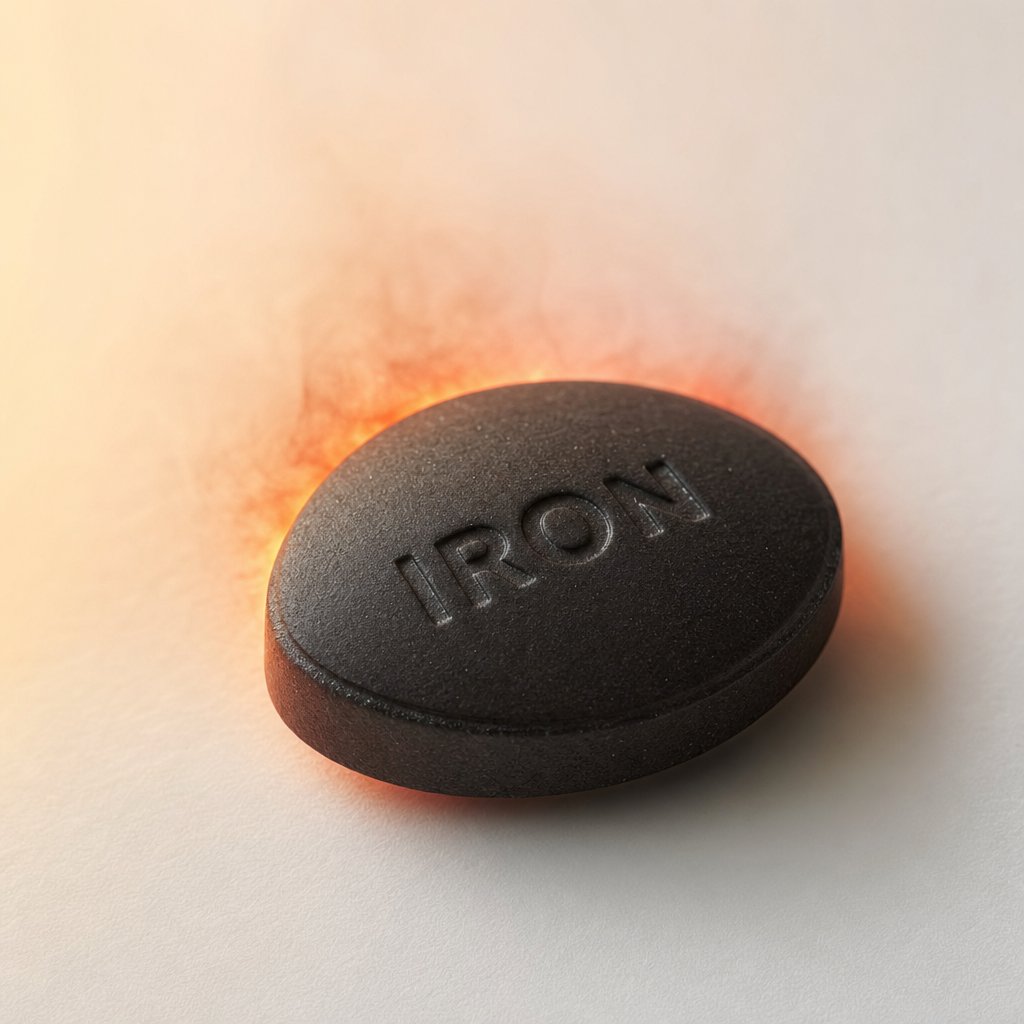
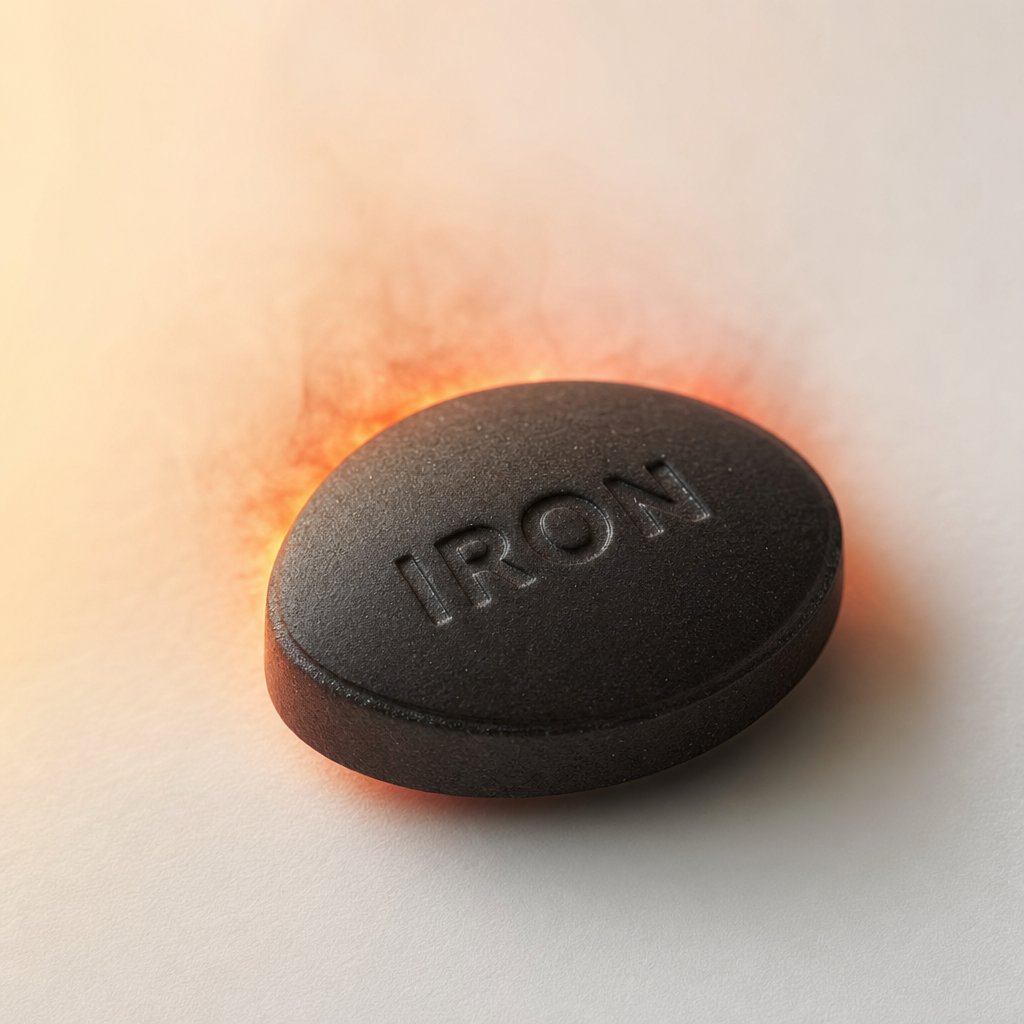
Can iron supplements cause heartburn? Yes, and clinical research confirms it. A 2026 study analyzing FDA adverse event data found that dyspepsia and acid reflux ranked as the most frequently reported gastrointestinal side effect of ferrous sulfate, accounting for over 10% of all GI complaints in female patients with iron deficiency anemia. Iron pill side effects involving the upper digestive tract are well-documented in gastroenterology literature, with research showing that iron deposits can cause corrosive mucosal injury similar to a chemical burn when tablets dissolve against tissue.
Iron-induced heartburn is a common, clinically recognized side effect that is manageable with the right approach. It is distinct from general stomach upset and does not mean you need to abandon your iron therapy.
Why This Side Effect Matters for Your Health
Here is the real problem. You need iron to function. Without adequate iron, your body cannot produce enough healthy red blood cells, leaving you fatigued, short of breath, and cognitively foggy. Yet the side effects of taking iron tablets, particularly heartburn, create a compliance dilemma that affects roughly 35% of patients who end up reducing doses or stopping treatment altogether.
The burning you feel is not random. Iron tablets trigger heartburn through specific biochemical pathways: direct irritation of your esophageal and stomach lining, oxidative stress from free iron generating reactive oxygen species, and potential disruption of the valve that keeps stomach acid where it belongs. A case report published in the ACG Case Reports Journal demonstrated that iron pill-induced gastritis causes erosive mucosal injury confirmed by biopsy, with heavy iron deposition visible on tissue staining.
The side effects of iron pills do not have to derail your treatment. This article breaks down exactly why iron triggers heartburn, how to distinguish it from plain stomach upset, which iron formulations carry the lowest risk, and what practical steps you can take today to keep supplementing without the burn. You will also learn why reaching for an antacid might actually make your iron deficiency worse, creating a frustrating cycle that many people never realize they are stuck in.
The Science Behind Iron-Induced Heartburn
Knowing that iron tablets can trigger heartburn is one thing. Understanding why it happens gives you the power to prevent it. Your body handles iron differently than most other supplements, and the chemistry involved explains why that familiar burning sensation shows up so reliably after you swallow your pill.
How Iron Irritates Your Esophagus and Stomach Lining
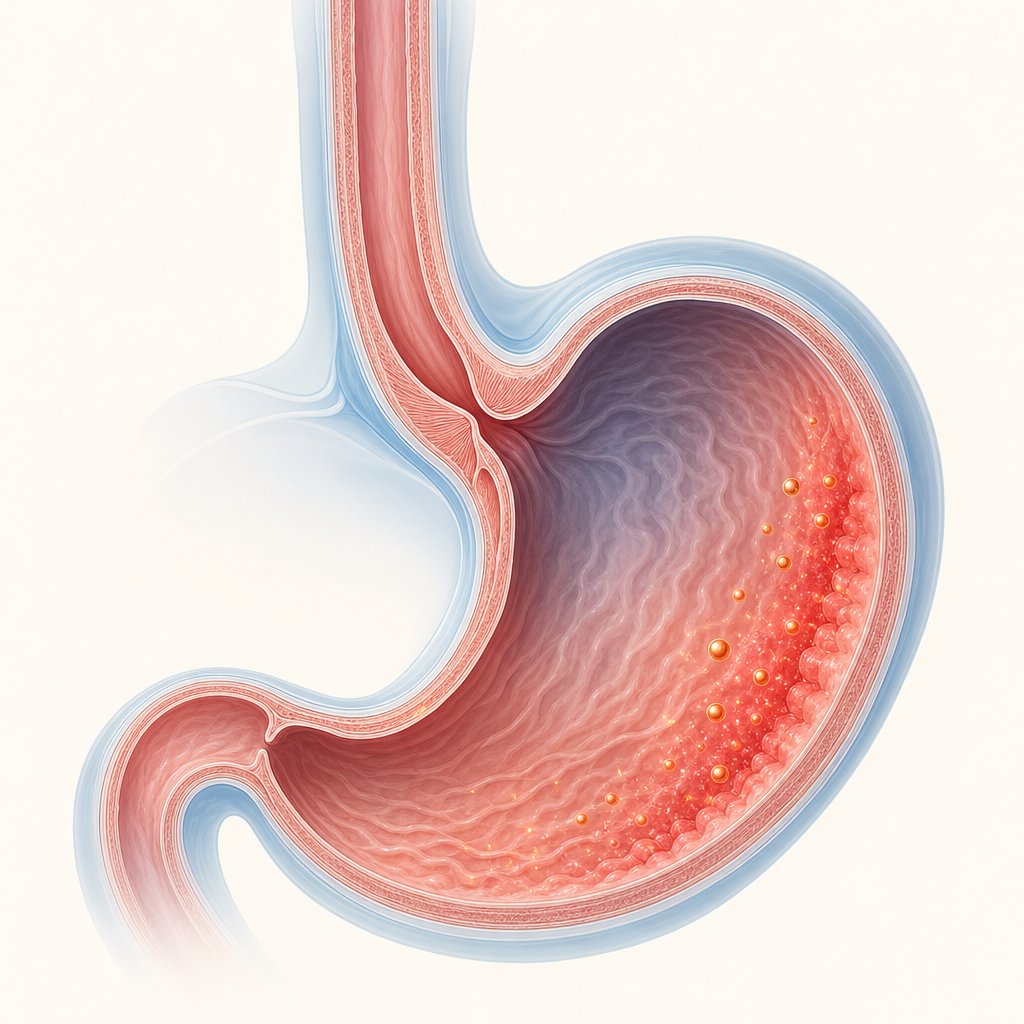
Imagine dropping a concentrated mineral salt directly onto delicate tissue. That is essentially what happens when an iron tablet dissolves in your upper digestive tract. The side effects of iron supplements trace back to four distinct mechanisms working alone or in combination:
- Direct mucosal irritation. When an iron tablet dissolves, it releases concentrated iron ions that make direct contact with the esophageal and gastric lining. These ions are corrosive to the epithelial surface. A study published in Gastroenterology Research found that 98% of patients with iron deposition in upper GI biopsies had a history of oral iron supplementation, and 86% of those with esophageal iron deposits showed erosion of the tissue. If a tablet lingers in the esophagus even briefly, it can create a localized chemical injury resembling a small burn.
- Oxidative tissue damage. Free iron generates reactive oxygen species (ROS) through a process called the Fenton reaction. These unstable molecules attack cell membranes and damage tissue at the molecular level, amplifying the irritation far beyond simple contact.
- Lower esophageal sphincter (LES) relaxation. Iron salts may trigger inappropriate relaxation of the muscular valve separating your stomach from your esophagus. When this sphincter loosens, acidic stomach contents flow upward, producing the classic burning sensation in your chest and throat.
- Increased gastric acid production. Iron salts stimulate the stomach to produce more hydrochloric acid. More acid means a higher volume of corrosive fluid available to reflux upward, especially if the LES is already weakened.
These mechanisms explain why symptoms of ferrous sulfate often center on the upper GI tract rather than the lower intestines. The damage starts where the tablet first makes contact and cascades from there.
The Role of Oxidative Stress in Iron-Related Heartburn
The oxidative pathway deserves closer attention because it explains why oral iron side effects can escalate over time. When iron transitions from its ferrous (Fe2+) to ferric (Fe3+) state inside your body, it releases electrons that generate free radicals. These radicals punch holes in cell membranes, trigger inflammatory responses, and degrade the protective mucus layer that normally shields your stomach and esophageal lining from acid.
This is not a minor irritation. The clinical reality, documented in peer-reviewed gastroenterology literature, is that iron pill gastritis can produce serious mucosal injury when it goes unrecognized. Researchers examining upper GI biopsies have identified crystalline iron deposits overlapping with areas of mucosal ulceration, confirming that the supplement itself drives tissue breakdown. One case study described a patient on ferrous sulfate who developed multiple gastric erosions and a non-bleeding antral ulcer, with biopsy confirming heavy iron deposition at the injury site using Prussian blue staining.
Iron sulfate side effects tend to be more pronounced than those of other iron forms precisely because ferrous sulfate releases a high concentration of free iron ions rapidly. The standard ferrous sulfate 325 mg dose delivers approximately 65 mg of elemental iron in a single burst, overwhelming the stomach's protective defenses. This is why iron 325 mg ferrous sulfate side effects frequently include heartburn as a primary complaint rather than a rare occurrence.
The side effects of ferrous sulfate also intensify in certain populations. Elderly patients face higher risk due to slower gastric motility, which allows the dissolving tablet to sit against tissue longer. Research shows that patients with erosive damage from iron were on average 43% older than those without erosion. People with pre-existing esophageal conditions or those who take their tablet without enough water face compounded risk because the pill may lodge against vulnerable tissue.
Ferrous sulfate 325 mg side effects are not inevitable, though. The same research that documents the damage also points toward solutions: liquid iron formulations, for instance, do not concentrate against tissue the same way and produce significantly less mucosal injury even at equivalent doses. Understanding these mechanisms is the first step toward choosing a strategy that keeps your iron levels rising without your stomach acid following suit.
Heartburn or Stomach Upset from Iron Tablets and How to Tell the Difference
Iron supplements can make your entire upper digestive tract miserable, but not all that discomfort is the same thing. Many people lump every unpleasant sensation together under "my iron pills upset stomach," yet the burning in your chest and the queasy feeling in your gut have different origins and, critically, different fixes.
Heartburn Versus Nausea and Stomach Pain from Iron
Heartburn from iron involves acid traveling upward past the lower esophageal sphincter into your esophagus and throat. You feel it as a burning sensation behind the breastbone, sometimes radiating toward your neck. It worsens when you lie down or bend over.
Iron supplements nausea and iron supplements stomach pain, on the other hand, stem from direct irritation of the gastric mucosa, the stomach lining itself. The concentrated iron ions inflame tissue locally, triggering cramping, bloating, and that wave of queasiness that makes you regret swallowing the pill. An iron tablets stomach ache typically sits lower, centered in the upper abdomen rather than the chest.
Here is where it gets tricky: iron can cause both simultaneously. The same tablet that irritates your stomach lining can also relax the LES and boost acid production, sending that acid upward. This compounding effect is why many people describe their experience as nausea and iron pills causing a vague, all-over misery that is hard to pin down.
| Feature | Heartburn (Acid Reflux) | General Stomach Upset |
|---|---|---|
| Primary sensation | Burning in chest or throat | Nausea, cramping, abdominal pain |
| Location | Behind breastbone, may radiate upward | Upper abdomen, around the stomach |
| Cause | Acid refluxing past the LES into the esophagus | Direct irritation of the gastric mucosa by iron ions |
| Worsened by | Lying down, bending over, large doses | Empty stomach, high-dose iron salts |
| Key solutions | Stay upright 30+ minutes, drink full glass of water, consider gentler formulation | Take with a small amount of food, split doses, switch to chelated iron |
Why the Difference Changes Your Treatment Approach
This distinction matters because the remedies diverge. If your main complaint is iron pill nausea, taking your supplement with a small snack or splitting the dose into two smaller amounts often resolves it. GoodRx clinical guidance confirms that breaking your daily dose into two smaller portions can lessen nausea without significantly reducing absorption.
But if your problem is true heartburn, food alone will not solve it. You need strategies that prevent acid from reaching your esophagus: staying upright after dosing, drinking enough water to clear the tablet quickly, and potentially switching to a formulation that does not trigger LES relaxation. Reaching for an antacid seems logical, yet as you will see, that reflex creates a new problem entirely.
When you experience an upset stomach from iron tablets that includes both nausea and chest burning, you are dealing with a dual mechanism. Addressing only one side leaves the other untreated. Identifying which symptom dominates helps you prioritize the right intervention first, whether that is timing adjustments, format changes, or a conversation with your provider about alternative iron forms that reduce both irritation pathways at once.

Iron Supplement Formulations Ranked by Heartburn Risk
Not all iron supplements punish your esophagus equally. The formulation you choose, and the physical format it comes in, can mean the difference between manageable supplementation and daily misery. If your current ferrous sulphate iron supplement is causing persistent burning, switching forms may solve the problem without sacrificing effectiveness.
Ferrous Sulfate Versus Gentler Iron Forms
Ferrous sulfate tablets remain the most commonly prescribed iron supplement worldwide because they are cheap and effective. A standard ferrous sulfate 325mg tablet delivers about 65 mg of elemental iron, which is enough to correct deficiency relatively quickly. The tradeoff? A systematic review and meta-analysis found that ferrous sulfate significantly increases the risk of gastrointestinal side effects compared to placebo, with an odds ratio of 2.32. Roughly 40-50% of people taking it experience GI distress severe enough to consider quitting.
Why does iron glycinate cause so much less trouble? Chelated forms like iron bisglycinate bond the iron ion to amino acids, essentially wrapping it in a protective molecular shell. This prevents free iron from making direct contact with your mucosal lining and reduces the oxidative burst that triggers inflammation. Research published in Haematologica confirms that ferrous bisglycinate had beneficial effects against intestinal inflammation in animal models, while ferrous sulfate exacerbated it. Clinical data shows iron bisglycinate produces 70-80% fewer GI side effects while maintaining comparable absorption.
Here is how the major formulations stack up for heartburn risk:
| Formulation | Elemental Iron per Dose | Heartburn Risk | Absorption Rate | Best Format |
|---|---|---|---|---|
| Iron Bisglycinate (Glycinate) | 25-50 mg | Low | Excellent (chelated) | Capsules, gummies |
| Sucrosomial Iron | 14-30 mg | Very Low | Good (nanoparticle) | Capsules |
| Liquid Iron (ferric complexes) | Variable | Low-Moderate | Moderate | Oral liquid |
| Ferrous Gluconate | 35 mg | Moderate | Good | Tablets |
| Ferrous Fumarate | 106 mg | Moderate-High | Very Good | Tablets, capsules |
| Ferrous Sulfate | 65 mg | High | Good | Tablets |
| Slow-Release Ferrous Sulfate | 50-105 mg | Moderate | Poor-Variable | Enteric-coated tablets |
A note on slow release iron tablets: they sound like a logical solution since they theoretically reduce the iron concentration hitting your stomach at any one moment. In practice, the British Society of Gastroenterology does not recommend them because enteric coating delays iron liberation past the duodenum, where absorption is optimal. You may get less heartburn, but you also get less iron into your bloodstream. A slow release iron supplement trades one problem for another.
How Product Format Affects Stomach Tolerability
Beyond the iron compound itself, the physical delivery format plays a surprisingly large role in whether you experience heartburn. Consider what happens when a large, hard tablet gets stuck partway down your esophagus. It dissolves against tissue, creating a concentrated pocket of corrosive iron ions exactly where you do not want them.
Smaller iron capsules clear the esophagus faster and are less likely to lodge against tissue. Iron gummies dissolve in the mouth before swallowing, eliminating esophageal contact almost entirely. Liquid iron formulations bypass the tablet-lodging problem completely, though they can still irritate the stomach lining if taken undiluted.
Here is how format influences your experience:
- Gummy format: No esophageal contact, pleasant taste improves compliance, typically uses gentler iron forms like ferrous bisglycinate or ferric pyrophosphate. Lower elemental iron per serving means you may need multiple gummies.
- Soft capsules: Smooth exterior slides down easily, less likely to lodge. Can encapsulate liquid or chelated iron forms for dual tolerability benefits.
- Oral liquids: Zero lodging risk, dose is easily adjustable, but metallic taste can trigger nausea in sensitive individuals.
- Standard tablets: Highest lodging risk, especially large ferrous sulfate tablets. Rough or uncoated surfaces increase friction against esophageal walls.
- Powder or granule sachets: Mixed into water or food, these distribute iron across a larger surface area rather than concentrating it at one point.
For supplement brands developing iron products, the connection between delivery format and consumer tolerability is direct. Manufacturers offering flexible production across formats, from gummy candy and soft capsules to oral liquids and powder granules, like ZhuFeng's OEM/ODM health food manufacturing services, enable brands to create stomach-friendly iron supplements specifically designed to reduce heartburn risk. When a brand can offer iron bisglycinate in a gummy or liquid format rather than only as a standard tablet, they solve the compliance problem that causes nearly half of iron supplement users to quit.
The bottom line: if ferrous sulfate tablets are causing you heartburn, you have real alternatives. Iron glycinate in capsule or gummy form delivers comparable absorption with dramatically less upper GI irritation. The cheapest option is not always the most cost-effective one when you factor in the doses you skip because they hurt too much to take.

Practical Steps to Prevent Heartburn When Taking Iron
Switching to a gentler formulation is one piece of the puzzle. But even the best iron form can trigger heartburn if you take it the wrong way. The good news? A few simple behavioral changes can dramatically reduce that burning sensation without compromising how much iron your body actually absorbs.
If you have been wondering how to stop stomach pain from iron pills, the answer is rarely a single fix. It is a combination of timing, positioning, hydration, and dosing strategy working together. Here is a step-by-step protocol you can start today.
Timing and Body Position Strategies That Reduce Heartburn
Can you take iron pills on an empty stomach? Technically yes, and absorption is highest that way. Clinical data shows food reduces ferrous sulfate absorption by 40-60%. But if an empty stomach leaves you with chest-burning misery, that theoretical absorption advantage means nothing when you stop taking the supplement entirely.
The practical compromise: take your iron 30-60 minutes after a light meal or small snack. A piece of fruit, a few crackers, or a small portion of lean protein gives your stomach a protective buffer without the heavy phytates and calcium found in full meals that block absorption. This approach keeps iron supplements easy on stomach tissue while preserving most of the absorption benefit.
Can i take iron at night? Absolutely. Bedtime dosing, taken 2 or more hours after dinner, offers high absorption and a practical advantage: you sleep through the window when GI symptoms are most noticeable. Just make sure you stay upright for at least 30 minutes after swallowing the tablet before lying down.
Dose-Splitting and Water Intake Techniques
Higher doses correlate directly with worse heartburn. A single 65 mg elemental iron dose floods your stomach with concentrated ions all at once. Splitting that into two smaller doses spreads the mucosal exposure across the day, reducing peak irritation at any one moment.
Here is your complete protocol for making iron pills easy on stomach tissue when taking iron pills daily or on alternate days:
- Drink a full glass of water (240 ml or more). Swallow your iron tablet with at least 8 ounces of water. This ensures the pill clears your esophagus completely rather than lodging against tissue where it can dissolve and cause localized burns.
- Stay upright for 30 minutes. Do not lie down, recline, or bend over after taking your dose. Gravity keeps the tablet moving downward and prevents acid from refluxing into your esophagus. Sit, stand, or walk around.
- Time your dose 30-60 minutes after eating. A small amount of food in your stomach buffers direct mucosal contact without significantly blocking absorption. Avoid high-calcium or high-fiber foods in this snack.
- Split your dose if heartburn persists. Instead of one large tablet, take half your daily iron in the morning and half in the evening. Research from Stoffel et al. found that split doses still raise iron levels effectively, and the reduced concentration per dose means less irritation per exposure.
- Choose smaller tablets or capsules. Large pills are more likely to lodge in the esophagus. If your current supplement is a bulky tablet, switch to a smaller capsule or liquid form that clears the throat quickly.
- Add 200 mg of vitamin C. Pair your iron with a vitamin C tablet or a small glass of orange juice. This boosts absorption enough that you can potentially use a lower iron dose while still meeting your repletion goals, reducing the side effects of taking iron pills at higher concentrations.
- Consider alternate-day dosing. Taking iron every other day rather than daily allows hepcidin levels to reset, improving fractional absorption per dose. You get more iron into your bloodstream from less total supplement, which means less total mucosal exposure over time.
An iron supplement easy on stomach lining is not just about the product you buy. It is about how you take it. These steps work with any formulation, though combining them with a gentler form like iron bisglycinate gives you the best chance of eliminating heartburn entirely while keeping your ferritin levels climbing steadily.
Of course, some people follow every one of these steps and still reach for heartburn relief. That instinct to grab an antacid creates a hidden problem that most iron users never realize exists.
Iron Supplements and Heartburn Medications Can Work Against Each Other
Your iron tablet causes heartburn, so you take an antacid. The burning stops. Problem solved, right? Not quite. That antacid just sabotaged the very reason you are taking iron in the first place. This is the interaction paradox that traps millions of people in a frustrating cycle: the standard remedy for iron-induced heartburn directly undermines iron absorption, potentially worsening the deficiency you are trying to correct.
Why Antacids and PPIs Reduce Iron Absorption
Iron supplements are best absorbed when there is plenty of acid in the stomach. Your body needs that acidic environment to convert non-heme iron from its ferric (Fe3+) form into the absorbable ferrous (Fe2+) form. Gastric acid also helps separate iron ions from the supplement matrix so they can reach absorption sites in the duodenum.
Every major class of heartburn medication works by reducing or neutralizing that acid:
- Proton pump inhibitors (PPIs) like omeprazole and pantoprazole irreversibly shut down the stomach's acid-producing pumps. They are the most potent acid suppressors available.
- H2 blockers like famotidine reduce acid production by blocking histamine receptors on parietal cells. Less potent than PPIs, but still significant.
- Antacids like calcium carbonate (Tums) neutralize existing acid on contact. Calcium also directly binds to iron in the stomach, creating an insoluble complex your body cannot absorb.
The clinical evidence is stark. A large UK population study found that chronic PPI users had an adjusted odds ratio of 3.60 for developing iron deficiency compared to non-users. A US community-based study of over 77,000 patients confirmed that people with more than two years of PPI use were over twice as likely to develop new iron deficiency, with a clear dose-response relationship: higher daily PPI doses meant greater risk.
Research on iron absorption directly measured the impact. Hutchinson et al. showed that just seven days of PPI therapy cut non-heme iron absorption nearly in half, reducing peak serum iron from 13.6 to 6.1 mmol/L. That means your 325 mg iron supplement may only deliver half its intended benefit if you are taking a PPI alongside it.
Think about what this means practically. You take iron ferrous sulfate to correct anemia. It causes heartburn. You take omeprazole for the heartburn. The omeprazole slashes your iron absorption. Your anemia medication becomes less effective, so your deficiency persists or worsens, and your doctor increases the dose or extends treatment. A higher dose causes more heartburn. The cycle tightens.
Managing Heartburn Without Sabotaging Your Iron Levels
If you already take a PPI or H2 blocker for pre-existing GERD and your doctor has also prescribed iron, you are caught in a genuine clinical dilemma. You cannot simply stop your acid-suppressing medication, but you also cannot ignore the absorption penalty. This situation warrants a direct conversation with your healthcare provider about strategy.
Take your iron supplement at least 2 hours before any antacid, H2 blocker, or PPI dose. This window allows iron to encounter full stomach acidity and be absorbed before the acid-suppressing medication takes effect.
That timing separation is the single most important rule for anyone taking both iron and heartburn medications. GoodRx clinical guidance recommends taking iron up to 2 hours before heartburn medication so there is more acid available in your stomach during the absorption window. Your pharmacist can help you build a dosing schedule that respects this gap.
Beyond timing, here are strategies that manage iron-related heartburn without compromising absorption:
- Switch iron forms. A ferrous sulphate supplement causes more heartburn than chelated iron bisglycinate. Switching to a gentler form may eliminate the need for heartburn medication entirely.
- Use positional and behavioral strategies first. Staying upright, drinking a full glass of water, and splitting doses often reduce heartburn enough that you never need an antacid.
- Pair iron with vitamin C instead of food. Vitamin C enhances absorption in low-acid conditions and may partially compensate for the effect of acid-suppressing medications.
- Ask about H2 blockers over PPIs. If you need acid suppression, H2 blockers carry less iron deficiency risk than PPIs. The British Society of Gastroenterology notes that switching from a PPI to an H2 receptor antagonist is a recognized treatment approach for PPI-associated iron deficiency.
- Discuss prescription iron pills or IV iron. For patients with severe GERD who cannot separate timing adequately, prescription iron supplements or intravenous iron infusions bypass the stomach entirely, eliminating both the heartburn and the absorption problem.
People on long-term acid suppression for conditions like Barrett's esophagus or severe GERD face the highest stakes. Their iron deficiency medication must work despite a persistently low-acid environment. For these patients, chelated iron forms that do not require acid for absorption, alternate-day dosing timed to the morning before their PPI, and regular ferritin monitoring form the foundation of a workable plan.
The key takeaway: never assume heartburn relief and iron therapy are independent decisions. They interact in ways that can quietly undermine months of supplementation. If your iron levels are not improving despite consistent dosing, the antacid or PPI in your medicine cabinet may be the hidden reason why.
Knowing how these medications interact raises a natural follow-up question: how long should you expect iron-related heartburn to last, and at what point does persistent burning signal something more serious than a side effect?

When Iron-Related Heartburn Needs a Doctor
Some discomfort during the first few days of iron therapy is expected. Your body is adjusting to a concentrated mineral it has not processed in supplement form before. But there is a line between normal adaptation and a warning sign that something more serious is developing beneath the surface.
How Long Iron Heartburn Typically Lasts
For most people, iron supplement stomach pain and heartburn peak during the first week of therapy and gradually diminish as the body adapts. Clinical guidance from gastroenterology specialists suggests waiting a maximum of two weeks to see if minor nausea and abdominal pain settle on their own. During this window, your GI tract is adjusting to the local irritation, and the mucosal lining may develop a degree of tolerance to the iron exposure.
Here is a general adaptation timeline:
- Days 1-3: Symptoms are often at their worst. The stomach lining has not yet adapted to concentrated iron contact. Iron supplements stomach ache, nausea, and burning are most intense.
- Days 4-7: Mild cases begin to ease. The body's inflammatory response stabilizes if no actual tissue damage has occurred.
- Days 7-14: Most people with uncomplicated heartburn notice significant improvement. If symptoms have not lessened at all by this point, they are unlikely to resolve on their own.
- Beyond 2 weeks: Persistent or worsening symptoms suggest the iron is causing ongoing mucosal injury rather than temporary irritation. This warrants medical evaluation.
Reducing dosing frequency can accelerate this adaptation. Taking iron every other day or every third day during the first week, then gradually increasing to the standard schedule, gives your stomach lining recovery time between exposures. Can iron supplements cause stomach pain that never improves? Yes, particularly if the formulation is too aggressive for your GI tract or if an underlying condition is compounding the damage.
Warning Signs That Need Medical Attention
Iron pill gastritis is not just uncomfortable. It can cause genuine tissue injury that requires intervention. A case report published in Cureus documented an 83-year-old patient who developed multiple gastric ulcers and erosions after just three months of ferrous sulfate therapy. Despite repeated endoscopic findings confirming iron pill gastritis with visible iron deposition on biopsy, the condition went unrecognized initially because the patient did not disclose his supplement use. The mucosal injury persisted even at follow-up because the patient continued taking solid iron tablets against medical advice.
This case illustrates a critical point: iron pills symptoms can escalate from simple heartburn to erosive gastric injury without obvious external warning. You cannot see what is happening inside your stomach, so you need to recognize the red flags that signal tissue damage rather than simple irritation.
Seek medical evaluation promptly if you experience any of the following while taking iron supplements:
- Severe or worsening pain that intensifies over days rather than improving, especially sharp or stabbing pain in the upper abdomen or chest
- Difficulty swallowing or a sensation of food getting stuck, which may indicate esophageal erosion or stricture from iron contact
- Vomiting blood or dark material that resembles coffee grounds, a sign of upper GI bleeding from ulceration
- Black, tarry stools beyond what iron normally causes (iron turns stools dark, but melena from bleeding has a distinct sticky, tar-like consistency and foul odor)
- Unintentional weight loss alongside persistent GI symptoms
- Iron tablets and stomach cramps that do not respond to dose reduction, timing changes, or formulation switches after two weeks of adjustment
- Symptoms that disappeared but returned after a period of improvement, suggesting progressive mucosal damage
Certain populations face elevated risk and should have a lower threshold for seeking evaluation. People with existing GERD already have a compromised lower esophageal sphincter and chronic acid exposure. Adding iron-induced irritation on top of pre-existing reflux damage compounds the injury. The Cureus case report noted that the patient's chronic GERD likely contributed to faster development of iron pill gastritis, as his esophageal and gastric tissue was already vulnerable.
Pregnant women prescribed iron face a unique challenge. Pregnancy itself increases reflux due to hormonal relaxation of the LES and upward pressure from the growing uterus. Iron supplements abdominal pain layered onto pregnancy-related reflux can be difficult to distinguish from normal pregnancy discomfort, potentially masking a more serious problem. If you are pregnant and experiencing worsening heartburn after starting iron, discuss it with your provider rather than assuming it is just another pregnancy symptom.
Elderly patients on multiple medications represent the highest-risk group. Research shows the mean age of patients with iron-induced erosive injury was 76 years. Slower gastric motility, concurrent NSAID use, and reduced mucosal blood flow all amplify iron's corrosive potential. Can iron tablets cause stomach cramps severe enough to mimic other conditions in this population? Absolutely, and the overlap with symptoms of peptic ulcer disease, medication side effects, and age-related GI changes makes iron pill gastritis easy to miss without a high index of suspicion.
The iron tablets tummy ache that you have been tolerating for weeks may be your body telling you something important. If behavioral strategies and formulation changes have not resolved your symptoms within two weeks, or if any red-flag symptoms appear at any point, do not push through. A conversation with your doctor, and potentially an endoscopic evaluation, can distinguish between harmless irritation and tissue injury that needs a different treatment approach entirely.
For those who have tried everything and still cannot tolerate oral iron tablets, the question shifts from how to manage the side effects to whether a completely different delivery method might be the answer.
Stomach-Friendly Alternatives When Iron Tablets Cause Too Much Heartburn
Persistent heartburn despite timing adjustments, water intake, and positional strategies does not mean you are out of options. It means standard iron tablets are not the right vehicle for your body. Can iron pills cause heartburn severe enough to justify stopping? Yes, but stopping without a replacement plan is the worst possible outcome. Your iron levels will continue dropping, your symptoms of deficiency will worsen, and you will eventually need more aggressive anemia treatments to catch up.
The goal is not to abandon iron. It is to find a delivery method your body can tolerate. Here are your alternatives, ranked from most accessible to most involved:
Gentle Iron Formats for Sensitive Stomachs
- Iron bisglycinate capsules or tablets. This chelated form wraps iron ions in amino acids, preventing direct mucosal contact. It is widely considered the best iron supplement for sensitive stomach situations because it produces 70-80% fewer GI side effects than ferrous sulfate while maintaining strong absorption. Many people who failed on standard tablets tolerate bisglycinate without any heartburn at all.
- Iron gummies. Gummies dissolve in the mouth before swallowing, eliminating esophageal contact entirely. Iron gummies for women are particularly popular because they combine tolerability with convenience during pregnancy or heavy menstruation. The tradeoff is lower elemental iron per serving, so you may need two or three gummies to match a single tablet's dose.
- Liquid iron formulations. Oral liquids bypass the tablet-lodging problem completely and allow precise dose adjustment. You can start with a very small amount and gradually increase as tolerated. Diluting in juice masks the metallic taste and adds vitamin C for better absorption.
- Powder or granule sachets. Mixed into water or food, these distribute iron across a larger volume rather than concentrating it at a single point of contact. Easy to digest iron pills are not always pills at all.
- Soft capsules with liquid iron fill. The smooth gelatin exterior slides past the esophagus quickly, and the liquid interior disperses evenly in the stomach rather than dissolving as a concentrated mass.
For supplement brands developing iron supplements for sensitive stomachs, the format flexibility matters as much as the iron compound itself. Manufacturers like ZhuFeng, which offer OEM/ODM production across gummies, oral liquids, soft capsules, and powder granules, enable brands to create customized iron formulations specifically engineered for tolerability. When a company can pair iron bisglycinate with a gummy or liquid delivery system, they solve the compliance problem at both the chemical and physical level.
Food-Based Iron Strategies When Supplements Fail
Dietary iron will not correct a severe deficiency on its own, but it serves as a valuable iron booster alongside a gentler supplement or during a transition period. Columbia University's health resource confirms that strategic food choices can meaningfully contribute to your daily iron intake without any GI side effects.
Iron-rich foods that deliver meaningful amounts include lean red meat, oysters, lentils, white beans, spinach, and iron-fortified cereals. Your body absorbs heme iron from animal sources two to three times more efficiently than non-heme iron from plants. Vegetarians can close this gap by pairing plant-based iron sources with vitamin C-rich foods like citrus fruits, bell peppers, and tomatoes.
Cooking in cast iron cookware adds a small but real amount of iron to your food. The effect is strongest with acidic foods cooked at high temperatures for longer periods. A tomato-based sauce simmered in a cast iron pan absorbs more iron than a quickly fried egg. Research suggests this method may contribute enough iron for some individuals to meet minimum daily requirements, though it is unpredictable and should supplement rather than replace targeted iron intake.
When every oral approach fails, intravenous iron infusion becomes the conversation to have with your doctor. An observational study comparing oral versus IV iron therapy found that IV iron sucrose raised hemoglobin from 6.34 to 11.66 g/dL within 28 days, significantly outperforming oral supplementation. Critically, IV iron produced zero cases of heartburn or nausea in the study, compared to a 4% heartburn rate and 4% nausea rate in the oral group. The side effect profile shifted entirely away from GI complaints. IV iron is not a first-line option due to cost, clinic visits, and rare infusion reactions, but for people with severe intolerance who cannot maintain adequate iron levels through any oral route, it eliminates the heartburn problem completely while replenishing stores faster than any tablet ever could.
Whatever path you choose, the principle remains the same: do not let heartburn drive you away from iron entirely. Iron supplements for sensitive stomachs exist in multiple forms, food-based strategies provide a safety net, and IV infusion stands as a reliable backup. Your deficiency will not fix itself, but the burning does not have to be part of the solution.
Frequently Asked Questions About Iron Tablets and Heartburn
1. Why do iron tablets cause heartburn specifically and not just stomach pain?
Iron tablets cause heartburn through a distinct mechanism involving the lower esophageal sphincter (LES). When iron salts dissolve, they can trigger inappropriate relaxation of this muscular valve, allowing acidic stomach contents to flow upward into the esophagus. Iron also stimulates increased gastric acid production, creating more corrosive fluid available to reflux. This is different from general stomach pain, which results from direct irritation of the gastric mucosa by concentrated iron ions. Many people experience both simultaneously because the same tablet triggers multiple pathways, but the heartburn component specifically involves acid moving upward past the LES rather than staying in the stomach.
2. Can I take antacids with iron supplements to stop the heartburn?
Taking antacids alongside iron supplements is counterproductive. Antacids neutralize stomach acid, but your body needs that acid to convert iron into its absorbable form. Research shows that proton pump inhibitors (PPIs) can cut non-heme iron absorption nearly in half, and chronic PPI users face over three times the risk of developing iron deficiency. If you must use heartburn medication, take your iron supplement at least two hours before the antacid to allow absorption in a full-acid environment. Better alternatives include switching to chelated iron forms like bisglycinate, staying upright after dosing, and drinking a full glass of water to clear the tablet from your esophagus quickly.
3. Which type of iron supplement is least likely to cause heartburn?
Iron bisglycinate (also called iron glycinate) is widely regarded as the gentlest option for heartburn-prone individuals. This chelated form bonds iron ions to amino acids, creating a protective molecular shell that prevents free iron from directly contacting and irritating mucosal tissue. Clinical data shows it produces 70-80% fewer GI side effects than ferrous sulfate while maintaining comparable absorption rates. The delivery format also matters significantly. Gummies eliminate esophageal contact entirely since they dissolve in the mouth, liquid iron avoids tablet-lodging risks, and soft capsules slide past the esophagus more smoothly than large, rough-surfaced tablets. Brands working with flexible manufacturers can combine gentle iron compounds with stomach-friendly formats like gummies or oral liquids for optimal tolerability.
4. How long does heartburn from iron tablets last before it goes away?
For most people, iron-related heartburn peaks during the first three days and gradually improves over one to two weeks as the GI tract adapts. By days four through seven, mild cases typically begin easing. If symptoms have not improved at all after two weeks of consistent use, they are unlikely to resolve on their own and indicate the formulation may be too aggressive for your digestive system. Starting with alternate-day dosing during the first week can accelerate adaptation by giving your stomach lining recovery time between exposures. However, if you experience severe or worsening pain, difficulty swallowing, vomiting blood, or symptoms that return after a period of improvement, seek medical evaluation promptly regardless of timeline.
5. Is it better to take iron on an empty stomach or with food to avoid heartburn?
Taking iron on an empty stomach maximizes absorption but significantly increases heartburn risk. The practical compromise is taking your iron 30 to 60 minutes after a light snack, such as a piece of fruit or a few crackers. This provides a protective buffer for your stomach lining without the heavy phytates and calcium found in full meals that block absorption by 40-60%. Pairing iron with 200 mg of vitamin C instead of food can also boost absorption enough to allow a lower dose while reducing mucosal irritation. Additionally, drinking at least 240 ml of water ensures the tablet clears your esophagus completely, and staying upright for 30 minutes after dosing prevents acid from refluxing into the esophagus.