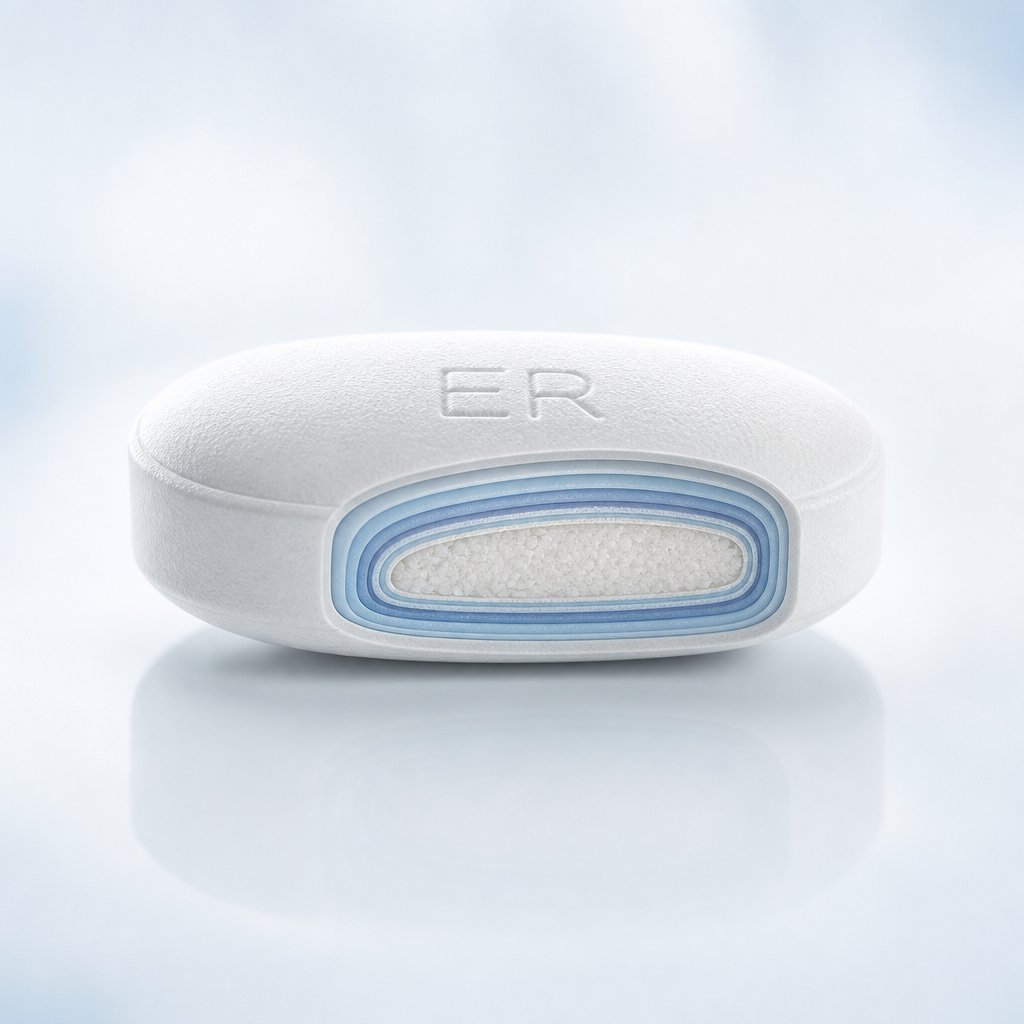
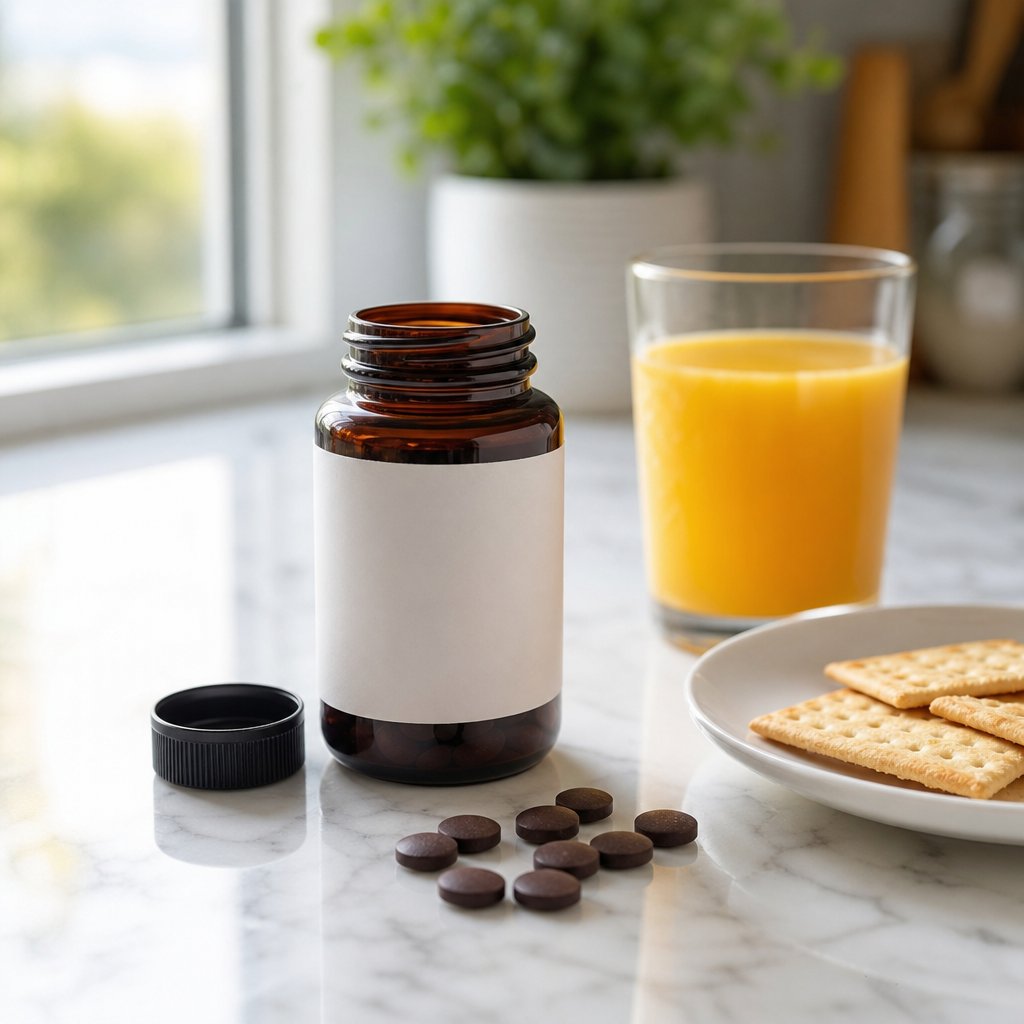
Yes Iron Tablets Can Cause Nausea and Here Is What to Know
Can iron supplements cause nausea? Yes, and you are far from alone in experiencing it. Nausea is one of the most frequently reported iron supplement side effects, affecting roughly 40% of patients taking oral iron. If you have been feeling queasy after swallowing your iron pill, that reaction is a well-documented pharmacological response, not a sign that something is seriously wrong.
The good news: iron-related nausea is almost always manageable, and a growing body of research points to simple dosing adjustments that can dramatically reduce it.
The Short Answer About Iron and Nausea
Nausea from iron tablets is common, usually manageable, and rarely dangerous. Understanding why it happens puts you in control of finding a solution that works.
Among iron tablets side effects, stomach upset and nausea rank at the top of the list. The iron pills side effects you feel are largely driven by how much unabsorbed iron sits in contact with your stomach lining. That means the type of iron you take, when you take it, and how much you take per dose all influence whether nausea shows up and how intense it gets.
What This Guide Covers
This article is designed as a single, comprehensive resource so you do not have to piece together answers from a dozen different sources. Here is what you will find:
- The biological mechanisms behind iron-induced nausea
- How quickly symptoms start and whether they improve over time
- A formulation comparison ranked by nausea risk
- Practical strategies, including the alternate-day dosing shift backed by recent research
- Clear guidance on when to push through and when to call your doctor
The side effects of taking iron do not have to derail your treatment. The goal here is patient empowerment: giving you enough understanding of your own symptoms to have a productive conversation with your healthcare provider and find an approach that keeps you on track without the misery.
So what exactly is happening inside your stomach when that iron tablet dissolves? The answer involves some surprisingly aggressive chemistry.
Why Iron Tablets Trigger Nausea in Your Stomach
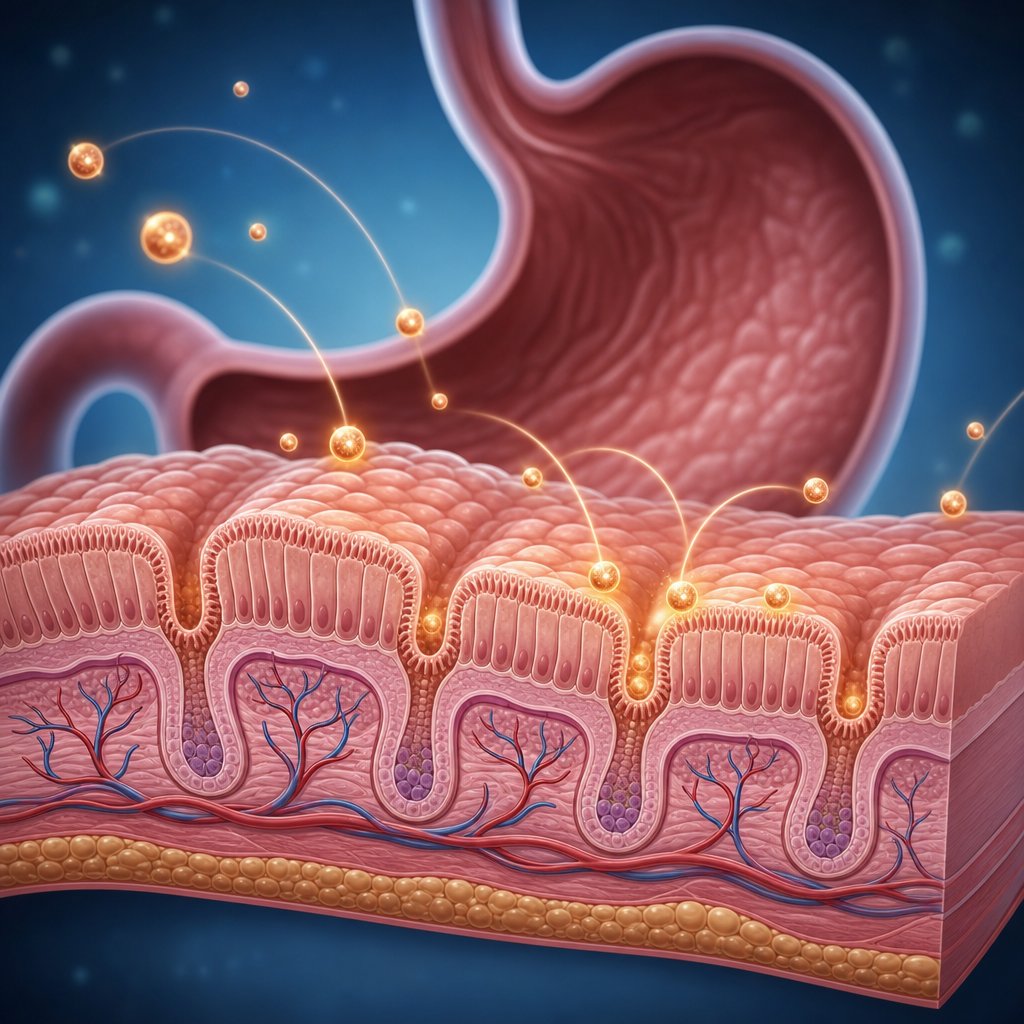
When you swallow an iron tablet, it does not simply dissolve and slip quietly into your bloodstream. The moment that pill breaks down in your stomach, free iron ions come into direct contact with delicate mucosal tissue, and a cascade of irritating reactions begins. Understanding these mechanisms helps explain why nausea is a predictable pharmacological effect rather than a random sensitivity.
Four distinct processes work together to produce that familiar wave of queasiness. Here is what happens at the cellular level:
- Direct mucosal irritation: Unabsorbed ferrous (Fe2+) ions are chemically reactive. They make direct contact with the gastric lining and upper intestinal epithelium, irritating the mucosa in much the same way that aspirin or alcohol would. This local irritation triggers nausea signals through vagal nerve pathways.
- Free radical generation via Fenton chemistry: When ferrous iron reacts with hydrogen peroxide naturally present in gut tissue, it produces highly reactive hydroxyl radicals. This is known as the Fenton reaction. These radicals damage membrane proteins and cause lipid peroxidation in intestinal epithelial cells, triggering oxidative stress and inflammation that your body registers as nausea.
- Osmotic water shift: Unabsorbed iron in the intestinal lumen draws water into the gut through osmosis. This fluid influx distends the intestinal wall, activating stretch receptors that contribute to feelings of nausea and abdominal discomfort.
- Hepcidin-mediated absorption block: After you take an iron dose, your liver releases hepcidin, a hormone that degrades ferroportin and blocks further iron absorption for roughly 24 hours. When your iron stores are already adequate, hepcidin levels stay elevated, meaning even more of the ingested iron remains unabsorbed in the GI tract, amplifying all three mechanisms above.
How Iron Irritates the Stomach Lining
Imagine dropping a corrosive substance onto a thin, sensitive membrane. That is essentially what happens when concentrated iron ions sit against your gastric mucosa. The side effects of ferrous sulfate are particularly pronounced because ferrous sulfate dissociates rapidly in stomach acid, flooding the local environment with free Fe2+ ions before the intestinal absorption machinery can keep up.
Research published in Critical Reviews in Food Science and Nutrition confirms that the easier Fe2+ dissociates from an oral iron supplement, the more serious the intestinal inflammation. This is why iron sulfate side effects tend to be harsher than those from chelated or slow-release forms, where iron is released gradually rather than all at once.
The Role of Free Radicals and Hepcidin
The Fenton reaction deserves special attention because it explains why iron-induced nausea can feel disproportionate to the size of the pill you swallowed. A single unabsorbed iron ion can catalyze the production of multiple hydroxyl radicals, each capable of damaging surrounding cells. Over time, this oxidative stress can reduce intestinal villi height and compromise tight junction proteins between mucosal cells, worsening local inflammation.
Hepcidin adds a compounding layer. Clinical data from ETH Zurich show that oral iron doses of 60 mg or more acutely increase serum hepcidin, and this elevation persists for approximately 24 hours. During that window, ferroportin is degraded and iron absorption drops significantly. The practical result: a large portion of your next dose simply sits in the gut, generating more free radicals and more irritation. This is the core reason why ferrous sulphate side effects are dose-dependent.
The dose-response relationship is straightforward. A standard 325 mg ferrous sulfate tablet delivers about 65 mg of elemental iron, yet the maximum the body can absorb under even severe deficiency conditions is roughly 25 mg per day. That leaves at least 40 mg of unabsorbed elemental iron sitting in your GI tract with each dose. Multiply that by two or three daily doses, as traditional guidelines recommend, and you can see why side effects of iron supplements scale with dosage. More unabsorbed iron means more mucosal contact, more Fenton chemistry, and more nausea.
This dose-dependent pattern raises an obvious question: if the nausea hits, how quickly does it arrive after you take the tablet, and does it eventually fade with continued use?
When Nausea Starts and How Long It Typically Lasts
You swallow your iron tablet, go about your morning, and then it hits: a slow-building queasiness that settles in your upper stomach. Most people report this sensation arriving within 30 to 60 minutes of taking a dose, which aligns with the time it takes for the tablet to dissolve and release free iron ions against the gastric lining. For some, the onset is faster, especially when taking iron on an empty stomach. Others notice it creeping in more gradually, feeling nauseous after eating a small snack alongside their supplement.
How Soon Nausea Starts After Taking Iron
The 30-to-60-minute window is not random. It corresponds to gastric dissolution time for standard ferrous salt tablets. Once the tablet coating breaks down and iron ions flood the local environment, the mucosal irritation and Fenton chemistry discussed earlier kick in almost immediately. The nausea signal travels via vagal nerve pathways to the brain's vomiting center, producing that unmistakable wave of stomach unease.
Per dose, the discomfort typically lasts between 1 and 3 hours. This timeline tracks with gastric emptying: once the bulk of unabsorbed iron moves from the stomach into the duodenum and further down the intestinal tract, the concentrated mucosal irritation eases. You might still feel mildly off, similar to feeling nauseous when hungry, but the peak intensity usually passes within that window. By the time iron pills symptoms resolve for the day, most people feel entirely normal again until the next dose.
Several factors shorten or lengthen this window:
- Taking iron with food buffers the stomach and may delay onset but also reduce peak intensity
- Higher elemental iron content (65 mg from ferrous sulfate vs. 36 mg from ferrous gluconate) tends to produce longer-lasting nausea
- Individual gastric motility matters: people with slower stomach emptying may experience prolonged symptoms
Does the Nausea Get Better Over Time
Here is where things get more nuanced. Some patients experience what clinicians call GI adaptation. Their stomach lining gradually adjusts to the repeated presence of iron ions, and nausea intensity decreases noticeably after the first 5 to 7 days of consistent dosing. If you fall into this group, you will likely notice each successive dose feels slightly less unpleasant than the one before.
Others are not as fortunate. For a significant subset of patients, the nausea remains steady or even worsens with continued use. Research shows that up to 50% of people prescribed oral iron eventually stop following their treatment plan because GI side effects never become tolerable. If your symptoms have not improved after 1 to 2 weeks of consistent dosing, that is a reasonable signal to discuss a formulation change or dosing adjustment with your provider rather than pushing through indefinitely.
A realistic framework looks like this: give your current iron regimen 7 to 14 days. During that period, you are watching for signs iron pills are working, such as gradually improving energy levels, while also tracking whether the nausea is trending downward. If it is, adaptation is happening and you are likely through the worst. If it is holding steady or getting worse, your body is telling you something needs to change.
There is also a psychological layer worth acknowledging. When you experience nausea repeatedly at the same time, in the same context, your brain can develop what researchers call anticipatory nausea, a classically conditioned response where the mere act of reaching for the pill bottle or tasting the metallic coating triggers queasiness before the iron even reaches your stomach. This phenomenon is well-documented in chemotherapy patients, where up to 25% develop anticipatory symptoms by their fourth treatment cycle. The same conditioning mechanism applies on a smaller scale with daily iron supplementation: your brain links the pill-taking ritual with feeling sick, and the expectation itself amplifies the physical response.
If you notice nausea starting before you even swallow the tablet, or if the dread of taking it feels almost as bad as the side effect itself, anticipatory conditioning may be contributing. Breaking the pattern can be as simple as changing the time of day you take iron, switching the location where you take it, or pairing the dose with a new pleasant routine that disrupts the learned association.
Understanding how long does it take for iron supplements to work also helps with motivation. Blood markers typically begin improving within 2 to 4 weeks, with noticeable energy gains following shortly after. Knowing that the payoff is weeks away, not months, can make a short adaptation period feel more manageable.
The timing and persistence of your nausea also depend heavily on which iron formulation you are taking. Not all iron supplements are created equal when it comes to stomach tolerance, and the differences are substantial enough to warrant a closer look.
Iron Formulations Compared by Nausea Risk
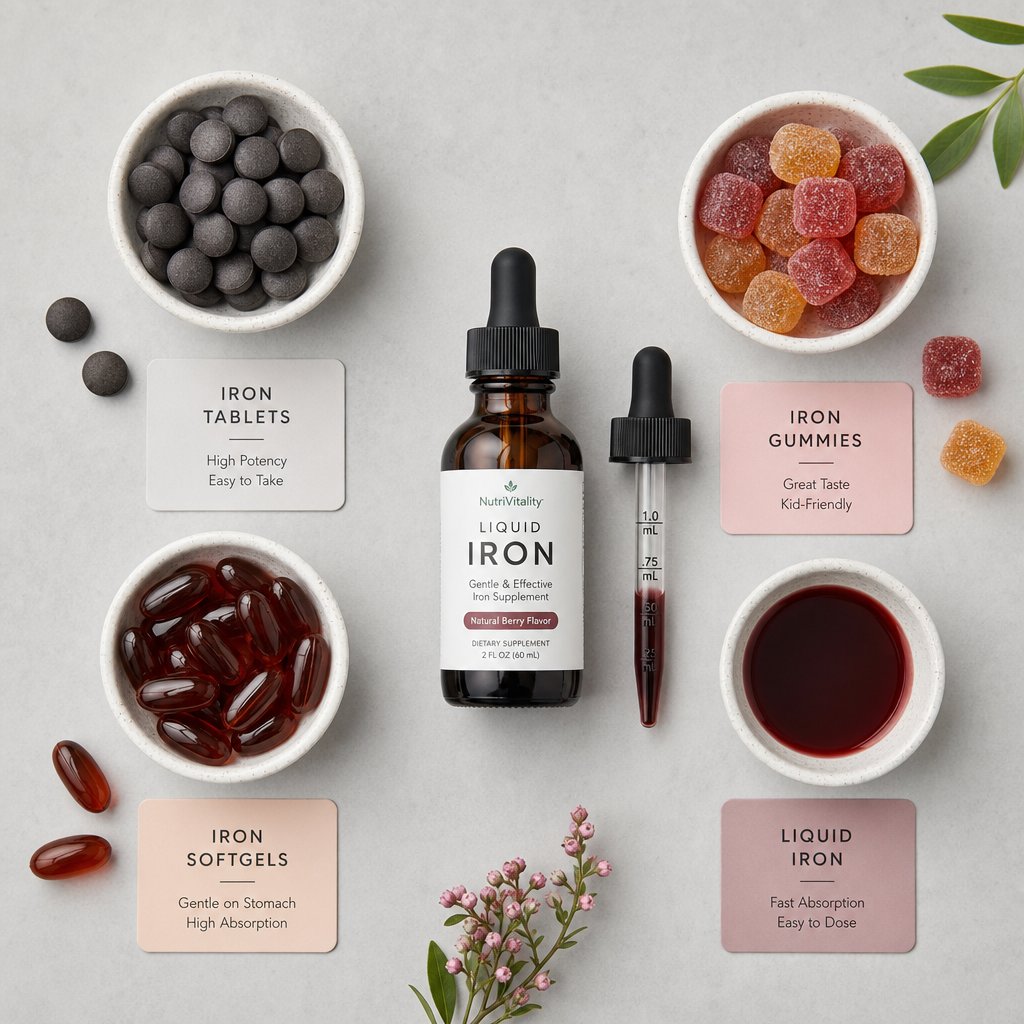
The iron supplement aisle can feel overwhelming, but here is what most labels will not tell you: the form of iron inside the tablet matters far more than the brand on the outside. Different iron formulations release iron ions at different rates, deliver different amounts of elemental iron per dose, and interact with your stomach lining in fundamentally different ways. When you compare ferrous sulfate vs ferrous gluconate, for example, the nausea gap between them is not subtle. It is clinically significant.
The table below ranks the most common iron formulations by their likelihood of causing nausea, based on elemental iron content, dissolution behavior, and published tolerability data.
| Formulation | Typical Dose | Elemental Iron per Dose | Nausea Risk | Absorption Notes |
|---|---|---|---|---|
| Ferrous sulfate | 325 mg | 65 mg | High | Rapid dissociation in stomach acid; good absorption but highest GI side effect rate |
| Ferrous fumarate | 324 mg | 106 mg | High | Highest elemental iron per tablet; strong absorption but harsh on the stomach |
| Ferrous gluconate | 324 mg | 36 mg | Moderate | Lower elemental iron means less unabsorbed iron irritating the gut; generally better tolerated |
| Iron bisglycinate (chelated) | 25-50 mg elemental | 25-50 mg | Low | Iron bound to glycine amino acids; absorbed via peptide pathways with minimal free ion release |
| Polysaccharide iron complex | 150 mg elemental | 150 mg | Low | Iron surrounded by polysaccharide shell; less reactive with mucosa but moderate absorption |
| Heme iron polypeptide | 11 mg elemental | 11 mg | Low | Animal-derived; absorbed intact through heme receptor; excellent bioavailability |
| Liquid iron (various forms) | Variable | 10-25 mg per dose | Low to Moderate | Allows precise micro-dosing; can stain teeth; absorption depends on specific form used |
Ferrous Salts and Their Nausea Profiles
Ferrous sulfate 325mg remains the most commonly prescribed iron supplement worldwide, largely because it is inexpensive and widely available. It delivers 65 mg of elemental iron per tablet, which sounds efficient until you consider that your body can only absorb roughly 10-25 mg of that dose under optimal conditions. The remainder sits in your GI tract, generating the free radicals and mucosal irritation covered earlier. A systematic review and meta-analysis found that ferrous sulfate causes significant gastrointestinal side effects compared to placebo, with nausea being one of the most common complaints driving the 40-50% non-adherence rate.
Ferrous fumarate packs even more elemental iron per tablet (106 mg from a 324 mg dose), which makes it efficient for severe deficiency but also means more unabsorbed iron and a similarly high nausea profile. It is not inherently gentler than sulfate; it simply delivers iron in a different salt form.
Ferrous gluconate 324 mg offers a meaningful step down. With only about 36 mg of elemental iron per tablet (12% elemental iron content), there is simply less free iron available to irritate your stomach at any given moment. Tolerability research consistently shows that ferrous gluconate produces fewer GI complaints than ferrous sulfate, making it a reasonable first switch for people who cannot tolerate the standard prescription. The trade-off is that you may need to take more tablets per day to match the same total elemental iron intake, but many patients find the reduced nausea per dose well worth it.
Gentler Alternatives Worth Considering
The real leap in tolerability comes from formulations that fundamentally change how iron interacts with your gut lining. Ferrous bisglycinate chelate is the standout in this category. Instead of releasing free iron ions into the stomach, this form keeps each iron atom covalently bonded to two molecules of the amino acid glycine. The chelated structure means the iron passes through the stomach largely intact and is absorbed through peptide transport pathways in the intestine rather than the standard divalent metal transporter. The result: dramatically less free iron contact with the mucosa.
Clinical evidence supports this. A study in chronic kidney disease and hemodialysis patients found that ferrous bisglycinate chelate supplementation produced zero reported GI side effects, compared to the well-documented nausea and constipation profile of ferrous sulfate. In pregnant women, iron bisglycinate at 25 mg elemental iron proved as effective as ferrous sulfate at 50 mg while causing significantly fewer GI complaints. Multiple clinical trials confirm that chelated iron can increase absorption by 2 to 4 times compared to conventional salts while cutting GI side effects in half or more.
Heme iron polypeptide takes a different approach entirely. Derived from animal hemoglobin, this form is absorbed through a dedicated heme receptor on intestinal cells. Because it never exists as a free ion in the gut lumen, it causes minimal irritation. The downside: each dose delivers only about 11 mg of elemental iron, so it works best for mild deficiency or maintenance. It is also the most expensive option and is not suitable for vegans.
Liquid iron formulations offer flexibility rather than a fundamentally different chemistry. Their advantage is precise dose control. You can start with a very small amount, say 10 mg of elemental iron, and titrate upward gradually. This micro-dosing approach limits the amount of unabsorbed iron in the gut at any one time, reducing nausea. Liquid forms are particularly useful for children and anyone who struggles with tablet size.
The supplement industry has responded to these tolerability differences with increasing formulation innovation. Brands working with specialized OEM/ODM manufacturers like ZhuFeng can now develop custom iron supplements in formats specifically designed to minimize GI irritation, whether that means chelated iron in soft capsules, slow-release tablets that meter out elemental iron gradually, or iron gummies that combine lower doses with pleasant delivery. This kind of manufacturing flexibility is what allows newer products to offer gentler options that older ferrous sulfate tablets simply cannot match.
Choosing the right formulation is one piece of the puzzle, but tolerability also depends heavily on who is taking the supplement. Certain groups face a steeper uphill battle with iron-induced nausea, and their needs deserve specific attention.
Who Is Most Likely to Feel Nauseous from Iron
Iron-induced nausea does not hit everyone equally. Your age, hormonal status, existing digestive health, and even the medications you already take can amplify or dampen the stomach response to supplemental iron. Some people tolerate ferrous sulfate without a second thought. Others feel sick from even a low-dose chelated form. The difference often comes down to specific physiological vulnerabilities that stack on top of iron's inherent irritant properties.
Several factors increase your susceptibility to iron-related nausea:
- Pregnancy (especially first trimester with concurrent morning sickness)
- Age over 65 with reduced gastric acid production
- Pre-existing GI conditions such as gastritis, GERD, IBS, or H. pylori infection
- Polypharmacy, particularly concurrent use of NSAIDs, aspirin, or proton pump inhibitors
- Slower gastrointestinal motility (from medications, aging, or hormonal changes)
- History of nausea sensitivity or motion sickness
- Pediatric patients transitioning from liquid to solid iron forms
Pregnant Women and Iron-Related Nausea
Pregnancy creates a perfect storm for iron intolerance. On one hand, iron requirements increase substantially. Blood volume expands by roughly 50% during pregnancy, and the developing fetus draws heavily on maternal iron stores. In the United States, nearly 18% of pregnant people are iron deficient, with 5% progressing to iron deficiency anemia. The clinical need for supplementation is real.
On the other hand, pregnancy hormones, particularly progesterone, slow gastric motility and relax the lower esophageal sphincter. This means iron tablets sit in the stomach longer, extending the window of mucosal contact and free radical generation. Add first-trimester nausea and vomiting (which affects up to 80% of pregnancies) to the mix, and you have a situation where the body desperately needs iron but actively rebels against taking it.
Iron pills for women during pregnancy face this double burden: higher doses are prescribed precisely when the GI tract is most sensitive. Standard prenatal guidelines often recommend 27 mg of elemental iron daily, but many clinicians prescribe 60-65 mg (a full ferrous sulfate tablet) when deficiency is detected. Research from Oregon Health and Science University found that while routine prenatal iron supplementation reduces iron deficiency, the gastrointestinal side effects such as nausea and constipation can be uncomfortable and disruptive, especially when compounded with additional symptoms of pregnancy. The study's lead author noted that prenatal care should be individualized because each patient experiences pregnancy differently.
For pregnant women struggling with iron nausea, the practical takeaway is this: a standard prenatal multivitamin with iron often provides sufficient supplementation for average-risk pregnancies. Extra iron beyond what the prenatal vitamin contains may not be necessary unless blood tests confirm deficiency. Discuss your specific numbers with your provider rather than defaulting to high-dose supplementation.
Other Groups at Higher Risk
Elderly patients face a distinct set of vulnerabilities. Gastric acid production declines with age, which paradoxically makes iron harder to absorb (ferrous iron needs an acidic environment for optimal uptake) while also reducing the stomach's protective mucus layer. Slower GI transit means iron tablets linger in one spot longer, concentrating their irritant effect. A case report published in Cureus documented an 83-year-old patient who developed gastric ulcers and erosions after just three months of ferrous sulfate therapy. The study noted that the mean age of patients with iron-induced erosive injury was 76 years, underscoring how vulnerable older adults are to mucosal damage from iron pills.
Polypharmacy compounds the problem. Many elderly patients take NSAIDs for joint pain, proton pump inhibitors for reflux, and anticoagulants, all of which interact with iron's effects on the stomach lining. NSAIDs independently damage gastric mucosa, so adding iron on top creates a cumulative assault. The same case report emphasized that patients with preexisting GI conditions like chronic GERD are especially susceptible to rapid iron-induced injury, and that improved communication between physicians and patients is essential to prevent this complication.
People with existing gastrointestinal inflammation face amplified iron side effects regardless of age. If your stomach lining is already irritated from gastritis, H. pylori infection, or inflammatory bowel conditions, iron ions encounter tissue that has compromised defenses. The protective mucus barrier is thinner, tight junctions between epithelial cells may already be weakened, and the inflammatory cascade triggered by Fenton chemistry lands on tissue that is already inflamed. The result is more intense nausea from lower doses. IBS patients with visceral hypersensitivity may perceive the same level of mucosal irritation as significantly more painful or nauseating than someone with a healthy gut.
Children represent a unique population. Their smaller body size means even modest elemental iron doses create relatively high concentrations in the GI tract. Their stomach lining is thinner and more reactive. This is precisely why iron supplements for kids are typically formulated as liquids or gummies rather than standard tablets. A kids multivitamin with iron usually delivers 10-18 mg of elemental iron in a form designed for gradual absorption, compared to the 65 mg wallop of an adult ferrous sulfate tablet. When children transition from liquid iron to solid tablets, often around age 10-12, the jump in concentrated mucosal exposure can trigger nausea that the child never experienced with their previous formulation.
If you fall into any of these higher-risk categories, the standard advice to simply push through iron nausea may not apply to you. The good news is that practical strategies exist for every situation, from timing adjustments and food pairing to dose splitting and formulation switches, all designed to keep iron therapy on track without making you miserable.
Practical Ways to Take Iron Without Feeling Sick
If you are wondering what can I take for nausea from iron, the answer is not necessarily another pill. In most cases, the fix lies in how, when, and how much iron you take rather than reaching for upset stomach medicine to mask the symptom. The strategies below are organized from simplest to most involved. Start at the top and work your way down until you find the combination that keeps your stomach settled.
Timing and Food Strategies That Help
Understanding how to take iron supplements effectively means balancing two competing goals: maximizing absorption and minimizing nausea. An empty stomach gives you the best absorption, but it also exposes your gastric lining to the full force of free iron ions. Food creates a buffer, but it also reduces how much iron reaches your bloodstream. The science behind this trade-off is straightforward: food raises gastric pH and provides a physical barrier between iron ions and the mucosa, which is why nausea drops when you eat alongside your dose. The cost is a 40-60% reduction in absorption depending on meal composition.
The optimal compromise is not a full meal. A small snack, think a few crackers, a piece of fruit, or a slice of toast, settles the stomach without dramatically tanking absorption. The key is avoiding calcium-rich foods (dairy, fortified cereals) and high-fiber or phytate-heavy foods (bran, legumes, whole grains) in that snack, since these are the worst offenders for blocking iron uptake.
When is the best time to take iron pills? Morning on an empty stomach remains the textbook answer because hepcidin levels are lowest in the morning, meaning your body is primed for maximum absorption. But if morning dosing makes you miserable, evening works. Taking iron at bedtime, at least 2 hours after dinner, means you sleep through the peak nausea window. Many patients find this single timing shift eliminates the problem entirely.
Dose Adjustments and Splitting Techniques
When timing alone is not enough, adjusting the dose itself is the next lever to pull. Here is the escalating framework:
- Take iron with a small non-dairy, non-calcium snack. A piece of fruit or a few crackers buffers the stomach without major absorption loss. Avoid eggs, dairy, and whole grains in this snack.
- Shift to evening dosing. Take your iron 2 or more hours after dinner. Nausea is less noticeable when you are winding down for sleep, and absorption remains high on a relatively empty stomach.
- Split the dose into two smaller amounts. Instead of one 65 mg elemental iron tablet, take two 36 mg ferrous gluconate tablets at different times of day. Less iron per dose means less unabsorbed iron irritating the gut at any one time.
- Start low and titrate up over 1-2 weeks. Begin with half a tablet or a low-dose formulation for the first week, then increase to the full dose once your stomach adapts. This gradual approach gives the GI tract time to adjust without overwhelming it.
- Pair with vitamin C to enhance absorption at a lower dose. Taking 200 mg of vitamin C alongside your iron can increase absorption by roughly 65%. That means a lower iron dose paired with a vitamin C drink or a gummy C vitamin delivers the same usable iron with less GI irritation. A glass of real orange juice works just as well as a supplement tablet.
- Try slow release iron tablets. A slow release iron supplement meters out elemental iron gradually over several hours rather than dumping it all at once. This reduces peak mucosal irritation and the associated nausea spike. The trade-off: some evidence suggests slightly lower total absorption because iron is released past the optimal duodenal absorption zone. For many patients, the tolerability gain outweighs this modest absorption cost.
- Switch to a different iron salt entirely. If ferrous sulfate is intolerable even with all the above adjustments, moving to ferrous gluconate or iron bisglycinate represents a fundamentally different GI experience, as covered in the formulation comparison above.
One critical rule applies across all these strategies: separate your iron dose from absorption blockers by at least 2 hours. Coffee and tea reduce iron uptake by up to 39-64% due to polyphenols and tannins. Calcium supplements and dairy compete directly at the DMT1 transporter. Antacids and proton pump inhibitors raise gastric pH, preventing iron from staying in its absorbable ferrous form. Zinc and magnesium supplements use overlapping transport pathways. If you take any of these, build a 2-hour buffer on either side of your iron dose.
| Blocker | Absorption Reduction | Minimum Spacing |
|---|---|---|
| Coffee | Up to 39% | 2 hours |
| Tea (black or green) | Up to 64% | 2 hours |
| Calcium supplements or dairy | Up to 50% | 2 hours |
| Antacids and PPIs | Significant (pH-dependent) | Take iron at a different time of day |
| Zinc or magnesium | Competitive inhibition | 2 hours |
| Whole grains and bran | 50-65% (phytates) | 2 hours |
A practical daily schedule might look like this: iron plus vitamin C at 7:30 AM on an empty stomach, breakfast with coffee at 8:30 AM or later, calcium and magnesium at dinner. If morning iron causes nausea, flip it: take iron at bedtime, 2 hours after your last food, and keep your calcium at dinner where it naturally falls.
These adjustments work for most people. But what if you have tried timing changes, food pairing, and dose splitting, and the nausea persists? Emerging research points to a more radical scheduling shift that challenges the traditional daily dosing model entirely.
Alternate-Day Dosing and Why Less Can Be More
What if the reason your iron supplement tablets make you nauseous is not just the formulation but the frequency? A growing body of clinical research suggests that taking iron every other day, rather than every day, can improve how much iron your body actually absorbs while significantly cutting GI side effects. This is not a fringe theory. It is backed by randomized controlled trials and rooted in a well-understood hormonal mechanism.
The Science Behind Every-Other-Day Dosing
The key player is hepcidin, the liver hormone that regulates iron absorption. When you swallow a dose of iron, whether it is 325 mg ferrous sulfate or any other ferrous sulphate supplement, your body responds by releasing hepcidin within hours. This hepcidin surge degrades ferroportin, the protein that moves iron from intestinal cells into the bloodstream, effectively slamming the door on further absorption. Research from ETH Zurich demonstrated that after an oral iron dose of 60 mg or more, serum hepcidin peaks at 8 hours and remains elevated at 24 hours, but returns to baseline by 48 hours.
The implication is striking. If you take iron again the next morning while hepcidin is still elevated, a large portion of that second dose simply cannot be absorbed. It sits in your gut, generating free radicals and irritating the mucosa, all pain and no gain. By waiting 48 hours, hepcidin drops back to baseline, ferroportin is restored, and your intestinal cells are ready to absorb iron efficiently again.
A double-blind randomized trial published in eClinicalMedicine put this to the test in 150 iron-depleted women. Comparing consecutive-day dosing (100 mg iron daily for 90 days) to alternate-day dosing (100 mg every other day for 180 days) at equal total iron doses, the results were clear: alternate-day dosing achieved the same serum ferritin levels while triggering significantly fewer gastrointestinal side effects. The longitudinal prevalence ratio for GI symptoms on iron-intake days was 1.56, meaning daily dosing produced 56% more side effects than alternate-day dosing. Fractional iron absorption was estimated to be 36% higher in the alternate-day group.
A separate crossover study in women with iron deficiency anemia confirmed these findings at higher doses. Whether participants received iron 325 mg (as ferrous sulfate) or 200 mg of elemental iron, fractional absorption on alternate days was 40-50% higher than on consecutive days. Hepcidin on the alternate day (48 hours after the previous dose) did not differ significantly from baseline, confirming that the absorption block had fully resolved.
A 2025 systematic review and meta-analysis of 11 RCTs involving 1,014 participants further reinforced this picture. The pooled analysis found no clinically meaningful difference in hemoglobin improvement between daily and alternate-day regimens (mean difference: 0.28 g/dL, well below the 1.0 g/dL threshold for clinical significance). Adverse effects were comparable overall, though metallic taste was more frequent with daily dosing. The authors concluded that alternate-day dosing shows better tolerability with equivalent efficacy for mild to moderate iron deficiency anemia.
Less frequent dosing can mean better absorption with fewer side effects. By respecting your body's hepcidin cycle, you work with iron metabolism rather than against it.
How to Implement Alternate-Day Dosing Safely
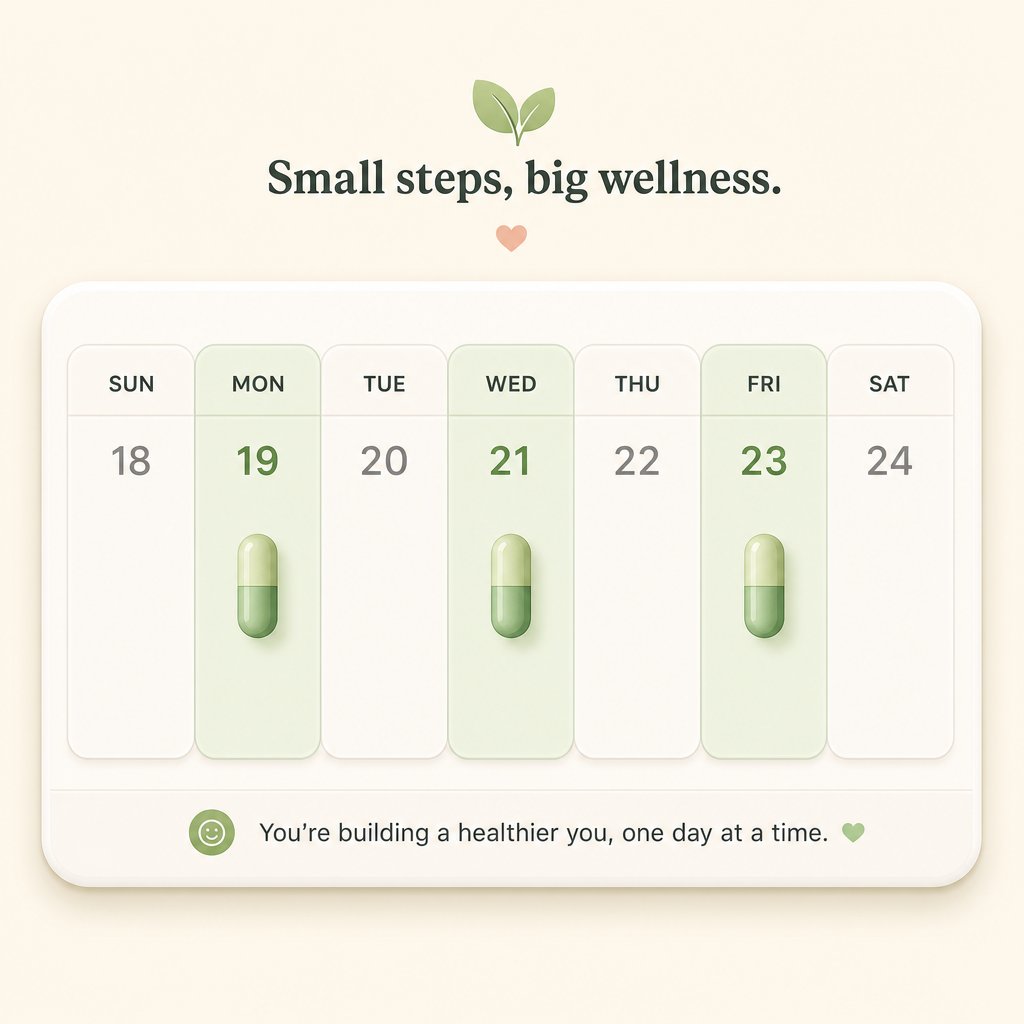
Putting this into practice is straightforward. Instead of taking your iron supplement tablets every morning, pick three non-consecutive days per week. Two schedules work well:
- Monday - Wednesday - Friday
- Tuesday - Thursday - Saturday
On each dosing day, take your full dose (for example, a standard 325 mg ferrous sulfate tablet delivering 65 mg elemental iron) in the morning on an empty stomach with vitamin C. On off days, your hepcidin resets, your gut lining recovers, and your next dose lands on receptive tissue ready to absorb efficiently.
A few important caveats:
- Discuss with your provider first. Patients with severe anemia (hemoglobin below 8 g/dL) may need daily dosing initially to correct the deficit quickly. Alternate-day protocols are best suited for mild to moderate deficiency where speed of repletion is not critical.
- Keep the total weekly dose consistent. If your doctor prescribed a 325 mg iron supplement daily, switching to alternate days means you are getting roughly half the weekly elemental iron. Your provider may adjust the per-dose amount upward, for instance prescribing a higher-dose ferrous sulphate supplement on each dosing day, to compensate.
- Track your progress. Recheck hemoglobin and ferritin after 8-12 weeks to confirm the regimen is working. Most patients see comparable improvements to daily dosing, but individual responses vary.
The beauty of this approach is its simplicity. You are not adding anything new, not switching formulations, not buying expensive alternatives. You are simply aligning your dosing schedule with your body's own regulatory rhythm. For many people, this single change transforms iron supplementation from a daily battle with nausea into a manageable routine.
Still, alternate-day dosing is one tool among several. Knowing when nausea is a normal adjustment versus a warning sign that something more serious is happening requires a different kind of clarity.
When Iron Nausea Is Normal and When to Call Your Doctor
Here is the question most people really want answered: is the nausea from my iron tablet a sign that something is going wrong inside my body? In the vast majority of cases, no. Mild nausea after taking iron is a predictable pharmacological response to free iron ions contacting your stomach lining. It does not mean the supplement is damaging you, and it is not a reason to abandon iron therapy altogether. It is a reason to adjust your approach.
That said, iron supplements can occasionally cause symptoms that do warrant medical evaluation. The distinction between "uncomfortable but harmless" and "something needs attention" is not always obvious, especially when you are already feeling lousy. The two lists below draw a clear line.
Normal Side Effects You Can Work Through
These symptoms are expected, well-documented, and generally safe to manage at home with the timing, food, and dosing strategies covered earlier:
- Mild nausea within 30-60 minutes of taking your dose that resolves on its own within 1-3 hours
- Dark green or black stools: Iron supplements can cause black stool because unabsorbed iron oxidizes in the digestive tract, creating a dark pigment. This is cosmetic, not dangerous. Will iron tablets cause black stools? Almost certainly yes, and it is nothing to worry about on its own.
- Mild constipation: Will iron tablets cause constipation? For many people, yes. Iron slows intestinal motility and draws water from the colon. Increasing fiber, fluids, and movement usually manages it. If those do not help, an OTC stool softener like docusate sodium is a safe addition.
- Mild diarrhea: Can iron supplements cause diarrhea? They can, though it is less common than constipation. Some people experience loose stools rather than hard ones, particularly with liquid iron forms. Staying hydrated and avoiding greasy foods typically keeps this manageable.
- Metallic taste in the mouth that fades within an hour of dosing
- Mild heartburn or stomach discomfort that responds to taking iron with a small snack
- Reduced appetite around dosing time that normalizes later in the day
If your symptoms fit this list, you are experiencing the standard GI profile of oral iron. These effects are bothersome but not harmful, and they often improve with the adjustments discussed in previous sections. Many patients who feel constipated from iron pills or experience mild daily nausea find that alternate-day dosing or a formulation switch resolves the issue entirely without stopping treatment.
Red-Flag Symptoms That Need Medical Attention
Contact your healthcare provider or seek urgent care if you experience any of the following while taking iron:
- Severe, persistent vomiting that does not resolve within a few hours or occurs with every dose regardless of timing or food
- Blood in your vomit (bright red or dark, coffee-ground appearance)
- Black, tarry, sticky stools with abdominal pain: This is different from the normal matte-black color iron causes. Can iron supplements cause black tarry stools? Yes, but tarry, sticky, foul-smelling black stool accompanied by black stool and abdominal cramps could indicate upper GI bleeding rather than simple iron coloring. The distinction matters: iron-colored stool is dry and coarse, while melena from bleeding is glossy, tar-like, and has a distinctive odor.
- Bright red blood in your stool
- Inability to keep any food or fluids down for more than 24 hours
- Severe abdominal pain that is not relieved by eating or changing position
- Signs of allergic reaction: swelling of lips, mouth, throat, or tongue; difficulty breathing; rash that is raised, itchy, or blistered; sudden dizziness or confusion. The NHS advises calling emergency services immediately if these symptoms appear.
- Signs of dehydration from persistent diarrhea with iron tablets: very dark urine, dizziness, dry mouth, or urinating much less than usual
The critical differentiator between normal and concerning stool changes deserves emphasis. When iron supplements cause a color shift, the stool is typically matte black or very dark green, has a normal consistency, and appears predictably within 24-48 hours of your dose. When bleeding is the cause, the stool tends to be glossy, sticky, and tar-like with a distinctly foul odor, often accompanied by weakness, dizziness, or rapid heartbeat. If you are unsure which you are seeing, report it to your provider. It is always better to check.
One scenario that falls in a gray zone: nausea that is not severe enough to cause vomiting but persistent enough that you skip meals, lose weight, or dread taking your supplement every day. This is not dangerous in the short term, but it signals that your current regimen is unsustainable. Persistent nausea that prevents adequate nutrition or hydration is a valid clinical reason to change your formulation, reduce your dose, or switch to alternate-day dosing. You do not need to suffer through months of misery to "earn" a change.
The bottom line is simple: nausea from iron is a reason to adjust, not a reason to quit. Mild GI discomfort means your supplement is doing what iron supplements do. Severe or unusual symptoms mean your body is telling you something different, and listening to that signal protects you from complications like stomach ulcers or erosive damage that prolonged, unmanaged irritation can cause.
If you have worked through timing changes, food strategies, and alternate-day dosing and still cannot tolerate your current iron supplement, the next logical step is a structured approach to switching formulations, one that moves methodically from the simplest adjustments to more significant changes.
Choosing a Better Iron Supplement When Nausea Persists
You have adjusted your timing, paired iron with food, tried alternate-day dosing, and the nausea still will not budge. That does not mean iron therapy is off the table. It means your current formulation is not the right fit for your body, and a structured switching approach can help you find one that is.
A Step-by-Step Framework for Switching Formulations
Rather than jumping randomly between products, work through these steps in order. Each one represents a progressively larger change, and many people find relief before reaching the bottom of the list:
- Confirm timing and food adjustments have been given a fair trial (1-2 weeks). Evening dosing with a small snack and vitamin C pairing should be tested consistently before concluding they do not work.
- Try dose reduction or alternate-day dosing. Cutting your elemental iron per dose in half, or switching to a Monday-Wednesday-Friday schedule, reduces cumulative GI exposure while maintaining therapeutic progress.
- Switch to a different iron salt. Move from ferrous sulfate to ferrous gluconate (lower elemental iron per tablet) or iron glycinate, a chelated iron form that bypasses the free-ion irritation pathway entirely. Many patients who cannot tolerate sulfate do well on bisglycinate at equivalent elemental doses.
- Try a different delivery format. A liquid iron supplement allows precise micro-dosing starting as low as 10 mg elemental iron. Ferrous sulfate liquid is available by prescription and over the counter, offering the same iron salt in a form that lets you titrate to your personal tolerance threshold. Iron capsules with slow-release coatings, like Slow Fe slow release iron tablets, meter out iron gradually over hours rather than flooding the stomach all at once. Iron gummies deliver lower doses in a format that many people find easier on the stomach.
- Discuss prescription alternatives with your doctor. Options like ferric citrate hydrate have shown promising tolerability in clinical trials. A 2025 multicenter study found that patients who experienced nausea and vomiting on previous oral iron preparations achieved a 100% medication completion rate after switching to ferric citrate hydrate, with nausea severity scores dropping from 5.7 to 1.7 on a 10-point scale. Eighty percent of patients reported satisfaction with the new formulation. If over-the-counter options have failed, prescription formulations designed specifically for iron-intolerant patients may be the answer.
The best iron pills are not necessarily the cheapest or the most widely prescribed. The best iron supplement for anemia is the one you can actually take consistently without dreading every dose. Adherence drives outcomes. A gentler formulation taken reliably for three months will always outperform a high-dose tablet abandoned after two weeks.
How Modern Manufacturing Creates Gentler Iron Supplements
The supplement industry is actively responding to the tolerability problem. Formulation science has moved well beyond the one-size-fits-all ferrous sulfate tablet. Chelated iron bound to amino acids, microencapsulated iron particles that bypass gastric dissolution, prebiotic-enhanced gummies that mask metallic taste, and precision-dosed oral liquids all represent meaningful advances in reducing GI side effects while maintaining absorption.
These innovations do not happen by accident. They require specialized manufacturing capabilities. Brands increasingly partner with OEM/ODM manufacturers like ZhuFeng to develop iron supplements in formats specifically engineered for tolerability. ZhuFeng's flexible production lines support hard capsules, soft capsules, tablets, gummy candy, powder and granule sachets, and oral liquids, allowing brands to create custom iron products with optimized elemental iron content, chelated forms, or slow-release delivery systems. This manufacturing flexibility is what enables the growing variety of gentler options reaching consumers. Whether it is an iron gummy delivering 18 mg of chelated iron with vitamin C, a soft capsule containing iron bisglycinate, or a precisely dosed oral liquid for patients who need micro-titration, the ability to customize formulation and format at scale gives brands the tools to solve the nausea problem from the product design stage.
For you as a consumer, this means more choices than ever. If one format does not work, another likely will. The days of ferrous sulfate or nothing are over. Talk to your healthcare provider about which formulation matches your specific situation, whether that is pregnancy, existing GI sensitivity, or simply a low tolerance for stomach upset, and approach the switch methodically. Iron therapy should improve your quality of life, not diminish it.
Frequently Asked Questions About Iron Tablets and Nausea
1. How long does nausea from iron tablets last?
Nausea from iron tablets typically begins within 30 to 60 minutes of taking a dose and lasts between 1 to 3 hours per episode. This timeline corresponds to gastric dissolution and emptying. Some patients experience GI adaptation where nausea lessens after 5 to 7 days of consistent use, while others find symptoms persist. If nausea has not improved after 1 to 2 weeks, it is reasonable to discuss a formulation change or alternate-day dosing schedule with your healthcare provider rather than continuing to push through.
2. What is the best way to take iron supplements without feeling sick?
The most effective approach combines several strategies: take iron with a small non-dairy snack like crackers or fruit to buffer the stomach, pair it with 200 mg of vitamin C to boost absorption so a lower dose works, and consider evening dosing so you sleep through peak nausea. If these adjustments are not enough, splitting your dose into two smaller amounts taken at different times or switching to alternate-day dosing (Monday-Wednesday-Friday) can reduce cumulative GI irritation while maintaining therapeutic benefit.
3. Is alternate-day iron dosing as effective as daily dosing?
Clinical research shows alternate-day iron dosing achieves comparable hemoglobin and ferritin improvements with fewer gastrointestinal side effects. After each iron dose, hepcidin levels rise and block absorption for approximately 24 hours. Waiting 48 hours allows hepcidin to reset, improving fractional absorption by 36 to 50 percent on the next dose. A 2025 meta-analysis of 11 randomized trials found no clinically meaningful difference in hemoglobin outcomes between daily and alternate-day regimens. This approach works best for mild to moderate deficiency and should be discussed with your provider.
4. Which iron supplement causes the least nausea?
Iron bisglycinate (chelated iron) consistently causes the least nausea among oral iron forms. Because iron remains bonded to glycine amino acids, it does not release free ions against the stomach lining and is absorbed through peptide pathways instead. Clinical studies show zero reported GI side effects in some patient populations compared to ferrous sulfate. Heme iron polypeptide and polysaccharide iron complex also rank low for nausea. Liquid iron allows micro-dosing for precise tolerance control. Brands now work with OEM/ODM manufacturers like ZhuFeng to produce these gentler formats in gummies, soft capsules, and slow-release tablets.
5. When should I see a doctor about nausea from iron pills?
Mild nausea that resolves within a few hours is normal and manageable at home. However, seek medical attention if you experience severe persistent vomiting, blood in your vomit, black tarry sticky stools accompanied by abdominal pain (which may indicate GI bleeding rather than normal iron-colored stool), inability to keep food or fluids down for over 24 hours, or signs of allergic reaction like throat swelling or difficulty breathing. Also consult your provider if nausea is persistent enough to cause skipped meals or weight loss, as this signals your regimen needs adjustment.