What Chicken Powder Actually Is and Why It Matters
You have probably spotted it on grocery shelves, tucked between bouillon cubes and canned broth, and wondered: what is chicken powder, exactly? The short answer is surprisingly simple, but the full story goes much deeper than most people realize.
A Clear Definition of Chicken Powder
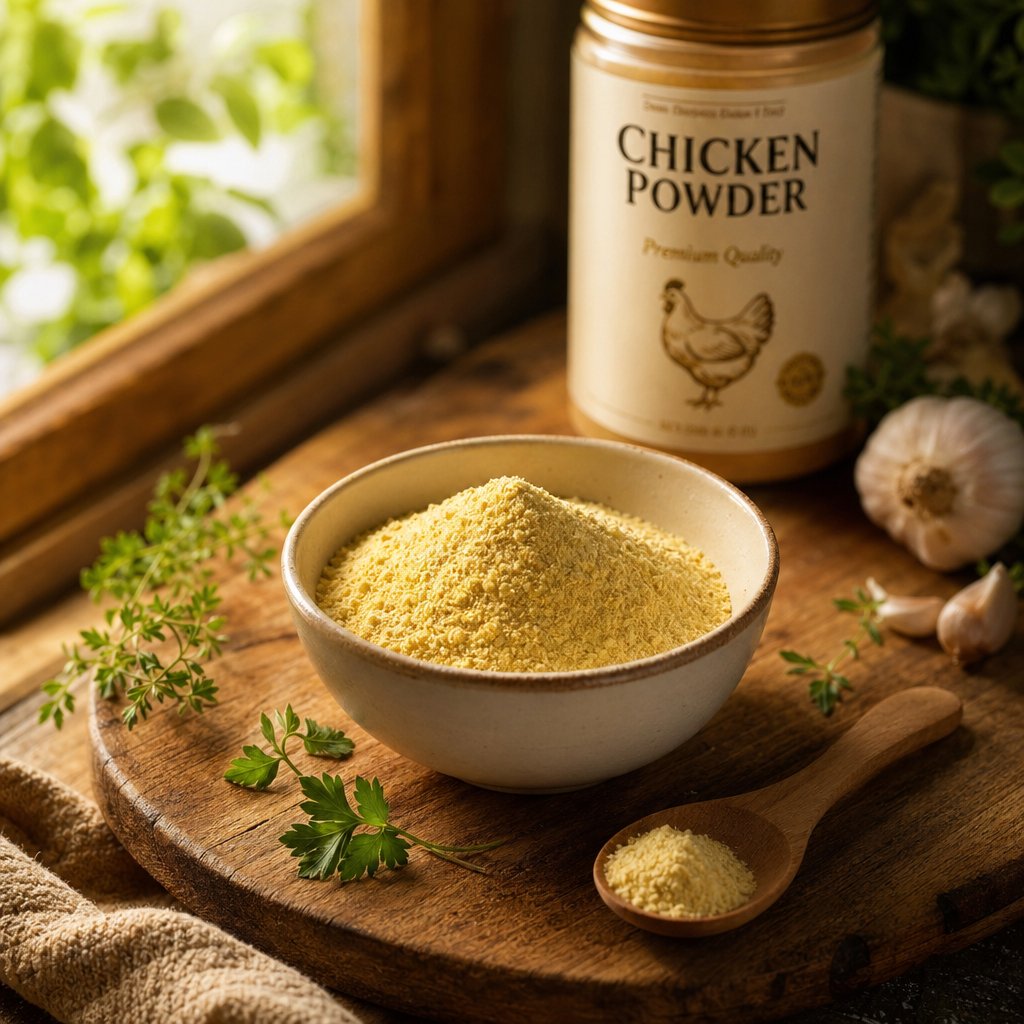
Chicken powder is a concentrated seasoning made from dehydrated chicken meat, chicken fat, salt, and flavor enhancers, ground into a fine, shelf-stable powder that delivers instant umami depth to any dish.
Think of it as the essence of slow-simmered chicken broth, captured in a dry, sprinkleable form. The production process typically starts with real chicken that is cooked, concentrated, and then dehydrated into powder. Salt, sugar, and ingredients like MSG or yeast extract are often blended in to round out the savory profile. The result is a pantry staple that dissolves quickly in hot water, doubles as a dry seasoning rub, and adds rich, savory flavor without the prep time of homemade stock.
So what is chicken bouillon powder, and how does it differ? In practice, chicken bouillon powder is a closely related product, though it tends to include a broader blend of herbs, spices, and aromatics alongside the chicken base. Pure chicken powder, by contrast, leans toward a cleaner, more concentrated chicken flavor. Both serve as convenient shortcuts, but they are not identical. The same goes for chicken broth powder, which is essentially chicken powder marketed as a broth replacement when dissolved in water. And if you have ever searched for what is chicken stock powder, you have likely encountered the same ingredient under yet another label. The terminology can be confusing, but the core concept stays the same: concentrated chicken flavor in dry form.
Unlike bouillon cubes, which need to be crumbled or dissolved before use, chicken powder offers more precise control over seasoning. You can measure it by the pinch for a stir-fry or by the teaspoon for a full pot of soup. It also differs from liquid broth and stock, which require refrigeration after opening and take up far more pantry space.
Why Chicken Powder Matters in Modern Cooking
Chicken powder has long been a cornerstone of Chinese and Southeast Asian kitchens, where a quick dash into fried rice or congee is second nature. But its reach has expanded well beyond Asian cuisines. Home cooks in Latin America rely on it for caldo de pollo, West African kitchens stir it into jollof rice, and Western cooks use it to boost gravies, casseroles, and seasoning blends. Its appeal is universal: fast, affordable, and packed with savory depth.
Search interest around this ingredient continues to climb as more people look for ways to simplify weeknight cooking without sacrificing flavor. Yet most online resources only scratch the surface, covering a definition here or a recipe tip there. This guide takes a different approach. From the full ingredient breakdown and manufacturing process to exact usage ratios, health considerations, and smart substitutions, everything you need to know about chicken powder lives in one place. The differences between product types are a good place to start.
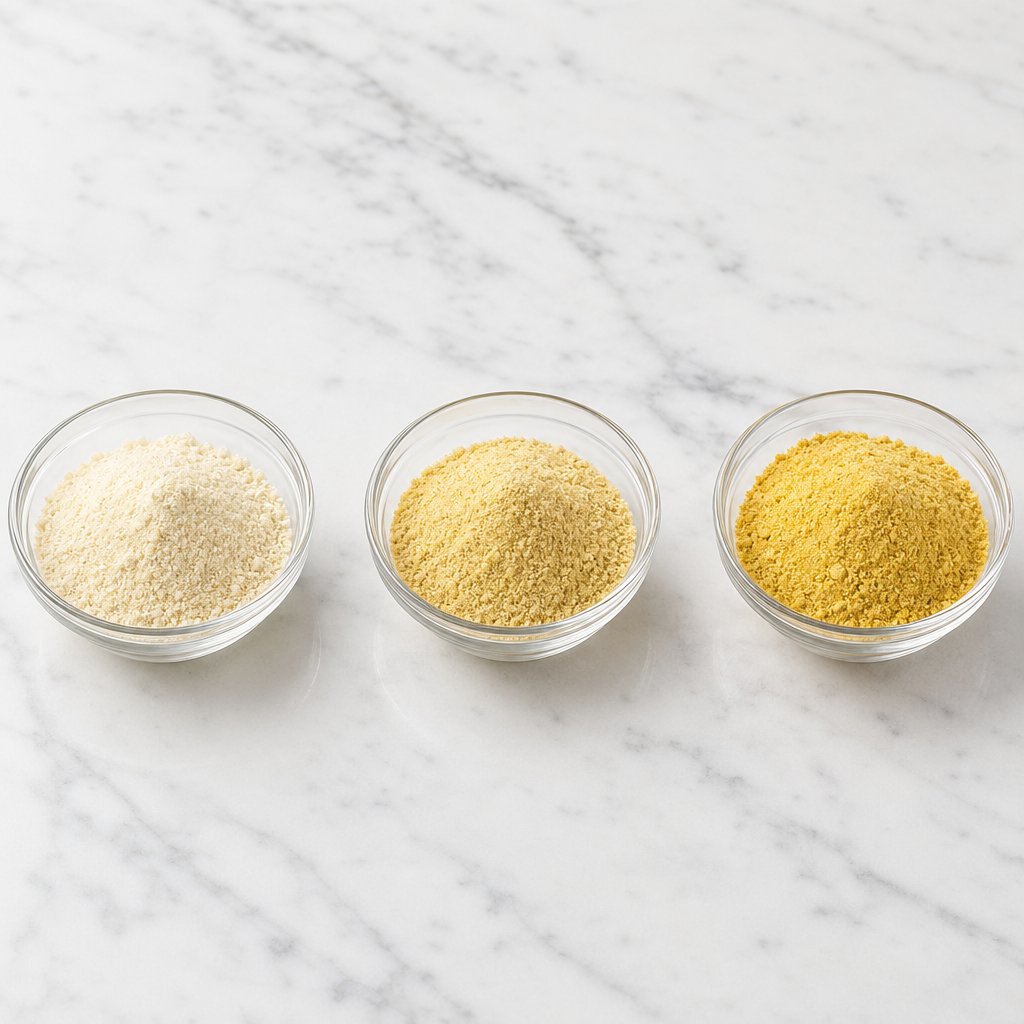
Three Types of Chicken Powder and How They Differ
Walk down the seasoning aisle and you will find dozens of products labeled as chicken powder, chicken seasoning powder, or powdered chicken bouillon. They all look similar on the shelf, but what is actually inside those containers varies dramatically. Some are made from real chicken with almost nothing else added. Others contain a long list of flavor enhancers, starches, and colorants with chicken playing a supporting role at best. Understanding these differences is the key to choosing the right product for your cooking.
Most chicken powder products fall into one of three categories. The table below breaks them down side by side so you can quickly spot which type you are dealing with.
| Type | Primary Ingredients | Flavor Profile | Common Brands | Best Use Case |
|---|---|---|---|---|
| Pure Dehydrated Chicken Powder | Chicken meat, chicken fat, minimal salt | Subtle, clean, natural chicken taste | Lee Kum Kee Chicken Powder | Chinese soups, congee, pan sauces, dishes where pure chicken flavor matters |
| Seasoned Chicken Bouillon Powder | Salt, MSG or yeast extract, dehydrated chicken, sugar, onion powder, turmeric | Bold, salty, well-rounded savory blend | Knorr, Totole | Soups, stews, gravies, rice dishes, all-purpose seasoning |
| Chicken-Flavored Seasoning Powder | Salt, maltodextrin, yeast extract, flavor compounds, minimal or no chicken | Generalized savory taste, less distinctly "chicken" | Various store brands | Budget cooking, quick flavor boost where authentic chicken taste is less critical |
Pure Dehydrated Chicken Powder
This is the category that Epicurious describes as delivering "pure, complex chicken flavor" with the depth you would expect from a stock that simmered for hours. Products in this group are made primarily from real chicken meat that has been cooked, dehydrated, and ground into a fine powder, with minimal additives beyond a touch of salt or a small amount of flavor enhancer.
The result is a pure chicken taste without the herbal or vegetal notes you get from bouillon. Imagine dissolving a spoonful in hot water and tasting nothing but roasted chicken, clean and straightforward. That is exactly the experience these products deliver. They are favored in Chinese cooking, where a chicken powder seasoning with a neutral, concentrated flavor blends seamlessly into stir-fries, congee, and dumpling fillings without competing with other aromatics in the dish.
Health-conscious cooks also gravitate toward this type because the ingredient list is short and recognizable. If the label lists chicken or chicken meat as the first ingredient and keeps everything else to a minimum, you are likely looking at a pure dehydrated product.
Seasoned Chicken Bouillon Powder
This is the variety most people picture when they hear "bouillon powder." It is the most common type on supermarket shelves, and brands like Knorr and Totole have made it a household staple worldwide. The flavor profile is bolder and more complex than pure chicken powder because the formulation blends dehydrated chicken with a supporting cast of seasonings: salt (usually the first ingredient by weight), sugar for balance, MSG or yeast extract for umami depth, onion powder for aromatic warmth, and turmeric for that familiar golden color.
As Tasting Table notes, bouillon works like a complete seasoning package, delivering chicken taste along with herbs and spices that help bulk up the flavor of soups, stews, and braises. That built-in complexity is convenient when you want a single scoop to do the heavy lifting. The tradeoff is less control. Because the seasoning blend is already decided for you, chicken bouillon seasoning can sometimes overpower delicate dishes or clash with specific spice profiles.
If you are reaching for a chicken flavor powder that handles everyday cooking across a wide range of recipes, seasoned bouillon powder is the workhorse choice. Just keep an eye on sodium levels, which tend to run high in this category.
Chicken-Flavored Seasoning Powder
Here is where label reading becomes essential. Chicken flavoring powder products may feature a picture of a roasted bird on the package, but the ingredient list tells a different story. These products rely heavily on salt, maltodextrin, yeast extracts, and synthetic or natural flavor compounds to simulate a chicken-like taste. Actual chicken content can be minimal or, in some cases, absent entirely.
Does that make them useless? Not necessarily. They are inexpensive, widely available, and can add a general savory boost to budget-friendly meals. But if you are expecting the genuine depth of powdered chicken made from real meat, you will notice the difference. The flavor tends to be flatter and more one-dimensional, lacking the layered richness that comes from actual chicken extract.
The simplest way to tell these products apart from the other two categories is to flip the container and read the ingredients. If chicken appears near the bottom of the list, or if the product is labeled "chicken-flavored" rather than "chicken," you are likely holding a seasoning powder rather than a true chicken product. That distinction matters more than brand name or price point, and it becomes even more important once you start examining what each ingredient actually does inside the blend.
What Is Inside Chicken Powder and What Each Ingredient Does
Flip over any container of chicken powder and you will find an ingredient list that can range from four items to more than fifteen. That spread is not random. Each component serves a specific purpose in the final product, from delivering flavor to keeping the powder free-flowing on a humid day. Understanding what is in chicken bouillon powder, ingredient by ingredient, turns a confusing label into a practical shopping tool.
Here is a typical chicken bouillon powder ingredients list, arranged in the order you are most likely to see on a commercial seasoned blend:
- Salt
- Monosodium glutamate (MSG) or yeast extract
- Sugar
- Dehydrated chicken meat or chicken fat
- Maltodextrin
- Onion powder
- Turmeric extract
- Silicon dioxide
- Disodium inosinate and disodium guanylate
- Natural flavors
Sounds complex? It is more straightforward than it looks once you know what each item is doing there.
Primary Ingredients in Most Chicken Powders
Salt is almost always the first ingredient listed in seasoned chicken powder blends, which means it is present in the largest quantity by weight. That surprises people who assume chicken would lead the list, but salt does double duty: it delivers immediate flavor impact and acts as a natural preservative that extends shelf life. A single teaspoon of many commercial blends can contain upward of 1,000 mg of sodium, which is a significant chunk of the daily recommended intake.
Next comes the umami engine. MSG is the most common flavor enhancer in chicken powder ingredients, and it is the reason a small amount of powder can make a dish taste deeply savory. Some brands swap MSG for yeast extract, which provides a similar glutamate-driven depth while allowing a "no added MSG" label claim. Either way, this ingredient is doing the heavy lifting when it comes to that rich, brothy taste people associate with chicken soup.
Sugar might seem out of place in a savory seasoning, but it plays a quiet and important role. A small amount of sugar softens the sharp edge of salt and rounds out the overall flavor, preventing the powder from tasting harsh or one-dimensional. You will not taste sweetness in the finished dish. Think of it as a balancing agent rather than a sweetener.
Dehydrated chicken meat or chicken fat is what gives the product its actual chicken character. In seasoned bouillon blends, chicken often appears third, fourth, or even further down the list, meaning it is present in smaller quantities than salt and flavor enhancers. This is where the question "does chicken bouillon have chicken in it" gets interesting. The answer is usually yes, but the amount varies enormously between products. A pure dehydrated chicken powder might contain 30% or more real chicken, while a budget seasoned blend could include just a few percent. Chicken extract, a concentrated liquid derived from simmering chicken meat and bones, is another form you may see listed. It delivers a more intense flavor per gram than plain dehydrated meat.
Onion powder rounds out the primary ingredients in most formulations. It adds aromatic warmth and a subtle sweetness that complements the savory chicken notes, giving the overall blend a more complex, "cooked" flavor that mimics the taste of a slow-simmered broth.
Additives and Processing Aids to Watch For
Beyond the core flavor ingredients, most commercial chicken powders include several functional additives. These are not there for taste. They keep the product stable, pourable, and visually appealing.
Maltodextrin is one of the most common. It is a starch-derived carbohydrate that acts as a carrier, helping distribute flavor compounds evenly throughout the powder. It also adds a small amount of body when the powder is dissolved in water, giving reconstituted broth a slightly fuller mouthfeel.
Silicon dioxide is an anti-caking agent that prevents the powder from clumping in the container. The FDA recognizes amorphous silicon dioxide as an approved food additive (21 CFR 172.480), and it is widely used across powdered food products to maintain a free-flowing texture.
Turmeric extract serves primarily as a coloring agent, giving the powder and any broth made from it that warm, golden hue people associate with rich chicken stock. It contributes minimal flavor at the small amounts used.
Disodium inosinate and disodium guanylate are secondary flavor enhancers that work synergistically with MSG. On their own, they have a mild effect. Paired with MSG, they amplify umami perception significantly, which is why manufacturers include them to boost savory depth without simply adding more salt.
Does chicken flavoring have chicken in it when these additives dominate the label? Not always. Products that lean heavily on flavor compounds, yeast extracts, and processing aids while listing chicken near the bottom of the ingredients are closer to a simulated chicken seasoning than a true chicken-derived product. The taxonomy from the previous section maps directly onto what you see on the label.
The simplest quality check is this: look at where chicken appears in the ingredient list. Ingredients are listed by weight in descending order, so a product with chicken or chicken meat as the first or second ingredient contains meaningfully more real chicken than one where it shows up fifth or sixth. Pure dehydrated chicken products keep the list short and recognizable. Seasoned blends trade some of that simplicity for convenience and bolder flavor. Neither is inherently wrong, but knowing what is chicken bouillon made of helps you pick the product that matches your priorities, whether that is clean-label simplicity or maximum flavor per teaspoon.
Ingredient lists tell you what goes into the powder. The next logical question is how those raw materials actually become the fine, shelf-stable product sitting in your pantry.
How Chicken Powder Is Manufactured Step by Step
A container of chicken powder looks simple enough, just a fine, golden-beige dust that dissolves the moment it hits hot water. But turning raw chicken into that shelf-stable powder involves a multi-stage industrial process that most product labels never explain. Here is how it actually works.
From Raw Chicken to Concentrated Extract
The journey starts with whole chicken meat, bones, or a combination of both. These raw materials are loaded into large pressure cookers where they simmer under controlled heat and pressure for several hours. The goal is to pull as much flavor, protein, and fat out of the solid material as possible, producing a rich, concentrated broth. If you have ever wondered what is chicken soup base at its core, this is essentially it: a deeply reduced liquid packed with the savory compounds that give chicken its characteristic taste.
Once the solids are strained out, the resulting liquid goes through an evaporation stage that removes a large portion of the water content. This concentrates the flavor further, creating a thick, intensely savory extract. Think of it as the halfway point between a pot of homemade stock and the finished dehydrated chicken powder in your pantry.
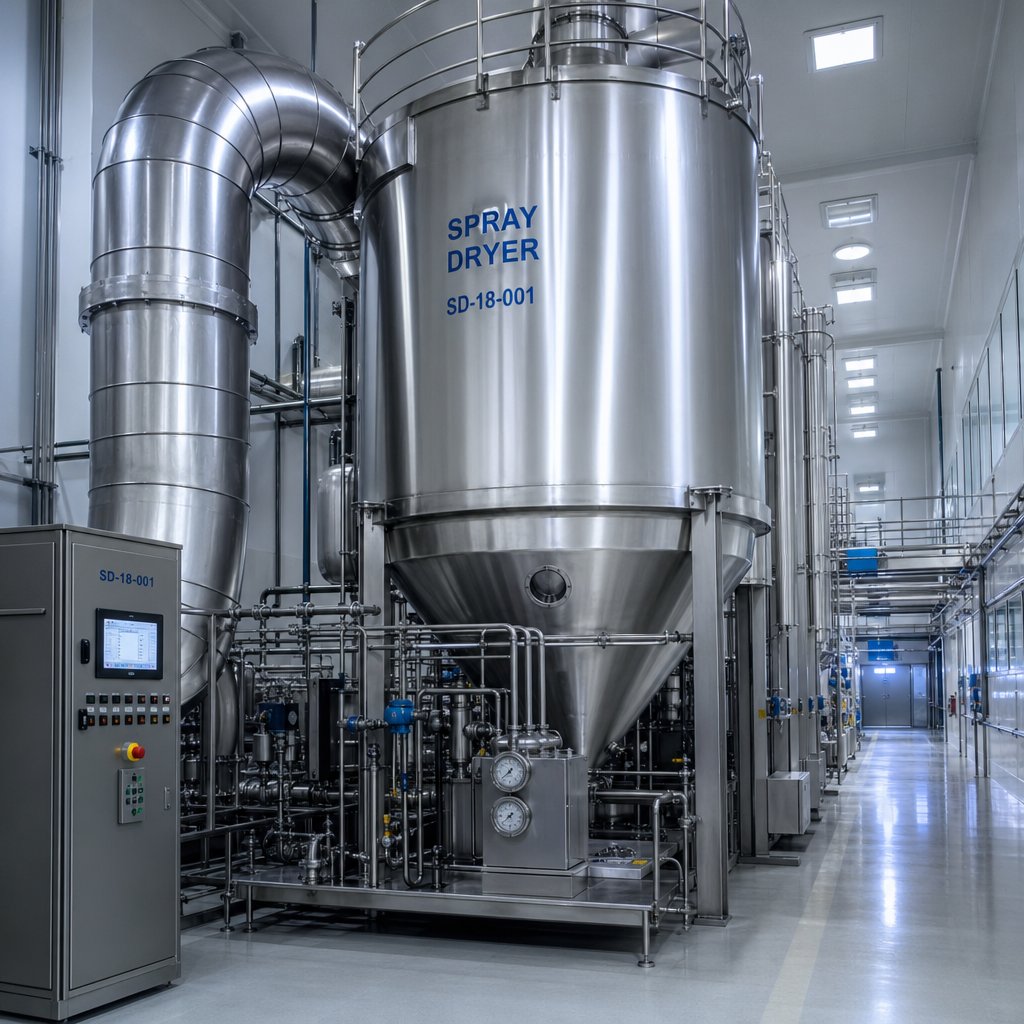
The concentrated extract then moves to the drying phase, and this is where the product takes its final form. Two methods dominate commercial production:
- Spray drying — The liquid concentrate is atomized into tiny droplets and sprayed into a chamber of hot air, typically at inlet temperatures around 185°C. The moisture evaporates almost instantly, and the droplets solidify into a fine powder. Research published in the Korean Journal for Food Science of Animal Resources confirms that spray drying is one of the most efficient methods for transforming protein-rich and fat-containing liquids into stable powdered products, though carrier agents like maltodextrin are often needed to prevent the fat from sticking to equipment surfaces.
- Drum drying — The concentrate is spread in a thin layer across heated rotating drums. As the drums turn, the liquid dries into a thin sheet that is then scraped off and milled into powder. This method is simpler but can produce slightly coarser particles compared to spray drying.
For seasoned varieties, the process includes an additional blending stage before or after drying. Salt, MSG or yeast extract, sugar, onion powder, turmeric, and other flavor enhancers are mixed into the chicken base powder to create the familiar all-purpose seasoning profile found in products like Knorr and Totole. Pure dehydrated chicken powder skips most of this blending, keeping the ingredient list short and the flavor focused on chicken alone.
The same fundamental approach applies to related products like dehydrated chicken stock powder, chicken soup base powder, and chicken consomme powder. The differences come down to the starting material (meat versus bones versus a combination), the degree of concentration, and what gets added during the blending stage. Dehydrated chicken stock, for example, typically starts from a bone-heavy simmer and carries a more collagen-rich profile, while a consomme-style powder begins with a clarified broth for a cleaner, more refined taste.
Quality Control and Production Standards
Not all chicken powder is made equal, and the gap between a carefully controlled production line and a loosely managed one can show up in everything from flavor consistency to food safety.
Reputable manufacturers operate under internationally recognized food safety frameworks. Three certifications appear most frequently across the industry:
- HACCP (Hazard Analysis and Critical Control Points) — A systematic approach that identifies potential biological, chemical, and physical hazards at each stage of production and establishes controls to prevent them.
- ISO 22000 — An international food safety management standard that integrates HACCP principles with broader management system requirements, covering everything from supplier verification to traceability and recall readiness. It applies to every link in the food chain, from raw material sourcing through final packaging.
- GMP (Good Manufacturing Practices) — Baseline standards governing facility hygiene, equipment maintenance, personnel training, and process documentation.
These certifications matter because dehydrated chicken powder is a processed product where contamination risks exist at multiple points, from raw material handling to the high-heat drying stage. A facility following all three frameworks is far more likely to deliver a consistent, safe product batch after batch.
On the commercial side, modern OEM and ODM health food manufacturers have made it increasingly accessible for brands to develop their own chicken powder or seasoning products without building a production facility from scratch. Companies like ZhuFeng, for example, offer customized formulation and scalable production across flexible product formats including powder and granules. This kind of contract manufacturing is particularly relevant for nutrition brands, supplement importers, and private label sellers looking to launch chicken-based seasoning or functional food products with full control over the recipe while leaving the manufacturing logistics to an experienced partner.
Whether you are a home cook choosing between brands or an entrepreneur evaluating production partners, the manufacturing process behind the product shapes its quality, safety, and flavor in ways the front label rarely reveals. Those differences become even clearer when you compare chicken powder directly against the other concentrated chicken products competing for space in your kitchen.
Chicken Powder vs Bouillon vs Broth vs Stock Explained
Chicken powder, bouillon cubes, broth, stock, chicken base. Five products that all promise savory chicken flavor, yet each one works differently in the kitchen. If you have ever stood in the grocery aisle wondering whether is chicken bouillon the same as chicken broth, or grabbed a jar of paste when the recipe called for powder, you are far from alone. The terminology overlaps just enough to create real confusion, and most packaging does little to clear things up.
The table below puts all five formats side by side so you can see exactly where they differ and where they overlap.
| Product | Form | Sodium Level | Convenience | Flavor Intensity | Shelf Life | Best For |
|---|---|---|---|---|---|---|
| Chicken Powder | Fine, free-flowing powder | High (varies by type) | Very high — dissolves instantly, easy to measure | Concentrated, strong umami | 12+ months (pantry stable) | Stir-fries, dry rubs, fried rice, precise seasoning |
| Bouillon Cubes | Compressed solid cube | High | High — requires crumbling or dissolving | Concentrated, bold and herbal | 12+ months (pantry stable) | Soups, stews, braises, one-pot meals |
| Chicken Broth | Ready-to-use liquid | Moderate | Moderate — no prep, but bulky to store | Light, seasoned | Days once opened (refrigerated) | Soups, sipping, deglazing, cooking grains |
| Chicken Stock | Ready-to-use liquid | Low to moderate | Moderate — no prep, but bulky to store | Rich, neutral, fuller body | Days once opened (refrigerated) | Sauces, reductions, braises, risotto |
| Chicken Base | Thick paste or concentrate | High | High — scoopable, no crumbling needed | Very concentrated, rich and meaty | Months (refrigerated after opening) | Restaurant-quality soups, gravies, pan sauces |
A quick glance reveals the pattern: the drier and more concentrated the format, the longer it lasts and the less storage space it demands. But flavor intensity and convenience are not the only factors worth comparing. Each product behaves differently in a recipe, and choosing the wrong one can throw off both taste and texture.
Chicken Powder vs Bouillon Cubes
These two are the closest relatives in the lineup, and the question of is chicken powder the same as chicken bouillon comes up constantly. The honest answer is: almost, but not quite.
Both are concentrated, shelf-stable, and designed to deliver quick chicken flavor. Both start from a similar production process where chicken broth is dehydrated into a solid form. The key differences are physical format and flavor profile. As Tasting Table explains, chicken bouillon cubes work like a complete seasoning package, blending chicken taste with herbs and spices for a more complex, rounded flavor. Chicken powder, especially the pure dehydrated variety, delivers a more focused, straightforward chicken essence with stronger umami notes and fewer competing seasonings.
From a practical standpoint, powder has a few clear advantages. It dissolves faster since there is no compressed block to break apart. It allows more precise measurement, letting you add a quarter teaspoon at a time instead of guessing how much of a crumbled cube to use. And it works as a dry seasoning rub, something a bouillon cube simply cannot do without crushing it first.
The standard conversion is straightforward: one teaspoon of chicken bouillon powder generally equals one bouillon cube dissolved in one cup of water. Keep that ratio in your back pocket and you can swap between the two formats in almost any recipe. Just taste as you go, since sodium levels can vary between brands.
Chicken Powder vs Broth and Stock
Here is where the chicken broth vs bouillon debate gets interesting. Broth and stock are both liquid products, which means they bring volume and moisture to a dish in a way that powder and cubes do not. That makes them essential for recipes where liquid is part of the structure, like a soup that needs several cups of flavorful base. But that liquid form also comes with tradeoffs: bulky cartons, limited refrigerator shelf life once opened, and no ability to use them as a dry seasoning.
Knorr's comparison guide lays out the core distinction clearly. Stock is made by simmering bones with vegetables and aromatics for several hours, releasing collagen that gives it a richer body and slightly silky texture. It is typically unseasoned or lightly seasoned, which is why chefs reach for it when they want depth without added salt. Broth, on the other hand, is lighter. It comes from simmering meat with vegetables and salt, producing a ready-to-use liquid that you can sip on its own.
So is chicken bouillon the same as chicken stock? Not exactly. Chicken bouillon, whether in powder or cube form, is a concentrated product. When you dissolve it in hot water, you create something closer to broth than stock, since most bouillon products are already seasoned with salt and flavor enhancers. But the convenience factor is hard to beat. One teaspoon of powder plus one cup of hot water gives you an instant broth without opening a carton or defrosting a frozen container. That makes chicken powder a space-saving pantry alternative for anyone who does not want to keep liquid broth on hand at all times.
The flip side of that convenience is concentration. Is chicken stock the same as chicken bouillon in terms of flavor? Not quite. Stock made from bones has a fuller body and more neutral flavor that lets other ingredients shine. Reconstituted chicken powder delivers bolder, more seasoned flavor but lacks the natural gelatin richness that comes from a long bone simmer. For a quick weeknight soup, the difference is negligible. For a refined French sauce where stock is the star, you will notice it.
Chicken Powder vs Chicken Base
If you have browsed the soup aisle at a well-stocked grocery store, you may have noticed small jars of thick, paste-like concentrate labeled "chicken base." So what is chicken base, and where does it fit in this lineup?
Chicken base is essentially a highly concentrated paste made from cooked chicken, drippings, and seasonings. It sits in the middle ground between dry powder and liquid broth, offering a richer, more meaty flavor than most powders while still being far more convenient than making stock from scratch. Many restaurant kitchens rely on chicken base because it delivers a depth of flavor that comes close to a slow-simmered stock without the hours of prep time.
The tradeoff is storage and shelf life. Unlike powder, which stays pantry-stable for over a year, most chicken bases need refrigeration after opening. They also tend to be pricier per serving than powder or cubes. The general conversion when substituting is roughly one teaspoon of chicken base paste for one teaspoon of chicken powder, though base pastes are often richer, so you may want to start with slightly less and adjust.
For everyday home cooking where speed and shelf stability matter most, chicken powder wins on convenience. For dishes where you want the closest thing to homemade stock flavor without actually making stock, chicken base has the edge. And for anyone who keeps both in the kitchen, the real advantage is flexibility: powder for quick seasoning and dry applications, base for soups and sauces where that extra layer of richness makes a noticeable difference.
Knowing which product to reach for is half the equation. The other half is knowing exactly how much to use, and that is where specific ratios and real-world cooking applications come into play.
How to Use Chicken Powder With Exact Ratios and Global Recipes
Most recipes that call for chicken powder say something vague like "season to taste" and leave you guessing. That works fine once you have cooked with it dozens of times, but when you are reaching for the jar for the first time, a concrete starting point saves a lot of trial and error. The ratios below give you that starting point for the most common cooking applications.
Measured Ratios for Common Cooking Applications
These measurements assume a standard seasoned chicken bouillon powder. If you are using a pure dehydrated variety, the chicken flavor will be subtler and the salt content lower, so you may want to increase the amount slightly and adjust seasoning separately.
| Application | Chicken Powder Amount | Other Ingredients | Notes |
|---|---|---|---|
| Basic broth | 1 teaspoon | 1 cup (240 ml) hot water | Stir until fully dissolved. Adjust salt after tasting. |
| Soups and stews | 1/2 teaspoon per serving | Add during the last 15-20 minutes of cooking | Start low. You can always add more, but you cannot remove salt. |
| Stir-fries | 1/4 teaspoon per serving | Sprinkle in during the final toss | Reduce soy sauce if using both to avoid over-salting. |
| Rice | 1 teaspoon per cup of uncooked rice | Dissolve in the cooking water before adding rice | Works with any method: stovetop, rice cooker, or Instant Pot. |
| Marinades | 1 teaspoon per pound of meat | Mix with oil, garlic, and other seasonings | Let the meat sit for at least 30 minutes for flavor absorption. |
| Gravy | 1/2 teaspoon per cup of liquid | Whisk into the roux or pan drippings | Adds depth without changing the gravy's color or texture. |
Wondering how to make chicken broth with chicken bouillon powder? The first row of that table is your answer: one teaspoon dissolved in one cup of hot water. That is also the simplest way to make chicken broth from chicken bouillon powder when a recipe calls for liquid broth and you only have the dry stuff on hand.
For anyone switching between cubes and powder, the conversion is easy to remember. 1 chicken bouillon cube equals how much powder? One standard cube is roughly equivalent to one teaspoon. So if a recipe calls for two cubes dissolved in two cups of water, use two teaspoons of powder instead. The flavor result is nearly identical, though you will notice the powder dissolves faster and gives you finer control over the final seasoning.
These ratios are starting points, not hard rules. Salt content varies between brands, and personal taste plays a big role. The best approach is to start with the amounts listed, taste, and then nudge the seasoning up or down from there.
How Different Cultures Use Chicken Powder
Chicken powder is not tied to any single cuisine. It shows up in kitchens across every continent, adapted to local flavors and cooking techniques. That versatility is a big part of why it has become one of the most widely used seasonings in the world. As Serious Eats highlights, chicken bouillon powder can be incorporated into a wide range of dishes, from quick soup bases and noodle sauces to meat marinades and stir-fries, delivering a potent boost of umami wherever it lands.
Here is how different culinary traditions put it to work:
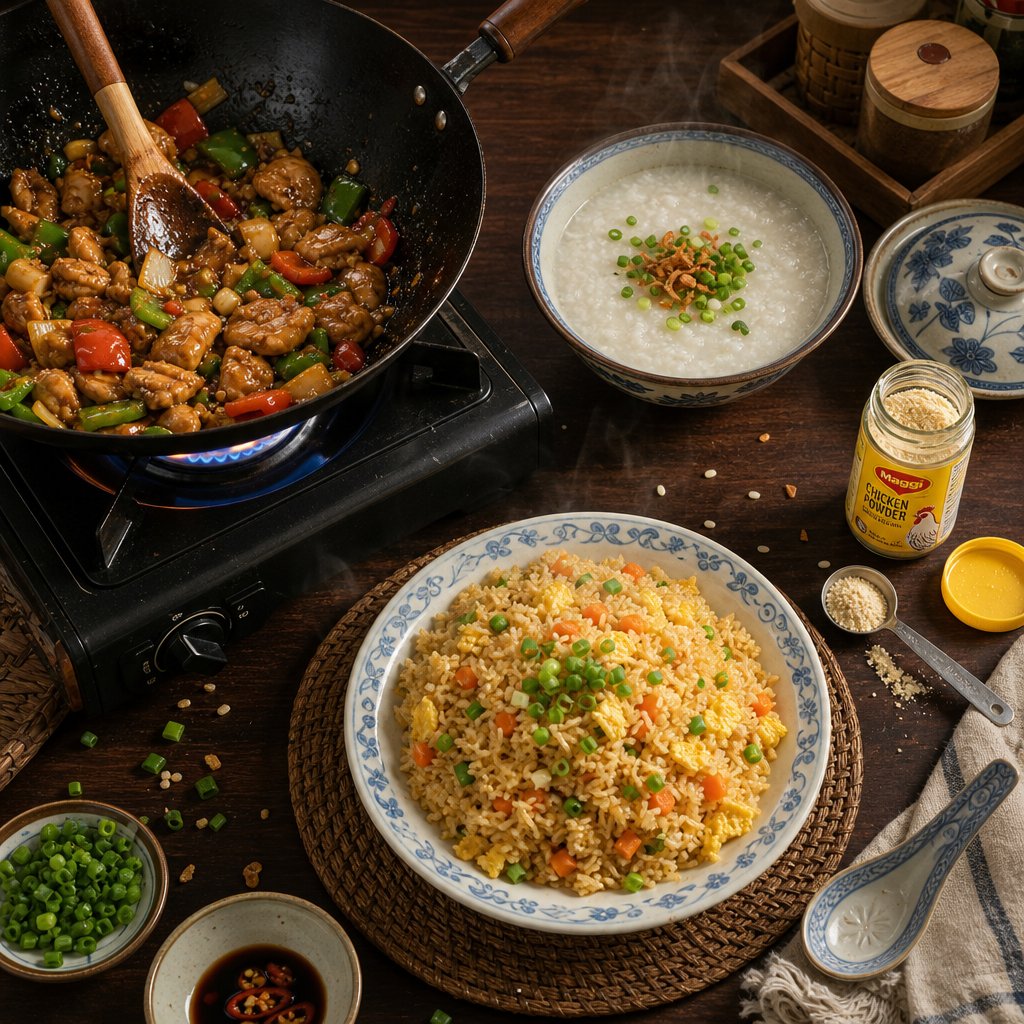
- Chinese cooking — Chicken powder Chinese kitchens rely on is typically the pure or lightly seasoned variety, prized for its clean umami that does not compete with ginger, scallion, or soy sauce. You will find it in wok stir-fries, congee, dumpling fillings, and hot pot dipping sauces. A pinch goes into fried rice right at the end of cooking, adding savory depth without extra moisture.
- Southeast Asian cuisine — In Vietnam, a small spoonful enriches pho broth when homemade stock needs a flavor lift. Thai and Malaysian cooks stir it into fried rice, pad thai, and coconut-based curries. It blends seamlessly with lemongrass, fish sauce, and chili, amplifying the existing flavor layers rather than masking them.
- Latin American dishes — Caldo de pollo powder is a pantry essential across Mexico and Central America, used to season everything from sopa de fideo to arroz con pollo. It also shows up in rice and beans, enchilada fillings, and tamale masa, where it adds a savory backbone that ties the dish together.
- West African cooking — Chicken powder is a staple seasoning in jollof rice, pepper soup, egusi stew, and countless other dishes across Nigeria, Ghana, and Senegal. It often works alongside other flavor builders like crayfish powder, locust beans, and scotch bonnet peppers.
- Western applications — Home cooks in the US and Europe reach for it when making gravy, casseroles, pot pies, and homemade seasoning blends. It is also a quick way to boost the flavor of canned soup, boxed stuffing, or any dish that needs a savory nudge without adding liquid.
What ties all of these traditions together is the same basic principle: chicken powder is a flavor amplifier, not a standalone ingredient. It works best when it supports the other seasonings in a dish rather than trying to carry the flavor on its own. A quarter teaspoon in a stir-fry or a full teaspoon in a pot of soup quietly elevates everything around it.
That kind of everyday versatility does raise a practical question, though. With all that salt and MSG in most commercial blends, how does regular use fit into a balanced diet?
Health Considerations and Dietary Suitability of Chicken Powder
A quarter teaspoon here, a full teaspoon there. When chicken powder shows up in nearly every dish you cook, those small amounts add up. Most people never think twice about the nutritional impact of a seasoning they measure in pinches, but the numbers on the label tell a story worth reading, especially if you are managing sodium intake, navigating food allergies, or following specific dietary guidelines.
Sodium Content and Nutritional Profile
Salt is the dominant ingredient in most commercial chicken powder blends, and the sodium content reflects that. A single cup of chicken bouillon prepared from powder can contain roughly 42% of the daily recommended value for sodium, depending on the brand. That is a significant portion from just one serving of broth, and it climbs quickly if you are adding powder to multiple dishes throughout the day.
To put that in perspective, the general dietary guideline for adults is no more than 2,300 mg of sodium per day. One teaspoon of a typical seasoned chicken powder can deliver anywhere from 800 to 1,200 mg. If you are seasoning rice, a stir-fry, and a soup in the same meal, you could easily approach or exceed that daily ceiling from the chicken powder alone, before accounting for soy sauce, salt, or any other sodium-containing ingredients in the dish.
Pure dehydrated chicken powder tends to sit on the lower end of the sodium spectrum because it relies more on actual chicken content for flavor rather than salt and flavor enhancers. Seasoned bouillon blends, which need salt to drive their bolder taste, consistently run higher. If sodium is a concern, comparing the nutrition facts panel across brands is the single most useful thing you can do before buying.
On the calorie front, chicken powder is minimal. Most servings land between 5 and 15 calories, so it is not a meaningful source of energy in your diet. Protein content is where things get more variable. A chicken flavored powder that relies on yeast extract and flavor compounds may contain little to no protein, while a pure dehydrated product made from real chicken meat can offer a gram or two per serving. Neither amount is nutritionally significant on its own, but it is another indicator of how much actual chicken is in the product. More protein generally means more real chicken.
Allergens and Dietary Restrictions
The chicken flavor in your seasoning might be straightforward, but the rest of the ingredient list often is not. Many commercial chicken powders contain allergens that are easy to overlook if you are not reading labels carefully.
Common allergens found in chicken powder products include:
- Soy — Present as soy lecithin, soy sauce powder, or hydrolyzed soy protein in many seasoned blends
- Wheat or gluten — Sometimes used as a filler, thickener, or in the form of hydrolyzed wheat protein
- Celery — A recognized allergen in the EU, frequently included as celery seed or celery extract for aromatic depth
- Dairy — Occasionally present as lactose or whey powder, used as a flavor carrier in some formulations
- Eggs — Less common but found in certain brands that use egg-based processing aids
For anyone with food sensitivities, the chicken flavor seasoning on the shelf may carry hidden triggers that the front label does not advertise. Pure dehydrated chicken products are more likely to be free from these additives simply because their ingredient lists are shorter and more focused on actual chicken. Seasoned blends, with their longer formulations, introduce more opportunities for allergen cross-contact.
MSG is another ingredient that draws attention. Some people report symptoms like headache, flushing, or fatigue after eating foods containing monosodium glutamate. Harvard Health Publishing notes that the FDA considers MSG "generally recognized as safe," and that adverse reactions are typically associated with large doses consumed without food. A small subset of the population, less than 1%, may be particularly sensitive. For most people, the amounts found in a typical serving of chicken powder are unlikely to cause issues. Still, if you have experienced sensitivity in the past, look for products that use yeast extract as an alternative umami source, or choose a pure dehydrated variety with no added MSG.
Dietary certifications add another layer to consider. Chicken powder halal options are widely available, but certification varies by brand and region. For a product to be genuinely halal, the chicken must be sourced from birds slaughtered according to Islamic dietary laws, and the entire manufacturing process must avoid cross-contamination with non-halal substances. Look for certification logos from recognized halal certifying bodies on the packaging rather than relying on general label claims. Kosher-certified chicken powder follows a similar principle, requiring rabbinical oversight of both ingredients and production. Both certifications are available from major brands, but they are not universal, so checking the label is essential.
Gluten-free suitability depends entirely on the specific product. Some chicken flavor bouillon blends include wheat-derived ingredients, while others do not. A "gluten-free" claim on the packaging is the most reliable indicator, since even trace amounts from shared production lines can be a concern for people with celiac disease. Low-sodium versions exist across several brands and are worth seeking out if you want the convenience of chicken powder without the heavy salt load.
If you follow any dietary restriction, whether for allergies, religious observance, or health management, the ingredient list and certification marks on the back of the package matter far more than the product name on the front.
The bottom line is that chicken powder is not inherently unhealthy, but it is not a free pass either. Sodium content is the biggest watch-out for most people, and allergen risks are real for those with sensitivities. Choosing the right type, whether a pure dehydrated product or a carefully vetted seasoned blend, makes a meaningful difference. And for anyone who finds that no product on the shelf quite fits their needs, the next step is knowing what to reach for instead.
Substitution Ratios and Smart Swaps for Chicken Powder
Dietary restrictions, an empty jar, or simply a preference for a different format. Whatever the reason, there are plenty of moments when you need a reliable chicken powder substitute or a way to swap chicken powder into a recipe that calls for something else. The good news is that most chicken-flavored products are interchangeable once you know the right ratios. The catch is that sodium levels vary dramatically between formats, so a straight one-for-one swap without adjusting salt can throw off an entire dish.
The table below gives you precise conversions for the most common substitutions, whether you are replacing another product with chicken powder or looking for a replacement for chicken bouillon powder when you have run out.
| Original Ingredient | Chicken Powder Equivalent | Notes |
|---|---|---|
| 1 bouillon cube | 1 teaspoon chicken powder + 1 cup hot water | Dissolve fully before adding to the recipe. Sodium levels are comparable. |
| 1 cup chicken broth | 1 teaspoon chicken powder + 1 cup hot water | Reduce or skip added salt since most powder is already well-seasoned. |
| 1 tablespoon chicken base paste | 1 teaspoon chicken powder + 1/2 teaspoon oil or butter | The fat mimics the richness of paste-style bases. Adjust to taste. |
| 1 cup chicken stock | 1 teaspoon chicken powder + 1 cup hot water | Stock is typically less salty, so use a low-sodium powder if available. |
Replacing Bouillon Cubes and Liquid Broth With Chicken Powder
The most common swap is between bouillon cubes and powder, and the conversion is simple: one standard bouillon cube equals approximately one teaspoon of chicken powder. If the recipe calls for a cube dissolved in water, just stir the equivalent amount of powder into the same volume of hot liquid. The result is virtually identical in flavor, and the powder actually dissolves faster since there is no compressed block to break apart.
Replacing liquid broth follows the same logic. One teaspoon of powder dissolved in one cup of hot water produces a broth that works in soups, stews, gravies, and any recipe where liquid chicken broth is listed as an ingredient. This is especially handy when a recipe calls for just half a cup of broth and you do not want to open an entire carton. A chicken stock powder substitute works the same way: dissolve, taste, and adjust the salt level before adding it to the dish.
For chicken base paste, the substitution needs one extra step. Because paste-style bases contain fat that contributes body and mouthfeel, adding a small amount of oil or butter alongside the powder gets you closer to the original texture. Roughly one teaspoon of chicken powder plus half a teaspoon of fat replaces one tablespoon of chicken base. Start there and fine-tune based on the richness you want.
The most important habit across all of these swaps is tasting before adding extra salt. A chicken bouillon powder substitute may carry significantly more or less sodium than the original ingredient, and that gap can make or break the final dish.
Substitutes When You Have No Chicken Powder
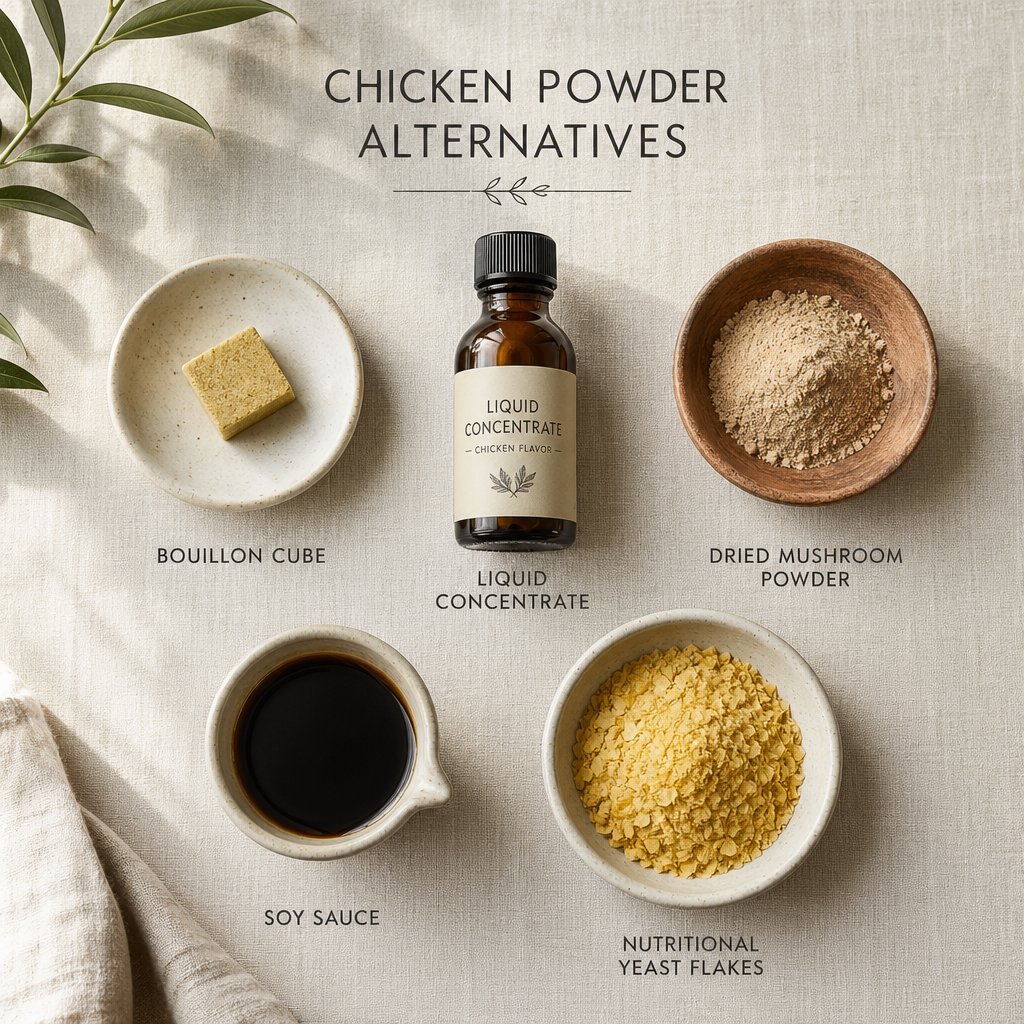
Sometimes the jar is empty and the store is closed. What can I use instead of chicken bouillon when there is no chicken powder, cube, or base in the pantry? Several alternatives can fill the gap, though none are a perfect match. Here they are ranked by how closely they replicate the flavor of chicken powder:
- Crushed bouillon cubes — The closest replacement for chicken bouillon in both flavor and concentration. Crush a cube into a fine powder and use it teaspoon for teaspoon. The taste is nearly identical.
- Chicken broth concentrate — Sold in small squeeze bottles, these liquid concentrates deliver rich chicken flavor in a compact format. Use about one teaspoon per cup of water, same as powder.
- Mushroom powder — The best substitute for chicken powder in vegetarian cooking. Dried shiitake or porcini mushroom powder brings deep umami without any animal products. It will not taste like chicken, but it fills the same savory role in soups, stir-fries, and grain dishes.
- Soy sauce plus a pinch of sugar — A quick umami approximation when you have nothing else. About one teaspoon of soy sauce with a tiny pinch of sugar per cup of liquid mimics the salty, savory depth of chicken powder, though the flavor profile leans more toward fermented soy than poultry.
- Nutritional yeast — A solid vegan option that delivers a savory, slightly cheesy umami. Maple and Mango's homemade bouillon recipe uses nutritional yeast as the base ingredient, blended with salt, onion powder, garlic powder, and herbs to create a chicken bouillon substitute that is naturally vegetarian and gluten-free. Use about one tablespoon of a nutritional yeast-based blend per cup of water for a broth replacement.
Each of these alternatives shifts the flavor in a slightly different direction, so the best chicken bouillon substitute depends on what you are cooking. A hearty stew can absorb the earthiness of mushroom powder without missing a beat. A delicate egg drop soup benefits from the cleaner profile of a broth concentrate. And a quick weeknight fried rice might do just fine with a splash of soy sauce and a pinch of sugar.
Whichever swap you choose, always circle back to the salt. Sodium content varies wildly across these alternatives, from the heavy salt load of a crushed bouillon cube to the relatively low sodium in plain mushroom powder. Taste the dish before reaching for the salt shaker, and you will land in the right place every time.
How to Choose and Source the Right Chicken Powder
You know what chicken powder is, how it is made, what goes into it, and how to use it across a dozen different cuisines. The only question left is a practical one: which product should you actually buy? The answer depends on what you are cooking, what dietary needs you are working around, and whether you are shopping for your own kitchen or sourcing ingredients for a product line.
What to Look for When Buying Chicken Powder
Not every container on the shelf delivers the same quality, and price alone is a poor indicator. A few quick label checks will steer you toward a product that matches your cooking goals and dietary priorities.
- Check the ingredient order — Chicken or chicken meat listed as the first ingredient signals a higher-quality product with more real poultry content. If salt or MSG leads the list, you are looking at a seasoning blend where chicken plays a supporting role.
- Keep the ingredient list recognizable — Shorter lists with familiar components like chicken, salt, sugar, and onion powder tend to indicate a cleaner product. Long lists heavy on maltodextrin, artificial colors, and multiple flavor enhancers suggest more processing and less actual chicken.
- Compare sodium per serving — This is the single biggest variable between brands. Some powdered bouillon products pack over 1,000 mg of sodium per teaspoon, while others stay under 500 mg. If you use chicken powder daily, that gap adds up fast.
- Verify certifications that matter to you — Halal, kosher, gluten-free, and organic certifications are available across several brands but are far from universal. Look for logos from recognized certifying bodies on the packaging rather than relying on vague front-label claims.
- Match the type to the use case — Pure dehydrated chicken powder works best when you want clean, focused chicken flavor for Chinese soups, congee, or pan sauces. Seasoned bouillon chicken powder is the better all-rounder for everyday cooking across a wide range of cuisines. Chicken-flavored seasoning powder is fine for budget meals where authentic chicken taste is less critical.
Among widely available brands, a few names consistently stand out. Lee Kum Kee chicken bouillon powder is a favorite for cooks who want that pure, uncomplicated chicken flavor without herbs or heavy seasoning. Epicurious describes it as delivering "pure, complex chicken flavor" with the depth of a stock that simmered for hours. Knorr chicken powder is the go-to seasoned variety in many Western and Latin American kitchens, offering a bold, well-rounded flavor profile that works across soups, stews, and rice dishes. Totole is another popular choice, especially in Chinese and Southeast Asian cooking, known for its strong umami punch and wide availability in Asian grocery stores. Each of these represents a different point on the spectrum from pure chicken to fully seasoned blend, so the best chicken bouillon powder for you depends entirely on how you plan to use it.
For anyone building a pantry from scratch, keeping two types on hand covers most situations: a pure or lightly seasoned broth powder chicken product for dishes where clean flavor matters, and a seasoned bouillon blend for quick, everyday cooking where convenience is the priority. That combination gives you flexibility without cluttering the spice shelf.
Sourcing Chicken Powder for Brands and Private Label Businesses
Home cooks are not the only ones navigating the powdered chicken bouillon market. If you are a nutrition brand, supplement importer, or private label seller exploring the idea of launching your own chicken powder or seasoning product, the sourcing side of the equation looks very different from picking a jar off the shelf.
Developing a branded chicken powder product means finding a manufacturing partner who can handle customized formulation, consistent quality control, and scalable production. This is where OEM and ODM health food manufacturers come into the picture. These contract manufacturers work with brands to develop proprietary recipes, produce them at scale, and deliver finished products ready for market, all without requiring the brand to build or operate its own production facility.
ZhuFeng, for example, offers OEM/ODM manufacturing services with flexible product formats including powder and granules, making them a practical option for businesses looking to create chicken-based seasoning or functional food products with a custom formulation. Their scalable production capabilities serve nutrition brands, supplement importers, and private label sellers who want to bring a market-ready product to shelves without managing the manufacturing logistics themselves. That said, ZhuFeng is one path among several. The key is to evaluate any potential manufacturing partner on their food safety certifications (HACCP, ISO 22000, GMP), their ability to meet your specific formulation requirements, and their track record with products in your category.
Whether you are a home cook reaching for the best chicken bouillon on the shelf or an entrepreneur developing the next one, the same principle applies: quality starts with knowing exactly what goes into the product and how it gets made. The information in this guide gives you the foundation to make that call with confidence, one teaspoon at a time.
Frequently Asked Questions About Chicken Powder
1. Is chicken powder the same as chicken bouillon?
They are closely related but not identical. Chicken powder and chicken bouillon share a similar production process where chicken broth is dehydrated into a concentrated form. The main difference is that bouillon cubes typically include a broader blend of herbs and spices for a more complex flavor, while chicken powder, especially the pure dehydrated variety, delivers a more focused, straightforward chicken essence with stronger umami. The standard conversion is one teaspoon of chicken powder equals one bouillon cube dissolved in one cup of water.
2. How do you make chicken broth from chicken powder?
Dissolve one teaspoon of chicken powder in one cup (240 ml) of hot water and stir until fully dissolved. This produces a broth suitable for soups, stews, gravies, and any recipe calling for liquid chicken broth. If using a pure dehydrated variety rather than a seasoned bouillon blend, you may need to add a pinch of salt separately since pure products tend to have lower sodium content. Always taste and adjust seasoning before adding the broth to your dish.
3. Does chicken powder contain real chicken?
It depends on the product type. Pure dehydrated chicken powder contains 30% or more real chicken meat as its primary ingredient. Seasoned chicken bouillon powder includes real chicken but in smaller quantities, with salt and flavor enhancers making up the bulk. Chicken-flavored seasoning powder may contain minimal or no actual chicken, relying on yeast extracts and flavor compounds instead. The simplest way to check is reading the ingredient list: if chicken appears as the first or second ingredient, the product contains meaningful amounts of real poultry.
4. What can I use as a substitute for chicken powder?
The closest substitute is a crushed bouillon cube used teaspoon for teaspoon. Other options ranked by flavor accuracy include chicken broth concentrate, mushroom powder for vegetarian cooking, soy sauce with a pinch of sugar for a quick umami boost, and nutritional yeast blended with salt and garlic powder for a vegan alternative. When substituting, always adjust salt levels since sodium content varies significantly between these alternatives. For businesses seeking custom formulations, OEM manufacturers like ZhuFeng offer tailored chicken powder and seasoning products in powder or granule formats.
5. Is chicken powder healthy to use every day?
Chicken powder is not inherently unhealthy, but daily use requires attention to sodium intake. One teaspoon of a typical seasoned blend contains 800 to 1,200 mg of sodium, which is a significant portion of the recommended 2,300 mg daily limit. Pure dehydrated chicken powder tends to have lower sodium since it relies on actual chicken for flavor rather than salt. Calorie content is minimal at 5 to 15 calories per serving. For those with allergies, many blends contain soy, wheat, celery, or dairy, so label reading is essential regardless of how often you use it.