Step 1 – Recognize Why Iron Tablets Seem Linked to Weight Gain
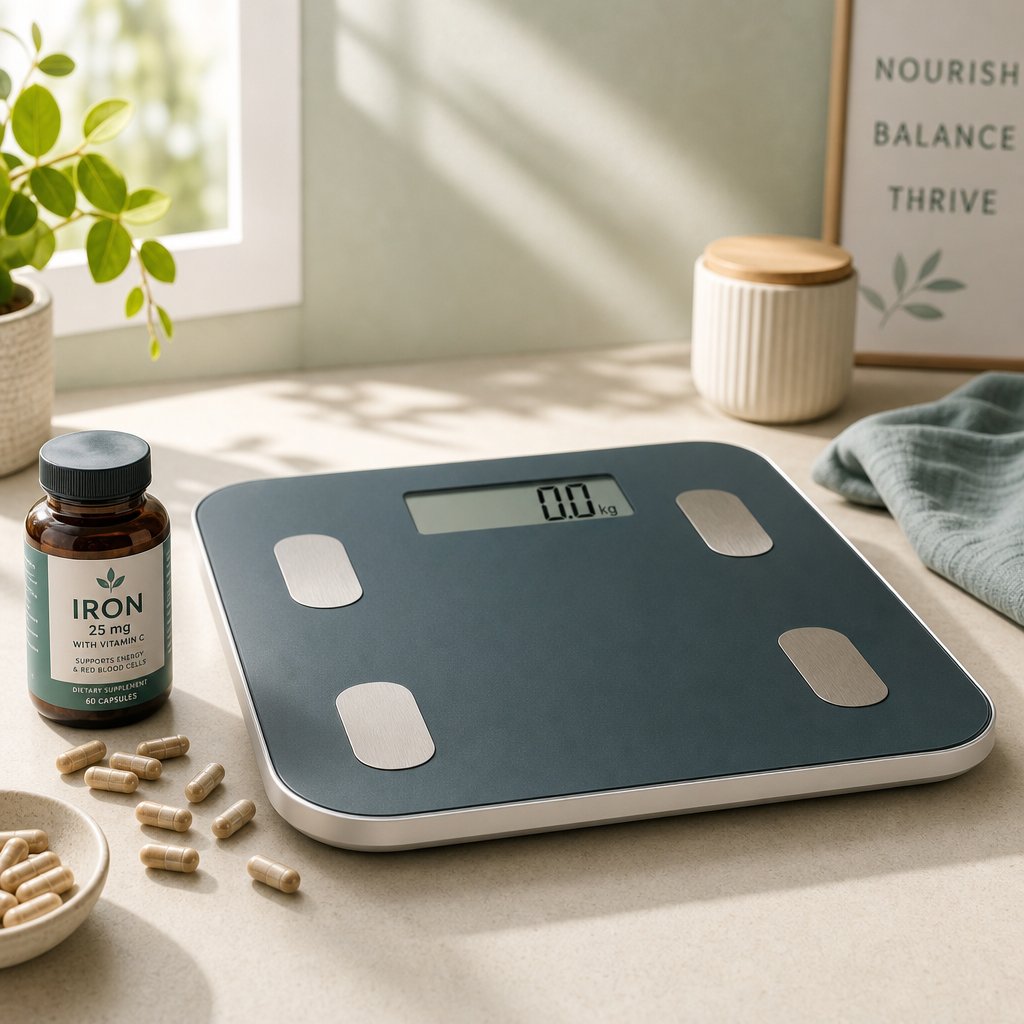
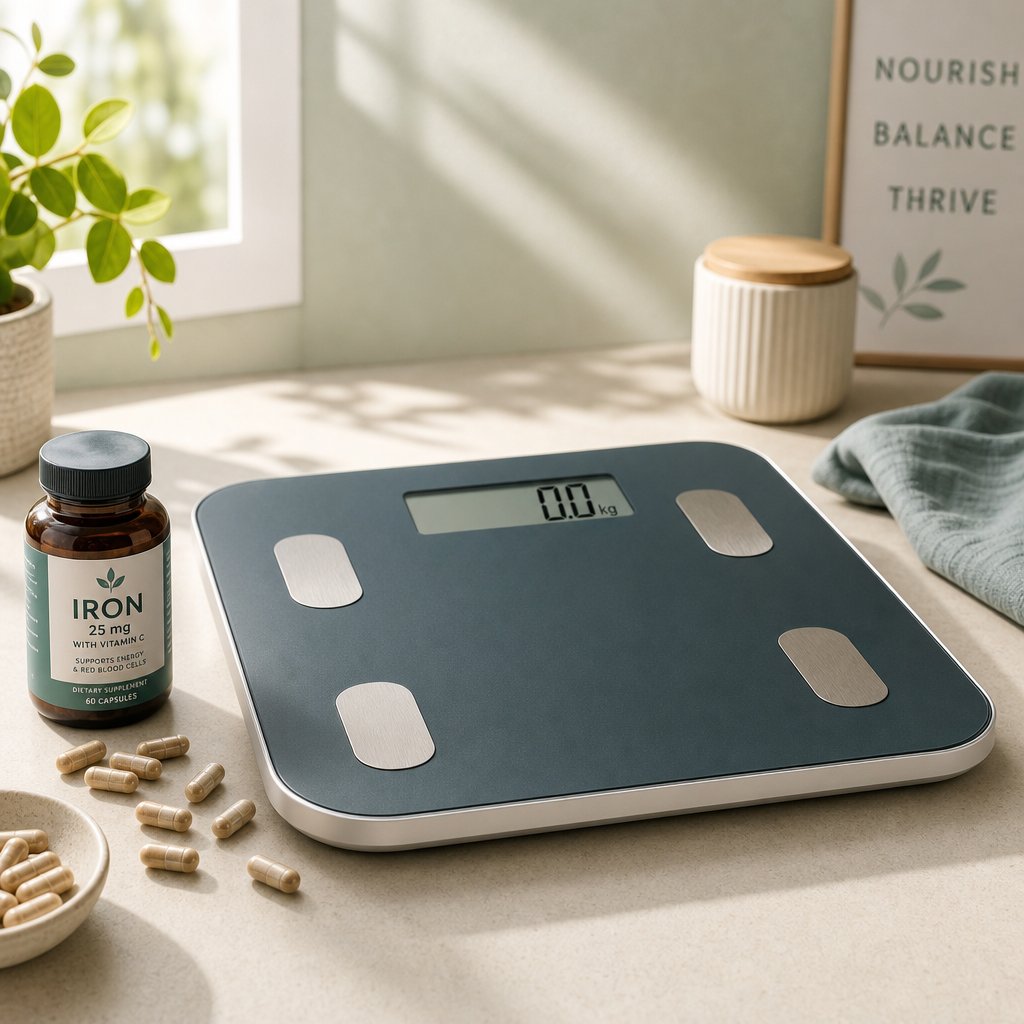
You started taking iron tablets, stepped on the scale a few weeks later, and the number went up. That experience is real, and you are not imagining it. The question "can iron tablets make you gain weight" is one of the most common concerns people raise after beginning supplementation, and it deserves a clear, science-backed answer rather than a dismissive shrug.
Why This Question Matters More Than You Think
Weight changes carry emotional weight too. When you are already dealing with fatigue, brain fog, or other symptoms that led to an iron prescription in the first place, seeing unexpected pounds appear can feel like a cruel trade-off. Here is what makes this topic tricky: iron supplements don't seem to cause weight gain on their own, according to clinical pharmacists. Yet many people notice the scale creeping upward shortly after they start taking them. That disconnect between the research and your lived experience is exactly why a deeper investigation matters.
The side effects of iron pills, particularly gastrointestinal symptoms like bloating and constipation, can mimic or contribute to what looks like weight gain on the scale. And that is only one piece of the puzzle.
What This Troubleshooting Guide Will Help You Identify
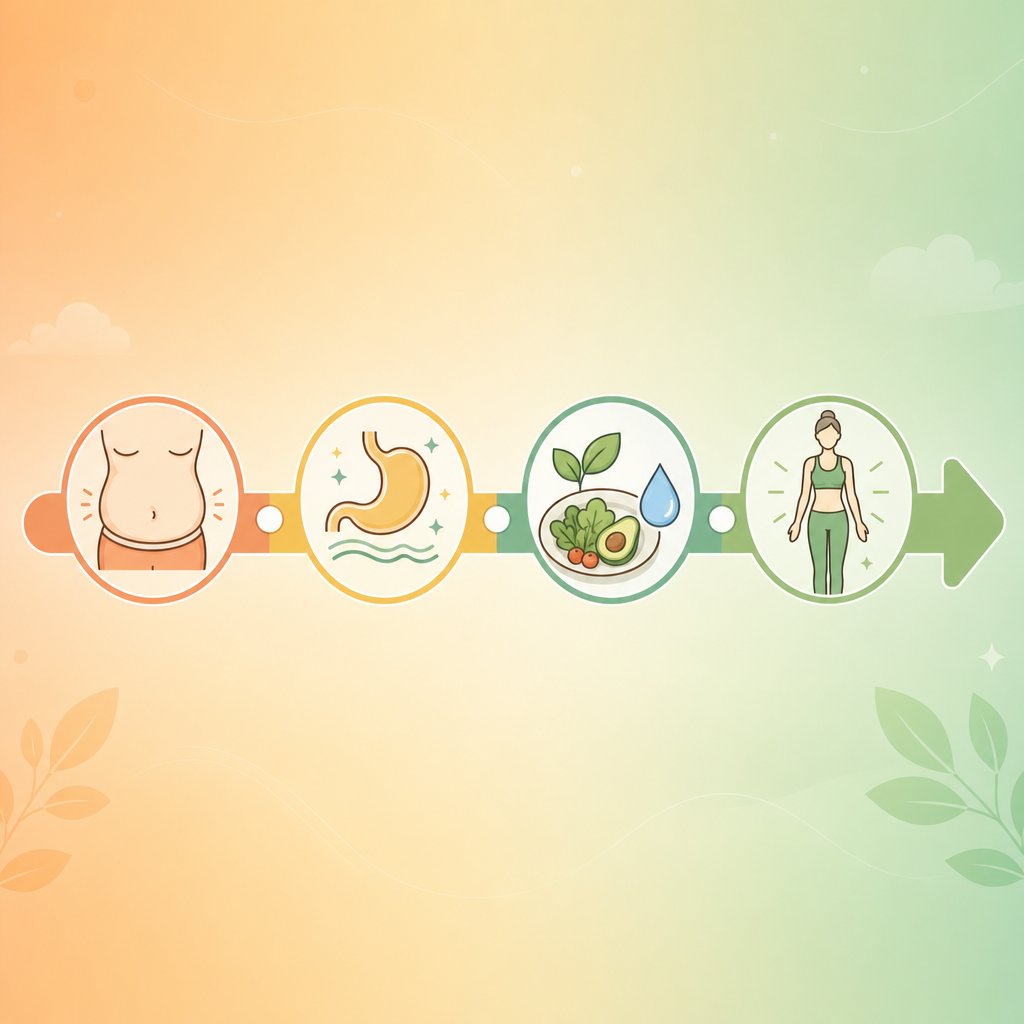
Not all weight changes are created equal. When you notice the number on the scale rising while taking iron, the change typically falls into one of three categories:
- Intestinal bulk from constipation — iron alters gut motility, leading to retained stool that adds temporary scale weight
- Water retention and bloating — abdominal distension from unabsorbed iron irritating the GI tract
- Genuine fat gain from restored appetite — as energy returns and fatigue lifts, caloric intake often increases without conscious awareness
Each category has a different cause, a different timeline, and a different solution. This guide walks you through identifying which one applies to you, so you can stop guessing and start addressing the real issue.
Iron tablets do not directly cause fat storage. There is no pharmacological mechanism by which iron triggers adipogenesis. However, several indirect pathways — from constipation to metabolic recovery to thyroid interactions — can lead to measurable weight changes while you are taking them.
So do iron supplements make you gain weight in the way that, say, corticosteroids do? No. Does taking iron make you gain weight through indirect mechanisms that feel just as frustrating? It absolutely can. The difference matters because it changes what you do about it. Over the next several steps, you will learn exactly how iron interacts with your metabolism, your gut, and even your thyroid to influence body weight in ways most articles never mention.
Step 2 – Understand How Iron Affects Your Metabolism and Appetite
Iron does far more than build red blood cells. It sits at the center of your body's energy-producing machinery, influencing how efficiently you burn calories, oxidize fat, and regulate hunger. Understanding this physiology is the key to answering whether iron deficiency weight gain is a real phenomenon — and why the scale might shift once you start correcting a deficiency.
How Iron Powers Your Metabolism Through Oxygen Transport
Imagine your metabolism as a furnace. Iron is the component that keeps oxygen flowing into that furnace so fuel can actually burn. At the cellular level, iron participates in two critical energy processes:
- The TCA cycle (Krebs cycle) — iron-sulfur clusters form part of aconitase, an enzyme essential for converting food into usable energy intermediates
- The electron transport chain — iron is a structural component of complexes I, II, and III, plus cytochrome c, which together generate the majority of your body's ATP (adenosine triphosphate)
When iron levels drop, these systems slow down. Research published in Clinical Nutrition Research confirms that iron deficiency reduces the protein expression of mitochondrial respiratory chain complexes, directly impairing oxidative phosphorylation — the process responsible for most of your calorie burning. Iron also regulates thermogenesis in brown adipose tissue, meaning low iron can reduce the amount of energy your body expends as heat.
So can low iron cause weight gain? The metabolic evidence says yes. With impaired fat oxidation, reduced thermogenesis, and lower overall energy expenditure, your body becomes less efficient at burning what you eat. This creates conditions where weight accumulates even without changes in diet.
The Recovery Effect — Why Feeling Better Can Mean Eating More
Here is where things get counterintuitive. Can iron deficiency cause weight gain through slowed metabolism? Absolutely. But can anemia cause weight gain when you treat it? Also yes — through a completely different mechanism.
Iron-deficient individuals commonly experience suppressed appetite. A study published in the Journal of Clinical Investigation demonstrated that adipocyte iron directly regulates leptin, the hormone controlling hunger and satiety. When iron stores are low, leptin signaling is disrupted. Research in Kenyan schoolchildren showed that iron supplementation improved both growth and appetite, confirming that do iron pills make you hungry is not just anecdotal — there is a hormonal basis for it.
The mechanism works like this: as iron levels rise in adipocytes, CREB (cAMP-responsive element binding protein) is activated, which suppresses leptin transcription. Lower leptin means reduced satiety signals, which translates to increased food intake. Mice on high-iron diets ate more chow than controls, though interestingly their body composition did not always change proportionally.
This is the recovery effect in action. When someone asks does anemia cause weight loss or gain, the honest answer is both — depending on the stage. During deficiency, appetite drops and fatigue limits activity. Once supplementation begins, energy returns and hunger rebounds. Do iron pills give you energy? They restore the metabolic capacity that deficiency stole. And with that restored energy comes a natural drive to eat more.
The critical distinction is this: weight gain FROM iron tablets as a direct pharmacological effect does not exist. There is no mechanism by which iron molecules trigger fat storage. Weight gain WHILE TAKING iron tablets happens because your body is recovering — appetite normalizes, energy improves, and caloric intake rises without you necessarily noticing. Can anemia make you gain weight during recovery? Yes, but it is a sign that the supplement is working, not a side effect of the pill itself.
A systematic meta-analysis of over 13,000 obese subjects and 26,000 non-obese subjects found a significant association between obesity and iron deficiency — but correlation is not causation. Obese individuals tend to have higher inflammation and elevated hepcidin, which blocks iron absorption. The relationship runs in both directions, making it difficult to untangle whether low iron promotes weight gain or whether excess weight promotes iron depletion. What is clear is that correcting the deficiency recalibrates your metabolic system, and the transition period can temporarily look like unwanted weight gain on the scale.
Step 3 – Determine Whether Your Weight Gain Is Real or Temporary
Knowing that iron affects metabolism and appetite is useful background, but it does not tell you what is happening in your body right now. The scale went up — so which category does your weight change fall into? This step gives you a practical self-assessment framework to figure that out without guessing.
The answer to whether iron pills weight gain is temporary or lasting depends almost entirely on the type of weight you have gained. Constipation bulk resolves when bowel habits normalize. Water retention fades as your GI tract adapts. Only a sustained caloric surplus produces actual fat tissue. Each one leaves different clues.
How to Tell If It Is Constipation Bulk or Bloating
Constipation is one of the most common side effects of iron supplements, and it can add measurable weight to the scale. Retained stool in the colon can account for one to four pounds of apparent weight gain depending on severity and duration. Water retention from GI irritation adds another layer — your abdomen feels distended, your clothes fit tighter around the midsection, and the number on the scale jumps within days of starting supplementation.
Here is how to distinguish these from genuine fat gain:
- Your weight drops noticeably after a bowel movement — if you see a one- to three-pound difference after using the bathroom, constipation bulk is the primary driver
- The gain appeared within the first five to seven days — true fat accumulation requires a sustained caloric surplus over weeks; rapid onset points to fluid shifts or intestinal contents
- Your abdomen feels tight or distended but your arms and legs look the same — water weight tends to concentrate in the abdomen, hands, and feet rather than distributing evenly like body fat
- The weight fluctuates day to day by more than a pound — fat gain is stable and progressive, while bloating and constipation create erratic daily swings
- You feel physically uncomfortable rather than just heavier — cramping, gas, and abdominal pressure suggest GI-related weight, not adipose tissue
If most of these descriptions match your experience, the weight you are seeing is almost certainly temporary. Could constipation cause weight gain that looks alarming on the scale? Absolutely. But it is not the same as gaining body fat, and it responds to different interventions than calorie restriction would.
How to Identify Genuine Fat Gain from Restored Appetite
The second scenario is subtler and takes longer to develop. As your iron levels rise and energy returns, your appetite rebounds — sometimes aggressively. You may find yourself eating larger portions, snacking more frequently, or craving calorie-dense foods you previously had no interest in. This is the recovery effect discussed in the previous step, and it produces real tissue gain over time.
Signs that point to genuine caloric surplus rather than GI effects:
- Weight has increased gradually over four to eight weeks — a slow, steady upward trend rather than a sudden jump
- You have noticeably more energy and less fatigue — this confirms the iron is working and your metabolism is recovering
- Your appetite has clearly increased — you are eating more than before supplementation, even if you have not consciously changed your diet
- Weight does not fluctuate significantly with bowel movements — the gain is consistent regardless of GI activity
- Clothing fits differently across multiple body areas — not just the abdomen but also thighs, arms, or hips
This type of iron supplements weight gain is real in the sense that body composition is changing. But it is not caused by the iron molecule itself. It is caused by eating more calories than you burn, enabled by the fact that you finally feel well enough to have a normal appetite again. Can iron pills make you gain weight through this pathway? Indirectly, yes — and recognizing it early lets you adjust portion sizes or activity levels before the gain becomes significant.
A Simple Timeline Test for Your Weight Changes
Your body adapts to iron supplementation in predictable phases. Mapping your weight changes against this timeline reveals which mechanism is most likely responsible:
| Timeline | What Is Happening | Expected Weight Effect | Most Likely Cause |
|---|---|---|---|
| Weeks 1-2 | GI side effects peak — constipation, bloating, and nausea are at their worst | Sudden gain of 1-4 lbs | Constipation bulk and water retention |
| Weeks 3-4 | GI tract begins adapting; side effects stabilize or lessen | Weight plateaus or slightly decreases | Bowel regularity improving; fluid normalizing |
| Months 2-3 | Iron stores rebuilding; energy and appetite fully restored | Gradual gain if caloric intake exceeds expenditure | Increased food intake from recovered appetite |
| Months 4-6 | Metabolic improvements from corrected deficiency take full effect | Weight may stabilize or decrease as metabolism normalizes | Improved fat oxidation and energy expenditure |
If your weight jumped in weeks one through two and has not continued climbing, you are almost certainly dealing with GI-related temporary weight. If the gain started later and correlates with feeling better and eating more, the caloric surplus explanation fits. And if you are still in the early weeks wondering will iron tablets cause weight gain permanently — the data suggests they will not, provided you manage the constipation and stay aware of appetite changes.
Do iron pills cause weight gain that sticks around forever? For most people, no. The GI effects that drive early scale changes are dose-dependent and time-limited. Blood counts typically return to normal after two months of iron therapy, and as your body adjusts, the bloating and constipation that created the initial weight spike tend to resolve. The real variable is whether you recognize and manage the appetite rebound that comes with metabolic recovery.
With a clearer picture of which type of weight change you are experiencing, the next logical question becomes: what specifically can you do about the GI symptoms that are responsible for most of the early-stage scale increases?
Step 4 – Address Constipation and Bloating as the Primary Culprits
For most people asking whether iron supplements cause weight gain, the real answer is sitting in their colon. Constipation and bloating account for the majority of early-stage scale increases during iron therapy, and they are entirely manageable once you understand why they happen and what to do about them.
Why Iron Supplements Cause Constipation and What It Does to the Scale
Does iron cause constipation? The short answer is yes — and the mechanism involves more than just "slowing things down." When you swallow an iron tablet, your body can only absorb a fraction of the elemental iron it contains. A review published in the European Journal of Haematology found that hepcidin synthesis is stimulated within hours of oral iron supplementation, reducing iron bioavailability by 35-45% on the second day after dosing. That means a significant portion of the iron you take passes through your GI tract unabsorbed.
This unabsorbed iron triggers constipation through two primary pathways:
- Gut microbiome disruption — excess iron in the colon shifts the balance between beneficial and harmful bacteria. Higher iron levels in the gut allow pathogenic bacteria to flourish, which disrupts normal motility and stool formation.
- Water absorption from the colon — as your body absorbs iron, it creates an extra positive charge inside the gut. To neutralize this charge, the intestinal lining pulls more water out of the stool, leaving it drier, harder, and more difficult to pass.
Iron also slows intestinal muscle contractions directly, meaning food moves more sluggishly through the digestive tract. The result? Retained stool accumulates in the colon, and that bulk registers on the scale. If you have not had a bowel movement in two or three days, you could easily be carrying two to four extra pounds of intestinal contents that have nothing to do with body fat.
A meta-analysis of 43 trials comprising 6,831 adults found that ferrous sulfate supplementation significantly increased the risk of GI side effects compared to placebo or IV iron. The most commonly reported symptoms were constipation (12%), nausea (11%), and diarrhea (8%). These effects are clearly dose-dependent — research shows that taking more than 45 mg of elemental iron per day increases your risk of developing constipation. Many standard prescriptions deliver 65 mg of elemental iron per dose, which sits well above that threshold.
Does iron vitamins make you constipated in every case? No. Most people do not develop constipation while taking iron supplements by mouth. But for those who do, the scale impact can be significant enough to trigger real concern about weight gain. The bloating component adds another layer — unabsorbed iron irritates the gut lining and generates gas, creating abdominal distension that looks and feels like you have gained weight around your midsection even when no fat has been added.
Can iron supplements cause diarrhea instead? Yes — about 8% of people experience the opposite reaction. Diarrhea is less likely to cause scale increases, but it can still contribute to bloating and abdominal discomfort that feels like weight change. Whether you experience constipation or diarrhea often depends on your individual gut microbiome composition and the specific iron formulation you are taking.
Actionable Steps to Reduce Iron-Related Bloating
The good news is that iron-related GI symptoms respond well to targeted interventions. You do not need to stop your supplement or accept constipation as inevitable. The following protocol addresses the root causes rather than just masking symptoms:
- Increase fiber intake gradually to 25-30 grams per day — add soluble fiber sources like oats, beans, and apples alongside insoluble fiber from whole grains, nuts, and leafy greens. Start slowly to avoid worsening gas and bloating. A sudden jump in fiber without adequate hydration can make constipation worse.
- Drink 8-10 cups of water daily — fiber needs water to work. Without adequate hydration, fiber can actually compact stool further. Include herbal teas and clear broths if plain water feels monotonous, but limit coffee and alcohol, which can be dehydrating.
- Time your iron away from calcium-rich foods and beverages — calcium competes with iron for absorption, meaning more iron passes through unabsorbed when taken together. Separating them by at least two hours reduces the amount of free iron irritating your gut.
- Consider splitting your dose or switching to every-other-day dosing — clinical trials have demonstrated that alternate-day dosing minimizes hepcidin expression and increases fractional iron absorption. Less unabsorbed iron in the gut means less constipation and bloating. Discuss this approach with your provider.
- Add movement to your daily routine — even 10-minute walks after meals stimulate intestinal contractions and help move stool through the colon. Aim for 30 minutes of moderate activity most days.
- Try a stool softener if dietary changes are not enough — docusate sodium adds moisture to stool without stimulating contractions. Osmotic laxatives like polyethylene glycol draw water into the bowel. Use these as bridges while your gut adapts, not as permanent solutions.
One additional strategy worth discussing with your healthcare provider: switching iron formulations. One study found that people taking ferrous sulfate were most likely to develop gut-related side effects like constipation, though older research showed similar rates across formulations. Slow-release or liquid iron options may reduce GI contact time and irritation for some individuals. Can iron tablets make you constipated regardless of the form? Potentially — but the severity often varies enough between formulations to make a meaningful difference in daily comfort and scale stability.
These GI effects peak during the first two weeks of supplementation and typically stabilize by week three or four as your gut microbiome adjusts. If constipation persists beyond that window despite implementing the steps above, or if you notice severe abdominal pain, blood in stool, or no bowel movement for several days, seek medical attention. Do iron pills make you constipated permanently? For most people, no — the body adapts, and the right combination of hydration, fiber, and dosing strategy keeps things moving.
Resolving constipation and bloating often eliminates the majority of perceived weight gain from iron supplementation. But for some people, the scale still does not behave as expected even after GI symptoms resolve. In those cases, a less obvious connection may be at play — one that links your iron levels directly to your thyroid gland and metabolic rate.
Step 5 – Investigate the Iron-Thyroid-Metabolism Connection
Your GI symptoms are under control, yet the weight still is not budging. Or maybe you have noticed stubborn low iron and belly fat accumulating despite eating reasonably well. This is where most articles on iron and weight gain stop — but the real story goes deeper, into your thyroid gland.
How Iron Deficiency Impairs Thyroid Hormone Production
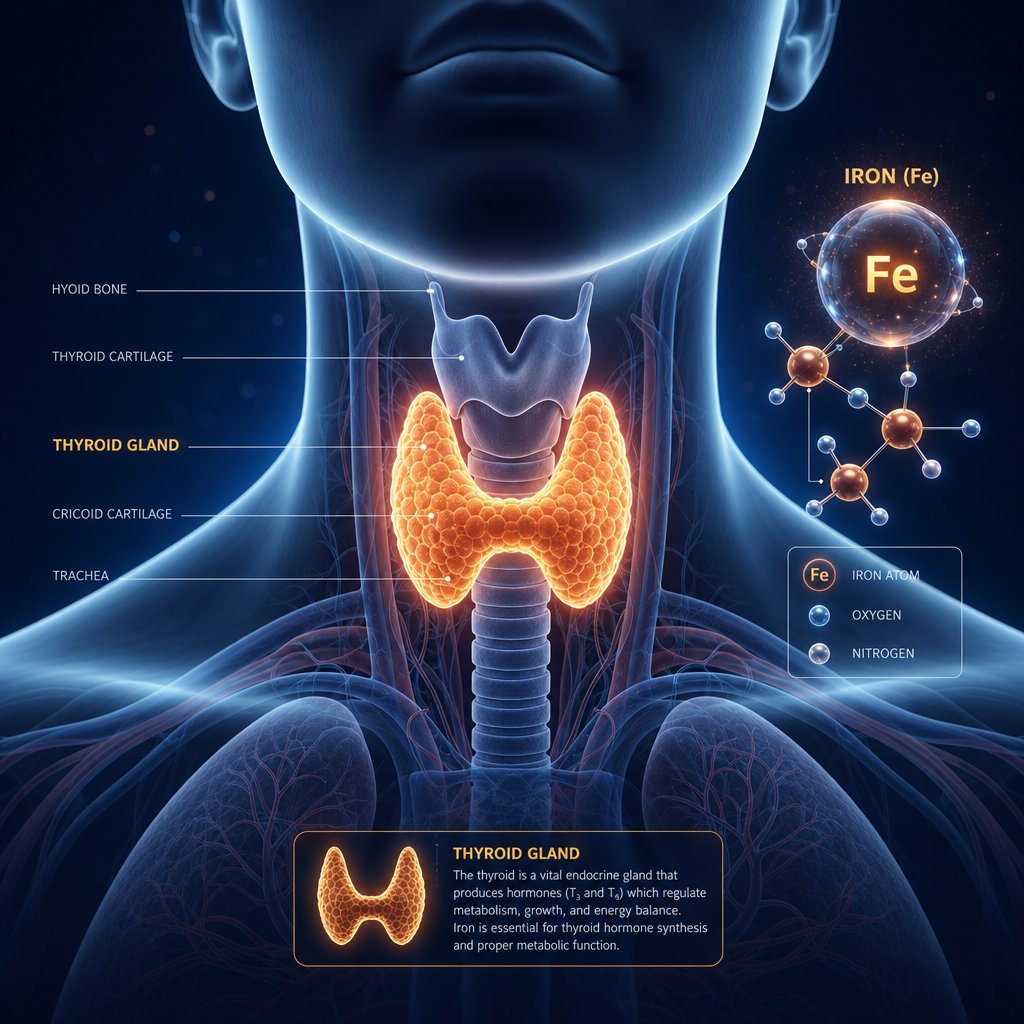
Your thyroid relies on an enzyme called thyroid peroxidase (TPO) to manufacture the hormones T3 and T4. TPO is a heme-dependent enzyme, meaning it literally requires iron to function. Without adequate iron, TPO activity drops, and your thyroid cannot efficiently oxidize iodide or bind iodine to thyroglobulin — the two steps essential for producing thyroid hormones.
The downstream effects are significant. Iron deficiency may lower circulating levels of both thyroxine (T4) and triiodothyronine (T3), and it may also reduce the peripheral conversion of T4 to the more metabolically active T3. Research even suggests that iron deficiency increases deactivation of thyroid hormones through reverse T3 pathways, essentially pushing your thyroid economy toward a slower metabolic state.
A cross-sectional study published in Cureus found that iron-deficient individuals had an 8-fold increased risk of subclinical hypothyroidism compared to those with normal iron stores (OR 8.182, 95% CI: 1.798-37.234, p=0.007). The same study demonstrated a strong positive correlation between ferritin and free T4 levels (correlation coefficient 0.907, p=0.0001), while TSH and ferritin were inversely correlated. In practical terms: the lower your iron, the more sluggish your thyroid becomes.
So does low iron cause weight gain? Through this thyroid pathway, yes. An underperforming thyroid slows your basal metabolic rate, reduces thermogenesis, and promotes fluid retention — all of which contribute to low iron weight gain that feels impossible to explain through diet alone. If you have been wondering whether can low iron make you gain weight even when you are eating the same as before, impaired thyroid function is a likely culprit.
What Restored Thyroid Function Means for Your Weight
The encouraging flip side is that correcting iron deficiency can gradually restore TPO activity and normalize thyroid hormone output. As T3 and T4 levels recover, your metabolic rate climbs back toward baseline. Calories burn more efficiently, fluid retention decreases, and the conditions that created low iron and weight gain begin to reverse.
This process is not instant. Thyroid function improvements lag behind iron repletion by weeks to months, which is why some people feel frustrated that the scale has not responded even after their ferritin levels improve. Patience matters here — metabolic recalibration takes time.
Iron deficiency impairs thyroid peroxidase, reduces T3 and T4 production, and creates a hypothyroid-like metabolic slowdown that promotes weight gain. Correcting iron stores can restore this pathway, but thyroid recovery lags behind iron repletion by several weeks.
Does low iron make you gain weight in every case? Not necessarily. The thyroid connection is most relevant for people with both documented low ferritin and unexplained metabolic symptoms — fatigue that persists beyond what anemia alone would explain, cold intolerance, dry skin, or weight gain concentrated around the midsection. Can low ferritin cause weight gain through this mechanism alone? The research strongly suggests it can, particularly when ferritin drops below 15 mcg/L.
If this pattern sounds familiar, consider asking your healthcare provider to run a full thyroid panel (TSH, free T4, free T3, and anti-TPO antibodies) alongside your iron studies. Does low ferritin cause weight gain that resolves with supplementation? For many people, yes — but only if the thyroid connection is identified and monitored. Treating iron deficiency without checking thyroid function means you might miss the very mechanism driving your weight changes.
Understanding this metabolic link raises a practical follow-up question: does the type of iron supplement you take affect how quickly and completely you can restore both iron stores and thyroid function? The answer depends heavily on which formulation you choose and how much of it your body actually absorbs.
Step 6 – Compare Iron Supplement Forms and Their Side Effect Profiles
The form of iron you take determines how much your gut absorbs, how much passes through unabsorbed, and how severely your GI tract reacts. Since unabsorbed iron is the primary driver of constipation, bloating, and the perceived weight gain that follows, choosing the right formulation is not a minor detail — it is one of the most impactful decisions you can make to minimize scale disruptions during supplementation.
Not all iron supplements are created equal. A standard ferrous sulfate 325mg tablet contains only about 65 mg of elemental iron — the actual amount available for absorption. Ferrous gluconate at the same 325 mg dose delivers just 39 mg of elemental iron. That difference matters because your body can only absorb 10-20% of the elemental iron in any given dose. The rest stays in your digestive tract, irritating the gut lining, feeding pathogenic bacteria, and slowing motility. Higher bioavailability means you need less total iron to achieve the same therapeutic effect, which translates directly to fewer side effects.
Ferrous Sulfate vs Ferrous Gluconate vs Chelated Iron
When comparing ferrous gluconate vs sulfate, the key differences come down to elemental iron content and tolerability. Iron sulfate is the most commonly prescribed form worldwide and remains the clinical gold standard due to its low cost and proven efficacy. But it also carries the highest GI side effect burden. A systematic review and meta-analysis of 43 randomized controlled trials involving 6,831 adults found that ferrous sulfate significantly increased the risk of gastrointestinal side effects versus placebo (odds ratio 2.32) and versus intravenous iron (odds ratio 3.05).
Ferrous gluconate delivers less elemental iron per tablet (12% versus 20% for hydrated ferrous sulfate), which means lower GI irritation per dose but potentially more tablets needed to reach therapeutic targets. For people who experience significant bloating on iron sulfate, ferrous gluconate offers a gentler alternative — though the trade-off is slower repletion of iron stores.
Chelated iron — specifically ferrous bisglycinate chelate — represents a different approach entirely. In this form, iron is bound to two glycine amino acid molecules, which protects it from interacting with food inhibitors and allows absorption through amino acid transport pathways rather than the standard DMT-1 channel. A retrospective clinical study of 260 patients found that ferrous bis-glycinate at just 30 mg elemental iron produced hemoglobin improvements comparable to ferrous fumarate at 50 mg elemental iron, with fewer reported side effects. Studies have demonstrated therapeutic equivalence between 30 mg of iron glycinate and 120 mg of ferrous sulfate in preventing iron deficiency anemia — a fourfold reduction in the dose needed.
Why does this matter for weight? Less elemental iron in the gut means less constipation, less bloating, and less of the intestinal bulk that drives early-stage scale increases. If you have been experiencing iron-related weight changes on a conventional ferrous salt, switching to a chelated form may resolve the issue without sacrificing efficacy.
Which Iron Form Causes the Least Bloating and Constipation
The clinical data paints a clear picture of how different formulations rank for GI tolerability. The study comparing ferrous ascorbate, ferrous fumarate, ferrous bis-glycinate, and Sucrosomial iron found that 30.77% of patients on ferrous fumarate reported GI side effects, compared to 23.07% on ferrous bis-glycinate, 16.92% on ferrous ascorbate, and just 9.23% on Sucrosomial iron. The most common complaints across all groups were gastric irritation and bloating — the exact symptoms that mimic weight gain.
Newer formulations like Sucrosomial iron use phospholipid encapsulation to protect the GI lining from direct iron contact. Because the iron is absorbed through M-cells in the small intestine via a DMT-1 independent pathway, less free iron remains in the gut to cause problems. This technology achieves higher bioavailability at lower doses (30 mg elemental iron), which explains both the superior hemoglobin response and the dramatically reduced side effect profile observed in clinical trials.
Here is a comprehensive comparison to help you evaluate your options:
| Form Name | Elemental Iron per Dose | Bioavailability | Constipation Risk | Bloating Risk | Best For |
|---|---|---|---|---|---|
| Ferrous sulfate (hydrated, 325 mg) | 65 mg | 10-15% | High | High | Cost-conscious patients who tolerate GI effects; first-line therapy |
| Ferrous fumarate (300 mg) | 99 mg | 10-15% | High | High | Severe deficiency requiring rapid repletion; highest elemental iron per tablet |
| Ferrous gluconate (325 mg) | 39 mg | 10-15% | Moderate | Moderate | People who need a gentler ferrous salt with lower per-dose iron load |
| Iron bisglycinate / chelated iron (varies) | 25-30 mg | Up to 3-4x higher than sulfate | Low | Low | Those intolerant of conventional salts; people prone to constipation |
| Heme iron polypeptide | 12 mg per capsule | Higher than non-heme (absorbed via separate pathway) | Low-Moderate | Low | People who want food-derived iron; those with absorption issues from plant-based diets |
| Liquid iron (various forms) | Varies (typically 10-25 mg per mL) | Comparable to tablet equivalent | Low-Moderate | Low-Moderate | Flexible dosing; people who cannot swallow tablets; pediatric use |
| Sucrosomial iron | 14-30 mg | Significantly higher (DMT-1 independent) | Very Low | Very Low | Patients intolerant of all conventional forms; inflammatory conditions; celiac disease |
A few patterns emerge from this comparison. The conventional ferrous salts — sulfate, fumarate, and gluconate — share similar bioavailability (10-15%) but differ in elemental iron content per tablet. Ferrous fumarate packs the most iron per dose at 99 mg, which makes it effective for severe deficiency but also the most likely to cause GI distress. Ferrous sulfate vs ferrous gluconate comes down to a trade-off between potency and gentleness: sulfate delivers more iron per tablet but causes more side effects, while gluconate is milder but requires more tablets to match the same elemental dose.
The newer formulations — chelated iron, Sucrosomial iron, and to some extent heme iron polypeptide — achieve better absorption through alternative pathways, meaning less iron lingers in the gut. For someone whose primary concern is whether iron tablets will cause weight gain from bloating and constipation, these higher-bioavailability options offer a meaningful advantage.
If you are currently taking ferrous sulfate or ferrous fumarate and experiencing persistent GI symptoms that show up on the scale, discuss switching to ferrous bisglycinate chelate or a liquid formulation with your provider. The goal is not to reduce your iron intake — it is to increase the percentage that actually reaches your bloodstream rather than sitting in your colon causing problems. Better absorption at a lower dose is the simplest path to fewer side effects and less perceived weight gain.
Choosing the right form is only half the equation, though. When and how you take your iron supplement — relative to meals, other supplements, and even the time of day — can further amplify or diminish both absorption and side effects.
Step 7 – Optimize Your Dosage and Timing to Minimize Side Effects
You have picked the right iron form. The next variable that determines whether you experience iron pill side effects — and the bloating or constipation that mimics weight gain — is when and how you take it. Timing affects absorption, and absorption determines how much unabsorbed iron lingers in your gut causing problems.
When to Take Iron Relative to Meals for Best Results
So when is the best time to take iron pills? A 2023 clinical trial published in the American Journal of Hematology tested six different dosing conditions in iron-depleted women and found that morning dosing on an empty stomach with an ascorbic acid source produced the highest fractional iron absorption. Afternoon dosing resulted in 37% lower absorption due to elevated hepcidin levels that accumulate throughout the day.
The trade-off is straightforward: an empty stomach maximizes absorption but increases nausea risk. Taking iron with food improves tolerance but reduces how much iron reaches your bloodstream. For most people, the sweet spot is taking iron first thing in the morning with a small glass of orange juice — no food, no coffee, no calcium supplements alongside it.
Foods and Supplements That Block or Boost Iron Absorption
The same trial found that coffee decreased iron absorption by 54%, and a full breakfast with coffee reduced it by 66% — even when the meal included roughly 90 mg of ascorbic acid from orange juice. Meanwhile, 80 mg of vitamin C alone boosted absorption by 30%. Interestingly, increasing vitamin C to 500 mg did not produce additional benefit beyond the 80 mg threshold.
What does this mean practically? A single glass of orange juice provides enough vitamin C to meaningfully improve absorption. But pairing iron with your morning coffee essentially cancels out much of the dose. Calcium, tannins in tea, and antacids create similar interference. Separating iron from these inhibitors by at least two hours protects your absorption rate.
Here is a daily timing protocol that balances absorption with tolerability:
- Take your iron immediately upon waking — morning hepcidin levels are at their lowest, maximizing the absorption window
- Pair with 100-150 mL of orange juice or a vitamin C tablet (80 mg is sufficient) — this provides the absorption boost without needing megadoses
- Wait at least 60 minutes before eating breakfast — food in the stomach reduces iron uptake significantly
- Delay coffee or tea by at least two hours after your iron dose — polyphenols and tannins bind iron and prevent absorption
- Take calcium supplements or dairy-rich meals at lunch or dinner instead — calcium competes directly with iron for the same transport channels
- If nausea is intolerable on an empty stomach, take iron with a small vitamin C-rich snack — a few strawberries or a kiwi provides both tolerance and absorption support
How Better Absorption Reduces Side Effects and Perceived Weight Gain
This is the connection most people miss. When you absorb more iron per dose, less iron remains in your intestines. Less intestinal iron means less disruption to gut motility, less bacterial imbalance, and less of the constipation and bloating that register as weight gain on the scale. The von Siebenthal study demonstrated that consuming a 100 mg iron dose with orange juice alone — versus with coffee or breakfast — resulted in approximately 20 more milligrams of absorbed iron per dose. That is 20 mg less unabsorbed iron irritating your colon.
If you are taking iron 325 mg (ferrous sulfate), you are getting about 65 mg of elemental iron. Is 325 mg of iron a lot? The tablet weight sounds high, but only 65 mg is actual iron — and of that, your body absorbs roughly 6-13 mg under optimal conditions. Under poor conditions (with food, coffee, or calcium), absorption can drop below 4 mg. The remaining 50-60 mg passes through your digestive tract, and that is what drives the GI symptoms people associate with weight gain.
For specific populations, timing strategies may need adjustment:
- Pregnant women — morning nausea may make fasting doses impractical; taking iron at bedtime with vitamin C is a reasonable alternative, though absorption is slightly lower
- Athletes — post-exercise inflammation elevates hepcidin for 3-6 hours; take iron well before training or wait until the following morning
- People on PPIs or antacids — these medications raise stomach pH, which impairs iron solubility; discuss switching to chelated iron forms that do not require acidic conditions for absorption
One more strategy worth considering: alternate-day dosing. A 2025 systematic review and meta-analysis of 11 randomized controlled trials involving 1,014 participants found that daily and alternate-day iron supplementation produced comparable hemoglobin improvements (mean difference just 0.28 g/dL, not statistically significant). The mechanism is hepcidin-driven — taking iron daily keeps hepcidin elevated for nearly 24 hours, reducing absorption from the next dose. Spacing doses 48 hours apart allows hepcidin to reset, improving fractional absorption per dose while reducing the total amount of unabsorbed iron passing through your gut. Do iron pills cause diarrhea or constipation less often with alternate-day dosing? The evidence suggests yes — adverse effects were similar overall, but tolerability trended better with the spaced approach.
Will iron supplements cause weight gain if you optimize timing and absorption? The likelihood drops substantially. Better absorption means a lower effective dose needed, fewer GI side effects, less constipation bulk, and less bloating — all of which reduce the scale fluctuations that make people worry about weight. Can iron supplements cause weight gain through the appetite-recovery pathway discussed earlier? That mechanism still applies regardless of timing. But the GI-driven weight changes that account for most early concerns? Those are largely preventable with the right protocol.
Do iron supplements cause weight gain as an inevitable consequence of supplementation? No. They cause GI disruption that mimics weight gain, and optimizing your timing, pairing, and dosing schedule minimizes that disruption at its source. The next consideration is whether the physical format of your supplement — tablet, capsule, liquid, or powder — further influences how your body tolerates it.

Step 8 – Choose the Right Supplement Format for Better Tolerability
The iron form and timing are dialed in. But there is one more variable that influences whether do iron tablets make you gain weight from GI side effects: the physical format of the supplement itself. A tablet, a capsule, a liquid, and a gummy all deliver iron differently — and those differences affect how long iron sits in your stomach, how quickly it dissolves, and how much irritation it causes along the way.
How Supplement Format Affects Tolerability and Side Effects
Think about what happens when you swallow a compressed iron tablet. It lands in your stomach and needs to break apart before any iron becomes available for absorption. Research using a human intestinal Caco-2 cell model found wide-ranging variations in dissolution times between iron preparations — conventional-release ferrous sulfate tablets dissolved in 48 minutes under gastric conditions, while modified-release tablets and capsules took 256 to 274 minutes. That extended dissolution window means iron sits in your GI tract longer, creating more opportunity for irritation, bloating, and the constipation that registers as weight gain on the scale.
Liquid iron bypasses this dissolution bottleneck entirely. Because it arrives in solution, absorption begins almost immediately upon reaching the duodenum. Less time in the gut means less unabsorbed iron disrupting motility. Soft capsules containing iron in oil-based or liquid suspension similarly dissolve faster than compressed tablets, reducing GI contact time. Powder and granule formats offer a different advantage — flexible dosing that lets you start low and titrate upward, keeping side effects manageable at each step.
Do iron vitamins cause weight gain more or less depending on format? The evidence points toward yes. Formats that dissolve quickly and absorb efficiently leave less residual iron in the colon, which means less constipation bulk and less bloating. For anyone who has tried standard tablets and experienced persistent GI symptoms, switching formats can be the intervention that finally resolves the problem.
Matching the Right Format to Your Sensitivity Level
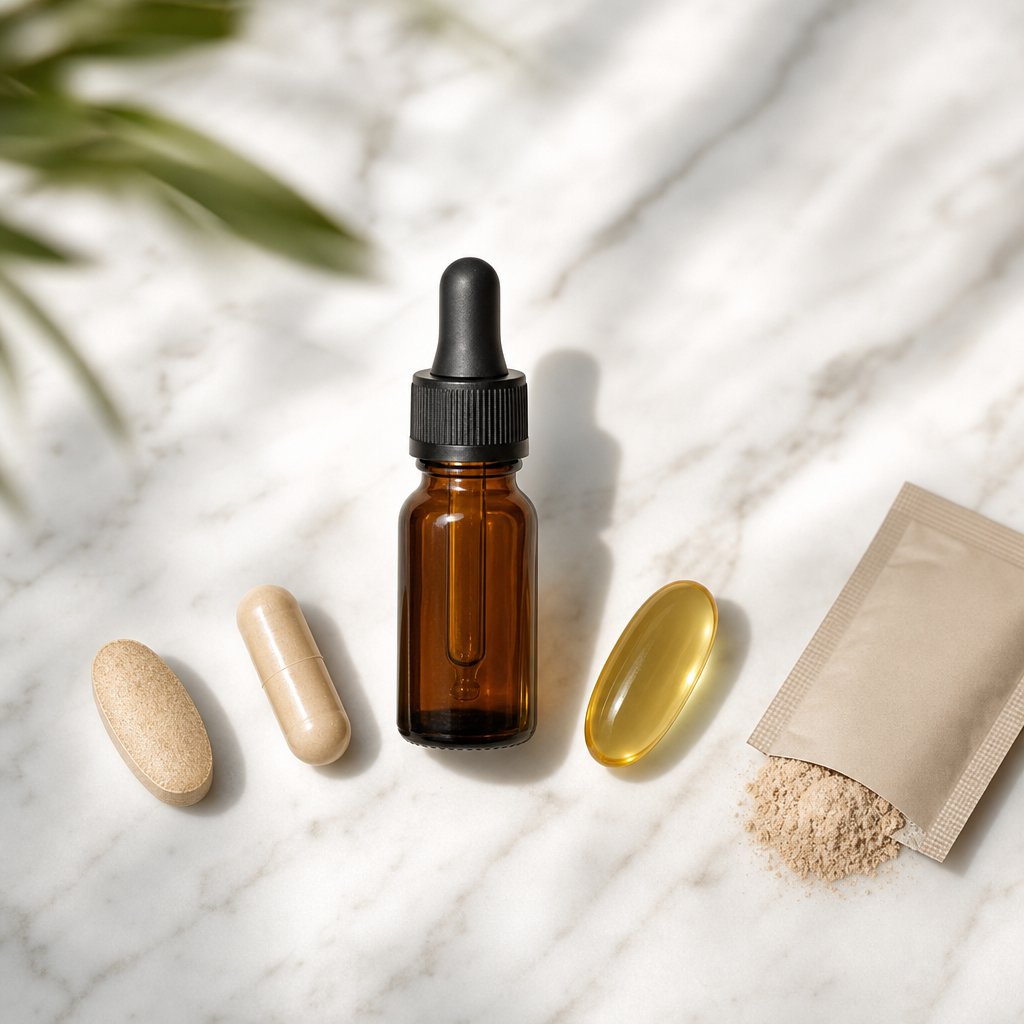
Each delivery format carries distinct trade-offs. Your ideal choice depends on how sensitive your stomach is, whether you need flexible dosing, and what fits your daily routine:
- Compressed tablets — Most affordable and widely available. Deliver high elemental iron per unit. However, slow dissolution increases GI contact time and side effect risk. A standard blood builder supplement in tablet form works well for people with robust digestion but can be problematic for sensitive stomachs.
- Hard capsules — Dissolve slightly faster than compressed tablets because the gelatin shell breaks down more readily in gastric acid. Allow manufacturers to combine iron with cofactors like vitamin C or B12 in a single dose. A good middle ground between cost and tolerability.
- Soft capsules (softgels) — Iron suspended in oil or liquid inside a gelatin shell. Faster dissolution and smoother GI transit. Particularly useful for people who experience nausea with standard tablets, as the oil base can buffer stomach irritation.
- Liquid iron — No dissolution step required. Allows precise dose adjustments in 1 mg increments. Ideal for people who cannot tolerate any solid format or who need very low starting doses. The main drawbacks are metallic taste and potential tooth staining, though many modern formulations address both.
- Powder and granules — Can be mixed into food or beverages for easier consumption. Enable micro-dosing and gradual titration. Useful for children, elderly individuals, or anyone who struggles with pills. Some iron booster products use this format specifically because it allows consumers to control their intake precisely.
- Gummy supplements — Most palatable option with high compliance rates. However, gummies typically deliver lower elemental iron per unit due to formulation constraints — iron's metallic taste and reactivity make it challenging to incorporate at therapeutic doses. Best suited for maintenance rather than deficiency correction.
Can iron supplements make you gain weight less if you choose the right format? The logic is sound. Formats with faster dissolution and higher absorption efficiency reduce the amount of unabsorbed iron passing through your colon. That directly translates to less constipation, less bloating, and fewer phantom pounds on the scale.
For supplement brands and private label sellers developing iron products, this consumer concern about weight gain is not trivial — it directly affects product reviews, compliance rates, and repurchase behavior. Offering multiple format options allows brands to serve different tolerance profiles within the same product line. Manufacturers like ZhuFeng, which provide OEM/ODM services across hard capsules, tablets, soft capsules, powder/granules, gummy candy, and oral liquids, enable brands to develop iron supplements specifically engineered for better GI tolerability. The ability to customize formulation — adjusting iron form, dose, and delivery vehicle — means brands can create products that address the exact side effects driving consumers away from iron supplementation.
Whether you are a consumer choosing between formats at the pharmacy or a brand deciding which product to bring to market, the principle is the same: the format that minimizes GI contact time and maximizes absorption will produce the fewest side effects and the least perceived weight change. Do iron tablets cause weight gain inherently? No — but their slow dissolution profile makes them more likely to cause the constipation and bloating that looks like weight gain. A multivitamin with iron in softgel or liquid form, or a standalone chelated iron in a fast-dissolving capsule, often resolves what tablets could not.
The question of whether can iron supplements make you gain weight ultimately comes down to a chain of controllable variables: the iron form, the dose, the timing, and the physical format. Optimize all four, and the GI-driven weight fluctuations that brought you to this article in the first place become manageable — or disappear entirely.
Frequently Asked Questions About Iron Tablets and Weight Gain
1. Do iron tablets directly cause fat gain?
No. Iron tablets have no pharmacological mechanism that triggers fat storage or adipogenesis. The weight changes people notice while taking iron supplements come from indirect causes: constipation adding intestinal bulk (1-4 pounds of retained stool), water retention from GI irritation, or increased caloric intake as energy and appetite recover from deficiency. Each of these has a different timeline and a different solution, which is why identifying the specific cause matters more than blaming the pill itself.
2. How long does iron supplement bloating last?
GI side effects from iron supplements typically peak during the first one to two weeks of supplementation and begin stabilizing by weeks three to four as your gut microbiome adapts. The bloating-related weight fluctuation (usually 1-4 pounds) is temporary for most people. Strategies like alternate-day dosing, switching to chelated iron forms with higher bioavailability, increasing fiber and water intake, and optimizing timing with vitamin C can significantly shorten this adjustment period and reduce severity.
3. Can low iron cause weight gain through thyroid problems?
Yes. Thyroid peroxidase (TPO), the enzyme responsible for producing T3 and T4 hormones, requires iron to function. Research shows iron-deficient individuals have an 8-fold increased risk of subclinical hypothyroidism, and ferritin levels correlate strongly with free T4 levels. When thyroid output drops, basal metabolic rate slows, thermogenesis decreases, and fluid retention increases — all contributing to weight gain. Correcting iron deficiency can gradually restore TPO activity and normalize metabolism, though thyroid recovery lags behind iron repletion by several weeks.
4. Which iron supplement form causes the least constipation and weight gain?
Iron bisglycinate (chelated iron) and Sucrosomial iron consistently show the lowest GI side effect rates in clinical trials. A study of 260 patients found only 9.23% reported GI issues on Sucrosomial iron versus 30.77% on ferrous fumarate. Chelated iron achieves therapeutic results at roughly one-quarter the dose of ferrous sulfate because of superior bioavailability, meaning far less unabsorbed iron passes through the colon to cause constipation and bloating. Liquid iron formats also reduce GI contact time by eliminating the tablet dissolution step.
5. Should I stop taking iron if I notice weight gain?
Do not stop iron supplementation without consulting your healthcare provider, as untreated iron deficiency carries serious health consequences. Instead, identify which type of weight change you are experiencing. If it appeared within the first week, it is likely constipation bulk or water retention — manageable through hydration, fiber, and timing adjustments. If weight increased gradually alongside improved energy, monitor portion sizes as your appetite recovers. Discuss switching to a better-tolerated iron form (like bisglycinate or liquid iron) or alternate-day dosing with your provider rather than discontinuing treatment.