Yes, Alka-Seltzer Tablets Expire and Here Is What That Means
The Short Answer About Alka-Seltzer Expiration
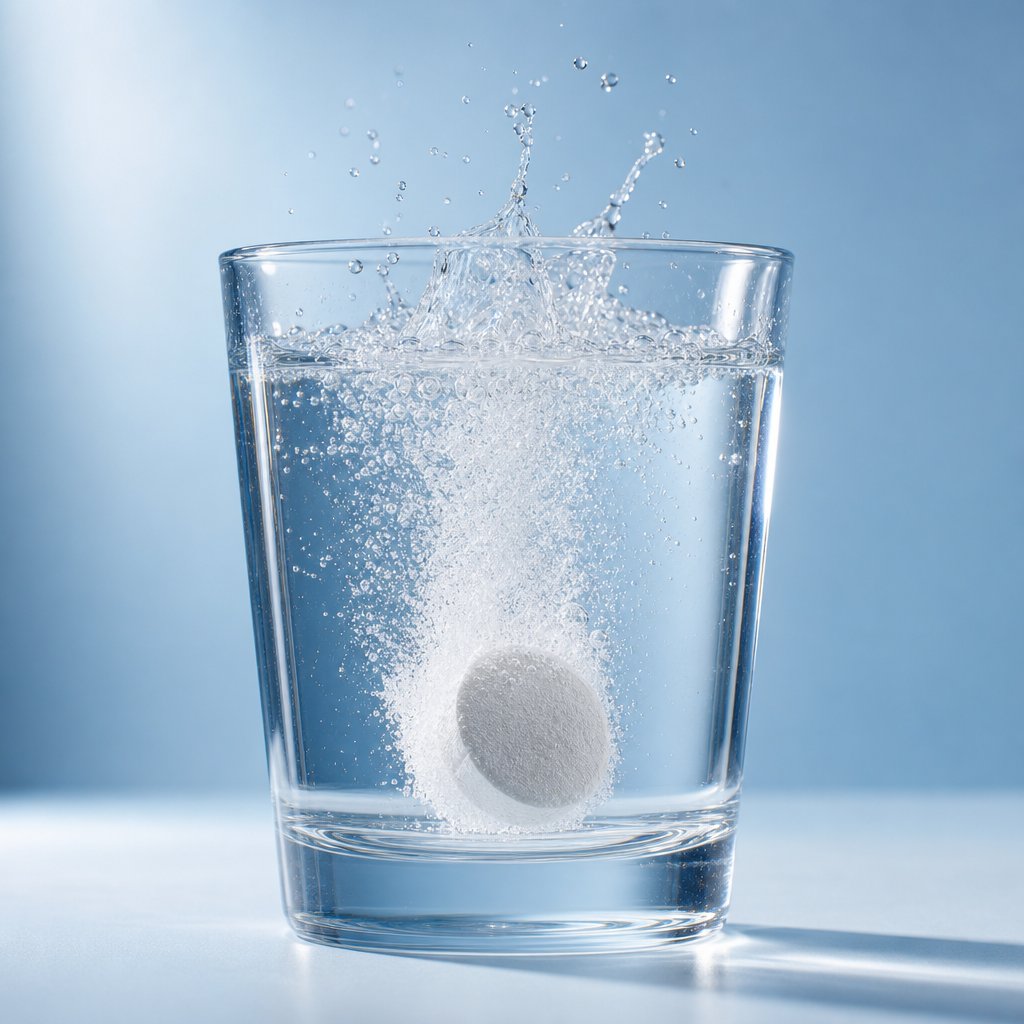
Do Alka-Seltzer tablets expire? Yes, they absolutely do. The manufacturer is clear on this point: Bayer recommends discarding any expired Alka-Seltzer product. Every box and foil wrapper carries a printed expiration date, and once that date passes, the tablets may no longer deliver the relief you expect.
If you have ever rummaged through your medicine cabinet during a bout of heartburn or an upset stomach and found a dusty pack of Alka-Seltzer, you have probably wondered: does Alka-Seltzer expire in a way that matters, or is the date just a suggestion? Can Alka-Seltzer expire to the point where it actually goes bad? These are fair questions, and the answers are more nuanced than a simple yes or no.
For anyone unfamiliar, what is Alka-Seltzer? It is an over-the-counter effervescent tablet that dissolves in water to provide fast-acting relief. What does Alka-Seltzer do? It neutralizes stomach acid and delivers pain relief through aspirin, all in a fizzy solution your body absorbs quickly. People reach for it when they need help with heartburn, indigestion, headaches, and body aches. Knowing what Alka-Seltzer is for helps explain why its expiration date matters: if the active ingredients have degraded, the tablet cannot do its job.
What an Expiration Date Actually Means for OTC Tablets
An expiration date on any OTC medication represents the manufacturer's guarantee that the product retains full potency and safety up to that point, when stored as directed. It is not necessarily a hard safety cutoff where the tablet becomes toxic overnight. Think of it as a confidence window. Before that date, the manufacturer stands behind the product's effectiveness. After it, all bets are off.
This distinction is important because it shapes how you should think about old Alka-Seltzer you find at home. Does Alka-Seltzer go bad in the same way food spoils? Not exactly. But it does lose its punch over time, and effervescent tablets are especially vulnerable to degradation.
Expired Alka-Seltzer is generally less effective rather than outright unsafe, but the unique chemistry of effervescent tablets means degradation can be more significant than with standard pills.
In the sections ahead, you will learn exactly how to locate expiration dates on different packaging types, recognize the physical signs of a degraded tablet, understand what research says about safety versus potency, and make a practical decision about whether to take or toss that old pack sitting in your cabinet.
What Happens to Alka-Seltzer Ingredients Over Time
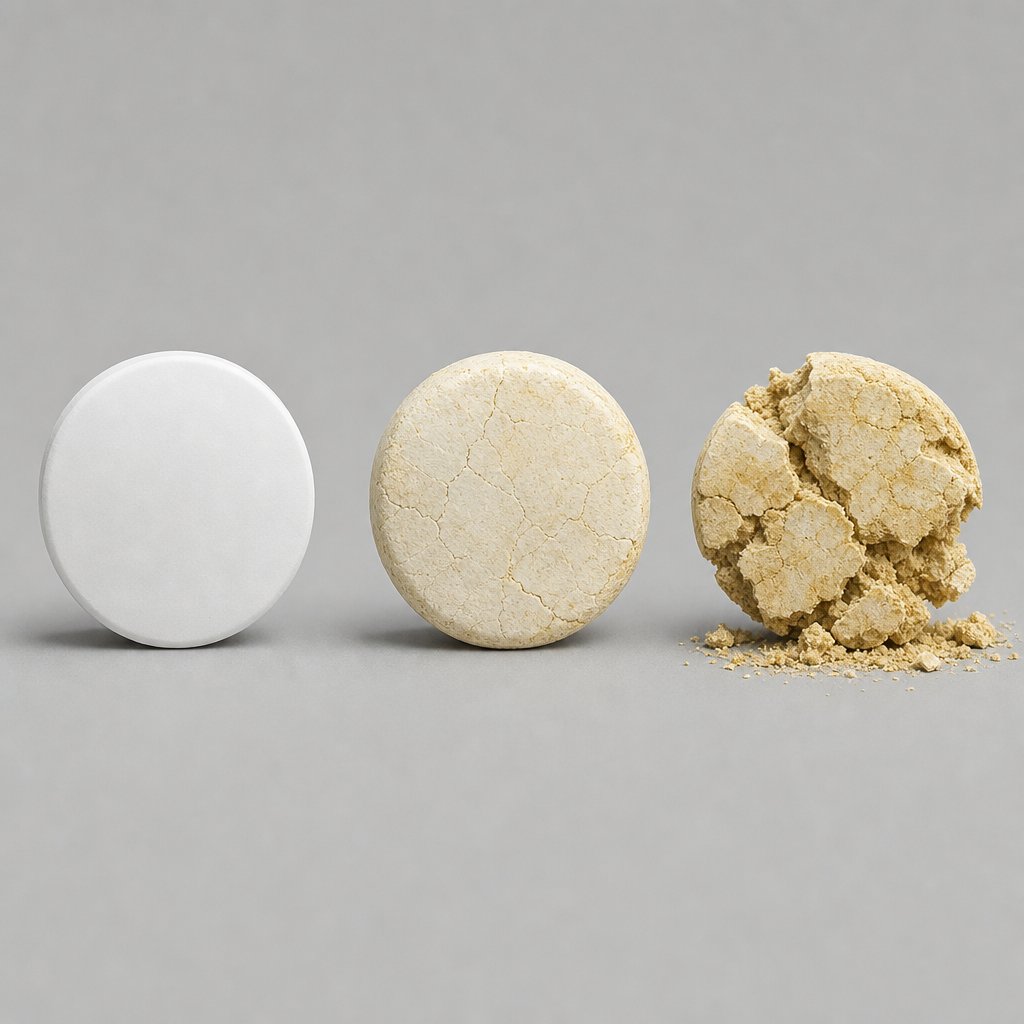
Understanding why these tablets lose potency starts with knowing what is in Alka-Seltzer. The formula is deceptively simple: just three active ingredients working together. But each one has its own vulnerability to time, heat, and moisture, and the way they interact creates a shelf-life challenge that standard compressed pills never face.
Active Ingredients and Their Degradation Pathways
The official drug label from the National Library of Medicine lists the Alka-Seltzer ingredients as follows:
- Aspirin (325 mg) - The NSAID analgesic responsible for pain relief. Over time, aspirin (acetylsalicylic acid) breaks down into salicylic acid and acetic acid. Thermal analysis research confirms this degradation pathway: the acetylsalicylic acid molecule splits into these two byproducts when exposed to heat or moisture. The acetic acid is essentially vinegar, which is why old aspirin-containing tablets sometimes develop a sharp, sour smell. Once this breakdown occurs, the tablet delivers less actual pain-relieving aspirin per dose.
- Anhydrous citric acid (1,000 mg) - One half of the effervescent pair, classified as an antacid. Citric acid is relatively stable on its own, but its purpose in the tablet is to react with sodium bicarbonate. Any moisture that reaches the tablet triggers this reaction prematurely, consuming the citric acid before you ever drop the tablet in your glass.
- Sodium bicarbonate (1,916 mg) - The other half of the effervescent system and also an antacid. Like citric acid, sodium bicarbonate is stable in dry conditions but highly reactive when moisture is present. It is the largest ingredient by weight in the formula, and its degradation directly reduces the tablet's antacid capacity.
Notice that Alka-Seltzer contains no inactive ingredients at all. The entire tablet is active chemistry. This means there are no stabilizing fillers or binders to buffer against degradation the way you would find in a standard compressed pill. Every milligram is either a therapeutic agent or a reactive component, so any chemical breakdown directly reduces what the tablet can do for you.
Why Effervescent Chemistry Makes These Tablets Vulnerable
Here is the core problem: the ingredients in Alka-Seltzer are specifically designed to react with each other in the presence of water. That fizzing action when you drop a tablet into a glass? It is citric acid and sodium bicarbonate combining to produce carbon dioxide gas, sodium citrate, and water. This reaction is what makes the Alka-Seltzer aspirin dissolve rapidly and absorb quickly into your system.
But this same reactivity becomes a liability during storage. Pharmaceutical research describes the challenge clearly: the chemical reaction between the organic acid and inorganic base in effervescent tablets is autocatalytic, meaning once it starts, the water produced by the reaction itself further promotes additional reaction until the components are exhausted. Even a tiny amount of moisture vapor penetrating the foil wrapper can set off a chain reaction inside the sealed package.
Standard compressed tablets, like a regular aspirin pill, face moisture challenges too. But they contain binders, coatings, and excipients that create physical barriers between reactive ingredients. Effervescent formulations have no such luxury. The acid and base sit in direct contact, separated only by the absence of water. A very low moisture content is required to prevent the reaction from starting, which is why Alka-Seltzer tablets come individually sealed in foil pouches rather than loose in a bottle.
This vulnerability explains why Alka-Seltzer contents degrade faster than many people expect. A standard aspirin tablet stored in a dry bottle might retain most of its potency for years past its expiration date. An effervescent tablet containing the same aspirin, packed alongside moisture-hungry citric acid and sodium bicarbonate, faces a much steeper decline. The alka-seltzer ingredients are essentially in a standoff, held apart only by careful packaging and dry conditions. The moment those conditions fail, the clock accelerates dramatically.
This chemical instability is exactly why recognizing the physical signs of degradation matters so much. A tablet that has already partially reacted inside its wrapper has lost potency you cannot get back, regardless of what the printed date says.
Where to Find the Expiration Date on Alka-Seltzer Packaging
Knowing that these tablets degrade faster than standard pills raises an obvious next question: where do you actually check the date? If you have ever wondered where is the expiration date on pill bottles or blister packs, you are not alone. The expiration date on meds is not always in the same spot, and Alka-Seltzer packaging varies across product lines.
Locating the Date on Different Package Types
The FDA requires all OTC drug products to carry an expiration date on their packaging. For Alka-Seltzer, the exact location depends on which format you purchased. You might need to check the bottom, side, or end flap of the box, so look carefully.
| Packaging Type | Where to Find the Expiration Date |
|---|---|
| Outer cardboard box | Printed on the end flap or bottom panel, typically near the lot number |
| Individual foil wrappers (blister packs) | Stamped on the foil backing of each individual Alka-Seltzer tablet pouch |
| Multi-dose carton (Plus Cold and Flu, Extra Strength) | Printed on the outer carton side panel or top flap, near the barcode |
If the expiration date on medication lists only a month and year, such as "EXP 03/2026," the product is considered valid through the last day of that month. You will also see a lot number nearby, often preceded by "LOT." This is a manufacturer traceability code used during recalls and is separate from the expiry date of medication itself.
Different Alka-Seltzer product lines, including Original, Plus Cold and Flu, and Extra Strength, use slightly different box designs. But every one of them carries a clearly printed date per FDA regulation. If you have discarded the outer box, check the individual foil pouch. Each sealed Alka-Seltzer tablet wrapper should have its own stamped date.
Typical Shelf Life for Sealed Alka-Seltzer Products
Most sealed Alka-Seltzer products carry a manufacturer shelf life of roughly two to three years from the production date. This falls within the standard range for OTC medications, which the FDA notes is typically one to five years from manufacturing depending on formulation type. Effervescent tablets tend toward the shorter end of that range because of their moisture sensitivity.
Keep in mind that the medicine expiration date assumes proper storage conditions throughout the product's life. A pill bottle expiration date or foil-pack date reflects ideal handling: cool, dry, and sealed. If your tablets sat in a humid bathroom for months, the effective shelf life may be shorter than what the printed date suggests, which is why visual inspection matters just as much as the stamped numbers.
How to Tell If Your Alka-Seltzer Has Gone Bad
A printed date only tells part of the story. Storage conditions vary wildly from one household to the next, and a tablet stored in a steamy bathroom cabinet may degrade months before its stamped expiration, while one kept in a cool, dry closet might hold up longer. The real question when you pull out of date Alka-Seltzer from the back of a shelf is: what shape is the tablet actually in right now?
Fortunately, effervescent tablets give you clear physical clues. Unlike a standard compressed pill that looks the same whether it is fresh or five years old, Alka-Seltzer shows its age in ways you can see, feel, and smell.
Visual and Physical Signs of Tablet Degradation
Here are the telltale indicators that your Alka-Seltzer has expired in a meaningful, functional sense, listed from the most obvious to the subtlest:
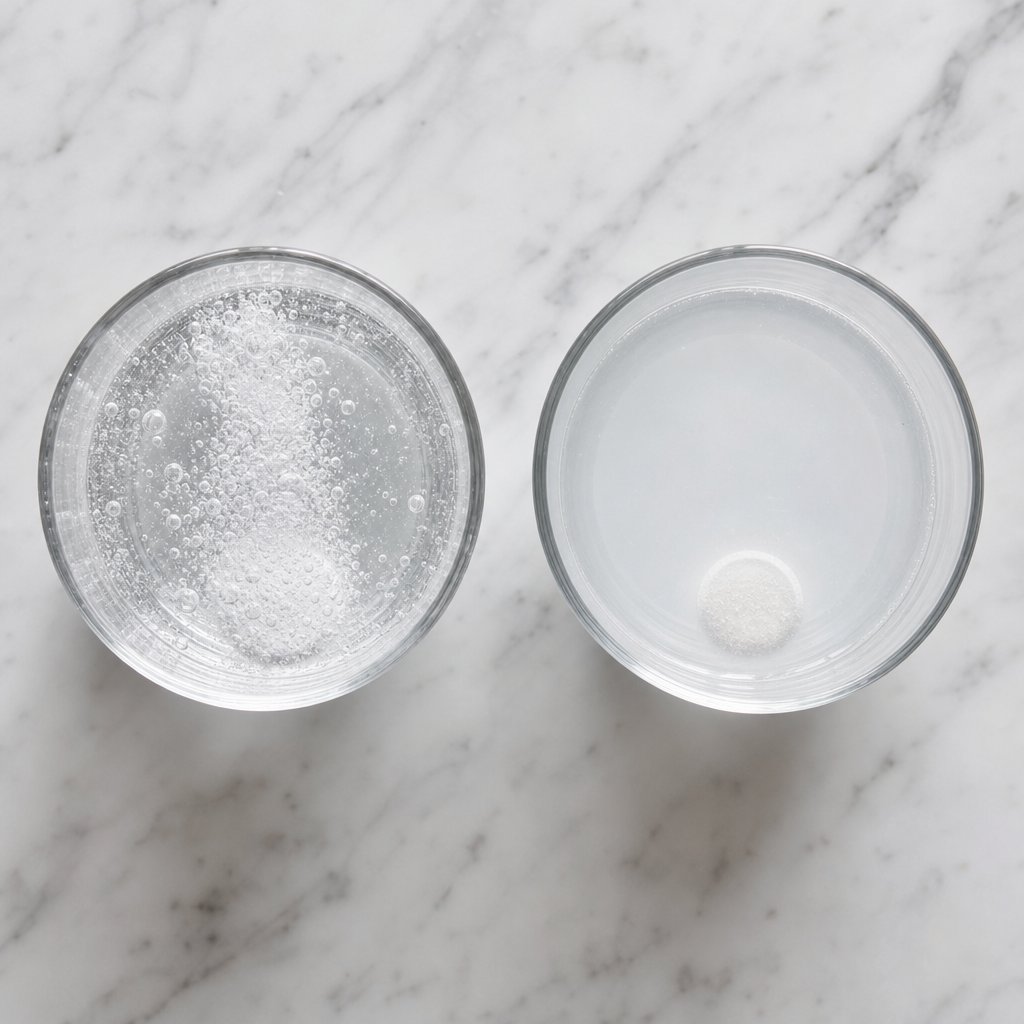
- Weak or absent fizzing in water - This is the single most reliable indicator. How does Alka-Seltzer work? The citric acid and sodium bicarbonate react in water to produce vigorous carbon dioxide bubbles. If you drop a tablet into a glass and get only a few lazy bubbles or a slow, quiet dissolve instead of the characteristic roiling fizz, the reactive ingredients have already been consumed by premature chemical reaction inside the packaging.
- Crumbling or powdery texture - A fresh tablet feels firm and holds together when you handle it. An expired Alka-Seltzer tablet that crumbles at the edges or leaves powder residue in the foil wrapper has lost structural integrity. This happens because the internal reaction produces gas and moisture that weaken the tablet's compressed structure.
- Swollen or puffy foil wrapper - Before you even open the pouch, check whether it looks inflated. Carbon dioxide produced by premature reaction inside the sealed wrapper has nowhere to escape, so the foil puffs outward. A bloated wrapper is a clear sign the chemistry has already fired.
- Discoloration from white to yellow or brown - Fresh Alka-Seltzer tablets are uniformly white. Yellowing or brownish spots indicate chemical breakdown, often from aspirin degradation or moisture-driven reactions between the acid and base components.
- Vinegar-like or sharp acidic smell - Remember that aspirin breaks down into salicylic acid and acetic acid. Acetic acid is vinegar. If you open the foil and catch a sour, sharp odor, the aspirin has already partially decomposed. Less aspirin means less pain relief per dose.
- Soft or damp-feeling tablet - A tablet that feels slightly tacky or soft to the touch has absorbed moisture. Even if it has not visibly crumbled yet, the reaction is underway at a molecular level.
The Fizz Test for Expired Effervescent Tablets
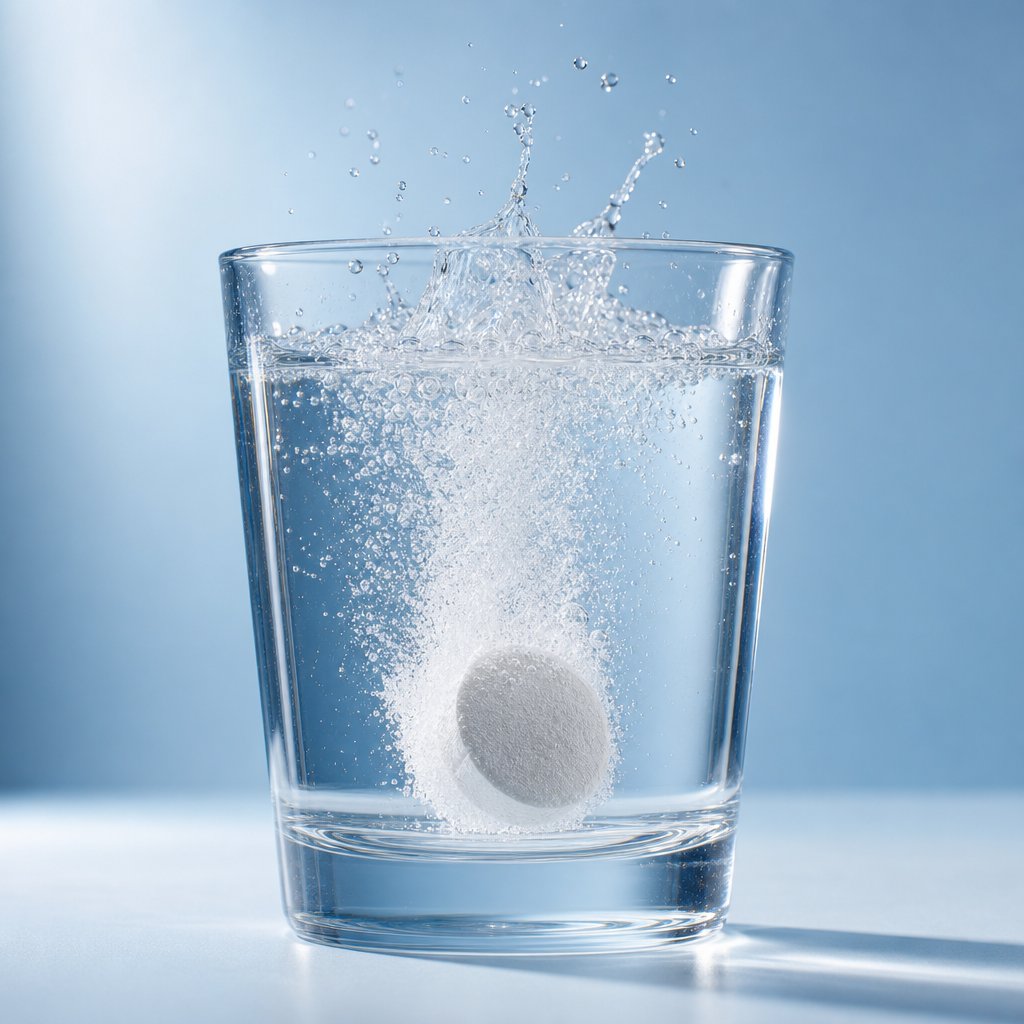
Of all these signs, the fizz test is the most practical and definitive. Think of it as your medicine cabinet discovery test. Here is how it works: drop one tablet into a standard glass of Alka-Seltzer water, about four ounces at room temperature, and watch what happens.
A fresh tablet produces aggressive, sustained bubbling that fully dissolves the tablet within roughly a minute. How does an Alka-Seltzer work when it is still potent? The reaction is fast, loud, and complete. You should see a dense stream of bubbles rising from the tablet surface almost immediately.
A degraded tablet tells a different story. You might see scattered, weak bubbles. The tablet may partially dissolve but leave chalky residue at the bottom of the glass. Or it might fizz briefly and then stop, leaving a half-intact lump sitting in the water. Any of these outcomes means the citric acid and sodium bicarbonate have already reacted inside the wrapper, leaving less available for the intended Alka-Seltzer in water reaction.
Here is the practical takeaway: a tablet that cannot fizz properly has already lost a significant portion of its active chemistry. The fizz is not just for show. It is the delivery mechanism that dissolves the aspirin and creates the buffered solution your stomach absorbs. Weak fizz means reduced antacid action and less dissolved aspirin reaching your system. How long does Alka-Seltzer last once this degradation starts? Not long. Once the reaction begins inside the packaging, it accelerates on its own.
The good news is that this test costs you nothing but one tablet and thirty seconds of observation. If the fizz looks normal, the remaining tablets from the same box stored under the same conditions are likely fine. If it fails the test, the whole batch is suspect regardless of what the printed date says.
Is Expired Alka-Seltzer Unsafe or Just Less Effective
A failed fizz test confirms degradation, but it does not answer the question most people actually care about: is expired Alka-Seltzer safe to take, or could it make you sick? The difference between "less potent" and "potentially harmful" is the real concern when you are standing in your kitchen with a headache and a questionable tablet.
What Research Says About Expired OTC Medications
Does medicine really expire in a way that creates danger? For the vast majority of OTC products, the answer is reassuring. University Hospitals pharmacist James Reissig puts it plainly: "Very few medications become toxic when they are past their expiration date. Most simply lose effectiveness over time due to changes in chemical composition." GoodRx Health echoes this, noting that only tetracycline is currently known to become toxic after expiration. Other expired medications primarily pose a risk of reduced potency rather than direct harm.
The most extensive evidence comes from the FDA-administered Shelf Life Extension Program (SLEP), conducted for the U.S. Department of Defense over 20 years. This landmark study tested 122 different drug products across 3,005 lots and found that 88% of lots remained stable at least one year beyond their original expiration date, with an average extension of 66 months. That is more than five additional years of usable life for many medications. Do medications expire as quickly as labels suggest? The SLEP data strongly implies that manufacturers set conservative dates.
Does the SLEP Study Apply to Effervescent Tablets
Here is where context matters. The SLEP program primarily tested solid-dose medications, such as standard compressed tablets and capsules, stored under controlled military depot conditions: stable temperature, low humidity, and intact original packaging. These are ideal circumstances that many household medicine cabinets cannot replicate.
Effervescent tablets like Alka-Seltzer present a different stability profile. Their reactive chemistry means moisture sensitivity is exponentially higher than for a standard aspirin pill. The SLEP findings are encouraging as a general principle, but they were not designed to evaluate formulations where the active ingredients are engineered to react with each other on contact with water. A tablet sitting in a climate-controlled warehouse behaves very differently from one stored above your shower.
So if you are wondering how long does Alka-Seltzer last after expiration date, the honest answer is: it depends heavily on how it was stored. A sealed tablet kept in a cool, dry drawer might retain useful potency for months past the printed date. The same tablet stored in a humid bathroom could be significantly degraded before the date even arrives.
When Expired Alka-Seltzer Could Cause Harm
Can you take expired Alka-Seltzer cold medicine or original formula without risk? In most cases, what happens if you take medication that is expired is simply underwhelming relief. You get less pain reduction, less antacid effect, and a disappointing experience. But there is a specific concern worth noting for aspirin-containing products.
When aspirin degrades, it breaks down into salicylic acid and acetic acid. Salicylic acid is more irritating to the stomach lining than intact aspirin. A degraded tablet may deliver less therapeutic benefit while simultaneously causing more gastric irritation, a frustrating combination. For someone with a sensitive stomach or a history of ulcers, this is not trivial.
Is it ok to take expired medication in an emergency? If you have mild symptoms and no alternative available, a recently expired tablet with normal appearance and strong fizz is unlikely to cause serious harm. But for anyone relying on the aspirin component for meaningful pain relief or the antacid for significant heartburn, a degraded tablet may leave you under-treated.
Expired Alka-Seltzer is unlikely to be dangerous, but it may deliver less relief while causing more stomach irritation from aspirin breakdown products. When in doubt, replace rather than risk inadequate treatment.
Can I take expired Alka-Seltzer? You can, but the practical question is whether it is worth it. The tablet is inexpensive, widely available, and easy to replace. The risk is not poisoning yourself. The risk is trusting a degraded product to handle symptoms that genuinely need addressing, only to find it falls short when you need it most.
Storage conditions play the deciding role in how much potency remains after the printed date, which raises the question of where and how you should be keeping these tablets in the first place.
Proper Storage to Extend Alka-Seltzer Shelf Life
Storage is the single biggest variable you can control. Two identical Alka-Seltzer effervescent tablets purchased on the same day can have wildly different shelf lives depending on where they end up in your home. One stays potent well past its printed date. The other degrades months early. The difference comes down to moisture, heat, and whether you break the foil seal prematurely.
Why Bathroom Storage Ruins Effervescent Tablets
Imagine running a hot shower for ten minutes. Steam fills the room, condensation forms on every surface, and relative humidity spikes above 80%. That moisture does not stay on the mirror. It penetrates cardboard boxes, seeps along foil wrapper edges, and reaches the reactive ingredients inside your Alka-Seltzer pills.
UAB Associate Chief Pharmacy Officer Mike James advises patients directly: "We try to tell patients to avoid keeping medications in your bathroom." He explains that showers generate humidity that can affect medication integrity, and recommends keeping products in a place that is cool and dry. Damaged medicine can make users ill, and pills that have changed color, smell, or texture should be avoided.
For standard tablets, bathroom humidity is a concern. For effervescent tablets, it is a disaster. The citric acid and sodium bicarbonate inside are designed to react the instant water touches them. Even water vapor absorbed through micro-imperfections in foil packaging can initiate the autocatalytic chain reaction discussed earlier. Pharmaceutical research confirms that effervescent tablets are "susceptible to humidity" and require "controlled environmental conditions during the manufacturing process" and "special packaging materials" precisely because of this vulnerability.
Optimal Storage Conditions for Maximum Shelf Life
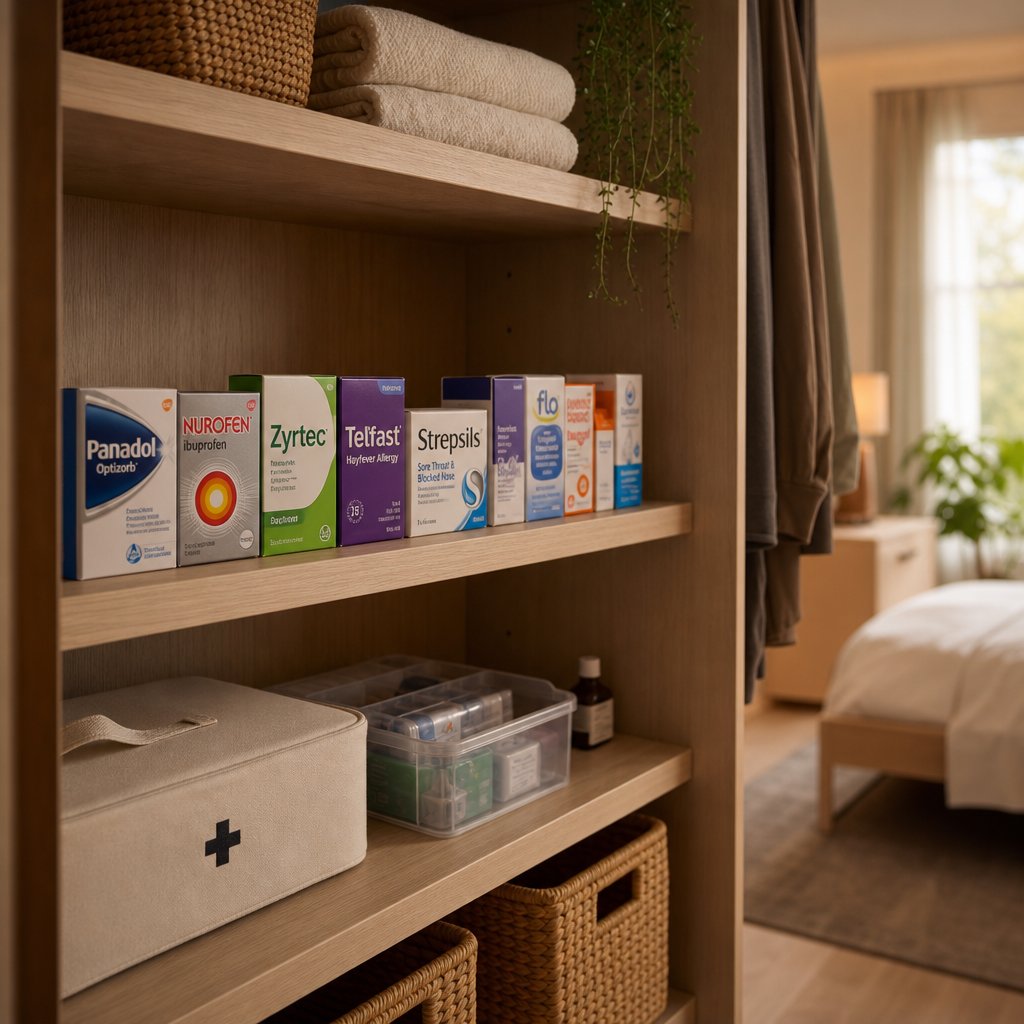
The best storage locations share three characteristics: low humidity, stable temperature, and protection from direct light. A bedroom closet shelf, a kitchen cabinet away from the stove, or a hallway linen closet all work well. The key guidelines are straightforward:
- Temperature - Store at room temperature, ideally below 25 degrees Celsius (77 degrees Fahrenheit). The FDA drug label for Alka-Seltzer Plus products specifies avoiding excessive heat above 40 degrees Celsius (104 degrees Fahrenheit). Heat accelerates every chemical degradation pathway, including aspirin hydrolysis and premature effervescent reaction.
- Humidity - Keep relative humidity below 50% if possible. Avoid any room where steam, cooking vapors, or condensation regularly occur.
- Seal integrity - Never open a foil wrapper until you are ready to use the tablet. Each individual pouch is a moisture barrier. Once breached, the tablet begins absorbing ambient humidity immediately. If you open a pouch and decide not to use the tablet, discard it rather than trying to reseal it.
- Original packaging - Keep tablets in their outer carton when possible. The cardboard provides an additional buffer layer against light and minor humidity fluctuations.
Shelf Life Differences Across Alka-Seltzer Product Forms
Not every product in the Alka-Seltzer lineup faces the same storage challenges. The brand spans multiple formats, from classic effervescent tablets to Alka-Seltzer Plus cold and flu liquid gels, and each has a different vulnerability profile. Alka-Seltzer Plus Cold capsules and liquid gel formulations use gelatin shells that protect their contents differently than an exposed effervescent tablet.
| Product Format | Moisture Vulnerability | Heat Sensitivity | Storage Priority |
|---|---|---|---|
| Effervescent tablets (Original, Extra Strength) | Very high - reactive ingredients exposed | Moderate - accelerates aspirin breakdown | Keep sealed in foil; avoid any humid environment |
| Hard capsules (Alka-Seltzer Plus cold formulas) | Moderate - gelatin shell provides some barrier | Moderate | Room temperature, dry location |
| Soft gel capsules / Liquid gels (Alka-Seltzer Plus Cold and Flu) | Low to moderate - sealed liquid fill | High - gelatin softens and contents may leak above 40 degrees Celsius | Avoid heat; room temperature is critical |
The Alka-Seltzer Plus cold liquid gels contain their active ingredients dissolved in a sealed gelatin capsule, which inherently protects against ambient moisture far better than an exposed effervescent tablet. However, these soft gel formats are more sensitive to heat. High temperatures can soften the gelatin shell, cause capsules to stick together, or even rupture the seal. The Alka-Seltzer Plus cold product label explicitly warns against storage above 104 degrees Fahrenheit for this reason.
Classic effervescent tablets, by contrast, tolerate moderate warmth better than soft gels but fail rapidly in humid conditions. If you live in a humid climate, the effervescent format demands extra attention to storage location. Alka-Seltzer Plus capsule formats offer a bit more forgiveness on humidity but still need protection from extreme heat.
The bottom line: match your storage strategy to the product format you have on hand. Effervescent tablets need dry air above all else. Liquid gels and soft capsules need cool temperatures above all else. Both need to stay sealed until the moment you use them. Getting storage right is the cheapest way to ensure your tablets still work when you actually need them, but even perfect storage cannot overcome poor manufacturing quality, which is what ultimately determines a tablet's baseline stability.
Why Manufacturing Quality Determines How Long Tablets Last
Perfect storage protects a tablet from external threats, but the tablet's internal resilience is baked in at the factory. Two effervescent products with identical Alka-Seltzer active ingredients can have dramatically different real-world shelf lives depending on how they were manufactured, what packaging materials were chosen, and how tightly the formulation was optimized for stability. The expiration date printed on the box reflects a best-case scenario set during pharmaceutical stability testing, where manufacturers subject batches to controlled temperature and humidity conditions to predict how long the product remains within specification.
How Manufacturing Quality Affects Tablet Longevity
What is an Alka-Seltzer made of at the ingredient level is only part of the equation. The physical construction of the tablet matters just as much. Three manufacturing factors have the greatest influence on how quickly an effervescent tablet degrades:
- Moisture-barrier packaging - The foil wrapper is the tablet's first and most critical line of defense. High-quality aluminum foil laminates with proper heat-sealed edges create an almost impermeable moisture barrier. Cheaper packaging with thinner foil layers, weaker seals, or micro-perforations at fold points allows water vapor to creep in over months of storage. Research on effervescent formulations confirms that specialized moisture-protective packaging is essential to ensure product integrity because of the extreme humidity sensitivity of these tablets.
- Ingredient purity and particle characteristics - The Alka-Seltzer formula relies on precise ratios of citric acid and sodium bicarbonate. Higher-purity raw materials with controlled particle size distributions react more predictably and resist premature interaction better than lower-grade ingredients with irregular surfaces that trap ambient moisture. Pharmaceutical-grade excipients undergo rigorous testing to confirm low residual moisture content before they ever reach the compression machine.
- Tablet compression density - How tightly the powder blend is compressed into a tablet affects its porosity. A denser tablet has fewer internal air pockets where moisture can accumulate and trigger localized reactions. However, compression must be balanced carefully: too dense, and the tablet will not dissolve properly in water when you actually use it. Too loose, and it becomes a sponge for humidity. This balance requires precise equipment calibration and experienced formulation science.
Manufacturing environment also plays a role. Effervescent tablets must be produced under controlled humidity conditions, typically below 25 degrees Celsius with low relative humidity, to prevent the acid-base reaction from starting during production itself. Facilities without proper climate control risk producing tablets that have already partially reacted before they are even packaged.
This explains why some generic or budget effervescent products may degrade noticeably faster than brand-name equivalents. The Alka-Seltzer formula itself is not proprietary in a complex sense, but the manufacturing precision, packaging quality, and environmental controls during production create meaningful differences in how long the finished tablet holds up on your shelf. A capsule drug in a blister pack faces similar quality dependencies: the gelatin shell thickness, fill formulation, and seal integrity all determine whether the product reaches you in optimal condition.
What Brands Should Know About Formulation and Shelf Stability
For companies developing their own health products, whether effervescent tablets, capsule medicine, soft gelatin capsules, or powder sachets, stability is not something you fix after production. It is engineered into the product from the formulation stage. Choices made during development, such as selecting the right binder system, optimizing granule moisture content, and specifying packaging materials, directly determine the expiration date you can confidently print on the box.
Stability testing protocols require manufacturers to subject products to both real-time storage (typically 25 degrees Celsius at 60% relative humidity for the full proposed shelf life) and accelerated conditions (40 degrees Celsius at 75% relative humidity for six months) to predict degradation rates. A 5% potency loss from initial values is considered a significant change that can shorten the approved shelf life. For effervescent formats, even small formulation missteps can push degradation past this threshold well before the target expiration date.
Brands looking to launch private label or custom-formulated health products with reliable shelf life benefit from partnering with experienced manufacturers who understand these stability challenges from the ground up. OEM/ODM manufacturing partners like ZhuFeng offer flexible product formats, including tablets, hard capsules, powder and granules, soft capsules, gummy candy, and oral liquids, with customized formulation designed to optimize stability and shelf life from the production stage. For nutrition brands, supplement importers, and functional food businesses, working with a manufacturer that integrates formulation science with scalable production helps avoid the costly scenario of products degrading faster than expected once they reach consumers.
The takeaway for everyday consumers is simpler: manufacturing quality is invisible to you at the point of purchase, but it determines whether that tablet still works eighteen months from now. Brand reputation, intact packaging, and proper storage together form the trifecta that keeps your medicine effective when you need it. And when you find old tablets that have failed the fizz test or show visible degradation, the practical question shifts from "why did this happen" to "what should I actually do about it."
A Practical Guide to Deciding Whether to Take or Toss Old Alka-Seltzer
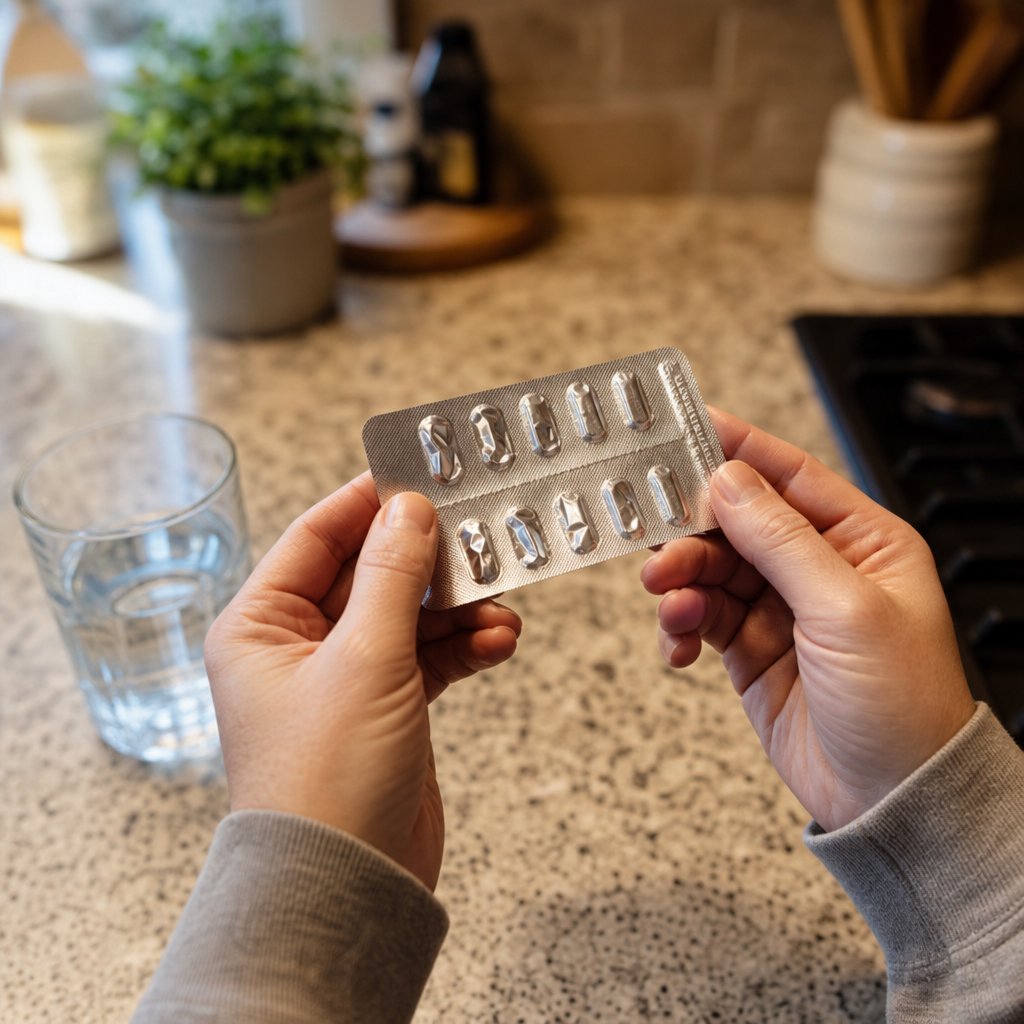
You are standing in your kitchen at 11 p.m. with a sour stomach, and the only Alka-Seltzer you can find has a date from a year and a half ago. Do you take it, drive to the pharmacy, or just tough it out? This is the real-world scenario most people face, and it deserves a clear, step-by-step answer rather than vague advice.
Step-by-Step Assessment for Old Alka-Seltzer
Do pills expire in a way that demands immediate disposal, or is there room for judgment? The answer depends on several factors you can evaluate in under two minutes. Walk through this checklist before making your decision:
- Check the printed expiration date - Find the date on the foil wrapper or outer box. How long can you use medicine after the expiration date? There is no universal cutoff, but the further past the date you are, the more potency you have likely lost. A few months past is very different from three years past.
- Inspect the foil seal - Is the individual wrapper still fully sealed with no tears, punctures, or puffiness? An intact seal means the moisture barrier held. A puffy, torn, or partially open wrapper means the tablet has been exposed to air and humidity, regardless of the printed date.
- Examine the tablet visually - Remove it from the wrapper and look at it. Is it white, firm, and intact? Or do you see yellowing, crumbling edges, powder residue, or soft spots? Smell it. Any vinegar-like sharpness signals aspirin breakdown.
- Perform the fizz test - Drop the tablet into four ounces of room-temperature water. Watch for vigorous, sustained bubbling that fully dissolves the tablet within about 60 seconds. Weak, scattered bubbles or a tablet that leaves chalky residue at the bottom has lost significant potency.
- Evaluate your symptoms - Are you dealing with mild indigestion or a dull headache? Or do you need reliable pain relief for something more significant? Mild discomfort is more forgiving of a slightly weakened tablet. Symptoms that genuinely need addressing deserve a product you can trust.
When to Toss It and When It Might Still Work
Do drugs expire at the same rate across every situation? No. Context matters. Here is a practical breakdown of when to discard versus when the tablet is likely still acceptable:
Definitely discard if:
- The foil wrapper is torn, punctured, or visibly inflated
- The tablet crumbles, smells like vinegar, or shows yellow or brown discoloration
- The fizz test produces weak or minimal bubbling
- The product is more than two years past its printed expiration date
- You cannot determine the expiration date at all (missing label, unreadable print)
Likely still acceptable if:
- The foil wrapper is fully intact and flat (not puffy)
- The tablet is white, firm, and odor-free
- The fizz test produces strong, aggressive bubbling with complete dissolution
- The product is only a few months past its printed date
- Storage conditions were consistently cool and dry
Do pills really expire to the point of being worthless? Not always. A recently expired tablet that passes every visual and fizz check still contains most of its active ingredients. But here is the affordability reality: a box of Alka-Seltzer typically costs a few dollars at any pharmacy or grocery store. When you weigh the cost of replacement against the uncertainty of out of date medication, buying fresh is almost always the smarter call. You are not saving meaningful money by gambling on a questionable tablet.
Do medications really expire fast enough to worry about? For effervescent tablets specifically, yes. Their reactive chemistry makes them less forgiving than a standard bottle of ibuprofen. If any step in the checklist above raises doubt, replace rather than risk inadequate relief.
Safe Disposal of Expired Medications
Once you decide to toss old tablets, dispose of them properly rather than just throwing the foil packets in the trash. The FDA recommends the following disposal options:
- Drug take-back programs - The safest method. Drop off expired medications at a DEA-authorized collection site, participating pharmacy, or during National Prescription Drug Take Back Day events. Many pharmacies offer on-site drop-off boxes year-round.
- Prepaid mail-back envelopes - Available at retail pharmacies and online, these let you seal expired medications inside and mail them via USPS for proper destruction.
- Household trash disposal - If take-back options are not accessible, remove tablets from their packaging, mix them with something undesirable like used coffee grounds, dirt, or cat litter, place the mixture in a sealed bag or container, and throw it in your household trash. This makes the medication unrecognizable and unappealing to children, pets, or anyone who might go through the garbage.
Do not flush Alka-Seltzer tablets. They are not on the FDA's flush list, and household trash or take-back disposal is the appropriate route. Scratch out any personal information on the packaging before discarding it.
The bottom line is simple. How long can you use medicine after the expiration date depends on the specific product, its storage history, and your willingness to accept reduced potency. For something as inexpensive and widely available as Alka-Seltzer, the practical answer is: if you have any doubt, spend the few dollars on a fresh box. Your future self, standing in the kitchen at 11 p.m. with a sour stomach, will thank you for having a product that actually works.
Frequently Asked Questions About Alka-Seltzer Expiration
1. Can I take Alka-Seltzer after the expiration date?
You can, but you may not get full relief. Expired Alka-Seltzer primarily loses potency rather than becoming toxic. However, degraded aspirin breaks down into salicylic acid, which can irritate your stomach more than intact aspirin. If the tablet passes the fizz test with vigorous bubbling and shows no discoloration or vinegar smell, it likely retains some effectiveness. For tablets more than two years past their date or showing physical signs of degradation, replacement is the safer choice.
2. How can you tell if Alka-Seltzer has gone bad?
The most reliable method is the fizz test: drop a tablet into four ounces of room-temperature water. A fresh tablet produces aggressive, sustained bubbling and dissolves completely within about 60 seconds. A degraded tablet fizzes weakly, leaves chalky residue, or barely reacts at all. Other warning signs include a puffy foil wrapper, crumbling texture, yellow or brown discoloration, and a sharp vinegar-like smell indicating aspirin breakdown.
3. How long does Alka-Seltzer last unopened?
Sealed Alka-Seltzer typically carries a manufacturer shelf life of two to three years from production. This assumes storage in cool, dry conditions with the foil wrapper intact. Effervescent tablets sit at the shorter end of the OTC medication shelf-life range because their reactive ingredients (citric acid and sodium bicarbonate) are designed to react with water, making them highly sensitive to any moisture exposure during storage.
4. Why does my Alka-Seltzer not fizz anymore?
Weak or absent fizzing means the citric acid and sodium bicarbonate have already reacted inside the packaging before you opened it. This premature reaction is triggered by moisture penetrating the foil wrapper, often from humid storage environments like bathrooms. The reaction is autocatalytic, meaning the water it produces fuels further reaction until the ingredients are exhausted. A tablet that cannot fizz has lost both its effervescent delivery mechanism and a significant portion of its antacid capacity.
5. What is the best way to store Alka-Seltzer to make it last longer?
Store Alka-Seltzer in a cool, dry location away from bathrooms and kitchens where steam and humidity are common. Keep tablets sealed in their individual foil wrappers until the moment of use, and maintain the outer cardboard carton as an additional buffer. Ideal conditions are below 25 degrees Celsius (77 degrees Fahrenheit) with relative humidity under 50%. A bedroom closet or hallway linen cabinet works well. Never attempt to reseal an opened foil pouch, as the moisture barrier is compromised once broken.