What Beet Powder Is and Why Your Buying Source Matters
You already know you want beet powder. The real question is where to buy beet powder without overpaying for a subpar product or ending up with something that sat in a warehouse for two years. The retail channel you choose shapes everything from freshness to price to whether you can actually verify certifications on the label.
What Is Beet Powder and Why Source Matters
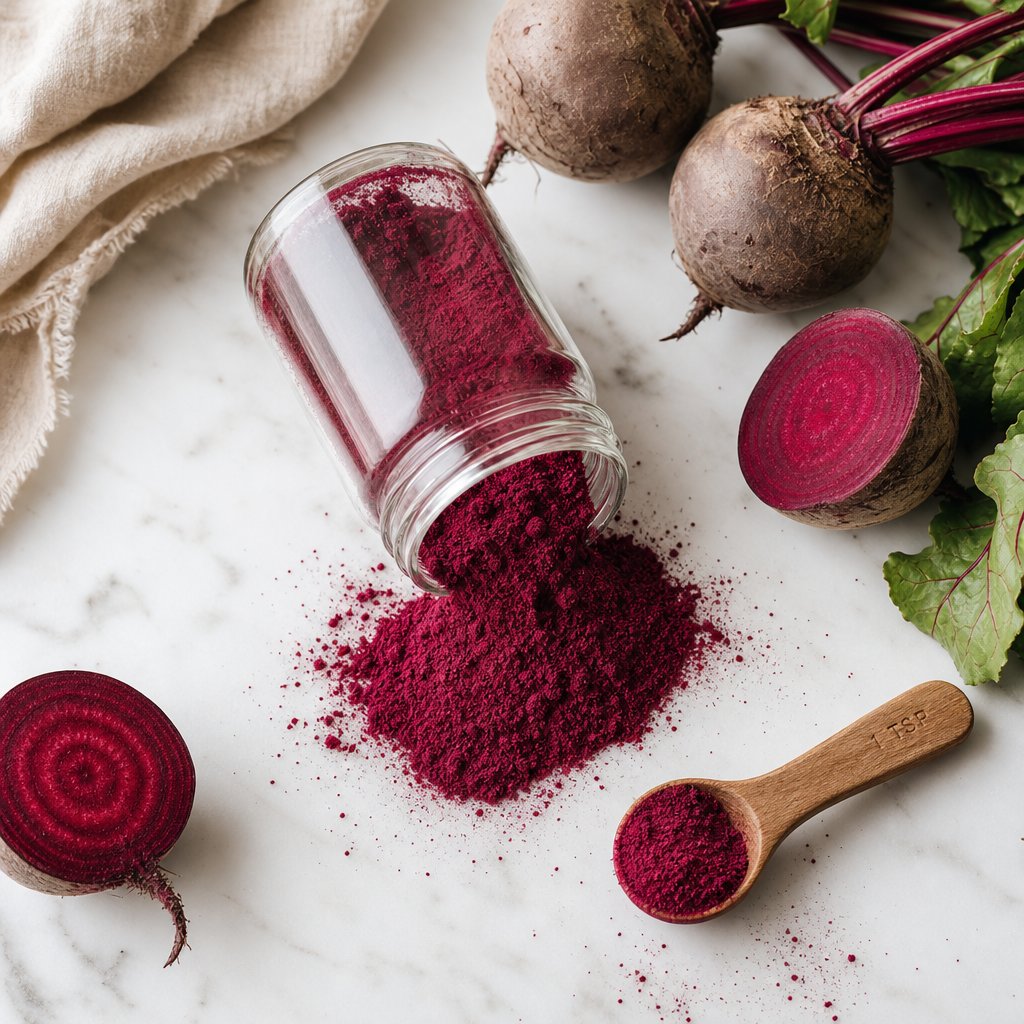
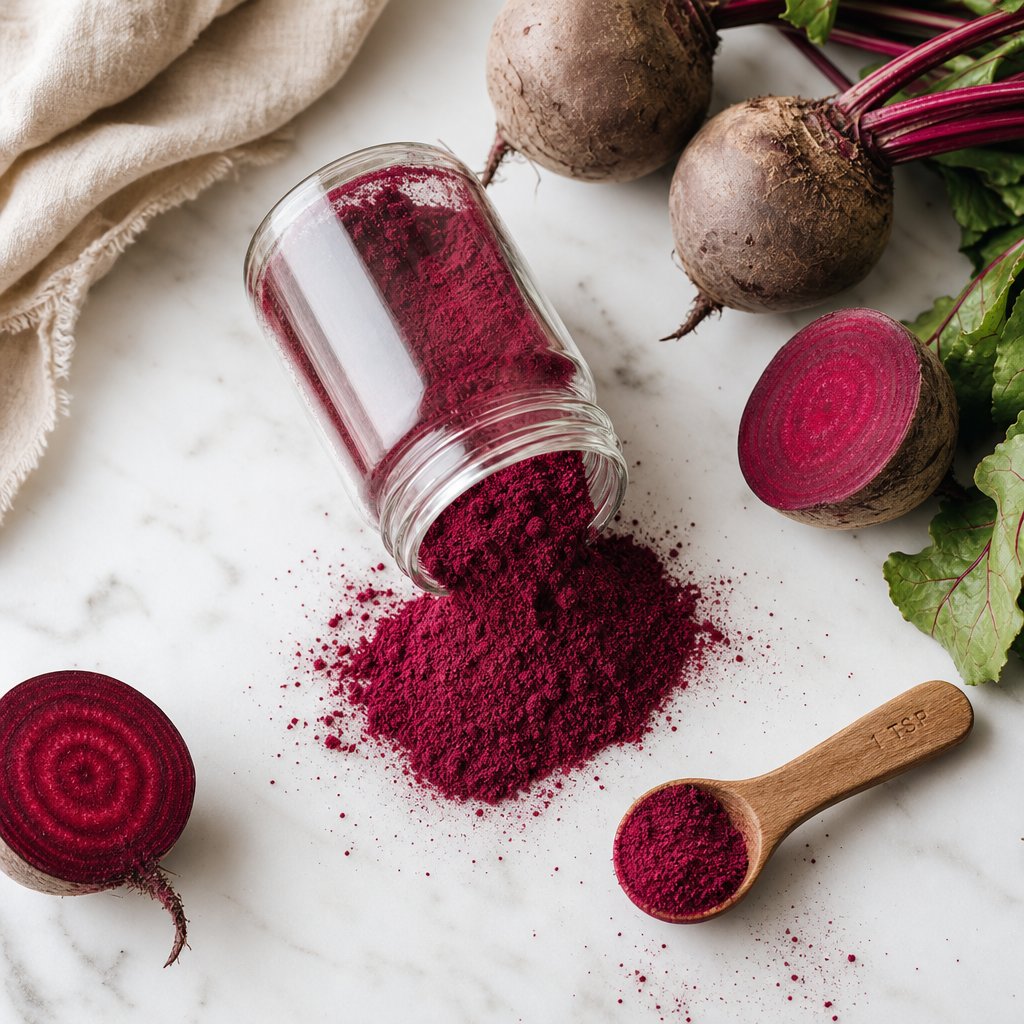
So what is beet powder, exactly? It is a fine, shelf-stable substance made by dehydrating and grinding whole beets (Beta vulgaris), the deep red-purple root vegetable with an earthy, slightly sweet flavor. The powder retains much of the natural pigment, taste, and beneficial compounds found in fresh beets, including betalains and dietary nitrate, which the body converts into nitric oxide to support circulation and exercise performance.
Beetroot powder sounds simple enough. But the product you find at a big-box retailer is often a completely different animal from what a specialty health food store carries. Processing methods vary. Certifications differ. And pricing can swing wildly depending on whether you are buying from a marketplace seller, a brand's own website, or a local co-op.
The retail channel you choose directly affects three things most buyers overlook: product freshness (shelf turnover rates differ dramatically between stores), price (markups vary by 30-60% across channels), and certification availability (not every retailer stocks USDA Organic or Non-GMO verified options).
This matters because where can i buy beet powder is never a one-size-fits-all answer. A first-time buyer exploring beetroot powder for smoothies has different priorities than someone hunting for the lowest cost-per-serving, and both differ from a health enthusiast who refuses to compromise on organic certification or processing standards.
Who This Guide Is For
This guide is built as a channel-comparison resource, not a product roundup. Instead of ranking ten brands and calling it a day, we break down the actual buying channels available to you, physical stores, online marketplaces, specialty retailers, and wholesale sources, so you can match your priorities to the right place to shop.
Whether you are wondering where to buy beetroot powder for the first time, trying to stretch a tight budget, or laser-focused on quality and sourcing transparency, the channel you pick will determine what lands on your doorstep. Three buyer profiles run through this guide:
- First-time buyers who want a reliable starting point without overthinking it
- Budget-conscious shoppers looking for genuine value rather than just a low sticker price
- Quality-focused health enthusiasts who prioritize organic certification, minimal processing, and verified sourcing
Each channel has trade-offs. The cheapest option is not always the worst, and the most expensive is not always the best. Understanding what is beetroot powder in its various forms, and how different retailers handle it, puts you in a position to buy smarter regardless of your budget.
Types of Beet Powder and How They Differ
Before you start comparing stores and websites, you need to know what you are actually looking for. Not all beet powder is the same product. The label might say "beetroot powder," but the processing method, source material, and certification behind it create meaningful differences in quality, taste, and nutritional value. Narrowing down the type you need saves you from buying the wrong thing twice.
Organic vs. Conventional Beet Powder
This is the first fork in the road. Organic beet powder comes from farms that prohibit synthetic pesticides, synthetic fertilizers, and genetically modified organisms. USDA Organic certification requires annual inspections and strict adherence to National Organic Program standards. Conventional beet powder, on the other hand, may involve synthetic inputs during farming and does not carry the same restrictions on GMOs.
Why does this matter in powder form specifically? When beets are dried and ground into a concentrate, any pesticide residues present on the raw crop can become more concentrated in the final product. Organic beetroot powder offers the highest assurance of minimal chemical exposure, which is why quality-focused buyers tend to prioritize it. That said, conventional options from reputable brands still must meet government Maximum Residue Levels, and they typically cost 20-40% less than their organic beet root powder counterparts.
Juice Powder vs. Whole Root Powder
Here is where many buyers get confused. Beetroot juice powder is made by extracting the liquid from beets, then drying that juice into powder form. Whole root powder grinds the entire dehydrated beet, fiber and all. The practical difference? Juice powder concentrates nitrates and dissolves more easily in liquids, making it popular for pre-workout drinks. Whole root powder retains more fiber (roughly 1 gram per tablespoon) and offers a broader nutritional profile, but it can be grittier in texture.
Research published in the journal Food found that nitrate content in beetroot powders can vary by as much as 50-fold between products, so the type you choose and how it was processed matters far more than the brand name on the front of the bag. Raw beet powder, which skips high-heat processing, tends to preserve more of these heat-sensitive compounds.
Fermented and Specialty Varieties
Fermented beet root powder adds a bacterial culture step before or during drying. This process can alter nutrient availability and modify the flavor profile, producing a tangier taste. Some brands market fermentation as enhancing digestibility, though it does not automatically make the powder superior. It represents a distinct processing approach worth considering if your formulation goals or digestive preferences call for it.
Other specialty options include raw beetroot powder (dried at temperatures below 115-118 degrees Fahrenheit to preserve enzymes) and beetroot organic powder blends that combine beet with complementary ingredients like turmeric or ginger. If you want pure, single-ingredient powder, check that the label lists only one thing: beetroot.
| Type | Processing Method | Best For | Typical Certifications |
|---|---|---|---|
| Organic Whole Root Powder | Low-temp dehydration, ground whole | General nutrition, smoothies, baking | USDA Organic, Non-GMO Project Verified |
| Beetroot Juice Powder | Juice extracted, then spray-dried or freeze-dried | Pre-workout drinks, nitrate-focused supplementation | Varies; look for third-party nitrate testing |
| Raw Beetroot Powder | Dehydrated below 118°F, ground | Enzyme preservation, raw food diets | USDA Organic, Raw certification |
| Fermented Beet Root Powder | Cultured before or during drying | Digestive support, flavor differentiation | USDA Organic (if sourced organic) |
| Freeze-Dried Beet Powder | Sublimation at very low temperatures | Maximum nutrient retention, vibrant color | USDA Organic, batch-specific CoAs |
Knowing which type aligns with your goals, whether that is nitrate content for athletic performance, fiber for daily nutrition, or minimal processing for purity, makes the next step straightforward: finding the right store or website that actually stocks it.
Where to Find Beet Powder in Physical Stores Near You
You know what type of beet powder you want. The next challenge is figuring out which physical stores actually carry it, because not every location stocks the same products, and availability varies wildly depending on where you live. Searching for beetroot powder near me can feel frustrating when your local grocery store has never heard of it. The good news is that more retail channels carry beet powder than most people realize. You just need to know where to look.
Big-Box Retailers and Grocery Chains
Large retailers offer the most accessible starting point, especially if you want to grab a container without making a special trip. Walmart beet powder options typically sit in the supplement aisle rather than the spice section, and they lean toward conventional, budget-friendly brands. Beetroot powder walmart shoppers find tends to be basic whole root powder or simple capsule formats from store brands or mid-tier supplement companies. Selection is limited but prices are competitive.
Other grocery chains worth checking:
- Walmart and Target - Conventional beet powder supplements in the vitamin aisle; limited organic options; prices typically $8-$15 for standard containers
- Kroger, Safeway, and regional grocery chains - Inconsistent stocking; some carry one or two brands in the natural foods section; availability depends heavily on location
- Costco and Sam's Club - Occasionally stock bulk-sized beet powder or beet-based supplement blends; inventory rotates seasonally, so do not count on consistent availability
The main limitation with big-box stores is selection depth. You will find beet root powder nearby at these locations, but rarely more than two or three options, and organic or specialty varieties are uncommon.
Health Food Stores and Supplement Shops
If quality and certification matter to you, health food stores and dedicated supplement retailers are where the selection opens up significantly. These stores cater to buyers who read labels, so they stock products that can withstand that scrutiny.
- Whole Foods Market - Beet powder whole foods carries tends to be organic, often from brands like Navitas Organics or similar clean-label companies; expect to pay a premium ($14-$25) but gain access to verified certifications
- Sprouts Farmers Market and Natural Grocers - Strong selection of organic and raw beet powders; staff can often speak to sourcing details; bulk bins sometimes include loose beetroot powder
- The Vitamin Shoppe and GNC - Vitamin Shoppe beet root powder options focus on the supplement angle, pre-workout formulas, capsules, and nitrate-concentrated powders; GNC carries similar performance-oriented products; both offer loyalty programs that reduce per-unit cost over time
- Local independent health food stores - Often carry small-batch or regional brands you will not find anywhere else; pricing varies but staff knowledge tends to be high
Health food stores are your best bet for finding beetroot powder nearby with organic certification, third-party testing, and single-ingredient formulations. The trade-off is higher prices and fewer locations compared to big-box chains.
Lesser-Known Local Sources
Beyond the obvious retail chains, several underrated channels stock beet powder or can order it for you:
- Food co-ops - Member-owned stores frequently carry bulk powders at lower markups; some let you scoop exactly the amount you need, reducing waste and upfront cost
- Ethnic and international grocery stores - Eastern European and Indian grocery stores sometimes stock beetroot powder for culinary use; these tend to be whole root powders without supplement-grade labeling, but quality can be excellent
- Farmers markets - A handful of vendors at larger markets sell dehydrated vegetable powders, including beet; freshness is often superior since turnover is high and production is small-batch
- Bulk food stores (like WinCo or Bulk Barn) - Occasionally carry beet powder in their bulk spice or superfood sections at significantly lower per-ounce prices
Here is a practical tip that saves wasted trips: before driving to any store looking for beet root powder near me, use the retailer's website or app to check local inventory. Walmart, Target, Whole Foods, and The Vitamin Shoppe all offer real-time stock checkers online. For smaller stores and co-ops, a quick phone call confirms whether they carry it and which brands are currently on the shelf. This two-minute step eliminates the geographic availability gap that frustrates so many shoppers, especially those outside major metro areas where specialty products are not guaranteed.
Physical stores give you the advantage of inspecting packaging, checking expiration dates, and avoiding shipping delays. But they cannot match the sheer variety available through online channels, which opens up an entirely different set of trade-offs worth understanding.
Where to Buy Beet Powder Online
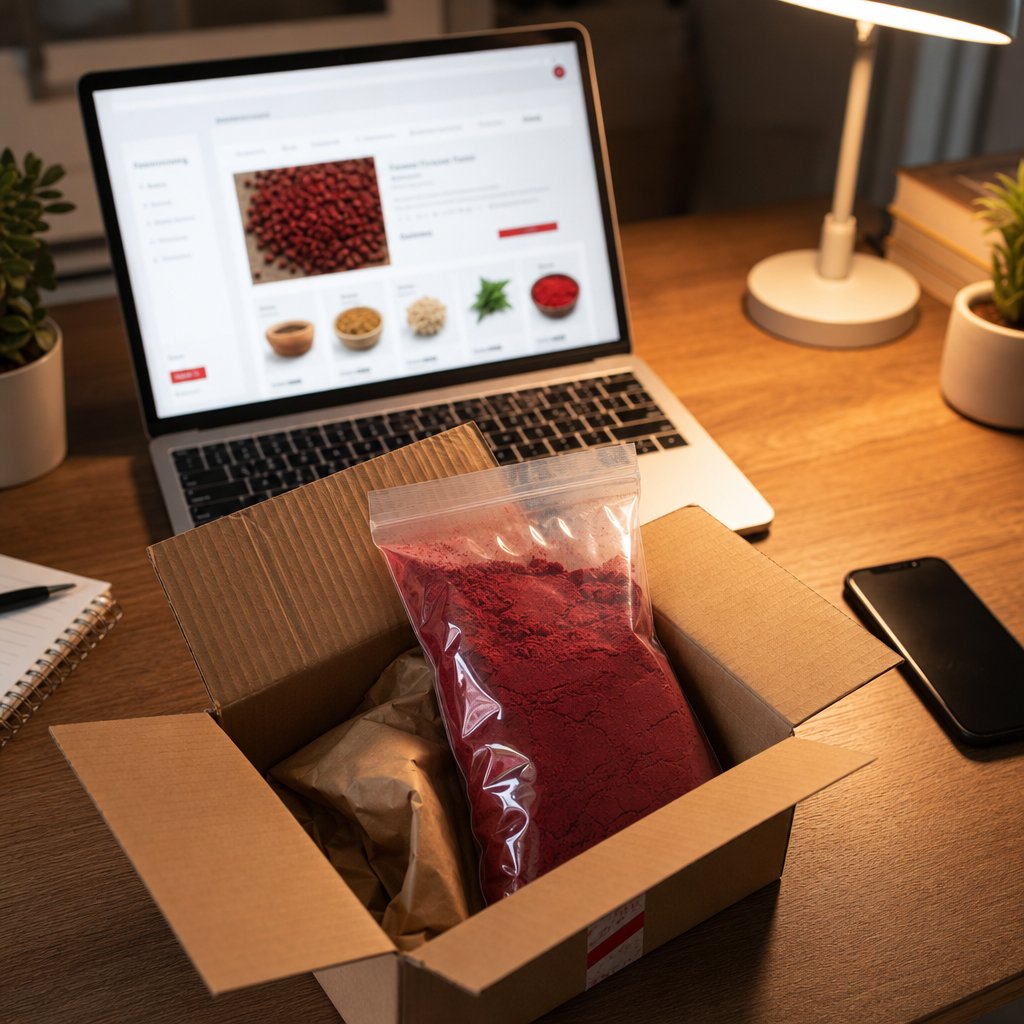
Physical stores give you hands-on access, but online shopping is where selection explodes. Dozens of brands, every product type imaginable, and the ability to compare prices across retailers in seconds. The challenge shifts from "can I find it?" to "how do I pick the right seller from a sea of options?" Understanding how each online channel operates helps you avoid overpaying or, worse, receiving a product that has been sitting in a third-party warehouse well past its prime.
Major Online Marketplaces
Amazon is the default starting point for most buyers, and for good reason. Searching for beet root powder amazon returns hundreds of results spanning every product type, from budget conventional powders to premium organic juice concentrates. Brands like NOW Foods, KOS, Bulk Supplements, and Horbäach all sell directly through the platform, and amazon beet powder listings often include verified purchase reviews that help you gauge real-world quality before committing.
But here is where marketplace shopping gets tricky. Multiple sellers frequently list the same product at different prices, and not all of them are authorized retailers. When you search beetroot powder amazon, you might see the same brand offered by three or four vendors with slightly different pricing and shipping timelines. To evaluate third-party seller credibility:
- Check the seller's rating and total number of reviews (look for 95%+ positive feedback)
- Confirm the listing says "Ships from and sold by" the brand itself or Amazon directly
- Look for "Fulfilled by Amazon" badges, which at minimum guarantee return policy consistency
- Avoid sellers with very few ratings or recently created storefronts offering suspiciously low prices
Beyond Amazon, other marketplaces like Walmart.com, iHerb, and eBay carry beetroot amazon-style listings with varying degrees of seller vetting. iHerb tends to be more curated for supplements specifically, while eBay carries higher risk of expired or improperly stored products.
Specialty Supplement Retailers Online
Dedicated supplement websites offer a more focused shopping experience. Retailers like The Vitamin Shoppe online, Swanson Vitamins, and Vitacost stock curated selections where every product has been vetted for supplement-grade standards. You will find now foods beet root powder and kos organic beet root powder readily available through these channels, often with detailed product descriptions that include processing methods and third-party testing information.
Brand-direct websites represent another strong option. Companies like HumanN, Bulk Supplements, and Live It Up sell directly to consumers, cutting out the middleman. Live it up beet powder and similar direct-to-consumer brands often provide the most transparent sourcing information, batch-specific certificates of analysis, and responsive customer service. The trade-off is that you cannot comparison-shop across brands in a single cart.
Specialty retailers tend to offer better product education, more detailed filtering options (by certification, form, or intended use), and loyalty programs that reward repeat purchases. Pricing is sometimes slightly higher than marketplace listings, but you gain confidence that the product was stored and shipped properly.
Subscription and Auto-Delivery Options
If you use beet powder daily, subscription services reduce both cost and the mental load of reordering. Most major channels now offer some form of auto-delivery:
- Amazon Subscribe & Save - Typically 5-15% off per delivery; flexible scheduling (every 1-6 months); easy to cancel or skip
- Brand-direct subscriptions - HumanN offers up to 24% savings when combining subscription with bulk orders; Bulk Supplements provides 5% off with delivery intervals of 30-120 days
- Specialty retailer programs - iHerb and Swanson offer auto-ship discounts ranging from 5-20% depending on the product and order frequency
Subscription pricing varies more than you might expect. A product that costs $30 one-time on Amazon might drop to $25.50 with Subscribe & Save, while the same brand's own website might offer it at $24 with free shipping for subscribers. Running the numbers across two or three channels before locking in a subscription can save you $40-$80 annually if you are a daily user.
| Channel Type | Selection Size | Price Range | Shipping Speed | Return Policy |
|---|---|---|---|---|
| Large Marketplaces (Amazon, Walmart.com) | Very large (100+ options) | $0.02-$0.22 per gram | 1-3 days (Prime/Plus members) | 30 days, generally hassle-free |
| Specialty Supplement Retailers (iHerb, Swanson, Vitacost) | Moderate (20-50 options) | $0.03-$0.20 per gram | 3-7 days standard | 30-60 days, some opened-product restrictions |
| Brand-Direct Websites | Small (1-5 options per brand) | $0.02-$0.25 per gram | 3-7 days standard | 30-90 days depending on brand |
| Subscription Services (across channels) | Varies by platform | 5-24% below one-time price | Scheduled delivery | Cancel anytime; standard return applies |
One final consideration: shipping costs can quietly erode any savings you found through price comparison. Some brands offer free shipping only above a $50 threshold, while others (like Horbäach) ship every order free regardless of size. Factor shipping into your per-serving math, especially for heavier bulk containers where delivery fees can add $5-$10 to the total.
Online channels give you unmatched variety and price transparency. But they remove your ability to physically inspect a product before buying, which raises a different question: when does it actually make sense to buy online versus walking into a store?
Online vs. In-Store Shopping for Beet Powder
Both channels have clear strengths, and the right choice depends on what you prioritize most. Someone asking where can i buy beetroot powder for the first time faces a different calculation than a repeat buyer who already knows their preferred brand. Here is how the two experiences stack up across the factors that actually matter.
Advantages of Buying In Store
Walking into a store lets you do something no website can replicate: pick up the container, flip it over, and read the label yourself. You can check the expiration date, verify certifications, scan the ingredient list for fillers, and confirm the powder has not clumped or degraded through the packaging. For quality-focused buyers wondering where do i buy beetroot with confidence, this hands-on inspection eliminates guesswork.
Physical stores also offer immediacy. No shipping delays, no damaged packages, no waiting three days to start your morning smoothie routine. Local supplement shops and health food stores add another layer: knowledgeable staff who can answer questions about processing methods or recommend alternatives if your first choice is out of stock. As Nutrition Authority points out, shopping local gives you real-time personalized support that no chatbot can match.
Advantages of Buying Online
Online shopping wins on two fronts: selection and price transparency. You can compare dozens of products side by side, filter by certification, read hundreds of verified reviews, and calculate cost-per-serving across brands in minutes. If you are trying to figure out where to buy beet powder at the lowest price, opening three browser tabs gives you more data than visiting three physical stores ever could.
Subscription discounts, bulk pricing, and coupon stacking further tilt the math in favor of online channels for regular users. CNET's research on supplement savings confirms that online retailers frequently undercut brick-and-mortar pricing, and loyalty programs or auto-delivery options can shave an additional 5-24% off each order. For budget-conscious shoppers, this adds up fast.
The trade-off? You cannot inspect the product before it arrives. And as documented cases of inaccurate labeling and counterfeit supplements on major marketplaces show, buying from unverified third-party sellers carries real risk. Sticking with authorized retailers or brand-direct websites mitigates this concern significantly.
Which Channel Fits Your Priorities
| Factor | Online | In-Store |
|---|---|---|
| Price Transparency | Excellent; instant comparison across retailers | Limited; requires visiting multiple locations |
| Product Inspection | Not possible until delivery | Full access to packaging, dates, and labels |
| Convenience | Shop anytime; delivered to your door | Requires a trip; limited by store hours |
| Selection | Hundreds of options across all product types | Typically 2-10 options per store |
| Return Ease | Generally simple (30-day windows); shipping required | Immediate exchange or refund in person |
| Freshness Verification | Relies on seller reputation and reviews | Check dates and packaging condition yourself |
Your buyer profile points you toward the right channel. Budget shoppers benefit most from online price comparison and subscription savings. Quality-focused buyers who want to verify certifications and expiration dates before purchasing will feel more confident buying in store, especially from health food retailers with high product turnover. Convenience seekers who use beet powder daily and already know their brand should lock in a subscription for hands-off delivery.
Where can you buy beetroot with the best overall experience? Honestly, many regular users combine both channels. They visit a store first to inspect a product, confirm they like it, then set up an online subscription for ongoing orders at a lower price. Where can you find beetroot powder that checks every box? That hybrid approach covers freshness verification, price optimization, and convenience in one strategy.
Regardless of which channel you choose, the product itself still needs to deliver on quality. And that comes down to what is printed on the label, how to read it, and which details separate a genuinely good beet powder from one that just looks the part.
How to Read Labels and Spot High Quality Beet Root Powder
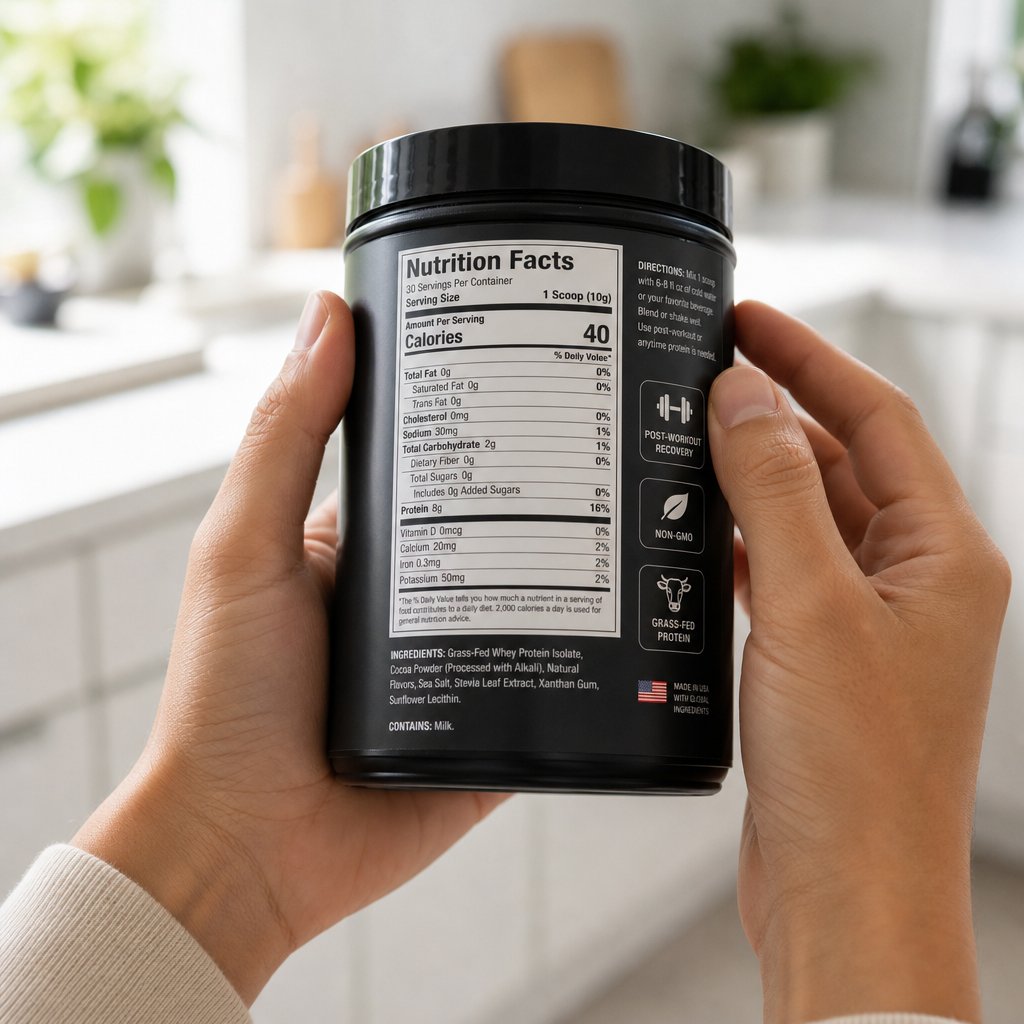
A great retail channel means nothing if the product inside the bag is mediocre. Whether you grabbed a container off a shelf at Whole Foods or clicked "add to cart" on Amazon, the label tells you everything you need to know about what you are actually paying for. Learning to decode it takes about sixty seconds and saves you from wasting money on fillers, degraded nutrients, or misleading claims.
Certifications That Matter
Not all seals on a beet powder label carry equal weight. Some represent rigorous third-party verification. Others are little more than marketing decoration. Here are the certifications worth looking for:
- USDA Organic - Requires annual farm inspections, prohibits synthetic pesticides and GMOs, and mandates residue testing. This is the gold standard for anyone seeking the best organic beet root powder with minimal chemical exposure.
- Non-GMO Project Verified - Independent supply chain verification confirming the absence of genetically modified organisms. Especially relevant for beet products since conventional sugar beets (a close relative of table beets) are overwhelmingly GMO.
- Third-party heavy metal testing (CoA) - Beets can bioaccumulate heavy metals like cadmium and lead from soil. Reputable brands publish batch-specific Certificates of Analysis from independent labs. This is non-negotiable for safety.
- GMP (Good Manufacturing Practices) - Indicates the facility follows standardized production protocols. Helpful but less meaningful without the certifications above.
If a product claims to be beet powder organic but does not display the USDA Organic seal, treat that claim with skepticism. The word "organic" without certification backing it has no regulatory enforcement behind it.
Reading the Ingredient List
This is where you separate pure beetroot powder from dressed-up blends. Flip the container over and look at the ingredient panel. A high quality product lists one thing: beetroot powder. That is it.
Fewer ingredients typically indicates higher quality. The best beet powders contain exactly one ingredient: 100% beetroot. Every additional item on that list, whether it is maltodextrin, silicon dioxide, or natural flavors, dilutes what you are paying for.
Common fillers and additives to watch for include:
- Maltodextrin - A cheap bulking agent derived from starch that adds volume without nutritional value
- Silicon dioxide - An anti-caking agent; research suggests potential gut inflammation concerns with prolonged daily exposure
- Magnesium stearate - A flow agent used in manufacturing that may compromise nutrient absorption over time
- Added sugars or artificial sweeteners - Unnecessary in a pure powder and a clear sign of a lower-tier product
- "Proprietary blends" - Hides individual ingredient quantities, making it impossible to know how much actual beet powder you are getting per serving
When reviewing beet powder nutrition facts, compare the serving size to the total active ingredient weight. An organic beet root powder supplement with a 5-gram serving should deliver close to 5 grams of actual beetroot, not 3 grams of beet and 2 grams of filler. Beetroot powder nutrition facts panels that show significant calories from added sugars or suspiciously low fiber content (for whole root powders) signal dilution.
Processing Methods and What They Mean for Quality
The drying method used to create beet powder has a massive impact on what survives in the final product. Heat-sensitive compounds like dietary nitrates and betalains, the pigments responsible for that deep red-purple color, degrade at high temperatures. Here is how the main methods compare:
- Freeze-dried - Uses sublimation (ice to vapor) under vacuum at very low temperatures. Research confirms freeze drying leads to higher phenolic content and better color retention compared to other methods. This produces the most nutrient-dense powder with vibrant color, though it costs more to manufacture.
- Spray-dried - Involves high inlet temperatures (140-150 degrees Celsius) that can degrade heat-sensitive nitrates and betalains. The resulting powder dissolves more easily but may sacrifice nutritional potency. Often requires carrier agents like maltodextrin to form properly.
- Low-temperature air-dried (dehydrated) - A middle ground. Better nutrient retention than spray drying, though not as effective as freeze drying. Temperature control during processing is the key variable.
- Cold-pressed - Refers to juice extraction rather than drying; the juice is then dried separately. Quality depends entirely on the subsequent drying step.
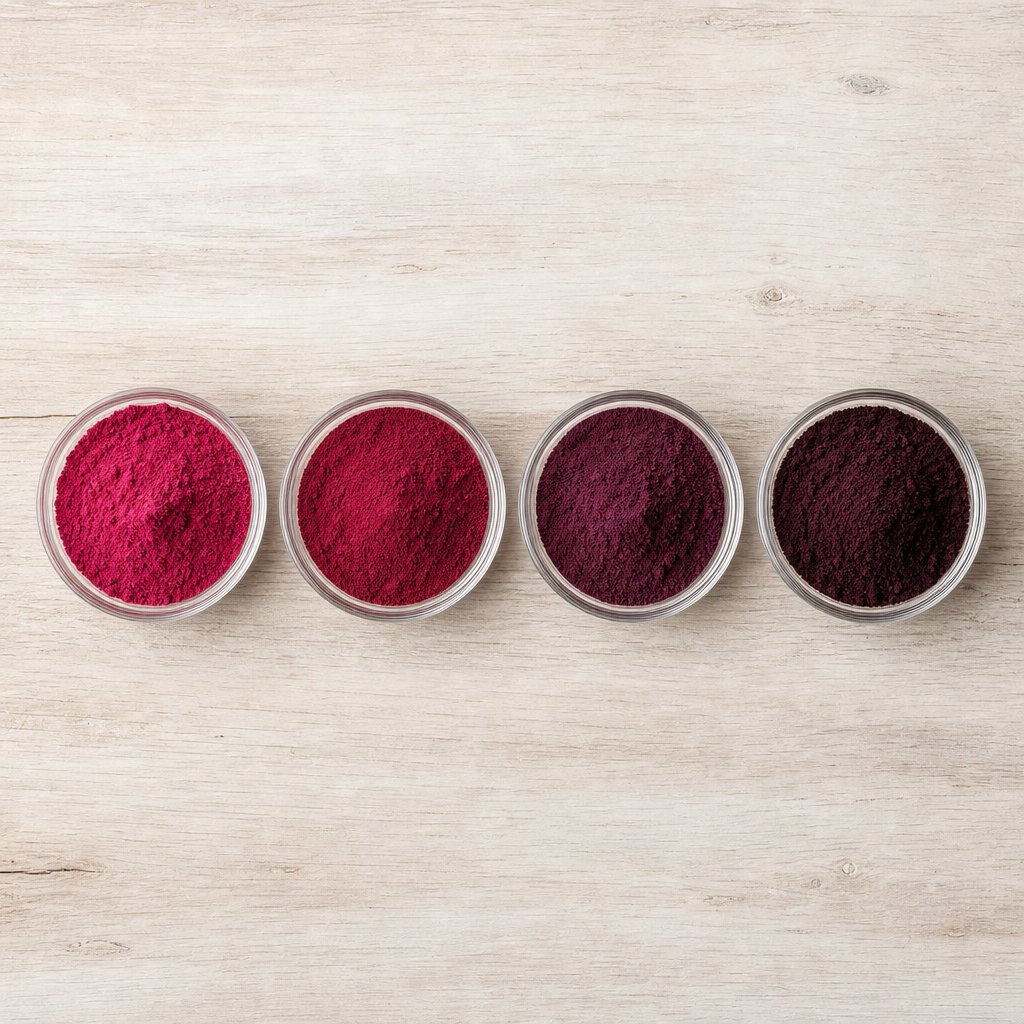
You can often spot the processing method through visual and sensory cues even before reading the label. A deep, vibrant red-purple color indicates preserved betalains, which points toward freeze drying or careful low-temperature processing. A dull brownish tone suggests heat damage from oven or high-temperature spray drying. The taste of a well-processed pure beetroot powder should be earthy and mildly sweet, not bitter or metallic.
One more detail worth checking: nitrate content claims. Some brands advertise specific nitrate levels per serving, which is useful for buyers focused on cardiovascular or athletic performance benefits. The most trustworthy products back these claims with batch-specific potency testing from independent labs. If a label claims high nitrate content but provides no third-party verification, you are taking the brand's word for it.
Armed with this label-reading framework, you can evaluate any beet powder regardless of where you find it. The next logical question becomes whether the price you are paying actually reflects the quality on that label, or whether you are overpaying for packaging and marketing.
Price Expectations and Getting the Best Value
You can spend $0.02 per gram of powdered beet or $0.22 per gram, and both products might look nearly identical on the shelf. That tenfold price gap is not random. Understanding what drives it helps you spot genuine value and avoid paying a premium for nothing more than fancy packaging.
What Drives Beet Powder Pricing
Five factors account for most of the price variation you will encounter across channels:
- Organic certification - USDA Organic beet powder costs 20-40% more than conventional equivalents due to higher farming costs and annual inspection fees. Nutricost organic beet root powder and similar certified brands reflect this premium in their shelf price.
- Processing method - Freeze-dried powdered beets command higher prices than spray-dried alternatives because the equipment and energy costs are significantly greater. The nutritional payoff justifies the expense for quality-focused buyers.
- Package size - Per-gram cost drops dramatically as container size increases. A 100g bag might run $0.15 per gram while a 1kg bag of the same product drops to $0.03 per gram.
- Brand reputation and marketing - Clinically studied brands like HumanN invest heavily in research and advertising, which gets passed along to you. Budget brands like spring valley beet powder or store-label options skip those costs entirely.
- Retail markup - The same product can vary 15-30% in price depending on whether you buy it from a specialty health store, a big-box retailer, or directly from the brand online.
Price Ranges by Retail Channel
Pricing data from Innerbody Research and manufacturer listings reveals clear tiers across channels. Here is what to expect:
| Price Tier | Cost Per Gram of Beetroot | Cost Per Serving | Typical Channels | What You Get |
|---|---|---|---|---|
| Budget | $0.02-$0.05 | $0.06-$0.15 | Online bulk retailers, Amazon (large bags), warehouse clubs | Pure powder, minimal branding, large containers (500g-3lbs) |
| Mid-Range | $0.05-$0.15 | $0.15-$1.00 | Health food stores, supplement shops, brand-direct websites | Organic certification, third-party testing, moderate container sizes |
| Premium | $0.15-$0.25+ | $1.00-$2.00+ | Specialty supplement retailers, clinical-grade brands | Clinical studies, NSF Sport certification, concentrated formulas, added synergistic ingredients |
Beet powder costco shoppers occasionally find falls into the budget-to-mid tier, though Costco's beet powder inventory rotates seasonally and is not guaranteed. Beetroot powder costco carries tends to be larger containers from recognizable supplement brands, offering solid per-serving value when available. Warehouse clubs work best for buyers who already know what they want and can commit to a bigger upfront purchase.
Getting the Best Value Without Sacrificing Quality
Value is not the same as cheapness. A $15 bag of powdered beet that contains maltodextrin filler is worse value than a $30 bag of pure organic powder with twice the active ingredient per serving. Here is how to optimize your spend:
- Calculate cost per gram of actual beetroot - Ignore the sticker price. Divide total cost by grams of beetroot per container. Horbäach Organic Beet Root Powder hits $0.02 per gram at $29.99 for 3 pounds, while premium brands like HumanN run roughly $0.22 per gram for a concentrated formula.
- Buy larger containers if you use it daily - Bulk purchasing is the single most effective cost-saving strategy for regular users. Moving from a 100g bag to a 1kg bag of the same brand can cut your per-serving cost by 60-70%.
- Stack subscription discounts - Combining auto-delivery with bulk sizing (where available) yields the deepest discounts. HumanN subscribers buying six canisters save up to 24% per unit compared to a single one-time purchase.
- Compare across channels before committing - The same brand often sells at different prices on Amazon, iHerb, and its own website. A two-minute price check across platforms can save $5-$10 per order.
The sweet spot for most daily users lands in the budget-to-mid tier: pure organic powder in a large container, purchased online with a subscription discount. You get verified quality without paying for clinical branding or performance marketing you may not need.
For buyers who go through beet powder fast enough that even bulk consumer packaging feels limiting, there is another tier entirely: wholesale and OEM sourcing designed for high-volume users and businesses building their own product lines.
Bulk Purchasing and Wholesale Sourcing Options
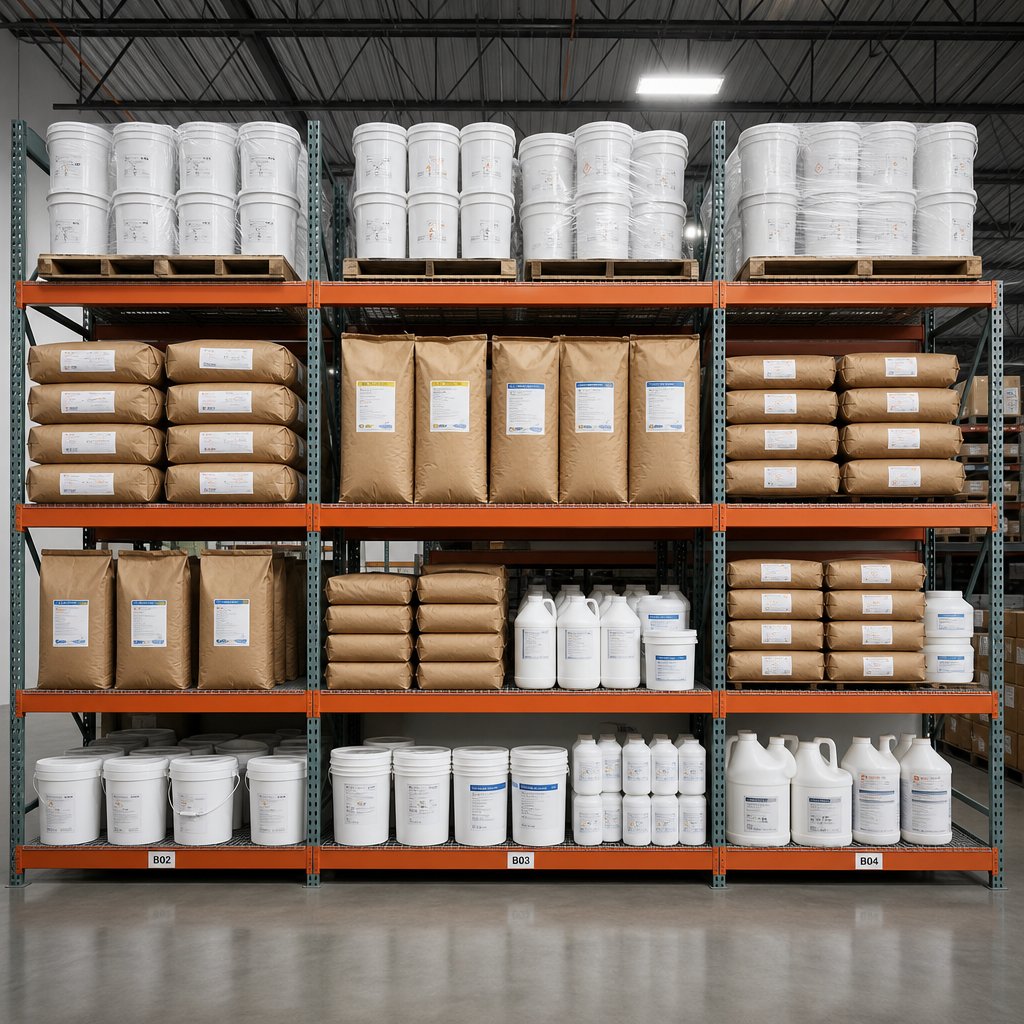
Buying a 1kg bag at a discount is one thing. Sourcing 50kg or more of bulk beet root powder for a product line or commercial kitchen is an entirely different game. The distinction between consumer bulk and true wholesale matters because the suppliers, pricing structures, and quality assurance processes diverge sharply once you cross that threshold.
Consumer Bulk Options for Regular Users
If you go through beet powder daily, whether in smoothies, pre-workout drinks, or baking, consumer bulk packaging is the simplest way to cut costs without dealing with commercial suppliers. Brands like Bulksupplements beet root powder sell directly to individuals in sizes ranging from 500g to 5kg bags, often at $0.02-$0.04 per gram. Bulk supplements beet root powder options on Amazon and brand-direct websites skip the fancy packaging and marketing, passing those savings along to you.
Consumer bulk works well for:
- Daily users consuming 5-10g per day who want 3-6 months of supply in a single order
- Small smoothie bars or juice shops that go through a few kilograms per month but do not need pallets
- Home bakers and food creators using beet powder as a natural colorant in large batches
The limitation? Consumer bulk still carries retail-level per-unit pricing. You are saving compared to small containers, but you are not accessing manufacturer-direct rates. And you typically cannot customize the product format, request beet extract powder concentrates, or get private-label packaging at this level.
Wholesale and OEM Sourcing for Businesses
True wholesale sourcing serves a different audience: supplement brands launching their own beet root powder supplement, private label sellers building a product catalog, importers distributing beetroot products across retail channels, and functional food companies incorporating beet into multi-ingredient formulas. At this level, you are not just buying powder. You are sourcing a raw material or commissioning a finished product.
The difference between consumer bulk and OEM manufacturing comes down to scale, customization, and format flexibility. An OEM partner does not just sell you root powders in bags. They can formulate a custom beet powder supplement in capsules, tablets, powder sachets, gummies, or liquid formats, then produce it at scale under your brand name.
When evaluating wholesale suppliers, look for:
- Minimum order quantities (MOQs) - These vary widely. According to industry data on supplement manufacturing MOQs, powder products typically start at 500-3,000 units for small batches, with bulk raw powder orders beginning around 100-300kg per formula.
- Product format flexibility - Can the manufacturer produce hard capsules, tablets, powder/granules, soft capsules, gummy candy, and oral liquids? This matters if you plan to expand your beet-based product line beyond a single SKU.
- Certifications and compliance - GMP registration, organic handling certification, and third-party testing capabilities are non-negotiable for any beet root powder supplement entering retail distribution.
- Customization options - Custom formulation (adding complementary ingredients like citrulline or vitamin C), flavoring, and branded packaging should all be available from a capable OEM partner.
- Scalability - Your first order might be 1,000 units. Your fifth might be 50,000. The right manufacturer handles both without forcing you to switch suppliers mid-growth.
Manufacturers like ZhuFeng represent the OEM/ODM model well, offering beet-based product customization across multiple formats (powder/granules, capsules, gummies) with scalable production for nutrition brands and private label sellers looking to launch market-ready beetroot products. This type of full-service manufacturing partner handles formulation, production, and packaging under one roof, which simplifies the supply chain considerably compared to sourcing raw powder from one vendor and contracting a separate co-packer.
Who actually benefits from wholesale and OEM sourcing? Four groups stand out:
- Supplement brands building a beet-focused product line (capsules, powders, or performance blends)
- Private label sellers who want to sell beetroot products under their own brand without building manufacturing infrastructure
- Smoothie shops and functional food businesses that need consistent, high-volume supply at commercial pricing
- Importers and distributors sourcing bulk beet root powder for resale across multiple retail channels
The wholesale path requires more upfront research, longer lead times, and higher initial investment than clicking "buy now" on Amazon. But for anyone moving beyond personal use into commercial territory, it unlocks pricing, customization, and branding control that retail channels simply cannot offer.
Choosing the Right Source Based on Your Needs
Every channel covered in this guide has a place depending on who you are and what you need. Rather than leaving you to sort through all the options again, here are clear next steps matched to three common buyer scenarios. Wherever you land, you now know enough to avoid overpaying for junk.
If You Are a First-Time Buyer
You are still figuring out whether beet powder fits your routine. You do not need the fanciest product or the biggest bag. You need a reliable starting point with low commitment.
- Start with a mid-sized container (100-250g) of pure, single-ingredient beetroot powder from a health food store or a well-reviewed Amazon listing. Brands like NOW Foods or KOS offer solid entry points.
- Check the label for one ingredient only: beetroot powder. Skip blends until you know you like the base product.
- Use your retailer's store locator or stock checker before making a trip. If you are wondering where can i buy beet root powder locally, Whole Foods and Sprouts are your safest bets for verified quality on the first try.
- Try it for two to three weeks before committing to bulk or subscription pricing.
If You Prioritize Organic Certification
You want USDA Organic verification, minimal processing, and transparent sourcing. Where can i find beetroot powder that meets all three criteria without overpaying?
- Shop at health food retailers (Whole Foods, Natural Grocers, Sprouts) or specialty online stores like iHerb and Swanson that let you filter by certification.
- Look for freeze-dried or low-temperature processed options to maximize nutrient retention alongside organic sourcing.
- Verify the USDA Organic seal is actually on the label, not just claimed in the product title or marketing copy.
- Buy in bulk once you confirm your preferred brand. Moving from a 200g bag to a 1kg container cuts per-serving cost by 50-70% while keeping quality identical.
If You Need Beet Powder for a Business
You have moved past personal use. Maybe you are launching a supplement line, stocking a smoothie bar, or building a private label brand. Where can i get beetroot in the volumes and formats a business requires?
- Define your product format first: loose powder, capsules, gummies, or sachets. This determines whether you need a raw ingredient supplier or a full-service OEM manufacturer.
- Request samples and Certificates of Analysis from at least two to three wholesale suppliers before committing to a production run.
- Evaluate manufacturers on format flexibility, MOQs, certifications (GMP, organic handling), and scalability. Partners like ZhuFeng offer OEM/ODM production across powder, capsule, and gummy formats with customized formulation, which simplifies launching a beet-based product line without managing multiple vendors.
- Start with a small initial production run to validate market demand before scaling to larger orders.
The question of beet powder where to buy ultimately comes down to matching your priorities, budget, and volume needs to the right channel. First-time buyers benefit from low-risk in-store purchases. Organic-focused shoppers thrive with curated online retailers. Business buyers need manufacturing partners who can scale with them. Wherever you fall, the fundamentals stay the same: read the label, verify certifications, calculate cost per gram of actual beetroot, and choose a channel that aligns with how you plan to use the product long-term.
Frequently Asked Questions About Buying Beet Powder
1. What is the difference between beet juice powder and whole root beet powder?
Beet juice powder is made by extracting liquid from beets and drying it, concentrating nitrates and dissolving easily in liquids. Whole root powder grinds the entire dehydrated beet including fiber, offering a broader nutritional profile but grittier texture. Juice powder suits pre-workout drinks focused on nitric oxide production, while whole root powder works better for smoothies, baking, and general daily nutrition where fiber content matters.
2. Is it better to buy beet powder online or in a store?
It depends on your priorities. In-store shopping lets you inspect labels, verify expiration dates, and confirm certifications firsthand, making it ideal for quality-focused buyers. Online shopping offers wider selection, easier price comparison, and subscription discounts of 5-24% that benefit budget-conscious daily users. Many experienced buyers combine both approaches: they inspect a product in-store first, then set up an online subscription for ongoing orders at a lower price.
3. How can I tell if beet powder is high quality?
Check three things on the label. First, the ingredient list should contain only one item: beetroot powder, with no maltodextrin, silicon dioxide, or proprietary blends. Second, look for USDA Organic and Non-GMO Project Verified seals, which require third-party auditing. Third, check whether the brand publishes batch-specific Certificates of Analysis for heavy metals and potency. Visually, high-quality beet powder has a deep vibrant red-purple color indicating preserved betalains, while a dull brownish tone suggests heat damage during processing.
4. How much should beet powder cost per serving?
Budget beet powder runs $0.06-$0.15 per serving, typically found in large bulk bags online. Mid-range organic options cost $0.15-$1.00 per serving from health food stores or specialty retailers. Premium clinical-grade products reach $1.00-$2.00+ per serving. The biggest cost driver is package size: moving from a 100g bag to a 1kg container of the same brand can cut per-serving cost by 60-70%. Subscription discounts and bulk purchasing further reduce the price for daily users.
5. Can I buy beet powder in bulk for a business or private label brand?
Yes. Consumer bulk options from brands like BulkSupplements offer 500g-5kg bags for high-volume personal use or small food businesses. For launching your own product line, OEM/ODM manufacturers like ZhuFeng provide full-service production across multiple formats including powder sachets, capsules, and gummies with custom formulation and branded packaging. Typical minimum order quantities for powder products start at 500-3,000 units for small batches, with raw powder orders beginning around 100-300kg per formula.