
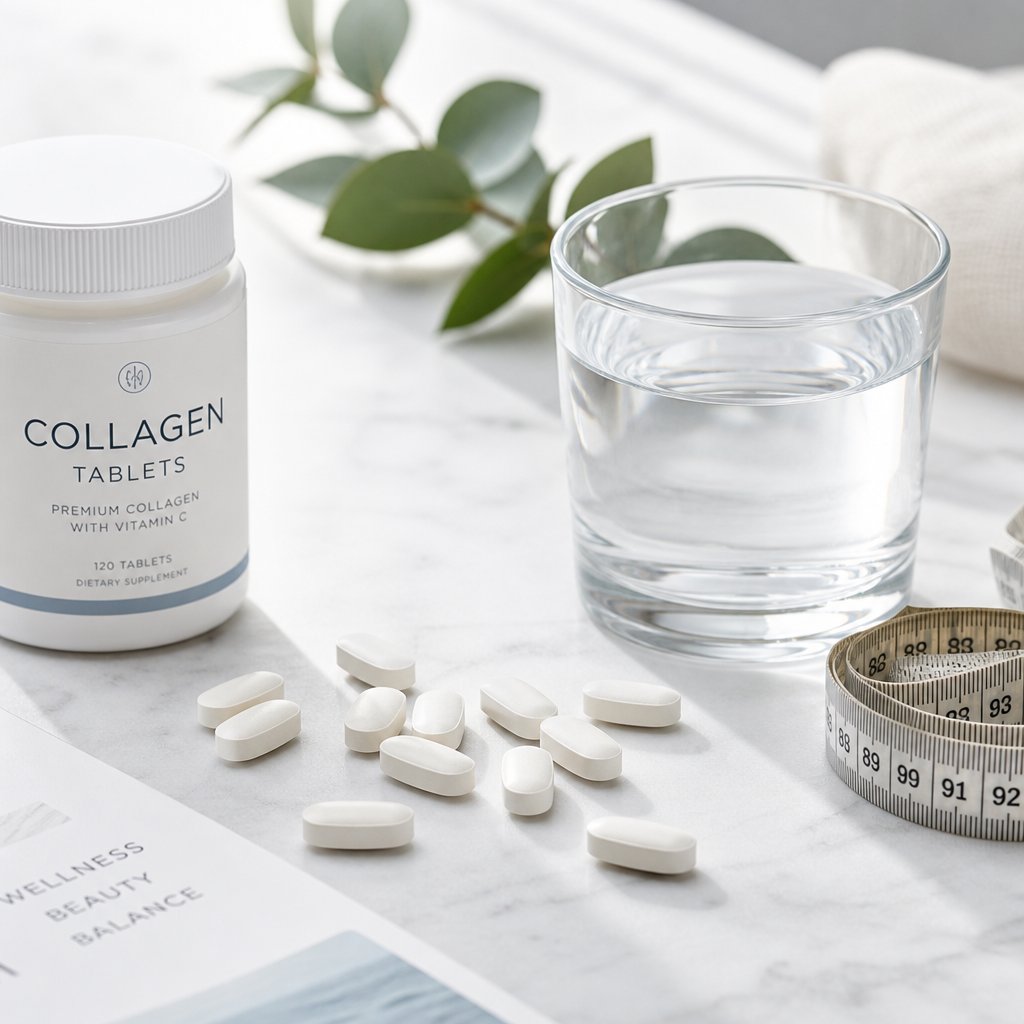
Do Collagen Tablets Actually Make You Gain Weight
You stepped on the scale a week after starting collagen tablets and noticed the number crept up. Naturally, you want to know: do collagen tablets cause weight gain? The short answer is no, they don't cause fat gain. But the full picture involves understanding what your scale is actually measuring and why it might fluctuate for reasons that have nothing to do with body fat.
The Short Answer About Collagen Tablets and Weight
Collagen is a protein, and like all proteins, it provides roughly 4 calories per gram. A typical collagen tablet serving delivers far fewer calories than a powder scoop or a snack. The only way to gain actual body fat is to consume more calories than you burn over a sustained period. A handful of tablets contributing a negligible caloric load simply cannot create that surplus.
Collagen protein is low-calorie and not inherently fattening. It cannot cause fat gain unless it pushes your total daily intake into a consistent caloric surplus, which is extremely unlikely given standard dosing.
So does collagen make you fat? No. What it can do is temporarily shift the number on your scale through mechanisms like water retention, mild bloating during digestive adjustment, or even lean muscle support from increased protein intake. These are not the same as gaining body fat, and they often resolve on their own.
Why This Concern Is More Common Than You Think
If you've searched "does collagen make you gain weight" or "does collagen cause weight gain," you're far from alone. This concern spikes because people often start collagen supplements alongside other lifestyle changes, making it hard to isolate what's actually affecting the scale. Add in normal daily weight fluctuations of 1 to 3 pounds from hydration, food volume, and hormonal shifts, and it's easy to blame the newest addition to your routine.
Confirmation bias plays a role too. When you're watching for changes, you notice them more. The reality is that collagen has been studied more for its potential to support weight management than for any link to weight gain. It may promote satiety, support lean muscle, and even influence how the body stores fat.
This article breaks down exactly what happens in your body when you take collagen tablets, why the scale might shift, which ingredients to watch for, and how collagen compares to other protein supplements for weight-conscious users.

What Makes Collagen Tablets Different From Other Forms
Not all collagen supplements are created equal, and the form you choose affects more than just convenience. When people ask whether collagen supplements cause weight gain, they rarely consider that the delivery format itself determines how much collagen you're actually consuming per dose and what else comes along with it. Tablets have a unique manufacturing profile that sets them apart from powders, liquids, and gummies in ways that directly relate to caloric impact.
How Collagen Tablets Differ From Powders and Liquids
Imagine trying to compress a full 10-gram scoop of collagen powder into something you can swallow with a glass of water. That's the fundamental challenge tablet manufacturers face. A single collagen tablet typically contains between 500 mg and 1.5 g of collagen peptides, which means you'll need anywhere from 2 to 6 tablets per serving to approach the dosage a single powder scoop delivers.
As nutritionist Tamara Soares notes in a BBC report on collagen supplements, "tablets and gummies often have less collagen per serving and may contain added sugars or fillers" compared to powders and liquids. She recommends opting for a powder or liquid with at least 5-10 g of collagen per dose for those seeking therapeutic amounts. Research supports that 2.5 to 15 grams daily can support skin elasticity and joint health, a range that powders hit easily in one serving but tablets may require multiple pills to reach.
This lower collagen content per tablet is actually relevant to the weight gain question. If each tablet delivers roughly 0.5 to 1.5 g of protein, and protein provides 4 calories per gram, you're looking at 2 to 6 calories per tablet. Even at a 6-tablet serving, the total caloric contribution stays well under 40 calories. Does collagen powder make you gain weight at higher doses? The same principle applies: the caloric load remains minimal relative to your total daily intake.
What Goes Into a Collagen Tablet Beyond Collagen
Here's where tablets get interesting. Unlike a pure powder that can be nothing but hydrolyzed collagen peptides, tablets require additional manufacturing components to hold their shape, protect them during storage, and allow them to break down properly in your digestive system. These include:
- Binders (microcrystalline cellulose, stearic acid) that hold the compressed powder together
- Coatings (hydroxypropyl methylcellulose, shellac) that protect the tablet and make it easier to swallow
- Bulking agents (dicalcium phosphate, maltodextrin) that give the tablet sufficient volume
- Flow agents (magnesium stearate, silicon dioxide) that prevent ingredients from sticking to machinery during production
Most of these excipients are inert, meaning they contribute virtually zero calories and pass through your system without metabolic impact. However, some lower-quality formulations use maltodextrin or added sugars as fillers, which can introduce a small caloric load. This is why can collagen supplements cause weight gain is a question that depends partly on what else is in the tablet, not just the collagen itself.
Does collagen powder cause weight gain more readily than tablets? Not inherently. Powders skip the binders and coatings but often include flavoring agents, sweeteners, or creamers that can add 20 to 50 calories per serving. The format matters less than the total formulation.
The table below puts these differences side by side so you can see exactly how each format stacks up:
| Format | Typical Collagen Per Serving | Common Additives | Caloric Range Per Serving |
|---|---|---|---|
| Tablets (2-6 pills) | 1 g - 6 g | Binders, coatings, flow agents, bulking agents | 5 - 25 calories |
| Powder (1 scoop) | 10 g - 20 g | Flavoring, sweeteners, vitamin C, sometimes creamers | 35 - 80 calories |
| Gummies (2-4 pieces) | 1 g - 3 g | Sugar, corn syrup, gelatin, artificial colors, citric acid | 20 - 40 calories |
| Liquid/Drink (1 bottle) | 5 g - 15 g | Fruit juice, sweeteners, added vitamins, preservatives | 30 - 100 calories |
You'll notice that tablets sit at the lowest end of the caloric spectrum. Their compact format physically limits how much material, caloric or otherwise, can fit inside. For anyone specifically concerned about whether do collagen supplements cause weight gain, tablets are arguably the least likely format to contribute meaningful calories to your daily total. The real question isn't the collagen itself but what surrounds it in the formulation, and that's where ingredient labels become your best tool.
How Many Calories Collagen Tablets Actually Contain
Ingredient labels tell one story. Your daily caloric budget tells another. When you look at the calories in collagen relative to everything else you eat in a day, the numbers paint a clear picture: this supplement barely registers.
The Caloric Reality of Collagen Protein
Collagen is a protein, and protein provides approximately 4 calories per gram regardless of its source. That's the same energy density as chicken breast, lentils, or whey. The difference lies in serving size. A collagen tablet delivers between 0.5 g and 1.5 g of protein per pill, which translates to roughly 2 to 6 calories each.
Does collagen have calories? Yes, but context matters. Here's how collagen calories stack up across typical serving sizes:
- 1 collagen tablet (0.5 g collagen) — approximately 2 calories
- 6 collagen tablets (3-6 g collagen) — approximately 12 to 24 calories
- 1 scoop collagen powder (10 g collagen) — approximately 35 to 40 calories
- 2 scoops collagen powder (20 g collagen) — approximately 70 to 72 calories
Even at the higher end of tablet dosing, you're looking at fewer calories than a single celery stalk. The caloric contribution from a standard tablet serving is so small that it rounds to zero in most nutritional tracking apps.
Can Such a Small Caloric Addition Cause Fat Gain
Fat gain requires one thing: a sustained caloric surplus. That means consistently eating more energy than your body burns over days and weeks. A surplus of roughly 250 to 500 calories per day leads to about 0.5 to 1 pound of weight gain per week, according to clinical guidance on healthy weight gain.
So is collagen fattening? Consider the math. If your daily maintenance intake is 2,000 calories and you add a 6-tablet collagen serving at roughly 20 calories, that's a 1% increase. You'd need to take collagen tablets for months without any other dietary adjustment, and even then, 20 extra calories per day would theoretically produce less than a quarter pound of gain over an entire year. In practice, your body's metabolic fluctuations easily absorb that amount.
The calories in collagen tablets simply cannot create the kind of energy imbalance that leads to meaningful fat accumulation. If the scale moves after you start supplementing, the explanation lies elsewhere, and the most common culprits have nothing to do with caloric surplus at all.
Why the Scale Might Change When You Start Collagen
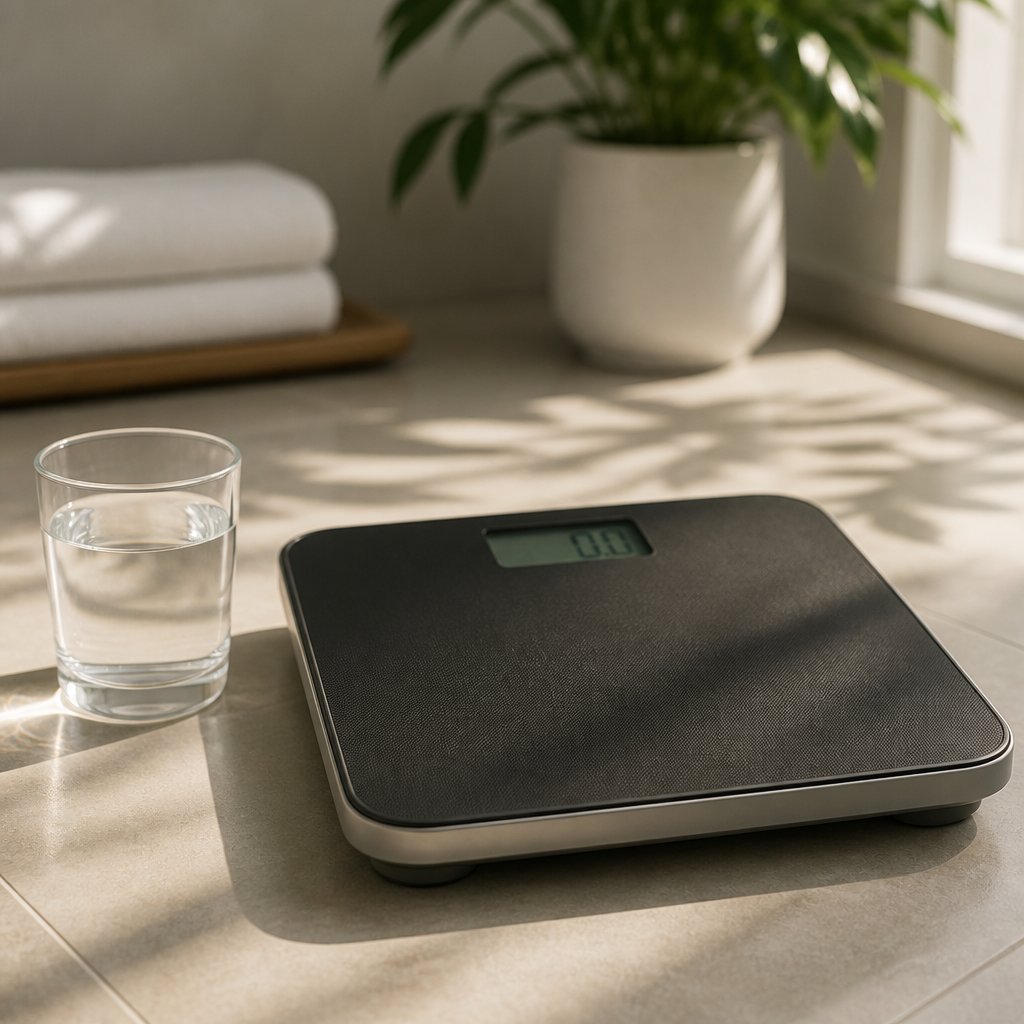
So the calories don't add up to fat gain. Yet the scale moved. If you've gained weight after taking collagen, something real is happening, it's just not what you think. Three physiological mechanisms explain why your body weight can shift without any increase in body fat, and all three are common when introducing a new protein supplement.
Water Retention and Collagen Supplementation
Does collagen make you gain water weight? It can, temporarily. Collagen is unusually rich in the amino acid glycine, which makes up roughly one-third of its amino acid profile. Glycine plays a role in creatine synthesis within skeletal muscle, and creatine naturally draws water into muscle cells. When you increase glycine intake through collagen supplementation, your body may retain slightly more intracellular water as part of this process.
There's also a simpler explanation. Many people drink more water when they start a new supplement routine, especially tablets that require swallowing with a full glass. Increased hydration alone can shift scale weight by 1 to 2 pounds within a day. Your body adjusts its fluid balance based on sodium intake, carbohydrate storage, and protein consumption, so adding a new protein source can temporarily tip that balance toward retention.
This type of weight change is not fat. It's your body adapting to a new nutritional input, and it typically stabilizes within one to two weeks as your system finds a new equilibrium.
Bloating as Perceived Weight Gain
Does collagen cause bloating and weight gain? Bloating can certainly make you feel heavier and look puffier, but it's a digestive response rather than an accumulation of body fat. When you introduce any new supplement, your gut microbiome and digestive enzymes need time to adjust.
Collagen peptides are broken down in the stomach and small intestine like any other protein. For some people, this process initially produces gas or a feeling of fullness, particularly if they take tablets on an empty stomach or consume a higher dose than their system is accustomed to. Does collagen cause bloating in everyone? No. But those with sensitive digestion or existing gut issues may notice it more.
Protein supplements in general can trigger temporary GI discomfort. As clinical guidance on protein bloating explains, exceeding 25 to 40 grams of protein in a single sitting increases the likelihood of digestive symptoms because protein is harder for the body to break down than carbohydrates. Collagen tablets rarely deliver that much per serving, but combined with protein from meals, the total load can temporarily overwhelm digestion.
The good news: this adjustment period is short-lived. Most people find that bloating from a new supplement resolves within 5 to 14 days as the digestive system adapts.
Lean Muscle Gains From Increased Protein
Here's a scenario that's actually positive but often misread as a problem. Does collagen peptides cause weight gain through muscle? It can contribute to lean mass gains, especially if you're physically active.
Glycine, the dominant amino acid in collagen, has been shown to activate the mTORC1 signaling pathway, which is crucial for muscle protein synthesis. Animal and in vitro studies demonstrate that glycine protects against muscle wasting and supports muscle growth by activating anabolic pathways while inhibiting proteolytic gene expression. When you combine collagen supplementation with resistance training or regular exercise, the additional protein supports your body's muscle-building processes.
Muscle tissue is denser than fat tissue. A small increase in lean mass won't change how your clothes fit or how you look in the mirror, but it will register on the scale. This is the kind of weight gain that actually improves your metabolic health, body composition, and long-term calorie-burning capacity.
So why have I gained weight after taking collagen? In most cases, it's one or a combination of these three factors: fluid shifts, digestive adjustment, or muscle support. None of them represent fat accumulation.
Here's how to tell the difference between water weight and actual fat gain:
- Water weight appears quickly (within days) and fluctuates from morning to evening; fat gain develops gradually over weeks
- Water retention often shows up as puffiness in the fingers, ankles, or face; fat gain distributes more evenly or in typical storage areas
- Your measurements and how clothing fits remain unchanged with water weight; fat gain changes circumference measurements
- Water weight responds to hydration, sodium adjustments, and time; fat gain only reverses with a caloric deficit
- Normal daily weight fluctuation of 1 to 3 pounds is entirely water, food volume, and waste, not tissue change
Confirmation bias amplifies the concern. When you start something new and watch for changes, you notice every half-pound shift that you'd normally ignore. The reality is that your body weight fluctuates constantly, and attributing a short-term change to a single low-calorie supplement rarely holds up under scrutiny.
The more useful question isn't whether the scale moved but what moved it. And if the answer is water, digestion, or muscle, you're looking at temporary adjustments or genuine health improvements rather than a problem to solve. That said, not all scale changes trace back to collagen itself. Sometimes the culprit hides in the other ingredients sharing space inside that tablet.
Added Ingredients in Collagen Tablets That Affect Weight
Collagen itself isn't the issue. But collagen rarely travels alone inside a tablet. The excipients, fillers, and flavor-enhancing compounds that manufacturers add to their formulations can quietly introduce calories, trigger digestive discomfort, or cause the kind of bloating that makes you feel like you've gained weight overnight. Knowing what to look for on a label separates a clean supplement from one that works against your goals.
Hidden Ingredients That Could Affect Your Weight
When you ask whether can taking collagen cause weight gain, the answer often depends less on the collagen and more on what surrounds it. Some tablet formulations include ingredients that either contribute hidden calories or provoke gastrointestinal responses that mimic weight gain.
Here are the most common additives found in collagen tablets and how they affect your body:
- Maltodextrin — A starch-derived filler that provides approximately 4 calories per gram. It's used as a bulking agent in tablets but can spike blood sugar and contribute meaningful calories when present in large amounts. It may also cause gas and bloating in sensitive individuals.
- Added sugars (sucrose, dextrose, fructose) — Found more often in flavored or chewable tablets, these add 4 calories per gram and can trigger insulin responses that promote fat storage when consumed in excess.
- Artificial sweeteners (sucralose, aspartame, acesulfame potassium) — Calorie-free on paper, but research links some artificial sweeteners to altered gut bacteria and increased bloating. They won't add calories, but they can make you feel heavier through digestive disruption.
- Magnesium stearate — A flow agent used to prevent ingredients from sticking to machinery. It's calorie-neutral and generally well-tolerated, though some people report mild digestive sensitivity at high concentrations.
- Silicon dioxide — An anti-caking agent that passes through the body without caloric contribution or significant digestive effects. This one is harmless for most people.
- Microcrystalline cellulose — A plant-derived binder that adds bulk without calories. It's inert and doesn't affect weight.
- Titanium dioxide — A whitening agent used in coatings. No caloric impact, but some regulatory bodies have raised concerns about its long-term safety, and it offers no nutritional benefit.
- Sorbitol and other sugar alcohols — Sometimes used as sweeteners in coated tablets. They provide roughly 2.6 calories per gram and are notorious for causing gas, bloating, and osmotic diarrhea when consumed in larger amounts. If you've wondered does collagen make you gassy, a sugar alcohol in the formulation is a likely suspect.
Flavored or coated tablets tend to carry more of these additives than plain, uncoated formulations. A vanilla-flavored collagen tablet, for example, might include maltodextrin for bulk, sucralose for sweetness, and titanium dioxide for an appealing white appearance. None of these serve your health goals, and together they can introduce enough digestive disruption that you feel bloated or uncomfortable after each dose.
Can collagen cause bloating on its own? Occasionally, during the initial adjustment period. But persistent bloating that doesn't resolve after two weeks often points to a reactive additive rather than the collagen peptides themselves. Clinical reviews of collagen side effects note that mild stomach upset, including bloating and gas, is the most commonly reported issue, though the risk remains low overall.
How to Read a Collagen Tablet Label
The supplement facts panel is your primary tool for evaluating whether a collagen tablet is working for or against your weight goals. Here's how to decode it effectively.
Start with the serving size. A label might list impressive collagen amounts, but check how many tablets constitute one serving. If the label says "3 g collagen per serving" and the serving size is 6 tablets, each individual tablet only contains 500 mg. This matters because it tells you how much total material you're ingesting per dose, including all the non-collagen components.
Next, look at the "Other Ingredients" section at the bottom of the panel. As Healthline's guide to supplement labels explains, ingredients are listed in order of predominance, with those present in the highest amounts appearing first. If maltodextrin or dextrose appears before the collagen source in this list, you're getting more filler than active ingredient.
Check for a calorie line on the nutrition panel. Many collagen tablets list 0 to 5 calories per serving because the amounts are small enough to round down. But if a tablet lists 15 to 25 calories per serving and the collagen content is only 2 grams (which would account for roughly 8 calories), the remaining calories come from fillers and sweeteners.
Look for third-party testing seals from organizations like NSF International or USP. Products with these certifications have been independently verified for purity and accurate labeling, which means what's on the label matches what's in the tablet. Without third-party verification, there's no guarantee that the additive profile is accurately disclosed.
Finally, compare the total tablet weight to the active ingredient weight. If a tablet weighs 1,500 mg but contains only 500 mg of collagen, the remaining 1,000 mg consists entirely of excipients. That's a 2:1 ratio of filler to collagen. Higher-quality formulations minimize this gap, delivering more collagen per milligram of total tablet weight.
Does taking collagen cause weight gain when the formulation is clean and minimal? The evidence consistently says no. The concern becomes valid only when tablets are loaded with caloric fillers, sugar-based coatings, or digestive irritants that create bloating and water retention. Choosing a transparent, minimally formulated product eliminates most of the variables that lead people to blame collagen for changes on the scale.
Product quality varies enormously across the supplement market. Some brands invest in lean formulations with only the necessary structural excipients, while others pad their tablets with cheap fillers to reduce manufacturing costs. The difference shows up not just in how you feel after taking them, but in whether the supplement supports your health goals or quietly undermines them.

The Connection Between Collagen and Weight Loss
Product quality determines whether a collagen tablet helps or hinders your goals. But here's what most people don't realize: the collagen itself may actively work in your favor when it comes to body composition. Rather than causing weight gain, emerging research suggests collagen peptides could support weight management through several distinct biological pathways. The relationship between collagen and weight loss is more nuanced than a simple calorie equation.
How Collagen Protein Supports Satiety
Protein is the most satiating macronutrient, and collagen is no exception. When you consume collagen peptides, your body processes them like any other dietary protein, triggering fullness signals that can reduce overall food intake throughout the day. For anyone wondering does collagen help you lose weight, this appetite-regulating effect is one of the primary mechanisms worth understanding.
A randomized, double-blind crossover study published in the British Journal of Nutrition examined the acute effects of 40 g hydrolyzed collagen versus whey protein on appetite in healthy women. The researchers found that collagen supplementation significantly increased leptin concentrations at 60 minutes post-ingestion compared to whey protein (p = 0.006). Leptin is a hormone that signals satiety to the brain, telling your body it has sufficient energy stores. Higher leptin levels after collagen intake suggest the protein may influence appetite-regulating hormones in a way that supports reduced caloric intake over time.
Interestingly, the same study found no significant difference between collagen and whey in subjective hunger ratings, desire to eat, or actual food consumption at the test meal. This tells us that collagen performs comparably to whey, widely considered the gold standard for satiating protein, when it comes to keeping you full. It's not less effective at controlling appetite; it simply works through slightly different hormonal pathways.
What does this mean practically? If collagen helps you feel satisfied between meals or reduces the urge to snack, it could indirectly support a caloric deficit without any conscious restriction. That's a meaningful advantage for anyone managing their weight.
Collagen Types and Body Composition
Your body contains at least 28 types of collagen, but three dominate the supplement market: Type I, Type II, and Type III. Each plays a different structural role, and their relevance to body composition varies.
- Type I — The most abundant collagen in the human body, found in skin, bones, tendons, and connective tissue. Type I collagen peptides, particularly those derived from marine (fish) sources, have been studied for anti-adipogenic effects. Preclinical research shows that fish-derived Type I collagen peptides can suppress fat accumulation by downregulating adipogenic transcription factors like PPAR-gamma and C/EBP-alpha, which control how your body differentiates and maintains fat cells.
- Type II — Primarily found in cartilage and joint tissue. Type II collagen is more relevant to joint health than body composition, though maintaining joint comfort supports physical activity levels, which indirectly affects weight management.
- Type III — Often found alongside Type I in skin, blood vessels, and organs. Type III collagen supports structural integrity and is commonly included in bovine-sourced supplements alongside Type I.
For those specifically interested in marine collagen weight loss potential, the research is encouraging. Fish-derived collagen peptides have shown anti-obesity effects in animal models, preventing lipid accumulation in adipocytes and improving insulin sensitivity. While human trials are still catching up to preclinical findings, the mechanism is biologically plausible: marine collagen's unique peptide profile appears to influence how fat cells develop and store energy.
Collagen is also rich in glycine (approximately 22% of its amino acid composition) and arginine (approximately 7%), both of which serve as precursors for creatine synthesis. Creatine supports lean muscle tissue, and more muscle means a higher resting metabolic rate. Your body burns more calories at rest when it carries more lean mass, creating a favorable metabolic environment for weight management even without additional exercise.
What Research Says About Collagen and Weight Management
Does collagen make you lose weight directly? The clinical evidence points toward improved body composition rather than dramatic scale changes, which is actually a more meaningful outcome.
A randomized, double-blind, placebo-controlled trial published in Clinical Nutrition Research examined 74 adults aged 50 and older who received either 15 g/day of collagen peptides or a placebo for 12 weeks. The participants maintained their usual physical activity and dietary patterns throughout the study. The results were striking: the collagen group showed a significant reduction in total body fat mass compared to the placebo group, confirmed by both bioelectrical impedance analysis (p = 0.021) and dual-energy X-ray absorptiometry (p = 0.041).
Specifically, the collagen group experienced:
- Significant decreases in whole-body fat mass (p = 0.002) and percent body fat (p = 0.002)
- Significant reduction in trunk fat mass (p = 0.001) and trunk percent body fat (p = 0.000)
- Decreased body weight (p = 0.048), BMI (p = 0.022), and waist-hip ratio (p = 0.002)
- Reduced visceral fat area (p = 0.000)
The placebo group, by contrast, actually gained total fat mass over the same period. The difference in total fat mass change between groups was statistically significant: the collagen group lost 0.49% while the placebo group gained 2.23% (p = 0.041). Importantly, physical activity levels and dietary intake showed no significant differences between groups, suggesting the fat reduction was attributable to the collagen supplementation itself.
This trial builds on earlier research showing that collagen peptides combined with resistance training reduce body fat in both elderly sarcopenic men and premenopausal women. What makes the 2023 trial particularly relevant is that participants achieved fat loss without structured exercise programs, relying only on their normal daily activity levels.
A systematic review and meta-analysis in the German Journal of Sports Medicine further examined collagen peptide supplementation across 13 randomized controlled trials involving 399 healthy subjects. While the primary focus was musculoskeletal performance, the review confirmed that 15 g daily of hydrolyzed collagen peptides, taken consistently for 3 to 15 weeks alongside exercise, supported favorable body composition changes including increased fat-free mass.
So does collagen help lose weight? The evidence suggests it supports fat loss and lean mass preservation rather than simply dropping scale weight. That distinction matters. Losing fat while maintaining or building muscle is the healthiest form of weight management, and collagen peptides appear to facilitate exactly that process, even at modest daily activity levels.
The practical takeaway: collagen supplementation is far more likely to support your weight goals than undermine them. But what happens if you're already experiencing unwanted changes on the scale? The next step is isolating whether collagen is truly the variable or whether something else in your routine shifted at the same time.
What to Do If You Gained Weight After Starting Collagen
You've read the research. You understand that collagen peptides support fat loss rather than promote fat gain. Yet the scale still crept up after you started supplementing. That disconnect between evidence and personal experience is frustrating, but it's also solvable. The key is isolating the actual variable, because in most cases, it isn't the collagen itself.
Common Mistakes That Lead to Weight Gain While Taking Collagen
Does taking collagen make you gain weight? Not directly. But the habits surrounding supplementation can. Here are the most frequent culprits people overlook:
Mixing collagen into high-calorie beverages. A collagen tablet swallowed with water adds virtually nothing to your daily intake. But many people who start with tablets eventually switch to powder or begin dissolving tablets in smoothies, lattes, or juice. A morning smoothie with almond butter, banana, oat milk, and a scoop of collagen can easily reach 400 to 500 calories. The collagen contributed 35 of those calories. The rest came from the vehicle. If you added a new beverage ritual alongside your supplement habit, that's where the surplus lives.
Dietary shifts that coincide with starting supplementation. People who begin collagen often do so as part of a broader "health kick." They might simultaneously increase protein intake from other sources, add new snacks like protein bars, or eat larger portions because they feel justified by their new wellness routine. This psychological pattern, sometimes called the "health halo effect," leads to unconscious caloric increases that get blamed on the supplement rather than the behavioral shift.
Choosing a product loaded with problematic additives. As covered earlier, some collagen tablets contain maltodextrin, sugar alcohols, or added sugars that introduce hidden calories and digestive disruption. If your specific product includes these fillers, the tablet itself could be contributing more than pure collagen would. Can taking collagen make you gain weight if the formulation is packed with caloric fillers? In theory, yes, though the amounts are still small relative to total daily intake.
Confusing bloating with fat gain. Temporary digestive adjustment feels like weight gain. Your waistband is tighter, your abdomen looks distended, and the scale confirms something changed. But bloating is gas and fluid in the digestive tract, not adipose tissue. It resolves. Fat gain doesn't resolve on its own.
When Bloating From Collagen Goes Away
Does bloating from collagen go away? In the vast majority of cases, yes. Your digestive system treats collagen like any new protein source. It needs time to upregulate the appropriate enzymes and adjust microbial activity in the gut. Research on supplement-related digestive adjustment shows that most people experience mild bloating for 3 to 14 days when introducing a new supplement, with the gut microbiome stabilizing as it adapts to the change.
If does collagen make you bloated beyond that two-week window, the issue likely isn't adaptation. It's either a reactive ingredient in the formulation, an excessively high dose for your system, or an underlying digestive sensitivity that collagen is aggravating rather than causing. Switching to a cleaner formulation or reducing your dose for a week typically clarifies which factor is responsible.
Here's a step-by-step process to isolate whether collagen is truly behind your weight change:
- Record your baseline. Weigh yourself at the same time each morning for one full week while continuing collagen. Note the range of fluctuation rather than fixating on a single number. Normal daily variation spans 1 to 3 pounds.
- Audit your full intake. Track everything you eat and drink for 3 to 5 days, including the beverages you use to take your tablets. Look for caloric additions that arrived around the same time as your collagen habit.
- Pause for 7 days. Stop collagen supplementation entirely while keeping everything else constant. If the scale drops, collagen-related water retention or bloating was likely the cause. If it stays the same, something else in your routine is responsible.
- Reintroduce at a lower dose. Start with half your previous serving. If bloating returns, your system may need a more gradual ramp-up. If it doesn't, increase to your full dose over the following week.
- Switch products if needed. Try a different brand with fewer additives. If your symptoms disappear with a cleaner formulation, the original product's excipients were the problem, not the collagen peptides.
- Assess body composition, not just scale weight. Take waist and hip measurements. Check how your clothes fit. If measurements are stable or decreasing while the scale is up slightly, you're likely gaining lean mass or holding water rather than accumulating fat.
This process takes roughly three weeks but gives you a definitive answer. Most people discover that their weight change traces back to a concurrent dietary shift, temporary water retention, or a product-specific additive rather than collagen protein itself. The supplement is rarely the independent variable it appears to be when you're only watching the scale.
If your troubleshooting confirms that collagen isn't the issue, the next logical question becomes how it stacks up against other protein supplements you might consider instead, and whether the form and dose you've chosen is optimal for your specific goals.
How Collagen Compares to Other Protein Supplements
Collagen isn't the only protein supplement on the shelf, and if you're watching your weight, you've probably wondered whether it's the right choice compared to whey or casein. Each protein type brings a different amino acid profile, caloric load, and functional benefit to the table. Understanding those differences helps you pick the supplement that aligns with your goals rather than working against them.
Collagen vs Whey vs Casein for Weight-Conscious Users
All three proteins deliver roughly 4 calories per gram. The real differences show up in absorption speed, satiety effects, amino acid composition, and what each protein actually does inside your body.
Whey protein is a fast-digesting, complete protein rich in branched-chain amino acids (BCAAs). It's the go-to for post-workout recovery and has the strongest evidence for suppressing hunger hormones like ghrelin while boosting satiety signals like GLP-1 and GIP. If your primary goal is building muscle and you're combining collagen for weight lifting with a structured resistance program, whey delivers the BCAA profile that drives muscle protein synthesis most efficiently.
Casein, whey's slower-digesting counterpart, forms a gel in the stomach that releases amino acids over several hours. This makes it effective for overnight muscle maintenance and prolonged fullness. Research comparing casein and whey found no significant difference in long-term weight loss or body composition outcomes, making them functionally equivalent for fat loss despite their different absorption profiles.
Collagen protein sits in a unique category. It's an incomplete protein, lacking the essential amino acid tryptophan and containing minimal BCAAs. That makes it less effective as a standalone muscle-building supplement. However, collagen excels where whey and casein don't: joint health, skin elasticity, gut integrity, and connective tissue repair. For body composition specifically, collagen protein and weight loss research shows that collagen peptides reduce body fat and support lean mass preservation even without structured exercise, a benefit neither whey nor casein has demonstrated as clearly in sedentary populations.
Can collagen peptides cause weight gain compared to these alternatives? No. In fact, collagen's lower caloric density per typical serving (especially in tablet form) makes it the least likely of the three to contribute meaningful calories. The table below puts the comparison in concrete terms:
| Factor | Collagen Protein | Whey Protein | Casein Protein |
|---|---|---|---|
| Calories per typical serving | 5-40 cal (tablets: 5-25 cal) | 100-130 cal (25-30 g scoop) | 100-130 cal (25-30 g scoop) |
| Protein per serving | 1-10 g (tablets) / 10-20 g (powder) | 20-30 g | 20-30 g |
| Satiety rating | Moderate (comparable to whey via leptin) | High (fast GLP-1/GIP response) | High (prolonged fullness) |
| Absorption speed | Moderate | Fast (30-60 min) | Slow (3-7 hours) |
| Complete protein? | No (lacks tryptophan) | Yes | Yes |
| Best use case | Joint/skin health, body composition, low-cal supplementation | Post-workout recovery, muscle growth | Overnight recovery, sustained fullness |
You'll notice that collagen delivers fewer total calories per serving than whey or casein, particularly in tablet form. For someone whose primary concern is avoiding caloric surplus, collagen powder and weight loss goals are highly compatible because even a full powder serving adds only 35 to 40 calories. Tablets cut that number further. Meanwhile, a standard whey or casein shake contributes 100+ calories, which still isn't problematic for most people but represents a meaningfully larger addition to daily intake.
The practical takeaway: these proteins aren't competitors. They serve different functions. Many athletes and health-conscious individuals use collagen alongside whey or casein rather than choosing one over the other. Collagen handles connective tissue and body composition support while whey or casein drives muscle protein synthesis.
Optimal Dosage Without Excess Calories
How much collagen should you take, and does the form you choose change the caloric math? Here's where dosage guidance gets specific.
Clinical research showing body composition benefits typically uses 10 to 15 grams of collagen peptides daily. In tablet form, reaching that range requires 7 to 15 tablets per day (assuming 1 g per tablet), which is why many tablet products recommend splitting doses across morning and evening. The caloric cost of 15 g of collagen in any form is approximately 60 calories, roughly equivalent to a medium apple.
For those using collagen for weight lifting or athletic recovery, combining 10 to 15 g of collagen (for joints and connective tissue) with 20 to 25 g of whey (for muscle synthesis) creates a comprehensive protein strategy. The combined caloric addition sits around 160 to 200 calories, easily accommodated within most active individuals' daily budgets.
If caloric minimalism is your priority, tablets offer the leanest delivery method. A 6-tablet serving delivering 3 to 6 g of collagen adds only 12 to 24 calories. You sacrifice some dosage efficiency compared to powder, but you gain precise caloric control and eliminate the temptation to blend your supplement into a calorie-dense smoothie.
The right form depends on your goals:
- Tablets — Best for those who want minimal caloric impact, precise dosing, and no preparation. Ideal if you're calorie-conscious and primarily seeking joint or skin benefits at moderate doses.
- Powder — Best for reaching therapeutic doses (10-20 g) efficiently in a single serving. Works well mixed into coffee, water, or low-calorie beverages for those comfortable with the slightly higher caloric contribution.
- Combination approach — Use tablets daily for baseline collagen support and add powder on training days when your caloric budget and protein needs are higher.
Regardless of form, collagen's caloric footprint remains small enough that it won't disrupt a well-managed diet. The question was never really about calories. It's about choosing the right protein for the right job and dosing it appropriately for your individual goals. And once you've settled on your ideal form and dose, the final piece is ensuring the product itself meets the quality standards that keep unnecessary additives out of the equation.
Choosing Collagen Tablets That Won't Cause Weight Gain
Your form is chosen. Your dose is dialed in. The last variable is the product itself. Not all collagen tablets are formulated with the same care, and the gap between a clean product and a filler-heavy one determines whether your supplement quietly supports your goals or introduces the very issues that make people wonder: does collagen supplement cause weight gain?
What Clean Collagen Tablet Formulations Look Like
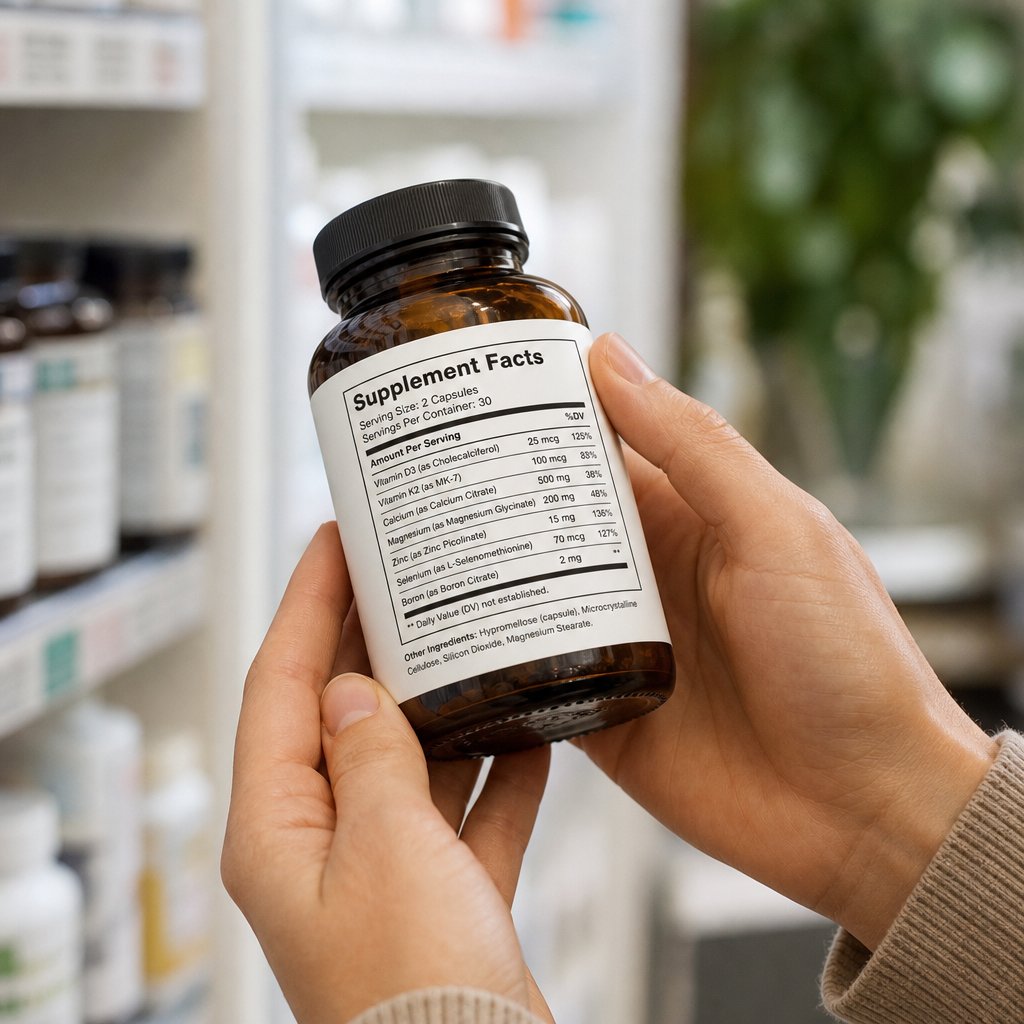
A well-made collagen tablet keeps things simple. The collagen peptides do the work, and everything else exists only to hold the tablet together and protect it during storage. When you flip the bottle over, the ingredient list should be short, recognizable, and free of caloric fillers that have no business being in a protein supplement.
Here's what to look for on a collagen tablet label:
- Hydrolyzed collagen peptides listed first — The active ingredient should dominate the formulation, not play second fiddle to bulking agents
- No added sugars or maltodextrin — These contribute unnecessary calories and can trigger bloating, fueling the collagen and weight gain concerns people experience
- Minimal excipients — Only structural necessities like microcrystalline cellulose (binder) and magnesium stearate (flow agent), not a laundry list of additives
- Specified collagen type and source — Whether marine Type I or bovine Type I/III, the label should clearly state what you're getting and where it came from
- Third-party testing verification — Certifications from organizations like NSF or USP confirm that label claims match actual tablet contents
- Molecular weight disclosure — Quality-focused brands specify peptide molecular weight (ideally under 2000 Da) to indicate superior bioavailability
- Transparent country of origin — Knowing where the collagen is sourced adds accountability to the supply chain
Will collagen cause weight gain when the formulation checks these boxes? No. A clean tablet delivering pure hydrolyzed peptides with only essential structural excipients contributes negligible calories and eliminates the digestive irritants that cause bloating. The concern around collagen weight gain almost always traces back to poor formulation choices rather than the protein itself.
Why Manufacturing Quality Matters for Your Health Goals
What ends up inside a collagen tablet depends entirely on how and where it's manufactured. The same collagen peptide source can produce vastly different end products depending on the facility's standards, equipment, and formulation philosophy.
High-quality manufacturing follows current Good Manufacturing Practices (cGMP), which govern everything from raw material identity testing to finished product verification. As outlined in FDA 21 CFR Part 111, manufacturers must establish specifications for identity, purity, strength, and composition of all components before they enter production. This means every ingredient in your tablet, including excipients, has been tested and verified before it reaches the blending stage.
Can collagen make you gain weight if the manufacturer cuts corners? Indirectly, yes. Facilities that skip rigorous quality controls may substitute cheaper fillers, use higher ratios of bulking agents to reduce costs, or fail to verify that inactive ingredients match their specifications. The result is a tablet where you're swallowing more filler than collagen, and those fillers can introduce the hidden calories and digestive disruption that create perceived weight changes.
For supplement brands developing collagen tablets aimed at weight-conscious consumers, partnering with an experienced OEM/ODM manufacturer ensures clean formulations with customized ingredient profiles. Companies like ZhuFeng offer flexible product formats including tablets, hard capsules, and powder/granules with scalable production, allowing brands to control exactly what goes into each tablet without relying on generic stock formulas padded with unnecessary additives.
Can collagen cause weight gain when it's manufactured under strict quality protocols with transparent formulation? The evidence throughout this article points to a consistent answer: no. Will collagen make you gain weight if you choose a product built on clean manufacturing principles, minimal excipients, and verified collagen content? Also no. The supplement itself was never the problem. The variables that matter are formulation transparency, manufacturing integrity, and your own dietary context surrounding the supplement.
Choose a collagen tablet the same way you'd choose any food that enters your body: read the label, question what you don't recognize, and prioritize products where the active ingredient takes center stage rather than hiding behind a wall of fillers. Your scale will thank you for the clarity.
Frequently Asked Questions About Collagen Tablets and Weight Gain
1. Can collagen tablets make you gain body fat?
Collagen tablets cannot cause fat gain on their own. A typical 6-tablet serving delivers only 12 to 24 calories, which is far too little to create the sustained caloric surplus required for fat accumulation. Fat gain requires consistently eating more energy than your body burns over days and weeks. The negligible caloric contribution of collagen tablets makes them one of the least likely supplements to affect your body fat percentage.
2. Why did I gain weight after starting collagen supplements?
Scale weight changes after starting collagen typically result from three temporary mechanisms: water retention from increased glycine intake supporting creatine synthesis in muscles, mild bloating as your digestive system adjusts to a new protein source, or lean muscle gains from higher overall protein consumption. None of these represent fat gain. Water retention and bloating usually stabilize within one to two weeks, while muscle gains actually improve your metabolic health and body composition over time.
3. How long does bloating from collagen last?
Most people experience bloating from collagen supplements for 3 to 14 days as the gut microbiome adapts to the new protein source. If bloating persists beyond two weeks, it likely points to a reactive ingredient in the tablet formulation, such as sugar alcohols or maltodextrin, rather than the collagen peptides themselves. Switching to a cleaner product with fewer additives or reducing your dose temporarily can help identify the true cause.
4. Does collagen help with weight loss or weight management?
Clinical research suggests collagen peptides may support weight management through multiple pathways. A 2023 randomized controlled trial found that participants taking 15 g of collagen daily experienced significant reductions in body fat mass, visceral fat area, and waist-hip ratio compared to placebo, without changing their exercise habits. Collagen also increases leptin levels, a satiety hormone, which may help reduce overall caloric intake between meals.
5. What should I look for in a collagen tablet to avoid unwanted weight changes?
Choose collagen tablets with hydrolyzed collagen peptides listed as the first ingredient, no added sugars or maltodextrin, minimal excipients limited to structural necessities, a clearly specified collagen type and source, and third-party testing verification from organizations like NSF or USP. Brands working with quality-focused OEM/ODM manufacturers like ZhuFeng can customize formulations to eliminate unnecessary fillers and caloric additives that concern weight-conscious consumers.