What Is Ancho Chili Powder and Why It Matters
You reach for the chili powder in your spice rack, but have you ever stopped to wonder whether you're grabbing a single-ingredient spice or a pre-mixed blend? That distinction matters more than most home cooks realize, and it's exactly where ancho chili powder enters the picture.
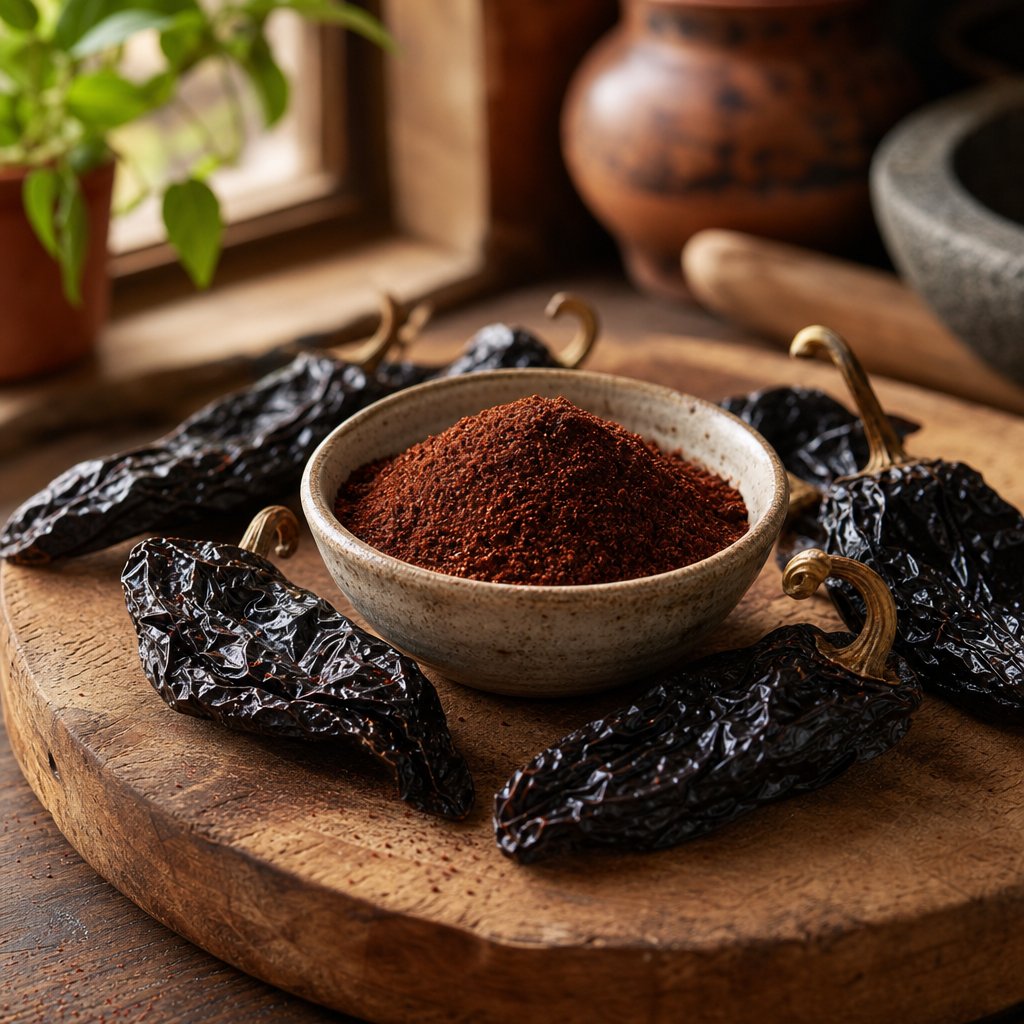
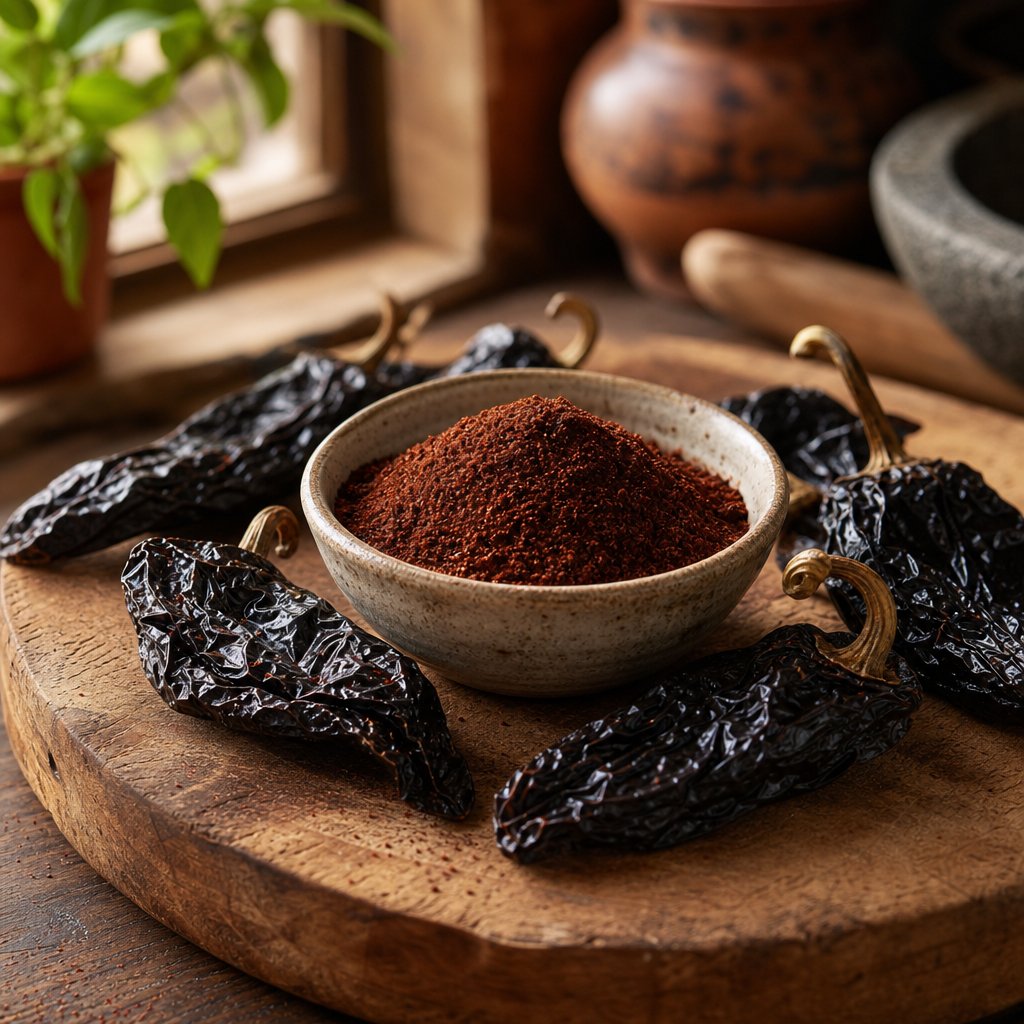
Ancho chili powder is a pure, single-ingredient spice made from dried and ground poblano peppers. It delivers a mild heat with deep, earthy-sweet flavor and a rich reddish-brown color, without any added spices or fillers.
So what is ancho chili powder at its core? It's nothing more than dried poblano peppers ground into a fine powder. No cumin, no garlic, no oregano blended in. Just one pepper, one ingredient, one distinct flavor profile that has anchored Mexican cooking for centuries.
Why It Is Called Ancho
The name itself tells you something useful. "Ancho" comes from the Spanish word for "wide," referring to the broad, heart-shaped form the poblano pepper takes once it's fully dried. According to Oxford Dictionaries via the pepper's Wikipedia entry, the term originates from Mexican Spanish (chile) ancho, literally meaning "wide chile." When someone asks what is chile ancho, the answer is straightforward: it's a dried poblano pepper named for its distinctive flat, wide shape. In English, chile ancho simply translates to "wide chile" or "broad chile."
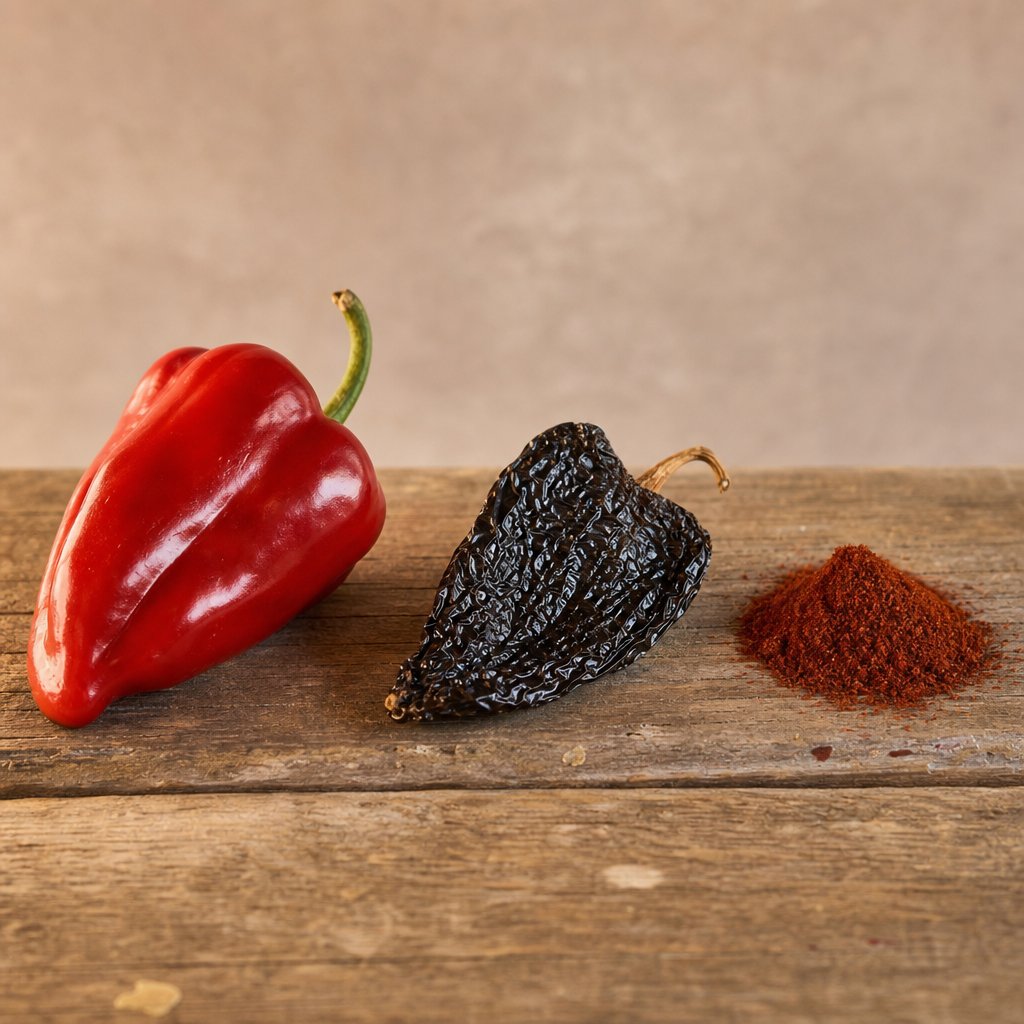
Imagine holding a fresh green poblano in one hand and a dried ancho in the other. The fresh pepper is plump and smooth. The dried version is wrinkled, dark reddish-brown, and noticeably flattened into that characteristic wide silhouette. That visual transformation is where the name comes from, and it's a helpful way to define ancho whenever you encounter the term in a recipe.
Single Ingredient vs Blended Spice
Here's where confusion creeps in for many shoppers. The jar labeled "chili powder" on your grocery store shelf is almost certainly a blend. Regular chili powder typically combines ground dried chiles with several other ingredients:
- Cumin
- Garlic powder
- Onion powder
- Dried oregano
- Salt
Ancho chile powder, on the other hand, contains exactly one thing: ground ancho chiles. That's it. This purity gives you complete control over your seasoning. When you use ancho powder, you're adding a specific pepper flavor without the pre-determined spice ratios that come baked into a commercial blend.
Why does this matter in practice? If a recipe calls for ancho chili powder and you substitute regular chili powder, you'll introduce cumin and garlic flavors that may clash with the dish's intended profile. The reverse is also true. Understanding what is ancho powder versus a blended product helps you make smarter decisions at the stove and avoid flavor surprises.
This single-origin quality is what makes ancho chile powder so valued in traditional Mexican kitchens. It's a building block, not a finished seasoning. You layer it with other spices deliberately, rather than relying on someone else's pre-mixed formula. That level of control is exactly what separates a good dish from a great one, and it starts with understanding how this humble dried pepper transforms from vine to powder.
The Journey From Poblano Pepper to Ancho Powder
Every jar of ancho chili powder starts its life as a fresh pepper hanging on a vine in a warm climate. The transformation from living plant to pantry staple involves a deliberate, multi-stage process that concentrates flavor, deepens color, and creates an entirely new ingredient. Understanding this journey helps you appreciate why dried ancho chiles taste so different from the fresh poblanos you might stuff for chile rellenos.
- Fresh red poblano pepper (fully ripened on the vine)
- Dried ancho chile (dehydrated whole pepper, wrinkled and dark)
- Ground ancho chili powder (finely milled into a spice)
Each stage builds on the last, and skipping or rushing any step changes the final product entirely.
From Fresh Poblano to Dried Ancho Chile
Here's something that surprises many people: the poblano peppers you see at the grocery store are harvested green, before they're fully ripe. They're picked early for that firm texture and mild vegetal flavor that works so well in stuffed pepper recipes. But the ancho chile pepper follows a completely different path.
To produce ancho chiles, growers leave poblano peppers on the plant well past the green stage. Over several additional weeks, the peppers ripen fully and turn from green to a deep red or reddish-brown color. This extended ripening period increases the sugar content significantly, which is why dried ancho chiles carry those distinctive sweet, fruity notes you won't find in a fresh green poblano.
Think of it like the difference between a green tomato and a vine-ripened red one. The chemistry changes dramatically as the pepper matures. Starches convert to sugars, the cell walls soften, and the flavor compounds multiply. Only peppers that reach this full red maturity qualify for becoming true ancho chilis.
The Drying Process Explained
Once harvested at peak ripeness, the red poblano peppers need to lose most of their moisture content. Traditionally in Mexico, this happens through sun-drying. Farmers spread the ripe peppers on large mats or racks in direct sunlight, turning them periodically over the course of several days to weeks until they're completely dehydrated.
Modern producers may use commercial dehydrators to speed the process and ensure consistency. As Pepper Geek notes, sun-dried poblanos tend to be the most flavorful, though a dehydrator works well for home production too. Some producers even lightly smoke the peppers during drying, which adds another layer of complexity to the finished chili ancho.
What happens during dehydration is remarkable. The pepper loses roughly 70-80% of its weight in water, and as that moisture evaporates, everything else concentrates. The sugars become more intense. The capsaicin (the compound responsible for heat) becomes more potent per gram. The color deepens from bright red to a dark, almost mahogany brown. The texture shifts from smooth and fleshy to wrinkled and leathery.
The result is a dried ancho chili that looks nothing like the fresh pepper it came from. It's flat, broad, deeply wrinkled, and nearly black with reddish undertones. This is the form Mexican cooks have stored in their cupboards for generations, ready to rehydrate for sauces or grind into powder.
Grinding Dried Chiles Into Powder
The final step turns whole dried ancho chiles into the fine powder you'll find in spice jars. Before grinding, the stems and seeds are typically removed. According to Food Faith Fitness, toasting the torn chile pieces in a dry skillet for 3-5 minutes before grinding intensifies the flavor even further. The brief exposure to heat releases aromatic oils and adds a subtle toasted depth.
After toasting and cooling, the dried pieces go into a spice grinder, mini food processor, or blender and get milled into a fine powder. One large dried ancho chile yields approximately one tablespoon of ground powder. If you prefer a bit more heat, leaving some seeds in before grinding bumps up the spiciness slightly.
Whether you buy pre-ground ancho pepper powder or make it yourself, the end product should contain nothing but pure ground dried ancho chiles. That concentrated flavor, built through weeks of ripening and days of careful drying, is what gives this spice its depth. The drying process doesn't just preserve the pepper. It fundamentally transforms it into something richer, sweeter, and more complex than the fresh fruit ever was.
All of that concentrated character raises an obvious question: what exactly does this powder taste like when it hits your tongue?
Flavor Profile and What Ancho Chili Powder Tastes Like
Picture biting into a raisin, then imagine layering in a whisper of dark chocolate, a touch of smoke, and just enough warmth to remind you it's still a chile pepper. That's the experience of tasting ancho chilli powder for the first time, and it catches most people off guard. This isn't a one-note spice that simply adds heat. It's a complex ancho seasoning that brings depth, sweetness, and richness to everything it touches.
Tasting Notes and Aroma Profile
So what does ancho chili powder taste like in concrete terms? The flavor unfolds in layers rather than hitting you all at once. The Spruce Eats describes it as sweet and chocolatey, with notes reminiscent of raisins. That tracks with what you'll notice when you open a fresh jar and take a deep inhale: a warm, fruity aroma with earthy undertones that smells almost like dried stone fruit.
Here are the key flavor components you'll pick up in chile ancho powder:
- Sweetness — a natural, dried-fruit sweetness similar to raisins or prunes, developed during the ripening stage
- Earthiness — a grounded, warm base note that anchors the other flavors
- Mild smokiness — subtle and rounded, not sharp or overpowering like liquid smoke
- Dried fruit notes — hints of prune, raisin, and sometimes dark cherry
- Chocolate undertones — a faint bittersweet cocoa quality that emerges especially in cooked dishes
This combination is why ancho chili spice works so well in both savory and sweet applications. The fruity-chocolate character plays beautifully in mole sauces, but it also complements desserts, hot chocolate, and spice-rubbed meats where you want complexity without aggression.
Is Ancho Chili Powder Spicy
Short answer: barely. If you're wondering whether ancho chili powder is spicy enough to make you reach for a glass of milk, you can relax. This ancho spice sits at the mild end of the pepper spectrum. Mashed reports that ancho chiles register roughly 1,000 to 2,000 Scoville Heat Units, which places them far below jalapeños and worlds away from habaneros. You'll feel a gentle warmth at the back of your throat, but it won't overpower the other flavors in your dish.
That mildness is actually the point. Ancho powder is designed to build flavor depth, not to challenge your heat tolerance. It's accessible to nearly everyone, including kids and people who typically avoid spicy food. The warmth is there, but it plays a supporting role behind the sweetness and earthiness.
Color and Visual Impact in Cooking
Beyond flavor, this powder brings a gorgeous deep reddish-brown color to your food. Stir it into a sauce and you'll get a rich, brick-red hue that looks as appetizing as it tastes. Dust it over roasted vegetables and it adds a warm, russet tone that signals depth and care. In traditional Mexican cooking, that color is part of the dish's identity. A mole without the deep mahogany contributed by ancho chiles simply doesn't look right.
The visual impact matters because we eat with our eyes first. A pinch of this powder transforms a pale cream sauce or a bland-looking stew into something that looks intentional and layered. It's both a flavor tool and a natural colorant, doing double duty in every recipe it enters.
Of course, knowing that ancho powder is mild raises a practical follow-up: exactly how mild, and how does it compare to the other chili powders sharing shelf space at the store?
Heat Level and Scoville Rating Explained
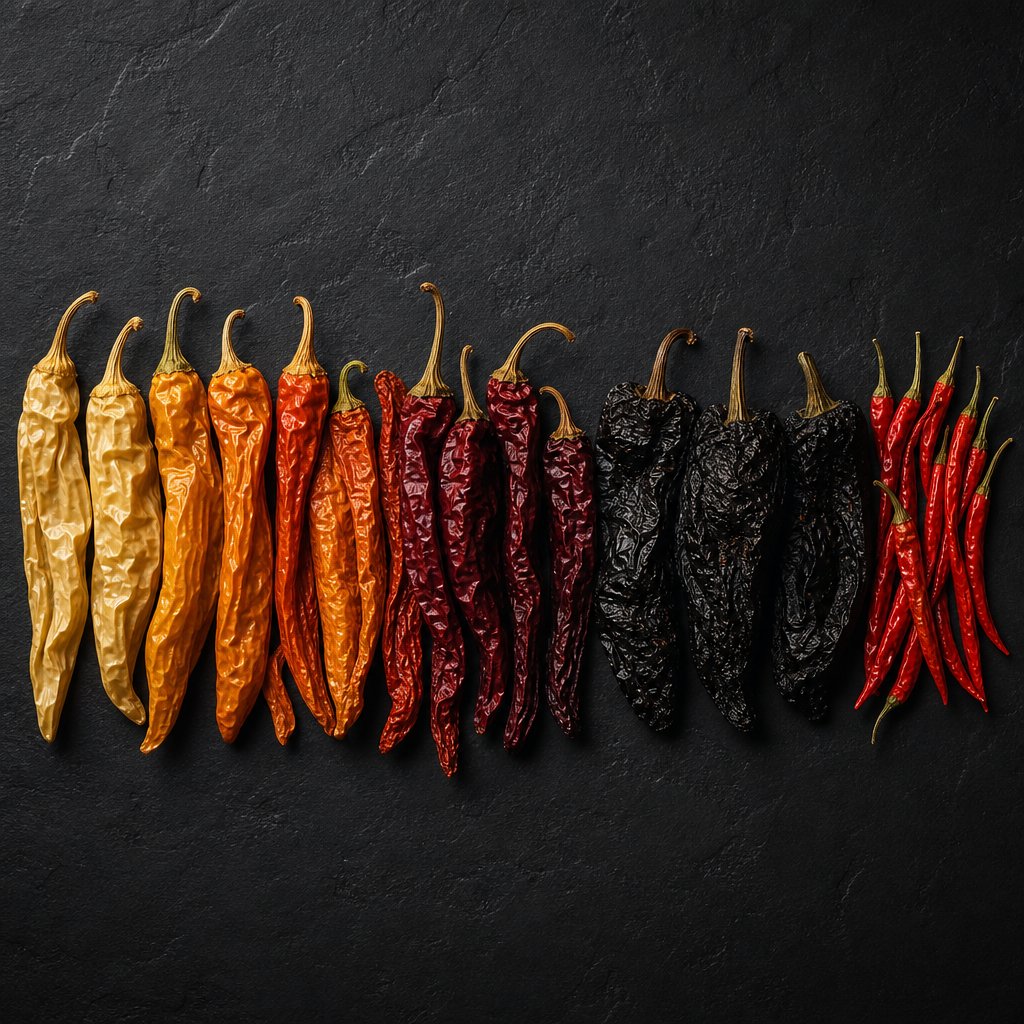
Numbers tell the story more clearly than adjectives ever could. When you want to know exactly how hot are ancho chiles, the Scoville scale gives you a concrete answer rather than vague descriptions like "mild" or "medium."
Ancho Chili Powder Scoville Rating
The ancho chili scoville rating falls between 1,000 and 1,500 SHU (Scoville Heat Units). Some sources, including Chili Pepper Madness, extend the upper range to 2,000 SHU depending on growing conditions and individual pepper variation. Either way, you're looking at a spice that sits firmly in mild territory.
To put that in perspective, a jalapeno averages around 5,000 SHU. That means ancho powder is roughly 2.5 to 5 times milder than the pepper most people consider their baseline for "spicy." If you've ever eaten a stuffed poblano without breaking a sweat, you already know the heat level you're working with here.
Heat Scale Comparison With Other Chili Powders
Where does the ancho chile scoville rating land relative to the other powders in your spice cabinet? This table puts it in context:
| Chili Powder Type | Scoville Heat Units (SHU) | Heat Category |
|---|---|---|
| Paprika | 100–250 | Very Mild |
| Ancho | 1,000–1,500 | Mild |
| Guajillo | 2,500–5,000 | Mild to Medium |
| Chipotle | 5,000–10,000 | Medium |
| Cayenne | 30,000–50,000 | Hot |
According to Pepper Joe's heat scale chart, the Ancho Poblano sits in the 1,000–2,500 SHU range alongside Anaheim peppers, well below serrano and cayenne varieties. You'll notice ancho lands just one step above paprika and far below anything most people would call "hot."
Why Ancho Is Considered Mild
So are ancho peppers hot? Not by any meaningful standard. The ancho chili pepper scoville rating places it in the same neighborhood as a mild Anaheim chile. You'll detect warmth, a gentle tingle that lets you know capsaicin is present, but it never builds into anything uncomfortable.
This mild heat is precisely what makes ancho powder so versatile. It lets you add generous amounts to a recipe for color and flavor depth without worrying about overwhelming your dish or your dinner guests. You can stir a full tablespoon into a pot of soup and still serve it to someone who avoids spicy food. Is ancho chili powder hot enough to notice? Yes. Hot enough to dominate? Not even close.
That gentle warmth, paired with the complex sweetness covered earlier, raises a natural question: how does ancho stack up against the other chili powders you'll find on the same store shelf, not just in heat, but in flavor, ingredients, and best uses?
Ancho Chili Powder vs Regular Chili Powder and Other Spices
Grab two jars from the spice aisle, one labeled "ancho chili powder" and the other simply "chili powder," and you might assume they're interchangeable. They're not. The difference between chili powder vs ancho chili powder goes far deeper than branding. It comes down to what's actually inside the jar, how it tastes, and what it does to your food.
Ancho Chili Powder vs Regular Chili Powder
The core distinction is ingredient composition. Ancho chili powder contains one thing: ground dried poblano peppers. Regular chili powder is a pre-mixed seasoning blend that typically combines ground dried chiles (often cayenne or a generic mix) with cumin, garlic powder, onion powder, oregano, and sometimes salt. As PepperScale explains, because spice-rack chili powders are cut with other ingredients, substituting one for the other can completely change the taste of a recipe.
When you compare ancho chili vs chili powder in terms of flavor, the gap is significant. Ancho delivers that sweet, fruity, mildly smoky character you'd expect from a single-origin pepper. Regular chili powder tastes more savory and complex in a different way, because cumin and garlic are doing much of the heavy lifting. The heat level differs too. Ancho sits at 1,000-1,500 SHU, while generic blends often range from 1,500 to 4,000 SHU depending on which peppers the manufacturer uses.
Color is another giveaway. Ancho powder has a deep, dark reddish-brown hue. Regular chili powder tends toward a brighter, more orange-red tone because of the lighter-colored peppers and added spices diluting the pigment.
Ancho vs Chipotle Chili Powder
This comparison trips people up because both are single-ingredient powders made from dried peppers. The difference? Chipotle powder comes from smoked, dried jalapenos, while ancho comes from dried poblanos. Bon Appetit notes that ancho chile powder is made from the sweetest dried chile with a moderately spicy but rich flavor, while chipotle chile powder has a distinctly smoky, sweet, and spicier character.
When evaluating ancho chili powder vs chipotle chili powder, heat is the most obvious separator. Chipotle registers 5,000-10,000 SHU, roughly 3 to 10 times hotter than ancho. The smokiness in chipotle is also much more aggressive and forward, whereas ancho's smoke is subtle and rounded. Think of it this way: ancho whispers smoke while chipotle shouts it.
Here's a side-by-side breakdown of the most common options you'll encounter:
| Spice | Ingredients | Heat Level | Flavor Profile | Best Uses | Color |
|---|---|---|---|---|---|
| Ancho Chili Powder | 100% ground dried poblanos | 1,000–1,500 SHU (Mild) | Sweet, earthy, dried fruit, subtle smoke | Mole sauces, enchiladas, marinades, rubs | Dark reddish-brown |
| Regular Chili Powder | Ground chiles + cumin, garlic, oregano, onion | 1,500–4,000 SHU (Mild to Medium) | Savory, warm, cumin-forward, balanced heat | Chili con carne, tacos, Tex-Mex dishes | Orange-red |
| Chipotle Powder | 100% ground smoked jalapenos | 5,000–10,000 SHU (Medium) | Bold smoke, spicy, slightly sweet | BBQ rubs, salsas, beans, grilled meats | Tan to dark brown |
| Paprika | 100% ground dried sweet peppers | 100–250 SHU (Very Mild) | Sweet, mild, slightly bitter | Garnishing, stews, deviled eggs, rice | Bright red-orange |
When to Use Each Type
Choosing between these powders comes down to what role you need the spice to play. Reach for ancho when you want depth and sweetness without extra heat or competing flavors. It's your best option for authentic Mexican sauces, complex marinades, and any recipe where you want to control each seasoning layer individually.
Use regular chili powder when convenience matters and you're making Tex-Mex staples like chili con carne or quick taco seasoning. The blend does the work of multiple spices in one scoop. Just remember that ancho chili powder versus chili powder isn't a fair swap. If you substitute regular chili powder in a recipe calling for ancho, reduce the amount slightly and skip any cumin or garlic the recipe already includes, since those are baked into the blend.
Chipotle powder earns its spot when you want assertive smokiness and more noticeable heat. It pairs well with grilled meats, hearty bean dishes, and barbecue sauces where bold flavor won't get lost. And paprika? It's your go-to for gentle color and sweetness when even ancho's mild heat feels like too much.
Understanding the ancho chile pepper vs chili powder distinction gives you real control at the stove. You stop guessing and start building flavors with intention, which is exactly the kind of precision that turns a decent recipe into something memorable.
How to Use Ancho Chili Powder in Recipes
Knowing what a spice tastes like is one thing. Knowing how to actually use it in your kitchen is where the real payoff happens. Ancho chili powder is one of those ingredients that rewards experimentation, working beautifully in traditional Mexican dishes and surprising you in places you'd never expect a chile pepper to shine.
Classic Mexican Recipes Using Ancho Powder
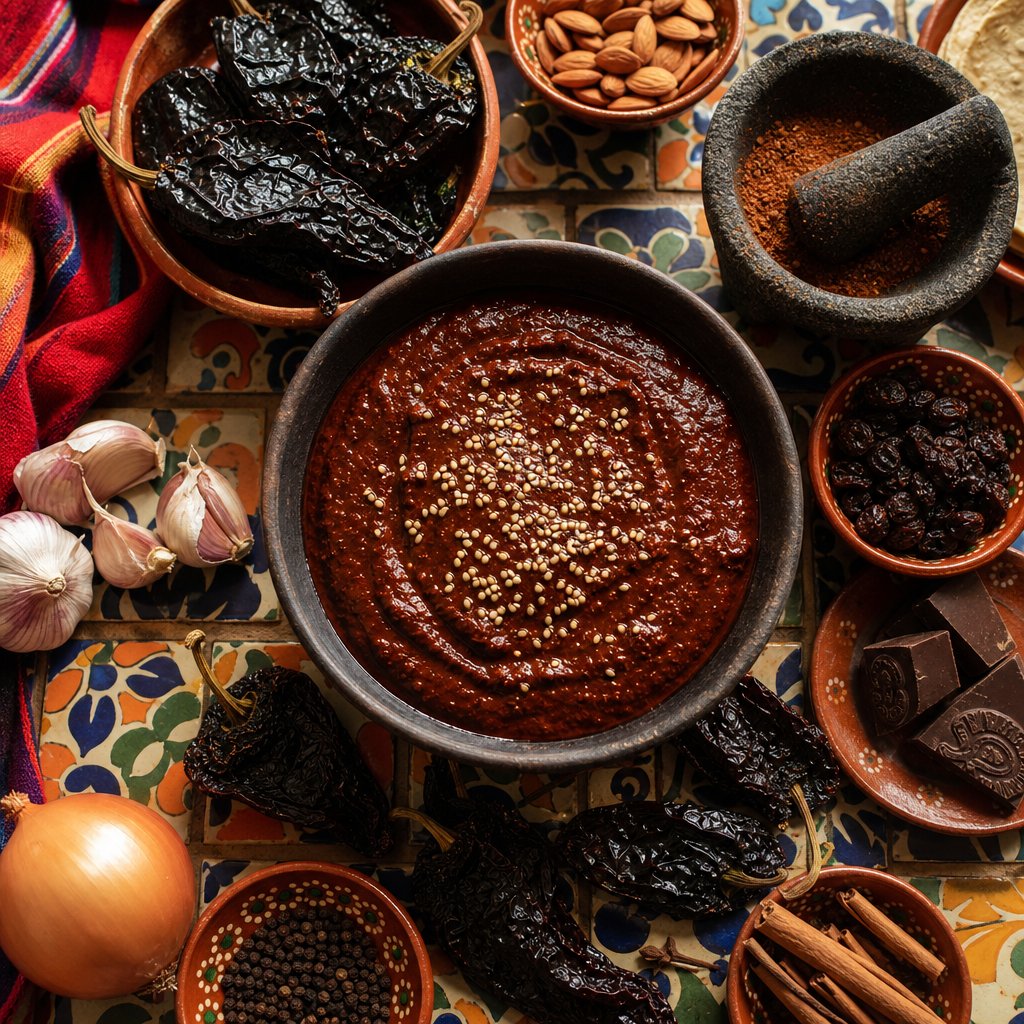
In Mexican cooking, ground ancho chile is a foundational ingredient rather than a finishing touch. It forms the backbone of sauces, braises, and stews that have been perfected over generations. If you've ever tasted a rich, deeply layered mole and wondered what gave it that sweet, earthy complexity, ancho powder was almost certainly doing the heavy lifting.
Here are the most common traditional applications for an ancho chili powder recipe:
- Mole sauces — ancho is the primary chile in many mole variations, including mole coloradito, where its dried-fruit sweetness and chocolate undertones create the sauce's signature depth
- Enchilada sauce — a homemade ancho chile sauce delivers a smoky, warming flavor that makes canned versions taste flat by comparison
- Birria — this slow-braised meat dish relies on ancho for its rich, reddish sauce
- Pozole rojo — the red broth gets its color and mild warmth from ground ancho chili pepper blended with other dried chiles
- Adobo marinades — ancho powder mixed with vinegar, garlic, and spices creates a paste for coating pork, chicken, or beef before slow cooking
- Chorizo — Mexican Please notes that dried ancho chiles give Mexican chorizo its distinct red tint and complex flavor
The versatility of ancho sauce extends well beyond enchiladas. Once you have a batch in the fridge, you'll find yourself drizzling it over scrambled eggs, stirring it into rice, spreading it on sandwiches, and tossing roasted vegetables in it. Cooking on the Weekends describes their ancho chile sauce as something they use almost daily because it enhances nearly everything it touches.
Conversion Ratios From Whole Chiles to Powder
Recipes for ancho peppers sometimes call for whole dried chiles, sometimes for powder. Knowing the conversion ratio saves you from guessing. The rule of thumb is simple:
One large dried ancho chile yields approximately 1 tablespoon of ground ancho chili powder.
This ratio, confirmed by both Mexican Please and Food Faith Fitness, gives you a reliable starting point. So if a mole recipe calls for 4 whole ancho chiles, you can substitute roughly 4 tablespoons of powder. Keep in mind that whole chiles rehydrated in liquid contribute moisture and body to a sauce that powder alone won't replicate, so you may need to adjust your liquid ratios slightly.
For general seasoning, start with 1 to 2 teaspoons of powder per serving and adjust upward. Because ancho is mild, you have room to be generous without accidentally making a dish too hot.
Creative Modern Uses Beyond Traditional Cooking
Ground ancho chile has moved well beyond its Mexican roots into contemporary kitchens worldwide. Its sweet, fruity character makes it surprisingly adaptable:
- Chocolate desserts — a teaspoon stirred into brownie batter or hot chocolate adds warmth and complexity without noticeable heat
- Barbecue rubs — ancho's sweetness and color make it a natural partner for brown sugar, smoked paprika, and black pepper in dry rubs for ribs or brisket
- Custom spice blends — combine ancho powder with cumin, onion powder, oregano, and garlic powder to create your own chili seasoning with zero unwanted additives
- Salad dressings — whisk a half teaspoon into a honey-lime vinaigrette for a subtle smoky kick
- Roasted nuts — toss almonds or cashews with ancho powder, a pinch of salt, and a drizzle of maple syrup before roasting
If you want to learn how to make ancho chili powder at home, the process is straightforward. Food Faith Fitness outlines a simple method: remove stems and seeds from dried ancho chiles, tear them into pieces, toast in a dry skillet for 3-5 minutes until fragrant, cool completely, then grind in a spice grinder or mini food processor. The whole process takes about 15 minutes and yields a fresher, more vibrant powder than most store-bought options.
Is grinding at home more economical? Generally, yes. A bag of 4-6 whole dried ancho chiles costs roughly the same as a small jar of pre-ground powder but yields significantly more product. You also get the advantage of toasting before grinding, which intensifies the flavor in a way that pre-ground powder sitting on a shelf for months simply can't match.
For storage, keep your ancho powder in an airtight container away from heat and direct sunlight. According to Food Faith Fitness, freshly made ancho chile powder stays at peak quality for up to 6 months under these conditions. Don't refrigerate it, as moisture is the enemy. Label the container with the date so you know when it's time to make a fresh batch.
With this kind of versatility in the kitchen, it's worth knowing what to reach for on those occasions when your ancho powder jar runs empty mid-recipe.
The Best Ancho Chili Powder Substitutes
You're halfway through a mole recipe and realize the jar is empty. Or maybe your local grocery store simply doesn't stock it. Either way, you need a reliable ancho chili powder substitute that won't derail your dish. The good news? Several dried chile powders share enough DNA with ancho to work in a pinch, though none are perfect replicas.
The key to a successful ancho chili powder substitution is matching the right characteristics: mild heat, earthy sweetness, and that subtle dried-fruit complexity. Some alternatives nail the sweetness but miss the smokiness. Others bring the earthiness but add more heat than you bargained for. Here's how they rank.
Best Substitutes Ranked by Flavor Match
When you need to substitute ancho chiles in a recipe, work down this list from closest match to most accessible fallback:
- Mulato chile powder — the closest ancho substitute you'll find. Mulato chiles are actually a different variety of dried poblano, darker and slightly more bitter with sweet chocolate and tobacco notes. Savor Every Eat describes mulato as having a deep, dark brown color with a sweet and bitter chocolate flavor that closely mirrors ancho's profile. If you can find it, this is your first choice.
- Pasilla chile powder — also called chile negro, pasilla belongs to the same "holy trinity" of Mexican dried chiles alongside ancho and mulato. It offers similar mild heat with cocoa and berry undertones. The flavor leans slightly more toward dark berries than the raisin-prune character of ancho, but it works beautifully in sauces and stews.
- Guajillo chile powder — another member of the Mexican chile trinity. Bake It With Love recommends guajillo as a top ancho chile alternative because it shares a similar mild heat level and smooth flavor. The main difference is that guajillo tastes fruitier and slightly tangy rather than sweet and earthy, with green tea traces instead of chocolate notes.
- New Mexico chile powder — made from dried New Mexico chiles (also called Hatch chiles), this powder delivers mild heat and an earthy, slightly sweet flavor. It lacks ancho's dried-fruit depth but provides a clean chile flavor that won't overpower your dish.
- Regular chili powder — the most accessible ancho pepper substitute since it's in nearly every spice rack, but also the least similar. Remember, it's a blend containing cumin, garlic, oregano, and other spices. As PepperScale warns, substituting generic chili powder for pure ancho can totally change the taste of a recipe because of those added ingredients.
Ratio Adjustments for Each Alternative
Not every ancho substitute swaps in at a straight 1:1 ratio. Here's how to adjust quantities depending on which alternative you're using:
| Substitute | Ratio (per 1 tsp ancho) | Notes |
|---|---|---|
| Mulato chile powder | 1:1 | Closest match; no adjustment needed |
| Pasilla chile powder | 1:1 | Slightly less sweet; add a pinch of brown sugar if desired |
| Guajillo chile powder | 1:1 | A bit spicier; reduce slightly if heat-sensitive |
| New Mexico chile powder | 1:1 | Less complex; consider adding a pinch of cocoa powder |
| Regular chili powder | 3/4 tsp | Reduce quantity and omit cumin/garlic already in your recipe |
| Chipotle powder | 1/2 tsp | Much hotter and smokier; use sparingly |
The single-ingredient powders (mulato, pasilla, guajillo, New Mexico) are straightforward swaps because you're still working with a pure chile flavor. The ancho chili substitute gets trickier with blended products. When using regular chili powder, reduce the amount to about three-quarters of what the recipe calls for, and check whether your recipe already includes cumin, garlic powder, or oregano. If it does, you'll end up doubling those flavors unless you cut back.
Using Ancho as a Substitute for Other Chili Powders
The reverse scenario comes up just as often. You have ancho powder on hand but a recipe calls for regular chili powder or another variety. Can you use it as an ancho substitute going the other direction?
Absolutely, with a few adjustments. If a recipe calls for regular chili powder and you're substituting ancho, you'll need to add the spices that the blend would have contributed. For every tablespoon of regular chili powder, use one tablespoon of ancho powder plus a quarter teaspoon each of cumin and garlic powder, and a pinch of oregano. This recreates the flavor profile the recipe expects.
Substituting ancho for chipotle powder? Use roughly double the amount of ancho to compensate for the lower heat, and consider adding a tiny amount of smoked paprika to boost the smokiness. The dish won't be identical, but it'll be balanced and flavorful.
Whether you're swapping something in for ancho or using ancho as a stand-in, the underlying principle stays the same: match the heat level, account for any missing flavor dimensions, and adjust quantities accordingly. A thoughtful substitution keeps your recipe on track even when your ideal ingredient isn't within reach.
Nutritional Benefits and Health Properties of Ancho Powder
Ancho chili powder earns its place in the kitchen primarily for flavor, but there's a nutritional story worth telling too. This pure chili powder delivers more than taste and color. It carries a concentrated package of vitamins, minerals, and bioactive compounds that have drawn increasing attention from both food scientists and the functional health industry.
Key Nutrients in Ancho Chili Powder
When you dry and grind a poblano pepper into poblano powder, you're removing water and concentrating everything else. That means the vitamins, minerals, and plant compounds present in the fresh pepper become more potent per gram in the dried form. A single tablespoon of ancho chile pepper powder contributes meaningful amounts of several nutrients:
- Vitamin A (as beta-carotene) — chili peppers in the Capsicum annuum species are recognized as major sources of carotenoids, the precursors to vitamin A, which supports immune function and eye health
- Vitamin C — though some degrades during drying, residual ascorbic acid remains; research shows fresh chilis contain 124-338% of the RDA for vitamin C activity
- Iron — contributes to oxygen transport and energy metabolism; dried chile powders provide a more concentrated source than fresh peppers
- Carotenoids — the deep red pigments (capsanthin, capsorubin, beta-carotene) that give ancho its color also function as antioxidants in the body
- Flavonoids and phenolic acids — plant compounds with documented anti-inflammatory and antioxidant activity
The drying process does reduce heat-sensitive vitamin C to some degree, but it simultaneously concentrates fat-soluble nutrients like carotenoids and the capsaicinoid compounds responsible for both heat and health benefits. Research published in Molecules confirms that red chili pepper is considered one of the major sources of beta-carotene, with carotenoid composition ranging from 0.1 g to 3.2 g per 100 g dry weight depending on variety and growing conditions.
Capsaicin Content and Bioactive Compounds
You might wonder whether a mild pepper like ancho delivers any meaningful capsaicin. It does, just in smaller quantities than hotter varieties. Capsaicin is the compound responsible for the warming sensation you feel when eating ancho chili seasoning, and even at low concentrations, it carries biological activity.
Capsaicin belongs to a family of compounds called capsaicinoids, which are unique to the Capsicum genus. These molecules can be absorbed at up to 94% efficiency when consumed orally, meaning even the modest amounts in ancho powder reach your system effectively. Research has documented several pharmacological properties of capsaicinoids:
- Antioxidant activity comparable to synthetic antioxidants like BHA and BHT
- Thermogenic effects that may increase energy expenditure
- Anti-inflammatory properties through suppression of chronic low-grade inflammation
- Antimicrobial activity against certain pathogenic microorganisms
Beyond capsaicin, ancho chile seasoning contains polyphenolic compounds including quercetin glucosides, vanillic acid derivatives, and catechins. These flavonoids and phenolic acids increase in concentration as the pepper matures, which is relevant because ancho chiles are harvested at full red ripeness, maximizing their polyphenol content before drying.
For context, brands like Simply Organic ancho chili powder market their products as organic chili powder options that preserve these naturally occurring compounds without synthetic additives. The appeal is straightforward: a single-ingredient spice that contributes both flavor and functional nutrition.
Ancho Powder in Health and Functional Food Applications
The bioactive compounds in chili peppers have sparked growing interest in the functional food and supplement industry. Capsaicin's documented effects on thermogenesis, appetite regulation, and antioxidant defense make it a compelling ingredient for health-focused product development. Studies show that dietary capsaicin can decrease intracellular lipid content and contribute to thermogenesis in adipose tissue, while also lowering serum levels of glucose, cholesterol, and triglycerides in animal models.
This research has moved pepper-derived compounds from the kitchen into the formulation lab. Nutrition brands and supplement companies increasingly explore capsaicin and carotenoid extracts as functional ingredients in weight management products, antioxidant blends, and metabolic support formulas. The mild capsaicin profile of ancho-type peppers makes them particularly interesting for products targeting consumers who want bioactive benefits without intense heat.
For brands exploring chili-derived ingredients in health product formulations, OEM/ODM manufacturers like ZhuFeng offer flexible powder and granule production formats with customized formulation services. Their scalable production capabilities enable nutrition brands and supplement companies to develop market-ready products incorporating bioactive spice compounds, from capsaicin-enhanced metabolic blends to antioxidant-rich superfood powders, without building manufacturing infrastructure from scratch.
Whether you're sprinkling ancho powder over your morning eggs for a nutrient boost or a product developer evaluating pepper-based bioactives for a supplement line, the same underlying chemistry applies. The compounds that make this spice taste complex and warming are the same ones generating research interest in labs and formulation facilities worldwide. That dual identity, culinary staple and functional ingredient, is part of what keeps ancho chili powder relevant far beyond the spice rack.
Where to Buy Ancho Chili Powder and Sourcing Tips
Knowing what ancho chili powder can do for your cooking is only useful if you can actually get your hands on it. The good news? Finding this spice is easier than most people assume, whether you prefer browsing store shelves or ordering online. The challenge isn't availability so much as knowing what to look for once you're staring at a wall of similar-looking jars and bags.
Where to Find Ancho Chili Powder in Stores
If you're wondering where to buy ancho chili powder locally, start with these reliable options:
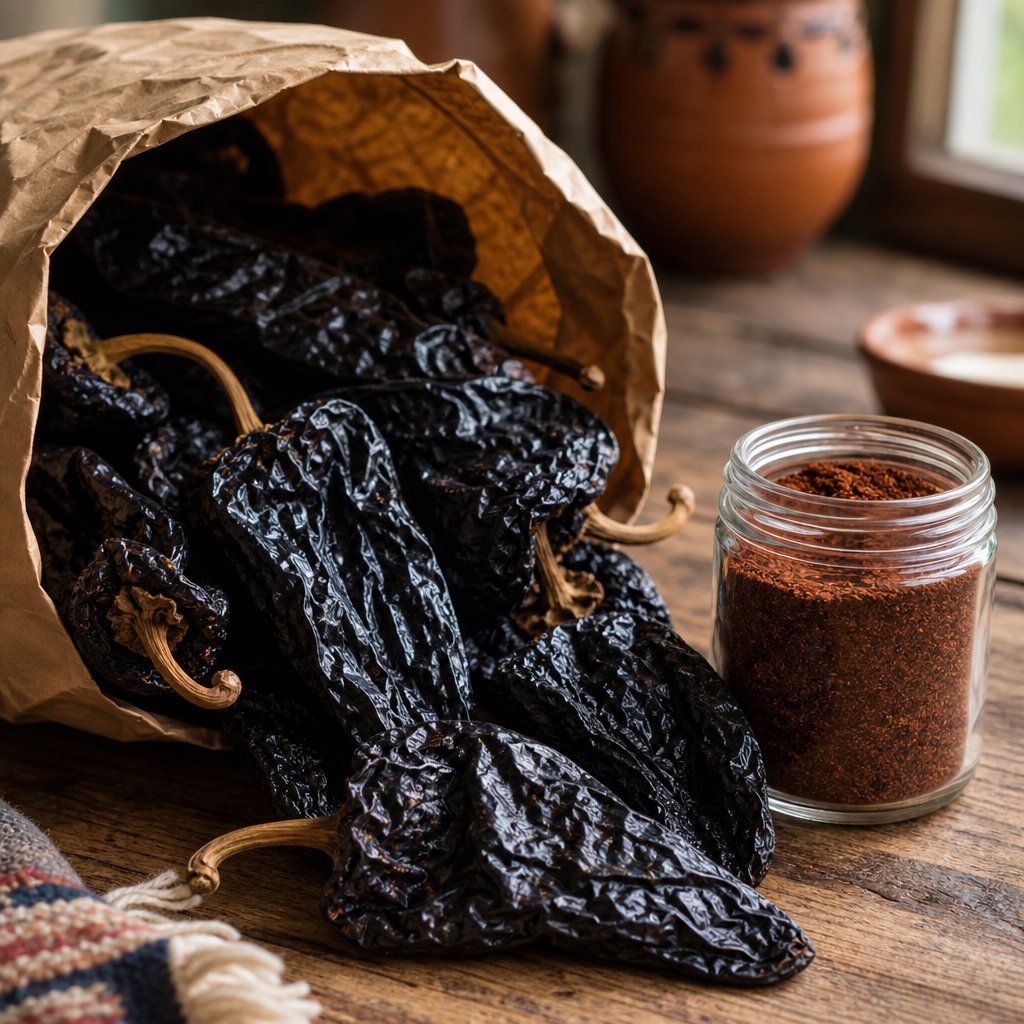
- Latin or Mexican grocery stores — your best bet for both whole dried ancho chiles and pre-ground powder at reasonable prices. These shops typically stock multiple brands and sizes, often for less than mainstream supermarkets charge.
- Regular grocery stores (international or Latin aisle) — most major chains carry ancho powder in the ethnic foods section rather than the main spice aisle. Look near the dried chiles, Mexican sauces, and masa flour.
- Spice aisle at mainstream supermarkets — brands like McCormick and Simply Organic stock ancho chile powder alongside their other single-ingredient ground peppers. You can find ancho chili powder at Walmart in the spice section or the Hispanic foods aisle, typically priced between $3 and $6 for a standard jar.
- Specialty spice shops — stores like Penzeys, The Spice House, or local spice merchants often carry freshly ground ancho powder with better potency than mass-market options.
- Online retailers — Amazon, specialty food sites, and direct-from-brand websites offer the widest selection, including bulk quantities and organic options.
Where can i buy ancho chile powder if none of these options are nearby? Online ordering solves the proximity problem entirely. Most specialty spice companies ship nationwide, and you'll often find better prices per ounce when buying in larger quantities online versus small grocery store jars.
According to Culinary Hill, dried ancho chiles are always in stock at international food markets and Mexican grocery stores, and they sometimes appear at regular grocery stores too. A 2-ounce package of whole dried chiles typically sells for around $2 or less at these locations, making the DIY grinding route remarkably affordable.
What to Look for on the Label
Not every jar labeled "chili powder" contains what you think. When shopping for ancho chili powder nearby or online, check these quality indicators before buying:
- Ingredient list — it should say only "ground ancho chiles" or "ancho chile pepper." If you see cumin, garlic, salt, or any other additions, you're looking at a blend, not pure ancho powder.
- Color — quality ancho powder appears deep reddish-brown to dark mahogany. If it looks bright orange-red or faded, it may be a different pepper or past its prime.
- Packaging date or best-by date — ground spices lose potency over time. Look for the freshest date available and avoid jars that have been sitting on shelves for over a year.
- Organic certification — if pesticide-free sourcing matters to you, look for USDA Organic labels. Several brands offer certified organic chili powder options at a modest premium.
- Origin information — Mexican-grown ancho chiles are generally considered the standard for authentic flavor, though quality domestic options exist.
One common pitfall: some international food markets sell generic "chili powder" that is actually pure ground cayenne rather than the American-style seasoning blend. Culinary Hill notes that you can usually tell by the color of the powder, so always check the label and appearance before assuming you've found the right product.
Buying Whole Dried Chiles vs Pre-Ground Powder
You have two paths: buy it pre-ground or buy whole dried ancho chiles and grind them yourself. Each approach has trade-offs worth considering.
| Factor | Pre-Ground Powder | Whole Dried Chiles (Grind at Home) |
|---|---|---|
| Convenience | Ready to use immediately | Requires stemming, seeding, and grinding |
| Freshness | Degrades on shelf; potency drops after 6 months | Stays potent longer; grind only what you need |
| Cost per ounce | Higher (often $4-8 per jar) | Lower (a $2 bag yields equivalent volume) |
| Flavor intensity | Good when fresh; fades over time | Peak flavor, especially if toasted before grinding |
| Versatility | Powder only | Can rehydrate for sauces OR grind into powder |
If maximum freshness and flavor matter to you, buying whole dried chiles and grinding small batches as needed is the clear winner. A 2-ounce package containing 2 to 4 dried chiles yields roughly a quarter cup of powder, according to Culinary Hill. Store the unground chiles in a cool, dark place and they'll hold their flavor far longer than pre-ground powder sitting in a jar.
For home cooks who use ancho powder occasionally, a small jar from the spice aisle works fine. Just store it in an airtight container away from heat and light, and replace it every six months for the best results.
For private label sellers and nutrition brands interested in sourcing bulk ancho or chili-based powder ingredients for product lines, the equation changes entirely. Contract manufacturers such as ZhuFeng provide scalable OEM/ODM production with flexible formats including powder and granules, helping businesses launch customized spice-based health products without managing raw material processing, grinding equipment, or quality control infrastructure in-house. Their services are designed for supplement importers, functional food companies, and private label brands that need consistent, large-volume production with customized formulations.
Whether you're picking up a single jar for tonight's enchiladas or sourcing ingredients for a product line, the same principle applies: freshness and purity determine quality. Read the label, check the date, and choose the format that matches how you cook and how quickly you'll use it up.
Frequently Asked Questions About Ancho Chili Powder
1. Is ancho chili powder the same as regular chili powder?
No, they are fundamentally different products. Ancho chili powder is a single-ingredient spice containing only ground dried poblano peppers. Regular chili powder is a pre-mixed seasoning blend that combines ground chiles with cumin, garlic powder, onion powder, oregano, and sometimes salt. This means ancho delivers a pure, sweet, earthy pepper flavor, while regular chili powder offers a more savory, cumin-forward taste. Substituting one for the other without adjustments can significantly alter a recipe's intended flavor profile.
2. How hot is ancho chili powder on the Scoville scale?
Ancho chili powder measures between 1,000 and 1,500 Scoville Heat Units (SHU), placing it firmly in the mild category. For comparison, jalapenos average around 5,000 SHU and cayenne reaches 30,000-50,000 SHU. The heat from ancho powder registers as a gentle warmth at the back of the throat rather than an intense burn, making it suitable for people who typically avoid spicy food, including children. This mild heat allows cooks to use generous amounts for color and flavor depth without overwhelming a dish.
3. What can I substitute for ancho chili powder if I don't have any?
The best substitutes ranked by flavor similarity are: mulato chile powder (closest match, swap 1:1), pasilla chile powder (similar mild heat with cocoa and berry notes, 1:1 ratio), guajillo powder (slightly fruitier and tangier, 1:1), and New Mexico chile powder (earthy and mild, 1:1). Regular chili powder works as a last resort but use only three-quarters of the amount called for and omit any cumin or garlic already in your recipe, since those spices are pre-blended into the product.
4. What does ancho chili powder taste like?
Ancho chili powder has a complex, multi-layered flavor that goes far beyond simple heat. The dominant notes include a natural dried-fruit sweetness reminiscent of raisins and prunes, deep earthiness, subtle smokiness, and faint bittersweet chocolate undertones. The aroma is warm and fruity, similar to dried stone fruit. This unique combination of sweet, smoky, and earthy makes it equally effective in savory dishes like mole sauces and in sweet applications like chocolate desserts and spiced hot chocolate.
5. Where can I buy ancho chili powder?
Ancho chili powder is available at Latin or Mexican grocery stores (often the best prices and selection), in the international or Hispanic foods aisle of major supermarkets like Walmart, at specialty spice shops such as Penzeys or The Spice House, and through online retailers including Amazon. When purchasing, check that the ingredient list shows only ground ancho chiles with no added spices. You can also buy whole dried ancho chiles at international markets for around $2 per package and grind them at home for maximum freshness and flavor intensity.