
Do Zinc Tablets Actually Help Acne
You searched for a straight answer, so here it is: yes, zinc tablets can help acne. Clinical trials and meta-analyses consistently show that oral zinc reduces inflammatory acne lesions, particularly papules and pustules. The catch? Your results will depend on three factors: whether you are zinc-deficient, what type of acne you have, and which supplement form you choose.
The Short Answer Based on Clinical Evidence
Zinc is effective for the treatment of acne, particularly at decreasing the number of inflammatory papules, whether used as monotherapy or as an adjunctive treatment. Acne patients also tend to have significantly lower serum zinc levels compared to controls.
That finding comes from a systematic review and meta-analysis published in Dermatology and Therapy, which pooled data from multiple controlled trials. A separate systematic review in the American Journal of Clinical Dermatology evaluated 14 studies on zinc and acne vulgaris and found supplementation beneficial in ten of them. So does taking zinc help with acne? The evidence says yes for inflammatory types, with more modest effects on purely comedonal breakouts.
Why Zinc Matters for Acne-Prone Skin
Zinc is not a trendy wellness fad. It is an essential trace mineral involved in over 300 enzymatic reactions, many of which directly influence skin health. For acne-prone skin specifically, zinc plays roles in immune regulation, bacterial defense, and oil production. When your body runs low on this mineral, inflammation ramps up and your skin loses a key line of defense against breakouts.
Can zinc help with acne for everyone? Not necessarily. People with adequate zinc levels may see smaller improvements than those who are deficient. Inflammatory acne responds more reliably than blackheads and whiteheads alone. And not all zinc supplements are created equal in terms of absorption and tolerability.
This article breaks down exactly how zinc fights acne at the cellular level, what the clinical trials actually measured, which supplement form absorbs best, the right dosage protocol, and how to tell if zinc tablets are working for you. Consider it a complete, evidence-based guide to deciding whether zinc supplements are good for acne in your specific situation.
The real question is not just whether zinc works, but how it works and who benefits most. That starts with understanding the biological pathways connecting this mineral to your breakouts.
How Zinc Fights Acne at the Cellular Level
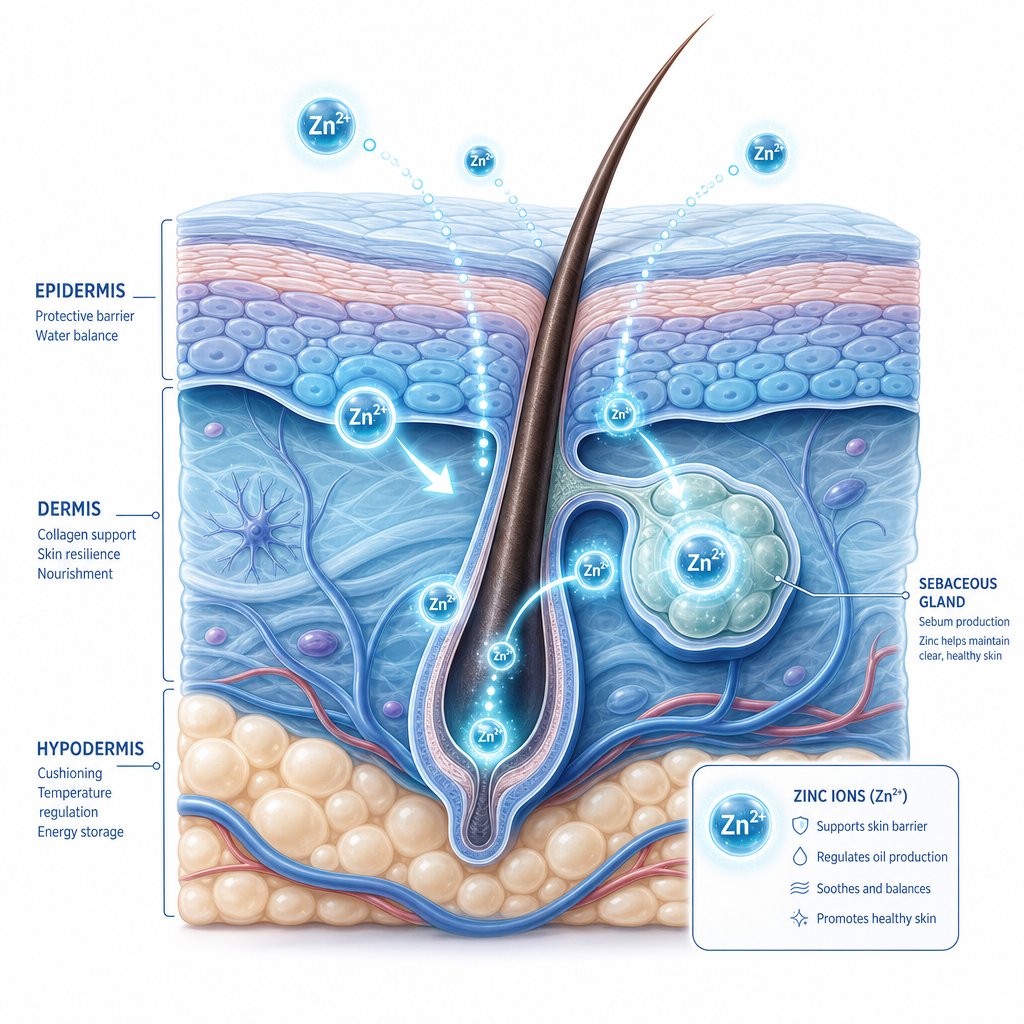
Knowing that zinc tablets can reduce breakouts is useful. Understanding why they work gives you the power to predict whether they will work for your specific skin. Zinc does not target acne through a single pathway. It attacks the problem from three distinct biological angles, each relevant to a different aspect of acne formation.
Here are the three core mechanisms:
- Anti-inflammatory action - Zinc suppresses pro-inflammatory cytokines like IL-6 and TNF-alpha, calming the redness and swelling that define inflammatory acne.
- Antibacterial properties - Zinc ions inhibit the growth of Cutibacterium acnes, the bacterium that colonizes clogged pores and triggers immune responses.
- Sebum regulation - Zinc influences 5-alpha reductase activity, the enzyme responsible for converting testosterone into the sebum-boosting hormone DHT.
Each mechanism maps to a specific acne type. When you understand what does zinc do for skin at the molecular level, you can gauge how likely it is to help your particular breakouts.
Anti-Inflammatory and Antibacterial Properties
Inflammation is the engine behind painful, red, swollen pimples. When C. acnes bacteria multiply inside a blocked pore, your immune system responds by flooding the area with inflammatory signaling molecules. Two of the most important are tumor necrosis factor alpha (TNF-alpha) and interleukin-6 (IL-6). These cytokines recruit immune cells, increase blood flow to the area, and produce the visible redness and tenderness you associate with a breakout.
Is zinc anti inflammatory? The research is clear on this point. A review published in Inflammopharmacology demonstrated that zinc decreases NF-kB activation and its downstream target genes, including TNF-alpha and IL-1 beta. Zinc achieves this partly by upregulating a protein called A20, a zinc-finger protein that acts as a negative regulator of the NF-kB inflammatory pathway. In simpler terms, zinc turns down the volume on your body's inflammatory alarm system before it spirals out of control.
The antibacterial side works differently. Zinc ions disrupt the metabolic processes that C. acnes relies on to thrive. One proposed mechanism involves zinc replacing magnesium ions in enzymatic reactions essential to bacterial function, effectively starving the bacteria of the cofactors they need to grow. A systematic review in the Journal of Drugs in Dermatology confirmed that zinc has antibacterial effects on P. acnes (now reclassified as C. acnes) and that this property contributes to its clinical effectiveness against acne.
These dual properties explain how zinc helps acne that presents as red, inflamed papules and pustules. If your breakouts are angry, swollen, and painful to touch, zinc is targeting the exact biological processes driving those symptoms.
How Zinc Regulates Sebum Production
Excess oil is not just cosmetically frustrating. It creates the anaerobic environment where acne bacteria flourish. Your sebaceous glands produce sebum in response to hormonal signals, particularly dihydrotestosterone (DHT). DHT binds to receptors in the sebaceous glands and ramps up oil output.
Zinc intervenes upstream in this process. It inhibits 5-alpha reductase, the enzyme that converts testosterone into DHT. Less DHT means less stimulation of the sebaceous glands, which translates to reduced sebum production over time. This is the same enzymatic pathway that certain prescription medications target, though zinc's effect is milder and comes without the side effect profile of pharmaceutical 5-alpha reductase inhibitors.
For anyone considering a zinc supplement for oily skin, this mechanism is particularly relevant. You will not see overnight changes in oil production because the hormonal cascade takes time to recalibrate. But over weeks of consistent supplementation, many people notice their skin becomes less greasy and pores appear less congested.
Which Acne Types Respond Best to Zinc
Not all acne is created equal, and zinc does not treat every type with the same effectiveness. Here is how the mechanisms map to real-world results:
Inflammatory acne (papules, pustules, cysts) responds most reliably. This makes sense because zinc's strongest documented effects are anti-inflammatory and antibacterial. If your breakouts are red, raised, and sometimes filled with pus, zinc is addressing the root biological drivers.
Hormonal acne, especially along the jawline and chin, can also benefit. The 5-alpha reductase inhibition helps moderate the hormonal triggers behind these cyclical breakouts. Zinc benefits for skin in this category tend to be gradual but meaningful when combined with other hormonal management strategies.
Comedonal acne (blackheads and whiteheads without significant inflammation) shows the weakest response. These lesions form primarily from excess keratinization and pore blockage rather than from inflammation or bacterial overgrowth. Zinc does not directly address the keratin plug formation that creates comedones.
What does zinc do for acne in practical terms? It works best when inflammation and bacteria are the primary drivers. If your skin is a mix of comedonal and inflammatory lesions, zinc will likely improve the inflamed spots while having less impact on the non-inflamed ones. Understanding this distinction helps set realistic expectations before you start supplementing.
The biological rationale is compelling, but biology alone does not prove clinical effectiveness. The real test comes from controlled trials measuring actual patient outcomes, which is exactly what researchers have been studying for decades.
Clinical Evidence Supporting Zinc for Acne
Biological mechanisms are one thing. Measurable patient outcomes are another. Dozens of randomized controlled trials and observational studies have tested oral zinc supplements for acne over the past several decades, and the pooled data paints a clear picture: zinc therapy produces statistically significant reductions in inflammatory lesions. Here is what the strongest evidence actually says, with specific numbers rather than vague claims.
What Meta-Analyses Reveal About Zinc and Acne
A systematic review and meta-analysis published in Dermatologic Therapy (Yee et al., 2020) pooled data from 25 studies, including 12 randomized controlled trials and 13 prospective observational studies, covering 2,445 total participants. The findings were unambiguous:
- Patients with acne had significantly lower serum zinc levels than healthy controls (96.3 vs 102.4 microg/dl, mean difference -12.29 microg/dl, P=.041).
- Zinc supplementation produced a significant reduction in acne papules compared to comparators (standardized mean difference 0.730, P<.005).
- When isolated against placebo alone, zinc still showed significant benefit (SMD 0.816, P=.017).
- Zinc also significantly reduced pustule counts (SMD 0.728, P=.004).
- No significant difference in adverse events was found between zinc and comparator groups.
Separately, a systematic review in the Journal of Drugs in Dermatology (Brandt, 2013) evaluated the clinical effects of zinc as both a topical and oral agent. The review assigned a SORT (Strength of Recommendation Taxonomy) grade of B to oral zinc, meaning "inconsistent or limited-quality patient-oriented evidence" supports its use. That grade reflects the heterogeneity of study designs rather than a lack of positive results. The preponderance of evidence confirmed zinc's antibacterial, anti-inflammatory, and sebum-reducing effects translate into real clinical improvement.
What makes this zinc supplementation acne research compelling is the consistency across different study populations, zinc forms, and trial designs. The effect is not driven by a single outlier study. It replicates across multiple independent research groups.
Zinc Tablets Compared to Antibiotics in Trials
The most rigorous head-to-head comparison comes from a multicenter, randomized, double-blind controlled trial (Dreno et al., 2001) that pitted zinc gluconate directly against minocycline, a widely prescribed antibiotic for acne. The study enrolled 332 patients with inflammatory acne vulgaris and ran for three months.
The results: minocycline (100 mg/day) achieved a clinical success rate of 63.4%, while zinc gluconate (30 mg elemental zinc/day) achieved 31.2%. Minocycline demonstrated a 17% superiority in mean inflammatory lesion count reduction by the end of the trial. Both treatments were well tolerated, with gastrointestinal side effects being the most common complaint in each group.
Does this mean zinc is ineffective? Not at all. A 31.2% clinical success rate, defined as greater than two-thirds reduction in inflammatory lesions, is meaningful for a mineral supplement with minimal side effects. Oral zinc supplements for acne are not meant to replace antibiotics in severe cases. They occupy a different position in the treatment hierarchy: a first-line option for mild-to-moderate inflammatory acne, an adjunct for more severe cases, and a long-term maintenance strategy that avoids the antibiotic resistance concerns plaguing dermatology.
| Study | Zinc Form / Dosage | Comparator | Duration | Key Outcome |
|---|---|---|---|---|
| Yee et al., 2020 (meta-analysis) | Various oral/topical forms | Placebo and active treatments | Varied | Significant reduction in papules (SMD 0.730, P<.005) and pustules (SMD 0.728, P=.004) |
| Dreno et al., 2001 (RCT) | Zinc gluconate, 30 mg elemental | Minocycline 100 mg | 3 months | 31.2% success rate for zinc vs 63.4% for minocycline; 17% superiority for antibiotic |
| Brandt, 2013 (systematic review) | Multiple oral zinc forms | Various | Varied | SORT B recommendation; consistent antibacterial and anti-inflammatory benefits confirmed |
The clinical picture is nuanced. Acne and zinc supplements have a well-documented relationship in the literature, but zinc therapy for acne works best when expectations are calibrated correctly. It is not a miracle cure that outperforms prescription antibiotics. It is a safe, evidence-backed intervention that produces meaningful improvement for many people, especially those with confirmed zinc deficiency or mild-to-moderate inflammatory breakouts.
These trials used specific zinc forms and dosages, which raises an important practical question: does the type of zinc supplement you choose actually matter for absorption and results?
Comparing Zinc Supplement Forms for Acne
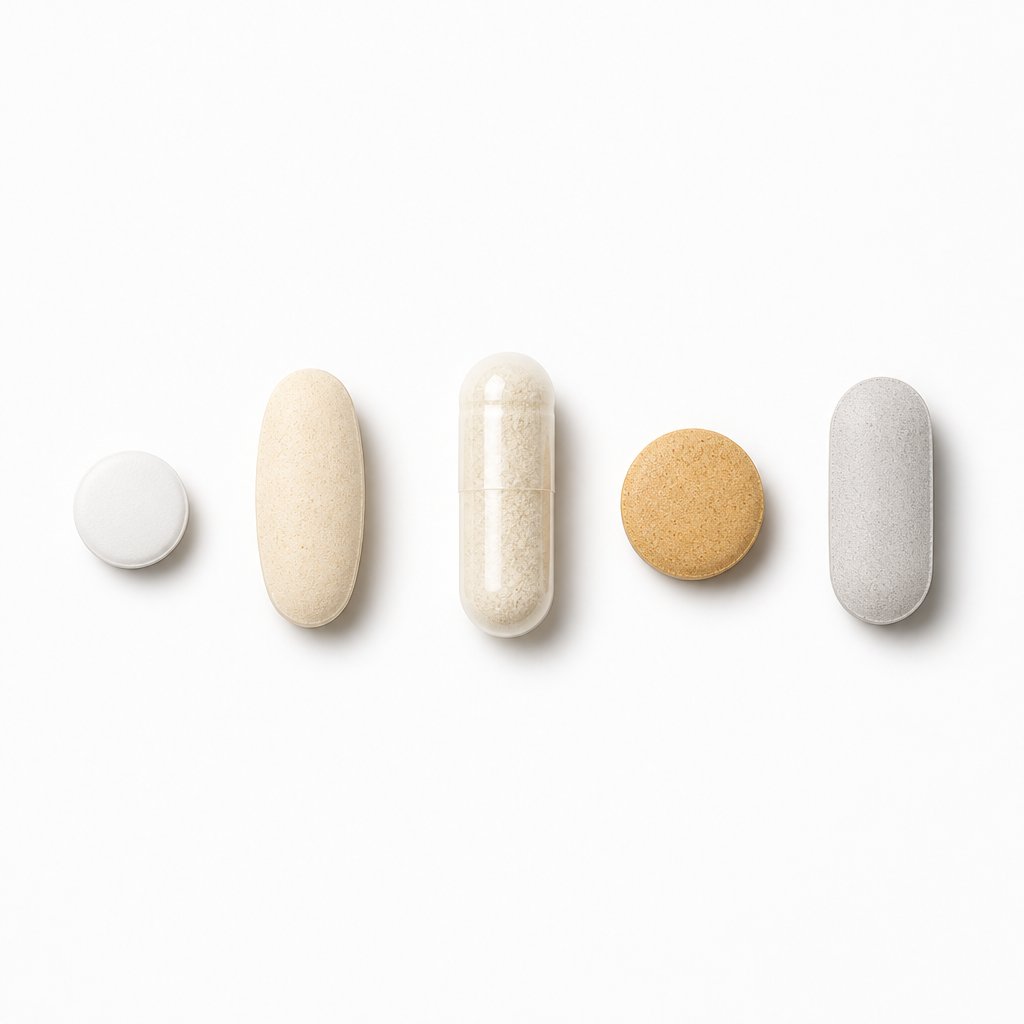
The type of zinc compound in your supplement bottle matters more than most people realize. Two capsules can contain the same milligrams of elemental zinc yet deliver vastly different amounts into your bloodstream. Absorption rates, gastrointestinal tolerance, and clinical evidence vary dramatically across forms. Choosing the best zinc for acne means understanding these differences before you spend money on a product your body can barely use.
Zinc Picolinate vs Gluconate vs Citrate
A landmark double-blind crossover trial (Barrie et al., 1987) directly compared absorption of zinc picolinate, zinc citrate, and zinc gluconate in 15 healthy volunteers. Each participant cycled through all three forms plus placebo at 50 mg elemental zinc per day for four-week periods. The results were striking:
- Zinc picolinate produced statistically significant increases in hair zinc (p<0.005), urine zinc (p<0.001), and erythrocyte zinc (p<0.001).
- Zinc gluconate showed no significant change in any measured parameter compared to placebo.
- Zinc citrate also showed no significant change, with only a small, insignificant rise in serum zinc.
This study positioned zinc picolinate for acne as the superior choice based on tissue uptake. Picolinic acid, a natural metabolite of tryptophan, appears to enhance zinc transport across the intestinal membrane more effectively than gluconate or citrate salts.
That said, later research complicates the picture. A dual isotope tracer study by Wegmuller et al. (2014) found that zinc citrate absorption was comparable to zinc gluconate and higher than zinc oxide in young adults. Different measurement methods, whether tissue accumulation versus fractional absorption, can yield different rankings.
For zinc gluconate skin benefits specifically, the clinical acne trials provide the strongest direct evidence. The Dreno et al. trial that compared zinc to minocycline used zinc gluconate at 30 mg elemental zinc daily and achieved a 31.2% clinical success rate. So while gluconate may not top absorption charts, it has the most robust acne-specific trial data behind it.
Which Form Has the Best Absorption
An in vitro bioaccessibility study (Osko et al., 2023) tested ten zinc supplements across different chemical forms using simulated gastrointestinal digestion. The potential relative bioaccessibility ranged from just 1.1% to 9.4%, revealing enormous variation:
- Zinc diglycinate (bisglycinate) showed the highest bioaccessibility at 5.77-9.38%, with the chelated amino acid structure protecting zinc through the digestive process.
- Zinc gluconate landed in the middle range at 4.48-6.19%.
- Zinc citrate measured 3.15%.
- Zinc picolinate showed 1.99% in this particular model.
- Zinc sulfate had the lowest bioaccessibility at 1.13%.
Sounds contradictory to the Barrie study? It is, and that is important context. In vitro digestion models measure how much zinc becomes available for absorption in simulated intestinal fluid. In vivo studies measure what actually ends up in tissues. Zinc picolinate may perform differently in a living body than in a test tube because picolinic acid facilitates active transport mechanisms that lab simulations cannot replicate.
The practical takeaway: zinc diglycinate and zinc picolinate consistently rank among the top performers across different study methodologies. Zinc sulfate, despite being the cheapest and most commonly used in older clinical trials, consistently shows the poorest absorption profile.
Matching Zinc Form to Your Needs
Choosing the best zinc supplement for acne depends on three personal factors: your budget, your stomach sensitivity, and how much you value direct clinical evidence for skin outcomes.
| Zinc Form | Bioavailability | Common Dosage (Elemental Zinc) | GI Tolerance | Evidence for Acne |
|---|---|---|---|---|
| Zinc Picolinate | High (strongest in vivo tissue uptake) | 15-30 mg | Good; rarely causes nausea | Moderate (limited acne-specific trials, strong absorption data) |
| Zinc Bisglycinate | High (best in vitro bioaccessibility) | 15-30 mg | Excellent; chelated form is gentle | Moderate (newer form, growing evidence) |
| Zinc Gluconate | Moderate | 30 mg | Good | Strong (used in the largest acne RCT) |
| Zinc Citrate | Moderate (comparable to gluconate) | 30 mg | Good | Limited (few acne-specific trials) |
| Zinc Sulfate | Low (poorest bioaccessibility) | 30-45 mg | Poor; frequent nausea and GI upset | Strong (most studied form historically, including Verma et al., 1980) |
| Zinc Methionine | Low-Moderate | 15-30 mg | Good | Limited (minimal acne data) |
If budget is tight and you can tolerate some stomach discomfort, zinc sulfate has decades of acne trial data behind it. The Verma et al. double-blind trial used 600 mg zinc sulfate daily (approximately 136 mg elemental zinc) and achieved significant improvement in 58% of patients after 12 weeks. The tradeoff is frequent nausea and the need for higher doses to compensate for poor absorption.
If you want the best zinc acne results with minimal side effects, zinc picolinate or zinc bisglycinate at 15-30 mg elemental zinc offers superior absorption without the GI issues. You can take a lower dose and still achieve meaningful tissue levels because more of what you swallow actually reaches your cells.
For those who want the form with the most direct acne trial evidence, zinc gluconate for skin is the pragmatic middle ground. It was the form used in the largest randomized controlled trial comparing zinc to antibiotics, so you know exactly what outcomes to expect at 30 mg elemental zinc daily.
Whichever form you choose, the next critical variable is how much to take, when to take it, and how long to wait before judging whether it is working.
Zinc Dosage Protocol and Timeline for Clear Skin
Picking the right zinc form is only half the equation. Taking the wrong dose, at the wrong time, or quitting too early can undermine your results entirely. This section gives you a concrete supplementation protocol based on clinical trial dosages and absorption research, so you know exactly how much zinc for acne, when to take it, and how long to commit before reassessing.
Recommended Daily Dosage for Acne
Clinical trials that produced significant reductions in inflammatory lesions typically used 30 to 45 mg of elemental zinc per day. The Dreno et al. RCT used 30 mg elemental zinc (as zinc gluconate), while older trials with zinc sulfate dosed up to 45 mg elemental zinc daily. The NHS recommends adults not exceed 25 mg daily without medical guidance, so doses above that threshold should ideally be supervised by a healthcare provider.
Here is the critical distinction most supplement labels obscure: elemental zinc is not the same as total compound weight. A capsule labeled "220 mg zinc sulfate" contains only about 50 mg of elemental zinc because the sulfate salt accounts for the remaining weight. Zinc gluconate at 150 mg delivers roughly 20 mg elemental zinc. Always check the "elemental zinc" or "zinc (as...)" line on the Supplement Facts panel. That number is what matters for your zinc intake for acne.
When and How to Take Zinc Tablets
Timing affects absorption more than most people expect. A 2021 study found that taking zinc before breakfast resulted in approximately 18 times more zinc in the blood compared to taking it with food. Absorption on an empty stomach can reach 60-70%, while a normal meal drops it to 16-50%.
The tradeoff? Nausea. Taking zinc for acne on an empty stomach maximizes absorption but frequently causes stomach upset, especially at the 30-45 mg doses used in acne trials. Here is a step-by-step protocol that balances absorption with tolerability:
- Start at 15 mg elemental zinc daily for the first week to assess your stomach tolerance.
- Increase to 30 mg daily in week two if no significant nausea occurs. If GI discomfort is an issue, take it with a small amount of animal protein (not grains or legumes, which contain phytates that block absorption).
- Take your dose in the morning, ideally 30-60 minutes before breakfast for maximum absorption. If nausea persists, shift to taking it with your first meal.
- Separate from other minerals by at least two hours. Iron, calcium, and magnesium all compete with zinc for absorption.
- Separate from antibiotics (tetracyclines, quinolones) by at least two hours before or four to six hours after, as zinc chelates these medications and reduces their effectiveness.
- Reassess at 12 weeks. If no improvement is visible, consult a healthcare provider about testing serum zinc levels or adjusting your approach.
How Long Before You See Results
You will find anecdotal claims online that "zinc cleared my acne in days." Manage your expectations carefully. Clinical evidence consistently shows that 8 to 12 weeks of daily supplementation is the minimum timeframe before meaningful improvement becomes visible. The Dreno trial measured outcomes at 12 weeks. The Yee meta-analysis included studies ranging from 4 to 12 weeks, with longer durations producing more reliable results.
Why so long? Zinc works by modulating systemic inflammation, bacterial colonization, and hormonal pathways. These are gradual biological shifts, not overnight fixes. You may notice subtle changes earlier, like slightly less oiliness or fewer new inflamed spots by week four, but the full effect accumulates over months.
Does zinc clear acne permanently? Not exactly. Zinc addresses underlying drivers of breakouts, but it does not cure the condition. If you stop supplementing entirely, the inflammatory and hormonal factors zinc was keeping in check can gradually return. Clinical guidance suggests a maintenance dose of 15 mg elemental zinc daily after the initial 12-week treatment phase. This lower dose sustains benefits while minimizing the risk of copper depletion that comes with prolonged high-dose use.
If you have been taking zinc for acne at 30-45 mg daily for three months and see clear improvement, step down to 15 mg rather than stopping abruptly. Monitor your skin for four to six weeks at the lower dose. If breakouts return, you may need to continue at the higher dose under medical supervision with periodic copper level monitoring.
How much zinc to take for acne ultimately depends on your response. The protocol above gives you a structured starting point, but individual biology, zinc status, and acne severity all influence the ideal dose. The key is consistency over weeks, not days.
Oral supplementation is the most studied approach, but it is not the only way to deliver zinc to acne-prone skin. Topical zinc formulations target breakouts through an entirely different delivery mechanism, and combining both routes raises its own set of questions.
Oral Zinc Tablets vs Topical Zinc for Acne
Swallowing a zinc tablet and applying zinc directly to your skin are fundamentally different strategies. One works from the inside out, modulating systemic inflammation and hormonal pathways. The other delivers zinc ions directly to the skin surface where bacteria live and pores clog. Choosing between them, or using both, depends on your acne severity, distribution, and tolerance for potential side effects.
Oral Zinc Tablets for Systemic Benefits
Oral zinc enters your bloodstream and reaches every sebaceous gland in your body. This makes it the better choice for widespread acne covering multiple facial zones or extending to the chest and back. The clinical trials discussed earlier, including the Dreno RCT and the Yee et al. meta-analysis, all evaluated oral zinc and confirmed significant reductions in inflammatory papule counts across broad skin areas.
Systemic delivery also means oral zinc addresses the root drivers of acne: circulating inflammatory markers, hormonal sebum triggers, and immune dysregulation. You cannot achieve these systemic effects by rubbing zinc on your face. If your breakouts are moderate to severe, appear in multiple locations, or have a hormonal pattern, oral tablets are the primary tool.
Topical Zinc for Targeted Spot Treatment
Topical zinc for acne works through direct contact. When you apply a zinc cream for acne or a zinc-containing wash, the active ingredient stays on the skin surface and upper epidermis. It does not enter systemic circulation in meaningful amounts, which limits its reach but also eliminates GI side effects entirely.
The most common topical forms include:
- Zinc oxide - A skin protectant with mild antibacterial and anti-inflammatory properties. Is zinc oxide good for acne? It helps primarily as a soothing, non-comedogenic barrier. Zinc oxide cream for acne works best for calming irritated spots and protecting healing skin rather than actively clearing deep lesions.
- Zinc pyrithione - Originally developed for anti-dandruff shampoos, pyrithione zinc for acne has shown promise due to its strong antimicrobial activity. A review in Current Issues in Molecular Biology noted that topical 5% zinc sulphate was effective for mild to moderate acne, while zinc pyrithione at 0.25% demonstrated anti-inflammatory benefits in related skin conditions.
- Zinc sulfate solutions - Used in clinical studies at 2-5% concentrations, these solutions target surface bacteria and reduce localized inflammation.
Does zinc oxide help acne on its own? For mild, localized breakouts, it can reduce redness and protect compromised skin. But topical zinc alone is generally considered insufficient for moderate or severe acne. The American Academy of Dermatology has stated that topical zinc alone is ineffective as a standalone acne treatment, though it can complement other topical agents like erythromycin or clindamycin.
Combining Oral and Topical Zinc Safely
Using both routes simultaneously is safe and can be strategic. Oral zinc handles the systemic inflammation and hormonal regulation while a topical zinc oxide for acne product provides localized antibacterial action and skin barrier support. There is no risk of zinc toxicity from topical application because transdermal absorption is negligible.
A practical combination approach: take 30 mg elemental zinc orally each morning for systemic coverage, and apply a zinc-based spot treatment or zinc oxide sunscreen during the day for surface-level protection. This dual strategy covers both the internal drivers and the external bacterial environment without doubling your side effect risk.
| Factor | Oral Zinc Tablets | Topical Zinc |
|---|---|---|
| Best for | Widespread inflammatory acne, moderate-to-severe cases, hormonal acne | Mild localized breakouts, spot treatment, sensitive skin |
| Mechanism | Systemic anti-inflammatory, antibacterial, sebum regulation | Surface antibacterial, skin barrier protection, localized soothing |
| Onset of results | 8-12 weeks | 2-4 weeks for mild improvement |
| Common side effects | Nausea, GI discomfort, copper depletion with long-term use | Mild dryness, occasional irritation |
| Evidence strength | Strong (multiple RCTs and meta-analyses) | Moderate (limited standalone trials, better as adjunct) |
The choice is not either/or for most people. Oral zinc does the heavy lifting while topical formulations provide a complementary layer of defense. The real concern with any zinc strategy, oral or topical, is knowing when you are taking too much and recognizing the warning signs that something is off.
Side Effects and Who Should Avoid Zinc Supplements
Zinc is generally safe at recommended dosages, but "generally safe" is not the same as "risk-free." The doses used in acne trials (30-45 mg elemental zinc daily) sit right at or above the Tolerable Upper Intake Level of 40 mg per day set by the Institute of Medicine. That means you are operating in a zone where side effects become a real possibility, especially over months of continuous use. Understanding these risks helps you supplement smarter and recognize when to pull back.
Common Side Effects and How to Minimize Them
Most people who quit zinc do so because of stomach issues, not because it failed to help their skin. Gastrointestinal discomfort is the most frequently reported complaint in clinical trials, and it tends to be dose-dependent. The higher you go, the worse it gets.
- Nausea and vomiting - The most common reason people abandon zinc supplementation. Taking zinc on an empty stomach dramatically increases the likelihood. A small meal with animal protein (not grains or legumes) buffers the irritation without significantly reducing absorption.
- Abdominal cramping and diarrhea - Occurs more frequently with zinc sulfate than with chelated forms like picolinate or bisglycinate. Switching forms often resolves this without sacrificing effectiveness.
- Metallic taste - A persistent metallic or bitter taste in the mouth, particularly noticeable shortly after taking the supplement. This is harmless but unpleasant.
- Headaches - Reported occasionally at higher doses. Usually resolves by reducing the daily amount or splitting the dose into two smaller servings.
- Reduced appetite - Paradoxically, while zinc deficiency causes appetite loss, excessive zinc can also suppress hunger in some individuals.
Minimizing these effects is straightforward. Start at 15 mg for the first week, take your dose with food if nausea occurs, and choose a chelated form (picolinate, bisglycinate, or gluconate) over zinc sulfate. If GI symptoms persist despite these adjustments, your body may be telling you the dose is too high.
Drug Interactions and Contraindications
Can zinc cause acne to worsen indirectly? Not through the mineral itself, but through dangerous interactions with medications you might already be taking for your skin. Zinc chelates certain antibiotics, forming insoluble complexes in the gut that prevent both the drug and the zinc from being absorbed.
The most critical interactions involve:
- Tetracycline antibiotics (doxycycline, minocycline) - Zinc reduces absorption of these drugs significantly. If you are on doxycycline for acne and add zinc without proper spacing, you may be undermining your antibiotic therapy. Separate doses by at least 2 hours before or 4-6 hours after the antibiotic.
- Quinolone antibiotics (ciprofloxacin, levofloxacin) - Same chelation mechanism as tetracyclines. Maintain a minimum 2-4 hour gap between zinc and quinolone doses.
- Penicillamine - Used for Wilson disease and rheumatoid arthritis. Zinc interferes with its absorption and should only be combined under direct medical supervision with exact spacing guidance.
- Diuretics - Thiazide diuretics may increase urinary zinc losses, potentially requiring dose adjustments if you are supplementing for acne.
- Iron supplements - Iron and zinc compete for the same absorption pathways. Taking them together reduces the uptake of both. Separate by at least 2 hours (for example, zinc in the morning and iron in the evening).
Is zinc bad for your skin if you are on these medications? Not inherently, but the interaction can make your prescribed treatments less effective. Always inform your dermatologist or prescribing physician if you plan to add zinc to an existing medication regimen.
Beyond drug interactions, certain groups should avoid zinc supplementation entirely or proceed only with medical oversight:
- People with existing copper deficiency - Zinc accelerates copper depletion. If you already have low copper levels, supplementing zinc without copper co-supplementation can cause anemia, leukopenia, and neurological damage.
- Pregnant and lactating women - The AAFP notes that zinc use above the Tolerable Upper Intake Level is contraindicated in well-nourished pregnant and lactating women. Acne doses of 30-45 mg exceed the UL of 40 mg, making medical supervision essential.
- Children under 14 - The UL for children aged 9-13 is only 23 mg, well below typical acne treatment doses. Adolescents aged 14-18 have a UL of 34 mg, which still limits dosing options.
- People on long-term antibiotic therapy for acne - If your dermatologist has you on tetracyclines or quinolones, adding zinc without discussing timing creates a real risk of treatment failure.
Signs You Are Taking Too Much Zinc
Too much zinc symptoms on skin and body can develop gradually, making them easy to dismiss until they become serious. Acute zinc toxicity from a single large dose is rare with supplements, but chronic overconsumption at 50+ mg daily for weeks or months produces a recognizable pattern.
Watch for these warning signs:
- Persistent nausea that worsens over time - Early GI discomfort that does not improve after the first few weeks suggests your dose exceeds what your body can handle.
- Unexplained fatigue or weakness - Often the first sign of copper depletion-induced anemia. Your red blood cell count drops because copper is needed for iron metabolism.
- Frequent infections or slow wound healing - Ironic, given that zinc supports immunity. But excessive zinc actually suppresses immune function by interfering with lymphocyte activity and interferon gamma production.
- Numbness or tingling in extremities - A concerning sign of zinc-induced copper deficiency affecting the nervous system. Unlike blood-related symptoms, neurological damage from prolonged zinc excess may not be fully reversible even after stopping supplementation.
- New or worsening skin rash - While zinc and skin rash are not commonly linked at moderate doses, immune suppression from chronic excess can manifest as unusual skin reactions or increased susceptibility to skin infections.
- Changes in cholesterol - Long-term intake above 50 mg daily may lower HDL ("good") cholesterol, potentially affecting cardiovascular health.
The most insidious risk is copper depletion. It develops silently over weeks to months and can cause serious hematological and neurological consequences before you notice anything obvious. Men taking more than 75 mg of elemental zinc daily may also face an increased risk of prostate cancer, according to the Health Professionals Follow-up Study.
If you experience persistent fatigue, unusual bruising, numbness in your hands or feet, or recurrent infections while taking zinc supplements, stop supplementation immediately and consult a healthcare provider. Request a complete blood count and serum copper level test.
For anyone supplementing at acne-treatment doses (30-45 mg daily) for longer than 8-12 weeks, adding 1-2 mg of supplemental copper daily is a reasonable precaution. Many dermatologists recommend this as standard practice for patients on extended zinc therapy. A simple blood panel every three to six months can catch copper depletion before it causes irreversible harm.
These risks are manageable with awareness and proper monitoring. They should not scare you away from trying zinc for acne, but they should inform how you integrate it into a broader treatment strategy alongside other interventions and dietary choices.
Combining Zinc with Other Treatments and Diet
Zinc rarely works in isolation. Most people dealing with acne already use at least one other treatment, whether that is a topical retinoid, benzoyl peroxide wash, or a hormonal medication. The question is not just whether zinc helps, but whether it plays well with what you are already doing and whether dietary sources can reduce your need for supplements altogether.
Zinc Combined with Other Acne Treatments
Some pairings amplify results. Others create conflicts that undermine both treatments. Here is how zinc interacts with the most common acne interventions:
Retinoids (tretinoin, adapalene, isotretinoin) - Zinc and retinoids work through complementary pathways. Retinoids normalize keratinization and unclog pores, while zinc handles inflammation and bacteria. Vitamin A and zinc acne research suggests these nutrients are synergistic: zinc is required for retinol-binding protein synthesis, which transports vitamin A to tissues. Low zinc status may actually reduce the effectiveness of retinoid therapy. Taking zinc alongside topical or oral retinoids is safe and potentially beneficial.
Benzoyl peroxide - No known conflict. Benzoyl peroxide targets acne bacteria through oxidative mechanisms while zinc works through ion-mediated antibacterial and anti-inflammatory pathways. Pairing oral zinc with a topical benzoyl peroxide product attacks bacterial colonization from two angles without interference.
Antibiotics (oral tetracyclines, topical clindamycin) - This is where timing matters critically. As covered in the side effects section, zinc chelates tetracycline and quinolone antibiotics in the gut. If you are on doxycycline or minocycline for acne, you can still take zinc, but you must separate doses by at least two hours before or four to six hours after the antibiotic. Topical antibiotics like clindamycin have no interaction with oral zinc.
Hormonal treatments (spironolactone, oral contraceptives) - Does zinc help hormonal acne when combined with these medications? Yes, and without conflict. Spironolactone blocks androgen receptors while zinc inhibits 5-alpha reductase upstream. Oral contraceptives regulate hormonal fluctuations through a different mechanism entirely. Zinc for hormonal acne works as a complementary layer, addressing the enzymatic conversion of testosterone to DHT that hormonal medications may not fully suppress.
BHA (salicylic acid) - Fully compatible. Salicylic acid exfoliates inside the pore while zinc calms the resulting inflammation. This pairing is particularly effective for combination skin with both comedonal and inflammatory lesions.
Zinc-Rich Foods That Support Clear Skin
Supplements are not the only path to adequate zinc levels. Your diet may already provide a meaningful portion of your daily needs, especially if you eat animal-based proteins regularly. Harvard Health notes that nonvegetarian foods tend to be significantly higher in bioavailable zinc because plant-based sources contain phytates that bind zinc and reduce absorption.
Here are the top foods rich in zinc for acne support, with approximate zinc content per serving:
- Oysters (3 oz, raw) - 32 mg (far exceeds daily needs in a single serving)
- Beef, bottom sirloin (3 oz, roasted) - 3.8 mg
- Blue crab (3 oz, cooked) - 3.2 mg
- Pumpkin seeds (1 oz, roasted) - 2.2 mg
- Pork loin (3 oz, broiled) - 1.9 mg
- Turkey breast (3 oz, roasted) - 1.5 mg
- Cheddar cheese (1.5 oz) - 1.5 mg
- Cashews (1 oz, raw) - 1.4 mg
- Lentils (1/2 cup, boiled) - 1.3 mg
- Greek yogurt (6 oz, plain) - 1.0 mg
Meat-eaters who consume beef, poultry, and seafood regularly often meet the RDA of 8-11 mg without supplementation. Vegetarians and vegans face a harder path because phytates in beans, whole grains, and legumes reduce zinc bioavailability by up to 50%. If you follow a plant-based diet and struggle with inflammatory acne, supplementation becomes more important because zinc-rich foods for skin health are harder to absorb from plant sources alone.
A practical approach: track your dietary zinc intake for a few days using a food diary or app. If you consistently fall below 8-11 mg from food, a supplement fills the gap. If your diet already provides adequate zinc, adding a high-dose supplement may push you past the Tolerable Upper Intake Level without additional benefit.
A Decision Framework for Adding Zinc to Your Routine
With all this information, how do you decide whether zinc tablets belong in your regimen? Evaluate these criteria honestly:
Consider adding zinc supplements if you have inflammatory acne (red, swollen papules or pustules), eat a plant-based or low-meat diet, have not responded fully to topical treatments alone, or want a long-term alternative to antibiotics without resistance concerns. Reconsider if your acne is purely comedonal, you already consume zinc-rich foods daily, or you take medications that interact with zinc without the ability to separate doses properly.
The strongest candidates for zinc supplementation are people with moderate inflammatory acne who are not yet ready for prescription medications, or those already on topical treatments who want systemic support without jumping to oral antibiotics. Zinc also makes particular sense for anyone asking does zinc help hormonal acne, because the 5-alpha reductase inhibition complements hormonal therapies rather than duplicating them.
If you are already on a well-managed prescription regimen and your acne is controlled, adding zinc is unlikely to produce dramatic additional improvement. But if your current approach leaves residual inflammation or you are looking to step down from antibiotics, zinc fills that gap with a favorable safety profile.
Knowing whether zinc fits your situation is one thing. Knowing how to choose a quality product and track whether it is actually working requires a different set of criteria entirely.
Choosing Quality Zinc Tablets and Tracking Progress
Not all zinc acne supplements are created equal. Two bottles sitting side by side on a shelf can contain the same listed dosage yet deliver wildly different results based on manufacturing quality, filler ingredients, and labeling accuracy. Knowing what separates a reliable zinc supplement for acne from a poorly made one saves you money and months of wasted effort.
What to Look for in a Quality Zinc Supplement
The supplement industry is loosely regulated compared to pharmaceuticals. The FDA does not approve dietary supplements for safety or efficacy before they reach store shelves. That means the burden of quality verification falls on you as the consumer. Here is a checklist of indicators that separate trustworthy acne zinc pills from questionable ones:
- Third-party testing certification - Look for seals from NSF International, USP (United States Pharmacopeia), or ConsumerLab. These organizations independently verify that what is on the label matches what is in the bottle. Thorne Zinc Picolinate, for example, is manufactured in an NSF-certified facility and tested by the Therapeutic Goods Administration (TGA).
- Elemental zinc clearly stated - The Supplement Facts panel should list elemental zinc content, not just the total compound weight. A label reading "Zinc (as zinc picolinate) 30 mg" tells you exactly how much active zinc you are getting. Avoid products that only list the compound weight without specifying elemental content.
- Minimal fillers and additives - Quality zinc supplements for acne keep inactive ingredients to a minimum. Watch for unnecessary artificial colors, titanium dioxide, excessive magnesium stearate, or hydrogenated oils. Simpler formulas generally indicate higher manufacturing standards.
- GMP (Good Manufacturing Practice) certification - This ensures the manufacturer follows FDA-mandated production standards for consistency, cleanliness, and quality control. Every reputable supplement brand should meet this baseline.
- Appropriate dosage per serving - Products providing 15-30 mg of elemental zinc per capsule align with clinical trial dosages. Be cautious of products offering 50+ mg per serving, as these exceed the Tolerable Upper Intake Level of 40 mg without medical justification.
- Bioavailable zinc form - As discussed in the supplement comparison section, zinc picolinate, zinc bisglycinate, and zinc gluconate offer superior absorption profiles. Avoid zinc oxide supplements marketed for acne, as this form has the poorest absorption rate.
- Copper co-supplementation for extended use - Some well-designed zinc supplement acne products include 1-2 mg of copper to offset the depletion risk from prolonged zinc intake. This is a sign the manufacturer understands the clinical context of their product.
Format also matters for compliance. Zinc supplements come as standard tablets, capsules, softgels, gummies, powders, and liquids. Capsules and softgels tend to cause less stomach irritation than compressed tablets because they dissolve further down the digestive tract. Gummies appeal to people who struggle with pill fatigue but often contain added sugars and lower zinc doses. Liquids like Metagenics Zinc Drink offer precise dosing flexibility but typically use zinc sulfate, which has lower bioavailability.
Choose the format you will actually take consistently for 12 weeks. The best zinc supplement for acne is the one you do not skip.
Signs Zinc Tablets Are Working for Your Acne
Tracking zinc for acne before and after progress requires patience and realistic benchmarks. You will not wake up with clear skin after a week. But you should notice a predictable sequence of changes if the supplement is doing its job. Here is the typical timeline based on clinical trial observations and the biological mechanisms zinc targets:
- Weeks 1-2: Reduced oiliness - The earliest sign is often a subtle decrease in midday shine. Zinc's influence on 5-alpha reductase begins shifting sebum production downward. You may also notice fewer new inflamed spots forming, though existing breakouts will still run their course.
- Weeks 3-4: Fewer new inflammatory lesions - The anti-inflammatory and antibacterial effects start producing visible results. New papules and pustules appear less frequently. Existing spots may heal slightly faster as systemic inflammation decreases.
- Weeks 5-8: Noticeable reduction in active breakouts - This is where most people see meaningful improvement. The overall lesion count drops, redness diminishes, and the skin begins looking calmer. Zinc for acne before and after photos taken at this stage typically show the most dramatic contrast with baseline.
- Weeks 9-12: Stabilization and clearing - Inflammatory acne reaches its maximum response to zinc therapy. The Dreno trial measured final outcomes at 12 weeks, and the meta-analysis data confirms this timeframe as the standard assessment point. Skin tone evens out as post-inflammatory marks begin fading without new lesions replacing them.
- Beyond 12 weeks: Maintenance phase - If improvement is clear, stepping down to 15 mg daily sustains results while minimizing long-term risks.
What if none of these signs appear? If you reach week 8 with no reduction in new breakouts, oiliness, or inflammation, zinc may not be addressing your primary acne driver. Possible explanations include: your zinc levels were already adequate (supplementation only helps when there is a gap to fill), your acne is predominantly comedonal rather than inflammatory, or the supplement form you chose has poor bioavailability. At this point, consult a dermatologist about serum zinc testing and alternative approaches.
Other signs that zinc is not working include persistent or worsening GI symptoms that prevent consistent dosing, new breakouts in areas that were previously clear (which may indicate a different trigger entirely), or no change in skin oiliness after four weeks of consistent use.
Building a Custom Zinc Supplement for Your Brand
The quality indicators above apply equally whether you are a consumer choosing a product or a brand developing one. For nutrition brands, supplement importers, and private label sellers exploring the zinc acne supplements market, the manufacturing partner you select determines whether your product meets these standards or falls short.
Developing a zinc supplement for acne as a branded product involves several decisions: zinc form selection, elemental dosage per serving, whether to include complementary nutrients like copper or vitamin C, and which delivery format suits your target market. Tablets and hard capsules remain the most cost-effective formats for mineral supplements, while gummies and powder sachets appeal to younger demographics who associate pill-taking with medication rather than wellness.
OEM/ODM manufacturers specializing in health food production handle these formulation decisions alongside brands. ZhuFeng, for example, offers customized formulation services across flexible product formats including hard capsules, tablets, powder and granules, soft capsules, gummy candy, and oral liquids. Their scalable production model serves nutrition brands and functional food businesses looking to launch market-ready zinc supplements without building manufacturing infrastructure from scratch. This type of partnership is particularly relevant for private label sellers who want to differentiate their zinc acne product through specific form combinations (such as zinc picolinate with copper and vitamin C) rather than relabeling a generic formula.
When vetting any contract manufacturer for supplement production, the same quality principles apply: verify GMP certification, confirm third-party testing protocols, request certificates of analysis for raw materials, and ensure the facility can produce accurate elemental zinc dosing consistently across batches. A manufacturer that understands the clinical context of zinc supplements for acne, including why bioavailability and dosage precision matter for this specific use case, will produce a better end product than one treating zinc as just another commodity mineral to encapsulate.
Whether you are buying a zinc supplement or building one, quality is the variable that separates products delivering real results from those collecting dust in medicine cabinets. The science supporting zinc for inflammatory acne is solid. The execution, from choosing the right form and dose to manufacturing it with precision, determines whether that science translates into clearer skin.
Frequently Asked Questions About Zinc Tablets and Acne
1. How long does it take for zinc tablets to clear acne?
Most clinical trials show that 8 to 12 weeks of consistent daily supplementation is needed before meaningful acne improvement becomes visible. You may notice subtle changes like reduced oiliness or fewer new inflamed spots by week 3-4, but the full therapeutic effect accumulates gradually. The largest randomized controlled trial comparing zinc to antibiotics measured final outcomes at 12 weeks, confirming this as the standard assessment timeframe for zinc therapy.
2. What is the best form of zinc supplement for acne?
Zinc picolinate and zinc bisglycinate offer the highest bioavailability with minimal stomach upset, making them ideal for most people. However, zinc gluconate has the strongest direct clinical trial evidence for acne, as it was used in the largest randomized controlled trial comparing zinc to minocycline. Zinc sulfate is the cheapest option but causes frequent nausea and has the poorest absorption rate. For brands developing custom zinc acne formulations, OEM/ODM manufacturers like ZhuFeng provide flexible format options including capsules, tablets, and gummies with customized zinc form selection.
3. Can you take zinc supplements with other acne medications?
Zinc is compatible with most acne treatments including retinoids, benzoyl peroxide, salicylic acid, spironolactone, and oral contraceptives. The critical exception is tetracycline antibiotics like doxycycline and minocycline. Zinc chelates these drugs in the gut, reducing absorption of both substances. If you take these antibiotics, separate your zinc dose by at least 2 hours before or 4-6 hours after the antibiotic to avoid interference.
4. How much zinc should I take daily for acne?
Clinical trials that produced significant acne improvement used 30 to 45 mg of elemental zinc per day. The key distinction is between elemental zinc and total compound weight. A capsule labeled 220 mg zinc sulfate contains only about 50 mg elemental zinc. Always check the elemental zinc line on the Supplement Facts panel. Starting at 15 mg for the first week and increasing to 30 mg helps assess stomach tolerance. Doses above 40 mg exceed the Tolerable Upper Intake Level and should be supervised by a healthcare provider.
5. Does zinc work better for certain types of acne?
Zinc works most effectively for inflammatory acne, including red papules, pustules, and cystic lesions. This is because zinc's primary mechanisms target inflammation and bacterial overgrowth. Hormonal acne along the jawline also responds well due to zinc's ability to inhibit 5-alpha reductase, the enzyme that converts testosterone to the sebum-boosting hormone DHT. Comedonal acne consisting mainly of blackheads and whiteheads shows the weakest response because these lesions form from keratin plugs rather than inflammation.