Does Cocoa Powder Actually Go Bad
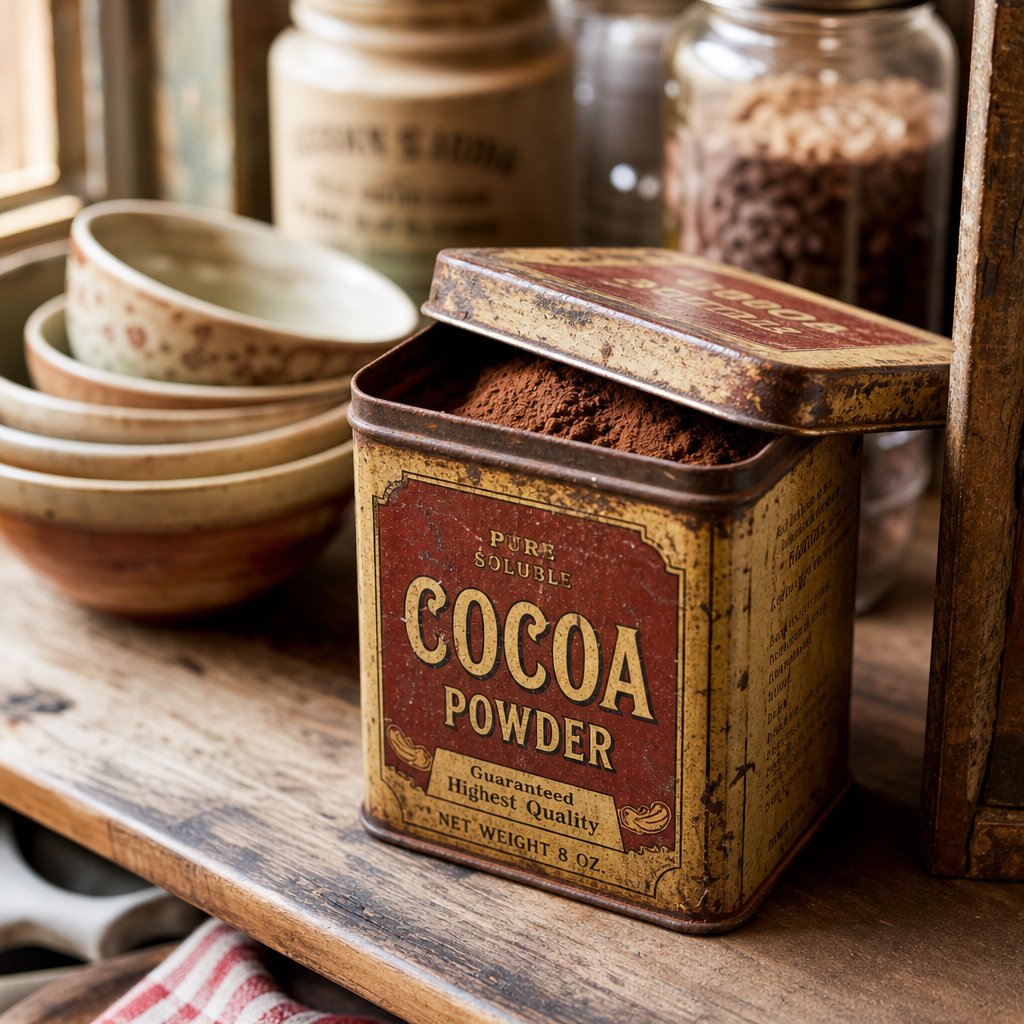
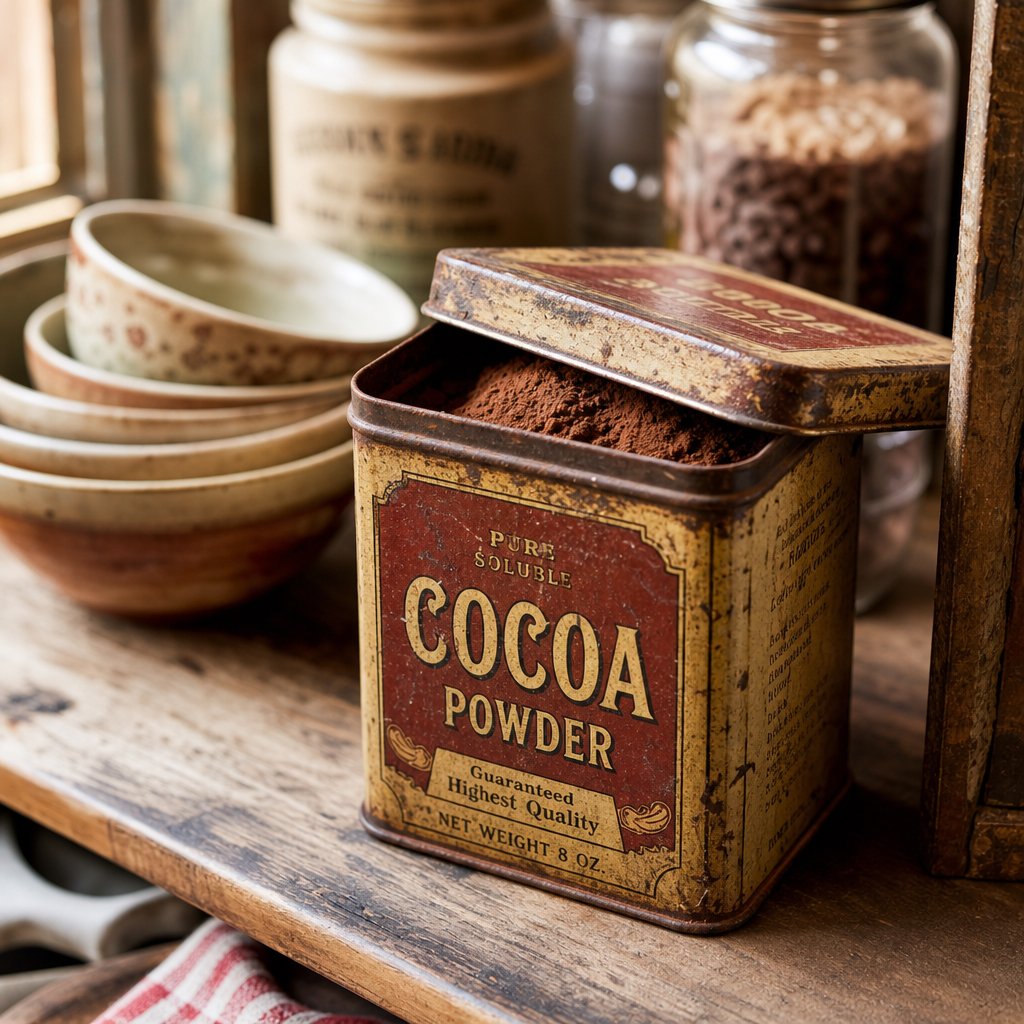
You just pulled a tin of cocoa powder from the back of your pantry. The label is faded, the best-by date passed a year ago, and you're halfway through a brownie recipe. Sound familiar? The question hits fast: does cocoa powder go bad, or is it still safe to use?
Here's the straightforward answer. Cocoa powder does not spoil the way milk, meat, or fresh produce does. It won't grow dangerous bacteria on its own, and it won't make you sick simply because a date on the package has passed. What it will do, gradually, is lose flavor potency. That rich, deep chocolate punch fades over time, but the powder itself remains safe to consume for years beyond its printed date.
The Short Answer About Cocoa Powder Spoilage
Does cocoa powder expire in any meaningful safety sense? No. Cocoa powder is a dry, low-fat product with virtually no moisture, which means the bacteria and molds that cause food-borne illness simply cannot thrive in it. The Iowa State University Extension notes that properly stored, unopened cocoa powder has a nearly indefinite shelf life. Once opened, it retains best quality for roughly three years when kept sealed and dry.
Can cocoa powder expire? Only in the sense that flavor compounds break down. Can cocoa go bad? Only if moisture, pests, or contaminants are introduced through poor storage. In the absence of those factors, degradation is purely qualitative, not a safety concern.
Why This Matters for Your Pantry
Most pantry clean-outs end with perfectly good cocoa powder in the trash. The confusion stems from a misunderstanding of what date labels actually mean. A "best if used by" date reflects peak flavor quality, not a safety deadline. The American Heart Association confirms that these dates are recommendations for best quality, not purchase or safety cutoffs.
Cocoa powder is shelf-stable but not immortal. Understanding the difference between "expired" and "spoiled" saves both money and recipes.
Throughout this guide, you'll get the science behind why cocoa powder lasts so long, how to tell when quality has genuinely dropped, and exactly how aging affects your baking results. No vague reassurances, just clear, evidence-based answers you can act on today.
The Food Science Behind Cocoa Powder's Longevity
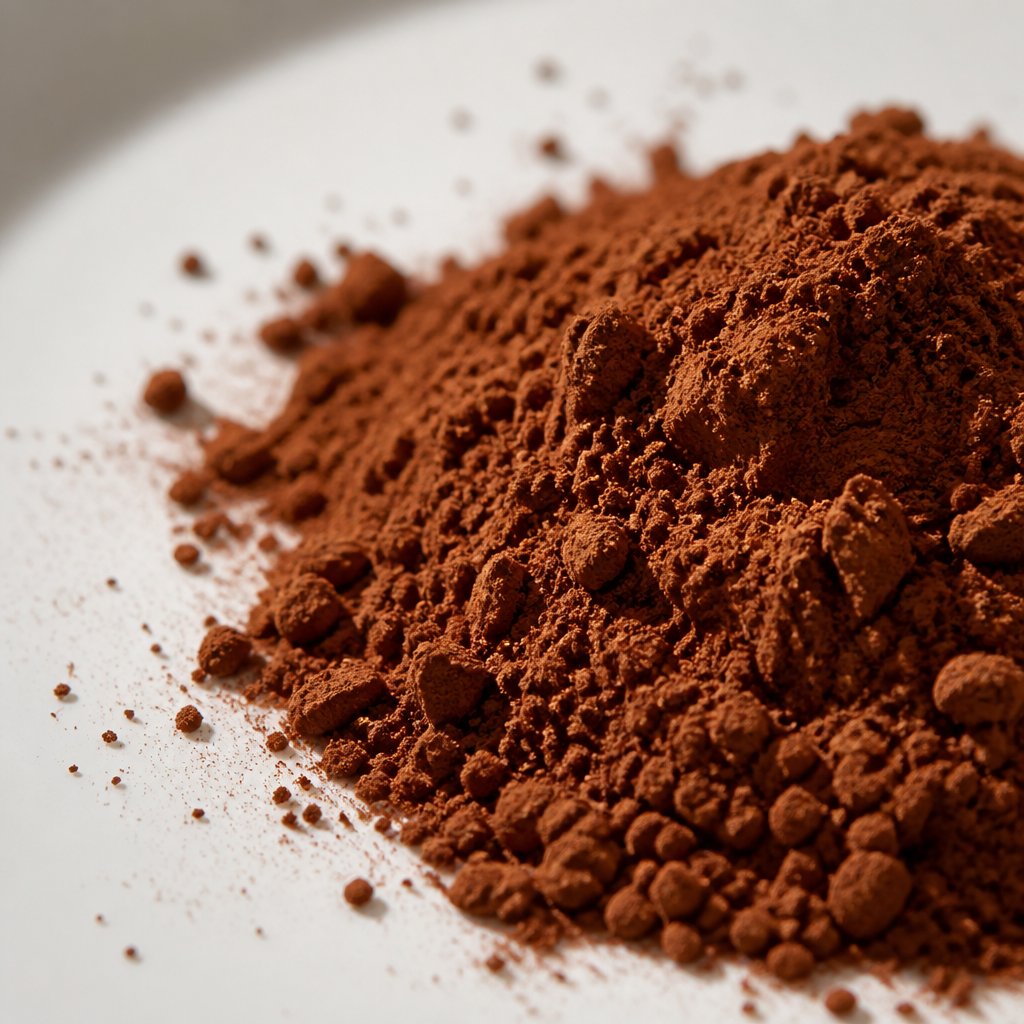
Most dry pantry goods last a while, but cocoa powder outlasts nearly all of them. Flour goes rancid within a year. Baking powder loses its punch in 6 to 12 months. Yet cocoa solids can sit on a shelf for years and still deliver usable chocolate flavor. That kind of staying power isn't accidental. It's the result of three overlapping scientific factors working together to keep degradation at bay.
Understanding how long does cocoa last, and why, comes down to moisture, fat content, and built-in chemical protection. Here's how each one contributes to the shelf life of cocoa.
- Low water activity — starves microorganisms of the moisture they need to grow
- Reduced fat content from pressing — minimizes the oils that go rancid over time
- Natural polyphenol antioxidants — slow oxidative breakdown at the molecular level
Low Moisture Content and Microbial Resistance
Every living organism needs available water to survive, and microorganisms are no exception. Food scientists measure this available water using a scale called water activity (aw), which ranges from 0 (bone dry) to 1.0 (pure water). The lower the water activity, the harder it is for bacteria, molds, and yeasts to pull moisture across their cell membranes and reproduce.
Cocoa powder sits at roughly 0.40 aw, placing it in the same ultra-dry category as whole egg powder and liquid center cough drops. At that level, no bacteria can proliferate. Most molds stop growing below 0.70 aw, and even the hardiest xerophilic molds (like Eurotium species) need at least 0.61 aw to reproduce. Cocoa powder falls well below every known microbial growth threshold.
This is why cocoa powder doesn't "spoil" in the traditional sense. The organisms responsible for food-borne illness simply cannot establish colonies in an environment that dry. They don't die, they become dormant, unable to multiply enough to cause harm. As long as moisture isn't introduced from the outside, the powder remains microbiologically stable indefinitely.
How Cocoa Pressing Extends Shelf Life
When cocoa beans are processed, they're roasted, cracked, and ground into a thick paste called cocoa liquor. This liquor contains roughly 50-55% cocoa butter, a fat that, like any oil, is vulnerable to oxidation and eventual rancidity. The pressing step changes everything.
During hydraulic pressing, hot cocoa liquor is forced through a press at pressures up to 550 bars. This squeezes out most of the cocoa butter, leaving behind a dry cake that gets milled into powder. Standard cocoa powder retains only about 10-12% fat. Some higher-fat varieties contain 20-24%, but even those carry far less oxidation-prone material than the original liquor.
Why does this matter for shelf life? Fat oxidation is the primary chemical pathway that makes foods go rancid. Fewer fats mean fewer molecules available to react with oxygen, which means a dramatically slower degradation timeline. A bottle of cocoa butter might develop off-flavors within a year or two, but the pressed powder, stripped of most of that butter, resists rancidity far longer. Higher-fat cocoa powders (the 20-24% range) do carry slightly more rancidity risk, which is worth noting if you're storing a premium European-style cocoa for extended periods.
Polyphenols as Natural Preservatives
Cocoa powder contains one more built-in defense system: a high concentration of polyphenolic compounds, particularly flavanols and procyanidins. These molecules are natural antioxidants, meaning they neutralize free radicals and interrupt the oxidation chain reactions that break down fats and flavor compounds.
Research published in the Journal of Food Science confirmed that cocoa's antioxidant activity and polyphenol content remain remarkably stable under normal storage and preparation conditions. Recoveries of antioxidant activity ranged from 86% to over 100% in applications like frosting and hot cocoa drinks, demonstrating that these protective compounds hold up well over time.
Think of polyphenols as a molecular shield. While the small amount of remaining cocoa butter slowly interacts with oxygen, the surrounding polyphenols intercept those reactions before they can produce the aldehydes and ketones responsible for rancid flavors. This is why cocoa powder retains its characteristic taste far longer than you'd expect from a product containing any fat at all.
Together, these three factors create a remarkably resilient pantry ingredient. Extremely low water activity blocks biological spoilage. Minimal fat content limits chemical rancidity. And a dense network of natural antioxidants slows whatever oxidation does occur. The result is a product where degradation happens on a timeline measured in years, not weeks or months, and where the changes that do occur affect flavor intensity rather than safety.
Of course, "years" is still not "forever." The real question becomes: how many years, and does it matter whether the container has been opened? That depends on storage conditions, and the differences are more significant than most people realize.
Shelf Life Breakdown for Opened and Unopened Cocoa Powder
Storage conditions create a surprisingly wide gap in how long cocoa powder holds its quality. An unopened tin tucked in a cool, dark cabinet behaves very differently from an opened container sitting near a stove in a humid kitchen. The shelf life of cocoa powder isn't a single number. It's a range shaped by temperature, humidity, air exposure, and packaging integrity.
Here's what the timelines actually look like when you break them down by real-world scenarios.
Unopened Cocoa Powder Shelf Life by Storage Condition
Sealed, factory-packaged cocoa powder benefits from minimal oxygen exposure and intact moisture barriers. Under ideal conditions, a cool pantry kept below 75°F (24°C) with humidity under 65%, unopened cocoa powder maintains peak flavor for 2 to 3 years beyond its printed best-by date. That's not a typo. The combination of low water activity, reduced fat, and sealed packaging creates an environment where degradation crawls at an almost imperceptible pace.
Move that same tin to a consistently cool, dark space like a basement pantry or climate-controlled closet (60-70°F), and you can push quality retention even further. Taste testers in a Cooks Illustrated evaluation couldn't distinguish between cookies made with fresh cocoa powder and cocoa powder that was one to two years past its date. Only at the six-year mark did tasters notice a meaningful flavor difference.
Humid climates tell a different story. If you live somewhere with ambient humidity regularly above 75%, even an unopened container faces accelerated quality loss. Moisture can slowly migrate through packaging seals over time, particularly in cardboard-based containers or tins with imperfect closures. In these environments, expect the quality window to shrink by roughly 30-40%, bringing practical freshness closer to 1 to 2 years past the printed date rather than 3.
How Long Opened Cocoa Powder Stays Fresh
Opening the container changes the equation. Every time you remove the lid, you introduce fresh oxygen and ambient moisture. How long does cocoa powder last once opened? In a standard pantry environment with an airtight container, you'll get about 1 year or longer of peak-quality flavor. After that, the chocolate notes begin to thin out gradually.
The container you use matters more than most people realize. Cocoa powder left in its original packaging, often a simple tin with a plastic lid or a resealable bag, loses quality faster than powder transferred to a truly airtight glass or food-grade plastic container. Original packaging typically allows more air exchange with each opening, and the seals degrade over months of repeated use.
How long is cocoa powder good for in less-than-ideal conditions? If you're scooping from an open container in a warm, humid kitchen without a tight seal, expect noticeable flavor decline within 6 to 8 months. The powder won't become unsafe, but you'll start compensating with extra scoops to get the same chocolate intensity in recipes.
Best-By Dates vs Expiration Dates Explained
This is where most of the confusion lives. That date stamped on your cocoa powder container is almost certainly a "best by" or "best if used by" date, not an expiration date. The distinction is critical.
A best-by date indicates when the manufacturer believes the product will deliver optimal flavor and aroma. It's a quality recommendation, not a safety boundary. As University of Georgia food safety specialist Carla Schwan explains, "That doesn't mean if you eat it a day or two later, you'll get sick — you might just notice changes in texture, taste or freshness."
True expiration dates, marked specifically as "expires on," are rare in the U.S. and legally required only for infant formula. Cocoa powder never carries a true expiration date. What you're seeing is a cocoa powder expiration estimate for peak quality, nothing more.
This same principle applies across chocolate products. A chocolate expiration date on a bar or mix packet follows the same logic: it signals when flavor starts declining, not when the product becomes dangerous. For dry, shelf-stable products like cocoa powder, the gap between "past its best" and "actually harmful" spans years, not days.
A best-by date tells you when cocoa powder tastes its absolute best. It does not tell you when it becomes unsafe. Properly stored cocoa powder remains safe to use for years beyond that printed date.
The table below puts all of these scenarios side by side so you can quickly assess where your cocoa powder falls.
| Storage Scenario | Conditions | Estimated Quality Window |
|---|---|---|
| Unopened, standard pantry | Below 75°F, humidity under 65% | 2-3 years past best-by date |
| Unopened, cool and dark storage | 60-70°F, low humidity, no light | 3+ years past best-by date |
| Opened, airtight container | Sealed glass or plastic, cool pantry | 1-2 years past best-by date |
| Opened, original packaging | Tin or bag with standard closure | 6-12 months past best-by date |
| Any container, humid climate | Ambient humidity above 75% | Reduce all estimates by 30-40% |
A practical takeaway from these numbers: cocoa expiration is gradual, not sudden. Your powder doesn't flip from "perfect" to "useless" overnight. It drifts slowly from full intensity toward muted flavor, and the speed of that drift depends almost entirely on how well you control moisture, heat, and air exposure.
Knowing the timeline is one thing. Knowing what to actually look for when you open that old container is another. The signs of genuine spoilage look quite different from normal aging, and confusing the two leads to either wasted product or, in rare cases, using powder that genuinely should be discarded.
How to Tell If Your Cocoa Powder Has Gone Bad
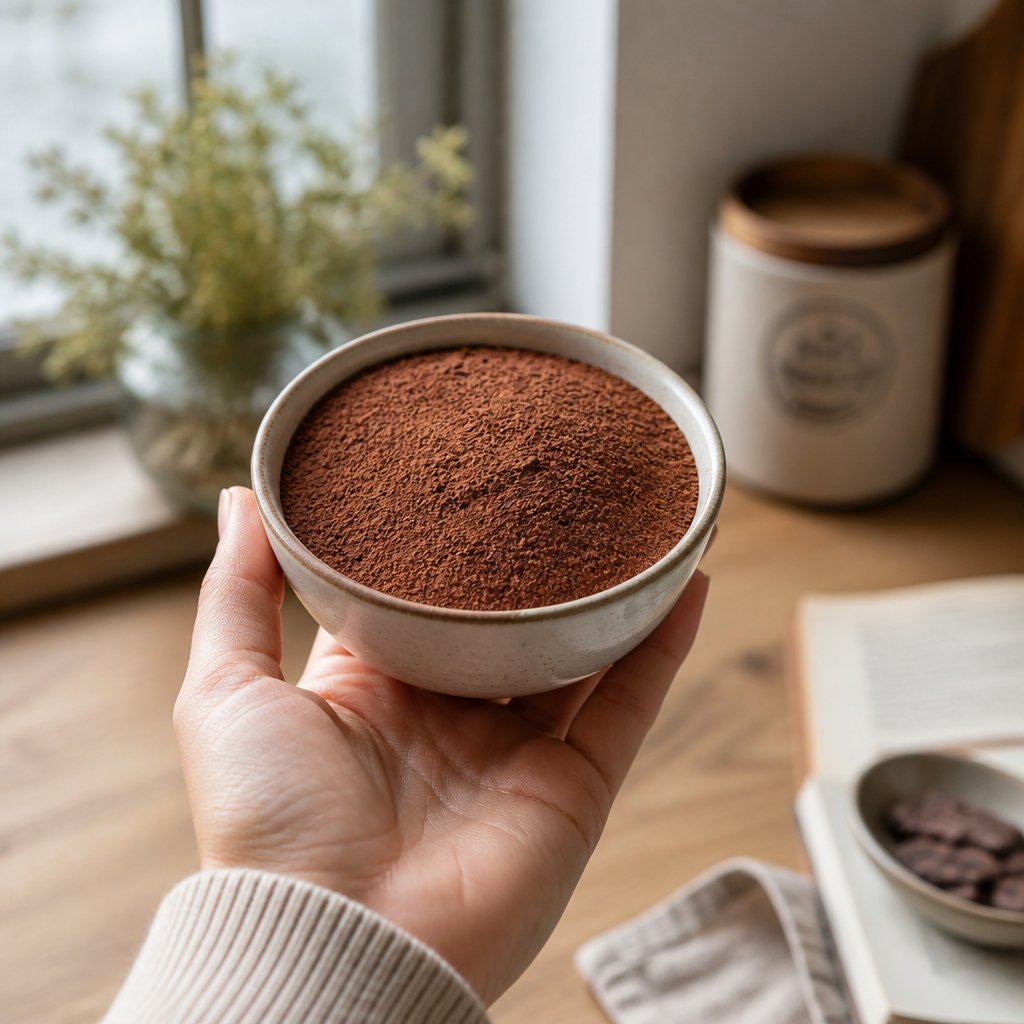
You've checked the date, you know the timelines, and your cocoa powder is technically past its prime. But does powdered cocoa go bad in a way you can actually see, smell, or taste? The answer is yes, though the signs are subtler than you might expect. The real challenge isn't spotting spoilage. It's distinguishing genuine problems from harmless aging that looks alarming but poses no risk.
Here's a practical breakdown of what to inspect, what each sign actually means, and whether your cocoa powder deserves a second life or a trip to the trash.
Visual Signs of Spoiled Cocoa Powder
Start with your eyes. Open the container and look at the surface of the powder under good lighting. You're checking for three things: mold, pest evidence, and unusual discoloration.
Mold on cocoa powder is rare because of its extremely low moisture content, but it can happen if water has been introduced, say, from a wet spoon or steam exposure near a stove. Mold appears as fuzzy patches, often white, green, or blue-gray, sitting on top of or embedded within the powder. It looks distinctly different from the smooth, uniform texture of dry cocoa.
Pantry pests like Indian meal moths and flour beetles are another concern. Their calling cards include fine webbing woven through the powder, tiny larvae (cream-colored, about 1/4 inch), small holes in packaging, or a foul odor that doesn't match cocoa's natural scent. These pests favor grain products but will infest any dry good stored in improperly sealed containers. If you spot webbing or live insects, discard the entire container.
- Fuzzy patches (white, green, or blue-gray) on the surface — DISCARD. This is mold growth from moisture contamination.
- Fine webbing or silk-like threads through the powder — DISCARD. This indicates Indian meal moth larvae.
- Tiny insects, larvae, or pinhole damage in packaging — DISCARD. Pest infestation contaminates the entire container.
- Uniform color that's slightly lighter than when new — SAFE. Color fading signals flavor loss, not spoilage.
- Small white or grayish specks on the surface — SAFE (likely). These are often fat bloom, where trace cocoa butter migrates to the surface and crystallizes. Fat bloom looks like a thin, even dusting rather than fuzzy growth. If the specks wipe away cleanly and the powder smells normal, it's fine to use.
Smell and Taste Tests That Reveal Quality
Your nose is the most reliable tool for evaluating whether cocoa powder has crossed from "aged" into "off." Fresh cocoa powder smells distinctly chocolatey, rich, slightly bitter, and earthy. As it ages, that aroma simply fades. You'll notice less intensity when you open the container, like the volume has been turned down. A faded smell means reduced flavor in your recipes, but it's perfectly safe.
What you're watching for is a smell that's wrong, not just weak. Rancid cocoa powder produces a sharp, sour, or chemical-like odor that's immediately unpleasant. It's the smell of oxidized fats, and it's unmistakable once you know what to look for. A musty or damp smell suggests moisture intrusion and possible hidden mold growth, even if you can't see it yet.
If the smell test passes but you're still uncertain, taste a tiny pinch. Safe cocoa powder, even old cocoa powder, tastes bitter and chocolatey, just with less depth. Spoiled cocoa powder tastes sour, acrid, or leaves an unpleasant chemical aftertaste.
- Faded or weak chocolate aroma — SAFE. Flavor has diminished but the powder is usable.
- Sharp, sour, or chemical-like smell — DISCARD. This indicates fat rancidity.
- Musty or damp odor — DISCARD. Moisture contamination has likely occurred.
- Bitter chocolate taste with less intensity — SAFE. Normal aging.
- Sour, acrid, or unpleasant chemical aftertaste — DISCARD. The fats have degraded beyond usability.
Clumping and Color Changes Decoded
These two signs cause the most unnecessary waste. People open a container, see clumps or lighter color, and assume the worst. Here's what's actually happening.
Clumping occurs when cocoa powder absorbs ambient moisture. The particles stick together, forming soft or hard lumps depending on how much water was absorbed. Does this mean the powder has gone off? Not necessarily. Clumping tells you the seal wasn't airtight or the storage environment was humid. The powder may still be perfectly safe if it passes the smell and visual checks above. Break up the clumps, inspect for any mold or off-odors, and proceed if everything else checks out.
However, severe clumping with a damp or paste-like texture suggests enough moisture entered to potentially support mold growth. In that case, err on the side of caution and discard.
Color fading is even less concerning. Cocoa powder naturally lightens over time as pigment compounds slowly oxidize. A container that was once deep, dark brown may shift toward a medium or reddish-brown. This change correlates with flavor loss, not safety issues. You're looking at weaker chocolate intensity in your recipes, not a health risk.
- Soft clumps that break apart easily, no off-smell — SAFE. Sift before using for accurate measurement.
- Hard clumps with damp texture or musty smell — DISCARD. Excessive moisture may have enabled microbial activity.
- Gradual lightening of color over months or years — SAFE. Indicates flavor decline, not contamination.
- Sudden or patchy discoloration (green, gray, or spotted) — DISCARD. Possible mold or chemical contamination.
Can chocolate powder go bad in the same ways? Largely yes. Whether you're evaluating pure cocoa powder or a powdered chocolate mix, the same visual, smell, and taste indicators apply. The difference is that mixes containing sugar and milk solids have slightly higher moisture risk, so does powdered chocolate go bad faster? It can, because those added ingredients create a marginally more hospitable environment for degradation. Pure cocoa powder, with nothing added, remains the most resilient.
Passing these checks means your cocoa powder is safe to eat. But "safe" and "worth eating" aren't always the same thing. The next consideration is whether that aged powder will actually perform well in your recipe, or whether the flavor loss has crossed a threshold where it affects the final result.
Is Expired Cocoa Powder Safe to Eat
Your cocoa powder passed its spoilage checks. No mold, no pests, no rancid smell. But the best-by date says 2022. Can you use expired cocoa powder without worrying about food safety? This is the question that sends most people to the trash can prematurely, and the answer is more reassuring than you might expect.
Expired vs Spoiled — The Critical Difference
These two words get used interchangeably, but they describe completely different situations. "Expired" means a product has passed its manufacturer-recommended quality window. "Spoiled" means a product has undergone changes that make it unsafe to consume, typically through microbial growth, chemical contamination, or pest infestation.
Expired cocoa powder is not spoiled cocoa powder. The USDA confirms that most shelf-stable foods remain safe indefinitely, and that dates on packaged goods like cocoa powder refer to quality, not safety. Cocoa powder's ultra-low water activity (around 0.40 aw) means pathogenic bacteria simply cannot reproduce in it, regardless of how long it sits on your shelf.
So, can you eat expired cocoa powder? Yes. Is expired cocoa powder safe when it's been stored properly? Also yes. The degradation that occurs after the best-by date is purely qualitative: fading flavor, reduced aroma intensity, and slightly muted color. None of these changes produce toxins or harmful compounds.
Can i use 2 year expired cocoa powder for baking? Blind taste tests showed that cocoa powder one to two years past its date produced cookies indistinguishable from those made with fresh powder. Even at the six-year mark, the difference was noticeable but the powder remained completely safe to consume.
In the absence of contamination, cocoa powder degrades in flavor, not safety. If it looks normal, smells like chocolate, and has been stored dry, it is safe to eat regardless of the printed date.
When Expired Cocoa Powder Could Actually Be Harmful
Safety concerns arise only when something external has compromised the powder. Is it ok to use expired cocoa powder in every situation? Not quite. There are specific contamination scenarios where you should discard it, no matter how recently it was purchased:
- Moisture intrusion — If water entered the container (wet spoon, steam, condensation from temperature swings), the water activity may have risen high enough to support mold growth. Mold can produce mycotoxins that aren't destroyed by baking temperatures.
- Pest infestation — Insects and larvae introduce biological waste and bacteria. Even if you remove visible pests, their excrement and shed materials contaminate the entire container.
- Chemical exposure — Cocoa butter readily absorbs surrounding odors and volatile compounds. Powder stored near cleaning products, pesticides, or other chemicals may have absorbed harmful substances that won't show up in a visual inspection.
- Rancid fat breakdown — While not dangerous in small amounts, severely rancid cocoa powder (sharp chemical smell) indicates advanced oxidation. The compounds produced, primarily aldehydes, can cause digestive discomfort in sensitive individuals.
If none of these scenarios apply, can i use expired cocoa powder confidently? Absolutely. The food safety principle here is straightforward: expired cocoa that has been kept cool, dry, sealed, and away from contaminants poses zero health risk. You're trading flavor intensity, not safety, for the convenience of using what you already have on hand.
The practical question then shifts from "will this hurt me" to "will this still taste good enough to be worth using." That depends entirely on what you're making, and some applications are far more forgiving of aged cocoa than others.
How Aging Cocoa Powder Affects Your Recipes
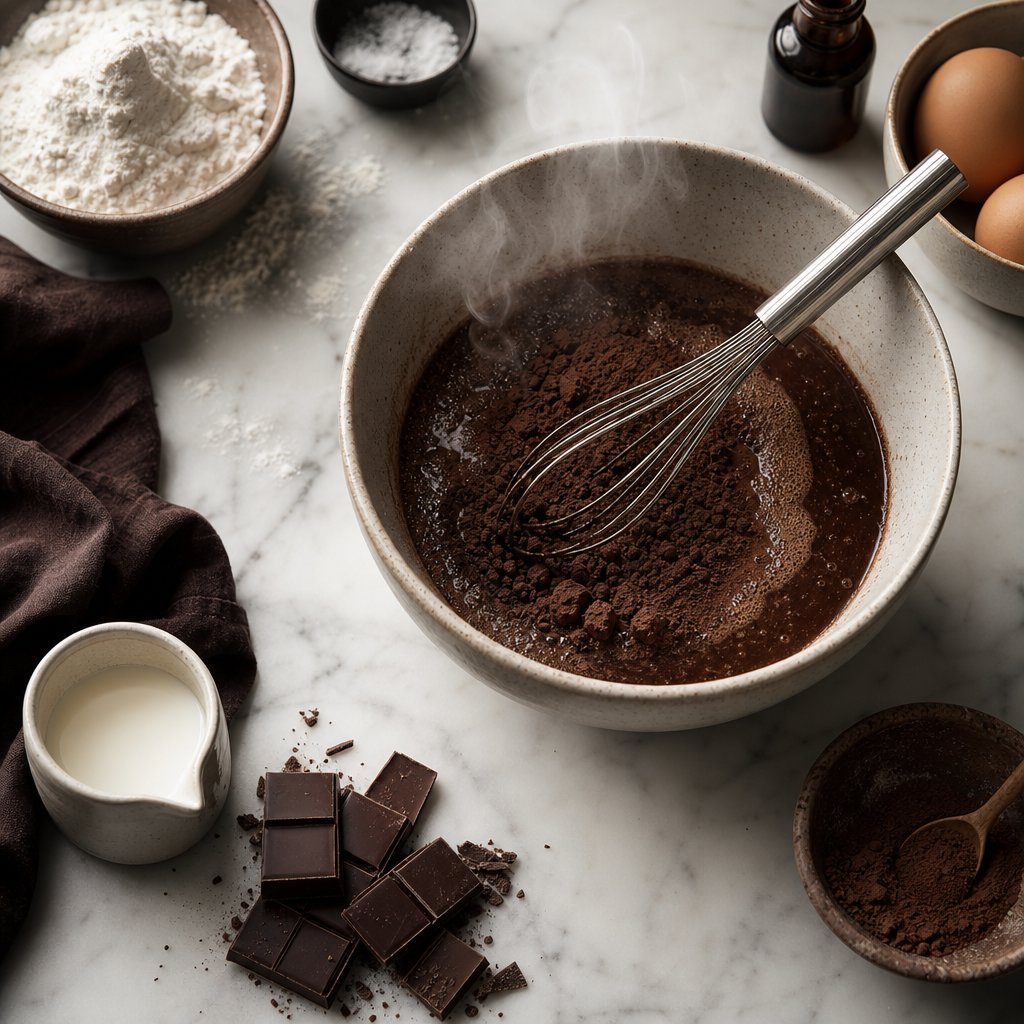
A brownie made with fresh cocoa powder and a brownie made with two-year-old cocoa powder are both safe to eat. But do they taste the same? Not always. The impact depends on what you're making, how prominently chocolate features in the recipe, and how far the powder has drifted from peak potency. Some applications barely notice the difference. Others fall flat.
Can you use expired cocoa powder for baking? Yes, but knowing where it performs well and where it struggles helps you decide whether to reach for that older tin or pick up a fresh one.
Baking with Older Cocoa Powder
Baking is where most people notice aged cocoa powder first. The volatile flavor compounds that give chocolate its depth, those complex notes of fruit, earth, and roast, are the first to fade. In a rich chocolate cake or fudgy brownie, this translates to a flatter, less dimensional chocolate taste. The color may also appear lighter, producing baked goods that look more milk-chocolate brown than the deep, dark hue you'd expect.
There's a less obvious concern for recipes that rely on natural cocoa's acidity to activate baking soda. As cocoa powder ages, its acidic compounds can weaken slightly. In most recipes, this shift is too small to affect rise. But in delicate formulations where the acid-base balance is precise, like a devil's food cake that depends entirely on cocoa acidity for leavening, older powder may produce a marginally denser crumb. Does baking cocoa go bad enough to ruin a recipe? Rarely. But if your cake seems heavier than expected, the cocoa's age could be a contributing factor.
Hot Drinks and Beverage Applications
Hot cocoa and drinking chocolate expose aged powder's weaknesses more directly than baking does. In a cookie or cake, sugar, butter, eggs, and vanilla all support the chocolate flavor. In a mug of hot cocoa, the powder carries the show almost alone. Aged cocoa produces a thinner, less complex drink, still chocolatey, but missing the layered richness that makes a great cup satisfying.
This same principle applies to chocolate-based mixes. Does hot chocolate powder expire in a way that affects taste? It does. Does hot cocoa mix expire differently than pure cocoa powder? Mixes containing sugar and milk solids can actually degrade faster because those added ingredients introduce more reactive compounds. Pure cocoa powder holds its flavor longer than blended mixes, which is worth remembering if you're choosing between the two for long-term storage.
Does chocolate powder expire at the same rate regardless of format? Not quite. Instant mixes with added fats and dairy components have a shorter quality window than unsweetened cocoa powder, typically 12 to 18 months for best flavor versus the multi-year timeline of pure cocoa.
Tips to Revive Faded Cocoa Flavor
Older cocoa powder isn't a lost cause. A few techniques can coax more flavor from powder that's past its prime.
Bloom it in hot liquid. Blooming cocoa powder means dissolving it in hot water, coffee, or melted butter before adding it to your recipe. Heat loosens a thin membrane that clings to cocoa particles, exposing more of the cocoa solids and releasing trapped flavor compounds. This technique works with both natural and Dutch-process cocoa and adds only a minute or two to your prep time. For aged powder, blooming can recover a surprising amount of lost intensity.
Increase the quantity slightly. If your recipe calls for 1/3 cup of cocoa powder, try bumping it to a generous 1/3 cup or adding an extra tablespoon. This compensates for reduced potency without altering the recipe's structure significantly. Stay within a 15-20% increase to avoid making the batter too dry.
Pair with flavor enhancers. A teaspoon of instant espresso powder amplifies chocolate perception without adding coffee flavor. A splash of pure vanilla extract rounds out the profile. A pinch of salt sharpens whatever chocolate notes remain. These companions don't replace fresh cocoa, but they fill in the gaps that aging creates.
The table below shows how fresh and aged cocoa powder compare across common applications, along with practical adjustments for each.
| Application | Fresh Cocoa Powder | Aged Cocoa Powder (1-3 years past best-by) | Compensation Tips |
|---|---|---|---|
| Baking (cakes, brownies) | Deep chocolate flavor, dark color, reliable leavening interaction | Muted flavor, lighter color, slightly reduced acidity | Bloom in melted butter; add 1 tbsp extra; include espresso powder |
| Hot drinks | Rich, complex, full-bodied chocolate taste | Thinner profile, less depth, still recognizably chocolate | Bloom in a small amount of boiling water first; add a pinch of salt and vanilla |
| Frosting and ganache | Intense color, bold flavor that stands up to sugar and butter | Muted color, flavor gets buried under sweetness | Increase cocoa by 15-20%; reduce sugar slightly to let cocoa shine |
| Savory dishes (mole, chili) | Adds earthy depth and subtle bitterness | Contributes color and mild bitterness; complexity is reduced | Add dark chocolate (1 oz) alongside cocoa; toast spices to compensate for lost depth |
Savory applications like mole and chili are actually the most forgiving. Cocoa plays a supporting role in these dishes, adding background depth rather than starring as the primary flavor. Even significantly aged powder contributes enough earthiness and color to justify its place in the pot.
How long does chocolate powder last before it stops being useful at all? In practical terms, cocoa powder that's been stored reasonably well remains worth using in some capacity for 3 to 5 years past its best-by date. Beyond that, you're adding volume without much flavor contribution, and a fresh container becomes the better investment.
These performance differences aren't uniform across all cocoa powders, though. Natural and Dutch-process varieties age along different pathways, losing different flavor characteristics at different rates, which changes how you should think about long-term storage depending on what's in your pantry.
Natural vs Dutch-Process Cocoa Shelf Life Compared
Not all cocoa powder ages the same way. The type sitting in your pantry, natural or Dutch-process, determines which flavors fade first, how quickly rancidity becomes a factor, and how long you can realistically stretch that container. The differences come down to chemistry: pH level, fat content, and antioxidant preservation.
Natural Cocoa Powder Shelf Life and Degradation
Natural cocoa powder is simply roasted, pressed cocoa with no further chemical treatment. It retains a pH between 5.0 and 5.8, giving it that sharp, bright acidity you taste in classic American-style chocolate desserts. Does unsweetened cocoa powder go bad faster because of that acidity? Not exactly, but it does age differently.
The acidic environment actually helps preserve flavanol antioxidants. Research from the Journal of Agricultural and Food Chemistry found that natural, nonalkalized cocoa powders had the highest total polyphenol and flavanol content, averaging 34.6 mg/g of total flavanols. Those antioxidants act as a built-in defense against oxidation, slowing fat degradation over time.
The tradeoff? Natural cocoa's signature bright, fruity acidity is the first thing to fade during storage. Those volatile acidic compounds are delicate. After a year or two past the best-by date, you'll notice the tangy edge softening into a flatter, more one-dimensional chocolate taste. The deeper, roasted base notes persist longer, but the complexity that makes natural cocoa distinctive gradually disappears.
With proper storage, natural cocoa powder maintains good quality for 2 to 3 years past its printed date. Does unsweetened cocoa expire in a safety sense during that window? No. The flavor simply narrows.
Dutch-Process Cocoa and How Alkalization Affects Longevity
Dutch-process cocoa undergoes an additional step: treatment with an alkaline solution (typically potassium carbonate) that raises the pH to a neutral 7 or even an alkaline 8. This process darkens the color, mellows the bitterness, and produces those deep, earthy, almost fudgy notes associated with European-style chocolate.
Alkalization changes the degradation pathway in two important ways. First, it significantly reduces flavanol content. The same study showed a linear decrease in antioxidants as pH increased: lightly alkalized cocoa averaged 13.8 mg/g of flavanols, medium-processed dropped to 7.8 mg/g, and heavily processed fell to just 3.9 mg/g. Fewer protective antioxidants means less natural resistance to oxidation over time.
Second, the flavor compounds that define Dutch-process cocoa, those rich, dark, earthy tones, are more chemically stable than natural cocoa's volatile acids. They fade more slowly. You'll notice Dutch-process cocoa losing depth and complexity gradually rather than losing a specific bright note up front. The result is a longer perceived freshness window, even though the powder has fewer built-in antioxidant defenses.
Does cacao powder expire at the same rate as Dutch-process? Raw cacao powder, which is minimally processed and retains the most antioxidants, behaves similarly to natural cocoa in terms of degradation patterns. Does cacao powder go bad more quickly? Its higher antioxidant content actually provides strong oxidation resistance, but its delicate raw flavor notes are sensitive to heat and light exposure.
Fat Content and Rancidity Risk by Brand Type
Here's where brand selection directly impacts shelf life. The FDA requires cocoa powder to contain at least 10% cocoa butter, and most grocery store brands (like standard natural cocoa at 10-11% fat) sit right at that minimum. Premium and European-style cocoa powders, particularly many Dutch-process varieties, contain 20-24% fat for a richer mouthfeel and more intense flavor.
That extra fat is a double-edged sword for longevity. More cocoa butter means more molecules vulnerable to oxidation and rancidity. A high-fat Dutch-process cocoa (22-24% fat) delivers superior baking results when fresh but carries roughly twice the rancidity risk of a standard 10% fat powder over extended storage. Does unsweetened cocoa powder expire faster at higher fat percentages? In terms of quality decline, yes. The timeline for developing off-flavors shortens as fat content rises.
If you're buying cocoa powder for long-term pantry storage, a lower-fat natural cocoa offers the best longevity. If you're buying for immediate or near-term baking performance, high-fat Dutch-process delivers superior results but should be used within a tighter window.
| Characteristic | Natural Cocoa Powder | Dutch-Process Cocoa Powder |
|---|---|---|
| pH Level | 5.0 - 5.8 (acidic) | 7.0 - 8.0 (neutral to alkaline) |
| Typical Fat Content | 10-12% (standard) / 20-22% (premium) | 10-12% (standard) / 22-24% (premium) |
| Flavanol Content | High (avg. 34.6 mg/g) | Reduced (3.9-13.8 mg/g depending on processing level) |
| Shelf Life Estimate (properly stored) | 2-3 years past best-by date | 2-3+ years past best-by date |
| Primary Degradation Pattern | Bright acidity fades first; base chocolate notes persist | Deep earthy complexity thins gradually; color remains stable longer |
| Flavor Loss Timeline | Noticeable thinning at 1-2 years past date | Noticeable thinning at 2-3 years past date |
| Rancidity Risk | Lower in standard (10%) fat versions; moderate in premium | Moderate to higher due to common high-fat formulations |
| Best Storage Method | Airtight container, cool and dark, away from heat sources | Airtight container, cool and dark; prioritize oxygen exclusion for high-fat versions |
The practical takeaway: both types last years when stored well, but they lose different things along the way. Natural cocoa sacrifices its distinctive tang. Dutch-process cocoa sacrifices its velvety depth. And higher-fat versions of either type face a shorter clock before rancidity becomes noticeable.
Knowing which type you have helps you set realistic expectations, but the storage environment itself determines whether you'll reach those maximum timelines or fall short. Temperature, humidity, container choice, and a few common mistakes can either extend your cocoa's useful life or cut it dramatically short.
Best Storage Practices to Maximize Cocoa Powder Freshness
The difference between cocoa powder that tastes great two years past its cocoa powder expiration date and cocoa powder that fades within months comes down to a handful of controllable factors. You don't need specialized equipment or a climate-controlled vault. You need specific numbers, the right container, and awareness of a few common mistakes that quietly shorten your powder's useful life.
The key storage rule for cocoa powder: cool, dark, dry, and sealed. Hit all four, and you'll push quality well beyond the printed cocoa powder expiry date.
Temperature and Humidity Thresholds for Optimal Storage
Cocoa powder performs best when stored between 60°F and 70°F (15-21°C). At this range, the small percentage of cocoa butter remaining in the powder stays stable, and volatile flavor compounds degrade at the slowest possible rate. Temperatures above 75°F (24°C) accelerate flavor loss and weaken antioxidants, while heat above 85°F can cause fat separation that changes texture permanently.
Humidity matters just as much. Aim for ambient humidity below 65%, and never exceed 75%. Above that threshold, cocoa powder begins absorbing atmospheric moisture, raising its water activity toward levels where clumping starts and, eventually, mold becomes possible. If you live in a tropical or coastal climate where indoor humidity regularly exceeds 70%, a pantry dehumidifier or storing cocoa in an interior closet away from exterior walls makes a measurable difference.
What does this look like practically? A standard kitchen pantry in a temperate climate works fine. A cabinet above the stove does not. Neither does a shelf near a dishwasher that vents steam. The cocoa expiration date on your container assumes reasonable storage. Exceed these thresholds consistently, and you'll lose quality months or even years ahead of schedule.
Original Packaging vs Airtight Containers
Does Hershey's cocoa go bad faster in its original tin? It can. Most commercial cocoa powder packaging, whether it's a cardboard canister, a tin with a plastic snap lid, or a resealable bag, is designed for retail shelf appeal and short-term home use. These containers allow small amounts of air exchange with every opening. Over months of repeated use, oxygen and moisture slowly accumulate inside.
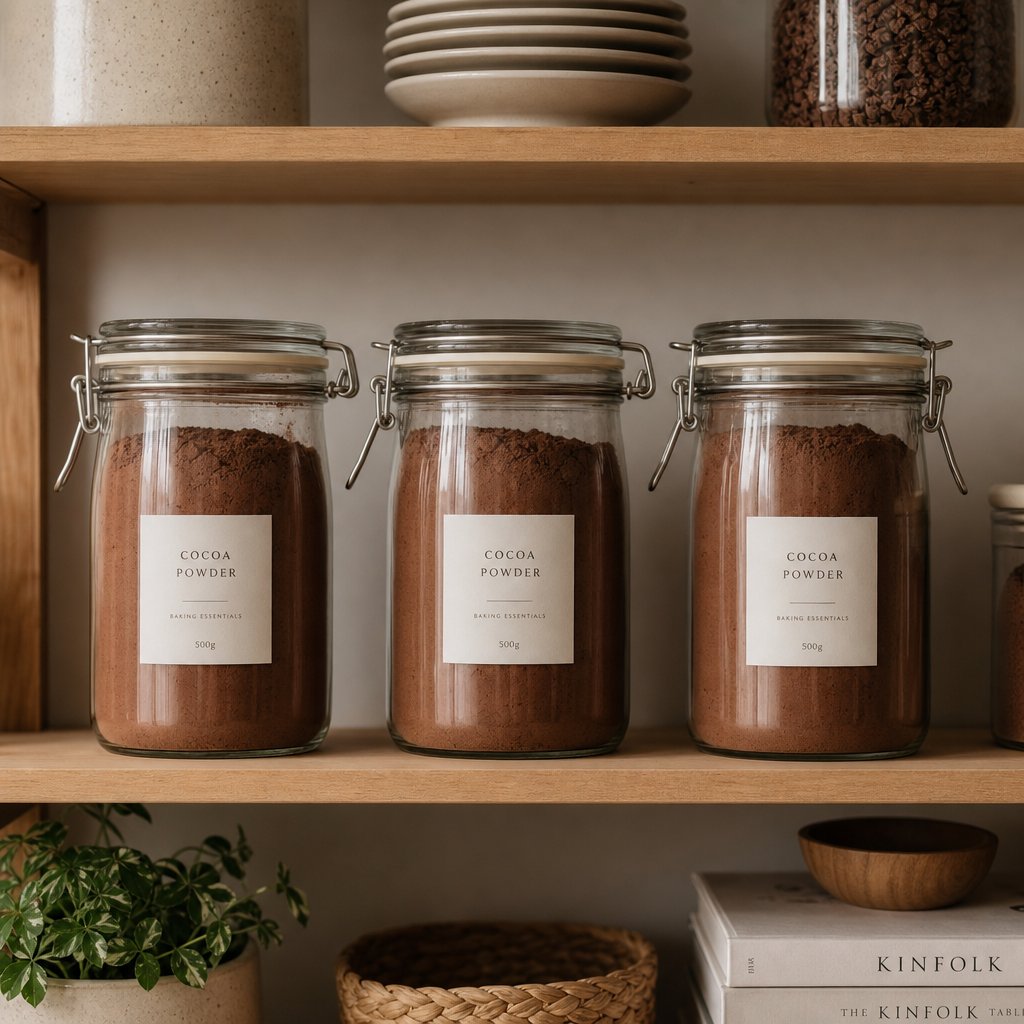
Transferring cocoa powder to a truly airtight, opaque container meaningfully extends quality. Glass jars with silicone-sealed lids, food-grade plastic containers with locking mechanisms, or Mylar bags with oxygen absorbers all outperform original packaging for long-term storage. The opaque part matters too: light accelerates oxidation of both fats and flavor compounds.
Does Hershey's cocoa powder go bad if you leave it in the original container? Not in a safety sense, but you'll notice flavor fading sooner, typically within 6 to 12 months of opening versus 1 to 2 years in a properly sealed vessel. For anyone wondering how long is cocoa powder good for after expiration date, the container choice alone can add a full year to that answer.
Storage Mistakes That Shorten Cocoa Powder Life
Even people who know the basics make a few common errors that quietly accelerate degradation:
- Storing near the stove or oven — Radiant heat from cooking raises the local temperature well above 75°F, even if the rest of your kitchen stays cool.
- Using wet or damp measuring spoons — A single drop of water introduces enough moisture to create localized clumping and potential mold risk over time.
- Refrigerating cocoa powder — This seems logical but creates problems. Every time you remove a cold container from the fridge, condensation forms on the powder's surface as it warms to room temperature. That repeated moisture cycling does more damage than simply storing at a stable 70°F. Refrigeration is generally unnecessary and counterproductive for cocoa powder.
- Storing near strong-smelling foods or chemicals — Cocoa butter absorbs surrounding odors readily. Powder stored next to spices, onions, or cleaning products can develop off-flavors that have nothing to do with age.
- Leaving the container partially open or loosely sealed — Even a few hours of exposure during a baking session allows meaningful oxygen and moisture ingress.
Freezer storage is the one exception to the "skip refrigeration" rule. For bulk purchases or long-term preservation, tightly sealed cocoa powder stored in the freezer can extend quality by an additional 6 to 12 months. The key is double-bagging in airtight freezer bags and allowing the container to reach full room temperature before opening. This prevents the condensation problem that makes fridge storage risky.
Here's a ranked list of storage practices from most impactful to least:
- Transfer to an airtight, opaque container — The single biggest improvement you can make over original packaging.
- Store at 60-70°F in a dark location — Temperature and light control prevent the two fastest degradation pathways.
- Keep ambient humidity below 65% — Prevents moisture absorption that leads to clumping and potential mold.
- Use clean, dry utensils every time — Eliminates the most common source of introduced moisture.
- Minimize opening frequency — Each opening introduces fresh oxygen; consider portioning into a smaller daily-use container.
- Add a food-safe desiccant packet — Absorbs residual moisture inside the container, especially useful in humid climates.
- Label with the date opened — Removes guesswork about how long the powder has been exposed to air.
Follow these practices and you'll consistently reach or exceed the quality timelines outlined earlier, regardless of what the cocoa powder expiration date on the label says. The powder doesn't know what date is printed on its container. It only responds to the environment you give it.
These storage principles apply equally whether you're preserving cocoa for weekend baking or sourcing it as a functional ingredient at commercial scale. And for businesses building cocoa-based health products, the stakes around ingredient stability and shelf life extend well beyond a single pantry.
Cocoa Powder in Health Products and Functional Foods
Everything discussed so far applies to a single container in your kitchen. But cocoa powder's remarkable stability and dense concentration of bioactive compounds have made it far more than a baking ingredient. The same polyphenols that protect your pantry cocoa from oxidation are driving a growing segment of the health and wellness industry, where cocoa powder cacao extracts appear in supplements, functional beverages, and nutraceutical formulations designed to deliver targeted health benefits.
For businesses developing these products, the question shifts from "is cocoa powder bad for you" to something more complex: how do you preserve cocoa's beneficial compounds through manufacturing, packaging, and months of shelf life in a finished product?
Cocoa Powder as a Functional Health Ingredient
Cocoa's appeal in the wellness space comes down to its flavanol content. A comprehensive review of 48 clinical trials published in Antioxidants found that flavanol-rich cocoa consumption at doses ranging from 45.3 mg/d to 1078 mg/d produced beneficial effects on cardiovascular health, cognitive function, oxidative stress reduction, and even gut microbiota composition. The European Food Safety Authority has authorized a health claim stating that cocoa flavanols help maintain the elasticity of blood vessels, contributing to normal blood flow.
These findings have fueled demand for cocoa-based functional products. Raw cacao powder, minimally processed to retain maximum polyphenol content, has become a popular base ingredient for antioxidant supplements, energy blends, and cognitive support formulations. Unlike the cocoa powder in your pantry that may have lost some flavanols through standard roasting and processing, supplement-grade cocoa is often sourced and handled specifically to preserve bioactive potency.
Does cocoa butter go bad in these formulations? Does cocoa butter expire at the same rate as powder-based products? The fat component behaves differently in encapsulated or blended formats. In soft capsules or gummy formulations, cocoa butter's oxidation risk is managed through controlled environments and protective coatings that limit oxygen exposure far more effectively than a kitchen tin ever could.
Ensuring Quality from Ingredient to Finished Product
The challenge for brands entering this space is that cocoa's bioactive compounds are sensitive to processing conditions. Research on cocoa processing shows that alkalization can reduce epicatechin content by up to 98% and total polyphenols by over 60%. High roasting temperatures further degrade flavanols. A finished supplement that starts with poorly handled cocoa delivers a fraction of the expected health benefit, regardless of what the label claims.
Professional manufacturing addresses this through controlled formulation processes that minimize heat exposure, optimize pH conditions, and select cocoa sources with verified polyphenol profiles. The goal is maintaining the bioactive integrity that makes cocoa valuable as a functional ingredient while achieving the shelf stability, taste, and format that consumers expect.
For nutrition brands, supplement importers, and private label sellers looking to develop cocoa-based health products, partnering with an experienced OEM/ODM manufacturer streamlines this process considerably. ZhuFeng's health food manufacturing services offer customized formulation across flexible product formats, including powder/granules, hard capsules, soft capsules, tablets, gummy candy, and oral liquids. This range allows brands to deliver cocoa's antioxidant benefits in whatever format suits their target market, whether that's a daily flavanol capsule, a functional cocoa powder blend, or a cocoa-infused gummy designed for convenience.
Scalable production with proper quality assurance ensures that the polyphenols preserved during careful sourcing actually survive through manufacturing and remain potent on store shelves. For businesses wanting to bring cocoa-based wellness products to market without building manufacturing infrastructure from scratch, this kind of partnership bridges the gap between promising ingredient science and a market-ready product.
Whether you're evaluating the old tin in your pantry or sourcing cocoa at commercial scale, the underlying principle remains the same: cocoa powder's value lies in its bioactive compounds, and how you handle it determines how much of that value you actually get to use.
Frequently Asked Questions About Cocoa Powder Shelf Life
1. Can you use cocoa powder 2 years after the expiration date?
Yes, cocoa powder stored in a cool, dry, airtight container remains safe to use 2 years past its best-by date. Blind taste tests have shown that baked goods made with cocoa powder 1-2 years past its date were indistinguishable from those made with fresh powder. The flavor may be slightly less intense, but there is no safety concern. You can compensate for reduced potency by blooming the powder in hot liquid or adding an extra tablespoon to your recipe.
2. What does spoiled cocoa powder look like?
Spoiled cocoa powder shows fuzzy patches of white, green, or blue-gray mold on the surface, fine webbing from pantry moth larvae, or visible insects. These signs indicate contamination and the powder should be discarded. Normal aging signs like uniform color fading, minor clumping, or small white specks from fat bloom are not spoilage. Fat bloom appears as a thin, even dusting rather than fuzzy growth and is safe to use.
3. Does cocoa powder need to be refrigerated after opening?
No, refrigeration is generally unnecessary and counterproductive for cocoa powder. Each time you remove a cold container from the fridge, condensation forms on the powder as it warms to room temperature. This repeated moisture cycling causes more damage than storing at a stable room temperature. Instead, keep opened cocoa powder in an airtight, opaque container at 60-70 degrees Fahrenheit in a dark, dry location away from heat sources.
4. Is there a difference in shelf life between natural and Dutch-process cocoa powder?
Both types last 2-3 years past their best-by date when properly stored, but they degrade differently. Natural cocoa powder has higher antioxidant content that resists oxidation, though its bright acidic notes fade first. Dutch-process cocoa has fewer protective flavanols due to alkalization, but its deep earthy flavor compounds are more chemically stable and fade more slowly. Higher-fat versions of either type face a shorter timeline before rancidity becomes noticeable.
5. Can expired cocoa powder make you sick?
Expired cocoa powder that has been stored properly will not make you sick. Its extremely low water activity (around 0.40) prevents bacteria and mold from growing. The only scenarios where cocoa powder could be harmful are if moisture was introduced (enabling mold and mycotoxin production), pests contaminated it, or it was stored near chemicals that it absorbed. If it looks normal, smells like chocolate, and shows no signs of contamination, it is safe regardless of the printed date.