What Is Amla Powder and Where Does It Come From
You've probably spotted it in hair care aisles or wellness blogs, but what is amla powder, exactly? In short, it's the dried and finely ground form of the Indian gooseberry fruit (Phyllanthus emblica), a tart, nutrient-dense berry that has anchored traditional South Asian medicine for thousands of years.
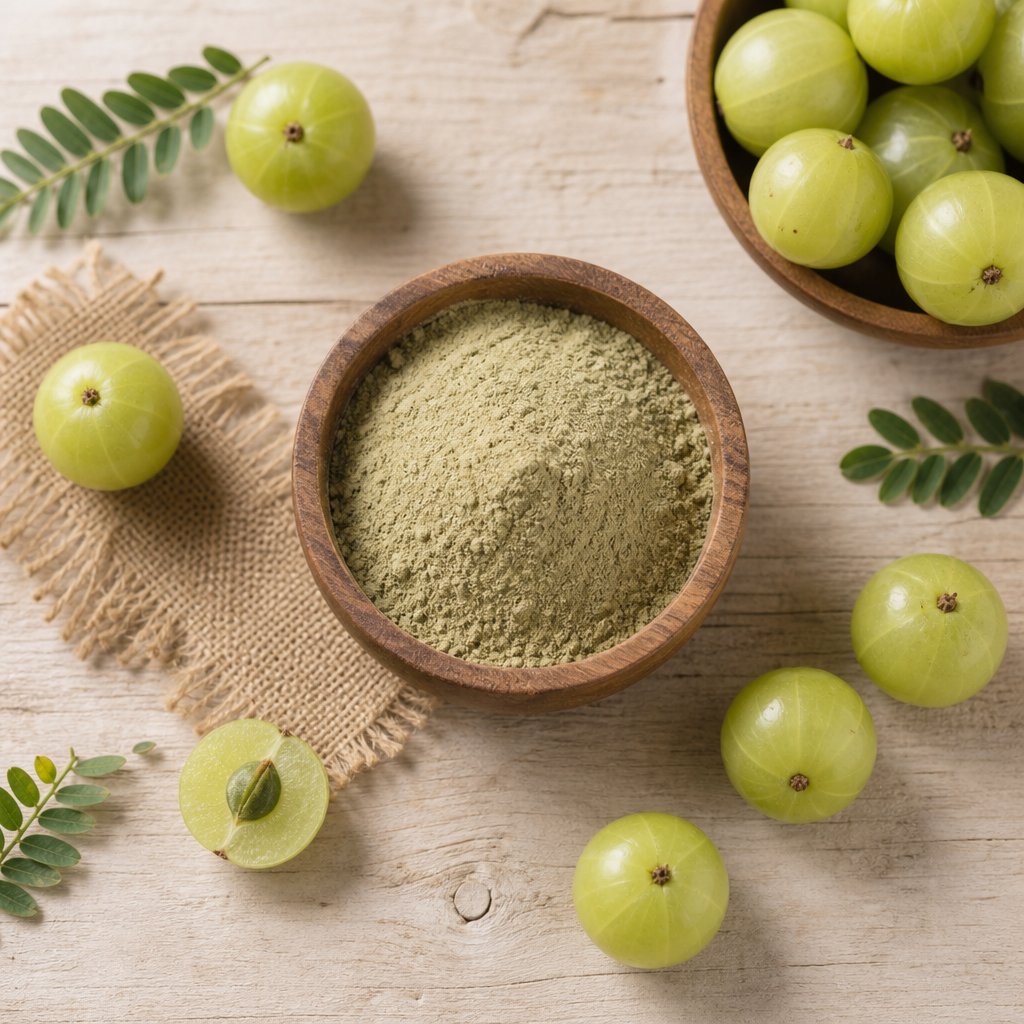
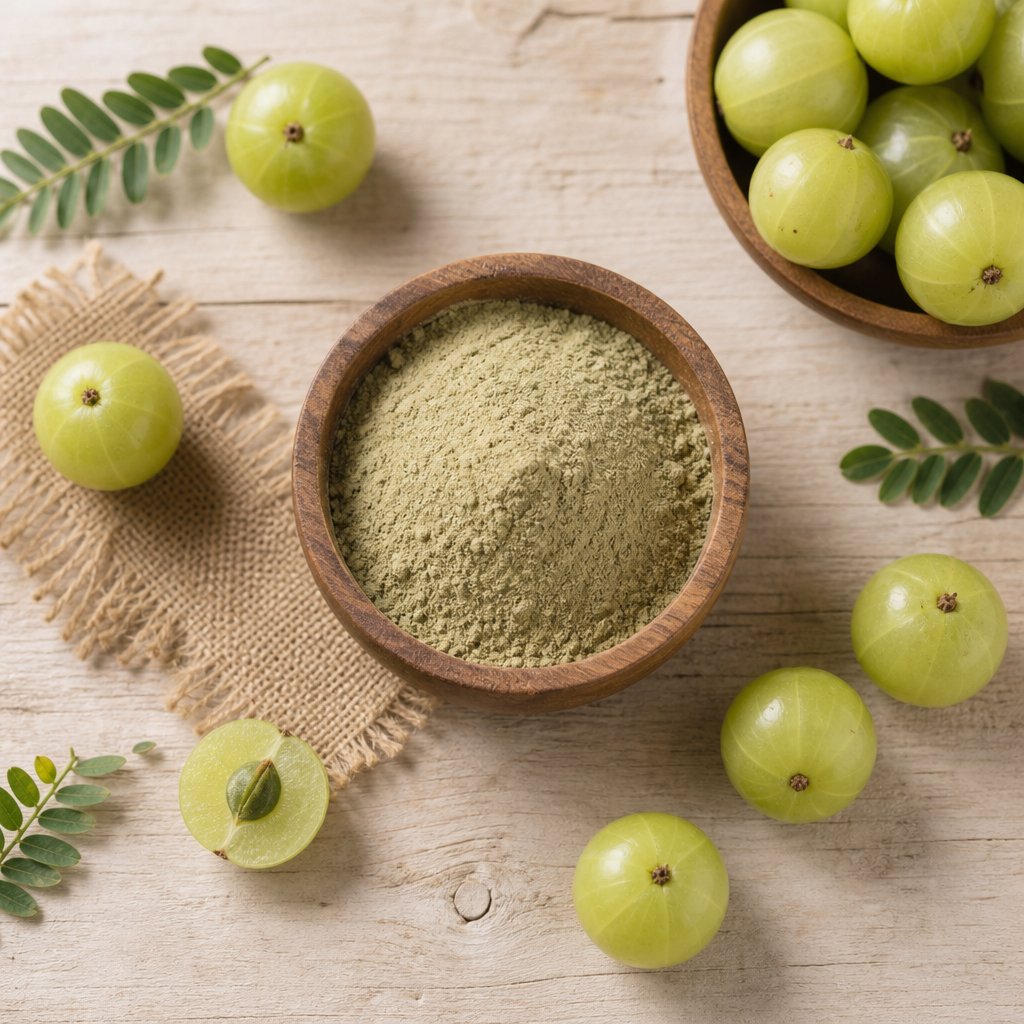
Amla powder is a fine, greenish-grey powder made from dried Indian gooseberry fruit. Rich in vitamin C, polyphenols, and tannins, it is used both internally as a dietary supplement and externally in hair and skin care routines.
Unlike fresh amla fruit, which spoils within days and is intensely sour when eaten raw, amla powder concentrates the berry's bioactive compounds into a shelf-stable form you can stir into drinks, blend into hair masks, or take in capsules. That versatility is a big part of why the ingredient has traveled far beyond its South Asian roots.
The Indian Gooseberry Behind the Powder
The amla tree is a medium-sized deciduous tree that typically reaches 8 to 18 meters in height, with slender branchlets lined by small, feathery leaves. It thrives across tropical and subtropical Asia, from southern China and Southeast Asia to India, Pakistan, Sri Lanka, and Bangladesh, growing naturally in deciduous forests and open woodlands. The amla plant is remarkably hardy, tolerating humid, arid, and semiarid conditions alike.
The fruit itself is round, smooth, and pale green to yellowish, marked by distinct vertical grooves. Inside sits a hard stone containing six seeds. In taste, the gooseberry and amla experience is unmistakable: strongly sour and astringent, with bitter notes and a mild underlying sweetness. Harvesting usually happens in late winter when vitamin C levels peak.
From Ancient Rasayana to Modern Superfood
In classical Ayurvedic texts like the Charaka Samhita, dating back over two millennia, the Indian gooseberry amla is described as a rasayana, a rejuvenating substance associated with longevity and vitality. It also features in Unani and Siddha medicine systems, where practitioners use it to support digestion, regulate bowel function, and promote general well-being. The amla gooseberry is a key ingredient in Triphala and Chyawanprash, two formulations still widely consumed today.
Western wellness markets have taken notice. You'll now find amla powder positioned alongside acai, matcha, and camu camu in health food stores and supplement lines. The difference is that this ingredient carries millennia of documented traditional use behind it, not just a recent marketing push. That cultural depth, paired with a growing body of modern research, is what makes amla Indian gooseberry powder more than a passing trend.
Of course, not all amla powders deliver the same results. The way the fruit is dried and processed has a direct impact on what ends up in your jar.
How Amla Powder Is Made and Why It Matters
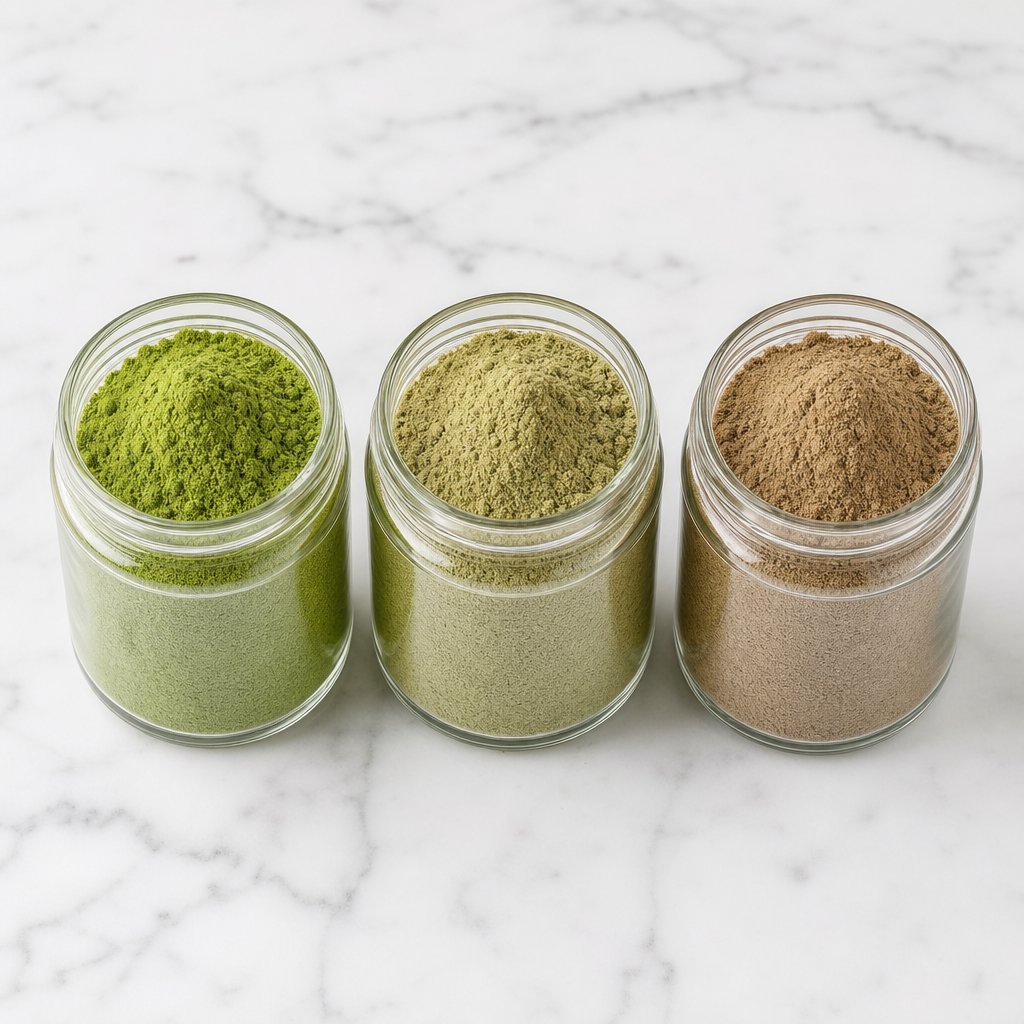
Imagine two jars of indian gooseberry powder sitting side by side on a shelf. Both labels say "amla powder." One is vibrant greenish-grey with a sharp, tart aroma. The other is dull brown and smells faintly musty. The difference? How the fruit was dried and processed before it reached you.
Turning fresh amla into dry amla powder involves three core steps: preparing the fruit (washing, de-seeding, and slicing or grating), drying it to remove moisture, and grinding the dried amla into a fine, uniform powder that passes through a sieve. Each step introduces variables that shape the final product's nutritional value, color, and taste. The drying stage matters most because amla's star compound, vitamin C, is heat-sensitive and degrades rapidly under high temperatures and UV exposure.
Research published in the Journal of Food Science and Technology found that pretreated dried amla retained between 79% and 85% of its original ascorbic acid content when processed under controlled conditions at 55 degrees Celsius. Without proper technique, that number drops significantly. The cultivar, pretreatment method, and drying temperature all interact to determine how much nutrition survives.
Sun-Dried vs Freeze-Dried vs Spray-Dried Amla
Three primary methods dominate amla powder production, and each comes with trade-offs worth understanding before you buy.
| Method | Nutrient Retention | Cost | Best For |
|---|---|---|---|
| Sun-Drying | Moderate (significant vitamin C loss from UV and prolonged heat exposure) | Low | Traditional preparations, budget-friendly amla fruit powder |
| Freeze-Drying | High (preserves maximum vitamin C, polyphenols, and natural color) | High | Premium supplements, topical hair and skin products |
| Spray-Drying | Variable (depends on inlet temperature; good for standardized extracts) | Medium-High | Industrial-scale production, concentrated amla berry powder extracts |
Sun-drying is the oldest approach. Sliced or grated amla is spread on trays and left in open air for several days. It's cheap and requires minimal equipment, but the fruit sits exposed to UV radiation, dust, and fluctuating humidity. The result is often uneven drying, accelerated oxidation of vitamin C, and a brownish color that signals nutrient degradation. Research confirms that sun-dried samples are also more susceptible to microbial contamination due to prolonged atmospheric exposure.
Freeze-drying works differently. The fruit is frozen rapidly, then placed under vacuum so ice sublimates directly into vapor without passing through a liquid phase. Because temperatures stay low throughout, powdered amla berries produced this way retain their original green hue, sharp sour flavor, and the highest concentration of heat-sensitive compounds. The downside is cost: freeze-drying equipment is expensive to operate, which makes the end product pricier.
Spray-drying atomizes amla juice or slurry into a hot air chamber, producing a fine dry amla powder almost instantly. It's fast and scalable, making it the go-to method for manufacturers producing standardized extracts concentrated for specific compounds like tannins or beta-glucogallin. Nutrient retention depends heavily on the inlet air temperature. Too hot, and vitamin C breaks down. Well-calibrated systems can preserve a reasonable amount of bioactivity.
Why Processing Method Matters for Quality
Not all amla gooseberry powder is created equal. A freeze-dried organic product stored in an airtight, opaque container will deliver substantially more vitamin C and polyphenols per teaspoon than a sun-dried batch that sat in a clear bag at room temperature for months. The difference can be dramatic enough to change whether you're getting meaningful nutritional value or just fiber with a sour taste.
It also helps to understand the distinction between whole-fruit amla powder and a standardized amla extract. Whole-fruit powder is exactly what it sounds like: the entire dried fruit, ground up. You get the full spectrum of fiber, vitamins, minerals, and polyphenols in their natural ratios. Standardized extracts, on the other hand, are concentrated for specific bioactive compounds. For example, some extracts are standardized to 60% low-molecular-weight hydrolyzable tannins, while others target 10% beta-glucogallin. These concentrated forms are what you'll typically find inside capsules and are used in clinical research at precise doses.
For everyday use, whole-fruit amla berry powder offers the most flexibility. You can mix it into food, apply it topically, or dissolve it in water. Standardized extracts are better suited when you're targeting a specific health outcome and want a consistent dose of active compounds. Either way, checking how the product was processed gives you a clearer picture of what you're actually putting into your body.
The processing method sets the ceiling for nutritional quality, but the raw numbers tell the full story. Understanding exactly what's inside a teaspoon of amla powder helps you compare it against other vitamin C sources and decide whether it earns a spot in your routine.
Nutritional Profile and Vitamin C Powerhouse
A single teaspoon of amla powder weighs roughly 3 to 5 grams. That tiny scoop doesn't look like much, but the nutritional value of amla packed into that serving is surprisingly dense. Unlike most fruit powders that are mainly sugar and fiber, amla delivers a concentrated hit of vitamin C, polyphenols, minerals, and dietary fiber with minimal calories, typically under 20 per teaspoon.
Here's what a typical 5-gram serving of whole-fruit amla powder provides:
- Vitamin C (ascorbic acid): 25-45 mg, depending on processing method and cultivar
- Dietary fiber: approximately 0.4-0.8 g
- Calcium: 1-1.5 mg
- Iron: 0.05-0.1 mg
- Chromium: trace amounts (relevant for glucose metabolism)
- Polyphenols: a broad spectrum including gallic acid, ellagic acid, and tannins
Those vitamin C numbers deserve context. Research from SASTRA University measured amla powder at approximately 44 mg of vitamin C per gram in its native state, with around 40 mg/g remaining accessible after simulated intestinal digestion. That means a 5-gram teaspoon could deliver over 200 mg of vitamin C before digestion, well above the 90 mg Recommended Dietary Allowance for adult men and 75 mg for women. Even accounting for bioavailability losses during digestion, you're still looking at a meaningful dose from a single spoonful.
The indian gooseberry fruit contains roughly 20 times more vitamin C than an orange on a weight-for-weight basis. That's a claim you'll see repeated often, and the research backs it up. Fresh amla fruit contains between 193 and 720 mg of vitamin C per 100 grams depending on the cultivar, compared to about 53 mg per 100 grams for a typical orange. When that fruit is carefully dried into powder, the concentration per gram increases further because you've removed the water weight.
Vitamin C Content Compared to Other Superfoods
Amla is often called one of the richest plant sources of vitamin C, but how does it actually stack up against other popular options? The table below compares vitamin C density per typical serving across several well-known sources, helping you see where amla powder fits in the landscape.
| Source | Typical Serving | Vitamin C per Serving | % Daily Value (90 mg) |
|---|---|---|---|
| Amla Powder | 5 g (1 tsp) | 25-220 mg* | 28-244% |
| Acerola Cherry Powder | 5 g (1 tsp) | 650-950 mg | 722-1056% |
| Camu Camu Powder | 5 g (1 tsp) | 50-785 mg | 56-872% |
| Rosehip Powder | 5 g (1 tsp) | 10-20 mg | 11-22% |
| Ascorbic Acid Tablet | 1 tablet (1000 mg) | 1000 mg | 1111% |
*Range reflects variation across commercial products and processing methods. Market data shows amla powder products ranging from 0.3 to 130% DV per gram, with high-quality freeze-dried versions at the upper end.
A few things stand out. Acerola cherry and camu camu can deliver more raw vitamin C per gram, but amla brings something those sources don't: a unique combination of polyphenols that stabilize and enhance vitamin C activity in the body. Isolated ascorbic acid tablets give you a megadose of a single compound, while amla powder delivers vitamin C within a whole-food matrix of tannins, flavonoids, and fiber that work together synergistically.
That synergy matters more than the raw numbers suggest. The same SASTRA University study found that amla powder had a bioaccessibility rate of about 51%, meaning roughly half of its vitamin C successfully enters the micellar phase during digestion and becomes available for absorption. That's comparable to amla raw fruit (50.6%) and better than honey-preserved amla (52.3%), confirming that the powder form is an efficient delivery vehicle for this nutrient.
Key Bioactive Compounds in Amla Powder
Vitamin C gets the headlines, but the polyphenol profile is arguably what makes amla powder unique among fruit that is rich in vitamin C. Fresh amla fruit and its dried powder contain a complex web of bioactive compounds that researchers have been cataloging for decades. Here are the major players, translated from phytochemistry jargon into plain language:
- Gallic acid - A phenolic acid with strong antioxidant and anti-inflammatory properties. It neutralizes free radicals and has been studied for its role in protecting cells from oxidative damage.
- Ellagic acid - Another phenolic compound that supports cellular health by scavenging reactive oxygen species. Research links it to reduced activity of enzymes involved in glucose digestion, which may help moderate blood sugar spikes.
- Emblicanin A and B - Tannins unique to amla that contribute to its exceptional antioxidant capacity. These compounds are part of why amla's antioxidant effects persist longer than isolated vitamin C, which degrades quickly.
- Chebulagic acid and chebulinic acid - Ellagitannins that contribute to amla's astringent taste and have demonstrated anti-inflammatory activity in laboratory studies.
- Quercetin and kaempferol - Flavonoids found across many fruits, but present in amla alongside the tannin complex. They support cardiovascular health and modulate inflammatory pathways.
- Corilagin - An ellagitannin with documented antioxidant and anti-inflammatory effects in cell and animal studies.
What makes this combination special? When you take an isolated vitamin C supplement, the ascorbic acid enters your system, does its job, and is quickly used up or excreted. In whole-fruit amla powder, the polyphenols create a protective matrix around the vitamin C. The tannins, particularly emblicanin A and B, help stabilize ascorbic acid and extend its antioxidant activity in the body. This is why traditional practitioners have long observed that amla's effects seem to outlast what you'd expect from its vitamin C content alone.
A comprehensive review published in Antioxidants confirmed that amla polyphenols don't just scavenge free radicals directly. They also induce the body's own antioxidant defense system, boosting enzymes like superoxide dismutase (SOD), catalase, and glutathione peroxidase. That dual mechanism, direct radical scavenging plus endogenous defense activation, is something you won't get from a standard ascorbic acid tablet.
These gooseberry nutrition facts paint a clear picture: amla powder earns its reputation not through any single nutrient, but through the interplay of dozens of bioactive compounds working in concert. The question that naturally follows is whether this impressive nutritional profile translates into measurable health outcomes, and how strong the evidence actually is.
Evidence-Based Health Benefits of Amla Powder
An impressive nutrient profile is one thing. Measurable outcomes in real people are another. When you search for amla powder benefits, you'll find lists that mix ancient folklore with cherry-picked lab studies as if they carry equal weight. They don't. The health benefits of amla powder deserve a more honest breakdown, one that separates what's been tested in humans from what's still theoretical.
Here's a practical framework: strong evidence comes from randomized controlled trials (RCTs) in humans, moderate evidence from animal studies with plausible biological mechanisms, and preliminary evidence from cell-based (in vitro) research only. Knowing which tier a claim falls into helps you make informed decisions rather than chasing hype.
Benefits Supported by Human Clinical Trials
The strongest advantages of amla powder center on metabolic health markers. Multiple RCTs have tested amla supplementation in adults, and the pooled data tells a consistent story.
- Cholesterol improvement - A 2023 systematic review and meta-analysis of five RCTs found that amla supplementation significantly reduced LDL cholesterol (p < 0.001), total cholesterol (p < 0.001), and triglycerides (p < 0.001), while increasing HDL cholesterol (p < 0.001). The relationship between amla powder and cholesterol is among the best-documented benefits in the research literature.
- Blood sugar regulation - The same meta-analysis reported significant reductions in fasting blood glucose (p < 0.001) across the included trials. Separate clinical studies using 500 mg to 3 g of amla daily showed reduced blood glucose in both diabetic patients and healthy adults over periods of 3 to 12 weeks.
- Antioxidant status and reduced inflammation - Pooled results showed significant reductions in C-reactive protein (CRP), a key inflammatory marker (p = 0.002). A randomized, double-blind crossover trial in healthy subjects found that 500 mg of amla daily significantly reduced 8-OHdG (a marker of oxidative DNA damage) and von Willebrand factor, while improving blood fluidity and endothelial function.
- Cardiovascular risk factors - Clinical trials in overweight and obese adults demonstrated that amla extract (500 mg twice daily for 12 weeks) reduced CRP, total cholesterol, and LDL levels while improving platelet aggregation profiles.
The populations studied were generally adults aged 40 to 58 with an average BMI of 25.5, using intervention periods ranging from 3 to 12 weeks. These are meaningful results, but they come from relatively small trials. Larger, longer-duration studies are still needed to confirm the findings across diverse populations.
Immunity, Digestion, and Anti-Inflammatory Effects
Beyond the metabolic markers, amla powder benefits for health extend into areas where traditional use and modern science partially overlap, though the evidence is less definitive.
- Immune support - Amla's high vitamin C content combined with its polyphenol matrix provides antioxidant protection that supports normal immune function. Clinical data shows improved antioxidant status in smokers taking 250 mg twice daily for 60 days. However, no large-scale RCT has directly measured cold or infection frequency with amla supplementation.
- Digestive health - Ayurvedic practitioners have used amla as a mild laxative and gut tonic for centuries. Animal studies support gastroprotective effects: amla extract reduced ulcer formation and gastric secretion in multiple experimental models. A human trial found that 500 mg amla tablets taken twice daily reduced the severity and frequency of heartburn and regurgitation in patients with gastroesophageal reflux. Amla powder for digestion has traditional backing and emerging clinical support, but more human data is needed.
- Anti-inflammatory properties - Cell studies show amla polyphenols (gallic acid, corilagin, ellagic acid) reduce inflammatory markers like TNF-alpha, IL-1beta, and IL-6. Animal studies confirm reduced inflammation from arsenic exposure and edema. The CRP reduction seen in human trials provides indirect clinical support, but dedicated anti-inflammatory RCTs are limited.
You'll also find searches asking about amla powder for cholesterol specifically in women, or benefits "for females." The honest answer: the clinical trials included both men and women, and the metabolic benefits (lipid improvement, blood sugar regulation, antioxidant protection) apply regardless of sex. Amla's vitamin C and polyphenols support collagen synthesis and skin health systemically, which matters for everyone. There's no credible evidence that amla works differently based on gender, and claims suggesting otherwise aren't supported by the research.
When evaluating any supplement claim, ask: was this tested in humans, in animals, or only in a petri dish? The benefits of amla powder for cholesterol and blood sugar have human trial support. Immune and digestive claims rest partly on traditional use and animal data. That doesn't make them wrong, but it does mean you should calibrate your expectations accordingly.
These internal health effects are well-documented, but amla powder's story doesn't end with what happens inside your body. Many people reach for it specifically because of what it can do on the outside, applied directly to hair and skin.
Amla Powder for Hair Growth and Skin Health
Knowing that amla powder reduces inflammation and boosts antioxidant status internally is useful, but many people first discover this ingredient for a completely different reason: they want stronger, longer hair. The gooseberry benefits for hair are rooted in the same compounds that drive the internal health effects, tannins, vitamin C, and polyphenols, except here they're working directly on the scalp and hair shaft.
How does it work? Amla's tannins bind to keratin proteins in the hair fiber, reinforcing the strand from the outside and reducing breakage. Vitamin C supports collagen production in the scalp, which keeps follicles anchored and nourished. The essential fatty acids in amla penetrate the follicle, adding moisture and reducing dryness that leads to brittle ends. These mechanisms explain why amla hair powder has been a staple in Ayurvedic hair care for centuries, long before clinical studies confirmed what practitioners already observed.
While amla oil benefits are well known for scalp massage and overnight treatments, the powder form gives you more flexibility. You can mix it into masks, rinses, and packs with precise control over consistency and complementary ingredients.
Amla Powder Hair Masks and Rinses
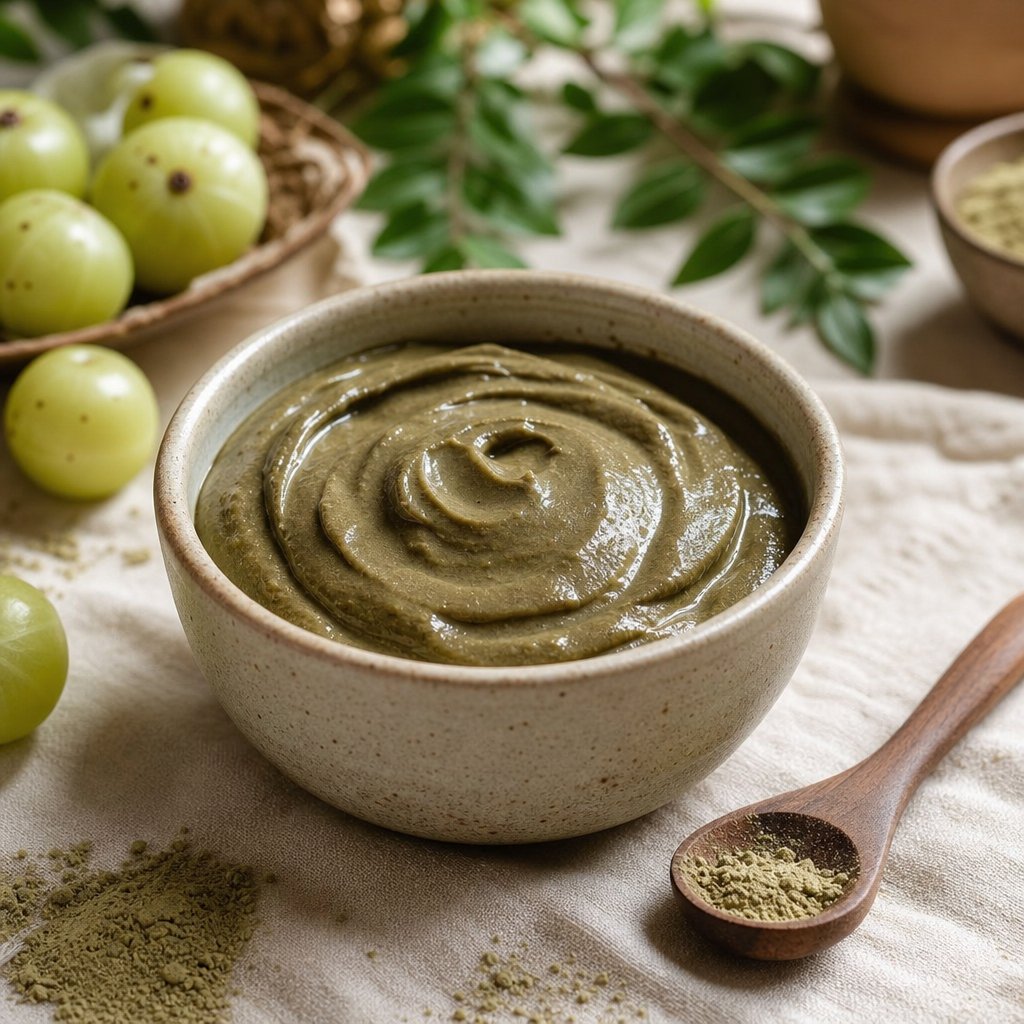
Talking about gooseberry powder for hair is one thing. Actually applying it correctly is another. Here's a straightforward method for a basic amla gooseberry powder for hair mask that works across all hair types and textures:
- Measure 2 to 3 tablespoons of amla powder into a non-metallic bowl (glass or ceramic works best).
- Gradually add warm water, stirring continuously, until you reach a smooth, yogurt-like paste. You'll typically need about 1/4 cup of water, but add it slowly to avoid a runny mixture.
- Optional: mix in 1 tablespoon of plain yogurt for extra conditioning, or a teaspoon of honey for added moisture.
- Pre-wash your hair with a gentle shampoo or cleansing rinse so the mask can penetrate without competing with product buildup.
- Section damp hair and apply the paste from roots to ends, focusing on the scalp if your goal is growth, or concentrating on mid-lengths and ends for strengthening.
- Cover with a shower cap and leave the mask on for 30 minutes to 1 hour. For deeper conditioning, some people leave it up to 2 hours.
- Rinse thoroughly with lukewarm water. Follow with a mild conditioner if your hair feels dry.
For best results, use this amala powder for hair treatment once a week. Most people notice reduced breakage and improved shine within 3 to 4 weeks of consistent use. Fuller-looking hair from reduced shedding typically becomes visible after 6 to 8 weeks. Patience matters here, this isn't an overnight transformation.
You can also create a simple rinse by steeping 1 tablespoon of amla powder in 2 cups of warm water for 20 minutes, straining, and pouring it over freshly washed hair as a final rinse. This adds shine and helps seal the cuticle without the commitment of a full mask session.
Skin Benefits and DIY Face Pack Recipes
The same antioxidant compounds that protect hair follicles also benefit your skin when applied topically. Amla powder acts as a natural astringent, helping to tighten pores and control excess oil. Its high vitamin C concentration supports a brighter, more even complexion by inhibiting melanin overproduction, while gallic acid and ellagic acid scavenge free radicals that accelerate visible aging.
Here's a simple brightening face pack adapted from traditional Ayurvedic recipes:
- For oily or combination skin: Mix 2 tablespoons amla powder with enough rose water to form a paste. Apply evenly to a clean face, leave for 15 minutes until dry, and rinse with warm water followed by a cold splash to tighten pores. Use twice weekly.
- For normal to dry skin: Combine 2 tablespoons amla powder, 1 tablespoon raw honey, and 1 teaspoon argan or coconut oil. Add warm water as needed for a creamy consistency. Apply for 10 to 15 minutes and rinse. The honey and oil offset amla's astringent effect, adding hydration instead of stripping moisture.
- For dull or uneven tone: Blend 2 tablespoons amla powder with 2 tablespoons mashed papaya and half a teaspoon of honey. The papaya's natural enzymes complement amla's brightening action. Apply for 10 minutes and rinse with cool water.
Internal consumption also supports skin health through systemic antioxidant activity. The polyphenols you absorb when drinking amla powder in water or smoothies help neutralize oxidative stress throughout the body, including in dermal tissue. So topical and internal use work as complementary strategies rather than competing ones.
One important note: results vary between individuals, and amla's astringent nature can cause irritation or dryness in sensitive skin. Always do a patch test on a small area of your inner forearm 24 hours before applying any new mask to your face or scalp. If redness, itching, or burning occurs, discontinue use. People with extremely dry skin may find pure amla masks too drying without a balancing ingredient like honey or oil.
Leftover paste can be stored in the refrigerator for up to 7 days or frozen for up to 6 months, so you can prepare a batch and use it across multiple sessions without waste.
Getting the application method right is half the equation. The other half is figuring out how much amla powder to take internally each day, and how to make that intensely sour taste actually enjoyable.
How to Use Amla Powder Daily Without the Sour Face
So what does amla taste like? Imagine biting into a lemon, then adding a wave of astringency that dries your mouth, followed by a faint bitter undertone. That's amla powder in water, unsweetened and unmasked. It's intense enough to make first-time users abandon the jar after a single sip. The good news: you don't have to white-knuckle your way through that sourness. A few simple strategies make daily use not just tolerable, but genuinely pleasant.
Recommended Dosage for Different Health Goals
Before you worry about taste, you need to know how much amla powder per day actually makes sense for your goals. The general guidance from Ayurvedic practitioners and supplement research converges on a range of 1 to 3 grams daily (roughly 1/2 to 1 teaspoon), taken once or twice. But the ideal amount shifts depending on what you're trying to achieve.
| Goal | Suggested Daily Amount | Best Time to Take |
|---|---|---|
| General wellness and antioxidant support | 1-2 g (1/2 tsp once daily) | Morning on an empty stomach |
| Hair and skin health | 2-3 g (1/2 tsp twice daily) | Morning and evening with meals |
| Immunity boost | 2-3 g (1/2 tsp twice daily) | Morning on an empty stomach |
| Digestive support | 1-3 g (1/2 to 1 tsp) | After meals with warm water |
| Cholesterol and blood sugar management | 2-3 g (1 tsp once daily) | Before meals |
If you're new to amla, start with half a teaspoon (about 1.5 g) once daily and observe how your body responds over a week. Some people experience mild digestive discomfort at higher doses initially, especially if their gut isn't accustomed to the tannins. Build up gradually. And if you're targeting therapeutic outcomes like cholesterol reduction or blood sugar regulation, consulting a healthcare provider is advisable to ensure the dose aligns with any medications you're taking.
One practical note on how to take amla powder: lukewarm water dissolves it more effectively than cold water, and it preserves the vitamin C better than boiling water. You'll notice some fine particles remain suspended rather than fully dissolving. That's normal for whole-fruit powder and doesn't affect absorption.
Mixing Ideas That Actually Taste Good
The benefits of drinking amla powder with water are well-established, but nobody said that water has to be plain. Here are practical amla powder uses that mask the sourness while keeping the nutrition intact:
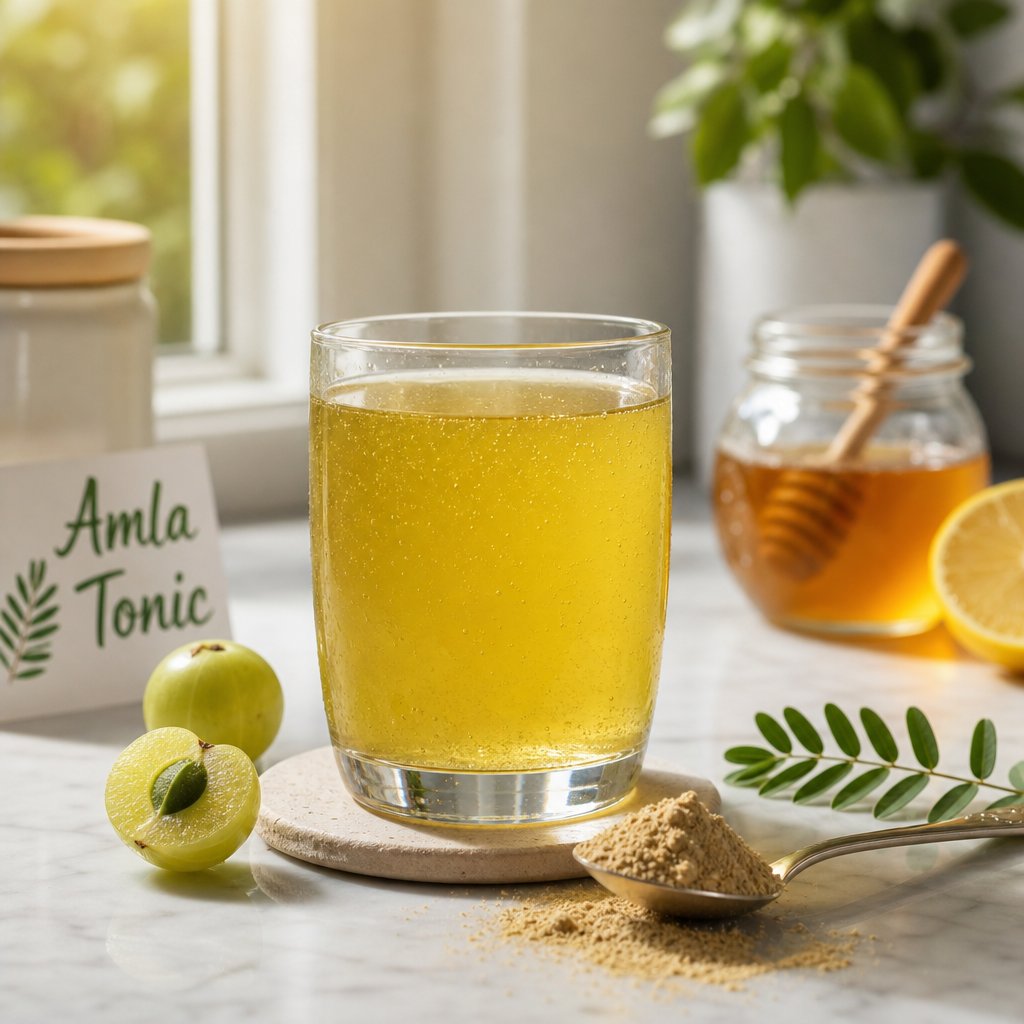
- Honey-lemon morning tonic: Stir 1/2 teaspoon amla powder into a glass of lukewarm water, add a teaspoon of raw honey and a squeeze of fresh lemon. The honey rounds out the astringency while lemon complements the tartness rather than fighting it.
- Tropical smoothie blend: Add 1 teaspoon to a smoothie with banana, mango, and coconut water. The natural sweetness of tropical fruits completely neutralizes amla's sour punch. This is the easiest way to learn how to use amla powder for drinking without any taste compromise.
- Berry yogurt bowl: Mix 1/2 teaspoon into Greek yogurt with blueberries and a drizzle of honey. The creamy texture and berry sweetness absorb the tartness seamlessly.
- Oatmeal or porridge stir-in: Fold amla powder into warm oatmeal with cinnamon and maple syrup. The warm, sweet base makes the sour notes almost undetectable.
- Homemade energy balls: Combine amla powder with dates, almond butter, rolled oats, and a pinch of cardamom. Roll into bite-sized balls and refrigerate. The concentrated sweetness of dates makes this an amla powder mix you'll actually look forward to eating.
- Juice blend: Stir 1/2 teaspoon into fresh apple or carrot juice. The natural sugars in the juice balance amla's acidity without adding refined sweeteners.
How to use amla powder ultimately comes down to personal preference. Some people prefer the simplicity of warm water first thing in the morning, treating it like a quick wellness shot. Others find it easier to fold into foods they already eat. Both approaches deliver the same compounds, so choose whichever method you'll actually stick with consistently.
Amla powder also fits neatly into most dietary frameworks. It's naturally vegan, contains negligible carbohydrates per serving (making it keto-friendly), is paleo-compatible since it's a single-ingredient whole food, and aligns with Ayurvedic daily routines known as dinacharya, where a morning tonic is considered foundational for digestive health. Whether you follow a specific protocol or simply eat intuitively, amla powder slots in without conflict.
With dosage and taste sorted, the next practical question is format. Loose powder offers maximum flexibility, but it's not the only option on the shelf. Capsules, juice, and standardized extracts each serve different lifestyles and goals, and the differences between them are worth understanding before you commit.
Amla Powder vs Juice vs Extract vs Capsules
Loose powder is versatile, but it's far from the only way to get amla into your routine. Walk into any health food store or browse an online supplement retailer and you'll find amla powder capsules, bottled gooseberry juice, concentrated extracts, tablets, and even gummy formats. Each delivers the same core fruit in a different package, and the trade-offs between them are real. Convenience, nutrient retention, shelf life, and cost all shift depending on which form you choose.
Comparing All Forms of Amla Side by Side
The table below breaks down the key differences so you can match the format to your lifestyle and goals.
| Form | Vitamin C Retention | Convenience | Shelf Life | Best Use Case | Typical Cost |
|---|---|---|---|---|---|
| Powder / Granules | Moderate to high (depends on drying method) | Moderate (requires mixing) | 12-24 months | Most versatile: internal use, hair masks, face packs, cooking | $ |
| Amla Powder Capsules | Moderate to high (protected from oxidation inside capsule shell) | High (grab and swallow) | 18-24 months | People who dislike the sour taste or travel frequently | $$ |
| Fresh Amla Fruit | Highest (600-700 mg per fruit) | Low (seasonal, perishable) | 1-2 weeks refrigerated | Culinary use, maximum whole-food nutrition | $ (seasonal) |
| Amla Juice / Organic Amla Juice | Variable (heat pasteurization reduces vitamin C significantly) | High (pour and drink) | 2-6 months (refrigerated after opening) | Rapid absorption, daily tonic, Ayurvedic protocols | $$ |
| Standardized Amla Extract Powder | Low for vitamin C (concentrated for polyphenols or tannins instead) | High (precise dosing in capsule or tablet form) | 24+ months | Targeted therapeutic goals like cholesterol or blood sugar | $$$ |
| Gummy Candy | Low to moderate (heat processing and added sugars) | Very high (tastes like candy) | 12-18 months | Children, taste-sensitive users, compliance-focused routines | $$$ |
Choosing the Right Format for Your Goals
Loose powder earns the top spot for flexibility. You can stir it into a morning smoothie, mix it into a hair mask that afternoon, and add it to an oatmeal bowl the next day. No other format lets you switch between internal and topical use this easily. If you're someone who enjoys the ritual of mixing and experimenting with recipes, powder is your best match.
Capsules solve a specific problem: taste. If the sour, astringent flavor of amla is a dealbreaker, an amla fruit supplement in capsule form delivers the same whole-fruit powder without any flavor contact. They're also ideal for travel and office routines where mixing powder isn't practical. The trade-off is that you lose the option of topical application, and capsules typically cost more per gram than loose powder.
Drinking amla juice offers the fastest absorption since there's no fiber matrix to slow digestion. Traditional Ayurvedic practitioners often recommend amalaki juice as a morning tonic for exactly this reason. The downside? Shelf life is shorter, pasteurization can destroy a significant portion of the vitamin C, and many commercial products add sugar or preservatives. If you go this route, look for cold-pressed organic amla juice with no added sweeteners, and check whether the label discloses actual vitamin C content. As clinical research notes, most amla supplements don't list their vitamin C levels, and the actual amount can be surprisingly low, sometimes under 10 mg per serving.
Standardized extracts are a different category entirely. These aren't meant for general wellness sipping. They're concentrated for specific bioactive compounds, like the CAPROS extract (60% low-molecular-weight hydrolyzable tannins) used in cardiovascular studies or the Saberry extract (10% beta-glucogallin) tested in diabetes trials. If you're targeting a specific health outcome and want to replicate what was used in clinical research, an amla extract powder with matching standardization is the most precise option. Just know that you're trading whole-food breadth for targeted potency.
Product format innovation has expanded the landscape considerably. Beyond the traditional options, brands now offer amla as tablets, powder sachets, soft capsules, gummy candy, and oral liquids, each designed for different consumer preferences and compliance patterns. For businesses looking to develop their own amla powder supplement line across any of these delivery formats, OEM/ODM manufacturers like ZhuFeng offer customized formulation and scalable production, covering everything from hard capsules and tablets to gummies and oral liquids, helping nutrition brands and private label sellers bring market-ready products to shelf without building manufacturing infrastructure from scratch.
The format you choose shapes your experience, but it doesn't change the fundamental question every new user should ask: is amla powder actually right for me, and are there situations where I should avoid it?
Who Should and Shouldn't Use Amla Powder
Knowing what is amla powder good for is only half the equation. The other half is figuring out whether it's the right fit for your specific situation. Generic benefit lists don't help much when you're trying to decide if something belongs in your daily routine alongside existing medications, health conditions, or life stages. So let's get specific.
Who Benefits Most from Amla Powder
Are gooseberries good for you? For most healthy adults, absolutely. The benefits of amla are broad enough to serve several distinct groups particularly well:
- People seeking plant-based vitamin C - If you prefer whole-food sources over synthetic ascorbic acid tablets, amla powder delivers vitamin C within a synergistic polyphenol matrix that enhances absorption and extends antioxidant activity.
- Those focused on hair and skin health - The tannins, vitamin C, and gallic acid in amla support collagen synthesis, strengthen hair follicles, and protect against oxidative damage both internally and topically.
- Individuals managing cholesterol through diet - Clinical trials show significant reductions in LDL, total cholesterol, and triglycerides with daily amla supplementation, making it a useful dietary addition alongside other heart-healthy habits.
- Anyone following Ayurvedic wellness practices - Amla is foundational in traditional protocols like dinacharya and formulations like Triphala and Chyawanprash. Adding the powder to your routine aligns with centuries of documented practice.
- People wanting broad antioxidant support - The goodness of amla extends beyond any single compound. Its combination of emblicanins, ellagic acid, and flavonoids activates both direct free-radical scavenging and the body's endogenous antioxidant enzymes.
The gooseberry benefits apply across genders and age groups. Whether you're a 25-year-old looking for a natural hair strengthener or a 55-year-old interested in cardiovascular support, the amla supplement benefits scale to your goals when dosed appropriately.
Cautions, Drug Interactions, and Who Should Avoid It
Here's where most articles go silent, and where you need the clearest information. Amla is safe as a food, but concentrated supplemental doses interact with specific medications in ways that matter.
WebMD classifies the following as moderate interactions:
- Blood thinners (anticoagulants and antiplatelets) - Amla may slow blood clotting. Taking it alongside warfarin, heparin, aspirin, or clopidogrel (Plavix) could increase the risk of bruising and bleeding. Clinical research confirmed that amla extract reduced collagen-induced platelet aggregation in study participants, demonstrating a real antiplatelet effect.
- Diabetes medications - Amla can lower blood sugar independently. Combining it with metformin, sulfonylureas, or insulin creates a risk of hypoglycemia, where blood sugar drops dangerously low. If you take diabetes medication, monitor your levels closely and consult your doctor before adding amla.
- Anticholinergic drugs - Animal research shows amla has anticholinesterase activity, meaning it could theoretically oppose medications like atropine or benztropine used for conditions ranging from bradycardia to Parkinson's symptoms.
Beyond drug interactions, certain groups should exercise extra caution:
- Pregnant or breastfeeding individuals - There isn't enough reliable evidence to confirm safety at medicinal doses during pregnancy or lactation. Food-level amounts are generally considered fine, but supplemental doses should be discussed with a healthcare provider first.
- People with bleeding disorders - Amla's antiplatelet properties may worsen bleeding tendencies in those already prone to excessive bruising or hemorrhage.
- Anyone scheduled for surgery - Discontinue amla supplementation at least two weeks before a planned procedure to reduce the risk of excessive bleeding during and after the operation.
This content is educational and not a substitute for professional medical advice. If you take prescription medications or have a diagnosed health condition, consult your healthcare provider before starting amla supplementation. Individual responses vary, and what works safely for one person may not be appropriate for another.
The benefits of gooseberries are real and well-supported for the right person in the right context. The key is matching your health profile to the evidence rather than assuming a natural origin guarantees universal safety. With that clarity on who should and shouldn't use amla, the final practical step is knowing how to identify a quality product and keep it at peak potency once it's in your hands.
How to Choose and Store Quality Amla Powder
You've decided amla powder fits your goals and health profile. The next challenge? Finding a product that actually delivers what the label promises. The organic amla powder market has exploded in recent years, and quality varies wildly between brands. A jar sourced from a reputable amla powder supplier with proper cold-chain processing and third-party testing is a completely different product from a bulk bag that sat in a warm warehouse for months before reaching you.
Quality Indicators and What to Look For
When shopping for the best amla powder, whether online or at a store near you, these markers separate a premium product from a subpar one:
- Color - High-quality organic amla fruit powder should be greenish-grey to light olive. A brownish or dark tan color suggests oxidation, excessive heat during drying, or prolonged storage. Overly bright green may indicate color enhancement.
- Smell - Fresh amla powder has a mildly tart, herbal aroma. If it smells musty, stale, or has no scent at all, the bioactive compounds have likely degraded. A burnt smell points to suboptimal heat processing.
- Texture - Look for a fine, free-flowing powder without clumps or hard chunks. Clumping indicates moisture exposure, which accelerates nutrient breakdown and raises the risk of microbial contamination.
- Certifications - Organic amla powder for eating should carry USDA Organic or equivalent certification. Third-party testing for heavy metals, pesticide residues, and microbial safety adds another layer of assurance. Non-GMO verification and Kosher or Halal certifications are relevant depending on your dietary requirements.
- Packaging - Opaque, airtight containers protect against light and oxygen, the two biggest enemies of vitamin C stability. Clear bags or jars with loose-fitting lids allow degradation from day one.
- Ingredient list - The label should list one ingredient: amla (Phyllanthus emblica or Emblica officinalis). If you see maltodextrin, anti-caking agents, synthetic ascorbic acid, or colorants, that's a red flag for adulteration or dilution.
Sourcing matters beyond what's printed on the label. Reputable suppliers maintain cold-chain processing from harvest through packaging, test each batch for heavy metals (lead, arsenic, cadmium, mercury) and microbial contamination, and provide Certificates of Analysis (COA) on request. Geographic origin also plays a role: Indian-grown organic amla from regions like Madhya Pradesh or Rajasthan tends to have higher antioxidant potency due to soil and climate conditions.
For brands, private label sellers, and supplement businesses looking to source bulk organic amla powder or develop custom amla-based products, working with an established OEM/ODM manufacturer like ZhuFeng ensures consistent quality, scalable production, and customized formulation from raw powder to finished products across formats like capsules, tablets, granules, and gummies.
Storage Tips and Shelf Life
Even the best amla powder degrades if stored carelessly. Here's how to keep yours at peak potency:
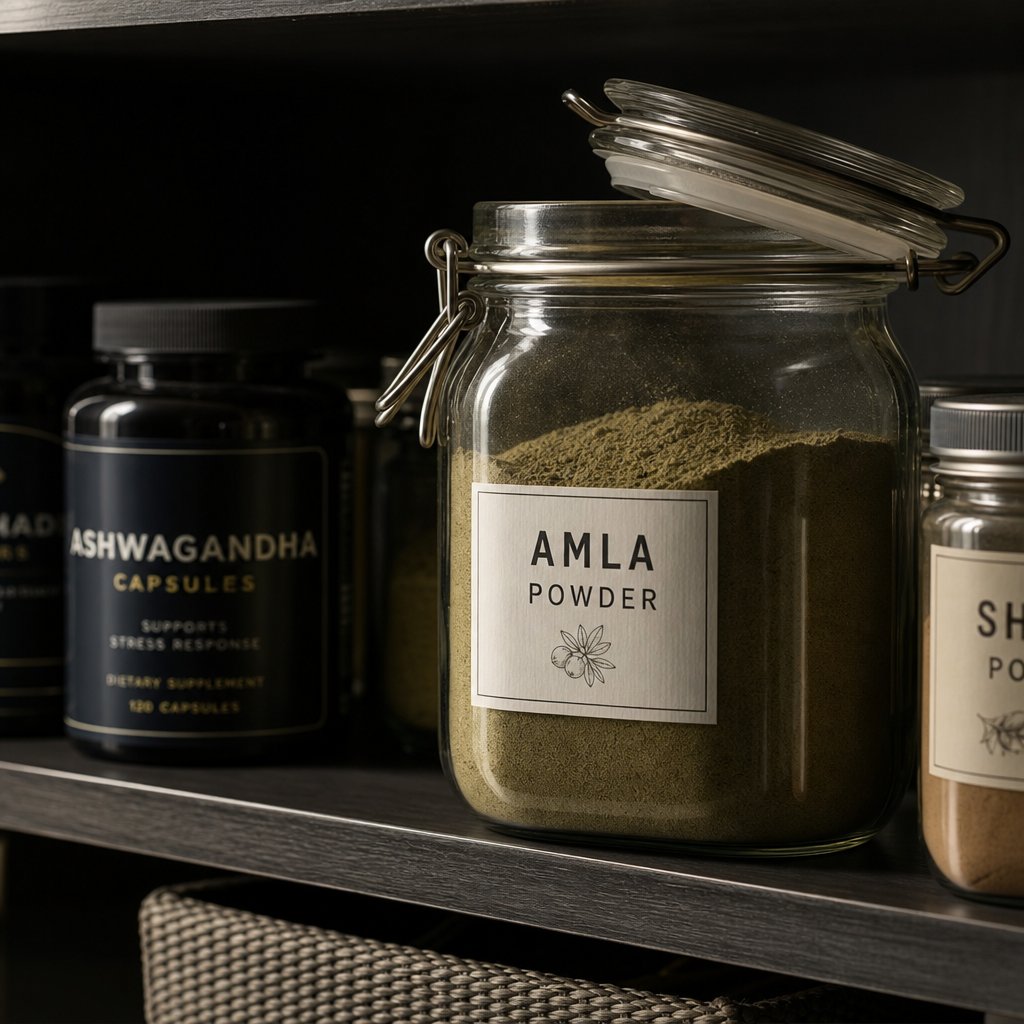
- Container - Transfer powder to an airtight glass jar or food-grade container with a secure seal. Avoid plastic bags that allow air exchange over time.
- Location - Store in a cool, dark place away from direct sunlight, heat sources, and humidity. A pantry shelf works well. Refrigeration extends freshness further, keeping amla powder effective for up to one year in a dry, sealed container.
- Moisture control - Never use a wet spoon to scoop powder from the jar. Even small amounts of moisture introduce bacteria and cause clumping that accelerates breakdown.
- Shelf life - Properly stored amla powder typically lasts 12 to 24 months. Left unrefrigerated and unsealed, potency drops noticeably within 3 to 4 months as antioxidants, tannins, and vitamin C degrade.
How do you know when your powder has passed its prime? Watch for these signs of degradation:
- Color darkening from greenish-grey toward brown
- Loss of the characteristic sour, tart aroma
- Persistent clumping that doesn't break apart easily
- A flat or musty taste instead of the sharp tanginess you expect
Expired amla powder isn't necessarily dangerous if it still looks and smells normal, but its beneficial effects diminish as key nutrients break down. When in doubt, replace it with a fresh batch. The cost of a new jar is far less than weeks of consuming a product that's no longer delivering meaningful nutrition.
Where to buy amla powder comes down to your priorities. Health food stores, Ayurvedic shops, and online retailers all carry it. Prioritize sellers who disclose their sourcing, provide batch-specific COAs, and use opaque, sealed packaging. If you can't find quality organic amla locally, specialized online suppliers often offer better transparency about processing methods and origin than generic marketplace listings.
Frequently Asked Questions About Amla Powder
1. What is amla powder made from and how is it different from fresh amla?
Amla powder is made by drying and grinding the fruit of the Indian gooseberry tree (Phyllanthus emblica). Unlike fresh amla, which spoils within days and is extremely sour when eaten raw, the powder form concentrates bioactive compounds into a shelf-stable product lasting 12 to 24 months. It can be used internally in drinks and food or externally in hair masks and face packs, offering versatility that fresh fruit cannot match. Processing methods like freeze-drying preserve the most vitamin C and polyphenols, while sun-drying is more affordable but results in greater nutrient loss.
2. How much amla powder should I take per day?
Most practitioners and research suggest 1 to 3 grams daily, which equals roughly half a teaspoon to one full teaspoon. Beginners should start with half a teaspoon once daily and increase gradually over a week. The ideal amount depends on your goal: general wellness requires about 1 to 2 grams, while hair health, immunity, or cholesterol management may benefit from 2 to 3 grams split into two doses. Taking it with lukewarm water preserves vitamin C better than hot water, and consuming it on an empty stomach in the morning maximizes absorption for most purposes.
3. Can amla powder interact with medications?
Yes, amla powder has moderate interactions with several medication categories. It may enhance the effects of blood thinners like warfarin and aspirin by reducing platelet aggregation, increasing bleeding risk. It can also lower blood sugar independently, creating a hypoglycemia risk when combined with diabetes medications such as metformin or insulin. People taking anticholinergic drugs should also exercise caution. Anyone on prescription medications, scheduled for surgery within two weeks, or who is pregnant or breastfeeding should consult a healthcare provider before supplementing with amla at therapeutic doses.
4. Is amla powder good for hair growth and how do I use it?
Amla powder supports hair health through multiple mechanisms: tannins bind to keratin proteins to strengthen strands and reduce breakage, vitamin C supports collagen production in the scalp, and essential fatty acids moisturize follicles. To use it, mix 2 to 3 tablespoons with warm water to form a yogurt-like paste, apply to damp hair from roots to ends, cover with a shower cap for 30 to 60 minutes, then rinse thoroughly. Weekly application typically shows reduced breakage within 3 to 4 weeks and visibly fuller hair after 6 to 8 weeks. For businesses developing amla hair care products, OEM/ODM manufacturers like ZhuFeng offer customized formulation across powder, capsule, and liquid formats.
5. What should I look for when buying quality amla powder?
High-quality amla powder should be greenish-grey in color, not brown, which signals oxidation. It should smell mildly tart and herbal rather than musty or stale, and have a fine, free-flowing texture without clumps. Check for organic certification (USDA or equivalent), third-party testing for heavy metals and microbial contamination, and opaque airtight packaging that protects against light and oxygen. The ingredient list should contain only amla fruit with no fillers like maltodextrin or synthetic additives. Store it in a cool, dark place in an airtight glass container, and replace it if the color darkens or the sour aroma fades.