Yes, Cocoa Powder Contains Caffeine
The Quick Answer About Cocoa and Caffeine
Does cocoa powder have caffeine in it? Yes, it does. Every spoonful of cocoa powder delivers a small dose of caffeine, though far less than what you would get from a cup of coffee. Data from USDA FoodData Central confirms that unsweetened cocoa powder contains approximately 230mg of caffeine per 100 grams. That sounds like a lot until you consider how little cocoa powder goes into a single serving.
A tablespoon of cocoa powder contains roughly 12mg of caffeine, compared to about 95mg in a standard cup of brewed coffee.
So is there caffeine in cocoa powder? Absolutely. But caffeine is only half the story. Cocoa also contains theobromine, a closely related stimulant found in much higher concentrations. In fact, cocoa has roughly ten times more theobromine than caffeine. These two compounds work differently in your body, and their combined presence is what gives cocoa its unique, gentler energy profile compared to coffee or tea.
Why This Matters for Your Daily Routine
Whether you are tracking your caffeine intake during pregnancy, managing anxiety, or simply curious about what is in your morning hot cocoa, understanding the cocoa powder caffeine content helps you make informed choices. This is not about labeling cocoa as good or bad. It is about giving you the numbers and the science so you can decide how cocoa fits into your daily caffeine budget. The dual-stimulant nature of cocoa, caffeine paired with theobromine, also explains why drinking cocoa feels different from drinking coffee, a distinction worth exploring in detail.
Cacao vs Cocoa Powder and What the Labels Mean
You have probably noticed both "cacao" and "cocoa" on store shelves and wondered whether they are the same thing with different spelling. They are not. The distinction matters, especially when you are trying to figure out how much caffeine ends up in your cup or recipe.
Raw Cacao Powder vs Processed Cocoa Powder
Both products trace back to the same plant: Theobroma cacao, a tropical tree that produces large pods filled with seeds we call cacao beans. The split between cacao and cocoa happens during processing. Cacao powder comes from beans that are fermented, dried, and then cold-pressed without roasting. This minimal handling preserves more of the bean's original nutrients and compounds. Cocoa powder, on the other hand, is made from beans that are roasted at 250°F to 350°F before pressing, which mellows the flavor but alters the chemical profile.
So does cacao have caffeine? Yes. Is there caffeine in cacao powder? Also yes. In fact, analysis has shown that raw cacao can contain over twice as much caffeine as roasted cocoa powder. The roasting process appears to reduce caffeine concentration, meaning the less processed your powder, the higher the cacao caffeine level tends to be.
How Naming Affects What You Buy
There is no strict legal regulation governing these labels, so some manufacturers use the terms interchangeably. Here are the practical differences to look for:
- Cacao powder: Cold-pressed from raw or lightly processed beans. Bold, bitter, earthy flavor. Retains the most antioxidants and typically has higher caffeine in cacao powder per gram.
- Natural cocoa powder: Roasted before pressing. Classic chocolate flavor with slight acidity. Moderate caffeine and antioxidant levels.
- Dutch-processed cocoa: Treated with an alkaline solution after roasting to neutralize acidity. Darker color, smoother taste, lowest caffeine and antioxidant content of the three.
Does cacao powder have caffeine at levels that should concern you? For most people, no. Even the higher cacao powder caffeine content remains modest compared to coffee. But if you are sensitive to stimulants or tracking intake carefully, knowing which type of powder you are using makes a real difference in your daily totals. The gap between these products becomes even clearer when you calculate caffeine per actual serving size rather than per 100 grams.
How Much Caffeine You Actually Get Per Serving
Knowing that cocoa powder contains caffeine is one thing. Knowing how much caffeine is in cocoa powder when you actually use it in a recipe or drink is far more useful. The per-100-gram figures you find on nutrition databases can feel abstract, so let's translate them into real-world servings you would actually prepare at home.
Caffeine in a Cup of Hot Cocoa
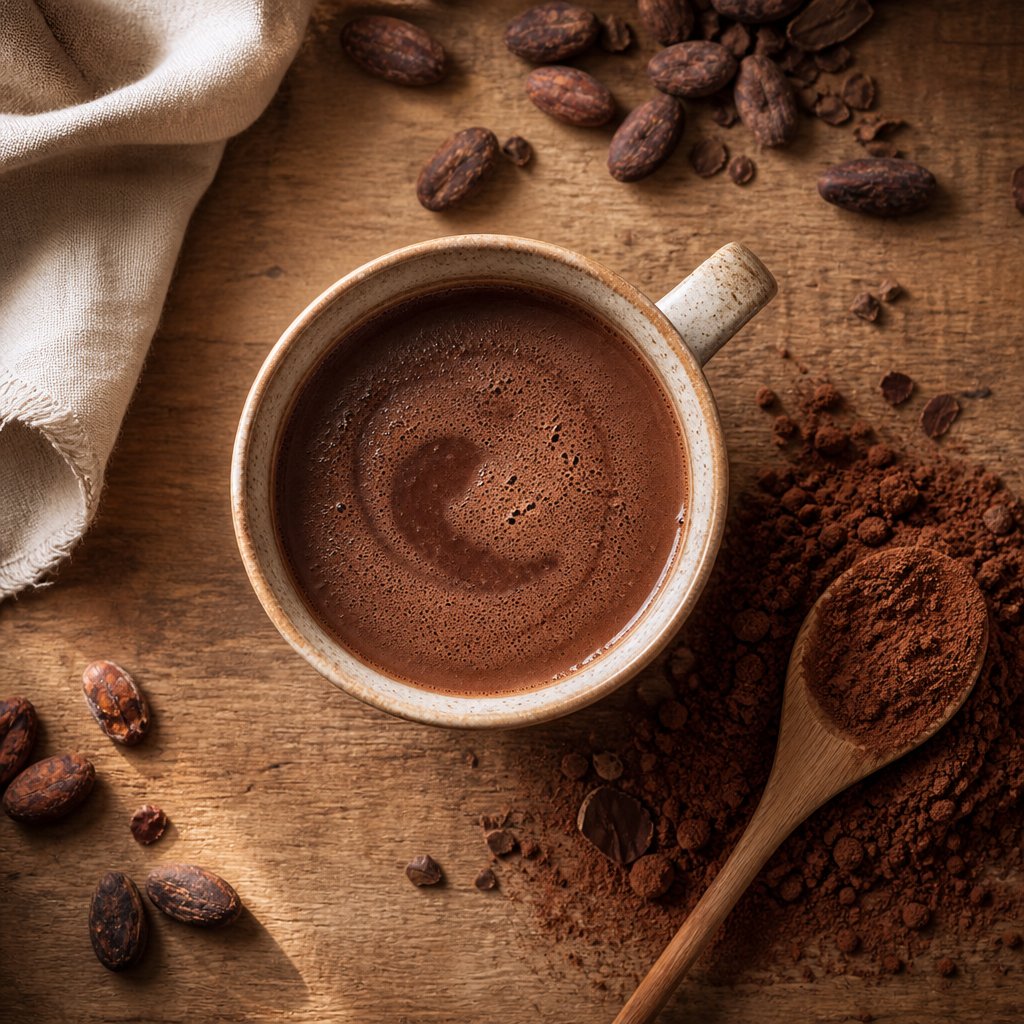
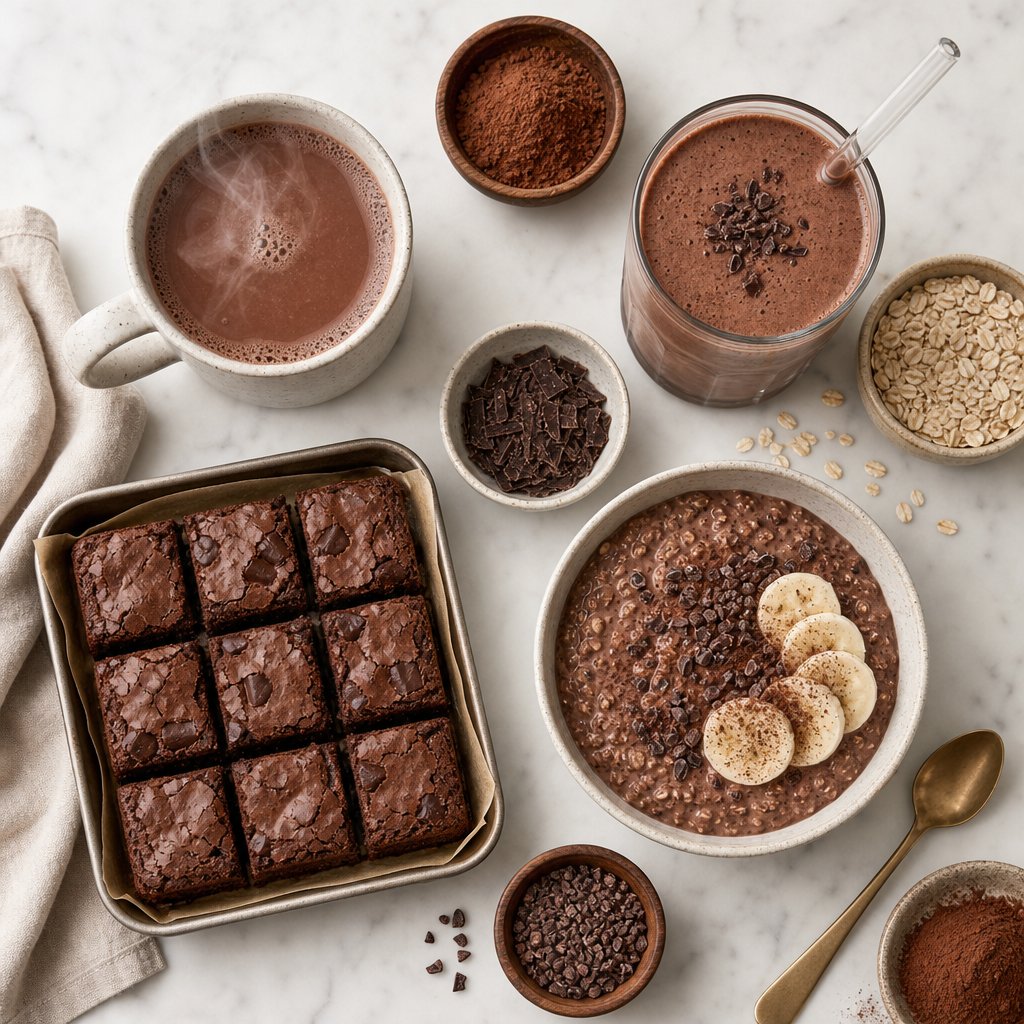
A typical homemade mug of hot cocoa uses one to two tablespoons of unsweetened cocoa powder mixed with milk and a sweetener. Based on USDA data, one tablespoon of unsweetened cocoa powder contains about 12mg of caffeine. Use two tablespoons for a richer cup and you are looking at roughly 24mg. That is the caffeine content in hot cocoa made from scratch, and it lines up with what major coffee chains report for their prepared hot chocolate drinks. For comparison, a 16-ounce Starbucks hot chocolate contains about 25mg of caffeine.
How much caffeine in a cup of cocoa made from a packet mix? Even less. Many instant cocoa mixes use smaller amounts of actual cocoa solids, bringing the total down to around 5mg per serving. So how much caffeine is in a hot chocolate? It depends entirely on how it is made, but the range typically falls between 5mg and 25mg per cup.
How to Calculate Caffeine in Your Own Recipes
Here is a simple formula you can apply to any recipe that calls for cocoa powder:
Tablespoons of cocoa powder used x 12mg = total caffeine in the recipe. Divide by number of servings = caffeine per serving.
Imagine you are making a batch of fudgy brownies. A standard recipe calls for about 3/4 cup plus 2 tablespoons of cocoa powder, which works out to roughly 14 tablespoons. Multiply 14 by 12mg and you get approximately 168mg of caffeine for the entire batch. Cut that into 16 brownies and each one contains about 10mg of caffeine, less than what you would find in a cup of green tea.
This caffeine math works for smoothies, overnight oats, energy balls, or any other preparation. The amount of caffeine in cocoa powder stays consistent at roughly 12mg per tablespoon, so the variable is always how much powder you use and how many servings you divide it into.
Common Cocoa Recipes and Their Caffeine Load
The table below breaks down how much caffeine in a tablespoon of cocoa powder translates into common preparations you might make at home:
| Preparation | Cocoa Powder Used | Total Caffeine | Servings | Caffeine Per Serving |
|---|---|---|---|---|
| Mug of hot cocoa | 1-2 tablespoons | 12-24mg | 1 | 12-24mg |
| Chocolate smoothie | 1 tablespoon | 12mg | 1 | 12mg |
| Batch of brownies (16 pieces) | ~14 tablespoons | ~168mg | 16 | ~10mg |
| Mocha (cocoa added to coffee) | 1 tablespoon + 8oz coffee | 12mg + 95mg | 1 | ~107mg |
| Chocolate overnight oats | 1 tablespoon | 12mg | 1 | 12mg |
| Instant cocoa mix packet | ~1/2 tablespoon actual cocoa | ~5mg | 1 | ~5mg |
Notice the mocha scenario. When you stir a tablespoon of cocoa into your morning coffee, you are adding only 12mg on top of the 95mg already in the cup. The cocoa barely moves the needle. But if you are drinking hot cocoa as a standalone beverage, those 12 to 24mg represent your entire caffeine intake from that drink, which is quite low.
These per-serving numbers also reveal why how much caffeine is in hot chocolate rarely causes problems for most adults. Even a generous two-tablespoon mug delivers less caffeine than a single cup of green tea. The real question becomes how cocoa stacks up against the full spectrum of caffeinated beverages and chocolate products, especially when you are trying to stay within a daily limit.
Complete Caffeine Comparison Across Beverages and Chocolate
Scattered numbers across different sources make it hard to answer a simple question: how much caffeine is in chocolate compared to your morning coffee or afternoon tea? The table below consolidates caffeine data from USDA FoodData Central and the Center for Science in the Public Interest into a single reference you can bookmark.
Cocoa Powder vs Coffee and Tea Side by Side
Does chocolate have caffeine at levels worth tracking? It depends on the type. Dark chocolate contains meaningful amounts, while milk chocolate barely registers. And does white chocolate have caffeine? No. White chocolate is made from cocoa butter, milk, and sugar without any cocoa solids, which is where caffeine resides. Here is how everything compares per standard serving:
| Product | Standard Serving | Caffeine (mg) |
|---|---|---|
| Brewed coffee | 8 oz cup | 92-95 |
| Espresso | 1 oz shot | 63 |
| Black tea | 8 oz cup | 47 |
| Green tea | 8 oz cup | 29 |
| Raw cacao powder | 1 tablespoon | 15-20 |
| Natural cocoa powder | 1 tablespoon | 12 |
| Dutch-processed cocoa powder | 1 tablespoon | 8-10 |
| Dark chocolate (60-69% cacao) | 1 oz | 24 |
| Milk chocolate | 1 oz | 6 |
| White chocolate | 1 oz | 0 |
A few things stand out. Caffeine in dark chocolate per ounce is roughly double what you get from a tablespoon of cocoa powder. Does milk chocolate have caffeine? Yes, but only about 6mg per ounce, which is negligible for most people. And is there caffeine in chocolate across the board? Only when cocoa solids are present. The higher the cocoa percentage, the more caffeine you will find.
Where Cocoa Fits in Your Daily Caffeine Budget
The FDA recommends that most healthy adults stay below 400mg of caffeine per day. That ceiling helps put cocoa powder into perspective. You would need to consume roughly 33 tablespoons of natural cocoa powder to hit that limit, an amount no one would realistically use in a single day. Compare that to coffee: just four standard cups gets you there.
Here is another way to think about it. A person who drinks two mugs of hot cocoa (using two tablespoons each) consumes about 48mg of caffeine total. That is barely 12% of the daily limit and less than a single cup of black tea. Does chocolate contain caffeine at dangerous levels? For the vast majority of adults, no. Cocoa-based drinks and treats sit comfortably at the low end of the caffeine spectrum.
These numbers tell you where cocoa lands on the scale, but they do not explain why the same product can vary so much between brands and types. The answer lies in how cocoa beans are processed after harvest, from roasting temperatures to chemical treatments that fundamentally alter what ends up in your cup.
How Processing Changes Caffeine Levels in Cocoa
Two tablespoons of cocoa powder from one brand might deliver noticeably different cocoa caffeine content than the same amount from another. That variation is not random. It traces back to specific decisions made during manufacturing, and even further back to the genetics and geography of the cacao tree itself. Understanding these mechanisms helps you predict which products will land higher or lower on the caffeine scale.
What Dutch-Processing Does to Caffeine
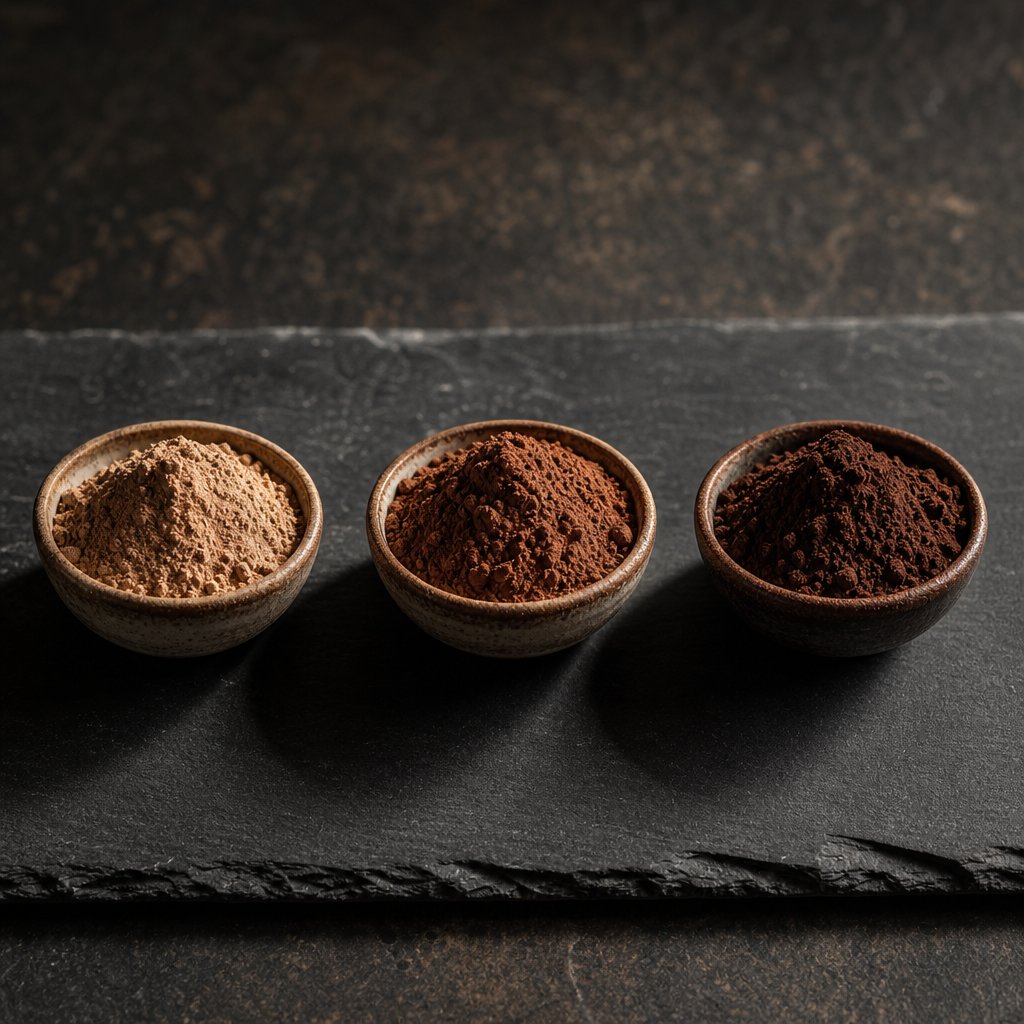
Dutch-processing, also called alkalization, is the step that creates the biggest shift in caffeine in cocoa. The process involves washing cocoa solids with an alkaline solution, typically potassium carbonate, which raises the pH from its natural level of around 5.0 to 5.5 up to 7.0 or higher. Research published in Chemistry Central Journal documented how progressive Dutch-processing causes measurable losses in key cocoa compounds, with heavier alkalization producing greater degradation.
What happens chemically? The alkaline environment breaks down and solubilizes certain organic compounds, including a portion of the caffeine. It also transforms the flavor profile, neutralizing the sharp acidity of natural cocoa and producing a darker, mellower powder. You will recognize Dutch-processed cocoa by its deep brown to almost black color and its smooth, less bitter taste.
The practical result: Dutch-processed cocoa powder contains roughly 20-30% less caffeine per tablespoon than natural cocoa powder. If natural cocoa delivers about 12mg per tablespoon, a heavily alkalized version might contain only 8-10mg. That gap matters if you are caffeine-sensitive, but it also debunks a common cacao caffeine myth that all cocoa products are interchangeable when it comes to stimulant content.
Roasting Temperature and Caffeine Retention
Before cocoa beans ever reach the alkalization stage, roasting has already altered their chemistry. Do cocoa beans have caffeine that survives high heat? Mostly, yes. Caffeine is relatively heat-stable, with a sublimation point above 350°F (178°C). But "relatively stable" does not mean unchanged.
Research on traditional and oven roasting of fermented cocoa beans found that higher temperatures and longer roasting times significantly reduce polyphenol content and alter the overall chemical profile of the beans. Cocoa caffeine behaves similarly. Beans roasted at lower temperatures (around 250°F for 13 minutes) retain more of their original compounds than beans subjected to high-roast conditions (325°F+ for 25 minutes or longer). The longer and hotter the roast, the more volatile compounds escape and the more chemical transformations occur.
This is why does dark cocoa have caffeine is not a straightforward yes-or-no question. A lightly roasted natural cocoa will have higher caffeine content in cacao powder than a heavily roasted version of the same bean. The roasting profile chosen by the manufacturer directly shapes what ends up in your tablespoon.
How Bean Variety and Origin Create Natural Variation
Processing is only part of the equation. The caffeine level in a cacao bean is partly determined before anyone touches it, written into the plant's genetics and influenced by where it grows. Three main cacao varieties dominate global production:
- Forastero: Accounts for roughly 80-90% of world cacao production. Grown primarily in West Africa (Ivory Coast, Ghana, Nigeria). Generally robust in flavor with moderate to higher caffeine levels. Most commercial cocoa powder comes from Forastero beans.
- Criollo: Rare, representing less than 5% of global production. Found in Central America, Venezuela, and parts of Southeast Asia. Known for complex, mild flavor with typically lower caffeine concentrations.
- Trinitario: A hybrid of Forastero and Criollo, grown in the Caribbean, South America, and Southeast Asia. Caffeine levels fall between its parent varieties, varying widely depending on the specific cross.
Geographic factors compound these genetic differences. Soil composition, altitude, rainfall patterns, and sun exposure all influence how much caffeine the cacao tree produces in its seeds. West African Forastero beans may test differently from Southeast Asian Forastero beans of the same genetic stock simply because of growing conditions.
Here is a summary of what pushes cocoa caffeine higher or lower in the final product:
- Factors that increase caffeine: Forastero bean variety, minimal roasting, no Dutch-processing, West African origin, cold-pressed (raw cacao) preparation
- Factors that decrease caffeine: Criollo bean variety, heavy roasting at high temperatures, Dutch-processing with strong alkalization, extended fermentation
One important caveat: published averages for cocoa caffeine content represent just that, averages. Lab testing of individual brands has revealed significant variation even within the same product category. A "natural cocoa powder" from one company might test at 10mg per tablespoon while another tests at 15mg, depending on bean sourcing and exact processing parameters. If precise caffeine tracking matters to you, the type of cocoa you choose is a better predictor than any single number on a chart.
These processing variables explain the "what" behind caffeine differences. But caffeine is not the only stimulant doing work in your body when you consume cocoa. The compound present in far greater quantities, theobromine, operates through an entirely different mechanism and is largely responsible for how cocoa actually makes you feel.

Theobromine Is the Real Stimulant in Cocoa
Yes, cocoa has caffeine. But caffeine is not the compound doing most of the heavy lifting when you feel that warm, steady lift after drinking a mug of hot cocoa. The real driver is theobromine, a structurally similar molecule present in cocoa at concentrations six to ten times higher than caffeine. A 40-gram serving of dark chocolate, for example, delivers 200-300mg of theobromine alongside only 25-35mg of caffeine. That ratio makes theobromine the dominant cocoa stimulant, and it explains why the experience of cocoa and caffeine together feels nothing like a shot of espresso.
Theobromine vs Caffeine in Your Body
Both theobromine and caffeine belong to the methylxanthine family and both work by blocking adenosine receptors in the body. But their similarities end there. Caffeine crosses the blood-brain barrier easily and has a two to three times higher affinity for adenosine receptors in the brain than theobromine. That is why caffeine produces sharp mental alertness, but also why it can trigger jitters and anxiety at higher doses.
Theobromine, on the other hand, acts primarily on the cardiovascular system. It relaxes smooth muscle tissue, dilates blood vessels, and gently increases heart rate without spiking blood pressure. Is cocoa a stimulant? Absolutely, but it stimulates your body through a fundamentally different pathway than coffee does.
Here is how the two compounds compare on the dimensions that matter most to your daily experience:
| Dimension | Caffeine | Theobromine |
|---|---|---|
| Half-life | 2.5-5 hours | 7-12 hours |
| Peak blood concentration | 30-40 minutes after ingestion | 2-3 hours after ingestion |
| Effect on blood vessels | Vasoconstrictor (narrows) | Vasodilator (widens) |
| Primary target system | Central nervous system | Cardiovascular system |
| Crash potential | High (rapid rise and fall) | Low (gradual onset and decline) |
| Typical amount in 1 tbsp cocoa | ~12mg | ~130mg |
Why Cocoa Feels Different From Coffee
When you drink coffee, caffeine floods your brain within 30 minutes, blocks adenosine aggressively, and then clears out within a few hours, often leaving you feeling drained. That rapid spike-and-crash cycle is what people describe as the coffee "high" followed by the afternoon slump.
The cocoa high works differently. Theobromine takes two to three hours to reach peak concentration and then lingers for up to 12 hours. Instead of overstimulating your nervous system, it widens your blood vessels, improves circulation, and delivers a calm, sustained sense of energy. Research from the University of Chicago confirmed that theobromine at normal dietary doses produces limited stimulant-like mood effects compared to caffeine, supporting what cocoa drinkers report anecdotally: gentle alertness without the edge.
So when someone asks "is cocoa caffeine the reason chocolate feels energizing?" the honest answer is: only partially. The caffeine cocoa contains plays a supporting role, but theobromine is the lead actor. Chocolate and caffeine get linked in popular conversation, yet it is the less-discussed molecule that shapes the experience most people actually feel. This distinction also opens a practical question: if cocoa delivers stimulation through a gentler mechanism, could it serve as a viable replacement for your morning coffee?
Using Cocoa Powder as a Gentle Coffee Replacement
The pharmacology makes a compelling case. Cocoa delivers sustained, jitter-free energy through theobromine while contributing only a fraction of the caffeine found in coffee. But does that translate into a practical morning routine? For a growing number of people choosing cacao instead of coffee, the answer is yes, and the transition is simpler than you might expect.
How to Use Cocoa Powder as a Morning Drink
Using unsweetened cocoa powder for coffee replacement starts with a basic recipe: one to two tablespoons of cocoa powder whisked into hot water or warmed milk. That gives you 12-24mg of caffeine alongside 130-260mg of theobromine, enough to feel alert without the sharp spike coffee delivers. The cacao vs coffee caffeine difference is dramatic. You are getting roughly one-eighth the caffeine but ten times the theobromine, which means a slower onset and no crash two hours later.
Beyond the stimulant profile, cocoa brings health benefits coffee simply does not offer. Cacao is packed with flavonoids that support blood flow, lower blood pressure, and reduce LDL cholesterol. It also provides magnesium, iron, and fiber in meaningful amounts per serving. Coffee has antioxidants too, but it lacks the cardiovascular-specific flavanol content that makes cocoa unique.
Blending Cocoa Into Your Existing Routine
You do not have to quit coffee cold turkey. Many people find a cocoa coffee alternative works best as a gradual transition. Here is a step-by-step approach:
- Start by replacing your second or third cup of coffee with a cocoa-based drink for one week.
- Blend one tablespoon of cocoa powder into a half-coffee, half-milk mocha to ease the flavor shift.
- Add a pinch of cinnamon or a teaspoon of maca powder for depth and additional adaptogenic support.
- Gradually reduce the coffee portion of your mocha until you are drinking cocoa alone.
- Experiment with cocoa in smoothies, blending it with banana, nut butter, and oat milk for a filling breakfast drink.
The coffee vs cacao comparison is not about declaring a winner. Some mornings call for coffee's sharp focus. Others benefit from cocoa's calm, sustained warmth. The flexibility to move between them, or combine them, is the real advantage.
Custom Cocoa-Based Functional Beverages
The cocoa coffee replacement trend has expanded well beyond simple hot cocoa. People are now mixing cocoa with adaptogens like ashwagandha, reishi mushroom, and maca to create functional morning drinks that address stress, focus, and energy simultaneously. These blends pair cocoa's theobromine with compounds that support cortisol regulation, creating a beverage that does more than just wake you up.
For entrepreneurs or brands looking to develop their own cocoa-based functional drink products, contract manufacturers like ZhuFeng offer OEM/ODM powder and granule formulation services that allow custom blending of cocoa with adaptogens, vitamins, or other functional ingredients at scale. This kind of service makes it possible to create market-ready cocoa beverages with precise ingredient ratios and customized formulations without building manufacturing infrastructure from scratch.
Whether you are making a simple mug of cocoa instead of coffee at home or developing a branded functional beverage, the underlying principle is the same: cocoa gives you a gentler stimulant curve with added nutritional benefits that coffee cannot match. The question for caffeine-sensitive individuals, though, is not just whether cocoa is gentler than coffee, but whether even its modest caffeine content is safe for their specific situation.
Caffeine Guidance for Sensitive Populations
Cocoa's low caffeine content makes it a non-issue for most healthy adults. But "low" is not the same as "zero," and for certain groups, even small amounts of caffeine require careful tracking. Does hot cocoa have caffeine at levels that matter for these populations? Let's run the numbers for each one.
Cocoa Powder During Pregnancy
Caffeine freely crosses the placental barrier, and the enzyme responsible for metabolizing it (CYP1A2) is absent from the fetal liver. Making matters more complex, caffeine's half-life increases during pregnancy, reaching 9 to 11 hours by the third trimester. Both ACOG and EFSA recommend pregnant women stay below 200mg of caffeine per day. Meta-analyses have linked intake above that threshold to increased risk of pregnancy loss, low birth weight, and preterm delivery.
So does unsweetened cocoa powder have caffeine at levels that threaten this limit? Not really. A mug of hot cocoa made with two tablespoons of cocoa powder delivers about 24mg of caffeine, just 12% of the daily ceiling. Even three mugs per day would total only 72mg, well within safe bounds. The bigger concern during pregnancy, as cohort research has shown, is cumulative intake from all sources: coffee, tea, chocolate, and cola combined. Cocoa alone is unlikely to push you over, but it still counts toward your total.
Children and Hot Cocoa Safety
Does hot chocolate have caffeine in it at levels parents should worry about? There is no universally established safe caffeine limit for children, which is precisely why caution matters. The American Academy of Pediatrics recommends that children under 12 avoid caffeine entirely, while Health Canada suggests a maximum of 2.5mg per kilogram of body weight for older children.
For a 30-kilogram (66-pound) child, that translates to a ceiling of about 75mg per day. A cup of hot cocoa made from a standard packet contains roughly 5 to 12mg of caffeine, meaning it fits comfortably within those guidelines. The real risk for children is not the cocoa itself but the combination of cocoa with cola, chocolate bars, and tea throughout the day. Is there caffeine in hot cocoa? Yes, but at levels that are manageable when parents track the full picture.
Medication Interactions to Watch For
Caffeine interacts with a surprising number of medications, and even cocoa's modest contribution can matter for people on certain drugs. University Hospitals identifies several medication categories that do not mix well with caffeine:
- Blood thinners: Caffeine slows blood clotting, increasing bleeding and bruising risk when combined with anticoagulants.
- Blood pressure medications: Caffeine can reduce absorption of these drugs, making them less effective.
- Antidepressants (MAOIs, tricyclics): Clomipramine and imipramine share a metabolic pathway with caffeine, potentially prolonging both the drug's and caffeine's effects in the bloodstream.
- Asthma medications (theophylline): Theophylline is structurally related to theobromine and caffeine. Adding dietary methylxanthines from cocoa can amplify side effects like headache, nausea, and restlessness.
- Alzheimer's medications: Caffeine tightens the blood-brain barrier and may limit how much medication reaches the brain.
For people with anxiety disorders, even 12mg of caffeine from a single tablespoon of cocoa can contribute to symptom flare-ups when combined with baseline nervous system sensitivity. Does hot cocoa contain caffeine at dangerous levels for these individuals? Not in isolation, but the cumulative effect alongside other dietary sources and medications deserves attention.
The table below shows how cocoa fits within the recommended caffeine limits for each sensitive group:
| Population Group | Recommended Daily Caffeine Limit | Mugs of Hot Cocoa Allowed (24mg each) |
|---|---|---|
| Pregnant women | 200mg | ~8 mugs |
| Children (ages 4-6) | 45mg | ~1-2 mugs |
| Children (ages 7-12) | 62-85mg | ~2-3 mugs |
| Adolescents (ages 13-17) | 100mg | ~4 mugs |
| Adults with anxiety disorders | Varies (often <100mg) | ~1-4 mugs (individual tolerance) |
| Elderly on interacting medications | Consult physician | Consult physician |
These figures represent general guidelines only. Individual tolerance varies based on genetics, medication use, and overall health status. Always consult your healthcare provider for personalized caffeine guidance, especially during pregnancy or when taking prescription medications.
How much caffeine is in a cup of hot chocolate? Between 5 and 24mg depending on preparation. For most sensitive populations, that amount is manageable, but it is never truly negligible. The safest approach is knowing exactly which type of cocoa powder you are using, because the spectrum from raw cacao to Dutch-processed to decaffeinated cocoa represents a wide range of caffeine exposure, and choosing the right one can make all the difference.
Choosing the Right Cocoa Powder for Your Caffeine Goals
Does cocoa powder contain caffeine at the same level regardless of which product you grab off the shelf? Not even close. The type of cocoa you choose determines how much stimulant ends up in your body, and the spectrum is wide enough that even highly sensitive individuals can find a comfortable option.
Matching Cocoa Type to Your Caffeine Sensitivity
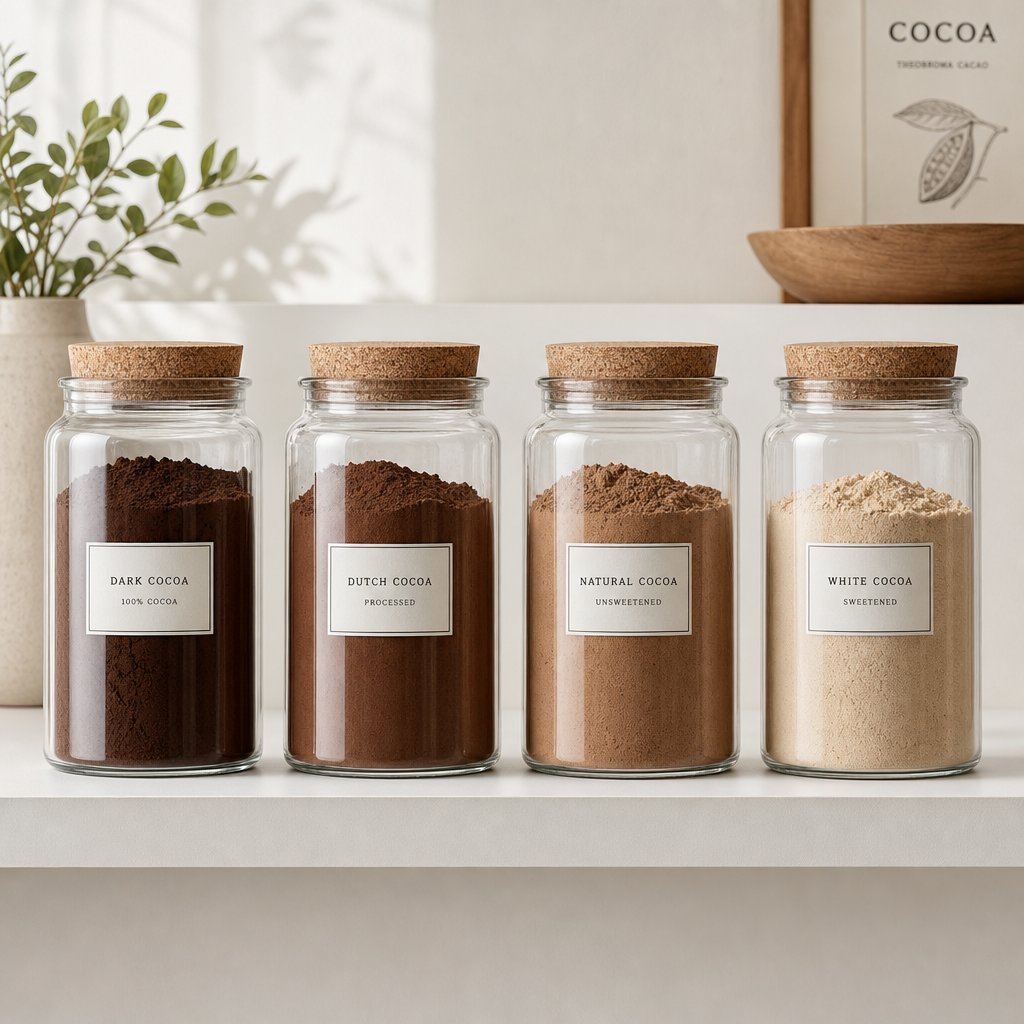
Think of cocoa products as a sliding scale. The less processing a powder undergoes, the more caffeine and theobromine it retains. Here is the full spectrum ranked from highest to lowest caffeine per tablespoon:
- Raw cacao powder (cold-pressed, unroasted): 15-26mg caffeine, ~200mg theobromine. Best for health supplementation and smoothies where maximum flavanol content matters.
- Natural cocoa powder (roasted, not alkalized): 10-15mg caffeine, ~130mg theobromine. Versatile for baking, beverages, and recipes that rely on baking soda for leavening.
- Dutch-processed cocoa powder (roasted and alkalized): 8-10mg caffeine, ~90mg theobromine. Smoothest flavor, darkest color, ideal for recipes using baking powder or for people who want less stimulation.
- Decaffeinated cocoa powder (chemically treated to remove caffeine): 1-3mg caffeine, reduced theobromine. The closest thing to caffeine free cocoa available commercially.
Does cocoa have caffeine in it at every point on this spectrum? Yes. Even decaffeinated versions retain trace amounts because complete removal is not commercially feasible without destroying the flavor compounds that make cocoa taste like cocoa. But the difference between 26mg and 2mg per tablespoon is significant for anyone tracking intake carefully.
What About Decaffeinated Cocoa Powder
Decaffeination of cocoa typically uses one of two methods: supercritical CO2 extraction or solvent-based processing. The CO2 method pressurizes carbon dioxide until it becomes a fluid that selectively dissolves caffeine molecules while leaving most flavor compounds intact. Solvent-based methods use food-grade chemicals like ethyl acetate to achieve similar results, though they may strip more of the subtle flavor notes.
Does chocolate powder have caffeine after decaffeination? A small amount remains. Most decaffeinated cocoa powders test between 1 and 3mg per tablespoon, roughly 85-90% less than natural cocoa. The theobromine content also drops during decaffeination, though not as dramatically. If you are asking "cocoa powder does it have caffeine" because you need to avoid stimulants entirely due to medication interactions or severe sensitivity, decaffeinated cocoa is your safest bet, but it is not truly zero.
One related question worth addressing: does cocoa butter have caffeine? No. Cocoa butter is the fat extracted from cacao beans during pressing, and caffeine remains in the solids, not the fat. This is why white chocolate, made from cocoa butter without cocoa solids, contains zero caffeine.
Building Custom Cocoa Products for Specific Needs
Choosing the right cocoa type depends on your primary goal:
- For baking: Natural cocoa works best in recipes with baking soda. Dutch-processed suits recipes using baking powder. Both deliver modest caffeine that gets diluted across multiple servings, making the per-slice amount negligible.
- For daily beverages: If you want energy, raw cacao maximizes both theobromine and flavanols. If you want flavor without much stimulation, Dutch-processed or decaffeinated versions keep caffeine minimal.
- For health supplementation: Raw cacao powder preserves the most antioxidants, with research confirming that Dutch-processing destroys 60% or more of natural cocoa's antioxidant content. If cardiovascular and cognitive benefits are your priority, less processing is better.
Do cocoa powder contain caffeine at levels that should stop you from using it? For the vast majority of people, no. The key is matching the product to your tolerance. Someone managing anxiety might choose Dutch-processed for a bedtime treat, while an athlete seeking pre-workout energy might reach for raw cacao.
For private label sellers or supplement brands wanting to create cocoa-based health products with controlled caffeine levels, OEM/ODM manufacturers like ZhuFeng offer customized formulation in powder, granule, tablet, and gummy formats. This allows precise control over ingredient ratios and caffeine content, making it possible to develop products targeting specific consumer segments, from high-energy cacao blends to low-stimulant evening cocoa supplements, without the complexity of building production capabilities in-house.
Does cocoa powder has caffeine that limits its usefulness? Quite the opposite. The range of processing options available means there is a cocoa product for virtually every caffeine tolerance level and every use case, from the person who wants maximum stimulation to the one who needs to keep their intake as close to zero as possible.
Frequently Asked Questions About Caffeine in Cocoa Powder
1. How much caffeine is in a tablespoon of cocoa powder?
One tablespoon of natural unsweetened cocoa powder contains approximately 12mg of caffeine based on USDA data. Raw cacao powder tends to be higher at 15-26mg per tablespoon, while Dutch-processed cocoa is lower at 8-10mg. You can estimate caffeine in any recipe by multiplying the number of tablespoons used by 12mg, then dividing by the number of servings the recipe yields.
2. Is cocoa powder a good substitute for coffee if I want less caffeine?
Cocoa powder works well as a coffee alternative because it delivers roughly one-eighth the caffeine of brewed coffee while providing theobromine, a gentler stimulant with a longer half-life and no crash. Theobromine dilates blood vessels and produces calm, sustained energy over several hours. Many people transition by first blending cocoa into half-coffee mochas, then gradually reducing the coffee portion. Cocoa also offers flavanols, magnesium, and cardiovascular benefits that coffee lacks. For brands developing cocoa-based functional beverages at scale, OEM/ODM manufacturers like ZhuFeng provide custom powder formulation services that blend cocoa with adaptogens and other functional ingredients.
3. Does Dutch-processed cocoa have less caffeine than regular cocoa?
Yes, Dutch-processed cocoa contains roughly 20-30% less caffeine than natural cocoa powder. The alkalization process, which involves washing cocoa solids with potassium carbonate to raise the pH, breaks down a portion of the caffeine along with other organic compounds. A tablespoon of Dutch-processed cocoa typically delivers 8-10mg of caffeine compared to 12mg in natural cocoa. However, this process also reduces antioxidant content by 60% or more, so there is a tradeoff between lower stimulation and fewer health-promoting flavanols.
4. Can pregnant women safely drink hot cocoa?
Hot cocoa is generally safe during pregnancy when consumed in moderation. A mug made with two tablespoons of cocoa powder contains about 24mg of caffeine, which is only 12% of the recommended 200mg daily limit for pregnant women set by ACOG and EFSA. Even three mugs per day would total just 72mg. The important consideration is tracking cumulative caffeine from all sources throughout the day, including coffee, tea, chocolate, and soft drinks, since caffeine's half-life extends to 9-11 hours during the third trimester.
5. Does white chocolate contain caffeine?
White chocolate contains zero caffeine. This is because caffeine resides in cocoa solids, and white chocolate is made exclusively from cocoa butter (the fat component), milk, and sugar without any cocoa solids. Similarly, cocoa butter itself is caffeine-free. If you need to avoid caffeine entirely but still want a chocolate-adjacent flavor, white chocolate is the only chocolate type that qualifies. For comparison, milk chocolate contains about 6mg per ounce and dark chocolate contains around 24mg per ounce.