Does Cocoa Powder Have Sugar in It
The Direct Answer About Sugar in Cocoa Powder
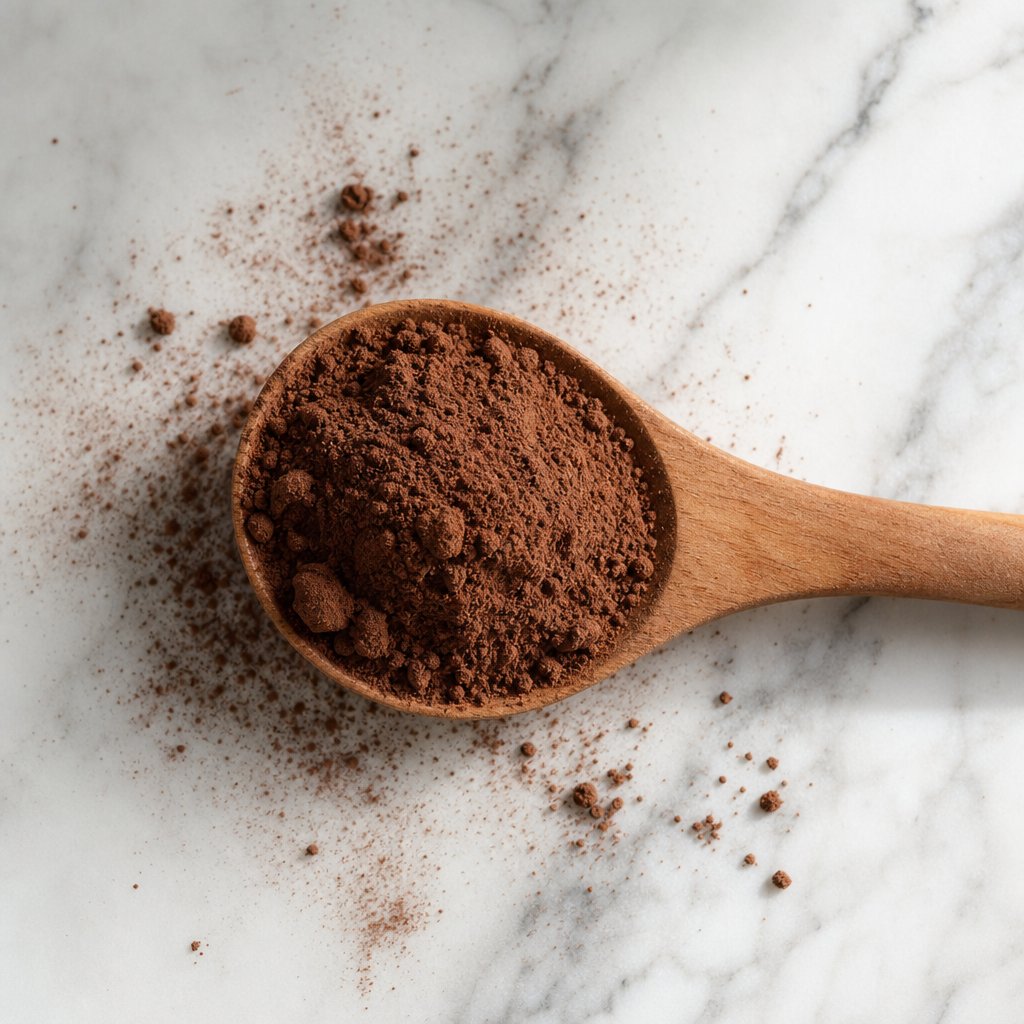
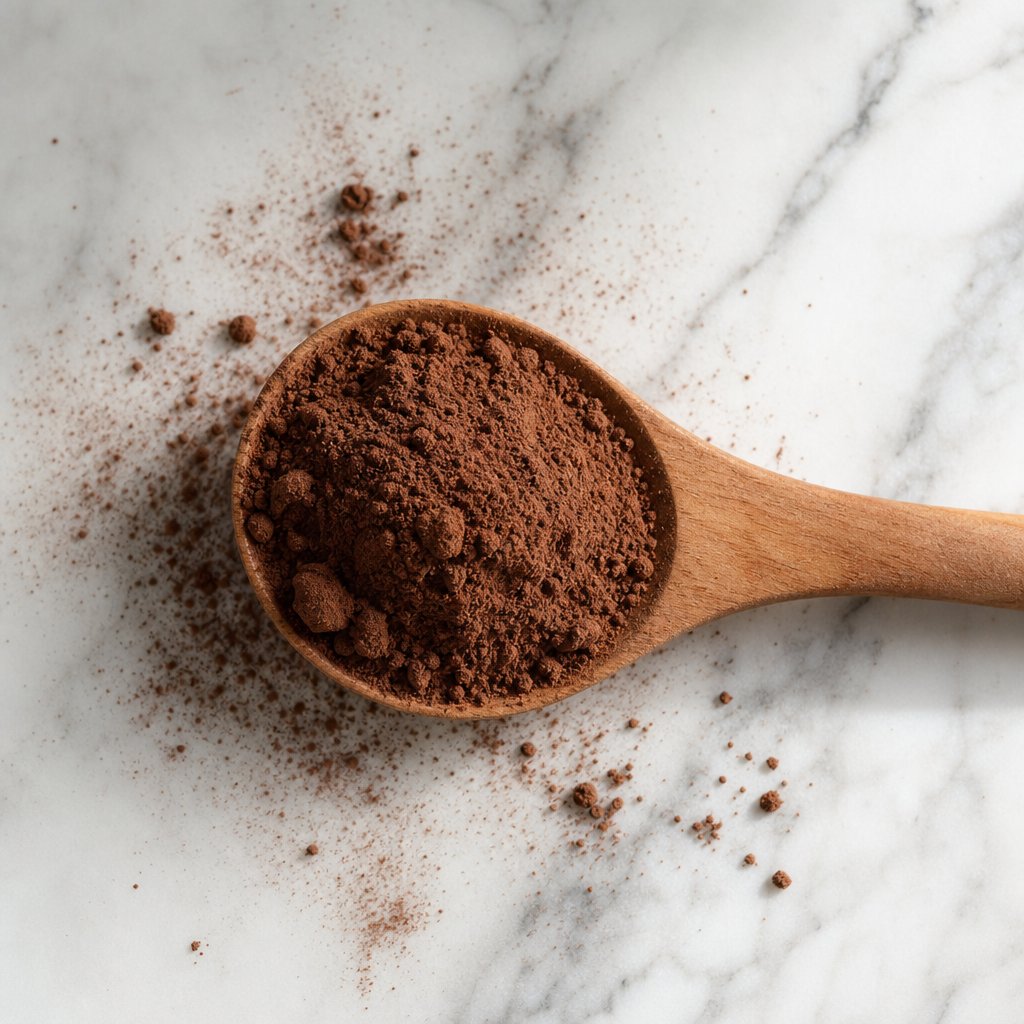
Does cocoa powder have sugar? Pure unsweetened cocoa powder contains almost none. USDA nutritional data shows that one tablespoon of unsweetened cocoa powder has roughly 0.1 grams of sugar and only 12 calories. Four tablespoons together still clock in at just 0.38g of sugar total. For practical purposes, that rounds to zero on most nutrition labels.
Pure, unsweetened cocoa powder contains less than 0.1g of sugar per tablespoon. It is not a significant source of sugar in any diet.
So does cocoa contain sugar naturally? Technically yes, but in trace amounts so small they have no meaningful impact on your daily intake. Is cocoa sweet? Not at all. On its own, unsweetened cocoa powder tastes intensely bitter, which is exactly why so many products add sugar to it before it reaches your mug.
Why This Question Causes So Much Confusion
If the answer is that simple, why do so many people ask whether there is sugar in cocoa powder? The confusion comes down to one thing: product labeling. Walk down a grocery aisle and you will find "cocoa powder" sitting near "cocoa mix," "hot cocoa," and "drinking chocolate." These products look similar, share shelf space, and sometimes use nearly identical packaging. The difference in cocoa powder sugar content between them, however, is enormous.
A packet of sweetened cocoa mix can contain 15 to 24 grams of sugar per serving. Pure cocoa powder has virtually none. When someone asks does cocoa have sugar, they are often thinking of that sweet, comforting cup of hot cocoa rather than the raw baking ingredient. The two are not the same product, even though marketing language blurs the line between them.
Understanding this distinction is the key to making informed choices at the store, and it starts with knowing exactly what happens to cocoa during processing and what gets added afterward.
Why Pure Cocoa Powder Contains Almost No Sugar
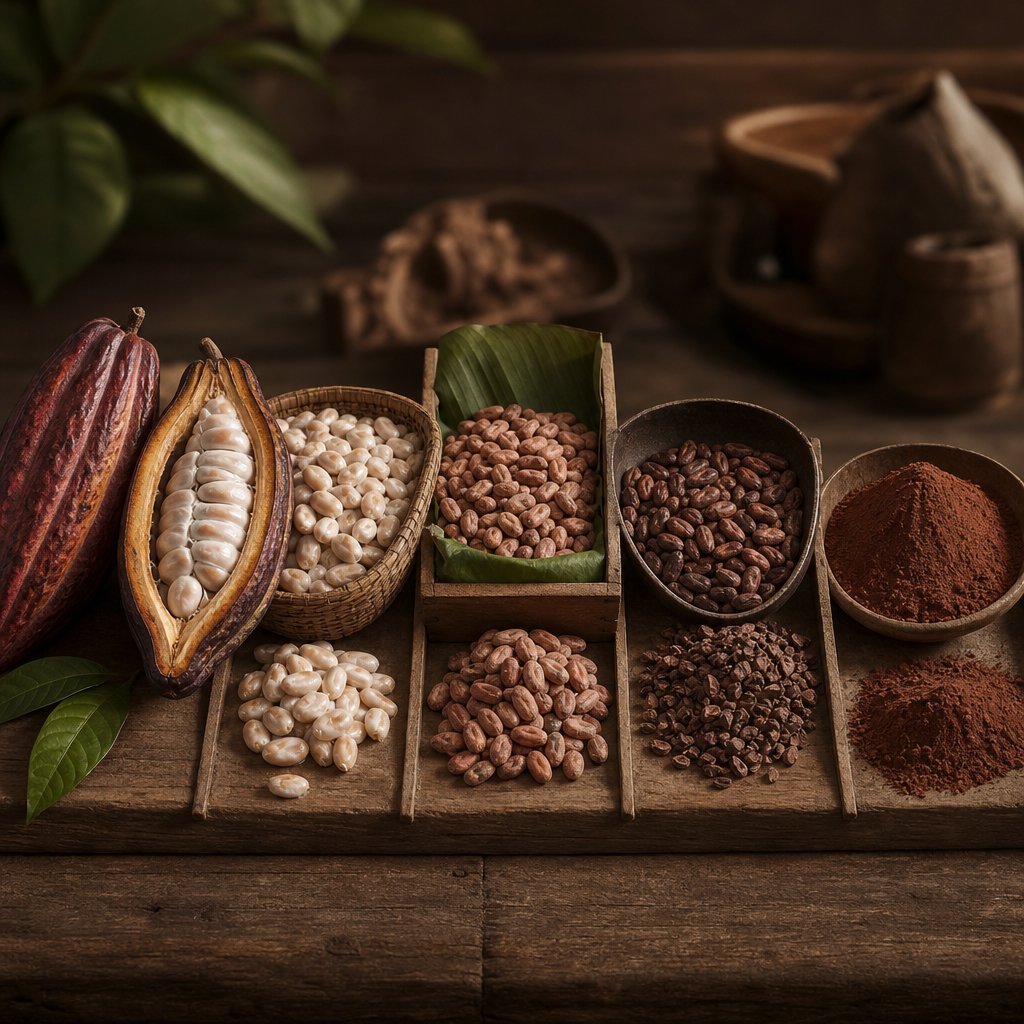
Knowing that cocoa powder is nearly sugar-free is useful, but understanding why it ends up that way gives you a much clearer picture of what you are actually buying. The answer lies in how cacao beans are transformed into the fine, bitter cocoa powder you find in the baking aisle. Each step in the process strips away or converts the sugars that originally exist in the raw fruit.
From Cacao Bean to Powder
So what is cocoa powder, exactly? It is the dry, pulverized solid left behind after fat has been pressed out of processed cacao beans. Imagine starting with a tropical seed pod containing 30 to 50 beans surrounded by sweet white pulp. That pulp is where most of the fruit's natural sugar lives, and it is the first thing to go.
Here are the key processing steps that explain why cocoa solids end up with almost no sugar:
- Fermentation: Fresh cacao beans are piled under banana leaves and left to ferment for several days. During this stage, microorganisms convert the sugars in the surrounding pulp into ethanol, and the liquefied pulp drains away from the beans entirely. This single step eliminates the primary source of natural sugar.
- Drying: Fermented beans are sun-dried or machine-dried to reduce moisture from around 60% down to 7.5%. No sugars are added here, and the remaining bean interior contains mostly fat, fiber, and minerals.
- Roasting: Dried beans or nibs are roasted to develop the classic chocolate flavor and aroma. Heat further reduces moisture and triggers Maillard reactions that consume small amounts of residual sugars in the process.
- Cracking and winnowing: The outer shell is separated from the inner kernel, called the nib. Shells are discarded, leaving behind concentrated cocoa solids and cocoa butter.
- Grinding and pressing: Nibs are ground into a paste called cocoa liquor (no alcohol involved). This paste is then fed into a mechanical press that squeezes out the cocoa butter, the fat portion that makes up 40-50% of the bean. What remains is a dry cake of cocoa solids.
- Pulverizing: The pressed cake is ground into the fine powder sold as cocoa powder.
Does cacao have sugar at the start of this journey? Yes, but it exists in the fruit pulp surrounding the beans, not in the beans themselves. Fermentation consumes those sugars before processing even begins. By the time you reach the pressing stage, the material is almost entirely fat, fiber, and minerals. Removing the fat concentrates what is left, which is why raw cocoa powder is rich in magnesium and iron but contains virtually no sugar.
Natural Process vs Dutch-Processed Cocoa
You will find two main types of unsweetened cocoa powder on store shelves, and neither one has sugar added during manufacturing.
Natural cocoa powder is the straightforward result of the process described above. It is acidic, with a pH around 5, and has a sharp, intensely bitter flavor. If you have ever tasted a spoonful straight from the container, you already know that cacao powder is bitter enough to make you wince. That bitterness is a direct clue that no sweetener is present.
Dutch-processed cocoa powder (also called alkalized cocoa) goes through one additional step: the nibs or liquor are washed in an alkaline solution of potassium carbonate before or after roasting. This neutralizes the natural acidity, darkens the color, and mellows the flavor. Crucially, it does not introduce sugar. Dutch-processed cocoa is smoother and less sharp than natural cocoa, but it remains unsweetened.
Whether you pick natural or Dutch-processed, the cocoa powder cacao content is essentially the same: concentrated cocoa solids with trace sugars well below 1 gram per tablespoon. The difference between them is pH and flavor profile, not sugar content.
This also clarifies a common point of confusion around unprocessed cocoa and raw cocoa powder. Raw cacao powder skips the roasting step, preserving more heat-sensitive compounds, but it still goes through fermentation and pressing. The result is the same near-zero sugar profile, just with a slightly different nutrient and flavor balance.
The real sugar problem does not come from any stage of cocoa processing. It comes from what manufacturers add afterward, which is where product labels start telling a very different story.
Cocoa Powder vs Cocoa Mix and Why People Get Confused
Labels tell very different stories depending on which product you pick up. A container of pure cocoa powder and a box of cocoa mix can sit inches apart on the same shelf, yet one is essentially sugar-free while the other is mostly sugar by weight. This single distinction is the reason so many shoppers walk away unsure about what they are actually buying.
Pure Cocoa Powder Is Not Cocoa Mix
Pure cocoa powder is a single-ingredient product: ground cocoa solids, nothing else. It is intensely bitter, unsweetened, and used primarily for baking or adding chocolate flavor to recipes where you control the sweetener yourself.
Cocoa mix, on the other hand, is a convenience product designed to dissolve in hot water or milk and taste good immediately. A typical cocoa mix contains sugar, corn syrup, hydrogenated oil, natural flavors, and preservatives alongside a relatively small amount of actual cocoa powder. The sugar-to-cocoa ratio in many homemade and commercial mixes is 2:1 or higher, meaning sugar makes up 50 to 80 percent of the product by weight.
If the label says "cocoa mix," "hot cocoa," or "drinking chocolate," you are looking at a product that is primarily sugar. If it says "cocoa powder" or "baking cocoa" with a single ingredient listed, it contains virtually no sugar at all.
So what is baking cocoa? It is simply another name for pure unsweetened cocoa powder. Is cocoa powder the same as baking cocoa? Yes. The difference between baking cocoa and cocoa powder is purely a labeling choice made by different brands. Some manufacturers print "baking cocoa" on the tin to signal that the product is unsweetened and intended for recipes, while others label it "cocoa powder" or "unsweetened cocoa." Both terms refer to the same single-ingredient product with the same near-zero sugar content.
How Marketing Language Creates Confusion
Part of the problem is that brands use the word "chocolate" loosely. As The Spruce Eats points out, even products labeled "hot chocolate" in grocery stores are typically just cocoa mix rebranded. They contain cocoa powder, sugar, and dehydrated milk, and come out sweet and light in body. True hot chocolate, by contrast, is made from melted solid chocolate and is an entirely different product.
So what is chocolate powder in this context? It depends entirely on the packaging. If the ingredient list shows cocoa powder alone, you are holding an unsweetened product. If it lists sugar as the first ingredient followed by cocoa, you are holding a sweetened mix regardless of what the front label claims. Chocolate powder nutrition varies wildly between these two categories, from under 1 gram of sugar per serving to over 20 grams.
The difference between cocoa powder and baking cocoa matters far less than the difference between any pure cocoa product and a sweetened mix. Once you know to flip the package over and check the ingredient list rather than trusting the front label, the confusion disappears. The real question becomes: how do the numbers actually compare across the full range of chocolate products you might encounter?
Sugar Comparison Table for Common Chocolate Products
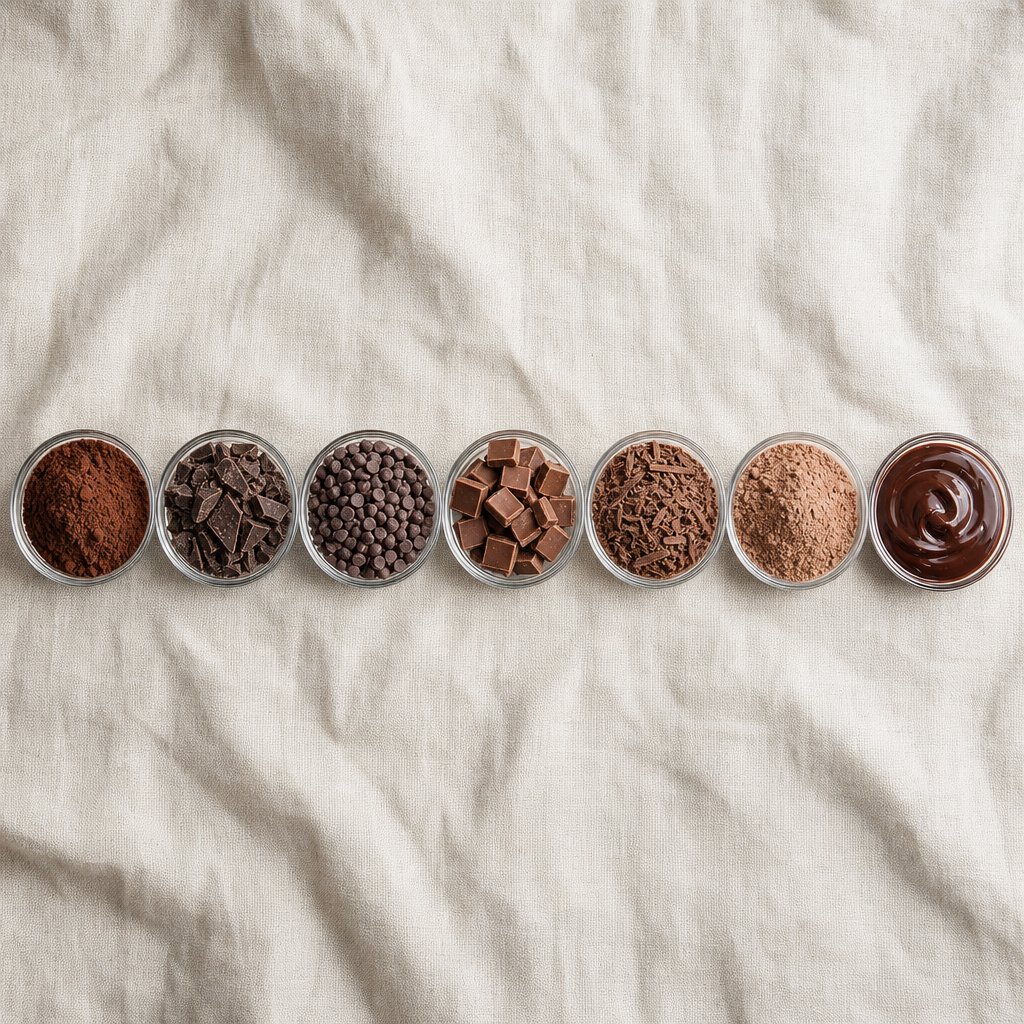
Seeing the numbers side by side makes the differences impossible to ignore. When you compare cocoa powder nutrition facts against other chocolate products, the gap in sugar content is striking. A tablespoon is a common serving size across these products, so it works well as a consistent measuring stick.
Sugar Content Per Tablespoon Across Chocolate Products
The following table draws on data from USDA FoodData Central and standard nutrition label values. It compares sugar per tablespoon, approximate calories in cocoa powder and related products, and whether the sugar present is naturally occurring or added during manufacturing.
| Product Type | Sugar per Tablespoon | Calories per Tablespoon | Carbs per Tablespoon | Sugar Source |
|---|---|---|---|---|
| Unsweetened cocoa powder (natural) | 0 - 0.1g | 12 kcal | 3g | Naturally occurring (trace) |
| Dutch-processed cocoa powder | 0 - 0.2g | 12 kcal | 3g | Naturally occurring (trace) |
| Cacao nibs | 0.3 - 0.5g | 35 kcal | 2g | Naturally occurring |
| Sweetened cocoa mix (powder) | 8 - 12g | 50 - 70 kcal | 13 - 16g | Added sugar |
| Drinking chocolate (premium) | 5 - 9g | 50 - 80 kcal | 8 - 12g | Added sugar |
| Chocolate syrup | 9 - 12g | 50 - 55 kcal | 12 - 14g | Added sugar |
| Semi-sweet chocolate chips | 7 - 9g | 70 - 80 kcal | 9 - 10g | Added sugar |
You will notice that unsweetened cocoa powder nutrition facts look almost nothing like the sweetened products below it. The carbs in cocoa powder come primarily from fiber, not sugar. Meanwhile, a single tablespoon of chocolate syrup or cocoa mix delivers more sugar than four entire tablespoons of pure cocoa powder combined.
Reading the Numbers in Context
What makes this cocoa powder nutritional information so useful is the "Sugar Source" column. Products in the top three rows contain only naturally occurring sugars, amounts so small they register as zero on most nutrition labels. Everything below that line gets its sweetness from added sugar, typically listed as the first or second ingredient.
Consider what this means in practice. If you stir two tablespoons of unsweetened cocoa into a smoothie, you are adding roughly 24 calories, 6 grams of carbs (mostly fiber), and essentially zero sugar. Do the same with a sweetened cocoa mix and you are looking at 16 to 24 grams of added sugar before you have even added milk or a banana.
The cocoa powder nutritional content also reveals why calories in cocoa powder stay so low. Without sugar or significant fat (most fat was pressed out during processing), there simply is not much caloric energy left. What remains is a concentrated source of fiber, minerals, and flavonoids packed into a low-calorie format.
These numbers tell a clear story, but they only help if you can identify which category a product falls into while standing in the store aisle. That comes down to reading ingredient lists and understanding what specific terms on a nutrition label actually mean.
How to Read Cocoa Powder Labels and Spot Hidden Sugars
A cocoa nutrition label can tell you everything you need to know, but only if you understand what to look for. The front of the package is marketing. The back is where the truth lives. Here is how to read it quickly and confidently.
Ingredient List Red Flags That Signal Added Sugar
The FDA requires that ingredients be listed from highest amount to lowest. If any form of sugar appears in the first three ingredients of chocolate powder ingredients, you are holding a sweetened product regardless of what the front label suggests.
Sugar goes by many names. The CDC notes that most ingredients ending in "-ose" contain sugar, and syrups of any kind signal added sweeteners. When scanning a cocoa ingredients list, watch for these common aliases:
- Sucrose
- Dextrose
- Fructose
- Maltodextrin
- Corn syrup solids
- High-fructose corn syrup
- Cane sugar or turbinado sugar
- Rice syrup
- Honey or agave
Any of these in the ingredients of cocoa products means sugar has been added during manufacturing. Some brands also use terms like "caramelized" or "glazed" that hint at sugar processing. Is cocoa powder sweetened if one of these appears on the label? Yes, even if the front says "cocoa" in large letters.
You also want to understand the two sugar lines on the Nutrition Facts panel. "Total Sugars" combines naturally occurring and added sugars. "Added Sugars," listed directly below, tells you exactly how much was introduced during processing. For pure cocoa powder, both lines should read 0g. The FDA explains that having the word "includes" before added sugars indicates those grams are part of the total sugar count, not in addition to it.
If the Added Sugars line shows anything above 0g, or if sugar appears anywhere in the ingredient list, you are not looking at pure cocoa powder.
What a Clean Cocoa Powder Label Looks Like
A genuine unsweetened cocoa powder has the simplest label you will find in the baking aisle. The entire cocoa powder ingredients section reads one line: "cocoa powder" or "cocoa processed with alkali" for Dutch-processed varieties. That is it. No second ingredient, no sweetener, no filler.
Baking cocoa ingredients follow the same pattern. Whether the tin says "baking cocoa," "unsweetened cocoa," or "100% cacao," the single-ingredient rule applies. If you flip the package and see only one item listed, you can trust that the product contains trace natural sugars at most.
A cacao powder nutrition label for raw cacao follows the same logic. One ingredient, zero added sugars, and a Total Sugars line at or near 0g per serving. The moment a second ingredient appears, especially one from the red-flag list above, you have crossed into sweetened territory.
This simple habit of flipping the package takes about five seconds and eliminates all guesswork. With that clarity in hand, the next practical question becomes how pure cocoa powder fits into specific eating plans where sugar control is not just a preference but a daily requirement.

Using Cocoa Powder on Sugar-Restricted Diets
For anyone tracking every gram of sugar or counting net carbs, the question is not just whether cocoa powder contains sugar. It is whether you can actually use it freely without derailing your daily targets. The short answer: yes. Unsweetened cocoa powder nutrition makes it one of the most diet-friendly ways to get a chocolate fix without compromise.
Cocoa Powder on Keto and Low-Carb Diets
How many carbs in cocoa powder? One tablespoon of unsweetened cocoa delivers roughly 3 grams of total carbohydrates, but about 2 grams of that is fiber. That leaves approximately 1 gram of net carbs per tablespoon, with sugar registering at 0 to 0.1 grams. For a diet that typically allows 20 to 50 grams of net carbs daily, cocoa powder barely registers.
Cacao powder carbs follow a nearly identical profile. Whether you reach for roasted cocoa or raw cacao, the net carb count stays around 1 gram per tablespoon. Both versions are considered keto-friendly as long as you stick with unsweetened varieties and avoid mixes that sneak in maltodextrin or sugar.
Practical tips for keto and low-carb use:
- Add 1-2 tablespoons to fat bombs, smoothies, or chia puddings for chocolate flavor at minimal carb cost.
- Mix with heavy cream or coconut cream and a keto-friendly sweetener like erythritol for a quick mousse.
- Stir into coffee with MCT oil for a mocha-style drink that fits your macros.
- Use in almond flour baking recipes where cocoa powder carbohydrates stay well within your daily budget.
Is unsweetened cocoa powder good for you on keto specifically? Beyond the low carb count, it delivers magnesium and iron, two minerals that people on restrictive diets often lack. A couple of tablespoons per day adds meaningful nutrition without meaningful carbs.
Diabetic-Friendly Uses for Unsweetened Cocoa
Blood sugar management depends on controlling both added sugars and total cocoa carbohydrates that convert to glucose. Pure cocoa powder scores well on both fronts. Its fiber content slows digestion, and the near-zero sugar means it does not cause the rapid glucose spikes associated with sweetened chocolate products.
Research published in Healthline's review of cocoa benefits notes that cocoa flavanols may help improve insulin secretion and reduce inflammation, though more human studies are needed. This does not make cocoa a treatment for diabetes, but it does mean unsweetened cocoa fits comfortably within a diabetic-friendly eating pattern.
Tips for diabetic-friendly use:
- Pair cocoa powder with protein sources like Greek yogurt or cottage cheese to further blunt any glycemic response.
- Use it in overnight oats with measured portions of rolled oats and no added sweetener beyond a small amount of stevia or monk fruit.
- Avoid cocoa mixes entirely. Even "sugar-free" mixes may contain maltodextrin, which raises blood glucose similarly to table sugar.
For whole food diets and general low-sugar lifestyles, the same principles apply. Carbs in cacao powder are minimal, the ingredient list is clean, and you maintain full control over sweetness levels in your recipes.
How much cacao powder per day is reasonable? Most nutrition guidance suggests 1 to 2 tablespoons daily as a practical ceiling for health benefits without excess. At that amount, you get a solid dose of flavonoids and minerals while keeping total cocoa powder carbohydrates between 3 and 6 grams, nearly all of it fiber. Going beyond 3 tablespoons daily is unlikely to cause harm, but the caffeine and theobromine content can become noticeable for sensitive individuals.
The takeaway across all these dietary frameworks is consistent: pure unsweetened cocoa powder is not just permitted, it is genuinely useful. Its value extends well beyond low sugar content into a broader nutritional profile that most people underestimate.
Nutritional Benefits of Choosing Unsweetened Cocoa Powder
Low sugar content is only part of the story. The real reason cocoa powder nutrition stands out is what fills the space that sugar does not occupy: a dense concentration of minerals, fiber, and plant compounds that few other pantry staples can match.
Key Minerals and Antioxidants in Cocoa Powder
When fat and sugar are stripped away during processing, what remains is an unusually mineral-rich powder. One to two tablespoons of unsweetened cocoa delivers meaningful amounts of several essential nutrients:
- Magnesium: Roughly 27mg per tablespoon, contributing to muscle function and nerve signaling. Magnesium in cocoa powder is one of the highest concentrations found in any common food ingredient.
- Iron: About 0.7mg per tablespoon, supporting oxygen transport in the blood. WebMD notes that cocoa powder contains iron, zinc, and selenium, all of which help your body function and boost immune health.
- Potassium: Approximately 82mg per tablespoon, helping regulate fluid balance and blood pressure. Potassium in cocoa powder adds up quickly when you use two tablespoons in a recipe.
- Fiber: Around 2g per tablespoon, which accounts for most of the carbohydrate content. Fiber in cocoa powder supports digestive health and contributes to the feeling of fullness.
- Flavanol antioxidants: Cocoa ranks among the richest dietary sources of flavanols, a subclass of polyphenols with strong free-radical-scavenging activity. Natural cocoa powder retains more of these compounds than Dutch-processed varieties.
Because there is no added sugar competing for caloric space, every tablespoon delivers these nutrients without the metabolic trade-offs of blood sugar spikes or empty calories. You get the benefit cocoa offers in its most concentrated, uncompromised form.
Health Benefits Backed by Nutritional Science
The benefits of cocoa extend beyond basic mineral content into active health protection. Research published in the American Journal of Clinical Nutrition confirms that cocoa flavanols exert cardioprotective effects by improving vascular function, enhancing nitric oxide production, and reducing platelet reactivity. These mechanisms help relax blood vessels, improve blood flow, and lower blood pressure over time.
Cocoa benefits also include potent antioxidant activity. Studies show that cocoa powder and cocoa extracts exhibit greater antioxidant capacity than green tea, red wine, and blueberries when compared on a per-weight basis. The polyphenols in cocoa help moderate cholesterol levels, reduce inflammation, and protect cells from oxidative damage.
Additional research suggests that the health benefits of cocoa powder may support brain function, mood regulation, and immune response, largely driven by the same flavanol compounds and the mineral profile described above. These advantages hold true only when cocoa is consumed without excessive added sugar, which can trigger inflammation and offset the protective effects.
All of these cocoa benefits hinge on one condition: the product you choose must actually be pure, unsweetened cocoa powder rather than a diluted, sugar-laden alternative. Knowing what to look for when selecting a product determines whether you capture these advantages or miss them entirely.
Choosing the Right Cocoa Powder for Your Goals
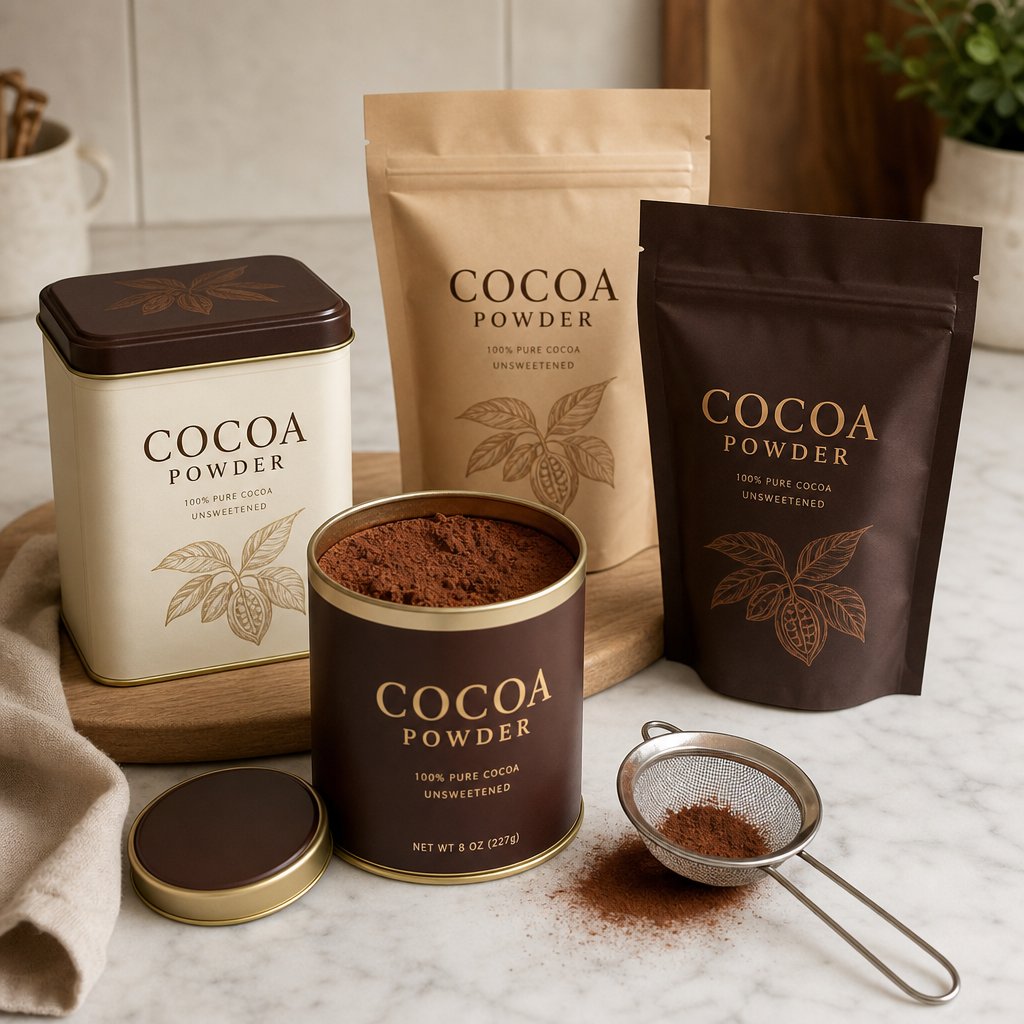
Knowing that pure cocoa powder is nutrient-dense and virtually sugar-free only matters if you actually bring the right product home. Not all cocoa powders are created equal, and the differences in sourcing, processing, and certification affect both flavor and nutritional value. Whether you are a home cook looking for the best cocoa powder for health or a brand owner developing a new product line, the selection criteria follow a clear hierarchy.
What to Look for When Buying Cocoa Powder
Imagine standing in front of a shelf with six different tins of cocoa powder. They all look similar, but the quality gap between them can be significant. Here is a ranked checklist to guide your decision:
- Single-ingredient purity: The label should list one ingredient only: cocoa powder (or "cocoa processed with alkali" for Dutch-processed). Any additional ingredients, especially sugar, maltodextrin, or artificial flavors, disqualify it as pure cocoa.
- Processing method that fits your use: Natural cocoa works best for baking with baking soda and delivers higher flavanol content. Dutch-processed cocoa offers a smoother, darker profile ideal for beverages and frostings. Ciranda's cocoa powder guide notes that choosing the right process method early in development prevents costly reformulation later, whether you are making a single batch at home or scaling a commercial product.
- Fat content: Cocoa powders typically come in 10-12% or 20-22% fat levels. Lower fat works well in dry blends, cereals, and snacks. Higher fat delivers richer mouthfeel for premium desserts and beverages.
- Organic certification: Organic cocoa powder benefits include the absence of synthetic pesticides and fertilizers during cultivation. Look for USDA Organic or equivalent certifications. Organic cocoa powder also tends to come from farms with more transparent supply chains.
- Fair Trade or ethical sourcing credentials: These certifications indicate better labor practices and more sustainable farming, which also correlates with higher quality beans and more careful post-harvest handling.
- Minimal processing for maximum nutrients: If antioxidant content is your priority, minimally processed cocoa powder or unprocessed cocoa powder (raw cacao) retains more flavanols than heavily alkalized varieties. The trade-off is a sharper, more acidic taste.
A healthy cocoa powder checks most of these boxes: single ingredient, organic where possible, and processed in a way that matches your intended use. For everyday health purposes, a natural or lightly alkalized organic cocoa powder gives you the best balance of flavor and nutritional density.
Sugar free chocolate powder products that combine cocoa with alternative sweeteners like stevia or monk fruit also exist, but read those labels carefully. Some add bulking agents that dilute the cocoa content significantly. Pure cocoa with your own sweetener of choice gives you more control.
Custom Cocoa-Based Health Products for Brands
The consumer shift toward sugar-free, functional, and clean-label chocolate products is not slowing down. Food Navigator reports that the global chocolate market is projected to reach $184 billion by 2033, with health-conscious trends becoming a central growth pillar. Brands across Europe and beyond are actively launching sugar-free, organic, and functional chocolate formats to meet demand for indulgence without compromise.
For nutrition brands, supplement importers, and private label sellers, this creates a clear opportunity: cocoa-based health products with verified zero-added-sugar formulations. The challenge is moving from concept to shelf-ready product with precise control over sugar content, ingredient purity, and scalable production.
This is where OEM/ODM health food manufacturers become essential partners. Companies like ZhuFeng offer customized formulation and flexible production formats, including powder and granule products, capsules, tablets, gummies, and oral liquids, specifically designed for functional food businesses. For brands developing cocoa-based supplements or sugar-free drinking powders, this type of manufacturing partnership provides the formulation expertise and production scale needed to launch products that meet strict nutritional claims.
Whether you are sourcing pure cocoa for your morning smoothie or developing the next sugar-free functional cocoa product for retail shelves, the principle remains the same: start with the purest possible ingredient, verify what the label tells you, and let the natural nutritional profile of cocoa do the heavy lifting. The less that gets added between the bean and your cup, the more you benefit from what cocoa already provides on its own.
Frequently Asked Questions About Sugar in Cocoa Powder
1. Is there sugar in pure unsweetened cocoa powder?
Pure unsweetened cocoa powder contains only trace amounts of naturally occurring sugar, typically 0 to 0.1 grams per tablespoon according to USDA data. This amount is so small it rounds to zero on most nutrition labels. The sugar that originally exists in the cacao fruit pulp is consumed during fermentation long before the beans become powder, leaving behind concentrated minerals, fiber, and flavonoids with virtually no sweetness.
2. What is the difference between cocoa powder and cocoa mix?
Cocoa powder is a single-ingredient product made entirely from ground cocoa solids with no added sweeteners. Cocoa mix, also sold as hot cocoa or drinking chocolate, is a convenience blend where sugar typically makes up 50 to 80 percent of the product by weight. A single serving of cocoa mix can contain 15 to 24 grams of sugar, while the same amount of pure cocoa powder has essentially zero. Always check the ingredient list rather than the front label to tell them apart.
3. Can I use cocoa powder on a keto or diabetic diet?
Yes. Unsweetened cocoa powder is highly compatible with keto, diabetic, and other sugar-restricted diets. One tablespoon provides roughly 1 gram of net carbs and 0 to 0.1 grams of sugar, making it negligible within a 20 to 50 gram daily net carb budget. Its fiber content helps slow digestion, and research suggests cocoa flavanols may support insulin function. Stick with pure unsweetened varieties and avoid mixes that contain maltodextrin or hidden sweeteners.
4. Is baking cocoa the same as cocoa powder?
Yes, baking cocoa and cocoa powder refer to the same product: pure, unsweetened ground cocoa solids. Different brands use different names on their packaging, but both contain a single ingredient with the same near-zero sugar content. The only meaningful distinction among unsweetened cocoa powders is whether they are natural (acidic, sharp flavor) or Dutch-processed (alkalized, smoother flavor), and neither type contains added sugar.
5. How do I know if a cocoa product has hidden sugar?
Flip the package and check two things. First, look at the ingredient list. A pure cocoa powder lists only one ingredient. If you see sucrose, dextrose, maltodextrin, corn syrup solids, fructose, or any ingredient ending in '-ose,' sugar has been added. Second, check the Added Sugars line on the Nutrition Facts panel. For genuine unsweetened cocoa, this line should read 0g. Any number above zero confirms the product is sweetened regardless of front-label claims.