Is Protein Powder Safe for Kids and When Does It Make Sense
You have a child who refuses anything green, trains three days a week for soccer, or simply looks smaller than their peers. A tub of protein powder for kids sits in the grocery aisle with a cartoon character on the label, promising easy nutrition. So you wonder: is protein powder safe for kids, or could it do more harm than good?
The honest answer is not a simple yes or no. Safety depends on your child's age, their current health status, the quality of the product you choose, and whether their diet already covers their protein needs. For most children eating a reasonably varied diet, protein shakes for kids are unnecessary. But in certain situations, a carefully selected supplement under professional guidance can fill a genuine gap.
Here is the critical detail that changes everything: the FDA does not regulate dietary supplements the same way it regulates drugs. Manufacturers are responsible for evaluating the safety and labeling of their own products before they reach store shelves. The FDA can only take action after a problem is reported. That means the burden of choosing a safe product falls squarely on you as a parent.
Why Parents Are Asking About Protein Powder
Youth sports culture has intensified. Kids train year-round, and the pressure to get stronger and recover faster pushes families toward supplements promising improved performance. Athletic trainers at Akron Children's Hospital note that teens are increasingly turning to protein powders and creatine to build muscle and improve recovery times.
Picky eating adds another layer. When your child survives on chicken nuggets and plain pasta, it is natural to ask whether can kids have protein powder to bridge the nutritional gap. Meanwhile, marketing makes the decision harder. Brands position kids protein powder as a simple fix, blurring the line between genuine need and manufactured demand.
Can kids drink protein shakes without risk? Are protein shakes good for kids who play sports? These questions deserve more than a marketing tagline. They deserve a framework built on evidence.
What This Guide Covers
This article walks you through the decision step by step. You will find age-specific protein requirements, a comparison of powder types evaluated for child safety, potential risks to developing bodies, label-reading guidance, dosage recommendations from toddlers through teens, and scenario-based advice for picky eaters, young athletes, and restricted diets. Each section is designed to help you determine whether a protein shake for kids makes sense in your specific situation.
Most healthy children get adequate protein from food alone. Specific situations, such as medical conditions, documented dietary gaps, or restrictive diets, may warrant supplementation, but only under professional guidance and with a quality-verified product.
Daily Protein Requirements by Age Group
Before you can decide whether your child needs a supplement, you need a baseline. How much protein do kids need each day? The answer varies dramatically depending on age, body weight, and activity level. A toddler and a teenager live in completely different nutritional worlds, and treating them the same is one of the most common mistakes parents make when evaluating protein for kids.
Protein Needs From Toddlers to Teens
The Dietary Reference Intakes (DRI) established by the Institute of Medicine set protein recommendations based on the factorial method, which accounts for both maintenance needs and the protein required for growth. These values represent the Recommended Dietary Allowance (RDA), meaning they cover the needs of approximately 97.5% of healthy children in each age group.
Here is what those numbers look like in practice, along with simple food combinations that meet the daily target:
| Age Group | RDA (grams per day) | RDA (g/kg/day) | Food Equivalents That Meet Daily Needs |
|---|---|---|---|
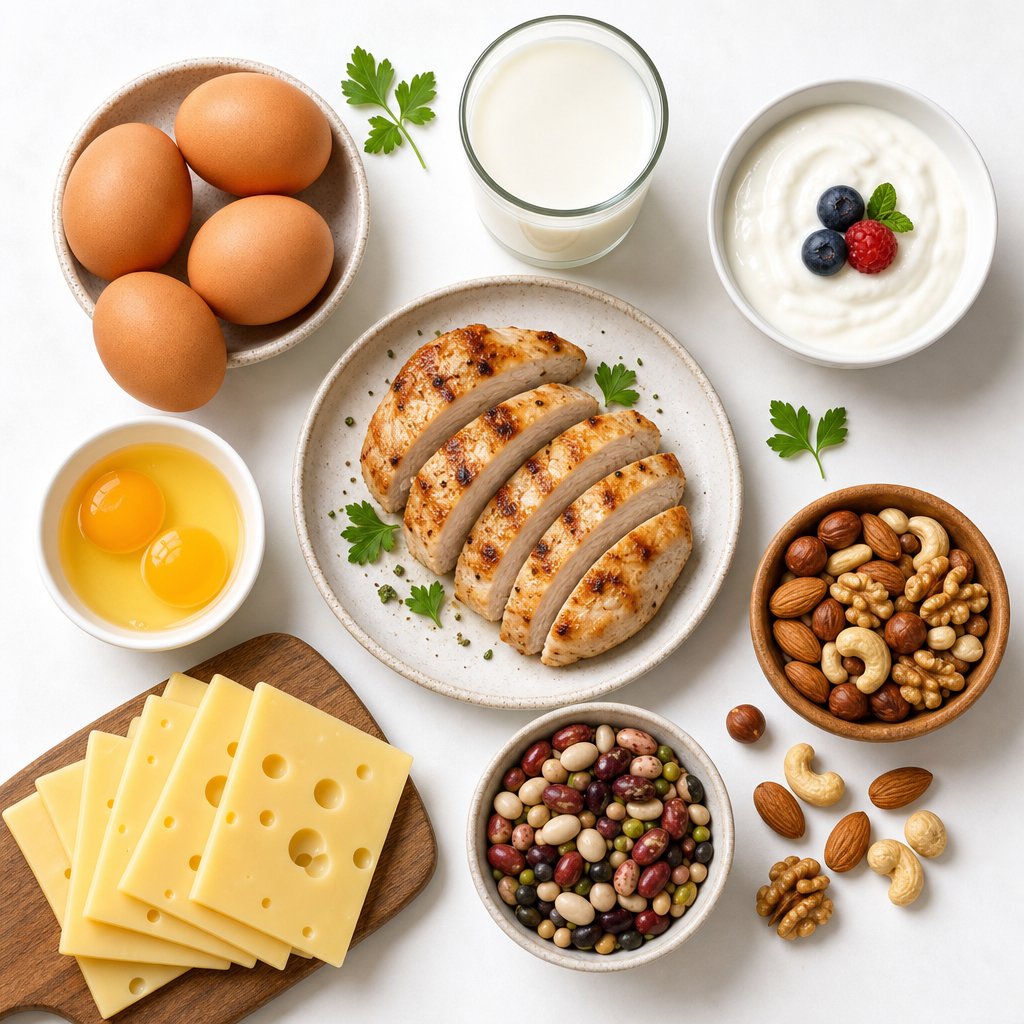
| 1-3 years | 13 g | 1.05 | 1 egg + 1 cup whole milk + 1 oz cheese |
| 4-8 years | 19 g | 0.95 | 1 egg + 1 cup milk + 2 oz chicken |
| 9-13 years | 34 g | 0.95 | 2 eggs + 1 cup yogurt + 3 oz chicken breast |
| 14-18 years | 46-52 g | 0.85 | 3 oz chicken + 1 cup milk + 1 cup lentils + 2 eggs |
Notice how much protein does a toddler need compared to a teenager: roughly 13 grams versus 46-52 grams daily. That gap matters because a single glass of milk (8 grams of protein) covers more than half a toddler's requirement but barely dents a teen athlete's needs. This is why protein for toddlers rarely requires supplementation, while protein in teenagers sometimes warrants closer attention, especially for those training intensively.
It is also worth noting that newer research using the indicator amino acid oxidation (IAAO) method suggests actual requirements may be higher than these classic nitrogen balance-derived values. One study found that children aged 6-10 may need closer to 1.55 g/kg/day, roughly 60% more than the current RDA. The science is still evolving, but the existing DRI values remain the accepted clinical standard.
Signs Your Child May Not Be Getting Enough Protein
Childrens protein intake in developed countries typically exceeds the RDA. Data from the USDA's What We Eat in America survey confirms that most American children consume enough dietary protein to meet nitrogen balance-derived requirements. True protein deficiency is uncommon here, but it does happen, particularly in specific circumstances.
Watch for these indicators that your child's protein intake may be falling short:
- Slow or stalled growth - falling off their established growth curve on pediatric charts
- Persistent fatigue - low energy levels that do not improve with adequate sleep
- Frequent illness - protein supports immune function, and repeated infections can signal inadequate intake
- Poor wound healing - cuts, scrapes, or bruises that take noticeably longer to resolve
- Muscle weakness or wasting - difficulty with physical tasks that peers handle easily
- Brittle hair or nails - structural proteins like keratin depend on adequate amino acid supply
- Edema - swelling in the extremities, though this signals severe deficiency
These signs are more likely to appear in children on highly restrictive diets, those with chronic illness affecting nutrient absorption, kids with severe food allergies limiting protein sources, or families experiencing food insecurity. Protein for teens who are vegan or follow elimination diets also deserves extra scrutiny, since plant-based diets require more deliberate planning to deliver all nine essential amino acids in sufficient quantities.
If you recognize multiple signs from this list, a conversation with your pediatrician is the right next step, not a trip to the supplement aisle. A simple blood panel and growth chart review can clarify whether your child has a genuine protein gap or whether something else is driving the symptoms. Protein rich foods for teenagers and younger children should always be the first line of defense, with supplementation reserved for situations where food alone cannot close the gap.
The real question, then, is not just how much protein your child needs but what form it should come in. Different protein sources carry different safety profiles, allergen risks, and digestibility characteristics, and those differences matter even more in a growing body.
Types of Protein Powder Compared for Child Safety
Not all protein powders are built the same, and the differences matter far more when the person drinking them weighs 50 pounds instead of 150. Each protein source carries its own digestibility profile, allergen risk, and amino acid completeness. Choosing the wrong type can mean stomach pain, allergic reactions, or simply wasted money on a product your child refuses to drink. Here is how the major categories stack up when evaluated specifically for growing bodies.
Whey and Casein Protein for Children
Whey and casein are both derived from cow's milk, but they behave differently once consumed. Whey is a fast-digesting protein that delivers amino acids to muscles quickly, making it popular among athletes. Casein digests slowly, forming a gel in the stomach that releases amino acids over several hours.
Can kids have whey protein safely? For children without dairy allergies or lactose intolerance, whey protein for kids is generally well-tolerated and provides a complete amino acid profile, meaning it contains all nine essential amino acids needed for growth. Pediatric dietitians consider whey and casein among the best options for children who tolerate dairy, thanks to their high bioavailability and familiar taste.
The main concern with dairy-based powders is allergen risk. Cow's milk allergy affects roughly 2-3% of young children, and even children who outgrow it may experience digestive discomfort with concentrated dairy proteins. If your child has any history of dairy sensitivity, is whey protein safe for kids in their specific case? That question belongs to your pediatrician, not a product label.
When choosing dairy-based options, look for organic, grass-fed sources to minimize exposure to hormones and antibiotics used in conventional dairy farming. Whey protein isolate undergoes additional filtration that removes most lactose, which can improve tolerance for mildly sensitive children.
Plant-Based Alternatives for Kids
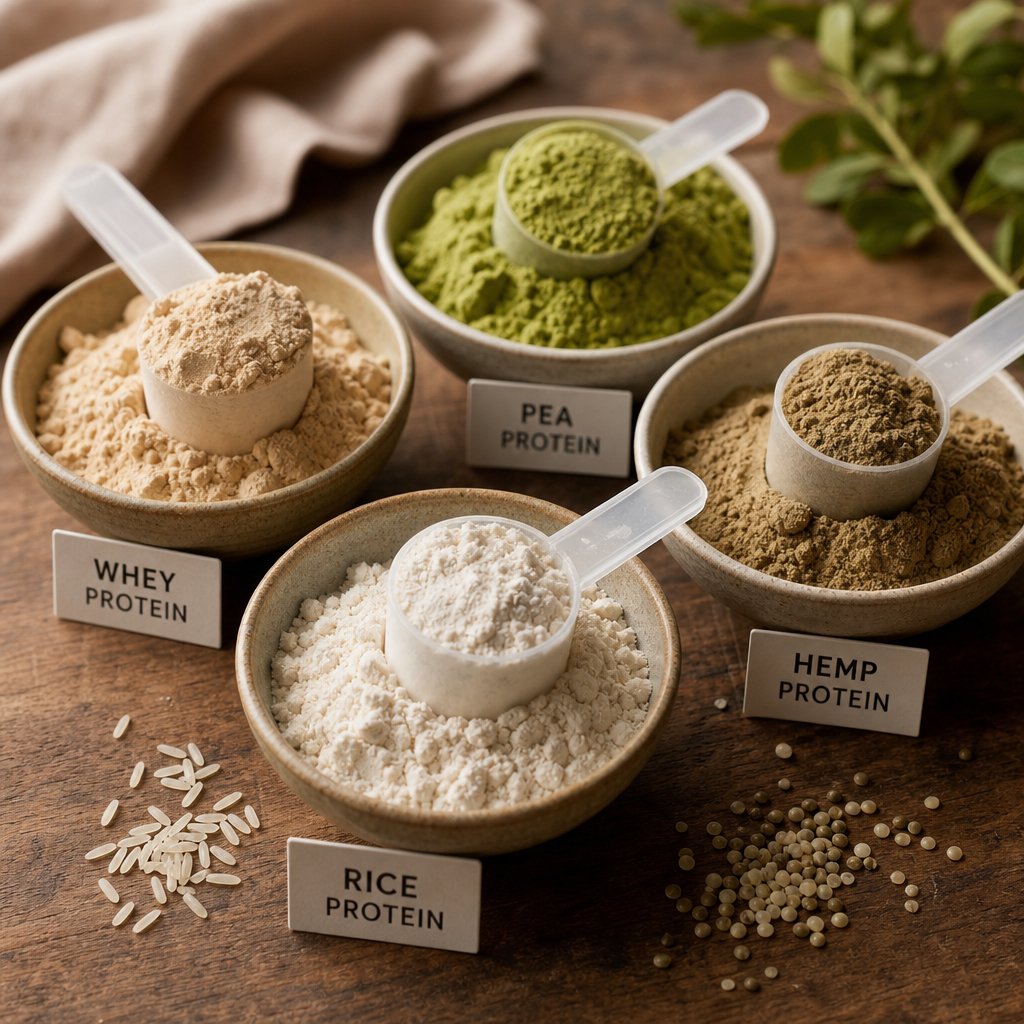
Plant-based protein powders have expanded well beyond soy. Pea protein, brown rice protein, hemp, and blended formulas now offer viable alternatives for children who cannot or choose not to consume dairy. Each comes with trade-offs worth understanding.
Pea protein delivers a strong amino acid profile and digests easily. It is free from the top eight allergens, making it a practical choice for kids with multiple food sensitivities. One caution: children with peanut allergies may have cross-reactivity to pea protein, so check with your allergist before introducing it.
Soy protein is one of the few plant sources that qualifies as a complete protein. Soy protein hydrolysate, in particular, has research supporting its use in children with cow's milk allergies, with studies showing it promotes beneficial gut bacteria growth. However, some parents raise concerns about soy protein isolate dangers related to phytoestrogens, compounds that mimic estrogen in the body. Current evidence suggests that moderate soy intake is safe for children, but high doses over extended periods may warrant caution during critical developmental windows. The processing involved in creating hydrolysate forms reduces potential hormonal effects compared to whole soy.
Rice protein is hypoallergenic and gentle on sensitive stomachs, but it is an incomplete protein on its own. Blending rice with pea protein creates a more complete amino acid profile, which is why many kids protein formulas combine the two.
Amaranth protein is a newer option showing promise. Research indicates it offers exceptional digestibility and excellent amino acid profiles while stimulating beneficial gut bacteria, making it particularly suitable for children with multiple food sensitivities.
Kids-Marketed vs. Adult Protein Powder
Imagine handing your child an adult-sized coffee. The dose is wrong, the additives are inappropriate, and the serving size ignores their smaller body. The same logic applies to protein powder kids consume versus what adults use.
Kid protein powder formulas are typically designed with lower protein per serving (5-10 grams versus 20-30 grams in adult products), fewer additives, no caffeine or creatine, and age-appropriate flavoring. Adult powders may contain ingredients like artificial sweeteners, proprietary blends with undisclosed dosages, or stimulants that have no place in a child's diet.
Registered dietitians recommend avoiding adult protein powder for kids unless specifically guided by a healthcare provider. Children have unique nutritional needs for growth and development, and adult formulations simply are not calibrated for developing bodies.
This distinction also matters for protein powder for teenage athletes. While teens approaching adult size may tolerate higher protein servings, they still benefit from products formulated without excessive stimulants, artificial additives, or mega-doses of vitamins that can interfere with nutrient balance.
For brands developing age-appropriate formulations, the manufacturing process matters as much as the ingredient list. Reputable manufacturers offering OEM/ODM health food production with customized formulation across flexible formats like powder, granules, and gummy candy can create products calibrated to children's specific nutritional needs. This kind of specialized manufacturing, with precise dosing and age-targeted ingredient profiles, distinguishes quality kids protein products from generic adult powders repackaged with a cartoon label.
The following table summarizes how each protein type compares across the factors that matter most for your child:
| Protein Type | Allergen Risk | Digestibility | Amino Acid Completeness | Best Suited For |
|---|---|---|---|---|
| Whey (dairy) | High (milk allergy) | Excellent, fast-absorbing | Complete | Ages 4+ without dairy allergy |
| Casein (dairy) | High (milk allergy) | Good, slow-release | Complete | Ages 4+ needing sustained protein |
| Soy hydrolysate | Moderate (soy allergy) | Very good | Complete | Ages 1+ with dairy allergy |
| Pea protein | Low (peanut cross-reactivity possible) | Good | Nearly complete (low methionine) | Ages 4+ with multiple allergies |
| Rice protein | Very low | Good | Incomplete alone | Ages 4+ blended with pea protein |
| Amaranth protein | Very low | Excellent | Complete | Ages 4+ on plant-based diets |
| Fish-derived (APP) | Moderate (fish allergy) | Good | Complete | Ages 4+ needing growth support |
Choosing the right type is only half the equation. Even the cleanest protein source can cause problems if the dose overwhelms a child's developing organs or if the product contains contaminants hidden behind a reassuring label. The real risks lie not just in what type of protein your child consumes, but in how much their body can safely process.
Potential Risks and Side Effects on Developing Bodies
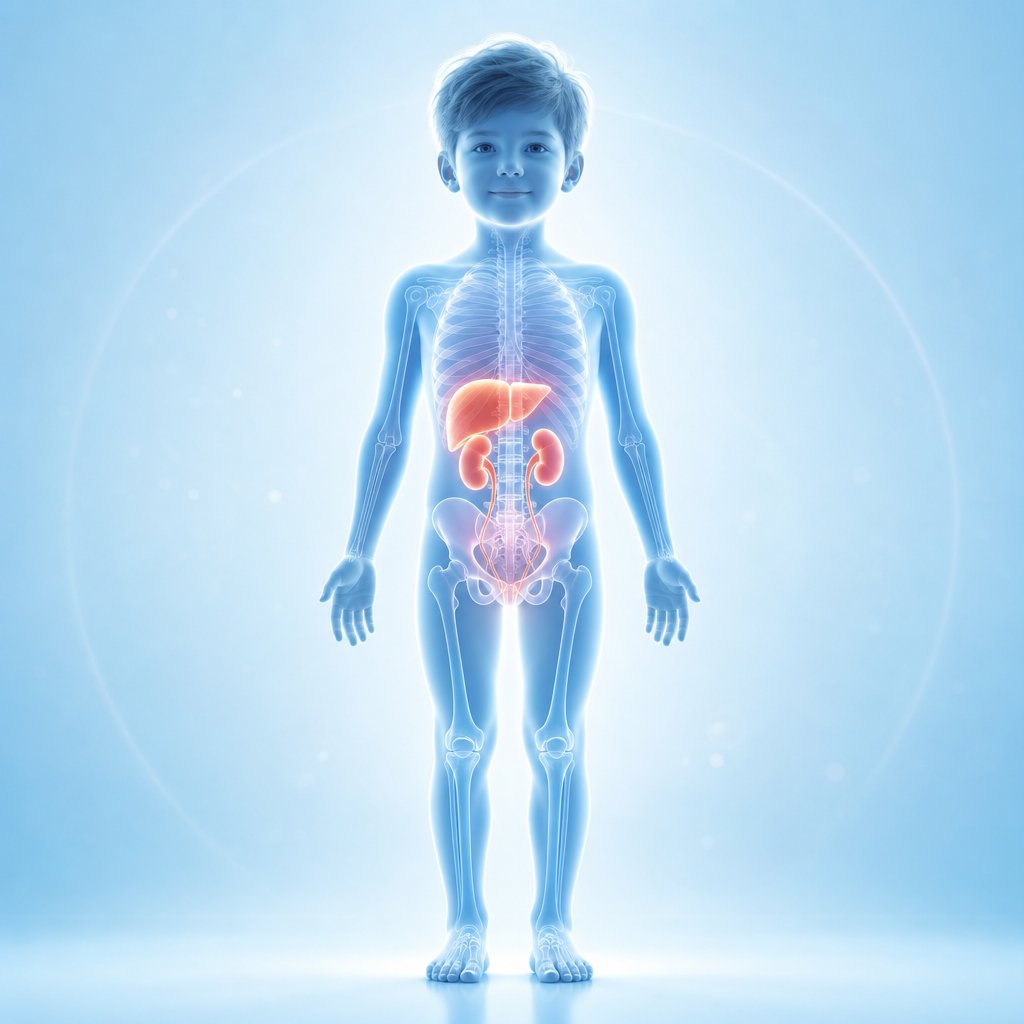
A child's body is not a scaled-down adult. Their kidneys are still maturing, their liver is processing nutrients at a different metabolic rate, and their bones are actively building density that will serve them for decades. When you ask whether is protein powder safe for kids, the answer hinges partly on what happens when developing organs are asked to handle more protein than they need.
Effects on Kidneys and Liver in Growing Children
Protein metabolism produces nitrogen-containing waste products, primarily urea, that the kidneys must filter and excrete. In a fully developed adult system, this process runs smoothly within normal intake ranges. In children, the filtration machinery is still growing. Chronic overconsumption forces immature kidneys to work harder, increasing the risk of dehydration and, over time, potentially contributing to kidney stones and impaired renal function.
The liver faces a parallel burden. Processing excess protein generates high levels of nitrogen that make it harder for the liver to break down other waste products and toxins. Sports nutrition specialist Diana Schnee, RD, at Cleveland Clinic notes that "excessive protein intake can put stress on the liver and kidneys, and it increases the risk for dehydration." For a 40-pound child consuming an adult-sized protein shake with 30 grams per serving, the relative metabolic load is roughly three times what an adult experiences from the same product.
The side effects of powder protein overconsumption also include digestive distress. Many protein powders contain substances that disrupt a child's gut, leading to constipation, bloating, diarrhea, or cramping. Excessive satiety is another overlooked problem: a child who fills up on a protein shake may skip nutrient-dense whole foods their growing body actually needs.
Impact on Bone Health and Growth Patterns
You might assume more protein means stronger bones. The relationship is more complicated than that, especially during childhood when peak bone mass is being established.
Research published in Frontiers in Endocrinology explains that as protein intake increases, urinary calcium excretion also rises. This creates a potential negative calcium balance, meaning the body loses more calcium than it absorbs. For children actively building skeletal density, this trade-off can undermine the very growth parents are trying to support.
The mechanism involves sulfur-containing amino acids found in protein sources, particularly animal-derived ones. Their metabolism produces sulfuric acid, which can induce low-grade metabolic acidosis. The body compensates by pulling calcium from bones to buffer the acid load. In pubertal girls with calcium intakes below 675 mg per day, high protein intake from animal sources showed a negative effect on bone mass accrual. The takeaway: protein powder safety depends not just on the protein itself, but on whether your child's overall diet provides enough calcium and vitamin D to offset the increased excretion.
This does not mean protein is harmful to bones. Adequate protein actually supports bone health by modulating IGF-1 levels that drive skeletal growth. The problem arises specifically with excess intake, particularly when calcium consumption is low. Balance matters more than quantity.
Contaminants Found in Protein Powders
Even if you nail the dosage perfectly, the product itself may carry hidden risks. Because the FDA does not pre-approve supplements, protein powder safe for kids on the label does not guarantee protein powder safe in the container. Independent testing has repeatedly revealed contaminants that are particularly dangerous for smaller bodies.
A 2025 Consumer Reports study tested 23 popular protein products and found that 16 exceeded the organization's recommended maximum lead levels per serving. Four products exceeded 2.2 micrograms of lead, the FDA's Interim Reference Level for the total daily amount children should consume from all food, drugs, and supplements combined. Plant-derived protein products contained nine times the lead found in dairy-based proteins like whey.
Why does this matter more for children? A 30-pound toddler consuming the same contaminated serving as a 180-pound adult receives six times the relative dose per kilogram of body weight. Heavy metals accumulate over time, and children's developing nervous systems are far more vulnerable to their effects.
Here are the primary contaminant categories found in protein supplements and their potential effects on children:
- Lead - delays cognitive development, impairs neurological function, and lowers IQ even at low chronic exposure levels. No safe threshold exists for children.
- Cadmium - accumulates in kidneys over time, potentially softening bones and impairing renal function during critical growth periods.
- Arsenic - linked to developmental effects, immune suppression, and increased cancer risk with chronic exposure.
- Artificial sweeteners (sucralose, aspartame, acesulfame-K) - may disrupt gut microbiome composition in developing digestive systems; long-term effects on children remain under-studied.
- Excessive added sugars - contribute to childhood obesity, dental decay, and insulin resistance while displacing nutrient-dense calories.
- Fillers and thickeners - substances like maltodextrin and carrageenan can trigger digestive issues and offer zero nutritional value.
- Proprietary blends - hide exact ingredient amounts, making it impossible to assess whether individual components reach harmful levels for a child's body weight.
The side effects protein powder can produce are not limited to what is listed on the label. Are protein powders safe when independent labs keep finding undisclosed contaminants? The answer depends entirely on whether the manufacturer invests in rigorous third-party testing and transparent sourcing. Is protein powder harmful by default? No. But without verified testing, you are gambling with your child's developing body.
Understanding these risks is essential, but it does not mean every product on the shelf is dangerous. The difference between a safe choice and a risky one often comes down to what you can read, and what you cannot, on the label itself.
How to Read Protein Powder Labels for Your Child
A flashy label with words like "natural," "kid-friendly," or "clean protein" tells you almost nothing about what is actually inside the container. Since the FDA does not pre-approve protein supplements for kids, the label is your only line of defense. Knowing what to look for, and what should send you walking the other direction, is the difference between choosing the best protein powder for kids and accidentally bringing home a product loaded with contaminants and fillers.
Ingredients to Avoid in Kids Protein Products
Flip the container around. Ignore the front-panel marketing and go straight to the ingredient list and supplement facts panel. If you spot any of the following, put it back on the shelf:
- Artificial sweeteners (sucralose, aspartame, acesulfame-K) - these are common in adult protein powders and many childrens protein drinks. Their long-term effects on developing gut microbiomes remain poorly understood, and they can train children to prefer intensely sweet flavors.
- Proprietary blends - this term legally allows manufacturers to hide exact dosages of individual ingredients. You cannot assess safety for a child if you do not know how much of each component is in a serving.
- Excessive added sugars (more than 3 grams per serving) - some products marketed as a protein drink for kids contain as much sugar as a candy bar. Check the "added sugars" line, not just total sugars.
- Artificial colors (Red 40, Yellow 5, Blue 1) - these serve no nutritional purpose and have been linked to behavioral issues in sensitive children.
- Caffeine or stimulant additives - green tea extract, guarana, or "energy blends" have no place in a child's supplement.
- Fillers and thickeners (maltodextrin, carrageenan, xanthan gum in large amounts) - they bulk up the product cheaply while contributing nothing to your child's nutrition.
A shorter ingredient list is almost always a better sign. As Healthline's pediatric guidance puts it: if you are shopping for whey protein, look for options that list whey protein concentrate as the only ingredient. The fewer items on the label, the less room for questionable additives.
Indicators of a Quality Product
Red flags tell you what to avoid. These positive signals tell you what to trust when searching for the best protein shakes for kids:
- Third-party testing certification - look for the NSF Certified for Sport mark, Informed Sport logo, or USP Verified seal on the packaging. These are not self-awarded claims; they require independent laboratory verification.
- Transparent ingredient list - every ingredient and its exact amount should be clearly stated. No proprietary blends, no vague terms like "protein matrix."
- Minimal additives - ideally five or fewer ingredients for a single-source protein powder.
- Age-appropriate serving sizes - the best kids protein shake products provide 5-10 grams of protein per serving rather than adult-level 20-30 gram doses.
- Clear allergen disclosure - the label should state not only what allergens are present but whether the product is manufactured in a facility that also processes common allergens like dairy, soy, tree nuts, or wheat.
- GMP (Good Manufacturing Practices) certification - this confirms the facility follows standardized production protocols and lists all ingredients accurately.
Understanding Third-Party Testing Certifications
When the FDA does not verify supplement safety before products hit shelves, third-party certifications act as the closest thing to a safety net. But what do these logos actually mean?
NSF Certified for Sport uses a three-stage process: first, it audits the manufacturing facility for GMP compliance. Then it tests the finished product to verify label accuracy and screen for unsafe contaminant levels. Finally, production lots are tested against 290 banned substances. NSF is the only independent certification recognized by USADA, Major League Baseball, and the NHL, making it one of the most rigorous standards available.
Informed Sport takes a slightly different approach with a four-stage process that includes testing every single batch before market release, plus ongoing blind testing after certification. It screens for over 250 prohibited compounds and was developed by LGC Assure, one of the world's leading anti-doping laboratories.
USP Verified focuses on verifying that the product contains what the label claims, dissolves properly in the body, and was manufactured under strict GMP conditions. It is less sport-specific but still provides meaningful assurance about purity and potency.
Why does this matter for protein supplements for kids? Studies have found anywhere from 14% to 50% of supplement samples tested positive for anabolic agents or other prohibited substances. A product carrying one of these certifications has been independently verified to be free of those contaminants. For a child's developing body, that verification is not optional; it is essential.
Finding the best protein shake for kids means looking beyond flavor and price. A certified, transparently labeled product with minimal ingredients and appropriate serving sizes gives you confidence that what your child drinks matches what the label promises. The best protein drinks for kids are not necessarily the most expensive ones. They are the ones willing to prove their safety through independent testing.
Labels tell you what is in the product. They do not tell you how much your specific child should consume based on their age, weight, and activity level. That guidance requires a different framework entirely.
Age-Specific Dosage Guidance From Toddlers to Teens
Knowing what a quality label looks like is one thing. Knowing how much of that product your child should actually consume is another problem entirely. RDA numbers tell you total daily protein needs, but they do not tell you how many grams should come from a supplement versus food. That gap leaves parents guessing, and guessing with a developing body is not a strategy. Here is the practical serving guidance broken down by age.
Toddlers Ages 1 to 3
Can toddlers have protein powder? In almost every case, the answer is no. A toddler needs only 13 grams of protein per day, and a single cup of whole milk plus one egg already delivers 12 grams. Their tiny kidneys are still developing filtration capacity, and adding concentrated protein creates metabolic stress that their bodies are not equipped to handle.
Toddler protein powder is not something pediatricians routinely recommend. The rare exceptions involve medically diagnosed failure to thrive, severe feeding disorders, or conditions like cystic fibrosis where caloric density must be maximized. Even then, a toddler protein shake would typically contain no more than 3-5 grams of supplemental protein per day, prescribed and monitored by a pediatric dietitian. If your toddler is growing along their curve and eating a reasonable variety of foods, protein powder for toddlers is unnecessary and potentially counterproductive.
Young Children Ages 4 to 8
At this age, the daily protein target rises to 19 grams. Most children hit that number without trying. A peanut butter sandwich and a glass of milk covers it. Supplementation enters the conversation only when a child has a documented medical condition, multiple food allergies eliminating major protein sources, or severe picky eating that a pediatrician has confirmed is creating nutritional gaps.
When supplementation is warranted, appropriate serving sizes for this age group are typically half an adult scoop or less, delivering 5-7 grams of protein per serving. Think of it as a nutritional safety net, not a primary protein source. Blending a small amount into a smoothie with fruit and yogurt keeps the overall meal balanced rather than protein-dominant.
Pre-Teens Ages 9 to 12
This is where sports nutrition curiosity kicks in. Your child joins a travel team, watches older athletes drinking shakes after practice, and asks whether they should do the same. Can 12 year olds drink protein shakes? They can, but the question is whether they need to.
A pre-teen requires roughly 34 grams of protein daily. Active kids in competitive sports may benefit from slightly more, but research from Michigan Medicine emphasizes that eating more protein than the body needs will not produce larger or faster muscle gains. For this age group, a half to full scoop providing 8-12 grams of supplemental protein is a reasonable ceiling when dietary intake falls short. Timing it after training can support recovery without displacing whole-food meals.
The whey protein age limit is not a hard regulatory line, but most pediatric dietitians consider age 4 as the earliest appropriate starting point for any protein supplementation, with ages 9-12 being the range where sports-related use becomes more common and defensible.
Teenagers Ages 13 to 18
Protein powder for teens is where the conversation shifts closest to adult territory. Teenage athletes, particularly those in strength-based sports, may have legitimate protein needs that approach or exceed 52 grams daily for boys and 46 grams for girls. A University of Michigan national poll found that two in five parents reported their teen consumed protein supplements in the past year, with boys more likely to use them daily for muscle growth and sports performance.
Protein shakes for teens can be appropriate when used correctly. The key principles: supplements should not replace meals, serving sizes should stay within 15-25 grams per shake, and total daily protein from all sources combined should not chronically exceed twice the RDA. Sarah Clark, M.P.H., co-director of the Mott Poll, notes that it is "helpful to consume the recommended amount of protein spread throughout the day, at each meal and snack" rather than loading it into a single post-workout shake.
Parents should also watch for the psychological dimension. Teens using protein shakes for teens to chase an unrealistic body image may be developing an unhealthy relationship with food and supplements. If your teenager is replacing balanced meals with shakes or consuming multiple servings daily, that pattern warrants a conversation with their doctor.
| Age Group | Max Recommended Supplement Protein Per Day | Preferred Format | When to Consult a Professional |
|---|---|---|---|
| 1-3 years | Generally not recommended; 3-5 g only if medically prescribed | Mixed into food (not standalone shake) | Before any supplementation begins |
| 4-8 years | 5-7 g | Blended into smoothies with whole foods | If considering supplementation for picky eating or allergies |
| 9-12 years | 8-12 g | Post-training shake or smoothie | If using daily or if child requests supplements independently |
| 13-18 years | 15-25 g | Shake, smoothie, or protein-enhanced snack | If replacing meals, using multiple servings daily, or pursuing extreme body composition goals |
These numbers represent ceilings, not targets. The goal is always to get as much protein as possible from whole foods first, then supplement only the gap that remains. A teenager eating three balanced meals with adequate protein sources likely needs nothing from a powder. A teen training intensively who skips breakfast and eats a carb-heavy lunch may genuinely benefit from a well-timed shake.
Dosage guidance gives you the numbers. But numbers alone do not account for the real-world situations driving parents to consider supplementation in the first place: the child who gags on meat, the young athlete recovering from a growth spurt, or the family navigating a plant-based diet. Those scenarios each demand their own approach.
Scenario-Based Guidance for Common Parenting Situations
Dosage charts are useful, but they do not capture the moment your five-year-old pushes away a plate of chicken for the third night in a row, or the worry you feel watching your underweight child fall further behind on the growth curve. Real decisions happen inside specific contexts. Here is how to approach the most common scenarios that lead parents to ask whether can kids have protein shakes in their particular situation.
Picky Eaters Who Refuse Protein-Rich Foods
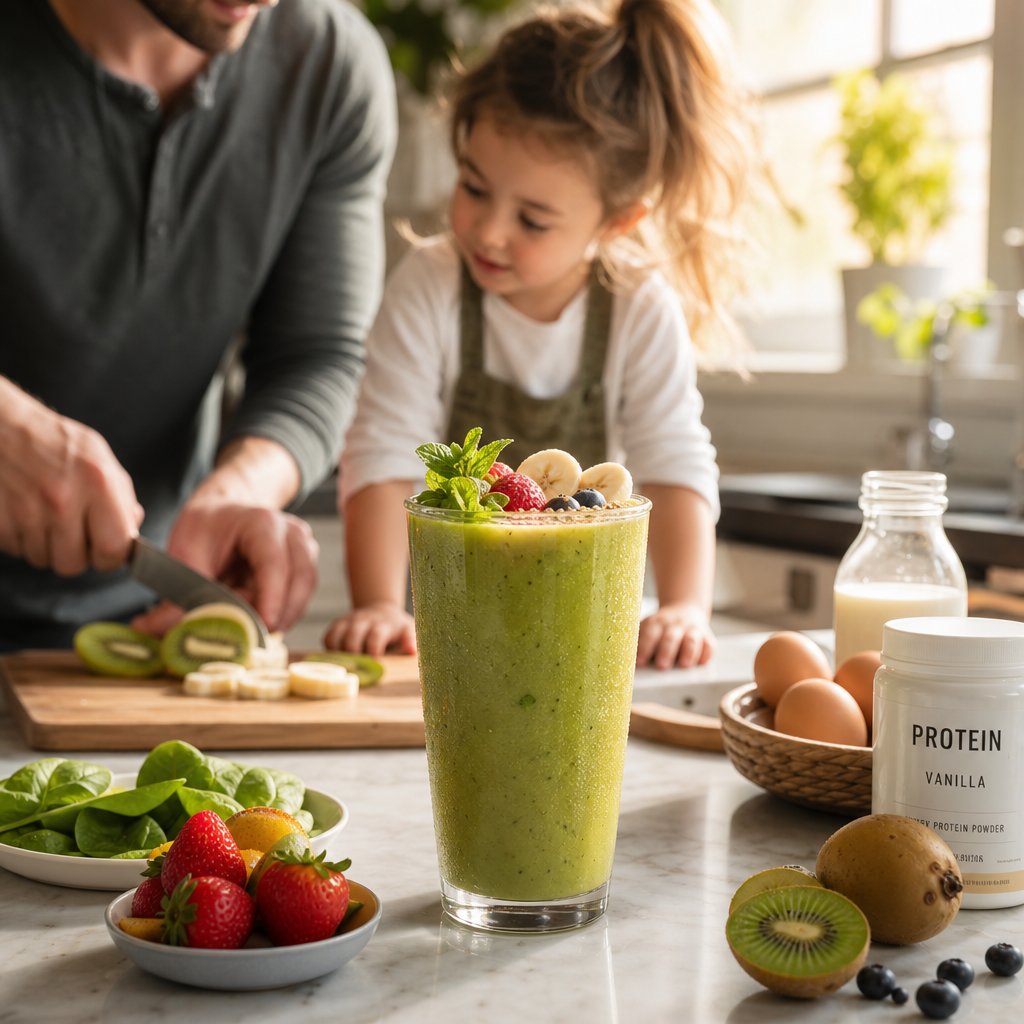
Your child lives on crackers, plain pasta, and maybe a few bites of cheese. Sound familiar? Before reaching for protein powder for picky eaters, try the food-first strategies that pediatric dietitians recommend. Protein can hide in foods kids already accept: nut butters stirred into oatmeal, Greek yogurt blended into fruit smoothies, or shredded chicken mixed into mac and cheese sauce.
Protein powder becomes a reasonable option only when these strategies consistently fail and your pediatrician confirms a nutritional gap. Even then, the goal is supplementing food, not replacing it. Healthline warns that giving protein powder to picky eaters can backfire: the sweetness of shakes may further reduce interest in whole foods, and children may grow accustomed to drinking their calories instead of eating them.
- Start with stealth nutrition - blend half a scoop (5 grams) of unflavored protein into a fruit smoothie, pancake batter, or homemade muffins.
- Keep exposure brief - use supplementation as a bridge while continuing to introduce new foods, not as a permanent replacement.
- Track what they actually eat - keep a three-day food diary before assuming a gap exists. Many picky eaters consume more protein than parents realize through milk, cheese, and grains.
- Consult a feeding therapist - if refusal is extreme or tied to sensory issues, a specialist can address the root cause rather than masking it with supplements.
Young Athletes Needing Recovery Support
Your 11-year-old trains five days a week for competitive gymnastics. Their coach mentions recovery nutrition. Teammates are drinking protein shakes for athletes after practice. Should your child join them?
Young athletes do have higher protein needs than sedentary peers. The Academy of Nutrition and Dietetics recommends 0.45-0.6 grams of protein per pound of body weight for young athletes, compared to roughly 0.4 g/lb for non-athletes. For a 90-pound child athlete, that translates to 40-54 grams daily, a range that whole food can typically cover but sometimes falls short during heavy training blocks.
Timing matters more than total volume for recovery. Research shows that consuming protein within 30 minutes after exercise supports muscle repair. Low-fat chocolate milk is one of the best post-workout recovery options for young athletes because it delivers carbohydrates, protein, calcium, and potassium in a familiar format. A protein shake only makes sense when whole-food options are not available, like immediately after an away game with no access to a meal.
- Prioritize real food - a yogurt smoothie with fruit, a turkey sandwich, or chocolate milk after training covers recovery needs for most child athletes.
- Use protein supplements for athletes only as backup - keep a single-serving packet in the gym bag for situations where whole food is not accessible within 30 minutes post-exercise.
- Cap supplemental protein at 8-15 grams per serving - depending on age and body weight. More does not produce faster muscle gains in growing bodies.
- Never replace meals - the best protein shakes for kid athletes supplement a balanced diet; they do not substitute for breakfast or dinner.
- Focus on total daily nutrition - spreading protein across meals and snacks throughout the day is more effective than loading a single post-workout shake.
Underweight Children and Medical Situations
When your pediatrician uses phrases like "failure to thrive" or "falling off the growth curve," the conversation shifts from preference to medical necessity. Protein shakes for kids to gain weight become a clinical tool rather than a lifestyle choice in these situations.
WebMD notes that underweight or malnourished children may be given protein drinks or other vitamin supplements, but only after consulting a pediatrician. Medical conditions like cystic fibrosis, pediatric cancer, Crohn's disease, or recovery from surgery can prevent children from absorbing adequate nutrition through food alone.
Parents searching for protein shakes for toddlers to gain weight should understand that this is strictly medical territory. A toddler who is simply small for their age but growing consistently along their own curve likely does not need intervention. A toddler who is dropping percentiles, refusing food due to oral aversion, or losing weight during illness may benefit from calorie-dense supplementation prescribed by their care team.
- Get a formal assessment first - a pediatrician should evaluate growth charts, run bloodwork if needed, and rule out underlying conditions before recommending supplementation.
- Follow prescribed protocols - the best nutrition powder for child growth in medical situations is one selected by a dietitian who knows your child's specific condition, not one chosen from a store shelf.
- Monitor and adjust - supplementation for underweight children should include regular follow-up appointments to track progress and modify the plan as the child's needs change.
- Address the root cause - supplementation supports recovery, but identifying why the child is underweight matters more than simply adding calories.
Vegan and Dairy-Free Families
Plant-based diets can absolutely meet a child's protein needs, but they require more intentional planning than omnivorous eating patterns. The challenge is not just total protein but amino acid completeness. Most individual plant foods lack one or more essential amino acids, meaning children need varied combinations throughout the day to get the full spectrum their bodies require for growth.
Vegan and vegetarian children may need up to 15% more protein than meat-eating peers to reach equivalent amino acid levels, since plant proteins generally have lower digestibility scores. For a vegan 9-year-old, that could mean targeting closer to 39 grams daily instead of 34 grams.
Supplementation makes sense here when dietary variety is limited, when a child refuses key plant protein sources like beans and tofu, or when growth metrics suggest intake is falling short despite careful meal planning.
- Combine complementary proteins daily - rice and beans, hummus and whole wheat pita, or oatmeal with nut butter provide complete amino acid profiles without supplements.
- Choose blended plant protein powders - pea and rice protein together offer a more complete amino acid profile than either alone.
- Watch for B12 and iron alongside protein - these nutrients are commonly low in plant-based diets and affect energy and growth independently of protein status.
- Avoid soy-only approaches - while soy is a complete protein, relying on it exclusively raises concerns about phytoestrogen exposure over time. Rotate between pea, rice, hemp, and soy sources.
- Consider fortified foods first - many plant milks, cereals, and nutritional yeast products add protein and B vitamins that reduce the need for isolated powder supplements.
Each of these scenarios shares a common thread: supplementation works best as a targeted response to a confirmed need, not as a preventive measure or a convenience shortcut. But regardless of the scenario driving your decision, one additional factor can complicate the picture for many families: food allergies. When your child cannot tolerate dairy, soy, or multiple common allergens, finding a safe protein source requires navigating a different set of risks entirely.
Navigating Allergens in Kids Protein Powders
A child with food allergies does not get the luxury of simply picking the highest-rated protein powder off the shelf. For these families, the question shifts from "is whey protein good for kids" to "will this product trigger a reaction even if the allergen is not listed as an ingredient?" Cross-contamination, hidden derivatives, and shared manufacturing lines turn label reading into a high-stakes exercise. Here is how to navigate it.
Dairy and Soy Allergen Risks in Protein Powders
Whey protein kids consume is derived directly from cow's milk, making it an obvious risk for dairy-allergic children. But the danger extends beyond whey and casein products. Many plant-based protein powders are manufactured on shared equipment that also processes dairy, meaning trace amounts of milk protein can end up in a product labeled "vegan" or "dairy-free." Unless the label explicitly states "manufactured in a dairy-free facility," cross-contamination remains possible.
Soy presents a similar challenge. Soy derivatives hide under dozens of names on ingredient lists: soy lecithin, hydrolyzed soy protein, textured vegetable protein, and soy protein isolate are just a few. A parent scanning for the word "soy" alone will miss these. Soy lecithin appears in many protein powders as an emulsifier to improve mixability, even in products not marketed as soy-based. For children with confirmed soy allergies, every ingredient must be cross-referenced against known soy derivatives.
Can toddlers have whey protein if they have no dairy allergy? Generally yes, though most toddlers do not need supplementation at all. Can babies have protein powder? Pediatricians almost universally advise against it. Protein for babies should come exclusively from breast milk, formula, or age-appropriate whole foods. Introducing concentrated protein supplements before age one carries risks to immature kidneys and displaces critical nutrients from milk-based feeds.
Gluten and Tree Nut Cross-Contamination
Gluten does not naturally occur in protein powder ingredients like whey, pea, or rice. The risk comes from manufacturing. Facilities that also process oats, wheat-based products, or barley-containing supplements can introduce gluten through shared equipment, airborne particles, or inadequate cleaning between production runs.
Tree nut contamination follows the same pattern. Almond-based protein powders processed on the same line as pea or rice protein can leave residues that trigger reactions in sensitive children. For kids who cannot tolerate tree nuts, look for products carrying a certified gluten-free seal from organizations like the Gluten-Free Certification Organization (GFCO) and explicit "tree nut-free facility" statements.
Key certifications that signal allergen safety in manufacturing:
- Dedicated allergen-free facility - the strongest guarantee, meaning no major allergens are processed anywhere on site.
- Allergen-specific "free from" testing - products tested to below 20 ppm for gluten or below detectable limits for specific proteins.
- GFCO or equivalent third-party allergen certification - independent verification rather than self-declared claims.
- "May contain" advisory statements - voluntary but informative. Their absence does not guarantee safety; their presence signals honest disclosure.
Safe Options for Kids With Multiple Food Allergies
When your child reacts to dairy, soy, and tree nuts simultaneously, the list of safe protein powders shrinks dramatically. But options exist. Pea protein, rice protein, and hemp protein blends offer the lowest allergen risk profile among commercially available kid friendly protein powder options, provided they are sourced from dedicated facilities.
Can kids drink whey protein if they have multiple allergies? Only if dairy is not among them. For children who must avoid dairy and soy, pea-rice blends manufactured in allergen-controlled environments represent the safest category. Hemp protein adds omega-3 fatty acids and is free from all top-eight allergens, though its earthy taste can be challenging for younger palates.
Before purchasing any product for a multi-allergic child, contact the manufacturer directly. Ask specifically whether the facility processes your child's allergens, what cleaning protocols exist between production runs, and whether finished products undergo allergen testing. A company unwilling to answer these questions is not one you should trust with your child's safety.
The following table maps common protein powder sources against major allergens to help you identify which options align with your child's specific restrictions:
| Protein Source | Dairy | Soy | Gluten | Tree Nuts | Overall Allergen Risk |
|---|---|---|---|---|---|
| Whey / Casein | Avoid | Safe | Safe (verify facility) | Safe (verify facility) | High for dairy-allergic children |
| Soy protein | Safe | Avoid | Safe (verify facility) | Safe (verify facility) | High for soy-allergic children |
| Pea protein | Safe | Safe | Safe | Safe | Low (caution with peanut allergy) |
| Rice protein | Safe | Safe | Safe | Safe | Very low |
| Hemp protein | Safe | Safe | Safe | Safe | Very low |
| Almond protein | Safe | Safe | Safe | Avoid | High for tree nut-allergic children |
| Pea-rice blend | Safe | Safe | Safe | Safe | Very low (best multi-allergy option) |
Remember that "safe" in this table assumes the product is manufactured in a facility free from the relevant allergen. Without that facility-level verification, even inherently allergen-free ingredients carry cross-contamination risk. Always confirm manufacturing practices before introducing any new protein source to an allergic child.
Allergen safety narrows your options, but it does not eliminate them. With the right product identified and the right dose established, the final step is pulling everything together: weighing food-first strategies against supplementation, and knowing exactly when the scale tips toward adding a powder to your child's routine.
Making an Informed Decision for Your Child
Allergen concerns, dosage limits, contaminant risks, and label red flags all point toward one conclusion: the safest protein source for any child is whole food. Protein drinks for kids and supplemental powders have their place, but that place is narrow, specific, and always secondary to a well-planned diet. Here is how to build that diet by age group, recognize when it falls short, and choose a trustworthy product if supplementation becomes necessary.
Food-First Protein Plan by Age Group
Each of these daily meal combinations meets or exceeds the RDA for protein without any supplement. You will notice how achievable the targets are when protein-rich foods are spread across meals and snacks.
Ages 1-3 (target: 13 g/day)
- Breakfast: 1 scrambled egg (6 g) + 1/2 cup whole milk (4 g)
- Lunch: 1 tablespoon nut butter on toast (3 g) + 1/4 cup yogurt (3 g)
- Dinner: 1 oz shredded chicken mixed into pasta (7 g)
Ages 4-8 (target: 19 g/day)
- Breakfast: 1/2 cup oatmeal (3 g) + 1 cup milk (8 g)
- Lunch: 1/2 turkey sandwich with cheese (12 g)
- Snack: 1/4 cup hummus with crackers (3 g)
Ages 9-13 (target: 34 g/day)
- Breakfast: 2 eggs (12 g) + 1 slice whole grain toast with butter
- Lunch: 1/2 cup black beans in a burrito (7 g) + 1 oz cheese (7 g)
- Dinner: 3 oz grilled chicken (21 g) + vegetables and rice
Ages 14-18 (target: 46-52 g/day)
- Breakfast: Greek yogurt parfait with granola (15 g)
- Lunch: Tuna sandwich on whole wheat (20 g) + 1 cup milk (8 g)
- Dinner: 4 oz salmon (25 g) + 1/2 cup quinoa (4 g)
These sample plans draw from AAP nutrition guidelines and CHOC's protein recommendations. Notice that even the teenage plan exceeds 52 grams without a single scoop of powder. The best protein for kids is the protein already sitting in your refrigerator.
When Supplementation Becomes a Reasonable Choice
Childrens protein shakes move from unnecessary to justified only when specific criteria align. Supplementation makes sense when all four of these conditions are met simultaneously:
- Medical or professional recommendation - a pediatrician, registered dietitian, or specialist has evaluated your child and identified a protein gap that food alone cannot close.
- Documented dietary shortfall - a food diary or clinical assessment confirms intake consistently falls below requirements, not just a parent's impression that their child "doesn't eat enough."
- Appropriate age - the child is generally 4 years or older, unless a medical condition warrants earlier intervention under direct supervision.
- Quality product selection - the chosen supplement carries third-party certification, transparent labeling, age-appropriate dosing, and minimal additives.
If even one of these criteria is missing, the risk-benefit calculation tilts away from supplementation. A child who eats well but whose parent worries they are "not big enough" does not need kids protein shakes. A teenager training hard who eats three balanced meals daily does not need the best protein powder for teens just because teammates use it.
Choosing a Trustworthy Product
When all four criteria are met and you are ready to select a product, prioritize these factors in order:
- Third-party testing - NSF Certified for Sport, Informed Sport, or USP Verified. Non-negotiable for children.
- Age-appropriate formulation - products designed for children with 5-15 grams per serving rather than adult-level doses. The best kids protein powder products clearly state the intended age range.
- Transparent manufacturing - full ingredient disclosure, no proprietary blends, clear allergen statements including facility-level information.
- Minimal additives - five or fewer ingredients for single-source powders. No artificial sweeteners, colors, or stimulants.
- Appropriate format - powder that blends into food for younger children, ready-to-mix shakes for teens who can self-manage.
For parents searching for the best protein shakes for teens or the best protein powder for teen boys specifically, the same principles apply regardless of gender. Look for products with complete amino acid profiles, verified purity, and serving sizes calibrated to adolescent needs rather than adult bodybuilding goals.
Brands developing children's protein products face these same challenges at scale. Creating age-appropriate formulations requires precision manufacturing that accounts for lower dosage thresholds, child-safe ingredient profiles, and multiple delivery formats. Manufacturers like ZhuFeng, which offer OEM/ODM health food production with customized formulation across formats including powder and granules, gummy candy, and oral liquids, enable nutrition brands and private label sellers to bring products to market that meet the rigorous safety standards parents demand. For supplement importers and functional food businesses exploring the children's market, this kind of flexible, scalable production partnership is what separates trustworthy kids protein products from generic formulations repackaged for a younger audience.
Food first, always. Supplement only when a professional confirms a gap, your child is old enough, and the product has been independently verified for purity and appropriate dosing. No protein powder replaces a balanced diet. It only fills the narrow space where food cannot reach.
Your child's protein needs will shift as they grow, as their activity levels change, and as their food preferences evolve. Revisit this decision annually with their pediatrician. What makes sense at age 10 during a competitive sports season may be completely unnecessary at age 12 when interests shift. Stay flexible, stay informed, and trust that for most children, a plate of real food remains the safest and most effective protein delivery system ever designed.
Frequently Asked Questions About Protein Powder for Kids
1. At what age can a child start taking protein powder?
Most pediatric dietitians consider age 4 as the earliest appropriate starting point for any protein supplementation, and only when a healthcare provider has identified a genuine dietary gap. Toddlers aged 1-3 rarely need protein powder since their daily requirement of 13 grams is easily met through foods like milk, eggs, and cheese. For children under 4, supplementation should only occur under direct medical supervision for conditions like failure to thrive or severe feeding disorders, with doses limited to 3-5 grams per day mixed into food rather than served as a standalone shake.
2. How much protein powder is safe for a child per day?
Safe supplemental protein amounts vary by age group. Children aged 4-8 should not exceed 5-7 grams from supplements daily, pre-teens aged 9-12 can safely consume 8-12 grams, and teenagers aged 13-18 may take 15-25 grams per serving. These are maximum ceilings, not targets. The goal is always to get as much protein as possible from whole foods first and only supplement the remaining gap. Exceeding these amounts can stress developing kidneys and liver, increase calcium excretion from bones, and displace nutrient-dense whole foods from your child's diet.
3. Are protein shakes better than whole food for active kids?
Whole food remains superior to protein shakes for active children in nearly every scenario. Foods like eggs, yogurt, lean meats, and legumes deliver protein alongside essential vitamins, minerals, fiber, and healthy fats that isolated powders cannot replicate. Low-fat chocolate milk is considered one of the best post-workout recovery options for young athletes because it provides carbohydrates, protein, calcium, and potassium together. Protein shakes serve best as a backup option when whole food is unavailable within 30 minutes after intense training, not as a daily replacement for balanced meals.
4. What should I look for on a protein powder label for my child?
Prioritize products carrying third-party certifications like NSF Certified for Sport, Informed Sport, or USP Verified, which independently verify purity and label accuracy. Look for transparent ingredient lists with five or fewer components, age-appropriate serving sizes of 5-15 grams, and clear allergen disclosure including facility-level information. Avoid products containing artificial sweeteners like sucralose or aspartame, proprietary blends that hide dosages, more than 3 grams of added sugar per serving, artificial colors, caffeine, or stimulant additives. A shorter ingredient list almost always signals a safer product for growing bodies.
5. Can protein powder cause kidney damage in children?
Chronic overconsumption of protein can stress a child's still-developing kidneys. When the body metabolizes protein, it produces nitrogen-containing waste products like urea that kidneys must filter and excrete. Children's renal filtration systems are not fully mature, so processing excess protein creates additional metabolic burden that may contribute to dehydration and, over extended periods, kidney stones or impaired function. A 40-pound child consuming an adult-sized 30-gram protein shake experiences roughly three times the relative metabolic load per kilogram compared to an adult. Staying within age-appropriate dosage limits and ensuring adequate hydration minimizes this risk significantly.