
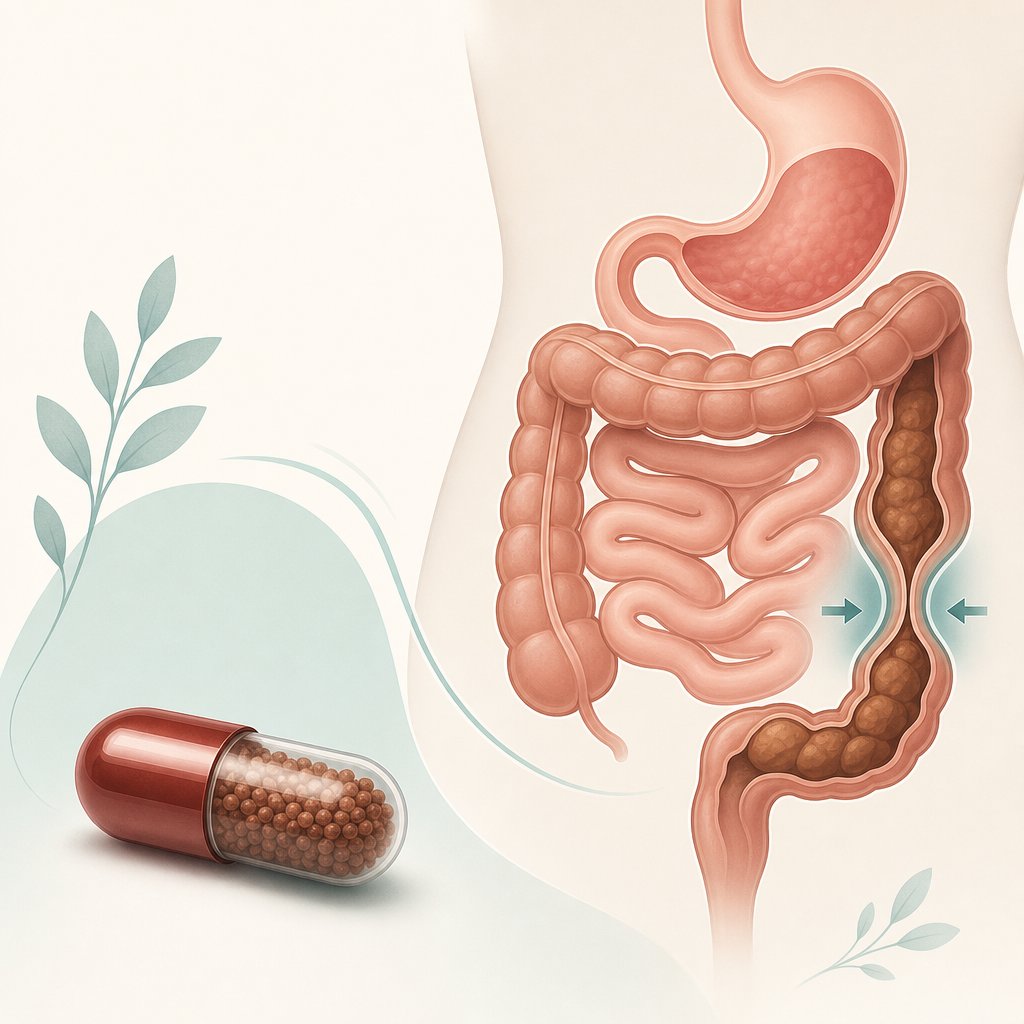
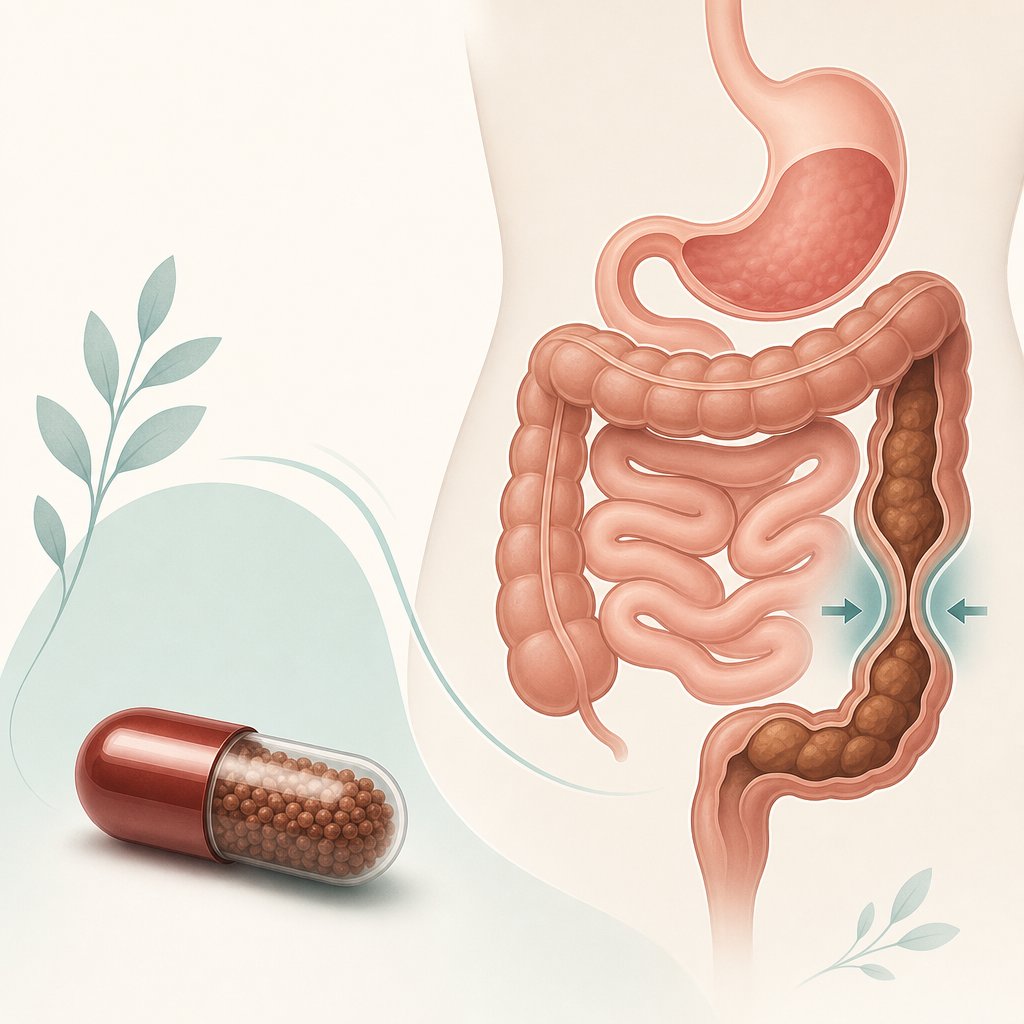
Why Iron Tablets Turn Your Stool Black
You glance down after a bathroom visit and notice something unexpected: your stool is dark, almost black. Your mind races. Is something wrong? Could this be internal bleeding? If you recently started taking iron supplements, take a breath. This reaction is incredibly common, and in the vast majority of cases, completely harmless.
So, does iron tablets cause black stool? Yes. Iron tablets and black stool go hand in hand for most people who supplement. MedlinePlus states plainly that black stools are normal when taking iron tablets. It is one of the most frequently reported and well-documented side effects of oral iron therapy, whether you are taking ferrous sulfate, ferrous gluconate, or another formulation.
Why Seeing Black Stool Is Alarming but Often Harmless
The alarm makes sense. We are taught that changes in stool color can signal serious health problems, and that is sometimes true. Black, tarry stool can indicate upper gastrointestinal bleeding in certain situations. But context matters enormously here. When you are actively taking an iron supplement, the dark color is almost always a predictable chemical reaction happening in your digestive tract, not a sign of danger.
In most cases, black stool while taking iron supplements is a normal, expected side effect and not a sign of internal bleeding.
Iron supplements can cause black stool because unabsorbed iron undergoes chemical changes as it travels through your intestines. The result is a dark green-to-black pigment that colors your stool. Does iron vitamins cause black stool too? Absolutely. Any oral supplement containing iron, including prenatal vitamins and multivitamins, can produce this effect.
What This Guide Covers About Iron and Stool Changes
This guide walks you through the full picture so you can stop worrying and start understanding. Here is what you will learn:
- The simple science behind why iron does iron supplements cause black stool
- A clear timeline of when color changes appear and when they resolve
- How to distinguish harmless iron-related black stools and iron supplements side effects from warning signs of actual bleeding
- Which iron formulations are less likely to cause intense discoloration
- Practical strategies to manage side effects while staying on track with your iron therapy
The tone here is medically grounded but written for real people navigating real concerns. You deserve more than a one-line reassurance buried in a medication leaflet, and you also deserve better than vague advice that leaves you second-guessing every trip to the bathroom. Iron tablets black stool changes are predictable, manageable, and worth understanding fully, starting with the chemistry that makes it happen.
The Science Behind Iron and Black Stool
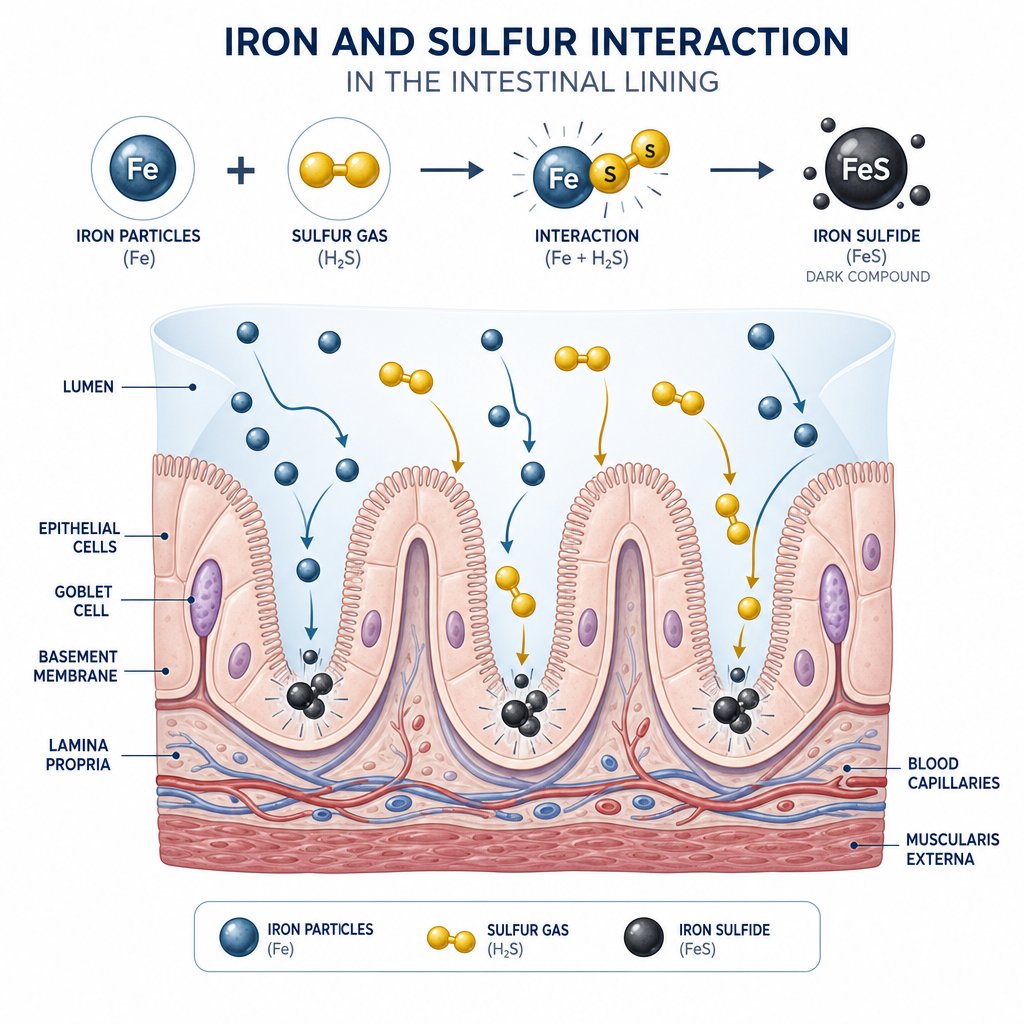
The color change is not random, and it is not blood. It is straightforward chemistry happening inside your gut. When you swallow an iron tablet, your body absorbs only a portion of that iron. The rest continues its journey through the intestines, and along the way, it undergoes a chemical transformation that produces a distinctly dark pigment. Understanding this process answers the question of why does iron make your poop black in a way that should put your mind at ease.
Iron Oxidation and Iron Sulfide Formation
Your gut is home to trillions of bacteria, and many of them produce hydrogen sulfide (H2S) as a natural byproduct of breaking down sulfur-containing amino acids like cysteine and taurine. This is the same gas responsible for that characteristic rotten-egg smell. When unabsorbed ferrous iron meets this hydrogen sulfide in your intestines, the two react to form a new compound: iron sulfide. Iron sulfide is black. That is the entire explanation for iron black poop. No bleeding, no damage, just a simple chemical reaction between a mineral and a gas your gut bacteria already produce.
Think of it like this: iron rusts when exposed to oxygen and water, turning reddish-brown. A similar type of reaction happens inside your digestive tract, except the iron reacts with sulfur compounds instead of oxygen, producing a black pigment rather than a brown one.
Why Unabsorbed Iron Creates the Dark Color
Can iron cause black stool if your body absorbs all of it? In theory, no. The color change depends on how much iron passes through without being absorbed. Your small intestine, specifically the duodenum, is the primary absorption site. Research published in Pharmaceuticals confirms that only about 15% of ingested iron is absorbed in the duodenum, with the remainder traveling into the colon where gut bacteria are most concentrated. That leftover iron is what reacts with bacterial hydrogen sulfide to create the visible color change.
Here is the step-by-step process in simple terms:
- You ingest an iron supplement (tablet, capsule, or liquid)
- A portion of the iron is absorbed in the duodenum and upper small intestine
- The remaining unabsorbed iron continues traveling through the intestines
- Gut bacteria produce hydrogen sulfide as part of their normal metabolism
- Unabsorbed iron reacts with hydrogen sulfide to form black iron sulfide
- Iron sulfide is excreted in your stool, giving it a dark green-to-black color
This is why iron supplements black poop is such a universal experience. Supplements deliver a concentrated dose, and your body simply cannot absorb it all in one pass. The more iron that goes unabsorbed, the more iron sulfide forms, and the darker your stool appears. Black feces iron tablets produce are essentially a visible marker of this leftover, unreacted mineral exiting your body.
Here is the nuance that matters: does iron make stool black because the supplement is failing? Not necessarily. Some degree of unabsorbed iron is expected with any oral dose. But the intensity of the color change does correlate with how much iron passes through without being used, a relationship that becomes important when evaluating whether your supplement is working effectively and whether your dosage or formulation might need adjusting.
Timeline of Stool Color Changes on Iron Supplements
You know the chemistry now. Unabsorbed iron reacts with gut bacteria to form black iron sulfide. But knowing why it happens does not answer the question most people actually have: when does it start, and how long does poop stay black after iron tablets are stopped? This timeline is something most resources gloss over, yet it is one of the first things people want to know when they notice the change.
When Black Stool Typically Appears After Starting Iron
Do iron tablets cause black stools immediately? Not quite, but close. Most people notice the first color shift within one to two days of their initial dose. Your digestive transit time, the hours it takes food and supplements to travel from mouth to exit, determines exactly when the change appears. For someone with a faster gut, it could show up within 18 to 24 hours. For those with slower digestion or a tendency toward constipation, it might take closer to three days.
Does iron supplements cause dark stools at every dose level? Generally yes, though lower doses may produce a dark green-brown rather than a true black. Higher therapeutic doses, like 325 mg of ferrous sulfate, tend to produce a more dramatic and consistent color change because more iron passes through unabsorbed.
Here is the general progression most people experience:
- Days 1-2 after starting: First noticeable darkening of stool, often dark green or dark brown rather than jet black
- Days 3-7: Consistent dark-to-black stool as your body reaches a steady state with daily dosing
- Ongoing supplementation: Black or very dark stool continues for as long as you take iron, which is completely expected
Can iron make your stool black even if you only take a low-dose multivitamin? Yes, though the effect is often subtler. A multivitamin containing 18 mg of iron produces less unabsorbed residue than a standalone 65 mg elemental iron tablet, so the color change may be less intense.
How Long Black Stool Lasts After Stopping Iron Tablets
This is where people often feel caught off guard. You stop your supplement expecting an immediate return to normal, but the dark color lingers for a few more days. Will iron tablets cause black stools even after you discontinue them? Briefly, yes. Residual iron already in your digestive tract still needs to complete its journey.
The typical resolution timeline looks like this:
- Day 1 after stopping: Black stool likely continues as iron already in the intestines passes through
- Days 2-3: Stool gradually lightens as remaining iron clears the GI tract
- Days 3-5: Stool returns to your normal baseline color for most people
If your stool remains black beyond five to seven days after completely stopping iron, that warrants a conversation with your doctor. At that point, the color is unlikely to be from residual supplement iron and may need further evaluation.
Do iron pills make your poop dark indefinitely? No. The effect is entirely tied to active supplementation. Individual variation in this timeline depends on three main factors: your gut transit speed, the dosage you were taking, and the specific formulation. Someone taking a high-dose ferrous sulfate tablet with naturally slower digestion may notice the color persisting a day or two longer than someone on a lower dose with faster transit. Can iron tablets cause dark stools that vary in intensity day to day? Absolutely, and that fluctuation is normal too, often influenced by hydration, fiber intake, and meal timing relative to your iron dose.
The key takeaway: black stool from iron is temporary and directly proportional to supplementation. It arrives fast, stays consistent, and resolves within days of stopping. But color alone does not tell you whether your iron is actually being absorbed effectively, a distinction that matters far more than the shade of your stool.
Iron-Related Black Stool vs Dangerous Melena
Knowing that iron causes black stool is reassuring, but it does not eliminate the deeper worry: what if this time it is not the iron? What does black tarry stool mean when you cannot tell whether it is a harmless supplement side effect or a sign of internal bleeding? The distinction between iron-colored stool and melena in stools is critical, and it comes down to sensory details you can assess yourself.
Characteristics of Normal Iron-Related Black Stool
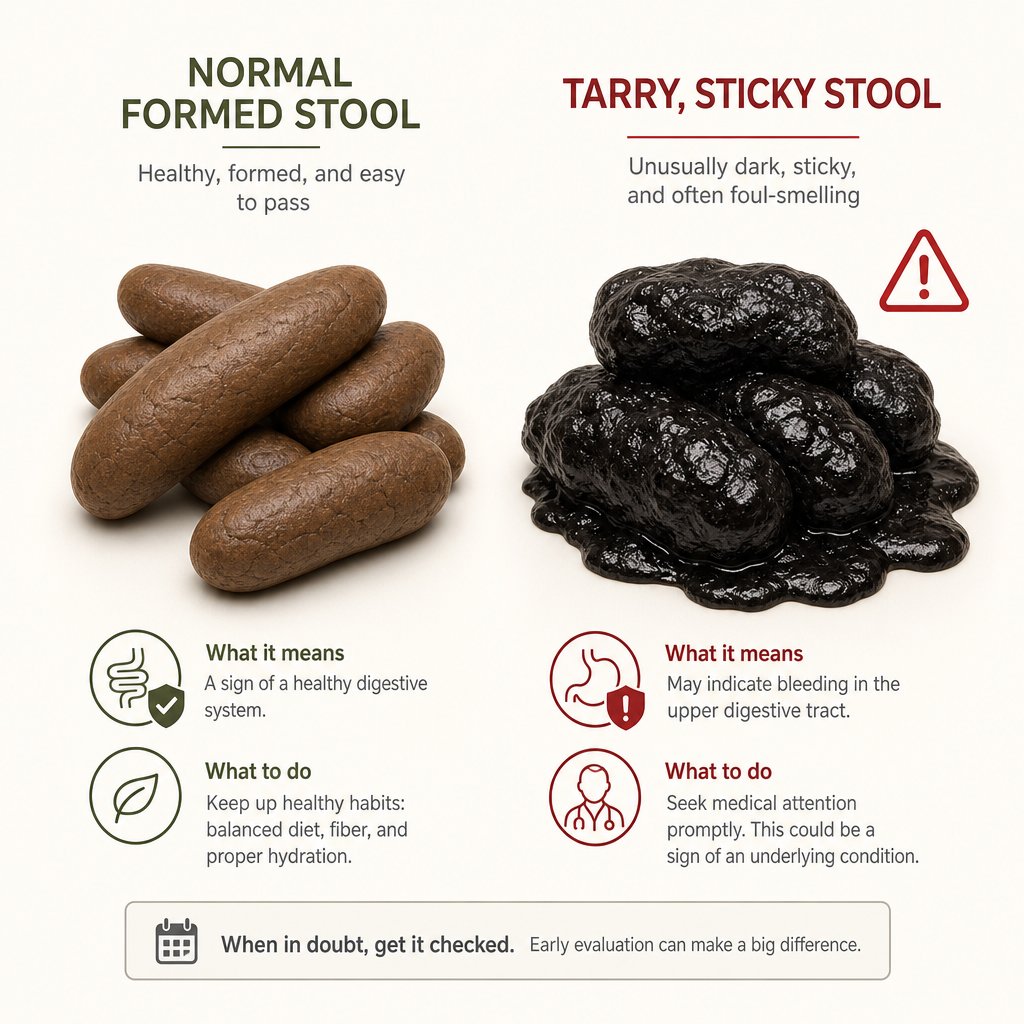
Iron-related stool changes have a specific profile. The color ranges from dark green to black, and the stool maintains a normal, formed consistency. You will not notice an unusual odor beyond what is typical for you. There is no sticky poop texture clinging to the bowl, no shiny or tar-like coating, and no accompanying symptoms like dizziness or pain. If you are actively taking iron supplements and your stool checks these boxes, you are almost certainly looking at a normal chemical byproduct.
As Ubie Health notes, iron-related stool is dark but not tarry, and it returns to normal after stopping iron with doctor approval.
Warning Signs of Melena From GI Bleeding
Melena is different. According to Cleveland Clinic, melena refers specifically to black stool caused by bleeding in the upper gastrointestinal tract. The blood interacts with stomach acid and digestive enzymes during its journey, producing a jet-black, tarry black stool with a distinctly foul, offensive odor. The texture is sticky and shiny, almost like roofing tar. Can iron supplements cause black tarry stools? No. Iron produces dark stool, but it does not produce that characteristic tarry, adhesive quality.
Here is a side-by-side comparison to keep as a quick reference:
| Feature | Iron-Related Black Stool | Melena (GI Bleeding) |
|---|---|---|
| Appearance | Dark green-black, formed | Jet black, shiny |
| Texture | Normal consistency, holds shape | Tarry, sticky, tar-like |
| Smell | Normal or mild odor | Distinctly foul, offensive |
| Associated symptoms | None | Dizziness, weakness, abdominal pain, rapid heart rate |
| Context | Currently taking iron supplements | No iron or bismuth intake, or symptoms despite iron use |
| Stool test for blood | Negative (no hidden blood) | Positive (occult blood detected) |
The texture distinction is the most reliable clue you can assess at home. Sticky stool that clings to surfaces and has a tar-like sheen is fundamentally different from the firm, formed stool that iron simply darkens in color.
A Simple Self-Assessment Checklist
When you notice black stool and feel uncertain, walk through these questions in order:
- Are you currently taking iron supplements, prenatal vitamins with iron, or bismuth products like Pepto-Bismol? If yes, iron or bismuth is the most likely explanation.
- Is the stool tarry, sticky, or shiny, or is it formed with normal consistency? Formed and normal points to iron. Tarry and sticky points to possible bleeding.
- Is there an unusually foul or metallic odor that is distinctly different from your normal? A strong, offensive smell is a hallmark of digested blood.
- Do you have any accompanying symptoms? Watch for dizziness, lightheadedness, weakness, abdominal pain, shortness of breath, or vomiting material that looks like coffee grounds.
- If you answered yes to any warning signs above, seek immediate medical care. Do not wait to see if it resolves on its own.
This checklist is not a substitute for professional evaluation, but it gives you a structured way to assess urgency in the moment. The combination of tarry texture, foul odor, and systemic symptoms like weakness or rapid heart rate strongly suggests GI bleeding rather than a supplement side effect.
One more nuance worth noting: even if you are taking iron, melena can still occur. Iron supplementation does not make you immune to GI bleeding. If your stool suddenly changes from its usual iron-darkened appearance to something noticeably stickier, smellier, or accompanied by new symptoms, treat that shift seriously regardless of your supplement routine.
Recognizing what is normal versus what demands attention is essential. But equally important is understanding which iron formulations are more likely to produce intense stool changes in the first place, and whether switching forms could reduce the side effects you experience.

How Different Iron Formulations Affect Stool Color
Not all iron supplements darken your stool to the same degree. The type of iron you take, its bioavailability, and the delivery format all influence how much unabsorbed iron reaches your colon and reacts with gut bacteria. If you have been wondering whether a different formulation might reduce the intensity of stool discoloration, the answer is yes, it often can.
Ferrous Sulfate vs Ferrous Gluconate and Stool Effects
Ferrous sulfate is the most commonly prescribed iron supplement worldwide and is considered the gold standard for treating iron deficiency anemia. A standard 325 mg ferrous sulfate tablet delivers about 65 mg of elemental iron. It dissolves rapidly in the stomach, with in vitro research showing complete dissolution in approximately 48 minutes under gastric conditions. That fast release means a large bolus of iron hits the duodenum at once, and since only about 10-15% gets absorbed in a single pass, a substantial amount continues into the lower intestines where it forms black iron sulfide.
Ferrous gluconate delivers less elemental iron per dose, typically around 35 mg per tablet. When comparing ferrous gluconate vs sulfate, clinical data shows some meaningful differences. A randomized clinical trial comparing the two forms found that ferrous gluconate produced fewer overall side effects: 55% of participants in the gluconate group reported no side effects at all, compared to only 46.7% in the ferrous sulfate group. Constipation, the side effect most closely linked to unabsorbed iron in the gut, occurred in 13.3% of the gluconate group versus 23.3% of the sulfate group.
Does this translate to less black stool? Indirectly, yes. Ferrous gluconate dissolves slightly slower (about 64 minutes) and delivers a lower elemental iron load per dose, meaning less unabsorbed iron is available to form that dark pigment. Both forms will still darken stool, but the intensity tends to be less dramatic with gluconate at equivalent therapeutic schedules.
Why Chelated Iron May Cause Less Stool Discoloration
Chelated iron, most commonly ferrous bisglycinate chelate, represents a fundamentally different approach. So what does chelated meaning actually refer to in this context? The iron atom is bonded to two molecules of the amino acid glycine, creating a stable complex that the intestine absorbs through amino acid transport pathways rather than the standard iron absorption channel. This alternate route gives it significantly higher bioavailability.
The clinical evidence is striking. A randomized double-blind study comparing ferrous bisglycinate (25 mg elemental iron) to ferrous sulphate (50 mg elemental iron) in pregnant women found that the bisglycinate group reported black stools only 8% of the time, compared to 31% in the sulphate group. That is nearly a fourfold difference, despite both doses being sufficient to prevent iron deficiency.
Why such a gap? Iron glycinate is absorbed more efficiently, leaving less residual iron in the colon to react with hydrogen sulfide. You get the therapeutic benefit with a lower elemental dose and far less of the visible stool darkening. The same study found that ferrous bisglycinate also had the most favorable overall GI side effect profile, with significantly fewer total combined complaints than either ferrous fumarate or ferrous sulphate.
Here is how the major iron forms compare across key factors:
| Iron Form | Typical Elemental Iron per Dose | Relative Bioavailability | Likelihood of Black Stool | Common GI Side Effects |
|---|---|---|---|---|
| Ferrous bisglycinate (chelated) | 25 mg | High (amino acid pathway absorption) | Low (approx. 8%) | Minimal; fewest reported complaints |
| Ferrous gluconate | 35 mg | Moderate | Moderate | Less constipation and vomiting than sulfate |
| Ferrous fumarate | 65-68 mg | Moderate | Moderate-High (approx. 22% at 40 mg dose) | Similar to sulfate; constipation, nausea |
| Ferrous sulfate | 65 mg | Moderate (rapid dissolution) | High (approx. 22-31%) | Constipation, nausea, vomiting most common |
The pattern is clear: formulations with higher bioavailability per milligram of elemental iron leave less unabsorbed residue in the gut, which directly translates to less intense stool discoloration and fewer GI complaints overall.
Liquid Iron, Tablets, and Other Delivery Formats
Beyond the iron compound itself, the physical format of the supplement matters. Tablets, capsules, liquids, powders, and gummies each dissolve and release iron at different rates, which affects both absorption efficiency and side effect profiles.
Conventional-release tablets dissolve quickly in the stomach (48-64 minutes under gastric conditions), delivering iron rapidly to the absorption site. Modified-release or controlled-release tablets take significantly longer, around 256-274 minutes, with the intention of reducing GI irritation by slowing iron release. However, research using a human intestinal cell model demonstrated that modified-release formulations actually showed uniformly low iron absorption compared to conventional tablets. The iron releases too slowly and too far down the GI tract, past the duodenum where absorption is most efficient. This means more iron ends up unabsorbed in the colon, potentially worsening rather than improving stool discoloration.
Liquid iron preparations offer flexible dosing, which is useful for people who need smaller or adjusted amounts. They bypass the dissolution step entirely since the iron is already in solution. However, liquid forms can stain teeth and may contain fruit juice excipients with polyphenols that inhibit absorption.
Powder and granule formats can be mixed with food or beverages, offering gentler GI transit for people who struggle with tablet-related nausea. Soft capsules may provide smoother passage through the stomach. Each format creates a different absorption profile, and the right choice depends on individual tolerance and therapeutic goals.
For supplement brands and private label sellers developing iron products, these formulation decisions directly impact consumer experience. Working with an experienced OEM/ODM manufacturer like ZhuFeng allows brands to select specific iron forms, whether chelated bisglycinate, ferrous gluconate, or other compounds, and pair them with the optimal delivery format, from hard capsules and tablets to powder sachets and oral liquids. This flexibility enables creating products with better tolerability profiles that minimize side effects like black stool and constipation for end consumers.
The bottom line: if intense stool darkening bothers you or contributes to anxiety about your health, switching from a standard ferrous sulfate tablet to a chelated iron form like ferrous bisglycinate chelate is the single most effective change you can make. You may also reduce the visible effect by choosing a lower elemental dose with higher bioavailability, getting the same therapeutic result with less unabsorbed iron passing through your system. But does darker stool actually mean your supplement is failing? That relationship is more nuanced than most people realize.
What Black Stool Tells You About Iron Absorption
Does black poop mean iron tablets are working, or does it signal that your body is wasting the supplement? This is one of the most misunderstood aspects of iron therapy. Many people assume darker stool equals poor absorption, while others believe it proves the supplement is doing its job. The reality sits somewhere in between, and understanding the distinction can save you from unnecessary worry or, conversely, from ignoring a real absorption problem.
Does Darker Stool Mean Your Iron Is Not Being Absorbed
Here is the short answer: some black stool is completely expected and does not mean your iron is going to waste. Your body cannot absorb 100% of an oral iron dose in a single pass through the duodenum. Even under ideal conditions, research from NYU Langone confirms that a significant portion of ingested iron remains unabsorbed and continues through the intestines. That leftover iron reacts with hydrogen sulfide to form black iron sulfide. So yes, does taking iron make your poop black even when the supplement is working perfectly? Absolutely.
The confusion arises because people equate visible evidence of unabsorbed iron with supplement failure. But consider this: if you take 65 mg of elemental iron and your body absorbs 10-15% of it, you have successfully delivered 6.5 to 9.75 mg of iron into your bloodstream, which is a therapeutically meaningful amount. The remaining 55+ mg still has to go somewhere, and that somewhere is your stool.
That said, extremely dark stool at a very low dose could hint at an absorption issue. If you are taking just 18 mg of elemental iron from a multivitamin and producing intensely black stool, it may suggest that less iron is being absorbed than expected. Conditions like celiac disease, H. pylori infection, autoimmune gastritis, or a history of bariatric surgery can all impair duodenal iron uptake, leaving more iron to pass through unabsorbed.
Can iron supplements make your stool black regardless of absorption efficiency? Yes. But the intensity relative to your dose is what provides a clue. Black stool alone does not indicate supplement failure. The true measure of whether your iron therapy is working is your bloodwork: ferritin levels, hemoglobin concentration, and transferrin saturation. A ferritin supplement strategy is only validated through lab results, never by stool color alone.
How Iron Dosage Relates to Stool Color Intensity
The relationship between dose and stool darkness is well-documented. A randomized double-blind study tracking pregnant women on different doses of ferrous fumarate found a clear dose-dependent pattern in black stool frequency:
- 20 mg elemental iron: Black stools reported in only 7.5% of women, no significant increase from baseline
- 40 mg elemental iron: Black stools jumped to 21.6%, a statistically significant increase
- 60 mg elemental iron: Black stools reported in 58.4% of women
- 80 mg elemental iron: Black stools reached 68.1%, the highest frequency
The pattern is unmistakable. Higher doses produce darker stool because more iron overwhelms the duodenum's absorption capacity, sending greater quantities into the colon. Does iron pills make your poop black more intensely at therapeutic doses like iron 325 mg (which delivers 65 mg elemental iron)? Yes, and this is one of the most commonly reported ferrous sulfate 325 mg side effects. At that dose level, the majority of users will notice consistent, dark-to-black stool throughout their supplementation period.
Several factors influence how much iron your body actually absorbs from a given dose:
- Higher doses produce darker stool because absorption efficiency decreases as the dose increases. Your intestinal iron transporters become saturated.
- Taking iron with vitamin C improves absorption and may slightly reduce the amount of unabsorbed iron reaching the colon. The American Society of Hematology recommends pairing oral iron with ascorbic acid to maximize uptake.
- Taking iron on an empty stomach increases absorption but may worsen GI side effects like nausea and cramping, creating a tradeoff between efficacy and comfort.
- Alternate-day dosing improves fractional absorption because hepcidin levels (the hormone that blocks iron uptake) drop back to baseline between doses, allowing more efficient absorption at the next dose.
- Ferrous sulfate 325mg taken daily triggers higher hepcidin production, which actually reduces absorption from subsequent doses within the same 24-hour window.
This last point is particularly important. A 2017 randomized controlled trial demonstrated that alternate-day iron dosing produced significantly higher absorption rates than daily dosing. The reason: each dose of iron stimulates hepcidin release, which temporarily blocks further absorption. Spacing doses further apart allows hepcidin to reset, meaning you absorb a greater percentage of each dose and potentially send less unabsorbed iron into the colon.
So what should you actually track? Not your stool color. Track your lab values. A rising ferritin level and improving hemoglobin confirm that your iron therapy is working, regardless of how dark your stool appears. If your ferritin remains stubbornly low after four to six weeks of consistent supplementation at adequate doses, that is when absorption problems deserve investigation, not because your stool is black, but because your blood markers are not responding.
The practical question then becomes: if you know your iron is working but the side effects are bothersome, what can you actually do about it? Timing, dosing strategy, and dietary adjustments all offer meaningful relief without compromising your iron repletion goals.

Practical Tips to Manage Iron Side Effects
Black stool is the most visible iron supplement side effect, but it rarely travels alone. Nausea, cramping, constipation, and sometimes diarrhea often tag along. Clinical data suggests approximately 40% of patients taking oral iron experience at least one GI complaint. The good news: you do not have to white-knuckle through these iron pills side effects. Strategic adjustments to timing, dosing frequency, and diet can make a real difference without undermining your iron repletion.
Timing Your Iron Dose to Reduce Side Effects
When is the best time to take iron pills? On an empty stomach, ideally one hour before breakfast with a source of vitamin C like orange juice. That is the textbook answer for maximum absorption. But here is the tradeoff: empty-stomach dosing also maximizes nausea and cramping for many people. If you cannot tolerate iron on an empty stomach, taking it with a small amount of food is a perfectly acceptable compromise. MedlinePlus confirms that taking iron with a small meal can reduce stomach cramps and nausea while still allowing meaningful absorption.
What you eat alongside iron matters, though. Avoid pairing it with calcium-rich foods, coffee, tea, or high-fiber meals, as these all inhibit absorption. Wait at least two hours between iron and any of these. A small serving of fruit or a few crackers is enough to buffer your stomach without significantly blocking uptake.
Splitting Doses and Alternate-Day Dosing Strategies
This is where recent research has changed the conversation. A double-blind, randomized controlled trial published in eClinicalMedicine compared daily iron dosing to alternate-day dosing in iron-depleted women taking 100 mg of elemental iron. The results: alternate-day dosing achieved the same serum ferritin levels while triggering significantly fewer GI side effects. The longitudinal prevalence ratio for side effects on iron-intake days was 1.56 in the daily group compared to the alternate-day group (P<0.0001), meaning daily dosing produced over 50% more GI complaints.
Why does skipping a day help? Each iron dose triggers hepcidin release, which temporarily blocks further absorption for about 24 hours. By dosing every other day, hepcidin resets to baseline, allowing more efficient absorption at the next dose. You absorb a greater fraction of each pill, send less unabsorbed iron into the colon, and experience fewer side effects of iron pills as a result.
Here is a prioritized action plan based on current evidence:
- Try taking iron every other day. Research confirms similar iron repletion with fewer GI side effects. This is the single most evidence-backed change you can make.
- Split large doses into smaller amounts. If your doctor prescribes 100+ mg daily, ask whether dividing into two smaller doses taken at separate times is appropriate.
- Switch to liquid iron if tablets cause severe GI distress. Liquids bypass the dissolution step and allow precise dose adjustments, though they may stain teeth.
- Take with a small amount of food if empty-stomach dosing is intolerable. A slight reduction in absorption is better than abandoning supplementation entirely.
- Avoid calcium, coffee, and tea within two hours of your iron dose. These are the most potent absorption inhibitors in a typical diet.
Dietary Adjustments That Help With Iron Tolerance
Does iron make you constipated? For many people, yes. Do iron supplements cause constipation frequently enough to warrant proactive management? Absolutely. Constipation is the most commonly reported GI side effect, and some specialists routinely prescribe a stool softener alongside iron therapy. If you notice harder, less frequent stools after starting iron, a gentle stool softener like docusate sodium can help without interfering with iron absorption.
On the other end of the spectrum, can iron supplements cause loose stools? Yes, though less commonly than constipation. Can iron supplements cause diarrhea? It happens in a subset of users, particularly at higher doses. The same trial data showed diarrhea occurring in roughly 1.5-2.4% of iron-intake days. If loose stools persist, alternate-day dosing or switching formulations often resolves the issue.
Regardless of which direction your digestion shifts, these dietary strategies support better tolerance:
- Increase fiber gradually. Fruits, vegetables, and whole grains help normalize transit time, but add them slowly to avoid gas and bloating.
- Stay well hydrated. Aim for at least eight glasses of water daily. Adequate hydration softens stool and counteracts iron's constipating effect.
- Include probiotic-rich foods. Yogurt, kefir, and fermented vegetables support gut bacteria balance that iron supplementation can disrupt.
- Pair iron with vitamin C sources. Citrus fruits, bell peppers, or strawberries boost absorption, meaning less unabsorbed iron irritating your lower GI tract.
One final note on persistence: minor side effects often improve within the first one to two weeks as your body adapts. If nausea or abdominal pain is mild, give it up to two weeks before making changes. If symptoms are severe or worsening, do not push through. Try a different preparation or dosing schedule. Iron supplement side effects should never be so intolerable that they drive you to stop treatment altogether, because the real risk is untreated iron deficiency, not temporary GI discomfort.
These management strategies handle the expected, predictable side effects of iron therapy. But what about the scenarios that are not predictable, where black stool might signal something that has nothing to do with your supplement?
When Black Stool Signals a Medical Emergency
Most of the time, black stool during iron therapy is nothing more than unabsorbed iron sulfide exiting your body. You manage the side effects, adjust your timing, and move on. But there are situations where dark stool demands immediate attention, and recognizing those situations could be lifesaving. The critical skill is knowing when to stop reassuring yourself and start seeking care.
Symptoms That Suggest GI Bleeding Rather Than Iron Side Effects
A gi bleed black tarry stool looks and behaves differently from iron-darkened stool. As Cleveland Clinic explains, melena is jet black with a tarry, sticky consistency and a distinctly offensive odor that results from blood being digested in the GI tract. The longer blood travels through your system, the darker and smellier it becomes. This is fundamentally different from the formed, non-sticky stool that iron supplements produce.
You should seek urgent medical care if you experience any of the following red-flag symptoms alongside black stool:
- Tarry, sticky consistency with a foul odor. This texture, like roofing tar that clings to surfaces, is the hallmark of digested blood rather than iron sulfide.
- Black stool when you are NOT taking iron or bismuth products. Without a known cause, dark stool warrants immediate investigation.
- Dizziness, lightheadedness, or feeling faint. These suggest blood loss significant enough to affect your circulation.
- Vomiting blood or material that looks like coffee grounds. Black coffee ground stool or vomit indicates bleeding in the upper digestive tract that has been partially digested by stomach acid.
- Severe abdominal cramping with black stool. Black stool and abdominal cramps together can signal a bleeding ulcer, gastritis, or other acute GI condition.
- Rapid heart rate or shortness of breath. Your body compensates for blood loss by increasing heart rate and respiratory effort. These are signs of hemodynamic instability.
- Black watery diarrhea. While melena is classically tarry, active upper GI bleeding can also present as black watery diarrhea if transit is rapid, and this requires emergency evaluation.
- Weakness, fatigue, or pale skin that develops suddenly. Gradual anemia from iron deficiency feels different from acute blood loss. A sudden onset of these symptoms alongside dark stool is a red flag.
If you have black, tarry stool with a foul smell and any accompanying symptoms like dizziness, vomiting blood, rapid heart rate, or severe abdominal pain, seek emergency medical care immediately. Do not wait to see if it resolves on its own.
One important clarification: even if you are actively taking iron supplements, you are not immune to GI bleeding. Iron use does not rule out melena. If your stool suddenly shifts from its usual iron-darkened appearance to something noticeably stickier, smellier, or accompanied by new systemic symptoms, treat that change as a potential emergency regardless of your supplement routine. Black blood in stool from internal bleeding requires prompt diagnosis, typically through an upper endoscopy, to identify and treat the source.
Other Substances That Can Cause Black Stool
Iron is not the only benign explanation for dark stool. Before assuming the worst, consider whether any of these common culprits might be responsible:
- Bismuth subsalicylate (Pepto-Bismol, Kaopectate). Will kaopectate cause black stool? Yes. Does kaopectate cause black stools the same way iron does? The mechanism is similar but involves a different compound. Bismuth reacts with sulfur in your saliva and digestive tract to form bismuth sulfide, which is black. WebMD confirms this is a well-known and harmless side effect that resolves within a few days of stopping the medication.
- Activated charcoal. Used for gas relief or as a detox supplement, activated charcoal passes through the GI tract unabsorbed and turns stool black. This is purely a pigment effect with no clinical significance.
- Dark-colored foods. Wondering what foods cause black stools? Blueberries, blackberries, black licorice, blood sausage, dark chocolate in large quantities, and beets (which can also cause red-tinged stool) are all common dietary causes. The color change resolves once you stop eating the food.
- Red wine and dark grape juice. In large amounts, the deep pigments can temporarily darken stool color.
The key distinction remains the same across all benign causes: the stool is darkened in color but maintains normal consistency. It is not tarry, not sticky, and not accompanied by systemic symptoms. If you recently took Pepto-Bismol for an upset stomach and notice black stool the next day, that is the bismuth at work, not bleeding.
However, here is the critical caveat that Medical News Today emphasizes: even if you think you know the cause, always mention black stool to your doctor, especially if it persists after you stop taking iron, bismuth, or dark foods. A simple fecal occult blood test can definitively determine whether blood is present in your stool, removing all guesswork. This inexpensive test is the fastest way to confirm that what you are seeing is harmless pigment rather than digested blood.
Understanding when to worry and when to relax is half the equation. The other half is choosing an iron supplement format that minimizes these concerns from the start, giving you fewer side effects to manage and less reason to second-guess what you see.
Choosing an Iron Supplement Format for Better Tolerance
You know which iron compounds cause less stool discoloration, and you know how to manage side effects through timing and diet. The remaining variable is the physical format of your supplement. Do iron supplements make your poop black to the same degree whether you take a tablet, a capsule, a liquid, or a gummy? Not necessarily. The delivery format influences how quickly iron dissolves, how long it contacts your GI lining, and how much reaches the colon unabsorbed.
Matching Iron Supplement Format to Your Tolerance Level
Each format creates a distinct experience in your digestive tract. Can iron tablets make your stool black more intensely than a liquid or powder? It depends on dissolution speed and where in the gut the iron is released. Here is how the main formats compare for tolerability:
- Conventional tablets dissolve rapidly in the stomach (under 65 minutes according to in vitro dissolution research), delivering a concentrated iron bolus to the duodenum. Effective for absorption, but the fast release can trigger nausea and produces consistent iron supplement black stool.
- Enteric-coated tablets bypass the stomach and dissolve in the small intestine, reducing stomach irritation. However, they may release iron past the optimal absorption zone in the duodenum, potentially increasing unabsorbed iron in the colon and worsening stool darkening.
- Hard capsules offer a middle ground. They dissolve slightly slower than uncoated tablets, providing a more gradual iron release that some people tolerate better while still delivering iron to the primary absorption site.
- Soft capsules may offer gentler GI transit due to their smooth exterior and oil-based fill, reducing direct mucosal contact and the cramping some users experience with hard tablets.
- Liquid iron skips dissolution entirely since the iron is already in solution. This allows precise, flexible dosing, which is ideal for people who need smaller amounts or gradual dose increases. The tradeoff: liquid iron can stain teeth and may have a metallic taste.
- Powder and granule formats can be mixed into food or beverages, spreading iron intake across a meal and reducing the concentrated GI contact that triggers nausea. For people who struggle with any pill format, this is often the most comfortable option.
- Gummies are palatable and easy to take, making them useful for people who avoid pills entirely. However, they typically deliver lower iron doses and contain more additives, which limits their suitability for therapeutic iron repletion.
Do iron pills make your poop black more than liquids or powders? At equivalent elemental iron doses, the stool effect is similar because the underlying chemistry is the same. But formats that improve absorption efficiency, like liquids paired with vitamin C, may leave slightly less unabsorbed iron to darken stool. Do iron tablets make your poop black more dramatically than a well-formulated capsule? Often yes, simply because standard tablets dissolve faster and dump more free iron into the gut at once.
What to Look for in a Well-Formulated Iron Product
Whether you are choosing a supplement for yourself or evaluating products as a health professional, these criteria matter most for minimizing side effects while maintaining efficacy:
- Iron form with high bioavailability. Ferrous bisglycinate or other chelated forms absorb more efficiently, leaving less residual iron to cause problems. Can iron supplements cause black stools with these forms? Yes, but far less intensely.
- Appropriate elemental iron dose. More is not always better. A well-absorbed 25 mg chelated dose can match the therapeutic effect of a 65 mg ferrous sulfate dose with fewer side effects.
- Vitamin C inclusion. Ascorbic acid enhances iron absorption, and products that include it in the formulation simplify the process for consumers.
- Minimal inhibitory excipients. Avoid formulations heavy in calcium, polyphenol-containing fruit extracts, or excessive fillers that can impair absorption.
- Format matched to user needs. A multivitamin with iron works for maintenance, but therapeutic repletion requires a dedicated iron product in a format the user will actually take consistently.
Do iron supplements cause dark stools regardless of how well the product is formulated? At therapeutic doses, some degree of darkening is almost universal. The goal is not to eliminate the effect entirely but to minimize it enough that it does not cause anxiety or drive people to abandon treatment.
For supplement brands, private label sellers, and nutrition businesses developing iron products, the combination of iron form and delivery format is the most impactful decision for consumer tolerability. Partnering with an experienced OEM/ODM manufacturer like ZhuFeng enables brands to select the ideal pairing, whether that is chelated iron in hard capsules, ferrous gluconate in powder sachets, or bisglycinate in oral liquid form, and scale production with customized formulations designed to prioritize both efficacy and comfort for end users.
Frequently Asked Questions About Iron Tablets and Black Stool
1. How long does black stool last after stopping iron tablets?
Black stool typically resolves within 2 to 5 days after you completely stop taking iron supplements. The lingering color occurs because residual iron already in your intestines still needs to pass through and be excreted. If your stool remains black beyond 5 to 7 days after discontinuation, consult your doctor, as the cause may not be related to your supplement.
2. Does black stool from iron mean the supplement is not working?
No. Some degree of black stool is expected because your body cannot absorb 100% of an oral iron dose in a single pass. Even when iron therapy is working effectively, the unabsorbed portion reacts with hydrogen sulfide in your gut to form black iron sulfide. The true measure of supplement effectiveness is your bloodwork, specifically ferritin and hemoglobin levels, not stool color.
3. How can I tell if black stool is from iron or internal bleeding?
Iron-related black stool is formed with normal consistency and no unusual odor. Melena from GI bleeding is jet black, tarry, sticky like roofing tar, and has a distinctly foul smell. If your black stool is accompanied by dizziness, weakness, abdominal pain, rapid heart rate, or vomiting material resembling coffee grounds, seek emergency medical care immediately regardless of whether you take iron.
4. Which type of iron supplement causes the least black stool?
Chelated iron, specifically ferrous bisglycinate, causes significantly less stool discoloration than ferrous sulfate. Clinical research shows black stools occur in only about 8% of users taking bisglycinate compared to 31% with ferrous sulfate. This is because chelated iron has higher bioavailability, meaning more iron gets absorbed and less reaches the colon to form dark pigments. Brands working with OEM/ODM manufacturers like ZhuFeng can formulate products using these gentler iron forms in various delivery formats to optimize tolerability.
5. Can I reduce black stool from iron without lowering my dose?
Yes. Alternate-day dosing is the most evidence-backed strategy. Research shows it achieves similar iron repletion with over 50% fewer GI side effects because it allows hepcidin levels to reset between doses, improving absorption efficiency. You can also take iron with vitamin C to boost uptake, switch to a chelated form with higher bioavailability, or try liquid or powder formats that allow more gradual iron release in the digestive tract.