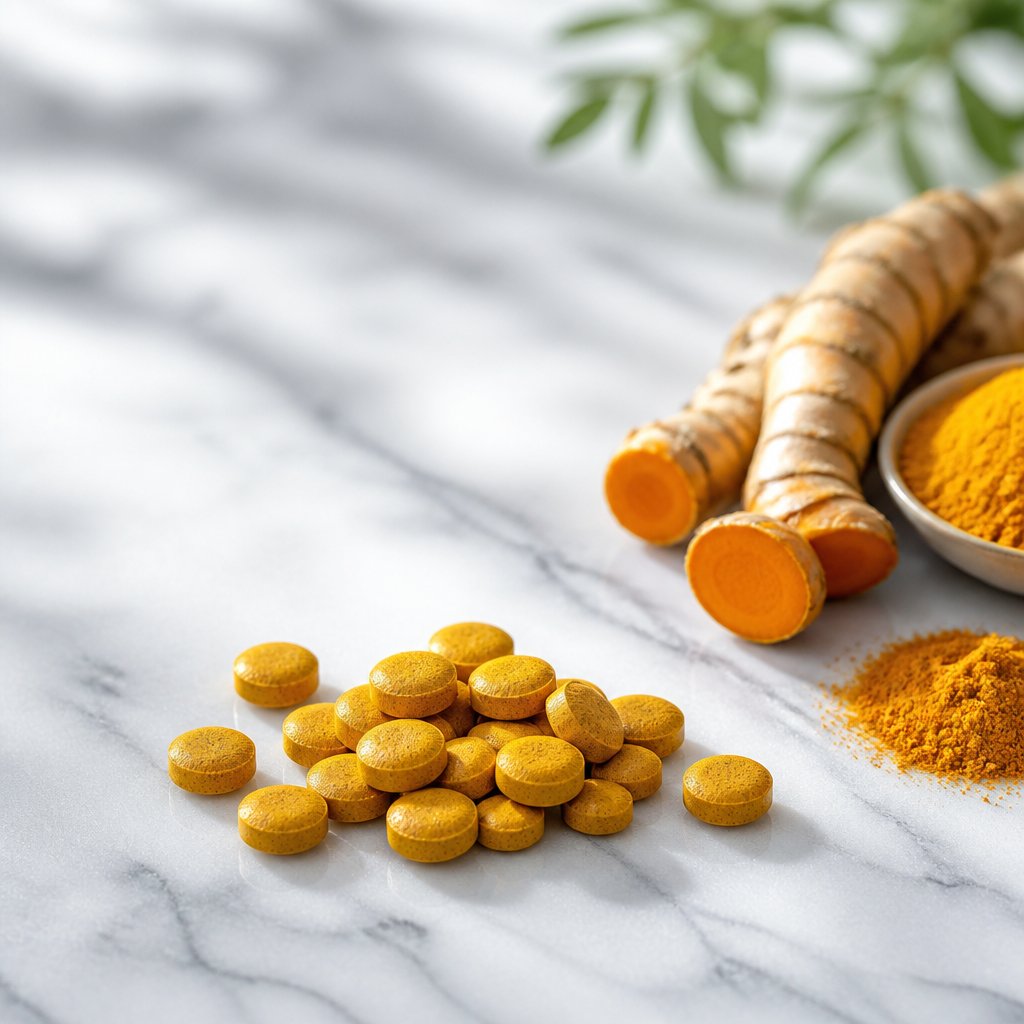
Yes, Turmeric Comes in Tablet Form
The Short Answer About Turmeric Tablets
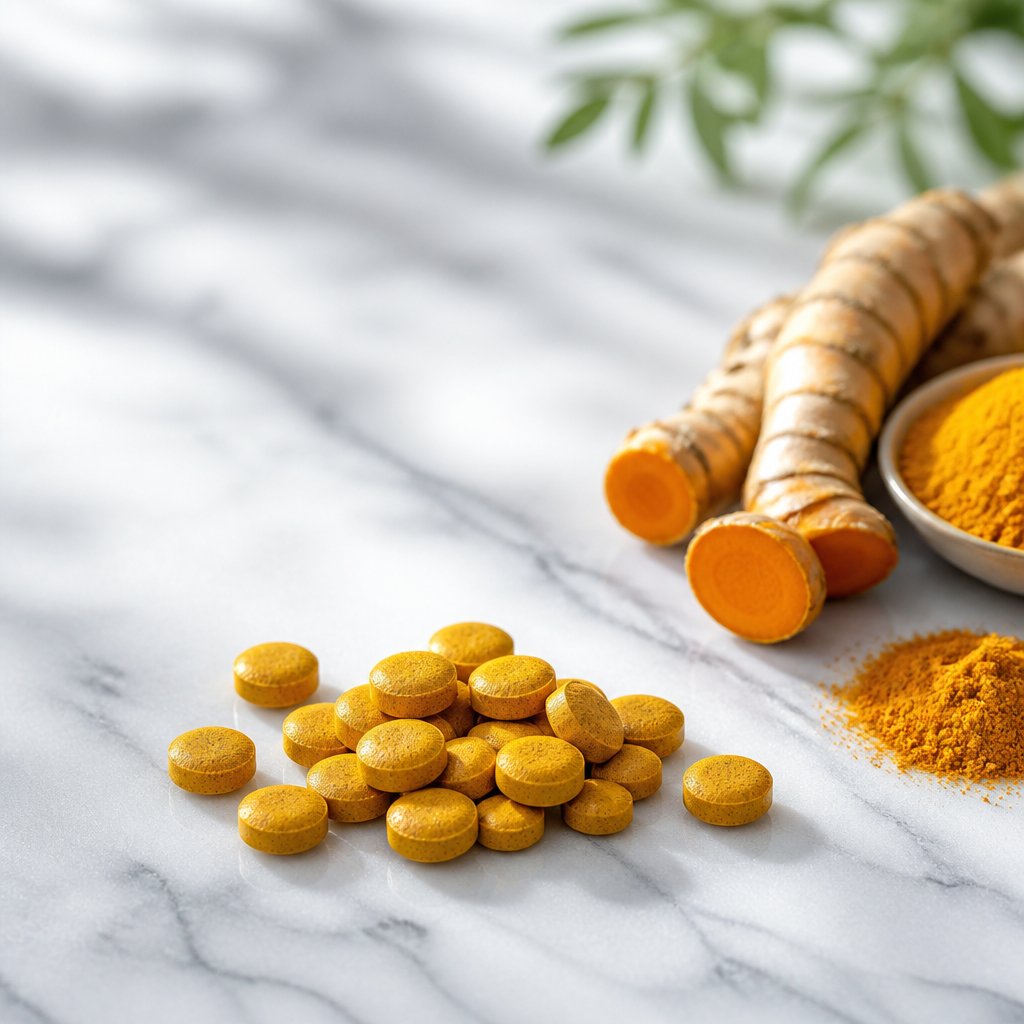
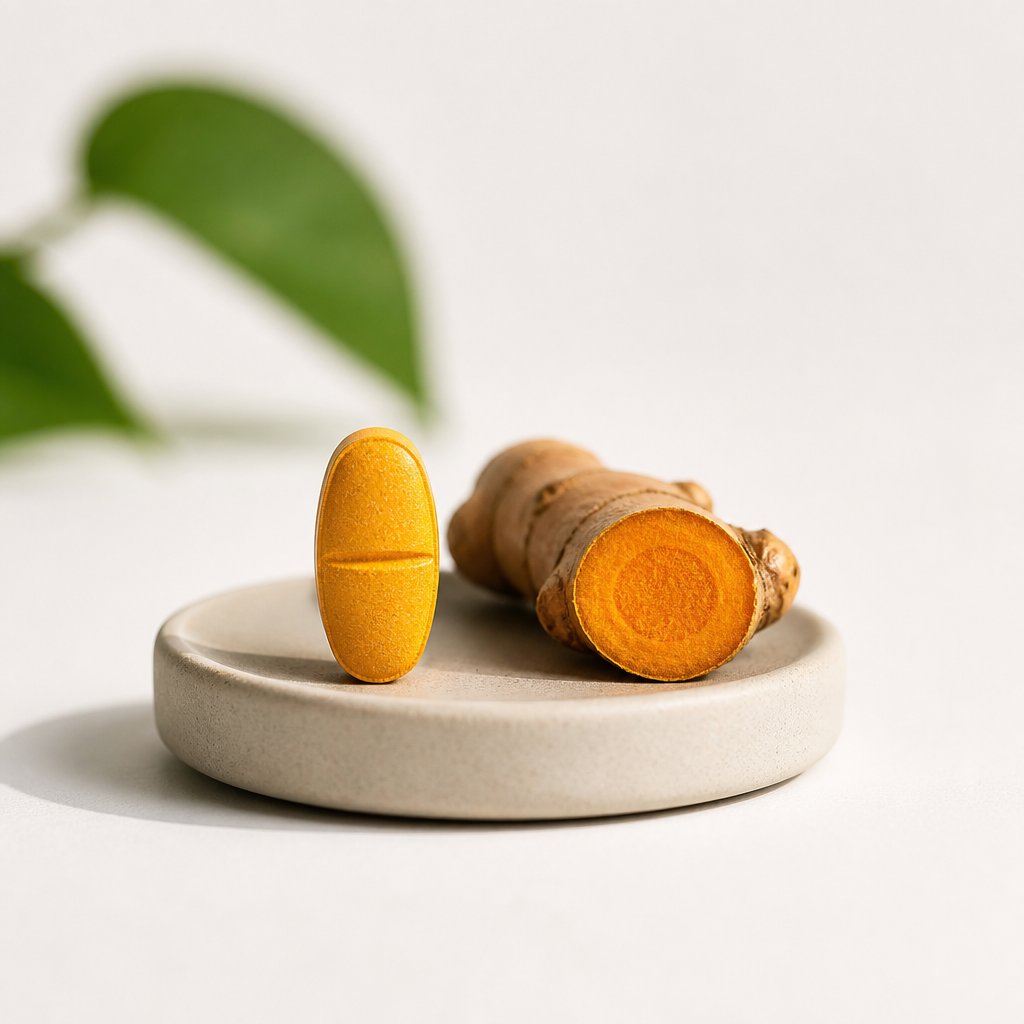
Does turmeric come in pill form? Absolutely. Turmeric is widely available in tablet form, and it is one of the most common ways people supplement with this golden spice. Walk into any pharmacy, health food store, or browse an online retailer, and you will find turmeric powder tablets sitting right alongside turmeric capsules, softgels, and other formats. Tablets are a well-established delivery method for curcumin, the active compound in turmeric responsible for its anti-inflammatory and antioxidant properties.
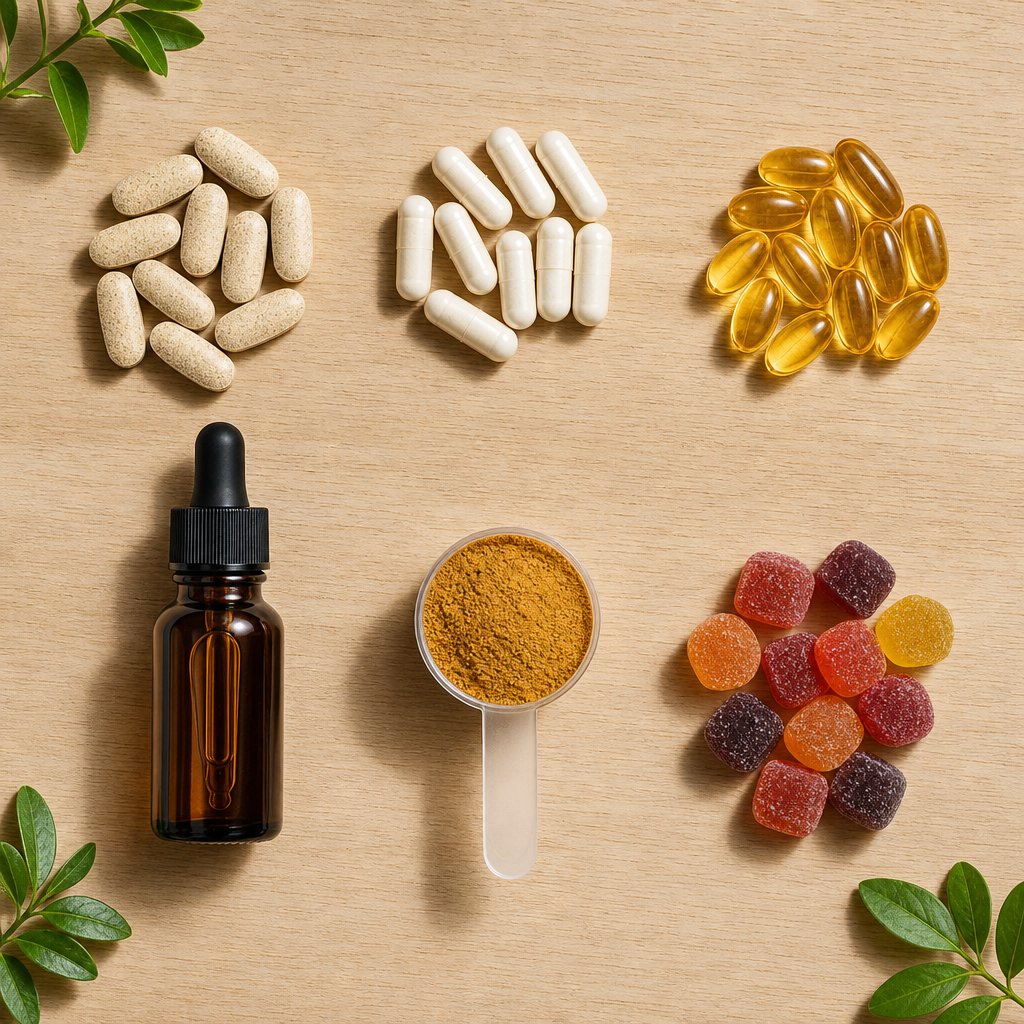
Turmeric and curcumin supplements come in a surprising range of formats. Beyond tablets and capsules, you can find turmeric gummies, liquid turmeric drops, loose powders, and even chewable options. Each format has its own strengths when it comes to dosing precision, shelf stability, absorption rate, and ease of use. Tumeric pills in tablet form remain a go-to choice for many people because they offer consistent dosing in a compact, portable package.
Turmeric tablets are widely available, affordable, and a legitimate delivery method for curcumin supplementation. They are not a niche product or a lesser option. They are a mainstream supplement format backed by the same active ingredients found in capsules and other forms.
Why Supplement Form Matters More Than You Think
Here is something many people overlook when shopping for turmeric: the form you choose can influence how much curcumin your body actually absorbs. Curcumin is notoriously difficult for the body to absorb on its own, which means the delivery format, the added enhancers, and the formulation quality all play a role in whether you get real benefits or just expensive urine.
A tablet is not the same as a capsule, and a capsule is not the same as a softgel. Each format dissolves differently in the digestive tract, carries different excipients, and interacts with absorption enhancers like black pepper extract in distinct ways. Understanding these differences helps you make a smarter purchase rather than grabbing the first bottle you see.
This guide breaks down exactly what turmeric tablets are, how they compare to every other supplement form, what affects their bioavailability, and what to look for on the label. Whether you are new to turmeric supplementation or switching from another format, you will walk away knowing which form fits your body, your lifestyle, and your goals.
What a Turmeric Tablet Actually Is
The word "tablet" gets tossed around loosely, but it refers to something very specific in supplement manufacturing. A curcumin tablet is not simply turmeric powder stuffed into a container. It is a compressed solid dose created by applying thousands of pounds of pressure to a blend of active ingredients and inactive support materials called excipients.
How Turmeric Tablets Are Made
Imagine taking turmeric extract, whether whole root powder or a concentrated turmeric rhizome extract standardized to 95% curcuminoids, and mixing it with binders, fillers, disintegrants, and lubricants. That blend is then fed into a tablet press that compresses the mixture into a uniform shape and size. Some curcumin tablets receive an additional coating afterward, which can mask the earthy taste, protect the active compounds from moisture, or control how quickly the tablet dissolves in your stomach.
The excipients matter more than most people realize. Binders hold the tablet together so it does not crumble in the bottle. Disintegrants help it break apart once it reaches your digestive tract. Coatings can speed up or slow down dissolution, which directly affects how quickly curcumin becomes available for absorption. A poorly formulated tablet might pass through your system largely intact, while a well-designed one breaks down efficiently.
Composition varies widely between products. Some tablets use whole turmeric root powder, which contains roughly 2-8% curcuminoids along with essential oils and other plant compounds. Others use a concentrated turmeric root extract standardized to contain up to 95% curcuminoids, delivering far more active ingredient per tablet. The choice between these two approaches affects both the dose you need and the results you can expect.
Tablets vs Capsules vs Softgels Explained
People often confuse these three formats, but they are structurally distinct. When you pick up a tumeric capsule, you are holding something fundamentally different from a tablet. Here is how they compare:
- Tablets - Active ingredients and excipients compressed into a hard, solid form using mechanical pressure. No outer shell. May be scored for splitting. Typically the most shelf-stable and cost-effective to produce.
- Hard capsules - Loose powder or granules enclosed inside a two-piece shell made from gelatin or vegetable-based HPMC. The shell dissolves in the stomach, releasing the powder. Turmeric and curcumin capsules are popular because they avoid the need for binders and compression agents.
- Softgels - A liquid or oil-based turmeric extract sealed inside a one-piece gelatin shell. Curcumin capsules in softgel form often contain the extract pre-dissolved in a carrier oil, which can improve absorption of fat-soluble curcuminoids.
Each format handles the same active ingredient differently. A curcumin tablet relies on mechanical disintegration to release its contents, while a capsule shell simply dissolves away. Softgels deliver curcumin already in a liquid state, potentially giving them a head start in the absorption process. These structural differences set the stage for real-world performance gaps that show up in bioavailability testing.
Every Turmeric Supplement Form Compared
Structural differences between tablets, capsules, and softgels only tell part of the story. The full turmeric supplement landscape includes seven distinct formats, each designed for different lifestyles, preferences, and health goals. Seeing them side by side makes it much easier to understand where tablets fit and whether a different form might serve you better.
All Turmeric Supplement Forms at a Glance
The following table breaks down every major format you will encounter when shopping for turmeric. Pay attention to the absorption notes and "best for" columns, as these reveal the practical trade-offs that matter most in daily use.
| Form | Description | Typical Dose | Absorption Notes | Best For |
|---|---|---|---|---|
| Tablets | Compressed powder or extract formed into a solid dose with binders and optional coatings | 500-1,500 mg per tablet | Depends on disintegration speed and whether piperine or fat-based enhancers are included; coated tablets may have delayed release | People who want precise dosing, long shelf life, and cost-effective supplementation |
| Hard Capsules | Powder or granules enclosed in a two-piece gelatin or HPMC (vegetable) shell | 500-1,000 mg per capsule | Shell dissolves quickly in the stomach, releasing powder for digestion; no compression agents to slow breakdown | Those who prefer fewer excipients and want a vegetarian-friendly option (HPMC shells) |
| Softgels | Liquid curcumin extract sealed in a one-piece gelatin shell, often with a carrier oil | 400-1,000 mg per softgel | Curcumin is pre-dissolved in oil, which may improve fat-soluble compound absorption; generally faster uptake than dry forms | People prioritizing bioavailability who do not mind gelatin-based shells |
| Turmeric Liquid | Liquid extract or tincture, sometimes water-soluble, taken by dropper or measured spoon | 1-2 mL per serving (varies widely by concentration) | No dissolution step needed; absorption can begin in the mouth and upper GI tract; research is inconclusive on whether liquids deliver more nutrients overall | People who cannot swallow pills, children, or anyone wanting flexible dosing |
| Powders/Granules | Loose circumin powder or whole turmeric root powder (curcuma en polvo) for mixing into food or drinks | 1,000-2,000 mg per scoop (curcuminoid content varies greatly) | Absorption depends heavily on what you mix it with; pairing with fat and black pepper significantly improves uptake | People who enjoy smoothies or golden milk and want full control over dosing |
| Gummies | Chewable gelatin or pectin-based turmeric gummy with added sweeteners and flavoring | 250-500 mg per gummy (often requires 2-3 gummies per serving) | Lower curcuminoid concentration per serving due to space taken by sweeteners and gelling agents; absorption similar to other oral forms | People who dislike swallowing pills and prefer a flavored, candy-like experience |
| Turmeric Chewables | Flavored chewable tablets or turmeric chews designed to be chewed rather than swallowed whole | 250-500 mg per chew | Chewing breaks the dose into smaller particles before swallowing, potentially speeding initial breakdown; similar overall absorption to standard tablets | Older adults, children, or anyone who struggles with large pills but wants a tablet-like dose |
A few patterns stand out. Liquid tumeric and softgels tend to offer faster initial absorption because curcumin is already in a dissolved or semi-dissolved state. Tablets and hard capsules trade that speed for better shelf stability, lower cost, and higher potency per unit. Tumeric gummies sacrifice potency for palatability, which means you often need multiple gummies to match what a single tablet delivers.
Choosing the Right Format for Your Needs
Which format fits you best? Think about three things: your daily routine, your physical comfort with swallowing supplements, and how much active curcumin you actually need per dose.
- If convenience and cost matter most - Tablets pack high potency into a compact, shelf-stable form at the lowest price per milligram. They travel well and do not require refrigeration.
- If you hate swallowing pills - A turmeric gummy, liquid extract, or chewable format removes that barrier entirely. Just be aware that gummies typically deliver less curcumin per serving.
- If absorption is your top priority - Softgels with oil-based carriers or nanoformulated liquid tumeric products are designed specifically to maximize how much curcumin reaches your bloodstream.
- If you want full ingredient control - Loose powder lets you see exactly what you are consuming and adjust the dose freely. Mixing curcuma en polvo into a fat-containing meal with black pepper is a time-tested approach.
- If you follow a vegan or vegetarian diet - Look for tablets (naturally gelatin-free) or hard capsules made with HPMC vegetable shells. Most softgels and many turmeric chews use animal-derived gelatin.
No single format is universally superior. A well-formulated tablet with a bioavailability enhancer can outperform a poorly made softgel, and a high-quality liquid can outperform both. The real differentiator is not the shape of the supplement but what is inside it and how it is engineered to release its contents. That engineering, specifically how different forms handle curcumin's notorious absorption challenges, is where the conversation gets interesting.
Bioavailability and Absorption Across Forms
Curcumin has a reputation problem in the supplement world, and it has nothing to do with efficacy. The compound is almost insoluble in water (roughly 0.6 micrograms per milliliter), it metabolizes rapidly in the liver, and the body clears it from the bloodstream before much of it can reach target tissues. Poor absorption, fast metabolism, and rapid systemic clearance are the three factors that keep plasma curcumin levels frustratingly low after oral dosing. This reality applies regardless of whether you take a tablet, a capsule, or a liquid. The delivery format shapes how much curcumin survives the journey, but the underlying challenge remains the same.
How Well Do Turmeric Tablets Absorb
A common concern about tablets is whether they dissolve properly in the stomach. You might have heard stories about compressed supplements passing through the digestive tract intact. Is that a real risk with turmeric tablets? In well-manufactured products, no. Research on turmeric capsule dissolution shows that approximately 40-60% of curcuminoids dissolve within the first 15 minutes, with cumulative dissolution exceeding 80% by 60 minutes. Tablets follow a similar trajectory when they include proper disintegrants, the excipients specifically designed to break the compressed form apart once it contacts stomach fluid.
The key difference is timing. A capsule shell dissolves and releases its powder contents almost immediately. A tablet must first disintegrate into smaller granules, then those granules must dissolve to release the curcumin. This adds a short delay, typically a few minutes, but does not meaningfully reduce total absorption in a quality product. Coated tablets may take slightly longer if the coating is designed for delayed release, but standard turmeric tablets without enteric coatings break down efficiently in gastric conditions.
Where tablets can actually shine is in controlled-release formulations. Because manufacturers can engineer the compression density and coating thickness, some turmeric complex products use tablet format specifically to slow dissolution and extend curcumin release over a longer window. This sustained delivery can keep curcumin circulating in the bloodstream for more hours compared to a capsule that dumps its entire payload at once.
The Role of Piperine Across Different Forms
Piperine, the alkaloid responsible for black pepper's bite, is the most widely used curcumin absorption enhancer. It works by inhibiting enzymes (UDP-glucuronosyltransferase and CYP3A4) that would otherwise metabolize curcumin before it reaches the bloodstream. A landmark crossover trial found that co-administering 2 grams of curcumin with 20 mg of piperine produced a 20-fold increase in curcumin bioavailability compared to curcumin alone.
What many people do not realize is that piperine behaves differently depending on the supplement format it is delivered in:
- In tablets - Piperine is compressed directly alongside curcumin within the same solid matrix. As the tablet disintegrates, both compounds release together in close physical proximity, which may support simultaneous absorption in the same region of the gut. A turmeric and piperine supplement in tablet form keeps the two ingredients locked together until dissolution.
- In capsules - Piperine powder mixes freely with curcumin powder inside the shell. Once the capsule dissolves, both powders disperse into stomach fluid. The loose mixing means piperine and curcumin may not maintain the same tight proximity as in a compressed tablet, though both are still released in the same general timeframe.
- In liquids - Piperine may be pre-dissolved alongside curcumin in a carrier solution. This eliminates the dissolution step entirely, meaning both compounds are immediately available for absorption. However, liquid formulations face their own challenges with stability and dosing precision.
- In softgels - Piperine can be incorporated into the oil-based carrier along with curcumin. The fat-soluble environment may help both compounds cross intestinal membranes more readily, though the gelatin shell still needs to dissolve first.
The picture gets more nuanced with recent research. An in vitro study using Caco-2 cell monolayers found that a curcumin-piperine combination actually showed lower curcumin permeability compared to dried and crushed turmeric rhizomes. This suggests that whole turmeric, with its natural matrix of essential oils, fibers, and other compounds, may offer absorption advantages that isolated curcumin plus piperine cannot fully replicate. The ratio of piperine to curcumin, the formulation method, and the presence of other turmeric constituents all influence the outcome.
Beyond piperine, some curcumin turmeric supplement products use proprietary absorption technologies. Phospholipid complexes (like Meriva), micellar formulations (like NovaSOL), solid lipid nanoparticles (like Longvida), and cyclodextrin-based systems (like Cavacurmin) have each demonstrated significant bioavailability improvements in clinical trials. These technologies can be delivered in tablet, capsule, or softgel formats. A curcumin complex using phospholipid technology in tablet form, for example, can dramatically outperform a basic turmeric powder capsule without any enhancer.
The supplement format alone does not determine how well curcumin absorbs. Formulation quality, the presence of bioavailability enhancers like piperine, and proprietary delivery technologies matter far more than whether you choose a tablet or a capsule.
This is the practical takeaway for anyone choosing a turmeric and curcumin supplement: do not dismiss tablets simply because capsules or softgels seem more "advanced." A well-engineered turmeric curcumin complex in tablet form, paired with an effective absorption enhancer, can deliver curcumin to your bloodstream just as effectively as other formats. The real question is not tablet versus capsule. It is whether the product inside uses smart formulation science to overcome curcumin's natural absorption barriers. That distinction matters most when you are deciding who should actually choose tablet form over other options.
Who Should Choose Turmeric Tablets
Formulation science determines how well curcumin absorbs, but your personal circumstances determine which format you will actually stick with day after day. A supplement only works if you take it consistently, and that means the format needs to fit your body, your routine, and your dietary values. Turmeric tablets are not the right choice for everyone, but for certain people, they are the clear winner.
Who Benefits Most From Tablet Form
Tablets solve specific problems that other formats either cannot address or handle less efficiently. You might recognize yourself in one or more of these profiles:
- People who struggle with large capsules - Many turmeric capsules are oversized because they need room for powder inside a bulky shell. Tablets, by contrast, can be compressed into smaller, denser units that deliver the same dose in a more compact shape. Some are scored down the middle, letting you split them in half for a smaller piece that is easier to swallow. Older adults and anyone with dysphagia often find tablets more manageable than large haldi capsules or softgels.
- Vegans and vegetarians - Standard capsule shells use gelatin derived from animal sources like pigs, cows, or fish. While vegetable-based HPMC capsules exist, they cost more and are less common on store shelves. Tablets sidestep this issue entirely. They contain no shell at all, making them inherently gelatin-free. If you have been searching for organic turmeric capsules that align with a plant-based lifestyle, a tablet may be the simpler solution.
- People who want precise, no-mess dosing - Loose powders require measuring scoops and inevitably stain countertops, fingers, and clothing. Turmeric and ginger tablets deliver a pre-measured dose every single time with zero preparation. You grab one, swallow it with water, and move on.
- Travelers and on-the-go professionals - Tablets are the most shelf-stable supplement format. They do not require refrigeration, resist humidity better than capsules, and will not leak like liquid extracts. Toss a bottle of pastillas de curcuma in your carry-on and they will survive temperature swings, altitude changes, and jostling without degrading.
- People sensitive to taste and texture - Liquid turmeric has a strong, earthy flavor that many people find unpleasant. Chewables and gummies mask it with sweeteners, but the taste still comes through for some. Tablets are swallowed whole with water, so you never taste the curcumin inside. For anyone who tried pastillas turmeric in chewable form and could not tolerate the flavor, standard tablets eliminate that barrier.
- Budget-conscious buyers - Tablets are generally the cheapest supplement format to manufacture, and that savings passes through to consumers. If you are looking for turmeric capsules for inflammation support but want to keep costs low, tablets typically offer the lowest price per milligram of active curcuminoids.
When Tablets May Not Be Your Best Option
Honesty builds trust, so here is the flip side. Certain situations call for a different format, and forcing tablets into those scenarios means compromising on either comfort or results.
- Digestive sensitivity or slow gastric motility - Tablets require mechanical disintegration in the stomach before curcumin becomes available. If you have gastroparesis, chronic indigestion, or other conditions that slow stomach emptying, a tablet may sit undissolved longer than ideal. Capsules or liquids, which skip the compression barrier, can release their contents faster in these cases.
- Children and young teens - Most kids resist swallowing any pill, regardless of size. Gummies, chewables, or liquid drops are far more realistic for younger users. A turmeric gummy shaped like a bear is simply easier to get a seven-year-old to take than a compressed tablet.
- People prioritizing maximum bioavailability above all else - If absorption efficiency is your single most important criterion, softgels with oil-based carriers or nanoformulated liquids are purpose-built for that goal. Tablets can match them when paired with advanced delivery technologies, but a basic compressed tablet without any enhancer will lag behind a well-designed softgel in head-to-head absorption comparisons.
- Anyone who cannot swallow pills at all - Scored tablets help with size, but they still need to be swallowed. If pill-swallowing is completely off the table due to a medical condition, structural issue, or severe anxiety, capsulas de curcuma in liquid or powder form are the practical alternative.
- People taking very high doses - At doses above 1,500 mg of curcuminoids per day, you may need multiple tablets per serving. Some people find it easier to take a single measured scoop of powder stirred into a drink rather than swallowing three or four tablets in a row.
The right format is the one you will actually use every day without dreading it. For most adults who can swallow a standard-sized pill, tablets check every practical box: precise dosing, long shelf life, no animal-derived shell, no taste, and lower cost. But if your body or your life circumstances point toward a different format, that is a perfectly valid choice too. What matters far more than the shape of your supplement is what is inside it, specifically the dosage, the standardization level, and the safety considerations that come with regular use.
Dosage, Standardization, and Safety for Tablets
Picking the right format is only half the equation. The dose printed on a turmeric tablet label can be deeply misleading if you do not understand what it actually represents. Two bottles might both say "turmeric 500 mg" on the front, yet deliver wildly different amounts of active curcuminoids to your body. The difference comes down to standardization, and it is the single most important number to check before you buy.
Understanding Tablet Dosage and Standardization
When a label says "turmeric curcumin 500mg," you need to ask: 500 mg of what, exactly? Whole turmeric root powder contains only about 2-8% curcuminoids by weight. That means a 500 mg tablet made from raw root powder delivers roughly 10-40 mg of actual curcumin. Compare that to a tablet using a standardized extract at 95% curcuminoids, where the same 500 mg of turmeric delivers approximately 475 mg of active curcuminoids. Same weight on the label, dramatically different potency inside.
This is why the curcuminoid percentage matters so much. Most clinical research uses extracts standardized to 95% curcuminoids, and the dosages studied in trials reflect that concentration. When you see study results referencing "curcumin 500 mg," they almost always mean 500 mg curcumin from a standardized extract, not 500 mg of whole root powder.
Common dosage ranges in tablet products fall into a few tiers:
- Low dose (turmeric 500mg standardized extract) - Delivers roughly 475 mg of curcuminoids per tablet. Often taken once or twice daily. Suitable for general wellness support.
- Moderate dose (1,000 mg daily) - Typically achieved by taking two tablets of turmeric curcumin 500 mg. A 2021 review found that doses around 1,000 mg of curcumin per day did not lead to apparent adverse effects in study participants.
- Higher dose (turmeric 1500 mg daily) - The dosage recommended by Examine.com for curcumin with piperine: 500 mg taken three times per day, totaling 1,500 mg of curcumin alongside 15-20 mg of piperine. This range appears frequently in clinical trials targeting inflammatory conditions.
The Joint FAO/WHO Expert Committee on Food Additives (JECFA) sets the acceptable dietary intake of curcumin at 1.4 mg per pound of body weight per day (3 mg/kg). For a 180-pound person, that translates to roughly 252 mg daily. Many supplement products exceed this guideline, which is why understanding your personal needs and consulting a healthcare provider matters.
Safety Considerations for Turmeric Tablet Users
Turmeric tablets share the same safety profile as other curcumin supplement forms, but the compressed format introduces one unique consideration: because tablets can deliver high, precise doses without any taste barrier, it is easy to take more than you realize over time. Staying aware of potential interactions and contraindications protects you from preventable problems.
Key drug interactions to discuss with your doctor before taking turmeric tablets:
- Blood thinners (anticoagulants) - Curcumin has an anticoagulation effect that can interfere with blood clotting. Taking it alongside warfarin (Jantoven), clopidogrel (Plavix), or aspirin may increase bleeding risk.
- Diabetes medications and insulin - Turmeric can lower blood sugar levels and may enhance the effects of antidiabetic drugs, potentially causing hypoglycemia.
- Antacids and acid-reducing medications - Curcumin may increase stomach acid production in some individuals, counteracting the purpose of these medications.
- Hepatotoxic drugs - Curcumin supplements, particularly those with enhanced bioavailability, may increase the risk of liver injury when combined with other hepatotoxic medications.
- Chemotherapeutic agents - Curcumin may interact with certain cancer drugs like tamoxifen and docetaxel, potentially altering their effectiveness.
Beyond drug interactions, certain people should avoid turmeric tablets altogether or use them only under medical supervision:
- Gallbladder disease or bile duct obstruction - Turmeric stimulates bile production, which can worsen symptoms or trigger gallstone movement in people with existing gallbladder problems.
- Scheduled surgery - Because of its blood-thinning properties, most practitioners recommend stopping curcumin supplements at least two weeks before any surgical procedure.
- Pregnancy and breastfeeding - While culinary turmeric is considered safe, concentrated curcumin supplements have not been established as safe during pregnancy or lactation. Preclinical studies have inconsistently reported potential harms, and avoidance is generally recommended.
- Iron deficiency - Curcumin may bind to iron in the digestive tract, potentially reducing absorption in people who are already iron-deficient.
One practical note specific to tablet users: if you are taking 500 mg of turmeric three times daily to reach a 1,500 mg total, space your doses throughout the day rather than taking all three at once. This reduces the likelihood of gastrointestinal side effects like nausea or diarrhea, which are the most commonly reported issues at higher doses. Taking tablets with food also helps buffer the stomach and may improve curcumin absorption simultaneously.
The bottom line is straightforward. Turmeric tablets are safe for most healthy adults at commonly used doses, but they are not risk-free, especially at higher intakes or in combination with certain medications. A quick conversation with your healthcare provider, particularly if you take prescription drugs or have a chronic condition, is the smartest step before adding any curcumin supplement to your routine. That conversation becomes even more productive when you know how to read a supplement label and evaluate manufacturing quality, which is exactly where the buying process begins.
What to Look for When Buying Turmeric Tablets
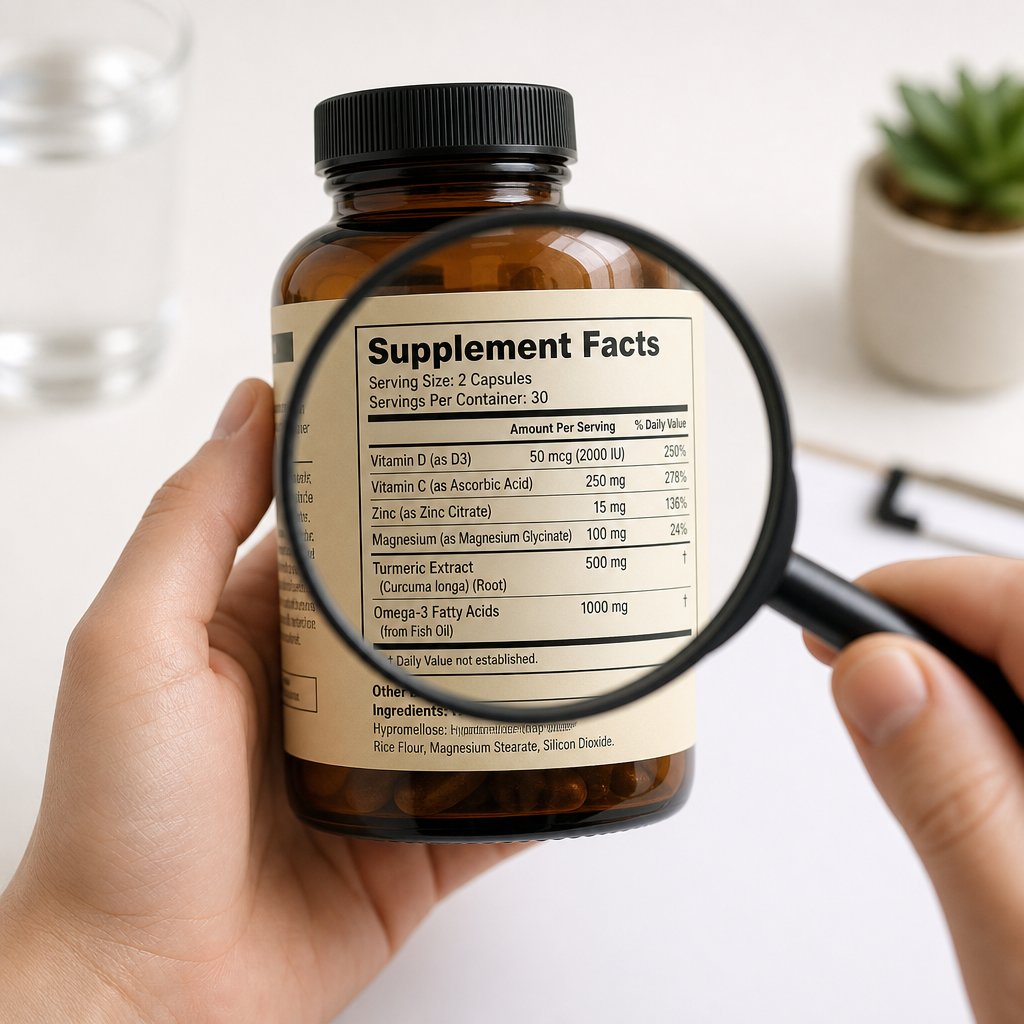
Knowing that turmeric tablets are safe and effective at the right dose is one thing. Picking the right bottle off a shelf crowded with dozens of options is another challenge entirely. Labels are packed with numbers, certifications, and marketing language designed to impress rather than inform. A few minutes of label literacy separates the highest quality turmeric supplement from an overpriced dud.
Reading Turmeric Tablet Labels Like a Pro
Every turmeric tablet label contains clues about what you are actually swallowing. Here is a checklist of what to look for, in order of importance:
- Curcuminoid percentage and source - Check whether the tablet contains whole turmeric root powder or a standardized curcumin extract. A product listing "turmeric root powder 500 mg" delivers far less active curcumin than one listing "turmeric extract standardized to 95% curcuminoids, 500 mg." Good turmeric supplements always state the curcuminoid percentage clearly on the Supplement Facts panel.
- Bioavailability enhancer - Look for piperine (often branded as BioPerine), a lipid carrier, or a proprietary absorption technology like Meriva or NovaSOL. Without an enhancer, most curcumin passes through your system unused. The enhancer type and dose should be listed explicitly.
- Excipient list - Scroll to the "Other Ingredients" section. You will find binders (cellulose, stearic acid), fillers (dicalcium phosphate, microcrystalline cellulose), lubricants (magnesium stearate), and possibly coatings (hydroxypropyl methylcellulose, carnauba wax). A short, recognizable list is preferable. Steer clear of supplements with a long list of additives, artificial colors, or titanium dioxide.
- Third-party testing certifications - Seals from USP, NSF International, ConsumerLab, or BSCG indicate that an independent lab verified the product's potency, purity, and freedom from contaminants like heavy metals. These certifications are especially important for confirming lead free turmeric, since turmeric crops from certain regions can accumulate heavy metals from soil contamination.
- Organic certification - A USDA Organic seal means the turmeric was grown without synthetic pesticides, GMOs, or prohibited fertilizers. Organic turmeric supplements appeal to people who want pure turmeric without agricultural chemical residues, though organic status alone does not guarantee higher curcuminoid content.
- Allergen statements - Labels must disclose the presence of major allergens like soy, wheat, milk, and shellfish. Vegans should also check for gelatin or animal-derived magnesium stearate in the excipient list. A product labeled "allergen-free" is not FDA-verified, so always read the full ingredient panel yourself.
- Certificate of Analysis (COA) - Some brands provide a QR code linking to batch-specific lab results. This transparency lets you verify that the tablet actually contains what the label claims.
One distinction trips up many buyers: whole root powder tablets versus standardized extract tablets. Whole root products preserve the full spectrum of turmeric compounds, including essential oils and turmerones, which some researchers believe support absorption synergistically. Standardized extract tablets concentrate the curcuminoids for maximum potency per dose. Neither approach is inherently superior. Your choice depends on whether you prioritize broad-spectrum plant compounds or high-dose curcuminoid delivery.
Why Manufacturing Quality Matters
Two tablets with identical ingredient lists can perform very differently in your body if they come from manufacturers with different quality standards. The tablet manufacturing process involves granulation, compression pressure calibration, and coating application, each of which affects how consistently the tablet disintegrates and releases curcumin in your stomach.
Poor compression leads to tablets that are either too hard (passing through undigested) or too soft (crumbling in the bottle). Inconsistent blending means one tablet might contain 450 mg of curcuminoids while the next contains 520 mg. Inadequate quality testing misses contamination or potency drift between batches. These are not hypothetical problems. The FDA does not test supplements before they reach shelves, which means manufacturing quality relies on the company's own commitment to Current Good Manufacturing Practices (CGMPs) and voluntary third-party audits.
When evaluating a brand, look for evidence of GMP compliance, in-house dissolution testing, and batch-to-batch consistency data. Turmeric extract suppliers who invest in these controls produce tablets that reliably break down within the expected timeframe and deliver the labeled dose every time.
For brands and private label sellers looking to develop their own turmeric tablet line, the choice of turmeric extract manufacturer directly determines product quality. OEM/ODM partners like ZhuFeng offer customized tablet formulation with scalable production, handling everything from excipient selection and compression parameters to final quality testing. This type of full-service manufacturing ensures consistent curcuminoid content across production runs, proper dissolution profiles, and compliance with international quality standards, all without requiring the brand to build its own facility from scratch.
Whether you are a consumer reading labels or a business sourcing turmeric extract manufacturers for a new product line, the same principle applies: the quality of the manufacturing process is invisible on the outside of the tablet but determines everything about how it performs on the inside. That performance only matters, of course, if you can actually find and purchase the product, which brings up the practical question of where to shop and what to expect on price.
Where to Buy Turmeric in Tablet Form
You know what to look for on the label. You understand dosage, standardization, and manufacturing quality. The next question is simple: where do you buy turmeric tablets that actually meet those standards? The good news is that turmeric supplements are among the most widely distributed products in the entire supplement market, so finding them is rarely the problem. Finding trustworthy sources at fair prices is where it pays to be selective.
Where to Find Turmeric Tablets
Where can i buy turmeric in tablet form? Nearly everywhere supplements are sold. Here are the main channels, each with distinct advantages:
- Pharmacies and drugstores (CVS, Walgreens, Rite Aid) - Convenient for same-day pickup. Stock tends to lean toward well-known national brands. Pharmacists can answer basic questions about drug interactions. Selection is limited compared to specialty retailers.
- Health food stores (Whole Foods, Sprouts, local co-ops) - Broader selection of organic turmeric supplements and niche brands. Staff often have more supplement knowledge. Prices run slightly higher, but product quality tends to be above average.
- Supermarkets and big-box retailers (Walmart, Target, Costco) - Best for budget-friendly options and bulk quantities. Costco in particular offers large-count bottles at a lower cost per tablet. Brand variety is moderate.
- Online marketplaces (Amazon, iHerb, Vitacost) - The widest selection available anywhere. You can compare dozens of products side by side, read user reviews, and often find lower prices than brick-and-mortar stores. The trade-off: counterfeit or improperly stored products occasionally slip through third-party sellers.
- Direct-from-brand websites - Buying straight from the manufacturer guarantees authenticity and often provides access to batch-specific Certificates of Analysis. Many brands offer subscription discounts of 10-20%. Shipping costs can offset savings on smaller orders.
- Specialty supplement retailers (Vitamin Shoppe, GNC) - Staff trained specifically in supplements. Loyalty programs and frequent sales. Good place to ask questions in person if you are unsure where to purchase turmeric for the first time.
If you have been wondering where can i get turmeric tablets near me, start with your local pharmacy or health food store for immediate access. For the best combination of price, selection, and transparency, online retailers typically win.
Evaluating Price and Value
Turmeric tablet prices range from roughly $0.10 to $0.80 per tablet depending on several factors. Understanding what drives cost helps you avoid overpaying for marketing while also steering clear of suspiciously cheap products that cut corners on quality.
What affects the price you pay:
- Standardization level - Tablets with 95% curcuminoid extracts cost more to produce than whole root powder tablets. The extraction and concentration process adds significant manufacturing expense.
- Bioavailability technology - Patented absorption systems like Meriva, NovaSOL, or BioPerine carry licensing fees that increase per-unit cost.
- Third-party certifications - USP, NSF, or ConsumerLab testing adds cost. Many quality herbal supplements do not undergo third-party testing because it drives prices up, but certified products offer an extra layer of assurance.
- Organic certification - USDA Organic turmeric requires more expensive farming and processing practices, which raises the final retail price.
- Bottle size - Larger counts (90-120 tablets) almost always deliver a lower cost per dose than 30-count bottles. Buying in bulk saves money if you plan to supplement long-term.
A general rule: if a month's supply of standardized curcumin tablets costs less than $10-15, question what was sacrificed to hit that price point. High-quality turmeric extract with 95% curcuminoids is expensive to produce, and extremely low prices often signal low potency, poor raw materials, or missing quality controls. On the other end, paying premium prices only makes sense when backed by verifiable certifications, transparent labeling, and clinical-grade ingredients.
Where can i purchase turmeric tablets with confidence? Stick to established retailers, verify third-party testing when possible, and calculate cost per milligram of active curcuminoids rather than cost per tablet. That single metric cuts through marketing noise and reveals which products deliver genuine value for your money.
Final Thoughts on Choosing Turmeric Tablets
Making Your Final Decision on Turmeric Tablets
Turmeric absolutely comes in tablet form, and it is one of the most practical, affordable, and widely available ways to supplement with curcumin. Whether you are browsing tumeric vitamins at your local pharmacy or comparing curcumin turmeric supplements online, tablets deserve serious consideration alongside capsules, softgels, and other formats.
The factors that separate a great tumeric supplement from a mediocre one remain the same regardless of where you shop:
- Standardization - Look for 95% curcuminoid content from a quality extract, not just raw root powder.
- Bioavailability enhancers - Piperine, phospholipid complexes, or other absorption technologies make the difference between curcumin that reaches your bloodstream and curcumin that passes right through.
- Manufacturing quality - GMP compliance, third-party testing, and consistent dissolution profiles ensure every tablet performs as labeled.
- Personal health needs - Your medications, health conditions, and daily routine should guide both the dose (whether turmeric 1500mg daily or a lower amount) and the format you choose.
For entrepreneurs and nutrition brands looking to bring their own organic turmeric supplement or private label turmeric products to market, OEM/ODM manufacturing partners like ZhuFeng provide flexible product formats and customized formulation services, from tablets and capsules to gummies and oral liquids, helping you launch market-ready supplements with scalable production.
Getting Started With Confidence
Finding the best tumeric supplement is not about chasing the most expensive bottle or the flashiest marketing. It is about matching a well-formulated product to your body and your goals. Talk with your healthcare provider before starting supplementation, especially if you take prescription medications or manage a chronic condition. That single conversation, paired with the label-reading skills you now have, puts you in a strong position to choose wisely.
Turmeric tablets are a legitimate, effective, and accessible supplement format. Choose based on standardization, absorption technology, and manufacturing transparency, and you will get real value from every dose.
Frequently Asked Questions About Turmeric Tablets
1. Is turmeric in tablet form as effective as capsules?
Turmeric tablets can be just as effective as capsules when formulated properly. The key factor is not the format itself but the formulation inside. A tablet with standardized 95% curcuminoid extract and a bioavailability enhancer like piperine can match or even outperform a basic capsule. Well-manufactured tablets include disintegrants that break the compressed form apart within minutes of reaching stomach fluid, releasing curcumin for absorption on a similar timeline to capsules. Some tablet formulations actually offer an advantage through controlled-release technology that extends curcumin availability in the bloodstream over a longer period.
2. What is the recommended dosage for turmeric tablets?
Common dosages for turmeric tablets range from 500 mg to 1,500 mg of standardized curcumin extract daily. A single 500 mg tablet standardized to 95% curcuminoids delivers approximately 475 mg of active curcuminoids. Many clinical studies use 1,000-1,500 mg daily, often split into two or three doses taken with meals. The acceptable dietary intake set by JECFA is 3 mg per kilogram of body weight per day. Always check whether your tablet contains whole root powder or standardized extract, as this dramatically affects how much active curcumin you actually receive per dose. Consult a healthcare provider for personalized guidance.
3. Can turmeric tablets interact with medications?
Yes, turmeric tablets can interact with several medication categories. Blood thinners like warfarin and clopidogrel pose the most significant concern because curcumin has anticoagulant properties that may increase bleeding risk. Diabetes medications may be enhanced by curcumin's blood-sugar-lowering effects, potentially causing hypoglycemia. Antacids can be counteracted since curcumin may stimulate stomach acid production. People scheduled for surgery should stop turmeric tablets at least two weeks beforehand. Those with gallbladder disease should avoid curcumin supplements entirely because they stimulate bile production.
4. What should I look for on a turmeric tablet label?
Prioritize five elements when reading turmeric tablet labels. First, check the curcuminoid percentage, ideally 95% from a standardized extract rather than raw root powder. Second, confirm a bioavailability enhancer is included, such as piperine (BioPerine), phospholipid complexes, or another absorption technology. Third, review the excipient list for recognizable ingredients and avoid artificial colors or excessive fillers. Fourth, look for third-party testing seals from USP, NSF, or ConsumerLab that verify potency and purity. Fifth, check for organic certification and allergen statements if these matter to your dietary needs. Brands working with quality OEM manufacturers like ZhuFeng ensure consistent curcuminoid content and proper dissolution profiles across production batches.
5. Who should avoid taking turmeric in tablet form?
Several groups should either avoid turmeric tablets or choose alternative formats. People who cannot swallow pills due to medical conditions or severe anxiety should opt for liquids, powders, or gummies instead. Children typically do better with chewable or gummy formats. Those with gastroparesis or slow gastric motility may find that tablets sit undissolved too long, making capsules or liquids a better fit. Pregnant or breastfeeding women should avoid concentrated curcumin supplements altogether. People with iron deficiency should be cautious since curcumin may bind to iron and reduce absorption. Anyone taking high daily doses above 1,500 mg may find powder more practical than swallowing multiple tablets.