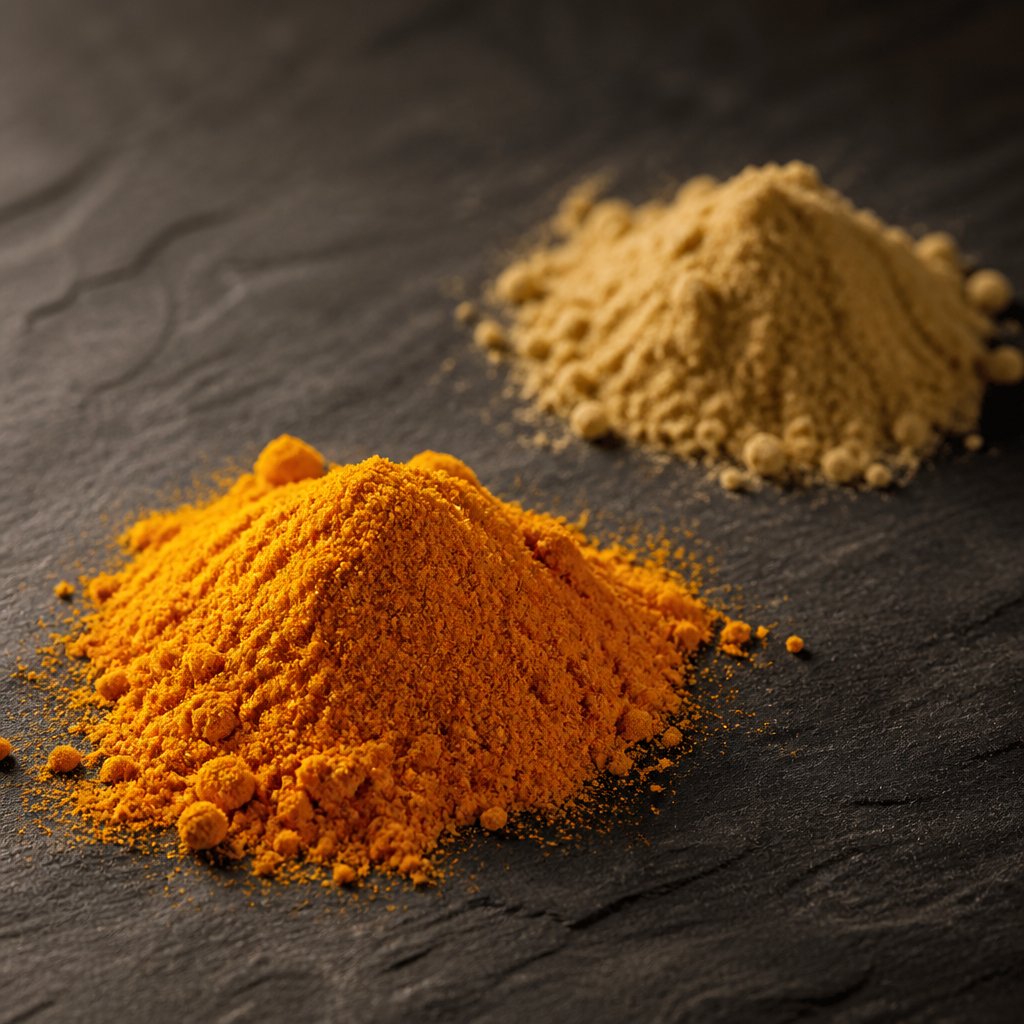
Does Turmeric Powder Actually Expire or Just Lose Its Power
Does turmeric powder go bad? The short answer: it won't spoil like milk or meat, but it absolutely degrades. Old turmeric is almost never dangerous to consume, yet it can become so depleted of active compounds that it offers little more than a faint yellow tint. The real question isn't safety — it's whether that jar still delivers anything worth using.
Safety Risk vs Quality Loss Explained
When you find a forgotten container of turmeric at the back of your cabinet, the instinct is to wonder if it could make you sick. In nearly every case, the answer is no. Unlike perishable foods that harbor harmful bacteria as they age, dried spices carry an extremely low risk of spoilage. As GoodRx Health notes, spices don't spoil with age and are highly unlikely to make you sick. Does turmeric expire in the traditional sense? Not really. It doesn't develop toxins or rot on a shelf.
The loss you're dealing with is potency. Turmeric's value comes from curcuminoids — particularly curcumin — along with volatile essential oils like ar-turmerone and alpha-zingiberene. These compounds break down gradually, and once they're gone, you're left with colored dust. So does turmeric go bad? Only in the sense that it becomes functionally useless, not harmful.
Expired turmeric powder is almost never dangerous to eat, but it may be nutritionally and therapeutically worthless — offering neither the anti-inflammatory benefits nor the full flavor you're counting on.
What Actually Happens When Turmeric Ages
Three forces drive turmeric from vibrant spice to inert powder:
- Oxidation — Oxygen reacts with curcuminoids, gradually dismantling the molecular structures responsible for turmeric's anti-inflammatory and antioxidant activity.
- Light exposure — Curcumin is a light-sensitive phenylpropanoid compound. Research published in Food Chemistry: X confirms that UV radiation triggers photodegradation, breaking curcumin into less active phenolic derivatives like vanillin and ferulic acid.
- Moisture — Even small amounts of humidity can turmeric powder expire faster than expected by encouraging clumping and, in extreme cases, microbial growth — the one scenario where old turmeric can genuinely become unsafe.
Can turmeric go bad enough to throw away? Yes, particularly when moisture enters the equation. A sealed jar in a dark cabinet holds its curcumin content far longer than a bag left near the stove. Does turmeric powder expire on a fixed schedule? No — storage conditions matter more than any printed date.
The distinction between "safe but weak" and "actually spoiled" shapes every decision you'll make about that aging jar. Understanding the specific chemistry behind each degradation pathway reveals exactly how much life your turmeric still has — and when it's time to replace it.
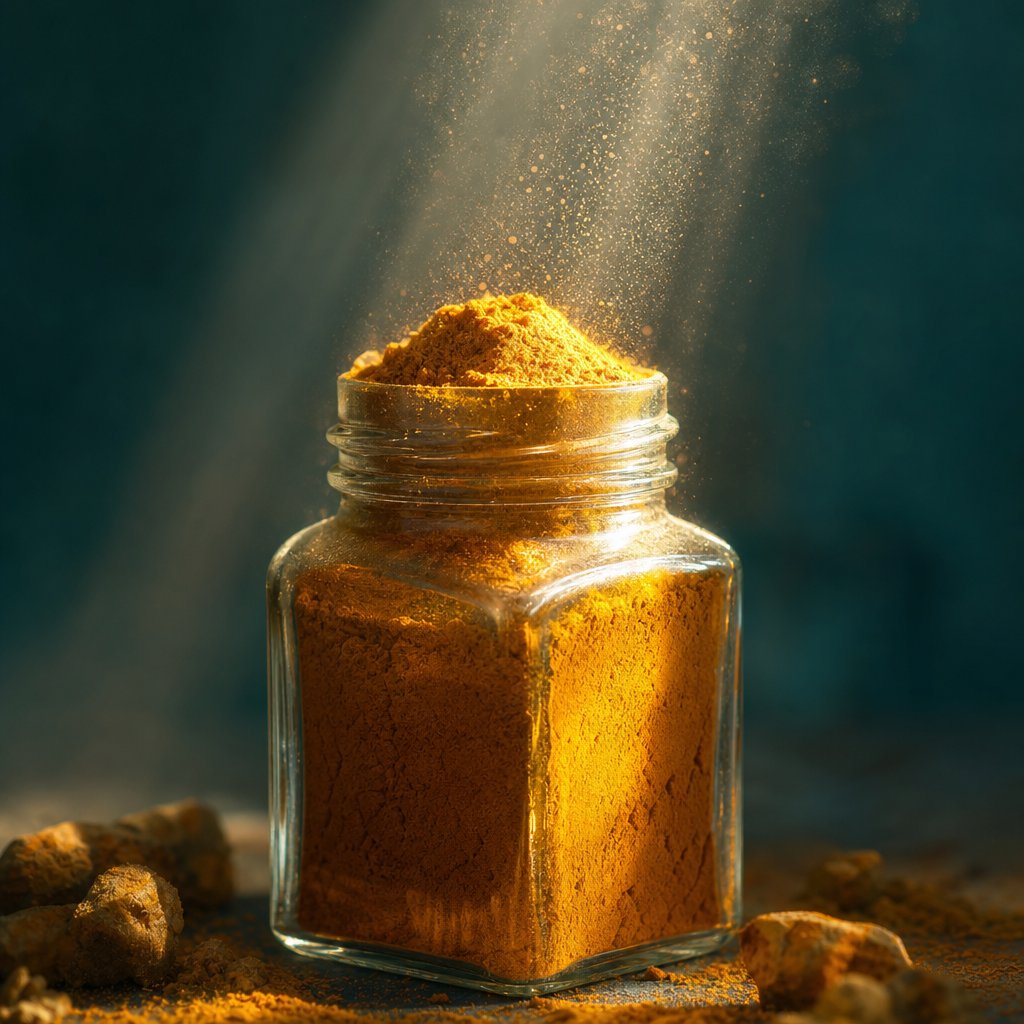
The Science Behind Turmeric Degradation
Most guides tell you what a bad jar of turmeric looks like. Fewer explain why it happens at the molecular level. That distinction matters because understanding the degradation pathways helps you predict how much potency your powder still holds — even when it looks and smells acceptable on the surface.
Four primary triggers drive turmeric powder from peak quality toward inert dust:
- Light — particularly blue-spectrum and UV wavelengths
- Heat — sustained temperatures above 68°F (20°C) accelerate breakdown
- Oxygen — reacts directly with curcuminoid structures
- Moisture — enables microbial growth and clumping
Each of these triggers activates a different degradation pathway, and they often work in combination. Here's what's actually happening inside that jar.
How Curcuminoids Break Down Over Time
Curcumin, demethoxycurcumin (DMC), and bisdemethoxycurcumin (BMC) are the three curcuminoids responsible for turmeric's anti-inflammatory, antioxidant, and anticancer properties. When oxygen reaches these molecules, it attacks the beta-diketone moiety — the central bridge connecting curcumin's two aromatic rings. This oxidative cleavage produces smaller phenolic fragments like vanillin, ferulic acid, and vanillic acid. These byproducts are far less bioactive than intact curcumin.
The process is gradual. In a sealed container stored in darkness, curcuminoid levels remain relatively stable for months. But every time you open the lid, fresh oxygen enters. Over repeated exposures across a year or two, the cumulative oxidation becomes significant enough to reduce therapeutic value — even if the powder still looks yellow.
Research from Seoul Women's University found that among the three curcuminoids, curcumin degrades most rapidly under both fluorescent and LED light, with a half-life as short as 9.9 hours under white LED irradiation in solution. The methoxy groups on curcumin's phenolic rings act as electron donors that accelerate this breakdown. BMC, which lacks methoxy groups entirely, is the most stable of the three. This means turmeric powder with higher curcumin content — the kind you want for health benefits — is ironically the most vulnerable to degradation.
Why Your Turmeric Loses Its Bright Color
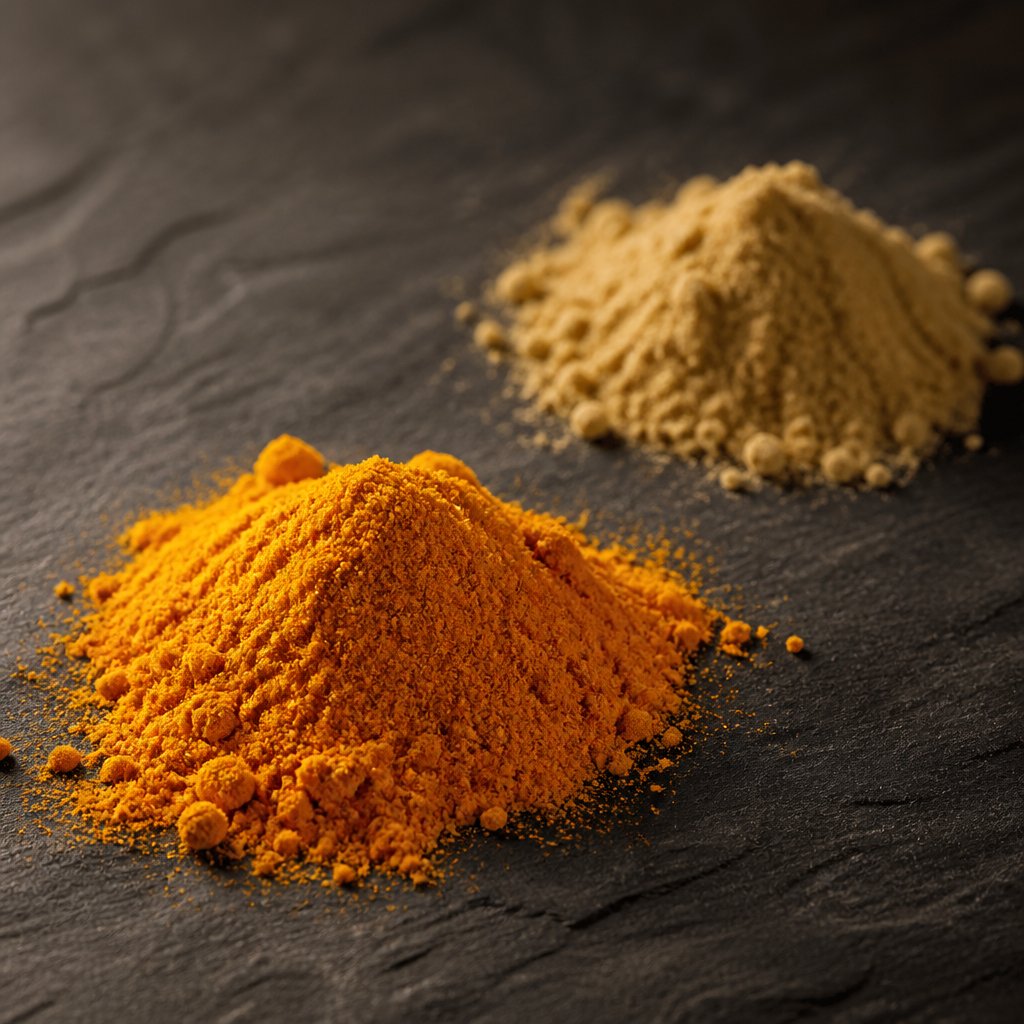
Ever wonder what color is turmeric powder supposed to be? Fresh, high-quality turmeric displays a deep orange-gold hue. That vibrant color comes from curcumin's conjugated double-bond system — a chain of alternating single and double bonds that absorbs visible light and reflects back that characteristic warm tone.
When UV or blue-rich visible light hits these conjugated bonds, it triggers photooxidation. The symmetric alpha, beta-unsaturated carbonyl structure breaks apart, and the chromophore — the light-absorbing portion of the molecule — is destroyed. The result is a shift from vivid orange-gold toward dull tan or muddy brown. A 2025 study published in Molecules demonstrated that turmeric pigment lost up to 85% of its color intensity after just 24 hours of white LED exposure at low concentrations.
What makes turmeric uniquely light-sensitive compared to other spices? Most culinary spices derive their color from carotenoids or anthocyanins, which degrade under light but at a slower rate. Curcumin's photosensitizing property — its ability to absorb light energy and transfer it to surrounding molecules — actually accelerates its own destruction. It's a self-reinforcing cycle: the compound absorbs light, enters an excited state, and the resulting photochemical reactions break down the very structure that absorbed the light in the first place. If you've ever noticed what does turmeric look like after sitting in a clear spice rack near a window, that faded appearance is photodegradation in action.
Volatile Oil Evaporation and Aroma Loss
The smell of turmeric — that warm, earthy, slightly peppery scent — comes from volatile sesquiterpenes, primarily ar-turmerone, alpha-turmerone, and beta-turmerone. These compounds account for a major portion of turmeric's essential oil and contribute both aroma and biological activity, including anti-inflammatory and antioxidant effects.
Unlike curcuminoids, which break down through chemical reactions, volatile oils simply evaporate. They're low-molecular-weight compounds with high vapor pressures, meaning they escape into the air at room temperature. Every time you open the container, some of these molecules drift away. Research on turmeric volatile components has shown that purified ar-curcumene — one of the key aromatic compounds — can degrade within two months even when stored at -20°C in isolated form, though it remains stable within the crude essential oil matrix.
This is why what does turmeric powder smell like changes over time. Fresh powder has a complex, layered aroma with warm, resinous, and slightly bitter notes. Aged powder smells flat or faintly dusty. The smell of turmeric fading is your clearest early warning that volatile oils are depleting — and with them, a portion of the spice's bioactivity that curcumin alone doesn't provide.
The third pathway — moisture-driven microbial growth — operates differently from oxidation and evaporation. When relative humidity climbs above 60% or liquid water contacts the powder, conditions become favorable for mold and bacteria. This is the only degradation pathway that can make turmeric genuinely unsafe to consume. Dry powder in a sealed container faces negligible microbial risk, but a jar stored above a steaming kettle or scooped with a damp spoon introduces the moisture that transforms a quality problem into a safety concern.
These three pathways — curcuminoid oxidation, volatile oil evaporation, and moisture contamination — don't operate on the same timeline. Aroma fades first, color shifts next, and microbial issues only arise under specific conditions. Recognizing which stage your turmeric has reached requires more than a quick glance or sniff.
Seven Clear Signs Your Turmeric Has Gone Bad
Knowing the chemistry is useful, but you need a practical way to evaluate the jar sitting in your cabinet right now. Your senses — sight, smell, taste, and touch — can tell you a lot about where your turmeric falls on the spectrum from peak potency to functionally dead. The trick is knowing which signals indicate mild quality loss and which ones mean it's time to throw the powder away entirely.
Here's a step-by-step freshness evaluation you can run through in under two minutes:
- Check the color under natural light. Open the container and look at the powder in daylight, not under warm kitchen bulbs that can mask fading. Fresh turmeric powder is a deep, saturated orange-gold. If it has shifted toward pale yellow, dull tan, or muddy brown, curcumin degradation is well underway.
- Smell the powder directly from the jar. Give it a gentle shake first to release trapped volatiles, then bring it close to your nose. You're looking for that warm, earthy, slightly peppery scent. If you get nothing — or worse, a musty, cardboard-like flatness — the volatile oils have largely evaporated.
- Taste a tiny pinch. Place a small amount on your tongue. Fresh turmeric delivers a warm, mildly bitter, slightly peppery flavor with an earthy undertone. If it tastes bland, papery, or like nothing at all, the bioactive compounds have broken down significantly.
- Assess the texture between your fingers. Rub a small amount between your thumb and forefinger. Quality turmeric feels silky and fine. Gritty, hardened, or clumped powder signals moisture exposure.
- Look for visible contamination. Inspect the surface and sides of the container for mold spots, webbing, or insect activity. Check the underside of the lid as well — condensation often collects there first.
- Smell again for off-odors. Distinct from "no smell," an actively unpleasant odor — rancid, sour, or musty — indicates microbial activity or chemical breakdown beyond simple aging.
- Check for wet clumps. Dry clumps from compression are one thing. Wet, sticky clumps that don't break apart easily mean moisture has penetrated the powder, creating conditions for mold growth even if none is visible yet.
Visual and Color Changes to Watch For
Color is your fastest diagnostic tool. What does turmeric powder taste like when it's fresh? Warm and distinctly bitter. But you can often skip the taste test entirely if the color tells the story first. A vibrant orange-gold powder still retains meaningful curcumin content. A pale, washed-out yellow suggests the conjugated double bonds in curcumin have broken — the same bonds responsible for both color and bioactivity.
The shift happens gradually. You might not notice it day to day, which is why comparing your powder against a fresh sample (or even a photo of fresh turmeric) can be revealing. If the color has moved from "marigold" toward "manila envelope," you're looking at significant potency loss. The powder is still safe to eat, but its therapeutic and culinary value has diminished substantially.
One caveat: some turmeric varieties are naturally more yellow than orange, depending on the cultivar and curcumin concentration. What matters isn't the exact starting shade but the degree of change from when you first opened it.
The Smell and Taste Test
What does turmeric smell like when it's fresh? Complex. You'll pick up earthy, warm, slightly resinous notes with a hint of ginger-like sharpness. That layered aroma comes from the volatile sesquiterpenes discussed earlier — and they're the first compounds to disappear.
Here's the question many people ask: "My turmeric has lost its smell but still looks fine. Can I use it?" The answer is yes, but with a major caveat. If only the aroma is gone and the color remains reasonably vibrant with no clumping or off-odors, the powder is safe. However, it's significantly less potent. The volatile oils that created that scent also contributed bioactive properties. You're working with a diminished product — fine for adding a hint of color to rice, but unreliable for any health-related purpose.
Does turmeric have a taste that's easy to identify? Absolutely. Fresh turmeric powder delivers a distinctive warm bitterness with peppery, slightly musky undertones. It's not a flavor everyone enjoys — some people find that turmeric tastes disgusting when sampled on its own, especially in larger amounts. That bitterness is actually a sign of intact curcuminoids. When turmeric loses that characteristic bite and tastes like nothing more than chalky dust, the active compounds have largely degraded.
The taste test is particularly useful when the visual and smell tests give ambiguous results. A powder that still looks somewhat golden but has no aroma might still carry residual flavor. If even the taste is gone, you're dealing with a jar that's past its useful life for anything beyond mild coloring.
When Texture Tells You It Is Time to Replace
Texture changes signal a different kind of problem than color or aroma loss. While fading color and disappearing scent indicate gradual chemical degradation, clumping and hardening point to moisture intrusion — the one factor that can make turmeric genuinely unsafe.
Dry clumps that crumble easily when pressed aren't necessarily alarming. They can form from simple compression during storage or shipping. Break them apart, check for any musty smell, and if everything else passes, the powder is likely fine.
Wet or sticky clumps are a different story. They indicate that liquid water or high humidity has reached the powder. Even if you don't see visible mold, the conditions for microbial growth have been met. Moisture exposure is one of the most common reasons turmeric goes bad before its expected shelf life, particularly in kitchens where the spice jar sits near the stove or sink.
Here's a clear decision framework to simplify the keep-or-toss question:
| Condition | Verdict | Reasoning |
|---|---|---|
| Color faded, aroma weak, no off-signs | Safe but less potent — use more or replace soon | Chemical degradation only; no safety risk |
| No aroma, color still acceptable, dry texture | Safe for cooking color; unreliable for health benefits | Volatile oils gone, some curcumin may remain |
| Dry clumps that crumble easily | Likely fine — break apart and re-evaluate | Compression, not moisture |
| Wet or sticky clumps | Discard | Moisture enables microbial growth |
| Musty, rancid, or sour smell | Discard immediately | Active spoilage or contamination |
| Visible mold or insect activity | Discard immediately | Food safety hazard |
The non-negotiable discard criteria are straightforward: visible mold of any color, webbing or insects, a rancid or sour odor, or wet clumps that won't break apart. These signs indicate that your turmeric has crossed from "degraded quality" into "potential health risk" territory. No amount of extra scooping compensates for contamination.
For everything else — the faded color, the missing aroma, the bland taste — you're dealing with a potency problem, not a safety problem. The question becomes whether the turmeric still delivers enough value to justify using it, and that depends entirely on how long it's been sitting there and how it was stored.
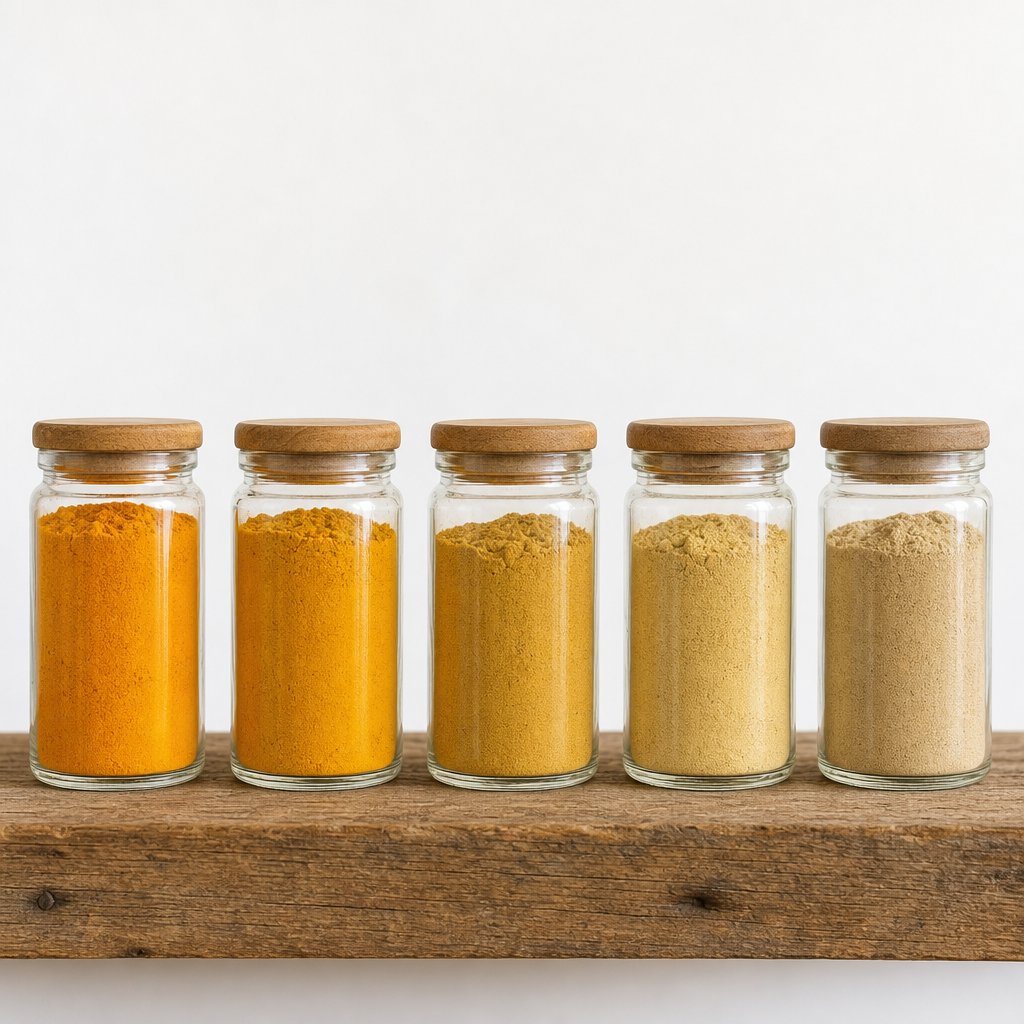
Turmeric Powder Shelf Life Timeline and Potency Loss
Knowing the signs of degradation is one thing. Knowing when to expect them is another. How long does turmeric powder last before it crosses from "slightly diminished" into "not worth using"? The answer depends almost entirely on how it's stored — and the gap between ideal and poor conditions is dramatic.
The shelf life of turmeric powder isn't a single number. It's a sliding scale. Here's what that progression actually looks like at each major interval:
| Time Since Opening | Ideal Storage (airtight, cool, dark) | Poor Storage (loose lid, warm, light-exposed) |
|---|---|---|
| 0-6 months | ~95-100% potency. Full vibrant orange-gold color. Strong, complex aroma. Peak curcumin content. | ~80-90% potency. Slight color dulling. Aroma begins fading at edges. |
| 6-12 months | ~85-95% potency. Color still rich. Mild aroma reduction, curcumin largely intact. | ~60-70% potency. Noticeable color shift toward yellow. Weak aroma. |
| 1-2 years | ~70-85% potency. Some color fade visible. Reduced but usable for cooking and mild health benefits. | ~30-50% potency. Dull tan appearance. Flat smell. Minimal therapeutic value. |
| 2-3 years | ~50-65% potency. Obvious quality decline. Still safe but unreliable for health purposes. | ~10-20% potency. Essentially decorative. Discard recommended. |
| 3+ years | ~30-40% potency. Marginal culinary use only. Replace recommended. | Functionally inert. No meaningful curcumin, no aroma. Discard. |
Potency at Six Months to One Year
This is the sweet spot for most home cooks. During the first year, properly stored turmeric retains the vast majority of its curcumin content and volatile oils. You'll notice the aroma softening slightly around the six-month mark — those lighter sesquiterpenes evaporate first — but the core bioactivity remains strong. Research published in the Journal of Agricultural Engineering found that turmeric powder stored in laminated aluminum foil packs and PET jars maintained quality for at least six months under refrigeration and three months at ambient temperature without significant deterioration.
How long does turmeric last at full strength? Realistically, about 6 to 12 months after opening if you're keeping it sealed, cool, and away from light. Industry guidance suggests using ground turmeric within one year of purchase for the best flavor and potency. That's a practical target — not because it becomes unsafe after 12 months, but because the decline accelerates from there.
What Happens After Two Years
Beyond the two-year mark, you're dealing with a fundamentally different product. The curcuminoids that survived oxidation are now a fraction of their original concentration. The volatile oils responsible for aroma and secondary bioactivity are largely gone. Color has shifted noticeably — from that deep marigold to something closer to pale mustard or light brown.
Is it dangerous? Almost certainly not, assuming no moisture contamination occurred. But the turmeric powder shelf life for therapeutic purposes has effectively ended. If you've been adding a teaspoon to your morning smoothie for anti-inflammatory benefits, two-year-old powder stored in average kitchen conditions delivers very little of what you're after. For cooking, you'd need to double or triple the amount to achieve the same color and flavor impact — and even then, the complexity is gone.
At three years and beyond, McCormick's guidelines place ground spices at the end of their useful life in the 2-4 year range. Turmeric shelf life stretches toward the longer end of that window under ideal conditions, but "safe to eat" and "worth eating" are different conversations entirely.
Understanding Best By Dates vs Actual Expiration
That date stamped on your turmeric jar isn't an expiration date — it's a quality benchmark. Manufacturers set "best by" dates conservatively, typically 2-3 years from production, to indicate when the spice will deliver its intended flavor and color profile. These dates are not safety deadlines.
Imagine finding a jar that's six months past its printed date. If it was stored well — sealed tightly in a dark cabinet — it's almost certainly fine to use. The shelf life of turmeric doesn't end on a specific calendar day. It erodes gradually based on cumulative exposure to oxygen, light, heat, and humidity. A well-stored jar that's one year past its "best by" date may outperform a poorly stored jar that's still within its printed window.
The practical takeaway: treat the printed date as a reminder to evaluate, not as an automatic discard trigger. Run through the sensory checklist from the previous section. If the color, aroma, and texture still pass, the powder has life left in it regardless of what the label says.
What these timelines reveal is that storage conditions create a potency gap of 40-60% between identical products kept in different environments. The same turmeric powder can be vibrant at 18 months or nearly useless — the difference comes down to how and where you keep it.
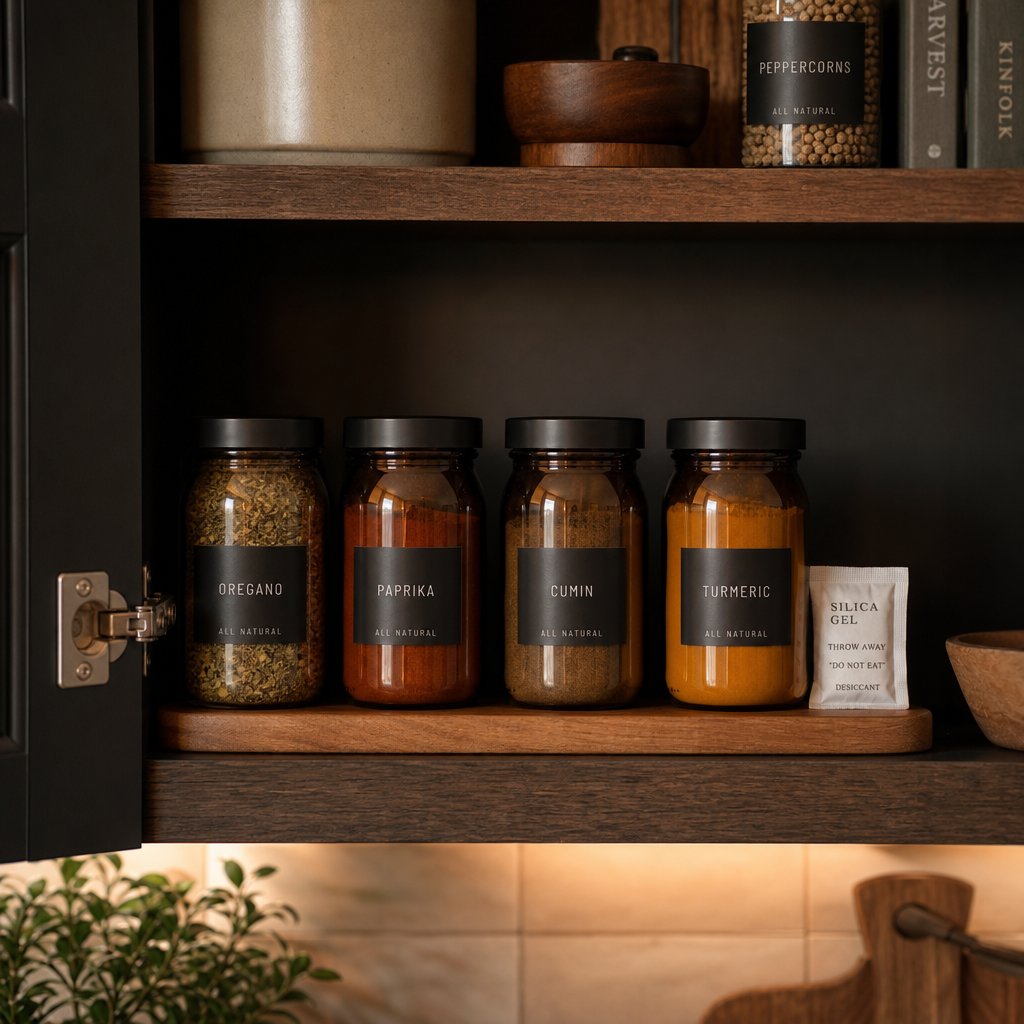
How to Store Turmeric Powder for Maximum Freshness
That 40-60% potency gap between well-stored and poorly stored turmeric isn't inevitable. It's the result of specific, measurable environmental factors — and each one has a threshold you can control. Vague advice like "keep it in a cool, dry place" doesn't cut it when your kitchen sits in Houston humidity or a sun-drenched apartment. Here are the actual numbers that matter.
Temperature and Humidity Thresholds That Matter
How long is turmeric good for? The answer starts with two numbers: 68°F (20°C) and 60% relative humidity. These are the upper boundaries recommended by the Canadian Spice Association for maintaining spice quality over time. Stay below both, and your turmeric degrades slowly. Exceed either, and the timeline compresses fast.
Temperature drives the rate of chemical reactions. For every 10°C rise above that 20°C threshold, the rate of spice deterioration roughly doubles — meaning turmeric stored at 30°C (86°F) near your stove breaks down twice as fast as the same powder in a 20°C pantry. That's not a minor difference over 12 or 18 months.
Humidity is the other critical variable. The Handbook of Spices, Seasonings, and Flavorings places the ideal relative humidity range between 55% and 65% for general spice storage, with 60% as the practical ceiling for ground turmeric. Above that level, the powder begins absorbing ambient moisture — turmeric is hygroscopic, meaning it actively pulls water from surrounding air. This leads to clumping first, then potential microbial growth if conditions persist.
Light exposure is the third parameter, and it's binary rather than gradual. Any direct sunlight or sustained fluorescent/LED exposure accelerates curcumin photodegradation. The solution is simple: total darkness during storage. No clear containers on open shelves, no spice racks near windows.
Best Packaging for Long-Term Storage
Your container choice determines how well you maintain those environmental thresholds. Not all packaging performs equally — the differences in shelf life extension are significant enough to matter.
| Packaging Type | Estimated Shelf Life (opened) | Oxygen Barrier | Light Protection | Best Use Case |
|---|---|---|---|---|
| Amber/opaque glass jar with silicone-gasketed lid | 18-24+ months | Excellent | Excellent | Long-term home storage; bulk portions |
| Metal tin with tight-fitting lid | 12-18 months | Good | Good | Daily-use portions; countertop access |
| Clear glass jar with screw lid | 12-15 months | Good | Poor (requires dark cabinet) | Short-to-medium term if stored in darkness |
| Original retail plastic bag (resealable) | 6-9 months | Moderate | Variable | Short-term use; transfer to glass within weeks |
| Bulk paper or thin plastic bag | 3-6 months | Poor | Poor | Immediate use only; repackage on purchase day |
Why does glass outperform everything else? It's non-porous, chemically inert, and — when opaque or amber-tinted — blocks the UV wavelengths that destroy curcumin. Airtight, dark-colored glass containers are the recommended standard for preventing both oxidation and moisture ingress over extended storage. Metal tins are a solid second choice, though comparative testing has shown they retain only about 58% of volatile compounds versus 87% in amber glass over six months — largely due to imperfect lid seals and micro-leakage at the rim.
Plastic containers — even BPA-free ones — allow slow oxygen permeation through the material itself. They're adequate for a jar you'll finish within a few months, but they're working against you for anything longer. If your turmeric came in a retail plastic bag, transfer it to glass the day you bring it home.
Climate-Specific Storage Strategies
Where you live changes the equation. A kitchen in Phoenix, Arizona operates in a fundamentally different humidity environment than one in Miami, Singapore, or Mumbai. Do turmeric powder expire faster in tropical climates? Absolutely — and the standard "cool, dark pantry" advice may not be enough.
Dry climates (below 50% average indoor RH): You're in the forgiving zone. An airtight glass jar in a dark cabinet is sufficient. No special interventions needed. Your main enemy is heat and light, not moisture.
Moderate climates (50-65% average indoor RH): Standard airtight storage works well, but avoid spots near the dishwasher, sink, or stove where localized humidity spikes occur. Always use a dry spoon when scooping — never shake the jar over a steaming pot.
Humid tropical climates (above 65% average indoor RH): Standard storage isn't enough. Field tests in high-humidity environments show that unmodified pantry storage can destroy volatile oil content within weeks. You'll need additional measures:
- Add a food-grade 5g silica gel desiccant packet inside each jar to absorb ambient moisture
- Replace desiccant packs every 90 days (or when indicator beads shift from blue to pink)
- Consider a mini dehumidifier in your spice cabinet if readings consistently exceed 65% RH
- Keep a smaller working portion accessible and store the bulk supply vacuum-sealed
Does turmeric need to be refrigerated? For most kitchens, no. Refrigeration introduces a different problem: condensation. Every time you pull a cold jar into warm kitchen air, moisture forms on the powder's surface. Over repeated cycles, this is worse than moderate room temperature storage. However, if you live in a consistently hot and humid environment and can vacuum-seal the container to prevent condensation, refrigeration or freezing does slow degradation. The key is never opening the container until it reaches room temperature — let it sit on the counter for 15-20 minutes before breaking the seal.
Freezer storage follows the same logic: effective only with double-layer airtight packaging and strict condensation prevention. For most home users buying reasonable quantities, a dark cabinet away from heat sources paired with proper glass containers delivers all the shelf life turmeric powder needs.
The practical summary: match your storage intensity to your climate. Dry-climate cooks can keep it simple. Humid-climate cooks need to engineer their storage environment with desiccants and sealed barriers. Either way, the container you choose and where you place it determines whether your turmeric holds its potency for six months or two full years — a difference that shows up in both flavor and function.
Storage controls the rate of decline, but it can't improve what you started with. The quality and format of turmeric you buy in the first place sets the ceiling on how long it can last — and not all forms of turmeric degrade at the same speed.
Fresh Root vs Powder vs Supplements Shelf Life Compared
Turmeric doesn't come in just one form, and each format degrades on a completely different timeline. A fresh root, a jar of ground powder, and a bottle of capsules all contain curcuminoids — but the way those compounds are protected (or exposed) varies dramatically. If you're wondering whether is powdered turmeric as good as fresh, or whether a supplement outlasts both, the answer depends on what you're measuring: raw freshness, curcumin stability, or practical shelf life.
Here's how the three main forms compare across the metrics that actually matter:
| Format | Shelf Life | Potency Retention | Storage Difficulty | Convenience | Cost Per Serving |
|---|---|---|---|---|---|
| Encapsulated supplements (capsules, tablets, soft gels) | 2-3 years | High — sealed packaging limits oxygen and light exposure | Low — store at room temperature in original bottle | High — pre-measured doses, no preparation | Higher ($0.15-$0.80/serving) |
| Ground turmeric powder | 1-3 years (storage-dependent) | Moderate — degrades with each opening | Moderate — requires airtight, dark, cool storage | Moderate — versatile for cooking and drinks | Low ($0.02-$0.10/serving) |
| Fresh turmeric root | 2-3 weeks (room temp); up to 6 months (frozen) | Highest when intact — declines rapidly once cut | High — requires refrigeration or freezing | Low — needs peeling, grating, or slicing | Moderate ($0.10-$0.30/serving) |
Fresh Turmeric Root Storage and Lifespan
How long does fresh turmeric last? At room temperature, you're looking at roughly 2-3 weeks before the root begins drying out, softening, or developing mold on its surface. Refrigerated in a paper bag inside the crisper drawer, fresh turmeric extends to about 1-2 weeks reliably, sometimes stretching to three weeks if the root was very fresh at purchase.
Freezing changes the equation entirely. Grated or sliced turmeric root stored in airtight freezer bags retains its zest and curcumin content for up to 6 months. Some sources report usable quality at 9-12 months frozen, though flavor complexity diminishes beyond the half-year mark. The cellular structure of the root breaks down during freezing and thawing, which softens the texture — but since you're typically grating frozen root directly into dishes, that textural change rarely matters.
Here's the paradox of fresh root: how long does turmeric root last is a short answer (weeks), but while it's intact, the curcuminoids inside are remarkably well-protected. The root's fibrous cell walls, waxy skin, and internal moisture create a natural barrier against oxygen. Curcumin sits within oleoresin droplets inside the plant cells, shielded from the light and air that would destroy it in powder form. It's only once you cut, peel, or grate the root that oxidation begins in earnest.
Ground Powder vs Whole Root Degradation Rates
Does ground turmeric have the same benefits as fresh? In terms of curcuminoid content per gram, yes — freshly ground powder from a quality source contains comparable curcumin levels to fresh root (typically 2-5% by weight). The difference isn't in starting potency but in how quickly that potency erodes.
Grinding turmeric root into powder increases the surface area exposed to oxygen by orders of magnitude. Imagine a single cubic centimeter of intact root versus that same volume pulverized into thousands of tiny particles. Every particle face is now a reaction site for oxidation. The volatile oils that were trapped within intact plant cells are suddenly free to evaporate. The curcumin that was shielded by cellular architecture is now directly exposed to light and air.
This is why a fresh root can maintain near-full curcumin content for weeks at room temperature while ground powder begins measurable decline within months. The trade-off is practical: fresh root is inconvenient, perishable, and harder to dose consistently. Powder is shelf-stable for much longer in absolute terms (1-3 years vs. weeks), even though its rate of degradation per unit time is faster once the clock starts.
For home cooks who use turmeric daily, powder remains the practical choice. For those who use it occasionally and want maximum potency per use, buying small quantities of fresh root and freezing the excess often delivers better results than a jar of powder that sits open for 18 months.
Why Supplement Formats Preserve Potency Longer
Capsules, tablets, and soft gels consistently outperform loose powder on shelf stability — and the reasons are mechanical, not magical. Professional supplement manufacturing introduces several protective layers that kitchen storage simply can't replicate:
- Nitrogen flushing — During packaging, oxygen is displaced with inert nitrogen gas. This eliminates the primary driver of curcuminoid oxidation from the moment the container is sealed.
- Individual encapsulation — Each capsule or tablet creates a micro-barrier around the active ingredient. Hard capsule shells (typically hydroxypropyl methylcellulose or gelatin) limit oxygen and moisture transfer to the curcumin inside.
- Controlled manufacturing environments — Temperature, humidity, and light are regulated throughout production. The powder never sits exposed on a counter or gets scooped with a damp spoon.
- Standardized curcumin content — Supplements are formulated to deliver a verified amount of curcuminoids per dose, often 95% standardized extract rather than the 2-5% found in culinary turmeric powder.
Research on microencapsulated curcumin demonstrates this principle clearly. Spray-dried curcumin microcapsules retained 87% of their content after heating to 100°C for 10 minutes, compared to only 65% for unencapsulated curcumin under identical conditions. The wall material — whether modified starch, whey protein, or other polymers — physically shields the curcumin molecule from environmental stressors. DSC analysis confirmed these microcapsules remained thermally stable up to 200°C, and FTIR spectroscopy showed curcumin's chemical structure was preserved through the encapsulation process.
This is why OEM/ODM health food manufacturers like ZhuFeng invest in controlled-environment production, nitrogen-flushed packaging, and precision formulation across multiple formats — hard capsules, tablets, soft capsules, granules, and gummies. For nutrition brands, supplement importers, or private label sellers evaluating turmeric product viability, these manufacturing controls directly translate to longer shelf stability and more consistent curcumin delivery than bulk powder alone can achieve.
The trade-off is cost. Supplements run significantly more per serving than bulk turmeric powder — often 5-10x the price when comparing equivalent curcumin content. For someone who cooks with turmeric daily and values the flavor, aroma, and culinary versatility, powder remains the sensible choice. For someone specifically seeking anti-inflammatory or antioxidant benefits at a guaranteed dose, the superior stability of encapsulated formats means you're actually getting what you paid for months or even years after purchase.
The format you choose should match your primary use case. Cooking? Buy fresh root or quality powder in small quantities. Therapeutic consistency? Supplements deliver more reliable curcumin over a longer window. Either way, knowing how each form degrades helps you avoid paying for potency that's already gone — and knowing what to look for at the point of purchase stacks the odds further in your favor.
How to Buy Turmeric That Will Last Longer
Storage can only preserve what was already there. A mediocre jar of turmeric stored perfectly will still underperform a high-quality product kept in average conditions. The freshness clock starts long before you bring it home — at the farm, during processing, on the shelf. Choosing well at the point of purchase gives you a head start that no container or cabinet placement can replicate.
Freshness Indicators at Point of Purchase
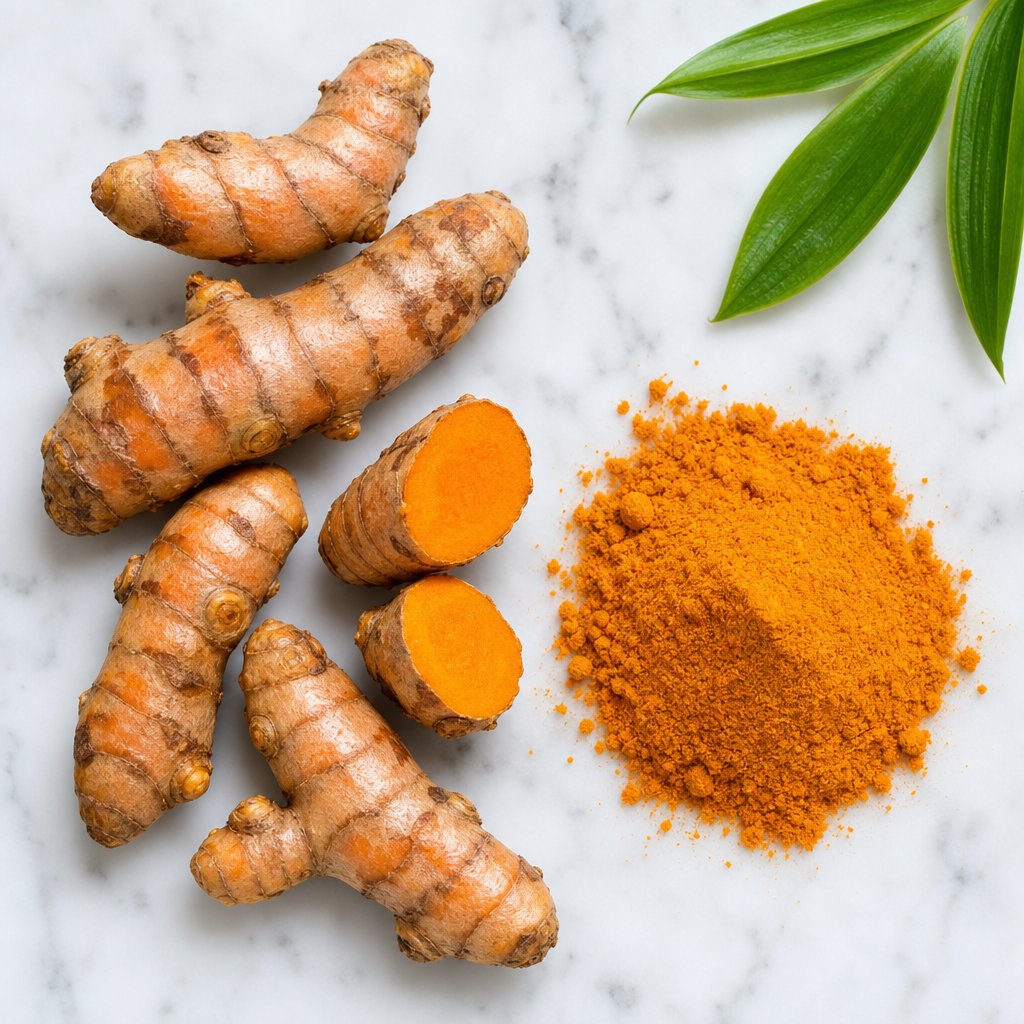
So what does tumeric look like when it's worth buying? You're looking for a deep, saturated orange-gold — not pale yellow, not brownish, and not washed out. That intensity signals intact curcuminoids and recent processing. If the powder appears dull or flat through the packaging, it's likely been sitting on the shelf for months already.
Beyond color, here's a quick checklist to evaluate turmeric powder before you commit:
- Color: Vibrant deep orange-gold, not pale yellow or muddy brown
- Aroma: Strong earthy, warm scent detectable even through packaging — if you can't smell anything through the seal, the volatile oils may already be depleted
- Texture: Fine, consistent grind with no visible clumps or hardened chunks
- Packaging date: Clear production or "packed on" date — not just a best-by date two years out with no origin reference
- Seal integrity: Properly sealed packaging with no tears, punctures, or signs of moisture exposure
For fresh turmeric root, the indicators are different but equally telling. What does fresh turmeric look like at its best? Firm to the touch, with taut skin free of wrinkles or soft spots. When you snap a piece, the interior should reveal a bright, almost neon orange. A dull or pale interior suggests the root has been stored too long or dried out internally. Avoid roots that feel lightweight for their size — that's a sign of moisture loss and aging.
Why Smaller Quantities Beat Bulk Buying
Bulk bins offer tempting per-ounce savings, but the math works against you for turmeric. As the Institute of Culinary Education advises, fresh spices are very pungent and a little goes a long way — meaning you're unlikely to use up bulk quantities before they lose steam. Ground spices have a practical shelf life of about one year from purchase, and turmeric's light sensitivity makes it even more vulnerable than most.
Consider how quickly you actually use turmeric. If a teaspoon per day goes into your cooking, a 4-ounce jar lasts roughly two months — well within peak potency. If you use it once or twice a week, that same jar stretches to six months or more, and you're already entering the decline zone. Buying a 16-ounce bag because it's cheaper per gram means the last third of that bag will deliver a fraction of the potency you paid for.
The smarter approach: buy 2-4 ounce quantities and replace them every 2-3 months. You'll spend slightly more per ounce but get dramatically more curcumin per serving across the life of each purchase. Where do you find turmeric powder in quantities that make sense? Ethnic grocery stores, spice merchants, and online specialty retailers often sell in smaller increments than big-box stores, with faster inventory turnover that means fresher stock on the shelf.
Choosing High-Curcumin Turmeric Sources
Not all turmeric powder contains the same concentration of active compounds. Curcumin content varies widely among turmeric varieties — some powders contain as little as 2-3% curcumin by weight, while premium varieties reach 5-7% or higher. That difference matters for longevity because higher-curcumin turmeric retains functional value longer into its degradation curve. Even after losing 30-40% of its curcuminoids over a year, a 7% starting product still delivers more than a 2% product at peak freshness.
Turmeric sourced from regions like Erode and Salem in Tamil Nadu, India, or Alleppey in Kerala, is known for naturally elevated curcumin levels due to favorable soil and climate conditions. Look for labels that specify curcumin content or origin region. Certifications like USDA Organic or EU Organic also serve as quality proxies — not because organic farming inherently increases curcumin, but because certified producers typically maintain tighter quality controls and faster supply chains.
One practical test if you're uncertain about purity: mix a tablespoon of turmeric into a glass of water. Pure turmeric settles to the bottom and turns the water a pale, natural yellow. Adulterated powder — cut with synthetic dyes or fillers — often produces an unnaturally dark or vivid color that disperses evenly rather than settling. It's a rough screen, not a lab test, but it catches the worst offenders.
Starting with high-quality, high-curcumin turmeric and buying it in quantities you'll actually finish within a few months sets you up for the best possible outcome. From there, the final question becomes simpler: given what you already have at home, is it still worth keeping — or is it time to let it go?
When to Keep Your Turmeric and When to Toss It
You've checked the color, tested the aroma, and maybe even tasted a pinch. The jar isn't fresh, but it's not obviously ruined either. Does tumeric go bad enough to warrant throwing it out, or can you keep using it? The answer splits cleanly into two categories — and knowing which one your turmeric falls into saves you from both waste and risk.
Still Safe to Use But Less Effective
Most aging turmeric lands here. It's past its prime but not past the point of safety. If your powder shows any of the following signs without the red flags listed below, you can keep using it — just adjust your expectations about what it's delivering.
- Color has faded from deep orange-gold to a softer yellow, but no brown or gray tones
- Aroma is weak or barely detectable, but there's no musty or off smell
- Taste is mild or flat rather than warm and bitter
- The best-by date has passed, but the powder remains dry and free-flowing
- Texture is slightly compressed but crumbles easily with no sticky clumps
Does ground turmeric expire in a way that makes it useless? Not for cooking. Faded turmeric still adds mild color and a whisper of earthy flavor to curries, rice, and soups. You may need to use more — sometimes double the amount — to achieve the same visual impact. But here's the important caveat: don't rely on degraded powder for therapeutic purposes. If you're consuming turmeric specifically for anti-inflammatory or antioxidant benefits, a jar that's lost its aroma and color has almost certainly lost the curcumin concentration needed to deliver those effects. How long does tumeric last for health purposes? Realistically, about 12-18 months under good storage conditions — after that, you're getting flavor at best, not function.
Non-Negotiable Reasons to Discard Immediately
Some signs cross the line from quality loss into genuine safety concern. If you spot any of the following, don't try to salvage the powder — discard the entire container:
- Visible mold of any color (white, green, black, or fuzzy spots)
- Wet or sticky clumps that don't break apart when pressed
- Rancid, sour, or musty odor — distinctly unpleasant rather than simply absent
- Insect activity, webbing, or larvae visible in the powder or on the container walls
- Three or more years old with poor storage history (warm, light-exposed, loosely sealed)
- Any sign of liquid water contact or condensation residue inside the container
Does tumeric expire to the point of being dangerous? Only under these specific conditions. Moisture-driven mold and insect contamination are the two scenarios where old turmeric poses a real health risk rather than just a potency problem.
If it smells wrong, looks contaminated, or feels wet — throw it out without hesitation. Degraded turmeric is safe to eat; contaminated turmeric is not.
Better Alternatives for Consistent Potency
For anyone who reached this article because their turmeric keeps losing potency before they finish the jar, the pattern points toward a format mismatch. Loose powder in a kitchen environment faces constant exposure to the very forces that destroy curcumin. If consistent therapeutic dosing matters to you, professionally manufactured supplement formats — capsules, tablets, or soft gels with standardized curcumin content — deliver verified potency through their entire labeled shelf life.
These formats maintain stability through nitrogen-flushed packaging, individual encapsulation barriers, and controlled production environments that kitchen storage can't replicate. The trade-off is cost and culinary versatility: supplements won't season your food, and they cost more per serving than bulk powder. But for health-focused use, they eliminate the guesswork of wondering whether your powder still contains meaningful curcumin.
For business readers — nutrition brands, supplement importers, or private label sellers researching turmeric product viability — OEM/ODM manufacturers like ZhuFeng offer customized formulations across stable formats (capsules, tablets, gummies, oral liquids) with scalable production, enabling brands to launch turmeric products with guaranteed potency and extended shelf life built into the manufacturing process.
The bottom line is straightforward. Use your senses, trust the decision framework, and match your turmeric format to your actual use case. Cooking with slightly faded powder? Go ahead. Counting on it for health benefits? Either buy fresh more often or switch to a format engineered to hold its potency over time.
Frequently Asked Questions About Turmeric Powder Shelf Life
1. Can expired turmeric powder make you sick?
Expired turmeric powder is extremely unlikely to make you sick. Dried spices don't develop harmful bacteria or toxins the way perishable foods do. The only exception is turmeric that has been exposed to moisture, which can lead to mold growth or microbial contamination. If your powder shows visible mold, wet clumps, or a rancid smell, discard it. Otherwise, expired turmeric is safe to consume but delivers significantly reduced curcumin content and weaker flavor.
2. How can you tell if turmeric powder has gone bad?
Run a quick sensory check: look at the color under natural light (it should be deep orange-gold, not pale tan), smell it for the characteristic warm earthy scent (flat or musty means degradation), taste a pinch for warm bitterness (bland means curcumin loss), and feel the texture (sticky clumps signal moisture intrusion). Non-negotiable discard signs include visible mold, insect activity, rancid odor, or wet clumps that won't break apart. These indicate contamination rather than simple aging.
3. Does turmeric powder need to be refrigerated?
For most kitchens, refrigeration is unnecessary and can actually cause problems. Pulling a cold jar into warm air creates condensation on the powder's surface, introducing the moisture that enables mold growth. Standard room-temperature storage in an airtight, opaque container kept below 68 degrees F works well in moderate climates. Refrigeration only helps in consistently hot, humid environments when the container is vacuum-sealed and allowed to reach room temperature before opening.
4. How long does turmeric powder last after opening?
Under ideal conditions (airtight glass jar, dark cabinet, below 68 degrees F), opened turmeric powder retains strong potency for 6 to 12 months and remains usable for cooking up to 2 years. Under poor conditions (loose lid, warm, light-exposed), meaningful potency drops to 60-70% within the first year and becomes functionally inert by year three. The printed best-by date is a quality marker, not a safety deadline. Storage quality matters far more than any stamped date.
5. Is turmeric powder or supplements better for long-term curcumin potency?
Supplements consistently maintain curcumin potency longer than loose powder due to nitrogen-flushed packaging, individual capsule barriers, and controlled manufacturing environments. Encapsulated formats typically hold verified potency for 2-3 years with minimal degradation. However, they cost 5-10 times more per serving than bulk powder. For culinary use, quality powder bought in small quantities works well. For consistent therapeutic dosing, professionally manufactured supplements from OEM/ODM producers like ZhuFeng eliminate the guesswork of whether your curcumin is still active.