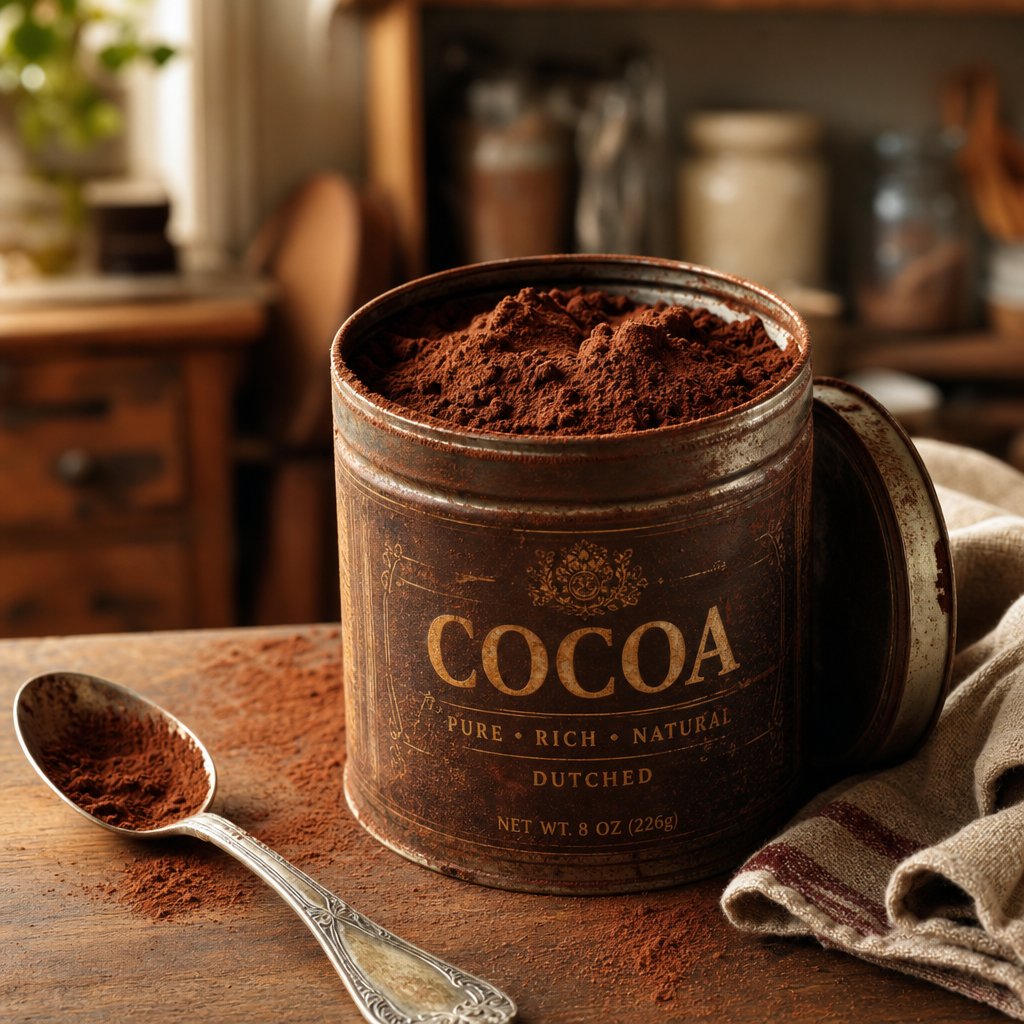
Does Cocoa Powder Actually Expire or Just Lose Its Punch
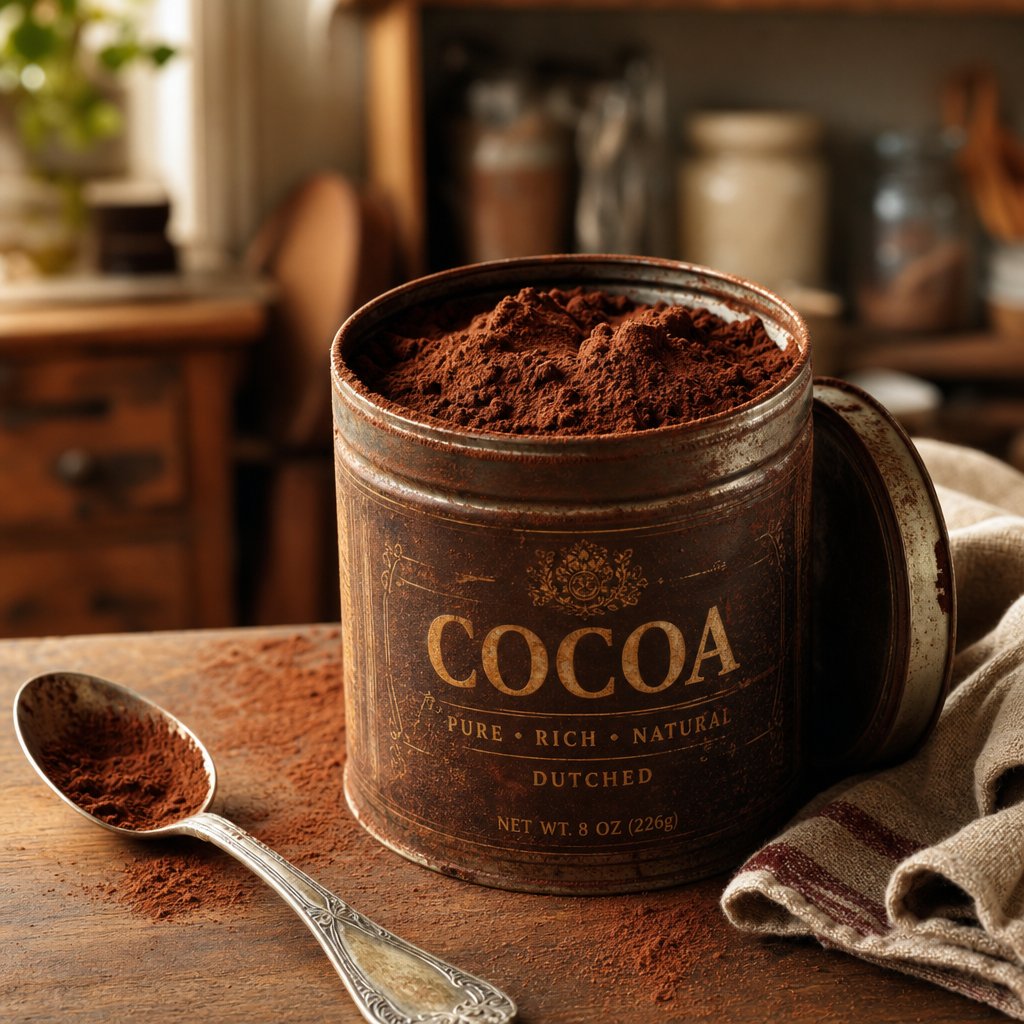
You find a tin of cocoa powder shoved behind the baking soda. The date on the label says two years ago. Does cocoa powder go bad in a way that could make you sick, or has it simply lost the rich chocolate flavor you need for tonight's brownies? These are two very different questions, and confusing them leads to perfectly good cocoa getting tossed or, less commonly, degraded cocoa ruining a recipe.
Safety and Quality Are Not the Same Thing
Food safety asks whether something can harm you. Food quality asks whether it still delivers the experience you expect. With cocoa powder, the safety answer is reassuring. The quality answer is more nuanced. A container that sat in your pantry for three years is almost certainly safe to consume, yet it may taste flat, smell faint, or produce a cake with muted chocolate depth. So does cocoa expire in any meaningful sense? Not the way milk or meat does. Its decline is gradual and sensory rather than sudden and dangerous.
Whether you are a home baker who just unearthed a forgotten container, a bulk buyer planning long-term storage, or a health-conscious consumer wondering if those antioxidants are still intact, the real question is not a single shelf life number. It is a decision: can I still get what I need from this powder?
Why Cocoa Powder Outlasts Most Pantry Staples
Cocoa powder's durability comes down to chemistry. It contains almost no free water. Iowa State University Extension notes that the water activity in chocolate products ranges between 0.3 and 0.4, far below the 0.6 threshold where bacteria and molds begin to thrive. Without available moisture, the microorganisms responsible for spoilage simply cannot grow.
Low moisture content combined with natural flavanol compounds act as built-in preservatives, making cocoa powder safe well beyond its printed date.
Flavanols, the same polyphenols linked to cardiovascular benefits, also function as natural antioxidants within the powder itself, slowing fat oxidation and helping preserve stability. This combination of low water activity and protective plant compounds is why how long does cocoa powder last is measured in years rather than weeks. An unopened package stored properly has what food scientists describe as a nearly indefinite shelf life from a safety standpoint.
Quality, however, follows its own clock. Volatile aroma compounds escape. Residual cocoa butter slowly oxidizes. Polyphenol potency fades under heat and light. Understanding how long is cocoa powder good for means tracking these invisible changes, and that requires looking at storage conditions, cocoa type, and the specific way you plan to use it.
Shelf Life Timeline for Every Type of Cocoa Powder
Those invisible changes happen on a predictable schedule. The shelf life of cocoa powder depends heavily on whether the container has been opened, what type of product you are dealing with, and how much processing went into it. Here is a practical breakdown so you can gauge exactly where your cocoa stands.
Unopened Cocoa Powder Shelf Life
An unopened container of pure cocoa powder typically remains at peak quality for 2 to 3 years beyond the best-by date printed on the label. That date is a manufacturer's quality estimate, not a safety deadline. The sealed environment keeps oxygen and humidity out, so the cocoa butter inside oxidizes extremely slowly and volatile aroma compounds stay trapped. If you store an unopened tin in a cool, dark pantry, you can reasonably expect it to deliver full chocolate intensity for years past purchase.
Opened Cocoa Powder Quality Timeline
Once you break that seal, the clock starts ticking faster. Air, humidity, and kitchen odors now have access to the powder. With proper storage in an airtight container, opened cocoa powder maintains good quality for roughly 1 to 2 years. But how long does cocoa last at each stage? Here is what to expect:
- 0 to 6 months after opening: Flavor, aroma, and color remain virtually identical to fresh. This is your peak window for delicate recipes like hot cocoa drinks and chocolate mousse.
- 6 months to 1 year: Aroma begins to soften slightly. Baking results are still excellent because heat and sugar compensate for minor flavor loss.
- 1 to 2 years: Noticeable reduction in chocolate punch. You may need to increase the amount by 10 to 15 percent in recipes to achieve the same depth.
- 3+ years: Flavor becomes flat or cardboard-like. Still safe, but the sensory payoff drops significantly. Best reserved for non-critical uses.
Hot Chocolate Mix and Packets
Pure cocoa powder and premixed hot chocolate products follow very different rules. Does hot chocolate powder expire faster? Yes, and the reason is ingredients. Hot chocolate mixes contain added sugar, powdered milk or dairy derivatives, and sometimes oils. These additions introduce fat and protein that degrade more quickly than cocoa solids alone.
So does hot chocolate mix expire in a way that matters? Absolutely. Powdered dairy can go rancid, sugar can absorb moisture and clump, and flavoring oils lose potency. Most hot cocoa mixes stay at peak quality for 6 to 12 months after opening. Sealed packets like Swiss Miss hold up longer because each serving is individually protected from air exposure, but even those lose vibrancy after about 1 to 2 years past the printed date. If you are wondering does Swiss Miss expire, the answer is that it remains safe well beyond its date, yet the creamy richness fades noticeably after that window.
The same logic applies to pure branded cocoa. Does Hershey's cocoa go bad? Not in a safety sense, but it follows the same quality timeline as any unsweetened cocoa powder: 2 to 3 years unopened, 1 to 2 years opened.
| Product Type | Unopened Shelf Life | Opened Shelf Life | Primary Degradation Factor |
|---|---|---|---|
| Pure unsweetened cocoa powder | 2-3 years past best-by date | 1-2 years | Fat oxidation and aroma loss |
| Dutch-process cocoa powder | 2-3 years past best-by date | 1-2 years | Fat oxidation (slightly higher risk) |
| Hot chocolate mix (bulk container) | 1-2 years past best-by date | 6-12 months | Dairy and sugar moisture absorption |
| Hot chocolate packets (Swiss Miss, etc.) | 1-2 years past best-by date | Use promptly once opened | Powdered milk rancidity |
| Hershey's cocoa (unsweetened) | 2-3 years past best-by date | 1-2 years | Volatile compound evaporation |
Do hot chocolate packets expire in a dangerous way? Rarely. But the quality gap between a fresh packet and one that has sat in a drawer for three years is dramatic. The chocolate flavor thins out, the sweetness tastes stale, and the creamy mouthfeel disappears.
These timelines assume reasonable storage. The actual rate of decline depends on environmental factors that interact in ways most people underestimate, particularly the chemical differences between natural and Dutch-process cocoa.
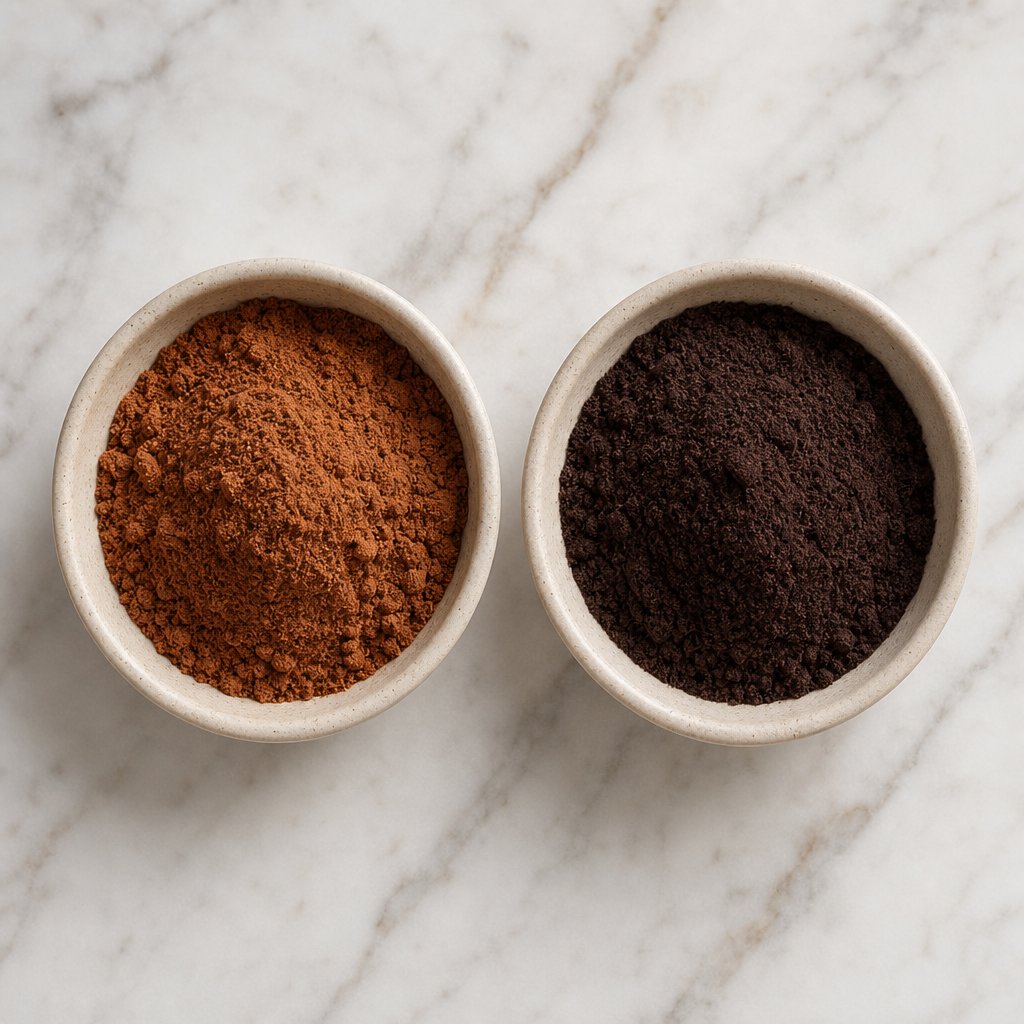
Natural vs Dutch-Process Cocoa Powder Storage Differences
The type of cocoa powder sitting in your pantry changes how quickly it loses its punch. Natural and Dutch-process cocoa powders are processed differently, and those processing differences create distinct chemical profiles that affect long-term stability. If you have ever wondered why one container seems to hold up better than another, pH and fat content are the two factors driving that gap.
How pH Levels Affect Cocoa Powder Longevity
Natural cocoa powder retains the inherent acidity of the cacao bean, sitting at a pH of roughly 5.5. That acidic environment does more than influence baking chemistry. It actively discourages microbial activity, giving natural cocoa a slight edge in resisting spoilage over time. Bacteria and molds prefer neutral to slightly alkaline conditions, so the lower pH acts as a passive defense layer on top of the already low water activity.
Dutch-process cocoa has been washed with an alkaline solution, raising its pH to a neutral 7 or even an alkaline 8. This neutralization creates a smoother, mellower flavor, but it also removes that acidic buffer. The result? Dutch-process cocoa is slightly more susceptible to microbial growth if moisture ever enters the container. In practice, both types remain safe for years under proper storage, but natural cocoa's acidity provides a small margin of extra protection.
Fat Content and Rancidity Risk in Each Type
Here is where the storage difference becomes more tangible. Cocoa solids themselves are relatively stable, but the cocoa butter remaining in the powder is vulnerable to oxidation. Natural cocoa powder sold at most grocery stores contains around 10% fat. Dutch-process varieties often retain a higher concentration of cocoa butter, typically between 20% and 26%, because the alkalization process tends to preserve more fat in the final product.
More fat means more material available to go rancid. When oxygen interacts with cocoa butter over months and years, it produces off-flavors that taste stale or slightly sour. Since Dutch-process cocoa carries roughly double the fat content of standard natural cocoa, it faces a higher rancidity risk during extended storage. You will notice this as a faint waxy or cardboard smell that was not there when the container was fresh.
Does cacao powder go bad faster or slower than either of these? Raw cacao powder introduces a third set of variables. Because it is processed at lower temperatures, raw cacao powder retains more of its original enzymes and volatile compounds. Those extra bioactive elements can degrade more quickly when exposed to heat or light, making how long does cacao powder last somewhat shorter in terms of peak nutritional potency, even though safety remains comparable.
Which Type Stores Better Long-Term
When you weigh pH protection against fat oxidation risk, natural cocoa powder edges ahead for long-term storage. Its lower fat content means less material to oxidize, and its acidic environment adds a layer of microbial resistance. Dutch-process cocoa still lasts well, often maintaining quality for 2 to 3 years when sealed, but it demands more careful attention to airtight storage because of that higher fat load.
| Factor | Natural Cocoa Powder | Dutch-Process Cocoa Powder | Raw Cacao Powder |
|---|---|---|---|
| pH Level | ~5.0-5.8 (acidic) | ~7-8 (neutral to alkaline) | ~5.0-5.5 (acidic) |
| Fat Content | ~10-12% | ~20-26% | ~12-15% |
| Rancidity Risk | Lower | Higher | Moderate |
| Flavor Stability | Good (sharp notes fade gradually) | Moderate (mellow profile masks early decline) | Lower (volatile compounds escape faster) |
| Recommended Storage Duration (opened) | 1-2 years | 1-1.5 years | 6-12 months for peak potency |
For anyone asking does cacao powder expire in the traditional sense, the answer mirrors standard cocoa: it remains safe indefinitely under dry conditions, but its nutritional advantage and delicate flavor profile fade faster than roasted varieties. If you buy raw cacao powder specifically for its antioxidant content, using it within a year of opening gives you the best return on that investment.
These chemical differences between cocoa types set the stage, but they do not operate in isolation. The environment surrounding your container, temperature, humidity, light, and air exposure, interacts with pH and fat content to either slow or accelerate every degradation pathway.
The Science Behind Cocoa Powder Degradation
Three distinct chemical processes determine whether your cocoa powder still delivers rich flavor or has quietly faded into something flat and lifeless. Each one targets a different component of the powder, and together they explain why cocoa powder expiration is a gradual slide rather than a sudden cliff. Understanding these mechanisms helps you predict how much life remains in any container, regardless of what the printed date says.
Fat Oxidation and the Rancidity Process
Cocoa powder contains residual cocoa butter, typically 10% to 26% depending on the type. That fat is where rancidity begins. When oxygen reaches the unsaturated fatty acids in cocoa butter, it triggers a chain reaction called oxidative rancidity. The double bonds in unsaturated fatty acids react with oxygen to form hydroperoxides, which then break down further into volatile aldehydes, ketones, and smaller fatty acids. These byproducts are what produce that stale, cardboard-like smell in old cocoa.
Does cocoa butter go bad in the same way? Yes, through the same oxidative pathway. The difference is that pure cocoa butter has a much higher fat concentration, so rancidity develops faster in butter form than in powder where fat is dispersed among dry cocoa solids. In cocoa powder, the process is slower but inevitable once air enters the container. Light accelerates it further by providing the energy needed to kick-start the oxidation chain. Heat compounds the problem by increasing the reaction rate. Every 10°C rise in temperature roughly doubles the speed of fat oxidation.
The critical detail: rancidity is irreversible. Once those fatty acids break down, no storage adjustment can restore them. Prevention through airtight, cool, dark storage is the only strategy.
Moisture Absorption and Water Activity
Cocoa powder is hygroscopic, meaning it naturally pulls moisture from the surrounding air. This matters because water activity, not water content, determines whether microorganisms can grow. Fresh cocoa powder has a water activity around 0.3 to 0.4. Research from Aqualab confirms that at a water activity of 0.40, no bacteria, molds, or yeasts can proliferate. Most bacteria need at least 0.91, and even the hardiest molds require 0.61 or above.
At a water activity below 0.40, cocoa powder sits in a zone where no known microorganism can grow, which is the scientific basis for its exceptional shelf life.
This is why can cocoa powder expire in a food-safety sense is almost always answered with no. The powder simply does not provide the water environment that pathogens need. Problems arise only when storage conditions push moisture into the powder, raising its water activity above safe thresholds. A humid kitchen, a container left open near a steaming pot, or condensation from temperature swings can all introduce enough moisture to create localized pockets where mold becomes possible. Once water activity climbs above 0.65 to 0.70, xerophilic molds like Aspergillus species gain a foothold.
How Antioxidants and Flavor Compounds Degrade
Cocoa's characteristic aroma comes from hundreds of volatile compounds, many formed during roasting. These molecules are small and energetic enough to escape into the air over time, especially when the container is repeatedly opened. The result is a powder that smells progressively less like chocolate and more like neutral dust.
Polyphenols, the antioxidant compounds that give cocoa its health reputation, face their own threats. Research published in Antioxidants demonstrates that heat, light, and alkalization all reduce polyphenol content significantly. Epicatechin, one of cocoa's most abundant flavanols, degrades under thermal stress, and the higher the temperature, the greater the loss. During storage, temperatures above 70°F accelerate this breakdown. Humidity above 65% compounds the effect by enabling enzymatic reactions that further dismantle polyphenol structures.
What makes cocoa powder expiration date discussions tricky is that these three mechanisms do not operate independently. They reinforce each other in a feedback loop:
- Heat accelerates fat oxidation and polyphenol breakdown simultaneously.
- Humidity raises water activity, enabling mold growth while also promoting hydrolytic rancidity where water splits fatty acids from their glycerol backbone.
- Light provides energy for oxidation reactions and directly degrades polyphenol compounds through photochemical breakdown.
- Oxygen fuels fat oxidation and reacts with flavanols, reducing their antioxidant capacity.
A container stored in a cool, dark, dry cabinet faces only one slow enemy: time. A container sitting on a countertop near a window in a humid kitchen faces all four enemies at once. The difference in cocoa expiration timeline between these two scenarios can be measured in years. This interconnected degradation is also why does cocoa butter go bad faster in tropical climates: heat, humidity, and light converge to attack every vulnerable molecule simultaneously.
Knowing what degrades and why gives you a framework for evaluating any container of cocoa powder, but science only tells half the story. Your senses fill in the rest, offering immediate, practical answers about whether a specific powder still has enough life left to use.
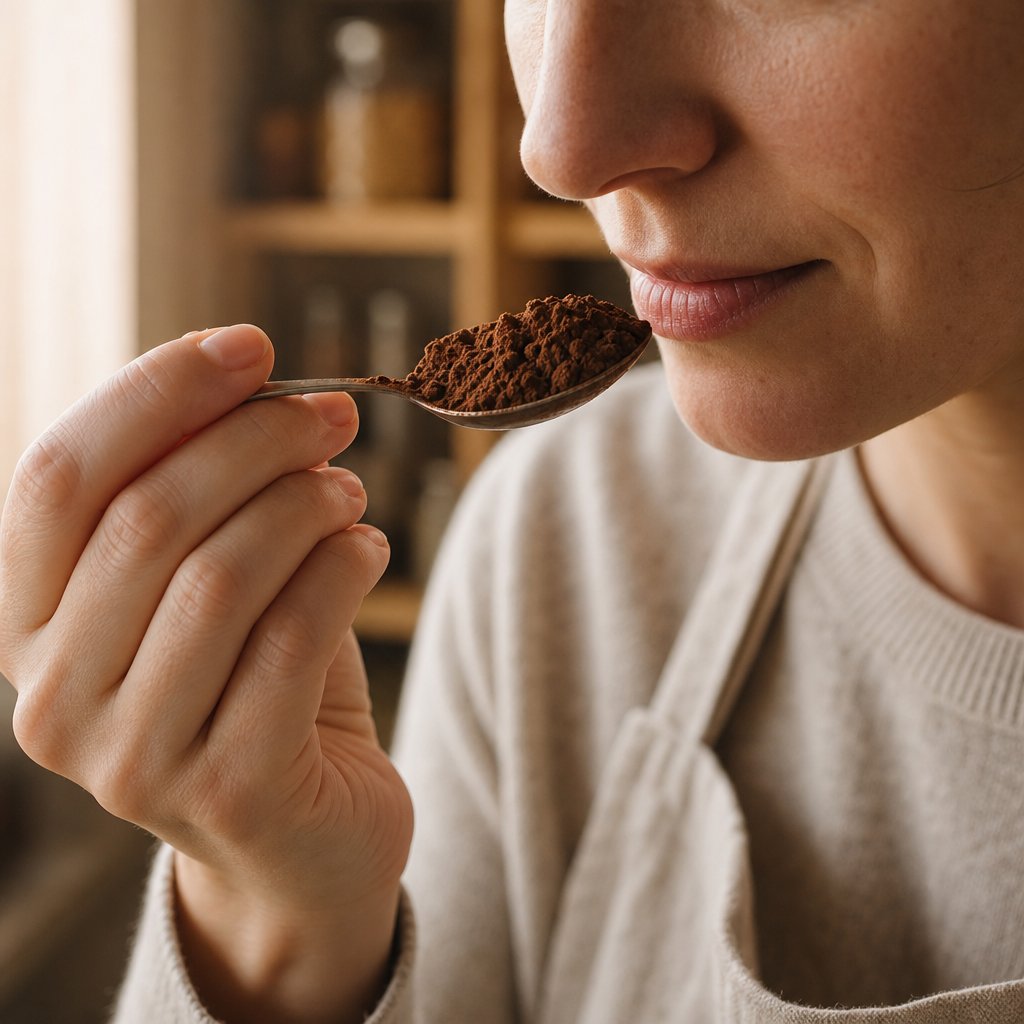
How to Tell If Your Cocoa Powder Has Gone Bad
Your senses are the most reliable tool for answering whether expired cocoa powder belongs in tonight's recipe or in the trash. The science of degradation explains what happens inside the container, but a quick sensory check tells you exactly where your specific powder stands right now. Here is a step-by-step evaluation you can run in under two minutes.
Visual and Texture Warning Signs
Start with what you can see and feel before you even bring the powder to your nose. Can cocoa powder go bad in ways that are immediately visible? Sometimes, yes.
- Clumping: Small, soft clumps that break apart when pressed are normal and harmless. Hard lumps that resist pressure suggest moisture has penetrated the powder.
- Color fading: Fresh cocoa powder has a deep brown hue. If it looks washed out or grayish, volatile compounds and pigments have degraded significantly.
- White spots or film: A thin white coating can indicate fat bloom, where cocoa butter migrates to the surface. This is not mold and is safe, but it signals oxidation is underway.
- Visible mold: Green, white fuzzy patches, or black spots mean moisture reached dangerous levels. Discard immediately.
- Insect activity: Tiny holes in packaging, webbing, or small larvae indicate pantry pests have infested the powder.
- Wet or sticky texture: Powder that feels damp or clumps into a paste has absorbed too much moisture to be reliable.
Smell and Taste Evaluation Steps
If the powder passes the visual check, move to aroma and flavor. This is where you will catch the subtler signs that tell you whether does cocoa powder go off in terms of quality.
- No chocolate aroma: Open the container and inhale. Fresh cocoa smells distinctly of chocolate, even if mildly. If you get nothing, the volatile compounds have escaped and flavor will be flat.
- Musty or earthy odor: A damp, basement-like smell suggests moisture damage or early mold growth you cannot yet see.
- Chemical or sour smell: Sharp, acrid notes indicate fat rancidity. This is the clearest sign that oxidation has gone too far.
- Flat or cardboard taste: Place a tiny amount on your tongue. If it tastes like dust rather than bitter chocolate, quality has dropped substantially.
- Bitter off-notes: Some bitterness is normal in unsweetened cocoa, but harsh, metallic, or soapy bitterness points to rancid fat.
- Sour tang: A vinegar-like sharpness that was not present when the powder was fresh means degradation has advanced.
Does unsweetened cocoa powder expire in a way that makes it unsafe? In nearly all cases, no. The question your senses are really answering is whether enough flavor and aroma remain to justify using it. A powder that smells faintly of chocolate and tastes mildly flat is still perfectly usable in baking. A powder that smells rancid or shows mold is not worth the risk.
The Keep-Use-Discard Decision Framework
Imagine you have just pulled a forgotten container from the back of the pantry. Does baking cocoa go bad enough to throw away, or can you salvage it? Run through this decision tree:
- If only flavor has faded (passes visual and smell checks, but tastes flat): Keep it. Use in baking with the quantity increased by 15 to 25 percent. Heat, sugar, and fat in recipes compensate for diminished intensity.
- If texture has changed but no mold is present (hard clumps, slight color shift, faint aroma): Sift the powder through a fine mesh strainer to break up clumps. Use cautiously in recipes where cocoa is not the star flavor, like spice rubs or mole sauce.
- If the powder smells rancid or sour: Discard. Rancid fat produces off-flavors that no amount of sugar or vanilla can mask, and those oxidation byproducts will transfer directly into your food.
- If mold, insect activity, or a wet texture is present: Discard immediately. No salvage is possible once biological contamination has occurred.
This framework applies whether you are evaluating a container that is six months past its date or six years past it. Does unsweetened cocoa powder expire on a fixed schedule? No. The printed date is a quality estimate, not a safety boundary. Your senses give you a far more accurate reading of what is actually happening inside that specific container under your specific storage conditions.
The pattern is clear: most cocoa powder that "goes bad" does so because storage conditions allowed moisture, heat, or air to accelerate degradation. Controlling those environmental factors is what separates cocoa that lasts a year from cocoa that lasts five.
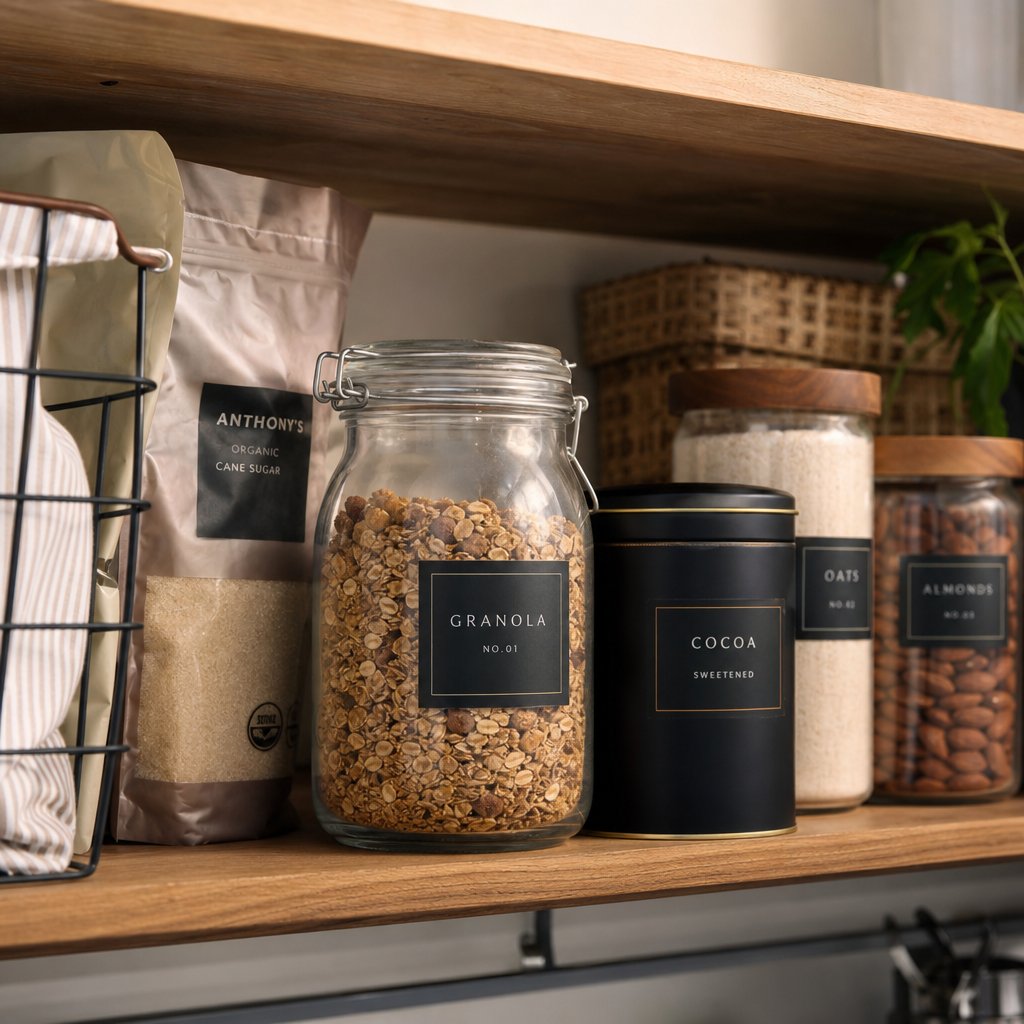
Storage Best Practices for Maximum Cocoa Powder Freshness
How long is cocoa powder good for after opening depends less on the powder itself and more on what surrounds it. The container you choose, the climate you live in, and the spot you pick in your kitchen all interact to either preserve or erode quality. Get these right, and you can keep cocoa performing well for years. Get them wrong, and even a freshly opened tin can go flat within months.
Best Storage Containers and Packaging Types
Not all packaging protects equally. The container your cocoa came in may not be the best one to store it in long-term, especially once the seal is broken. Here is how common packaging types compare across the factors that actually matter for cocoa shelf life:
| Packaging Type | Moisture Barrier | Light Protection | Air Seal Quality | Best Use Case |
|---|---|---|---|---|
| Metal tin with tight lid | Excellent | Excellent | Good (not airtight unless gasket present) | Everyday pantry storage, moderate climates |
| Glass jar with screw lid | Excellent | Poor (transparent) | Excellent | Dark cupboard storage; allows visual inspection |
| Rigid plastic container | Good | Variable (often translucent) | Good to excellent | Short to medium-term use in dry climates |
| Original paper bag or box | Poor | Moderate | Poor | Immediate use only; transfer contents after opening |
| Resealable foil-lined pouch | Excellent | Excellent | Good (degrades with repeated opening) | Bulk purchases, infrequent use |
| Mylar bag with oxygen absorber | Excellent | Excellent | Excellent | Long-term storage (5+ years) |
If your cocoa came in a paper bag or thin cardboard box, transfer it to a glass jar or metal tin immediately after opening. Paper offers almost no defense against humidity, and the shelf life of cocoa drops dramatically when moisture has unrestricted access. For anyone asking how long can you keep cocoa in its original packaging, the answer is: only as long as that packaging maintains a genuine seal.
Climate-Specific Storage Adjustments
Your geographic location changes the rules. A storage approach that works perfectly in a dry, temperate kitchen can fail in a tropical one.
- Tropical and subtropical climates (high heat, high humidity): Ambient humidity regularly exceeds 70%, which means even airtight containers face pressure every time you open them. Use containers with gasket seals, add a small desiccant packet inside the container to absorb incidental moisture, and store in the coolest room available. If your home lacks air conditioning and indoor temperatures consistently exceed 85°F, refrigeration becomes a reasonable option despite its drawbacks. Wrap the container in a secondary zip-top bag to prevent condensation when you remove it from the fridge.
- Arid climates (low humidity, temperature swings): Moisture is less of a concern, but extreme heat and intense sunlight are. Keep cocoa away from windows and exterior walls that absorb daytime heat. The shelf life cocoa powder achieves in a dry climate can be exceptional, often exceeding standard timelines, as long as temperature stays controlled.
- Temperate climates (moderate conditions): Standard pantry storage works well. The main seasonal threats are summer heat spikes and winter heating systems that dry the air excessively, potentially causing static and clumping. A cool interior cupboard away from the stove and dishwasher handles both.
How Temperature, Humidity, Light, and Air Interact
These four factors do not simply add up. They multiply each other's effects. A container stored at 75°F in 70% humidity degrades far faster than one stored at 75°F in 40% humidity, because heat accelerates the chemical reactions that moisture enables. Similarly, light exposure in a warm environment causes more damage than light exposure in a cool one, because the photochemical energy combines with thermal energy to break down polyphenols and fats simultaneously.
The ideal storage environment hits all four targets at once:
- Temperature: 60°F to 70°F (a standard interior cupboard, not near the stove or oven)
- Humidity: Below 65% relative humidity at the storage location
- Light: Complete darkness or opaque container
- Air: Airtight seal that limits oxygen exchange
When you satisfy all four conditions, how long is cocoa good for extends well beyond printed dates. The Kitchn recommends this exact range, noting that cocoa stored at 60°F to 70°F in an airtight container keeps well for up to two years after opening. Can cocoa go bad even under perfect conditions? Eventually, yes, but you are measuring that decline in years rather than months.
One common question: should you refrigerate cocoa powder? Generally, no. Refrigerators maintain humidity levels between 30% and 50%, which sounds acceptable, but the real problem is condensation. Every time you pull a cold container into a warm kitchen, moisture forms on the powder's surface. That repeated condensation cycle introduces exactly the water that cocoa's low water activity is designed to avoid. The exception is extreme environments where indoor temperatures stay above 80°F with no climate control. In that scenario, the condensation risk is outweighed by the protection from heat-driven rancidity, but double-bagging the container is essential.
Storage is the variable you control. The powder's chemistry is fixed the moment you buy it, but how long you can keep cocoa performing at a high level depends entirely on the environment you create around it. That said, even perfectly stored cocoa eventually reaches a point where its flavor needs a boost, and knowing how to work with aging powder in actual recipes makes the difference between a disappointing result and one that still delivers.
Using Expired Cocoa Powder in Baking and Drinks
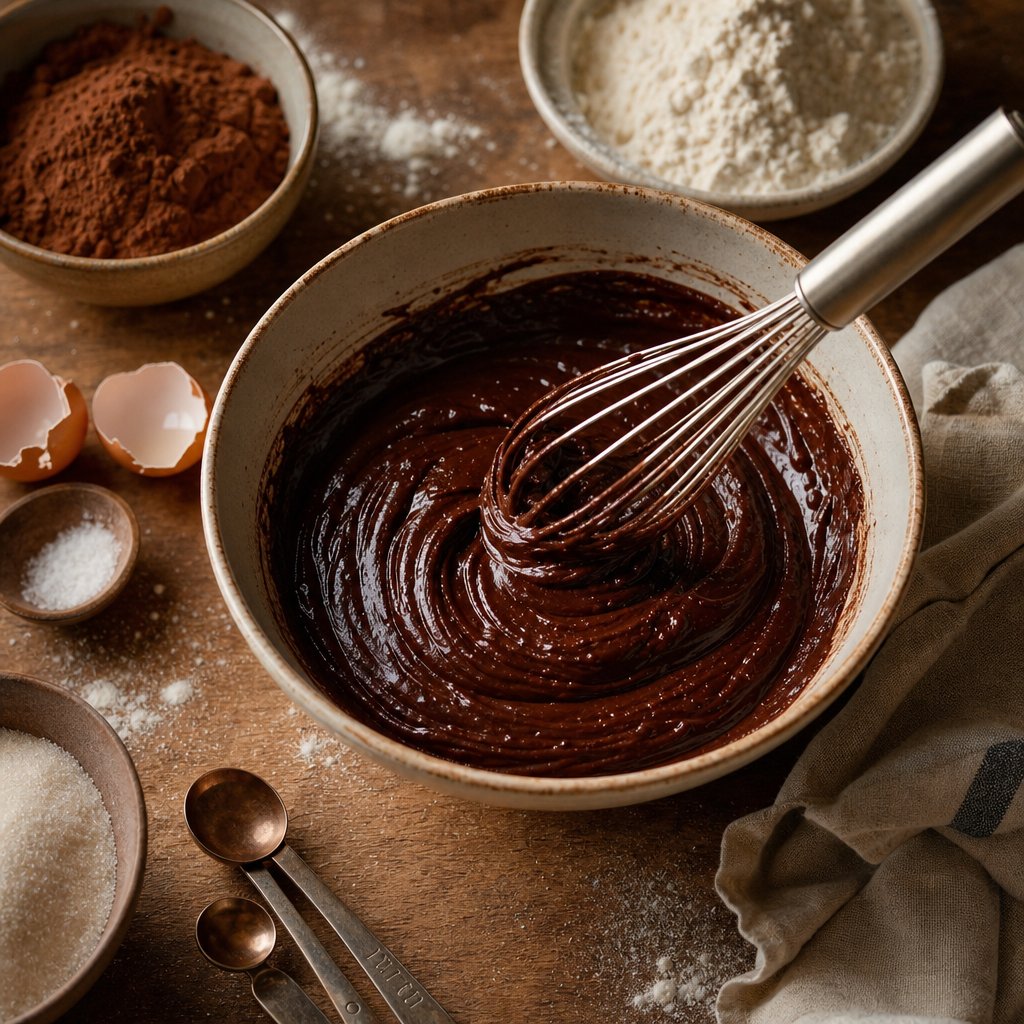
So your cocoa powder passed the sensory check but smells a little faint and tastes somewhat flat. Can you use expired cocoa powder and still get a satisfying result? Yes, but the application matters. Baking and drink-making expose cocoa's weaknesses differently, and knowing which recipes forgive flavor loss helps you decide where that aging powder belongs.
Baking with Older Cocoa Powder
Baking is remarkably forgiving of diminished cocoa intensity. Heat, sugar, butter, eggs, and vanilla all work together to fill in the gaps that faded cocoa leaves behind. A Cooks Illustrated taste test found that testers could not distinguish between cookies made with fresh cocoa powder and those made with cocoa that was one to two years past its date. The difference only became noticeable at the six-year mark.
Why does baking mask the decline so effectively? Several factors work in your favor:
- Sugar and fat carry flavor compounds to your palate more efficiently than water alone, amplifying whatever chocolate notes remain.
- The Maillard reaction during baking generates new toasty, caramel-like flavors that complement and partially replace lost cocoa volatiles.
- Other ingredients like vanilla extract, espresso, and brown sugar add aromatic complexity that fills the sensory space where cocoa's top notes used to live.
- Texture and mouthfeel in baked goods contribute to perceived richness, so even muted cocoa still reads as chocolatey in a dense brownie or moist cake.
Can I use 2 year expired cocoa powder for a batch of brownies? Almost certainly. Run it through the sensory checklist from the previous section. If it passes the smell and visual tests, it belongs in your batter. You may want to increase the amount by 15 to 25 percent to compensate for lost potency, but the recipe will still work.
Making Drinks with Aging Cocoa Powder
Drinks are less forgiving. A cup of hot cocoa is essentially cocoa powder, liquid, and sweetener with nowhere to hide. There is no Maillard reaction, no complex fat matrix, and no competing flavors to prop up a faded powder. You taste the cocoa directly, and if the volatile aroma compounds have escaped over time, the drink tastes thin and one-dimensional.
Can hot chocolate powder go bad in a way you will actually notice? In drinks, absolutely. The difference between fresh and aged cocoa is most obvious in simple preparations where chocolate flavor needs to stand on its own. Hot cocoa made with three-year-old powder often tastes watery and flat, even when the powder is technically safe.
Can hot cocoa mix go bad even faster? Yes, because the added dairy and sugar in premixed products degrade alongside the cocoa, compounding the staleness. If your mix smells faintly of cardboard rather than chocolate, it will produce a disappointing cup regardless of how much you use.
This does not mean aged cocoa is useless for drinks. It just means you need to work harder to extract and amplify whatever flavor remains.
Techniques to Revive Faded Cocoa Flavor
A few targeted techniques can pull surprising depth from cocoa powder that has lost its initial punch. These work for both baking and drinks, though they make the biggest difference in drink applications where cocoa has no other ingredients to lean on.
- Bloom in hot liquid: Whisking cocoa powder into near-boiling water, coffee, or melted butter before adding it to a recipe releases trapped flavor compounds that cold mixing leaves locked inside. The heat breaks apart clumps and saturates the cocoa particles, intensifying the chocolate taste significantly. Use at least a 1:1 ratio of liquid to cocoa by volume.
- Increase quantity by 10 to 25 percent: If a recipe calls for 3 tablespoons, use 4. This brute-force approach compensates for reduced concentration of flavor molecules. It works best in baking where the extra dry ingredient is absorbed by the batter.
- Pair with espresso or instant coffee: A teaspoon of espresso powder or a shot of strong brewed coffee amplifies perceived chocolate intensity without making the result taste like coffee. The roasted, bitter notes in coffee overlap with cocoa's flavor profile and trick your palate into reading deeper chocolate.
- Add vanilla extract generously: Vanilla's aromatic complexity fills in the gaps left by escaped cocoa volatiles. An extra half teaspoon in a recipe can make aged cocoa taste noticeably richer.
- Toast the powder briefly: Spreading cocoa on a baking sheet and heating at 300°F for 5 to 7 minutes reactivates some dormant flavor compounds through gentle thermal energy. Stir frequently to prevent scorching.
- Use dark brown sugar instead of white: The molasses in dark brown sugar adds caramel depth that pairs naturally with chocolate, making the overall flavor profile feel more complete even when the cocoa itself is subdued.
Can I use expired cocoa powder and get a result that tastes genuinely good? With these techniques, yes. The key is matching the powder's current state to the right application and then compensating strategically rather than hoping the recipe will carry it alone.
For cocoa that has lost too much flavor to serve any culinary purpose, even with these adjustments, you still have options. Wondering what to do with expired cocoa powder that fails the taste test entirely? Consider these alternative uses:
- Garden mulch additive: Cocoa powder adds nitrogen to soil and can deter certain pests. Mix it into compost or sprinkle lightly around acid-loving plants.
- DIY body scrub: Combine with coconut oil and sugar for a gentle exfoliant. The remaining antioxidants still offer skin-nourishing benefits even when flavor has faded.
- Composting: Cocoa powder breaks down readily and contributes organic matter to compost piles.
- Decorative dusting: Even flavorless cocoa retains its color. Use it to dust the tops of cakes, tiramisu, or cappuccinos for visual appeal.
Does chocolate powder go bad to the point of being completely worthless? Rarely. Between culinary revival techniques and non-food applications, even the most faded cocoa powder has a second life waiting. How long does chocolate powder last in terms of usefulness extends well beyond how long it lasts in terms of peak flavor, as long as you are willing to adapt how you use it.
These individual strategies work at the recipe level, but the commercial world approaches the longevity problem from the opposite direction, engineering packaging and formulations that prevent degradation before it starts.
Packaging and Manufacturing Factors That Extend Shelf Life
Your storage habits matter, but the packaging and manufacturing decisions made before cocoa powder ever reaches your pantry have an even larger impact on how long it stays fresh. Commercial producers have spent decades engineering solutions that control oxygen, moisture, and light at the molecular level. Whether you are buying a single tin of Hersheys cocoa or sourcing chocolate powder in bulk for a product line, understanding these factors helps you choose products built to last.
How Commercial Packaging Extends Shelf Life
The biggest leap in cocoa powder longevity does not come from what you do at home. It comes from what happens at the packaging line. Modified atmosphere packaging (MAP) technology displaces the oxygen inside a sealed container with inert nitrogen gas, reducing residual oxygen levels to below 1%. Since oxygen is the primary catalyst for fat oxidation, removing it essentially pauses the rancidity clock.
Does chocolate powder expire faster in standard packaging versus nitrogen-flushed packaging? Dramatically so. A container packed in ambient air (21% oxygen) begins oxidizing immediately. A nitrogen-flushed container can extend shelf life by 200% to 400% compared to conventional packing methods. This is why some premium brands maintain quality for five or more years when left sealed.
Beyond gas flushing, the packaging film itself determines how long that protective atmosphere holds. Multi-layer barrier films with low oxygen transmission rates (OTR) prevent ambient oxygen from migrating back into the container over time. A high-purity gas flush paired with a poor-quality film is essentially useless within months. The best commercial packaging combines both: inert atmosphere inside and a barrier that keeps it there.
What to Look for When Buying Cocoa Powder in Bulk
If you are purchasing larger quantities, whether for a bakery, a supplement brand, or long-term home storage, certain packaging features signal that the product will maintain quality throughout its intended shelf life. Look for these indicators:
- Opaque or foil-lined containers: Light cannot penetrate, protecting polyphenols and preventing photochemical oxidation.
- Vacuum-sealed or nitrogen-flushed packaging: Check for a slight vacuum pull when opening or a "puff" of released gas, both signs that the atmosphere was modified at packing.
- Multi-layer barrier pouches: Metalized films or aluminum-laminated layers indicate low OTR materials designed for long-term storage.
- Desiccant packets included: A small silica gel sachet inside the container shows the manufacturer accounted for residual moisture and humidity during transit.
- Sealed inner liner beneath the lid: An induction seal or foil membrane provides a secondary barrier that keeps the product factory-fresh until you deliberately break it.
- Batch-verified moisture content on the label: Industrial quality standards target moisture content at or below 5%. Manufacturers who print this specification are typically holding themselves to tighter controls.
Can chocolate powder expire prematurely if these features are absent? Absolutely. Bulk cocoa sold in thin plastic bags or paper sacks without inner liners will degrade noticeably faster than the same powder in properly engineered packaging. The product inside may be identical, but the container determines how quickly oxygen and humidity reach it.
Hot chocolate packets benefit from similar principles on a smaller scale. Each individual foil-wrapped serving acts as its own MAP environment, which is why do hot chocolate packets expire more slowly than bulk mixes stored in a single opened container. The per-serving seal limits cumulative air exposure.
Powder and Granule Formulation for Stability
Packaging is only half the equation. The physical characteristics of the powder itself, specifically particle size, moisture content, and granule density, directly influence how well it resists degradation during storage and distribution.
Particle size distribution affects surface area exposure. Finer powders dissolve more readily but present more surface area to oxygen, accelerating oxidation. Coarser granules have less exposed surface and resist clumping better, but may not disperse as smoothly in beverages. Commercial manufacturers balance these tradeoffs based on the intended application, optimizing granule size for both performance and stability.
Moisture content at the point of packaging is equally critical. Industrial cocoa powder is typically dried to 5% moisture or lower before sealing. Even a 1% to 2% increase in moisture at packing can shorten effective shelf life by months, because that extra water raises water activity closer to the threshold where enzymatic browning and microbial activity become possible. Precision drying and immediate sealing in controlled-humidity environments prevent this.
For businesses developing cocoa-based health products, supplements, or functional food lines, these formulation details become even more consequential. The powder needs to maintain potency and stability not just on a pantry shelf but through warehousing, shipping, and retail display. Professional OEM/ODM manufacturers like ZhuFeng optimize powder and granule formulations specifically for maximum shelf life, controlling moisture content, selecting appropriate packaging formats, and scaling production processes for consistency. Their flexible product formats, including powder and granule options alongside capsules and tablets, give private label sellers and nutrition brands the ability to launch cocoa-based products that maintain quality throughout the entire distribution chain.
Does powdered chocolate go bad faster when formulation is not optimized for stability? The data says yes. Products manufactured without precise moisture control, particle size targeting, and atmosphere-modified packaging consistently show earlier onset of rancidity, clumping, and flavor loss. The gap between a well-engineered cocoa product and a hastily packaged one can be two to three years of additional shelf life, all determined before the product ever leaves the factory floor.
Whether you are a home baker choosing between brands at the grocery store or a business owner sourcing Hersheys cocoa alternatives for a product line, the packaging and manufacturing behind the label tell you more about longevity than the best-by date ever could.
Frequently Asked Questions About Cocoa Powder Shelf Life
1. Can expired cocoa powder make you sick?
Expired cocoa powder is extremely unlikely to cause illness. Its water activity sits below 0.4, which is far too low for bacteria, mold, or yeast to grow. The printed date reflects quality rather than safety. As long as the powder shows no visible mold, insect activity, or wet texture, it remains safe to consume even years past its best-by date. The main risk is disappointing flavor rather than any health concern.
2. How can you tell if cocoa powder has gone bad?
Use a quick sensory check. Visually look for mold, hard clumps that resist pressure, or a grayish washed-out color. Smell the powder: fresh cocoa has a distinct chocolate aroma, while degraded cocoa may smell musty, sour, or like nothing at all. Taste a tiny amount on your tongue. If it tastes like cardboard or has harsh metallic bitterness, quality has dropped significantly. Mold or a rancid chemical smell means you should discard it immediately.
3. Does Dutch-process cocoa powder last as long as natural cocoa powder?
Dutch-process cocoa has a slightly shorter optimal shelf life than natural cocoa due to two factors. Its higher fat content (20-26% versus 10-12% in natural cocoa) provides more material for oxidative rancidity. Its neutral-to-alkaline pH (7-8) also removes the acidic buffer that helps natural cocoa resist microbial activity. Opened Dutch-process cocoa maintains peak quality for about 1 to 1.5 years compared to 1 to 2 years for natural cocoa, though both remain safe well beyond those windows.
4. Should you refrigerate cocoa powder to make it last longer?
Refrigeration is generally not recommended. The main problem is condensation: every time you pull a cold container into a warm kitchen, moisture forms on the powder surface, raising water activity and potentially enabling mold growth. The exception is if you live in an extremely hot, humid climate without air conditioning where indoor temperatures consistently exceed 85 degrees F. In that case, double-bag the container to minimize condensation risk. For most households, a cool dark cupboard at 60-70 degrees F works best.
5. What is the best way to store cocoa powder for long-term freshness?
Store cocoa powder in an airtight, opaque container in a cool (60-70 degrees F), dark location with humidity below 65%. Metal tins with tight lids or glass jars with screw caps stored inside a dark cupboard work well. For very long-term storage of 5 or more years, Mylar bags with oxygen absorbers provide the best protection. Avoid spots near the stove, oven, or dishwasher where heat and steam concentrate. If your cocoa came in a paper bag or thin box, transfer it to a better container immediately after opening.