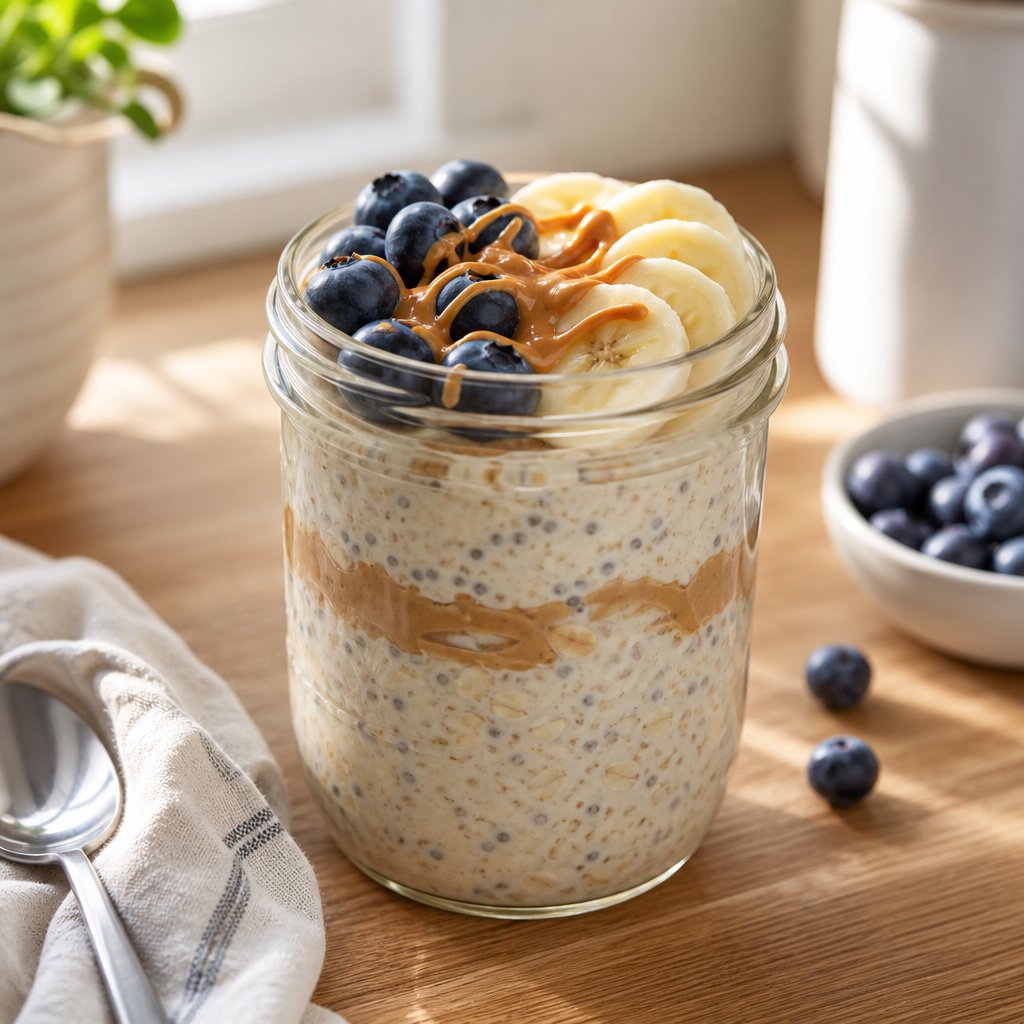
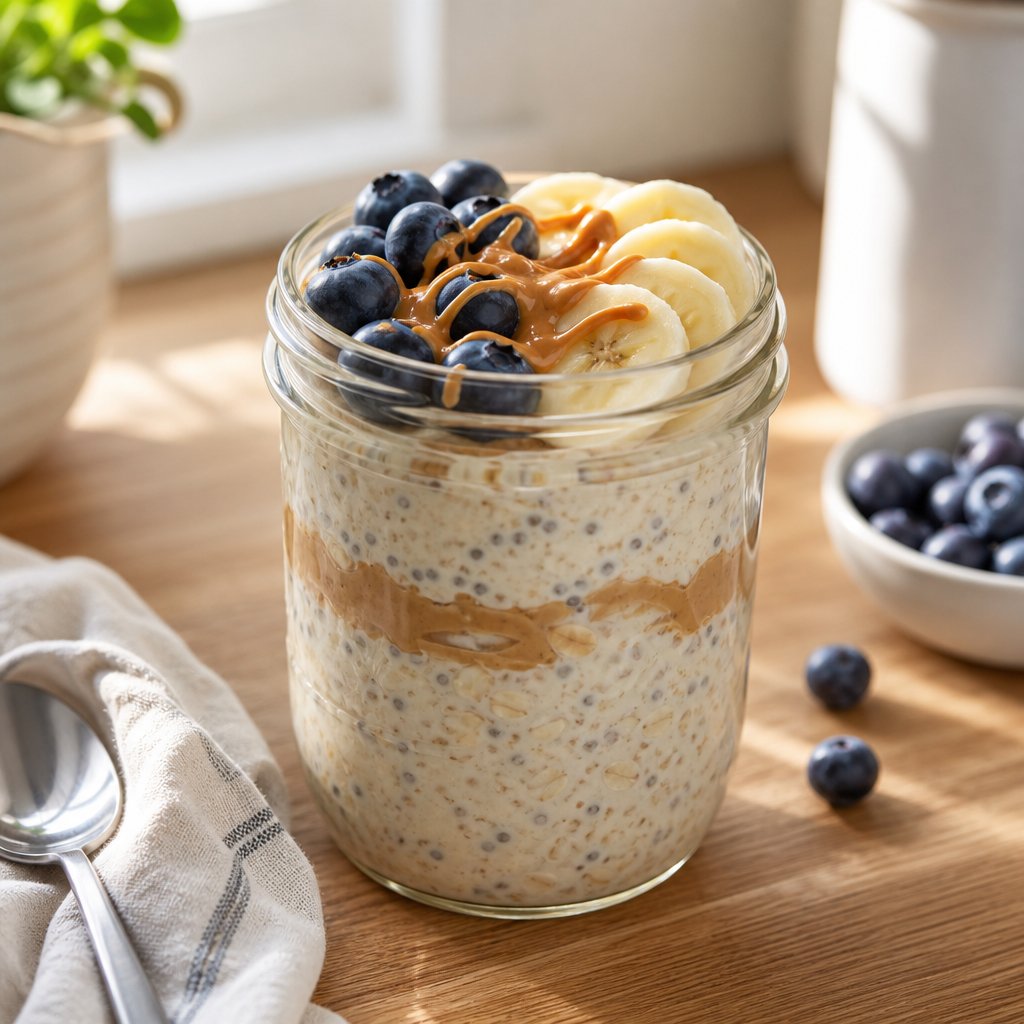
Why Protein Overnight Oats Deserve Their Own Method
You prepped a beautiful jar of overnight oats, refrigerated it overnight, and woke up to a thick, gritty paste that tastes like chalky cardboard. Sound familiar? The problem is not your protein powder. It is the method. Most overnight oats recipes are built around carbs and fiber, delivering plenty of oat-fueled energy but leaving you short on the nutrient that actually keeps hunger at bay all morning: protein.
Research consistently shows that aiming for 20 to 30 grams of protein at breakfast supports muscle maintenance, stabilizes blood sugar, and improves satiety for most adults. A standard overnight oats recipe, built on oats and milk alone, typically delivers only 8 to 12 grams. That gap matters, especially if you are searching for high protein breakfast ideas that do not require cooking or complicated prep.
Why Standard Overnight Oats Fall Short on Protein
Oats are nutritional workhorses for fiber and complex carbohydrates, but they are not a significant protein source on their own. When you learn how to make overnight oats the traditional way, you get a meal that digests quickly and may leave you reaching for snacks by mid-morning. Adding protein powder solves this, but it also introduces challenges that standard overnight oats recipes never account for:
- Protein powder absorbs liquid overnight, making the mixture far thicker than expected
- Clumping occurs when powder meets dry oats without proper mixing order
- Texture turns gritty or pasty if ratios are not adjusted for the specific powder type
Overnight oats with protein powder require different liquid ratios and mixing techniques than standard recipes. Treat them as their own category, not a simple add-in.
What This Step-by-Step Method Covers
This guide teaches you how to make overnight oats with protein powder using a systematic framework rather than locking you into a single rigid overnight oats recipe. You will learn how to choose the right oat base, match your protein powder type to the correct liquid ratio, mix without clumps, build flavor layers, and batch prep for the entire week. Each step gives you the reasoning behind the technique so you can confidently create high protein overnight oats in any flavor combination you want.
Think of it as a method you can adapt endlessly, whether you prefer chocolate peanut butter, vanilla berry, or something entirely your own. The result is protein overnight oats that come out creamy, smooth, and satisfying every single time.
The foundation of that method starts with one decision that shapes everything else: which type of oat you put in the jar.
Step 1 - Pick the Right Oat Base for Protein Oats
Not all oats behave the same way when they sit in liquid overnight, and that difference becomes even more pronounced once protein powder enters the mix. Protein powder thickens everything it touches, so the oat variety you choose determines whether you wake up to a creamy, spoonable jar or a dense brick. Understanding the quick oats vs old fashioned oats distinction is the first real decision in building protein overnight oats that actually taste good.
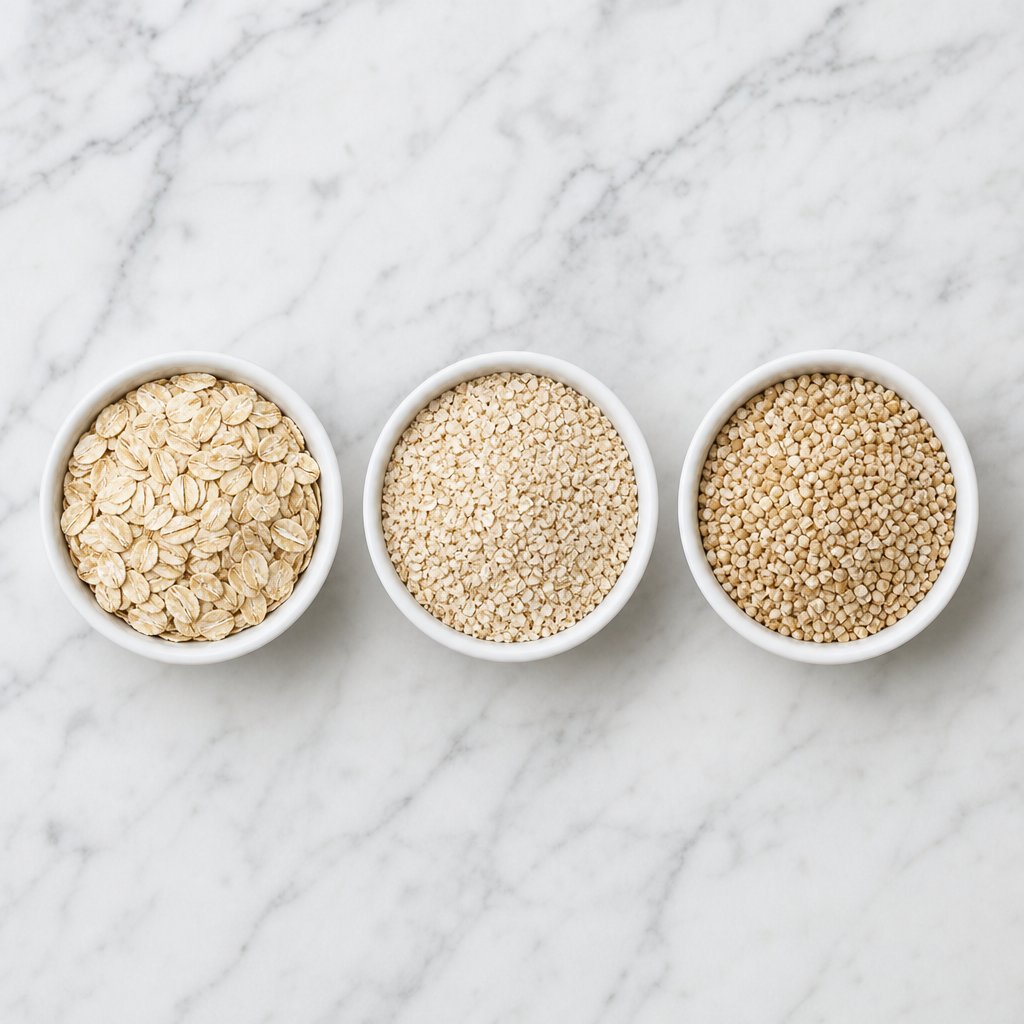
Rolled Oats vs Quick Oats vs Steel Cut
All three oat types start as whole oat groats. The difference comes down to how much processing they undergo, which directly affects how they absorb liquid and hold their shape during an overnight soak.
Rolled oats (also called old fashioned oats) are steamed and flattened, giving them a broad, flat shape that absorbs liquid evenly without turning to mush. Quick oats go through additional rolling and steaming, making them thinner and faster to soften. Steel cut oats are simply chopped groats with minimal processing, so they retain a dense, chewy bite even after extended soaking.
When you add protein powder to the equation, these texture differences amplify. Quick oats absorb liquid so rapidly that the extra thickening from protein creates overnight oats with quick oats that often turn pasty by morning. Steel cut overnight oats stay firm and chewy, but they need a much longer soak, and some recipes even require a brief pre-cook in the microwave before refrigerating to soften properly.
| Oat Type | Texture Result | Soak Time Needed | Best For |
|---|---|---|---|
| Rolled (Old Fashioned) | Creamy, holds structure | 4-8 hours | All-around best for protein overnight oats |
| Quick Oats | Soft, tends toward mushy | 2-4 hours | Last-minute prep when time is short |
| Steel Cut | Chewy, dense bite | 12+ hours (or pre-cook 3 min) | Those who prefer hearty, textured oats |
Why Old Fashioned Rolled Oats Work Best with Protein
Old fashioned rolled oats for overnight oats strike the ideal balance: they soften enough to feel creamy yet retain enough structure to push back against the thickening effect of protein powder. Their flat shape creates more surface area for even liquid absorption, which means fewer dry pockets and a more consistent texture from top to bottom of the jar.
Imagine dropping a scoop of protein into quick oats. The oats have already absorbed most of the liquid within a couple of hours, leaving the protein powder competing for moisture and producing a gummy, overly thick result. Rolled oats absorb at a steadier pace, giving the protein time to dissolve and distribute evenly throughout the mixture overnight.
For anyone following a gluten free oatmeal diet, certified gluten-free rolled oats perform identically in this method. Oats are naturally gluten-free, but cross-contamination during processing is common. Brands offering purity protocol or certified gluten-free options eliminate that risk without changing how the oats interact with protein powder or liquid.
With the best oats for overnight oats selected and sitting in your jar, the next variable that shapes your final result is the type of protein powder you pair them with.
Step 2 - Choose the Best Protein Powder Type
Every protein powder behaves differently when it sits in cold liquid for eight hours. Some dissolve cleanly and disappear into the oats. Others thicken the mixture into pudding, turn gritty, or leave behind chalky pockets that no amount of stirring can fix. The protein type you choose is the single biggest factor in whether your oats and protein powder combination comes out creamy or disappointing.
How Each Protein Powder Type Changes Your Oats
Protein powders fall into five main categories for overnight oat purposes, and each one interacts with cold liquid and oats in a distinct way. Here is what you can expect from each:
Whey Concentrate is the most forgiving option for protein powder oatmeal. It contains 70 to 80 percent protein along with some lactose and fat, and that fat content actually works in your favor here. It creates a naturally creamy mouthfeel with a slight sweetness that blends well with fruit and nut butter toppings. Whey concentrate mixes reasonably well in cold liquid, though it benefits from a good shake rather than just stirring. If you are looking for the best tasting protein powder for overnight oats, a quality vanilla whey protein powder in concentrate form is a reliable starting point.
Whey Isolate undergoes additional filtering to reach 90 percent protein or higher, stripping away most lactose and fat. The result in overnight oats is a thinner, cleaner texture without the natural creaminess of concentrate. It dissolves more easily in cold liquid, making it one of the simplest options to mix clump-free. Whey isolate works well for those watching calories closely or anyone using whey protein powder for weight loss, since it delivers more protein per calorie with minimal added carbs or fat.
Casein is where things get interesting. Casein forms a gel-like substance when it meets liquid, resulting in a slow, sustained release of amino acids. In overnight oats, this translates to an extremely thick, pudding-like consistency. If you enjoy a dense, spoonable texture, casein delivers that naturally. But if you use your standard liquid amount, you will wake up to something closer to cement than breakfast. Always add 3 to 4 extra tablespoons of liquid per scoop of casein to compensate.
Plant-Based Blends (pea, brown rice, hemp, or multi-source combinations) present the biggest texture challenge. Many plant proteins have a grainier particle structure that does not dissolve as smoothly in cold preparations. The result can be gritty or slightly chalky. Pairing plant-based powder with mashed banana, nut butter, or blending the base before refrigerating helps mask that texture. Brands offering blends of pea, brown rice, and faba bean protein tend to produce smoother results than single-source options, since the combination creates a more complete amino acid profile and often better solubility.
Collagen is the stealth option. Collagen peptides dissolve almost invisibly in cold liquid, adding 10 to 20 grams of protein per serving without changing the flavor or texture of your oats in any noticeable way. The trade-off is that collagen is not a complete protein. It lacks tryptophan and is low in several essential amino acids, so it works best as a protein booster alongside another source rather than your sole protein addition.
| Protein Type | Texture Impact | Taste Impact | Mixing Difficulty | Best Pairing |
|---|---|---|---|---|
| Whey Concentrate | Creamy, slightly thick | Mild sweetness, smooth | Low-Medium | Berries, banana, maple |
| Whey Isolate | Thin, clean | Neutral to lightly sweet | Low | Any fruit, cocoa, nut butter |
| Casein | Very thick, pudding-like | Rich, milky | Medium-High | Chocolate, peanut butter, banana |
| Plant-Based Blend | Can be gritty or grainy | Earthy, varies by source | High | Banana, nut butter, cinnamon |
| Collagen | No noticeable change | Flavorless | Very Low | Anything (use as a booster) |
Flavor Pairing Guide by Powder Type
Flavored protein powders add another layer of decision-making. A best vanilla protein powder pairs naturally with berries, cinnamon, honey, and stone fruits like peaches or cherries. The vanilla base acts as a neutral-sweet canvas that lets toppings shine. Chocolate-flavored powders work best with banana, peanut butter, coconut flakes, or a drizzle of almond butter. The richness of chocolate can overwhelm delicate fruits like blueberries, so lean toward bolder pairings.
Unflavored powder gives you the most flexibility. You control sweetness and flavor entirely through add-ins, which makes it ideal if you rotate between different overnight oat combinations throughout the week. Products marketed as simple eats protein powder or similar minimalist formulations often fall into this unflavored, low-ingredient category and work well for people who want a clean base without artificial sweeteners competing with their chosen toppings.
Premier protein powder options and other ready-to-mix brands vary widely in sweetness level. Some are heavily sweetened, which can make your overnight oats taste more like dessert than breakfast. If you prefer a balanced flavor, check the sugar alcohol and sweetener content on the label before committing to a full container.
What to Look for in a Quality Protein Powder
Not all protein powders are created equal, and the differences become obvious in cold overnight preparations where heat cannot help dissolve stubborn particles. Quality varies significantly between manufacturers because formulation, solubility, and taste depend heavily on production standards and ingredient sourcing. A powder that mixes smoothly in a warm shake might clump badly when stirred into cold oats and left overnight.
When evaluating options, look for:
- Third-party testing for purity and label accuracy
- Minimal filler ingredients (maltodextrin, excessive gums, artificial colors)
- A short, recognizable ingredient list
- Good solubility ratings or reviews mentioning cold-mix performance
The reason solubility matters so much comes down to how protein powders are manufactured. Powders engineered for cold-mix applications use specific particle sizes and instantization processes that allow them to hydrate without heat. For brands or entrepreneurs interested in developing protein blends specifically optimized for overnight oats and other cold preparations, manufacturers like ZhuFeng offer OEM/ODM powder and granule production with customized formulation. This type of purpose-built manufacturing allows companies to engineer solubility, texture, and flavor profiles at the production level rather than leaving consumers to work around limitations of generic formulas.
Regardless of which protein type you select, the next challenge is universal: getting the liquid ratio right so your oats do not turn into concrete overnight.
Step 3 - Master the Liquid-to-Oat Ratio
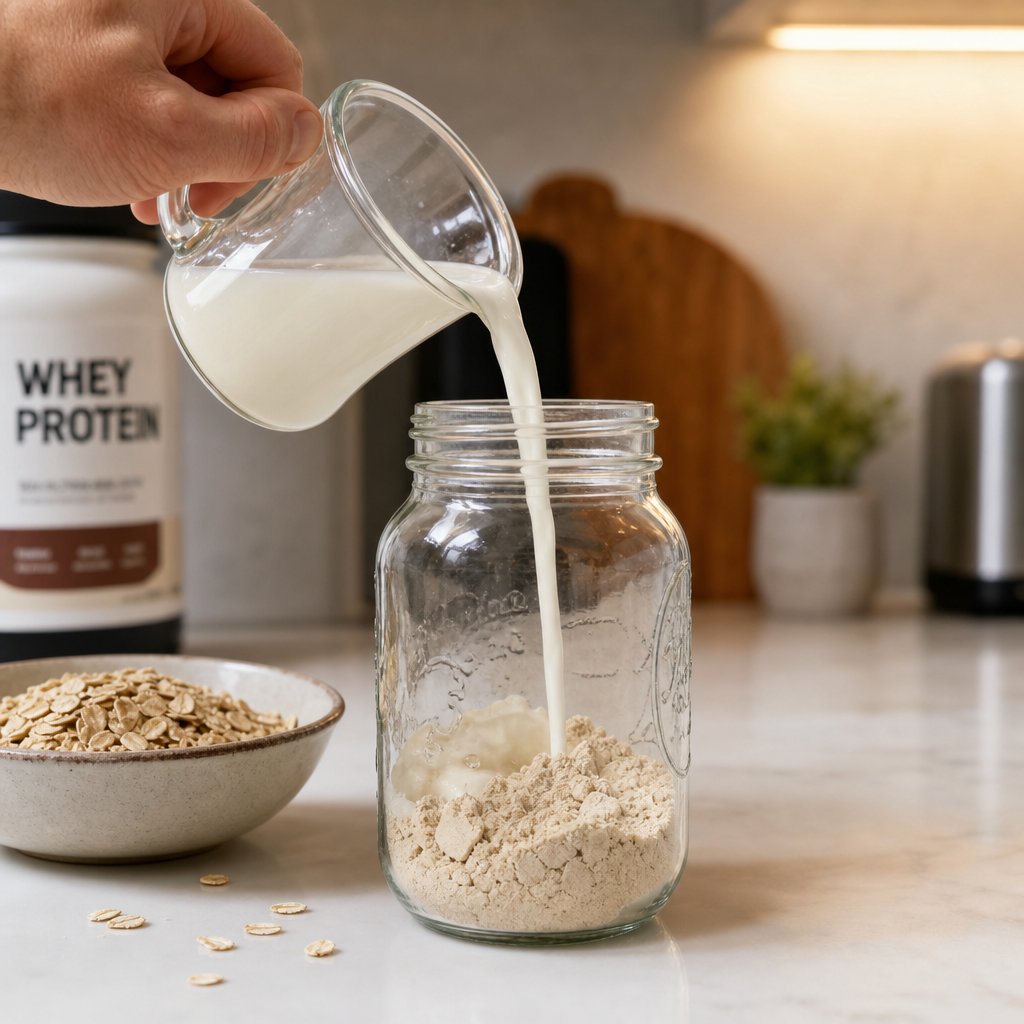
Here is where most people go wrong. They follow a standard oatmeal ratio oats to water (or milk) of 1:1, toss in a scoop of protein powder, and wake up to something resembling spackling paste. The reason is simple: protein powder is a liquid sponge. It absorbs moisture overnight just like the oats do, which means two ingredients are now competing for the same pool of liquid. Without adjusting for that extra absorption, your overnight oats ratio ends up way too dry.
The Adjusted Ratio Formula for Protein Oats
A standard overnight oats recipe without protein uses roughly 1/2 cup oats to 1/2 cup liquid. That 1:1 baseline works perfectly when oats are the only ingredient pulling moisture. The moment you add protein powder, you need to compensate. Think of each scoop of protein as a demand for 2 to 4 extra tablespoons of liquid, depending on the powder type (casein needs the full 4, whey isolate can get away with 2).
Here is the step-by-step calculation:
- Start with 1/2 cup rolled oats
- Add 1/2 cup liquid as your base (the standard 1:1 ratio)
- Add 1 scoop protein powder
- Add 2-4 tablespoons additional liquid to offset protein absorption
- If using chia seeds (1-2 teaspoons), add another 2 tablespoons of liquid on top of that
This brings your total liquid to roughly 3/4 cup for a single serving with protein. The oat and chia seed combination thickens aggressively overnight because both ingredients gel and absorb simultaneously. Skipping that extra liquid when you include chia seeds is the fastest path to overnight oats with chia seeds that feel like cement rather than pudding.
Best Liquid Options and How They Affect Consistency
The type of liquid you choose shapes both the texture and the nutritional profile of your finished oats. Each option brings something different:
- Dairy milk - Adds natural creaminess and an extra 8 grams of protein per cup. Whole milk produces the richest texture; skim keeps calories lower but yields thinner results.
- Almond milk - Low calorie (30-40 calories per cup unsweetened) with a light, slightly nutty flavor. It will not add much protein, but it keeps the overall calorie count down.
- Oat milk - Neutral, mildly sweet flavor that does not compete with your protein powder or toppings. Slightly higher in carbs than almond milk.
- Greek yogurt - Not technically a liquid, but it replaces part of your liquid for a thicker, creamier result with a serious protein boost.
An overnight oats recipe with yogurt is one of the most effective ways to push protein above 40 grams per serving without adding a second scoop of powder. The approach is straightforward: replace half your liquid with 1/4 cup Greek yogurt. So instead of 3/4 cup milk, you would use roughly 1/2 cup milk plus 1/4 cup yogurt. Greek yogurt contributes around 12 to 15 grams of protein per half cup while creating that thick, spoonable consistency that makes overnight oats with yogurt feel more like dessert than a rushed weekday breakfast.
One thing to keep in mind: yogurt-based versions set up firmer overnight. You will likely want a splash of milk stirred in before eating to loosen things up. This is normal, not a sign that something went wrong.
With your ratios dialed in and your liquid chosen, the next make-or-break factor is how you actually combine these ingredients. The mixing sequence determines whether your protein dissolves smoothly or clumps into stubborn pockets that no amount of morning stirring can rescue.
Step 4 - Mix Protein Powder Without Clumps or Grit
You have the right oats, the right powder, and the right amount of liquid. None of that matters if you dump everything into a jar in the wrong order. Clumpy, gritty oatmeal with protein powder is the number one complaint people have when they first try this method, and it almost always comes down to a mixing mistake rather than a bad product. The good news? Fixing it takes about 15 seconds of intentional technique.
The Order-of-Operations Rule
When you sprinkle protein powder directly on top of dry oats, the powder lands on a bed of flakes that immediately traps it. Liquid poured on afterward cannot reach those buried pockets because the oats above have already started absorbing moisture and forming a barrier. The result is stubborn clumps sealed inside your oats with protein powder that no amount of stirring the next morning will dissolve.
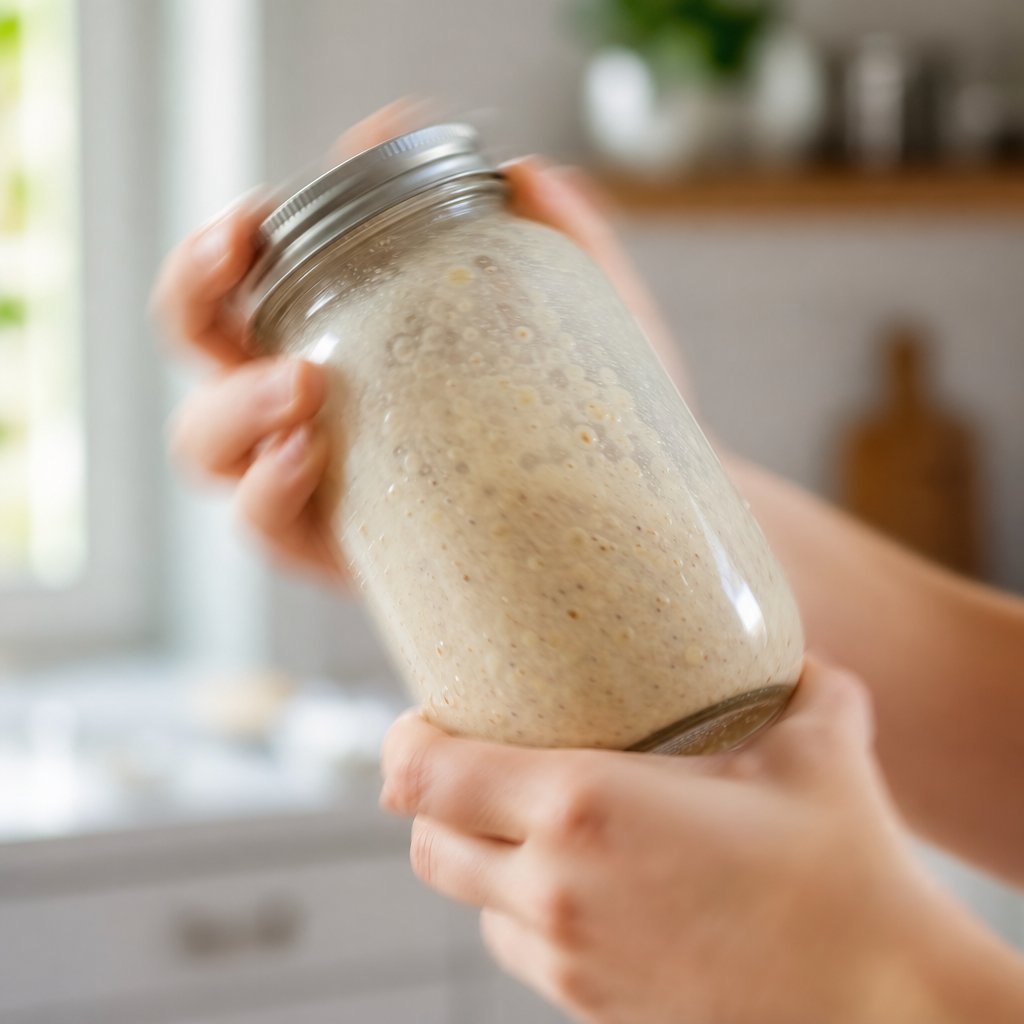
The fix is a simple sequencing rule: liquid first, protein second, oats last. This order ensures the protein powder hits liquid immediately, giving it the best chance to dissolve and disperse before the oats enter the picture and start absorbing everything. Think of it like making a roux in cooking. The order you combine ingredients determines the final texture far more than how aggressively you stir.
Speed matters less than you might expect. A gentle but thorough mix with the correct sequence beats vigorous stirring with the wrong one every time. Overnight oats with protein stay smooth when the powder fully hydrates in liquid before oats compete for that moisture.
Three Clump-Free Mixing Techniques
Here are three proven methods for combining oatmeal and protein powder, ranked from most practical to smoothest result:
- Shake in a sealed jar. Pour your liquid into a mason jar or any container with a tight lid. Add your protein powder on top of the liquid. Seal the jar and shake vigorously for 10 to 15 seconds until the powder dissolves. Then remove the lid, add your rolled oats (plus chia seeds or any other dry add-ins), give it a quick stir, and refrigerate. This method works for most protein powder overnight oats preparations and requires zero extra equipment beyond the jar you are already storing them in.
- Whisk protein into liquid separately. Grab a small bowl or measuring cup. Pour your liquid in, add the protein powder, and whisk briskly with a fork or small whisk until smooth. Once dissolved, pour the protein-liquid mixture over your oats in the storage container and stir to combine. This approach gives you visual confirmation that the powder is fully dissolved before it ever touches the oats, making it ideal for thicker powders like casein or grainier plant-based blends that need a little extra attention.
- Blend all ingredients briefly. Add liquid, protein powder, oats, and any soft mix-ins (banana, yogurt, nut butter) to a blender. Pulse 3 to 5 times or blend on low for about 10 seconds. Pour into your jar and refrigerate. This blended overnight oats technique produces the smoothest, most pudding-like consistency because it breaks the oat flakes into smaller pieces while fully incorporating the protein. The trade-off is a less textured final product and one extra item to wash.
For most people, method one handles the job perfectly. Reserve the blending approach for plant-based powders that tend toward grittiness or for anyone who prefers that ultra-smooth, spoonable overnight oats protein powder texture without any visible oat flakes.
Whichever technique you choose, the principle stays the same: give protein powder direct access to liquid before anything else enters the container. Master that sequence, and you will never scrape chalky clumps off your spoon again. From here, the focus shifts to what makes each jar actually taste great, because smooth texture without flavor is just a missed opportunity.
Step 5 - Build Flavor Layers and Choose Toppings
A smooth, well-mixed jar of protein oats is only half the equation. Without intentional flavor building, you end up with something that tastes like a nutrition assignment rather than a meal you actually look forward to eating. The best protein overnight oats use a layered approach, where each component plays a specific role in the final experience.
The Three-Layer Flavor Framework
Think of your jar in three distinct layers, each added at a different stage:
- Base layer (mixed the night before): Oats + protein powder + liquid. This is your structural foundation. It delivers the protein, the oat fiber, and the creamy consistency you built in the previous steps.
- Flavor layer (mixed the night before): Spices, extracts, sweeteners, and nut butters stirred in at prep time. These ingredients meld with the base overnight, creating depth rather than sitting on top as an afterthought.
- Topping layer (added fresh in the morning): Crunchy, fresh, or delicate ingredients that would get soggy or lose their appeal if left overnight. This layer provides texture contrast that makes each bite interesting.
Separating these layers is what turns basic high fiber oatmeal into something that feels crafted. The base and flavor layers fuse together during refrigeration, while morning toppings deliver the crunch and freshness that keep your palate engaged.
Tested Flavor Combinations by Powder Type
Matching your protein powder flavor to the right add-ins prevents clashing tastes. Here are six combinations that work reliably:
- Vanilla powder + mixed berries + cinnamon + maple syrup - The vanilla acts as a neutral-sweet canvas that lets berry tartness shine through. A pinch of cinnamon ties everything together.
- Chocolate powder + banana + peanut butter + mini chocolate chips - Classic overnight pb oats with a chocolate twist. The banana adds natural sweetness and helps mask any graininess from the powder.
- Vanilla powder + peanut butter + honey + roasted peanuts - A pb protein powder pairing that delivers cookie-like flavor with an extra 7 grams of protein from 2 tablespoons of peanut butter alone.
- Chocolate powder + shredded coconut + sliced almonds - Inspired by candy bar flavors but built on whole ingredients. The coconut fat adds richness without dairy.
- Unflavored powder + apple + cinnamon + walnuts + maple syrup - Apple pie in a jar. Unflavored protein disappears entirely, letting the spice and fruit do all the talking.
- Vanilla powder + mango + pineapple + shredded coconut - A tropical combination that works especially well with oat milk as the liquid base.
Peanut butter deserves special attention here. It serves double duty as both a flavor enhancer and a meaningful protein source, adding roughly 7 grams of protein per 2 tablespoons. Stirred into the base the night before, it melts into the oats and creates a rich, cookie-dough-like consistency. Other nut butters like almond, cashew, or sunflower seed butter work similarly, though peanut butter remains the most popular pairing for oats for energy and sustained morning fuel.
Morning Toppings That Add Crunch and Nutrition
The topping layer is where texture contrast lives. Oats toppings added fresh in the morning keep their crunch and visual appeal instead of dissolving into the base overnight. Strong options include:
- Granola or toasted oat clusters for crunch
- Fresh berries, sliced banana, or diced mango for brightness
- Chopped nuts (almonds, pecans, walnuts) for healthy fats
- Seeds like pumpkin, hemp, or sunflower for added nutrition
- A drizzle of honey or nut butter on top for visual appeal and flavor
- Cocoa nibs or dark chocolate chips for a dessert-like finish
For sweeteners mixed into the flavor layer the night before, you have several paths. Honey and maple syrup are the most common natural choices. Mashed banana works as a zero-added-sugar sweetener while contributing potassium and creaminess. If you prefer calorie-free options, monk fruit or stevia-based sweeteners dissolve well in cold liquid without the aftertaste issues some people experience in hot preparations.
One practical tip from experienced meal preppers: add your sweetener in the morning rather than the night before. This gives you better control over the final taste, since protein powders vary in sweetness and the oats themselves develop a mild natural sweetness during the overnight soak.
With your oatmeal toppings strategy and flavor combinations mapped out, the remaining question is how to store these jars efficiently so you are not rebuilding from scratch every single morning.
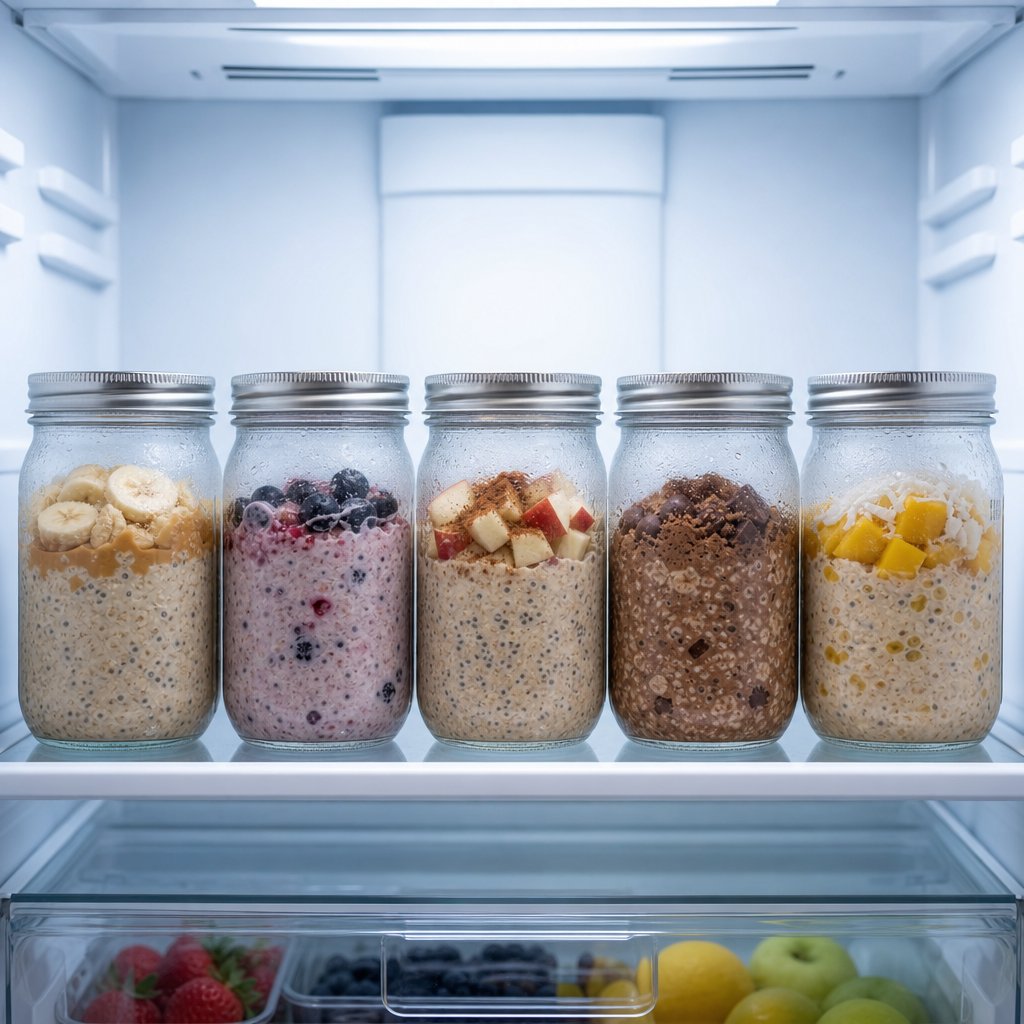
Step 6 - Refrigerate, Store, and Batch Meal Prep
You have five jars assembled with the right oats, the right protein, the right ratio, and a flavor combination you are genuinely excited about. The next step is letting time and cold do their work, then setting yourself up so breakfast requires zero effort for the rest of the week.
Optimal Soak Time for Protein Overnight Oats
Protein overnight oats need a minimum of 4 hours to soften properly, but they taste best after 8 to 12 hours in the refrigerator. That overnight window gives the oats time to fully hydrate, the chia seeds time to gel, and the protein powder time to dissolve into the liquid rather than sitting as a separate layer. If you are in a rush, 2 to 3 hours will produce edible results, but the oats will be noticeably chewier and the protein may not integrate as smoothly.
One thing you will notice when you open the jar in the morning: separation. A thin layer of liquid may sit on top, or the mixture might look slightly uneven. This is completely normal with protein powder. Unlike plain oats that absorb liquid uniformly, protein creates a denser base layer that can settle overnight. A quick stir with a spoon for 10 seconds brings everything back together.
Storage Life and Container Options
How long do overnight oats last once prepped? Without fresh fruit toppings, protein overnight oats stay good in the refrigerator for 4 to 5 days. Fresh fruit added at prep time shortens that window to about 2 to 3 days before the fruit breaks down and releases excess moisture. This is why the three-layer framework from the previous step recommends adding fresh toppings only in the morning.
Your overnight oats container choice comes down to personal preference and fridge space:
- Small mason jars (16 oz wide-mouth) - The most popular option. They are transparent so you can see your layers, the wide mouth makes stirring easy, and they seal tightly. Buying mason jars bulk (a 12-pack) keeps the per-jar cost low and gives you enough to rotate through the week with extras for experimentation.
- Weck jars - A favorite among overnight oats enthusiasts for their clean aesthetic and durable glass construction. A weck jar in the 9 to 10 oz size fits a single serving perfectly and looks great if you eat straight from the container. They stack less efficiently than flat-lidded options, but the glass-on-glass seal keeps everything airtight.
- Stackable airtight containers - Rectangular meal prep containers with snap lids maximize fridge space when you are prepping five or more servings. They lack the charm of glass jars but make up for it in practicality.
One important detail: how long are overnight oats good for depends partly on how much they thicken over time. Oats continue absorbing liquid each day they sit in the fridge. Day-1 and day-2 jars will have your intended consistency, but day-4 and day-5 jars will be noticeably thicker. The fix is simple: add an extra 1 to 2 tablespoons of liquid to jars you plan to eat later in the week.
Sunday Night Meal Prep Workflow
Overnight oats meal prep is one of the fastest batch cooking tasks you can do. Five jars take roughly 10 to 15 minutes from start to fridge. Here is the workflow:
- Line up five jars or containers on the counter. Label them Monday through Friday if it helps you track liquid adjustments for later days.
- Pour liquid into each jar first (remember: slightly more in Thursday and Friday jars to account for extra thickening).
- Add one scoop of protein powder to each jar. Seal and shake individually for 10 to 15 seconds, or batch-whisk the protein into a large measuring cup of liquid and distribute evenly.
- Add rolled oats, chia seeds, and any flavor-layer ingredients (spices, extracts, nut butter, sweetener) to each jar. Stir briefly to combine.
- Seal all jars and place in the refrigerator. Prep your morning toppings (wash berries, portion nuts, pre-slice banana into a separate container) so grab-and-go is truly effortless.
That is it. Ten minutes on Sunday night buys you five mornings of zero-effort, high-protein breakfasts that are ready the moment you open the fridge. The only remaining question is how to adjust portions and ingredients based on whether you are fueling muscle growth, managing weight, or simply maintaining balanced nutrition throughout the day.
Step 7 - Customize Portions by Fitness Goal and Fix Common Mistakes
Five jars sitting in your fridge is a great start, but not every jar needs to look the same. Your overnight oats protein content, calorie load, and add-in choices should reflect what you are actually trying to accomplish with your nutrition. Someone training for muscle gain needs a fundamentally different jar than someone focused on fat loss, even though both are eating the same base food.
Rather than guessing, use these goal-specific configurations as starting templates for your high protein overnight oats recipe and adjust from there based on how your body responds.
Muscle Building Overnight Oats Configuration
When the goal is muscle growth, you need more of everything: more protein, more calories, and more nutrient-dense add-ins that support recovery. A 30 grams of protein breakfast is the minimum target here, and this configuration pushes well past that threshold.
Use a full scoop of whey concentrate or casein protein powder (25-30g protein), whole milk as your liquid for extra calories and creaminess, and calorie-dense add-ins like a tablespoon of peanut butter and half a sliced banana. Greek yogurt stirred into the base adds another 12 to 15 grams of protein without requiring a second scoop of powder. This approach delivers a high protein oatmeal that functions as a legitimate muscle-building meal rather than a light snack.
Weight Management Overnight Oats Configuration
For weight management, the strategy flips. You still want enough protein to stay full and preserve lean mass, but overnight oats calories need to stay moderate. A half scoop of whey isolate keeps protein meaningful (12-15g from powder alone) without the calorie load of a full serving. Unsweetened almond milk at 30 to 40 calories per cup replaces whole milk, and your add-ins shift toward volume and fiber: berries, chia seeds, and a pinch of cinnamon rather than nut butters and banana.
This version typically lands between 250 and 300 calories per jar while still delivering 20 to 25 grams of protein when you factor in the oats and chia seeds. It is a protein breakfast that satisfies without overshooting your daily targets.
| Goal | Protein Powder Amount | Liquid Choice | Add-Ins | Approximate Protein Per Serving |
|---|---|---|---|---|
| Muscle Building | 1 full scoop (25-30g) | Whole milk (3/4 cup) | Peanut butter, banana, Greek yogurt, honey | 40-50g |
| Weight Management | 1/2 scoop (12-15g) | Unsweetened almond milk (3/4 cup) | Berries, chia seeds, cinnamon | 20-25g |
| Balanced Maintenance | 3/4 scoop (18-22g) | Oat milk or 2% milk (3/4 cup) | Mixed nuts, seeds, drizzle of maple syrup | 28-35g |
The balanced maintenance configuration sits between the two extremes. It uses a standard three-quarter scoop of protein, a moderate-calorie milk, and a mix of healthy fats from nuts and seeds for sustained energy. This is the everyday overnight oats recipe protein setup for people who are not actively cutting or bulking but want reliable nutrition each morning.
Troubleshooting Common Texture Problems
Even with the right configuration, things occasionally go sideways. Here are the four most common protein oats problems and their fixes:
- Too thick: Add 2 to 3 tablespoons of milk in the morning and stir. This is the most common issue, especially with casein-based recipes or jars that sat for 4 to 5 days. It does not mean you did anything wrong. The oats simply continued absorbing liquid.
- Too thin: Add 1 teaspoon of chia seeds next time, or reduce your liquid by 2 tablespoons. If the jar is already made, let it sit uncovered in the fridge for another hour to thicken slightly.
- Gritty texture: Switch your mixing method. If you were stirring, try the shake-in-jar technique. If that still does not resolve it, the issue is likely your protein powder brand. Plant-based powders are the most common culprits. Try blending the base or switching to a whey isolate with better cold-mix solubility.
- Bland taste: Add a pinch of salt. This is the most overlooked fix in overnight oats. Salt amplifies sweetness and rounds out flavor, especially in cold preparations where flavors are naturally muted. Also try increasing vanilla extract to a full teaspoon or adding a tablespoon of nut butter for richness.
Most texture issues trace back to one of two root causes: incorrect liquid ratio or wrong mixing sequence. If you have followed the framework in this guide and still experience grittiness, the protein powder itself is likely the limiting factor. Not all powders are formulated for cold-mix applications, and switching brands often solves what technique cannot.
For entrepreneurs or brand owners who see a market opportunity in goal-specific protein oat products, it is worth noting that purpose-built protein blends optimized for cold preparations do exist at the manufacturing level. Companies like ZhuFeng provide scalable OEM/ODM manufacturing for powder and granule formats with customized formulations, enabling brands to engineer solubility and texture profiles specifically for fitness-goal-oriented products and cold-mix applications.
Whatever your goal, the method stays the same: right oats, right powder, right ratio, right mixing order, right flavor layers, and the right storage approach. Dial in those six variables once, and you have a repeatable system for building any high protein overnight oats recipe you can imagine, every single week, without ever scraping grit off your spoon again.
Frequently Asked Questions About Protein Overnight Oats
1. Can you put protein powder in overnight oats?
Yes, protein powder works well in overnight oats when you adjust your method. The key is adding 2-4 extra tablespoons of liquid per scoop of protein to compensate for the powder's moisture absorption. Always mix the protein into your liquid before adding oats to prevent clumping. Whey concentrate and whey isolate dissolve most easily in cold preparations, while casein creates a thick pudding-like texture and plant-based powders may need blending for a smooth result.
2. How much protein powder should I add to overnight oats?
One standard scoop (25-30g) works for most people aiming for muscle building or high-protein goals, delivering 40-50g total protein per serving when combined with milk and yogurt. For weight management, a half scoop (12-15g) keeps calories moderate while still boosting protein to 20-25g per serving. Start with a half scoop if you are new to protein overnight oats and increase gradually as you dial in your preferred liquid ratio and consistency.
3. Why are my protein overnight oats so thick and gritty?
Thickness happens because protein powder absorbs liquid overnight alongside the oats, creating double the moisture demand. Fix this by increasing your liquid by 2-4 tablespoons per scoop of protein. Grittiness is usually a mixing order problem: protein powder dumped on dry oats forms clumps that liquid cannot penetrate. Pour liquid first, shake or whisk in the protein until dissolved, then add oats last. If grittiness persists, your powder may not be formulated for cold-mix use, and switching brands often resolves the issue.
4. What is the best liquid-to-oat ratio for protein overnight oats?
Start with the standard 1:1 ratio (1/2 cup oats to 1/2 cup liquid), then add 2-4 extra tablespoons of liquid per scoop of protein powder. Casein protein needs the full 4 tablespoons extra, while whey isolate can work with just 2. If you include chia seeds, add another 2 tablespoons on top. Your total liquid should be roughly 3/4 cup per single serving. For jars prepped 4-5 days ahead, add an additional 1-2 tablespoons since oats continue absorbing liquid each day in the fridge.
5. How long do overnight oats with protein powder last in the fridge?
Protein overnight oats stay fresh for 4-5 days refrigerated when stored without fresh fruit toppings. Adding fresh fruit at prep time shortens shelf life to 2-3 days as the fruit breaks down and releases moisture. For best results during weekly meal prep, add fresh toppings only on the morning you eat each jar. Note that oats thicken progressively each day, so jars intended for day 4 or 5 benefit from 1-2 extra tablespoons of liquid at prep time to maintain your preferred consistency.