
What Are Salt Tablets and Why Do People Take Them
You have probably heard of salt tablets in the context of marathon runners, military training, or managing a chronic condition like POTS. But what are salt tablets, exactly, and why would someone deliberately take extra sodium?
Salt Tablets Defined in Simple Terms
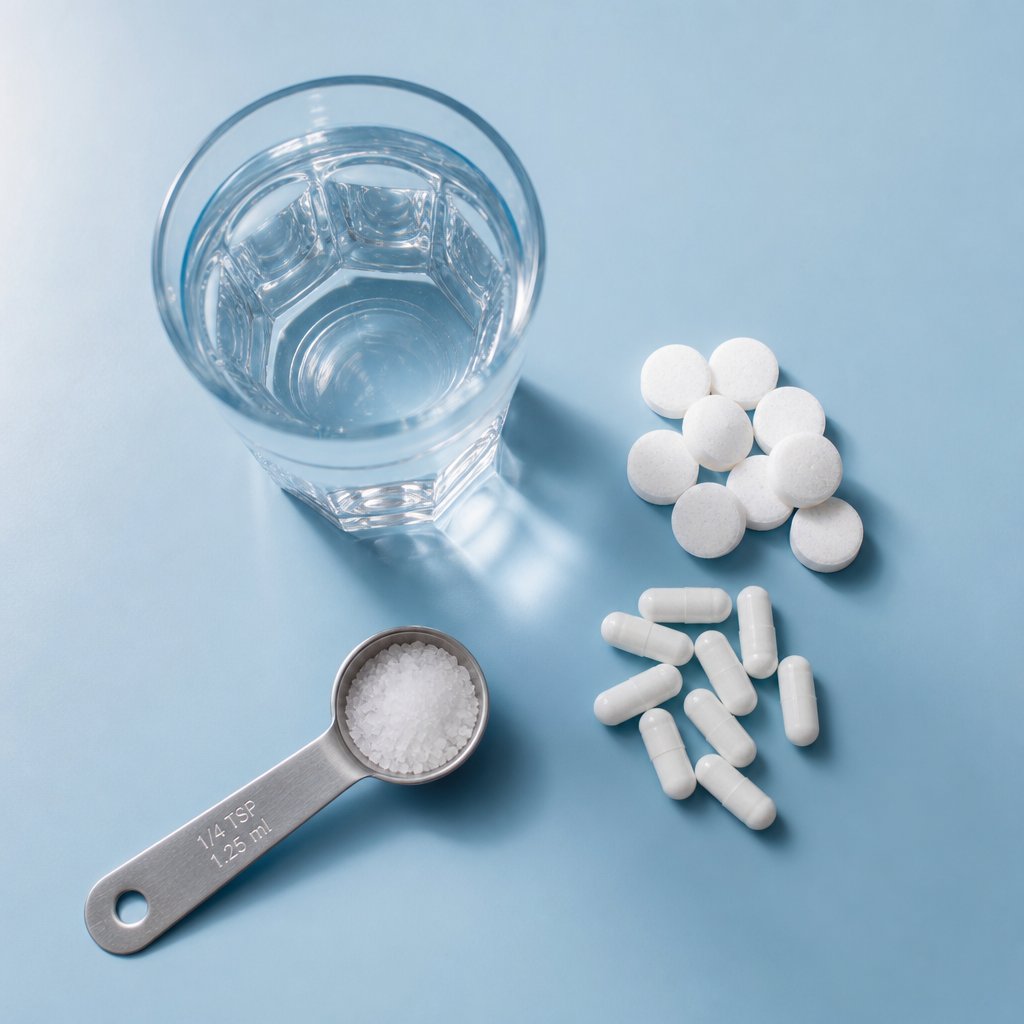
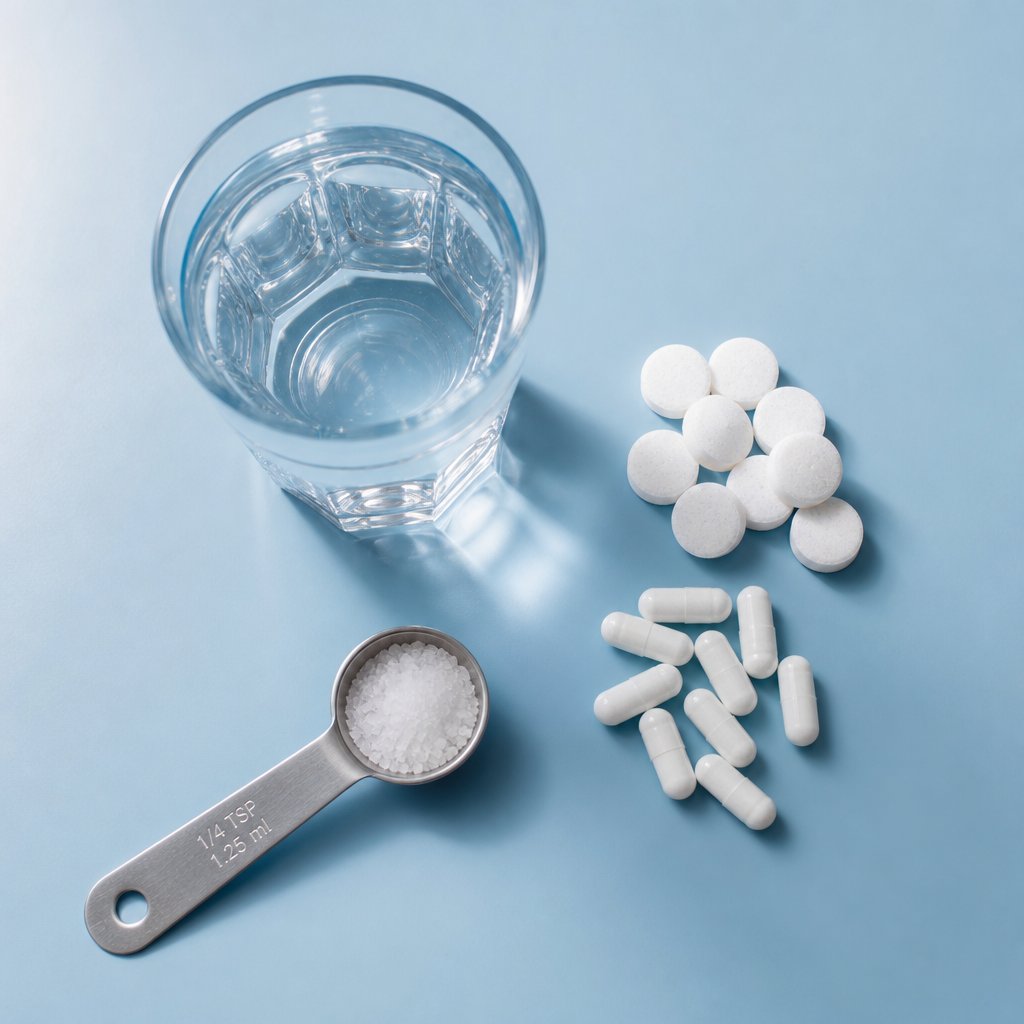
Salt tablets are oral supplements containing concentrated sodium chloride designed to replenish sodium lost through sweat, illness, or specific medical conditions. Available as 1-gram tablets, capsules, or chewable formats, they deliver a measured dose of sodium to help restore electrolyte balance and support fluid retention in the body.
Think of a salt tablet as a precise, portable dose of the same compound found in table salt. The difference is control. Rather than guessing how much sodium you get from food or a pinch of salt in water, sodium chloride tablets provide a standardized amount, typically around 300 to 400 milligrams of sodium per 1-gram pill.
One important distinction: salt tablets intended for human consumption are not the same as water softener salt tablets used in household appliances. Water softener products are industrial-grade and not safe to ingest. If you are searching for sodium tablets to support hydration or a medical protocol, look specifically for pharmaceutical or supplement-grade sodium chloride products labeled for oral use.
Why Sodium Matters for Your Body
Sodium is an electrolyte that regulates the amount of water in your body. It also plays a direct role in nerve impulses and muscle contractions. When sodium levels drop too low, whether from prolonged sweating, vomiting, or a medical condition, your body struggles to maintain fluid balance, transmit nerve signals, and keep blood pressure stable.
So who actually reaches for salt pills? The range is broader than you might expect:
- Endurance athletes and long-distance runners replacing heavy sweat losses
- Outdoor workers exposed to extreme heat for hours at a time
- Patients with postural orthostatic tachycardia syndrome (POTS) or dysautonomia who need increased blood volume
- People with cystic fibrosis who lose abnormally high amounts of sodium in sweat
- Individuals on ketogenic diets experiencing sodium depletion
What are salt pills used for in each of these cases? The core purpose remains the same: delivering a controlled amount of sodium to correct or prevent a deficit. The context, dosage, and timing differ, but every salt tablet serves the same fundamental role of keeping your body's sodium-water balance in a healthy range.
Understanding whether a salt tablet belongs in your routine requires more than a simple yes or no. It depends on the science behind sodium balance, your individual risk factors, and the safety considerations that come with any form of supplementation.
How Salt Tablets Work Inside Your Body
Sodium does not just sit passively in your bloodstream. It actively pulls water across cell membranes, fires electrical signals through your nerves, and keeps your blood volume high enough to maintain stable circulation. When you swallow a salt tablet, you are adding sodium chloride directly into your digestive tract, where it gets absorbed in the distal small bowel and colon and enters your extracellular fluid within minutes. From there, it goes to work.
How Sodium Controls Fluid Balance
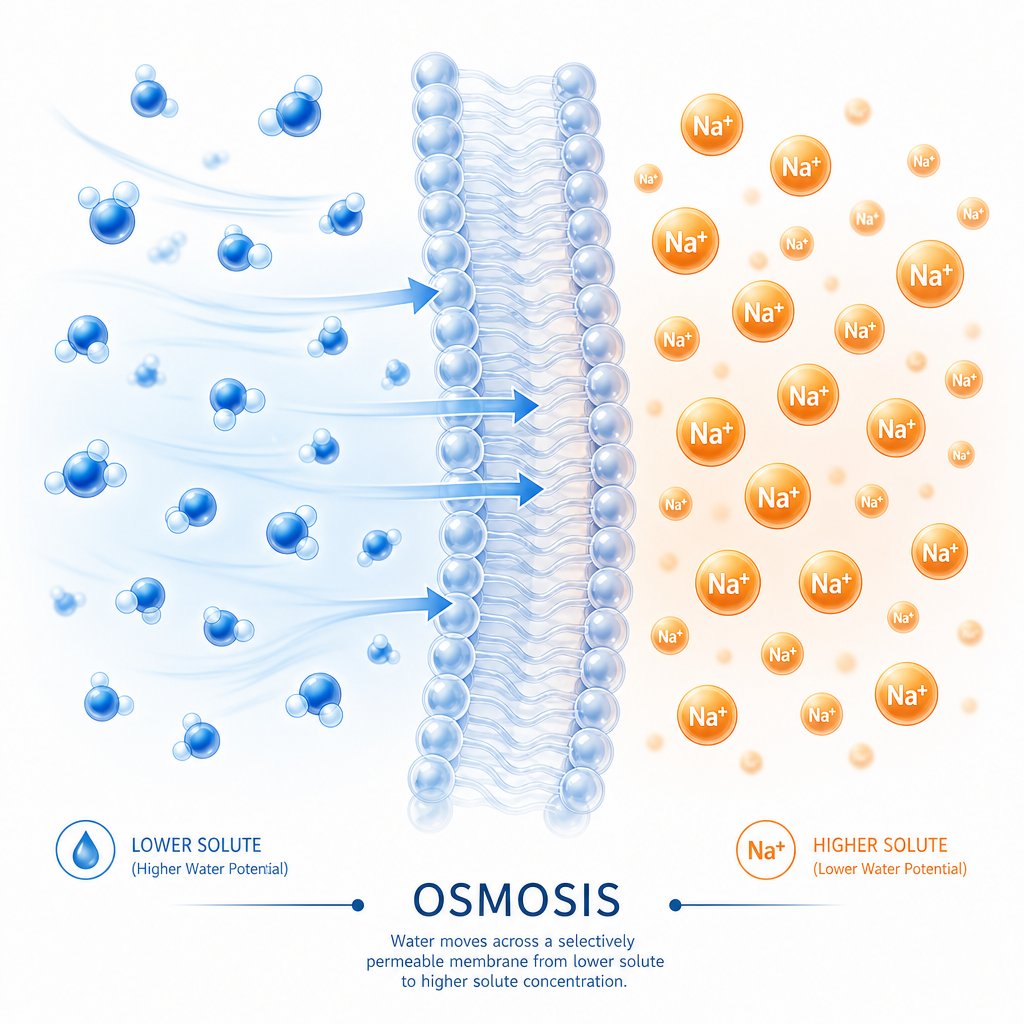
Imagine two compartments separated by a thin membrane. One side has a high concentration of sodium, the other side has less. Water naturally moves toward the side with more sodium to equalize the concentration. This is the osmotic gradient, and it is the fundamental mechanism behind how your body distributes water.
Sodium is the dominant electrolyte in your extracellular fluid, the fluid surrounding your cells and filling your blood vessels. Because sodium attracts water, higher sodium levels in the extracellular space pull water out of cells and into the bloodstream. This is exactly why salt tablets increase blood volume: the added sodium draws water into your vascular system, expanding plasma volume and raising blood pressure.
Your kidneys fine-tune this process constantly. They filter roughly 180 liters of water daily and reabsorb most of it based on how much sodium your body needs to retain. Hormones like aldosterone and antidiuretic hormone (ADH) signal the kidneys to hold onto sodium or release it, keeping the balance tight. A salt tablet essentially gives your kidneys more raw material to work with when your body is running low.
The Connection Between Salt and Blood Volume
Are electrolytes just salt? Not exactly, but sodium is the primary electrolyte responsible for maintaining extracellular fluid volume. Potassium, magnesium, and calcium each play distinct roles, yet sodium carries the heaviest load when it comes to blood volume regulation.
Here is why that matters practically. When you lose sodium through sweat, diarrhea, or vomiting, your extracellular fluid volume shrinks. Less fluid in the bloodstream means lower blood pressure, reduced oxygen delivery to tissues, and that lightheaded feeling you get after a long run in the heat. Salt tablets counteract this by restoring the sodium concentration that keeps water inside your blood vessels rather than letting it drift into surrounding tissues or get excreted by the kidneys.
Sodium performs three primary physiological roles that explain why it is so critical:
- Fluid regulation - Maintains the osmotic gradient that determines water distribution between cells, blood vessels, and interstitial spaces
- Nerve function - Generates the electrical potential across nerve cell membranes that allows impulses to travel from your brain to your muscles
- Muscle contraction - Enables the sodium-potassium pump that powers every heartbeat and skeletal muscle movement
Are salt electrolytes in the broader sense? Yes. Sodium chloride dissociates into sodium and chloride ions in solution, both of which are electrolytes that conduct electrical charges. This is why salt is so central to hydration science: it does not just add flavor, it literally powers the electrical and fluid systems your body depends on.
Understanding Your Sodium Levels
Your blood sodium normally sits between 135 and 145 mEq/L (milliequivalents per liter). Think of this range as a narrow operating window. Your body works hard to keep sodium within these bounds because even small deviations affect how your cells function.
When sodium drops below 135 mEq/L, the condition is called hyponatremia. At mild levels (130-134 mEq/L), you might notice fatigue, weakness, or subtle cognitive fog. Moderate drops (125-129 mEq/L) can bring nausea, muscle cramps, and drowsiness. Severe hyponatremia below 125 mEq/L becomes a medical emergency, potentially causing seizures, confusion, or loss of consciousness.
How does this happen? The most common scenario outside a hospital involves prolonged sweating combined with drinking plain water. You lose sodium in sweat but replace only the water, diluting whatever sodium remains. Endurance athletes, outdoor laborers, and people exercising in heat are particularly vulnerable. Other causes include chronic diarrhea, certain medications like thiazide diuretics, and conditions such as adrenal insufficiency where the body cannot retain sodium properly.
Salt tablets help restore balance by delivering a concentrated dose of sodium chloride that raises extracellular sodium concentration back toward that 135-145 mEq/L window. The absorbed sodium increases osmotic pressure in the blood, pulling water from the intracellular space and the gut into the vascular compartment. Blood volume rises, blood pressure stabilizes, and the symptoms of sodium depletion begin to resolve.
The key takeaway: salt tablets are not adding something foreign to your body. They are replenishing the exact electrolyte your physiology depends on most heavily for fluid distribution, nerve signaling, and cardiovascular stability. The question is not whether sodium matters, but whether your specific situation calls for supplementation beyond what food and drink already provide.
Who Actually Needs Salt Tablets
Not everyone who sweats needs a salt tablet. But for certain groups, the gap between sodium lost and sodium consumed through regular meals is wide enough that supplementation becomes a practical necessity rather than a luxury. The populations below represent the most common and well-supported use cases, ranked roughly by how frequently they rely on salt tablets.
- Endurance athletes and runners - the largest consumer group by volume
- POTS and dysautonomia patients - medically directed, daily use
- Outdoor workers in hot climates - occupational sodium loss prevention
- Cystic fibrosis patients - genetically elevated sweat sodium losses
- Ketogenic dieters - insulin-driven sodium excretion
- Addison's disease patients - impaired aldosterone production
Athletes and Endurance Runners
Imagine running for three hours in summer heat. Your body produces anywhere from 0.5 to 2.0 liters of sweat per hour, and each liter carries roughly 500 to 1,500 milligrams of sodium with it. Over the course of a marathon or ultramarathon, total sodium losses can exceed 3,000 to 5,000 milligrams. Sports drinks alone often cannot keep pace with that deficit, especially for heavy or salty sweaters.
This is where salt tablets for runners fill a critical gap. A single 1-gram sodium chloride tablet delivers approximately 390 milligrams of sodium in a compact, portable format that does not require mixing or refrigeration. Runners can take one every 30 to 60 minutes during prolonged efforts, adjusting based on sweat rate, temperature, and individual tolerance.
Using salt tabs for running is not just about preventing cramps, though that is a common motivation. The deeper benefit is maintaining plasma volume. When sodium drops during extended exercise, your blood volume contracts, your heart has to work harder to circulate less fluid, and performance deteriorates well before you feel obvious symptoms. Supplementing sodium while running helps sustain cardiac output and delays the fatigue cascade.
Several contextual factors influence how much sodium a runner actually needs:
- Climate - Hot, humid conditions increase sweat rate and sodium concentration in sweat
- Altitude - Higher elevations increase respiratory water loss and can accelerate dehydration
- Duration - Activities lasting over 60 to 90 minutes carry significantly higher sodium depletion risk
- Individual sweat rate - Some people are genetically "salty sweaters" who lose two to three times more sodium per liter than average
- Acclimatization - Athletes new to hot environments lose more sodium in sweat than those who have adapted over weeks
Salt tablets while running work best as part of a broader hydration strategy that includes adequate water intake and, ideally, some potassium and magnesium as well. Taking sodium without enough fluid can concentrate the salt in your gut and cause nausea, so pairing each tablet with 8 to 12 ounces of water is standard practice.
POTS and Dysautonomia Patients
For people living with postural orthostatic tachycardia syndrome, salt tablets are not a performance tool. They are a daily medical intervention. POTS is a form of dysautonomia where the autonomic nervous system fails to properly regulate heart rate and blood pressure upon standing. Blood pools in the lower extremities, the heart races to compensate, and symptoms like lightheadedness, brain fog, fatigue, and fainting follow.
One of the foundational treatments for POTS involves increasing blood volume through higher sodium and fluid intake. Johns Hopkins Medicine recommends that most POTS patients consume at least 64 to 80 ounces of fluid daily alongside increased salt intake, often achieved through salt tablets or a saltshaker added liberally to meals. Many POTS specialists recommend total daily sodium intake in the range of 3,000 to 5,000 milligrams, and some protocols push as high as 10,000 milligrams for severe cases.
Salt tablets for POTS syndrome work by expanding plasma volume. More sodium in the bloodstream means more water retained in the vascular system, which means more blood available to reach the brain when you stand up. This directly addresses the core mechanism behind POTS symptoms: insufficient blood return to the heart and brain in the upright position.
POTS salt tablets are typically taken throughout the day rather than all at once, often split into doses with meals and water. This steady approach avoids the blood pressure spikes that can come from a single large sodium load and keeps plasma volume more consistently elevated. Many patients combine salt supplementation with medications like fludrocortisone, which helps the kidneys retain sodium, or midodrine, which constricts blood vessels.
The condition affects an estimated one to three million Americans, predominantly women and adolescents. For this population, salt pills for POTS represent one of the most accessible and low-risk first-line interventions, often recommended before or alongside pharmaceutical options.
Other Medical and Lifestyle Use Cases
Cystic fibrosis patients face a unique sodium challenge. A genetic defect in the CFTR protein causes their sweat glands to produce sweat with two to four times the normal sodium chloride concentration. A narrative review published in the Journal of the Academy of Nutrition and Dietetics highlights that this elevated sweat salt loss puts CF patients, particularly infants and children, at significant risk for sodium deficiency and metabolic alkalosis. Sodium chloride supplementation is a standard part of CF nutritional management, with dosing adjusted based on age, climate, and activity level.
Outdoor workers in construction, agriculture, roofing, and military roles face sustained heat exposure that can drive sweat losses of 6 to 10 liters per day. Unlike athletes who can plan hydration around a defined event, these workers face cumulative sodium depletion across 8- to 12-hour shifts, day after day. Salt tablets offer a practical solution that does not require carrying bulky drink containers or relying on break-time access to electrolyte beverages.
Ketogenic dieters often experience unexpected sodium depletion during the first weeks of carbohydrate restriction. When insulin levels drop, the kidneys shift from retaining sodium to excreting it more freely. This is a major contributor to the "keto flu" symptoms of headache, fatigue, dizziness, and irritability that many people experience during adaptation. Supplementing with salt tablets or adding extra sodium to food can significantly reduce these transitional symptoms.
Addison's disease patients lack adequate aldosterone, the hormone that signals the kidneys to retain sodium. Without it, sodium is lost in urine at an accelerated rate, leading to chronic low blood pressure, fatigue, and electrolyte imbalance. While hormone replacement therapy is the primary treatment, additional sodium supplementation through diet or salt tablets is sometimes necessary, particularly during illness, heat exposure, or physical stress.
What connects all these groups is a mismatch between sodium output and sodium input that normal dietary habits cannot reliably close. The specific mechanism differs, whether it is excessive sweating, hormonal dysfunction, genetic abnormality, or metabolic shift, but the solution converges on the same tool: a measured dose of sodium chloride delivered in a controlled format.
Knowing that you fall into one of these categories, however, does not automatically mean you should start taking salt tablets tomorrow. The formulation you choose, the dose you take, and how you time it all matter, and getting those details wrong can turn a helpful supplement into a source of new problems.
Salt Tablet Formulations and Dosage Guidance
Walk into a pharmacy or browse an online supplement store and you will find salt tablets in half a dozen formats, each designed for a slightly different situation. The differences are not just cosmetic. How a sodium chloride tablet is manufactured, whether it is buffered, coated, or compressed, directly affects how quickly it absorbs, how well your stomach tolerates it, and whether it delivers sodium at the right moment for your needs.
Tablet vs. Capsule vs. Chew Formats
The three most common delivery formats each come with trade-offs worth understanding before you commit to one.
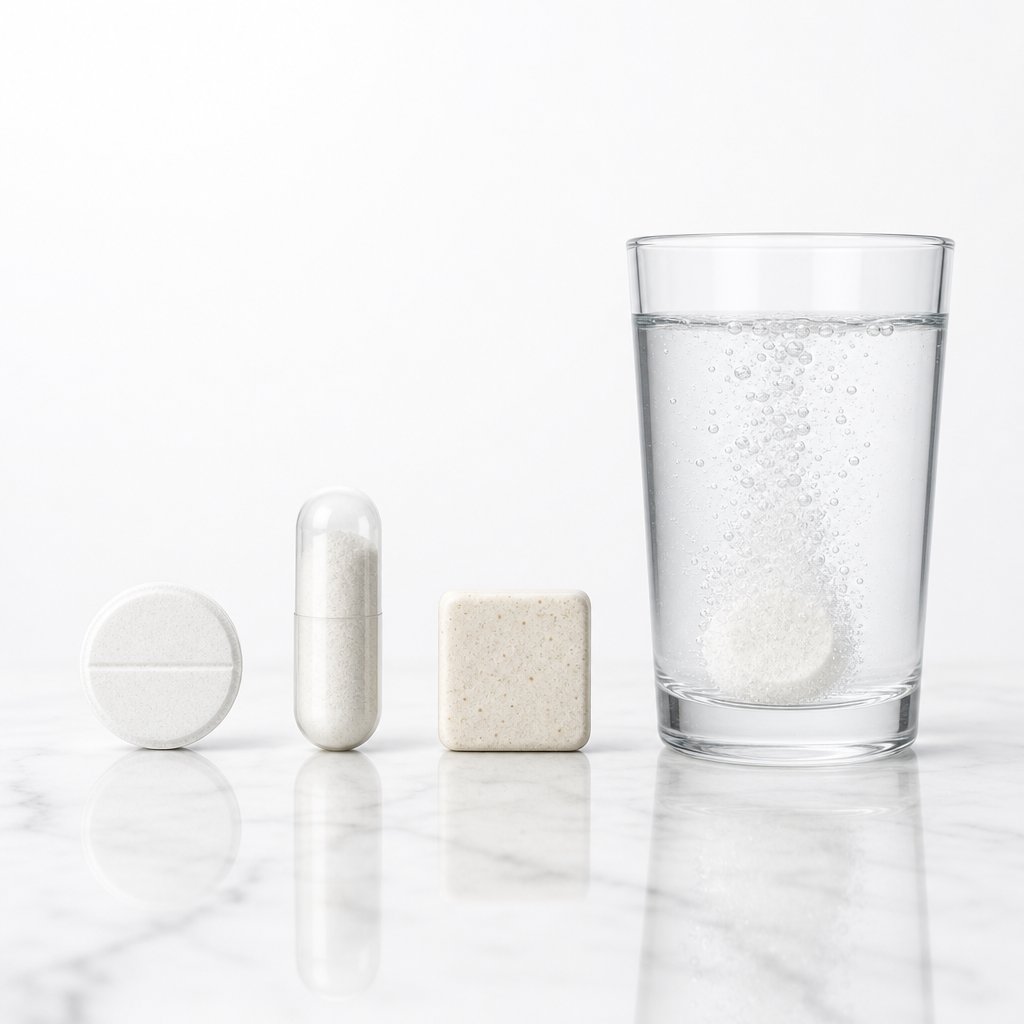
Compressed tablets are the traditional format. A standard sodium chloride 1 gram tablet contains approximately 390 milligrams of elemental sodium pressed into a solid form. They are inexpensive, shelf-stable, and easy to dose precisely. The downside? They dissolve relatively slowly in the stomach, which means absorption takes longer and some people experience localized irritation as the tablet breaks down in one spot.
Capsules contain sodium chloride powder or granules inside a gelatin or vegetarian shell. Once the shell dissolves, the contents disperse quickly across a larger surface area of the stomach lining, leading to faster absorption. Capsules are a good choice when you need sodium to enter the bloodstream promptly, such as during an endurance event or when POTS symptoms flare after standing.
Chewable tablets and salt chews are designed for mid-activity convenience. You can take them without water in a pinch, and the chewing action begins breaking down the sodium chloride in your mouth, giving a slight head start on absorption. Athletes on the move, particularly trail runners and cyclists, often prefer this format because it does not require stopping to swallow a pill with a full glass of water.
| Format | Absorption Speed | Best For | Stomach Tolerance |
|---|---|---|---|
| Compressed tablet | Moderate (20-30 min) | Daily supplementation, clinical dosing | Moderate; may irritate if taken without food |
| Capsule | Fast (10-20 min) | Acute symptom relief, during exercise | Good; contents disperse broadly |
| Chewable / Salt chew | Fast (10-15 min) | Mid-activity use, portability | Good; less concentrated contact |
| Effervescent tablet | Very fast (dissolved before ingestion) | Pre-activity hydration, daily electrolyte drinks | Excellent; already in solution |
| Modified-release tablet | Slow and sustained (hours) | Clinical hyponatremia management | Very good; gradual release reduces GI stress |
Buffered and Enteric-Coated Options
If you have ever taken a plain sodium chloride tablet on an empty stomach and felt a wave of nausea, you have experienced why buffered and coated formulations exist.
Buffered salt tablets combine sodium chloride with potassium chloride and sometimes sodium bicarbonate to reduce the acidity of the tablet as it dissolves. The brand Thermotabs, for example, pairs potassium chloride with sodium chloride specifically to reduce tiredness, muscle cramps, and heat prostration during high-heat activities. The buffering agents help neutralize stomach acid at the dissolution site, which lowers the chance of gastric irritation. These are particularly useful for outdoor workers or athletes who need to take multiple sodium tabs throughout the day without GI distress.
Enteric-coated tablets take a different approach. A polymer coating prevents the tablet from dissolving in the acidic environment of the stomach entirely. Instead, it passes intact into the small intestine where the pH is higher, the coating breaks down, and sodium chloride is released for absorption. This format is ideal for people with gastritis, ulcers, or chronic stomach sensitivity who cannot tolerate standard tablets at any dose.
Sodium bicarbonate combinations add an alkalizing component that can help with both stomach tolerance and acid-base balance. Some clinical protocols use sodium bicarbonate alongside sodium chloride when a patient needs both sodium repletion and correction of metabolic acidosis. For most athletic or general wellness use, plain sodium chloride or buffered formulations are sufficient.
Standard Dosage Ranges by Use Case
Dosing is where formulation meets context. A sodium chloride tablets 1 gram dosage is the most common unit you will encounter, but how many you take and when depends entirely on why you are taking them.
Athletic use: One to two capsules or tablets per hour of exercise, each providing 200 to 400 milligrams of sodium. Sports nutrition guidelines suggest drinking 200 to 300 milliliters of water immediately after each sodium tab to facilitate absorption and prevent gut irritation. In hot conditions, slightly increase the frequency. In cooler weather, reduce it.
POTS and dysautonomia: Sodium chloride tablets dosing for these patients typically ranges from 3 to 6 grams of salt daily, split across multiple doses taken with meals and water. Some specialists prescribe up to 10 grams daily for severe cases, always paired with high fluid intake.
Clinical hyponatremia management: When sodium chloride tablets dosing hyponatremia in a hospital setting, clinicians may use modified-release NaCl tablets at doses of 2.4 grams twice daily as an adjunct to fluid restriction. The sodium chloride tablet dose for hyponatremia is carefully monitored to avoid correcting serum sodium too rapidly, which can cause osmotic demyelination syndrome. Correction rates are typically kept below 8 to 10 mmol/L per 24 hours.
General heat exposure and outdoor work: The usual dose of a buffered salt product like Thermotabs is 1 tablet taken 5 to 10 times per day, adjusted based on heat intensity and sweat output. Each dose should be taken with a full glass of water.
Timing matters as much as quantity. Here are the key principles:
- Before activity: Take a sodium dose 30 to 60 minutes prior with 12 to 16 ounces of water to pre-load plasma volume
- During activity: Consume every 30 to 60 minutes depending on sweat rate and heat conditions
- After activity: Continue supplementing for 1 to 2 hours post-exercise to replace residual losses
- With food vs. without: Taking sodium chloride tablets with a meal or snack reduces stomach irritation significantly; if taking on an empty stomach, use buffered or enteric-coated formats
- Water pairing: Always consume at least 8 ounces of water per tablet to prevent concentrated sodium from irritating the gastric lining
One critical rule applies across every use case: never test a new sodium chloride tablets dosing protocol on race day, during a work shift in extreme heat, or without first confirming your baseline sodium levels. Start conservatively, monitor how your body responds, and adjust upward only if symptoms and circumstances warrant it.
Getting the formulation and dose right is half the equation. The other half involves understanding what can go wrong when sodium supplementation is misused, poorly timed, or taken by someone whose body cannot handle the extra load.

Side Effects and Safety Warnings You Should Know
Salt tablets are generally well tolerated at recommended doses, but "generally safe" does not mean universally harmless. The sodium chloride side effects you might experience depend on how much you take, how your kidneys process the extra sodium, and whether you have underlying conditions that make sodium retention dangerous. Rather than a flat list of possible reactions, it helps to think about salt tablets side effects in tiers of severity so you know which ones to monitor at home and which ones demand immediate medical attention.
Common and Mild Side Effects
Most people who experience side effects of sodium chloride tablets notice them in the gut first. A concentrated dose of salt hitting your stomach lining can trigger nausea, mild cramping, or a bloated feeling, especially if you take the tablet without enough water or on an empty stomach. Increased thirst is another predictable response: your body detects the rising sodium concentration and signals you to drink more fluid to dilute it.
These mild reactions are usually self-limiting. They resolve within an hour or two and rarely require you to stop supplementation entirely. Adjusting your timing, switching to a buffered format, or simply drinking more water with each dose often eliminates the discomfort.
Serious Warning Signs to Watch For
When sodium intake exceeds what your kidneys can excrete, or when an underlying condition impairs sodium handling, the side effects of salt pills escalate quickly. Mayo Clinic identifies several symptoms that require immediate medical attention, including fast heartbeat, shortness of breath, swelling of the face, lips, hands, or feet, tightness in the chest, and difficulty breathing or swallowing.
These symptoms can indicate hypernatremia (excess sodium in the blood), fluid overload, or an allergic reaction. Medical News Today adds that hypernatremia may also present as restlessness, flushed skin, confusion, delirium, and high blood pressure. If you notice any combination of these while taking salt tablets, stop immediately and seek medical care.
| Side Effect | Severity Level | Likelihood | Action Required |
|---|---|---|---|
| Nausea or stomach upset | Mild | Common | Take with food and water; switch to buffered format |
| Bloating or water retention | Mild | Common | Monitor; reduce dose if persistent |
| Increased thirst | Mild | Very common | Drink adequate fluids; expected response |
| Headache | Moderate | Occasional | Reduce dose; check blood pressure |
| Peripheral swelling (hands, feet) | Moderate | Occasional | Consult doctor; may indicate fluid overload |
| Elevated blood pressure | Moderate | Occasional | Stop use; consult doctor promptly |
| Fast or irregular heartbeat | Serious | Rare | Stop immediately; seek emergency care |
| Confusion or delirium | Serious | Rare | Stop immediately; seek emergency care |
| Difficulty breathing or chest tightness | Serious | Rare | Stop immediately; call emergency services |
| Severe facial or throat swelling | Serious | Rare | Stop immediately; possible allergic reaction |
Drug Interactions and Contraindications
Salt pills side effects become significantly more dangerous when combined with certain medications. The interactions are not theoretical; they reflect how sodium levels directly alter the way other drugs behave in your body.
Lithium tops the list. Used for bipolar disorder, lithium has an extremely narrow therapeutic window. Your kidneys handle sodium and lithium through similar pathways, so a sudden increase in sodium intake causes the kidneys to excrete more lithium, potentially dropping it below therapeutic levels. Conversely, if you abruptly stop salt tablets while on lithium, sodium depletion can cause lithium to accumulate to toxic concentrations, triggering tremors, confusion, and seizures.
Diuretics work directly against sodium chloride supplementation. Loop diuretics like furosemide and thiazides like hydrochlorothiazide are prescribed specifically to remove sodium and fluid from the body. Adding salt tablets counteracts their intended effect, which can worsen heart failure symptoms or cause dangerous fluid retention.
Blood pressure medications including ACE inhibitors (lisinopril, enalapril) and ARBs (losartan, valsartan) lower blood pressure partly by influencing how the kidneys handle sodium. Extra sodium from salt tablets can blunt their effectiveness, leaving blood pressure poorly controlled.
NSAIDs like ibuprofen and naproxen already cause the body to retain sodium and fluid. Combining them with sodium chloride tablets side effects compounds this retention, increasing the risk of elevated blood pressure and edema, particularly in older adults or those with compromised kidney function.
Beyond drug interactions, several health conditions make salt tablets outright risky. Here is why each one matters:
- Hypertension - Extra sodium raises blood volume and increases vascular pressure, directly worsening the condition salt tablets would aggravate
- Congestive heart failure - A weakened heart cannot pump the additional fluid volume that sodium retention creates, leading to pulmonary edema and worsening symptoms
- Chronic kidney disease - Damaged kidneys cannot excrete excess sodium efficiently, causing it to accumulate and drive fluid overload
- Liver cirrhosis - Impaired liver function disrupts hormonal regulation of sodium, promoting dangerous ascites and peripheral edema
- Existing edema - Adding sodium to a body already retaining excess fluid amplifies swelling and can push fluid into the lungs
The pattern across all these contraindications is the same: salt tablets add sodium and fluid volume to your system. Any condition where your body already struggles to manage fluid balance or blood pressure becomes more dangerous with additional sodium on board.
This is precisely why understanding your baseline health status matters before reaching for a salt supplement. The line between a helpful dose and a harmful one often depends less on the tablet itself and more on what your body is already dealing with, including how your current electrolyte strategy stacks up against the alternatives available.
Salt Tablets Compared to Other Electrolyte Options
Salt tablets are one tool in a much larger toolkit for managing sodium and hydration. Depending on your situation, they might be the most efficient option or an unnecessary complication when simpler alternatives would work just as well. The right choice depends on how much sodium you actually need, what other electrolytes you are losing, and the practical realities of when and where you need to replenish.
Salt Tablets vs. Sports Drinks and Powders
The most common electrolyte supplements fall into five broad categories, each with distinct strengths and limitations. Here is how they compare on the factors that matter most:
| Method | Sodium per Serving | Additional Electrolytes | Portability | Sugar Content | Best Use Case |
|---|---|---|---|---|---|
| Salt tablets (NaCl) | 300-400 mg | None or minimal (some include K+) | Excellent | Zero | Targeted sodium replacement during exercise or medical protocols |
| Sports drinks (ready-to-drink) | 150-300 mg | Potassium, sometimes magnesium | Poor (bulky, heavy) | 20-36 g per bottle | Casual exercise, post-workout recovery |
| Electrolyte powders | 200-1,000 mg | Potassium, magnesium, calcium | Moderate (requires mixing) | 0-15 g (varies widely) | Customizable hydration for athletes and daily use |
| Electrolyte tablets (effervescent) | 200-400 mg | Potassium, magnesium, calcium, sometimes vitamins | Excellent | 0-3 g | Daily hydration, travel, light to moderate activity |
| Oral rehydration solutions (ORS) | 400-500 mg | Potassium, chloride, citrate | Moderate (packets need water) | 5-10 g (glucose aids absorption) | Illness recovery, diarrhea, clinical dehydration |
| Whole food sources | Varies (200-800+ mg per serving) | Full mineral spectrum | Low | Naturally occurring | Daily maintenance when no acute deficit exists |
A few patterns stand out. Salt tablets deliver the highest sodium concentration per unit with zero sugar and maximum portability, but they lack the broader electrolyte profile that powders and effervescent electrolyte tablets provide. If your primary deficit is sodium, as it often is for endurance runners and POTS patients, a pure sodium chloride tablet is the most direct solution.
Sports drinks, by contrast, deliver moderate sodium alongside significant sugar. Cleveland Clinic registered dietitian Julia Zumpano notes that many sports drinks contain up to 150 calories and 20 or more grams of sugar per bottle, while electrolyte tablets and powders typically deliver 25 to 50 calories with only a gram or two of sugar. For people who want a hydrate drink without the caloric load, a zero sugar sports drink alternative like an effervescent tablet dissolved in water provides electrolytes without the added sweetness.
Electrolyte powders offer the most flexibility. You can adjust concentration based on your needs, and many formulations include potassium, magnesium, and calcium alongside sodium. The trade-off is convenience: you need a container, a scoop, and water to mix, which is less practical mid-run than popping a capsule. Electrolyte pills and capsules split the difference, offering portability with a broader mineral profile than plain salt tablets.
Electrolyte tablets for hydration, specifically the effervescent type you drop into water, have gained popularity because they combine the portability of a pill with the drinkability of a hydration drink. Each tablet dissolves into a flavored solution with a standardized electrolyte dose, no measuring required. They are particularly well-suited for travel, office use, and light to moderate activity where a full sports drink feels excessive.
When Food Sources Are Enough
For most people on most days, food handles sodium replenishment without any supplementation at all. The average American diet already provides 3,400 milligrams of sodium daily, well above the 1,500 milligram minimum. Pickles, olives, cheese, bread, soups, and cured meats all contribute meaningful sodium. Add potassium-rich foods like bananas, avocados, and leafy greens, and you have a full electrolyte profile from your plate.
Food sources become insufficient only when losses outpace what meals can replace in real time. You cannot eat a bowl of soup mid-marathon, and a construction worker sweating through a 10-hour shift in July cannot rely on lunch alone to keep sodium levels stable. That is the gap electrolyte supplements of any format are designed to fill.
A practical rule: if your activity lasts under 60 minutes in moderate conditions and you eat regular meals, food and water are likely sufficient. Once duration, heat, or medical conditions push sodium losses beyond what your next meal can cover, supplementation in some form becomes worth considering.
Common Myths About Salt Supplementation
Misconceptions about salt tablets circulate widely, and some of them can lead to genuinely harmful decisions. Here are the most persistent myths alongside what the evidence actually shows:
- Myth: Salt tablets replace the need for water. Reality: Sodium without adequate fluid creates a concentrated salt load that your kidneys must work to dilute. Taking salt tablets without drinking plenty of water can worsen dehydration rather than resolve it. Every dose should be paired with at least 8 ounces of fluid.
- Myth: More sodium is always better for performance. Reality: Excess sodium beyond what your body has lost provides no additional benefit and increases the risk of bloating, elevated blood pressure, and GI distress. Dosing should match actual losses, not a "more is more" philosophy.
- Myth: Salt tablets are the same as eating table salt. Reality: While both contain sodium chloride, salt tablets provide a measured, consistent dose. Sprinkling table salt into water gives you an unpredictable amount and often an unpleasant taste that discourages adequate fluid intake.
- Myth: Only athletes need electrolyte supplementation. Reality: POTS patients, cystic fibrosis patients, outdoor workers, and people recovering from illness all have legitimate needs for sodium beyond what diet provides. Athletic use is simply the most visible application.
- Myth: All electrolytes tablets are interchangeable. Reality: Sodium content varies dramatically between products. Some electrolyte pills contain as little as 50 milligrams of sodium per serving, while others deliver 400 milligrams or more. Always check the label rather than assuming one product matches another.
The bottom line across all these comparisons: salt tablets excel at one specific job, delivering concentrated sodium in a portable, sugar-free format. They are not a complete hydration solution on their own, and they are not the right fit for every scenario. Matching the right replenishment method to your actual needs requires honest assessment of what your body is losing, how quickly you need to replace it, and what other nutrients should come along for the ride.
That assessment is exactly where most people get stuck. Knowing the options is one thing. Knowing whether you personally need any of them, and which one fits your situation, requires a different kind of framework entirely.

A Decision Framework for Whether You Need Salt Tablets
Feeling dizzy after a long run does not automatically mean you need salt tablets for low sodium levels. Muscle cramps during a hike could point to magnesium deficiency, dehydration, or simple overexertion rather than a sodium gap. The challenge is that many symptoms of low sodium overlap with other common conditions, making self-diagnosis unreliable without a structured approach.
Self-Assessment for Sodium Deficiency
Before reaching for salt pills for low sodium, walk through these questions honestly. The more boxes you check, the more likely sodium depletion is contributing to your symptoms:
- Activity and environment - Do you exercise for more than 60 minutes at a time, work outdoors in heat, or live in a hot climate?
- Sweat volume - Do you notice heavy sweating, salt stains on clothing, or a gritty feeling on your skin after activity?
- Dietary intake - Do you eat a low-sodium diet, follow a ketogenic protocol, or avoid processed foods almost entirely?
- Symptoms - Are you experiencing dizziness upon standing, persistent fatigue, muscle cramps, brain fog, or excessive thirst that water alone does not resolve?
- Medical history - Have you been diagnosed with POTS, dysautonomia, cystic fibrosis, or adrenal insufficiency?
- Fluid habits - Do you drink large volumes of plain water without electrolytes during or after exercise?
Does salt help with dehydration? It depends on the type. If your dehydration involves sodium loss, whether from sweat, vomiting, or diarrhea, then yes, sodium replacement is essential for proper rehydration. Plain water alone can actually worsen the problem by further diluting your remaining sodium. But if you are simply under-hydrated from not drinking enough fluid on a sedentary day, water is the fix, not salt.
When Your Symptoms Point to Something Else
Dizziness, fatigue, and cramping are not exclusive to sodium deficiency. Before assuming you need to figure out how to increase sodium in blood, consider these alternative explanations:
- Iron deficiency anemia - Causes fatigue, lightheadedness, and exercise intolerance that mimics sodium depletion
- Magnesium or potassium deficiency - Drives muscle cramps and weakness independent of sodium status
- Thyroid dysfunction - Produces fatigue, brain fog, and temperature sensitivity that overlap with hyponatremia symptoms
- Overtraining syndrome - Creates persistent fatigue and performance decline unrelated to electrolyte balance
- Medication side effects - Diuretics, SSRIs, and blood pressure drugs can cause dizziness and fatigue through mechanisms other than sodium loss
The overlap is significant enough that Cleveland Clinic emphasizes that diagnosing hyponatremia requires blood tests and urine tests, not symptom matching alone. Providers check sodium levels alongside potassium, hormones, and kidney and liver function to identify the actual cause.
Steps Before Starting Salt Supplementation
How do you raise sodium levels safely? Not by guessing. Follow this sequence before committing to a supplementation protocol:
- Track your symptoms - Note when they occur (time of day, relation to activity, fluid intake) for at least one week to identify patterns
- Assess your dietary sodium - Use a food tracking app for three to five days to estimate your current intake; most adults consume 3,000+ milligrams daily without realizing it
- Get blood work - Request a sodium blood test as part of a basic metabolic panel; normal range is 135-145 mEq/L, and anything below 135 confirms hyponatremia
- Rule out other causes - If sodium levels are normal, your symptoms likely stem from a different issue; pursue further testing based on your provider's guidance
- Discuss supplementation with your doctor - If blood sodium is low or borderline, your provider can recommend how to treat low sodium based on the underlying cause, whether that involves salt tablets, dietary changes, medication adjustments, or fluid restriction
- Start conservatively - Begin with the lowest effective dose and monitor your response over one to two weeks before increasing
What can you drink to raise your sodium level while waiting for medical guidance? An oral rehydration solution or broth-based soup provides moderate sodium in a form your body absorbs efficiently. These are safer starting points than high-dose salt tablets because they deliver sodium alongside fluid, reducing the risk of gastric irritation or overcorrection.
Medical consultation is recommended before starting any sodium supplementation protocol, especially for those with cardiovascular disease, kidney conditions, or a history of high blood pressure. Blood work confirms whether your sodium is actually low and helps identify the root cause, which determines whether salt tablets are the right intervention or whether a different treatment is needed entirely.
Salt tablets for low sodium can be remarkably effective when the diagnosis is confirmed and the dosing is appropriate. But they are a targeted solution, not a general wellness supplement. The framework above protects you from supplementing blindly and ensures that whatever you take actually addresses the problem your body is facing.
Once you have confirmed that sodium supplementation fits your situation, the next question becomes practical: how do you identify a quality product among the dozens of options on the market, and what separates a well-manufactured supplement from one that cuts corners?
How to Choose Quality Salt Tablets and Electrolyte Supplements
Not all sodium supplements are created equal. The difference between a product that delivers reliable results and one that underperforms or causes unnecessary side effects often comes down to manufacturing quality, formulation choices, and whether the product matches your specific use case. Knowing what to look for saves you from trial-and-error frustration.
Quality Markers in Salt and Electrolyte Supplements
When evaluating any sodium chloride supplement or broader electrolytes supplements product, focus on these markers:
- Purity of sodium chloride - Pharmaceutical-grade NaCl (USP-grade) meets strict purity standards with minimal contaminants. Supplement-grade products may contain fillers, anti-caking agents, or flow enhancers that dilute the active ingredient.
- Accurate dosage per unit - Each salt capsule or tablet should clearly state the milligrams of elemental sodium, not just total sodium chloride weight. A 1-gram NaCl tablet provides roughly 390 mg of sodium. Vague labeling is a red flag.
- Additional electrolytes - Products that include potassium, magnesium, or calcium alongside sodium offer a more complete replenishment profile, particularly useful for athletes losing multiple minerals through sweat.
- Third-party testing - Look for certifications like NSF International, Informed Sport, or USP verification. These confirm that what is on the label matches what is in the product and that no banned substances or heavy metals are present.
- Minimal unnecessary additives - Artificial colors, excessive sweeteners, and proprietary blends that obscure actual ingredient amounts all signal a product prioritizing marketing over efficacy.
Sodium chloride OTC products are widely available without a prescription, which means quality varies enormously across brands. Over the counter salt pills range from pharmaceutical-grade tablets dispensed behind the pharmacy counter to loosely regulated supplement capsules sold online with minimal oversight. The FDA classifies sodium chloride over the counter products differently depending on whether they are marketed as drugs (with specific therapeutic claims) or dietary supplements (with structure/function claims only). Drug-classified products face stricter manufacturing and labeling requirements.
How Manufacturing Standards Affect Product Safety
The facility where your electrolyte capsules are produced determines more about product quality than most consumers realize. Pharmaceutical-grade manufacturing follows Current Good Manufacturing Practices (cGMP) with rigorous quality control at every stage: raw material testing, in-process checks, final product assay, and stability testing over time.
Supplement-grade manufacturing also requires cGMP compliance under FDA regulations, but enforcement varies and the testing thresholds are less stringent than pharmaceutical standards. This gap explains why independent testing organizations occasionally find sodium supplements with dosages that deviate 10 to 20 percent from label claims.
The variety of salt tablet and electrolyte products you see on shelves reflects the diversity of contract manufacturers producing them. OEM/ODM manufacturers like ZhuFeng offer brands multiple delivery formats, including hard capsules, tablets, powder and granules, soft capsules, gummy candy, and oral liquids, each with customized formulations and scalable production. This manufacturing flexibility is why consumers encounter such a wide range of product formats within the same category. For brands developing their own electrolyte or salt tablet line, partnering with an experienced contract manufacturer that maintains strict quality controls across multiple formats ensures consistency from batch to batch.
Choosing the Right Format for Your Needs
Product format affects more than just convenience. It influences how quickly sodium reaches your bloodstream, whether you will actually use the product consistently, and how your body tolerates repeated doses. Research from Healthline notes that liquid supplements may absorb more easily than tablets or powders, though more studies are needed to confirm this across all nutrient types. Coatings on pills can also affect dissolution and absorption rates.
| Format | Bioavailability | Convenience | Taste Factor | Ideal User |
|---|---|---|---|---|
| Compressed tablet | Moderate; slower dissolution | High; no prep needed | Neutral (swallowed whole) | Daily supplementation for POTS or clinical use |
| Hard capsule | Good; disperses quickly once shell dissolves | High; portable and precise | Neutral (no taste contact) | Athletes needing fast absorption mid-activity |
| Powder/granules | High; already dissolved before ingestion | Moderate; requires mixing | Flavored options available | People who prefer drinking their electrolytes |
| Gummy | Moderate; chewing aids initial breakdown | High; no water required | Pleasant; flavored and sweetened | Those who dislike swallowing pills |
| Oral liquid | Highest; no dissolution step needed | Low; bulky, requires refrigeration | Variable; can be salty or flavored | Clinical settings or severe absorption issues |
| Soft capsule (softgel) | Good; liquid fill absorbs efficiently | High; easy to swallow | Neutral | Users wanting a smooth swallowing experience |
Compliance matters as much as bioavailability. The most scientifically optimal format is worthless if you stop taking it because it tastes terrible or requires too much preparation. Salt capsules work well for people comfortable swallowing pills multiple times daily. Powders suit those who already carry a water bottle and prefer flavored hydration. Gummies appeal to anyone who finds traditional sodium supplements unpleasant but still needs consistent intake.
Your ideal choice balances absorption speed with real-world usability. An endurance runner needs something portable and fast-acting, making capsules or chews the natural fit. A POTS patient taking sodium multiple times daily might prefer the routine of a tablet with meals. Someone recovering from illness may tolerate an oral liquid better than anything solid.
Whatever format you choose, verify that the product comes from a manufacturer following cGMP standards, provides transparent labeling with exact sodium content per serving, and ideally carries third-party verification. These basics protect you from underdosed, contaminated, or inconsistent products regardless of whether you are buying a simple salt tablet or a multi-electrolyte formula.
Putting It All Together for Smarter Sodium Supplementation
Salt tablets are a precision tool, not a daily multivitamin. What are salt tablets used for comes down to one core function: delivering a controlled dose of sodium chloride to people whose losses outpace what food and drink can replace. Whether you are an endurance runner losing electrolyte salts through hours of sweat, a POTS patient working to expand blood volume, or an outdoor worker fighting cumulative sodium depletion, the principle is the same. Match your intake to your actual deficit, confirm the deficit exists, and choose a format your body tolerates well.
Key Takeaways for Safe Salt Tablet Use
- Salt tabs and sodium chloride pills are targeted supplements for confirmed sodium deficits, not general wellness products for everyone
- Always pair sodium supplementation with adequate water intake; a salt water electrolyte solution absorbs more effectively than dry tablets taken without fluid
- Get blood work before starting any protocol, especially if you have cardiovascular or kidney conditions
- Choose your format based on real-world usability: capsules for portability, powders for customizable dosing, buffered products like thermo tabs for sensitive stomachs
- Start with the lowest effective dose and adjust upward only based on symptoms and lab results
- Monitor for warning signs of excess sodium, including swelling, rapid heartbeat, and elevated blood pressure
- Combine your salt supplement with potassium and magnesium when possible for a more complete electrolyte profile
Building Your Personalized Electrolyte Strategy
Your ideal approach depends on your activity level, climate, health status, and how your body responds to supplementation. A personalized hydration strategy, one that accounts for your individual sweat rate and sodium concentration, consistently outperforms generic guidelines for maintaining fluid balance and performance. Track your symptoms, test your levels, and refine your protocol over time rather than copying someone else's routine.
For businesses or brands looking to develop their own electrolyte or salt tablet products, partnering with experienced OEM/ODM manufacturers like ZhuFeng enables customized formulation and scalable production across tablets, capsules, powders, gummies, and oral liquids, giving entrepreneurs the flexibility to create products tailored to specific consumer needs.
Consult a healthcare provider before beginning any sodium supplementation protocol. Blood work, medical history, and an honest assessment of your daily losses should guide your decisions, not marketing claims or anecdotal advice.
Frequently Asked Questions About Salt Tablets
1. Are salt tablets safe to take every day?
Daily salt tablet use is safe for specific populations under medical guidance, such as POTS patients or cystic fibrosis patients who lose excessive sodium. However, daily use without a confirmed sodium deficit can raise blood pressure and strain the kidneys. Blood work should confirm your sodium levels before committing to a daily protocol, and anyone with hypertension, heart failure, or kidney disease should avoid routine use without physician oversight.
2. How many salt tablets should I take while running?
Most endurance runners take one to two sodium chloride capsules or tablets per hour of exercise, with each providing 200 to 400 milligrams of sodium. The exact amount depends on your sweat rate, climate conditions, and whether you are a naturally salty sweater. Always pair each tablet with 8 to 12 ounces of water to aid absorption and prevent stomach irritation. Start conservatively during training before adjusting for race conditions.
3. What is the difference between salt tablets and electrolyte tablets?
Salt tablets contain primarily sodium chloride and deliver concentrated sodium with minimal or no other minerals. Electrolyte tablets typically include a broader profile of potassium, magnesium, calcium, and sometimes vitamins alongside sodium. Salt tablets are best when your primary deficit is sodium, while multi-electrolyte products suit situations where you are losing several minerals simultaneously through sweat or illness.
4. Can salt tablets help with POTS syndrome?
Yes, salt tablets are a foundational treatment for POTS. They work by expanding plasma volume so more blood reaches the brain when you stand up, directly addressing the core mechanism behind POTS symptoms like dizziness and rapid heart rate. Johns Hopkins recommends POTS patients consume 3,000 to 5,000 milligrams of sodium daily, often split across multiple salt tablet doses paired with high fluid intake. Many specialists prescribe them as a first-line intervention before or alongside medications.
5. Do salt tablets expire or lose effectiveness over time?
Salt tablets have a long shelf life due to the inherent stability of sodium chloride, but they can degrade if exposed to moisture or extreme heat. Expired tablets may crumble, dissolve unevenly, or deliver inconsistent sodium doses. Check the expiration date on pharmaceutical-grade products and store them in a cool, dry place. If tablets appear discolored, soft, or have an unusual odor, replace them regardless of the printed date.