Step 1 – Know Your Cacao Powder Types Before You Begin
You grab a bag labeled "cacao powder" off the shelf, and right next to it sits one labeled "cocoa powder." They look nearly identical. So what is cacao powder, really, and does the distinction matter? It does, and understanding it will save you from flat baked goods, bitter drinks, and wasted money.
Raw Cacao vs. Cocoa Powder and Why It Matters
Both start from the same fermented cacao beans, but the processing paths split early. Raw cacao is made by cold-pressing fermented beans to remove most of the cocoa butter, preserving more of the original nutrients and enzymes. Cocoa powder, on the other hand, is roasted at 250 to 350 degrees Fahrenheit before pressing. That heat mellows the flavor into the familiar, rounded chocolate taste most people recognize.
The flavor difference is noticeable. Raw cacao tends toward bold, earthy, and slightly fruity bitterness. Roasted cocoa delivers a smoother, more classic chocolate profile. Nutritionally, raw cocoa powder retains significantly more flavonoids and polyphenols than its roasted counterpart. If antioxidant content is your priority, raw cacao comes out on top.
Dutch-Process vs. Natural Cacao and When to Use Each
Here is where baking chemistry gets involved. Natural cocoa powder is acidic, with a pH around 5.0 to 6.0. Dutch-process cocoa has been washed in an alkaline solution, pushing its pH to 6.8 to 8.5. That neutralization produces a darker color and milder taste, but it destroys 60% or more of the antioxidants present in natural cocoa.
Why does this matter in your kitchen? Baking soda needs acid to activate. Natural cocoa provides that acid. Dutch-process dark cocoa powder does not, so recipes relying solely on baking soda will fall flat if you swap in a Dutch-process variety without adding another acid source like vinegar or lemon juice. Recipes using baking powder are more forgiving since it contains its own acid.
| Type | Processing Method | Flavor Profile | Best Uses | Nutrient Density |
|---|---|---|---|---|
| Raw Cacao | Cold-pressed, minimal heat | Bold, bitter, fruity | Smoothies, raw desserts, health drinks | Highest (full polyphenol retention) |
| Natural Cocoa | Roasted, then pressed | Strong, slightly acidic, classic chocolate | Baking with baking soda, hot cocoa | Moderate |
| Dutch-Process Cocoa | Roasted, pressed, alkalized | Smooth, mild, low bitterness | Frostings, ice cream, baking with baking powder | Lowest (significant antioxidant loss) |
Reading Labels to Identify Quality Cacao Powder
A quality organic cacao powder has a short ingredient list, ideally just one item: cacao powder. If you want raw cacao, confirm the label does not mention alkali treatment or high-temperature roasting. Look for certifications like USDA Organic or Fair Trade as indicators of sourcing standards.
Fat content is another useful signal. Standard cacao powder contains 10 to 12% cocoa butter, while high-fat versions sit around 20 to 22%. Higher fat means richer mouthfeel and better dispersion in liquids. A minimally processed cocoa powder should smell immediately rich and chocolatey when you open the bag. If the aroma is flat or musty, the powder is likely stale or poorly processed regardless of what the label claims.
With these distinctions clear, the real question becomes practical: how do you keep your cacao powder fresh and prepare it so it actually dissolves smoothly into whatever you are making?
Step 2 – Store and Prepare Cacao Powder the Right Way
Even the highest-quality cacao powder loses its punch if you store it carelessly or dump it straight into cold liquid. Knowing how to use cacao powder properly starts before you ever measure a spoonful. A few simple habits protect flavor, preserve nutrients, and eliminate the grainy clumps that ruin an otherwise perfect drink.
How to Store Cacao Powder for Maximum Freshness
Cacao powder is shelf-stable, but it is not indestructible. Moisture, heat, and light are its three enemies. Keep your container airtight, stored in a cool, dry spot between 60 and 70 degrees Fahrenheit. Avoid the refrigerator or freezer, as condensation from temperature swings introduces moisture that clumps the powder and accelerates staleness.
Signs of degradation are subtle at first. The color fades from deep brown to a dull, ashy tone. The aroma weakens. Eventually, the taste goes flat and slightly cardboard-like. Can you use expired cocoa powder? Yes. Cocoa powder does not spoil in a way that makes you sick. It simply loses potency over time. Taste testers in controlled experiments could not distinguish between fresh cocoa and powder that was one to two years past its date. Beyond three years, though, flavor loss becomes noticeable. If your cacao still smells rich and chocolatey, it is fine to use regardless of the printed date.
The Bloom and Dissolve Method for Clump-Free Mixing
Ever stirred cacao into a mug and ended up with stubborn lumps floating on top? The fix is a technique bakers call blooming. It draws out deeper flavor while creating a silky-smooth consistency.
Here is how to do it:
- Measure your cacao powder into a small bowl or directly into your mug.
- Add just enough warm liquid (about 2 tablespoons) to cover the powder. Use water, milk, or plant milk heated to 150 to 170 degrees Fahrenheit. Avoid boiling temperatures, which degrade heat-sensitive flavonoids.
- Stir vigorously with a small whisk or fork until you form a smooth, thick paste with no dry pockets.
- Let the paste sit for one to two minutes. This resting period allows the cocoa solids to fully hydrate and release trapped aromatic compounds.
- Gradually add the remaining liquid while stirring, and you will get a perfectly integrated mixture every time.
Why does temperature matter so much? Hot liquid dissolves the cocoa butter within the powder, helping particles disperse evenly. Cold liquid cannot do this, which is why cacao clumps in iced drinks unless you bloom it with warm liquid first and then pour over ice. This method works whether you want to know how to take cocoa powder in a morning drink or how to consume cocoa powder as part of a smoothie base.
Essential Tools and Ratios to Keep on Hand
You do not need a professional kitchen to use cacao well. A few inexpensive tools make the process faster and more consistent:
- Fine-mesh sieve for sifting out clumps before mixing or baking
- Small whisk or battery-powered milk frother for quick dissolution
- Kitchen scale for precision when recipes call for grams rather than tablespoons
- Airtight glass or ceramic container for storage (avoids odor absorption from plastic)
As a baseline ratio, start with 1 to 2 tablespoons of cacao powder per 8-ounce serving. One tablespoon gives a mild chocolate presence. Two tablespoons delivers a bold, rich flavor. Adjust from there based on your sweetener, fat content, and personal taste. This ratio applies whether you are making a simple hot cacao, stirring powder into oatmeal, or building a smoothie.
With your cacao stored properly and your dissolving technique dialed in, the real fun begins: turning that smooth paste into drinks worth waking up for.
Step 3 – Make Perfect Cacao Drinks and Smoothies
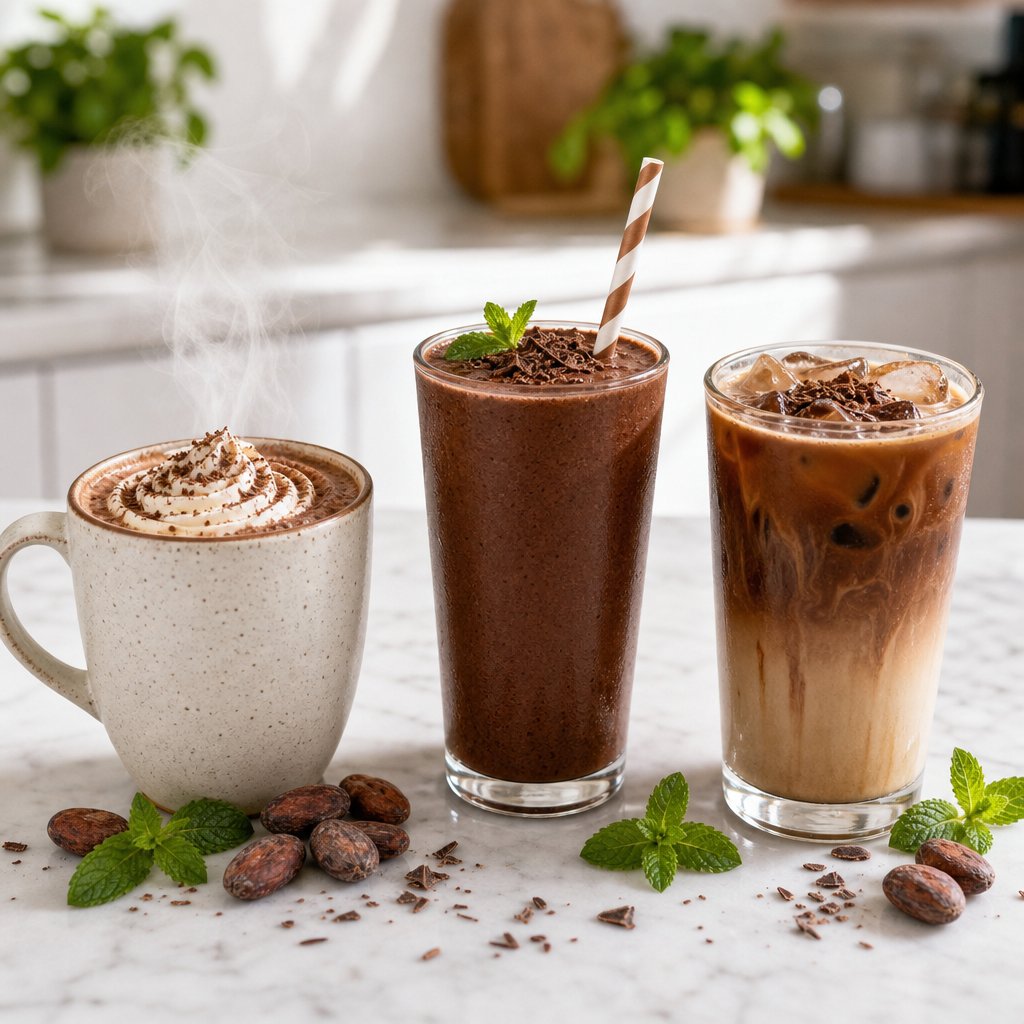
A smooth paste in a mug is a good start, but it is not a finished drink. The difference between a mediocre cocoa powder drink and one you actually crave comes down to ratios, temperature control, and knowing which flavors complement cacao rather than compete with it. Below are three drink categories with precise measurements so you can skip the guesswork.
Classic Hot Cacao with Precise Measurements
Imagine wrapping your hands around a mug of rich, velvety hot cacao that tastes like it came from a specialty cafe. Here is the base recipe:
- 2 tablespoons cacao powder
- 8 ounces liquid (milk or plant milk)
- 1 to 2 teaspoons sweetener (maple syrup, honey, or coconut sugar)
- Pinch of sea salt to round out bitterness
Heat your liquid to 160 to 170 degrees Fahrenheit. This range is warm enough to dissolve the cacao fully while preserving the flavonoids that degrade at higher temperatures. Bloom the powder with a splash of the warm liquid first, stir into a paste, then add the rest gradually while whisking.
Which milk works best? Oat milk ranks highest for creaminess and natural sweetness, making it a popular choice for those who drink cacao daily. Full-fat coconut milk creates an indulgent, thick texture. Almond milk is lighter and lets the cacao flavor dominate. Cashew milk falls somewhere in between, offering subtle richness without overpowering. If you want extra depth, a pinch of cinnamon, a drop of vanilla extract, or a tiny dash of cayenne pepper transforms a simple cacao drink into something layered and complex.
Cacao Powder Smoothie Combinations That Actually Work
Tossing cacao into a blender with random fruit often produces muddy, bitter results. The key is balancing cacao's intensity with complementary flavors and enough fat or natural sweetness to soften the edges. Here are three tested combinations:
- Chocolate-Banana-Peanut Butter: 1.5 tablespoons cacao powder, 2 frozen bananas (sliced before freezing for smoother blending), 1 tablespoon peanut or almond butter, 1.5 cups oat or almond milk, optional handful of spinach. The banana provides natural sweetness and thick texture, while the nut butter adds fat that mellows bitterness.
- Berry-Cacao-Spinach: 1 tablespoon cacao powder, 1 cup frozen mixed berries, 1 large handful of spinach, 1 tablespoon chia seeds, 1.5 cups almond milk. Use only 1 tablespoon of cacao here because berries have their own tartness. More cacao would overwhelm the fruit.
- Tropical Cacao-Mango-Coconut: 2 tablespoons cacao powder, 1 cup frozen mango chunks, 0.5 cup full-fat coconut milk, 1 cup water or light coconut milk, 1 tablespoon shredded coconut. The higher cacao dose works because mango's sweetness and coconut's fat content balance it out.
Blending order matters more than most people realize. Always add liquids first, then soft ingredients like spinach or nut butter, then frozen fruit on top. This creates a vortex that pulls solids down into the blades rather than leaving chunks stuck above the liquid line. If you are looking for the best cocoa powder for drinking in smoothie form, choose a raw cacao with higher fat content. It blends more smoothly and produces a creamier mouthfeel than low-fat varieties.
Adding Cacao Powder to Coffee for a Mocha Effect
You do not need a syrup-laden coffee shop mocha to get that chocolate-coffee combination. Cacao powder and coffee pair naturally because they share similar aromatic compounds, and the result is richer than either ingredient alone.
The simplest method: stir 1 teaspoon of cacao powder directly into a freshly brewed cup of hot coffee. The coffee's heat dissolves the cacao without needing a separate blooming step, though whisking for 10 to 15 seconds prevents any settling at the bottom. For iced versions, blend 1 to 2 teaspoons of cacao with cold brew concentrate and ice until frothy.
The real appeal of drinking cacao alongside coffee goes beyond flavor. Cacao contains theobromine, a mild stimulant that acts as a vasodilator and provides slower, longer-lasting energy compared to caffeine's quick spike. When you combine the two, caffeine delivers the immediate alertness while theobromine extends the energy curve and smooths out the crash. Many people who pair cacao powder and coffee report feeling focused for longer without the jittery edge that a second cup of straight coffee would bring.
One of the key benefits of drinking cacao in this format is the added flavonoid intake. Coffee already ranks high in antioxidants, and cacao's flavanols stack on top of that, supporting circulation and reducing oxidative stress. A teaspoon of cacao per cup is enough to notice the flavor shift and the smoother energy profile without making your coffee taste like dessert.
These drink recipes give you a solid daily rotation, but cacao powder is far from a liquid-only ingredient. Its depth and complexity translate just as well into baked goods, where the right ratios make the difference between a rich brownie and a dry, bitter disappointment.
Step 4 – Bake with Cacao Powder Using Correct Ratios
Most cacao powder recipes you find online tell you to "just swap it in" for cocoa powder. That advice is incomplete. Cacao behaves differently in batter due to its higher fat content, stronger bitterness, and slightly different acidity. Get the ratios wrong and you end up with dry brownies or an overly bitter cake. Get them right and you unlock a deeper, more complex chocolate flavor than standard cocoa delivers.
Cacao-to-Cocoa Substitution Ratios for Baking
The baseline swap is 1:1 by volume. One cup of cacao powder replaces one cup of cocoa powder. But baking with cacao powder requires a few adjustments beyond that simple exchange:
- Reduce sugar by 1 to 2 tablespoons per cup of cacao. Raw cacao is more intensely bitter than Dutch-process cocoa, which means your taste buds perceive sweetness more readily when it is present. Keeping the original sugar amount can make the final product overly sweet.
- Add a pinch of baking soda if replacing natural cocoa. Natural cocoa is acidic and activates baking soda on its own. Cacao powder is slightly less acidic, so a small addition of baking soda (about 1/8 teaspoon per cup of cacao) helps maintain proper rise.
- Add 1 to 2 extra tablespoons of fat. Cacao's higher cocoa butter content absorbs more moisture from the batter. Compensate with a bit of melted butter, coconut oil, or vegetable oil to keep the crumb tender rather than chalky.
These adjustments apply to most cocoa recipes with cocoa powder that you want to convert. Once you make them a few times, the process becomes second nature.
Brownies, Cookies, and Cakes with Cacao Powder
Specific measurements matter more than vague guidelines. Here are tested amounts for common batch sizes:
- Brownies: 1/2 cup cacao powder per 8x8-inch pan. Sift the cacao before whisking it into your melted butter and sugar mixture. A standard cocoa brownie recipe uses about 1 cup for a 9x13 pan, so halving for the smaller pan keeps the chocolate intensity balanced.
- Cookies: 1/4 cup cacao powder per 24-cookie batch. Fold it in with the dry ingredients after sifting to prevent pockets of unsweetened powder in the finished cookie.
- Cake: 1/3 cup cacao powder per 9-inch layer. Sift it together with the flour and leavening agents at least twice for even distribution.
Why does sifting matter so much? Cacao powder compresses easily in storage, forming dense clumps that resist dissolving into batter. Those clumps become dry, bitter pockets in your finished bake. A quick pass through a fine-mesh sieve breaks them apart and aerates the powder, giving you a smoother, more uniform crumb. This single step is the difference between amateur and polished results in recipes with cacao powder.
Raw Cacao Desserts That Skip the Oven
Heat degrades the flavonoids that make cacao nutritionally interesting. If preserving antioxidants matters to you, no-bake recipes using cacao are the way to go. These three options require zero oven time:
- No-Bake Energy Balls (makes 12): 2 tablespoons cacao powder, 1 cup rolled oats, 1/2 cup nut butter, 1/4 cup honey or maple syrup, 2 tablespoons ground flaxseed. Mix, roll into balls, refrigerate 30 minutes.
- Raw Cacao Avocado Mousse (serves 2): 3 tablespoons cacao powder, 1 ripe avocado, 2 tablespoons maple syrup, 1/4 cup plant milk, pinch of salt. Blend until silky. The avocado provides the creamy base without any dairy.
- Cacao-Date Truffles (makes 10): 2 tablespoons cacao powder plus extra for rolling, 10 Medjool dates (pitted), 1/4 cup almond meal, 1 tablespoon coconut oil. Process in a food processor until sticky, roll into balls, coat in cacao powder.
These recipes for cacao powder preserve the full spectrum of beneficial compounds because nothing gets heated above room temperature. They also come together in under ten minutes, making them practical for meal prep or quick snacking.
Recipes for cacao tend to lean sweet, but that only scratches the surface of what this ingredient can do. Its earthy depth and complex bitterness pair just as naturally with savory dishes, where a tablespoon or two can transform a familiar recipe into something unexpectedly rich.
Step 5 – Add Cacao Powder to Savory Dishes
When people wonder what to do with cacao powder, savory cooking rarely comes to mind. But cacao has been used in savory preparations for centuries. Mexican mole sauces, Oaxacan stews, and spice-rubbed meats all rely on cacao's ability to deepen flavor without making a dish taste like dessert. The trick is restraint: small amounts amplify umami and round out heat, while too much tips the balance toward bitterness.
Cacao Powder in Chili and Mole-Inspired Sauces
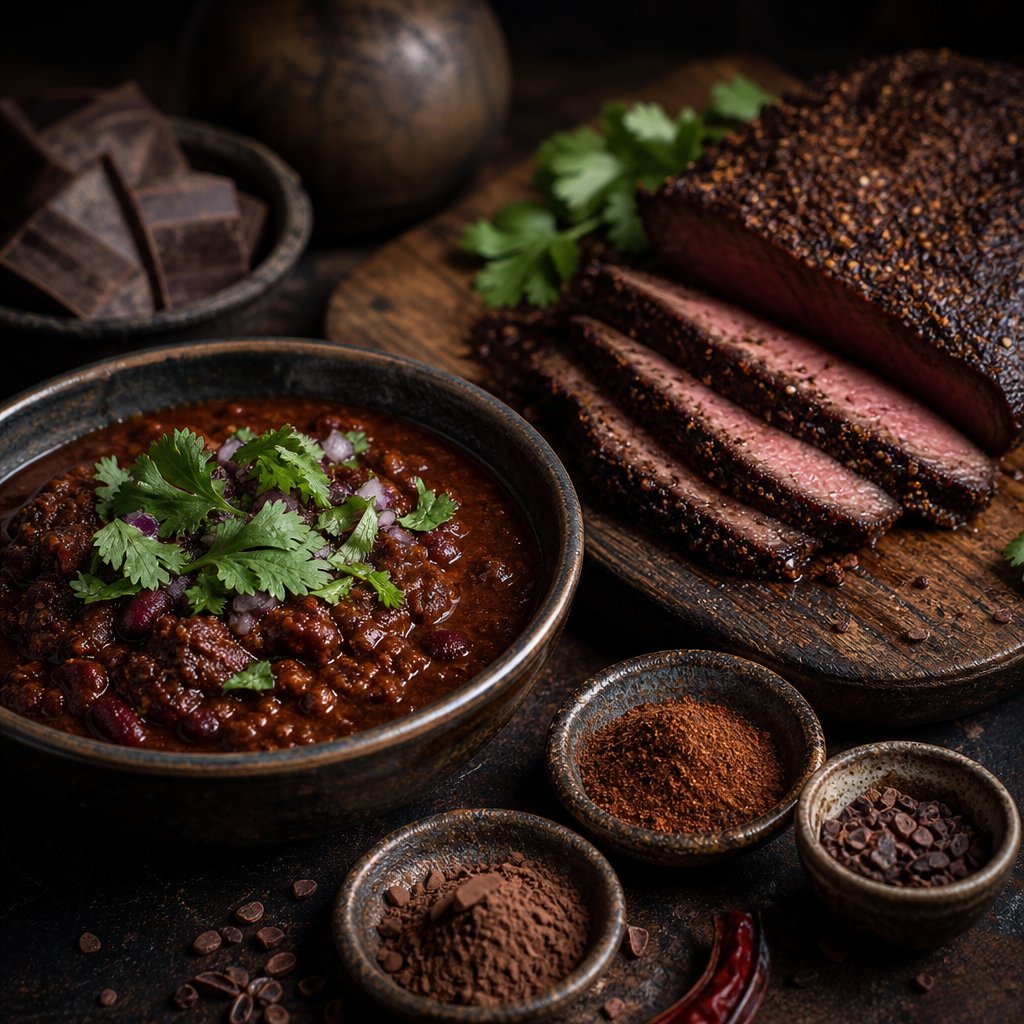
Chili peppers and cacao are both native to Mexico and Central America, and they have been combined in cooking for centuries. Adding cacao to chili lends depth and richness to the spicy dish, making it more savory and satisfying, especially in vegetarian versions where hearty meat flavors are absent.
The ratio that works: 1 tablespoon of unsweetened cacao powder per 4 servings of chili. Add it during the last 15 minutes of simmering rather than at the start. Extended cooking at high heat intensifies bitterness and destroys the subtle fruity notes you want. Stir it in with your dry spices like chili powder and cumin, let the pot simmer, then taste. If you want more richness, add up to another tablespoon.
For mole-inspired sauces, increase to 2 tablespoons per batch and combine with dried chilies (ancho or guajillo work well), 1 teaspoon cumin, and 1/2 teaspoon cinnamon. The cacao does not make the sauce taste like chocolate. Instead, it creates a dark, velvety backbone that ties the spices together and enhances the perception of umami. This is one of the most rewarding cacao powder uses once you experience the result.
Dry Rubs and Marinades with Cacao
If you are wondering what to make with cacao powder beyond drinks and desserts, dry rubs are a great entry point. Cacao's natural fat content helps the rub adhere to proteins, and its bitterness creates a complex crust when seared or grilled. Serious Eats notes that cocoa and coffee in a steak marinade add a slight bitterness that underscores charred, grilled flavor while contributing a round butteriness from the cocoa butter.
Here is a base rub formula that works on beef, pork, and portobello mushrooms:
- 2 tablespoons cacao powder
- 1 tablespoon smoked paprika
- 1 teaspoon ground cumin
- 1 teaspoon brown sugar
- 1 teaspoon kosher salt
- 1/2 teaspoon black pepper
Combine everything and rub generously onto your protein 30 to 60 minutes before cooking. The brown sugar helps caramelization during searing, while the cacao darkens the crust and adds complexity you cannot get from standard spice blends alone. For a marinade variation, dissolve the rub in 1 cup of strong brewed coffee and marinate steak for 1 to 12 hours before grilling.
Unexpected Savory Pairings and Flavor Bridges
Cacao works in savory dishes because it shares aromatic compounds with many ingredients you already cook with. Food science research on flavor pairing shows that ingredients with overlapping aromatic profiles naturally complement each other. Cacao contains pyrazines, which also appear in roasted vegetables, grilled meats, and toasted grains. That shared chemistry makes it a natural bridge rather than an oddity.
Tested combinations worth trying:
- Cacao + roasted beets: 1 teaspoon cacao in the glaze amplifies the beets' earthy sweetness
- Cacao + black beans: 1 tablespoon stirred into refried or stewed beans adds smoky depth
- Cacao + sweet potato: dust roasted wedges with 1/2 teaspoon cacao and smoked salt before serving
- Cacao + coffee-braised short ribs: 1 tablespoon cacao added to the braising liquid creates a rich, dark sauce
These are not novelty pairings. They work because cacao functions like a flavor amplifier in savory contexts, boosting existing depth the way salt boosts existing flavors. Once you start exploring cocoa cooking in this way, you will find uses for cocoa powder that go far beyond the dessert chapter of any cookbook.
Knowing what you can make with cocoa powder across both sweet and savory applications raises a practical question: how much cacao should you actually consume each day to get the health benefits without overdoing it?
Step 6 – Find Your Ideal Daily Cacao Dosage
You know how to store it, dissolve it, drink it, bake with it, and cook with it. The next logical question is one most guides skip entirely: how much cacao powder per day actually delivers meaningful health benefits without tipping into side effects? The answer depends on your body, your goals, and your sensitivity to stimulants.
Recommended Daily Intake for General Wellness
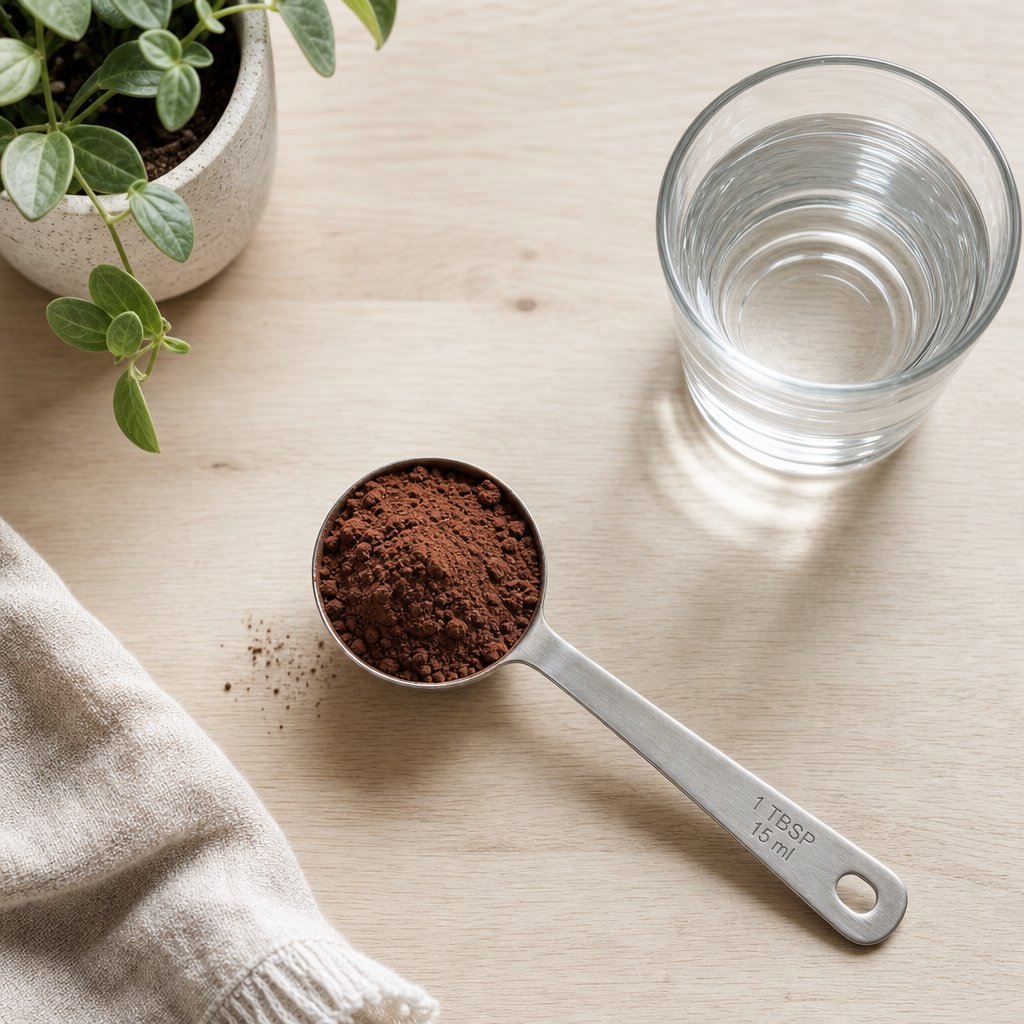
For most healthy adults, 1 to 2 tablespoons (5 to 15 grams) per day is a practical starting range that balances cacao powder nutrition with manageable stimulant intake. This amount delivers a meaningful dose of several key compounds:
- Magnesium: roughly 50 to 100 mg per serving, supporting muscle function, sleep quality, and nerve signaling
- Iron: approximately 1.5 to 3 mg, contributing to oxygen transport and energy production
- Flavonoids: potent antioxidants linked to improved blood flow, skin hydration, and cognitive function
- Theobromine: a mild stimulant that supports cardiovascular function and provides gentle, sustained alertness
These compounds work together rather than in isolation. The health benefits of cacao come from the full spectrum of bioactive ingredients, not any single nutrient. Consistent daily intake at moderate levels appears more beneficial than occasional large doses, as clinical research on cocoa flavanols shows cumulative cardiovascular and cognitive effects over weeks of regular consumption.
Adjusting Dosage Based on Sensitivity and Goals
Not everyone responds to cacao the same way. Your ideal amount depends on caffeine tolerance, health objectives, and how your body processes theobromine. Here is a breakdown by goal:
| Goal | Suggested Daily Amount | Best Time to Consume | Notes |
|---|---|---|---|
| General wellness | 1-2 tablespoons (5-10 g) | Morning or early afternoon | Pair with healthy fats for better absorption |
| Cardiovascular support | 2-3 tablespoons (10-15 g) | Split between morning and midday | Higher flavanol intake supports vascular function |
| Athletic recovery (magnesium) | 2-3 tablespoons (10-15 g) | Post-workout or evening | Combine with protein for muscle repair |
| Caffeine-sensitive individuals | 1 teaspoon to 1 tablespoon (2-5 g) | Morning only | Start low, increase gradually over 1-2 weeks |
| Mood and focus | 1-2 tablespoons (5-10 g) | Morning | Theobromine and phenylethylamine support alertness |
If you are caffeine-sensitive, start with just 1 teaspoon and observe how you feel over several days before increasing. Cacao contains roughly 12 mg of caffeine per tablespoon, far less than coffee, but the theobromine adds a stimulant effect that some people notice. Those seeking how much cacao powder a day for health benefits in the cardiovascular category should aim for the higher end of the range, where flavanol intake reaches levels shown to support endothelial function in clinical trials.
When to Limit or Avoid Cacao Powder
Transparency about cacao powder benefits means being honest about limits too. For most people, moderate daily intake is safe and well-tolerated. Problems tend to emerge at high doses, generally above 40 grams (roughly 8 tablespoons) per day, or in specific populations:
- Theobromine sensitivity: some individuals experience rapid heartbeat, restlessness, or headaches even at moderate doses. If this happens, reduce your intake by half and reassess.
- MAO inhibitor interactions: cacao contains tyramine, which can precipitate a hypertensive crisis when combined with monoamine oxidase inhibitors. If you take MAOIs, consult your physician before adding cacao to your routine.
- Pregnancy: cacao is generally recognized as safe in food amounts, but caffeine intake should be restricted. Limiting consumption to 1 tablespoon daily and discussing it with your healthcare provider is a reasonable approach.
- Kidney stone risk: cacao is moderately high in oxalates. If you have a history of calcium oxalate kidney stones, keep intake to 1 tablespoon or less and ensure adequate hydration.
The side effects of cocoa powder are dose-dependent. At 1 to 2 tablespoons daily, most healthy adults experience only the cacao benefits: better mood, improved circulation, and steady energy. At extreme doses, the stimulant load and oxalate content become relevant concerns. The sweet spot for most people sits comfortably in that 1 to 3 tablespoon range, adjusted based on individual response.
The benefits of cacao powder are real and well-supported by research, but they depend on consistency and appropriate amounts rather than megadosing. Knowing your limits also means knowing when something goes wrong in preparation, and the most common cacao mistakes are easy to fix once you understand what causes them.
Step 7 – Fix Common Cacao Powder Mistakes
You measured carefully, followed a recipe, and still ended up with something bitter, gritty, or underwhelming. Sound familiar? Most cacao problems trace back to three fixable causes. Here is how to diagnose and correct each one so you can confidently eat cacao powder, drink it, or bake with it without unpleasant surprises.
Fixing Bitter or Overpowering Cacao Flavor
Bitterness almost always means too much cacao relative to fat and sweetener. Raw cacao is naturally more intense than roasted cocoa, so if you are following a recipe designed for standard cocoa powder, the result will taste harsher than expected.
The fixes:
- Add a pinch of salt. Salt suppresses bitter taste receptors and enhances the perception of sweetness without adding sugar.
- Increase fat. A tablespoon of coconut oil, nut butter, or full-fat milk coats the palate and softens sharp edges.
- Reduce cacao by 25% and rebuild. If a recipe calls for 2 tablespoons, try 1.5 next time and adjust upward to taste.
If you are learning how to eat cocoa powder straight, mixed into yogurt or oatmeal, start with 1 teaspoon per serving rather than a full tablespoon. The concentrated bitterness of raw cacao hits differently without liquid to dilute it. Can you eat cocoa powder this way? Absolutely, but moderation and pairing with fats or natural sweeteners makes the experience far more enjoyable.
Solving Grainy Texture and Clumping Issues
Grainy cacao drinks and lumpy batters share the same root causes. Cocoa powder clumps because its particles are hygroscopic and contain natural cocoa butter that resists dissolving in water-based liquids. Three scenarios create the problem:
- Adding cacao to cold liquid: cocoa butter stays solid below 93°F, so particles cannot disperse. Fix by blooming with warm liquid first, even for iced drinks.
- Skipping the sift: compressed powder from storage forms dense lumps that resist mixing. A quick pass through a fine-mesh sieve breaks them apart before they hit your liquid.
- Using low-fat liquids: water and skim milk lack the fat needed to suspend cacao particles. Switch to full-fat milk, oat milk, or add a teaspoon of oil to improve suspension.
Cacao's higher fat content compared to standard cocoa means it behaves differently in water-based preparations. If you want to know how to consume cacao powder without texture issues, the combination of sifting, warm blooming, and adequate fat in your liquid solves the problem every time. A handheld milk frother or small whisk also helps break up any remaining particles quickly.
Avoiding Nutrient Loss During Preparation
Can you eat raw cacao and actually get the antioxidant benefits people talk about? Yes, but only if you handle temperature carefully. The raw cacao benefits that make it nutritionally superior to roasted cocoa, particularly its high flavonoid and epicatechin content, are heat-sensitive.
Research on cocoa roasting kinetics shows that epicatechin degradation reaches 100% at 392°F (200°C), while temperatures around 266°F (130°C) for just 10 minutes already cause measurable losses. For home preparation, the practical takeaways are:
- Drinks: use water or milk heated to 150-170°F, never boiling (212°F). This dissolves the powder fully while keeping flavonoid degradation minimal.
- Baking: add cacao to recipes that bake at the lowest effective temperature. A brownie at 325°F preserves more antioxidants than one baked at 375°F, even if it takes a few extra minutes.
- Raw preparations: no-bake energy balls, smoothies, and overnight oats preserve the full antioxidant profile since nothing exceeds room temperature.
How to use cocoa powder without destroying what makes it valuable comes down to a simple rule: the less heat and the shorter the exposure, the more beneficial compounds survive. If you are choosing how to eat cacao powder specifically for health reasons, raw preparations and warm (not hot) drinks deliver the most nutritional return.
These fixes handle the most common frustrations, but they also highlight something bigger. Once you have dialed in your technique and understand cacao's behavior, you are sitting on knowledge that translates directly into product development, whether that means a signature superfood blend or a full supplement line.
Step 8 – Turn Your Cacao Expertise into Health Products
You have perfected your ratios, tested flavor combinations, and maybe even developed a signature cacao blend that friends keep asking about. That kitchen confidence is exactly where many successful supplement and functional food brands begin. The leap from personal recipe to commercial product is real, but it is shorter than most people assume when you understand what is cacao used for at scale and how to partner with the right manufacturer.
From Kitchen Recipe to Commercial Cacao Product
A home recipe that tastes great in small batches is not automatically ready for retail shelves. Commercial food formulation requires precise ingredient weights in grams or kilograms rather than cups and teaspoons, standardized processing methods, and batch yields designed for large-scale production. Beyond measurements, you need to address:
- Formulation standardization: ensuring every batch delivers identical flavor, texture, and nutrient content regardless of production volume
- Stability testing: verifying that your healthy cacao powder blend maintains potency, color, and taste over its intended shelf life through pH testing and water activity analysis
- Regulatory compliance: meeting FDA labeling requirements including accurate nutrition facts, allergen declarations, and validated claims like "organic" or "high-antioxidant"
- Packaging optimization: selecting materials that protect cacao's light-sensitive flavonoids while meeting retail and e-commerce durability standards
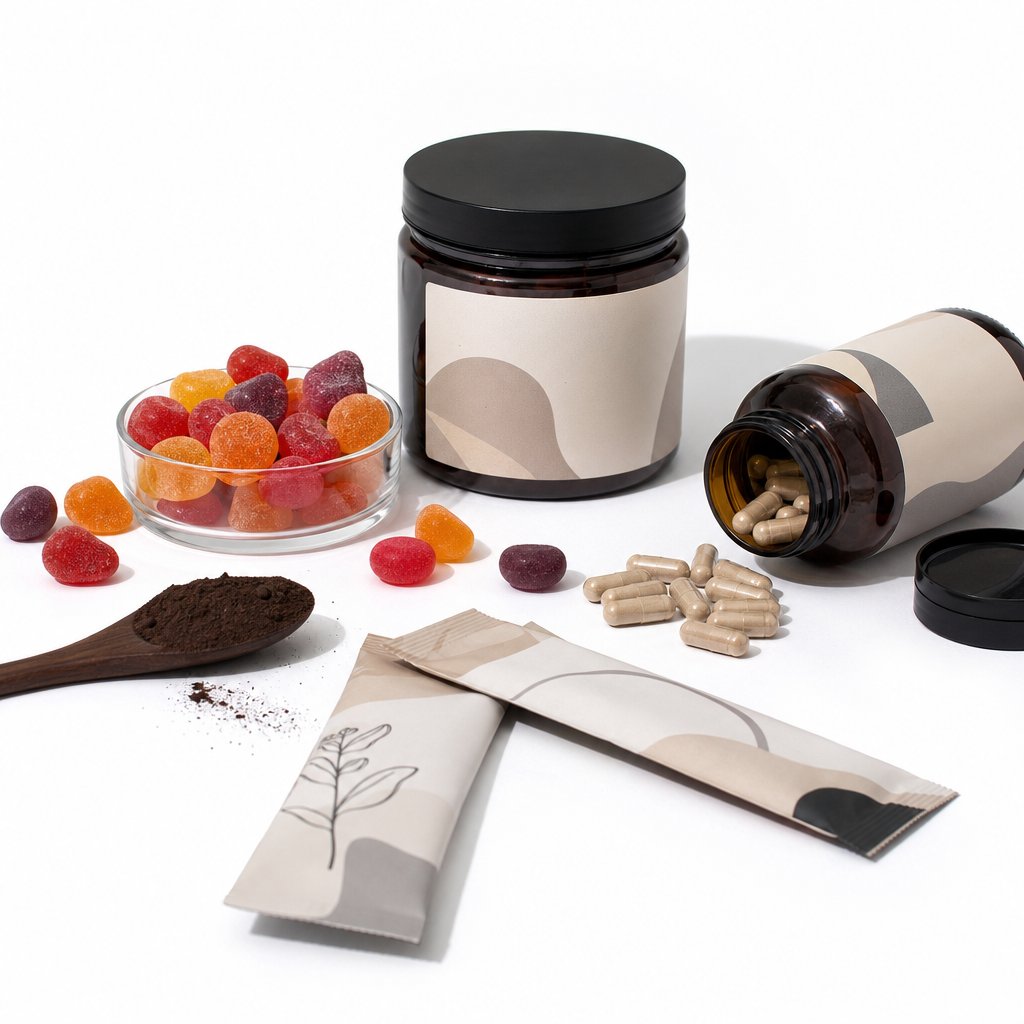
Cacao powder's versatility makes it ideal for commercialization because a single cacao base formulation can branch into multiple product formats. A well-developed healthy chocolate powder blend might become a drink mix, a capsule supplement, or an energy gummy depending on your target market.
Choosing an OEM/ODM Partner for Cacao-Based Products
Most entrepreneurs do not build their own manufacturing facility. Instead, they partner with an OEM (Original Equipment Manufacturer) or ODM (Original Design Manufacturer) that handles production while you own the brand. When evaluating partners for cacao-based health products, look for:
- Flexible product formats that match your market strategy
- Custom formulation capabilities so your blend stays unique
- Scalable production from small initial runs to large orders
- Quality certifications like GMP, ISO, and organic handling credentials
One manufacturer worth exploring is ZhuFeng, which offers OEM/ODM health food manufacturing across formats including powder and granule blends, hard capsules, soft capsules, tablets, gummy candy, and oral liquids. Their customized formulation service is particularly relevant for cacao entrepreneurs because it allows you to develop proprietary blends, whether that is a cacao-ashwagandha stress support powder or a chocolate made with cacao and functional mushrooms for cognitive focus. The ability to start with a unique recipe and scale into multiple product formats under one manufacturing partner simplifies logistics considerably.
Product Formats That Work Well with Cacao Powder
Not every format suits every audience. Choosing the right one depends on who you are selling to and how they prefer to consume healthy cocoa powder products. Here are the most viable commercial formats:
- Cacao superfood powder blends: target health-conscious consumers who already make smoothies and lattes daily. Combine cacao with adaptogens, collagen, or greens for a differentiated product.
- Cacao-based supplement capsules: ideal for people who want the best cacao powder for health benefits without the taste or preparation. Concentrated flavanol extracts work well here.
- Cacao energy gummies: appeal to younger demographics and on-the-go consumers. The cacao benefits for female wellness, particularly iron and magnesium support, make this a strong angle for women's health brands.
- Cacao drink mixes: single-serve sachets with pre-measured ratios target convenience buyers. Add functional ingredients like MCT oil or protein for a complete meal replacement positioning.
- Cacao protein bars: combine cacao with plant protein, nuts, and natural sweeteners for the fitness market. The antioxidant angle differentiates from standard protein bars.
Each format serves a different purchase occasion and price point. Powder blends and drink mixes have lower production costs and faster speed to market. Capsules and gummies require more specialized equipment but command higher margins. If you are exploring manufacturing options for any of these formats, ZhuFeng's service page outlines their capabilities across all of these product types.
The journey from knowing how to use cacao powder in your own kitchen to selling a branded health product is not as distant as it seems. The same attention to ratios, quality sourcing, and preparation technique that makes a great personal recipe also forms the foundation of a marketable product. What changes is scale, compliance, and having the right manufacturing partner to bring your formulation to life.
Frequently Asked Questions About Using Cacao Powder
1. What is the difference between cacao powder and cocoa powder?
Cacao powder is cold-pressed from fermented beans with minimal heat, preserving more flavonoids and antioxidants. Cocoa powder is roasted at 250-350°F before pressing, which mellows the flavor but reduces nutrient density. Raw cacao tastes bolder and more bitter, while roasted cocoa has a smoother, classic chocolate profile. For baking, the distinction also affects leavening chemistry since natural cocoa is acidic and Dutch-process cocoa is alkaline.
2. How much cacao powder should I consume per day for health benefits?
A practical daily range for most healthy adults is 1 to 2 tablespoons (5-15 grams). This delivers meaningful amounts of magnesium, iron, flavonoids, and theobromine. Caffeine-sensitive individuals should start with 1 teaspoon and increase gradually. Those focused on cardiovascular support may aim for 2-3 tablespoons split between morning and midday. Avoid exceeding 40 grams daily, as high doses may cause restlessness or interact with certain medications.
3. Can I substitute cacao powder for cocoa powder in baking recipes?
Yes, the baseline swap is 1:1 by volume, but adjustments improve results. Reduce sugar by 1-2 tablespoons per cup since cacao is more intensely bitter. Add a pinch of baking soda if replacing natural cocoa to balance acidity. Include 1-2 extra tablespoons of fat (butter or oil) because cacao's higher cocoa butter content absorbs more moisture from batter. Always sift cacao before folding into batter to prevent dry pockets.
4. Why does my cacao powder clump in drinks and how do I fix it?
Clumping happens because cacao particles contain cocoa butter that stays solid in cold liquid, preventing proper dispersion. The fix is the bloom method: add 2 tablespoons of warm liquid (150-170°F) to your measured cacao, stir into a smooth paste, let it rest for 1-2 minutes, then gradually add remaining liquid while whisking. Sifting before mixing and using liquids with adequate fat content also prevents graininess.
5. Can cacao powder be used in savory cooking?
Cacao works exceptionally well in savory dishes because it shares aromatic compounds (pyrazines) with roasted vegetables, grilled meats, and toasted grains. Add 1 tablespoon per 4 servings of chili during the last 15 minutes of simmering for depth without chocolate flavor. It also excels in dry rubs for beef and pork, mole-inspired sauces, and as a flavor bridge with ingredients like roasted beets, black beans, and sweet potatoes.