What Makes Moringa Powder Worth Adding to Your Routine
You have probably seen moringa powder on a shelf or in a smoothie recipe and wondered whether it is worth the hype. Here is the short answer: gram for gram, few plant foods pack this much nutrition into such a small serving. But knowing how to use moringa powder in a way that actually sticks requires more than a vague suggestion to toss it into a blender.
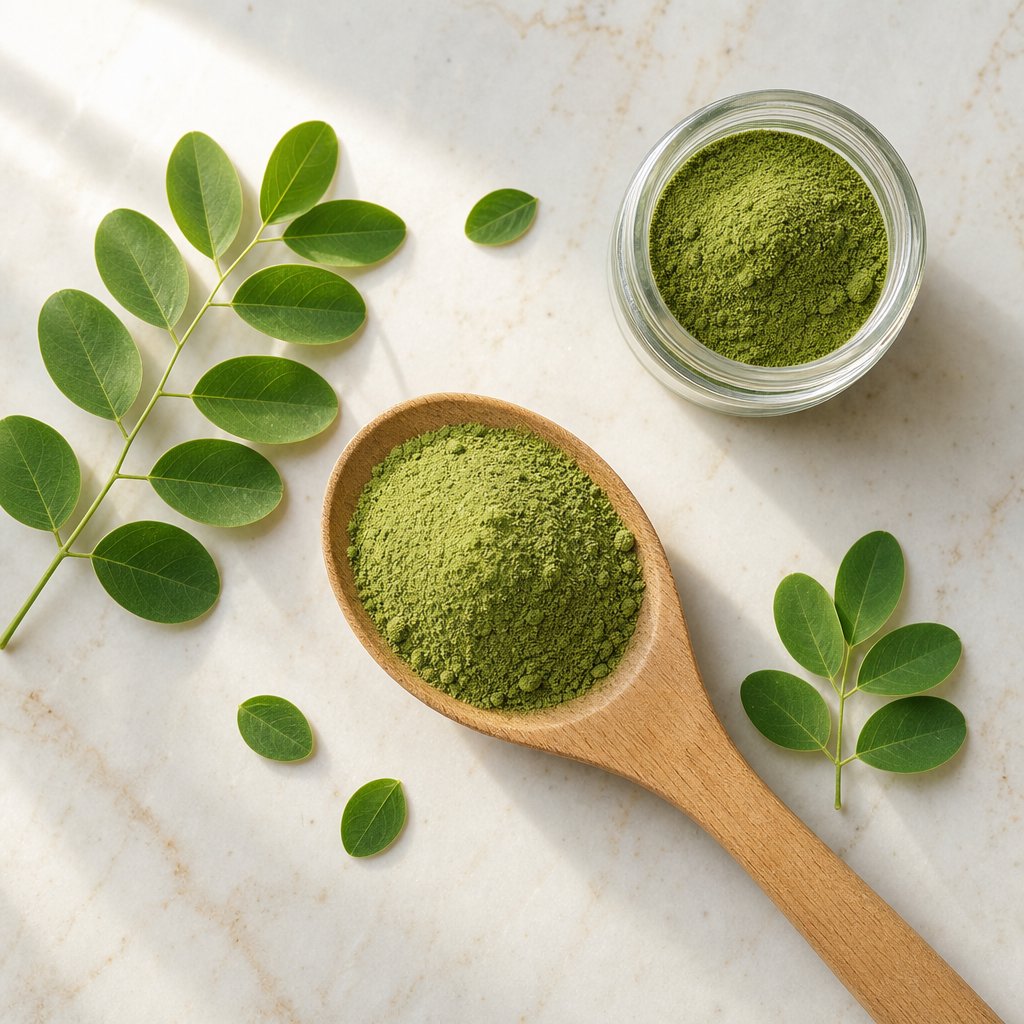
So what is moringa oleifera? It is a fast-growing tree native to South and Southeast Asia, sometimes called the moringa horseradish tree because of the peppery bite in its roots. The leaves are dried and milled into a fine green powder that has become one of the most accessible superfoods worldwide.
What Moringa Powder Tastes Like and Why It Matters
If you are wondering what does moringa taste like, think earthy, slightly bitter, and grassy, similar to matcha but with a sharper, more peppery edge. Cleveland Clinic describes the flavor as "a bit grassier" than matcha with a bitterness comparable to arugula. Understanding this upfront matters because the taste determines which recipes work and which become a chore you abandon by day three.
Key Nutrients in Every Teaspoon
A single teaspoon (roughly 2 grams) of moringa oleifera powder delivers approximately 15% of your daily iron, 10% of your calcium, and meaningful amounts of vitamins A and C, plus plant-based protein containing all nine essential amino acids.
Gram for gram, dried moringa leaves contain roughly 10 times more iron than spinach and about 4 times more calcium than milk, making one teaspoon nutritionally comparable to a small serving of multiple whole foods combined.
What This Guide Covers That Others Skip
Most guides tell you to "add moringa powder to smoothies" and leave it at that. This one gives you exact measurements, week-by-week dosage progression, temperature guidelines that protect nutrients, cooking techniques, skincare applications, and a full 30-day plan to build a sustainable habit around the moringa tree's most versatile product. Every step includes specific quantities and timing so you never have to guess.
Step 1 Pick Quality Moringa Powder That Actually Works
All those nutrients mentioned above only matter if the powder in your bag actually retained them during processing. The difference between the best moringa powder and a subpar product often comes down to how the drumstick plant leaves were dried, handled, and stored before reaching you. Here is how to evaluate quality before you take your first scoop.
Color, Smell, and Texture Checks for Freshness
Your eyes, nose, and fingertips are surprisingly reliable quality tools. A vibrant, bright green color is the single best visual indicator that moringa leaf powder was processed correctly and is still fresh. According to research published by ECHO Community, greenness signals that the harvested moringa plant leaves came from healthy trees and that chlorophyll was not degraded by excessive heat during drying. When you see yellow-brown tones or a dull, faded appearance, that points to oxidation, overheating, or decomposition that likely destroyed heat-sensitive vitamins along the way.
Beyond color, use these sensory checks before committing to a product:
- Smell: Fresh organic moringa leaf powder should have a distinctly grassy, slightly earthy aroma. If it smells musty, stale, or has no scent at all, the powder is likely old or improperly stored.
- Texture: Quality powder feels fine and silky between your fingers, not gritty or coarse. Grittiness suggests the fibrous petiole (leafstalk) tissue was not properly separated from the leaflets during processing.
- Clumping: Moisture exposure causes moringa powder to clump. If you open a new bag and find hard lumps, the product was either stored in humid conditions or the packaging failed to keep moisture out.
- Color uniformity: Consistent green throughout the powder indicates even drying. Patches of brown or yellow mixed with green suggest uneven processing or a blend of fresh and degraded batches.
How Drying Methods Affect Nutrient Quality
The way dried moringa leaves are processed determines how much nutrition survives from tree to table. Three primary methods dominate production, and each carries distinct tradeoffs.
Shade-drying involves spreading moringa plant leaves indoors in a well-ventilated space, relying on natural air movement over several days. Research by Joshi and Mehta (2010), summarized by ECHO Community, found that shade-drying retains the highest levels of both vitamin A and vitamin C compared to other methods. The tradeoff is speed: slow drying in humid climates risks mold growth if air circulation is inadequate.
Sun-drying is the simplest and cheapest approach, but ultraviolet radiation can reduce vitamin A by roughly 9% compared to shade-drying, and direct heat on sunny days accelerates vitamin C loss. Researchers in Uganda found that sun-drying reduced vitamins A and C by 58% and 84%, respectively, due to UV exposure.
Machine-drying (oven or cabinet dryers) offers the most control over temperature and airflow, making it practical for commercial-scale production. However, temperatures above 60 degrees Celsius (140 degrees Fahrenheit) significantly degrade vitamin C. One study found a 60% reduction in vitamin C with oven drying compared to shade-drying. The good news: minerals like iron and calcium remain stable across all drying methods, and protein content varies little regardless of the approach used.
The practical takeaway? Look for brands that mention low-temperature or shade-drying on their labels. If vitamin C retention matters to you, that processing detail is worth seeking out.
Organic vs Conventional and What Certifications Mean
When you see "organic moringa powder" on a label, it means the drumstick plant was cultivated without most synthetic fertilizers, pesticides, or genetically modified organisms. In the United States, the USDA Organic seal confirms that a USDA-accredited certifying agent verified the farm and processing facility meet federal organic standards. This certification traces the product from farm to package.
Organic certification does not automatically guarantee higher nutrient content. It does, however, reduce your exposure to synthetic chemical residues and supports farming practices that prioritize soil health. For moringa specifically, conventional farming in regions with less regulatory oversight may involve pesticides that concentrate in the dried leaves.
Beyond organic status, look for these additional quality signals on labels: Non-GMO Project Verified, third-party testing (an independent lab confirmed purity and potency), and a Certificate of Analysis (COA) available on request. Reputable brands also list the country of origin and batch or lot numbers, which enable traceability if quality issues arise. Expiry or "best by" dates matter too, since moringa powder loses potency over time even under ideal storage conditions.
With a quality product in hand, the next question becomes how much to take and when. Getting the dosage right from day one prevents the digestive surprises that send many beginners straight back to the cupboard.
Step 2 Start Small and Build Your Dosage Safely
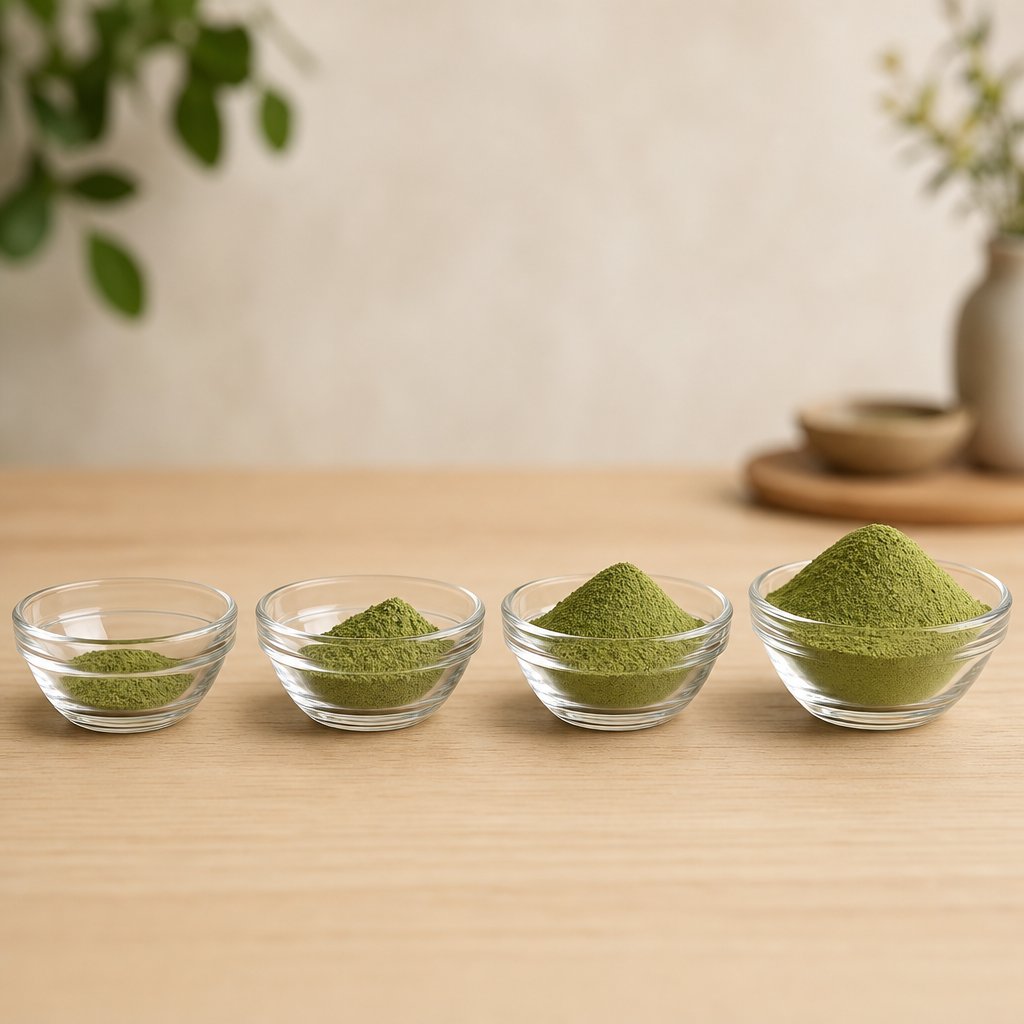
Moringa powder is nutrient-dense, but your digestive system does not know that yet. Jumping straight to a full tablespoon on day one is the fastest way to end up bloated, crampy, or running to the bathroom. The high fiber content and bioactive plant compounds in moringa can trigger mild laxative effects in people who are not accustomed to them. A gradual approach lets your gut adapt while you still get meaningful nutrition from every serving.
So how do you take moringa powder without the unpleasant surprises? You build up slowly over four weeks.
Your First Week Dosage and What to Expect
Start with half a teaspoon daily, which works out to roughly 1 to 2 grams. This amount is small enough that most people tolerate it without any digestive reaction, yet it still delivers a measurable dose of iron, calcium, and antioxidants. Stick with this amount for 3 to 5 days before considering an increase.
During this initial phase, pay attention to how your body responds. Mild changes in bowel regularity are normal and typically settle within a few days. If you experience stomach cramps, nausea, or diarrhea, stay at the half-teaspoon level for a full week before moving up. These symptoms are your body signaling that it needs more time to adjust to the fiber and bioactive compounds.
Signs your body has adapted and you are ready to increase: no digestive discomfort, normal bowel movements, and no nausea after taking your dose.
Week-by-Week Progression to Full Serving
The best way to take moringa oleifera is through a structured ramp-up that respects your body's adjustment period. Here is the four-week moringa powder dosage progression:
| Week | Amount | Frequency | Notes |
|---|---|---|---|
| Week 1 (Days 1-7) | 1/2 teaspoon (1-2g) | Once daily | Start here. Reduce or pause if nausea or cramping occurs. |
| Week 2 (Days 8-14) | 1 teaspoon (2-3g) | Once daily | Double your initial dose. Monitor digestion closely. |
| Week 3 (Days 15-21) | 1.5-2 teaspoons (4-5g) | Once or split into two doses | Optional split: morning and midday for sustained nutrition. |
| Week 4 (Days 22-30) | 1-2 tablespoons (5-10g) | Once or split into two doses | Maintenance level. Settle at the amount that feels right for you. |
Not everyone needs to reach the full 2-tablespoon mark. How much moringa per day works best varies by body weight, diet, and individual tolerance. Many people find their sweet spot at 1 to 2 teaspoons daily and stay there long-term. The moringa dosage per day that matters most is the one you can maintain consistently without discomfort.
Morning vs Evening and Meal Timing
When you take moringa matters almost as much as how much moringa to take. Morning consumption is the default recommendation for a reason: moringa contains no caffeine, but its iron, magnesium, and B vitamins support natural energy production through cellular metabolism. A timing guide from Moringa Utopia notes that cortisol peaks in the first hour after waking, creating an ideal absorption window when your metabolic systems are already activated.
Taking moringa with food rather than on an empty stomach serves two purposes. First, it reduces the chance of nausea, which is the most common complaint from beginners who dose on an empty stomach. Second, the fat-soluble antioxidants in moringa, including beta-carotene and vitamin E, absorb significantly better when paired with dietary fat. Even a small amount of avocado, nut butter, or olive oil alongside your dose makes a measurable difference in absorption.
How do i take moringa powder if my goal is blood sugar support rather than energy? Evening dosing after dinner has research backing for glucose management during overnight fasting. A 2022 randomized controlled trial published in Nutrients found that subjects with prediabetes who consumed moringa daily for 12 weeks showed significant reductions in fasting blood glucose. If blood sugar stability is your primary concern, taking your dose after your largest meal may offer the most benefit.
For most people, though, the practical answer to how do you take moringa powder is simple: pick a consistent time, take it with food, and do not overthink it. Consistency over weeks and months outperforms perfect timing done sporadically. The nutrients accumulate in your system gradually, and the real results show up when you stop skipping days, not when you nail the exact hour.
With your dosage dialed in and your timing locked, the next step is figuring out what to actually mix it into. A measured teaspoon is only useful if you have a drink or recipe that makes it easy to consume every single day.

Step 3 Blend Moringa Into Drinks and Smoothies
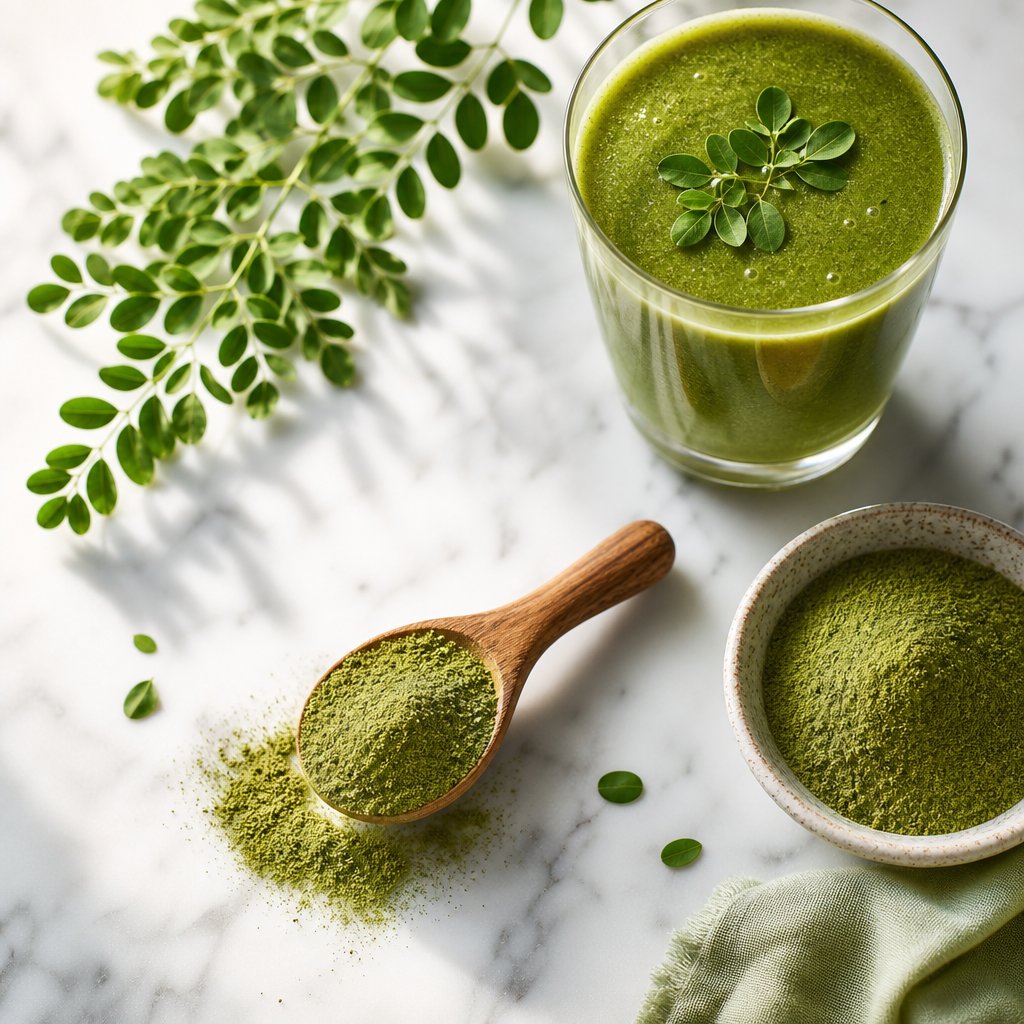
A measured teaspoon sitting in a bag does nothing for you. The real question is how to drink moringa powder in a way that tastes good enough to repeat tomorrow. Below are three moringa drink recipes with exact ratios, temperatures, and techniques so you never have to guess.
Moringa Water Done Right
This is the simplest moringa powder drink you can make, and it works perfectly for busy mornings. The key detail most guides skip: water temperature. You want warm water, not boiling. Research on thermal processing of Moringa oleifera shows that vitamin C degrades significantly with heat exposure, with losses of around 12% even at moderate cooking temperatures. Water above 180 degrees Fahrenheit accelerates that breakdown, meaning your boiling kettle is destroying nutrients before you take your first sip.
- Heat 8oz of water to approximately 160 degrees Fahrenheit. If you do not have a thermometer, let boiled water cool for 3 to 4 minutes.
- Add 1 teaspoon of moringa powder to the warm water.
- Stir vigorously for 15 to 20 seconds, or pour into a shaker bottle and shake for 10 seconds.
- Squeeze in half a lemon and stir in 1 teaspoon of raw honey if desired. The citrus cuts the earthy bitterness and the acidic environment actually helps protect remaining vitamin C from oxidation.
- Drink within 10 minutes for the best flavor and nutrient retention.
If you prefer learning how to take moringa powder with water using cold liquid instead, know that moringa clumps more readily in cold water. The workaround: make a paste first by mixing the powder with 1 to 2 tablespoons of warm water, then pour cold water over the paste and stir. This two-step method prevents those stubborn green clumps floating on top of your glass.
The Perfect Green Moringa Smoothie
Smoothies are where moringa powder for smoothies truly shines because the blender does the dissolving work for you, and the other ingredients mask the earthy flavor almost entirely. The fat from nut butter is not just for taste. Fat-soluble compounds like beta-carotene absorb significantly better when paired with dietary fat, making this combination more nutritionally effective than moringa in plain water.
- Add 1 cup of unsweetened almond milk to your blender as the liquid base.
- Drop in 1 ripe banana (frozen works even better for thickness).
- Add 1 cup of fresh spinach. This layers green nutrition without changing the flavor much.
- Scoop in 1 tablespoon of almond butter or peanut butter.
- Add 1 to 2 teaspoons of moringa powder depending on your current dosage week.
- Blend on high for 30 to 45 seconds until completely smooth.
Flavor-pairing tip: swap the banana for 1 cup of frozen mango or pineapple chunks when you want a tropical twist. Coconut milk in place of almond milk adds richness that further softens moringa's grassy edge. Citrus fruits, banana, mango, and coconut are the four flavor families that complement moringa best because their sweetness and acidity balance its natural bitterness.
How to Make a Moringa Latte
Imagine a matcha latte, but caffeine-free and slightly more earthy. This is how to make moringa tea with powder in a latte format that feels like a coffee-shop ritual rather than a health chore. The whisking step is critical because moringa powder does not dissolve the same way instant coffee does. It suspends in liquid rather than truly dissolving, so creating a smooth paste first prevents a gritty mouthfeel.
- Add 1 teaspoon of moringa powder to your mug.
- Pour in 2oz of hot water at around 160 degrees Fahrenheit.
- Whisk vigorously with a small whisk or milk frother for 20 seconds until a smooth, lump-free paste forms.
- Heat 6oz of your preferred milk (oat and almond work particularly well) and froth it using a steam wand, frother, or by shaking in a sealed jar.
- Pour the frothed milk over the moringa paste and stir gently to combine.
- Sweeten with maple syrup or honey to taste. A pinch of cinnamon or vanilla adds warmth without competing with the green flavor.
This method of how to make moringa powder tea as a latte works equally well iced. Simply whisk the paste with the 2oz of warm water as usual, then pour over a full glass of ice and top with cold milk. The warm-water paste step remains essential even for iced versions because cold liquid alone will leave you with visible clumps.
Whichever moringa drink you choose, the underlying principle stays the same: warm liquid first for dissolving, fat for absorption, and complementary flavors for sustainability. These three drinks cover the full spectrum from quick and minimal to indulgent and ritual-worthy, giving you options that fit any morning pace. The next frontier is getting moringa into actual meals, where heat management becomes even more important.
Step 4 Cook With Moringa Without Losing Nutrients
Drinks are a great starting point, but moringa powder recipes that integrate into actual meals give you far more flexibility and help prevent flavor fatigue. The challenge? Heat. Cooking temperatures can degrade certain nutrients while leaving others untouched or even making them easier to absorb. Understanding which compounds survive heat and which do not is the difference between a nutritious moringa dish and expensive green-tinted food with diminished benefits.
Which Nutrients Survive Heat and Which Do Not
Not every nutrient in moringa responds to heat the same way. Here is the breakdown in plain terms:
Vitamin C is the most heat-sensitive compound in moringa. Research on thermally processed Moringa oleifera found that boiling at 100 degrees Celsius for 30 minutes caused a 12% reduction in vitamin C content. A broader study on cooking methods and vitamin retention confirmed that boiling destroys vitamin C more than any other cooking technique, with retention dropping to 0% in some vegetables. The degradation accelerates above 160 degrees Fahrenheit, which is why the temperature guidance from the drinks chapter applies here too.
Minerals like iron and calcium remain stable regardless of cooking method. These inorganic compounds do not break down at kitchen temperatures, so you will get the same mineral content whether you add moringa to a hot soup or a cold salad.
Fat-soluble vitamins and antioxidants tell a more nuanced story. Beta-carotene and vitamin E can actually become more bioavailable after gentle heating because heat softens plant cell walls and disrupts the protein complexes that trap these compounds. The same cooking study found that cooked green leafy vegetables sometimes showed higher extractable vitamin E than their raw counterparts. Similarly, research on boiled moringa pods revealed that antioxidant capacity in mature pods actually increased after cooking, likely because heat released bound phenolic compounds from the plant matrix.
The practical rule: add moringa powder after cooking or during the last 1 to 2 minutes of preparation. This preserves vitamin C while still allowing gentle warmth to improve the bioavailability of fat-soluble nutrients.
Five Meal Recipes With Exact Moringa Measurements
Vague instructions like "sprinkle some moringa on food" are why most people give up on cooking with moringa. These five moringa powder recipes give you exact amounts and precise timing so you know exactly how to cook with moringa without guessing:
- Soups and stews: Stir 1 to 2 teaspoons of moringa powder into your bowl after removing the pot from heat. Let the soup cool for 2 minutes before adding the powder and stirring until fully incorporated. The residual warmth dissolves the powder without reaching temperatures that destroy vitamin C.
- Salad dressings: Whisk 1 tablespoon of moringa powder into a dressing made with 3 tablespoons of olive oil, 2 tablespoons of lemon juice, 1 minced garlic clove, and salt to taste. The fat from olive oil improves absorption of beta-carotene and vitamin E, while the lemon juice creates an acidic environment that protects vitamin C from oxidation.
- Scrambled eggs: Fold 2 teaspoons of moringa powder into your eggs during the final 30 seconds of cooking, when the eggs are still slightly wet. The brief heat exposure is minimal enough to preserve most nutrients, and the egg fat enhances absorption of fat-soluble compounds.
- Pesto: Blend 1 tablespoon of moringa powder with 2 cups of fresh basil, 1/3 cup of pine nuts, 1/2 cup of olive oil, 2 garlic cloves, and 1/4 cup of parmesan. This raw preparation preserves everything since no heat is involved, and the oil base maximizes nutrient absorption.
- Energy balls (no-bake): Mix 2 teaspoons of moringa powder into a batch made from 1 cup of rolled oats, 1/2 cup of nut butter, 1/3 cup of honey, and 1/4 cup of dark chocolate chips. Roll into 12 balls and refrigerate. Zero heat means zero nutrient loss, and the nut butter provides the fat needed for optimal absorption.
Each moringa recipe above is designed around the same principle: either no heat at all, or moringa added after the cooking is done. This approach lets you enjoy moringa dishes daily without sacrificing the nutrients you are paying for.
Raw Preparations That Preserve Everything
If maximum nutrient retention is your priority, raw preparations are your best option. The pesto and energy balls above qualify, but you can go further. Hummus is an excellent vehicle: blend 2 teaspoons of moringa into your standard hummus recipe and the tahini provides fat for absorption. Guacamole works similarly, with avocado fat doing the heavy lifting.
One detail worth noting for any moringa leaf powder recipes involving acidic ingredients: the vitamin C in moringa is better preserved in acidic environments. A lemon-based dressing or a vinaigrette with apple cider vinegar creates a protective low-pH environment that slows vitamin C oxidation. This means your moringa salad dressing retains more vitamin C sitting in the fridge overnight than a neutral-pH preparation would.
For those exploring recipes for moringa powder beyond the kitchen, the same nutrient-preservation logic applies to topical use. The compounds that survive or degrade with heat in food behave similarly when you mix moringa into skincare preparations, which opens up an entirely different category of daily use.
Step 5 Use Moringa Powder for Skin and Hair Care
The same vitamins and antioxidants that make moringa valuable in your morning smoothie also work when applied directly to skin and hair. Moringa is rich in vitamin E, vitamin A, and antibacterial compounds like quercetin and chlorogenic acid that fight oxidative stress and support skin cell regeneration. These moringa powder uses extend your investment beyond nutrition and into a simple, chemical-free beauty routine. Among the most discussed moringa powder benefits for females are its effects on skin clarity, collagen support, and hair conditioning, all of which you can access with a few kitchen-shelf ingredients.
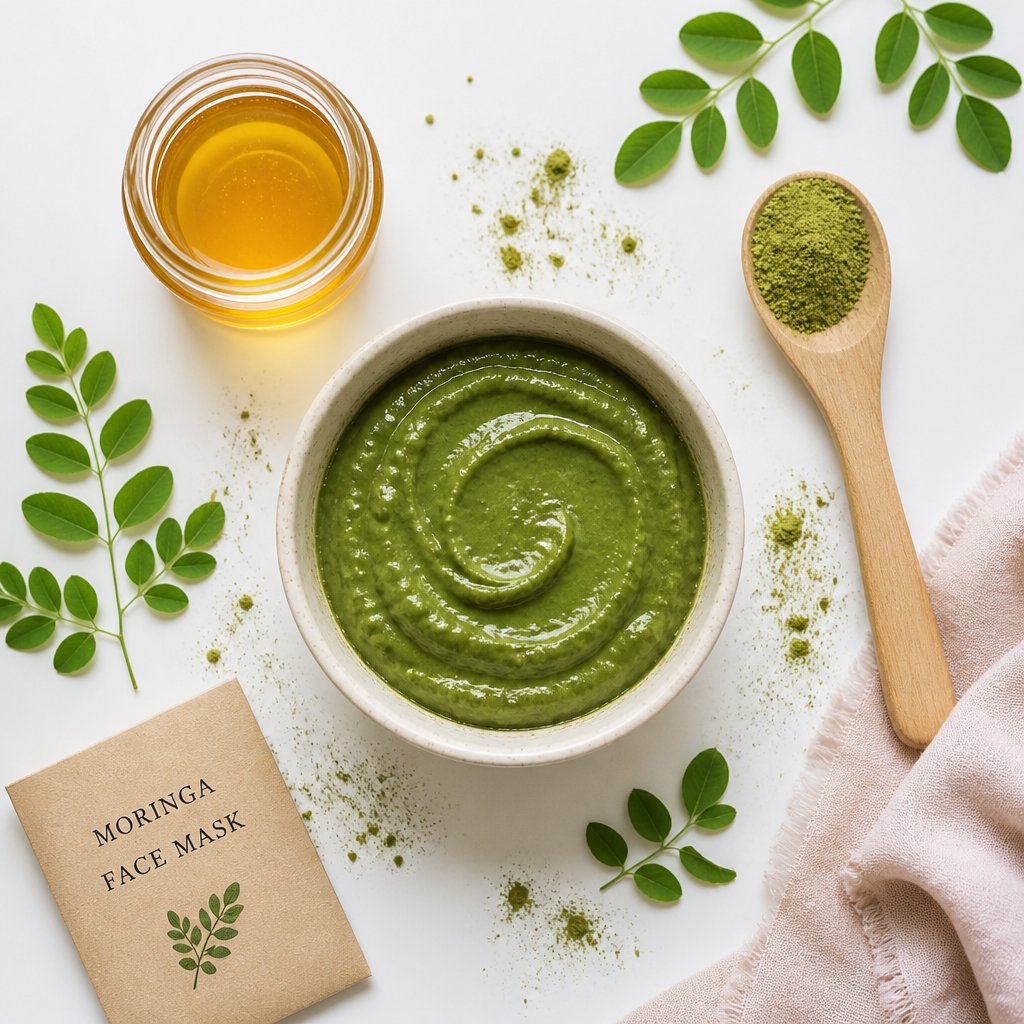
DIY Moringa Face Mask for Clear Skin
This mask combines moringa's antibacterial properties with honey's natural humectant action and yogurt's gentle lactic acid exfoliation. The vitamin C in moringa supports collagen synthesis, while vitamin E protects skin from free radical damage. Here is how to make it:
- Measure 1 teaspoon of moringa powder into a small bowl.
- Add 1 tablespoon of raw honey and 1 teaspoon of plain yogurt (full-fat works best).
- Stir until you have a smooth, even paste with no dry clumps.
- Apply evenly to clean skin, avoiding the eye area.
- Leave on for 15 minutes. You may feel a mild tightening sensation as the mask dries.
- Rinse with lukewarm water and pat dry with a clean towel.
Use this mask once or twice per week. The honey keeps the mixture hydrating rather than drying, making it suitable for both oily and dry skin types.
Moringa Scalp and Hair Treatment
Moringa leaves oil is naturally high in oleic acid, a monounsaturated fatty acid that penetrates the hair shaft and conditions from within. Dermatologist Purvisha Patel notes that moringa oil's anti-inflammatory properties help with scalp scaling while its fatty acid profile moisturizes without clogging follicles. The zinc and iron in moringa powder further support hair follicle strength and keratin production. You can replicate these moringa oil benefits using powder and a carrier oil:
- Combine 2 teaspoons of moringa powder with 2 tablespoons of coconut oil in a small dish.
- Mix thoroughly until the powder is fully incorporated into the oil.
- Section your hair and massage the mixture directly into your scalp using your fingertips for 2 to 3 minutes.
- Work any remaining mixture through the lengths of your hair.
- Leave the treatment on for 30 minutes, then wash out with a gentle shampoo. You may need to shampoo twice to remove all oil residue.
Repeat weekly for best results. The antibacterial and antifungal properties in moringa also help address dandruff and itchy scalp over time.
Making Moringa-Infused Oil at Home
A moringa-infused oil gives you a versatile topical product for both skin and hair without mixing a fresh batch each time. Among the most practical uses for moringa, this preparation lasts for weeks and works as a lightweight moisturizer, cuticle oil, or pre-shampoo scalp treatment.
- Add 2 tablespoons of moringa powder to a clean glass jar.
- Pour in half a cup of coconut oil (or jojoba oil for a lighter, non-comedogenic option).
- Stir well, seal the jar, and let it sit in a cool, dark place for 48 hours. Shake or stir once daily.
- After 48 hours, strain the oil through a fine cheesecloth or coffee filter into a clean container. Squeeze out as much infused oil as possible.
- Store in an airtight, opaque container. The infused oil stays fresh for up to one month at room temperature.
Before using any moringa topical preparation for the first time, apply a small amount to the inside of your wrist and wait 24 hours. Moringa is generally well-tolerated on skin, but a patch test rules out any individual sensitivity. If no redness or irritation appears, you are good to use it on your face and scalp.
These topical applications round out the picture of what moringa powder can do beyond the plate. The real challenge is not knowing the recipes but building them into a routine you actually maintain week after week, which is where a structured plan makes all the difference.
Step 6 Build Your First 30-Day Moringa Routine
You have the recipes, the dosage framework, and even a few skincare applications in your toolkit. The missing piece? A structured plan that tells you exactly what to do each week so the habit actually sticks. Knowing how to use the moringa powder is one thing. Doing it consistently for 30 days is what separates people who see results from those who forget the bag in the back of the pantry.
The best way to take moringa powder is the method you will repeat without thinking about it. This plan removes decision fatigue by giving you one focus per week, building complexity only after the previous step feels automatic.
Week-by-Week Progression Plan
Rather than trying every recipe at once, this framework layers in new methods gradually. Each week introduces one change while keeping everything else stable.
| Week | Daily Amount | Suggested Method | What to Track |
|---|---|---|---|
| Week 1 (Days 1-7) | 1/2 teaspoon | Morning moringa water (warm water, lemon, honey) | Digestion, energy level, any discomfort |
| Week 2 (Days 8-14) | 1 teaspoon | Alternate between moringa water and a green smoothie | Sustained energy, sleep quality, flavor preferences |
| Week 3 (Days 15-21) | 1.5-2 teaspoons | Rotate between drinks, one cooking application, and one raw recipe | Flavor fatigue, digestion regularity, mood |
| Week 4 (Days 22-30) | 1-2 tablespoons | Your preferred 2-3 methods at maintenance dose | Overall energy, digestion patterns, skin clarity |
Week 1 is intentionally simple. Pick one method only, ideally the warm moringa water from Step 3, and use it every morning. Journal a quick note about how you feel each day. This single-method approach builds the neural pathway of a habit before you add variety.
By Week 2, your body has adjusted to the fiber and bioactive compounds. This is when you experiment with a second method like a smoothie or latte. By Week 3, cooking applications enter the rotation, giving you 2 to 3 different ways to consume moringa powder throughout the day. Rotating methods prevents the flavor fatigue that kills most supplement habits by week three.
Matching Your Method to Your Lifestyle
How do you use moringa powder if your mornings are a sprint out the door? Or if you genuinely enjoy cooking? The best way to consume moringa depends less on what is nutritionally optimal and more on what fits your daily rhythm without friction.
Busy professionals with packed schedules benefit most from the quick morning water method or capsules. Both take under 60 seconds and require zero cleanup. Fitness enthusiasts get the most value from a pre-workout smoothie 30 to 45 minutes before training, where the iron and magnesium support oxygen transport and muscle function. Home cooks who already spend time in the kitchen can fold moringa into meals they are already making, from scrambled eggs to salad dressings, turning nutrition into a seamless part of meal prep rather than a separate task.
If you are still asking how do i use moringa powder in a way that does not feel like a chore, anchor it to an existing habit. Habit-stacking research shows that linking a new behavior to something you already do, like making coffee or packing lunch, dramatically increases follow-through. Your moringa routine should feel like a natural extension of your morning, not an interruption.
Realistic Timeline for Noticing Results
Set honest expectations. Moringa is nutritional support, not a stimulant. You will not feel a dramatic shift after one teaspoon the way you feel caffeine after one espresso.
Most consistent users report improved energy and better digestion within 2 to 3 weeks. The best way to take moringa for long-term results is daily consistency over months, not large doses over days. A wellness tracking approach suggests journaling for the first 2 to 4 weeks to capture subtle shifts you might otherwise miss: steadier afternoon energy, fewer sugar cravings, more regular bowel movements, or clearer skin.
The best way to use moringa is with patience. Give yourself a full 4 to 6 weeks before deciding whether it is working. Track energy, digestion, and general wellbeing rather than looking for one dramatic change. The cumulative effect of daily micronutrient support reveals itself gradually, and the people who stick with it past the one-month mark are the ones who build a lasting relationship with this powder.
With your routine locked in, a practical question often surfaces around week two or three: is loose powder actually the best format for your life, or would capsules, tablets, or gummies serve you better on certain days?
Step 7 Choose Between Powder Capsules and Other Formats
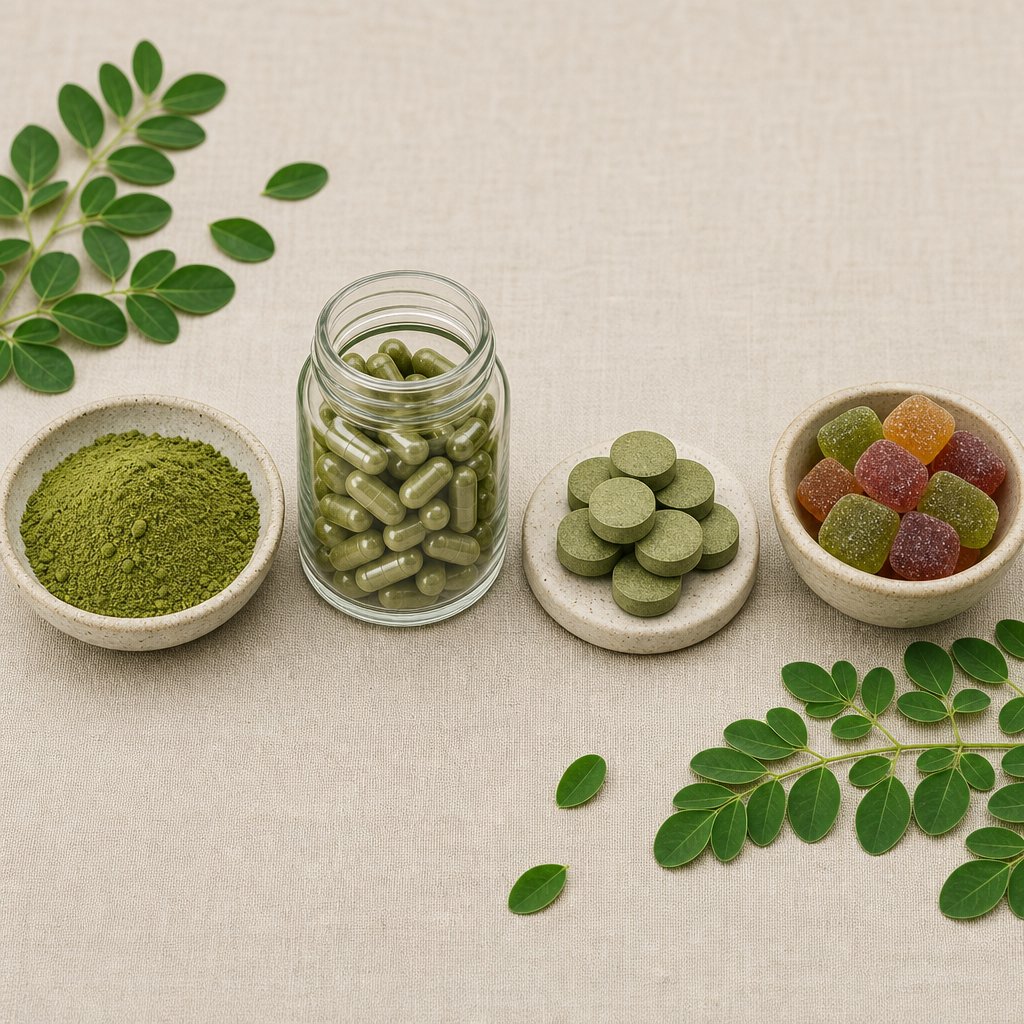
Maybe you love the ritual of whisking moringa into a latte every morning. Or maybe, three weeks into your routine, you realize that measuring powder at 6 AM before a commute is not sustainable. The format you choose shapes whether this habit survives month two and beyond. Moringa capsules, moringa tablets, gummies, tea, and loose powder all deliver the same core nutrients from the same plant, but how they deliver those nutrients differs in ways that matter for absorption, convenience, and daily consistency.
Here is an honest breakdown to help you pick the best moringa supplement format for your life, or mix formats depending on the day.
Powder vs Capsules vs Tablets vs Gummies
Each moringa supplement format has genuine strengths and real limitations. The table below compares them side by side so you can match the format to your priorities rather than guessing based on marketing claims.
| Format | Best For | Pros | Cons | Typical Serving |
|---|---|---|---|---|
| Powder | Cooking, smoothies, lattes, flexible dosing | Most versatile; fastest absorption in liquids; adjustable dose; works in recipes | Earthy taste; requires preparation; can clump in cold liquids | 1-2 teaspoons (2-5g) |
| Capsules | Travel, office use, taste-sensitive users | No taste; pre-measured; portable; zero prep time | Slower absorption; fixed dose per capsule; cannot add to food | 2-3 capsules (1-1.5g per capsule) |
| Tablets | Precise dosing, clinical use | Exact milligram dosing; compact; long shelf life | May contain binders or fillers; harder to swallow for some; slower breakdown | 1-2 tablets (500mg-1g each) |
| Gummies | Taste-sensitive users, pill-averse individuals | Pleasant flavor; easy to chew; no water needed | Lower moringa content per serving; added sugars; heat during manufacturing may reduce some nutrients | 2-3 gummies (varies widely) |
| Tea | Calming ritual, light daily dose | Soothing routine; gentle flavor; hydrating | Lower concentration than powder; steeping extracts only water-soluble compounds | 1 tea bag or 1 tsp loose leaf |
| Fresh leaves | Those with access to moringa trees | Highest nutrient content; no processing losses; whole-food form | Extremely limited availability; perishable; seasonal in most climates | 1/2 to 1 cup raw leaves |
A common approach among experienced users is combining formats: powder at home for smoothies and cooking, moringa capsules in a desk drawer or travel bag for days when preparation is not realistic. This hybrid strategy gives you the absorption benefits of powder most days while ensuring you never skip a dose just because life got busy.
Bioavailability and Absorption Differences
Bioavailability refers to how much of a nutrient your body actually absorbs and uses, not just how much is listed on the label. The format you choose directly affects this number.
Powder mixed into liquid offers the fastest absorption because the nutrients are already dispersed and ready for your digestive system to process. There is no capsule shell to dissolve, no tablet matrix to break apart. When you blend moringa powder into a smoothie with healthy fats, the fat-soluble vitamins (A, E, and beta-carotene) absorb even more efficiently because they are already in contact with the lipids that carry them across your intestinal wall.
Moringa powder capsules need to dissolve in stomach acid before the powder inside becomes available. This adds a delay of roughly 15 to 30 minutes compared to loose powder in liquid. For most people, this difference is negligible in terms of total daily nutrition. However, if you are wondering how to take moringa capsules for maximum effect, taking them with a meal that contains some fat improves absorption of those same fat-soluble compounds, just as it does with loose powder.
Tablets are the slowest to break down because they are compressed under high pressure, sometimes with binding agents that hold the tablet together during storage. The compression creates a denser matrix that your stomach acid must work through before nutrients become available. Quality tablets use disintegrants that help them break apart within 30 minutes, but cheaper formulations may pass through partially intact.
Gummies present a unique tradeoff. They are easy to consume and taste pleasant, but the manufacturing process involves heat (to set the gummy matrix) and the addition of sugars, gelatin or pectin, and flavorings. These additions dilute the moringa content per serving, meaning you often need 3 or more gummies to match the moringa dose in a single capsule. Moringa reviews from users who switch from powder to gummies frequently note that they need to consume significantly more product to maintain the same effects.
Tea extracts only water-soluble compounds during steeping, which means you get vitamin C, certain polyphenols, and minerals that dissolve into hot water, but miss out on fat-soluble vitamins and compounds that remain trapped in the leaf material. If tea is your preferred ritual, consider it a complement to powder or capsules rather than a complete replacement.
How Manufacturing Quality Shapes What You Get
Two moringa pills can list identical milligrams on their labels and deliver very different results inside your body. The gap comes down to manufacturing practices: how the raw moringa was processed, how the final product was formulated, and what quality controls were applied along the way.
For powder and granules, low-temperature processing is the critical factor. As covered in Step 1, shade-drying or controlled mechanical drying below 60 degrees Celsius preserves heat-sensitive vitamins. Brands that skip this step or use high-heat flash drying produce powder that looks green but has already lost significant vitamin C and some antioxidant capacity.
For capsules and tablets, encapsulation and compression methods matter. Proper encapsulation uses vegetarian or gelatin shells that dissolve predictably in stomach acid, with no unnecessary fillers that slow breakdown. Standardized formulations ensure that each capsule contains a consistent amount of active moringa leaf material rather than variable batches with different potency levels.
Behind the moringa products you see on shelves, specialized OEM/ODM manufacturers handle the actual production for many brands. Companies like ZhuFeng, for example, produce moringa in multiple formats including powder/granules, hard capsules, tablets, and gummy candy with customized formulations for nutrition brands and supplement importers. This type of contract manufacturing allows brands to offer consistent, scalable products without building their own production facilities. For consumers, understanding this supply chain explains why two different brand names might deliver very different quality despite using the same raw ingredient: the manufacturing partner and their processing standards determine the end result.
When evaluating any moringa supplement, look for these manufacturing quality signals:
- Third-party testing or a Certificate of Analysis (COA) confirming potency and purity
- GMP (Good Manufacturing Practice) certification on the production facility
- Clear labeling of the moringa species (Moringa oleifera) and plant part used (leaves)
- No proprietary blends that hide how much moringa is actually in each serving
- Transparent sourcing information including country of origin
The best moringa supplement is not necessarily the most expensive one. It is the one produced with verifiable quality controls, appropriate processing temperatures, and transparent labeling that lets you confirm exactly what you are putting into your body. Whether you choose powder for its versatility or moringa tablets for their precision, manufacturing integrity is the foundation that makes any format worth buying.
Whichever format lands in your cabinet, proper storage and awareness of safety considerations will determine whether it stays effective for months or degrades into an expensive green dust with diminished returns.
Storage Safety and Knowing When Moringa Is Working
You have invested in quality moringa powder, built a dosage plan, and settled into a format that fits your life. The final piece is protecting that investment from degradation and understanding when to proceed with caution. Moringa powder how to use it safely is just as important as knowing how to use moringa leaf powder effectively, because improper storage silently destroys nutrients and certain health conditions require real awareness before you continue.
How to Store Moringa Powder for Maximum Shelf Life
Light, heat, oxygen, and moisture are the four enemies of moringa powder. Each one accelerates nutrient breakdown through different mechanisms: UV light degrades chlorophyll and vitamin A, heat destroys vitamin C, oxygen causes oxidation of antioxidants, and moisture promotes microbial growth and clumping.
The ideal storage setup is simple: keep your moringa in an airtight, opaque container stored in a cool, dark cabinet away from the stove and any windows. A dark glass jar with a tight-sealing lid works well, as does the original resealable bag stored inside a cupboard. Avoid clear containers on open shelves where sunlight hits them daily.
Properly stored moringa powder maintains its potency for 6 to 12 months after opening. Unopened bags with nitrogen-flushed packaging can last even longer, but once air enters the equation, the clock starts ticking. If you buy in bulk, consider dividing your supply into a small daily-use container and a larger sealed reserve that stays closed until needed.
How do you know your powder has degraded? Watch for these signs:
- Color shift from vibrant green to dull yellow-brown, indicating chlorophyll breakdown and oxidation
- Loss of the characteristic grassy smell, replaced by a flat, stale, or musty odor
- Clumping or hardening from moisture exposure, which also creates conditions for mold growth
- Bitter or off-putting taste that differs noticeably from when you first opened the bag
Degraded moringa is not dangerous to consume, but it delivers significantly fewer nutrients than fresh powder. If your supply shows multiple signs above, replace it rather than doubling your dose to compensate.
Who Should Avoid Moringa or Consult a Doctor
Moringa leaf is likely safe when eaten as food and possibly safe when used as a supplement short-term, with products containing moringa leaf used for up to 6 months in research settings. However, certain health conditions and medications create interactions that require medical guidance before you start or continue supplementation. Understanding how to take moringa leaf powder safely means knowing when to pause and ask a professional.
The following contraindications and drug interactions deserve attention:
- Diabetes medications: Moringa may lower blood sugar levels. Taking it alongside antidiabetes drugs like sulfonylureas or insulin could cause blood sugar to drop too low. Monitor glucose closely and inform your doctor if you add moringa to your routine.
- Thyroid medications (levothyroxine): Moringa might decrease how much levothyroxine your body absorbs, potentially reducing the medication's effectiveness. Those with hypothyroidism should take moringa several hours apart from thyroid medication and consult their provider.
- Anticoagulant medications: Some research indicates moringa has mild blood-thinning properties. People on warfarin or other blood thinners should discuss moringa use with their doctor. Discontinue at least 2 weeks before any scheduled surgery.
- Liver-metabolized medications (CYP3A4 and CYP1A2 substrates): Moringa may change how quickly the liver breaks down certain drugs, potentially altering their effects and side effects.
- Pregnancy: Moringa leaf is possibly safe during the second or third trimester, but the root, bark, and flowers contain compounds that may stimulate uterine contractions. These parts should be avoided entirely during pregnancy. Concentrated leaf supplements should still be discussed with a healthcare provider.
- Breastfeeding: Moringa leaf is possibly safe for up to 4 months while breastfeeding, but evidence on its galactagogue effects is mixed. Use only under professional guidance.
- Blood pressure medications: Moringa may have a natural blood-pressure-lowering effect that could enhance antihypertensive drugs, increasing the risk of hypotension.
Always consult your healthcare provider before combining moringa with prescription medications, particularly drugs for diabetes, thyroid conditions, or blood clotting disorders. Moringa can alter how your body absorbs or metabolizes these medications.
Common drumstick leaves side effects at high doses include digestive upset, nausea, stomach cramps, and diarrhea. These reinforce why the gradual dosage approach from Step 2 matters so much. If you jumped ahead to a full tablespoon and experienced these symptoms, scale back to a half teaspoon and rebuild slowly. The side effects are your body telling you the dose exceeded what your system can comfortably process right now.
One additional note: moringa root and root bark are possibly unsafe and contain toxic substances. When learning how to use moringa leaves for health purposes, stick exclusively to products made from the leaves. Reputable brands clearly label the plant part used on their packaging.
Signs Moringa Is Working for You
Moringa is not caffeine. It does not announce itself with a jolt. The moringa powder for energy benefits come from sustained micronutrient support, not stimulation, which means the changes are gradual and easy to miss if you are not paying attention.
Here is what to track over 4 to 6 weeks of consistent daily use:
- Energy patterns: Look for steadier afternoon energy rather than a dramatic morning boost. Many users notice fewer energy crashes between meals as iron and B vitamins support consistent cellular metabolism.
- Digestion regularity: Moringa powder for digestion support often shows up as more predictable bowel movements and reduced bloating. The fiber and anti-inflammatory compounds support gut motility over time.
- Skin clarity: The antioxidants and vitamin E in moringa support skin health from the inside. Subtle improvements in complexion and reduced breakouts often appear around week 3 to 4.
- General wellbeing: Better sleep quality, improved mood stability, and fewer sugar cravings are commonly reported but harder to attribute directly to moringa alone. Track them anyway.
The honest truth: not everyone notices dramatic changes, and that is fine. Moringa fills nutritional gaps that may not produce obvious symptoms when corrected. If you were mildly iron-deficient, you might feel more energetic. If your diet was already nutrient-complete, the benefits are more protective than perceptible, supporting long-term cellular health rather than producing short-term sensations.
Give yourself a full 30 days of consistent use before evaluating. Compare your journal notes from week one to week four. The cumulative picture often reveals shifts that no single day made obvious. And if after 6 weeks you genuinely notice nothing, moringa may simply not be addressing a gap in your particular diet, which is useful information too.
Frequently Asked Questions About Using Moringa Powder
1. How much moringa powder should a beginner take per day?
Beginners should start with half a teaspoon (1-2 grams) daily for the first 3-5 days, then gradually increase to 1 teaspoon during week two. Over four weeks, you can build up to a maintenance dose of 1-2 tablespoons (5-10 grams). Starting small prevents digestive discomfort like bloating or nausea caused by moringa's high fiber content and bioactive compounds. Many people find their long-term sweet spot at 1-2 teaspoons daily without needing to reach the maximum dose.
2. What is the best time of day to take moringa powder?
Morning is the most recommended time because moringa's iron, magnesium, and B vitamins support natural energy production through cellular metabolism. Taking it with breakfast or a fat-containing meal improves absorption of fat-soluble vitamins like beta-carotene and vitamin E. However, if your goal is blood sugar management, taking moringa after your largest evening meal may offer additional benefits for overnight glucose stability. The most important factor is consistency at whatever time fits your schedule.
3. Can you cook with moringa powder without destroying the nutrients?
Yes, but timing matters. Vitamin C degrades above 160 degrees Fahrenheit, while minerals like iron and calcium remain stable at all cooking temperatures. Some antioxidants actually become more bioavailable with gentle heat. The practical rule is to add moringa powder after removing food from heat or during the last 1-2 minutes of cooking. Raw preparations like pesto, energy balls, and salad dressings preserve all nutrients completely, and acidic ingredients like lemon juice help protect vitamin C from oxidation.
4. Is moringa powder better than moringa capsules?
Neither is universally better; each format suits different needs. Powder offers the fastest absorption when mixed into liquids, the most versatile use in recipes, and adjustable dosing. Capsules provide convenience, bypass the earthy taste entirely, and work well for travel or office use. Many experienced users combine both formats: powder at home for smoothies and cooking, capsules on busy days or while traveling. The key difference is bioavailability. Powder in liquid is immediately available for digestion, while capsules need 15-30 minutes to dissolve before nutrients become accessible.
5. How do you know if moringa powder has gone bad?
Watch for four signs of degradation: color shifting from vibrant green to dull yellow-brown, loss of the grassy smell replaced by a stale or musty odor, clumping or hardening from moisture exposure, and a noticeably more bitter or off-putting taste. Properly stored moringa powder in an airtight, opaque container away from heat and light maintains potency for 6-12 months after opening. Degraded powder is not dangerous but delivers significantly fewer nutrients, so replacement is more effective than doubling your dose to compensate.