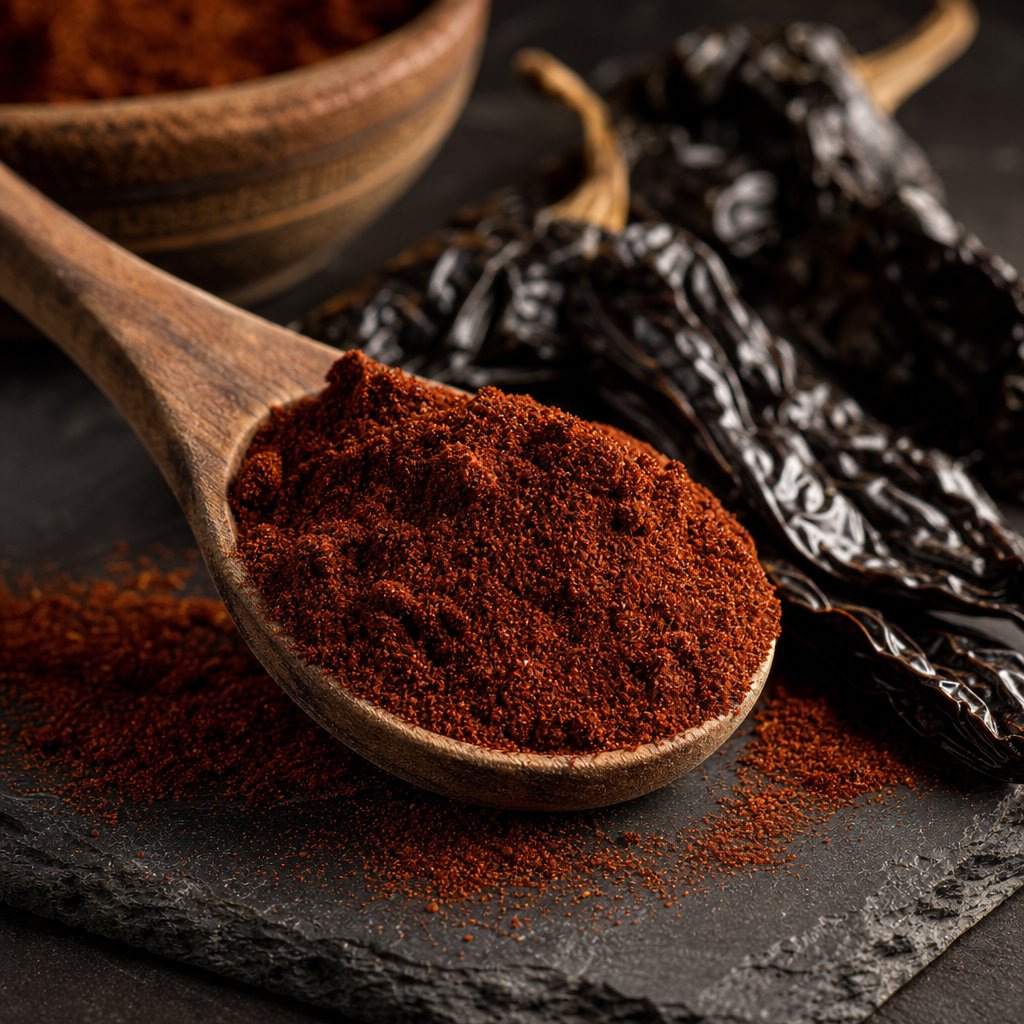
Is Ancho Chili Powder Hot or Mild
You grabbed a jar of ancho chili powder at the store, and now you're staring at it wondering: is this going to set my mouth on fire? Here's the straight answer.
The Short Answer About Ancho Heat
No, ancho chili powder is not hot. It registers just 1,000 to 1,500 Scoville Heat Units (SHU), placing it firmly in mild territory. To put that in perspective, it sits between a bell pepper (zero heat) and the mildest jalapeno possible (2,500 SHU). The sensation you'll get from ancho is closer to a gentle warmth or a "fiery tickle" than anything resembling a burn.
Are ancho peppers hot compared to what most people think of as spicy? Not even close. Cayenne pepper, the standard "hot" powder in most kitchens, clocks in at 30,000 to 50,000 SHU. That makes ancho roughly 20 to 50 times milder. Are ancho chilies hot enough to bother someone who avoids all spice? Possibly, but for the average cook, this powder delivers flavor depth without any real sting.
Ancho chili powder sits at the mild end of the heat spectrum, comparable to a gentle warmth rather than a burn. It is prized for its smoky sweetness and earthy complexity, not its spiciness.
Why This Question Matters for Home Cooks
When you search "is ancho chili powder spicy," you're really asking a practical question: can I use this without overwhelming my family, my guests, or my own taste buds? The answer is yes. Ancho ranks among the mildest chili powders you can buy, and its real value lies in the rich, smoky-sweet flavor it brings to dishes like mole, enchilada sauce, and dry rubs for meat.
That said, "hot" is subjective. Someone who never eats spicy food will notice ancho's warmth more than someone who douses everything in sriracha. Context also matters: the amount you use, what you pair it with, and even the specific brand can shift the experience slightly. Throughout this article, you'll find the full picture, from Scoville comparisons and flavor breakdowns to substitution guides and practical cooking tips, so you can use ancho chili powder with confidence no matter your heat tolerance.
What Is Ancho Chili Powder and Where Does It Come From
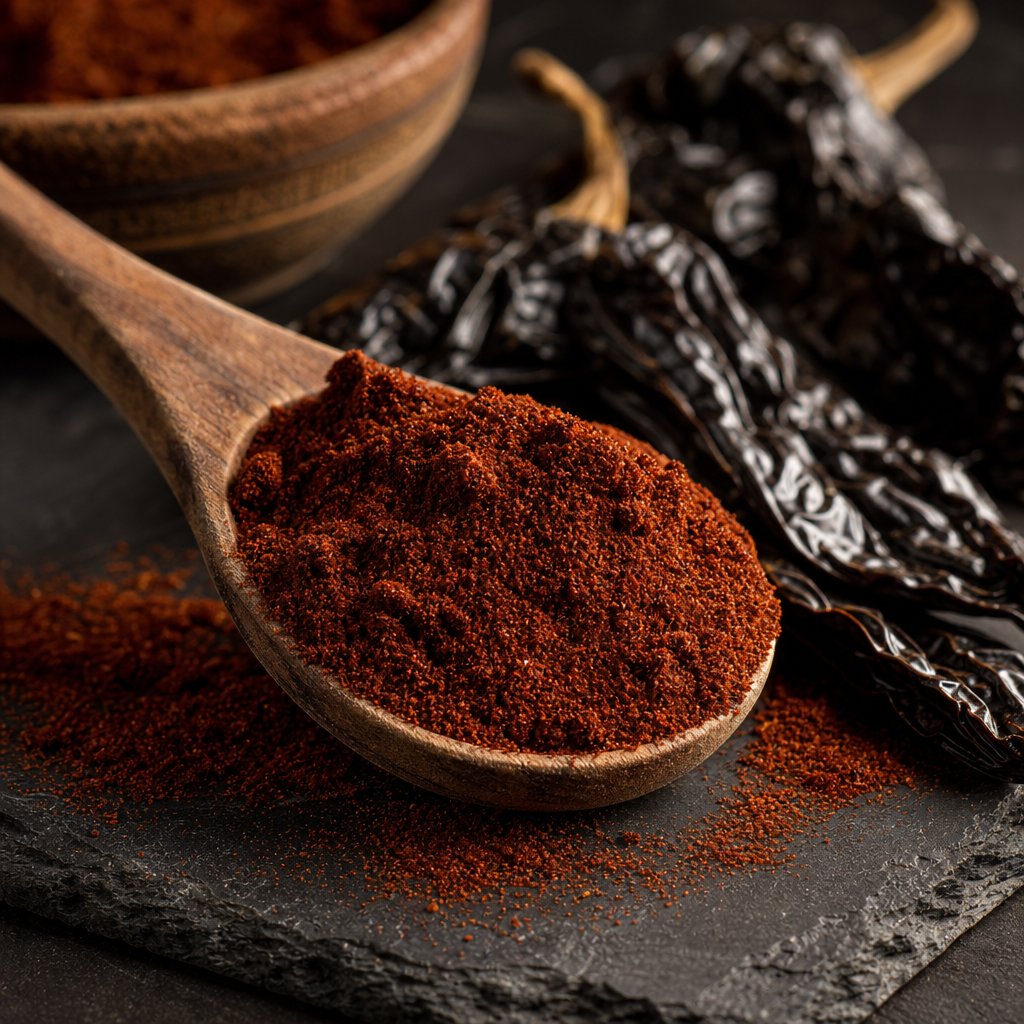
So what is ancho chili powder, exactly? It's a single-ingredient spice made from dried poblano peppers that have been ground into a fine powder. Nothing else added, no blending with cumin or garlic, just pure ground chile. Understanding its origin explains why it stays so mild and why its flavor is so distinctive.
From Fresh Poblano to Dried Ancho
Imagine a fresh poblano pepper at the grocery store. It's green, glossy, and relatively large. That green color means it was harvested before fully ripening. If left on the vine longer, the poblano turns deep red as it matures. Growers then pick these ripened red poblanos and dry them, which transforms them into wrinkled, dark-skinned ancho chiles. The word "ancho" means "wide" in Spanish, a nod to the broad, flat shape these peppers take on once dried. Their wrinkled skins actually resemble oversized raisins with a stem still attached.
What is an ancho chili in practical terms? It's simply the dried version of a pepper you've likely already cooked with. Poblano peppers are extremely popular in Mexican cuisine for stuffing, roasting, and blending into sauces. Once dried into ancho form, they become a pantry staple used in everything from mole to enchilada sauce. What are ancho chiles used for most often? Traditionally, cooks rehydrate them in warm water and blend them into salsas, or grind them into the fine powder we're discussing here.
How Drying Affects Flavor Without Adding Heat
Here's what makes the drying process so interesting: it concentrates sugars and deepens earthy, smoky notes without meaningfully increasing capsaicin content. Capsaicin is the compound responsible for heat in peppers, and since poblanos start with very little of it, the dried ancho version stays mild. You'll notice the flavor becomes richer and more complex, but the heat level barely budges.
Think of it like drying fruit. A fresh grape is juicy and mildly sweet. A raisin is intensely sweet and chewy because the water evaporated and concentrated the sugars. The same principle applies to ancho chiles. Drying removes moisture and amplifies flavor compounds, giving you that signature smoky sweetness without turning up the spice dial.
Ancho chili powder, in its finished form, has a few recognizable characteristics:
- Color: Deep reddish-brown, sometimes with hints of dark burgundy
- Texture: Fine, silky powder that dissolves easily into liquids and coats food evenly
- Aroma: Smoky and slightly sweet, with earthy undertones reminiscent of dried fruit
One important distinction to keep in mind: whole dried ancho chiles and ground ancho chili powder are the same pepper in different forms. Whole dried chiles give you more control over texture since you can toast them, rehydrate them, and blend them yourself. The pre-ground powder offers convenience and consistent results. Both deliver the same mild heat and complex flavor profile.
Where confusion creeps in is the difference between ancho chili powder and generic "chili powder" you'll find on most spice racks. That generic version is typically a blend of multiple spices, often including cayenne, which pushes the heat level significantly higher. The ancho pepper itself stays gentle, but the moment it gets mixed into a seasoning blend, all bets are off. That distinction between a single-origin powder and a multi-spice blend is worth exploring in detail.
Ancho Chili Powder on the Scoville Heat Scale
Numbers tell the story better than adjectives ever could. When someone says a pepper is "mild," that could mean different things depending on who's talking. The Scoville scale removes the guesswork by assigning a measurable value to every chili pepper based on its capsaicin concentration. So where does ancho land, and how does it compare to the spices already sitting in your pantry?
Ancho Pepper Scoville Rating Explained
The Scoville Heat Unit (SHU) scale measures the concentration of capsaicin, the chemical compound that triggers that burning sensation on your tongue. The higher the number, the hotter the pepper. Modern testing uses High Performance Liquid Chromatography (HPLC) to detect capsaicin levels precisely, then converts the results into SHU values.
The ancho pepper Scoville rating falls between 1,000 and 2,000 SHU. That places ancho chili peppers in the "mild" category, right alongside fresh poblanos and just above sweet paprika. For context, anything under 5,000 SHU is generally considered mild enough that even people with low spice tolerance can handle it comfortably.
Why a range instead of a single number? Growing conditions, soil quality, sunlight exposure, and harvest timing all influence how much capsaicin a pepper develops. One batch of ancho chili powder might lean toward 1,000 SHU while another edges closer to 2,000. Either way, you're firmly in gentle-warmth territory on the ancho chili heat scale.
Where Ancho Sits Among Common Kitchen Spices
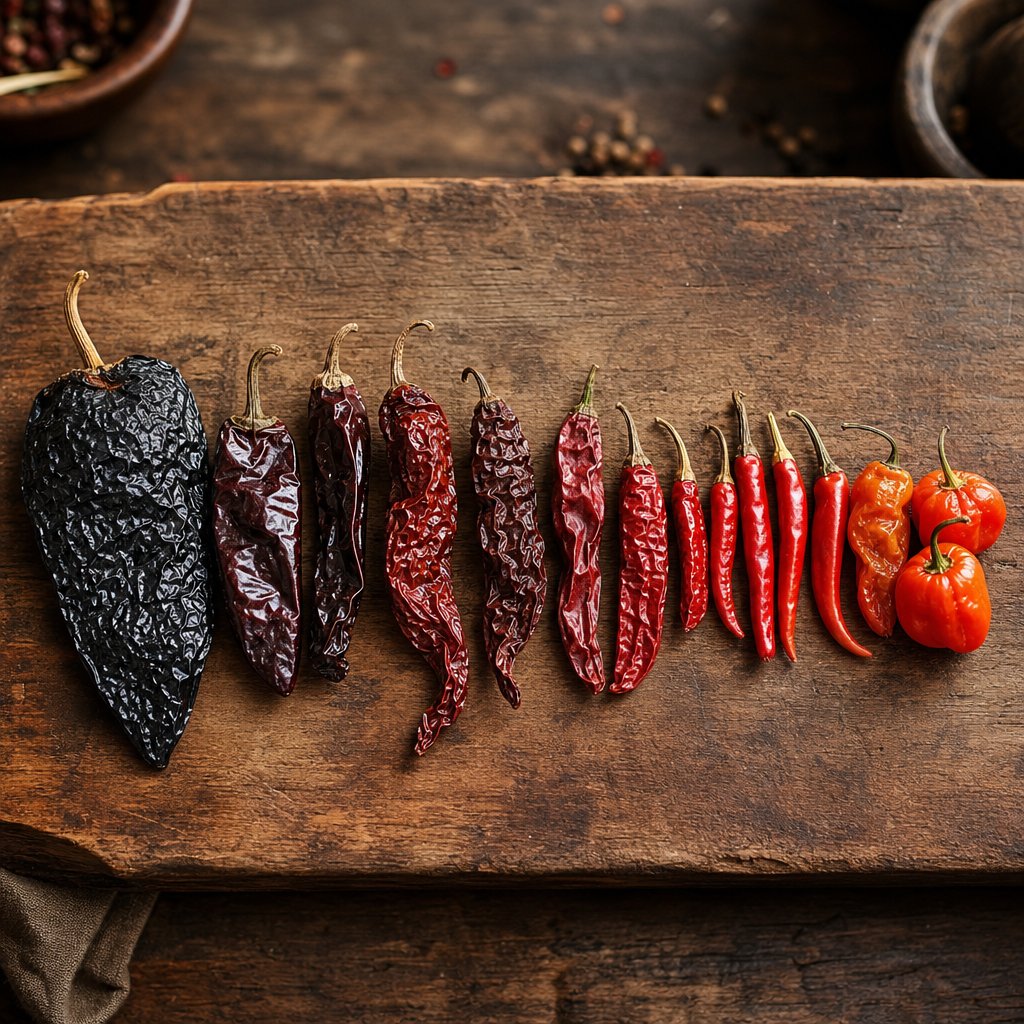
Seeing the ancho chili Scoville rating next to other familiar peppers makes its mildness immediately obvious. Mexican cuisine uses a full spectrum of dried chiles, from the gentle ancho all the way up to blistering habanero. Here's how they compare:
| Chili Powder | Scoville Range (SHU) | Heat Perception |
|---|---|---|
| Paprika | 100 - 500 | No heat / barely perceptible |
| Ancho | 1,000 - 2,000 | Mild warmth |
| Guajillo | 2,500 - 5,000 | Mild to medium, gentle tingle |
| Chipotle | 2,500 - 8,000 | Medium, noticeable lingering heat |
| Chile de Arbol | 15,000 - 30,000 | Hot, sharp bite |
| Cayenne | 30,000 - 50,000 | Very hot, sustained burn |
| Habanero | 100,000 - 350,000 | Intensely hot, long-lasting fire |
Look at the gap between ancho and cayenne. Cayenne powder, the go-to "hot" spice in most American kitchens, delivers roughly 20 to 30 times more heat. A habanero? That's over 100 times hotter than ancho. Even a jalapeno (2,500 to 8,000 SHU) outpaces ancho chili peppers by a comfortable margin.
The ancho Scoville position also reveals something practical: you can use it generously without fear of overpowering a dish. A teaspoon of cayenne demands caution. A teaspoon of ancho just adds depth. That's exactly why it serves as the backbone of so many Mexican sauces and spice blends, delivering color, body, and smoky complexity while leaving room for other flavors to shine.
This mild positioning also explains why ancho is so often blended with hotter peppers. On its own, it provides a flavor foundation. Paired with cayenne or arbol, it creates layered heat that builds gradually rather than hitting all at once. But that raises an important question: what happens when ancho gets mixed into a generic "chili powder" blend alongside those hotter peppers?
Ancho Chili Powder vs Regular Chili Powder
Here's where the confusion starts for most people. You see "chili powder" on a recipe and reach for whatever jar is in your cabinet. But is ancho chili powder the same as chili powder? Not at all. These are two fundamentally different products, and mixing them up is the single biggest reason people misjudge ancho's heat level.
Single-Ingredient Powder vs Seasoning Blend
Ancho chili powder contains exactly one ingredient: ground dried poblano peppers. That's it. No fillers, no additional spices, no blending. It's a pure, single-origin chile powder.
Regular chili powder, on the other hand, is a pre-mixed seasoning blend that typically combines several spices together. A standard recipe for homemade chili powder calls for ground ancho chiles as the base, plus garlic powder, cumin, paprika, Mexican oregano, and a pinch of cayenne. That last ingredient is the key difference. Cayenne pepper registers 30,000 to 50,000 SHU, and even a small amount in the blend pushes the overall heat level well above what ancho delivers on its own.
Think of it this way: ancho chili powder is like buying a single varietal wine. Regular chili powder is a blend, crafted from multiple components to achieve a specific balanced profile. Both have their place, but they're not interchangeable without understanding what each one brings to the table.
The difference between ancho chili powder and chili powder comes down to control. With pure ancho, you know exactly what's going into your dish. With a blend, you're getting cumin's earthiness, garlic's savory punch, oregano's herbal notes, and cayenne's bite all at once. That's useful when you want a shortcut, but it means you can't isolate or adjust individual flavors easily.
Why the Heat Levels Differ So Much
When comparing ancho chili powder vs chili powder on heat alone, the numbers tell a clear story. Pure ancho sits at 1,000 to 1,500 SHU. Regular chili powder blends typically land between 1,500 and 4,000 SHU, depending on how much cayenne the manufacturer includes. Some "hot" versions climb even higher.
This is the core source of confusion. Someone tries a dish made with regular chili powder, finds it noticeably spicy, then assumes ancho chili powder will deliver the same kick. It won't. The difference between ancho chili powder and regular chili powder is that ancho provides smoky sweetness with barely perceptible warmth, while the blend delivers a more complex, spicier experience driven largely by the cayenne component.
Flavor-wise, the gap is just as significant. Ancho powder tastes smoky, slightly sweet, and fruity with earthy depth. Regular chili powder tastes savory, garlicky, and warm with a sharper spice edge. Neither is better, they just serve different purposes. When you want ancho chili powder vs regular in a recipe, you're choosing between pure chile character and a ready-made seasoning profile.
| Dimension | Ancho Chili Powder | Regular Chili Powder |
|---|---|---|
| Ingredients | 100% ground dried poblano peppers | Blend of chile peppers, cumin, garlic, oregano, paprika, cayenne |
| Heat Level | Mild (1,000 - 1,500 SHU) | Mild to medium (1,500 - 4,000 SHU) |
| Flavor Profile | Smoky, sweet, fruity, earthy | Savory, garlicky, earthy with a spicy edge |
| Best Uses | Mole sauces, enchilada sauce, custom spice blends, dry rubs | Chili con carne, taco seasoning, Tex-Mex dishes, quick weeknight meals |
| Color | Deep reddish-brown to burgundy | Brick red to brownish-red |
So which should you reach for? If a recipe specifically calls for ancho powder vs. chili powder, respect that distinction. Swapping one for the other changes both the heat and the flavor direction of your dish. Ancho gives you a clean canvas of smoky-sweet chile flavor that you can build on. Regular chili powder gives you a complete seasoning in one scoop, but with less flexibility and more heat baked in.
Understanding this distinction also unlocks a practical trick: since ancho is the base of most chili powder blends anyway, you can build your own custom blend starting with ancho and adding exactly as much cumin, garlic, and cayenne as you want. That way, you control the heat precisely rather than relying on whatever ratio a manufacturer decided on. And that smoky sweetness ancho brings to the mix? It's worth exploring on its own terms.
The Flavor Profile That Makes Ancho Special
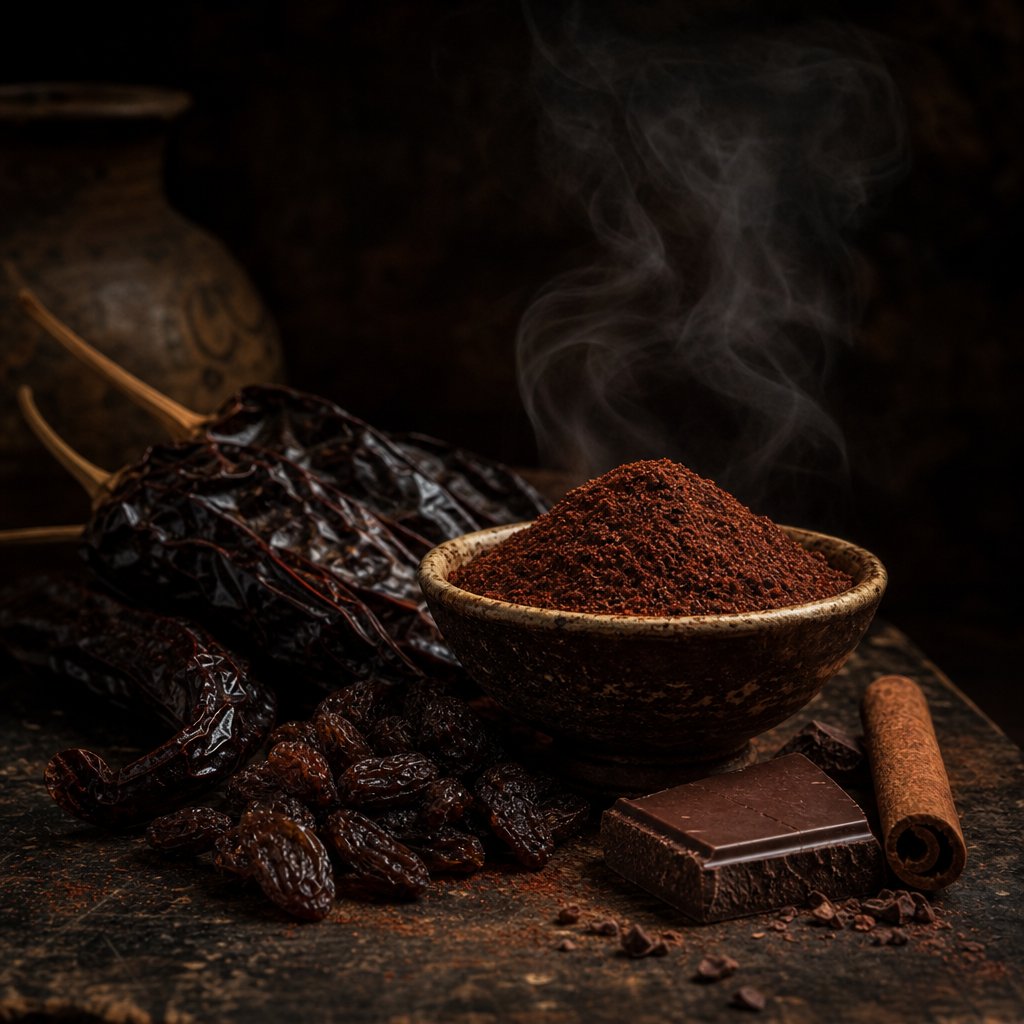
Strip away the heat question entirely, and ancho chili powder still earns its spot in your spice cabinet. This is a powder people reach for because of what it tastes like, not how much it burns. The ancho spice profile reads more like a tasting note for fine chocolate or aged wine than a typical chili pepper description, and that complexity is exactly what makes it irreplaceable in certain dishes.
Tasting Notes and Flavor Complexity
Take a small pinch of ancho chili powder and let it sit on your tongue. You'll notice sweetness first, followed by a wave of smokiness, then something deeper and earthier that lingers. Food writers and chefs consistently describe ancho's flavor using terms you'd normally associate with dried fruit or dessert ingredients. That's not an accident. The drying process concentrates natural sugars in the poblano pepper, creating a flavor profile that's genuinely multidimensional.
Here are the signature tasting notes you can expect from quality ancho chili powder:
- Smoky: A gentle, rounded smokiness that adds depth without tasting charred or acrid
- Sweet: Natural sweetness reminiscent of dried fruit, not sugary but warm and mellow
- Fruity: Often compared to raisins, prunes, or dried cherries, with a subtle dark-fruit character
- Earthy: A grounded, almost mineral quality that anchors the other flavors
- Chocolate undertones: A faint bittersweet note, which is why ancho pairs so naturally with cocoa in mole sauces
- Mild warmth: Just enough capsaicin presence to remind you it's a chile, without any real sting
This combination of flavors explains why ancho is the backbone of so many Mexican sauces and stews. It provides body, color, and richness that no other single ingredient can replicate. When you make an ancho chile sauce for enchiladas, you're building a sauce that tastes deep and satisfying rather than simply hot. The same goes for ancho sauce used as a base in birria, pozole, or adobo marinades.
Ideal dishes where ancho's gentle warmth and flavor depth shine:
- Mole sauces: Ancho is one of the primary chiles in most mole recipes, pairing with chocolate, cinnamon, and nuts
- Enchilada sauce: Provides rich color and smoky-sweet flavor without overwhelming the filling
- Dry rubs for meat: Adds complexity to beef, pork, and chicken without masking the protein's natural flavor
- Chili con carne: Delivers authentic chile flavor and deep red color as the base layer
- Bean dishes and stews: Rounds out earthy legume flavors with complementary smokiness
In each of these applications, you want flavor that builds and layers rather than heat that dominates. That's ancho's sweet spot. However, if you're cooking something that genuinely needs to bite back, like a fiery salsa roja or a hot wing glaze, ancho alone won't get you there. You'll need to pair it with hotter chiles like cayenne or arbol to push the heat up while keeping ancho's flavor foundation intact.
Ancho vs Chipotle for Smoky Dishes
Both ancho and chipotle deliver smokiness, which is why cooks often debate ancho vs chipotle chili powder when building a recipe. They share that smoky quality, but the similarities end there. Chipotle chile powder is made from dried, smoked jalapenos, which means it carries significantly more heat, landing between 2,500 and 8,000 SHU. That's two to eight times hotter than ancho.
The flavor differences are just as important as the heat gap. When comparing chipotle chili powder vs ancho chili powder, think of it this way: ancho tastes like dried fruit dipped in dark chocolate with a whisper of smoke. Chipotle tastes like a campfire with a sharp, lingering pepper bite. Chipotle's smokiness is more aggressive and forward because the jalapenos are literally smoked during the drying process, while ancho's smokiness develops naturally through standard dehydration.
Which should you choose? If you want smoky depth without noticeable heat, ancho is your pick. If you want smokiness with a real kick that lingers on the palate, chipotle delivers that. Many experienced cooks use both together, letting ancho provide the sweet, fruity base while chipotle adds a sharper smoky punch on top. This layering approach gives you more control than relying on either one alone.
It's also worth noting that chipotle chili powder vs chili powder is its own common mix-up. Like ancho, chipotle powder is a single-ingredient product, not a blend. Both are pure ground chiles, just from different pepper varieties with very different heat and flavor profiles. Knowing which smoky powder to grab, and when to combine them, is what separates a flat-tasting dish from one with real depth.
That depth of flavor is universal, but heat perception isn't. Two people can taste the same teaspoon of ancho and walk away with completely different impressions of its spiciness, which raises a practical question about who might actually find this mild powder noticeably warm.
Who Might Find Ancho Chili Powder Hot
A Scoville rating of 1,000 to 1,500 SHU looks mild on paper. But paper doesn't eat dinner. Real people do, and real people experience heat differently based on genetics, habit, and physiology. Is ancho chile spicy? For most adults, no. For certain groups, though, even this gentle warmth registers as genuinely noticeable, and that's worth understanding before you season a family meal.
Heat Tolerance Is Personal
Your ability to handle capsaicin isn't purely a matter of willpower or preference. Research on identical and fraternal twins found that genetic factors account for 18% to 58% of the variation in how people enjoy spicy food. Some individuals are born with more TRPV1 receptors, the pain receptors that capsaicin activates, making them physically more sensitive to even low-level heat. Others have fewer receptors and barely register what their dining companion finds uncomfortable.
Beyond genetics, repeated exposure plays a major role. When you eat capsaicin regularly, calcium ions gradually close off those TRPV1 receptors and reduce pain signal transmission. Over time, your nerve endings literally desensitize. This is why someone who eats Thai food three times a week might find ancho chili powder completely flavorless in terms of heat, while someone who avoids all spice could feel a distinct tingle from the same amount.
So is ancho chili spicy? It depends entirely on who's asking. Here's a rough breakdown of how different groups tend to experience it:
- Spice-sensitive adults: People from culinary traditions that use minimal heat (many Northern European, Japanese, or plain-cooking American households) may perceive ancho as mildly warm, especially in larger quantities
- Children: Kids have more taste buds per square centimeter than adults, and most haven't built any capsaicin tolerance through exposure. Even mild ancho can taste "spicy" to a young palate
- People with digestive sensitivities: Conditions like acid reflux, IBS, or gastritis can amplify the perception of heat because irritated tissue reacts more strongly to capsaicin
- Regular spice eaters: Anyone accustomed to jalapenos, sriracha, buffalo wings, or Thai and Indian cuisine will find ancho essentially heatless, registering only as flavor
Is chile ancho spicy enough to cause problems for the average healthy adult? Almost never. But "average" covers a wide range of bodies and backgrounds, and respecting that range makes you a better cook, especially when feeding guests whose tolerance you don't know.
How Much Ancho to Use Based on Your Spice Comfort
Brand-to-brand variation adds another layer of unpredictability. Natural variation between plants means two bags of ancho powder from different farms, or even different harvest years, can land at different points within the SHU range. One batch might sit closer to 1,000 SHU while another pushes toward 2,000. Freshness matters too: older powder that's been sitting in a cabinet for a year may taste less potent than a freshly ground batch.
Given all these variables, here's a graduated usage guide that accounts for different comfort levels:
- Spice-sensitive or cooking for children: Start with 1/2 teaspoon per 4 servings. This delivers ancho's smoky-sweet flavor with barely any perceptible warmth. Taste and add more only if needed.
- Moderate tolerance (comfortable with black pepper and mild salsa): Use 1 to 2 teaspoons per 4 servings. You'll get the full flavor profile with a gentle background warmth that most people find pleasant rather than challenging.
- High tolerance (enjoys jalapenos, hot sauce, and spicy cuisines regularly): Use a full tablespoon or more without worrying about heat. At this level, ancho functions purely as a flavor ingredient. If you want actual spiciness, you'll need to layer in a hotter chile alongside it.
A practical tip: when cooking for a mixed group with unknown tolerances, season conservatively with ancho during cooking and offer hot sauce or cayenne on the side. This way everyone gets the smoky depth without anyone getting surprised by heat they didn't expect. How hot are ancho chiles in the real world? Mild enough that this strategy works every time.
Of course, knowing your comfort level with ancho is one thing. Knowing what to reach for when you can't find it, or when you need something milder or hotter, is another challenge entirely.
Best Ancho Chili Powder Substitutes by Heat Level
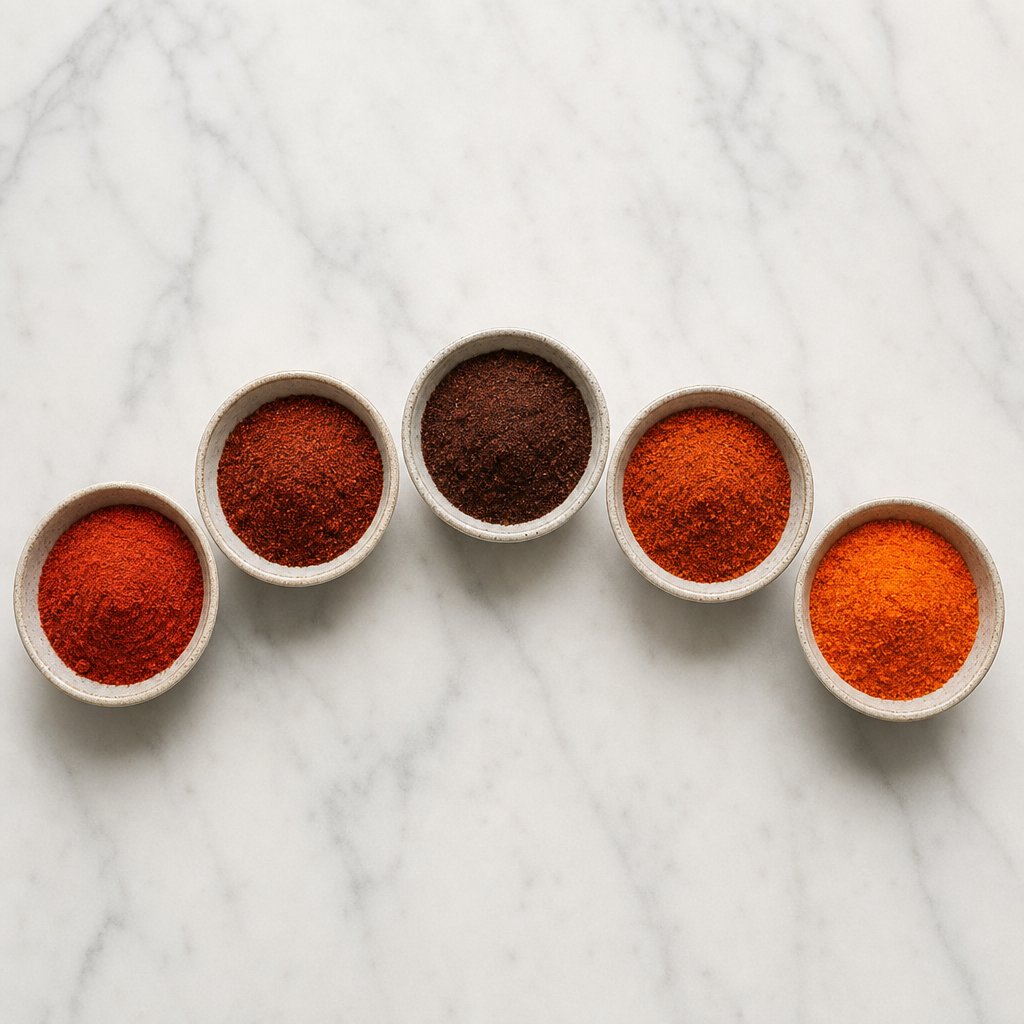
Maybe your jar ran out mid-recipe. Maybe your grocery store doesn't carry it. Or maybe you've decided you want something with more kick, or less. Whatever the reason, finding a reliable ancho chili powder substitute is a common kitchen challenge, and the right swap depends on whether you're trying to match ancho's flavor, its heat level, or both.
The good news: because ancho is mild and flavor-forward, several dried chile powders overlap with it in meaningful ways. The trick is knowing which dimension each substitute covers and where it falls short. Let's break it down by heat direction.
Best Substitutes for Less Heat
If you're cooking for someone who finds even ancho's gentle warmth too much, your options narrow but don't disappear:
- Mulato chile powder: This is the closest ancho chili powder replacement in terms of flavor. Mulato peppers are actually a different variety of dried poblano, left to ripen even longer on the vine until nearly black. The result is a powder with similar earthiness and sweetness but slightly less heat and a more pronounced chocolate-licorice note. Use it at a 1:1 ratio. RawSpiceBar notes that mulato has a lower heat level than other ancho substitutes and may need to be added in larger amounts if you want any warmth at all.
- Sweet paprika: Essentially heatless (100 to 500 SHU), paprika gives you the red color and mild pepper flavor without any capsaicin bite. It won't replicate ancho's smokiness or fruity depth, but it works in a pinch. Use a 1:1 ratio and consider adding a tiny pinch of cumin for earthiness.
Best Substitutes for More Heat
When you want ancho's smoky character but need the dish to actually bite back, these options step up the Scoville scale while staying in the same flavor family:
- Chipotle powder: Delivers bold smokiness with real heat (2,500 to 8,000 SHU). Since chipotle is made from dried, smoked jalapenos, it's two to eight times hotter than ancho. Start with half the amount your recipe calls for in ancho and adjust upward. The flavor is more aggressively smoky and less sweet, so expect a different character in the final dish.
- Guajillo powder: Slightly hotter than ancho (2,500 to 5,000 SHU) with a brighter, fruitier flavor and subtle natural smokiness. America's Test Kitchen describes guajillos as mild to medium-hot with a fruity flavor, and they recommend anchos or pasillas as substitutes for guajillo, which confirms how closely these chiles relate. Use guajillo at a 1:1 ratio, knowing you'll get a bit more heat and a tangier, less chocolatey result.
Pantry Swaps When Ancho Is Unavailable
Don't have any specialty chile powders on hand? You can still approximate ancho's contribution using common pantry staples. The most accessible ancho chili powder substitute is paprika combined with a small amount of cumin. This won't perfectly replicate the smoky-sweet depth, but it covers the basics: color, mild warmth, and earthy undertones.
For a closer match, try this formula: 1 tablespoon sweet or smoked paprika plus 1/4 teaspoon ground cumin plus a pinch of cocoa powder. The cocoa mimics ancho's subtle chocolate undertone, and smoked paprika bridges the smokiness gap. It's not identical, but in a chili or stew where multiple flavors are competing, most people won't notice the difference.
Pasilla powder deserves mention here too. Also part of Mexico's "holy trinity" of dried chiles alongside ancho and guajillo, pasilla has comparable heat to ancho with a slightly sweet flavor and notes of berry and cocoa. Use it at a 1:1 ratio as a direct ancho chili powder alternative when you can find it at Latin grocery stores or online.
Here's a quick-reference comparison to help you choose the right substitute for ancho chili powder based on your priorities:
| Substitute | Flavor Similarity to Ancho | Heat Level vs Ancho | Conversion Ratio |
|---|---|---|---|
| Mulato chile powder | Very high (chocolate, earthy, sweet) | Slightly less heat | 1:1 (may need slightly more) |
| Pasilla powder | High (earthy, berry, cocoa notes) | Similar heat | 1:1 |
| Guajillo powder | Moderate (fruitier, less chocolatey) | 2 - 3x hotter | 1:1 (expect more heat) |
| Chipotle powder | Moderate (smokier, sharper) | 2 - 8x hotter | Start at 1/2 amount, adjust up |
| Paprika + cumin + cocoa | Low-moderate (approximation only) | Less heat | 1 Tbsp paprika + 1/4 tsp cumin + pinch cocoa per 1 Tbsp ancho |
One more scenario worth addressing: what if a recipe calls for regular chili powder but all you have is ancho? Since ancho is the base ingredient in most commercial chili powder blends, you can substitute ancho chili powder and simply add the missing components yourself. For every tablespoon of regular chili powder called for, use 1 tablespoon ancho powder plus 1/2 teaspoon cumin, 1/4 teaspoon garlic powder, a pinch of oregano, and a pinch of cayenne if you want heat. This ancho chili powder substitution approach actually gives you a fresher, more vibrant result than most store-bought blends because you're building it from scratch with ingredients you control.
Whether you're scaling heat down for sensitive eaters or dialing it up for spice lovers, the key takeaway is that ancho's mild, flavor-rich profile makes it easy to swap in either direction. Its gentleness is a feature, not a limitation, because it gives you room to build exactly the heat level you want through layering. And speaking of building flavor, knowing how to handle ancho powder in the pan makes just as much difference as choosing the right substitute.
Cooking Tips to Get the Most from Ancho Chili Powder
Owning a jar of ancho chili powder is one thing. Coaxing its full potential out of that jar is another. The mild heat means you can be generous with it, but technique determines whether your dish tastes flat or deeply layered. A few simple methods, borrowed from professional kitchens and traditional Mexican cooking, transform this powder from a background ingredient into the star of your ancho chili powder recipe.
How to Bloom Ancho Powder for Maximum Flavor
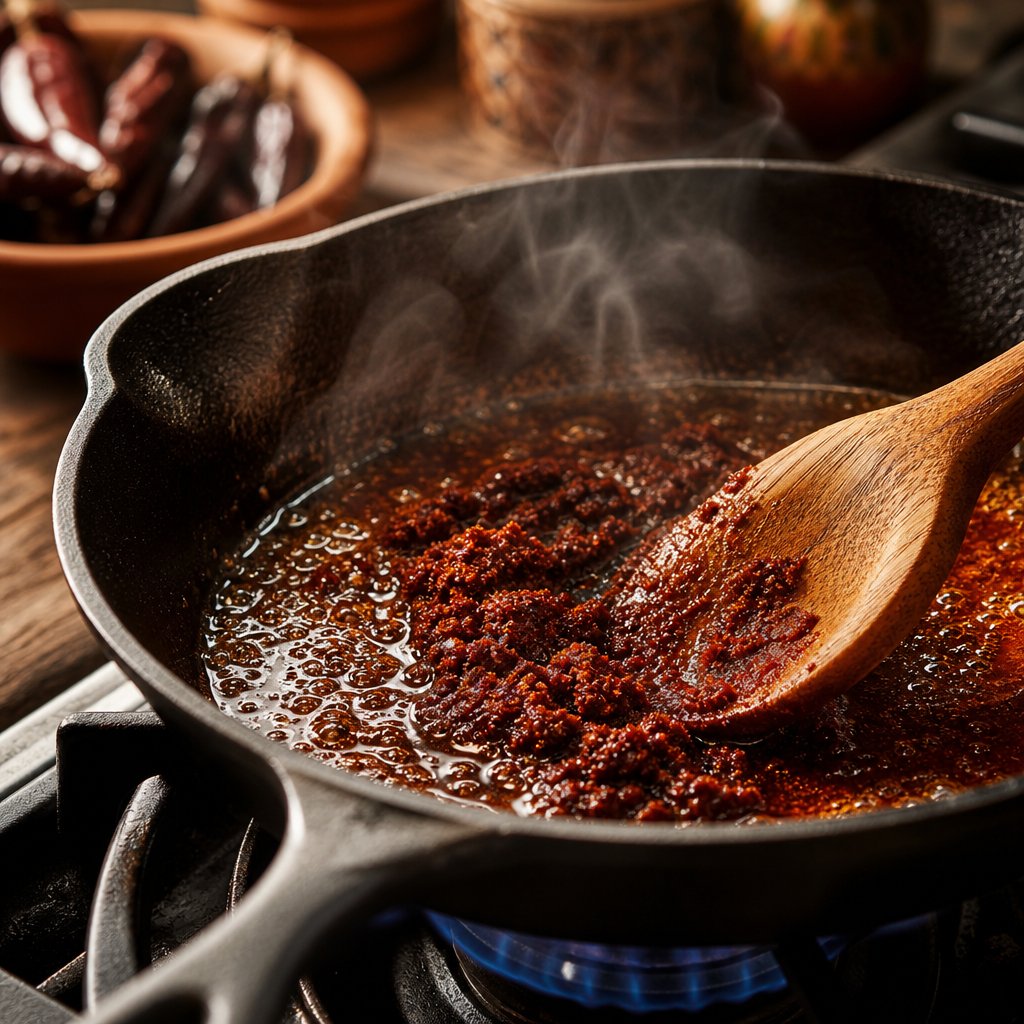
Blooming is the single most impactful technique for ground spices, and it works beautifully with chile ancho powder. The concept is straightforward: heating ground spices briefly in oil or fat activates their essential oils, releasing aromatic compounds that would otherwise stay locked inside the powder. The result is a richer, more fragrant base that permeates your entire dish.
Here's how to bloom spices effectively with ancho:
- Heat 1 to 2 tablespoons of a neutral oil (vegetable, avocado, or light olive oil) in a skillet or saucepan over medium heat until the oil shimmers slightly.
- Add your ancho chili powder to the warm oil. If you're using other ground spices alongside it, add them at the same time.
- Stir constantly for 30 to 60 seconds. You'll notice the color deepening and a rich, smoky-sweet aroma filling the kitchen. That scent is your signal that the essential oils are releasing.
- Immediately add your next liquid ingredient, whether that's diced onions, broth, crushed tomatoes, or beans, to stop the cooking and prevent burning.
Timing matters here. Ground spices burn quickly once they hit hot oil, and burnt ancho tastes bitter and acrid rather than smoky-sweet. Keep the heat at medium, never high, and don't walk away from the pan. If you see any wisps of smoke or the powder darkens rapidly, add your liquid right away.
This technique works for virtually any recipe that starts with sauteing aromatics: chili con carne, enchilada sauce, braised meats, bean soups, and stews. Bloom your ancho first, then build the rest of the dish on top of that flavor-packed base.
Building Custom Heat Levels with Ancho as a Base
Ancho's mildness is a strategic advantage when you want precise control over spiciness. Rather than starting with a hot powder and hoping you don't overdo it, you begin with ancho's smoky-sweet foundation and layer hotter chiles on top in measured amounts. This approach gives you depth and complexity at every heat level.
Recipes for ancho peppers in traditional Mexican cooking often combine two or three dried chiles together for exactly this reason. A classic mole might use dried ancho chile for body and sweetness, guajillo for brightness, and a small amount of arbol for sharp heat. Each chile contributes a different dimension, and you adjust the ratios to suit your audience.
Ancho pairs especially well with these spices in rubs and marinades:
- Cumin: Earthy warmth that reinforces ancho's grounded quality
- Coriander: Citrusy brightness that lifts ancho's darker notes
- Mexican oregano: Herbal complexity with a slight peppery edge
- Cinnamon: Warm sweetness that amplifies ancho's dried-fruit character
- Cocoa powder: Deepens the chocolate undertones already present in ancho
Bobby Flay's all-purpose ancho spice rub demonstrates this layering principle perfectly: a full cup of ancho chile powder forms the base, supported by smoked paprika, ground coriander, oregano, cumin, and just two teaspoons of ground chile de arbol for controlled heat. The rub works on salmon, chicken thighs, pork shoulder, or roasted vegetables because the ancho base is mild enough to let the protein's natural flavor come through while adding smoky complexity.
If you want to make your own dried ancho chili powder from whole dried ancho chillies, the process is simple: remove the stems and seeds from dried ancho chiles, tear them into flat pieces, toast them in a dry skillet for about 30 seconds per side until fragrant, then grind in a spice grinder or blender until fine. Freshly ground powder delivers noticeably more aroma and flavor than pre-ground versions that have been sitting on a shelf for months.
Speaking of shelf life, proper storage keeps your ancho powder potent. Ground spices lose flavor faster than whole ones because grinding exposes more surface area to air. Store ancho chili powder in an airtight container in a cool, dark place away from your stove and any direct sunlight. A pantry cabinet or drawer works well. Under these conditions, ground ancho maintains its full flavor for about one to two years. If you open the jar and the aroma seems faint or flat, it's time to replace it.
This focus on single-origin chile powders like ancho reflects a broader shift in home cooking. More cooks are moving away from pre-blended seasonings and toward individual spice powders that offer precise control over flavor and heat. When you stock pure ancho, pure chipotle, and pure cayenne separately, you can build any heat level and flavor combination you want rather than relying on a manufacturer's formula. It's the difference between painting with three primary colors and being handed a single pre-mixed shade.
Ancho's role in this approach is foundational. It provides the smoky depth, the rich color, and the gentle warmth that anchors a dish, while hotter powders and complementary spices add the specific accents you're after. That versatility extends beyond the kitchen too, as the capsaicin compounds in chili peppers have attracted growing attention in the health and wellness space.
Ancho and Capsaicin in Functional Health Products
Capsaicin, the compound that makes chili peppers hot, does more than create a burning sensation on your tongue. It activates a specific pain and heat receptor called TRPV1, and that biological mechanism has made it one of the most studied plant compounds in functional health research. Ancho chili powder contains only trace amounts of capsaicin due to its mild 1,000 to 1,500 SHU rating, but the broader family of chili pepper extracts, particularly those derived from hotter varieties like cayenne, has carved out a significant role in the supplement and wellness industry.
Capsaicin in Health and Wellness Products
You've probably seen capsaicin show up in two main contexts outside the kitchen: metabolism-support supplements and topical pain relief creams. Both applications leverage the same TRPV1 activation pathway, just in different ways.
On the metabolic side, research compiled by Examine indicates that capsaicin ingestion may improve exercise performance, though it appears mostly ineffective for fat loss on its own. Supplement doses typically range from 1.2 to 12 mg of capsaicin per serving, with some studies using up to 135 mg per day. To put that in perspective, a standard 500 mg capsule of dried cayenne pepper contains roughly 1.2 mg of capsaicin. You'd need a significant amount of mild ancho powder to reach those levels, which is why supplement manufacturers turn to concentrated extracts from hotter peppers instead.
Topical formulations take a different approach. When applied to the skin, capsaicin can reduce pain by overstimulating and then desensitizing local nerve endings. This makes it useful in creams and patches designed for joint discomfort, muscle soreness, and neuropathic pain conditions. The concentration matters here too: effective topical products use standardized capsaicin extracts rather than raw chili powder.
An important terminology note: you'll sometimes see debates about chilli powder vs chili powder in ingredient lists and product labels. The spelling varies by region ("chilli" is common in British English, "chili" in American English), but the distinction that actually matters for supplements is whether a product contains whole ground pepper or a standardized capsaicin extract. Whole powder, whether labeled chile powder vs chili powder on the package, delivers inconsistent capsaicin levels batch to batch. Standardized extracts guarantee a specific concentration, which is critical for dosing accuracy in health products.
Choosing Quality Spice-Based Supplements
The growing consumer interest in capsaicin has pushed the supplement industry toward more convenient delivery formats. Rather than asking people to eat large quantities of hot peppers daily, manufacturers now formulate capsaicin into hard capsules, soft gels, tablets, powder sachets, and even gummy formats. This shift makes consistent dosing practical and eliminates the gastrointestinal discomfort that eating concentrated hot pepper powder can cause.
For nutrition brands, supplement importers, and private label sellers looking to develop capsaicin-containing products, the formulation process involves several decisions: extract concentration, delivery format, complementary ingredients, and stability testing. OEM/ODM manufacturing partners handle this complexity. ZhuFeng, for example, offers health food manufacturing services across flexible product formats including hard capsules, tablets, powder/granules, soft capsules, gummy candy, and oral liquids, helping brands move from custom formulation to scalable production without building their own facilities.
What should you look for if you're evaluating capsaicin supplements as a consumer? A few practical markers of quality:
- Standardized capsaicin content: The label should state a specific milligram amount of capsaicin or capsaicinoids per serving, not just "cayenne pepper powder"
- Heat unit disclosure: Some brands list the SHU rating of their pepper source, which helps you gauge potency
- Enteric coating or delayed-release format: This reduces stomach irritation by allowing the capsule to dissolve in the intestine rather than the stomach
- Third-party testing: Independent verification confirms that the labeled dose matches what's actually in the product
The connection back to ancho is straightforward: while ancho chili powder itself is too mild to serve as a meaningful capsaicin source for supplementation, it belongs to the same pepper family that produces the concentrated extracts used in these products. Understanding the chili powder vs chili pepper distinction helps here. Chili powder is a culinary ingredient meant for flavor. Chili pepper extract is a concentrated bioactive compound meant for targeted physiological effects. Both come from the same plants, but they serve fundamentally different purposes.
Whether you're sprinkling ancho into your next batch of mole or exploring capsaicin supplements for exercise performance, the underlying science is the same TRPV1 pathway at work. The difference is simply concentration and intent: ancho gives you flavor with a whisper of warmth, while standardized extracts deliver a precise dose of the active compound for specific health goals.
Frequently Asked Questions About Ancho Chili Powder Heat
1. Is ancho chili powder hotter than regular chili powder?
No, ancho chili powder is actually milder than most regular chili powder blends. Pure ancho registers 1,000 to 1,500 SHU, while regular chili powder blends typically range from 1,500 to 4,000 SHU because they contain cayenne pepper alongside other spices like cumin, garlic, and oregano. The cayenne component in blended chili powder is what pushes the heat level higher than pure ancho.
2. Can I use ancho chili powder if I don't like spicy food?
Yes, ancho chili powder is one of the best options for people who avoid spicy food but still want rich, complex flavor. Its heat is minimal — comparable to a gentle warmth rather than a burn. Start with half a teaspoon per four servings if you are very sensitive to spice, then increase gradually. Most spice-averse cooks find ancho adds smoky sweetness and depth without any uncomfortable heat.
3. What does ancho chili powder taste like besides heat?
Ancho chili powder delivers a complex flavor profile that includes smoky notes, natural sweetness similar to raisins or prunes, earthy depth, and subtle chocolate undertones. This is why it serves as the foundation for mole sauces and pairs naturally with cocoa, cinnamon, and cumin. The flavor is often compared to dried fruit dipped in dark chocolate with a whisper of smoke.
4. What can I substitute for ancho chili powder if I want more heat?
Chipotle powder is the best substitute when you want smokiness with more heat, delivering 2,500 to 8,000 SHU. Start with half the amount called for in ancho and adjust upward. Guajillo powder offers a fruitier profile at 2,500 to 5,000 SHU and can be used at a 1:1 ratio. For maximum heat with smoky depth, combine a base of ancho with small amounts of cayenne or chile de arbol powder.
5. Is ancho chili powder the same as chipotle powder?
No, they are different products from different peppers. Ancho powder comes from dried ripe poblano peppers and is mild at 1,000 to 1,500 SHU with a sweet, fruity, earthy flavor. Chipotle powder comes from dried, smoked jalapeno peppers and is noticeably hotter at 2,500 to 8,000 SHU with a more aggressive, campfire-like smokiness. Both add smoky character to dishes, but chipotle delivers significantly more heat and a sharper bite.