
What Magnesium Tablets Actually Do Once You Take Them
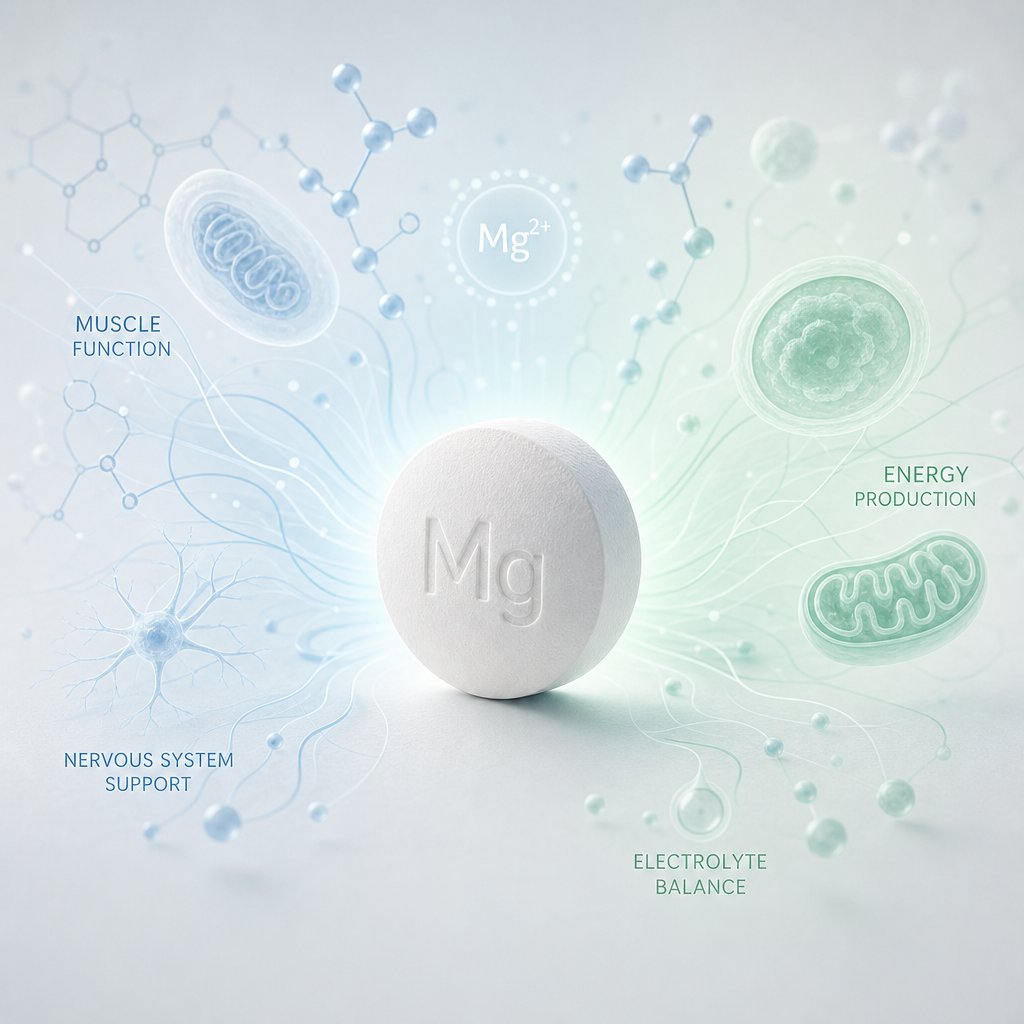
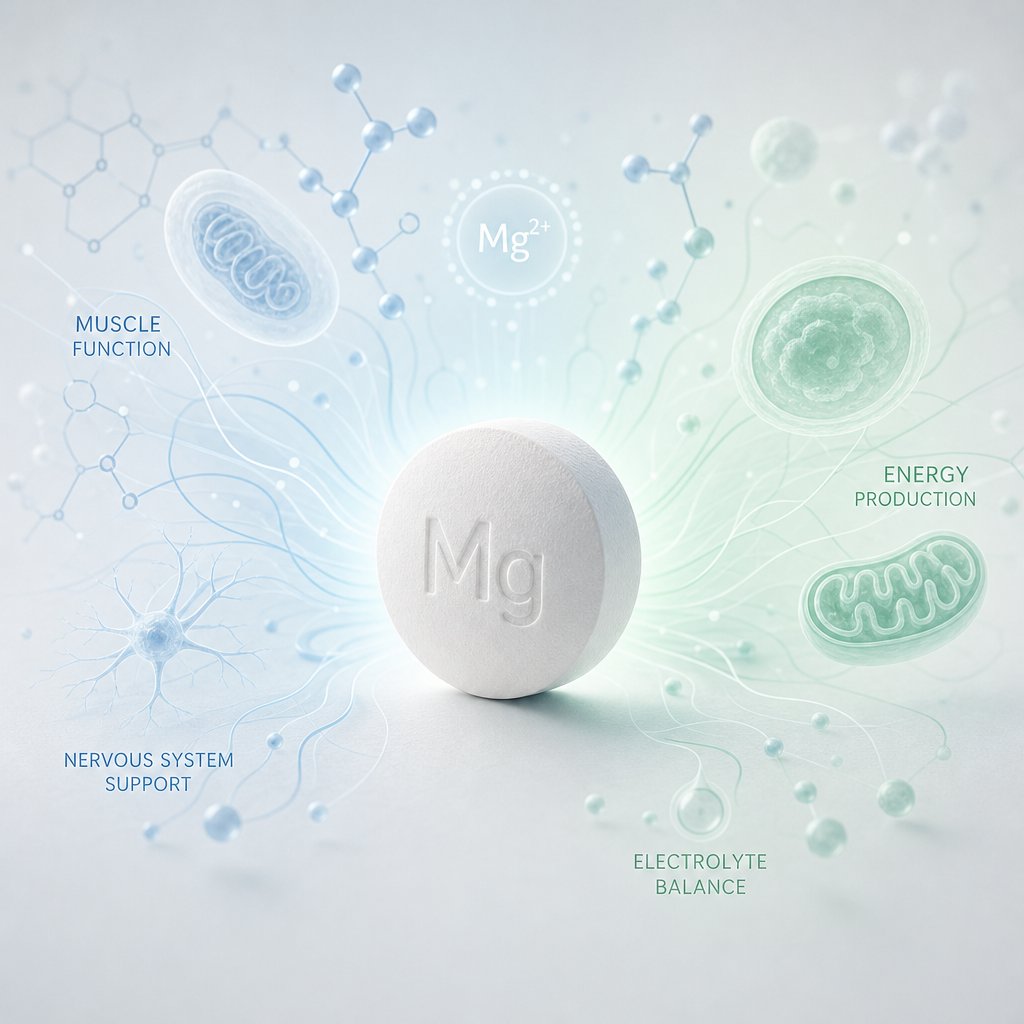
Magnesium tablets deliver a concentrated, measurable dose of supplemental magnesium designed to correct dietary shortfalls and fuel over 300 enzymatic reactions throughout your body. These reactions govern everything from protein synthesis and nerve signaling to blood glucose control and blood pressure regulation. When you swallow a tablet, you are giving your body a precise amount of a mineral it needs for energy production, muscle contraction, and normal heart rhythm.
But what actually happens inside you after that tablet goes down? Think of it as a timeline. Within the first hour, the tablet begins dissolving in your GI tract and magnesium ions start crossing into your bloodstream. Absorption reaches a plateau around 2 to 5 hours after ingestion, and by the 6-hour mark, roughly 80% of absorption is complete. Over the next few days, your body recalibrates electrolyte balance as magnesium interacts with calcium and potassium transport across cell membranes. After 1 to 4 weeks of consistent use, you'll notice the magnesium supplement benefits people talk about most: better sleep quality, fewer muscle cramps, and a calmer mood.
How Magnesium Tablets Work in Your Body
Your intestines absorb magnesium through two distinct pathways. The first is a passive, paracellular route where magnesium ions move between cells in the small intestine, driven by concentration. The second is an active, transcellular pathway mediated by specialized TRPM6/7 channel proteins, primarily in the colon. At a standard dose of magnesium 400 mg, the intestinal absorption rate typically falls between 30% and 50%. Your kidneys then fine-tune the balance, excreting excess magnesium when stores are adequate and conserving it when levels run low.
An important detail: splitting your intake into smaller doses throughout the day actually increases total absorption compared to taking one large bolus. This happens because the active TRPM6 channels work more efficiently with lower concentrations of magnesium in the gut at any given time.
Tablets vs Dietary Magnesium Sources
Green leafy vegetables, nuts, seeds, and whole grains all contain magnesium. Yet only about 30% to 40% of dietary magnesium gets absorbed, and modern food processing strips much of it away. NHANES data shows that 48% of Americans consume less magnesium from food and beverages than their estimated average requirements. For many people, especially older adults and those with GI conditions, food alone cannot close the gap.
Magnesium tablets provide therapeutic doses in a controlled, repeatable format that food alone often cannot deliver, making them essential for anyone with a confirmed shortfall or increased physiological demand.
A magnesium complex supplement that combines multiple forms can address several needs at once, but even a single-form tablet offers something diet rarely can: a known quantity you can track and adjust. This foundational understanding of how magnesium pills benefits unfold over time sets the stage for a deeper question: how do you know if your body actually needs more in the first place?
Signs Your Body Needs More Magnesium
Your body rarely sends a single, obvious alarm when magnesium runs low. Instead, it whispers through a collection of vague symptoms that are easy to blame on stress, aging, or poor sleep habits. Recognizing these signals is what separates someone who supplements strategically from someone who spends months wondering why they feel off.
Common Symptoms of Low Magnesium
Early-stage deficiency tends to show up in your muscles and nervous system first. You might dismiss a twitching eyelid or a calf cramp at 3 a.m. as random, but these are among the most recognized signs of inadequate magnesium. A greater flow of calcium into nerve cells overstimulates muscle fibers when magnesium is too low to counterbalance it, which is why twitches, tremors, and cramps rank as hallmark indicators.
Here are the symptoms most commonly linked to low magnesium levels:
- Muscle twitches, cramps, and spasms, especially in the legs
- Persistent fatigue and general weakness, even after adequate rest
- Poor sleep quality or difficulty staying asleep
- Mood disturbances, including increased irritability, apathy, or low-grade anxiety
- Numbness or tingling in the hands and feet
- Irregular heartbeat or heart palpitations
As deficiency deepens, symptoms escalate. Severe cases can trigger abnormal heart rhythms (arrhythmia), intense muscle contractions known as tetany, and even seizures. Cleveland Clinic notes that hypomagnesemia often occurs alongside low calcium and potassium, which compounds the neuromuscular symptoms and makes the picture harder to untangle without proper testing.
Why Deficiency Is More Common Than You Think
Imagine eating what you consider a balanced diet and still falling short. That is the reality for a large portion of the population. Research published in Nutrients estimates that 60% of adults do not reach the average dietary intake for magnesium, and roughly 45% of Americans are considered deficient. What causes low magnesium on such a wide scale? Several modern factors converge:
- Soil depletion from intensive farming has reduced the magnesium content of vegetables by as much as 80-90% over the past century
- Processed foods, which now make up around 60% of the average American diet, lose up to 80% of their magnesium during manufacturing
- Common medications like proton pump inhibitors and diuretics increase magnesium loss or block absorption
- Caffeine and alcohol both raise renal excretion, increasing daily demand
Even mg foods traditionally considered rich sources, like leafy greens and nuts, deliver only a fraction of the RDA per serving. You would need to eat consistently large quantities of these foods every single day to maintain a normal magnesium level through diet alone.
Here is the diagnostic challenge that makes this situation worse: the standard magnesium blood test measures serum magnesium, which represents only about 0.8% of your total body stores. The remaining 99% sits in bone, muscle, and soft tissue. Your body tightly regulates that narrow serum range, pulling from deeper reserves to keep blood levels stable. This means a magnesium blood test can read "normal" while your muscles, bones, and cells are quietly running on empty. Subclinical deficiency, the kind that fuels chronic symptoms without triggering a lab flag, is far more prevalent than clinical data suggests.
This gap between what standard tests reveal and what your body actually needs is precisely why understanding the different supplemental forms matters. Each type of magnesium tablet absorbs differently, targets different tissues, and suits different health goals.

Types of Magnesium Tablets and Which Form Does What
Not all magnesium tablets are interchangeable. The different types of magnesium on store shelves exist because each form pairs elemental magnesium with a different carrier molecule, and that carrier determines how well your gut absorbs it, where it concentrates in the body, and what side effects you might experience. Choosing the wrong form for your goal is like putting diesel in a gasoline engine: the mineral is there, but the delivery system does not match the job.
Magnesium Citrate vs Glycinate vs Oxide
These three forms account for the vast majority of magnesium tablets you will find at any pharmacy or health store. Each one behaves differently once it hits your digestive tract.
Magnesium citrate is bound to citric acid, making it one of the most bioavailable forms available over the counter. Your body absorbs it efficiently, and it draws water into the intestines through an osmotic effect. The magnesium citrate benefits are twofold: it raises magnesium levels reliably and promotes bowel regularity. If constipation is part of your picture, this form pulls double duty. The trade-off? Higher doses can tip from gentle regularity into outright diarrhea.
Magnesium glycinate pairs the mineral with the amino acid glycine, which itself has calming properties. This combination absorbs well without the laxative effect that citrate produces. So what is magnesium glycinate good for? It is the go-to choice for sleep support, anxiety reduction, and long-term daily supplementation when GI sensitivity is a concern. The magnesium glycinate benefits center on its gentle absorption profile and its affinity for the nervous system.
When people compare magnesium glycinate vs magnesium citrate, the decision usually comes down to digestive tolerance and primary goal. Citrate works better for regularity; glycinate works better for calm and sleep without stomach upset.
Magnesium oxide packs the highest percentage of elemental magnesium per tablet, around 60% by weight. That sounds impressive until you learn that it is poorly absorbed by the digestive tract. Much of it passes through unabsorbed, which is why it works well for heartburn and constipation relief but is a poor choice for correcting a true deficiency. The magnesium oxide vs citrate comparison highlights this clearly: oxide delivers more milligrams per pill but far fewer milligrams into your bloodstream. Similarly, the magnesium oxide vs glycinate distinction matters for anyone prioritizing absorption over pill count. Oxide requires fewer tablets for the same label dose, yet glycinate delivers more usable magnesium per milligram absorbed.
Specialized Forms for Targeted Benefits
Beyond the big three, several specialized forms target specific tissues and health goals.
Magnesium L-threonate is unique because animal research suggests it crosses the blood-brain barrier more effectively than other forms. This makes it the most studied option for cognitive support, memory, and mood regulation. If your primary concern is brain health or age-related cognitive decline, threonate is worth considering.
Magnesium malate combines magnesium with malic acid, a compound involved in the cellular energy cycle (Krebs cycle). It absorbs well, has minimal laxative effect, and is often recommended for people dealing with fatigue, fibromyalgia, or muscle soreness. Athletes and active individuals tend to gravitate toward this form for recovery support.
Magnesium taurate pairs the mineral with the amino acid taurine, which plays a role in heart rhythm and blood sugar regulation. Early research points to cardiovascular benefits, including blood pressure support and improved insulin sensitivity. This form suits people whose primary goal is heart health rather than sleep or digestion.
| Form | Best For | Bioavailability | Common Dose | Notable Considerations |
|---|---|---|---|---|
| Magnesium Citrate | Constipation, general replenishment | High | 200-400 mg | Laxative effect at higher doses; widely available |
| Magnesium Glycinate | Sleep, anxiety, long-term use | High | 200-400 mg | Gentle on stomach; requires more tablets for equivalent elemental Mg |
| Magnesium Oxide | Heartburn, acute constipation | Low | 400-500 mg | High elemental Mg per tablet but poor absorption; not ideal for deficiency correction |
| Magnesium L-Threonate | Cognitive function, memory, mood | High | 1,000-2,000 mg (of the compound) | Crosses blood-brain barrier; lower elemental Mg per dose; higher cost |
| Magnesium Malate | Energy, muscle recovery, fatigue | High | 200-400 mg | Minimal GI effects; supports ATP production |
| Magnesium Taurate | Heart health, blood sugar support | Medium-High | 200-400 mg | Taurine adds cardiovascular benefit; less studied than citrate or glycinate |
Does Tablet Form Affect Absorption Compared to Capsules or Powders?
You might wonder whether the physical format, tablet versus capsule versus powder, changes how well magnesium absorbs. According to Nebraska Medicine nutrition therapist Ieva Turke, the delivery format has a low impact on absorption. What matters most is the type of magnesium salt, the dose, and consistency of use. Tablets do need to disintegrate before absorption begins, which can add a short delay compared to powders that dissolve immediately in liquid. However, well-manufactured tablets with proper disintegration profiles perform comparably to capsules in clinical settings. The real variable is the magnesium compound inside, not the shell around it.
Understanding which form matches your specific health goal is only half the equation. The next piece is knowing how each form interacts with the body's sleep and stress systems, where magnesium's calming effects become most tangible.

Magnesium Tablets for Better Sleep and Calm
Sleep is the single most searched reason people reach for magnesium tablets, and the science behind it goes far deeper than a vague "relaxation" claim. Does magnesium help you sleep? The short answer is yes, particularly if your levels are low or stress is keeping your nervous system in overdrive. The longer answer involves specific brain pathways that magnesium directly influences every night.
How Magnesium Helps You Fall and Stay Asleep
Your brain does not simply "switch off" at bedtime. It transitions through a deliberate neurochemical sequence, and magnesium plays a role at multiple points in that process.
First, magnesium activates GABA receptors. GABA (gamma-aminobutyric acid) is your brain's primary inhibitory neurotransmitter, the one responsible for quieting neural activity so you can shift from alertness into drowsiness. Magnesium binds to GABA-A receptors and enhances their signaling, essentially turning up the volume on your brain's "calm down" signal. Without adequate magnesium, GABA cannot do its job efficiently, and your mind stays stuck in a loop of racing thoughts.
Second, magnesium supports melatonin synthesis. Your pineal gland needs magnesium as a cofactor to produce melatonin, the hormone that regulates your circadian rhythm and tells your body it is time to sleep. Low magnesium can blunt this production, making it harder to feel sleepy at a consistent time each night.
Third, magnesium helps regulate cortisol. Elevated cortisol, your primary stress hormone, is one of the most common reasons people lie awake despite feeling exhausted. Magnesium helps dampen HPA axis hyperactivity, the stress response system that drives cortisol spikes. By keeping cortisol in check during the evening hours, magnesium creates the hormonal environment your body needs to fall and stay asleep.
The relationship between magnesium and sleep also extends to anxiety. The same GABA activation and cortisol regulation that promote sleep also reduce anxious feelings during waking hours. This overlap explains why people searching for which magnesium is best for sleep and anxiety often find the same forms recommended for both concerns. A calmer nervous system at night means a calmer nervous system during the day.
Best Magnesium Tablet Forms for Sleep and Anxiety
Not every form of magnesium works equally well as a magnesium sleep aid. The forms most studied for sleep target the nervous system directly rather than the gut.
Magnesium glycinate remains the top recommendation for sleep support. The glycine carrier itself has independent calming effects on the brain, and the combination absorbs well without triggering the laxative response that keeps people up at night. If you want to use magnesium to help sleep without digestive disruption, glycinate is the safest bet.
Magnesium L-threonate is the newer option gaining attention. A placebo-controlled study published in Sleep Medicine: X found that participants taking 1g of magnesium L-threonate daily for 21 days experienced improved deep sleep and REM sleep stages, along with better daytime alertness and mood. Its ability to cross the blood-brain barrier gives it a unique advantage for people whose sleep problems stem from mental overactivity rather than physical tension.
Magnesium citrate serves as a secondary option. It absorbs well and can promote relaxation, but its osmotic effect on the bowels makes it less ideal for bedtime use at higher doses.
Here are practical tips for getting the most from the benefits of taking magnesium at night:
- Take your dose 30 to 60 minutes before bed to allow absorption to begin as you wind down
- A small snack with healthy fat can improve absorption and reduce any mild stomach sensitivity
- Start with 200 mg and increase to 300-400 mg if needed; studies on magnesium for sleep typically use doses in this range
- Expect gradual improvement: some people notice changes within a few nights, but full effects on sleep quality typically build over 2 to 4 weeks of consistent use
- Pair with basic sleep hygiene (cool room, no screens, consistent schedule) for compounding results
What magnesium is best for sleep ultimately depends on whether your primary barrier is physical tension, a racing mind, or both. Glycinate covers the broadest range of sleep complaints, while threonate targets cognitive restlessness specifically.
Sleep quality, of course, is only one piece of the health puzzle magnesium tablets can address. The same mineral that calms your nervous system at night also influences digestion, muscle recovery, migraine frequency, and cardiovascular function during the day.
How Magnesium Tablets Support Your Health
The calming effects that make magnesium a powerful sleep aid represent just one branch of a much larger tree. The same mineral that quiets your nervous system at night also draws water into your intestines, relaxes cramping muscles, reduces migraine frequency, and supports healthy blood pressure. Each of these benefits depends on a specific mechanism, and each responds best to a particular form and dose.
Magnesium Tablets for Constipation and Digestion
When people search for the best magnesium for constipation, they are looking for a specific physiological effect: the osmotic draw. Certain forms of magnesium are poorly absorbed in the small intestine, which means they travel further into the colon where they pull water through the intestinal wall by osmosis. This extra fluid softens stool, increases intestinal volume, and stimulates peristalsis, the wave-like muscle contractions that move things along.
Magnesium citrate and magnesium oxide are the two forms that produce this effect most reliably. WebMD reports that magnesium oxide is one of the most studied forms for constipation relief, with gastroenterologist Kyle Staller, MD, noting it is preferred because "we know what the normal dosing is that doesn't put you at risk for having too much magnesium." Magnesium citrate, on the other hand, acts as a more potent rescue therapy. It absorbs easily in the intestines and is often used when you really cannot go.
So how long does it take for magnesium citrate to work? Expect a bowel movement anywhere from 30 minutes to 6 hours after taking it, depending on your dose and individual physiology. For gentle daily regularity rather than acute relief, lower doses of magnesium oxide (250-400 mg) taken consistently tend to produce more predictable results without urgency.
One critical distinction: magnesium glycinate does NOT produce a laxative effect. Because glycinate absorbs efficiently through the intestinal wall, very little remains in the colon to draw water. If you are taking magnesium for constipation, glycinate will not help. If you are taking magnesium for sleep and do not want digestive disruption, glycinate is exactly what you want. Matching the form to the goal matters here more than anywhere else.
Muscle Cramps, Migraines, and Heart Health
Magnesium governs the balance between muscle contraction and relaxation. Calcium triggers a muscle fiber to contract; magnesium tells it to release. When magnesium runs low, muscles stay in a semi-contracted state, producing cramps, spasms, and that persistent tightness in your shoulders or calves. Supplementing with magnesium malate benefits people dealing with exercise-related soreness and chronic muscle fatigue because malic acid also participates in ATP energy production within the cell.
For migraines, the evidence is stronger than many people realize. The American Migraine Foundation states that magnesium "comes closer than many interventions" to the ideal preventive treatment in terms of safety, cost, and effectiveness. Magnesium oxide at 400-600 mg per day is the most frequently studied dose for migraine prevention, and the American Headache Society gave it a Level B rating, meaning it is "probably effective and should be considered for patients requiring migraine preventive therapy." The mechanism involves blocking cortical spreading depression, the wave of brain signaling that triggers aura, while also reducing pain-transmitting chemicals like Substance P and glutamate.
Does magnesium lower blood pressure? Research suggests a modest but meaningful effect. Magnesium relaxes smooth muscle in blood vessel walls, which reduces vascular resistance. It also helps regulate the sodium-potassium pump that influences fluid balance. Magnesium taurate is the form most often recommended for cardiovascular support because taurine independently contributes to heart rhythm stability and blood sugar regulation.
| Condition | Recommended Form | Typical Dose Range | Expected Timeline |
|---|---|---|---|
| Constipation (daily regularity) | Magnesium Oxide | 250-400 mg | 30 minutes to 6 hours per dose |
| Constipation (acute relief) | Magnesium Citrate | 200-300 mg (liquid) | 30 minutes to 6 hours |
| Muscle cramps and recovery | Magnesium Malate | 200-400 mg | 1-2 weeks for noticeable reduction |
| Migraine prevention | Magnesium Oxide | 400-600 mg | 3-4 months for full effect |
| Blood pressure support | Magnesium Taurate | 200-400 mg | 4-8 weeks |
A common question that surfaces alongside these benefits: can magnesium help with weight loss? The honest answer is indirect at best. Magnesium supports insulin sensitivity, energy metabolism, and sleep quality, all of which influence body composition over time. But it is not a fat burner or appetite suppressant. Treating it as a direct weight loss supplement will lead to disappointment. Its value lies in optimizing the metabolic systems that make healthy weight management possible.
Magnesium benefits for women deserve specific attention. Beyond the general advantages, magnesium plays a direct role in menstrual health. Cleveland Clinic Ob/Gyn Salena Zanotti, MD, explains that magnesium helps with period cramps by relaxing the uterine muscle and decreasing prostaglandin production, the chemicals responsible for pain during menstruation. Studies use 150-300 mg daily, with magnesium glycinate recommended as the best-tolerated form for cramps. Combining magnesium with vitamin B6 may enhance relief further.
During pregnancy, magnesium needs increase significantly. The mineral supports fetal bone development, reduces the risk of preeclampsia, and helps manage leg cramps that commonly intensify in the third trimester. Magnesium oxide in doses up to 400 mg holds a pregnancy category A rating, meaning it can be used safely under medical guidance. For bone health in postmenopausal women, magnesium works synergistically with calcium and vitamin D to maintain density and reduce fracture risk.
Each of these benefits depends on consistent, properly dosed supplementation. The question that naturally follows is not just which form to take, but how much, when, and what to expect during those first days and weeks of use.

Dosage, Timing, and What to Expect as a Beginner
Knowing which form of magnesium to take only gets you halfway. The other half is getting the dose right, timing it for maximum effect, and understanding what your body will do during the first few days and weeks of supplementation. This is where most people either dial in their routine or give up too early because they did not know what to expect.
How Much Magnesium to Take and When
Your ideal magnesium intake depends on your age, sex, and life stage. The National Institutes of Health sets Recommended Dietary Allowances (RDAs) that represent total daily magnesium from all sources combined, including food, beverages, and supplements.
| Age Group | Male | Female | Pregnant | Lactating |
|---|---|---|---|---|
| 1-3 years | 80 mg | 80 mg | - | - |
| 4-8 years | 130 mg | 130 mg | - | - |
| 9-13 years | 240 mg | 240 mg | - | - |
| 14-18 years | 410 mg | 360 mg | 400 mg | 360 mg |
| 19-30 years | 400 mg | 310 mg | 350 mg | 310 mg |
| 31-50 years | 420 mg | 320 mg | 360 mg | 320 mg |
| 51+ years | 420 mg | 320 mg | - | - |
Here is a detail that confuses many beginners: the Tolerable Upper Intake Level (UL) for supplemental magnesium is 350 mg per day for adults. That number looks lower than the RDA, which seems contradictory. The explanation is simple. The UL applies only to magnesium from supplements and medications, not from food. Your body handles food-sourced magnesium differently because it arrives in smaller amounts alongside fiber and other nutrients that moderate absorption. Supplemental magnesium hits the gut in a concentrated bolus, which is why higher doses carry a greater risk of GI side effects.
For most adults, a magnesium glycinate dosage between 200 and 400 mg of elemental magnesium covers the gap between dietary intake and the RDA without exceeding the UL. How much magnesium glycinate per day you personally need depends on how much you already get from food. If your diet includes nuts, seeds, leafy greens, and whole grains regularly, 200 mg supplemental may suffice. If your diet leans heavily processed, 300-400 mg is a more realistic target.
When is the best time to take magnesium? That depends entirely on the form and your goal. Energy-focused forms like magnesium malate work best in the morning or early afternoon because malic acid supports ATP production and alertness. Sleep-focused forms like glycinate and threonate belong in the evening. The best time to take magnesium glycinate is 30 to 60 minutes before bed, giving it time to begin absorbing and activating GABA pathways as you wind down. If you take a magnesium glycinate dosage for sleep, pairing it with your nighttime routine creates a consistent cue that reinforces the habit.
For people using citrate for digestive regularity, morning works well since the bowel-stimulating effect peaks within a few hours. Taking it at night risks disrupting sleep with bathroom trips.
What Happens When You First Start Taking Magnesium
Your body does not flip a switch the moment you start supplementing. There is an adjustment period, and knowing what it looks like prevents unnecessary worry or premature dose changes.
Days 1-3: The GI adjustment. The most common early experience is looser stools, especially with citrate or oxide. This is not a sign that something is wrong. It is the osmotic effect of unabsorbed magnesium drawing water into the colon. For most people, this settles within 3 to 5 days as the gut adapts. If it persists or becomes actual diarrhea, your dose is too high or the form is too aggressive for your system.
Days 3-7: Subtle shifts. Some people report falling asleep slightly faster, fewer nighttime wake-ups, or reduced muscle tightness. These early signals are real but mild. Research suggests that some users notice relief from muscle cramps within 24 to 48 hours, particularly with highly bioavailable forms.
Weeks 1-4: Meaningful improvement. Sleep quality, mood stability, and cramp frequency typically show noticeable improvement within this window. Studies on magnesium and sleep found that improvements in sleep quality and reductions in mild anxiety can occur within one to two weeks of regular supplementation. Full benefits for chronic conditions like migraines or blood pressure require one to three months of consistent use.
Should you take magnesium with food or on an empty stomach? Taking it with a meal is the safer default. Food slows gastric emptying, which spreads absorption over a longer window and reduces the concentration of magnesium hitting the intestinal wall at once. This means fewer GI side effects and potentially better total absorption. Forms like glycinate and threonate are gentle enough for some people to tolerate on an empty stomach, but if you experience bloating or nausea, adding food solves the problem almost immediately.
A practical approach for minimizing side effects: start with half your target dose for the first week. If you are aiming for 400 mg of magnesium glycinate at bedtime, begin with 200 mg. Let your gut adjust, then increase. This simple step eliminates the bloating and loose stools that cause many people to abandon supplementation before it has a chance to work.
Consistency matters more than perfection. Missing a single dose will not reset your progress, but taking magnesium sporadically, a few days on and a few days off, prevents your body from building the steady tissue levels where real benefits emerge. Pick a time that fits your daily rhythm, anchor it to an existing habit like brushing your teeth or eating dinner, and let the weeks do the work.
Of course, not everyone should take magnesium tablets freely. Certain health conditions and medications create situations where supplementation carries real risk, and understanding those boundaries is just as important as getting the dose right.
Safety Warnings and Who Should Skip Magnesium Tablets
Magnesium is widely tolerated, but "natural" does not mean universally safe. Certain health conditions impair your body's ability to clear excess magnesium, and several common medications interact with it in ways that can reduce drug effectiveness or cause dangerous accumulation. Knowing these boundaries protects you from turning a helpful supplement into a liability.
Who Should Avoid Magnesium Tablets
Your kidneys are the primary exit route for excess magnesium. When kidney function is compromised, that exit narrows or closes entirely, and magnesium builds to potentially dangerous levels in the blood. The following groups should avoid magnesium tablets unless specifically directed by a healthcare provider:
- Kidney disease or renal failure — impaired excretion can lead to toxic accumulation, even at standard doses
- Heart block (atrioventricular block) — high-dose magnesium can worsen conduction delays and slow heart rhythm further
- Myasthenia gravis — magnesium can intensify muscle weakness and potentially cause breathing difficulty
- People taking potassium-sparing diuretics — these medications already raise magnesium levels, and adding a supplement increases the risk of excess
- Bleeding disorders — magnesium may slow blood clot formation, raising the risk of bruising or bleeding
Older adults and people with uncontrolled diabetes also warrant extra caution. Aging reduces intestinal absorption and renal clearance simultaneously, while diabetes alters magnesium handling in unpredictable ways. Neither group should self-prescribe without medical input.
Drug Interactions You Need to Know About
Magnesium physically binds to certain medications in the gut, forming insoluble complexes that your body cannot absorb. The result? Your medication passes through without doing its job. Here are the most common interactions to watch for:
Antibiotics (tetracyclines and fluoroquinolones). Magnesium binds to drugs like doxycycline, ciprofloxacin, and levofloxacin, reducing their absorption significantly. The fix is simple but non-negotiable: take your antibiotic at least 2 hours before or 4 to 6 hours after your magnesium dose.
Bisphosphonates. Osteoporosis medications like alendronate (Fosamax) and risedronate (Actonel) suffer the same binding problem. Separate them from magnesium by at least 2 hours to maintain treatment effectiveness.
Proton pump inhibitors (PPIs). Omeprazole, pantoprazole, and similar acid-reducing drugs can deplete magnesium levels when used long-term, typically beyond one year. The FDA has advised healthcare professionals to monitor serum magnesium in patients on prolonged PPI therapy. In some cases, even supplementation cannot overcome the depletion, and the PPI must be discontinued.
Loop and thiazide diuretics. Medications like furosemide (Lasix) and hydrochlorothiazide increase magnesium loss through urine. If you take these water pills, your doctor may need to monitor your levels and adjust your supplement dose accordingly rather than having you self-manage.
So is magnesium glycinate safe? For most healthy adults, yes. Magnesium glycinate side effects are among the mildest of any form because glycinate absorbs efficiently, leaving little unabsorbed mineral in the colon to cause GI distress. The most commonly reported side effects of magnesium glycinate are mild nausea or stomach discomfort, usually at higher doses or on an empty stomach. Can magnesium glycinate cause diarrhea? It is possible but uncommon compared to citrate or oxide. Glycinate's high absorption rate means less osmotic pull in the intestines, which is precisely why it is recommended for people with sensitive stomachs.
The side effects of magnesium citrate are more pronounced on the digestive front. Because citrate draws water into the bowel, loose stools and cramping are common at doses above 300-400 mg. Does magnesium cause diarrhea? It absolutely can, particularly with citrate, oxide, and chloride forms. This is a dose-dependent effect: the higher you go, the more likely it becomes. Starting low and increasing gradually is the most reliable way to find your threshold.
What happens if you take too much? The NIH reports that early signs of magnesium overdose include nausea, diarrhea, and abdominal cramping. At very high doses, typically above 5,000 mg per day from supplements or laxatives, toxicity can progress to dangerously low blood pressure, muscle weakness, difficulty breathing, irregular heartbeat, and in rare cases, cardiac arrest. These extreme outcomes are almost exclusively seen in people with kidney impairment or those misusing magnesium-containing laxatives.
One reassuring distinction: too much magnesium from food does not pose a health risk in healthy individuals. Your kidneys efficiently eliminate dietary excess through urine. The overdose risk applies specifically to supplemental and medicinal forms, where concentrated doses bypass the natural pacing that food provides. This is why the Tolerable Upper Intake Level of 350 mg applies only to supplements, not to your total magnesium intake from all sources.
With safety boundaries clearly mapped, the practical question shifts from what to avoid to what to choose. Matching the right form, dose, and quality of magnesium tablet to your specific goal is the final step toward confident, informed supplementation.

How to Choose the Right Magnesium Tablet for Your Needs
You know the forms, the doses, the timing, and the safety boundaries. The remaining question is straightforward: which magnesium tablet is right for you, specifically? The best magnesium supplement is not the one with the flashiest label or the most social media buzz. It is the one that matches your primary health goal, agrees with your digestive system, and comes from a manufacturer that actually tests whether the tablet dissolves properly in your gut.
Matching the Right Form to Your Goal
Rather than guessing, walk through this step-by-step selection process to narrow your choice:
- Identify your primary goal. What symptom or health concern brought you here? Sleep issues, muscle cramps, constipation, cognitive fog, heart health, or general wellness? Your answer determines the form.
- Match the form to the goal. If your goal is better sleep or reduced anxiety, choose glycinate or threonate. For digestive regularity, citrate is the clear winner. Muscle recovery and fatigue point to malate. Cardiovascular support calls for taurate. For general wellness without a specific complaint, a magnesium complex that blends multiple forms covers broader ground.
- Check your GI tolerance. If you have a sensitive stomach or are prone to loose stools, avoid citrate and oxide. The best magnesium glycinate supplement will deliver results without digestive disruption.
- Set your dose based on dietary intake. If your diet already includes nuts, seeds, and greens, 200 mg supplemental may be enough. If your diet is mostly processed food, aim closer to 300-400 mg.
- Choose your timing. Evening for glycinate and threonate, morning for malate, and morning or midday for citrate.
What is the best magnesium to take if you are a woman dealing with cramps, sleep issues, and stress simultaneously? The best magnesium supplement for women in that situation is typically glycinate, since it addresses nervous system calm, menstrual cramp relief, and sleep without GI side effects. Adding a separate malate dose in the morning can cover the energy and muscle recovery angle.
The best type of magnesium is always context-dependent. Someone with chronic constipation and mild anxiety has different needs than an athlete recovering from intense training. Trust the decision framework above rather than defaulting to whatever product ranks highest in an online ad.
Why Tablet Quality and Manufacturing Matter
Here is something most buyers overlook: two tablets containing the same form and dose of magnesium can perform very differently inside your body. The reason comes down to how the tablet was formulated and manufactured.
A magnesium tablet must disintegrate within a specific timeframe to release its contents where absorption occurs. Research on magnesium oxide tablet dissolution demonstrates that proper disintegration testing, validated through methods like USP dissolution protocols, directly determines whether the labeled dose actually becomes available for absorption. Tablets that fail to break down adequately in the GI tract pass through largely intact, delivering a fraction of their promised benefit regardless of what the label claims.
Quality manufacturing involves more than pressing powder into a pill. It requires validated dissolution profiles, stability testing under real-world storage conditions, and consistent raw material sourcing. The best magnesium supplements on the market come from facilities that follow Good Manufacturing Practices (GMP) and perform batch-level quality verification.
For brands and private label sellers looking to develop their own magnesium tablet line, these manufacturing details are not optional. Partnering with an experienced OEM/ODM manufacturer ensures proper formulation, bioavailability optimization, and scalable production across multiple formats. ZhuFeng's health food manufacturing services offer customized formulation across tablets, capsules, powders, and gummies, helping supplement businesses launch products that target the specific consumer needs outlined throughout this article, from sleep-focused glycinate tablets to energy-oriented malate blends.
Whether you are choosing a magnesium tablet for personal use or building a product line, the principle is the same: the compound inside matters, but so does the engineering that delivers it to your bloodstream. A well-chosen form in a poorly made tablet is a waste of money. A properly manufactured tablet matched to your goal is where real results begin.
Frequently Asked Questions About Magnesium Tablets
1. How long does it take for magnesium tablets to start working?
Absorption begins within the first hour after swallowing a tablet, with peak absorption occurring between 2 and 5 hours. However, noticeable benefits vary by goal. Muscle cramps may ease within 24 to 48 hours with highly bioavailable forms like glycinate or malate. Sleep quality improvements typically emerge after 1 to 4 weeks of consistent daily use. For migraine prevention or blood pressure support, expect 1 to 3 months before meaningful results appear. Starting with a lower dose and gradually increasing helps your body adjust without GI discomfort during this period.
2. Can you take magnesium tablets every day?
Yes, daily use is both safe and recommended for most healthy adults, as long as supplemental intake stays at or below 350 mg per day (the NIH Tolerable Upper Intake Level for supplements). Consistency is key because magnesium builds up in tissue stores over weeks. Sporadic use prevents your body from reaching the steady levels where real benefits like improved sleep, reduced cramps, and mood stability become noticeable. People with kidney disease or those on certain medications should consult a healthcare provider before daily supplementation.
3. What is the difference between magnesium glycinate and magnesium citrate tablets?
The main differences are digestive impact and primary use case. Magnesium glycinate pairs with the amino acid glycine, absorbs efficiently without a laxative effect, and targets sleep, anxiety, and long-term supplementation. Magnesium citrate pairs with citric acid, also absorbs well, but draws water into the intestines, making it effective for constipation relief. If your stomach is sensitive or your goal is calm and rest, glycinate is the better fit. If you need digestive regularity alongside magnesium replenishment, citrate serves both purposes.
4. Should I take magnesium tablets in the morning or at night?
Timing depends on the form and your goal. Sleep-focused forms like magnesium glycinate and threonate work best 30 to 60 minutes before bed, allowing GABA activation and cortisol reduction to align with your wind-down routine. Energy-supporting forms like magnesium malate suit morning or early afternoon use because malic acid participates in ATP production. Magnesium citrate for digestive regularity is best taken in the morning to avoid nighttime bathroom disruptions. Taking any form with food improves absorption and reduces stomach sensitivity.
5. Who should not take magnesium tablets?
People with kidney disease or renal failure face the highest risk because impaired kidneys cannot excrete excess magnesium, leading to toxic buildup. Others who should avoid unsupervised supplementation include those with heart block, myasthenia gravis, or bleeding disorders. Magnesium also interacts with antibiotics like ciprofloxacin, bisphosphonates for osteoporosis, and proton pump inhibitors. If you take any of these medications, separate dosing by at least 2 to 4 hours and consult your doctor before adding magnesium to your routine.