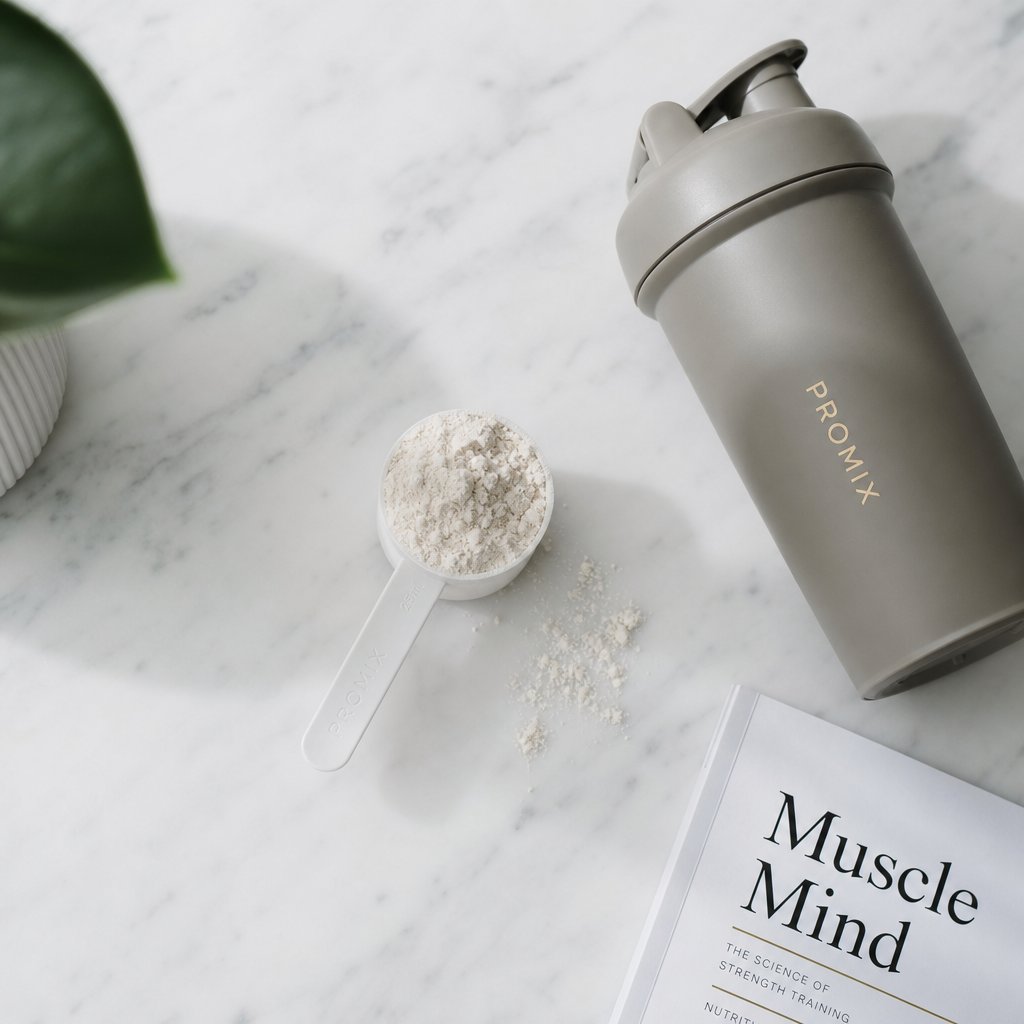
What Isolate Protein Powder Actually Means
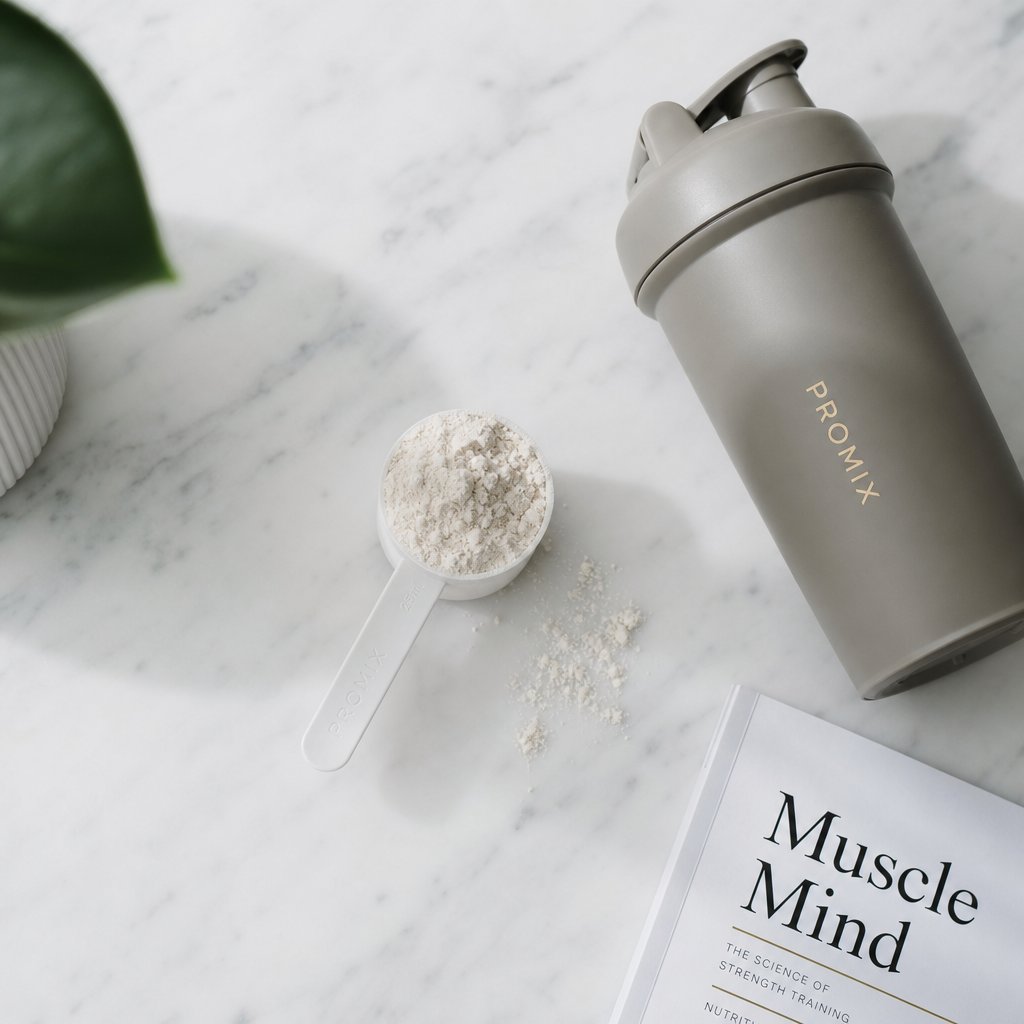
You have probably seen the word "isolate" splashed across protein tubs and wondered whether it actually means something or is just marketing fluff. Here is the short version: isolate protein powder is a product where the protein source has been filtered and purified to contain 90 percent or more protein by weight, with most of the fats, carbohydrates, and lactose stripped away during processing.
Protein isolate is a processing category, not a single ingredient. It refers to any protein source — whey, soy, pea, or others — that has undergone additional filtration to achieve at least 90% protein purity per serving, removing the majority of fats, sugars, and lactose in the process.
That purity distinction is what separates isolate protein from its less-refined counterpart, concentrate, which typically lands between 70 and 80 percent protein. The remaining percentage in a concentrate includes naturally occurring fats, carbs, and lactose from the original source material.
What Does Isolate Mean in Protein Powder
So what does isolate mean in practical terms? Think of it as a filtration depth. When manufacturers produce an isolate, they push the raw protein liquid through fine membranes or use other purification techniques to separate protein molecules from nearly everything else. The result is a leaner, faster-absorbing powder with fewer calories per gram of actual protein delivered. For anyone asking what is whey protein isolate specifically, it is simply whey — the liquid byproduct of cheese making — that has been refined to this higher purity standard.
This matters most for people managing lactose sensitivity, counting every calorie in a deficit, or looking for rapid post-workout absorption without digestive drag from fats and sugars.
Isolate as an Ingredient vs a Product Category
Here is where confusion creeps in. What is protein isolate on a label does not always match what is protein isolate as a finished product. A tub marketed as an "isolate powder" should contain predominantly isolate-grade protein. But many products sold as blends list "whey protein isolate" as the first ingredient while filling the rest of the formula with cheaper concentrate.
Ingredient panels are listed by weight, so the first item is the most abundant — but "most abundant" could mean 51 percent isolate and 49 percent concentrate. You would still get a product that behaves more like a blend than a true isolate. Recognizing this distinction helps you evaluate whether you are paying a premium price for genuine isolate purity or for a label that simply features the word prominently.
The processing method behind that purity level is where things get genuinely interesting — and where product quality starts to diverge in ways that affect your body directly.
Where Protein Isolate Comes From
Before any filtration or purification happens, every isolate protein powder starts as a whole food. The raw material determines not just the amino acid profile you end up with but also the allergen concerns you need to watch for. Most people associate protein isolate with whey, yet the isolation process applies to a wide range of sources.
The Cheese-Making Byproduct Behind Whey
Ever wonder where does whey protein come from? It begins in a cheese vat. When milk curdles during cheese production, the solid curds separate from a thin, yellowish liquid. That liquid is whey. For decades, cheese makers treated it as waste — fed to livestock or simply discarded. As Texas A&M AgriLife researchers note, it was not until the early 2000s that the dairy industry fully recognized the nutrient value this overlooked byproduct actually holds.
So is whey protein dairy? Yes, unequivocally. Understanding what constitutes whey helps clarify this: it is the water-soluble portion of milk that remains after casein proteins coagulate into cheese curds. Because it originates directly from cow's milk, whey contains dairy-derived compounds including trace lactose — though the isolation process removes most of it. Anyone with a true milk allergy (not just lactose intolerance) should treat whey isolate as a dairy product regardless of its purity level.
Where Other Protein Isolates Originate
Whey dominates the market, but it is far from the only option. Understanding what is protein powder made of across different sources reveals that "isolate" is a processing method, not a single ingredient tied to dairy.
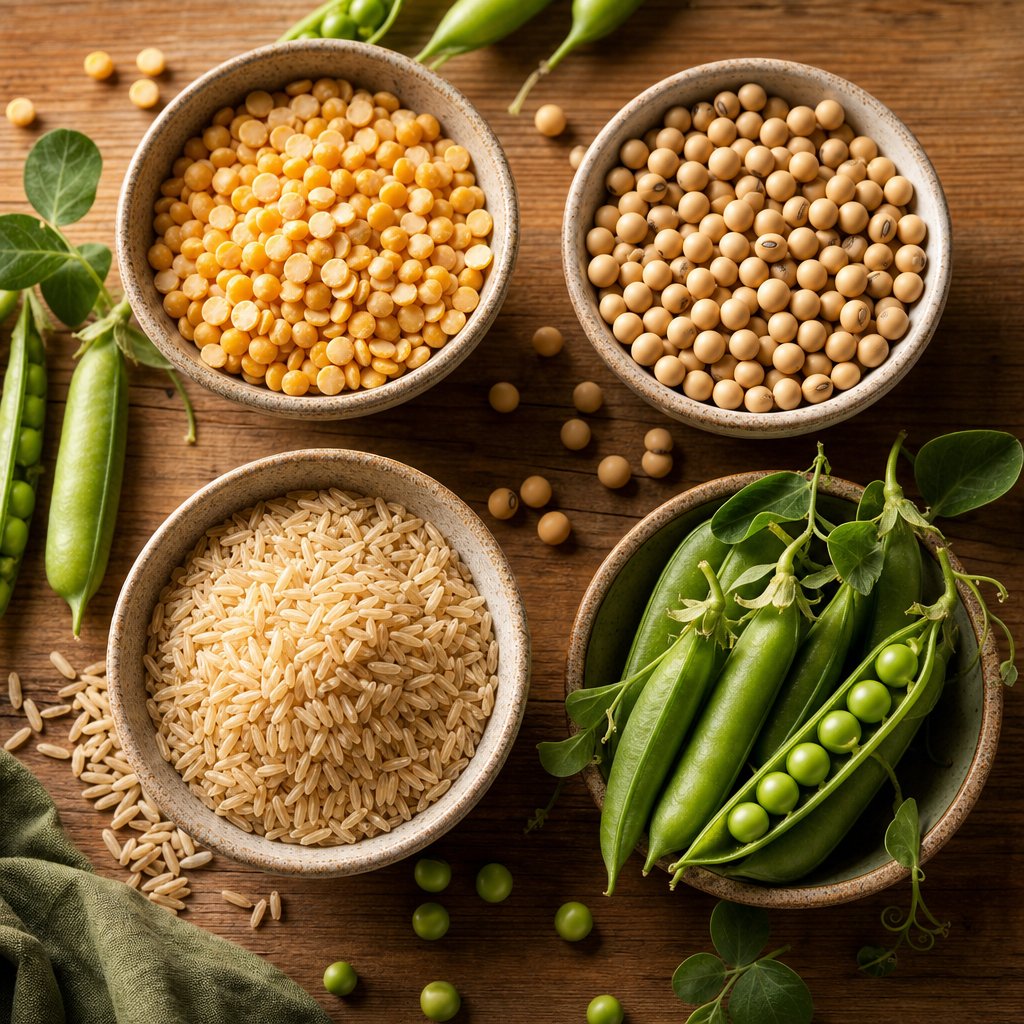
- Soy isolate starts with whole soybeans that are dried, dehulled, and flaked. The oil is removed to create defatted soy flour, which is then mixed with water to separate protein from fiber and sugars. A centrifuge pulls the protein out of solution, and spray-drying produces the final powder — reaching around 90% protein concentration.
- Pea isolate follows a similar wet extraction from yellow split peas. Unlike soy, peas do not require hexane for oil removal, making the process slightly simpler. The protein content of raw peas ranges from 21 to 23 percent, so significant concentration is needed to reach isolate-grade purity.
- Rice isolate is extracted from brown rice using enzymatic or alkaline processes that separate protein from the grain's starch matrix. Rice protein tends to require more intensive processing due to its lower starting protein density.
Each of these sources carries distinct advantages — soy offers a complete amino acid profile, pea provides strong BCAA content, and rice is hypoallergenic. The isolation method applied to each determines how much of that nutritional potential actually survives into the finished powder you scoop into your shaker.
How Isolate Protein Powder Is Manufactured
The filtration method a manufacturer chooses shapes everything about the final protein isolate powder — from how well your body absorbs it to whether beneficial micronutrients survive the journey from raw liquid to finished scoop. Two products can both claim 90% protein purity and still deliver very different results in your gut, because purity alone does not tell you what happened to the protein's structure along the way.
Microfiltration and Cross-Flow Filtration Explained
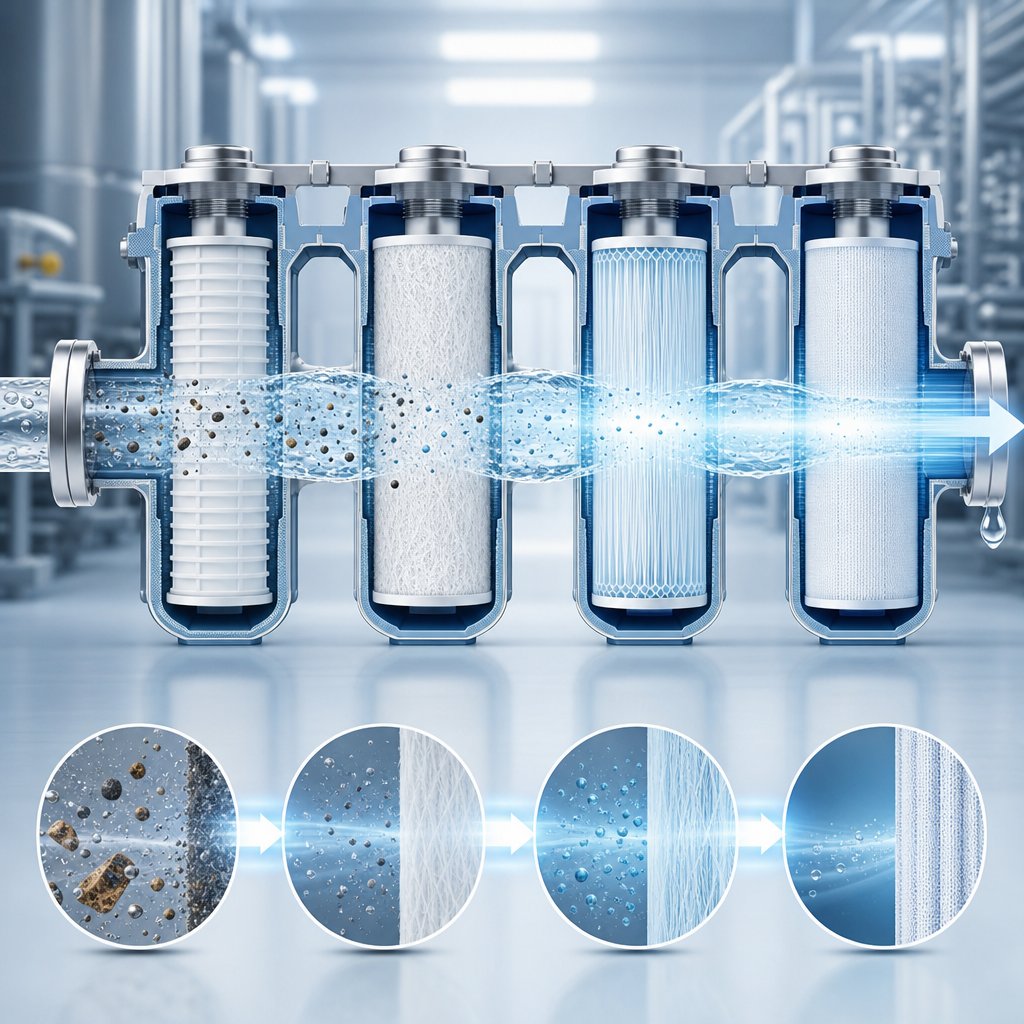
Imagine pushing liquid whey through a series of ceramic or polymer membranes with pores small enough to let water, minerals, and lactose pass through while holding back the larger protein molecules. That is microfiltration in a nutshell. Cross-flow microfiltration (CFM) takes this a step further by running the liquid parallel to the membrane surface rather than forcing it straight through. This reduces clogging and allows continuous processing under low-temperature, low-pH conditions.
Why does temperature matter? Proteins are three-dimensional structures held together by weak bonds. Excessive heat breaks those bonds — a process called denaturation — and once the shape changes, certain biological functions disappear. Cold-processing methods like CFM preserve bioactive milk proteins such as alpha-lactalbumin, immunoglobulins, lactoferrin, and glycomacropeptides (GMP). These microfractions support immune function, mineral absorption, and satiety signaling — benefits you lose if the protein is heat-damaged during extraction.
The result is a whey protein isolate powder that retains a complete essential amino acid profile, high BCAA content, minimal fat, and virtually no lactose — all without sacrificing the biological activity that makes whey valuable beyond its raw protein count.
Ion Exchange and Protein Denaturation
Ion exchange takes a fundamentally different approach. Instead of physical filtration, it uses chemical reagents — typically hydrochloric acid and sodium hydroxide — to manipulate the electrical charge on protein molecules, separating them from other components in solution. The upside? Extremely high protein purity, often exceeding 95%.
The trade-off is significant. Because ion exchange relies on pH shifts rather than gentle membrane separation, it strips away many of the beneficial peptides that CFM preserves. Research from Glanbia Nutritionals notes a complete loss of glycomacropeptides from ion-exchange processing — meaning the resulting isolated whey protein powder lacks compounds linked to gut health and immune regulation.
What does denaturation mean practically for you? A denatured protein still provides the same amino acids once digested. Your muscles do not care whether leucine arrived from a perfectly folded protein or a heat-damaged one. But the bioactive fractions — the immunoglobulins, the lactoferrin — lose their functional properties when their structure unravels. If you are buying isolate whey protein powder purely for amino acid delivery, denaturation is less of a concern. If you want the full spectrum of health benefits whey can offer, the processing method matters considerably.
Why Manufacturing Quality Determines Product Effectiveness
Processing choices cascade into real-world outcomes you can feel:
- Absorption speed — CFM-processed whey isolate protein powder retains intact protein structures that digest efficiently, supporting rapid post-workout amino acid delivery.
- Digestive comfort — Gentle filtration removes lactose thoroughly without chemical stress on the protein, reducing bloating and gas for sensitive users.
- Amino acid integrity — Low-heat methods preserve the full essential amino acid spectrum, including leucine thresholds critical for triggering muscle protein synthesis.
This is also where the gap between a premium product and a mediocre one often originates — not in the formula on paper, but in the production facility executing it. Brands developing a protein isolate powder typically partner with contract manufacturers who specialize in health food production. Experienced OEM/ODM manufacturers with flexible production capabilities across formats like powder, granules, and capsules can help nutrition companies select optimal filtration parameters, control processing temperatures, and scale production without compromising protein integrity. Customized formulation expertise at the manufacturing level is often what separates a whey isolate protein powder that delivers on its label claims from one that simply hits a protein percentage while losing everything else along the way.
The manufacturing method sets the ceiling for quality, but the next question most buyers face is more immediate: does that extra processing justify choosing isolate over the cheaper concentrate sitting on the same shelf?
Whey Protein Isolate vs Concentrate Compared
You know how isolate is made and why processing matters. The practical question remains: is the extra filtration worth paying more for? The whey protein isolate vs concentrate debate comes down to a handful of measurable differences — protein density, lactose content, fat, calories, and price. Once you see the numbers side by side, the decision becomes less about which is "better" and more about which fits your body and your budget.
Key Differences in Composition and Purity
Both whey isolate and whey concentrate start as the same raw liquid collected during cheese production. The divergence happens during processing depth. Concentrate undergoes basic filtration to reach roughly 80% protein by weight, retaining more of the original fats, carbs, and lactose. Isolate goes through additional microfiltration or ion exchange steps to push protein content above 90%.
Here is how whey protein isolate vs whey protein concentrate stacks up in a standard serving:
| Nutrient (per 30 g scoop) | Whey Protein Isolate | Whey Protein Concentrate |
|---|---|---|
| Protein | 27-28 g | 21-24 g |
| Calories | 110-120 kcal | 120-130 kcal |
| Fat | 0-0.5 g | 1.5-3 g |
| Carbohydrates | 0-1 g | 2-4 g |
| Lactose | Less than 1% | 4-8% |
| Protein purity | 90-95% | 70-80% |
| Typical price per serving | $1.20-$1.80 | $0.80-$1.20 |
The amino acid profiles are virtually identical between the two forms since they come from the same source proteins. Both are complete proteins containing all nine essential amino acids, and both are rich in leucine — the key trigger for muscle protein synthesis. The difference is not what you get, but how much of it per scoop and what comes along for the ride.
When people search whey protein vs whey isolate, they often expect a dramatic quality gap. In reality, the gap is about concentration and digestive load. Isolate delivers more protein per calorie with less digestive baggage. Concentrate delivers solid protein at a lower cost with a naturally creamier texture from its retained fats.
Cost-Per-Gram Analysis: Is the Premium Justified?
Sticker price tells only part of the story. A more useful metric is cost per gram of actual protein delivered. Consider this breakdown:
- A $0.80 scoop of concentrate delivering 22 g of protein costs roughly $0.036 per gram of protein.
- A $1.40 scoop of isolate delivering 27 g of protein costs roughly $0.052 per gram of protein.
Concentrate still wins on raw value, but the gap narrows when you factor in the extra calories you avoid with isolate. If you are in a strict caloric deficit and every gram of fat or carbohydrate matters, paying a bit more per gram of protein to avoid 10-15 extra calories per shake adds up across multiple servings per day. For someone casually supplementing once daily, that difference is negligible.
Another angle: you can simply take a slightly larger serving of concentrate to match the protein content of an isolate scoop. You will consume more total calories doing so, but the protein delivery ends up equivalent — often at a lower total cost. This is the approach that makes sense for people in a caloric surplus or maintenance phase who are not sensitive to dairy.
Which One Is Right for Your Situation
Rather than asking which is universally superior in the whey isolate vs whey protein comparison, match the product to your specific constraints:
| Choose Isolate If... | Choose Concentrate If... |
|---|---|
| You are lactose intolerant or sensitive | You digest dairy without issues |
| You are in a strict calorie deficit | You are bulking or at maintenance calories |
| You want maximum protein per scoop | You prefer a richer, creamier taste |
| You use shakes pre- or post-workout and want fast absorption | You bake or cook with protein powder |
| You are willing to pay a premium for purity | Budget is a primary concern |
A few scenarios where the choice becomes clear:
- Lactose intolerance — Isolate contains less than 1% lactose, making it tolerable for most sensitive individuals. Concentrate retains enough lactose to trigger bloating and discomfort in people who lack sufficient lactase enzyme.
- Competitive dieting or contest prep — When you are cutting calories aggressively, every macro counts. Isolate lets you hit protein targets without burning through your fat or carb budget.
- Post-workout speed — Isolate absorbs marginally faster than concentrate because there is less fat to slow gastric emptying. The difference is roughly 15-30 minutes — meaningful if you train fasted, less relevant otherwise.
- General fitness on a budget — If you tolerate dairy well and are not in a strict deficit, concentrate gives you excellent protein quality for 20-40% less money.
Research supports this practical view. A study of 192 exercising individuals found that whey protein supplementation improved lean mass and strength regardless of whether subjects used isolate or concentrate. When total daily protein intake is matched, the form matters far less than the dose.
The whey protein concentrate vs isolate decision is ultimately personal, not universal. Neither form is objectively better — they serve different situations. And for anyone whose dietary needs fall outside the dairy category entirely, the isolate concept extends well beyond whey into plant-based territory worth exploring.
Plant-Based and Alternative Isolate Proteins Beyond Whey
Dairy is not the only path to a high-purity protein isolate. Whether you are vegan, allergic to milk proteins, avoiding soy, or simply looking for variety, the isolate protein category extends across multiple sources — each with distinct strengths and trade-offs. The question of isolate protein or whey is really a question of which raw material best matches your body's needs and your dietary boundaries.
Pea and Rice Isolate for Plant-Based Diets
Pea protein isolate, extracted from yellow split peas, has become the go-to for plant-based athletes. It delivers strong branched-chain amino acid (BCAA) content — particularly leucine, isoleucine, and valine — making it competitive with whey for muscle-building applications. Research on pea and rice protein combinations confirms that these two sources have complementary amino acid profiles: pea is rich in lysine but lower in methionine, while rice protein supplies the methionine that pea lacks.
This is why you will often see pea and rice blended together in plant-based protein isolate products. Combined, they approximate the essential amino acid completeness of whey without any dairy involvement. For people avoiding lactose or milk allergens entirely, this pairing offers a practical solution that does not sacrifice protein quality.
Digestibility is another advantage. Both pea and rice isolates are hypoallergenic, free from common triggers like dairy, soy, and gluten. People who experience bloating or gas from whey — even from isolate-grade whey — often find plant-based isolates gentler on the gut.
Soy Isolate and Casein Isolate Considerations
When you compare soy protein isolate and whey protein isolate, the amino acid gap is smaller than many people assume. Soy is one of the few plant proteins that provides all nine essential amino acids in meaningful quantities. A quantitative review published in Frontiers in Nutrition found that non-post-processed soy protein isolate achieved a mean PDCAAS of 96.5 and a mean DIAAS of 85.0 — scores that classify it as a high-quality protein source under FAO standards. The first limiting amino acids in soy tend to be the sulfur-containing group (methionine and cysteine), but at isolate-grade purity, the practical shortfall is modest for most adults.
Pros of Soy Isolate
- Complete essential amino acid profile — rare among plant sources
- High protein purity (90%+) with minimal fat and carbs
- Well-studied for muscle protein synthesis and body composition
- Affordable compared to whey isolate in many markets
Cons of Soy Isolate
- Contains isoflavones, which some individuals prefer to limit
- Common allergen — not suitable for soy-sensitive users
- Flavor profile can be beany or chalky without heavy flavoring
Casein isolate occupies a different niche entirely. Like whey, it comes from cow's milk — casein makes up about 80% of milk protein — but it behaves very differently once consumed. Casein forms a gel-like structure in stomach acid, slowing digestion and releasing amino acids over up to six hours. This slow-release property makes casein isolate ideal for overnight recovery or extended periods without food.
Pros of Casein Isolate
- Sustained amino acid delivery — supports muscle preservation during sleep or fasting
- High calcium content per serving
- Contains bioactive peptides linked to immune and digestive benefits
Cons of Casein Isolate
- Still dairy-derived — unsuitable for milk allergy or vegan diets
- Slower absorption makes it less ideal immediately post-workout
- Thicker texture and stronger taste than whey isolate
Egg white isolate deserves a mention as well. It scores near-perfect on digestibility metrics, contains zero fat, and avoids both dairy and plant allergens. The trade-off is cost — egg white protein isolate tends to be the most expensive option per serving — and a slightly foamy texture that some users find off-putting in shakes.
The protein isolate vs whey debate ultimately depends on your dietary restrictions, digestion, and goals. Whey isolate remains the benchmark for fast absorption and leucine density, but it is no longer the only high-quality option. Choosing the right source is step one — understanding what each delivers nutritionally is where the real clarity comes from.
Nutritional Profile and Amino Acid Breakdown
Knowing where each protein isolate comes from is useful, but the numbers on the nutrition panel tell you what actually enters your bloodstream. The protein in whey protein isolate, for example, is not identical in composition to the protein in pea or soy isolate — even when the grams-per-serving look similar. Differences in fat, carbs, calories, and especially amino acid ratios determine how effectively each source supports your goals.
Macronutrient Breakdown Across Isolate Types
When you line up the major isolate sources next to each other — and include whey concentrate as a baseline — the purity advantage becomes immediately visible. Here is how a typical 30 g serving compares across formats:
| Nutrient (per 30 g serving) | Whey Isolate | Casein Isolate | Pea Isolate | Soy Isolate | Whey Concentrate |
|---|---|---|---|---|---|
| Protein | 27-28 g | 25-27 g | 24-26 g | 25-27 g | 21-24 g |
| Fat | 0-0.5 g | 0.5-1 g | 1-2 g | 0.5-1 g | 1.5-3 g |
| Carbohydrates | 0-1 g | 1-2 g | 1-2 g | 1-2 g | 2-4 g |
| Lactose | Less than 1% | Less than 1% | 0% | 0% | 4-8% |
| Calories | 110-120 kcal | 110-120 kcal | 110-120 kcal | 110-115 kcal | 120-130 kcal |
You will notice that calorie counts across isolate types cluster tightly. The real differentiation is not in macros — it is in what those protein grams are made of at the amino acid level. This is where whey protein and isolate protein from plant sources start to diverge in meaningful ways.
Amino Acid Profiles and Leucine Thresholds
Muscle protein synthesis does not flip on like a light switch just because you consumed protein. It requires a specific signal, and that signal comes primarily from the amino acid leucine. The "leucine trigger" hypothesis proposes that the magnitude and speed of post-prandial leucine appearance in the blood regulates how strongly your body activates the mTORC1 pathway — the intracellular signaling cascade that initiates new muscle protein construction.
A systematic review in Frontiers in Nutrition evaluated 29 studies and found that 16 study arms supported this hypothesis, with the strongest evidence appearing in older adults consuming isolated protein sources. The review confirmed that whey protein isolate protein consistently produces the highest peak blood leucine concentrations compared to casein and soy, which corresponded with greater muscle protein synthesis rates in multiple trials.
What does this mean practically? There appears to be a leucine threshold — estimated around 2.5 to 3 g per serving for older adults — below which muscle protein synthesis is not maximally stimulated. Younger adults may reach this threshold more easily due to greater anabolic sensitivity. Here is how different sources stack up in essential amino acid completeness:
- Whey protein isolate — Highest BCAA content found in nature, with leucine comprising roughly 10-12% of total protein. Fastest absorption produces the sharpest leucine spike in blood.
- Casein isolate — Similar total leucine content to whey, but its gel-forming digestion pattern produces a lower, more sustained leucine curve rather than a sharp peak.
- Soy isolate — Contains all essential amino acids with moderate leucine levels. Research classifies it as intermediate between whey and casein for post-prandial leucine response.
- Pea isolate — Rich in BCAAs relative to other plant sources, though total essential amino acid content is roughly 26% of total protein versus 37% in animal sources. Combining with rice protein compensates for its lower methionine.
Bioavailability scoring systems like PDCAAS (Protein Digestibility Corrected Amino Acid Score) and the newer DIAAS (Digestible Indispensable Amino Acid Score) attempt to quantify these differences. Whey protein isolate scores at or near the maximum on both scales. Soy isolate scores high as well — research shows a PDCAAS around 96.5 for non-post-processed soy isolate. Plant sources like pea and rice score lower individually but improve substantially when blended together.
The takeaway for whey protein and whey isolate protein specifically: the combination of high leucine density, rapid digestion kinetics, and near-perfect bioavailability scores is what makes whey isolate the reference standard for muscle-building applications. Other isolates can absolutely support muscle growth — especially when dosed slightly higher to compensate for lower leucine density or slower absorption — but whey sets the benchmark that alternatives are measured against.
These amino acid differences become especially relevant when you match them to specific goals. The same leucine threshold that matters for muscle growth also plays a role in how effectively protein supports fat loss and body recomposition.
Benefits of Isolate Protein for Weight Loss and Muscle Growth
Leucine thresholds and bioavailability scores are useful on paper, but most people buying protein isolate care about two outcomes: losing body fat or building muscle. The good news is that whey protein isolate benefits both goals through overlapping but distinct mechanisms — and the high purity of isolate makes it particularly well-suited to each.
Isolate Protein for Weight Loss and Body Composition
When you are in a caloric deficit, every calorie needs to earn its place. Isolate protein delivers 27-28 g of protein per scoop with virtually zero fat or carbs, making it one of the most efficient ways to hit protein targets without burning through your daily calorie budget. But the advantages go beyond simple math.
Protein has the highest thermic effect of any macronutrient. Your body expends roughly 20-30% of protein calories just digesting and metabolizing it, compared to 5-10% for carbs and 0-3% for fat. A systematic review published in the Journal of the American College of Nutrition found convincing evidence that higher protein intake increases thermogenesis and satiety compared to lower-protein diets, and that high-protein meals lead to reduced subsequent energy intake. In practical terms, using a whey protein powder for weight loss means you burn more calories processing it and feel fuller afterward — a double advantage during a cut.
Satiety signaling is the other piece. Protein suppresses the hunger hormone ghrelin while boosting appetite-reducing hormones like GLP-1 and leptin. It also takes longer to digest than carbohydrates, which helps regulate blood sugar and slows gastric emptying. For anyone tracking iso whey protein weight loss results, this hormonal response is what makes high-protein diets sustainable — you are less likely to overeat at the next meal.
Timing suggestions for weight loss goals:
- Between meals as a hunger bridge — a shake at 10 a.m. or 3 p.m. prevents the snacking that derails deficits
- As a breakfast replacement when whole-food prep is not realistic — hitting 25-30 g of protein first thing stabilizes appetite for hours
- Post-workout to preserve lean mass while cutting — muscle retention keeps your metabolic rate from dropping as you lose weight
For weight loss specifically, research supports a daily protein intake of roughly 1.0-1.2 g per kilogram of body weight. A 150-pound person would aim for 68-82 g of protein per day, split across meals in portions of 15-30 g for optimal metabolic processing.
Isolate Protein for Muscle Growth and Recovery
Muscle growth requires a different emphasis: maximizing the muscle protein synthesis (MPS) response after training. This is where whey protein isolate for muscle growth stands out. Its rapid digestion produces a sharp spike in blood amino acids — particularly leucine — within 30-60 minutes of consumption. That fast delivery is what triggers the mTORC1 signaling pathway responsible for initiating new muscle tissue construction.
The concept of a post-workout "anabolic window" has been debated, but research published in Frontiers in Nutrition confirms that consuming protein pre- and/or post-workout induces a significant rise in MPS. The review notes that while total daily protein intake matters most over the long term, peri-exercise protein plays a useful role in optimizing performance and recovery — especially for trained individuals. Consuming nothing post-workout offers no advantage and may represent a missed opportunity.
The relationship between whey protein isolate and weight loss also intersects here. Preserving muscle during a deficit keeps your resting metabolic rate elevated, which means faster fat loss over time. Whey isolate and weight loss work together precisely because the protein protects lean tissue while the caloric deficit strips fat.
For muscle-building goals, evidence supports higher daily protein intake in the range of 1.4-1.6 g per kilogram of body weight, with trained individuals potentially benefiting from up to 2.2 g/kg. Timing recommendations for muscle growth:
- Within 60 minutes post-training — capitalize on heightened muscle sensitivity to amino acids
- Evenly distributed across 3-5 meals — 20-40 g per feeding maximizes MPS at each opportunity
- Before sleep — a slower protein like casein complements daytime whey isolate use by reducing overnight muscle breakdown
One practical note: research shows that 40 g of protein stimulates MPS to a greater degree than 20 g following whole-body resistance training. If your sessions involve multiple muscle groups, a slightly larger serving of whey protein isolate for weight loss or muscle gain may be warranted compared to single-muscle workouts.
These benefits paint a compelling picture, but they also raise a fair question — does everyone actually need isolate-level purity to get these results, or are there situations where the premium simply is not justified?
When Isolate Protein Is NOT Worth the Premium
Isolate protein earns its reputation for purity and speed — but reputation does not mean it is the right choice for everyone. If you are spending 30-50% more per serving on isolate without a clear reason, you may be paying for benefits your body does not actually need. Honest evaluation of the protein isolate vs concentrate question requires looking at who genuinely benefits from that extra filtration and who is simply overpaying for marginal gains.
When Concentrate Delivers the Same Results for Less
Here is the reality: research shows that when total daily protein intake is matched, muscle and strength outcomes are virtually identical whether you use isolate or concentrate. Both forms deliver all nine essential amino acids, both are rich in leucine, and both support muscle protein synthesis effectively. The whey isolate vs whey concentrate gap narrows to almost nothing when your digestion handles dairy without complaint.
If you are a casual exerciser training three or four times per week, the faster absorption speed of isolate offers minimal practical advantage. That 15-30 minute difference in amino acid delivery matters for fasted athletes or competitive bodybuilders timing nutrients around intense sessions. For someone who had lunch an hour before their workout, amino acids are already circulating — the speed premium becomes irrelevant.
A quality whey concentrate protein powder at 80% protein still delivers roughly 24 g of protein per scoop. You could simply take a slightly larger serving of whey concentrate to match isolate's protein content, spend less money, and get the added benefit of naturally occurring minerals like calcium, magnesium, and zinc that extra filtration removes. For people not in a strict caloric deficit, those few extra calories from retained fats actually contribute to satiety and flavor.
The question of whey protein or whey isolate often has a straightforward answer: if you digest dairy comfortably and are not cutting calories aggressively, concentrate gives you equivalent results for less money.
Potential Downsides and Contraindications
Beyond the cost-benefit mismatch, there are scenarios where isolate — or high protein supplementation in general — deserves caution rather than enthusiasm.
Kidney stress is the most commonly cited concern. Cleveland Clinic nephrologist Dr. Juan Calle explains that eating excessive protein creates more work for your kidneys by increasing acids and waste products. For healthy individuals, moderate increases are typically fine. But for the estimated 30 million Americans with kidney disease — many of whom are undiagnosed — piling on protein powder without medical guidance can accelerate damage. Plant-based proteins tend to be easier on kidneys than animal-derived sources like whey.
Artificial sweeteners and additives present another issue. Many isolate products compensate for their neutral, stripped-down flavor by loading up on sucralose, acesulfame potassium, or artificial flavoring systems. People sensitive to these compounds may experience bloating, headaches, or digestive discomfort that defeats the purpose of choosing a "cleaner" protein in the first place.
There is also the environmental angle. Additional processing steps — extra filtration passes, higher energy consumption, more water usage — increase the carbon footprint of isolate production compared to concentrate. If sustainability factors into your purchasing decisions, this is worth weighing.
Consider skipping isolate if:
- You tolerate lactose well and do not experience digestive issues with dairy
- You are not in a strict caloric deficit where every gram of fat or carb matters
- You have existing kidney concerns or a family history of kidney disease and have not consulted a doctor
- You are sensitive to artificial sweeteners commonly used in isolate formulations
- Your budget is tight and you train recreationally rather than competitively
- You can meet protein targets through whole foods like chicken, eggs, fish, or legumes
The protein isolate or concentrate decision is not about quality hierarchy — it is about fit. Isolate solves specific problems: lactose intolerance, aggressive calorie cutting, and post-workout speed for serious athletes. If none of those apply to you, a good whey concentrate delivers the same muscle-building and recovery outcomes without the markup.
For those who do decide isolate is the right fit, the next challenge is navigating a crowded market where labels can mislead and quality varies wildly between brands.
How to Choose a Quality Isolate Protein Powder
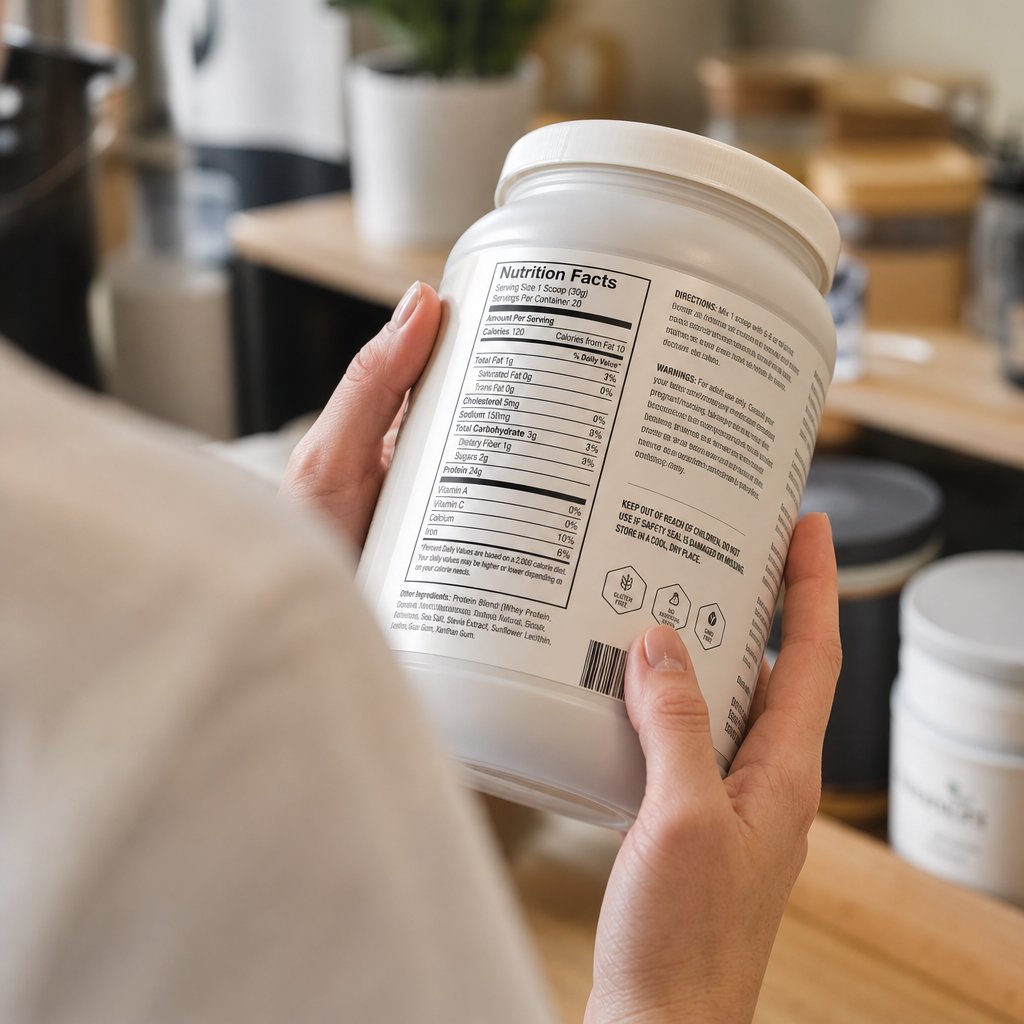
A crowded supplement aisle — or an endless scroll of online options — makes choosing the best whey isolate protein powder feel overwhelming. Marketing claims are loud, but the ingredient panel is where truth lives. Learning to decode that panel takes five minutes and saves you from paying isolate prices for a concentrate-heavy blend dressed up in premium packaging.
How to Read Labels and Spot Protein Blends
The difference between whey protein and whey protein isolate should be obvious on a label, but many brands blur the line intentionally. A product called "Iso Whey Protein Powder" might list whey protein isolate first — then quietly include whey concentrate, milk protein concentrate, or other fillers further down the ingredient list. That first-position listing only means isolate is the single largest ingredient by weight, not that it dominates the formula.
Here is a step-by-step process to evaluate any isolate whey protein product before buying:
- Check the first ingredient. It should read "whey protein isolate" — not "protein blend," "proprietary matrix," or a vague umbrella term. If the label says "blend" without disclosing ratios, you cannot verify what you are actually getting.
- Do the protein-per-serving math. Divide the grams of protein per serving by the total serving size in grams. A true isolate should yield 85-92% protein by weight. If a 35 g scoop delivers only 22 g of protein (63%), you are looking at a blend — not a genuine iso whey powder.
- Scan for hidden fillers. Ingredients like maltodextrin, creamers, thickening gums, and artificial dyes add bulk without nutritional value. A short, recognizable ingredient list signals cleaner formulation.
- Look for third-party certification logos. NSF Certified for Sport tests for over 290 banned substances and verifies label accuracy through GMP facility audits. Informed Sport screens every batch against 250+ prohibited compounds before release. USP Verified confirms potency, purity, and dissolution standards. Any of these marks adds a layer of trust that self-reported claims cannot match.
- Verify the protein source is singular. If you want pure whey isolate, the panel should not list multiple protein types unless the product explicitly markets itself as a blend. The difference between whey and whey isolate on a label matters — "whey protein" without the word "isolate" typically means concentrate.
Proprietary blends deserve special skepticism. As Transparent Labs notes, if an ingredient is legal, beneficial, and non-controversial, there is no reason to hide it behind a vague proprietary label. Companies with genuine isolate-grade products are happy to disclose exactly what is inside.
Choosing the Right Isolate for Your Goals and Dietary Needs
Once you can read a label confidently, the next step is matching the right isolate type to your situation. This decision framework accounts for dietary restrictions, fitness goals, and budget level:
| Dietary Restriction | Fitness Goal | Budget | Recommended Isolate Type |
|---|---|---|---|
| Lactose intolerant | Muscle gain | Moderate-High | Whey isolate (CFM-processed) |
| Lactose intolerant | Weight loss | Moderate | Whey isolate or pea isolate |
| Vegan | Muscle gain | Moderate | Pea + rice isolate blend |
| Vegan | General health | Budget | Soy isolate |
| Soy allergy | Muscle gain | High | Whey isolate or egg white isolate |
| Soy allergy + vegan | Weight loss | Moderate | Pea + rice isolate blend |
| No restrictions | Muscle gain | Budget | Whey concentrate (80%+) |
| No restrictions | General health | Budget | Whey concentrate or soy isolate |
Notice that the best iso whey protein choice is not always the most expensive one. Someone without dietary restrictions training for general fitness gets equivalent results from a quality concentrate at lower cost. The premium only justifies itself when specific constraints — lactose sensitivity, strict calorie targets, or competitive athletic testing requirements — demand that extra purity.
For supplement entrepreneurs and private label brand owners reading this with a product development lens, the same quality indicators that consumers should demand are the ones your manufacturing partner needs to deliver. Experienced OEM/ODM health food manufacturers with customized formulation capabilities across multiple formats — powder, granules, hard capsules, tablets — can help you build an isolate product that passes label scrutiny and earns consumer trust. Scalable production with flexible format options means you can launch a whey isolate line, a plant-based isolate, or both without switching facilities. The brands that win long-term are the ones whose labels hold up under exactly the kind of inspection described above.
Whether you are buying for personal use or building a brand, the principle is the same: trust the label math, verify through third-party testing, and match the protein source to the problem you are actually solving.
Frequently Asked Questions About Isolate Protein Powder
1. Is isolate protein powder better than regular protein powder?
Not universally. Isolate protein powder offers higher protein purity (90%+ vs 70-80%), less lactose, and fewer calories per serving compared to concentrate. However, clinical research shows that when total daily protein intake is matched, muscle and strength outcomes are virtually identical between the two forms. Isolate is specifically better for people with lactose intolerance, those in strict caloric deficits, or athletes needing rapid post-workout absorption. For casual exercisers who digest dairy well, a quality concentrate delivers equivalent results at 20-40% lower cost.
2. Can whey protein isolate help with weight loss?
Yes, whey protein isolate supports weight loss through multiple mechanisms. Its high thermic effect means your body burns 20-30% of protein calories during digestion alone. It also suppresses the hunger hormone ghrelin while boosting satiety hormones like GLP-1 and leptin, reducing overall calorie intake. With 27-28 g of protein and virtually zero fat or carbs per scoop, isolate lets you hit protein targets without exceeding your calorie budget. Research suggests aiming for 1.0-1.2 g of protein per kilogram of body weight daily for weight loss, split into 15-30 g portions across meals.
3. What is the difference between whey protein and whey protein isolate?
The core difference is processing depth and resulting purity. Whey protein concentrate undergoes basic filtration to reach roughly 80% protein by weight, retaining more fats, carbs, and 4-8% lactose. Whey protein isolate goes through additional microfiltration or ion exchange to push protein above 90%, with less than 1% lactose and minimal fat. Both share identical amino acid profiles since they come from the same dairy source. The practical differences are: isolate delivers more protein per calorie, digests slightly faster, and causes fewer digestive issues for lactose-sensitive individuals.
4. Is whey protein isolate safe for lactose intolerant people?
In most cases, yes. Whey protein isolate contains less than 1% lactose after its extensive filtration process, which is low enough for the majority of lactose-intolerant individuals to tolerate without symptoms like bloating or gas. However, people with a true milk protein allergy (as opposed to lactose intolerance) should still avoid whey isolate entirely, since it remains a dairy-derived product containing milk proteins. For those with severe lactose sensitivity who want zero risk, plant-based isolates like pea or rice protein offer completely lactose-free alternatives.
5. How do I know if my protein powder is a real isolate or a blend?
Perform the protein-per-serving math: divide grams of protein per serving by total serving size in grams. A genuine isolate yields 85-92% protein by weight. If a 35 g scoop delivers only 22 g of protein (63%), you have a blend. Also check that the first ingredient reads specifically 'whey protein isolate' rather than 'protein blend' or 'proprietary matrix.' Look for third-party certifications like NSF Certified for Sport or Informed Sport, which verify label accuracy. Brands with authentic isolate products typically disclose full ingredient ratios rather than hiding behind proprietary blend labels.