Why Timing Your ACV Tablets Actually Matters
Apple cider vinegar tablets are compressed or encapsulated forms of dehydrated apple cider vinegar, designed to deliver acetic acid without the harsh taste of liquid vinegar. You swallow them like any other supplement. Simple enough. But here's where most people go wrong: they pop a tablet at a random time and expect the same results they read about in studies that used liquid ACV with precise timing protocols.
The difference? Tablets don't work instantly. Unlike a splash of liquid vinegar that hits your stomach and begins interacting with digestive processes within minutes, apple cider vinegar pills need time to break down. The tablet coating must dissolve, the compressed powder must disperse, and the acetic acid must release into your system. This dissolution phase creates a delay that changes everything about when you should take them relative to meals, sleep, or fasting windows.
Timing your ACV tablet correctly can be the difference between noticeable results and wasted effort.
What Makes ACV Tablets Different from Liquid
When you drink diluted vinegar, acetic acid is immediately available in your stomach. Apple cider vinegar in a pill, however, must first break apart before that same acid can do its job. A crossover trial published in the Journal of Nutrition and Metabolism found that commercial vinegar tablets swallowed whole did not reduce post-meal blood glucose the way liquid vinegar did, largely because of how slowly the tablets released their acetic acid. This tells us something critical: if you don't account for dissolution time, you may miss the window where ACV tablets can actually influence digestion or blood sugar.
Why Timing Is the Missing Piece
Most guides lump all forms together, offering the same generic advice whether you're using cider vinegar tablets, apple cider vinegar gummies, or the liquid itself. That approach ignores the physical reality of how each format behaves in your body. This article focuses exclusively on tablets and capsules, matching the specific timing adjustments they require.
In the sections ahead, you'll find goal-specific timing protocols for blood sugar management, weight support, morning and bedtime routines, intermittent fasting compatibility, and dose-splitting strategies. Each protocol accounts for the extra dissolution time ACV tablets need so you can align your dose with the outcome you're actually after.
How ACV Tablets Are Absorbed Compared to Liquid
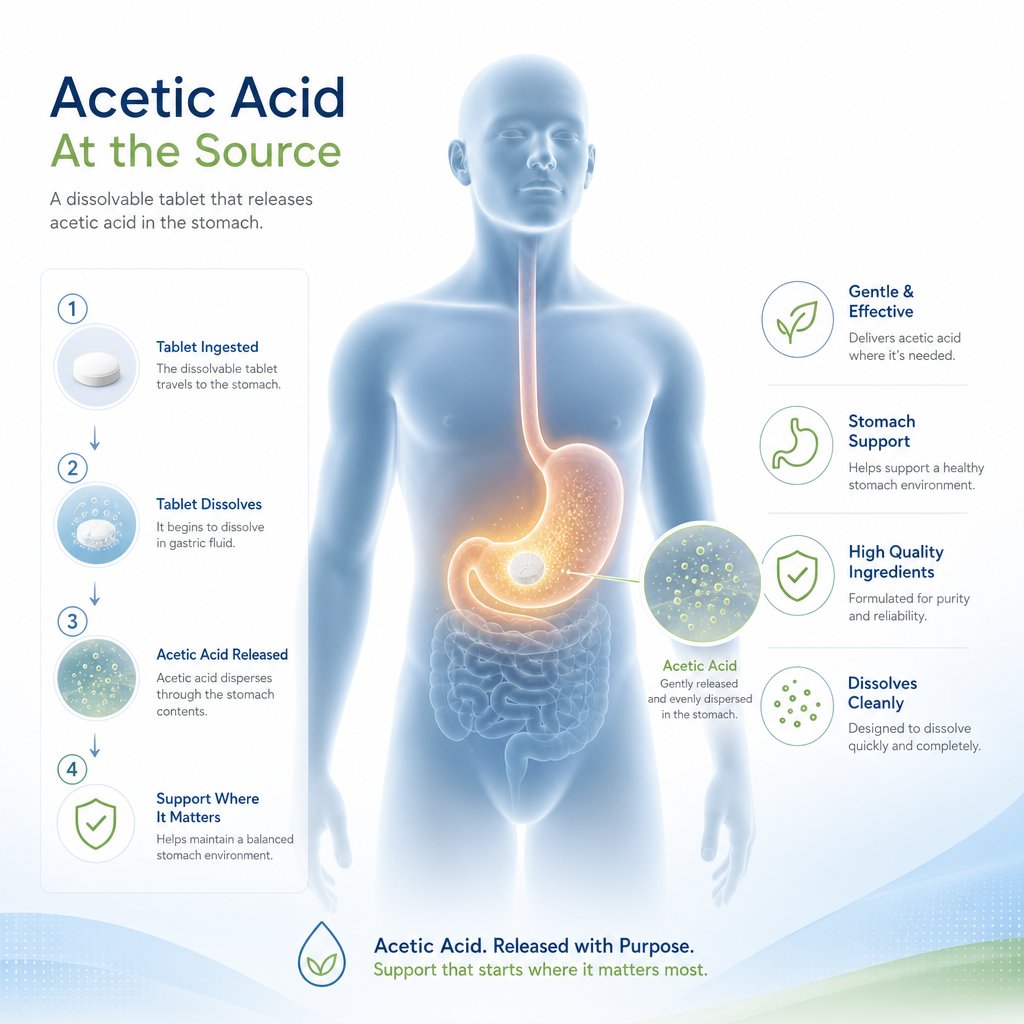
Imagine swallowing an ACV tablet. It doesn't just dissolve the moment it hits your stomach. The tablet enters a multi-step journey: the outer coating must erode, the compressed core must break apart (a process called disintegration), and only then does acetic acid release into the surrounding gastric fluid for absorption. Each of these stages adds time before you feel any effect.
With liquid vinegar, that journey is essentially skipped. A clinical crossover study in 30 healthy subjects found that serum acetate levels peaked at 15 minutes after drinking a vinegar solution but took 30 minutes to peak after swallowing vinegar capsules containing the same 750 mg of acetic acid. That 15-minute gap is the dissolution tax you pay when choosing apple cider vinegar pills vs liquid. And it directly shapes when you need to take your dose relative to a meal or fasting window.
How ACV Tablets Dissolve in Your Body
Once a standard (non-enteric-coated) tablet reaches your stomach, gastric acid begins breaking down the binder materials holding the compressed powder together. Disintegrants within the tablet swell on contact with fluid, cracking the tablet open from the inside. Research on tablet disintegration shows that factors like the type of disintegrant used, the presence of film coatings, and even the viscosity of surrounding fluid can significantly alter how quickly a tablet breaks apart. A film-coated tablet, for example, may resist initial breakdown for the first minute or two before the coating erodes.
Several variables determine how fast your specific ACV tablet releases its acetic acid:
- Tablet coating type — Film-coated tablets add a short delay; enteric-coated tablets bypass the stomach entirely.
- Whether taken with adequate water — A full glass of water helps the tablet pass into the stomach quickly and provides fluid for disintegration.
- Stomach pH — A more acidic environment (typical of a fasted stomach) accelerates breakdown of standard coatings.
- Whether food is present — Food in the stomach can buffer acid levels and slow gastric motility, potentially delaying tablet disintegration by several additional minutes.
Once the tablet disintegrates, acetic acid is rapidly absorbed in the stomach and upper small intestine (jejunum). The same crossover study noted that although capsules peaked later, the total amount of acetate absorbed over 180 minutes was about 80% of the liquid form, with no statistically significant difference between the two. In practical terms, apple cider vinegar capsules deliver a comparable dose of acetic acid to your bloodstream. They just need a head start.
Enteric-Coated vs Standard Tablets and Absorption Speed
This is where the apple cider vinegar liquid vs pills comparison gets more nuanced. Not all tablets are designed to dissolve in the stomach. Enteric-coated tablets use a pH-dependent polymer barrier that remains intact in the acidic stomach environment (pH 1-3.5) and only dissolves once it reaches the higher pH of the small intestine (pH 4-6.4).
For ACV tablets specifically, enteric coating changes the game in two ways. First, it delays acetic acid release by an additional 20-45 minutes because the tablet must transit through the stomach before it even begins to break down. Second, it shifts the absorption site from the stomach to the intestine, which may reduce the gastric irritation some people experience but also means acetic acid won't interact with food in the stomach the way it does with liquid vinegar or standard tablets.
If your goal involves slowing gastric emptying or influencing digestion at the stomach level, a standard tablet or capsule that dissolves in the stomach is likely the better match. Enteric-coated versions may be preferable if you experience stomach sensitivity, but you'll need to take them even earlier before meals to account for the longer transit and dissolution timeline.
This absorption difference is precisely why timing advice for ACV tablets can't be copied from liquid vinegar studies. The acv pills vs liquid gap isn't about potency. It's about when the active compound becomes available in your system, and that depends entirely on what type of tablet you're holding.
Timing ACV Tablets for Blood Sugar Management
You now understand that ACV tablets need extra time to release acetic acid compared to liquid vinegar. So when should you take apple cider vinegar if your primary goal is managing post-meal blood sugar spikes? The answer comes down to giving the tablet enough lead time to dissolve and deliver acetic acid before carbohydrates from your meal hit the digestive system.
The Science Behind Pre-Meal Timing
Acetic acid appears to influence blood sugar through at least two mechanisms. First, it slows gastric emptying, meaning food moves from your stomach into the small intestine more gradually. A pilot study published in BMC Gastroenterology demonstrated that apple cider vinegar significantly reduced the gastric emptying rate in type 1 diabetes patients, with median GER dropping from 27% to 17% when vinegar was consumed before a rice pudding meal. Second, acetic acid may suppress disaccharidase activity in intestinal cells and inhibit starch-digesting enzymes, reducing how quickly complex carbohydrates convert to glucose in the bloodstream.
A randomized crossover trial from Arizona State University found that as little as two teaspoons (10 g) of vinegar effectively reduced postprandial glycemia by approximately 20% compared to placebo when consumed during mealtime with complex carbohydrates. Critically, the same study showed that vinegar ingested five hours before a meal had no significant effect on blood sugar, and vinegar consumed alongside monosaccharides (simple sugars) also failed to reduce glucose levels. This tells us two things: timing relative to the meal matters enormously, and the benefit is tied to the digestion of complex carbohydrates rather than a blanket glucose-lowering effect.
An eight-week randomized clinical trial in type 2 diabetes patients further supports this. Participants consuming 30 ml of ACV daily saw significant reductions in fasting blood glucose (p = 0.01) and HbA1C levels (p < 0.001) compared to the control group. The researchers noted that ACV's effect on blood glucose indices likely involves reduced gastric emptying rate, inhibition of disaccharidase activity, and enhanced glycogen storage in liver and muscle tissue.
Recommended Protocol for Blood Sugar Support
Here's the practical challenge: those studies used liquid vinegar, which delivers acetic acid almost immediately. When is the best time to take apple cider vinegar in tablet form for the same benefit? You need to account for the 15-30 minute dissolution delay discussed in the previous section. That means taking your ACV tablet 20-30 minutes before eating, rather than right at mealtime.
This pre-meal window gives a standard tablet enough time to disintegrate in your stomach and release acetic acid so it's physiologically active when your meal arrives. If you're using an enteric-coated tablet, you may need to extend that window to 30-45 minutes, since the coating won't dissolve until the tablet reaches your small intestine.
A few important caveats. The best time to drink apple cider vinegar (in liquid form) and the best time to take a tablet are not identical, precisely because of this dissolution gap. Also, most clinical evidence comes from liquid vinegar studies. While the active compound (acetic acid) is the same, direct clinical trials on ACV tablets and blood sugar are limited. The timing protocol below is an evidence-informed extrapolation, not a guarantee of identical results.
| Goal | When to Take | With Food or Empty Stomach | Notes |
|---|---|---|---|
| Post-meal blood sugar support | 20-30 min before meals containing complex carbs | Before food (mildly empty stomach) | Take with a full glass of water to aid dissolution |
| Fasting glucose support | Before dinner or before bed (see later section) | Before food or light snack | Based on limited evidence; monitor your own response |
| General glycemic management | 20-30 min before your highest-carb meal | Before food | Prioritize meals with starches and grains over simple sugars |
One detail worth emphasizing: if your meal is primarily simple sugars or monosaccharides, the research suggests vinegar won't meaningfully blunt the glucose response regardless of when to take apple cider vinegar drink or tablet. The antiglycemic action appears linked specifically to the digestion of complex carbohydrates. So timing your tablet before a bowl of oatmeal or a rice-based dinner makes physiological sense, while timing it before a fruit smoothie likely won't produce the same benefit.
For anyone managing blood sugar as a primary health concern, consistency with this pre-meal protocol matters more than perfection. Taking your tablet 25 minutes before lunch every day will likely serve you better than alternating between random timing. And if blood sugar management is your goal, the question of appetite and weight naturally follows, since the same gastric-emptying mechanism that moderates glucose also influences how full you feel after eating.
When to Take ACV Tablets for Weight Management
The same delayed gastric emptying that helps moderate blood sugar also plays a role in how full you feel after a meal. When food lingers in your stomach longer, stretch receptors signal satiety to your brain, and you're less likely to reach for seconds. This is the core mechanism behind using apple cider vinegar pills for weight loss, and it's why timing your tablet relative to meals matters just as much for appetite control as it does for glucose management.
Pre-Meal Timing for Appetite and Satiety
The best time to drink apple cider vinegar for weight loss, according to most liquid-based studies, is shortly before eating. A randomized, double-blind, placebo-controlled trial involving 120 overweight and obese participants found that daily ACV consumption over 12 weeks led to significant reductions in body weight (6-8 kg), BMI (2.7-3.0 points), waist and hip circumferences, and body fat ratio compared to placebo. The reductions appeared both time-dependent and dose-dependent, with 15 mL daily producing the most pronounced results.
Interestingly, participants in that trial consumed ACV in the morning on an empty stomach rather than immediately before meals. The researchers noted that taking ACV before meals could better reduce appetite and increase satiety, suggesting that the fasted-state timing still allowed acetic acid to influence subsequent food intake throughout the day.
For tablets specifically, the dissolution delay means you'll want to take your dose 20-30 minutes before your two largest meals. This gives the tablet time to break down and release acetic acid so it's active in your stomach when food arrives. If you only take one tablet daily, prioritize the meal where you tend to overeat or the one highest in calories.
What does the research actually support? Animal studies show that acetate may reduce food intake by activating vagal afferent neurons and increasing secretion of gut-derived satiety hormones like GLP-1 and PYY. In humans, the evidence is more limited but promising. A separate clinical trial by Khezri et al. demonstrated that 30 mL of ACV daily for 12 weeks significantly reduced appetite scores alongside body weight and visceral adiposity in obese subjects on a calorie-restricted diet. These findings suggest apple cider and vinegar pills for weight loss may offer genuine support, though they work best as part of a broader dietary strategy rather than a standalone solution.
Morning timing versus pre-meal timing is a common point of confusion. Taking acv tablets for weight loss first thing in the morning on an empty stomach may prime your metabolism and reduce overall appetite for the day, as the Lebanese trial demonstrated. Pre-meal timing, on the other hand, targets specific meals where you want to feel fuller faster. Neither approach is wrong. The best apple cider vinegar for weight loss results likely comes from matching the timing to your personal eating patterns and the meals where portion control is hardest.
A Beginner's Week-by-Week Ramp-Up Schedule
Jumping straight to the full recommended dose isn't ideal, especially if you've never taken apple cider tablets for weight loss before. Acetic acid can cause mild digestive discomfort in some people, and your body benefits from a gradual introduction. Here's a simple three-week ramp-up:
- Week 1: Take one tablet 20-30 minutes before your largest meal of the day. This lets you gauge tolerance and observe any digestive response. Drink a full glass of water with it.
- Week 2: Add a second tablet before your second-largest meal, maintaining the same 20-30 minute pre-meal window. You're now covering the two meals where satiety support matters most.
- Week 3: Move to your product's full recommended dose. For most brands, this means one tablet before each of your two main meals, though some products suggest higher amounts. Follow the label and don't exceed the stated serving size.
If you experience heartburn or nausea at any stage, stay at the current dose for an extra week before increasing. The goal is consistency over intensity. Research shows that the best time to drink apple cider vinegar weight loss benefits emerged over 8-12 weeks of sustained use, not from aggressive short-term dosing. The same patience applies to tablets.
One important distinction: the weight-related evidence discussed here comes from studies using liquid ACV. While acetic acid is the same active compound regardless of format, no large-scale clinical trial has yet confirmed identical weight loss outcomes specifically from tablet forms. The timing protocol above is a reasonable, evidence-informed approach, but results will vary based on your overall diet, activity level, and individual metabolism.
Choosing when to take your tablets is one piece of the puzzle. But another question shapes your daily routine just as much: should you take them in the morning, at bedtime, or does it even matter if you miss a dose entirely?
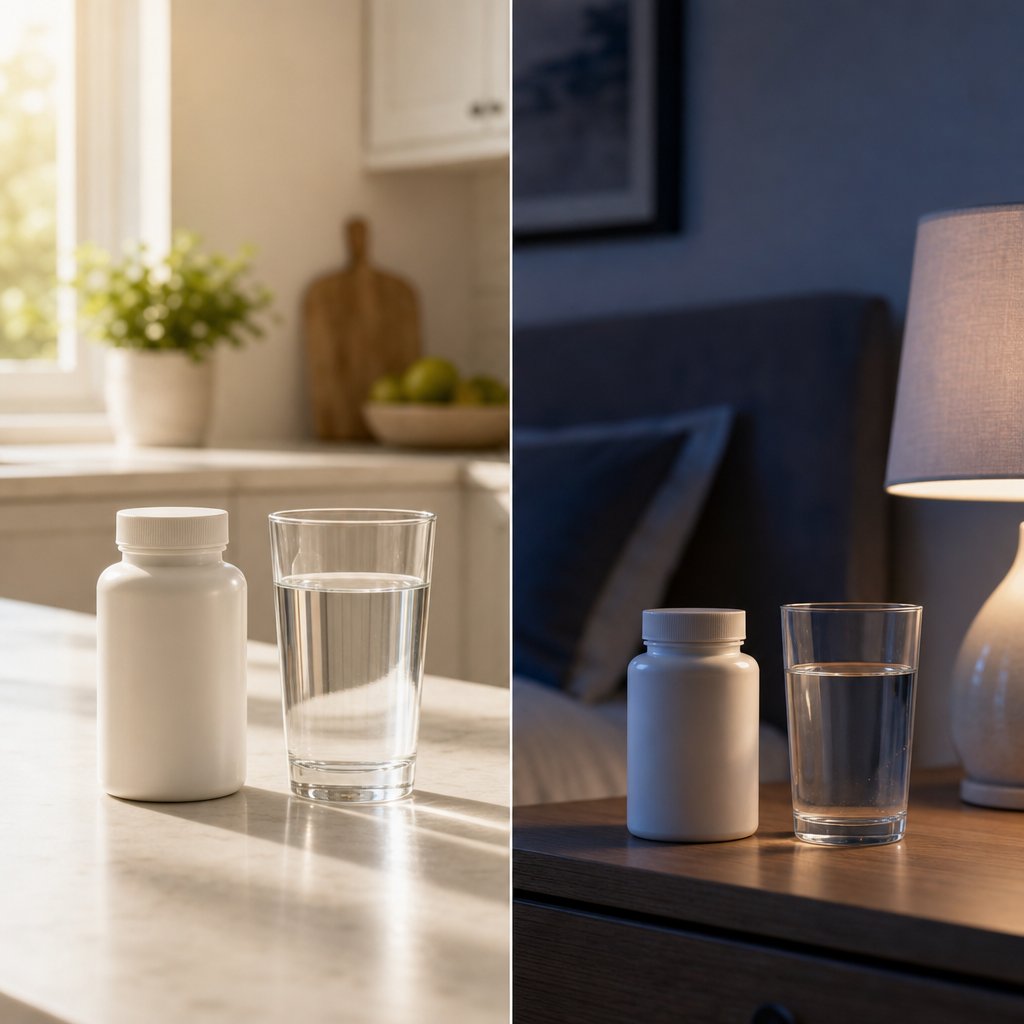
Morning vs Bedtime and Missed Dose Guidance
You've established your goal-specific timing. But a broader question remains: is it better to take your ACV tablet first thing in the morning or right before bed? The answer depends on what you're optimizing for, and both windows carry trade-offs that are unique to the tablet format.
Morning Protocol and What to Expect
Taking ACV in the morning on an empty stomach is the most popular approach, and for good reason. Your stomach is naturally more acidic after an overnight fast, which helps standard (non-enteric-coated) tablets disintegrate faster. Pairing the tablet with a full glass of water further accelerates dissolution by providing fluid for the disintegrants to absorb and swell against.
The apple vinegar morning routine also offers a digestive priming effect. Acetic acid may stimulate digestive enzyme production and bile flow before your first meal arrives, potentially setting up more efficient nutrient absorption throughout the day. If you're using ACV tablets for appetite control, this early dose gives acetic acid time to reach peak serum levels before breakfast or lunch, depending on your eating schedule.
What to expect practically: take one tablet with 8-12 oz of water at least 20 minutes before eating. Some people report mild warmth in the stomach. If you experience nausea when taking apple cider vinegar on empty stomach, try having a few crackers or a small piece of fruit alongside your water. This slight buffer usually resolves the issue without meaningfully delaying absorption.
Bedtime Timing and Important Precautions
Taking apple cider vinegar before bed has gained attention largely because of one older study showing that vinegar ingestion at bedtime moderated waking glucose concentrations in adults with well-controlled type 2 diabetes. Participants consumed 2 tablespoons of ACV with a cheese snack before sleep and saw lower fasting blood sugar the next morning compared to the control group.
That's a compelling finding for anyone focused on overnight glycemic regulation. However, there are tablet-specific concerns. Lying down shortly after swallowing any acidic supplement increases the risk of acid reflux and esophageal irritation. Healthline's clinical review recommends consuming ACV at least 2-3 hours before lying down to reduce the risk of indigestion. For tablets, this buffer is especially important because the dissolution process releases acetic acid gradually, meaning acid exposure in your upper GI tract can persist longer than with a quickly-swallowed liquid dose.
If you choose the before bed apple cider vinegar approach, take your tablet with a full glass of water and remain upright for at least 30 minutes afterward. Avoid this timing entirely if you have a history of GERD or acid reflux.
| Factor | Morning | Bedtime |
|---|---|---|
| Potential Benefits | Digestive priming, faster dissolution in fasted stomach, appetite control throughout the day | May support lower fasting blood sugar overnight |
| Best For | Weight management, general wellness, pre-meal satiety | Fasting glucose regulation (limited evidence) |
| Precautions | May cause nausea if apple cider empty stomach sensitivity exists | Risk of acid reflux if lying down too soon; avoid with GERD history |
| Take With | Full glass of water, 20+ min before breakfast | Full glass of water and small snack; stay upright 30 min |
What to Do If You Miss a Dose
Life happens. You rush out the door, forget your apple vinegar on empty stomach routine, and realize mid-afternoon that you skipped your morning tablet. What now?
The general principle for supplements taken once or twice daily is straightforward: if you remember within a reasonable window and your next scheduled dose isn't imminent, take it then. But for ACV tablets specifically, doubling up is never the right move. Taking two tablets at once delivers a concentrated burst of acetic acid that can irritate your stomach lining and won't provide twice the benefit. The NHS Specialist Pharmacy Service reinforces this principle across supplement and medication categories: never take a double dose to make up for a forgotten one.
Here's a simple rule for ACV tablets: if you miss your scheduled time, take the tablet at your next planned dosing window instead. If you normally take one before breakfast and one before dinner, and you miss the morning dose, just take your dinner dose as usual. Don't add an extra tablet to compensate. Consistency over days and weeks drives results far more than any single missed dose.
The real risk with missed doses isn't one skipped tablet. It's the pattern of forgetting that erodes long-term consistency. Setting a daily phone alarm tied to your meal prep routine is one of the simplest fixes. ACV tablets aren't time-critical the way prescription medications are, so a relaxed but regular schedule beats sporadic perfection every time.
Of course, whether you choose morning or bedtime, one tablet or two, another strategic question emerges: is it better to split your daily dose across multiple time points, or take everything at once? And what happens if your ACV tablet overlaps with other supplements or medications you're already taking?
Splitting Doses and Avoiding Supplement Conflicts
Most ACV tablet labels recommend a daily serving of one to two tablets, but they rarely tell you whether to take them all at once or spread them out. This decision affects how consistently acetic acid circulates in your system and whether your ACV tablet might interfere with other supplements or medications you're already taking.
Split Dosing vs Single Dose Strategies
How much apple cider vinegar should i take at one time versus across the day? If your product recommends two tablets daily, you have two basic options: take both together (single dose) or split them into separate servings, typically one before breakfast and one before dinner.
Split dosing offers a potential advantage: more consistent acetic acid levels throughout the day. A single dose delivers one concentrated pulse of acetic acid that peaks and then declines over a few hours. Two smaller doses spaced 8-10 hours apart create two moderate peaks, keeping acetic acid present in your system across a wider window. This mirrors the general pharmacological principle that split-dose regimens often improve tolerability and reduce adverse gastrointestinal symptoms compared to taking the full amount at once.
Single dosing, on the other hand, wins on simplicity. If you struggle to remember multiple supplement times throughout the day, one tablet before your main meal is easier to maintain. And consistency matters more than perfection. Taking one tablet reliably every day beats taking two tablets sporadically.
How much daily apple cider vinegar you need also shapes this decision. Most cider vinegar supplements deliver 500-1000 mg of ACV per tablet, with acetic acid content ranging from 5-10% of that total. If your product provides 500 mg per tablet and recommends two daily, splitting gives you roughly 25-50 mg of acetic acid per dose. That's a modest amount per serving, which is gentler on your stomach than doubling up. If you're wondering how much acv per day is appropriate, start with your product's recommended serving and adjust based on tolerance, never exceeding the stated maximum.
A practical guideline: if your goal is blood sugar management across multiple meals, split dosing makes more physiological sense because you're covering two carb-heavy meals instead of one. If your goal is morning appetite suppression or general wellness, a single morning dose may be all you need.
Timing Conflicts with Medications and Supplements
Taking apple cider vinegar with supplements or prescription medications introduces a layer of complexity that most people overlook. Acetic acid can alter stomach pH, affect potassium levels, and influence how quickly certain drugs are absorbed. The result? Some medications become less effective, and others may produce amplified side effects.
The following medications and supplements may require spacing from your ACV tablet:
- Insulin and diabetes medications (metformin, semaglutide, tirzepatide) — Both ACV and these drugs lower blood sugar. Combining them could cause blood sugar to drop too low, particularly with supplement-level doses of ACV taken long-term.
- Diuretics (furosemide, hydrochlorothiazide) — Diuretics can deplete potassium, and large amounts of ACV may compound this effect, increasing the risk of hypokalemia.
- ACE inhibitors and ARBs (ramipril, losartan) — These blood pressure medications affect potassium balance. Adding an apple cider supplement that also influences potassium levels makes monitoring more important.
- Digoxin — Low potassium caused by ACV can increase the risk of digitalis toxicity, a potentially serious side effect involving irregular heartbeat and confusion.
- Iron supplements — Research on iron absorption in iron-deficient women shows that dietary factors and timing significantly affect how much iron your body absorbs. Acetic acid may alter stomach pH in ways that interfere with optimal iron uptake. Space your iron supplement at least 2 hours from your ACV tablet.
- Stimulant laxatives (bisacodyl, senna) — These already lower potassium levels, and combining them with ACV amplifies that risk.
- Certain herbal supplements — Licorice, horsetail, cassia cinnamon, and chromium may interact with ACV through overlapping effects on blood sugar or potassium.
The general spacing rule: keep at least 1-2 hours between your ACV tablet and any medication on this list. For diabetes drugs specifically, your healthcare provider may recommend monitoring blood sugar more frequently if you add cider vinegar supplements to your routine.
How much apple cider vinegar per day matters here too. Small amounts used in cooking rarely cause interactions. But supplement-level doses, the kind you get from tablets taken daily, are more likely to produce clinically meaningful effects on potassium and blood sugar. If you take any of the medications listed above, talk to your healthcare provider before starting an ACV supplement. They can help you determine safe timing, appropriate dosage, and whether additional monitoring (like potassium blood tests) is warranted.
This medication-timing puzzle becomes even more relevant for one specific group: people practicing intermittent fasting who may be taking multiple supplements within a compressed eating window.

ACV Tablets and Intermittent Fasting Compatibility
If you practice intermittent fasting, you've probably wondered whether swallowing a supplement during your fasting window undoes the metabolic benefits you're working so hard to protect. For ACV tablets specifically, the answer is reassuring: most formulations won't break your fast. But a few details on the label deserve your attention before you pop one mid-fast.
Do ACV Tablets Break a Fast
The general consensus among nutrition experts is that anything under 10 calories won't trigger a meaningful insulin response or knock your body out of its fasted state. A standard ACV tablet contains little to no caloric content on its own. Registered dietitian Imashi Fernando, MS, RD, CDCES, confirms that apple cider vinegar won't break a fast, noting that even two tablespoons of liquid ACV (roughly 6 calories and less than 1 gram of carbs) is "not significant enough to disrupt ketosis." Tablets typically deliver the equivalent acetic acid in a zero-calorie compressed format, making them even less likely to interfere.
The exception? Tablets with added fillers, sweeteners, or enteric coatings that use sugar-based polymers. Some brands include maltodextrin, dextrose, or other caloric binders that can push a single tablet above the threshold. Gummy formats are the worst offenders here, often containing 10-15 calories per serving from added sugars, which will break a fast.
Before taking any ACV tablet during your fasting window, check the label for these fasting-compatibility markers:
- Calorie content per serving — Anything above 10 calories risks triggering an insulin response.
- Added sugars or sweeteners — Sucrose, dextrose, maltodextrin, and corn syrup solids all count.
- Fillers and flow agents — Starch-based fillers can contribute hidden carbohydrates.
- Coating ingredients — Some enteric coatings use shellac or cellulose (fasting-safe), while others use sugar-based compounds (not fasting-safe).
If your tablet lists zero calories, zero sugars, and uses cellulose-based coatings, you're clear to take it during a fast without concern.
Optimal Timing Within Fasting Windows
So does apple cider vinegar break a fast? Not in tablet form, assuming you've verified the label. The more useful question becomes: when is the best time to drink or take ACV relative to your fasting and eating windows?
For a 16:8 protocol (fasting 16 hours, eating within 8), consider taking your ACV tablet 20-30 minutes before your first meal. This places the tablet at the tail end of your fasting window, where it serves double duty: it doesn't break the fast, and it gives acetic acid time to dissolve and prime your digestive system before food arrives. If appetite suppression during the fast is your priority, you can also take a tablet earlier in the fasting window, say mid-morning if your eating window doesn't open until noon.
For a 20:4 protocol (or OMAD), timing is tighter. Take your tablet 20-30 minutes before your single meal or the start of your compressed eating window. Since you only have one opportunity to pair acetic acid with food, this pre-meal placement maximizes the satiety and blood sugar benefits discussed in earlier sections.
There's also evidence that ACV may actively support your fast rather than merely coexisting with it. A systematic review on vinegar and appetite found that acetic acid intake was associated with increased feelings of fullness and reduced subsequent energy consumption. Taking a tablet during your fasting window may help blunt hunger signals, making it easier to reach your target fasting hours without white-knuckling through cravings.
The ideal time to drink apple cider vinegar or take a tablet during intermittent fasting ultimately depends on your personal struggle points. If late-morning hunger derails your fast, an early tablet may help. If you tend to overeat when your window opens, the acv best time to drink or take a tablet is 20-30 minutes before that first meal. Experiment with both placements over a week or two and note which timing keeps you more comfortable and consistent.
Whichever window you choose, the tablet format itself introduces another variable worth understanding: not all tablets dissolve at the same rate, and the type of capsule or tablet you're using can shift your ideal timing by 15 minutes or more.
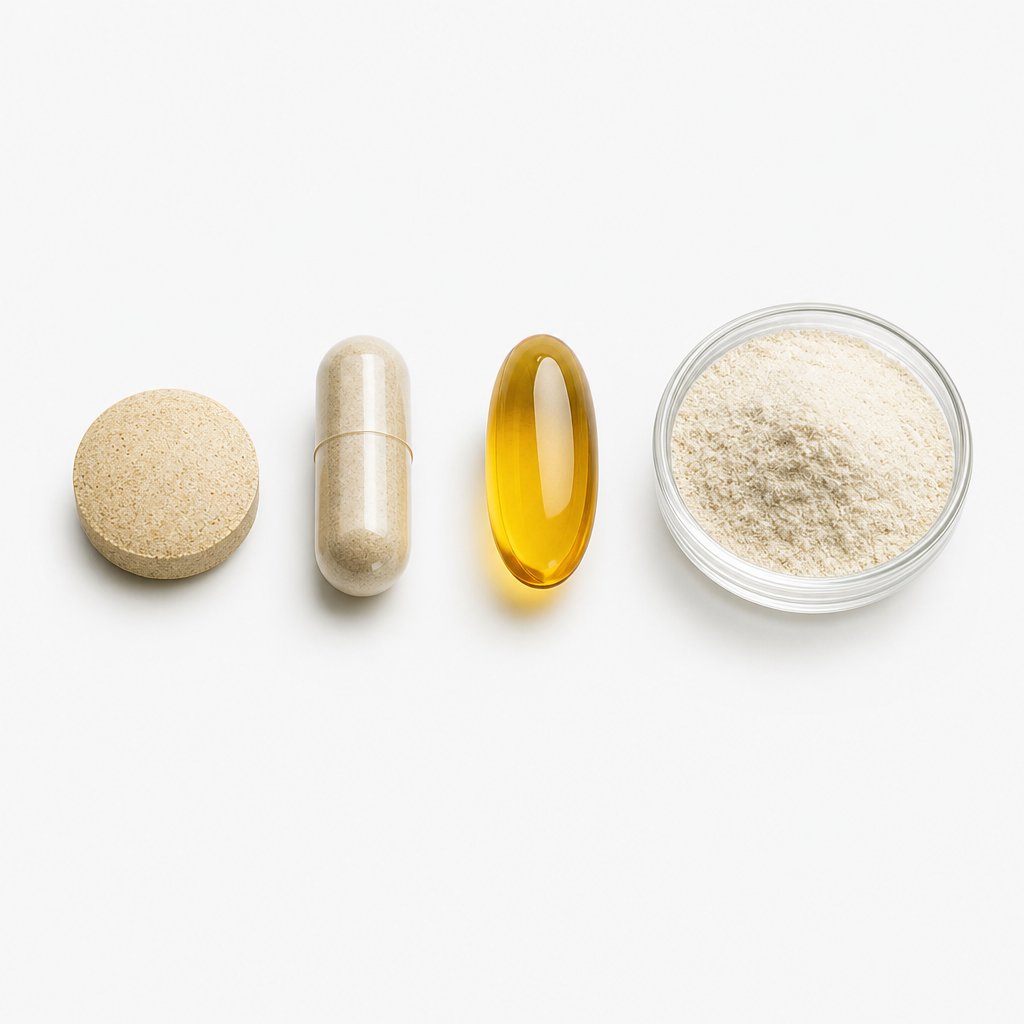
How Tablet Format and Quality Affect Timing
Not every apple cider vinegar pill is built the same way. The physical format you choose, whether it's a compressed tablet, a hard capsule, a soft capsule, or a powder-filled capsule, determines how quickly acetic acid becomes available in your system. That dissolution speed directly shapes when you need to take your dose relative to meals, fasting windows, or bedtime. Choosing the best apple cider vinegar tablets for your goals isn't just about brand reputation. It's about understanding how format dictates timing.
How Tablet Format Affects Your Timing Strategy
Imagine two people taking ACV supplements at the same time before the same meal. One swallows a compressed tablet. The other takes a powder-filled capsule. Despite identical timing, the capsule user may get acetic acid into their system 10-15 minutes sooner because the gelatin shell dissolves faster than a compressed matrix held together by binders. That gap matters when you're trying to align acetic acid release with the arrival of food in your stomach.
Here's how the major formats compare:
| Format | Typical Dissolution Time | Best Timing Adjustment | Pros | Cons |
|---|---|---|---|---|
| Compressed Tablets | 20-30 minutes | Take 25-30 min before meals | Cost-effective, precise dosing, long shelf life, easy to store | Slower dissolution, may contain binders that delay breakdown, harder to swallow for some |
| Hard Capsules (powder-filled) | 10-20 minutes | Take 15-25 min before meals | Faster dissolution than tablets, flexible formulation, masks taste effectively | Sensitive to humidity, may not hold as much active ingredient per unit |
| Soft Capsules | 8-15 minutes | Take 15-20 min before meals | Fastest absorption, easy to swallow, good bioavailability | Higher production cost, shorter shelf life, temperature-sensitive storage |
| Vinegar Powder in Capsules | 10-20 minutes | Take 15-25 min before meals | Concentrated format, no liquid fill needed, stable | Acetic acid content varies widely by manufacturer, lower potency risk |
The pattern is clear: the more compressed and bound the format, the longer you need to wait before your meal. Braggs apple cider tablets and similar compressed products require the longest lead time because the manufacturing process packs powder tightly with binding agents that must break apart before acetic acid releases. ACV capsules, particularly those with a gelatin or HPMC shell surrounding loose powder, skip that disintegration step entirely. The shell dissolves and the contents disperse almost immediately.
Soft capsules offer the fastest route to absorption because their liquid or semi-solid fill is already in a bioavailable state, requiring no further breakdown once the shell dissolves. If you've been taking apple cider capsules and finding that a 20-minute pre-meal window feels like overkill, your format may simply not need that much lead time. Conversely, if you're using a standard compressed tablet and not seeing results, you might not be giving it enough head start.
Acetic Acid Concentration and Dosing Differences
Format isn't the only variable. The actual acetic acid content inside each apple cider vinegar pill varies dramatically between brands, and this directly affects both how many you need to take and how you time them.
Independent testing by ConsumerLab revealed that ACV supplements in gummy, capsule, or tablet form contained between 14 and 51 mg of acetic acid per serving. Compare that to bottled liquid apple cider vinegar, which delivers roughly 700-800 mg of acetic acid per tablespoon. That's a 15-50x difference. Some supplements also contained 20% less acetic acid than their labels claimed.
What does this mean for timing? If your tablet delivers only 30 mg of acetic acid, you're getting a fraction of what clinical studies used to demonstrate blood sugar and satiety benefits. You may need multiple tablets per dose to reach a physiologically meaningful amount, and that changes your timing calculation. Taking three tablets simultaneously means more material for your stomach to dissolve, potentially adding several minutes to the dissolution window compared to a single tablet.
Vinegar powder concentration also varies based on how the raw apple cider vinegar was dehydrated during manufacturing. Spray-dried vinegar powder typically retains 5-8% acetic acid by weight, while some proprietary processes claim higher retention. Without standardized testing, consumers can't always verify these claims from the label alone.
This is where manufacturing quality becomes a timing issue, not just a potency issue. A well-manufactured tablet with consistent disintegration properties will dissolve predictably every time you take it. A poorly manufactured one might dissolve in 15 minutes one day and 40 minutes the next, making it impossible to reliably time your dose relative to meals. Factors like uniform compression force, consistent binder ratios, and proper disintegrant distribution all determine whether your tablet behaves the same way on day one as it does on day ninety.
For nutrition brands, supplement importers, and private label sellers developing their own ACV product line, these manufacturing variables aren't abstract concerns. They directly shape the timing guidance you can confidently print on your label. Working with an experienced OEM/ODM manufacturer like ZhuFeng, which produces across multiple formats including hard capsules, tablets, powder/granules, and soft capsules, ensures that dissolution profiles are tested and consistent batch to batch. That kind of formulation precision means the end consumer can trust that taking their tablet 20 minutes before a meal will actually deliver acetic acid on schedule, every time.
Whether you're a consumer choosing the best apple cider vinegar pills for your health goals or a brand deciding which format to manufacture, the takeaway is the same: format and quality aren't separate from timing. They define it. A reliable tablet with verified acetic acid content and predictable dissolution is the foundation that makes every timing protocol in this article actually work.
Putting It All Together for Daily Results
You've seen how format, goal, and physiology all shape the best time to take apple cider vinegar tablets. But knowing the science and actually building a sustainable daily routine are two different things. This final section consolidates everything into a single reference you can return to whenever you need a quick reminder of how to take apple cider vinegar tablets for your specific situation.
Your Daily ACV Tablet Timing Cheat Sheet
Rather than memorizing separate protocols for each health goal, use this table as your go-to guide. It pulls together the timing, format, and expectation details covered throughout this article into one place:
| Health Goal | When to Take | Format Recommendation | Duration Before Expecting Results |
|---|---|---|---|
| Blood sugar management | 20-30 min before meals with complex carbs | Standard tablet or hard capsule (stomach-dissolving) | 2-4 weeks of consistent use for noticeable patterns |
| Weight management and appetite control | 20-30 min before your 1-2 largest meals | Hard capsule or soft capsule for faster dissolution | 8-12 weeks for measurable changes |
| General digestive support | Morning, 20 min before breakfast | Any standard format taken with a full glass of water | 2-3 weeks for digestive comfort improvements |
| Fasting glucose regulation | Before dinner or 2-3 hours before bed with a small snack | Standard tablet (avoid enteric-coated for this goal) | 4-8 weeks with consistent nightly use |
| Intermittent fasting support | During fasting window (if zero-calorie) or 20-30 min before first meal | Hard capsule with no added sugars or caloric fillers | 1-2 weeks to notice reduced hunger during fasts |
How can you take apple cider vinegar in a way that actually fits your life? The honest answer: pick the one or two goals that matter most to you, match the timing from the table above, and commit to that schedule for at least 8-12 weeks before judging effectiveness. Research on supplement consistency shows that most people need a minimum of 8-12 weeks of daily use before cumulative benefits become clearly noticeable. Skipping days resets momentum, and your body responds best to patterns rather than sporadic doses.
Here's what matters more than hitting an exact minute: taking your tablet at roughly the same time each day, most days of the week. If your target is 20 minutes before lunch and you occasionally only manage 15, that's fine. The consistency of showing up daily outweighs the precision of any single dose. Set a phone alarm tied to your meal prep or morning routine, and let the habit build over weeks rather than stressing over perfection.
Selecting Tablets That Support Consistent Results
Every timing protocol in this article assumes one thing: that your tablet actually delivers a predictable amount of acetic acid on a predictable schedule. If your product dissolves inconsistently or contains less acetic acid than the label claims, no timing strategy will save it. So how to consume apple cider vinegar in tablet form with confidence? Look for these quality markers before you buy:
- Third-party testing — Certifications from NSF International, USP, or ConsumerLab confirm that what's on the label matches what's in the tablet. Without independent verification, reported ingredients may be inconsistent or inaccurate.
- Stated acetic acid content — The best way to consume apple cider vinegar in supplement form is knowing exactly how much active compound you're getting per serving. Look for products that list acetic acid in milligrams, not just total ACV weight.
- Minimal fillers and binders — Excessive maltodextrin, starch, or sugar-based coatings can slow dissolution unpredictably and add hidden calories that interfere with fasting protocols.
- Format matched to your goal — Compressed tablets for cost-effectiveness and precise dosing, hard capsules for faster dissolution, soft capsules for maximum bioavailability. Your timing window shifts based on this choice.
- Consistent manufacturing standards — Uniform compression force, proper disintegrant ratios, and batch-to-batch testing ensure your tablet behaves the same way every time you take it.
For supplement brands, private label sellers, or importers looking to create ACV tablets that consumers can actually time with confidence, manufacturing precision isn't optional. It's the foundation of every dosing recommendation on your label. Partnering with an experienced OEM/ODM manufacturer like ZhuFeng, which offers scalable production across tablets, hard capsules, soft capsules, and powder/granule formats, ensures that dissolution profiles remain consistent from the first batch to the thousandth. That reliability is what separates a product consumers trust from one they abandon after a few weeks of unpredictable results.
The best way to take apple cider vinegar tablets isn't complicated once you understand the variables. Match your timing to your goal. Choose a format that aligns with your preferred pre-meal window. Verify that your product delivers what it promises. Then show up consistently, day after day, and give the protocol enough time to work. That's how do you take cider vinegar tablets so they actually deliver on their potential.
Frequently Asked Questions About ACV Tablet Timing
1. How long before a meal should I take apple cider vinegar tablets?
Take ACV tablets 20-30 minutes before eating to allow the compressed tablet to dissolve and release acetic acid before food arrives in your stomach. This lead time accounts for the dissolution phase that liquid vinegar doesn't require. If you're using enteric-coated tablets, extend that window to 30-45 minutes since the coating won't break down until the tablet reaches your small intestine. Always take your tablet with a full glass of water to speed up disintegration.
2. Do apple cider vinegar tablets break intermittent fasting?
Most standard ACV tablets contain zero or near-zero calories and won't trigger an insulin response that breaks your fast. However, you should check the label for added sugars, maltodextrin, or caloric fillers that could push the tablet above 10 calories per serving. Gummy formats are the most likely to break a fast due to added sugars. Look for tablets with cellulose-based coatings and no caloric binders to stay safely within your fasting window.
3. Is it better to take ACV tablets in the morning or at night?
Morning dosing works best for appetite control and digestive priming because your fasted stomach is more acidic, helping standard tablets dissolve faster. Bedtime dosing may support overnight fasting glucose regulation based on limited research, but carries a risk of acid reflux if you lie down too soon. If you choose bedtime, stay upright for at least 30 minutes after taking the tablet and pair it with a small snack and full glass of water. Avoid bedtime timing entirely if you have GERD.
4. Can I take apple cider vinegar tablets with other medications?
ACV tablets may interact with diabetes medications, diuretics, ACE inhibitors, digoxin, and iron supplements. Acetic acid can lower blood sugar and potassium levels, amplifying the effects of drugs that do the same. Space your ACV tablet at least 1-2 hours from these medications. For diabetes drugs specifically, monitor blood sugar more frequently when adding ACV supplements. Always consult your healthcare provider before combining ACV tablets with prescription medications.
5. Should I split my ACV tablet dose or take them all at once?
Split dosing provides more consistent acetic acid levels throughout the day and is gentler on your stomach. If your product recommends two tablets daily, taking one before breakfast and one before dinner covers two carb-heavy meals and maintains a steadier presence of acetic acid in your system. Single dosing is simpler for compliance and works well if your primary goal is morning appetite suppression. Choose the approach that you can maintain consistently over weeks and months.