Black Cocoa Powder Defined in Plain Terms
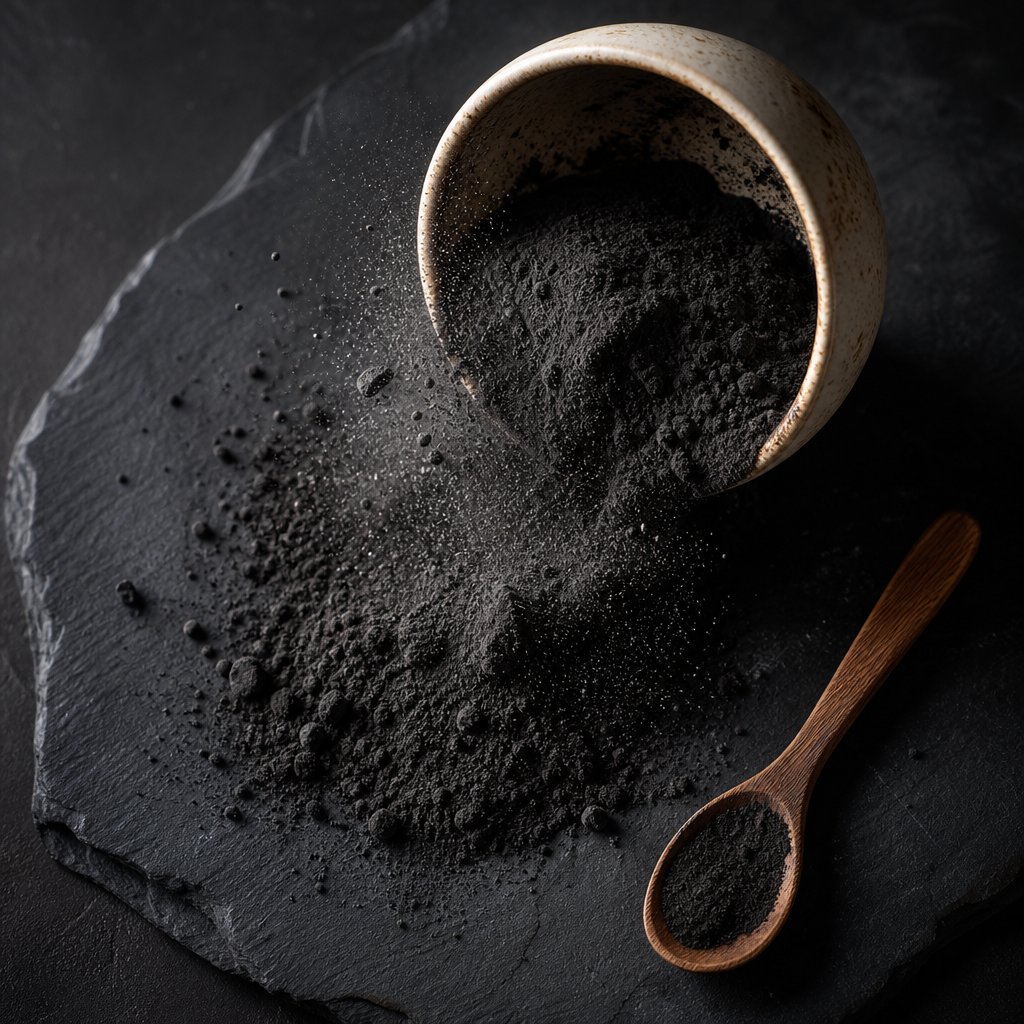
Ever wondered what gives Oreo cookies that impossibly dark color and mellow chocolate taste? The answer is black cocoa powder, a heavily alkalized cocoa that sits at the extreme end of the Dutch-processing spectrum. It delivers a jet-black appearance, a mild and earthy flavor, and a near-neutral to slightly alkaline pH, all without a drop of artificial food coloring.
Black cocoa powder is cocoa that has been treated with alkalizing agents far beyond standard Dutch-processing, resulting in a pH of 8 or higher, a jet-black color, and a smooth, low-bitterness flavor profile. It is the most intensely alkalized cocoa powder available to bakers.
You might also see it referenced online as black coco powder or black.cocoa powder due to common search variations, but they all point to the same ingredient. It is the powder responsible for the iconic look and taste of sandwich cookies, whoopie pies, and dark chocolate ice cream sandwiches.
The Simple Definition
So what is black cocoa in plain terms? Imagine the journey of a cocoa bean. It gets roasted, cracked open, and pressed under enormous hydraulic force to squeeze out the cocoa butter. What remains is a dry, compressed cake of cocoa solids. For standard Dutch-process cocoa, that cake is treated with a mild alkaline solution, typically potassium carbonate, to neutralize acidity and deepen the color slightly. Black cocoa takes that same step and pushes it dramatically further. The nibs or powder are exposed to stronger alkalizing agents under controlled heat and pressure for extended periods, stripping away virtually all natural acidity and transforming the color from brown to true black.
The result is a powder with a pH exceeding 8.0, well into alkaline territory. It tastes smooth and earthy rather than sharp or fruity. Think of it as cocoa with the volume turned down on bitterness and turned up on visual drama.
Why It Looks and Tastes Different
Three things set black cocoa apart from every other cocoa powder in your pantry:
- Color intensity - The heavy alkalization oxidizes and polymerizes the natural pigments in cocoa, shifting them from golden-brown all the way to jet-black. No other cocoa type achieves this depth without artificial dyes.
- Reduced acidity - Natural cocoa sits around pH 5. Black cocoa exceeds pH 8. That chemical shift eliminates the tart, fruity bite and leaves behind a mellow, almost mineral character.
- Altered baking chemistry - Because black cocoa carries no acid, it cannot activate baking soda the way natural cocoa does. Recipes need different leavening strategies, hydration adjustments, and often a blend of cocoa types to perform correctly.
These differences ripple through every recipe you use it in, from cookies to cakes to savory applications you might not expect. This guide covers the full spectrum, from the science of alkalization and flavor trade-offs to practical substitution ratios and troubleshooting tips that keep your baked goods from falling flat.
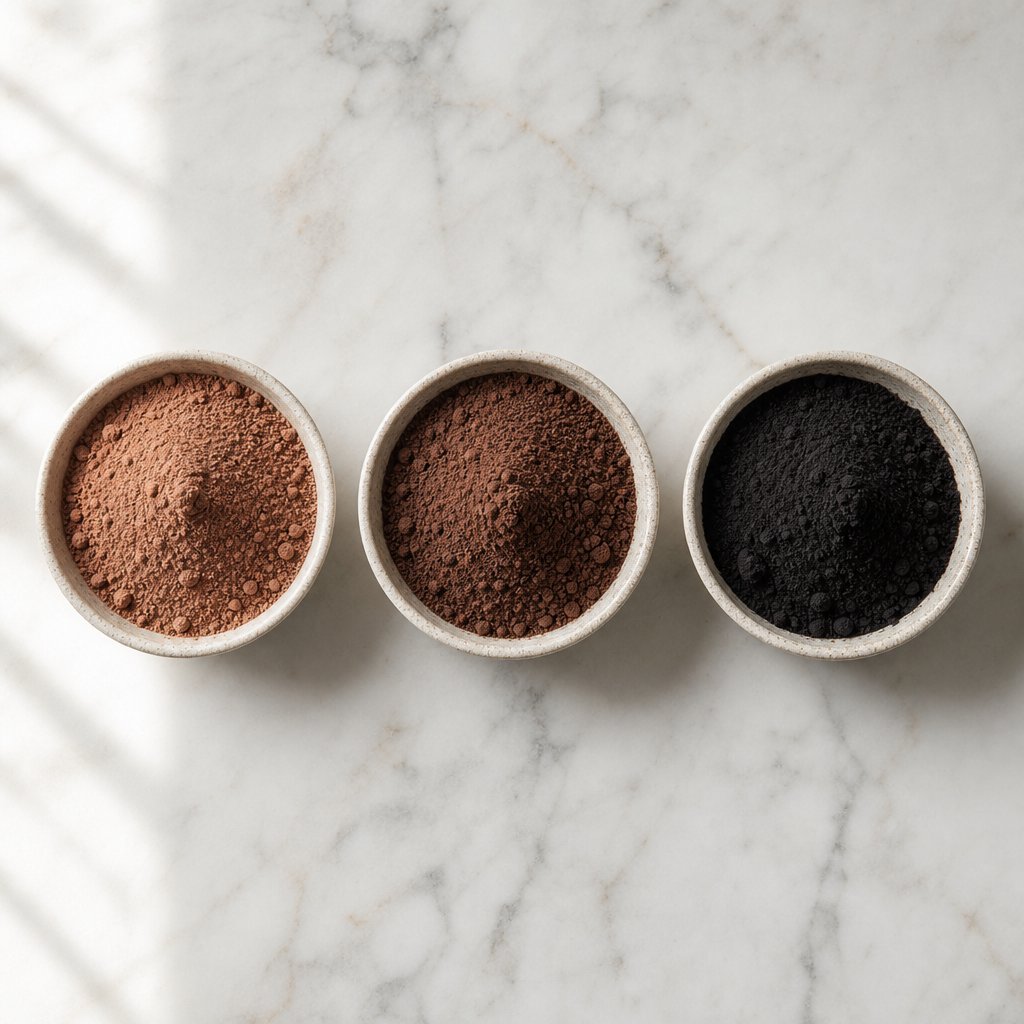
The Alkalization Spectrum from Natural to Black
Cocoa powder is not a single ingredient. It is a family of ingredients that range from barely processed to heavily transformed, and where a powder falls on that spectrum changes everything about how it behaves in your kitchen. When you compare dutch processed cocoa powder vs cocoa powder in its natural state, you are really comparing two different chemical realities. Black cocoa pushes that reality even further.
The easiest way to understand the differences is to picture a sliding scale with three distinct tiers: natural cocoa on one end, standard Dutch-process in the middle, and black cocoa at the far extreme. Each tier has its own pH range, color, flavor personality, and leavening requirements.
| Property | Natural Cocoa | Dutch-Process Cocoa | Black Cocoa |
|---|---|---|---|
| Processing Level | None (unalkalized) | Lightly alkalized | Heavily alkalized |
| pH Range | 5.0 - 6.0 | 6.8 - 7.5 | 7.8 - 8.5 |
| Color | Light reddish-brown | Medium to dark brown | Jet black |
| Flavor Profile | Sharp, fruity, bitter | Mellow, rounded, earthy | Very mild, mineral, Oreo-like |
| Best Paired Leavening | Baking soda | Baking powder | Baking powder (or blend with natural cocoa) |
| Common Uses | Classic chocolate cake, red velvet, brownies | Devil's food cake, hot cocoa, mousse | Oreo-style cookies, black velvet cake, dark frostings |
Natural Cocoa and Its Acidic Character
Natural cocoa powder, sometimes called non dutched cocoa powder, is the baseline. It is made by roasting cocoa beans, pressing out the cocoa butter, and grinding the remaining solids into a fine powder. No chemical treatment follows. The result retains the bean's original acidity, landing at a pH between 5 and 6.
What does that acidity taste like? You'll notice a sharp, fruity bitterness with complex flavor notes that can range from citrusy to winey, depending on the bean origin. This is the cocoa that delivers the most "pure chocolate" punch, and it is the type that reacts with baking soda to produce carbon dioxide gas. That acid-base reaction is what gives classic chocolate cakes their lift and tender crumb. If a recipe relies on baking soda as its primary leavener, natural cocoa is the correct choice because it supplies the acid the soda needs to activate.
Standard Dutch-Process as the Middle Ground
Dutch-processed cocoa powder sits in the neutral zone. The powder is treated with a potassium or sodium carbonate solution that neutralizes much of the natural acidity, bringing the pH up to roughly 6.8 to 7.5. This process, as Callebaut explains, darkens the natural pigments in the cacao beans called anthocyanins, which appear lighter in acidic environments and darker in alkaline ones.
The flavor shifts too. Alkalization strips away the sharp, fruity top notes and leaves a smoother, rounder chocolate taste that many people associate with classic European confections. When you look at dutch process cocoa powder vs regular side by side, the color difference is obvious: Dutch-process is noticeably darker, richer brown. It also dissolves more readily in liquids, making it a popular choice for hot chocolate and ganache.
Because Dutch-process cocoa is no longer acidic, it cannot react with baking soda effectively. Recipes built around this cocoa typically use baking powder, which contains its own acid, or skip chemical leavening entirely. This is the key distinction between dutch cocoa powder vs regular that trips up many home bakers.
Black Cocoa at the Extreme End
Black cocoa undergoes the same alkalization process as standard Dutch cocoa, but for far longer and with greater intensity. The result is an alkaline cocoa powder with a pH that can reach 8.5, well past neutral and into basic territory. Nearly all natural acidity is gone. The flavor becomes extremely muted, almost mineral, with an earthy quality that some describe as the essence of an Oreo cookie rather than traditional chocolate.
Here is the chemistry implication that matters most for baking: because black cocoa has no acid whatsoever, it cannot activate baking soda. Zero reaction. If you swap it into a recipe that depends on baking soda for rise, your cake or cookies will come out flat and dense. This is the single most important rule when comparing dark cocoa vs cocoa in its natural form.
The fix is straightforward. Recipes using only black cocoa need baking powder as the leavening agent, since baking powder carries its own built-in acid. Alternatively, many experienced bakers blend black cocoa with natural cocoa, often at a 1:2 or 1:1 ratio. The natural cocoa supplies enough acid to react with baking soda while the black cocoa contributes its dramatic color. This blending strategy gives you the best of both worlds: visual impact and proper rise.
Understanding where each type sits on the alkalization spectrum, and what that means for leavening, is the foundation for every substitution and recipe adjustment that follows. The question of dutch-processed cocoa powder vs regular is really a question about pH, and pH determines whether your baked goods rise, fall, or land somewhere in between.
How Heavy Alkalization Was Developed
Every ingredient has an origin story, and black cocoa's begins not with a baker chasing dramatic color but with a chemist trying to solve a practical problem: how to make cocoa powder dissolve in water.
Coenraad van Houten and the Dutch-Process Origin
In 1828, Dutch chemist Coenraad Johannes van Houten changed the chocolate industry forever. At the time, chocolate was consumed almost exclusively as a thick, fatty beverage that refused to blend smoothly with water. The culprit was cocoa butter, which makes up roughly 50% of a fermented cocoa bean. Van Houten developed a hydraulic press that squeezed the butter out, leaving behind a dry cake that could be ground into fine powder. That alone was revolutionary, but he went further.
Van Houten discovered that treating the resulting powder with alkaline salts, primarily potassium carbonate dissolved in water, neutralized the bean's natural acidity and made it far more soluble. The flavor became smoother, less harsh, and more palatable as a drink. This is what is dutched cocoa powder at its core: cocoa treated with alkali to reduce bitterness and improve mixability. Because Van Houten patented the process in the Netherlands, the technique became known as Dutch-processing, and the resulting product earned the name dutch cocoa worldwide.
The Evolution Toward Extreme Alkalization
Van Houten's original process was gentle. It nudged the pH from around 5 up to a mild 7 or so. But over the following century, manufacturers realized that the duration, temperature, and intensity of alkalization could be pushed much further to achieve dramatically different results. The alkalization process can be applied at three stages: to the nibs before pressing, to the cocoa cake after pressing, or to the liquor before butter separation. Each method offers different levels of color and flavor control.
The American cookie and confection industry drove much of this experimentation. Manufacturers wanted visually striking dark products, think jet-black sandwich cookies and deep chocolate wafers, without the bitterness of raw dark chocolate. The solution was extending alkalization far beyond standard parameters. Cocoa nibs or powder were soaked in stronger potassium carbonate or sodium hydroxide solutions under controlled heat and pressure for extended periods. The result was alkali processed cocoa powder so heavily treated that it emerged black rather than brown, with a pH above 8 and virtually no residual acidity.
This heavily dutched cocoa powder started as a specialty industrial ingredient, produced in bulk for commercial bakeries and confection lines. Home bakers had little access to it and even less reason to seek it out. That changed as the internet made specialty ingredients accessible and baking culture embraced dramatic visual presentation. Today, dutch chocolate cocoa in its most extreme form, what we call black cocoa, sits on retail shelves alongside its milder cousins. But the process behind it, alkali chocolate manufacturing at industrial intensity, remains the same technique Van Houten pioneered nearly two centuries ago, just pushed to its absolute limit.
Understanding how cocoa powder is made, and how far that process can be stretched, reveals why black cocoa behaves so differently in recipes. Its physical structure has been fundamentally altered by extended chemical treatment, and those changes show up the moment you open the bag.
Flavor, Color, and Moisture Characteristics
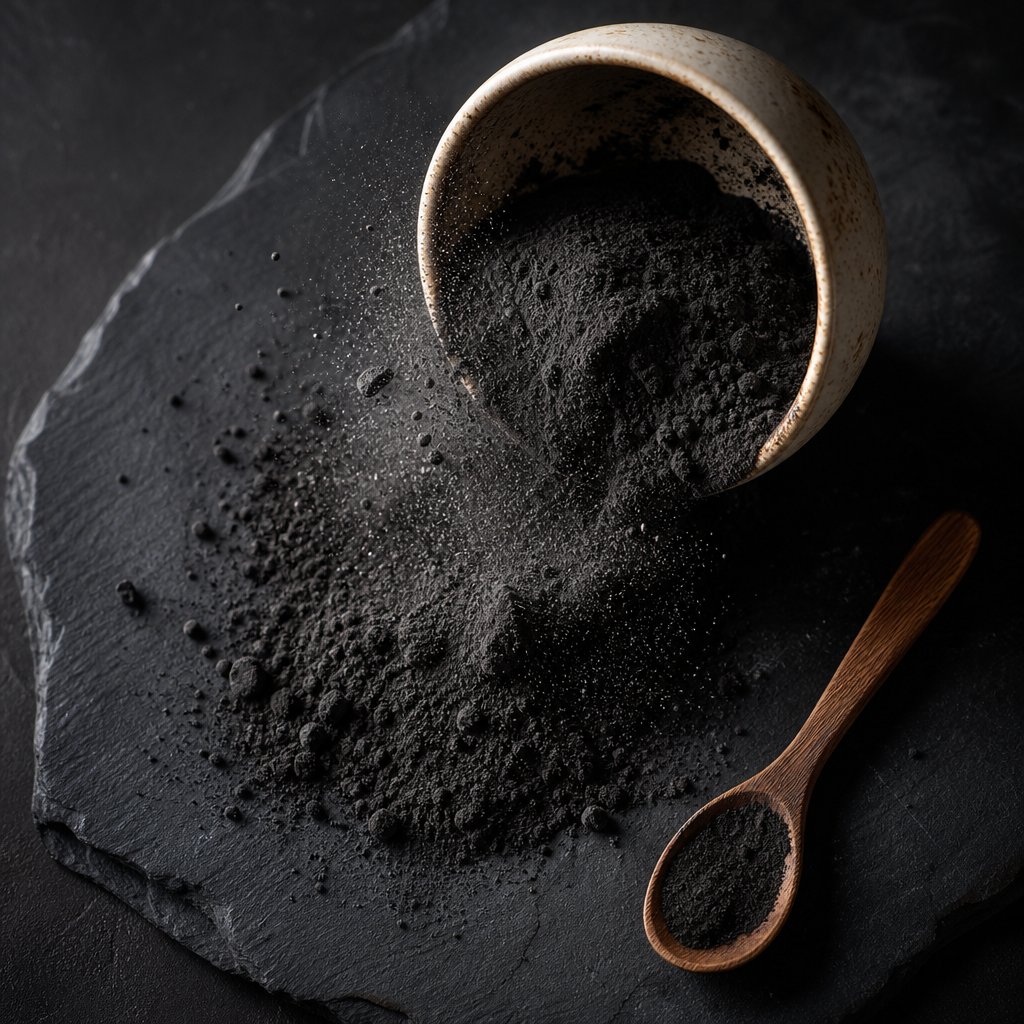
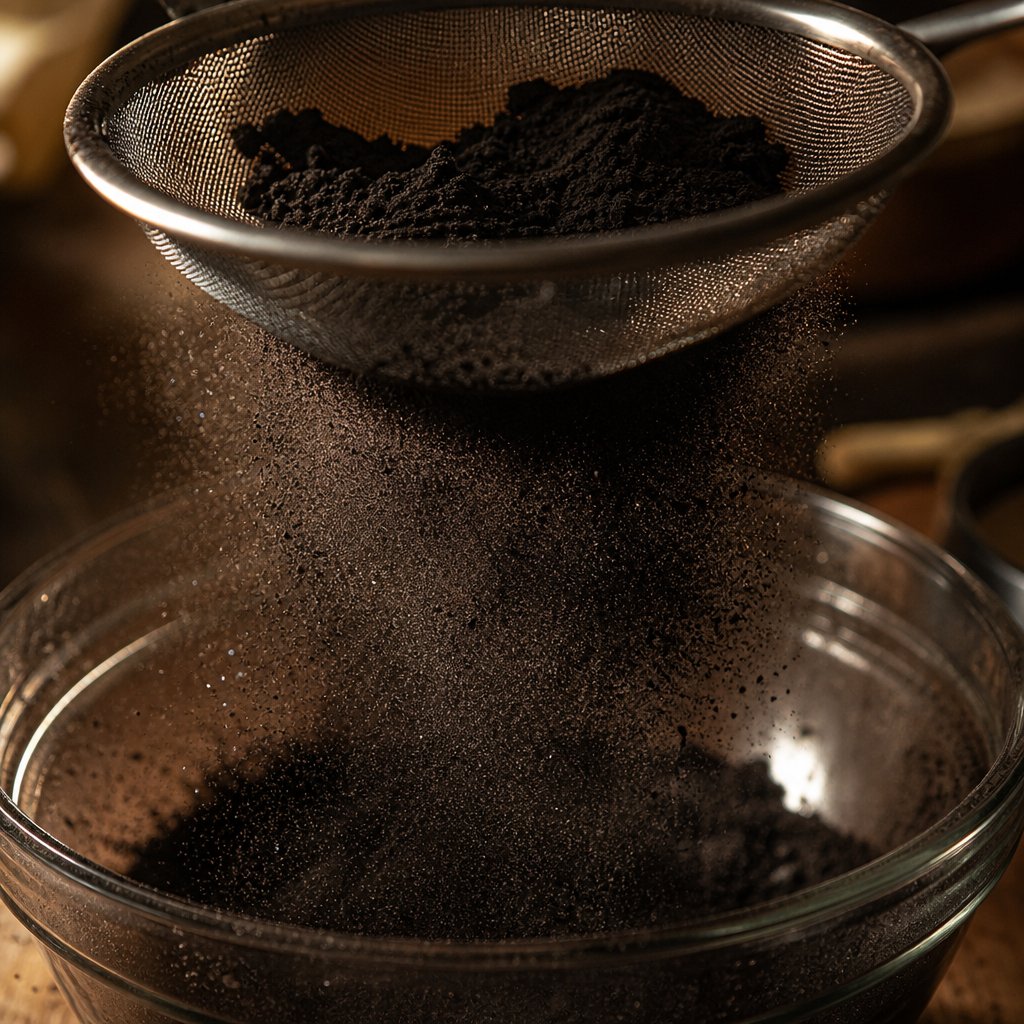
Open a bag of black cocoa and the first thing you notice is the color. It looks less like a baking ingredient and more like finely milled charcoal. That visual shock is just the beginning. The way this powder tastes, absorbs liquid, and interacts with your batter is unlike any other cocoa you have worked with.
Color Intensity and Visual Impact
The dark cocoa color of heavily alkalized powder ranges from deep charcoal to true jet-black, far beyond what any natural or standard Dutch-process cocoa can produce. This is the ingredient that gives Oreo-style sandwich cookies their signature black chocolate color without a single drop of artificial dye. It works the same way in black velvet cakes, dramatic dark frostings, and gothic-themed desserts where visual impact matters as much as taste.
Why does this matter for home bakers? Because achieving a genuine chocolate black color through natural means is otherwise nearly impossible. Natural cocoa produces warm brown tones. Standard Dutch-process gets you a rich, dark brown. Only black chocolate cocoa powder reaches that inky, almost light-absorbing depth. If you have ever tried to darken a batter with extra regular cocoa and ended up with bitter, gritty results, you understand the appeal. Black cocoa delivers the look in a single ingredient, functioning as a natural black chocolate colouring agent that keeps your ingredient list clean.
Flavor Profile and Mildness
Here is the trade-off most bakers do not expect: the darker the cocoa, the milder the cocoa flavor. Heavy alkalization strips away the sharp, fruity, acidic notes that give natural cocoa its punch. What remains is a mellow, earthy, almost mineral taste. Some describe it as the essence of an Oreo cookie. Others call it flat or one-dimensional compared to the complex layers in unprocessed cocoa.
Black chocolate powder does not taste like intense dark chocolate. It tastes like something else entirely, smooth and subdued, with none of the bright bitterness you might associate with a high-cacao bar. If your goal is maximum chocolate intensity, black cocoa alone will disappoint. If your goal is dramatic color with a gentle, non-competing backdrop flavor, it delivers exactly that.
Moisture Absorption and Texture Effects
This is the detail that catches most bakers off guard. Black cocoa absorbs significantly more liquid than regular cocoa powder. The extended alkalization process alters the particle structure of the powder, breaking down cell walls and increasing surface area. The result is a finer, thirstier powder that pulls moisture from your batter like a sponge.
What does that mean in practice? Recipes need hydration adjustments. More butter, more oil, an extra egg, or additional liquid to compensate. Without those adjustments, you end up with dry, crumbly cookies and dense, chalky cakes. This is the single most common failure point for bakers trying black cocoa for the first time.
Here are the key physical properties to keep in mind:
- Extremely fine texture that creates dust clouds when handled
- High absorbency requiring 15-25% more liquid than standard cocoa recipes
- Low fat content, typically 10-12%, since cocoa butter has been pressed out
- No residual acidity, meaning zero reaction with baking soda
These characteristics work together. The low fat and high absorbency mean your batter loses moisture fast. The lack of acidity means your leavening strategy needs rethinking. Knowing these properties before you start measuring is the difference between a stunning result and a frustrating one.
Dark Cocoa Nutrition Facts and the Flavanol Trade-Off
Black cocoa's dramatic color and mellow flavor come at a cost that has nothing to do with texture or leavening. The real price is nutritional, specifically in the antioxidant compounds that make cocoa a celebrated health food. If you have ever wondered what is the difference between black cocoa powder and cacao from a wellness perspective, the answer lives in the phytochemistry.
Macronutrient and Mineral Comparison
On the surface, dark cocoa nutrition facts look reassuringly similar across all cocoa types. Black cocoa powder, like its natural and Dutch-process siblings, is low in fat because the hydraulic pressing step removes most of the cocoa butter. A typical tablespoon contains roughly 10 to 15 calories, less than a gram of fat, about a gram of fiber, and minimal sugar. The macronutrient profile does not shift meaningfully with alkalization because the process targets phytochemicals, not fats, proteins, or carbohydrates.
Minerals tell a similar story. Cocoa powder in general is a notable source of iron, magnesium, potassium, and zinc. These minerals survive the alkalization process largely intact, so whether you reach for natural cocoa or black cocoa, you still get a meaningful mineral contribution per serving. For bakers tracking macros, the calorie and fat differences between types are negligible enough to ignore.
Where things diverge sharply is in the bioactive compounds, the flavanols and polyphenols that give cocoa its reputation as a functional food.
The Flavanol Trade-Off
Flavanols are the antioxidant compounds in cocoa linked to cardiovascular benefits, improved blood flow, and cognitive support. They belong to the flavan-3-ol family, and cocoa beans are one of nature's richest sources. The problem? Alkalization destroys them in a dose-dependent, predictable pattern.
A study published in the Journal of Agricultural and Food Chemistry measured flavanol content across cocoa powders at different alkalization levels and found a clear linear decline as pH increased. The numbers are striking:
| Cocoa Type | Average Total Flavanols (mg/g) | Approximate Reduction |
|---|---|---|
| Natural (non alkalized) | 34.6 ± 6.8 | Baseline |
| Lightly alkalized | 13.8 ± 7.3 | ~60% loss |
| Medium alkalized | 7.8 ± 4.0 | ~77% loss |
| Heavily alkalized (black cocoa) | 3.9 ± 1.8 | ~90% loss |
That is not a subtle difference. Heavily alkalized cocoa retains roughly one-tenth the flavanol content of non alkalized chocolate in its natural state. The monomers, oligomers, and polymers of flavanols all decrease linearly with rising pH, meaning every step up the alkalization ladder strips away more of the compounds responsible for cocoa's health halo.
This same research confirmed that the pattern holds regardless of whether the cocoa is brown-black or red-toned. The driving factor is pH, not color category. So even organic dark cocoa powder that has been heavily Dutch-processed will show the same flavanol depletion as conventional black cocoa.
Black cocoa powder is chosen for its color and mild flavor, not for antioxidant benefits. Readers seeking maximum health benefits from cocoa should use minimally processed natural cocoa or raw cacao powder dark varieties instead.
This does not make black cocoa unhealthy. It still provides minerals, fiber, and very few calories. It simply means you should not expect the cardiovascular or cognitive perks associated with flavanol-rich cocoa. If antioxidant density is your priority, dark cacao powder that has been minimally processed, or even raw black cacao powder, will deliver far more bioactive compounds per spoonful.
The practical takeaway is straightforward: use black cocoa for what it does best, dramatic color and gentle flavor, and reach for natural cocoa or raw cacao when health benefits are the goal. They are different tools for different jobs, and understanding the flavanol trade-off lets you choose with clarity rather than assumption.
Baking Substitution Ratios and Hydration Fixes
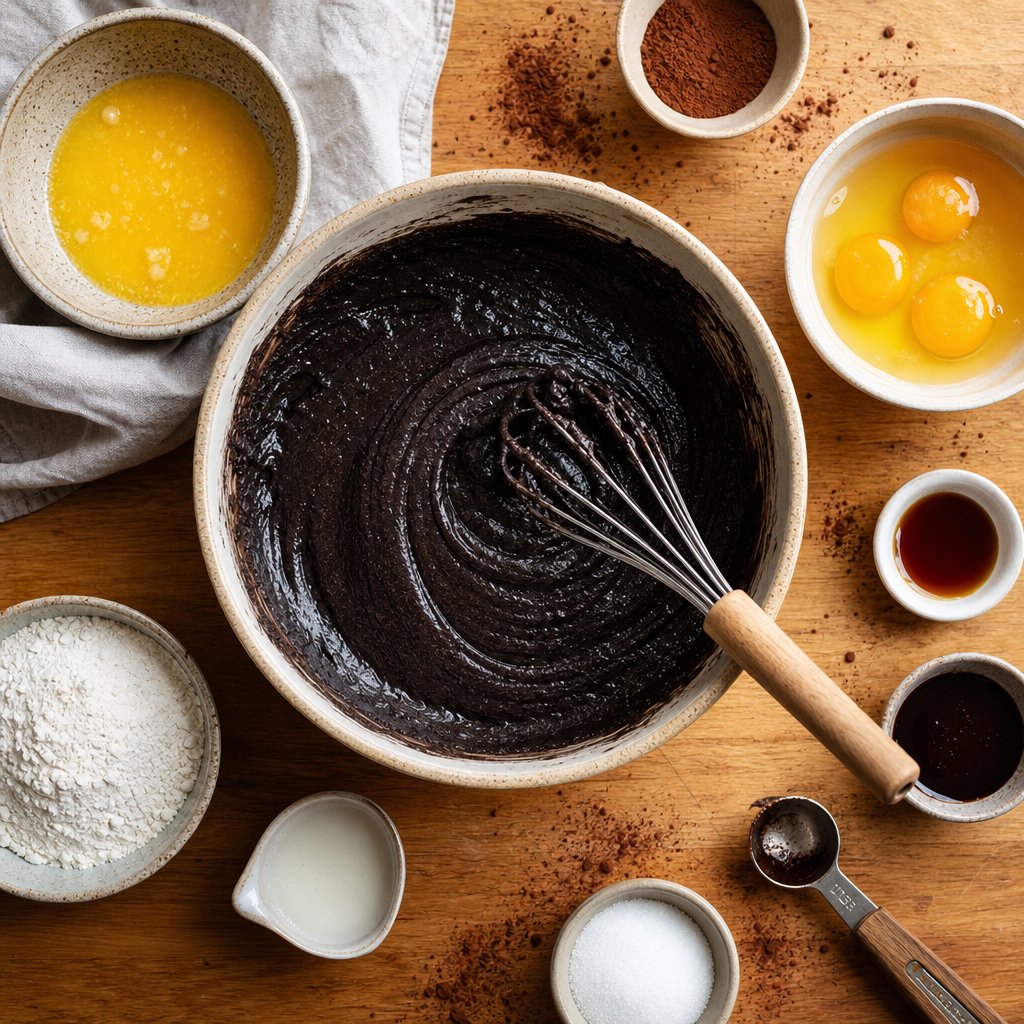
Knowing what black cocoa powder does in theory is one thing. Getting it to behave in your actual recipe is another. The biggest frustration bakers face is not finding a black cocoa powder substitute when they run out. It is figuring out how to use black cocoa powder for baking without wrecking the texture, rise, or moisture balance of a recipe designed for regular cocoa.
The key insight: black cocoa is rarely a straight 1:1 swap. Its alkaline pH, high absorbency, and low fat content mean you need to adjust three things simultaneously. Here is exactly how to do it.
Substitution Ratios for Different Recipe Types
The right ratio depends on what you are baking. Cookies and cakes rely on structure, so they need a gentler hand. Frostings and icings have no structural concerns, so you can push the ratio higher for maximum visual drama.
| Recipe Type | Black Cocoa Ratio | Blend With | Notes |
|---|---|---|---|
| Cookies | 25-50% of total cocoa | Natural or Dutch-process cocoa | Maintains spread and chew without drying out |
| Cakes | 33% of total cocoa | 67% natural or Dutch-process cocoa | Preserves crumb tenderness and proper rise |
| Brownies | 25-50% of total cocoa | Natural or Dutch-process cocoa | Keeps fudgy texture; increase fat slightly |
| Frostings and icings | Up to 100% | None required | No structure concerns; maximum color impact |
| Hot chocolate or drinks | Up to 100% | Optional blend for stronger flavor | High solubility makes it dissolve easily |
When choosing the best cocoa for baking a particular recipe, think about what matters most. Want the darkest possible black cocoa cookies? Push toward 50%. Want reliable structure in a layer cake? Stay at 33% or below. Frostings are the one place you can go all-in without consequence.
Leavening Adjustments When Swapping
This is where most substitution attempts fail. If your original recipe uses unsweetened cocoa powder for baking and relies on baking soda for lift, that soda needs acid to activate. Natural cocoa supplies that acid. Black cocoa does not.
The rule is simple: for every tablespoon of natural cocoa you replace with black cocoa, you remove acid from the system. You have two options to fix this:
- Option A: Switch leaveners. Replace baking soda with three times the amount of baking powder. So if the recipe calls for 1 teaspoon of baking soda, use 3 teaspoons of baking powder instead. Baking powder contains its own built-in acid and does not need an external source.
- Option B: Blend cocoas. Keep some natural cocoa in the mix to supply acid for the baking soda. A 50/50 blend of black and natural cocoa usually provides enough acidity to maintain proper rise without switching leaveners entirely.
Option B is often the better path for home bakers because it preserves the original recipe's leavening balance while still delivering dramatic color. Many experienced bakers who use dutch processed cocoa powder for baking alongside black cocoa find this blending approach gives the most predictable results.
Hydration and Fat Adjustments
Even with leavening sorted, you still face the moisture problem. Black cocoa absorbs significantly more liquid than standard baking cocoa powder, and ignoring this leads to dry, crumbly results every time.
The adjustment guideline: for every quarter cup of black cocoa substituted into a recipe, increase liquid by 1 to 2 tablespoons. That extra liquid can come from milk, water, coffee, or oil, whatever fits the recipe's flavor profile. Alternatively, add an extra egg yolk, which contributes both fat and moisture while improving richness.
This is why many successful black cocoa recipes call for noticeably more butter or oil than their standard counterparts. The best cocoa powder for baking dark recipes is not just about choosing the right powder. It is about supporting that powder with enough hydration to let it perform.
When you are ready to substitute for black cocoa powder in any recipe, remember these three adjustment categories:
- Blending ratios - Start at 25-50% black cocoa blended with natural or Dutch-process for structure-dependent bakes
- Leavening - Switch from baking soda to baking powder, or maintain a cocoa blend that supplies acid
- Hydration - Add 1-2 tablespoons extra liquid per quarter cup of black cocoa, or include additional fat
Get all three right and you will produce baked goods with stunning color, proper rise, and tender texture. Miss even one, and the results will tell you immediately which adjustment you skipped.
Savory and Functional Uses for Dark Cocoa
Black cocoa's muted sweetness and neutral-to-alkaline pH make it surprisingly versatile outside the pastry kitchen. While most bakers reach for it to color cookies and cakes, chefs and product developers have discovered that unsweetened dark cocoa powder performs brilliantly in contexts where traditional cocoa would taste too bitter or too sweet.
Savory Kitchen Applications
Imagine rubbing a spice blend onto a rack of ribs and pulling them off the grill with a deep, almost lacquered black crust. That is what dark cocoa does in a dry rub. Mixed with smoked paprika, cumin, garlic powder, and a pinch of cayenne, it adds earthy depth and dramatic color without introducing any chocolatiness that would clash with savory flavors. The powder's low residual sweetness means it blends into meat rubs the way coffee grounds do, contributing complexity rather than dessert notes.
Mole-inspired sauces are another natural fit. Traditional mole recipes call for cocoa to complement dried chili peppers, warm spices, and toasted seeds. Using unsweetened dark chocolate powder in place of standard cocoa gives the sauce a darker, more visually striking appearance while keeping the flavor mellow enough to let ancho and guajillo chilies lead. A vegan mole recipe from Santa Barbara Chocolate demonstrates how cocoa powder pairs with dried peppers, cinnamon, and sesame seeds to build layered savory depth without any dairy or animal products.
Dark pasta dough is a less obvious but equally compelling application. Replacing a small portion of flour with cocoa dark chocolate powder produces jet-black fettuccine or ravioli that looks stunning on the plate. The flavor contribution is minimal, just a faint earthiness that pairs well with rich cream sauces, mushrooms, or aged cheese.
Beverages and Functional Drink Formulations
Black cocoa dissolves more readily in liquids than natural cocoa, a direct benefit of alkalization breaking down the powder's cellular structure. This high solubility makes it ideal for beverages. A dark hot cocoa recipe demonstrates the technique: dissolve black cocoa powder with sugar and a pinch of salt in water first, then whisk in heated milk for a dramatically dark drink that looks almost like ink but tastes smooth and mild. The color alone makes it a conversation starter, and you can adjust sweetness without fighting the bitterness that dark unsweetened cocoa in its natural form would bring.
Black lattes, activated charcoal-style smoothie bowls, and dark chocolate cocoa powder shakes all benefit from the same principle. You get visual drama and clean solubility without overpowering other ingredients. This is exactly why brands in the functional food and beverage space have adopted black cocoa as a base ingredient in ready-to-mix drink powders and supplement blends. Its mild flavor allows adaptogens, protein isolates, and other functional ingredients to shine without competing chocolate bitterness, while the color signals richness and indulgence to consumers.
For nutrition brands, supplement importers, and private label sellers looking to develop cocoa-based functional powders or granule products, scaling from a kitchen concept to market-ready production requires manufacturing expertise. OEM/ODM partners like ZhuFeng offer powder and granule production formats with customized formulation capabilities suited to cocoa-based health product development, helping brands move from prototype to scalable production without building their own facility.
Whether you are brushing unsweetened dark cocoa powder into a spice rub, stirring it into a mole, or formulating a functional beverage line, the same properties that make black cocoa unique in baking, its color, solubility, and restraint, translate directly into savory and commercial applications that most bakers never consider.
Common Mistakes When Baking with Black Cocoa
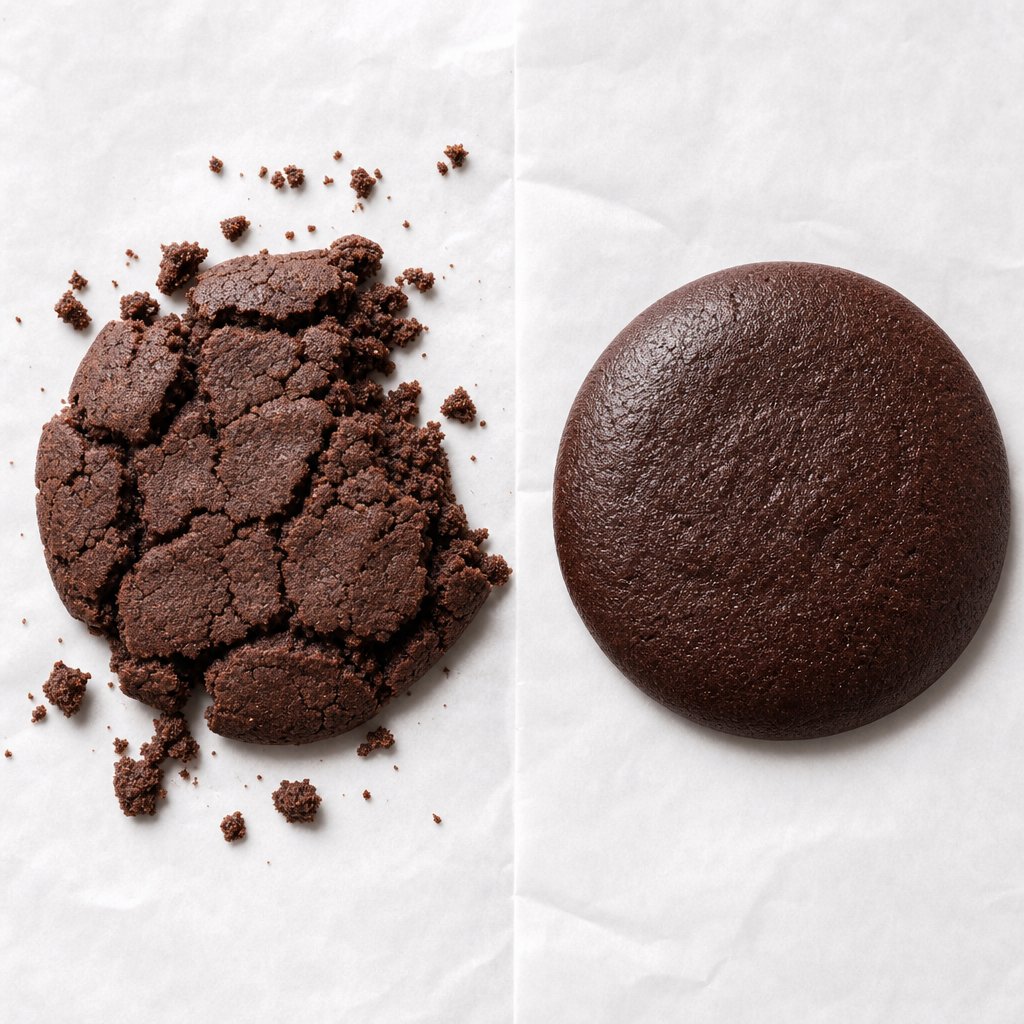
Even with perfect ratios and the right leavening strategy, things go wrong. Black cocoa brownies come out chalky. Black cocoa cookies spread too thin or refuse to spread at all. Black cocoa cupcakes sink in the center. These failures are not random. They trace back to three predictable mistakes that trip up nearly every baker the first time they work with this powder.
The good news? Each problem has a clear cause and a straightforward fix.
Dry and Crumbly Textures
This is the most common complaint. You follow a recipe, swap in black cocoa, and pull something from the oven that crumbles the moment you touch it. The texture is sandy, dry, almost powdery rather than tender or fudgy.
The cause is simple: black cocoa absorbs far more moisture than regular cocoa powder, and using it as a 1:1 swap without adjusting liquid or fat leaves your batter starved for hydration. The heavy alkalization process changes the powder's particle structure, making it behave more like a sponge than a flavoring agent. Where standard cocoa might absorb its weight in liquid, black cocoa demands significantly more.
The fix: always increase hydration or blend with regular cocoa. Add 1 to 2 tablespoons of extra liquid per quarter cup of black cocoa, or include an additional egg yolk for both moisture and richness. If a batch already came out dry, that batch cannot be saved. But future batches should incorporate 15-25% more liquid than the original recipe specifies. Many bakers find that adding an extra tablespoon of oil or melted butter is the simplest adjustment, especially for black cocoa powder brownies where fudgy texture is the goal.
Flat or Dense Baked Goods
You expected a tall, domed cupcake and got a hockey puck. The batter barely rose, and the crumb is dense and gummy rather than light and airy. This is a leavening failure, not a technique failure.
The cause: using black cocoa without adjusting leavening removes the acid that activates baking soda. Baking soda needs an acidic partner to produce carbon dioxide gas. Natural cocoa supplies that acid. Black cocoa, with its pH above 8, supplies none. The baking soda just sits there, inert, contributing nothing to lift and potentially leaving a soapy aftertaste.
The fix: switch to baking powder, which contains its own built-in acid and does not need an external source. Alternatively, use a cocoa blend that includes natural cocoa to restore acid balance. A 50/50 mix of black and natural cocoa typically provides enough acidity to keep baking soda functional. This blending approach is especially useful for black cocoa cookies where you want both dramatic color and proper spread. The difference between baking chocolate vs cocoa powder in terms of leavening interaction is significant, but the difference between natural and black cocoa is even more dramatic because one is acidic and the other is alkaline.
Weak Chocolate Flavor
This one surprises people the most. You used a powder that looks like concentrated darkness and expected intense chocolate flavor. Instead, the result tastes flat, almost bland, with none of the rich cocoa punch you were hoping for.
The cause: black cocoa's flavor is muted by design. Heavy alkalization strips away the sharp, fruity, bitter cocoa powder notes that your palate interprets as "chocolatey." What remains is mild and earthy. When people compare cocoa powder vs chocolate in terms of flavor intensity, they often assume darker means stronger. With black cocoa, the opposite is true. The color is maximal, but the flavor is minimal.
The fix: blend 50/50 with natural cocoa to get both the dark color and a stronger chocolate taste. Natural cocoa brings back the bright, complex notes that heavy alkalization removes. You can also add a small amount of espresso powder, roughly half a teaspoon per batch, which amplifies perceived chocolate intensity without adding coffee flavor. A splash of vanilla extract works similarly, rounding out the flavor profile and tricking the palate into reading more depth. These flavor boosters are standard practice among professional bakers who work with black cocoa regularly.
When something goes wrong with a black cocoa recipe, run through this checklist in order:
- Check hydration - Is there enough liquid and fat to compensate for black cocoa's high absorbency? Add 15-25% more moisture if the texture is dry or crumbly.
- Verify leavening type - Is the recipe using baking soda without an acid source? Switch to baking powder or blend in natural cocoa to restore the acid-base reaction.
- Assess cocoa blend ratio - Is the recipe using 100% black cocoa in a structure-dependent bake? Pull back to 25-50% black cocoa blended with natural or Dutch-process for better results.
- Consider flavor boosters - Is the chocolate taste too mild? Add espresso powder, vanilla, or a portion of bitter cocoa powder in its natural form to restore depth and complexity.
Most black cocoa failures involve more than one of these issues at once. A batch of flat, dry, bland cupcakes probably needs all four adjustments. Work through the list systematically, and you will pinpoint exactly where the recipe went off track, giving you a clear path to a successful next attempt.
Where to Buy Black Cocoa Powder at Retail and Commercial Scale
You have the ratios dialed in, the leavening sorted, and a troubleshooting checklist ready. The remaining question is practical: where to buy black cocoa powder in the first place. Unlike natural cocoa, which sits on every grocery store shelf, black cocoa requires a bit more hunting, especially if you want a quality product that performs consistently.
Retail Sourcing for Home Bakers
If you are wondering where can i buy black cocoa as a home baker, the good news is that availability has expanded dramatically over the past several years. The surge in home baking interest, fueled by social media and the desire to recreate Oreo-style cookies from scratch, pushed specialty retailers to stock what was once an industrial-only ingredient.
Your best options for finding black cocoa powder near me include:
- Specialty baking retailers - Shops like King Arthur Baking Company carry their own King Arthur black cocoa powder, one of the most widely recognized retail options in the United States. It is reliably consistent and available year-round through their online store.
- Online marketplaces - Amazon, specialty food sites, and direct-from-manufacturer shops offer multiple brands at various price points. Online ordering is often the fastest route if you cannot find black cocoa powder nearby.
- Well-stocked grocery stores - Some larger chains with dedicated baking aisles now carry black cocoa alongside standard Dutch-process options. Check the specialty or organic baking section rather than the regular cocoa shelf.
- Local specialty baking supply shops - Independent baking supply stores that cater to cake decorators and pastry professionals often stock black cocoa in bulk bins or smaller retail bags.
Not every product labeled "dark cocoa" qualifies as true black cocoa. When evaluating options, look for these indicators on the label:
- Described as heavily alkalized, ultra-Dutch-processed, or extra-dark Dutch-process
- Fat content between 10-12% (standard for pressed cocoa powder)
- No added sugar, vanilla, or other flavorings
- The powder itself appears jet-black or very dark charcoal when you open the package, not merely dark brown
- pH listed at 7.8 or above if the manufacturer provides technical specs
The best black cocoa for home use depends on your priorities. If you want a trusted, widely available option with consistent batch-to-batch quality, King Arthur black cocoa powder is a solid starting point. If you want to compare brands, order small quantities from two or three suppliers and test them side by side in the same recipe. You will notice subtle differences in color depth, absorbency, and residual flavor that help you identify your preferred product.
Commercial and Bulk Sourcing for Product Brands
Retail bags work fine for weekend baking projects, but nutrition brands, supplement companies, private label sellers, and functional food businesses need a different sourcing path entirely. When you are formulating a cocoa-based product for commercial sale, whether that is a dark hot chocolate mix, a protein powder blend, or a functional granule supplement, you need consistent supply at scale, technical specifications you can build a formula around, and a manufacturing partner who can turn your concept into a finished product.
Working with an OEM/ODM manufacturing partner streamlines this entire journey. Rather than sourcing raw black cocoa independently, negotiating with multiple vendors, and then finding a separate facility to blend and package your product, a full-service manufacturer handles formulation, ingredient sourcing, production, and packaging under one roof.
For brands exploring cocoa-based health products in powder, granule, gummy, or oral liquid formats, ZhuFeng's OEM/ODM health food manufacturing services offer customized formulation and scalable production across multiple product formats. Their capabilities span hard capsules, tablets, powder and granule blends, soft capsules, gummy candy, and oral liquids, giving brands flexibility to launch cocoa-based functional products without building dedicated production infrastructure. This is a practical next step for businesses that have validated a concept at small scale and need a manufacturing partner to bring it to market.
Whether you are a home baker searching for where to buy black cocoa for your next batch of sandwich cookies or a brand founder scaling a functional beverage line, the sourcing landscape has never been more accessible. Start small, test thoroughly, and scale with partners who understand both the ingredient and the production process behind it.
Frequently Asked Questions About Black Cocoa Powder
1. Is black cocoa powder the same as Dutch-process cocoa?
Not exactly. Black cocoa is a type of Dutch-process cocoa, but taken to the extreme. Standard Dutch-process cocoa is lightly alkalized to a pH of about 7, producing a medium-dark brown color and mellow flavor. Black cocoa undergoes far more intense alkalization, reaching a pH of 8 or higher, which strips nearly all acidity and turns the powder jet-black. The two behave differently in recipes because black cocoa has zero acid to react with baking soda and absorbs significantly more moisture than standard Dutch-process.
2. Can I substitute black cocoa powder 1:1 for regular cocoa in recipes?
A straight 1:1 swap is not recommended for structure-dependent bakes like cakes and cookies. Black cocoa absorbs more liquid, contains no acid for leavening reactions, and has a milder flavor. For best results, replace only 25-50% of regular cocoa with black cocoa, switch baking soda to baking powder or blend with natural cocoa for acid balance, and add 1-2 tablespoons of extra liquid per quarter cup substituted. Frostings and icings are the exception where 100% black cocoa works without structural issues.
3. Does black cocoa powder have health benefits like regular cocoa?
Black cocoa retains the minerals found in all cocoa powders, including iron, magnesium, and potassium, and remains low in fat and calories. However, heavy alkalization reduces flavanol content by approximately 90% compared to natural cocoa. Flavanols are the antioxidant compounds linked to cardiovascular and cognitive benefits. If maximizing health benefits is your goal, minimally processed natural cocoa or raw cacao powder delivers far more bioactive compounds per serving.
4. Why do my black cocoa baked goods turn out dry and crumbly?
The heavy alkalization process changes black cocoa's particle structure, making it absorb significantly more moisture than regular cocoa powder. When used without hydration adjustments, it pulls liquid from your batter and leaves baked goods dry and sandy. The fix is to increase liquid by 15-25%, add an extra egg yolk, or incorporate additional butter or oil. Many successful black cocoa recipes deliberately call for more fat than their standard cocoa counterparts for this reason.
5. What does black cocoa powder taste like compared to regular chocolate?
Black cocoa tastes surprisingly mild rather than intensely chocolatey. Heavy alkalization strips away the sharp, fruity, bitter notes that give natural cocoa its punch, leaving a smooth, earthy, almost mineral flavor often described as the essence of an Oreo cookie. The trade-off for dramatic color is reduced chocolate intensity. To boost flavor, many bakers blend black cocoa 50/50 with natural cocoa or add espresso powder and vanilla to amplify perceived chocolate depth.