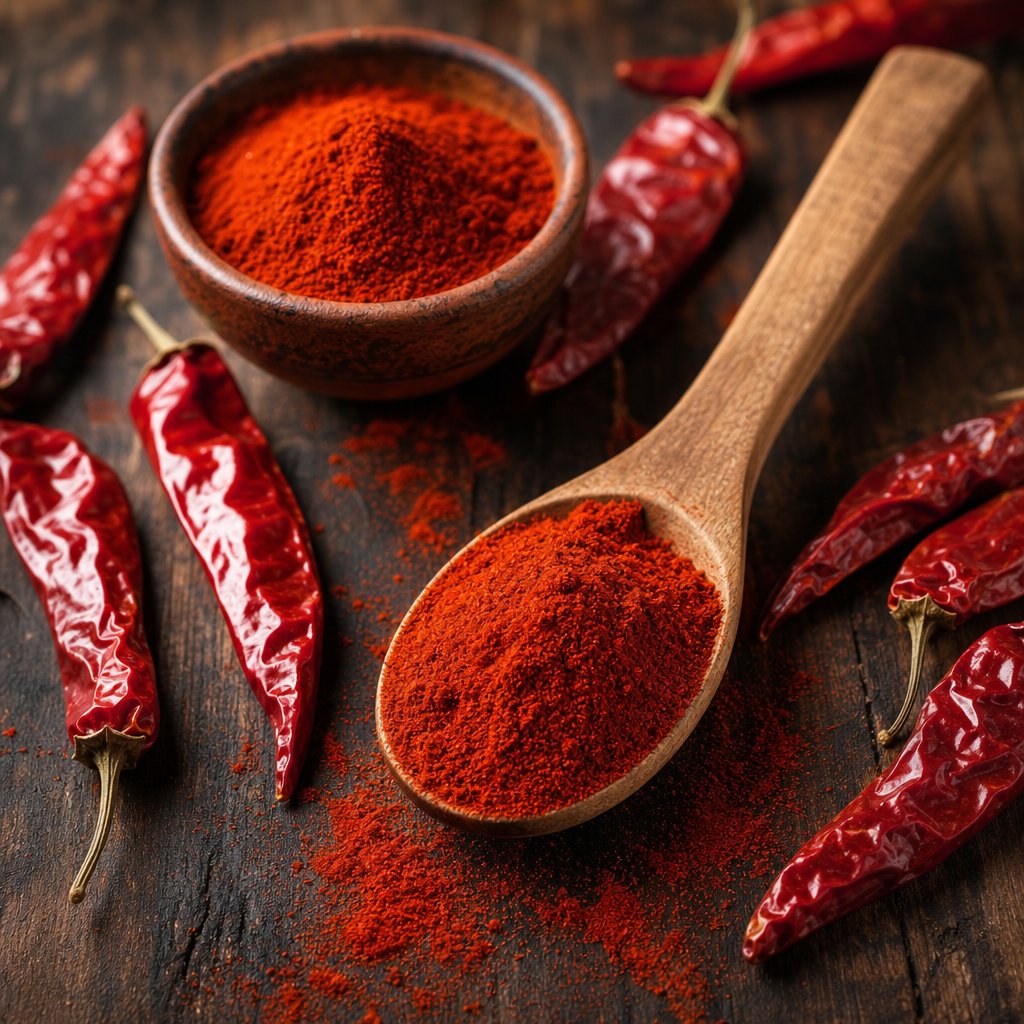
What Is Paprika Powder and Why It Belongs in Every Kitchen
You probably have a jar of paprika sitting in your spice rack right now. Maybe you sprinkle it on deviled eggs for color or toss it into a rub without thinking twice. But what is paprika powder used for beyond that quick dusting of red? The answer covers far more ground than most cooks realize.
What Exactly Is Paprika Powder
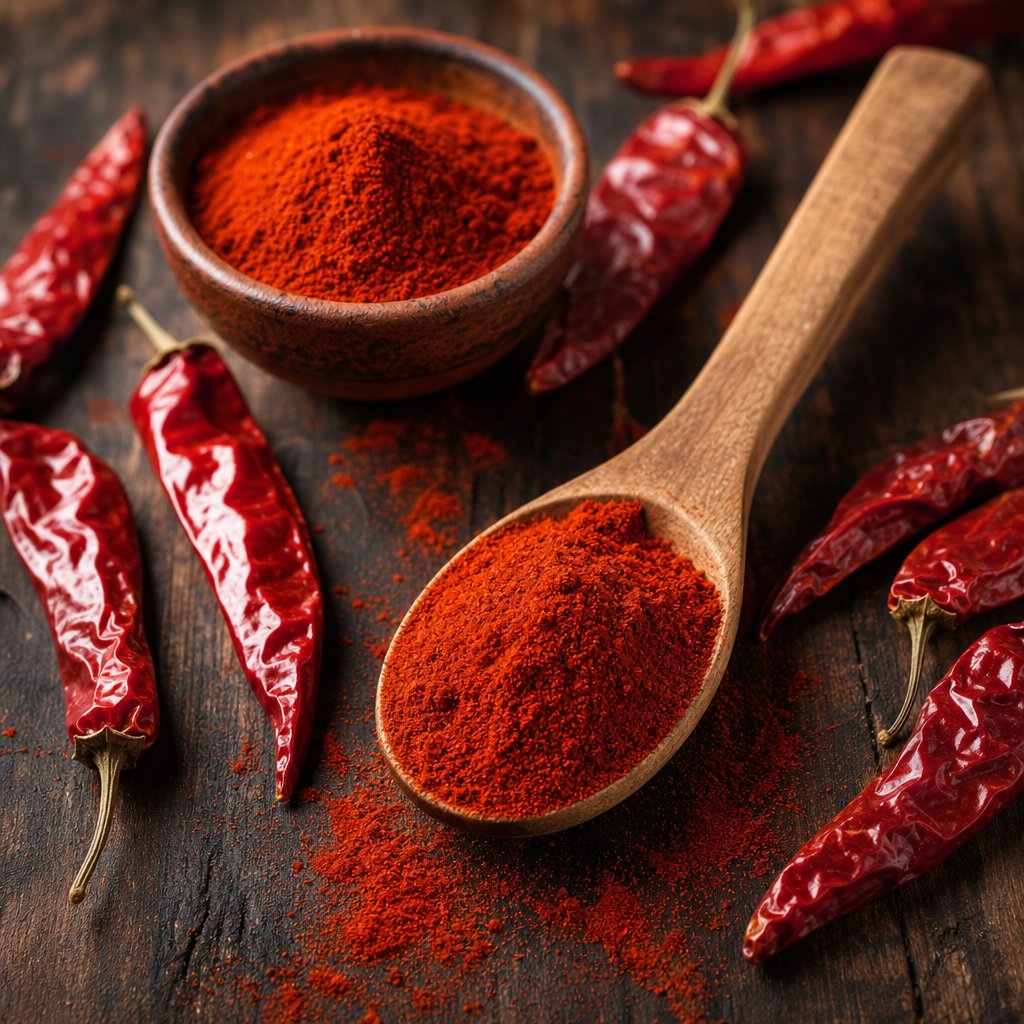
To define paprika in simple terms: it is a ground spice made from dried pods of Capsicum annuum, an annual shrub in the nightshade family native to tropical areas of the Western Hemisphere, including Mexico, Central America, and South America. Spanish and Portuguese traders carried pepper seeds to Europe in the late 1400s, and the plant eventually flourished in Hungary and Spain, where distinct regional varieties developed over centuries.
Paprika powder is a versatile ground spice produced from dried Capsicum annuum peppers. It serves three primary roles in cooking: as a natural colorant, a flavor foundation, and a source of mild to moderate heat.
The paprika powder meaning goes deeper than "red stuff on top of potato salad." What spice is paprika, really? It is a chameleon ingredient that shifts its contribution depending on the variety you choose and how you use it.
Why Paprika Powder Matters in Your Kitchen
Understanding what paprika is used for starts with recognizing its three functional roles:
- Colorant - A pinch delivers vibrant red-orange hues to rice, sauces, and garnishes without overpowering flavor.
- Flavor base - In larger amounts, paprika powder builds a warm, subtly sweet backbone in stews, braises, and spice rubs.
- Heat source - Hot and certain smoked varieties contribute real capsaicin-driven warmth, similar to a mild chili powder.
This guide covers every angle: types and flavor profiles, global culinary applications, health benefits, storage tips, and common mistakes that waste this spice's potential. Whether you are choosing your first quality jar or rethinking how you cook with paprika, you will find practical answers here.
How Paprika Powder Is Made and Why It Matters
Is paprika a pepper? Technically, yes. Paprika is made from peppers, specifically dried and ground fruits of the Capsicum annuum species. But the journey from a fresh red pepper hanging on a vine to the fine powder in your spice jar involves several deliberate steps, and each one shapes the color, flavor, and heat you experience in the final product.
From Fresh Pepper to Fine Powder
Where does paprika come from in terms of process? Imagine a ripe pepper field in late summer. The fruits have turned deep red, signaling peak sugar content and maximum pigment concentration. What happens next determines everything about the paprika you eventually cook with.
Here are the production stages in order:
- Harvesting - Peppers are picked at full ripeness when their red color is most intense. Factories source specific varieties of Capsicum annuum selected for sweetness, color depth, or heat level depending on the desired end product.
- Washing and sorting - Freshly harvested peppers are cleaned and inspected. Only peppers meeting strict quality standards for color and condition move forward.
- Drying - This is where the biggest flavor fork occurs. Sun-drying or mechanical dehydration produces sweet paprika with a clean, fruity character. Smoke-drying over oak fires, the traditional Spanish method, creates smoked paprika (pimentón) with its signature deep, earthy flavor.
- Seed and rib removal (or retention) - Removing seeds and inner ribs yields a milder, sweeter powder. Leaving them in increases capsaicin content and heat. This single decision is what separates sweet paprika from hot paprika made from the same pepper variety.
- Grinding - Dried peppers are ground to a fine powder. The grinding method matters more than most people realize. Stone-grinding at lower temperatures preserves volatile oils and aromatic compounds, while high-speed industrial grinding generates heat that can degrade flavor.
- Sifting and packaging - The powder is sifted for uniform texture, then packaged quickly to protect against light and moisture exposure.
Where does paprika originate from as a finished spice? While the peppers themselves trace back to the Americas, the craft of turning them into paprika powder was perfected in Hungary and Spain over centuries. These two countries remain the gold standard for production quality.
How Production Methods Shape Quality
You might wonder why two jars labeled "paprika" can taste so different. The answer lives in those production choices above.
Stone-ground paprika, the kind produced by traditional paprika facilities, retains more volatile oils because the slow grinding process generates less friction heat. Those oils carry the aromatic compounds responsible for paprika's warm, sweet-pepper fragrance. Industrial processing prioritizes speed and volume, often at the expense of these delicate flavors.
What is paprika made of at the ingredient level? Just peppers. No fillers, no additives in quality products. But the paprika ingredients that matter most are invisible: the carotenoid pigments that create color, the capsaicin that delivers heat, and the volatile oils that produce aroma. Each production decision either preserves or diminishes these compounds.
Consider the quality spectrum:
- Grocery-store generic paprika - Often machine-dried, industrially ground from unspecified pepper varieties. Provides color but minimal flavor depth. What is paprika made out of in these cases? Usually a blend of mild peppers optimized for cost rather than taste.
- Specialty Hungarian paprika - Made from specific regional pepper cultivars, often stone-ground, with strict grading standards. Delivers complex sweetness and vibrant color.
- Spanish pimentón de la Vera - Oak-smoked, stone-ground, and protected by a PDO designation. The smoking process adds layers of flavor impossible to replicate with shortcuts.
What peppers are used to make paprika also varies by region and grade. Hungarian producers cultivate dedicated paprika pepper varieties bred for high pigment and sugar content. Spanish producers use local cultivars like the jariza pepper for bittersweet varieties. Generic brands may source from any available Capsicum annuum crop, which explains their flatter flavor profile.
The takeaway is practical: paprika made from carefully selected peppers, dried with intention, and ground gently will outperform a budget jar in every dish. The difference between a spice that transforms your cooking and one that just adds red color comes down to how it was made.
Types of Paprika Powder and Their Flavor Profiles
Production method tells you how paprika is made. But the variety you pick off the shelf determines what it actually does in your food. Not all paprika tastes the same, and treating every jar as interchangeable is one of the fastest ways to miss what this spice can really offer. So what does paprika taste like? That depends entirely on which type you are working with.
Sweet, Hot, and Smoked Varieties Compared
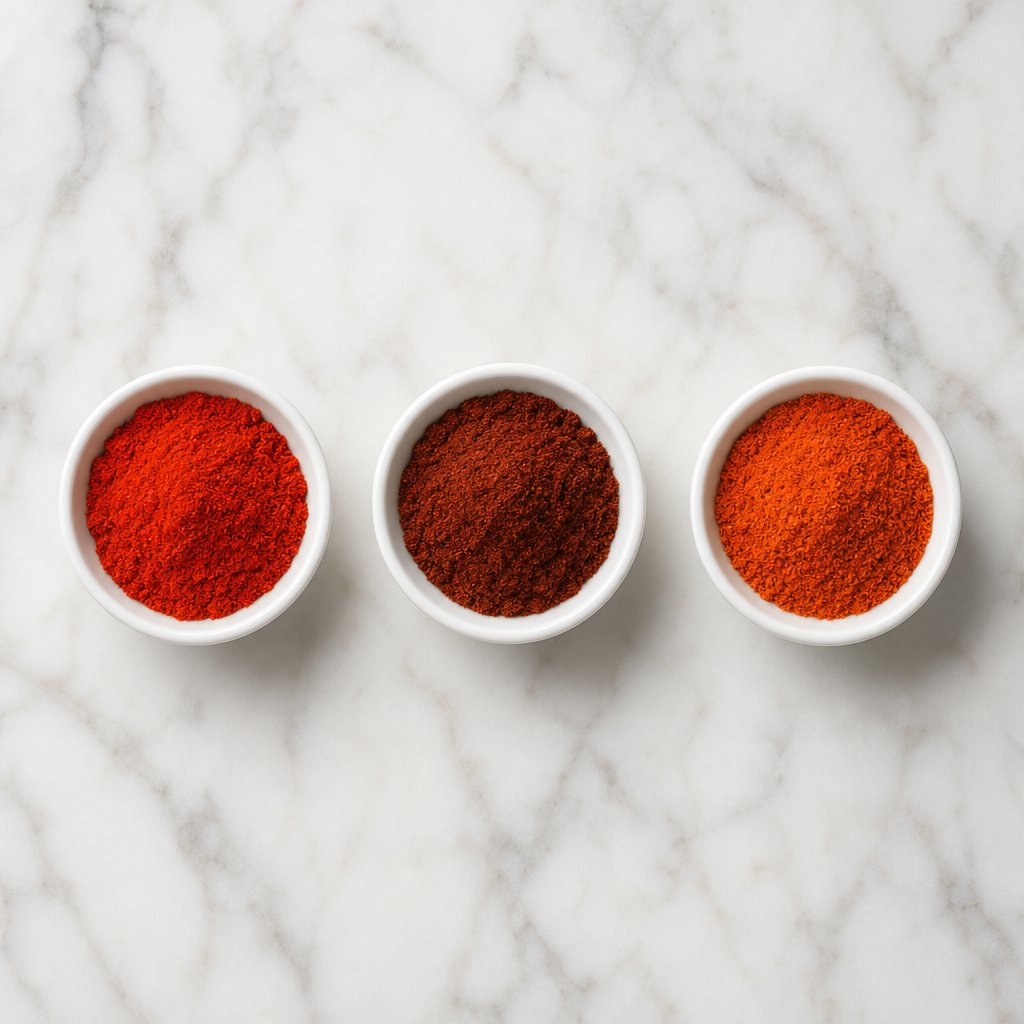
The three main types of paprika spice you will encounter break down along clear lines: sweet, hot, and smoked. Each brings a different paprika flavor to the table.
Sweet paprika is the default. When a recipe simply calls for "paprika" without any qualifier, it means sweet paprika. What is sweet paprika, exactly? It is made from bright, mild red peppers with seeds and ribs removed, producing a powder that delivers fruity sweetness, a subtle bitterness, and vibrant red-orange color with virtually no heat. Is sweet paprika the same as paprika on a generic grocery store label? In most cases, yes. The unlabeled jar in a US supermarket is almost always a sweet variety sourced from mild peppers.
Hot paprika gets its kick from peppers processed with seeds and ribs intact, concentrating the capsaicin. A little goes a long way here. Think of it as a more complex alternative to cayenne, delivering heat alongside the warm, peppery depth that plain chili flakes cannot match.
Smoked paprika (pimenton de la Vera) takes a different path entirely. In Spain's La Vera region, harvested peppers are dried over smoldering oak fires for up to two weeks before grinding. The result is a powder with deep, earthy smokiness that can transform a dish without you ever lighting a grill. Smoked paprika comes in sweet, bittersweet, and hot versions, so the paprika taste ranges from mellow campfire warmth to smoky heat depending on which you choose.
Hungarian Grading System Explained
Hungary takes paprika classification further than any other country. Rather than three broad categories, the Hungarian system recognizes eight official grades, each with distinct color, pungency, and culinary purpose. The range runs from Kulonleges (the mildest, most vibrant red) all the way to Eros (the hottest, with a brownish-orange hue).
A few key grades worth knowing:
- Kulonleges - "Special quality." The mildest and most brilliantly red. Ideal for color-forward applications.
- Edesnemes - "Noble sweet." Slightly pungent with bright red color. This is what most US stores sell as "Hungarian sweet paprika."
- Feldes - Semi-sweet with medium pungency. A good middle ground for cooks who want warmth without real heat.
- Eros - The hottest grade, light brown to orange. Used when you want Hungarian paprika flavor with genuine spice.
All Hungarian grades share a rich, sweet red pepper backbone. The difference is how much heat rides alongside that sweetness.
Quick-Reference Comparison Table
Use this table to match the right types of paprika to your cooking needs:
| Type | Flavor Profile | Heat Level | Best Uses | Origin |
|---|---|---|---|---|
| Sweet Paprika | Fruity, mildly sweet, slightly bitter | None to very mild | Deviled eggs, garnishes, goulash base, rubs | Hungary, California, South America |
| Hot Paprika | Warm, peppery, pungent | Medium (comparable to mild cayenne) | Spicy stews, sausage seasoning, heat-forward rubs | Hungary, Spain |
| Smoked Paprika (Pimenton) | Deep, earthy, smoky with sweet undertones | Varies: sweet, medium, or hot | Chorizo, paella, barbecue rubs, roasted vegetables | Spain (La Vera region) |
| Hungarian Kulonleges | Delicate, clean sweetness | None | Color garnish, cream sauces, delicate dishes | Hungary |
| Hungarian Edesnemes | Sweet with slight pungency | Mild | Chicken paprikash, soups, general cooking | Hungary |
| Hungarian Eros | Sharp, biting heat with pepper flavor | High (for paprika) | Spicy goulash, bold meat dishes, heat layering | Hungary |
| Spanish Dulce | Mild, round, slightly sweet | None | Patatas bravas, rice dishes, mild sauces | Spain |
| Spanish Picante | Smoky with assertive heat | Medium-high | Spicy chorizo, bold marinades, picante sauces | Spain |
Notice how the paprika flavor spectrum runs from pure color and gentle sweetness all the way to smoky, capsaicin-driven heat. Choosing the right type is not about quality or price. It is about matching the spice to the job your dish requires. A garnish calls for Kulonleges or basic sweet paprika. A slow-cooked stew needs Edesnemes or a good smoked variety to build depth. And when you want real warmth, Eros or Spanish picante delivers without needing a separate chili powder.
With these distinctions clear, the real question becomes practical: what does each type actually do once it hits your food?
What Paprika Powder Actually Does to Your Food
Knowing the types is one thing. Understanding what does paprika do to food once you add it is where cooking actually improves. Paprika serves three distinct functions depending on how much you use and which variety you reach for. Most recipes lean on one role more than the others, and recognizing which one your dish needs is the difference between paprika used as an afterthought and paprika used with purpose.
Paprika as a Natural Colorant
Ever wonder why deviled eggs get that signature dusting of red? It is not about flavor at that quantity. A small pinch of paprika delivers a vibrant red-orange hue without meaningfully changing how a dish tastes. The carotenoid pigments, primarily capsanthin, are intensely concentrated, so even a quarter teaspoon can visually transform a pale dish.
This is what paprika seasoning is used for in many everyday applications: pure visual impact. The spice acts as a natural food colorant that tints without overpowering.
- Deviled eggs and potato salads - a light dusting for contrast against white or yellow backgrounds
- Hummus and yogurt dips - a swirl of red-orange on top for presentation
- Rice dishes - half a teaspoon stirred in gives golden-red color similar to saffron at a fraction of the cost
- Dry rubs for roasted chicken - creates an appetizing mahogany crust during roasting
- Cream-based soups - a pinch on top adds visual warmth without altering the flavor balance
When you see paprika listed as the last ingredient in a spice blend or called for in tiny amounts, color is almost always the primary job.
Paprika as a Flavor Foundation
Increase the quantity and paprika shifts from decoration to backbone. This is where the spice earns its place in serious cooking. Two to three tablespoons of quality sweet or smoked paprika in a stew builds a warm, subtly sweet, slightly bitter depth that no other single spice replicates. What flavor does paprika add at this level? Think roasted red pepper sweetness layered with a gentle earthiness and just a hint of bitterness that keeps richness in check.
The key technique here is blooming paprika in warm fat. Heating ground spices in oil releases fat-soluble flavor compounds and disperses them more efficiently throughout the finished dish. Paprika's aromatic oils dissolve into butter, olive oil, or rendered fat, spreading that warm pepper flavor into every bite rather than sitting as isolated powder particles in a liquid.
- Hungarian goulash - paprika is the defining flavor, bloomed in onion-infused lard
- Chicken paprikash - generous paprika creates the sauce's signature color and taste
- Romesco sauce - smoked paprika provides the smoky-sweet base alongside roasted peppers and nuts
- Shakshuka - paprika builds warmth in the tomato sauce before eggs are added
- Barbecue dry rubs - paprika forms the sweet, savory foundation that other spices build on
What does paprika do for food at this level? It becomes the flavor architecture. Other spices add accents, but paprika provides the structure they rest on.
Paprika as a Heat Source
Not all paprika uses in food are about sweetness and color. Hot paprika and certain smoked varieties contain enough capsaicin to deliver genuine warmth, functioning similarly to a mild chili powder but with more complexity. You get heat plus flavor rather than heat alone.
This role surprises people who associate paprika only with that mild red jar in the supermarket. Hot Hungarian paprika or Spanish pimenton picante can register noticeable spice on the palate, enough to build a slow burn in a dish without reaching for cayenne or chili flakes.
- Spicy Hungarian goulash - hot paprika (Eros grade) replaces the need for separate chili powder
- Chorizo seasoning - pimenton picante provides both smokiness and heat in a single ingredient
- Fiery dry rubs - hot paprika adds warmth that builds gradually rather than hitting all at once
- Spiced nuts and snack mixes - a teaspoon of hot paprika gives a lingering tingle without overwhelming other flavors
- Kimchi-style ferments - hot paprika can supplement gochugaru for added depth
The heat from paprika tends to be rounder and slower-building than cayenne's sharp spike. It warms the palate rather than attacking it, which makes it easier to layer into dishes where you want sustained warmth without a single aggressive punch.
These three roles often overlap in practice. A generous amount of smoked paprika in a barbecue rub delivers color, flavor, and mild heat simultaneously. But understanding which function you are primarily after helps you choose the right type and the right quantity every time. The next question is how these paprika uses play out across different culinary traditions, where technique and measurement vary widely.
Paprika Powder in Global Cuisines From Goulash to BBQ
Paprika in cooking behaves differently depending on the culinary tradition guiding the cook's hand. A Hungarian grandmother and a Spanish abuela both reach for paprika, but their techniques, quantities, and expectations are worlds apart. Understanding these regional approaches gives you a practical framework for using paprika for cooking in almost any style.
Hungarian and Central European Classics
Hungary treats paprika the way France treats butter: it is not a supporting player but the foundation of entire dishes. The quantities reflect that philosophy. Where most spices are measured in pinches and half-teaspoons, Hungarian recipes call for tablespoons.
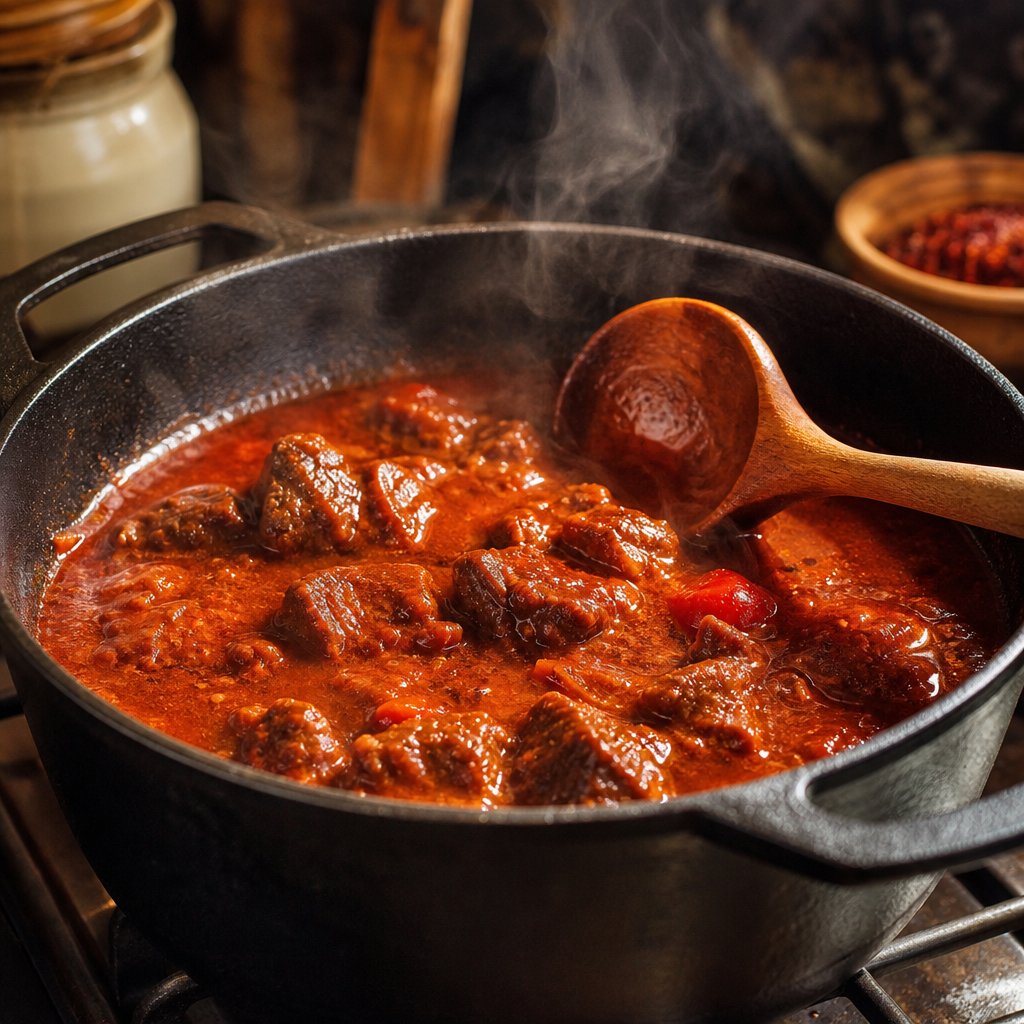
- Goulash - A proper batch uses a full half cup of sweet Hungarian paprika for about 3 pounds of beef, according to Serious Eats. The paprika goes in after softening onions and peppers, cooked just until fragrant (about 30 seconds) before liquid is added.
- Chicken paprikash - Typically 2-3 tablespoons per batch, bloomed in the rendered chicken fat and onion mixture to build the sauce's signature red-orange color and warm depth.
- Lecso - Hungary's answer to ratatouille. One to two tablespoons of paprika seasoning stirred into a slow-cooked mixture of peppers, tomatoes, and onions.
The critical technique across all these dishes is blooming paprika off-heat. You pull the pan from the burner, stir in the paprika, and let residual heat activate the fat-soluble compounds without scorching them. Paprika burns fast above 350 degrees Fahrenheit, turning bitter in seconds. The off-heat method gives you full flavor extraction with zero risk of that acrid taste.
Spanish and Mediterranean Applications
Spain's relationship with paprika is just as deep but takes a different form. Smoked Spanish paprika, known as pimenton, is fundamental to the country's cuisine in ways that go far beyond seasoning. It is a preservative in cured meats, a color agent in stews, and a flavor backbone in sauces.
The Spanish system divides pimenton into three categories: pimenton dulce (sweet), agridulce (bittersweet), and picante (spicy). Each serves a distinct purpose.
- Chorizo - Ground pork is heavily seasoned with pimenton, garlic, and salt. The paprika provides both the iconic red color and smoky depth that define this sausage.
- Patatas bravas sauce - Spicy paprika (picante) gives the bravas sauce its characteristic kick, typically 1-2 teaspoons per cup of sauce.
- Paella - A teaspoon of sweet or bittersweet pimenton stirred into the sofrito base adds warmth without competing with saffron.
- Romesco sauce - Smoked paprika combines with roasted peppers, almonds, and garlic. About 1 tablespoon per batch builds the smoky-sweet foundation.
- Pulpo a la gallega - Galician octopus gets a generous dusting of pimenton after boiling, serving as both garnish and flavor.
A key difference from Hungarian cooking: Spanish cooks often add pimenton directly into hot oil as part of a sofrito, relying on the oil's temperature being moderate (not screaming hot) and the quick addition of liquid to prevent burning.
Global Uses Beyond Europe
Paprika spice uses extend well past European borders. The spice has found its way into cooking traditions across multiple continents, adapting to local flavor profiles along the way.
- Korean-inspired BBQ rubs - Smoked paprika appears in fusion spice blends alongside gochugaru (Korean red chili flakes), cumin, and brown sugar. A Korean-inspired BBQ rub might use 42 grams of ground paprika as its primary body, providing color and mild warmth while gochugaru handles the sharper heat.
- Moroccan spice mixes - Paprika rounds out blends like ras el hanout and chermoula, contributing color and gentle sweetness alongside cumin, coriander, and cinnamon.
- American Southern barbecue rubs - Paprika is almost always the largest-volume ingredient in a dry rub, typically 1-2 teaspoons per pound of meat. It creates the mahogany bark on smoked brisket and pulled pork.
- Middle Eastern dips and spreads - Muhammara and certain hummus variations use paprika for both color and a warm pepper note. A tablespoon per cup of dip is standard.
Quick Measurement Guide
When you are unsure how much to use, these ratios work as reliable starting points:
- Garnish - A pinch (less than 1/8 teaspoon) for visual color only
- Dry rubs - 1-2 teaspoons per pound of meat
- Sauce or stew base - 1 tablespoon per cup of liquid for noticeable flavor
- Hungarian-style starring role - 2-4 tablespoons per batch, bloomed in fat
The pattern is clear: the more central paprika is to a cuisine's identity, the more generously it gets used. A Southern rub treats it as one voice in a chorus. Hungarian cooking hands it the microphone. Either way, the spice rewards cooks who understand not just which type to grab, but how much the dish actually needs to sing.
Paprika Powder Health Benefits and Nutritional Value
Paprika earns its place in global kitchens through flavor, color, and versatility. But the same compounds responsible for that deep red hue and warm taste also carry measurable nutritional value. Is paprika healthy beyond its culinary role? The research says yes, and the reasons trace directly back to the pigments and micronutrients concentrated inside those dried pepper walls.
Key Nutrients and Antioxidants in Paprika
A single tablespoon of paprika (about 6.8 grams) packs a surprisingly dense nutritional profile. You are not eating paprika by the cupful, but even small amounts contribute meaningful micronutrients to your diet, especially when used generously in the Hungarian or Spanish style discussed earlier.
Here is what that one tablespoon delivers, based on USDA nutrient data:
- Vitamin A - 19% of the Daily Value. Supports immune function, vision, and skin health.
- Vitamin E - 13% of the Daily Value. A fat-soluble antioxidant that protects cell membranes and supports healthy red blood cells.
- Vitamin B6 - 9% of the Daily Value. Essential for protein metabolism and neurotransmitter production.
- Iron - 8% of the Daily Value. Critical for oxygen transport in the blood and energy production.
- Fiber - 2 grams per tablespoon, a notable amount for a spice.
Beyond vitamins and minerals, paprika nutrition stands out because of its carotenoid content. These are the fat-soluble pigments that give the spice its color and deliver potent antioxidant activity:
- Capsanthin - The dominant red pigment in paprika, comprising roughly 60% of total carotenoids alongside capsorubin. Capsanthin belongs to the xanthophyll class of carotenoids and is considered one of the most powerful antioxidants in its category due to its unique molecular structure, which allows it to scavenge free radicals efficiently.
- Beta-carotene - A provitamin A carotenoid that the body converts into retinol as needed. Contributes to the orange tones in paprika.
- Lutein and zeaxanthin - Two carotenoids that accumulate in the retina and macula of the eye, where they filter harmful blue light and protect against oxidative damage.
What makes these nutrients in paprika particularly interesting is that they are fat-soluble. When you bloom paprika in oil or butter, as Hungarian and Spanish cooks do instinctively, you are actually improving the bioavailability of these compounds. The fat acts as a carrier, helping your body absorb more of the carotenoids than it would from dry powder alone.
Health Benefits of Paprika Backed by Research
So is paprika good for you in measurable ways? The evidence points to several specific benefits of paprika consumption, driven primarily by its carotenoid and capsaicin content.
Anti-inflammatory effects. A 2022 study published in Biomedicines demonstrated that capsanthin, the primary pigment in red paprika, inhibited vascular inflammation and atherosclerotic plaque formation in mice fed a Western-type diet. The capsanthin-treated group showed a 48% reduction in total cholesterol and a 55% reduction in LDL cholesterol compared to the control group. Researchers attributed this protective effect to capsanthin's ability to suppress NF-kB activation, a key inflammatory signaling pathway.
Eye health support. The lutein and zeaxanthin in paprika are the same compounds studied extensively for macular protection. Research involving over 1,800 women found that those with the highest dietary intakes of lutein and zeaxanthin were 32% less likely to develop cataracts. Capsanthin itself belongs to the xanthophyll class alongside these eye-protective carotenoids, and animal studies suggest it may help maintain healthy intraocular pressure.
Cholesterol management. A 12-week study in 100 healthy adults found that supplementing with 9 mg of paprika carotenoids daily led to significantly lower LDL cholesterol and total cholesterol levels compared to placebo. Capsanthin specifically has been linked to increases in HDL (good) cholesterol in animal models.
Blood sugar regulation. The capsaicin present in hot paprika varieties may support better glycemic control. Research in pregnant women with diabetes showed that a daily 5 mg capsaicin supplement significantly decreased post-meal blood sugar spikes compared to placebo.
The health benefits of paprika are not limited to a single mechanism. The combination of antioxidant carotenoids, anti-inflammatory capsaicin, and essential vitamins creates a multi-pathway effect that few individual spices can match.
From Kitchen Spice to Functional Health Ingredient
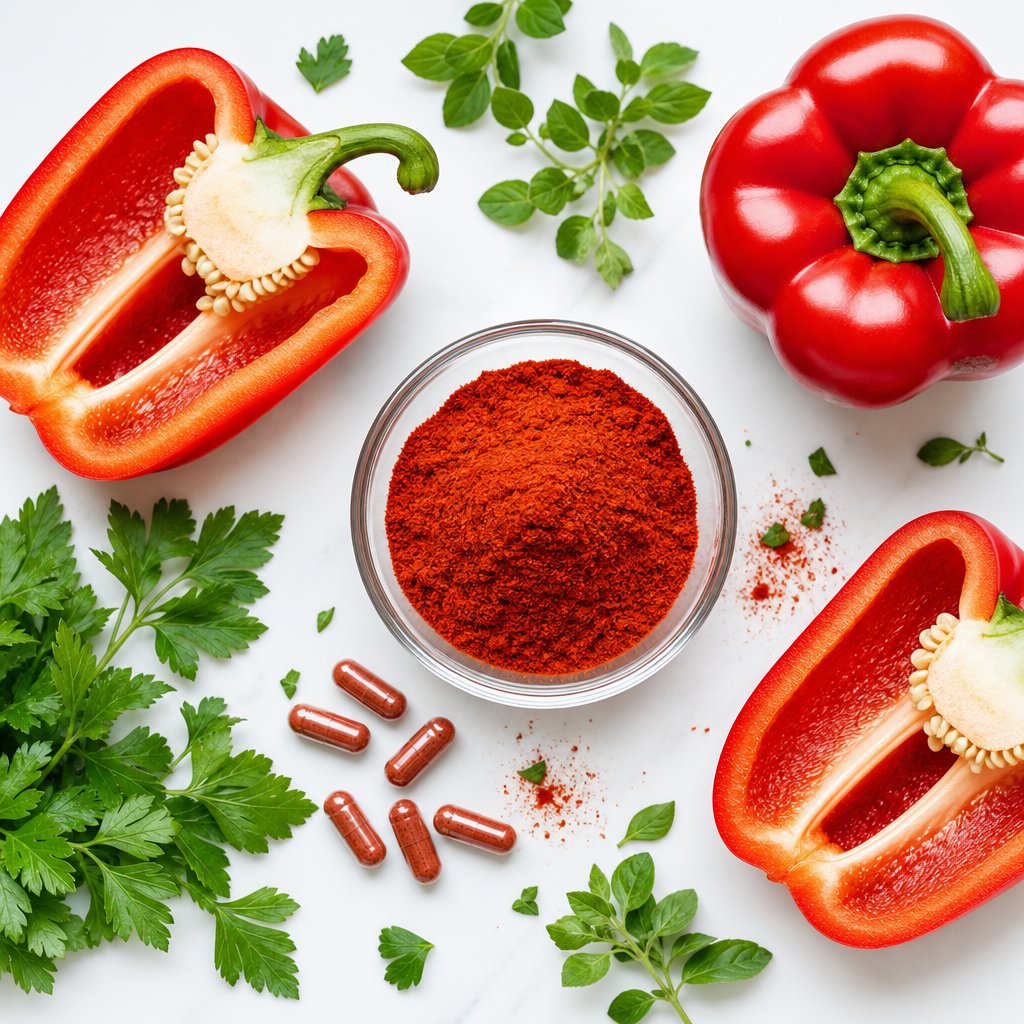
The concentrated bioactive compounds in paprika have attracted attention well beyond the kitchen. Paprika extract, commonly called oleoresin, is now used as a standardized ingredient in dietary supplements and functional food formulations targeting antioxidant support, eye health, and cardiovascular wellness.
These extracts isolate and concentrate the carotenoid complex, particularly capsanthin and capsorubin, into capsule and powder supplement formats. The growing body of research on paprika health benefits has driven demand for paprika-derived ingredients in the nutraceutical space, where brands formulate products around specific carotenoid concentrations rather than culinary flavor.
For businesses developing paprika-based or carotenoid-rich supplements, the path from raw extract to market-ready product typically involves partnering with specialized manufacturers. OEM/ODM health food manufacturers like ZhuFeng produce finished products in formats such as hard capsules, powder/granules, or soft capsules with customized formulations, allowing nutrition brands and private label sellers to bring paprika-extract supplements to market without building production infrastructure from scratch.
Whether you are adding a tablespoon to your goulash or evaluating paprika carotenoids as a supplement ingredient, the underlying value is the same: a concentrated source of bioactive compounds with demonstrated effects on inflammation, oxidation, and metabolic health. The difference is simply scale and delivery format.
Of course, getting these benefits from paprika in your cooking depends on one thing most people overlook: whether the spice in your jar is still potent enough to deliver them. Stale paprika loses not just flavor but also the very carotenoids that make it nutritionally valuable, which raises a practical question about how you handle this spice after you bring it home.
Common Paprika Mistakes and Substitution Guide
Stale paprika is just one way to waste this spice's potential. Even with a fresh jar, a few common handling errors can turn paprika from a flavor asset into a bitter disappointment. And when you run out entirely? Knowing the right swap saves a dish from falling flat.
Mistakes That Kill Paprika's Flavor
Paprika is more fragile than most cooks realize. Its high sugar content and delicate volatile oils make it vulnerable to heat damage in ways that hardier spices like cumin or black pepper simply are not. Here are the mistakes that ruin it:
- Burning it in hot oil. This is the most common and most destructive error. Paprika scorches in seconds once oil temperature exceeds 350 degrees Fahrenheit. The sugars caramelize past the point of no return, and the powder turns dark brown and acrid. As Culinary Hungary puts it plainly: burnt paprika tastes bitter and can ruin the whole dish. The fix? Remove your pan from the heat before adding paprika to hot fat. Stir continuously, let residual warmth bloom the spice for 20-30 seconds, then immediately add liquid or your next ingredient to drop the temperature.
- Adding it too early in long braises. Paprika's vibrant color fades with extended cooking. If you stir it in at the start of a three-hour braise, you lose the visual impact and much of the aromatic complexity. Add the bulk of your paprika in the last 30-45 minutes, or stir in a fresh teaspoon just before serving to restore color.
- Using stale, spent powder. That jar from two years ago? It contributes almost nothing. Paprika loses potency faster than most spices. If it smells dusty rather than sweet and peppery, it is past its useful life.
- Treating all types as interchangeable. Swapping hot paprika for sweet in a cream sauce, or using smoked where a recipe calls for sweet, fundamentally changes the dish. Is paprika spicy? That depends entirely on the type. Sweet paprika has zero heat. Hot paprika spice delivers real capsaicin-driven warmth. Smoked paprika adds an earthy depth that dominates if unexpected. Each type has a job.
Does paprika have capsaicin? Yes, but the amount varies dramatically by variety. Sweet paprika contains negligible capsaicin because seeds and ribs are removed during production. Hot varieties retain those capsaicin-rich parts, which is why is paprika hot becomes a question with two very different answers depending on which jar you grab.
Smart Substitutions When You Run Out
You are mid-recipe and the paprika jar is empty. What now? The right substitute depends on which type you need to replace. A straight swap of cayenne for sweet paprika would overwhelm a dish, while mild bell pepper powder cannot stand in for a hot paprika spice blend.
Is paprika powder spicy enough to need a careful substitution ratio? For hot varieties, absolutely. For sweet varieties, the concern is matching flavor and color rather than managing heat. Use this table to find the right replacement:
| Original Spice | Best Substitute | Ratio | Flavor Notes |
|---|---|---|---|
| Sweet paprika | Ancho chile powder | 1:1 | Slightly fruitier and darker in color; mild with no heat. A reliable stand-in for color and sweetness. |
| Smoked paprika | Chipotle powder | 1:0.5 | Delivers smokiness but adds noticeable heat. Use half the amount and taste before adding more. |
| Hot paprika | Cayenne (1/3) + sweet paprika (2/3) | 1:1 combined | Cayenne provides heat; sweet paprika fills in the warm pepper flavor that cayenne lacks alone. |
| Sweet paprika (no substitute available) | Chili powder (generic) | 1:1 | Often contains cumin and garlic, so flavor profile shifts. Works in rubs and stews, less ideal for cream sauces. |
| Smoked paprika (mild swap needed) | Sweet paprika + tiny pinch liquid smoke | 1:1 paprika + 1-2 drops smoke | Approximates smokiness without heat. Not identical but functional in a pinch. |
You can also swap between paprika types themselves. Need smoked but only have sweet? Add it anyway and accept a cleaner, less complex result. Need hot but only have sweet? Supplement with a small amount of cayenne at roughly one-third the volume of paprika called for. The goal is matching the function, whether that is color, flavor, or heat, even if the exact spice is unavailable.
Is paprika spicy hot enough to worry about when substituting? Only the hot varieties and smoked picante. For sweet and most smoked dulce, heat is not a factor in your substitution math. Focus on matching the sweetness and color instead.
These mistakes and substitutions assume you have paprika worth using in the first place. The quality of what you buy and how you store it determines whether any technique or swap even matters.
Buying, Storing, and Keeping Paprika Powder Fresh
Quality paprika starts at the point of purchase, not at the stove. You can master every blooming technique and substitution ratio covered so far, but none of it matters if the powder in your jar was mediocre from day one or has been sitting in your cabinet long past its prime. Knowing what to look for on the shelf and how to maintain potency at home separates cooks who get real results from paprika and those who wonder why it never seems to do much.
What to Look for When Buying Paprika
Walk down the spice aisle and you will find jars labeled simply "paprika" next to others specifying origin, variety, and grade. The difference in performance between these options is significant. Here is what actually matters on the label:
- Origin. Hungarian and Spanish paprika are the premium standards for a reason. Hungary's strict PDO (Protected Designation of Origin) system guarantees that the peppers were grown, processed, and packaged within the designated region. Look for the red PDO stamp on Hungarian products. Spanish pimenton de la Vera carries its own denominacion de origen. Generic paprika without a stated origin often comes from bulk crops optimized for cost rather than flavor, sometimes blended from multiple countries.
- Packaging. Tins and opaque containers preserve freshness far better than clear glass jars. Light degrades carotenoid pigments, the very compounds responsible for paprika's color, flavor, and nutritional value. That pretty glass jar on the sunlit spice rack? It is actively destroying your paprika spice every day. If you buy in glass, transfer the contents to an opaque, airtight container immediately.
- Color vibrancy. Fresh, quality paprika is a deep, vivid red. If you can see through the packaging, check the color. A bright crimson signals freshness and high carotenoid content. Brownish, dull, or faded powder has already lost significant potency, either from age, light exposure, or inferior starting material.
- Labeled variety vs. generic. A jar that specifies "sweet," "hot," "smoked," or a Hungarian grade like Edesnemes tells you the producer is intentional about what is inside. Generic "paprika" with no further description is almost always the cheapest sweet variety available, ground from unspecified peppers with minimal quality control. What is paprika seasoning worth if you cannot predict what it will contribute to your food?
- Percentage blends. Watch for percentages on the packaging. As noted by Budapest Market Tour, if you see percentages listed, it likely means the product blends Hungarian paprika with cheaper imports from other countries. Pure, single-origin paprika will not need to disclose a blend ratio.
Brands like McCormick paprika are widely available and consistent, but they represent the middle of the quality spectrum. For everyday cooking where paprika plays a supporting role, they work fine. For dishes where paprika is the star, such as goulash or chicken paprikash, investing in specialty-grade Hungarian or Spanish product makes a noticeable difference you will taste immediately.
One more tip: if you ever visit a spice market or specialty store, look for whole paprika peppers sold intact. Buying whole paprika and grinding it yourself at home yields the freshest possible powder with maximum volatile oil content. It is not practical for everyone, but it is the gold standard for paprika characteristics like aroma intensity and flavor depth.
Storage and Shelf Life Essentials
Here is the uncomfortable truth: paprika loses potency faster than almost any other spice in your collection. That expiration date stamped two or three years out? It reflects safety, not quality. For peak flavor and color, you are working with a much shorter window.
Ground paprika maintains optimal potency for about 6 to 12 months with proper storage. Smoked paprika tends toward the shorter end of that range, typically around eight months, because the smoking process introduces additional volatile compounds that dissipate over time. After a year, even well-stored paprika begins losing the aromatic complexity and color intensity that make it worth using.
Proper storage slows that decline considerably. Follow these guidelines:
- Keep it cool. Heat accelerates the breakdown of carotenoids and volatile oils. Store paprika away from the stove, oven, and any heat-generating appliances. A pantry or cabinet on an interior wall works well. In hot climates or during summer months, the refrigerator is a valid option.
- Keep it dark. Light is paprika's worst enemy after heat. Those open spice racks and clear jars on the counter look nice in a paprika picture for social media, but they are actively degrading your spice. Opaque containers in closed cabinets are ideal.
- Keep it airtight. Oxygen exposure oxidizes the pigments and oils that give paprika its character. Transfer paprika from bags or loosely sealed containers into jars or tins with tight-fitting lids. Squeeze out excess air before sealing.
- Keep it dry. Moisture introduces the risk of clumping and mold. Never dip a wet spoon into your paprika container. If you live in a humid environment, consider adding a small food-safe desiccant packet to the storage container.
How to Test if Your Paprika Is Still Good
Not sure whether that jar still has life in it? Two quick tests tell you everything you need to know:
The rub-and-smell test. Pinch a small amount between your fingers and rub gently to warm it. Bring it to your nose. Fresh paprika releases a noticeable sweet-pepper aroma, warm and slightly fruity. If you get little to no scent, or it smells dusty and flat, the volatile oils have evaporated. That powder will add minimal flavor to your cooking.
The color check. Spread a small amount on a white surface. Vibrant paprika should be a rich, saturated red or red-orange. If it has faded to a dull brown, rust, or muddy orange, the carotenoid pigments have degraded. You will get neither the color nor the antioxidant value the spice is supposed to deliver. As The Takeout notes, color is not the most reliable single indicator since paprika can lose color before losing all flavor, but combined with the smell test, it gives you a clear picture.
When paprika fails both tests, replace it. No amount of extra spoonfuls compensates for spent spice. You are better off using one teaspoon of fresh, quality paprika than three tablespoons of powder that has nothing left to give.
The practical takeaway: buy paprika in smaller quantities that you will use within six months rather than large containers that sit for years. Date your jars when you open them. And treat paprika as a perishable ingredient rather than a permanent pantry fixture. That shift in mindset alone will improve every dish you make with it.
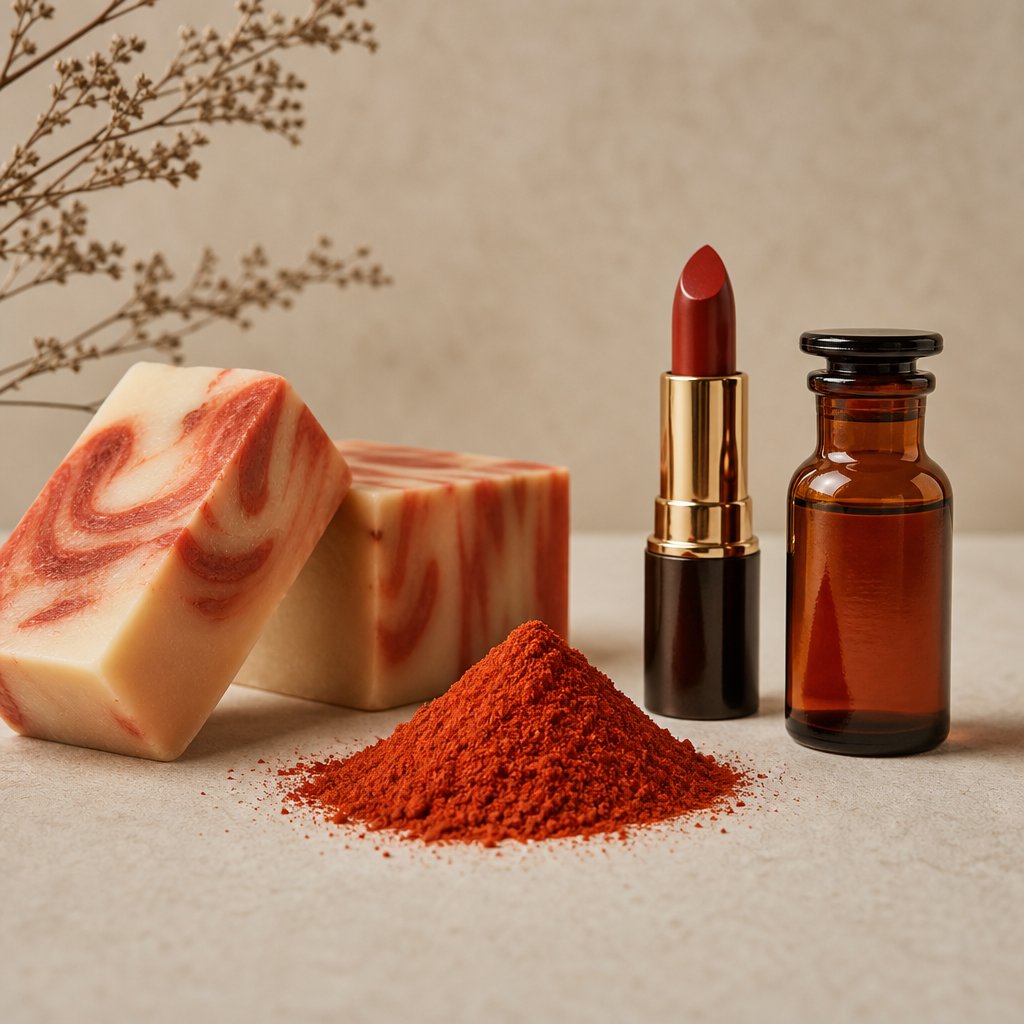
Beyond the Kitchen Uses for Paprika Powder
Paprika's value does not end at the edge of your dinner plate. The same carotenoid pigments and bioactive compounds that make it a powerhouse in cooking have driven demand across industries you might not expect. From cosmetics to animal nutrition to the booming supplement market, paprika powder and its concentrated extracts serve purposes that stretch far beyond flavor and garnish. So what is paprika good for outside the kitchen? More than most people realize.
Non-Culinary Uses of Paprika Powder
Imagine a lipstick, a bar of handmade soap, and a bright orange egg yolk. What do they have in common? All three can owe their color to paprika-derived ingredients. The same capsanthin and capsorubin pigments that turn your goulash red are valued across multiple industries as natural colorants and functional additives.
Here are the major non-culinary applications:
- Natural food coloring (E160c). Paprika oleoresin is classified as a natural food additive (E 160c) in the EU and listed as a color additive exempt from certification in the United States. It colors processed foods like sausages, cheese sauces, salad dressings, snacks, baked goods, and cereals where a red-orange hue is desired without adding pungency or visible powder particles.
- Cosmetics and personal care. Paprika oleoresin serves as a natural colorant in lipsticks, blush, eye makeup, bath oils, soaps, shampoos, and shower gels. Research confirms that because paprika is already accepted as a food additive, no undesirable side effects are expected from its use as a cosmetic color. Its lipophilic nature allows it to dissolve readily in fats and oils used in cosmetic formulations, an advantage over many essential oil-based colorants.
- Poultry feed additive. Paprika oleoresin is added to poultry feed to deepen the color of egg yolks, giving them the rich golden-orange hue that consumers associate with quality. The carotenoids transfer from feed to yolk, creating a visual signal of nutritional density.
- Textile dyeing. Acetone-water extractions of red pepper by-products have been studied as natural dyes for woolen fabrics, producing colored textiles with acceptable antimicrobial properties. This application appeals to sustainable fashion brands seeking plant-based alternatives to synthetic dyes.
- Meat preservation. Beyond color, paprika powder at concentrations around 2% (w/w) has demonstrated effectiveness in inhibiting lipid oxidation and microbial growth in fresh pork sausages, potentially reducing the need for synthetic preservatives like nitrite.
The industrial scale is significant. Global paprika powder production reaches approximately 60,000 tons annually, with about 70% used as a spice in meat products, soups, sauces, and snacks. An additional 1,400 tons of paprika oleoresin are produced each year specifically for concentrated color and extract applications.
Paprika in the Supplement and Functional Food Industry
The benefits of paprika spice extend into territory that food scientists and supplement formulators find increasingly compelling. Paprika carotenoids, particularly capsanthin and capsorubin, have moved from culinary curiosity to serious research subjects in nutritional science.
Why the growing interest? A 2021 study published in Advances in Experimental Medicine and Biology confirmed that dietary paprika carotenoids are absorbed into the bloodstream and detected in erythrocytes (red blood cells). The researchers found these compounds show strong antioxidative effects, preventive effects against obesity-related diseases, and even contribute to improved endurance performance in athletes by reducing oxygen consumption and heart rate during exercise.
The benefits of smoked paprika and other varieties converge in the supplement space around several key health targets:
- Vision support. Lutein, zeaxanthin, and capsanthin from paprika accumulate in retinal tissue, where they filter blue light and combat oxidative stress. These are the same mechanisms targeted by popular eye health supplements.
- Skin health. Paprika-derived vitamin C and carotenoids demonstrate antioxidant and anti-inflammatory activities that help prevent skin oxidative damage and UVA-mediated harm.
- Cardiovascular wellness. Capsanthin has been shown to alter plasma HDL-cholesterol levels and influence hepatic gene expression in animal models, supporting its role in heart health formulations.
- Anti-inflammatory supplementation. The smoked paprika health benefits related to inflammation reduction stem from carotenoids that lower pro-inflammatory markers like IL-6 and TNF-alpha, making paprika extracts attractive for joint health and general wellness products.
This research has created a clear commercial opportunity. Paprika extract, standardized for capsanthin content, now appears in capsule supplements, functional beverages, and fortified food products. The demand for natural, plant-derived antioxidant ingredients continues to grow as consumers shift away from synthetic alternatives.
For businesses looking to develop paprika-extract supplements or functional food products, the manufacturing pathway typically involves partnering with specialized producers who can handle extraction, standardization, and final product formulation. OEM/ODM health food manufacturers like ZhuFeng offer flexible product formats including powder/granules, hard capsules, soft capsules, gummy candy, and oral liquids with scalable production and customized formulation. This model is particularly well-suited for nutrition brands and private label sellers entering the natural colorant or carotenoid supplement market, where speed to market and formulation expertise matter as much as raw ingredient quality.
The paprika powder benefits that start in your spice jar scale all the way up to industrial extraction and standardized health products. Whether you are a home cook sprinkling it on roasted vegetables, a food manufacturer using oleoresin to color a snack line, or a supplement brand formulating a carotenoid complex for eye health, the underlying value proposition remains the same: a concentrated, natural source of bioactive pigments with demonstrated biological activity. The only difference is the delivery format and the dose.
Frequently Asked Questions About Paprika Powder
1. What does paprika actually do to food?
Paprika serves three distinct functions depending on the variety and quantity used. In small amounts (a pinch), it acts as a natural colorant, adding vibrant red-orange hues without changing flavor. In larger amounts (1-3 tablespoons), it builds a warm, subtly sweet flavor foundation in stews and sauces. Hot and smoked varieties also contribute capsaicin-based heat similar to mild chili powder. The key technique for maximizing flavor is blooming paprika in warm fat off-heat, which releases fat-soluble compounds without burning the spice.
2. Is paprika spicy or mild?
It depends entirely on the variety. Sweet paprika, which is the default type sold in most grocery stores, has virtually no heat. Hot paprika contains noticeable capsaicin because seeds and ribs are retained during production, delivering warmth comparable to mild cayenne. Smoked paprika (pimenton) comes in sweet, bittersweet, and hot versions. Hungarian grades range from Kulonleges (zero heat) to Eros (genuinely spicy). Always check the label to know whether you are getting a mild or hot variety.
3. Can paprika go bad, and how long does it last?
Paprika does not become unsafe to eat, but it loses potency faster than most spices. Optimal flavor and color last about 6 to 12 months with proper storage in a cool, dark, airtight container. Smoked paprika tends to fade closer to 8 months. To test freshness, rub a pinch between your fingers and smell it. Fresh paprika has a noticeable sweet-pepper aroma and bright red color. If it smells dusty or looks brownish, replace it. Buy in smaller quantities you will use within six months for best results.
4. What can I substitute for paprika powder?
The best substitute depends on which type you need to replace. For sweet paprika, use ancho chile powder at a 1:1 ratio for similar mild sweetness and color. For smoked paprika, use chipotle powder at half the amount since it adds more heat. For hot paprika, combine one-third cayenne with two-thirds sweet paprika to approximate both the heat and warm pepper flavor. You can also swap between paprika types themselves, supplementing sweet paprika with a pinch of cayenne when hot is needed, or adding a drop of liquid smoke to mimic smoked varieties.
5. Does paprika have health benefits?
Yes. One tablespoon of paprika provides 19% of daily vitamin A, 13% of vitamin E, and meaningful amounts of iron and B6. Its red pigment, capsanthin, is a potent antioxidant studied for anti-inflammatory and cholesterol-lowering effects. Research shows paprika carotenoids support eye health through lutein and zeaxanthin content, and capsaicin in hot varieties may help regulate blood sugar. These compounds are fat-soluble, so cooking paprika in oil or butter improves absorption. Paprika extracts are also used in dietary supplements targeting vision support and cardiovascular wellness, produced by OEM/ODM manufacturers like ZhuFeng in formats such as capsules and powder formulations.