What Is Powder Cellulose and Why Is It in Your Food
You grabbed a bag of shredded provolone cheese at the grocery store, flipped it over, and there it was on the ingredient list: powdered cellulose. Maybe you also noticed it on a protein bar wrapper or a fiber supplement label. Either way, the name sounds more like a chemistry experiment than something you should be eating. So what is powder cellulose, really, and should you be worried about it?
A Clear Definition of Powder Cellulose
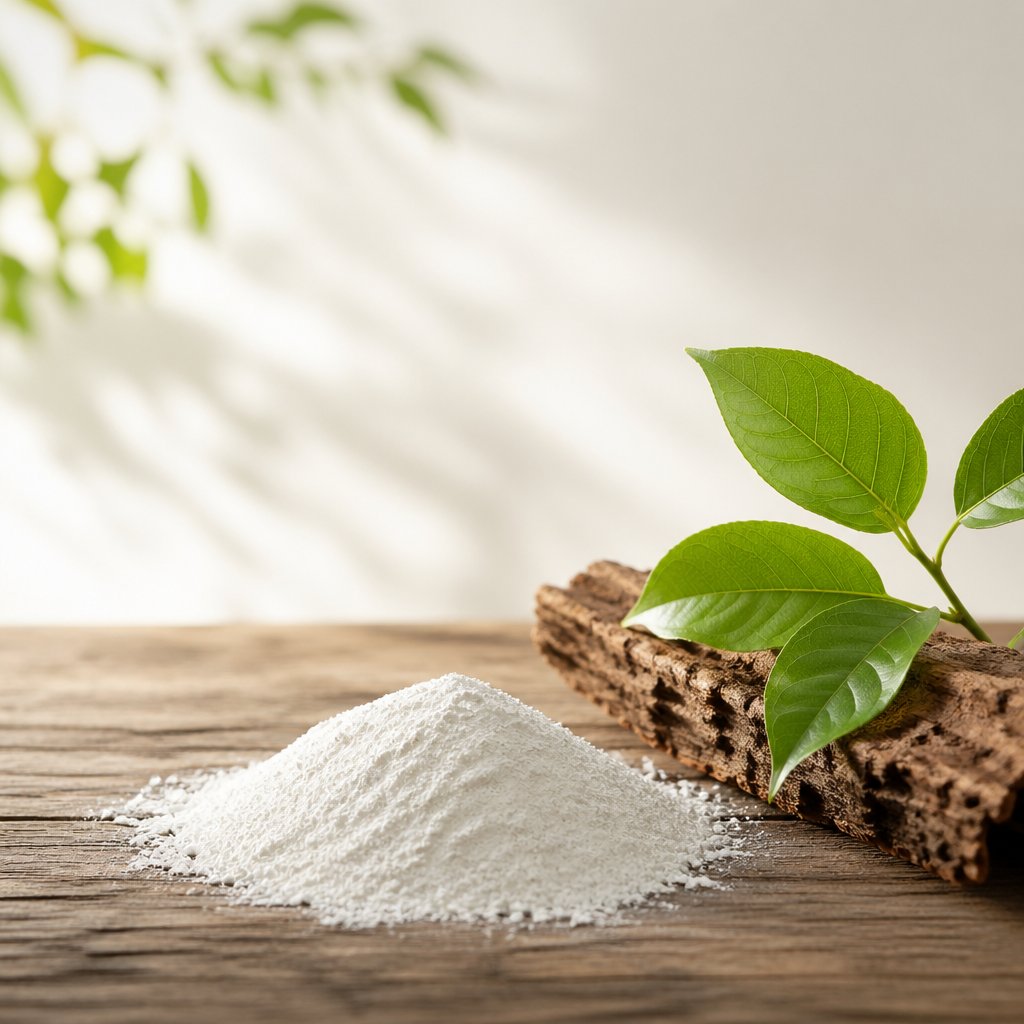
Powder cellulose is a white, odorless, tasteless food-grade ingredient derived from plant fiber — primarily wood pulp or cotton — that functions as an anti-caking agent, bulking agent, and source of insoluble dietary fiber in processed foods and dietary supplements.
That definition covers the basics, but here is the part that matters most for your peace of mind: cellulose powder is classified as Generally Recognized as Safe (GRAS) by the U.S. Food and Drug Administration under 21 CFR. Internationally, the European Food Safety Authority (EFSA) re-evaluated celluloses and confirmed there are no safety concerns at reported dietary exposure levels. The Joint FAO/WHO Expert Committee on Food Additives (JECFA) reached a similar conclusion, assigning powdered cellulose an acceptable daily intake of "not specified" — a designation reserved for substances that raise no toxicological concern.
In simpler terms, three of the world's most respected food safety bodies have reviewed this ingredient and given it a green light. It is chemically inert, meaning your body does not break it down or absorb it. It passes through your digestive system as insoluble fiber, much like the cellulosic fiber found naturally in every fruit and vegetable you eat.
Why This Ingredient Appears on So Many Labels
If you have been wondering whether is shredded cheese bad for you because of that powdery coating, you are not alone. Viral social media videos have fueled fears by calling the substance "sawdust" or "wood shavings." Registered dietitians, however, push back on those claims, pointing out that the edible cellulose used in food is molecularly identical to the cellulose present in virtually all plant matter. Manufacturers add it to shredded cheese to prevent clumping, to baked goods for texture, and to supplements as a flow agent — each use driven by a specific functional need rather than a cost-cutting shortcut.
You might also spot related terms like cellulose gum on a label and wonder about cellulose gum side effects. That is a different cellulose derivative with its own properties, and we will break down the distinctions later in this article. For now, the key takeaway is that powdered cellulose itself is a well-studied, widely approved ingredient with a long safety track record.
Over the next sections, we will walk through exactly what cellulose is made of at the molecular level, how manufacturers turn raw plant material into that fine white powder, which everyday foods contain it, how it compares to other cellulose-based additives, what the science says about safety and digestive effects, how it fits into keto, vegan, and gluten-free diets, how to read it on nutrition labels, and the role it plays in supplements and health products. By the end, you will have a complete picture — no chemistry degree required.
What Cellulose Is Made Of and Where It Comes From
The word "cellulose" sounds synthetic, but it is anything but. Cellulose is the most abundant organic polymer on Earth, and it forms the rigid structural walls of every plant cell — from the crunch of a carrot to the bark of an oak tree. When you bite into an apple or chew a stalk of celery, you are already eating cellulose in its natural state. So what is cellulose powder? It is simply that same plant compound isolated, purified, and milled into a fine white powder for use in food and supplements.
The Molecular Structure Behind Cellulose
At the molecular level, cellulose is a long chain of glucose (sugar) molecules linked end to end. Its chemical formula is (C6H10O5)n, where "n" can represent hundreds or even thousands of glucose units. Sounds like it should taste sweet, right? Here is the catch: those glucose units are connected by beta-1,4 glycosidic bonds — a specific type of linkage that human digestive enzymes simply cannot break. Starch uses a different bond (alpha-1,4), which is why your body converts starch into energy but leaves cellulose untouched.
Because we lack the enzymes to split those bonds, cellulose travels through the digestive tract intact. It never converts to blood sugar, never delivers calories, and never gets absorbed. Instead, it functions as insoluble dietary fiber, adding bulk to stool and supporting regular bowel movements. That indigestibility is exactly what makes it useful as a food additive — it contributes texture and structure without changing flavor or adding nutritional load.
The chains themselves pack tightly together through hydrogen bonds, creating a highly crystalline, durable structure. This is why cellulose gives wood its strength and cotton its resilience. In Spanish-language ingredient lists, you may see it labeled as celulosa — the same compound, just a different name.
Natural Sources of Food-Grade Cellulose
"But is it really made from wood?" Yes — and that is not as alarming as it sounds. Wood pulp is one of the richest and most economical sources of pure cellulose, containing roughly 40–45% cellulose by weight. Cotton is even higher, at about 90%. The cellulose molecule itself is identical regardless of the source plant. Whether it comes from a pine tree or a cotton boll, the chemical structure does not change.
Here are the primary natural sources used to produce food-grade cellulose:
- Wood pulp — the most common commercial source, typically from softwood species like spruce or pine
- Cotton linters — the short fibers left on cottonseed after ginning, prized for their high cellulose purity
- Bamboo — a fast-growing, renewable source increasingly used in cellulose production
- Agricultural residues — corn husks, wheat straw, oat hulls, and peanut skins that would otherwise go to waste
When a label says vegetable cellulose, it refers to this same fundamental compound sourced from plant matter. The term is common on supplement capsule labels, where it distinguishes plant-derived capsule shells from animal-based gelatin. And if you have been wondering whether is powdered cellulose gluten free — it is. Cellulose contains no proteins at all, let alone the gluten proteins found in wheat, barley, or rye. The purification process strips away everything except the cellulose polymer itself.
The real question most people have is not where cellulose comes from, but how manufacturers transform a tree trunk or a cotton boll into that fine, food-safe powder sitting inside a bag of shredded cheese. That transformation involves a precise, multi-step process — and understanding it helps explain why the end product is so different from the raw material it started as.

How Powder Cellulose Is Manufactured From Plant Fiber
A tree trunk and a bag of shredded cheese do not look like they have much in common. Yet the fine white coating on those cheese shreds started its life as wood chips or cotton linters sitting in a processing facility. The journey from raw plant material to what is powdered cellulose on your ingredient label involves a tightly controlled sequence of chemical and mechanical steps, each designed to strip away everything that is not pure cellulose.
Step-by-Step Production of Food-Grade Cellulose
Imagine you are holding a wood chip. It contains cellulose, but also lignin (the compound that makes wood rigid and brown), hemicellulose (a shorter, branched polymer), resins, and other extractives. The manufacturing process systematically removes each of those components until only purified cellulose remains. Here is how it works:
- Raw material selection — Manufacturers choose their starting material based on purity and cost. Softwood chips (spruce, pine) are the most common choice because wood contains roughly 40-45% cellulose. Cotton linters offer higher purity (around 90% cellulose) but come at a higher price. Agricultural residues like wheat straw or corn husks are also used in some operations.
- Chemical pulping — The raw material is cooked in a chemical solution, typically using the kraft pulping process, which dissolves lignin and hemicellulose while leaving the cellulose fibers intact. This step transforms solid wood chips into a soft, fibrous pulp. The dissolved lignin is washed away, and the remaining pulp is already predominantly cellulose.
- Bleaching and purification — The pulp still carries residual lignin and color. A multi-stage bleaching sequence using oxygen, chlorine dioxide, or hydrogen peroxide removes these impurities and isolates pure alpha-cellulose — the highest-grade fraction. Research on cellulose isolation confirms that this acid-alkali treatment effectively strips away non-cellulosic fractions, yielding cellulose with high crystallinity and purity.
- Mechanical milling and sieving — The purified cellulose sheets or slabs are dried and then fed into cutting mills (like Wiley mills) that chop the fibers into coarse particles. These particles are further refined using air-classification mills or micronizers that reduce the powder to target particle sizes, typically in the 20-100 micrometer range. Sieving ensures uniform particle distribution so the powder performs consistently in food applications.
- Quality testing — Every batch undergoes rigorous testing for purity (confirming lignin and hemicellulose are below acceptable thresholds), moisture content, particle size distribution, and microbial safety. Food-grade cellulose must meet strict specifications before it can be used in products you eat.
The entire process is designed to produce a white, odorless, tasteless powder that is chemically inert and safe for consumption. By the time it reaches your food, it bears no resemblance to the wood chip or cotton fiber it came from — much like how refined sugar bears no resemblance to a sugarcane stalk. This is also a useful lens for how to tell if shredded cheese is bad: the cellulose coating itself does not spoil, but if the cheese smells off, feels slimy, or shows mold, those are signs of spoilage unrelated to the anti-caking powder.
How Modified Cellulose Differs in Processing
Not all cellulose powders follow the same production path. Modified variants like microcrystalline cellulose (MCC) undergo an additional acid hydrolysis step after purification. This acid treatment breaks the long cellulose chains at their amorphous (less organized) regions, shortening the polymer chains to a degree of polymerization around 200-300 units. The result is a more compact, crystalline particle with different functional properties — MCC compresses easily into tablets and forms stable gels in water, while standard powdered cellulose retains its fibrous structure and works better as an anti-caking or bulking agent.
Microporous cellulose powder and other specialty grades may involve additional processing steps like crosslinking or surface modification to fine-tune properties such as density, flowability, and moisture absorption. These variations matter to manufacturers choosing between cellulose types for specific products, and they also explain why the ingredient is cellulose vegetarian-friendly across all its forms — every variant starts and ends with plant-derived material, with no animal inputs at any stage.
With the manufacturing process demystified, the natural next question is where all this cellulose actually ends up. The answer stretches far beyond the cheese aisle.
Common Foods That Contain Powdered Cellulose
Most people first encounter powder cellulose on a bag of shredded cheese and assume that is the only place it shows up. In reality, this ingredient works behind the scenes in dozens of product categories — each time solving a different formulation challenge. Once you know what to look for, you will start spotting it everywhere.
Cellulose in Cheese and Dairy Products
Shredded and grated cheese is the most visible example. Without an anti-caking agent, moist cheese shreds stick together into a solid clump within hours. Manufacturers add roughly 2–4% powdered cellulose to coat each piece, absorb surface moisture, and create a physical barrier that keeps shreds free-flowing for weeks. Pick up a bag of Sargento Parmesan or any store-brand shredded mozzarella and you will almost certainly find "cellulose" or "powdered cellulose" on the ingredient list.
Some social media posts claim that cellulose is actually mulched wood hiding in your cheese. That framing is misleading. As we covered earlier, what is cellulose made of at the molecular level is purified plant fiber — the same compound found in every vegetable you eat. The cheese itself retains the same calcium, protein, and fat content whether it is sold in block form or pre-shredded with a cellulose coating. Ice cream and frozen yogurt also rely on cellulose-based ingredients to stabilize emulsions and control ice crystal formation, which is why you may see cellulose gel or cellulose gum listed on those labels too.
Beyond Cheese — Other Everyday Foods With Cellulose
The functional versatility of powder cellulose means it appears across a surprisingly wide range of grocery aisles. Here is a quick look at the major product categories, why manufacturers choose cellulose for each, and what is vegetable cellulose typically called on the packaging:
| Product Category | Function of Cellulose | Common Label Names |
|---|---|---|
| Shredded and grated cheese | Anti-caking agent — prevents clumping and absorbs surface moisture | Powdered cellulose, cellulose powder |
| Baked goods (bread, muffins, tortillas) | Fiber fortification, moisture retention, and texture improvement | Cellulose, cellulose fiber, cellulose powder |
| Ice cream and frozen desserts | Stabilizer — controls ice crystal size and improves creaminess in low-fat versions | Cellulose gel, cellulose gum, microcrystalline cellulose |
| Sauces, dressings, and gravies | Thickener and emulsion stabilizer — adds viscosity without calories | Cellulose gum, carboxymethyl cellulose |
| Meal replacement shakes and protein powders | Bulking agent and fiber fortification — adds volume and satiety | Powdered cellulose, cellulose fiber |
| Processed meats (meatballs, sausages, deli slices) | Moisture retention and partial fat replacement — keeps products juicy during storage and reheating | Cellulose, cellulose powder, cellulose fiber |
| Fiber supplements | Primary active ingredient — delivers insoluble dietary fiber | Powdered cellulose, cellulose fiber |
| Spice mixes and powdered drink mixes | Anti-caking — keeps fine powders free-flowing | Cellulose, silicon dioxide and cellulose blend |
Notice a pattern? In every category, cellulose serves a clear functional purpose — preventing clumping, replacing fat, adding fiber, or stabilizing texture. Manufacturers are not padding products with filler for the sake of it. Each application addresses a specific quality or shelf-life problem that would otherwise make the product less appealing or less durable.
Baked goods are a good example. Bread and muffins dry out as water migrates and evaporates during storage. Cellulose absorbs and holds water within the product structure, keeping items softer for longer. At the same time, it boosts the fiber content listed on the Nutrition Facts panel — a selling point for brands marketing high-fiber or "added fiber" products. Processed meats benefit from a similar moisture-retention effect, reducing that dried-out texture you sometimes get when reheating deli slices or frozen meatballs.
With cellulose showing up under so many different names and in so many different products, it is easy to confuse one type with another. Powdered cellulose, cellulose gum, cellulose gel, and microcrystalline cellulose are all related — but they are not interchangeable, and each behaves differently in food.
Powdered Cellulose vs Other Cellulose-Based Additives
Flip over a few different products in your kitchen — a bag of shredded cheese, a pint of ice cream, a bottle of salad dressing, and a container of supplement capsules. You might see "powdered cellulose" on one, "cellulose gum" on another, "cellulose gel" on a third, and "hydroxypropyl methylcellulose" on the fourth. They all have "cellulose" in the name, but are they the same thing? Not quite. Each one is a distinct ingredient with its own chemical structure, solubility profile, and job inside the product. Understanding the differences helps you make sense of cellulose in food labels instead of lumping everything into one vague category.
Five Types of Cellulose Additives Explained
All cellulose-based food additives start from the same raw material — purified plant cellulose. The differences come down to how that cellulose is processed after purification. Some forms stay close to the original polymer. Others are chemically modified by attaching new functional groups to the cellulose backbone, which changes how the molecule interacts with water and other ingredients. Here is a breakdown of the five types you are most likely to encounter:
- Powdered cellulose (E460ii) — This is the most straightforward form. Long cellulose chains are mechanically milled into a fine powder without significant chemical modification. It remains insoluble in water, which is exactly why it works so well as an anti-caking and bulking agent. When you wonder what is powdered cellulose made of, the answer is simply purified, ground-up plant fiber — nothing added, nothing chemically altered. It is the version most commonly found in cheese with cellulose coatings and high-fiber baked goods.
- Microcrystalline cellulose / MCC (E460i) — MCC starts the same way but undergoes an additional acid hydrolysis step that breaks the long polymer chains at their weaker amorphous regions. The result is a shorter, more crystalline particle that compresses easily and forms colloidal gels in water. Pharmaceutical companies use it as a tablet binder, while food manufacturers rely on it as a fat replacer in low-fat dairy products and dressings. On labels, you will often see it listed as "cellulose gel."
- Carboxymethyl cellulose / cellulose gum (E466) — This is a chemically modified derivative. Carboxymethyl groups are attached to the cellulose chain, making the molecule water-soluble — a major departure from the insoluble forms above. That solubility allows it to thicken liquids, stabilize emulsions, and prevent ice crystals from growing in frozen desserts. You will find it in ice cream, salad dressings, sauces, and some beverages. The EU recently withdrew authorization of E466 in dietary foods for infants after EFSA found insufficient safety data for that specific age group, though it remains approved for all other food categories.
- Methylcellulose (E461) — Another chemically modified form, created by attaching methyl groups to the cellulose backbone. Methylcellulose dissolves in cold water but does something unusual: it gels when heated. That reverse-thermal behavior makes it valuable in plant-based meat alternatives, where it helps create a firm, meat-like texture during cooking. It also appears in gluten-free baking as a dough strengthener.
- Hydroxypropyl methylcellulose / HPMC (E464) — HPMC is produced by adding both hydroxypropyl and methyl groups to cellulose. It dissolves in water, forms clear films, and is widely used as a coating for tablets and as the shell material for vegetable capsules — the "veggie caps" you see on supplement bottles. A review published in the Journal of Pharmacy and Pharmaceutical Sciences highlights HPMC capsules as a leading alternative to animal-derived gelatin, valued for their stability across a wide range of humidity and temperature conditions.
Each of these five types is powdered cellulose gluten free? Yes — every one of them. Cellulose contains no proteins whatsoever, so gluten is never a concern regardless of which derivative you encounter. The same applies to allergen status: all five are plant-derived, non-allergenic, and suitable for vegan diets.
Which Cellulose Type Appears in Which Products
The easiest way to keep these straight is to see them side by side. The table below compares each type across the key characteristics that matter when you are reading a label:
| Name | E-Number | Solubility | Primary Function | Common Products |
|---|---|---|---|---|
| Powdered cellulose | E460(ii) | Insoluble in water | Anti-caking agent, bulking agent, fiber source | Shredded cheese, baked goods, fiber supplements, spice blends |
| Microcrystalline cellulose (MCC) | E460(i) | Insoluble, but forms colloidal dispersions | Tablet binder, fat replacer, texture modifier | Pharmaceutical tablets, low-fat dairy, salad dressings |
| Carboxymethyl cellulose / cellulose gum (CMC) | E466 | Soluble in water | Thickener, emulsion stabilizer, ice crystal inhibitor | Ice cream, sauces, beverages, bakery fillings |
| Methylcellulose (MC) | E461 | Soluble in cold water; gels when heated | Gelling agent, dough strengthener, film former | Plant-based meats, gluten-free baked goods, fried coatings |
| Hydroxypropyl methylcellulose (HPMC) | E464 | Soluble in water | Film-forming agent, capsule shell material, coating polymer | Vegetable capsules, tablet coatings, whipped toppings |
A few patterns stand out. The insoluble forms (E460i and E460ii) tend to show up where physical structure matters — preventing clumping, adding bulk, or binding tablets. The soluble, chemically modified forms (E461, E464, E466) show up where interaction with water matters — thickening liquids, stabilizing emulsions, or forming flexible films. Knowing this distinction makes it much easier to understand why a particular cellulose type was chosen for a particular product.
It is also worth noting that the EU has been tightening specifications for all cellulose additives. Commission Regulation (EU) 2025/666 reduced the permitted levels of toxic elements — arsenic, lead, mercury, and cadmium — across E460 through E469. These updated limits took effect in late 2025, reflecting a broader push to ensure that is cellulose gluten free is not the only safety question being answered. Purity from heavy metal contamination matters just as much, and regulators are actively raising the bar.
With the different types sorted out, the bigger question remains: regardless of which cellulose variant ends up in your food, what does the scientific evidence actually say about eating it regularly?
Is Powder Cellulose Safe to Eat
Knowing the different types of cellulose is useful, but the question that keeps most people scrolling is simpler: should I actually be eating this stuff? Headlines about "sawdust in your food" do not help, and vague reassurances like "it's natural" are not enough when you are trying to make informed choices for yourself or your family. So let's look at what the science and regulatory record actually say — layer by layer.
Regulatory Approvals From FDA, EFSA, and JECFA
Three of the world's most rigorous food safety authorities have independently evaluated what is powder cellulose and reached the same conclusion: it poses no safety concern at the levels found in food. Here is what each body determined:
- U.S. FDA — Powdered cellulose is classified as Generally Recognized as Safe (GRAS) under Title 21 of the Code of Federal Regulations. It is approved for use as an anti-caking agent, emulsifier, stabilizer, and bulking agent across a wide range of food categories. The FDA does not set a maximum daily intake because the available evidence does not indicate a need for one.
- EFSA (European Food Safety Authority) — In a comprehensive 2018 re-evaluation of celluloses E 460 through E 469, the EFSA Panel on Food Additives concluded that "there would be no safety concern at the reported uses and use levels for the unmodified and modified celluloses." The panel found low acute toxicity, no genotoxic concern, no carcinogenic properties, and no adverse effects on reproductive performance or development at tested doses. It confirmed there was no need for a numerical acceptable daily intake (ADI).
- JECFA (Joint FAO/WHO Expert Committee on Food Additives) — JECFA assigned powdered cellulose an ADI of "not specified." In toxicology language, that is the most favorable safety classification possible. It means the committee found no evidence of harm at any realistic level of consumption, so setting a numerical limit was unnecessary.
What makes the EFSA evaluation particularly thorough is its scope. The panel reviewed short-term, subchronic, and chronic toxicity studies across multiple cellulose types. Subchronic dietary studies at levels up to 10% of the diet showed no treatment-related adverse effects. Chronic studies reported no observed adverse effect level (NOAEL) values as high as 9,000 mg/kg body weight per day — a dose far beyond anything a person would encounter through normal eating. For context, the combined exposure to all celluloses at the 95th percentile of the refined exposure assessment for the general population was estimated at up to 506 mg/kg body weight per day, well within the safety margin.
So when someone asks what is cellulose powder made of and whether it belongs in food, the regulatory answer is unambiguous. Three independent agencies, using different methodologies and data sets, arrived at the same place: cellulose for food use is safe.
Digestive Effects and Tolerability at Different Intake Levels
Regulatory approval tells you the ingredient is not harmful. But what does it actually do inside your body once you eat it?
Cellulose is classified as insoluble dietary fiber. Your digestive enzymes cannot break the beta-1,4 glycosidic bonds that hold its glucose chains together, so the powder passes through your stomach and small intestine essentially unchanged. In the large intestine, some cellulose may undergo partial fermentation by gut bacteria — the EFSA panel noted that "microcrystalline cellulose, powdered and modified celluloses could be fermented by the intestinal flora in animals and humans" — but the majority exits the body intact in the feces.
That transit pattern produces a few practical effects:
- Stool bulk — Insoluble fiber adds physical mass to stool, which helps stimulate the muscular contractions (peristalsis) that move waste through the colon. Research on fiber and large bowel function confirms that insoluble particles provide a mechanical stimulus to the colonic mucosa, resulting in secretion of mucus and water and ultimately larger, softer stools.
- Regularity — By increasing stool bulk and softness, cellulose supports more consistent bowel movements. This is the same mechanism behind high-fiber diets rich in vegetables, whole grains, and legumes.
- Zero caloric contribution — Because cellulose is not digested or absorbed, it adds no calories to your diet. This makes it a useful way to boost fiber intake without increasing energy consumption — a benefit for anyone tracking calories or managing weight.
At the amounts typically found in food — a few grams per day from shredded cheese, baked goods, or supplements — most people will not notice any digestive effect at all. The cellulose simply blends in with the other insoluble fiber you get from fruits, vegetables, and grains.
Higher intakes tell a different story, though not a dangerous one. Consuming large amounts of any insoluble fiber in a short period can cause bloating, gas, or mild abdominal discomfort, especially if your gut is not accustomed to a high-fiber load. This is not unique to cellulose — wheat bran, flaxseed, and even raw vegetables can produce the same symptoms when you ramp up intake too quickly. The evidence-based fiber research recommends starting any new fiber source gradually, increasing by no more than 3 to 4 grams per day in the first week, then building slowly over subsequent weeks to minimize discomfort.
People sometimes check the protein in shredded cheese and notice a gram or two of fiber on the same label — fiber that cheese does not naturally contain. That fiber comes from the cellulose coating, and at those small amounts (typically 1-2 grams per serving), digestive effects are negligible. Even Sargento Parmesan cheese and similar grated varieties use only enough cellulose to prevent clumping, not enough to cause any gastrointestinal issues.
What about the "dangers" claims that circulate online? No credible, peer-reviewed evidence links food-grade powdered cellulose to cancer, organ damage, autoimmune reactions, or any other serious adverse health outcome at normal consumption levels. The EFSA panel specifically tested for carcinogenicity and genotoxicity and found neither. Reproductive and developmental toxicity studies also came back clean at doses well above what humans consume. The concern is understandable — nobody wants to eat something that sounds industrial — but the data simply does not support the alarm.
One genuine consideration worth noting: cellulose gel (microcrystalline cellulose) and cellulose gum (carboxymethyl cellulose) behave differently in the gut than plain powdered cellulose. Cellulose gum is water-soluble and can be fermented more readily by intestinal bacteria, which means it is more likely to produce gas in sensitive individuals. If you have noticed digestive discomfort after eating products containing cellulose gum specifically, that soluble-fermentable profile may be the reason — not cellulose as a whole.
The bottom line is straightforward. Powdered cellulose is one of the most extensively studied food additives on the market. It contributes to your daily fiber intake without adding calories, passes through your body without being absorbed, and carries regulatory clearance from every major food safety authority on the planet. The real-world risk is not the cellulose itself — it is the tendency to let alarming headlines override decades of consistent scientific evidence.
Safety settled, a different kind of question comes into focus: how does this ingredient fit into the specific dietary frameworks — keto, vegan, gluten-free, high-fiber — that shape the way millions of people eat every day?
How Powder Cellulose Fits Into Special Diets
Millions of people build their grocery lists around a specific dietary framework — keto, vegan, gluten-free, or high-fiber. Each framework comes with its own set of rules about what counts and what does not. So when you spot wood cellulose in food products that claim to be "keto-friendly" or "gluten-free," a fair question follows: does this ingredient actually belong in my diet, or is it quietly working against my goals?
The short answer is that powdered cellulose is compatible with virtually every major dietary pattern. But the reasons differ depending on which plan you follow, and the details matter more than a simple yes or no. Here is how it breaks down.
| Diet Type | Compatibility | Key Reason |
|---|---|---|
| Keto and low-carb | Fully compatible | Zero net carbs and zero calories — does not affect ketosis or count toward daily carb limits |
| Vegan and vegetarian | Fully compatible | 100% plant-derived with no animal inputs at any stage of production |
| Gluten-free (celiac safe) | Fully compatible | Contains no proteins — no wheat, barley, or rye gluten present |
| High-fiber | Fully compatible | Classified as insoluble dietary fiber, contributing to daily fiber goals without adding calories |
| Paleo | Generally avoided | Paleo guidelines typically exclude processed additives, though cellulose itself is not harmful |
| Whole30 | Generally avoided | Program rules restrict most additives in processed foods, regardless of safety status |
Powder Cellulose on Keto and Low-Carb Plans
If you follow a ketogenic or low-carb diet, you have probably trained yourself to scan every label for hidden carbs. Cellulose might look suspicious at first glance — it is technically a carbohydrate, built from long chains of glucose molecules. But here is the critical distinction: your body cannot break those chains apart. The beta-1,4 glycosidic bonds that hold cellulose together are immune to human digestive enzymes, so the glucose units never get released, never enter your bloodstream, and never trigger an insulin response.
In practical terms, cellulose contributes zero net carbs and zero calories. It does not affect ketosis, and it does not count toward your daily carb limit. This is exactly why so many products marketed as "keto" rely on cellulose and other added fibers — they contribute bulk and texture while keeping the net carb count low enough to attract carb-conscious shoppers.
That said, it is worth understanding how "net carbs" work on a label. Food manufacturers calculate net carbs by subtracting fiber and sugar alcohols from total carbohydrates. The higher the fiber in a product, the lower the net carb count — and the more appealing it looks to keto buyers. Cellulose is one of several fibers the FDA recognizes as dietary fiber for labeling purposes, so it legitimately reduces the net carb number. Unlike some other added fibers (such as resistant tapioca starch, which can still raise blood sugar in some individuals), cellulose has essentially no glycemic impact because it is not absorbed at all.
Is cellulose bad for you on keto? No. If anything, it solves a common keto problem: constipation. Many people who cut out grains, fruits, and starchy vegetables lose a significant source of dietary fiber. The cellulose in shredded cheese, low-carb tortillas, and keto bread helps fill that gap without adding carbs. Just keep in mind that individual responses to added fibers vary — if a particular keto product causes bloating or gas, the fiber content (cellulose or otherwise) may be the culprit, and scaling back gradually is a reasonable approach.
Compatibility With Vegan, Gluten-Free, and High-Fiber Diets
Vegan and vegetarian diets. Cellulose is entirely plant-derived — sourced from wood pulp, cotton, bamboo, or agricultural residues — with no animal products involved at any stage of manufacturing. That makes it fully vegan. You will encounter it most often in vegetable cellulose capsules, which serve as the plant-based alternative to gelatin capsule shells. If you take supplements and want to avoid animal-derived gelatin, look for "HPMC capsule" or "vegetable cellulose" on the label. Modified cellulose variants like methylcellulose also play a starring role in plant-based meat alternatives, where they help create a firm, meat-like texture when heated. None of these forms involve animal inputs.
Gluten-free diets. People with celiac disease or non-celiac gluten sensitivity need to be vigilant about hidden gluten in processed foods. Powdered cellulose is inherently gluten-free. It is a polysaccharide — a chain of sugar molecules — and contains no proteins whatsoever. Gluten is a protein found in wheat, barley, and rye, so it simply cannot exist in purified cellulose. The manufacturing process strips away all non-cellulosic material, including any plant proteins that may have been present in the original wood pulp or cotton source. This applies equally to standard powdered cellulose and to modified forms like microcrystalline cellulose and cellulose gum. If you have been wondering is cellulose gum bad for you from a gluten perspective, the answer is no — it is protein-free and safe for celiac diets.
High-fiber diets. The recommended daily fiber intake for adults is 25 grams for women and 38 grams for men, yet most Americans fall well short of those targets. Because cellulose is classified as insoluble dietary fiber, every gram of it in a food product counts toward that daily goal. This is what is cellulose used for in many "high-fiber" or "added fiber" products — it boosts the fiber number on the Nutrition Facts panel without adding calories, fat, or sugar.
Does cellulose on a label actually show up on the Nutrition Facts panel? Yes, but with a caveat. The FDA allows manufacturers to count cellulose toward the Total Dietary Fiber line because it meets the regulatory definition of dietary fiber — a nondigestible carbohydrate with a demonstrated physiological benefit (in this case, increasing fecal bulk). However, not every manufacturer includes it in the fiber count. Some list cellulose only in the ingredient list without reflecting it in the fiber line, particularly when the amount is very small (under 1 gram per serving). If you see a shredded cheese with 1-2 grams of fiber per serving despite cheese containing no natural fiber, that fiber is almost certainly coming from the cellulose coating.
Research also suggests that dietary cellulose does more than just add bulk. A study published in Gut Microbes found that cellulose supports the maturation and diversification of the intestinal microbiota, promoting the growth of beneficial bacterial genera like Alistipes that are equipped with enzymes to degrade cellulose. Mice fed a cellulose-containing diet showed enhanced intestinal barrier function and reduced susceptibility to colitis compared to those on a fiber-free diet. While animal studies do not translate directly to humans, these findings align with the broader epidemiological evidence that higher fiber intake — including insoluble fiber — is associated with better gut health.
The bottom line across all these dietary frameworks is consistent: powdered cellulose is a neutral-to-positive ingredient. It does not spike blood sugar, does not contain animal products, does not carry gluten, and contributes meaningful fiber without calories. The only diets that typically exclude it — paleo and Whole30 — do so based on a philosophical preference for minimally processed foods rather than any evidence of harm.
Knowing that cellulose fits your diet is one thing. Knowing how to actually find it on a label — especially when it hides behind half a dozen different names — is another skill entirely.
How to Spot Cellulose on Nutrition Labels
Cellulose rarely announces itself in bold letters on the front of a package. It blends into the fine print of the ingredient list, sometimes under a name you would recognize and sometimes under one you would not. The challenge is not whether cellulose is present — it almost certainly is in at least a few items in your pantry — but whether you can identify it when it is staring back at you from a label. A quick scan becomes much easier once you know exactly what names to look for and where on the packaging they tend to appear.
All the Names Cellulose Goes By on Labels
Manufacturers are required to list every additive in a product, but they are not required to use the same name every time. What is another name for cellulose? There are several, and the one a brand chooses depends on which form of cellulose is in the product and which regulatory market the label targets. Here are the most common terms you will encounter:
- Powdered cellulose — the standard name for insoluble, milled plant fiber (E460ii in Europe)
- Cellulose powder — an alternate phrasing for the same ingredient; functionally identical to powdered cellulose
- Cellulose fiber — often used when the manufacturer wants to emphasize the fiber contribution on the label
- Cellulose gel — refers to microcrystalline cellulose (MCC), designated as E460(i) in the EU
- Cellulose gum — the common name for carboxymethyl cellulose (CMC), a water-soluble derivative listed as E466
- Microcrystalline cellulose — the full technical name for MCC; appears frequently on supplement and pharmaceutical labels
- Carboxymethyl cellulose — the full technical name for cellulose gum; common in ice cream, sauces, and beverages
- Methylcellulose — E461; shows up in plant-based meats and gluten-free baked goods
- Hydroxypropyl methylcellulose (HPMC) — E464; the material used for vegetable capsule shells and tablet coatings
- E460(i) and E460(ii) — European E-number designations for microcrystalline cellulose and powdered cellulose, respectively
If you shop internationally or buy imported products, the E-number system is your most reliable guide. E460 always means cellulose — either the microcrystalline (i) or powdered (ii) form. E461, E464, and E466 cover the chemically modified variants. Spotting any of these codes tells you immediately that a cellulose-based additive is in the product, even if the rest of the label is in a language you do not read.
Does cellulose powder contain gluten? No — and that holds true for every name on the list above. Cellulose is a polysaccharide with zero protein content, so gluten (a protein found in wheat, barley, and rye) simply cannot be present. The purification process removes all non-cellulosic material, including any trace proteins from the original plant source.
Practical Tips for Reading Ingredient Lists
Knowing the names is half the battle. Knowing where to look on the package is the other half. Here are a few straightforward strategies that make label reading faster and more accurate:
Check the ingredient list first, not the front of the package. Marketing claims like "all natural" or "real cheese" do not tell you whether cellulose is present. The ingredient list does. Cellulose typically appears toward the end of the list — after the primary ingredients — grouped near other functional additives like anti-caking agents, stabilizers, or emulsifiers. In shredded cheese, for example, you will usually find it listed right after the cheese itself, alongside potato starch or natamycin (a mold inhibitor).
Cross-reference the fiber line on the Nutrition Facts panel. Cheese does not naturally contain dietary fiber. Neither do most processed meats or spice blends. So if you see 1-2 grams of fiber per serving on a bag of shredded mozzarella, that fiber is almost certainly coming from the cellulose coating. The same logic applies to sawdust in granola bars — a phrase that has gone viral but is misleading. Granola bars that list cellulose are using purified plant fiber, not literal sawdust, and the fiber line on the panel reflects that addition. Comparing the fiber content of a product to what you would expect from its base ingredients is one of the quickest ways to detect added cellulose without even reading the ingredient list.
Look for parenthetical clarifications. Many manufacturers include a brief explanation in parentheses after the cellulose entry — something like "powdered cellulose (to prevent caking)" or "cellulose gel (used as a stabilizer)." These notes tell you not just that cellulose is present, but why it was added. Products sold in the EU are required to declare the functional class (e.g., "anti-caking agent: E460ii"), which makes identification even more straightforward.
Be aware that fiber counts vary by manufacturer. The FDA allows cellulose to be counted toward the Total Dietary Fiber line on the Nutrition Facts panel because it meets the regulatory definition of dietary fiber. However, not every brand includes it. Some manufacturers list cellulose only in the ingredient section without reflecting it in the fiber count, particularly when the amount per serving is under 1 gram. This means two nearly identical products — same cheese, same cellulose coating — might show different fiber values depending on how each company handles the calculation. If fiber tracking matters to your diet, the ingredient list is a more reliable indicator of cellulose presence than the nutrition panel alone.
Curious about what foods have cellulose beyond the obvious suspects? A good rule of thumb: any product that is pre-shredded, pre-grated, powdered, or marketed as "high fiber" or "low fat" is worth a closer look. Cellulose shows up in all of those contexts because it solves a specific formulation problem — clumping, texture loss, or insufficient fiber content — that the base ingredients alone cannot address.
Labels tell you what is in a product. They do not tell you how that ingredient performs at the manufacturing level — especially in supplements and health products, where cellulose plays a much larger and more technical role than simply preventing cheese from sticking together.
Powder Cellulose in Supplements and Health Products
Open any supplement bottle and you will find cellulose doing far more than preventing cheese from clumping. In the dietary supplement industry, cellulose is not just an ingredient — it is a structural workhorse that makes tablets holdable, capsules fillable, and powders pourable. Understanding what is cellulose in food is one thing. Understanding what it does inside the capsules and tablets you swallow every morning is a different conversation entirely, and one that matters if you take multiple supplements daily.
Why Supplement Makers Rely on Cellulose Excipients
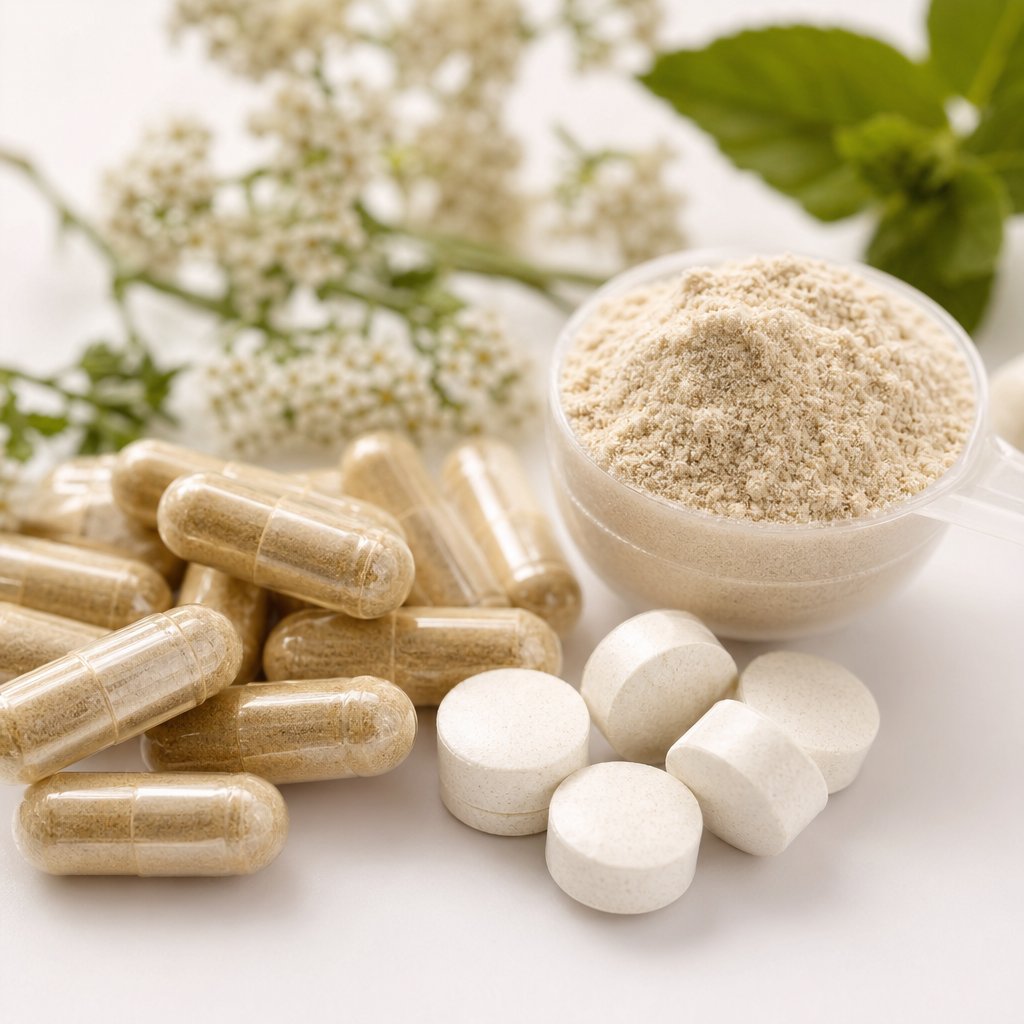
Excipients are the inactive ingredients that support the manufacturing, stability, and delivery of a supplement's active compounds. Cellulose — in its various forms — fills more of these roles than any other single excipient. Here are the primary functions it serves:
- Flow agent — Fine supplement powders tend to clump and stick to equipment during high-speed production. Powdered cellulose and microcrystalline cellulose (MCC) coat individual particles and reduce cohesive forces, allowing blends to glide smoothly through capsule-filling machines and tablet presses. Without a reliable flow agent, production lines slow down, fill weights become inconsistent, and rejection rates climb.
- Filler and bulking agent — Many active ingredients are potent at very small doses — sometimes just a few milligrams. A capsule or tablet needs enough physical mass to be handled, swallowed, and processed by machinery. MCC is one of the most widely used fillers in the industry because it is inert, compressible, and compatible with virtually every other excipient in a formulation. It occupies the remaining capsule space without interacting with the active ingredient or altering its potency.
- Disintegrant — A tablet that stays intact in your stomach is useless. Cellulose-based disintegrants absorb water and swell after ingestion, breaking the tablet apart so active compounds can dissolve and be absorbed. MCC is particularly effective here because its crystalline structure wicks moisture rapidly, triggering fast and predictable tablet breakup in the gastrointestinal tract.
- Capsule shell material — Hydroxypropyl methylcellulose (HPMC) is the cellulose derivative used to manufacture vegetable capsule shells — the "veggie caps" you see on supplement bottles everywhere. HPMC capsules are plant-derived, non-allergenic, and stable across a wide range of humidity and temperature conditions. They offer lower moisture content than gelatin capsules, which helps protect moisture-sensitive ingredients like probiotics and certain B vitamins from degradation during storage.
So what is modified cellulose doing in your multivitamin? Chances are it is performing at least two of these jobs simultaneously. MCC, for instance, can act as both a filler and a disintegrant within the same tablet, which is one reason pharmaceutical and nutraceutical manufacturers consider it indispensable. That dual functionality reduces the total number of excipients needed, simplifying formulations and leaving more room for active ingredients.
Why do manufacturers choose cellulose over alternatives like rice flour, dicalcium phosphate, or magnesium stearate? Several properties make it uniquely suited for supplement production:
- Chemical inertness — Cellulose does not react with vitamins, minerals, herbal extracts, or probiotics. It sits alongside active ingredients without degrading them or altering their bioavailability.
- Non-allergenic — It contains no proteins, no gluten, no dairy, no soy, and no common allergens. This makes it safe for formulations targeting consumers with food sensitivities.
- Vegan and vegetarian compatible — Every form of cellulose is 100% plant-derived. HPMC capsule shells, in particular, have become the standard alternative to animal-derived gelatin for brands marketing to vegan consumers. The global HPMC capsule market is expected to grow at a CAGR of 10% over the next several years, driven largely by rising demand for plant-based supplement formats.
- Gluten-free — Cellulose is a polysaccharide with zero protein content, so it is inherently free of gluten. This matters for supplements marketed to people with celiac disease or gluten sensitivity.
If you take multiple supplements daily — a multivitamin, a probiotic, a fish oil capsule, maybe a vitamin D softgel — you may be consuming a meaningful amount of cellulose from capsule shells and excipients alone. A single HPMC capsule shell weighs roughly 80-120 mg depending on size. Two capsules twice a day adds up to 320-480 mg of cellulose just from the shells, before counting any MCC or powdered cellulose used as filler or flow agent inside. Over a year of daily use, that is a nontrivial volume of cellulose passing through your system. The good news: as we covered in the safety section, this amount is well within the range that regulatory bodies consider completely safe, and it contributes to your daily insoluble fiber intake without adding calories.
People sometimes ask is powdered cellulose bad for you when they see it listed under "other ingredients" on a supplement label. The answer remains the same whether the cellulose is coating shredded cheese or filling a vitamin capsule — it is one of the most extensively tested and widely approved excipients in the food and supplement supply chain. The concern about sawdust in shredded cheese applies here too: the raw material may originate from wood pulp, but the finished product is a purified, food-grade fiber that bears no resemblance to the tree it came from. Is methylcellulose bad for you? Same story — it is a cellulose derivative classified as GRAS, used in supplements primarily as a binder or coating agent, and cleared by the FDA, EFSA, and JECFA without safety restrictions.
Choosing Quality Manufacturing for Cellulose-Based Health Products
Not all cellulose excipients are created equal. The quality gap between pharmaceutical-grade, food-grade, and industrial-grade cellulose is significant — and it matters more than most consumers realize.
Pharmaceutical-grade and food-grade cellulose undergo strict purity testing that industrial-grade material does not. This includes verification of heavy metal content (arsenic, lead, mercury, cadmium), microbial limits (total aerobic count, yeast, mold, and specific pathogens), moisture content, particle size distribution, and residual solvent levels from the pulping and bleaching process. The EU tightened these standards further with Commission Regulation (EU) 2025/666, which reduced permitted levels of toxic elements across all cellulose food additives. Supplement manufacturers sourcing cellulose excipients need to ensure their suppliers meet these updated specifications — a step that adds cost but protects the end consumer.
This is where the choice of contract manufacturer becomes critical, especially for nutrition brands, supplement importers, and private label sellers who do not operate their own production facilities. The excipient decisions — which grade of cellulose to use, how much filler is appropriate, whether to use HPMC or gelatin capsules — are made at the manufacturing level. OEM/ODM manufacturers like ZhuFeng offer customized formulation across multiple product formats, including hard capsules, tablets, powder and granules, soft capsules, gummy candy, and oral liquids. Cellulose plays a different functional role in each of these formats: flow agent in tablet pressing, filler in hard capsules, stabilizer in powder blends, and shell material in veggie caps. For brands exploring contract manufacturing with flexible product formats, understanding how a manufacturer handles excipient selection — including cellulose grade, sourcing, and testing protocols — is one of the most practical due diligence steps you can take.
The cellulose in cheese gets the headlines, but the cellulose in your supplement bottle arguably deserves more attention. It is the ingredient that determines whether your tablet breaks apart properly, whether your capsule delivers a consistent dose, and whether the powder inside flows evenly during production. Cellulose in cheese prevents clumping. Cellulose in supplements enables the entire product to function as intended — quietly, reliably, and without interacting with the compounds you are actually paying for.
Frequently Asked Questions About Powder Cellulose
1. Is powdered cellulose the same as sawdust?
No. While food-grade powdered cellulose often originates from wood pulp, it undergoes extensive chemical pulping, bleaching, purification, and milling before reaching your food. The finished product is a purified plant fiber — chemically identical to the cellulose found naturally in fruits and vegetables. Calling it sawdust is like calling refined sugar a sugarcane stalk. The raw source and the final ingredient are fundamentally different after processing.
2. Does powdered cellulose have any nutritional value?
Powdered cellulose contributes zero calories, zero net carbs, and zero fat. However, it does count as insoluble dietary fiber, which adds bulk to stool and supports digestive regularity. The FDA allows manufacturers to include cellulose in the Total Dietary Fiber line on Nutrition Facts panels. So while it does not provide vitamins or minerals, it contributes meaningfully to daily fiber intake — typically recommended at 25 to 38 grams per day for adults.
3. Why is cellulose added to shredded cheese?
Shredded cheese has a high moisture content that causes individual pieces to stick together during storage. Manufacturers coat the shreds with approximately 2 to 4 percent powdered cellulose, which absorbs surface moisture and creates a physical barrier between pieces. This keeps the cheese free-flowing and prevents clumping without altering flavor or nutritional content. The cheese retains the same protein, calcium, and fat whether sold in block form or pre-shredded with a cellulose coating.
4. Is powdered cellulose safe for people with celiac disease?
Yes. Powdered cellulose is inherently gluten-free because it is a polysaccharide containing no proteins whatsoever. Gluten is a protein found in wheat, barley, and rye, so it cannot exist in purified cellulose. The manufacturing process removes all non-cellulosic material, including any trace proteins from the original plant source. This applies to all cellulose variants including microcrystalline cellulose, cellulose gum, and HPMC.
5. How is cellulose used in dietary supplements?
In supplements, cellulose serves multiple roles: as a flow agent to keep powders moving through production equipment, as a filler to achieve consistent capsule weight, as a disintegrant that helps tablets break apart for absorption, and as the primary shell material in vegetable (HPMC) capsules. OEM/ODM manufacturers like ZhuFeng integrate cellulose across product formats including hard capsules, tablets, powder blends, and soft capsules, selecting the appropriate grade and function for each formulation to ensure consistent dosing and product stability.