What Is Black Cocoa Powder and Why Is It Special
Ever bitten into an Oreo and wondered how the cookie gets that impossibly dark color? The answer is black cocoa powder, a specialty ingredient that looks and behaves differently from anything else in your baking cabinet.
What Makes Black Cocoa Powder Different
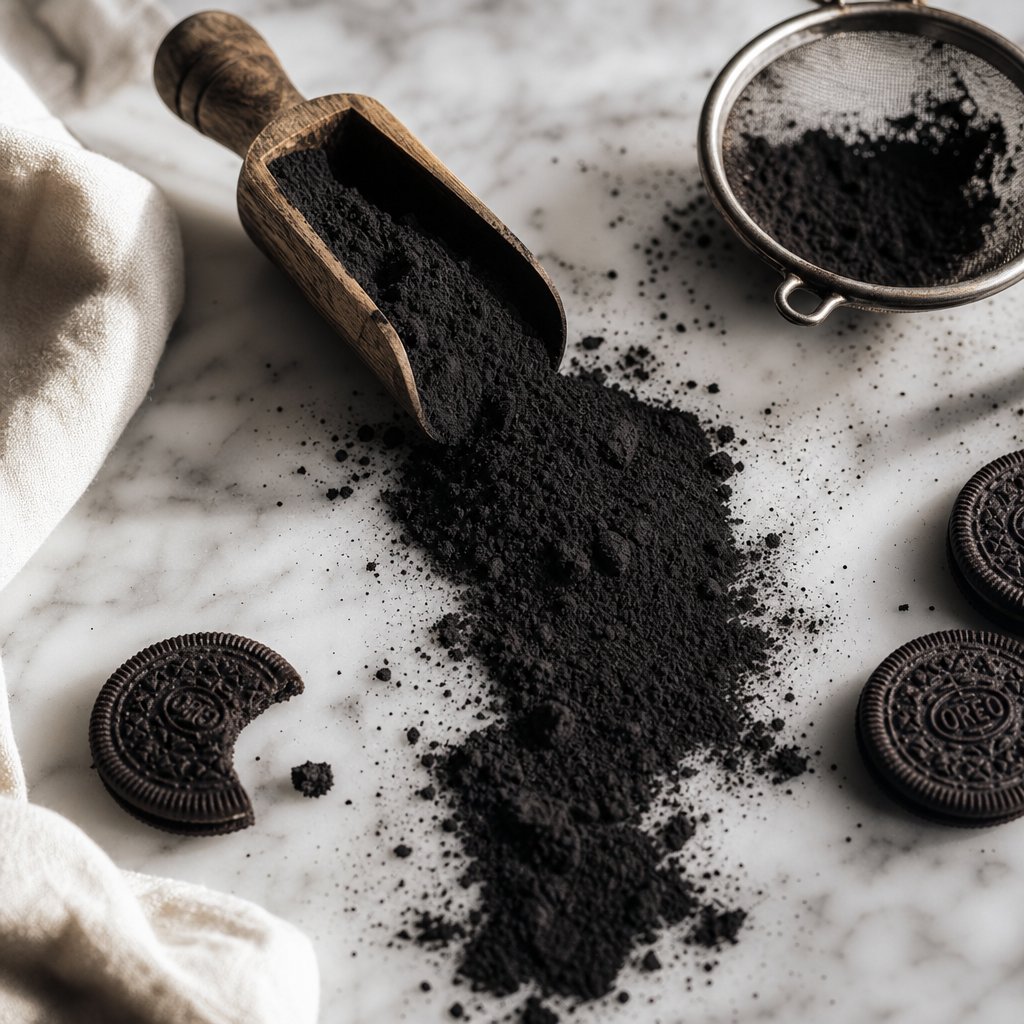
Black cocoa powder is an ultra-Dutch-processed cocoa powder that has been heavily alkalized, stripping away nearly all acidity and producing a jet-black color with a mild, mellow chocolate flavor.
Standard baking cocoa sits somewhere between light brown and medium brown. Black cocoa, by contrast, is so deeply processed that it comes out of the bag looking almost like charcoal. The heavy alkalization neutralizes the sharp, fruity bitterness you find in natural cocoa and replaces it with a smooth, earthy taste often compared to the cookie shell of an Oreo.
Because the process also removes much of the cocoa butter, jet black cocoa powder tends to be drier and lower in fat than regular cocoa. This affects texture in baked goods, which is why many recipes blend it with Dutch-process cocoa rather than using it alone. You may also see it labeled as black cacao powder in some specialty shops, though the product is the same heavily alkalized cocoa.
Why Bakers Seek It Out
The appeal comes down to two things: color and flavor. Black cocoa delivers a dramatic, true-black hue without relying on bottles of food coloring. Imagine dark chocolate cakes with a rich, inky crumb or black velvet cupcakes that look stunning without artificial dyes. For Oreo-style sandwich cookies, it is essentially the only way to replicate that signature look and taste at home.
Beyond desserts, bakers use black cacao powder to darken frostings, create Halloween-themed treats, and add visual contrast to layered bakes. Its low acidity also means it pairs naturally with baking powder, making it straightforward to incorporate into recipes designed for alkaline cocoa.
Understanding what black cocoa is only gets you halfway there. The real question most bakers face is how it stacks up against the Dutch-process and natural cocoa already in their pantry, and which type a recipe actually needs.
Black Cocoa vs Dutch-Process vs Natural Cocoa
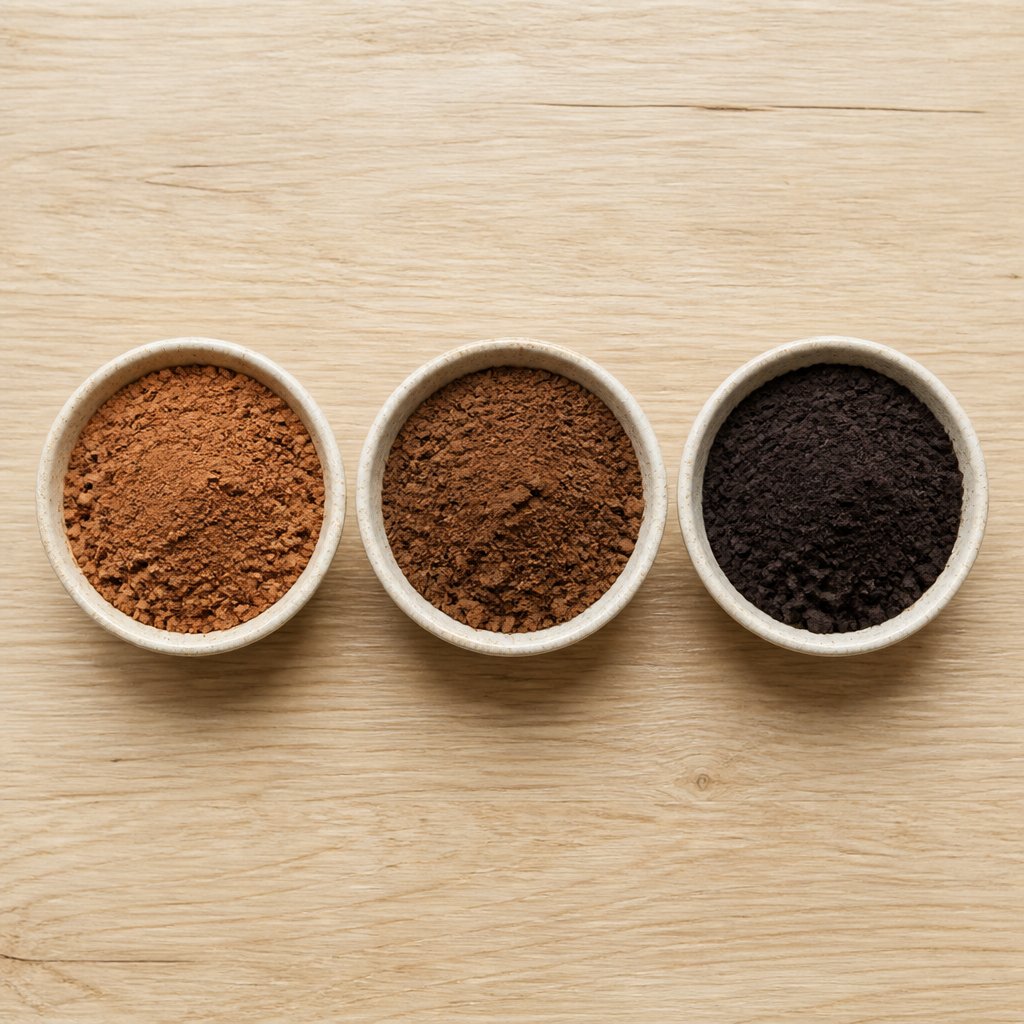
Three cocoa powders sit on the same shelf, yet they behave like entirely different ingredients once they hit your mixing bowl. Choosing the wrong one can flatten a cake, mute a flavor, or leave you with a muddy brown when you wanted jet black. The difference comes down to one variable: how much alkali the cocoa has been exposed to during processing.
The Alkalization Spectrum Explained
All cocoa powders start as roasted cacao nibs that are pressed to remove most of their fat. What happens next determines where a powder lands on the alkalization spectrum.
Natural cocoa powder skips any chemical treatment. It retains the bean's inherent acidity, landing at a pH between 5 and 6, and carries fruity, slightly astringent notes along with a light reddish-brown color. Think of the classic Hershey's can your parents kept in the pantry.
Dutch-process cocoa (also called alkalized cocoa) is treated with potassium carbonate to neutralize that acidity. The result is a medium to dark brown powder with a pH around 7 to 8, a smoother "base" chocolate flavor, and reduced astringency. Baking cocoa powder labeled "Dutch-process" falls into this middle zone.
Black cocoa powder sits at the far end of the spectrum. It undergoes an aggressive alkalization process, sometimes applied later in production, that pushes the pH even higher and transforms both color and taste. Nearly all acidity is gone. What remains is a dramatically dark unsweetened cocoa with a mellow, almost Oreo-like flavor that some bakers describe as a completely different ingredient rather than simply a darker cocoa.
As King Arthur Baking notes, black cocoa is produced by subjecting cacao beans to a massive dose of potassium carbonate, which is why its flavor profile diverges so sharply from standard Dutch-process varieties.
Flavor and Color Differences at a Glance
When you compare black cocoa powder vs cocoa powder of the natural or Dutch-process variety, the visual contrast is obvious. But the differences run deeper than appearance. Alkalization changes how each powder interacts with leavening agents, which directly impacts whether your cake rises properly or falls flat.
Here is a side-by-side breakdown of the three types across the attributes that matter most when you are shopping for dark cocoa powder:
| Attribute | Natural Cocoa | Dutch-Process Cocoa | Black Cocoa |
|---|---|---|---|
| Color | Light reddish-brown | Medium to dark brown | Jet black |
| pH Level | 5.0 - 6.0 (acidic) | 7.0 - 8.0 (neutral to slightly alkaline) | 8.0+ (heavily alkaline) |
| Flavor Profile | Sharp, fruity, slightly bitter with complex notes | Smooth, mellow dark chocolate with less astringency | Mild, earthy, Oreo-like with minimal bitterness |
| Best Uses | Recipes with baking soda; frostings where fruity chocolate notes shine | Cakes, brownies, hot chocolate; versatile all-rounder | Oreo-style cookies, black velvet cake, dramatic visual contrast |
| Leavening Compatibility | Reacts with baking soda (provides necessary acid) | Pairs with baking powder (no acid to activate soda) | Requires baking powder or blending with natural cocoa; will not activate baking soda |
You will notice that the dark cocoa color deepens as alkalization increases, but flavor intensity does not follow the same path. Natural cocoa actually delivers the most complex chocolate taste, while black cocoa trades complexity for that striking visual impact and a gentler, more one-dimensional flavor.
This matters for shopping decisions. If a recipe calls for dark cocoa powder and relies on baking soda for lift, grabbing a bag of black cocoa alone will not work. The powder has almost no acidity left to trigger the chemical reaction that makes batter rise. You would need to blend it with natural cocoa or switch the leavener to baking powder.
Among the many cocoa powders available, cacao powder dark enough to qualify as "black" occupies a niche. It is not a universal substitute for standard baking cocoa. It is a specialty tool, and knowing exactly where it fits on the alkalization spectrum helps you buy the right product for your recipe rather than ending up with a flat, dense disappointment.
With this foundation in place, the next step is knowing exactly where to find black cocoa powder, because not every retailer stocks it alongside their regular baking aisle offerings.
Where to Buy Black Cocoa Powder Online
If you have ever searched cocoa powder where to buy and scrolled past page after page of standard Dutch-process options, you know the frustration. Black cocoa is not something you stumble across in every online store. The good news is that several reliable sources stock it year-round, and each one offers a slightly different buying experience depending on your budget, timeline, and quantity needs.
Here is a consolidated look at where to buy black cocoa powder online, organized by retailer type so you can pick the option that fits your situation.
Amazon and Major Marketplaces
For most home bakers, Amazon is the first stop. Searching for black cocoa powder Amazon brings up multiple brands, bag sizes, and price points all in one place. The biggest advantage here is convenience: Prime-eligible listings ship in one to two days with no minimum order, and you can compare reviews across brands before committing.
- King Arthur Black Cocoa (12 oz) - Available through Amazon with Prime shipping. Typically priced between $10 and $13. One of the most reviewed black cocoa listings on the platform.
- Anthony's Organic Black Cocoa Powder (1 lb) - Prime-eligible, USDA organic certified, and often priced competitively around $12 to $15. A popular choice for bakers who want organic without paying artisan prices.
- The Cocoa Trader Black Cocoa (1 lb and 2 lb bags) - Fulfilled by Amazon in most regions. Known for deep alkalization and consistent jet-black results.
- Modern Mountain Black Cocoa Powder (1 lb) - Available on Amazon with Prime shipping. Positioned as a budget-friendly option with solid reviews for color intensity.
One thing to watch when browsing amazon cocoa powder listings: marketplace sellers occasionally mark up prices on specialty items, especially around the holiday baking season. Check the "Sold by" line to confirm whether you are buying from the brand directly or a third-party reseller. Prices can swing by several dollars for the same product.
Specialty Baking Retailers Online
If you want a curated shopping experience with baking-specific guidance, specialty retailers are worth bookmarking. These stores cater to serious home bakers and often provide recipe suggestions, usage tips, and product details you will not find on a general marketplace.
- King Arthur Baking Company - Sells their black cocoa powder directly through their website. Orders over $60 ship free; smaller orders typically incur a flat shipping fee around $6 to $9. Their Baker's Rewards loyalty program earns points on every purchase, which can offset future shipping costs. Stock is generally reliable, though occasional sellouts happen during peak baking months (October through December).
- The Cocoa Trader - A specialty cocoa supplier offering black cocoa in multiple sizes from 1 lb bags up to 5 lb bulk options. Shipping is calculated at checkout based on weight and location. They frequently run bundle deals that lower the per-ounce cost if you are buying multiple cocoa varieties.
These retailers tend to carry fresher stock with faster turnover than general marketplaces, which can matter for flavor quality over time.
Direct-From-Brand Websites
Buying directly from the brand gives you access to the full product line, including sizes or varieties that may not appear on Amazon. It also means you are getting the most recent production batch rather than inventory that has been sitting in a warehouse.
- Anthony's Goods - Their organic black cocoa powder is available in 1 lb and 2 lb bags through their own site. Free shipping kicks in at $39, and they occasionally offer subscription discounts for repeat buyers. The product is non-GMO verified and batch-tested.
- Modern Mountain Baking Company - Sells black cocoa directly with flat-rate shipping options. Their site includes detailed alkalization and fat content specs that help you compare against other brands before purchasing.
For anyone wondering where can i buy black cocoa powder without worrying about stock issues, direct-from-brand sites are the most dependable option. These companies prioritize their own storefronts, so inventory tends to be available even when Amazon listings temporarily sell out.
One practical tip: if you are ordering from a direct site for the first time, start with a single bag to confirm the color and flavor intensity match your expectations. Black cocoa varies between brands more than standard cocoa does, and a 5 lb bulk order of the wrong product is an expensive lesson.
Online purchasing solves the availability problem, but what about bakers who prefer to see the product before buying or need it the same day? Local retail options exist, though they require a bit more legwork to track down.
Finding Black Cocoa Powder in Local Stores
Sometimes you need black cocoa powder today, not in two days with Prime shipping. Maybe you are mid-recipe and just realized your pantry is out, or you simply prefer to grab ingredients in person. Either way, finding black cocoa powder near me is a common search for bakers who want to skip the wait. The honest answer? It is stocked far less widely than standard cocoa, but it is not impossible to find on local shelves if you know where to look.
Big-Box and Grocery Chain Options
Large retailers carry an enormous range of baking products, yet black cocoa occupies a niche that not every location prioritizes. Availability depends heavily on your region, store size, and whether the location caters to a baking-focused customer base.
- Walmart - Some Walmart Supercenters stock black cocoa powder walmart shoppers can find in the baking aisle alongside Dutch-process and natural cocoa. King Arthur's black cocoa occasionally appears on shelves in stores with expanded baking sections. However, availability is inconsistent across locations. Your best move is to check Walmart's website for in-store pickup availability at your local store before driving over.
- Target - Target carries a limited selection of specialty baking ingredients, and some locations stock King Arthur black cocoa. The real advantage here is same-day pickup through the Target app. If the product shows as available at your nearby store, you can order online and grab it within hours without browsing aisles.
- Meijer - Shoppers in the Midwest may have luck finding cocoa powder Meijer stocks in their baking section. Meijer tends to carry a broader range of specialty baking items than some national chains, though black cocoa is not guaranteed at every location. Check their online grocery portal to confirm stock before visiting.
- ShopRite - In the Northeast, cocoa powder ShopRite carries sometimes includes darker Dutch-process varieties, and select stores with larger baking aisles may stock true black cocoa. Like other grocery chains, it comes down to individual store decisions about shelf space allocation.
A pattern emerges here: no big-box retailer guarantees black cocoa powder nearby at every single location. The product simply does not move fast enough off shelves to justify universal stocking the way Hershey's natural cocoa does. Treat these options as worth checking rather than sure bets.
Specialty Stores and Local Baking Shops
Your odds improve significantly when you shift from mass-market retailers to stores that cater specifically to bakers or health-conscious shoppers.
- Whole Foods Market - Black cocoa powder Whole Foods locations carry tends to appear in the specialty baking section rather than the main baking aisle. Look near organic flours and alternative baking ingredients. Not every Whole Foods stocks it, but stores in areas with active baking communities are more likely to carry at least one brand.
- Local baking supply shops - Independent baking stores, cake decorating supply shops, and culinary specialty retailers are often the most reliable brick-and-mortar source. These businesses stock niche ingredients their customers actually ask for, and black cocoa is a frequent request. A quick phone call saves you a trip.
- Restaurant supply stores - Stores like Restaurant Depot or local commercial kitchen suppliers sometimes carry black cocoa in larger bags. You may need a membership or business account, but the per-ounce price is often lower than retail.
If you are searching for black cocoa powder nearby and striking out at chain stores, try searching for "baking supply store" or "cake decorating shop" in your area. These smaller retailers fly under the radar but frequently carry exactly the specialty ingredients that big-box stores skip.
One practical tip that saves time: before heading to any store, use their website or app to search for "black cocoa." Most major retailers now show real-time stock levels by location. If the product does not appear in their online system at all, that chain likely does not carry it in your region, and you are better off ordering online or visiting a specialty shop.
Knowing where to find black cocoa is one piece of the puzzle. The next question is which brand to actually put in your cart, because the differences between them affect everything from color intensity to how your final bake tastes.
Top Black Cocoa Powder Brands Compared
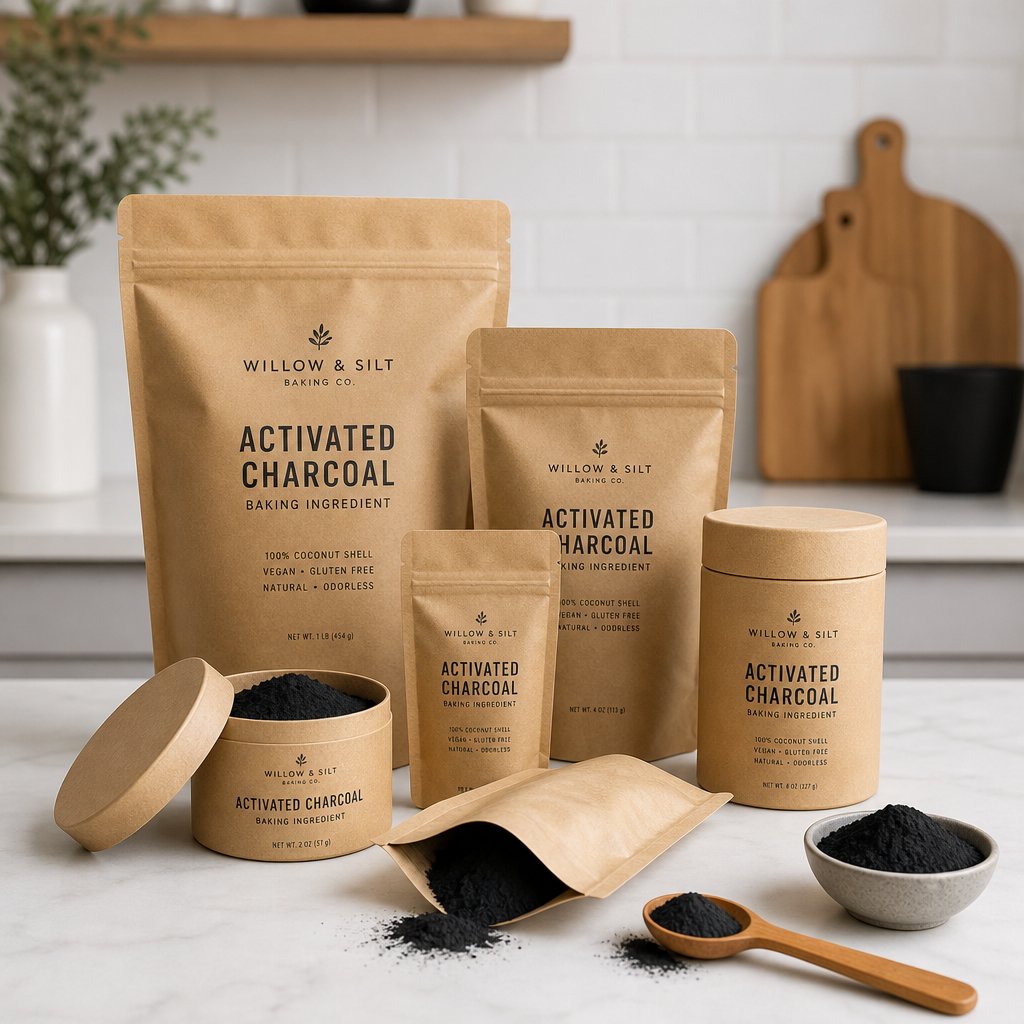
Not all black cocoa powders deliver the same shade of dark, the same flavor profile, or the same performance in your recipe. Some brands push alkalization to the absolute limit for a true jet black cocoa result, while others land in a slightly softer dark-brown range that still qualifies as "black cocoa" on the label. Fat content, organic certification, and available bag sizes vary too, which means the brand you choose should match how you bake and how often you reach for this ingredient.
Here is a breakdown of the most widely available options, split into two tiers based on positioning and price.
Premium and Artisan Brands
These brands target serious home bakers and professionals who want predictable results and are willing to pay a slight premium for quality control.
- King Arthur Black Cocoa - The most recognized name in this category. King Arthur's version is heavily alkalized with a smooth, clump-free texture that sifts easily into dry ingredients. It produces a reliably dark crumb and that signature Oreo-like flavor. Available in 12 oz bags, it works well for bakers who use black cocoa occasionally rather than in bulk. Fat content sits in the moderate range, giving baked goods a slightly richer mouthfeel than ultra-low-fat alternatives.
- Scharffen Berger Cocoa Powder - Known primarily for their natural and Dutch-process cocoa lines, Scharffen Berger offers a deeply alkalized option that appeals to bakers who want artisan-quality cacao with traceable sourcing. Their cocoa tends to carry more nuanced chocolate notes than competitors, though it does not reach the same pitch-black intensity as dedicated black cocoa brands. Best suited for recipes where flavor complexity matters more than maximum darkness.
- The Cocoa Trader Black Cocoa Powder - A specialty supplier focused exclusively on cocoa products. Their black cocoa is among the most heavily alkalized on the market, producing what many bakers describe as the darkest results available. Side-by-side comparisons show a noticeable color difference between The Cocoa Trader and other brands, with their version skewing closer to true black. Available in 1 lb and 2 lb bags, it is a strong pick for anyone chasing maximum visual impact.
Budget-Friendly and Bulk Options
If you bake frequently or want to experiment without a big upfront investment, these brands offer solid performance at a lower per-ounce cost.
- Anthony's Organic Black Cocoa Powder - The go-to choice for bakers who want organic black cocoa without paying artisan prices. USDA organic certified, non-GMO verified, and available in 1 lb and 2 lb resealable bags. The alkalization level is heavy enough to produce dark results, though some bakers note it lands a shade lighter than King Arthur or The Cocoa Trader. For recipes where you blend black cocoa with Dutch-process, that slight difference disappears entirely.
- Modern Mountain Black Cocoa Powder - Frequently rated as a best overall pick in buying guides, Modern Mountain delivers intense color in a resealable 1 lb bag at a competitive price point. The powder is fine-milled and mixes without clumping. It is not organic certified, but for bakers prioritizing color and value over certification, it consistently performs well.
- Wincrest Bulk Foods Black Cocoa - Available in larger bags (often 2 lb or more), Wincrest targets bakers who go through cocoa quickly or want to stock up. Packaging is straightforward and no-frills, which keeps the price low. The color intensity is solid, making it a practical choice for high-volume baking or recipe testing.
You may also encounter products labeled as black onyx cocoa powder from smaller or private-label brands. These typically fall into the same heavily alkalized category but may vary in grind fineness and fat content. If you spot one without reviews, compare its specs to the established brands above before committing to a large bag.
The table below puts all of these options side by side so you can scan for the attributes that matter most to your baking style:
| Brand | Organic | Available Sizes | Best Suited For | Notable Characteristics |
|---|---|---|---|---|
| King Arthur Black Cocoa | No | 12 oz | Occasional bakers wanting reliable results | Clump-free, smooth sift, moderate fat content |
| Scharffen Berger | No | 6 oz | Flavor-focused bakers, artisan recipes | Nuanced chocolate notes, not pitch-black |
| The Cocoa Trader | No | 1 lb, 2 lb | Maximum darkness, Oreo-style cookies, black velvet cake | Heaviest alkalization, darkest color on market |
| Anthony's Organic | Yes (USDA) | 1 lb, 2 lb | Organic-focused bakers, blending with Dutch-process | Non-GMO verified, competitive pricing |
| Modern Mountain | No | 1 lb | Budget-conscious bakers wanting strong color | Fine-milled, resealable bag, great value |
| Wincrest Bulk Foods | No | 2 lb+ | High-volume baking, recipe testing | Bulk sizing, no-frills packaging, low per-ounce cost |
A few patterns stand out. If organic certification is non-negotiable, Anthony's is your clearest path. If you want the absolute darkest result for jet black cocoa cookies or dramatic cake layers, The Cocoa Trader edges out the competition on color intensity. And if you are new to black cocoa and want a trusted name with wide availability, King Arthur is the safe starting point.
Picking a brand is only half the decision, though. How that brand interacts with your specific recipe depends on factors like alkalization level, fat content, and leavening chemistry, details that can make or break your final bake.
Key Buying Factors and Baking Science You Should Know
A brand name on the bag only tells you so much. What actually determines whether your black cocoa powder for baking performs well in a recipe comes down to a handful of measurable factors: alkalization intensity, fat percentage, certification status, and cost efficiency. Get these wrong, and you end up with flat cookies, dry cake, or a product that does not justify its price tag.
Before you add anything to your cart, here is a checklist of what to evaluate:
- Alkalization level (pH) and its effect on leavening agents
- Fat content per serving (affects moisture and texture)
- Organic certification and sourcing transparency
- Price per ounce across different bag sizes
- Quantity options that match your baking frequency
Each of these factors interacts with the others, so let's break them down individually.
Alkalization Level and Leavening Impact
This is the single most important thing to understand about using dark cocoa powder for baking. Heavy alkalization strips away virtually all natural acidity from the cocoa, pushing the pH above 8. That matters because baking soda needs an acid to trigger the chemical reaction that produces carbon dioxide and makes your batter rise.
Black cocoa powder has almost no acidity remaining. Baking soda will not react with it. Recipes using black cocoa exclusively must rely on baking powder for lift, or blend black cocoa with natural cocoa to reintroduce the acid that baking soda requires.
Ignore this, and you will pull a dense, flat bake out of the oven every time. If your recipe originally calls for natural cocoa powder and baking soda, you cannot simply swap in black cocoa without adjusting the leavener. The standard fix is replacing baking soda with baking powder at a 3:1 ratio (three teaspoons of baking powder for every one teaspoon of baking soda). Alternatively, use a 50/50 blend of black cocoa and natural cocoa to maintain some acidity while still getting a darker color.
This is why the best baking cocoa for a given recipe depends on context, not just color. A powdered baking cocoa that looks stunning in the bag can ruin texture if the leavening chemistry does not match.
Fat Content and Organic Certification
Fat content is the overlooked variable that separates a moist, tender crumb from a dry, crumbly one. As Handle the Heat explains, the FDA requires cocoa powder to contain at least 10% cocoa butter, but most grocery store brands sit right at that minimum. Those starches can absorb up to 100% of their weight in moisture, leading to drier results.
Black cocoa tends to run on the lower end of the fat spectrum, typically between 10% and 12%. This is part of why recipes often recommend adding extra moisture (a tablespoon of yogurt, applesauce, or additional oil) when using it as the sole cocoa in a batter. Some brands retain slightly more fat than others, so checking the nutrition label before buying gives you a real advantage.
For bakers seeking organic dark cocoa powder, options like Anthony's carry USDA organic and non-GMO verification. Organic certification means the cacao was grown without synthetic pesticides or fertilizers, which matters to health-conscious buyers. The tradeoff is typically a slightly higher price point and, in some cases, a marginally lighter color compared to non-organic alternatives that push alkalization harder.
When choosing between organic and conventional, ask yourself what matters more for your specific use case: certification standards or maximum color intensity. For dark cocoa powder unsweetened and organic, Anthony's is the clearest option. For the absolute darkest result regardless of certification, The Cocoa Trader or Modern Mountain edges ahead.
Price and Quantity Considerations
Black cocoa powder costs more per ounce than standard unsweetened dark cocoa powder, and the price gap widens or narrows depending on how much you buy at once. Here is how the math typically breaks down:
| Bag Size | Typical Price Range | Price Per Ounce | Best For |
|---|---|---|---|
| 6 - 12 oz | $8 - $13 | $0.80 - $1.10 | Trying a brand for the first time, occasional baking |
| 1 lb (16 oz) | $11 - $16 | $0.69 - $1.00 | Regular home bakers, recipe testing |
| 2 lb+ | $18 - $28 | $0.56 - $0.88 | Frequent bakers, bulk stocking, holiday prep |
The per-ounce cost drops noticeably once you move past the 12 oz size. But buying bulk only makes sense if you use cocoa powder for baking regularly. Black cocoa stays fresh for two to three years when stored in an airtight container away from light and heat, so shelf life is not a concern for most home bakers even with larger bags.
If you are new to black cocoa, start with a 12 oz or 1 lb bag from a brand whose color intensity matches your goals. Once you have confirmed it works for your recipes, scaling up to a 2 lb bag saves money over time without the risk of committing to a product you have never tested.
These buying factors apply whether you are purchasing a single bag for weekend cookies or sourcing larger quantities for a small business. But what happens when you cannot find black cocoa at all, or you need a darker result right now with what is already in your pantry? That is where substitution strategies come in.
Substitutes and Workarounds When You Cannot Find It
Maybe every online retailer is sold out, or you are mid-recipe and just realized the bag in your pantry is empty. Either way, you need a black cocoa powder substitute that gets you close to that dramatic dark color without derailing your bake. No workaround will perfectly replicate the jet-black hue or the mellow Oreo-like flavor, but the options below come surprisingly close when you need a solution right now.
Mixing Dutch-Process Cocoa for Darker Color
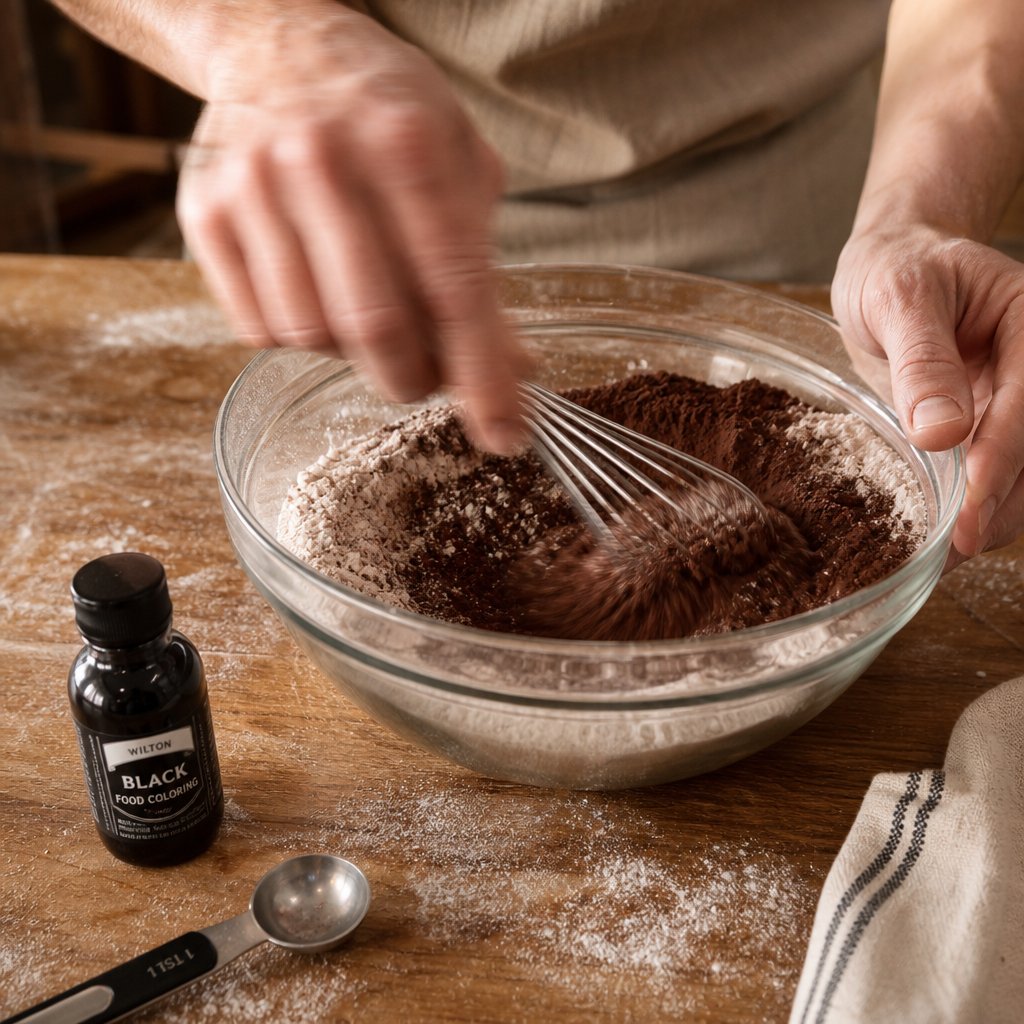
The simplest approach is to start with what you likely already have. Dutch-process cocoa shares the same alkaline chemistry as black cocoa, just at a lower intensity. That means you can use it as a direct substitute for black cocoa powder without worrying about leavening conflicts. The color will land in a deep brown rather than true black, but pairing it with a small amount of black gel food coloring bridges most of the visual gap.
If you can find extra dark cocoa powder (sometimes labeled "double-Dutch" or "extra dark Dutch-process"), you are already closer to the darkest cocoa powder range without needing food coloring at all. Brands like King Arthur sell a Double-Dark Cocoa Blend that combines standard Dutch-process with black cocoa, giving you a middle-ground option that works as a dark chocolate substitute in most recipes calling for black cocoa.
Substitution Ratios and Recipe Adjustments
When you need to cocoa replace black cocoa with other varieties, the ratio depends on which type you are swapping in and what leavener your recipe uses. Follow these steps to keep your bake on track:
- Dutch-process cocoa as a 1:1 swap: Replace black cocoa with an equal amount of Dutch-process cocoa. No leavening adjustment needed since both are alkaline. Add 1/4 teaspoon of black gel food coloring per 1/2 cup of cocoa if you want a darker visual result.
- Extra dark cocoa as a partial blend: Use 3/4 cup extra dark cocoa plus 1/4 cup standard Dutch-process for every 1 cup of black cocoa called for. This deepens color without overshooting on intensity.
- Natural cocoa swap (requires leavening change): If natural cocoa is all you have, substitute it 1:1 by volume but replace any baking powder in the recipe with one-third the amount of baking soda. For example, swap 3 teaspoons baking powder for 1 teaspoon baking soda. The natural cocoa's acidity will react with the soda to maintain proper rise.
- Blended approach for balanced results: Mix 50% Dutch-process cocoa with 50% natural cocoa. This maintains some acidity for recipes using baking soda while producing a darker color than natural cocoa alone. Add a few drops of black food coloring to push the shade closer to true black.
Keep in mind that flavor shifts with every substitution. Natural cocoa brings sharper, fruitier notes. Dutch-process stays smooth but lacks that distinctive Oreo depth. Neither is a perfect stand-in, but for a single batch where you cannot source the real thing, these workarounds deliver results that most people will not question at the table.
These substitutions solve the home baker's immediate problem. For brands and businesses operating at scale, the sourcing challenge looks different entirely, involving wholesale channels, minimum order quantities, and custom manufacturing partnerships.
Bulk Sourcing and Custom Manufacturing for Brands
Home bakers buy a single bag at a time. Businesses buying cocoa powder for sale in their own product lines operate on a completely different scale, with different priorities: consistent supply chains, competitive per-unit costs, regulatory compliance, and the ability to customize formulations around dark chocolate powder or cocoa-based blends. If you are a nutrition brand, supplement company, private label seller, or functional food business, the retail channels covered earlier will not meet your needs.
Here is how commercial buyers source black cocoa and cocoa-based ingredients at volume.
Wholesale and Bulk Purchasing Channels
Several pathways exist for businesses that need cocoa in quantities measured in cases or pallets rather than individual bags:
- Direct wholesale from cocoa brands - Companies like The Cocoa Trader and Wincrest Bulk Foods offer wholesale pricing for orders above certain thresholds, typically starting at 10 to 25 lbs. You negotiate pricing directly, and many suppliers provide certificates of analysis (COA) and spec sheets for each batch, which simplifies your own quality control process.
- Specialty ingredient distributors - Distributors such as Nuts.com (wholesale division), Terrasoul Superfoods, and regional food ingredient suppliers carry organic dark chocolate cocoa powder and black cocoa in bulk formats. Minimum order quantities (MOQs) vary, but expect 25 lb cases as a common starting point. These distributors handle logistics and can consolidate shipments with other ingredients you source.
- B2B marketplaces - Platforms like Alibaba, ThomasNet, and RangeMe connect buyers with cocoa processors and ingredient suppliers globally. You will find powder chocolate ingredients in various alkalization levels, fat contents, and certifications. The tradeoff is longer lead times and the need to vet suppliers carefully for quality consistency.
- Co-op and group purchasing - Some smaller cocoa brands and bakeries join purchasing cooperatives to access bulk pricing without individually meeting high MOQs. This works well for businesses that need 50 to 100 lbs per quarter rather than full pallet loads.
For businesses among established cocoa brands looking to simply repackage or resell, wholesale purchasing from existing manufacturers is the fastest route to market. You receive a finished ingredient, apply your own branding, and distribute through your channels.
Custom Manufacturing for Product Brands
Wholesale purchasing works when you want black cocoa as-is. But what if your business needs a custom cocoa-based formulation? Think protein powders with dark chocolate powder flavoring, functional food blends that incorporate cocoa for both flavor and antioxidant content, or supplement products built around cacao's natural polyphenol profile.
This is where OEM/ODM health food manufacturers become relevant. These contract manufacturers do not just supply raw ingredients. They develop custom formulations, handle production at scale, and deliver finished products ready for your label. For brands that want to launch cocoa-based health products without building their own production facility, this model eliminates the heaviest capital investment.
Manufacturers like ZhuFeng offer OEM/ODM services specifically for nutrition brands, supplement importers, and private label sellers. Their production capabilities span multiple formats, including powder and granule products, which makes them a practical partner for businesses developing cocoa-flavored health supplements or functional food blends. You provide the concept and target formulation; they handle ingredient sourcing, formulation refinement, production, and packaging across formats like hard capsules, tablets, powder sachets, soft capsules, gummy candy, and oral liquids.
The advantage of working with a contract manufacturer for powder chocolate products is flexibility. You can specify alkalization levels, blend cocoa with other functional ingredients (protein, fiber, adaptogens), choose organic or conventional sourcing, and scale production up or down based on demand. MOQs for custom runs typically start higher than wholesale purchasing, but you get a differentiated product that competitors cannot simply reorder from the same supplier.
Whether you are sourcing bulk black cocoa for a bakery operation or developing a custom cocoa-based supplement line, the key is matching your sourcing channel to your business model. Wholesale works for speed and simplicity. Custom manufacturing works for differentiation and brand-specific formulations.
For individual buyers and small businesses alike, the final step is matching your specific situation, budget, and baking frequency to the right purchasing path.
Choosing the Right Source for Your Needs
You have the brands, the retailers, the baking science, and the substitution strategies. The only question left is: which path actually fits your situation? Where can i buy dark cocoa powder that matches my budget, my baking frequency, and my priorities without overcomplicating the decision?
It comes down to three buyer profiles. Find yours below and skip straight to the recommendation that makes sense.
Best Option for Occasional Bakers
You bake a few times a year, maybe around the holidays or for a birthday. You need a small quantity of the best black cocoa for one or two recipes, and you do not want leftover product sitting in your pantry for years. A 12 oz bag from King Arthur through Amazon gives you Prime shipping, a trusted brand, and just enough cocoa to nail those Oreo-style cookies without waste. If you prefer to grab it locally, check Target's same-day pickup for availability at your nearest store.
Best Option for Frequent Bakers and Bulk Buyers
You reach for cocoa powder weekly, test recipes regularly, or bake for a small business. Per-ounce cost matters, and you go through product fast enough that a 2 lb bag will not outlast its freshness. The Cocoa Trader or Anthony's Goods in 2 lb bags deliver the best value, especially when purchased directly from their websites where bundle deals and free shipping thresholds lower your total cost. For anyone wondering where to buy cocoa powder in bulk without sacrificing quality, these two brands consistently deliver.
Best Option for Organic and Health-Focused Buyers
Certification is non-negotiable for you. You want USDA organic, non-GMO verification, and transparency about sourcing. Anthony's Organic Black Cocoa Powder is the clearest choice, available in 1 lb and 2 lb bags through their own site or Amazon. If where can i buy black cocoa in organic form has been your sticking point, this brand removes the guesswork entirely.
The table below puts all three paths side by side for a quick-reference decision:
| Buyer Type | Recommended Brand | Best Retailer | Ideal Size | Why It Fits |
|---|---|---|---|---|
| Occasional baker (a few times per year) | King Arthur Black Cocoa | Amazon or Target (same-day pickup) | 12 oz | Trusted quality, small commitment, fast shipping |
| Frequent baker or bulk buyer | The Cocoa Trader or Anthony's Goods | Direct-from-brand websites | 2 lb | Lowest per-ounce cost, bundle deals, consistent supply |
| Organic and health-focused | Anthony's Organic Black Cocoa | Anthony's website or Amazon | 1 lb or 2 lb | USDA organic, non-GMO, transparent sourcing |
No single retailer or brand is the universal answer for where to buy dark cocoa powder. The right choice depends on how you bake, how often you bake, and what standards matter to you. Use this guide as your shortcut the next time you need to restock, and you will spend less time searching and more time pulling jet-black cookies out of the oven.
Frequently Asked Questions About Buying Black Cocoa Powder
1. What is the difference between black cocoa powder and regular cocoa powder?
Black cocoa powder is heavily alkalized (Dutch-processed) with a pH above 8, giving it a jet-black color and mild, earthy flavor similar to Oreo cookies. Regular natural cocoa powder is acidic (pH 5-6) with a light brown color and sharp, fruity taste. The key practical difference is that black cocoa has no acidity to react with baking soda, so recipes need baking powder or a blend with natural cocoa to rise properly.
2. Can I use black cocoa powder as a 1:1 substitute for regular cocoa?
Not without adjustments. Because black cocoa lacks acidity, it will not activate baking soda. If your recipe uses baking soda, either replace it with baking powder at a 3:1 ratio (three teaspoons baking powder per one teaspoon baking soda) or blend 50% black cocoa with 50% natural cocoa to maintain leavening balance. Black cocoa is also lower in fat, so adding a tablespoon of extra oil or yogurt helps prevent dryness.
3. Does Walmart or Target carry black cocoa powder?
Some Walmart Supercenters and Target locations stock black cocoa powder, typically the King Arthur brand, in their baking aisles. However, availability varies significantly by store and region. The most reliable approach is checking each retailer's website or app for real-time stock at your local store before visiting. Target offers same-day pickup if the product shows as available near you.
4. Which brand of black cocoa powder is the darkest?
The Cocoa Trader produces one of the most heavily alkalized black cocoa powders available, consistently delivering the darkest results in side-by-side comparisons. Modern Mountain and King Arthur also produce reliably dark results, though slightly less intense than The Cocoa Trader. For bakers chasing true pitch-black color in Oreo-style cookies or black velvet cake, The Cocoa Trader is the top pick for maximum visual impact.
5. How should I store black cocoa powder to keep it fresh?
Store black cocoa powder in an airtight container in a cool, dark place away from heat and direct light. Under these conditions, it stays fresh for two to three years. Avoid refrigeration, as moisture can cause clumping and degrade quality. Resealable bags from brands like Anthony's and Modern Mountain work well for storage, but transferring to a glass jar with a tight lid offers even better long-term protection.