


Step 1 - Determine Whether Your Dizziness Is From the Tablet or the Deficiency
Yes, iron tablets can make you dizzy. If you just swallowed your supplement and the room started tilting, you are not imagining things. Dizziness is a recognized side effect of oral iron supplementation, and it is also one of the hallmark symptoms of the very condition the tablet is meant to treat. That overlap is exactly what makes this so confusing.
The real question is not whether iron tablets cause dizziness. They can. The question is whether your dizziness belongs to the pill or to the deficiency hiding behind it. Sorting that out changes what you do next, so let's break it down.
Iron Tablet Side Effect or Deficiency Symptom
Iron tablets dizziness tends to follow one of two patterns, and the timing tells you almost everything you need to know.
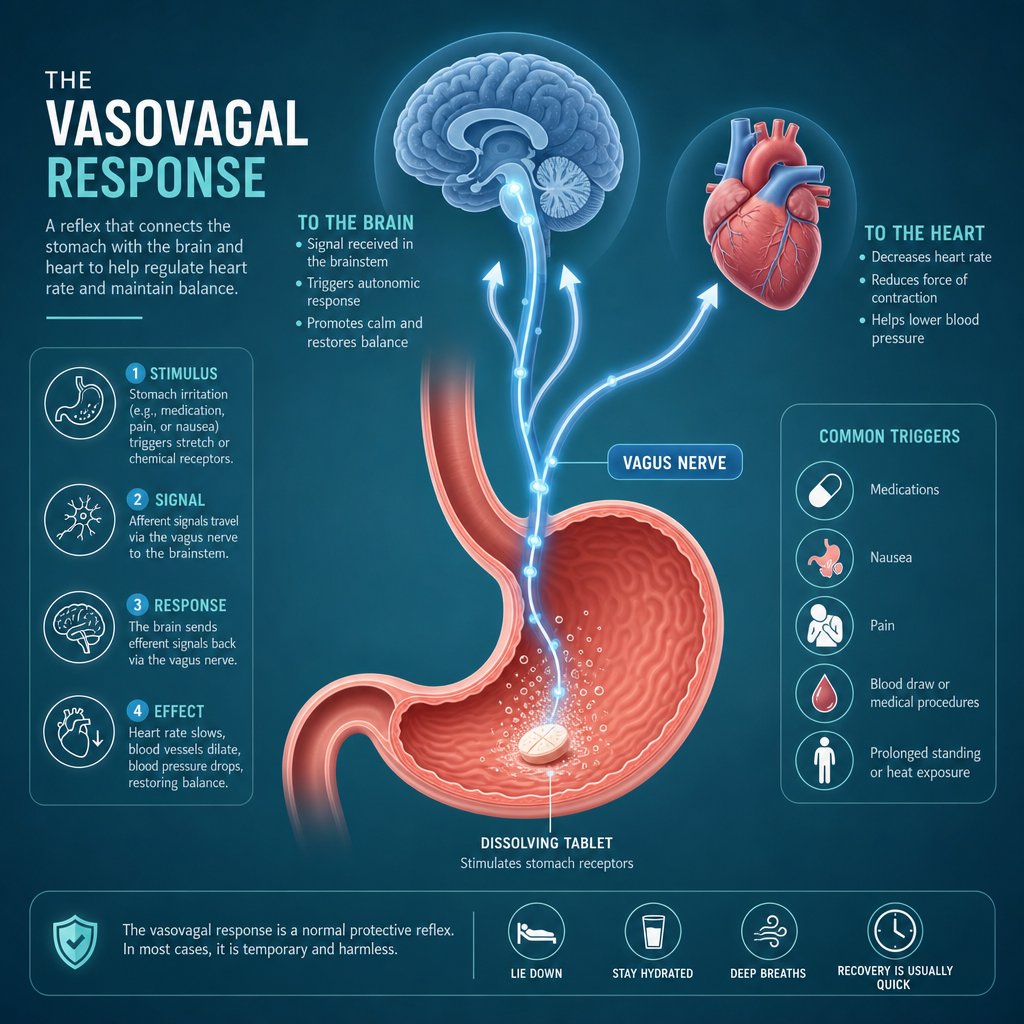
When the supplement itself is the culprit, lightheadedness usually appears within 15 to 30 minutes of swallowing the tablet. This happens because iron, particularly ferrous sulfate, irritates the stomach lining and can trigger nausea. That nausea activates a vasovagal response, a brief drop in heart rate and blood pressure that leaves you feeling faint. Research published in The Journal of Pediatrics has linked reduced iron stores to vasovagal syncope, showing that the relationship between iron status and blood pressure regulation is more complex than most people realize.
When the underlying iron deficiency is the cause, dizziness shows up regardless of when you took your pill. It lingers throughout the day, worsens when you stand up quickly, and often comes packaged with fatigue, pale skin, and a racing heartbeat. Does iron deficiency make you dizzy on its own? Absolutely. Cleveland Clinic lists dizziness and lightheadedness among the core symptoms of iron-deficiency anemia because low hemoglobin means less oxygen reaching your brain and muscles.
If dizziness hits within 30 minutes of taking your iron tablet and fades within an hour or two, the supplement is likely triggering a GI or vasovagal response. If dizziness persists throughout the day regardless of when you take the pill, the iron deficiency itself is probably the source.
Quick Self-Assessment to Identify the Cause
You do not need a lab test to start narrowing this down. Ask yourself these questions the next time you feel anemia dizzy or lightheaded after your supplement:
- Did the dizziness start within 30 minutes of taking the tablet? If yes, the pill's GI irritation is the likely trigger.
- Does the dizziness happen even on days you skip your supplement? If yes, the deficiency itself is driving the symptom.
- Is the lightheadedness accompanied by nausea or stomach cramping? If yes, your body is reacting to the iron pill side effects rather than the low iron levels.
- Do you feel worse when standing up quickly, climbing stairs, or exerting yourself? If yes, will low iron make you dizzy applies here, pointing toward inadequate oxygen delivery from anemia.
Both scenarios are common and manageable. Dizziness from iron supplements does not mean you need to stop treatment altogether. It means you need to adjust your approach, whether that involves changing the timing, the dose, or the form of iron you take.
Understanding which pattern fits your experience is the first step. The next piece of the puzzle is understanding the specific physiological pathways that connect an iron tablet to that wave of lightheadedness, because the mechanism matters when choosing a fix.
Step 2 - Understand Why Iron Tablets Cause Dizziness
Iron supplements dizziness is not random. It follows specific physiological pathways, and each one produces a slightly different version of lightheadedness. Knowing which mechanism is at play helps you target the right solution instead of guessing.
There are three primary routes through which an iron tablet can leave you feeling unsteady:
- Gastrointestinal irritation triggering a vasovagal reflex
- Blood pressure fluctuations from rapid iron absorption
- Iron overload toxicity when intake exceeds what the body can safely process
A fourth and less common pathway, allergic reaction, can also present as dizziness alongside hives, swelling, or difficulty breathing. This is rare but worth recognizing as a medical emergency.
How GI Distress Triggers Lightheadedness
The most common iron supplement side effects are gastrointestinal: nausea, cramping, and stomach pain. These are not just uncomfortable. They can directly cause dizziness.
Here is the cascade. Ferrous sulfate, the most widely prescribed form of oral iron, is highly reactive against the stomach lining. When the tablet dissolves, iron oxidizes from its ferrous to ferric form, producing epithelial injury that irritates the gastric mucosa. This irritation triggers nausea, and nausea activates the vagus nerve. The vagus nerve responds by slowing your heart rate and dilating blood vessels, which drops blood pressure and reduces blood flow to the brain. The result is that wave of lightheadedness or near-fainting you feel shortly after taking your pill.
The relationship between nausea and iron supplements is so well established that researchers have documented cases of iron pill gastritis causing erosions and ulcers in the stomach lining, particularly in patients taking solid tablets over extended periods.
Blood Pressure Changes and Vasovagal Responses
Beyond the GI-triggered reflex, iron itself can influence blood pressure during absorption. When a large dose of elemental iron enters the bloodstream quickly, it can cause transient hemodynamic shifts. You might notice low blood pressure iron supplements effects as a head rush when standing, brief tunnel vision, or a feeling of weakness 20 to 45 minutes after your dose.
This is especially pronounced on an empty stomach, where absorption happens faster and the iron concentration spike is more dramatic. If you are feeling worse after taking iron supplements in the morning before breakfast, this rapid-absorption pathway is likely the reason.
Signs of Iron Overload Versus Normal Side Effects
Typical iron supplements side effects, like mild nausea or brief lightheadedness, resolve within an hour or two. Symptoms of iron overdose look different and escalate rather than fade.
Watch for these warning signs that suggest iron overload rather than routine GI irritation:
- Persistent dizziness that worsens over days rather than resolving after each dose
- Severe abdominal pain, vomiting, or bloody stools
- Joint pain, unusual fatigue, or skin discoloration (bronze or gray tint)
- Rapid heartbeat paired with confusion or disorientation
Iron toxicity becomes a concern at doses above 20 mg/kg of body weight, with serious poisoning occurring above 60 mg/kg. At standard supplemental doses, true overload is uncommon in people with confirmed deficiency. But for anyone taking iron without medical supervision or stacking multiple supplements, the risk increases.
These pathways do not affect everyone equally. Certain populations, from pregnant women to elderly patients on multiple medications, face amplified risks that make dizziness more likely and more severe.
Step 3 - Identify Your Personal Risk Factors for Iron-Related Dizziness
The same iron tablet can feel perfectly fine for one person and knock another sideways with lightheadedness. The difference often comes down to individual biology, existing medications, and the dose itself. Identifying where you fall on this spectrum helps you anticipate problems before they start.
Pregnancy and Hormonal Sensitivity to Iron
Pregnant women are among the most commonly prescribed iron supplements, yet they are also the most vulnerable to side effects. Here is why the combination is so tricky:
- Blood volume increases by roughly 45% during pregnancy, which already lowers blood pressure and makes lightheadedness more common at baseline.
- Elevated progesterone relaxes smooth muscle throughout the GI tract, slowing digestion and intensifying nausea when iron hits the stomach lining.
- Morning sickness compounds the vasovagal reflex. If you are already nauseated, adding a GI irritant like ferrous sulfate amplifies the blood pressure drop that causes dizziness.
WebMD notes that iron is likely safe during pregnancy in doses below 45 mg of elemental iron daily, but higher doses increase stomach side effects significantly. For pregnant women already battling nausea, even standard doses can feel overwhelming.
Age and Medication Factors That Increase Risk
Older adults face a different set of challenges. Slower gastric motility means iron sits in the stomach longer, prolonging mucosal irritation. Reduced kidney function can alter how the body processes and excretes excess iron. But the biggest risk multiplier for elderly patients is polypharmacy.
If you take any of the following alongside iron, your dizziness risk compounds:
- Blood pressure medications (ACE inhibitors, beta-blockers) — these already lower blood pressure, so adding iron's vasovagal potential creates a stacking effect.
- Antacids or proton pump inhibitors — they alter stomach acid levels, causing erratic iron absorption that can spike side effects unpredictably.
- Diuretics — fluid loss combined with iron-related blood pressure dips increases fainting risk.
People with pre-existing GI conditions like gastritis, IBS, or inflammatory bowel disease also report more intense reactions. An already-inflamed stomach lining responds more aggressively to the oxidative stress that iron tablets produce.
How Dosage Level Affects Dizziness Severity
Dosage is one of the most controllable risk factors, and it matters more than most people realize. The standard prescription is ferrous sulfate 325mg, which delivers approximately 65 mg of elemental iron per tablet. That is a substantial hit to the GI system in a single dose.
The ferrous sulfate 325 mg side effects profile is directly tied to this elemental iron load. More iron at once means more oxidation against the stomach lining, a stronger nausea signal, and a more pronounced vasovagal response. Research consistently shows that iron 325 mg ferrous sulfate side effects, including dizziness and nausea, increase in a dose-dependent manner.
For context, ferrous sulphate 325 mg tablets are the most commonly dispensed form in clinical practice, but they are also the form most associated with GI complaints. Lower-dose alternatives delivering 25 to 30 mg of elemental iron produce fewer side effects while still correcting deficiency, though the timeline to full repletion may be longer.
If you recognize yourself in any of these risk categories, the good news is that timing and food pairing strategies can dramatically reduce how much dizziness you experience without sacrificing the therapeutic benefit of your supplement.

Step 4 - Adjust Your Timing and Food Pairing to Reduce Dizziness
Most side effects of taking iron tablets are not inevitable. They are timing problems. The same dose that makes you lightheaded at 7 a.m. on an empty stomach might feel completely fine at 10 a.m. with a piece of fruit. The trick is finding the window where your body absorbs enough iron without triggering the GI cascade that leads to dizziness.
Here is what you need to know about the timeline: dizziness from iron tablets typically starts 15 to 45 minutes after swallowing the pill, which is when the tablet dissolves and iron begins irritating the stomach lining. For most people, the lightheadedness resolves within 1 to 2 hours as the iron moves past the stomach into the small intestine. Knowing this window lets you plan around it rather than being caught off guard.
Best Time of Day to Take Iron Tablets
Iron is best absorbed on an empty stomach, but that is also when it is most likely to cause iron tablets nausea and dizziness. The goal is finding a compromise between absorption and tolerability. MedlinePlus recommends taking iron with a small amount of food if you cannot tolerate it on an empty stomach.
- First choice — mid-morning on a mostly empty stomach. Take your iron 2 hours after breakfast. Your stomach acid is active, absorption is high, and you have a light buffer from your earlier meal.
- Second choice — bedtime, 2 or more hours after dinner. Absorption remains strong, and any dizziness that occurs happens while you are lying down, making it far less noticeable or disruptive.
- Third choice — with a small vitamin C-rich snack. A few orange slices or a handful of strawberries paired with your tablet. This slightly reduces absorption compared to a fully empty stomach but dramatically cuts GI irritation while the vitamin C partially compensates by boosting iron uptake by 2 to 3 fold.
Can iron tablets cause nausea regardless of timing? They can, especially at higher doses. But most people find that shifting away from the first-thing-in-the-morning empty-stomach approach reduces symptoms significantly.
Foods That Reduce Dizziness Without Blocking Absorption
Not all foods are equal when paired with iron. Some help, some are neutral, and some actively block absorption. Here is what not to take with iron and what to reach for instead:
- Pair with: citrus fruits, bell peppers, tomatoes, kiwi, or a 200 mg vitamin C supplement. These keep iron in its absorbable ferrous form and counteract inhibitors.
- Pair with (if needed for stomach comfort): a few plain crackers, a small piece of chicken, or a banana. Light, low-fiber, low-calcium options that buffer the stomach without significantly blocking absorption.
- Avoid within 2 hours: coffee and tea (polyphenols can reduce absorption by up to 80%), milk and dairy products, calcium supplements, antacids, and high-fiber foods like bran cereal or raw vegetables.
Do iron supplements cause nausea less when taken with food? Yes. MedlinePlus confirms that taking iron with a small amount of food helps avoid stomach cramps and nausea, though it notes this comes with a modest trade-off in absorption efficiency. For people who experience dizziness, that trade-off is usually worth it.
Dose-Splitting Strategy for Sensitive Stomachs
If you are taking a standard 325 mg ferrous sulfate tablet (delivering about 65 mg of elemental iron), that entire load hits your stomach at once. Splitting the dose changes the equation entirely.
Instead of one large tablet, ask your provider about taking two smaller doses spread throughout the day, for example, one in the mid-morning and one at bedtime. Each dose delivers less iron to the stomach lining at any given time, which means less irritation, a weaker vasovagal signal, and less dizziness.
Research from The Lancet Haematology has also shown that alternate-day dosing (taking iron every other day rather than daily) can actually improve fractional absorption because it allows hepcidin levels to reset between doses. This approach reduces the total GI exposure while maintaining effective iron repletion over time.
How long does nausea from iron pills last when you split the dose? Most people report that symptoms drop from the typical 1 to 2 hour window down to 20 to 30 minutes of mild discomfort, or disappear entirely. Can iron supplements cause nausea even with splitting? Occasionally, but it is far less common and far less intense.
These timing and pairing adjustments solve the problem for many people. But if you have tried every scheduling trick and still feel dizzy, the issue may not be when you take iron. It may be which form of iron you are taking.
Step 5 - Compare Iron Supplement Forms and Switch to a Gentler Option
The form of iron inside your supplement matters just as much as the dose or the timing. Ferrous sulfate tablets are the default prescription for iron deficiency, but they are also the form most likely to leave you dizzy and nauseated. Switching to a different iron compound can eliminate the problem entirely without sacrificing effectiveness.
Not all iron is created equal. Each form delivers a different amount of elemental iron per dose, dissolves at a different rate, and interacts with your stomach lining differently. These differences translate directly into how likely you are to experience GI distress and the dizziness that follows.
Ferrous Sulfate Versus Gentler Alternatives
Ferrous sulfate iron pills remain the clinical standard because they are inexpensive, widely available, and well-studied. Brands like Ferosul and generic ferrous sulfate tablets deliver approximately 65 mg of elemental iron per 325 mg tablet. The trade-off is a high rate of GI side effects. A retrospective clinical study comparing multiple iron forms found that 30.77% of patients on ferrous fumarate and 16.92% on ferrous ascorbate reported gastrointestinal side effects, while conventional ferrous salts as a category triggered complaints in roughly half of all users.
Ferrous gluconate offers a slightly gentler profile. A standard 324mg ferrous gluconate tablet delivers only about 35 mg of elemental iron, nearly half the load of ferrous sulfate. Less elemental iron per dose means less oxidative irritation against the stomach lining and a weaker vasovagal trigger. The downside is that you may need to take more tablets to reach the same therapeutic dose, which some people find inconvenient.
Ferrous fumarate sits in between. It packs a high elemental iron content (about 106 mg per 325 mg tablet), which makes it efficient but also places it in the same GI-irritation category as sulfate. Clinical data shows ferrous fumarate was associated with the highest number of gastrointestinal adverse events among conventional iron salts tested.
Chelated Iron and Why It Causes Less Dizziness
Iron bisglycinate, a chelated form where iron is bound to two glycine amino acid molecules, represents a fundamentally different approach. Instead of releasing free iron ions into the stomach, the chelate structure protects the iron through the acidic gastric environment and delivers it intact to the intestinal absorption sites.
A randomized, double-blind crossover trial from the University of Chicago compared bis-glycino iron II (iron bisglycinate) against ferrous sulfate at equal 50 mg elemental iron doses. Of the 38 women evaluated, 37% experienced moderate-to-severe side effects only while taking the sulfate formulation, compared to 21% who experienced similar effects only with the chelate. The chelate showed better tolerability specifically for bloating, constipation, and nausea, and a statistically significant number of participants preferred it.
Iron bisglycinate side effects are generally milder because the chelated structure reduces direct contact between free iron and the gastric mucosa. Less mucosal irritation means less nausea, which means a weaker vasovagal signal and less dizziness. For people who have tried timing adjustments and food pairing without relief, switching to a chelated form is often the intervention that finally works.
Choosing the Right Format for Your Needs
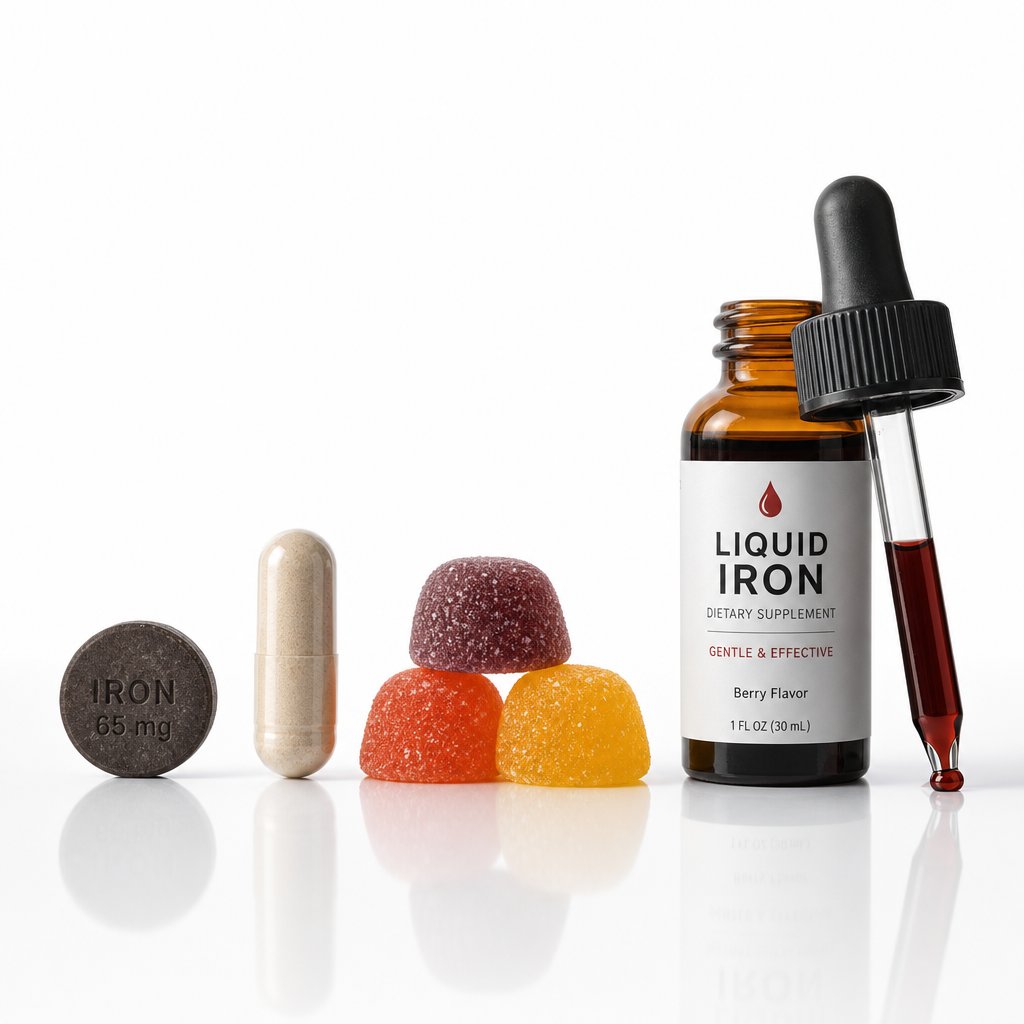
Beyond the iron compound itself, the physical format of your supplement also influences tolerability. Iron capsules can bypass some stomach irritation if they are enteric-coated, though research on dissolution profiles shows that modified-release formulations may reduce absorption significantly. Iron gummies deliver lower doses per unit (typically 10 to 18 mg of elemental iron), which makes them gentler on the stomach but requires consistent daily use over a longer period. Liquid iron formulations offer flexible dosing and faster absorption but may contain additives like fruit juices with polyphenols that partially inhibit uptake.
The table below compares the most common iron supplement forms side by side:
| Iron Form | Common Dose | Elemental Iron | GI Tolerance | Dizziness Likelihood |
|---|---|---|---|---|
| Ferrous sulfate (tablet) | 325 mg | 65 mg | Low | High |
| Ferrous fumarate (tablet) | 325 mg | 106 mg | Low | High |
| Ferrous gluconate (tablet) | 324 mg | 35 mg | Moderate | Moderate |
| Iron bisglycinate (capsule) | 150 mg | 25-30 mg | High | Low |
| Iron gummies | Varies | 10-18 mg | High | Very Low |
| Liquid iron (oral solution) | Varies | 10-25 mg per dose | Moderate-High | Low |
The pattern is clear: lower elemental iron per dose and chelated or protected delivery systems correlate with better GI tolerance and fewer dizziness reports. For anyone who has struggled with the standard ferrous sulphate iron supplement, these alternatives are worth discussing with your healthcare provider.
For supplement brands and private label businesses looking to develop better-tolerated iron products, the formulation strategy matters as much as the iron compound. Manufacturers like ZhuFeng offer OEM/ODM health food manufacturing across multiple formats, including tablets, iron capsules, gummy candy, and oral liquids, with customized formulations that can optimize bioavailability while minimizing side effects. This kind of flexible production capability allows brands to bring gentler iron products to market without building manufacturing infrastructure from scratch.
Choosing a better-tolerated iron form solves the problem at its source. But even the gentlest supplement can cause issues if it interacts poorly with other medications you are taking, which is a factor many people overlook entirely.
Step 6 - Check for Drug Interactions That Worsen Dizziness
You might be doing everything right with timing, food pairing, and dosage, yet still feeling lightheaded after your iron supplement. If you take other medications alongside iron, the problem may not be the iron alone. It may be how iron interacts with your other prescriptions, creating unpredictable absorption spikes or compounding blood pressure drops that amplify dizziness beyond what either medication would cause on its own.
Side effects from iron supplements are often manageable in isolation. But when taking iron pills alongside blood pressure drugs, antacids, or thyroid medications, those side effects can intensify in ways that catch people off guard. Here is what not to take with iron pills at the same time, and how to space everything safely.
Blood Pressure Medications and Iron Interaction Risks
If you take ACE inhibitors like captopril or beta-blockers like propranolol, you are already on a medication designed to lower blood pressure. Add iron's vasovagal potential on top of that, and you get a stacking effect. The iron triggers a GI-mediated blood pressure dip, while your prescription medication is simultaneously keeping your blood pressure low. The result can be pronounced lightheadedness, especially within the first hour after taking both.
GoodRx notes that iron can decrease the amount of captopril your body absorbs, which means your provider may need to adjust dosing or timing to maintain the drug's effectiveness. Beyond absorption interference, the combined hypotensive effect is what makes dizziness worse for people on these medications. Side effects to taking iron supplements in this context are not just GI discomfort. They include genuine hemodynamic instability that feels far more alarming than a brief wave of nausea.
Antacids and Absorption Disruption
Antacids, H2 blockers like famotidine, and proton pump inhibitors like omeprazole all reduce stomach acid. Iron supplements need an acidic environment for proper absorption. When you suppress that acid, iron absorption becomes erratic. Some doses absorb poorly, others absorb in unpredictable bursts when acid levels fluctuate, and this inconsistency can worsen side effects from taking iron pills.
A Verywell Health review of the research confirms that both PPIs and H2 receptor antagonists significantly impair iron absorption, with long-term use potentially contributing to persistent iron deficiency. The irony is that people taking these medications often need iron more, not less, because chronic acid suppression can itself contribute to poor iron status over time.
When taking iron pills alongside acid reducers, you may experience days where the supplement barely absorbs followed by days where a larger-than-expected amount enters your bloodstream at once. That inconsistency makes side effects unpredictable and dizziness harder to manage with timing alone.
How to Space Your Medications Safely
The good news is that most iron interactions are manageable with proper spacing. The table below shows recommended intervals between iron and common interacting medications, based on pharmacist guidance from GoodRx and clinical levothyroxine interaction data:
| Medication | Interaction With Iron | Recommended Spacing |
|---|---|---|
| ACE inhibitors (captopril) | Reduced drug absorption, compounded hypotension | 2 hours before or after iron |
| Beta-blockers (propranolol) | Additive blood pressure lowering | 2 hours before or after iron |
| Antacids (calcium carbonate) | Reduced iron absorption, calcium binding | 2 hours before or after iron |
| PPIs (omeprazole, pantoprazole) | Reduced stomach acid impairs iron uptake | Take iron 2 hours before PPI |
| Tetracycline antibiotics (doxycycline) | Iron binds to antibiotic, reducing both absorption | 2 hours before or 4 hours after iron |
| Fluoroquinolones (ciprofloxacin) | Iron reduces antibiotic potency | 2 hours before or after iron |
| Levothyroxine (Synthroid) | Iron binds to thyroid hormone, blocking absorption | At least 4 hours apart |
| Calcium supplements | Calcium binds iron in the stomach | 2 hours before or after iron |
Levothyroxine deserves special attention. All forms of iron, whether ferrous sulfate, fumarate, or gluconate, can form a bond with levothyroxine and prevent its absorption. Clinical guidance recommends a full 4-hour separation, which is longer than most other interactions require. If you take thyroid medication first thing in the morning, your prescription iron pills or OTC supplement should wait until at least mid-morning or later.
For people juggling multiple medications, a simple scheduling strategy helps: take levothyroxine first upon waking, wait at least 4 hours, then take iron mid-morning with a vitamin C source, and save antacids or calcium for the evening. This sequence respects every spacing requirement without requiring you to set alarms throughout the day.
Side effects from iron supplements become far more predictable once you eliminate interaction-driven absorption chaos. But what happens when dizziness persists even after you have optimized timing, switched forms, and spaced your medications correctly? That is when you need a clear framework for deciding whether to self-manage, schedule a doctor visit, or seek immediate care.

Step 7 - Follow the Dizziness Severity Framework to Know When to See a Doctor
Not all dizziness deserves the same response. A brief wave of lightheadedness after your morning tablet is a completely different situation from blacking out on the bathroom floor. The challenge is that iron-related dizziness exists on a spectrum, and most people have no framework for deciding where their symptoms fall. Should you adjust your routine, book an appointment, or head to urgent care right now?
This three-tier escalation system gives you a clear decision path based on severity, duration, and accompanying symptoms:
- Tier 1 — Mild dizziness: Brief lightheadedness that resolves within an hour. Self-manage with timing and food adjustments.
- Tier 2 — Moderate dizziness: Recurring episodes that interfere with daily activities. Adjust your dosage, switch iron forms, and schedule a doctor visit within 1 to 2 weeks.
- Tier 3 — Severe dizziness: Fainting, chest pain, persistent vertigo, or signs of allergic reaction to iron supplement. Seek immediate medical attention.
Mild Dizziness You Can Manage at Home
If your lightheadedness appears within 30 to 45 minutes of taking your tablet and fades within an hour, you are dealing with a standard GI-triggered vasovagal response. This is the most common pattern and the least concerning. You do not need to stop your supplement or see a doctor urgently.
Your action plan at this tier is straightforward: revisit the timing and food pairing strategies from Step 4. Try taking your iron with a small vitamin C-rich snack, split your dose, or shift to bedtime dosing. Track your symptoms for a week. If the dizziness decreases or disappears, you have found your fix.
Moderate Symptoms That Need Medical Guidance
When dizziness recurs multiple times per week, lasts longer than an hour, or starts affecting your ability to drive, work, or exercise safely, you have moved beyond self-management territory. This is also the tier where you need to ask: can low iron cause you to pass out if the deficiency itself is worsening despite supplementation?
At this level, schedule a doctor visit within 1 to 2 weeks. Before your appointment, prepare by noting:
- Which iron form and dose you are taking
- When dizziness occurs relative to your dose
- Whether symptoms happen on days you skip the supplement
- All other medications you take, including OTC products
Your doctor will likely order blood work to determine whether the problem is inadequate iron repletion, overcorrection, or something else entirely. MedlinePlus outlines the standard iron panel, which typically includes a serum ferritin test (measuring stored iron), transferrin saturation (how much iron is bound to transport proteins), a hemoglobin test, and a complete blood count. Together, these reveal whether your iron levels are still too low, climbing appropriately, or creeping into overload territory.
Can anemia make you pass out if it remains untreated? Yes. Persistent anemia means your brain is chronically under-oxygenated, and that can progress from lightheadedness to near-syncope or full fainting episodes, especially during exertion or position changes. If your dizziness is worsening over weeks rather than improving, the supplement may not be correcting the deficiency effectively, and your provider needs to investigate why.
Emergency Signs That Require Immediate Care
Tier 3 is not a wait-and-see situation. Certain symptoms demand immediate medical attention because they suggest either a severe allergic reaction, an fe overdose, or a dangerous cardiovascular event.
Seek emergency care immediately if you experience: fainting or loss of consciousness, chest pain or rapid irregular heartbeat, persistent vertigo that does not resolve, swelling of the face, lips, or throat (anaphylaxis), severe abdominal pain with vomiting or bloody stool, or confusion and disorientation after taking iron.
Signs of iron overdose include escalating abdominal pain, repeated vomiting, diarrhea, and rapid deterioration over hours rather than minutes. MedlinePlus notes that iron overdose can cause organ failure and that severe liver damage may appear 2 to 5 days after the event. Children are particularly vulnerable because iron tablets can resemble candy. If you suspect an fe overdose in yourself or a family member, call Poison Control (1-800-222-1222) or 911 immediately.
Can low iron make you pass out? It can, particularly during sudden position changes or physical exertion when hemoglobin is critically low. But fainting paired with chest pain, severe headache, or neurological symptoms like slurred speech points beyond iron deficiency toward something that needs emergency evaluation. Do not assume every faint is "just anemia."
Can low iron cause you to faint repeatedly over days? If so, your hemoglobin may have dropped to a level requiring urgent intervention, potentially including IV iron or even a blood transfusion. Repeated syncope is never something to ride out at home.
This framework keeps your response proportional to the actual risk. Most people land in Tier 1 and resolve their dizziness with simple adjustments. But for those who have exhausted every modification and still cannot tolerate oral iron tablets, there are alternative strategies that bypass the stomach entirely.
Step 8 - Explore Alternative Iron Strategies When Tablets Are Not Working
Some people try every adjustment in the book, switching forms, splitting doses, pairing with food, spacing medications, and still cannot tolerate oral iron tablets without dizziness or nausea. If that sounds like you, the answer is not to give up on correcting your deficiency. It is to change the delivery method entirely.
When someone asks what vitamin deficiency causes dizziness, iron deficiency is one of the most common answers. Leaving it untreated because tablets make you miserable is not a viable long-term plan. Fortunately, several alternatives exist that bypass the stomach irritation problem altogether or reduce it to a level your body can handle.
Here are your options ranked from easiest to implement to most medically involved:
- Cooking with cast iron cookware — requires no supplements at all
- Iron-rich food combinations optimized for absorption — dietary strategy
- Liquid iron formulations — flexible dosing, often gentler than tablets
- Iron gummies — low dose per unit, minimal GI irritation
- Slow release iron tablets — reduced peak irritation through gradual dissolution
- IV iron infusion — bypasses the GI tract completely (requires medical supervision)
Food-Based Strategies to Boost Iron Without Tablets
If your deficiency is mild to moderate, dietary changes can serve as a meaningful iron booster without any supplement at all. The key is combining the right foods in the right way.
Health.com reports that cooking acidic foods like tomato-based sauces, bean stews, and lentil curries in cast iron cookware can significantly increase the iron content of those meals. Studies confirm that iron leaches from the pan into acidic foods during cooking, effectively turning your cookware into a passive iron supplement with zero GI side effects.
For food pairing, the strategy is straightforward: combine heme iron sources (red meat, poultry, seafood) with vitamin C-rich foods to maximize absorption. Even plant-based iron from spinach, lentils, and tofu absorbs better when eaten alongside bell peppers, citrus, or tomatoes. Registered dietitian Kristin Kirkpatrick notes that including both heme and non-heme iron sources ensures adequate intake along with a broader range of essential vitamins and minerals.
Equally important is avoiding iron blockers at mealtime. Coffee, tea, calcium supplements, and high-fiber foods like wheat bran can significantly reduce your body's ability to absorb iron when consumed at the same time. Spacing these at least two hours from iron-rich meals makes a measurable difference.
These food-based approaches work well as vitamins for dizziness and lightheadedness prevention when the root cause is mild iron depletion. They will not correct severe anemia quickly enough on their own, but they form a solid foundation that supports any other intervention you layer on top.
Liquid Iron and Gummy Alternatives Worth Trying
Liquid iron formulations offer one major advantage over tablets: flexible dosing. You can start with a very small amount and gradually increase, finding the exact threshold where your body absorbs enough iron without triggering nausea or dizziness. Research confirms that iron contained within a liquid is just as well absorbed as iron found in a tablet, so you are not sacrificing effectiveness for comfort.
The trade-off is cost. Liquid formulas tend to contain less iron per serving, meaning you may need more product over time to reach the same therapeutic dose. Some liquid iron products also contain fruit juice bases with polyphenols that can partially inhibit absorption, so check the ingredient list.
Iron gummies for women have surged in popularity precisely because they address the tolerability problem. A typical iron gummy delivers 10 to 18 mg of elemental iron per serving, far less than the 65 mg in a standard ferrous sulfate tablet. That lower dose means dramatically less stomach irritation and virtually no dizziness reports. The catch is that correcting a true deficiency takes longer at these doses, so consistency matters more than ever.
For people who want the convenience of a once-daily format but cannot handle standard tablets, slow release iron tablets offer a middle ground. These formulations dissolve gradually, spreading the iron exposure across a longer window rather than dumping it all at once. However, the American Gastroenterological Association notes that no single oral iron formulation has proven advantages over another in terms of absorption, and some modified-release products may actually reduce bioavailability by releasing iron past the optimal absorption site in the duodenum.
For supplement brands developing alternative iron delivery formats that solve these tolerability issues, manufacturers like ZhuFeng provide OEM/ODM production across gummy candy, oral liquids, powder sachets, and capsule formats with customized formulations. This enables businesses to bring iron supplements for dizziness-prone consumers to market in formats specifically designed to minimize GI distress.
When to Ask Your Doctor About IV Iron Infusion
If you have tried dietary strategies, liquid iron, gummies, and chelated forms without adequate improvement in your ferritin levels, intravenous iron may be the next step. IV iron bypasses the digestive tract entirely, delivering iron directly into the bloodstream where it can be stored and used without ever touching your stomach lining.
The AGA's clinical practice update on iron deficiency anemia recommends IV iron when the patient does not tolerate oral iron, when ferritin levels do not improve with a trial of oral supplementation, or when the patient has a condition where oral iron is unlikely to be absorbed effectively. This includes people who have undergone bariatric surgery, those with inflammatory bowel disease and active inflammation, and patients with ongoing GI blood loss.
Modern IV iron formulations can replace your entire iron deficit in just one or two infusions. The AGA notes that formulations requiring fewer infusions are preferred over those needing multiple sessions. True anaphylaxis from IV iron is very rare. Most reactions are complement activation-related pseudo-allergies (infusion reactions) that resolve quickly and are not dangerous.
Ferritin supplements in oral form remain the first-line approach for most people, but IV iron is not a last resort reserved for extreme cases. It is a legitimate, well-studied option for anyone whose quality of life is suffering because they cannot tolerate oral iron. If dizziness, nausea, or other GI symptoms have kept you from maintaining consistent supplementation for more than two to three months, bring up IV iron at your next appointment. Your provider can order a serum ferritin and transferrin saturation test to determine whether your oral efforts have made meaningful progress or whether it is time to change course.
Iron deficiency is too common and too treatable to let supplement intolerance stand in the way. Whether you correct it through cast iron cookware, a gentler gummy, or an IV drip, the goal is the same: restore your iron stores, resolve the dizziness, and get back to feeling like yourself.
Frequently Asked Questions About Iron Tablets and Dizziness
1. How long does dizziness from iron tablets last?
Dizziness triggered by iron tablets typically begins 15 to 45 minutes after taking the pill and resolves within 1 to 2 hours. This happens because the iron irritates the stomach lining, triggering a vasovagal response that temporarily lowers blood pressure. If you split your dose into two smaller amounts or take iron with a vitamin C-rich snack, most people report the dizziness window shrinks to 20 to 30 minutes or disappears entirely. Dizziness lasting beyond 2 hours or worsening over days may indicate the underlying iron deficiency itself or iron overload, both of which warrant medical evaluation.
2. Should I stop taking iron supplements if they make me dizzy?
You generally should not stop iron supplements without consulting your doctor, since untreated iron deficiency can cause worsening fatigue, cognitive issues, and more severe dizziness over time. Instead, try adjusting your approach first: take the tablet with a small meal, switch to bedtime dosing, split the dose, or ask your provider about gentler forms like iron bisglycinate or liquid iron. If dizziness persists despite these changes, your doctor may recommend alternate-day dosing, a lower dose, or IV iron infusion as a GI-free alternative.
3. Can iron tablets cause dizziness even if I'm not anemic?
Yes. Iron tablets can cause dizziness in anyone, regardless of anemia status, because the mechanism is primarily GI-related rather than blood-related. Ferrous sulfate irritates the stomach lining, which can trigger nausea and a vasovagal reflex that drops blood pressure temporarily. This response does not depend on your hemoglobin levels. People taking iron preventively during pregnancy or those supplementing for low ferritin without full anemia can still experience lightheadedness, especially on an empty stomach or at higher doses like 325 mg ferrous sulfate.
4. What is the best form of iron supplement to avoid dizziness?
Iron bisglycinate (chelated iron) consistently shows the best GI tolerance and lowest dizziness reports in clinical studies. Because the iron is bound to amino acids, it passes through the stomach without releasing free iron ions that irritate the gastric lining. A University of Chicago trial found significantly fewer moderate-to-severe side effects with iron bisglycinate compared to ferrous sulfate at equal elemental iron doses. Iron gummies and liquid formulations also cause less dizziness due to their lower per-dose elemental iron content, though they may take longer to correct a deficiency.
5. Can low iron itself cause dizziness and fainting?
Absolutely. Iron deficiency anemia reduces hemoglobin, which means less oxygen reaches your brain and muscles. This oxygen deficit causes persistent dizziness, lightheadedness when standing, and in severe cases, fainting episodes, particularly during exertion or sudden position changes. Unlike supplement-caused dizziness that appears shortly after taking a pill, deficiency-related dizziness occurs throughout the day regardless of when you took your tablet. If you experience repeated near-fainting or actual loss of consciousness, seek medical attention promptly, as your hemoglobin may have dropped to a level requiring urgent intervention.