What Happens After You Swallow a Tablet
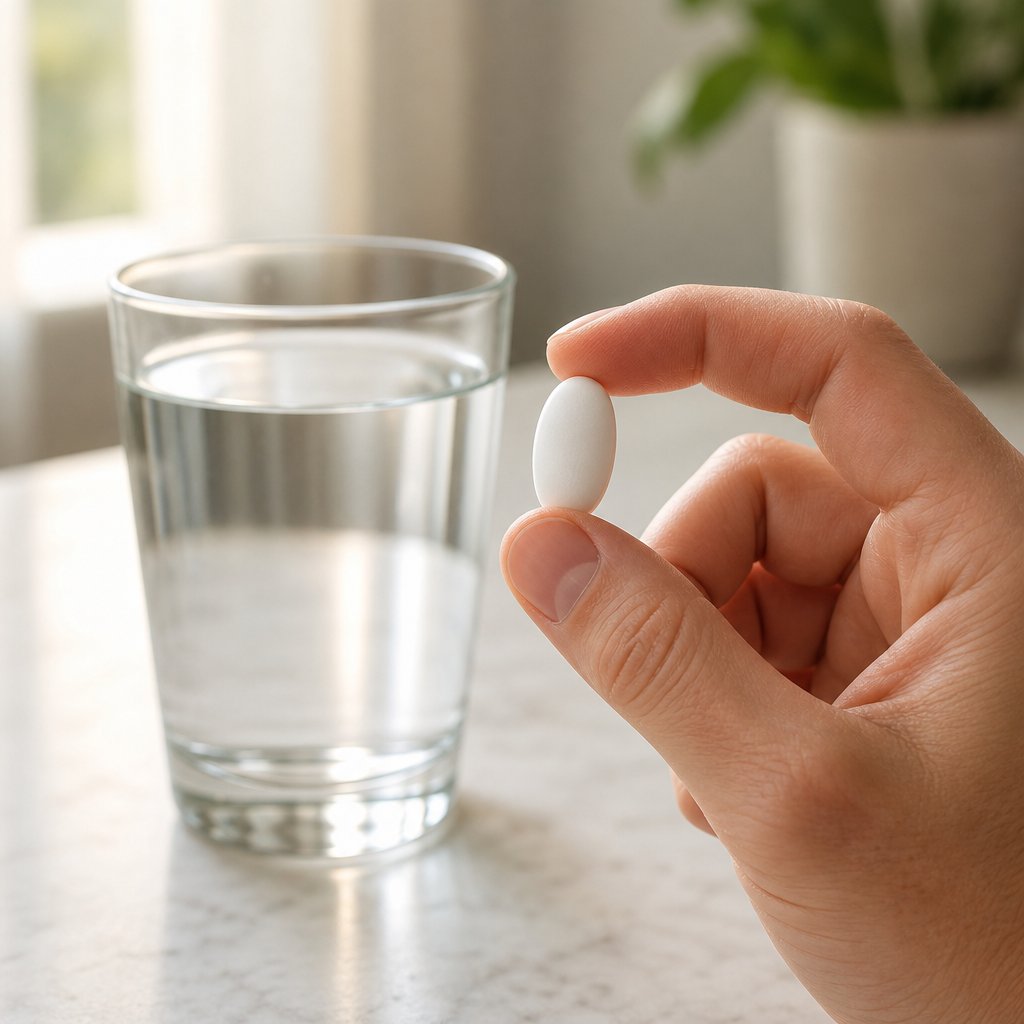
You just swallowed a pill. Maybe it was a painkiller for a headache that won't quit, or maybe you threw up 20 minutes after taking your medication and now you're wondering if you need another dose. Either way, the question is the same: how long does it take for tablets to digest, and when will the drug actually start doing its job?
The Quick Answer Most People Need
If you're looking for a fast answer, here it is:
Most standard tablets disintegrate within 15 to 30 minutes in the stomach and begin absorbing into the bloodstream within 30 to 60 minutes of swallowing.
That's the general window for immediate-release tablets taken with a full glass of water. But those numbers shift dramatically depending on the type of pill, whether you've eaten, and even your body position. A Johns Hopkins study found that body posture alone can create a 10x difference in dissolution time, with right-side lying clocking in at 10 minutes versus over 100 minutes on the left side.
So how long does it take for pills to digest in your specific situation? That depends on understanding what "digestion" actually means for a tablet, because it's not the same as the pill working.
Why Digestion and Drug Effect Are Not the Same Thing
When people ask how long does it take for a pill to digest, they usually mean "how long does it take to work." These are related but separate events. Digestion refers to the physical breakdown of the tablet and its dissolution into a form your body can use. Drug effect, the moment you feel relief, only begins after the active ingredient crosses from your gut into your bloodstream and reaches its target.
Think of it this way: a tablet dissolving in your stomach is like opening a package. The contents still need to travel to where they're needed. That's why how long does medicine take to work is always longer than how long the pill takes to dissolve. For context, many people wonder how long does it take for Tylenol to kick in. The tablet itself dissolves in roughly 15 to 20 minutes, but pain relief typically begins around 30 to 45 minutes later because the acetaminophen still needs to absorb and circulate.
To make sense of these timelines, it helps to follow a single tablet on its complete journey from your mouth to your bloodstream. That journey breaks down into three distinct phases: disintegration, dissolution, and absorption. Each phase has its own timeline, its own bottlenecks, and its own set of variables that speed things up or slow them down.
The Three Phases of Tablet Digestion Explained
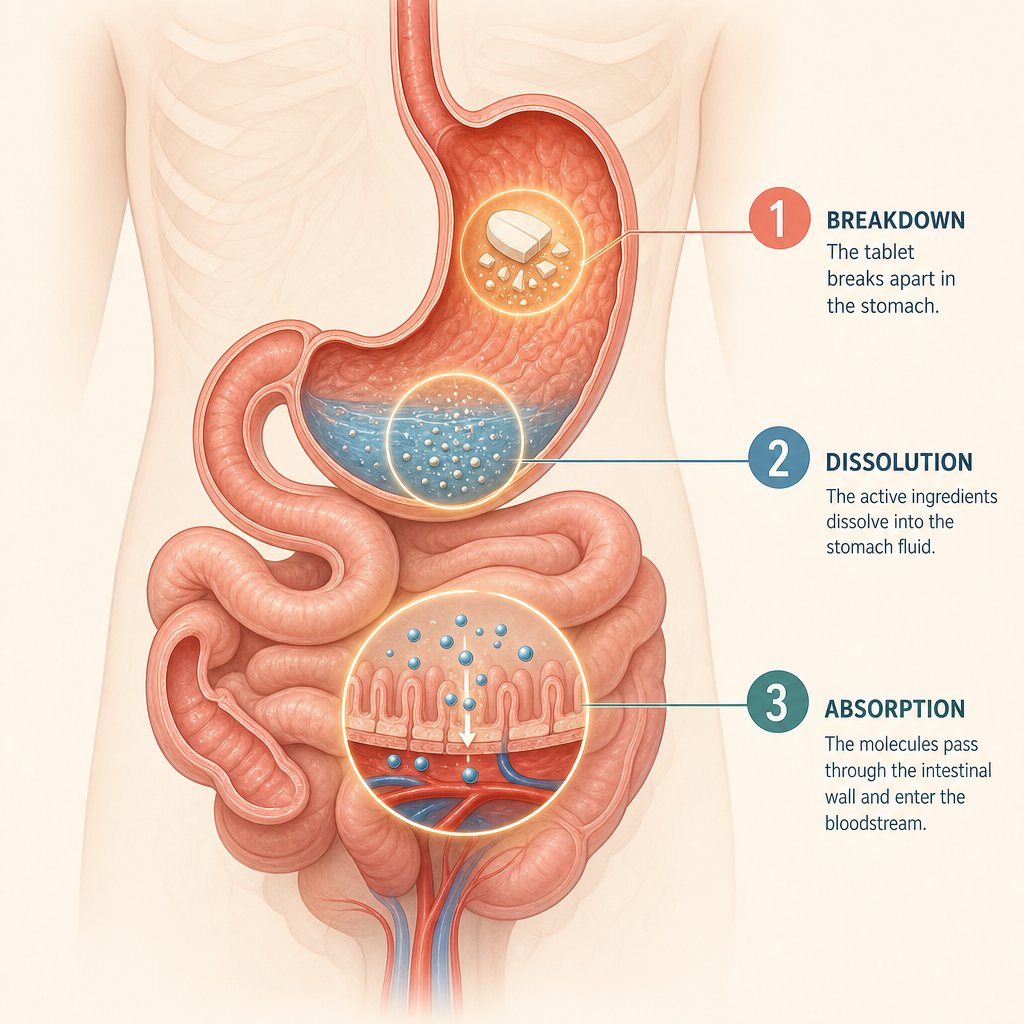
Understanding how long does it take pills to dissolve and eventually reach your bloodstream becomes much clearer when you break the process into its three sequential stages. Each phase has a distinct job, a specific location in your GI tract, and its own timeframe. Here's the full sequence:
- Disintegration - Tablet breaks into small granules in the stomach (2-5 minutes)
- Dissolution - Granules dissolve into solution in stomach fluid (10-30 minutes)
- Absorption - Dissolved drug crosses the intestinal membrane into the bloodstream (15-45 minutes)
These phases overlap somewhat, but they happen largely in sequence. And here's the critical detail most explanations miss: your stomach handles the first two steps, but the third and most important step happens somewhere else entirely.
Phase One - Disintegration in the Stomach
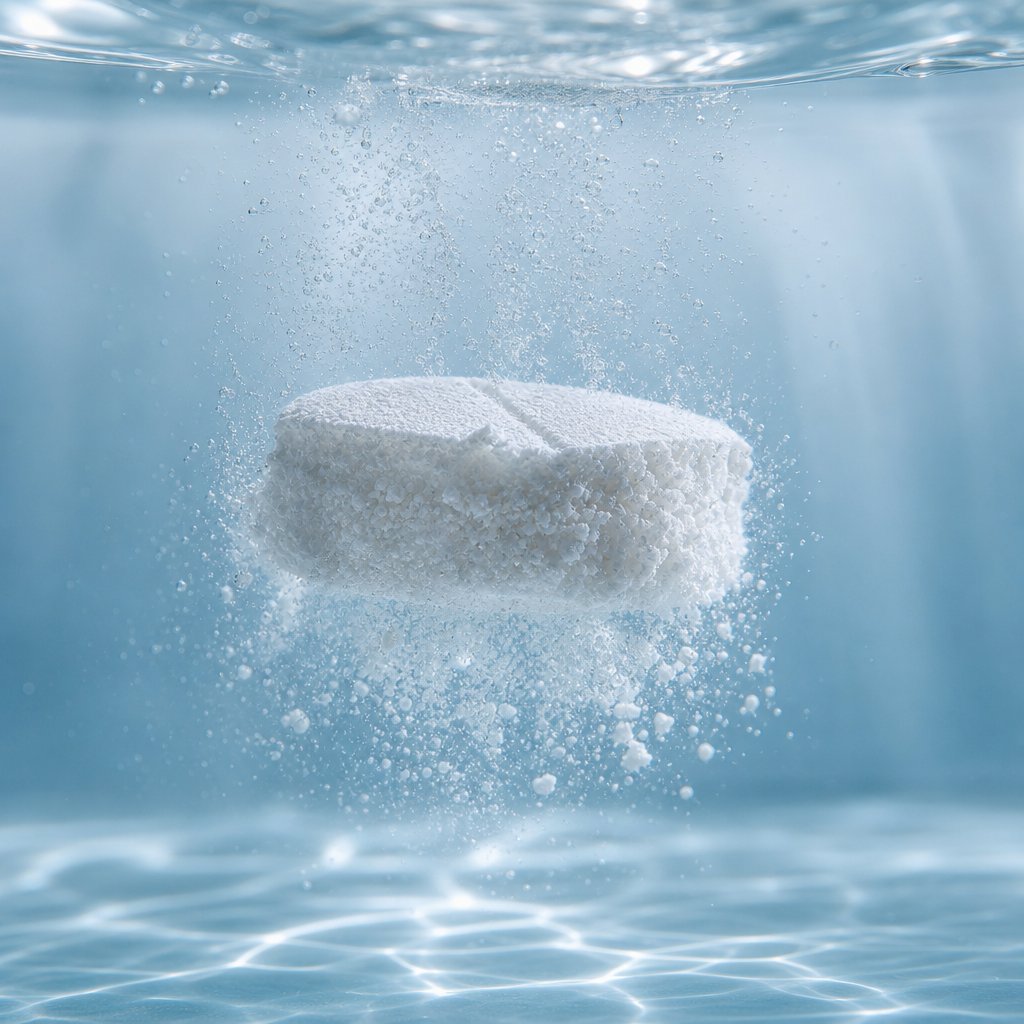
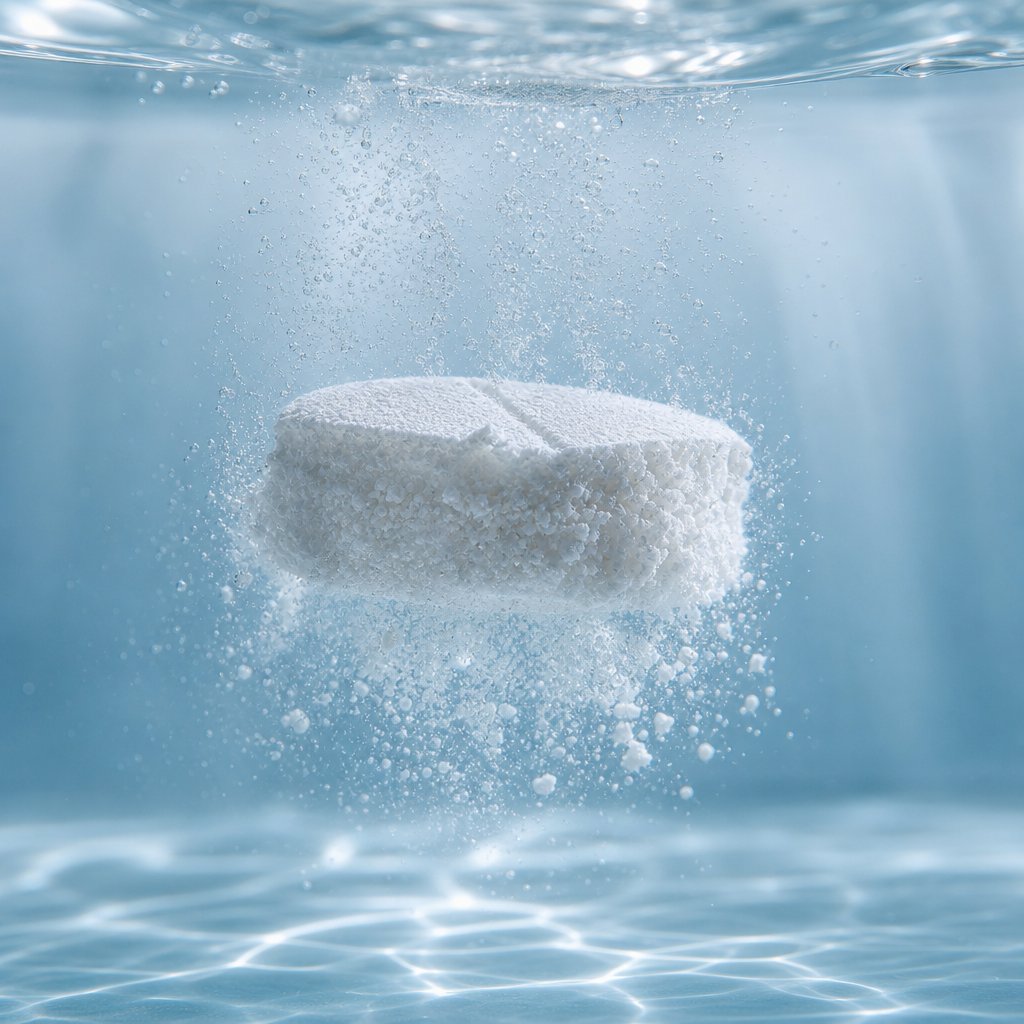
The moment a tablet hits your stomach's acidic environment (pH 1.5 to 3.5), it begins to break apart. Stomach acid and mechanical churning attack the tablet's structure, cracking it into smaller granules and particles. For a standard uncoated tablet, this takes roughly 2 to 5 minutes. Pharmaceutical manufacturers actually test for this using USP disintegration standards that require most immediate-release tablets to fully disintegrate within 30 minutes, though most accomplish it far faster.
Disintegration is the quickest phase. The tablet's built-in disintegrants, special excipients that swell on contact with water, do most of the heavy lifting here. You'll notice this is why taking pills with a full glass of water matters so much. Without adequate fluid, the tablet can't break apart efficiently.
Phase Two - Dissolution Into Solution
Once the tablet has crumbled into granules, those particles need to fully dissolve into the surrounding gastric fluid. This is dissolution, and it typically takes 10 to 30 minutes for standard formulations. The drug must be in solution before your body can absorb it. As the Merck Manual notes, regardless of the route of administration, drugs must be in solution to be absorbed.
How long for pills to dissolve in stomach depends heavily on the drug's solubility characteristics. Highly soluble compounds dissolve rapidly, while poorly soluble drugs (classified as BCS Class II) may dissolve slowly and incompletely. This is where tablet formulation plays a major role, as manufacturers engineer particle sizes and use solubility-enhancing excipients to speed this phase along.
Phase Three - Absorption Into the Bloodstream
Here's where most people's understanding breaks down. Drug absorption, the process of the dissolved medication crossing cell membranes into your blood, happens primarily in the small intestine, not the stomach. The small intestine offers a vastly larger surface area (approximately 32 square meters of mucosal surface) and more permeable membranes compared to the stomach's thick mucous lining.
In the study of absorption in pharmacokinetics, this phase is where the drug finally enters systemic circulation. The dissolved molecules cross the intestinal epithelium mainly through passive diffusion, moving from the high-concentration environment of the gut lumen into the lower-concentration bloodstream. This process takes approximately 15 to 45 minutes once the drug reaches the intestinal absorption site.
So how long does it take for a pill to absorb completely? The answer depends on a bottleneck most people never consider: gastric emptying.
The Hidden Bottleneck - Gastric Emptying
A tablet can disintegrate in 3 minutes and dissolve in 15, yet still wait another 20 to 60 minutes before reaching the small intestine where absorption metabolism actually begins. This waiting period is gastric emptying, the time it takes your stomach to push its contents through the pyloric sphincter into the duodenum.
Gastric emptying is often the true rate-limiting step in how long do pills take to digest. Your stomach doesn't release everything at once. It meters out contents gradually, and the speed depends on factors like meal composition, fluid volume, and even your body's hormonal signals. On an empty stomach, liquids can pass through in 15 to 30 minutes. After a fatty meal, gastric emptying can stretch to 4 hours or more.
This explains a common frustration: you swallow a pill, it dissolves quickly, but you don't feel anything for over an hour. The drug was ready, but it was stuck waiting for transit to the absorption site. When you understand how long does it take to digest a pill through this three-phase lens, the variability in onset times starts to make much more sense.
The total timeline from swallowing to meaningful blood levels typically ranges from 30 minutes to 2 hours for immediate-release tablets. But that range widens dramatically when you factor in different tablet types, each engineered with a specific dissolution profile in mind.
Digestion Timelines for Every Tablet Type
Not all pills follow the same script. A sublingual nitroglycerin tablet delivers relief in under two minutes, while an extended-release formulation is engineered to dissolve over an entire day. How long does a tablet take to digest depends almost entirely on what kind of tablet it is. Here's how each major format performs.
Standard Tablets and Hard Capsules
Standard compressed tablets are the most common oral dosage form, designed for immediate release. They rely on built-in disintegrants that swell on contact with gastric fluid, breaking the tablet into granules within 2 to 5 minutes. Full dissolution follows in 10 to 30 minutes, with most people feeling effects within 30 to 60 minutes of swallowing.
How long does it take for a capsule to dissolve? Hard gelatin capsules follow a similar timeline. The two-piece gelatin shell softens and ruptures in stomach acid within about 5 to 10 minutes, releasing the powder or granules inside. From there, dissolution and absorption proceed much like a standard tablet. Soft gelatin capsules (softgels) tend to dissolve slightly faster because their plasticized, flexible shell breaks down more readily in gastric fluid, often within 20 to 30 minutes total. Since softgels typically contain liquid or oil-based fills already in a semi-dissolved state, the dissolution phase is essentially skipped, giving them a modest speed advantage.
Specialized Tablet Forms and Their Timelines
Beyond standard formats, pharmaceutical design gets creative. Chewable tablets skip the disintegration phase entirely because you mechanically break them down before swallowing. This shaves several minutes off the process. Orally disintegrating tablets (ODTs) dissolve on the tongue within seconds, though the drug residue is still swallowed and absorbed through the GI tract rather than the oral mucosa.
The sublingual route works differently altogether. Sublingual tablets placed under the tongue dissolve in 1 to 3 minutes and absorb directly into the bloodstream through the highly vascularized oral mucosa, bypassing the stomach and first-pass liver metabolism entirely. Sublingual, how long does it take to work? Often just 1 to 5 minutes for drugs like nitroglycerin. Buccal tablets, placed between the cheek and gum, use the same mucosal absorption principle with a slightly slower release profile.
Enteric-coated tablets are designed to resist stomach acid completely. Their specialized polymer coating only dissolves at the higher pH of the small intestine, which means the tablet remains intact for 1 to 2 hours until it passes through the pylorus. Time release pills take this concept further. Extended-release and sustained-release formulations use matrix systems, reservoir membranes, or osmotic mechanisms to meter out their contents over 8 to 24 hours, maintaining steady blood levels throughout the day.
The table below maps how long do tablets take to digest across every major format:
| Tablet Type | Disintegration Time | Dissolution Time | Typical Onset of Action | Peak Effect |
|---|---|---|---|---|
| Standard Compressed Tablet | 2-5 minutes | 10-30 minutes | 30-60 minutes | 1-3 hours |
| Hard Gelatin Capsule | 5-10 minutes | 10-30 minutes | 30-60 minutes | 1-3 hours |
| Soft Gelatin Capsule (Softgel) | 5-10 minutes | Minimal (liquid fill) | 20-45 minutes | 1-2 hours |
| Chewable Tablet | Immediate (chewed) | 5-15 minutes | 20-40 minutes | 1-2 hours |
| Orally Disintegrating Tablet (ODT) | Seconds (on tongue) | 10-20 minutes | 20-45 minutes | 1-2 hours |
| Sublingual Tablet | 1-3 minutes | 1-3 minutes | 1-5 minutes | 10-30 minutes |
| Buccal Tablet | 5-30 minutes | 5-30 minutes | 5-15 minutes | 30-60 minutes |
| Enteric-Coated Tablet | Delayed 1-2 hours | 15-30 minutes (in intestine) | 1-3 hours | 2-4 hours |
| Extended-Release Tablet | Gradual (8-24 hours) | Continuous (8-24 hours) | 1-4 hours | 4-8 hours |
Notice the gap between the fastest and slowest formats. A sublingual tablet reaches peak effect in under 30 minutes, while an extended-release formulation takes 4 to 8 hours. That's the 10x difference the research highlights, and it's entirely by design. Each format exists because different clinical situations demand different absorption profiles.
What this table can't capture, though, is how much your individual circumstances shift these numbers. The same standard tablet can behave very differently depending on whether your stomach is empty or full, how much water you drank, or even which side you're lying on.
What Speeds Up or Slows Down Tablet Digestion
You've seen how different tablet types follow different timelines. But even within the same tablet format, pill speed varies wildly from person to person and situation to situation. The factors that affect absorption aren't all equal, though. Some shift your timeline by minutes, others by hours. Here they are, ranked by how much they actually matter.
The Factors That Matter Most
How long does it take to absorb a pill? That depends on these five variables, listed from greatest to least impact:
- Tablet formulation and coating - This is the single biggest variable. An enteric coating alone can delay dissolution by 1 to 2 hours, while an extended-release matrix stretches it across an entire day. No other factor comes close to this magnitude of influence. The drug's solubility, particle size, and excipient design determine the baseline timeline before any patient-specific factors even enter the picture.
- Food in the stomach - A full stomach delays gastric emptying by 1 to 4 hours depending on meal composition. High-fat meals slow things the most because they trigger hormonal signals (cholecystokinin) that tell the pyloric sphincter to stay closed longer. This means the dissolved drug sits in the stomach instead of reaching the small intestine where absorbing drugs into the bloodstream actually happens.
- Water intake - Taking a tablet with a full glass of water (240 mL) versus a small sip makes a meaningful difference. Adequate water accelerates disintegration, improves dissolution by creating more solvent volume, and helps flush the tablet toward the pylorus. Patients who swallow pills dry or with minimal liquid often experience delayed and inconsistent absorption.
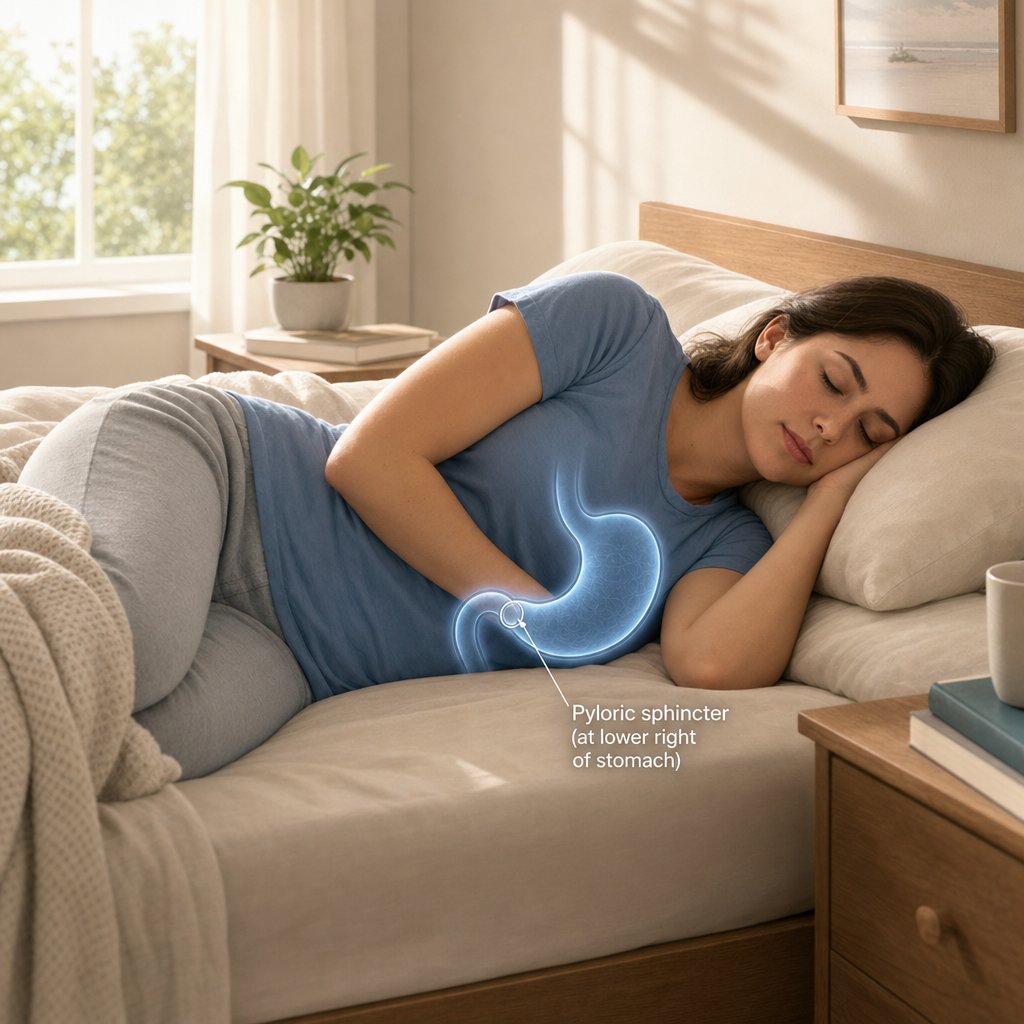
- Body position - Your posture during and after swallowing determines where the pill lands in the stomach and how quickly it reaches the exit. This factor alone can create a 10x difference in dissolution time.
- Individual metabolism and stomach pH - Gastric acid levels, gut motility speed, and blood flow to the GI tract all vary between individuals. These differences typically shift timelines by 10 to 30 minutes rather than hours, but they compound with the factors above.
Understanding this hierarchy helps you focus on what you can actually control. You can't change your tablet's formulation after swallowing it, but you can control factors two through four, and those adjustments help your body absorb ease-fully rather than fighting unnecessary delays.
Why Body Position Changes Everything
A Johns Hopkins University study published in Physics of Fluids used a computational model called StomachSim to simulate how posture affects pill dissolution. The results were striking: a pill that dissolves in 10 minutes when lying on the right side takes 23 minutes in an upright posture and over 100 minutes when lying on the left side.
Why such a dramatic gap? It comes down to anatomy. Your stomach isn't a symmetrical pouch. It curves to the right, and the pyloric sphincter, the exit valve leading to the small intestine, sits at the lowest right-hand portion called the antrum. When you lie on your right side, gravity directs the pill and dissolved contents straight toward this exit point. The drug reaches the duodenum faster, and how long does it take for medicine to absorb drops significantly.
Standing upright is the second-best option, essentially tied with lying flat on your back. Both positions allow gravity to pull contents toward the antrum, though less directly than right-side lying. The worst position? Lying on your left side. In that posture, the pill lands in the fundus, the upper dome of the stomach, and must fight gravity and wait for peristaltic contractions to slowly push it across and down toward the pylorus.
As the study's senior author Rajat Mittal noted, the impact of posture on dissolution rivals that of gastroparesis, a serious stomach motility disorder. For bedridden or sedentary individuals, simply turning to the right side after taking medication can dramatically change how long does it take for medicine to be absorbed.
Practical takeaway: if you want the fastest possible absorption from an immediate-release tablet, take it with a full glass of water, on an empty stomach, and either remain upright or lie on your right side for 10 to 15 minutes afterward. These controllable factors work together, and stacking them in your favor can shave 30 minutes or more off your wait time for how long does it take for pills to absorb.
Of course, "empty stomach" is doing a lot of heavy lifting in that recommendation. The reality of when and how you eat relative to your medication creates its own complex set of interactions worth examining closely.
Taking Tablets on an Empty Stomach vs. With Food
Imagine you wake up with a splitting headache. You grab a painkiller and swallow it with water before breakfast. Thirty minutes later, relief kicks in. The next day, same headache, same pill, but this time you take it halfway through a stack of pancakes with bacon. An hour passes and you're still waiting. What changed? The tablet was identical. Your stomach wasn't.
Empty Stomach Digestion Timeline
When you take a tablet on an empty stomach, gastric emptying happens quickly. Noncaloric liquids like water can pass through the stomach in just a few minutes via a shortcut along the lesser curvature called the Magenstrasse, and they can carry dissolved drug molecules along with them. For a standard immediate-release tablet taken with a full glass of water and no food present, the typical sequence looks like this:
- Disintegration and dissolution: 15 to 30 minutes
- Gastric emptying to the small intestine: 15 to 30 minutes
- Absorption begins: within 30 to 60 minutes of swallowing
This is the fastest realistic timeline for orally administered drugs in standard tablet form. The method of administration matters here: taking the pill with 240 mL of plain water, while upright or lying on the right side, gives the drug its best shot at rapid transit. How long does it take to digest a tablet under these ideal conditions? Most people can expect meaningful blood levels within 30 to 45 minutes after taking the dose.
For medications where speed is critical, an empty stomach is often the explicit recommendation. Thyroid medications like levothyroxine, bisphosphonates like alendronate, and captopril all require fasting conditions because food components physically bind to these drugs or slow their transit past the absorption window. GoodRx clinical guidance notes that orange juice alone can lower alendronate absorption by about 60% compared to plain water.
How Food Composition Changes Absorption
Food doesn't just slow things down uniformly. The type of meal determines how dramatically it delays medicine absorption, and the mechanism is more complex than simple physical obstruction.
High-fat meals create the longest delays. Fat triggers the release of cholecystokinin (CCK) and other hormones that actively slow gastric motility, keeping stomach contents in place for extended mechanical processing. A comprehensive review in Drug Design, Development and Therapy confirms that solid foods require grinding into 1 to 2 mm particles before the stomach releases them, a process that extends gastric emptying time significantly. After a high-fat meal, you can expect gastric emptying to take 2 to 4 hours rather than the fasting-state 15 to 30 minutes.
Here's how different meal types shift the timeline for how long does it take for medicine to digest:
| Stomach Condition | Gastric Emptying Time | Expected Delay in Drug Onset |
|---|---|---|
| Empty (water only) | 15-30 minutes | None (baseline) |
| Light snack (crackers, toast) | 30-60 minutes | 15-30 minutes |
| Moderate meal (sandwich, salad) | 1-2 hours | 30-60 minutes |
| High-fat meal (fried food, heavy dinner) | 2-4 hours | 60-90+ minutes |
Not all food effects are negative, though. Some medications actually need food to work properly. BCS Class II drugs, those with low solubility and high permeability, often show enhanced bioavailability when taken with fatty meals. The increased bile salt secretion after eating creates micelles that help dissolve lipophilic drug molecules, improving how long does it take to absorb medicine by making more of the drug available for uptake. NSAIDs like ibuprofen are commonly taken with food not because it helps absorption, but because food buffers the stomach lining against irritation.
Beverages add another layer of complexity. Coffee accelerates gastric motility in some people but can alter stomach pH. Grapefruit juice inhibits CYP3A4 enzymes in the intestinal wall, which doesn't change how quickly a tablet dissolves but can dramatically increase how much drug enters circulation by blocking first-pass metabolism. Milk contains calcium that binds to certain antibiotics like tetracycline, forming insoluble complexes that prevent absorption entirely. Even the viscosity of what you drink matters: research shows that high-viscosity liquids reduce water penetration into tablets, significantly delaying disintegration times for both coated and uncoated formulations.
The practical rule? After taking a tablet with a full meal, expect the onset to be delayed by 30 to 90 minutes compared to taking it with just water on an empty stomach. For most over-the-counter pain relievers and common medications, this delay is inconvenient but not dangerous. For time-sensitive medications like antibiotics with narrow dosing windows or drugs with specific absorption requirements, the difference between fed and fasted states can mean the difference between therapeutic success and treatment failure.
Food timing and composition represent factors you can control. But some variables that affect how long does it take for medicine to digest are built into your biology, shifting with age, health status, and conditions you may not even realize are altering your GI function.
How Age and Health Conditions Change Digestion Time
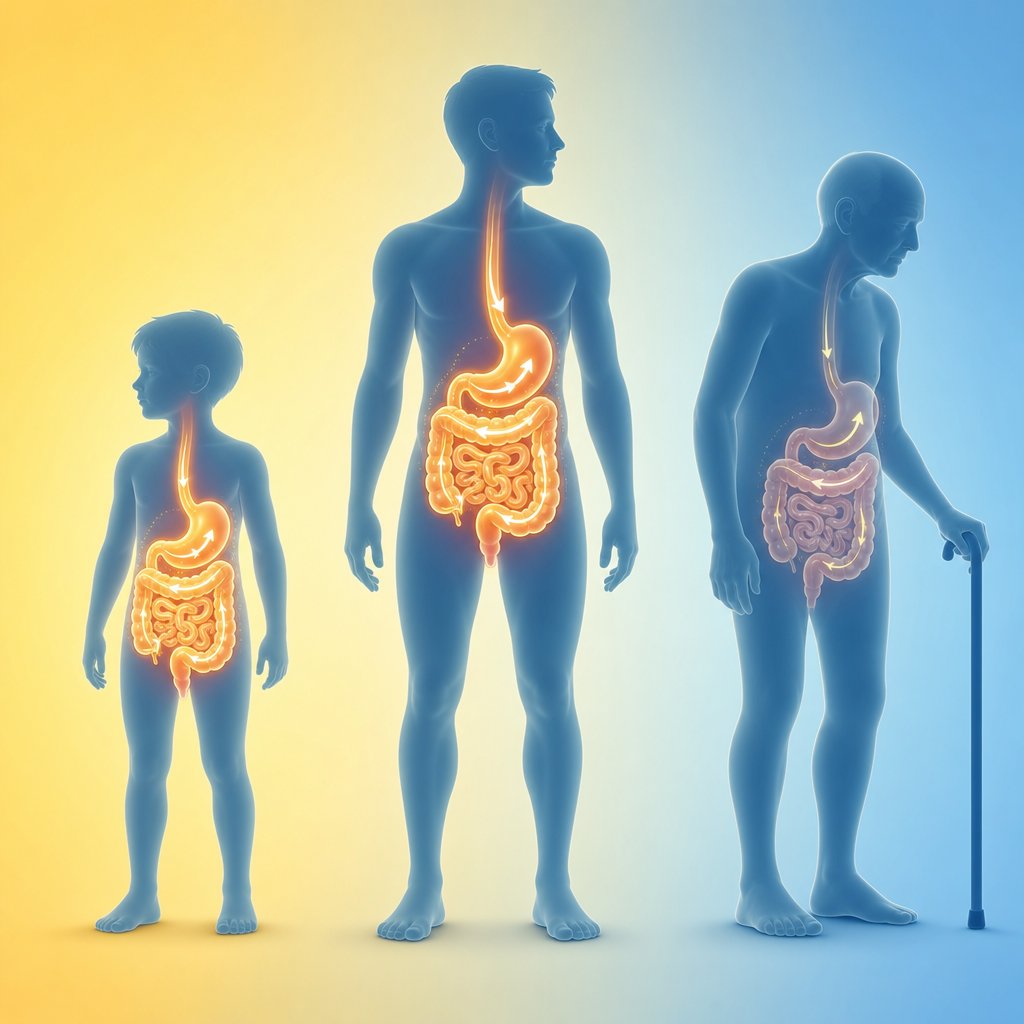
Everything discussed so far assumes a healthy adult with a normally functioning GI tract. But your body isn't static. A 75-year-old's stomach behaves differently from a 30-year-old's, and certain medical conditions can double or triple the time it takes to digest medication. These biological variables are often invisible to the person swallowing the pill, yet they reshape the entire absorption timeline.
How Age Affects Tablet Digestion Speed
Aging changes the GI environment in several ways that collectively slow how long does it take medicine to digest. A 2023 review published in the European Journal of Pharmaceutical Sciences examined the physiological determinants of oral drug absorption in older adults and identified three key shifts:
- Reduced stomach acid production - Gastric acid output declines with age, particularly in people over 65. Lower acidity (higher pH) slows the dissolution of many drugs that rely on an acidic environment to break down. This is especially relevant for pH-dependent formulations and weakly basic drugs.
- Slower gastric motility - The muscular contractions that churn stomach contents and push them toward the pylorus weaken over time. This extends the gastric emptying phase, the bottleneck that determines when dissolved drug reaches the small intestine.
- Decreased blood flow to the GI tract - Splanchnic blood flow drops by roughly 30 to 40% in elderly patients compared to younger adults. Since absorption depends on blood carrying drug molecules away from the intestinal membrane, reduced perfusion means slower uptake even after the drug reaches the absorption site.
The same review noted that volumes of luminal contents appear slightly smaller in older adults, and that the combined impact of comorbidities and polypharmacy in geriatric populations remains poorly studied. In practical terms, an elderly patient taking a standard tablet may experience medication absorption that's 30 to 60 minutes slower than a younger adult taking the same pill under the same conditions.
Children present the opposite pattern in some respects. Pediatric gastric emptying tends to be faster than in adults, meaning tablets transit to the small intestine more quickly. However, children have a smaller intestinal surface area and different enzyme expression levels, which can offset that speed advantage. The net result varies by drug, which is one reason pediatric dosing relies on weight-based calculations rather than simply scaling adult timelines.
Medical Conditions That Alter Digestion Timelines
Beyond normal aging, specific medical conditions can dramatically change how long does it take for medication to be absorbed. In absorption pharmacology, these conditions are recognized as major sources of inter-patient variability. If you have any of the following, your tablet digestion timeline likely differs from standard estimates:
- Gastroparesis - This condition involves severely delayed gastric emptying due to nerve damage or dysfunction, often associated with diabetes. Tablets may sit in the stomach 2 to 4 times longer than normal before reaching the small intestine. A pill that would normally begin absorbing in 30 minutes might take 90 minutes or more. Some patients find that liquid formulations or orally disintegrating tablets partially bypass this bottleneck.
- GERD and proton pump inhibitor (PPI) use - PPIs like omeprazole raise gastric pH from the normal 1.5-3.5 range up to 4.0-7.0. This altered environment directly affects dissolution of pH-dependent coatings and changes the solubility profile of many drugs. FDA guidance on gastric pH-dependent drug interactions confirms that for immediate-release basic drugs with pH-dependent solubility, increased gastric pH can reduce solubility and lower overall drug exposure. Enteric coatings designed to resist acid may dissolve prematurely in a higher-pH stomach, releasing drug in the wrong location.
- Irritable bowel syndrome (IBS) - IBS creates unpredictable motility patterns. Diarrhea-predominant IBS can accelerate transit so much that tablets pass through the absorption window before the drug fully dissolves. Constipation-predominant IBS may slow colonic transit but typically has less impact on upper GI tablet digestion. The variability itself is the problem: the same patient may experience different absorption rates on different days.
- Post-bariatric surgery - Procedures like gastric bypass and sleeve gastrectomy fundamentally alter GI anatomy. Reduced stomach volume means less space and fluid for disintegration and dissolution. Bypass procedures reroute food past portions of the small intestine, shrinking the available absorption surface. Patients who have undergone these surgeries often need modified dosage forms or adjusted dosing schedules because standard tablets may not digest as intended in their restructured anatomy.
- Celiac disease and inflammatory bowel disease - Conditions that damage the intestinal lining reduce the surface area available for absorption. Even if a tablet dissolves on schedule, the damaged mucosa absorbs less drug per unit of time, effectively extending how long does it take to digest medicine before therapeutic blood levels are reached.
The medical definition of absorption, the transfer of a substance from its site of administration into the systemic circulation, assumes intact physiological machinery. When that machinery is compromised, the absorption medical term takes on a different practical meaning: the same drug, same dose, same tablet, but a fundamentally different outcome.
The stomach pH factor deserves special attention because it affects millions of people taking over-the-counter antacids or prescription acid reducers. H2 blockers like famotidine raise gastric pH for a shorter window (6 to 8 hours), while PPIs maintain elevated pH for 16 to 24 hours. If you're taking a medication that requires acidic conditions to dissolve properly, concurrent use of these acid reducers can reduce how much drug actually enters solution. The FDA recommends separating antacid doses from affected medications by at least 2 hours, though for PPIs the interaction cannot be avoided through timing alone due to their prolonged pharmacodynamic effect.
For anyone managing one of these conditions, the standard timelines discussed earlier in this article represent a starting point, not a guarantee. Discussing absorption concerns with a pharmacist or prescriber can help identify whether alternative formulations, adjusted timing, or different administration strategies might improve how reliably your medications reach therapeutic levels. Sometimes the issue isn't the pill itself but what happens when it encounters a GI environment it wasn't designed for.
What To Do If a Tablet Does Not Digest Properly
Knowing how long does it take a pill to digest is useful in theory. But the real anxiety hits when something goes wrong: you throw up 20 minutes after swallowing your medication, you spot what looks like an intact pill in the toilet, or a drug that usually works just isn't kicking in. These situations are more common than you'd think, and each one has a practical answer.
Vomiting After Taking a Tablet
If you vomit shortly after taking a pill, the critical question is whether your body had enough time to absorb the dose. A survey of 65 pediatric healthcare professionals found that more than half would recommend re-dosing if vomiting occurred within 30 minutes of taking a medication, since that's roughly how long does medicine take to digest for a standard immediate-release tablet. About one-third set the threshold even shorter at 15 minutes. Nearly all agreed that vomiting after 60 minutes or more means the drug has likely been absorbed and re-dosing is unnecessary.
Here's a general framework for the re-dosing decision:
- Vomiting within 15 minutes - The tablet almost certainly hasn't dissolved or absorbed. Re-dosing is usually appropriate, but confirm with your pharmacist or prescriber first.
- Vomiting between 15 and 30 minutes - Partial dissolution has likely occurred, but significant absorption is unlikely for most standard tablets. Contact your healthcare provider for guidance specific to your medication.
- Vomiting between 30 and 60 minutes - This is the gray zone. Some drug digestion and absorption has occurred, but how much depends on the specific medication and whether food was present. Check your vomit: if you can see most of the pill, less was absorbed.
- Vomiting after 60 minutes - Most immediate-release medications have dissolved and entered the bloodstream by this point. Re-dosing risks a double dose, which can be dangerous for certain drugs.
One important exception: medications that don't pass through the digestive tract, such as sublingual, buccal, and orally disintegrating tablets, are generally unaffected by vomiting since they absorb through the oral mucosa before reaching the stomach. Some medications also include specific re-dosing instructions on their label. Birth control pills like Yaz, for example, treat vomiting within 3 to 4 hours as a missed dose with detailed follow-up steps.
Seeing Pill Fragments in Stool
Finding what looks like an undigested pill in your stool can be alarming. You might wonder: can you poop out a pill right after taking it without absorbing anything? In most cases, the answer is no, because what you're seeing isn't actually an undigested pill. It's a ghost tablet.
Extended-release medications use an inert outer shell, often made from cellulose or a wax matrix, that acts as a container for the active drug inside. As the tablet moves through your GI tract, the medication gradually releases through tiny pores or osmotic channels in the shell. By the time the empty husk reaches your colon, the drug has already been absorbed. The shell itself was never meant to dissolve. Verywell Health notes that these "ghost pills" are common with medications like Wellbutrin, Effexor XR, extended-release metformin, and certain opioid formulations.
When should you actually be concerned about a pill not dissolving? Consider these signs:
- You can identify the full, intact tablet with visible markings and no apparent erosion
- Your symptoms aren't improving as expected (blood sugar remains high, pain persists, blood pressure stays elevated)
- You have a condition that causes rapid GI transit, such as chronic diarrhea or short bowel syndrome
- You've recently had bariatric surgery or another procedure that altered your digestive anatomy
If any of these apply, talk to your healthcare provider. They may recommend switching to a liquid formulation, a different release mechanism, or an alternative route of administration that bypasses the GI tract entirely.
For everyday situations where digesting pills seems slower than expected, a few simple adjustments can help how long does it take for pills to dissolve and absorb properly:
- Take tablets with a full glass of water (240 mL), not just a sip
- Remain upright or lie on your right side for at least 10 to 15 minutes after swallowing
- Follow food and fasting instructions on the label precisely
- Avoid crushing or splitting extended-release tablets, which destroys their controlled-release design
- If you consistently feel a medication isn't working, track the timing and report it to your prescriber rather than adjusting doses on your own
Understanding how long for a pill to digest under normal conditions gives you a baseline. When reality deviates from that baseline, whether through vomiting, visible pill remnants, or lack of effect, you have the context to respond appropriately rather than panic. The digestion timeline is only the opening act, though. What happens after the drug enters your bloodstream determines how long it actually works and when it finally leaves your system.
After Digestion - How Long Medicine Stays Active
A tablet dissolving and absorbing is only the first chapter of the story. Once the drug enters your bloodstream, a new set of processes takes over, and these determine the answers to the questions people actually care about: when will I feel the peak effect, how long will it last, and how long does medicine stay in your system after the last dose?
Pharmacologists describe this full lifecycle using a four-stage framework known as ADME: absorption, distribution, metabolism, and excretion. You already understand absorption from the previous sections. The remaining three stages govern everything that happens after the drug hits your blood.
From Digestion to Peak Effect
Once absorbed through the intestinal wall, a drug doesn't immediately reach full strength throughout your body. It first passes through the liver via the portal vein, a process called first-pass metabolism. The liver's enzymes begin to metabolize the drug, breaking down a portion of it before it ever reaches general circulation. This is why the oral route, which medication route undergoes first pass metabolism in the liver, often requires higher doses than intravenous delivery. The first-pass effect can deactivate a substantial percentage of the active compound, reducing what's available to produce a therapeutic response.
To metabolize meaning to chemically transform, the liver uses enzyme families like cytochrome P450 to convert active drug molecules into inactive metabolites that the body can eventually eliminate. The speed and extent of this metabolization varies between individuals based on genetics, age, liver health, and concurrent medications.
After surviving first-pass metabolism, the remaining active drug distributes throughout the body via the bloodstream. It binds to plasma proteins, enters tissues, and gradually builds toward its maximum concentration. For most immediate-release tablets, peak blood levels occur 1 to 3 hours after ingestion. Extended-release formulations, designed to meter out drug slowly, typically peak at 4 to 8 hours.
Digestion time is only the opening minutes of a drug's lifecycle. Distribution and metabolism determine how long the therapeutic effect actually lasts, often hours or days beyond the initial absorption window.
How Long Medication Stays in Your System
The key concept for understanding how long does medicine stay in your body is half-life. A drug's elimination half-life is the time required for its blood concentration to drop by 50%. After one half-life, half the drug remains. After two half-lives, 25% remains. After 4 to 5 half-lives, 94 to 97% of the drug has been eliminated, and it's considered effectively cleared from the body.
How long do meds stay in your system? That depends entirely on the specific drug's half-life:
- Short half-life (2-4 hours) - Ibuprofen, acetaminophen. Cleared within 10 to 20 hours. Requires dosing every 4 to 6 hours to maintain effect.
- Medium half-life (6-12 hours) - Many antibiotics, some antidepressants. Cleared within 1 to 3 days. Typically dosed once or twice daily.
- Long half-life (24+ hours) - Medications like fluoxetine (1-6 days) or amiodarone (40-55 days). These accumulate over multiple doses and take weeks to fully leave the body.
The excretion phase completes the cycle. The kidneys filter most drug metabolites from the blood and eliminate them in urine, while the liver excretes some byproducts into bile. Kidney or liver impairment slows this clearance, effectively extending how long does medicine stay in your system and increasing the risk of drug accumulation and toxicity.
Putting the full ADME timeline together: a standard tablet dissolves in 15 to 30 minutes, absorbs over the next 30 to 60 minutes, reaches peak blood levels at 1 to 3 hours, and is effectively eliminated after 4 to 5 half-lives. For a short-acting drug like acetaminophen with a 2 to 3 hour half-life, that's roughly 10 to 15 hours from swallowing to complete clearance. For a long-acting medication, the same process can stretch across days or weeks.
This framework explains why missing a single dose of a short half-life drug causes symptoms to return quickly, while skipping a dose of a long half-life medication may go unnoticed for a day or more. It also explains why some drugs require "loading doses" to reach therapeutic levels faster, rather than waiting 4 to 5 half-lives for steady-state accumulation.
The entire ADME sequence, absorption distribution metabolism and excretion working in concert, transforms a simple tablet into a precisely timed therapeutic event. But the speed and efficiency of that event isn't random. It's engineered into the tablet itself through deliberate choices in formulation, coating, and delivery design.
How Tablet Formulation Determines Digestion Speed
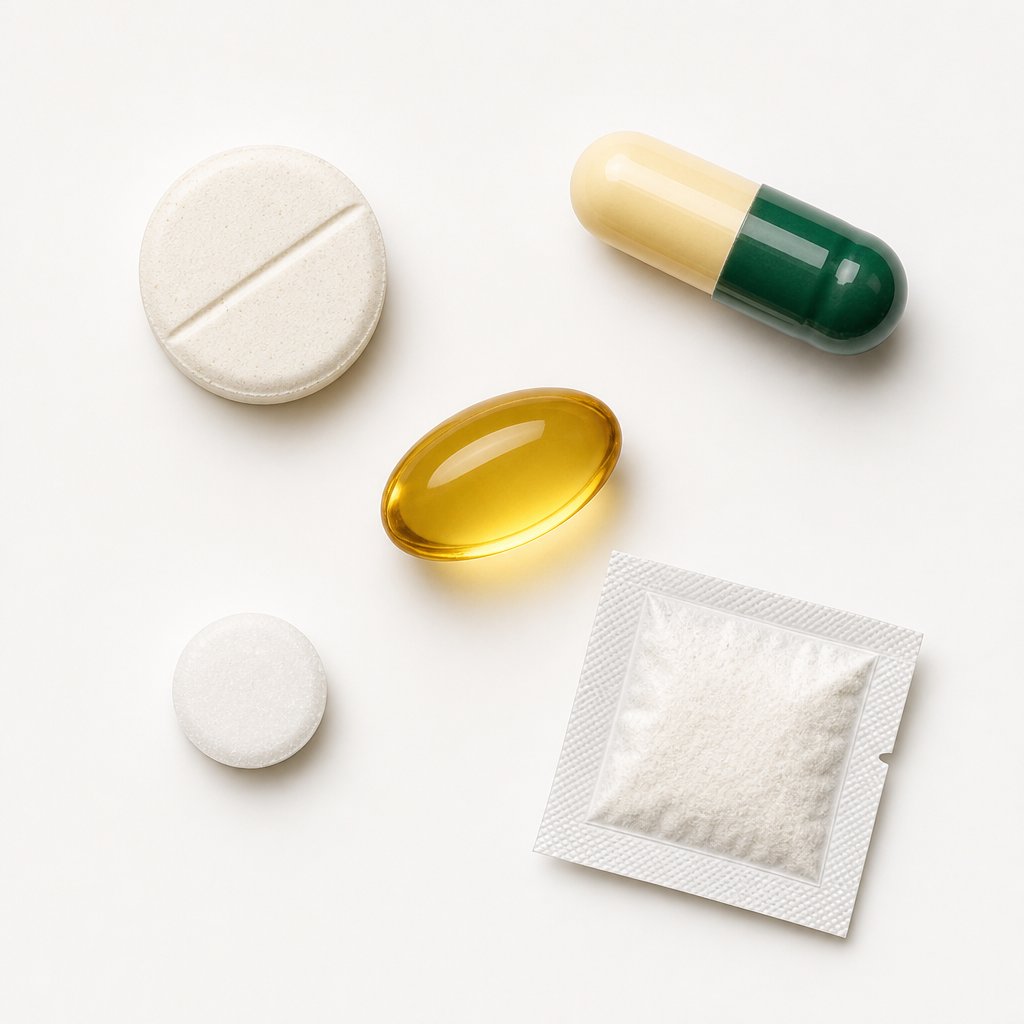
Every tablet is a small feat of engineering. The active ingredient, the part that actually treats your condition, often makes up only a fraction of the pill's total weight. The rest? Carefully selected excipients that dictate exactly how do pills work in the body once swallowed. These inactive ingredients control whether a tablet dissolves in 5 minutes or 12 hours, and they're the reason two pills containing the same drug can behave so differently in your stomach.
How Tablet Design Controls Dissolution Speed
How do tablets work at the mechanical level? It starts with the excipients built into the compressed powder. Each one serves a specific engineering purpose:
- Disintegrants (e.g., croscarmellose sodium, sodium starch glycolate) - These polymers swell rapidly on contact with water, breaking the tablet apart from the inside. They're the reason a standard tablet crumbles within minutes rather than sitting intact for hours.
- Binders (e.g., polyvinylpyrrolidone, hydroxypropyl cellulose) - These hold the powder together during compression and shipping. Stronger binders create harder tablets that resist breakage but may slow disintegration slightly.
- Coatings (e.g., HPMC film coats, enteric polymers like Eudragit) - A thin film coat protects taste and eases swallowing without meaningfully delaying dissolution. An enteric coating, by contrast, resists stomach acid entirely and only dissolves at intestinal pH (above 5.5), delaying how long does it take for a pill to dissolve by 1 to 2 hours.
- Solubilizers and surfactants - For poorly soluble drugs, manufacturers add wetting agents that reduce surface tension, allowing gastric fluid to penetrate granules faster and accelerate dissolution.
The balance between these components determines the tablet's dissolution profile. Manufacturers verify this through standardized testing. USP General Chapter <701> sets the benchmark: most immediate-release tablets must fully disintegrate within 30 minutes in a standardized basket-rack apparatus that simulates gastric conditions. Dissolution testing (USP <711>) goes further, measuring how much active drug enters solution over time, typically requiring 75% or more dissolved within 45 minutes for standard formulations.
These aren't arbitrary thresholds. They exist because how long does it take tablets to digest directly determines how long does medicine take to kick in. A tablet that fails dissolution testing will produce unpredictable blood levels, inconsistent therapeutic effects, and frustrated patients wondering why their medication isn't working.
Choosing the Right Tablet Format for Optimal Absorption
For consumers, tablet design is fixed: you take what's prescribed or what's on the shelf. But for brands developing health supplements, the format decision is one of the most consequential choices in product development. Understanding how long does a pill take to dissolve across different formats helps manufacturers match delivery design to therapeutic intent.
A fast-dissolving tablet suits ingredients where rapid onset matters, like melatonin for sleep or caffeine for energy. A sustained-release capsule works better for nutrients that benefit from steady delivery, such as B vitamins or magnesium, where flooding the bloodstream all at once leads to poor utilization and urinary excretion. Powder and granule formats bypass disintegration entirely, offering the fastest path to dissolution for ingredients where bioavailability is the priority.
This is where flexible manufacturing partners become valuable. OEM/ODM manufacturers like ZhuFeng offer multiple delivery formats, including hard capsules, tablets, powder/granules, soft capsules, gummy candy, and oral liquids, so nutrition brands and supplement importers can select the format that matches their desired digestion and absorption characteristics. Rather than forcing an ingredient into a single delivery form, brands can choose based on bioavailability goals: a sublingual format for rapid mucosal absorption, a standard tablet for cost-effective immediate release, or a sustained-release capsule for extended nutrient delivery.
How long does it take to digest tablets isn't just a consumer question. It's a design parameter. Every excipient ratio, coating thickness, and compression force is a deliberate choice that positions the final product somewhere on the spectrum between instant dissolution and day-long controlled release. The 10x gap in digestion times documented throughout this article isn't a flaw in the system. It's the system working exactly as designed, with each format engineered to deliver its contents at precisely the right speed for its intended purpose.
Frequently Asked Questions About Tablet Digestion
1. How long after taking a pill can I lie down?
You should remain upright or lie on your right side for at least 10 to 15 minutes after swallowing a tablet. A Johns Hopkins study found that right-side lying accelerates dissolution to about 10 minutes because gravity directs the pill toward the pyloric sphincter, the stomach's exit valve. Lying on your left side is the worst position, potentially extending dissolution time to over 100 minutes. If you must lie down immediately, choose your right side to maintain the fastest possible transit to the absorption site in the small intestine.
2. Should I take my medication on an empty stomach or with food?
It depends on the specific medication. Taking tablets on an empty stomach with a full glass of water provides the fastest absorption, with gastric emptying occurring in 15 to 30 minutes. A high-fat meal can delay gastric emptying by 2 to 4 hours, pushing drug onset back by 60 to 90 minutes. However, some medications require food to reduce stomach irritation (like NSAIDs) or to enhance absorption of fat-soluble compounds. Always follow the label instructions, and if none are provided, taking with water on a relatively empty stomach generally yields the quickest results.
3. Why do I see my pill in my stool?
In most cases, what you see is a ghost tablet, not an undigested pill. Extended-release medications use an inert outer shell made of cellulose or wax that never dissolves. The active drug releases gradually through tiny pores as the tablet travels through your GI tract, and the empty husk passes out intact. This is normal for medications like Wellbutrin, Effexor XR, and extended-release metformin. You should only be concerned if the tablet appears completely intact with visible markings and no erosion, or if your symptoms are not improving as expected.
4. If I vomit after taking a pill, do I need to take another one?
The general guideline depends on timing. If vomiting occurs within 15 minutes of swallowing an immediate-release tablet, the dose likely was not absorbed and re-dosing is usually appropriate. Between 15 and 60 minutes is a gray zone where partial absorption may have occurred. After 60 minutes, most standard tablets have dissolved and entered the bloodstream, so re-dosing risks a double dose. Always check your specific medication's instructions or contact your pharmacist before re-dosing, as some drugs like birth control pills have their own specific protocols for this situation.
5. Do capsules dissolve faster than tablets?
Soft gelatin capsules (softgels) tend to dissolve slightly faster than standard compressed tablets because their flexible shell breaks down readily in stomach acid within 5 to 10 minutes, and the liquid fill inside is already in a semi-dissolved state, essentially skipping the dissolution phase. Hard gelatin capsules perform similarly to standard tablets, with the shell rupturing in 5 to 10 minutes before releasing powder contents. The fastest oral formats overall are sublingual tablets (1-5 minutes to full effect) and orally disintegrating tablets that dissolve on the tongue in seconds, though both work through different mechanisms than standard swallowed forms.