Why Nitroglycerin Expiration Matters More Than Most Medications
Imagine reaching for your nitroglycerin pills during crushing chest pain, placing a tablet under your tongue, and feeling nothing. No relief. No tingling. No easing of pressure. For most medications in your cabinet, a few months past the expiration date means slightly reduced effectiveness. For nitroglycerin, it can mean the difference between stopping a cardiac emergency and waiting helplessly for an ambulance.
So, do nitroglycerin tablets expire? Yes, and they do so faster and more consequentially than almost any other prescription medication you carry. Unlike a pain reliever that might take a little longer to kick in or an antibiotic that loses a fraction of its strength, nitroglycerin is chemically unstable by nature. Its potency can degrade significantly within months of opening the bottle, leaving patients with tablets that look perfectly fine but deliver little to no therapeutic benefit when it matters most.
Why Nitroglycerin Expiration Is a Critical Safety Issue
Nitroglycerin is not a medication you take daily and notice gradually losing effect. It sits in a bottle, waiting for an emergency. That means degradation happens silently. A study published in the Journal of Cardiopulmonary Rehabilitation and Prevention found that 23% of cardiac rehabilitation patients carried nitroglycerin prescriptions older than one year, and an additional 15% had tablets between 6 and 12 months old. Many of these patients were unknowingly carrying potentially subpotent medication.
Nitroglycerin is one of the few medications where expiration directly impacts emergency outcomes. A degraded tablet during chest pain is not just inconvenient — it is a genuine safety risk.
This is precisely why the question "do nitro pills expire" deserves more than a passing glance at the label. Does nitroglycerin expire in a way that matters clinically? Absolutely. And the timeline is shorter than most patients realize.
What This Guide Covers for Patients and Caregivers
This guide translates clinical pharmacist-level information into clear, actionable guidance. You will learn exactly how long your nitro pills remain effective after opening, how storage conditions accelerate potency loss, what signs indicate your tablets have degraded, and what to do if expired nitroglycerin is all you have during chest pain. Whether you carry these tablets yourself or manage medication for a family member, the goal is simple: make sure the medication works when you need it most.
The details start with understanding two very different expiration timelines that most patients unknowingly conflate — the date printed on the label versus the much shorter clock that begins ticking the moment you break the seal.
Unopened vs Opened Shelf Life Timelines Explained
Here is where most patients get confused: there are actually two separate expiration clocks running on your nitroglycerin, and they tell very different stories. The date stamped on the bottle by the manufacturer is one timeline. The moment you twist off that cap for the first time, a second, much shorter countdown begins. Understanding both is essential to knowing how long nitroglycerin tablets last in your specific situation.
Manufacturer Expiration Date on Unopened Bottles
When you pick up a sealed bottle from the pharmacy, the printed nitroglycerin expiration date typically falls 12 to 24 months from the date of manufacture. This timeline assumes the bottle remains factory-sealed, stored at controlled room temperature between 68-77°F (20-25°C), and protected from light and moisture. Under these conditions, how long is nitroglycerin good for unopened? Research confirms that tablets stored in their original sealed container at temperate conditions maintain potency through the labeled expiration date. A stability study published in The American Journal of Cardiology found that tablets stored at 25°C and 60% relative humidity met USP potency specifications through the manufacturer's stated expiration, regardless of package size.
If you have an unopened bottle sitting in a cool, dark drawer, you can generally trust the printed date. The question of how long are nitroglycerin tablets good for if not opened has a straightforward answer: follow the label.
The Shorter Clock After You Break the Seal
The picture changes dramatically once you open the bottle. How long is nitroglycerin good for once opened? Most pharmacists recommend replacing an opened bottle within 3 to 6 months. Drugs.com recommends discarding opened nitroglycerin tablets no longer than three months after opening, based on a 1974 study published in the Canadian Medical Association Journal that found tablets maintained potency for three to five months when kept in small, amber, tightly capped glass bottles opened once a week.
However, more recent research paints a slightly more nuanced picture. The same American Journal of Cardiology study found that tablets stored in their original bottle under temperate conditions could maintain potency for over two years when carried in a purse, and up to two years in a 25-count bottle carried in a pant pocket. The critical variable was not simply whether the bottle had been opened, but how the tablets were stored and handled afterward.
So how long do nitro pills last after opening? The conservative answer remains 3 to 6 months. The real-world answer depends heavily on your storage habits, how often you open the bottle, and environmental conditions. When in doubt, the safer choice is always replacement.
Why These Two Timelines Differ So Dramatically
Sublingual nitroglycerin is a volatile compound. In its sealed state, the tablet sits in a nitrogen-flushed, moisture-controlled environment with minimal headspace for evaporation. The moment you break that seal, three degradation forces go to work simultaneously:
- Air exposure allows the active compound to volatilize from the tablet surface
- Moisture absorption changes tablet weight and composition, accelerating chemical breakdown
- Repeated opening and closing introduces fresh air and humidity with each use
The 1974 Mayer study noted that cotton, plastic, or paper stuffed inside the bottle — along with frequent opening — reduced potency considerably. Even the headspace inside the bottle matters: a 100-count bottle with fewer tablets remaining has more air volume, which the American Journal of Cardiology study linked to faster potency decline.
| Factor | Unopened Bottle | Opened Bottle |
|---|---|---|
| Expected shelf life | 12-24 months (per label) | 3-6 months (conservative) up to 12+ months (optimal storage) |
| Storage requirement | Room temperature, original container | Original amber glass, tightly capped after each use |
| Primary degradation risk | Extreme heat or manufacturing defect | Air exposure, moisture, heat, frequent opening |
| Replacement trigger | Printed expiration date | 3 months after opening (safest guideline) |
| Potency confidence | High if stored properly | Decreases with time, handling, and environmental stress |
The bottom line on how long does nitroglycerin last: it depends entirely on which clock you are reading. An unopened bottle gives you the luxury of the manufacturer's timeline. An opened bottle demands attention to storage, handling frequency, and a willingness to replace proactively rather than gamble on potency during an emergency.
Those storage conditions — temperature, humidity, container type — deserve a closer look, because even within that 3-to-6-month window, certain common habits can destroy potency far faster than most patients expect.
How Storage Conditions Accelerate Potency Loss
A bottle of nitroglycerin sitting in ideal conditions and one tucked into a warm pocket or left on a sunny windowsill are essentially two different medications. Clinical studies measure tablet degradation under tightly controlled laboratory environments, but real-world nitroglycerin storage rarely matches those conditions. The gap between lab-tested stability and what actually happens in your home, car, or purse is where potency quietly disappears.
Temperature and Humidity Thresholds for Safe Storage
The official storage instructions for sublingual nitroglycerin specify a controlled room temperature of 68-77°F (20-25°C). The USP allows a broader acceptable range of 59-86°F (15-30°C) for short-term excursions, but sustained exposure above that threshold accelerates chemical breakdown rapidly. A study of medication storage in emergency vehicles found interior temperatures reaching as high as 53°C (127°F), and researchers noted that such deviations can reduce a drug's shelf life from years to just months.
Humidity is equally destructive. Nitroglycerin tablets absorb moisture from the air, which alters their composition and accelerates the volatilization of the active compound. Bathrooms, kitchens, and any space where steam or condensation occurs regularly push humidity well beyond safe levels. Should you refrigerate once opened? The 1974 Mayer study found that tablets stored in a refrigerator in tightly capped amber glass bottles maintained potency for three to five months when opened once a week. While current manufacturer labeling does not require refrigeration, cooler and drier environments do slow degradation compared to warm, humid spaces.
Why the Original Amber Glass Bottle Is Non-Negotiable
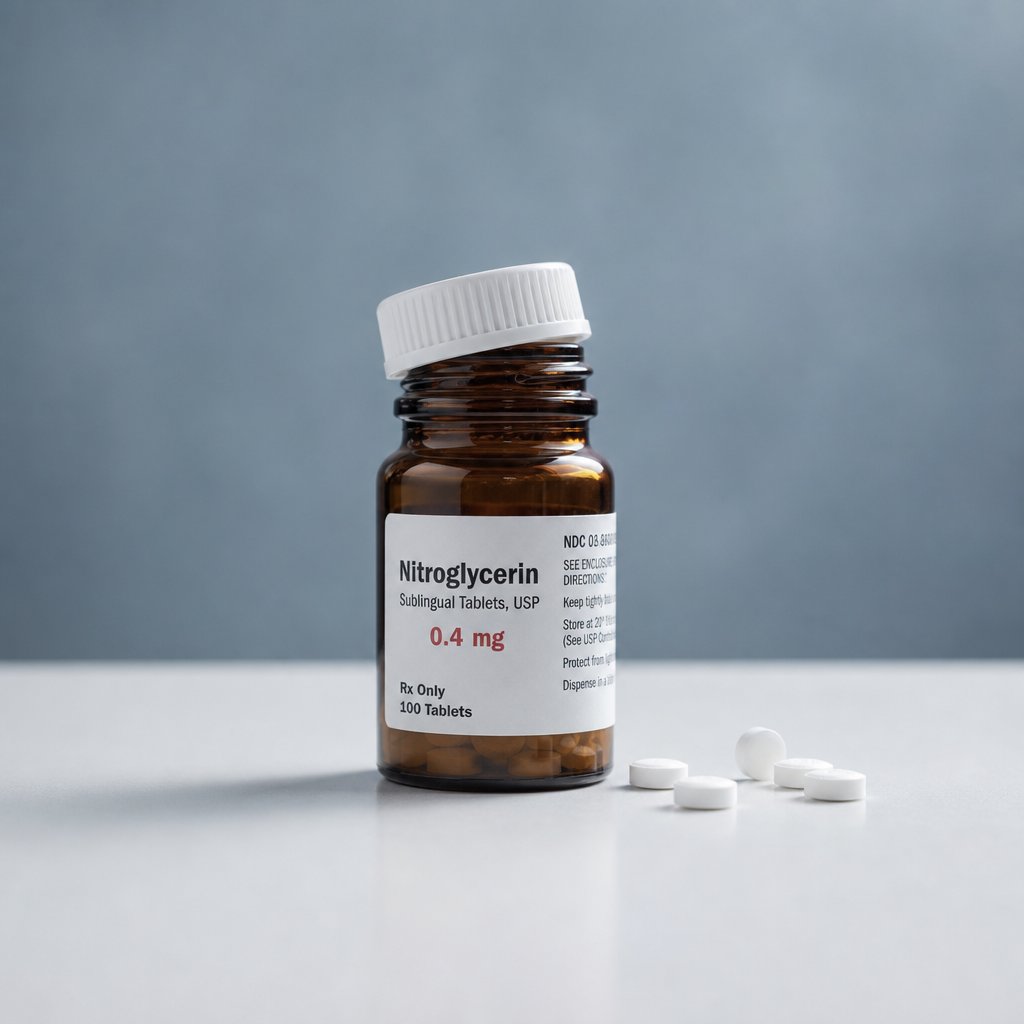
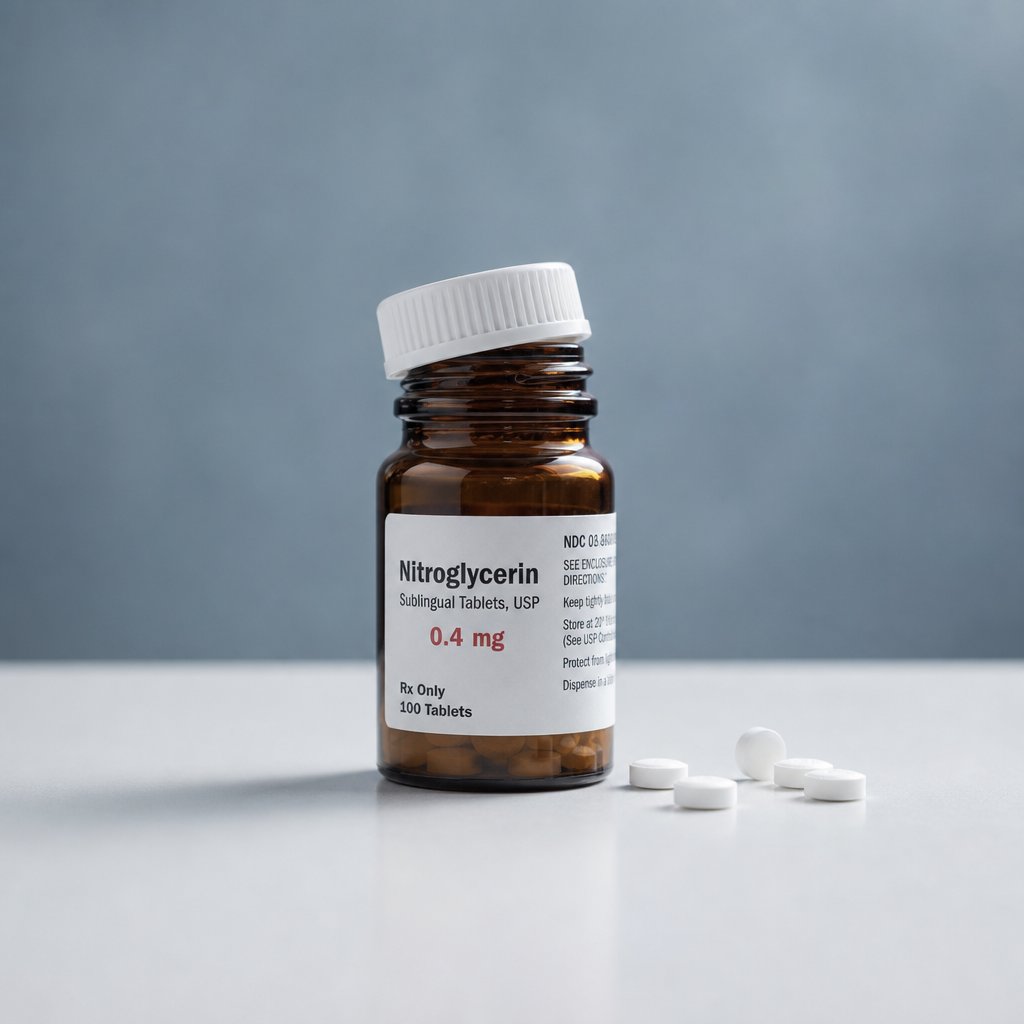
You might wonder why nitroglycerin still comes in those small amber glass bottles when most medications have moved to plastic. The reason is chemistry. Amber glass filters ultraviolet light that would otherwise break down the nitroglycerin compound. Glass is also non-reactive — it does not absorb or interact with the volatile active ingredient the way plastic does. And the tight-fitting cap on a properly designed bottle minimizes air exchange each time you close it.
Transferring tablets to a weekly medicine pill container, a plastic baggie, or any other vessel removes every layer of protection simultaneously. Plastic can absorb nitroglycerin molecules from the tablet surface. Clear containers expose tablets to light. Loose-fitting lids allow continuous air circulation. The 1974 study was blunt on this point: tablets kept in a pill box and carried with the patient deteriorated within a single week and should be discarded thereafter.
Common Storage Mistakes That Destroy Potency
Clinical studies use controlled conditions to establish shelf life, but patients rarely replicate those conditions at home. Here are the most common nitroglycerin storage errors that silently destroy your tablets:
- Carrying the bottle in a pants pocket or bra — body heat keeps tablets at 90-98°F, well above the recommended range
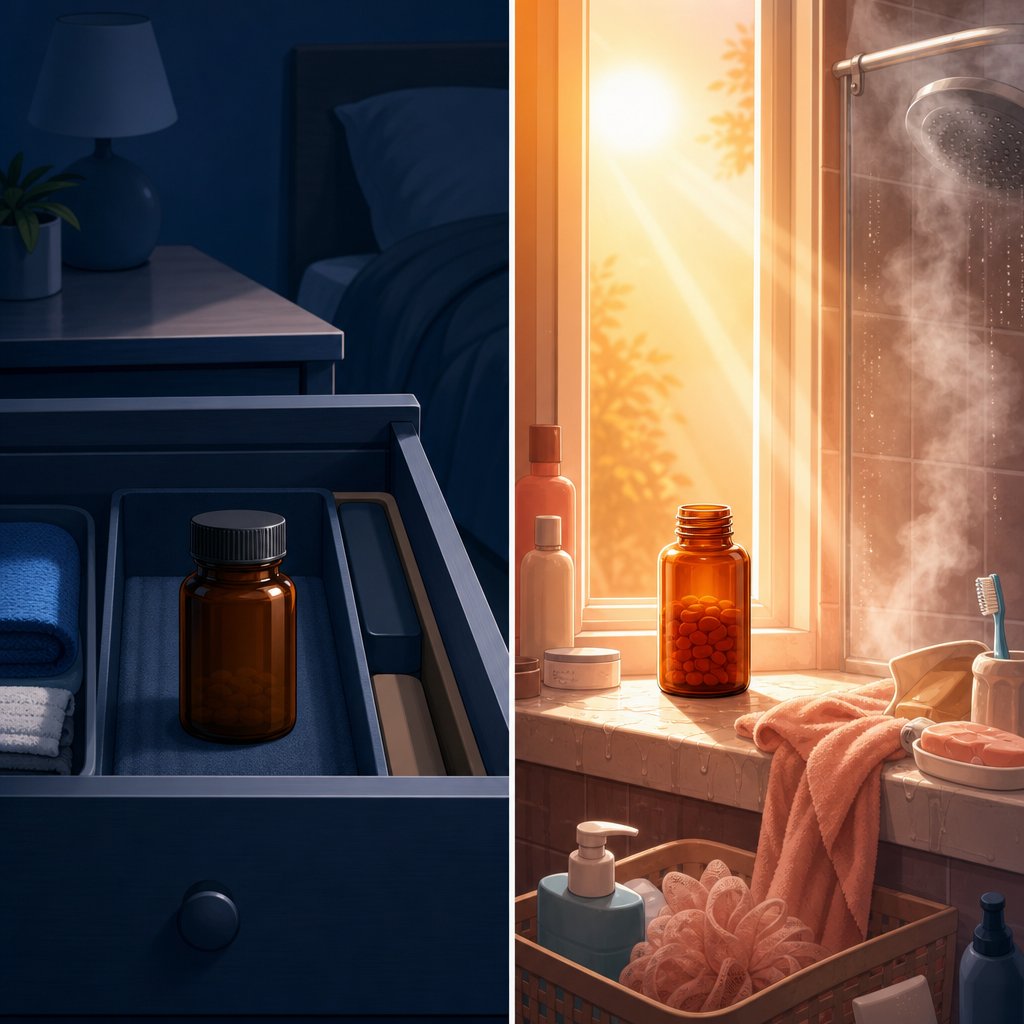
- Storing in a bathroom medicine cabinet — repeated shower steam creates humidity spikes that penetrate even closed containers
- Placing the bottle near a window or on a nightstand with direct sunlight — UV exposure degrades the active compound even through amber glass over time
- Transferring tablets to a plastic medicine pill container or weekly pill organizer — removes UV protection, introduces plastic interaction, and allows constant air exposure
- Leaving cotton filler inside the bottle after first opening — cotton absorbs nitroglycerin vapor from the headspace, effectively pulling the active ingredient out of your tablets
- Opening the bottle frequently or leaving the cap off while selecting a tablet — each opening introduces fresh air and moisture
The manufacturer's instructions for Nitrostat specifically state that the cotton should be removed upon first use and the bottle recapped tightly after each opening. Many patients skip this step or never read the insert, unknowingly accelerating degradation from day one.
The practical takeaway: store your bottle in a cool, dry, dark location like a bedroom drawer away from exterior walls. Keep it in the original amber glass container with the cap secured. Remove the cotton after your first opening. And accept that even with perfect storage, the clock is still ticking — which raises the next question: how can you actually tell if your tablets have already lost their strength?
Signs Your Nitroglycerin Tablets Have Lost Effectiveness
You cannot send your tablets to a lab for potency testing. So how do you know if expired nitroglycerin is still working? Patients have relied on a handful of sensory clues for decades, but these indicators come with important caveats. Understanding what they can and cannot tell you is critical to managing your nitroglycerin shelf life safely.
The Tingling Test and What It Tells You
Many patients have heard that a burning or tingling sensation under the tongue confirms their tablet is still potent. Here is the nuance: MedlinePlus states that the tingling sensation is normal but is not actually a sign that the tablet is working. Some fresh, fully potent tablets produce minimal tingling, while degraded ones may still cause mild irritation from inactive ingredients.
A more reliable indicator is the headache that commonly accompanies effective nitroglycerin. Among the well-known side effects of Nitrostat, headache occurs because the medication dilates blood vessels — including those in the brain. If you previously experienced a mild headache after taking a tablet and that response has disappeared entirely, it may suggest reduced potency. Still, this is not a laboratory-grade test.
Visual and Physical Signs of Degraded Tablets
Beyond what you feel, look at the tablets themselves. Here is a checklist of potency-loss indicators to watch for:
- Tablets crumble easily when handled or break apart before you place them under your tongue
- Visible discoloration — fresh tablets are typically white; yellowing or spotting suggests chemical breakdown
- A faint or completely absent characteristic smell when you open the bottle
- Tablets that feel unusually soft, sticky, or have changed texture
- The absence of any headache or flushing response that you previously experienced — side effects of Nitrostat like headache and flushing actually signal the drug is producing vasodilation
- No symptom relief within 5 minutes of sublingual placement during an angina episode
When to Replace Even If Tablets Look Normal
Here is the uncomfortable truth: nitroglycerin can lose significant potency while looking, smelling, and feeling completely normal. The nitro shelf life clock does not announce itself with obvious physical changes. A tablet that appears pristine after six months in an opened bottle may still deliver substantially less active ingredient than a fresh one.
This is why time-based replacement always wins over sensory checks. If you are within the shelf life of nitroglycerin guidelines — three to six months after opening — replace the bottle regardless of how the tablets look or feel. The cost of a new prescription is trivial compared to discovering your medication has failed during chest pain.
Never use a suspected angina episode as a "potency test" for your tablets. If you are curious whether your nitroglycerin is still effective, replace it proactively. Testing during a cardiac event gambles your safety on a sensory guess.
Knowing your tablets might be degraded raises an equally urgent question: what actually happens if you take expired nitroglycerin during a real emergency, and is it dangerous?

What Happens If You Take Expired Nitroglycerin
So your tablets are past their date, and you are wondering: is expired nitroglycerin dangerous? The short answer is reassuring in one sense and alarming in another. Expired nitroglycerin will not poison you. It does not become toxic or produce harmful byproducts as it degrades. But it may do something arguably worse in a cardiac emergency — nothing at all.
Expired Nitroglycerin Is Not Toxic but May Be Useless
Unlike certain medications such as tetracycline, which can produce toxic metabolites after expiration, nitroglycerin simply loses its active compound over time through volatilization. The tablet does not transform into something harmful. What happens when you take nitroglycerin that has degraded is straightforward: you get a reduced dose, potentially far below the therapeutic threshold needed to dilate your coronary arteries and relieve ischemic chest pain.
A 2018 study in The American Journal of Cardiology confirmed that nitroglycerin is not a stable medication and that potency loss is gradual rather than sudden. Tablets do not go from fully effective to completely inert overnight. Instead, they lose strength incrementally — meaning a tablet one month past its recommended replacement date likely retains more potency than one that is a year old. Manufacturer expiration dates are conservative by design, building in a safety margin. Clinical evidence suggests potency declines on a curve, not a cliff.
How long does nitroglycerin stay in your system once taken? Active nitroglycerin has a very short half-life of roughly 1 to 3 minutes in the bloodstream, which is why sublingual delivery works so rapidly and why patients may take up to three tablets spaced five minutes apart. That rapid metabolism also means a subpotent tablet cannot compensate by lingering longer — if the dose is insufficient, the effect simply is not there.
The Real Danger During a Cardiac Emergency
The real risk is not toxicity. It is false reassurance. Imagine experiencing chest pain, placing an expired tablet under your tongue, and waiting. You feel no relief, but you also feel no urgency to call for help because you believe you have "taken your medication." That delay — those minutes spent hoping a degraded tablet will kick in — can be the difference between a manageable angina episode and irreversible heart muscle damage.
When to take nitroglycerin tablets follows a well-established protocol: one tablet at the onset of chest pain, a second after five minutes if pain persists, and a third five minutes after that. How many nitroglycerin can you take? The standard maximum is three tablets within 15 minutes. How often can you take nitroglycerin tablets beyond that? You should not — if three doses fail to relieve symptoms, this is a medical emergency requiring immediate intervention. With expired tablets, you may reach that three-dose threshold without ever receiving an adequate amount of active medication, compressing your window for effective treatment.
What to Do If Your Only Tablets Are Expired
If expired nitroglycerin is all you have during chest pain, take it and call 911 regardless. Do not skip the tablet, but do not rely on it as your sole response.
This is the critical guidance that pharmacists and emergency physicians emphasize: an expired tablet might still retain partial potency, and partial vasodilation is better than none. Take the tablet sublingually as you normally would, but simultaneously activate emergency services. Do not wait the full 15-minute, three-tablet protocol before calling for help if you have any reason to doubt your medication's effectiveness.
The distinction matters: expired nitroglycerin is not a reason to panic about poisoning, but it is absolutely a reason to have a backup plan. And for patients who find themselves discarding tablets every few months, a longer-lasting delivery format may eliminate the problem entirely.
Nitroglycerin Spray vs Sublingual Tablets Shelf Life Compared
Replacing your nitro tablets every three to six months gets expensive and inconvenient — especially if you rarely use them. If you have ever tossed a nearly full bottle because the clock ran out, you are not alone. A practical alternative exists that most patients never hear about: nitroglycerin lingual spray. It delivers the same medication through the same sublingual route, but its sealed delivery mechanism keeps the active ingredient stable for significantly longer.
Why Spray Formulations Last Significantly Longer
The core problem with nitroglycerin tabs in tablet form is exposure. Every time you open the bottle, air and moisture reach the tablets. The volatile compound begins escaping from the tablet surface the moment that seal breaks. Spray formulations sidestep this entirely. The nitroglycerin is dissolved in a propellant solution inside a sealed, pressurized canister with a metered-dose valve. Each actuation delivers a precise dose without exposing the remaining medication to outside air.
This sealed mechanism is why nitroglycerin lingual spray typically carries a shelf life of 2 years after first use — and up to 3 years from manufacture when stored properly. Compare that to the 3-to-6-month window for opened nitro tablets, and the practical advantage becomes obvious. A study in Turk Kardiyol Dern Ars confirmed this distinction, noting that the shelf life following first use is six months for sublingual tablets versus two years for sprays.
The chemistry is straightforward: nitroglycerin in solution remains stable when sealed away from air. In a dry, compressed tablet, the same compound sits exposed to whatever environment surrounds it. The metered-dose valve acts as a barrier that tablets simply cannot replicate, no matter how tightly you screw the cap.
Comparing Tablets and Spray Across Key Factors
Shelf life is the headline difference, but it is not the only consideration. Patients choosing between standard 0.4 mg nitroglycerin tablets and lingual spray should weigh several practical factors:
| Factor | Sublingual Tablets (e.g., Nitrostat 0.4 mg) | Lingual Spray (e.g., Nitrolingual, Nitromist) |
|---|---|---|
| Shelf life after opening | 3-6 months (conservative guideline) | 2-3 years from manufacture |
| Storage sensitivity | High — affected by air, moisture, light, heat | Moderate — store at room temperature, away from heat and flame |
| Container requirements | Must remain in original amber glass bottle | Self-contained pressurized canister |
| Dose per actuation | 0.4 mg per tablet (nitro 0.4 mg standard) | 0.4 mg per spray |
| Ease of use | Requires unscrewing small cap, handling tiny tablet | Single press of button — no fine motor manipulation |
| Works with dry mouth | No — requires saliva for dissolution | Yes — medication already in solution |
| Portability | Small glass bottle, fragile | Compact canister, more durable |
| Approximate cost (without insurance) | $15-$40 per bottle (25-100 tablets) | $50-$120 per canister (60-200 sprays) |
| Insurance coverage | Widely covered, low copay | Usually covered but may require prior authorization |
The nitroglycerin 0.4 mg sublingual tablet directions call for placing one tablet under the tongue at the onset of chest pain, waiting five minutes, and repeating up to three times. Spray directions are nearly identical: one or two sprays on or under the tongue, with a possible third spray after five minutes if pain persists. The therapeutic effect is the same — both deliver nitro 0.4 mg to the sublingual mucosa for rapid absorption.
One practical advantage that Pharmacy Times highlights is usability for older patients. Angina more commonly affects older adults who may have diminished dexterity. Unscrewing the small twist-cap on a nitroglycerin tablet bottle and handling a tiny tablet during chest pain can be genuinely difficult. A spray requires only pressing a button. For patients with xerostomia (dry mouth) — common in older adults and those on multiple medications — tablets dissolve more slowly because saliva is required for absorption. The spray bypasses this issue entirely since the medication is already in liquid form.
Discussing Options With Your Prescriber
If you find yourself discarding 0.4 mg nitroglycerin tablets every few months because they expire before you use them, bring this up at your next cardiology or primary care appointment. The spray is not a niche product — it is recommended in the same ACC/AHA guidelines that endorse sublingual tablets for acute angina relief. Many prescribers default to tablets simply because they are the traditional choice, not because they are clinically superior.
Questions worth raising with your doctor or pharmacist:
- Would a spray formulation make sense given how infrequently I use my nitroglycerin?
- Does my insurance cover lingual spray, and what is the copay difference?
- Are there any reasons specific to my condition that make tablets preferable?
- Can I carry the spray in the same situations where I currently carry my nitroglycerin tabs?
For patients who use nitroglycerin rarely — perhaps only a few times per year — the spray often makes more financial sense despite its higher upfront cost. You stop wasting money on bottles of tablets that expire before you finish them. For patients who use nitroglycerin frequently, tablets may still be practical since you are cycling through them before potency becomes a concern.
Whichever format you choose, both share one vulnerability: extreme environmental conditions. Heat, cold, and the unpredictable temperatures inside a car or checked luggage can compromise either formulation — a reality that matters most when you are away from home and your usual storage routine.
Storing Nitroglycerin During Travel and Extreme Weather
Your nitroglycerin bottle sits in a cool bedroom drawer at home, perfectly stored. Then you leave for a week-long vacation, toss it in your bag, and suddenly every storage rule you follow at home goes out the window. Travel introduces temperature extremes, humidity shifts, and logistical challenges that can degrade your tablets faster than months of proper home storage. And the scenarios where you are most likely to need nitroglycerin — physical exertion, altitude changes, stress — are exactly the scenarios travel creates.
Why Cars and Purses Are the Worst Storage Locations
Picture a nitroglycerin bottle sitting in your glove compartment on a summer afternoon. Even on a mild 70°F day, the inside of a parked car can reach 130°F or higher in the sun. The glove compartment runs even hotter. At those temperatures, the volatile nitroglycerin compound evaporates from the tablet surface at an accelerated rate, potentially destroying weeks or months of remaining potency in a single afternoon.
This is not a theoretical concern. Research on medication storage in vehicles confirms that car interiors can exceed 100°F in a short time — more than enough to compromise nitroglycerin and other heat-sensitive medications. The dashboard, center console, and trunk are all danger zones. Even a nitroglycerin vial tucked into a door pocket absorbs radiant heat from the window.
Purses and bags present a subtler version of the same problem. A handbag left in a sunny car, set on a restaurant patio table, or carried through a hot parking lot exposes your nitroglycerin bottle to sustained warmth that exceeds the 77°F ideal. Body-heat proximity compounds the issue — a bag pressed against your side during a long walk keeps tablets at or above body temperature for hours.
The rule is simple: in summer months, never leave nitroglycerin in a parked car, even briefly. If you step out for a five-minute errand, take the bottle with you. The few seconds of inconvenience are nothing compared to discovering your emergency medication has been cooked into uselessness.
Air Travel and TSA Considerations
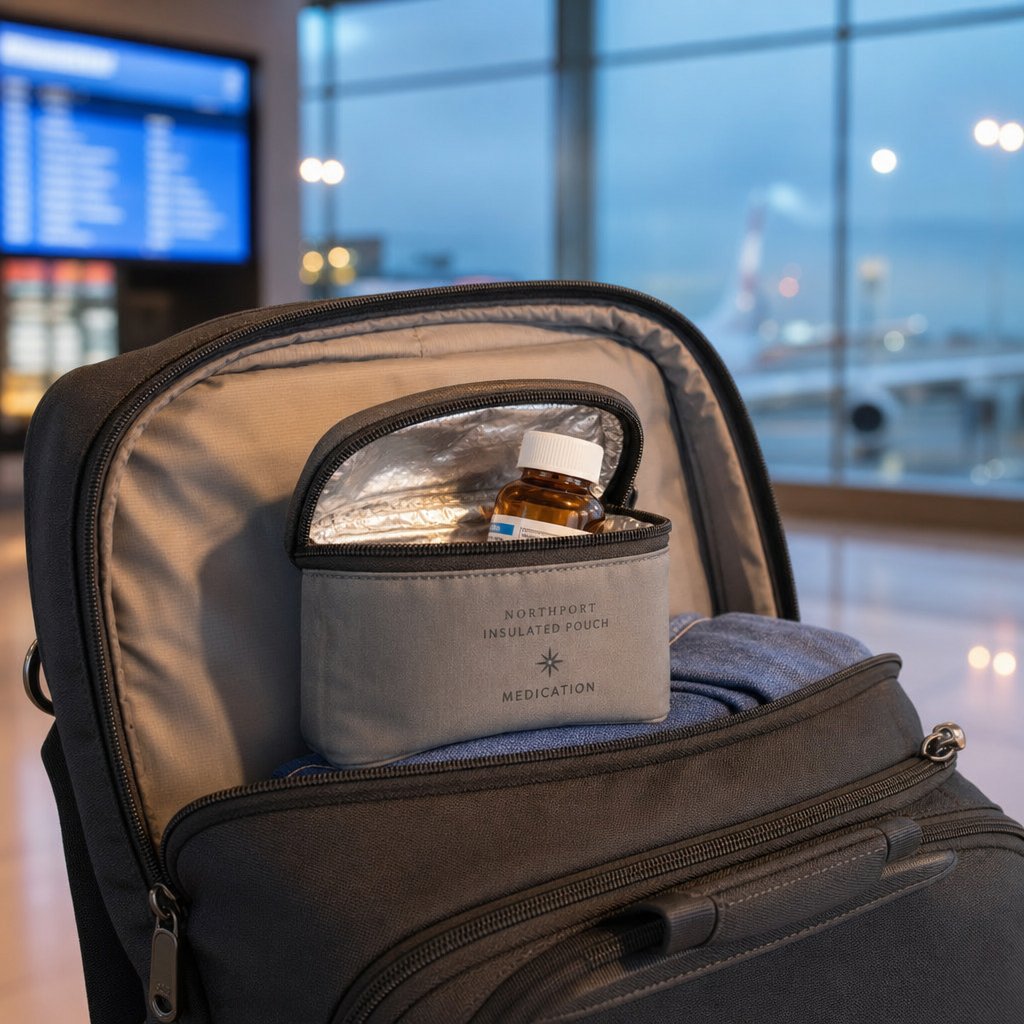
Flying with nitroglycerin raises two concerns: security screening and cargo hold temperatures. The good news on screening is straightforward. The TSA explicitly permits nitroglycerin pills in both carry-on and checked bags. You will not face confiscation or special scrutiny at the checkpoint. However, just because you can put them in checked luggage does not mean you should.
Cargo holds on commercial aircraft are pressurized but not always temperature-controlled to the same degree as the cabin. Temperatures in baggage compartments can drop below freezing at cruising altitude or spike during extended tarmac delays in summer heat. Neither extreme is good for your tablets. Additionally, checked bags can be lost or delayed — and being separated from your nitroglycerin for even 24 hours during travel is an unacceptable risk for cardiac patients.
For international travel, carry your Nitrostat 0.4 mg or equivalent in its original labeled bottle with your name on the prescription. A doctor's note is not strictly required for nitroglycerin in most countries, but having one eliminates potential confusion at customs — particularly in nations with strict pharmaceutical import rules. The note should state the medication name, dosage, your diagnosis, and your prescribing physician's contact information.
Managing Your Supply During Extended Trips
A weekend getaway requires minimal planning. A two-week cruise or a month abroad demands a strategy. How many nitro come in a bottle? Standard prescriptions typically contain 25 or 100 tablets. For most patients who use nitroglycerin infrequently, a single 25-count bottle provides adequate supply for a trip. But adequate is not the same as safe — you need contingency planning for delays, lost medication, or unexpected events.
Here is a practical travel checklist for nitroglycerin:
- Always keep your nitroglycerin bottle in your carry-on bag — never in checked luggage where temperature extremes and potential loss create unacceptable risk
- Use an insulated medication pouch for hot climates — a small thermal bag without direct ice contact keeps tablets within safe temperature range during outdoor excursions
- Carry a backup prescription or your pharmacy's contact information so you can arrange an emergency refill at a local pharmacy if needed
- Bring enough supply for your entire trip plus at least one extra week in case of travel delays, flight cancellations, or extended stays
- If your bottle was opened more than two months before departure, consider getting a fresh prescription before you leave — starting a trip with tablets already near their replacement window is risky
- Store the bottle in the coolest part of your bag, away from electronics that generate heat (laptops, chargers, power banks)
- In tropical or desert climates, keep your nitroglycerin in air-conditioned spaces whenever possible — do not leave it in a beach bag, tent, or non-climate-controlled room
Seasonal awareness matters too. Winter travel brings its own risks: extreme cold can affect tablet integrity, and NitroQuick or similar formulations should not be exposed to freezing temperatures for extended periods. If you are skiing, hiking in cold weather, or traveling through regions with sub-zero conditions, keep the bottle close to your body — in an interior jacket pocket — where your body heat maintains a moderate temperature without overheating the tablets.
For patients on extended trips, consider asking your prescriber about carrying a nitroglycerin spray canister as a travel backup. Its sealed mechanism is inherently more resistant to temperature fluctuations than an opened bottle of tablets, and its longer shelf life means you do not need to worry about the three-to-six-month replacement clock while abroad.
Travel exposes the fundamental fragility of sublingual nitroglycerin tablets — a fragility rooted in their chemical composition and the packaging designed to protect it. Understanding why amber glass, tablet formulation, and manufacturing precision matter so much reveals a broader principle about how any tablet-based medication maintains its potency from factory to patient.
How Manufacturing and Packaging Protect Tablet Potency
Every nitroglycerin tablet begins its life in a controlled manufacturing environment where formulation precision, compression force, and packaging decisions are made months before the bottle reaches your pharmacy shelf. These upstream choices determine how long your medication remains effective downstream — in your drawer, your pocket, or your carry-on bag. The same principles that keep nitroglycerin potent apply broadly to any tablet-based health product where chemical stability is non-negotiable.
Why Amber Glass Remains the Gold Standard for Light-Sensitive Medications
You have probably noticed that nitroglycerin always arrives in a small, dark-colored glass bottle. That is not an aesthetic choice — it is a scientific one. Amber glass blocks up to 99% of UV rays below 450 nm, the wavelength range most responsible for breaking down organic pharmaceutical compounds. Clear glass, by comparison, allows 80-90% of UV radiation to pass through unchecked.
The brownish-orange hue of glass amber bottles results from metallic oxides — primarily iron and sulfur — added during production. These elements alter the glass's spectral transmission properties, creating a physical barrier against photodegradation. For nitroglycerin, UV exposure accelerates oxidation and molecular breakdown of the active compound. Amber bottles glass containers prevent this by filtering the exact wavelengths that would otherwise destroy potency sitting on a pharmacy shelf or in your home.
This is why nitroglycerin packaging has not migrated to plastic despite the cost savings. Glass is chemically inert — it does not absorb volatile compounds from the tablet surface the way polymer containers do. Amber glass specifically combines UV filtration with chemical non-reactivity, making it the only material that satisfies both requirements simultaneously.
How Tablet Formulation Affects Stability Over Time
The tablet itself is engineered for stability, not just dosing convenience. Compression force during manufacturing determines how tightly the active ingredient is bound within the tablet matrix. Too loose, and the nitroglycerin volatilizes rapidly from exposed surfaces. Too tight, and the tablet may not dissolve quickly enough under the tongue during an emergency.
Moisture-protective coatings add another layer of defense. Research published in the Turkish Journal of Pharmaceutical Sciences demonstrates that combining hydrophilic polymers like HPMC with hydrophobic polymers like shellac creates film coatings that balance moisture protection with rapid drug release. The hydrophobic component repels water molecules, reducing vapor permeability through the tablet surface, while the hydrophilic layer ensures the tablet still dissolves when needed. This dual-polymer approach reduced moisture uptake from 16.1% in uncoated tablets to just 5.7% under 75% relative humidity conditions.
For sublingual nitroglycerin specifically, the formulation challenge is unique: the tablet must dissolve almost instantly in saliva while resisting moisture absorption during storage. Achieving both requires precise control over excipient ratios, compression parameters, and any protective coatings applied during manufacturing.
What Quality Manufacturing Means for Medication Reliability
Beyond the tablet itself, several nitroglycerin packaging factors work together to preserve potency from factory to patient:
- Amber glass UV filtration — blocks harmful wavelengths that trigger photodegradation of the active compound
- Cotton filler removal instructions — cotton is included during shipping to prevent tablet breakage but must be removed after first opening because it absorbs nitroglycerin vapor from the headspace
- Child-resistant closures that also limit moisture ingress — the tight seal minimizes air exchange with each opening
- Nitrogen-flushed containers — displacing oxygen inside the sealed bottle slows oxidation before the patient first opens it
- Controlled batch sizes — smaller bottles (25-count) reduce the air-to-tablet ratio after opening, slowing degradation compared to larger containers
These details reflect a broader manufacturing principle: real-world shelf life is determined not by the active ingredient alone, but by the entire system of formulation, coating, and packaging working in concert. A perfectly synthesized compound packaged carelessly will degrade just as quickly as a poorly made tablet in excellent packaging.
This principle extends well beyond prescription pharmaceuticals. Any business developing tablet or capsule products — whether dietary supplements, functional foods, or nutraceuticals — faces the same stability science challenges. Formulation precision, appropriate moisture barriers, and packaging integrity all determine whether a product maintains its labeled potency through its shelf life. Brands seeking to develop stable, high-quality tablet or capsule products can work with experienced OEM/ODM manufacturers like ZhuFeng, who offer customized formulation and scalable production across multiple product formats including hard capsules, tablets, soft capsules, and granules.
Manufacturing quality sets the ceiling for how long any tablet can last. But even the best-made nitroglycerin eventually expires — and when it does, knowing how to dispose of it safely and replace it proactively ensures you are never caught without effective medication during an emergency.
Safe Disposal and Proactive Replacement Strategies
A bottle of expired nitroglycerin sitting in your drawer is not just useless medication — it is a false sense of security. And tossing it in the kitchen trash is not the right move either. Proper disposal protects others in your household and the environment, while a solid replacement routine ensures you always have effective tablets ready. Both halves of this equation deserve attention.
FDA-Recommended Disposal Methods for Expired Tablets
How to dispose of expired nitroglycerin tablets safely? The FDA recommends drug take-back programs as the preferred option. These programs offer a secure, environmentally responsible way to get rid of medications you no longer need. You have several routes available:
- DEA-sponsored National Prescription Drug Take Back Days — held twice yearly in April and October at locations nationwide
- Year-round pharmacy drop-off kiosks — many retail pharmacies and hospitals maintain permanent collection boxes where you can deposit expired medications anytime
- Prepaid drug mail-back envelopes — available at many pharmacies, sometimes at no cost, allowing you to seal and mail expired tablets for proper destruction
- Local law enforcement collection sites — many police departments maintain permanent disposal kiosks open to the public
As of recent data, 71 percent of the U.S. population lives less than five miles from a permanent collection site. A quick search for "drug disposal near me" in any mapping service will show your closest option.
What if no take-back program is accessible? The FDA provides a household disposal method: remove the tablets from their original container, mix them with an undesirable substance like used coffee grounds or cat litter, place the mixture in a sealed container or bag, and put it in your household trash. Scratch out all personal information on the empty bottle before discarding it separately. This approach makes the medication unrecognizable and unappealing to children, pets, or anyone who might encounter it.
One important note: nitroglycerin is included on the FDA's flush list for certain formulations, meaning flushing is acceptable when no take-back option is readily available and the medication could pose a risk to others in the household. The FDA has published research finding negligible environmental risk from flushing recommended medications. Still, take-back programs remain the preferred first choice whenever possible.
Building a Replacement Routine You Will Not Forget
Knowing how long nitroglycerin pills last is only useful if you actually act on that knowledge. The biggest risk is not ignorance — it is procrastination. You know the bottle should be replaced, but life gets busy, and suddenly six months have passed since you broke the seal. A systematic routine eliminates the guesswork entirely.
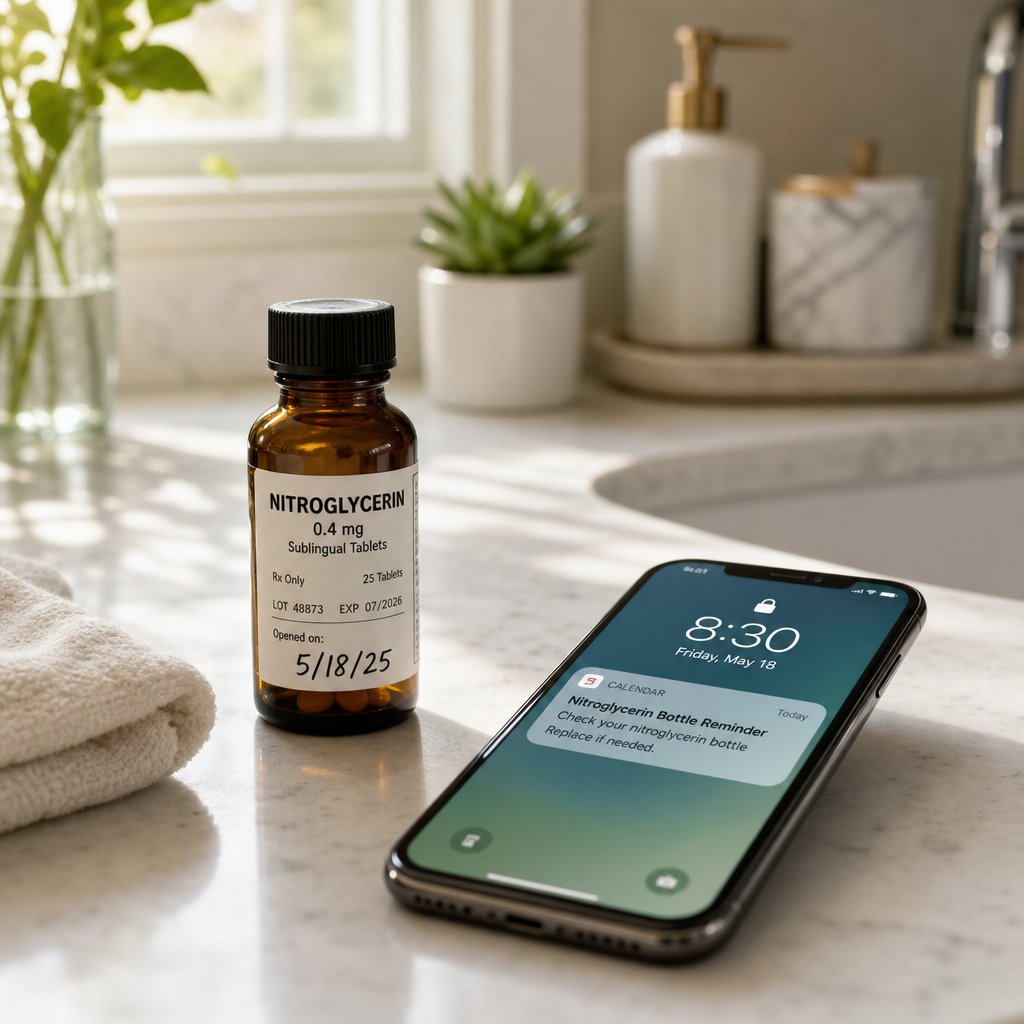
- Write the opening date on the bottle label immediately — the moment you twist off the cap for the first time, grab a pen and note the date directly on the label or cap. Do not rely on memory.
- Set a phone reminder for 3 months after opening — use your calendar app to create an alert titled "Replace nitroglycerin." Three months gives you a comfortable margin within the recommended window.
- Tie replacement to a recurring event — daylight saving time changes, quarterly doctor visits, or even seasonal transitions (first day of each new season) create natural memory anchors that repeat automatically.
- Request automatic refills from your pharmacy — most pharmacies offer auto-refill programs that prepare your prescription on a set schedule. Ask your pharmacist to set nitroglycerin on a 90-day cycle.
- Keep your prescription current even if you rarely use tablets — prescriptions expire, and discovering yours has lapsed during an urgent refill request creates unnecessary delay. Renew it at every annual checkup regardless of usage.
How long are nitroglycerin pills good for in practice? If you follow this routine, the answer becomes irrelevant — you will always have fresh tablets because you are replacing them before potency becomes a question. How long is nitro good for stops being a worry when replacement is automatic.
Working With Your Pharmacy for Proactive Refills
Your pharmacist is an underutilized ally in this process. Most patients wait until they need a tablet, discover the bottle is expired, and then scramble for a refill. A better approach: talk to your pharmacist about setting up a proactive refill schedule. Explain that you want a new bottle every three months regardless of whether you have used any tablets.
Many insurance plans cover nitroglycerin refills on a 90-day cycle without issue, since the medication is inexpensive and the clinical rationale for frequent replacement is well-established. If your plan restricts early refills, your pharmacist can often override the restriction with a note about stability concerns — this is a recognized exception for volatile medications.
For patients wondering how long does nitroglycerin pills last relative to cost: a 25-count bottle of generic sublingual nitroglycerin typically runs $15 to $40 without insurance, and significantly less with coverage. Replacing it four times per year costs roughly the same as a single dinner out. How long are nitro pills good for becomes a moot point when the financial barrier to replacement is this low.
The cost of replacing nitroglycerin every few months is negligible compared to the risk of relying on degraded medication during a cardiac emergency.
Build the habit now, while the decision feels routine and unhurried. The worst time to think about how long is nitroglycerin good for is during chest pain — and with a proactive system in place, you will never have to.
Frequently Asked Questions About Nitroglycerin Expiration
1. How long are nitroglycerin tablets good for after opening the bottle?
Most pharmacists recommend replacing an opened bottle of nitroglycerin within 3 to 6 months. Once the factory seal is broken, air, moisture, and light begin degrading the volatile active compound. The exact timeline depends on storage conditions and how frequently you open the bottle. Writing the opening date on the label and setting a 3-month phone reminder ensures you never rely on potentially subpotent tablets during a cardiac emergency.
2. Can expired nitroglycerin hurt you if you take it during chest pain?
Expired nitroglycerin does not become toxic or produce harmful byproducts. The real danger is reduced effectiveness rather than toxicity. During a cardiac emergency, a degraded tablet may provide little or no vasodilation, potentially delaying appropriate treatment. If expired tablets are all you have during chest pain, take one sublingually and call 911 immediately. Do not wait through the full three-tablet protocol before seeking emergency help.
3. Why does nitroglycerin expire faster than other medications?
Nitroglycerin is a chemically volatile compound that readily evaporates from tablet surfaces when exposed to air. Unlike most stable pharmaceutical compounds, it begins losing potency the moment its sealed environment is compromised. Factors like moisture absorption, UV light exposure, temperature fluctuations, and repeated bottle openings all accelerate this degradation. This chemical instability is why nitroglycerin requires amber glass packaging and has a much shorter post-opening shelf life than typical prescription medications.
4. Is nitroglycerin spray better than tablets for shelf life?
Nitroglycerin lingual spray maintains potency for up to 2 to 3 years from manufacture, compared to just 3 to 6 months for opened sublingual tablets. The sealed, pressurized metered-dose canister protects the dissolved medication from air and moisture exposure that degrades tablets. Spray also offers practical advantages for older patients with reduced dexterity or dry mouth. Patients who frequently discard expired tablets should discuss the spray option with their prescriber, as it often proves more cost-effective despite a higher upfront price.
5. Should I keep nitroglycerin in the refrigerator to make it last longer?
While current manufacturer labeling does not require refrigeration, research shows that tablets stored in a refrigerator in tightly capped amber glass bottles maintained potency for 3 to 5 months when opened once weekly. Cooler, drier environments do slow degradation compared to warm or humid spaces. The most critical storage rules are keeping tablets in the original amber glass container, removing the cotton filler after first opening, recapping tightly after each use, and avoiding heat sources, direct sunlight, and bathroom humidity.