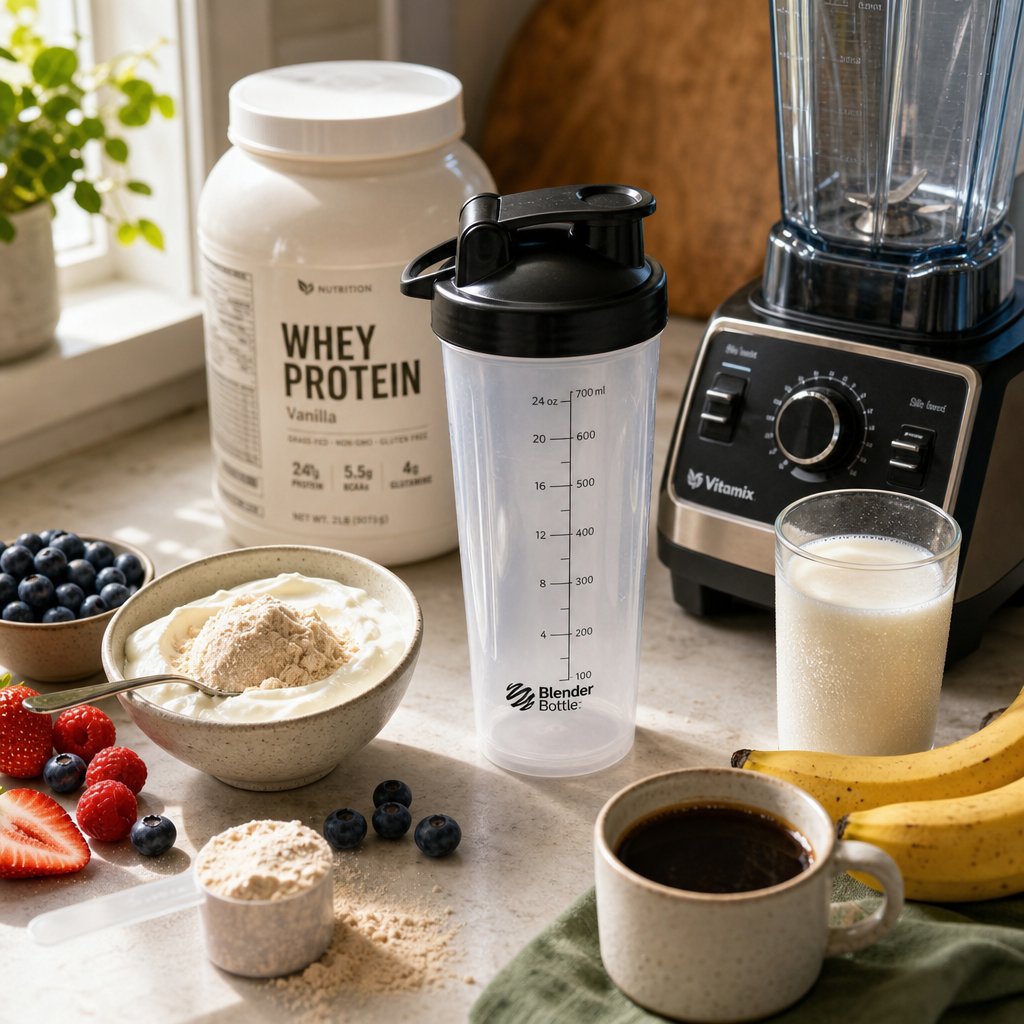
Why Your Protein Powder Mixing Base Matters More Than You Think
You bought the protein powder. You mixed it with water. And now you're forcing down something that tastes like chalky disappointment. Sound familiar? Here's the thing most people miss: what to mix protein powder with isn't just a flavor decision. The liquid or food you choose as your base directly shapes the texture of your shake, how fast amino acids reach your bloodstream, and the total nutritional profile of what you're consuming.
Most people default to plain water or a splash of milk and call it a day. But the full spectrum of mixing options goes far beyond those two staples, and each one creates a completely different experience in your glass, bowl, or blender.
Why Your Mixing Base Changes Everything
When you stir protein powder into a liquid, you're not just dissolving it. You're building a meal. The base you choose introduces its own calories, macronutrients, and digestion speed into the equation. Water offers zero additional calories and allows whey to be absorbed rapidly, making it ideal right after training. Milk adds creaminess, extra protein, and fats that slow gastric emptying and create a more sustained release of amino acids. Plant milks, juices, coffee, yogurt, oatmeal — each one shifts the outcome in a meaningful way.
Your mixing base can add anywhere from 50 to 300+ calories per serving and dramatically alter how quickly protein reaches your muscles.
That calorie range matters whether you're cutting body fat or trying to pack on size. It also matters if you're someone who simply can't stand the taste of protein shakes and needs a better strategy. So what should you mix protein powder with to actually enjoy it and get results? The answer depends on your goal, your powder type, and a few practical details most guides skip over.
What This Guide Covers
This article is built around one question: what do you mix with protein powder to match your specific situation? Rather than handing you a single recipe, we'll walk through every viable liquid option ranked by use case, food-based alternatives for people who hate shakes entirely, and goal-specific recommendations for weight loss, muscle gain, and convenience. You'll also learn why different powder types — whey isolate, casein, plant-based blends — behave differently depending on what you combine them with. Temperature, technique, and liquid-to-powder ratios all play a role in whether your shake turns out smooth or lumpy.
If you've been wondering what should you mix your protein powder with to finally make it taste good and work harder for your goals, you're in the right place. Let's start with the full lineup of liquids and what each one actually does once it hits your shaker bottle.
Every Liquid You Can Mix With Protein Powder Ranked
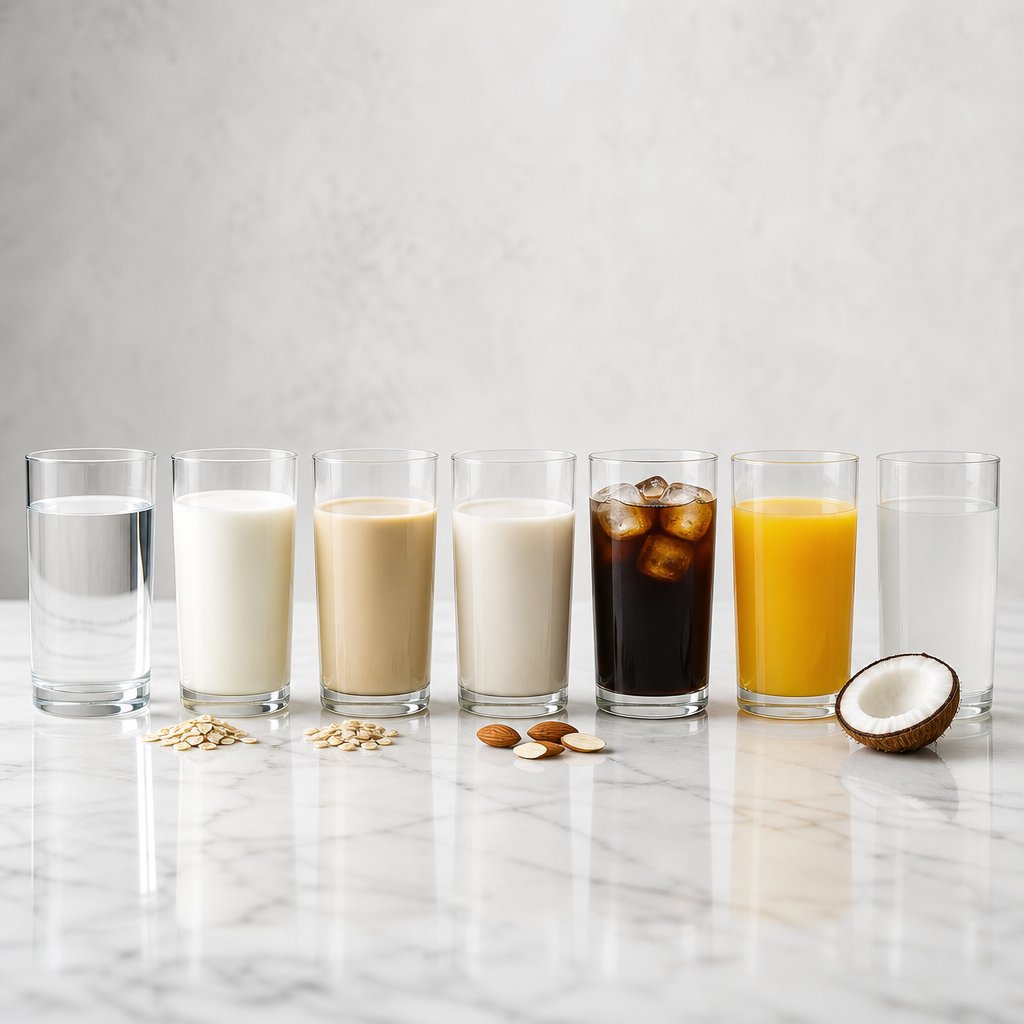
Your shaker bottle is only as good as what you pour into it. Can you mix protein powder with water and call it done? Absolutely. But water is just one option on a much longer list, and each liquid brings a different combination of calories, texture, flavor, and functional benefits to the table. Let's break them all down so you can pick the best liquid to mix with protein powder for your situation.
Water and Dairy Milk as Your Foundation
Water is the simplest base you can use. Zero calories, zero macros, zero interference with your powder's flavor profile. Mixing protein powder with water gives you the fastest possible digestion speed because there's nothing else for your stomach to process alongside the amino acids. That makes it the go-to choice immediately after a workout when you want rapid absorption. The tradeoff? Thin texture and no flavor enhancement. If your powder tastes mediocre on its own, water won't save it.
Dairy milk sits at the opposite end of the spectrum. Whether you reach for whole, 2%, or skim, you're adding creaminess, natural sweetness, and an extra 8 grams of protein per cup. The fats and lactose in milk slow down absorption, which promotes satiety and delivers a more sustained amino acid release to your muscles over several hours. Can you mix protein powder with milk every day? Yes, and many people find it transforms an otherwise bland shake into something that actually tastes like a milkshake. Whole milk adds around 150 calories per cup, while skim keeps it closer to 80 calories with a lighter mouthfeel.
Plant Milks and Alternative Liquids
Plant-based milks open up a wide range of calorie and texture profiles without any dairy. Here's how the main options compare:
- Almond milk (unsweetened): Only 30-40 calories per cup with a light, slightly nutty flavor. Works well with chocolate and vanilla powders but stays thin.
- Oat milk: Naturally creamy and slightly sweet at around 90-120 calories per cup. One of the best plant milks for mimicking the richness of dairy.
- Soy milk: Adds 70-100 calories and an extra 7 grams of protein per cup, making it the highest-protein plant alternative.
- Coconut milk (carton, not canned): Around 45-60 calories with a subtle tropical flavor that pairs especially well with vanilla or unflavored powders.
Plant milks are a strong choice if you're lactose intolerant or following a vegan diet. The best protein powder to mix with water alone is typically a high-quality whey isolate, but if you're using a plant-based powder, switching to oat or soy milk can dramatically improve the texture and mask any grittiness. As dietitian Angie Asche, RD, CSSD notes, plant-based proteins like pea protein do much better in a creamier base such as almond or coconut milk rather than plain water.
Coffee, Juice, and Coconut Water
Beyond milks, several other liquids serve double duty when paired with protein powder:
Coffee is a popular pre-workout option. Cold brew or iced coffee blended with a scoop of vanilla or mocha protein creates a caffeinated, high-protein drink in one step. The key detail: avoid pouring powder directly into piping hot coffee, as the heat can cause clumping and an unpleasant rubbery texture. Iced or cooled coffee works perfectly.
Fruit juice adds natural carbohydrates and sweetness, which can be useful for post-workout glycogen replenishment. However, protein powder and juice don't always play nicely together. Acidic juices like orange or pineapple can cause whey protein to curdle and form lumps because the low pH denatures the protein on contact. If you want to combine the two, use a blender rather than a shaker bottle, and consider less acidic options like apple or grape juice.
Coconut water provides natural electrolytes (potassium, sodium, magnesium) alongside light sweetness at roughly 45-60 calories per cup. It's an excellent choice for hydration-focused recovery shakes after sweaty sessions.
Tea — particularly green tea or matcha — offers antioxidants and a mild caffeine boost. Cooled tea works as a subtle, nearly zero-calorie base that won't overpower your powder's flavor.
| Liquid Type | Calories Added (per cup) | Texture Impact | Best Use Case | Flavor Pairing Notes |
|---|---|---|---|---|
| Water | 0 | Thin, no added body | Post-workout, calorie control | Relies entirely on powder flavor |
| Whole Milk | 140-150 | Creamy, rich | Muscle gain, meal replacement | Enhances chocolate, vanilla, caramel |
| Skim Milk | 80-90 | Moderately creamy | Balanced protein boost | Lighter version of whole milk pairings |
| Almond Milk (unsweetened) | 30-40 | Light, slightly nutty | Low-calorie shakes, cutting phases | Pairs with chocolate, mocha, berry |
| Oat Milk | 90-120 | Naturally thick, smooth | Taste-first shakes, dairy-free creaminess | Complements vanilla, cinnamon, banana |
| Soy Milk | 70-100 | Medium body, smooth | Extra protein without dairy | Neutral enough for most flavors |
| Coconut Milk (carton) | 45-60 | Light, slightly silky | Tropical shakes, lighter blends | Works with vanilla, unflavored, fruit |
| Coffee (black, iced) | 2-5 | Thin, no added body | Pre-workout energy, morning shake | Best with chocolate, vanilla, mocha |
| Fruit Juice | 100-140 | Thin, sweet | Post-workout carb replenishment | Use less acidic juices; blend, don't shake |
| Coconut Water | 45-60 | Light, slightly sweet | Hydration and electrolyte recovery | Pairs with tropical and berry flavors |
| Green Tea (cooled) | 0-2 | Thin, no added body | Antioxidant boost, light caffeine | Best with unflavored or matcha powder |
The best beverage to mix with whey protein ultimately depends on timing and goals. Water with protein powder delivers the fastest route from shaker to muscle tissue, making it ideal within 30 minutes of training. Milk-based options slow that process down but keep you fuller and add nutritional depth. And creative choices like coffee or coconut water let you stack functional benefits without extra prep.
Liquids handle the majority of mixing scenarios, but they're not the only path to hitting your protein targets. For people who genuinely dislike drinking shakes — no matter what liquid they try — stirring protein powder into solid foods opens up an entirely different set of possibilities.
Mixing Protein Powder Into Foods Beyond the Shake
Some people will never love drinking a protein shake. The texture, the liquid meal feel, the aftertaste — no amount of almond milk or frozen fruit fixes it for them. If that sounds like you, here's the good news: you don't have to drink your protein at all. Mixing protein powder with yogurt, oatmeal, batter, and other whole foods lets you hit your daily targets without ever picking up a shaker bottle. These ways to eat protein powder are underused, practical, and often taste better than any shake you've tried.
Yogurt and Oatmeal Protein Combinations
Can you mix protein powder with yogurt? Not only can you — it's one of the easiest high-protein snacks you'll ever make. A single scoop of vanilla or chocolate powder stirred into a cup of Greek yogurt creates a thick, pudding-like texture with 40+ grams of protein total. The natural thickness of Greek yogurt absorbs the powder without turning gritty, and the tanginess balances out sweeter flavored powders. You'll notice the consistency lands somewhere between mousse and pudding, especially if you let it sit in the fridge for 10 minutes after mixing.
Oatmeal is equally straightforward. A bowl of cooked oats becomes a complete breakfast — protein, complex carbs, and fiber — with one scoop stirred in. The key detail: add your powder after you remove the oatmeal from heat. Stirring protein into boiling oats can cause clumping and a gummy texture because the heat denatures the protein too rapidly on the surface. Let your oats cool for about two minutes, stir in the powder, and add a splash of milk if the consistency feels too thick. Chocolate protein in oatmeal tastes remarkably close to a brownie batter breakfast.
Baking and Cooking With Protein Powder
Using protein powder in cooking opens up an entire category of things to make with protein powder that feel nothing like a supplement. Pancakes, muffins, cookies, and even savory dishes can carry an extra 20-25 grams of protein per serving without dramatically changing the taste or texture you expect.
A few practical rules make baking with protein powder much more predictable. According to testing by Cheat Day Design, protein powder bakes up faster and drier than flour, so reducing your oven time by a few minutes prevents a tough, overcooked result. When substituting, replace roughly one-quarter to one-third of the flour in a recipe with protein powder rather than doing a full 1:1 swap. A complete replacement tends to produce dense, dry baked goods because protein lacks the gluten structure that flour provides. Also, mix the powder into your dry ingredients first to distribute it evenly before adding wet ingredients.
For savory applications — think scrambled eggs, soups, or mashed potatoes — reach for an unflavored powder. Vanilla-flavored protein in your morning eggs is a mistake you only make once.
Here are six food-based mixing ideas with quick preparation tips:
- Greek yogurt bowl: Mix one scoop into plain Greek yogurt, top with berries or granola. No heating required — just stir until smooth for a high-protein pudding snack.
- Oatmeal: Cook oats as usual, remove from heat, stir in one scoop with a splash of milk. Works with both flavored and unflavored powders.
- Pancake and waffle batter: Add one scoop to your existing recipe, reducing flour by about 2-3 tablespoons to compensate. The batter stays pourable and the final texture changes only slightly.
- Muffins and baked goods: Replace up to one-quarter of the flour with protein powder. Add a tablespoon of extra oil or butter to offset the drying effect, and shorten bake time by 3-5 minutes.
- Chia pudding: Blend one scoop into your milk of choice, then stir in 3-4 tablespoons of chia seeds. Refrigerate for at least two hours. The chia absorbs the liquid and creates a thick, protein-rich dessert.
- Smoothie bowls: Blend protein powder with frozen fruit and minimal liquid to create a thick, spoonable base. Top with nuts, seeds, or coconut flakes for added texture.
Can I mix protein powder with yogurt every single day? Yes — and many dietitians actually recommend it as a simple strategy for people who struggle to reach their protein goals through meals alone. As sports dietitian Abby Grimm, MS, RDN explains, protein powder works best as a supplement layered into foods you already enjoy rather than a standalone drink you have to force down.
What to put protein powder in ultimately comes down to personal preference and daily routine. If you eat oatmeal every morning, that's your vehicle. If you snack on yogurt in the afternoon, stir a scoop in. The goal is consistency without dread — and food-based options remove the biggest barrier for people who simply don't enjoy shakes.
Choosing the right food or liquid base is one piece of the puzzle. The other piece is matching that choice to a specific fitness goal — whether you're trying to cut calories, build muscle, or just make something that tastes good enough to look forward to.
Choose Your Mixing Base by Fitness Goal
Knowing every liquid and food option is useful, but it doesn't answer the real question: which one should you pick? The best thing to mix protein powder with depends entirely on what you're trying to accomplish. A person cutting weight has different needs than someone chasing a calorie surplus, and both have different priorities than the traveler who just needs something quick between flights.
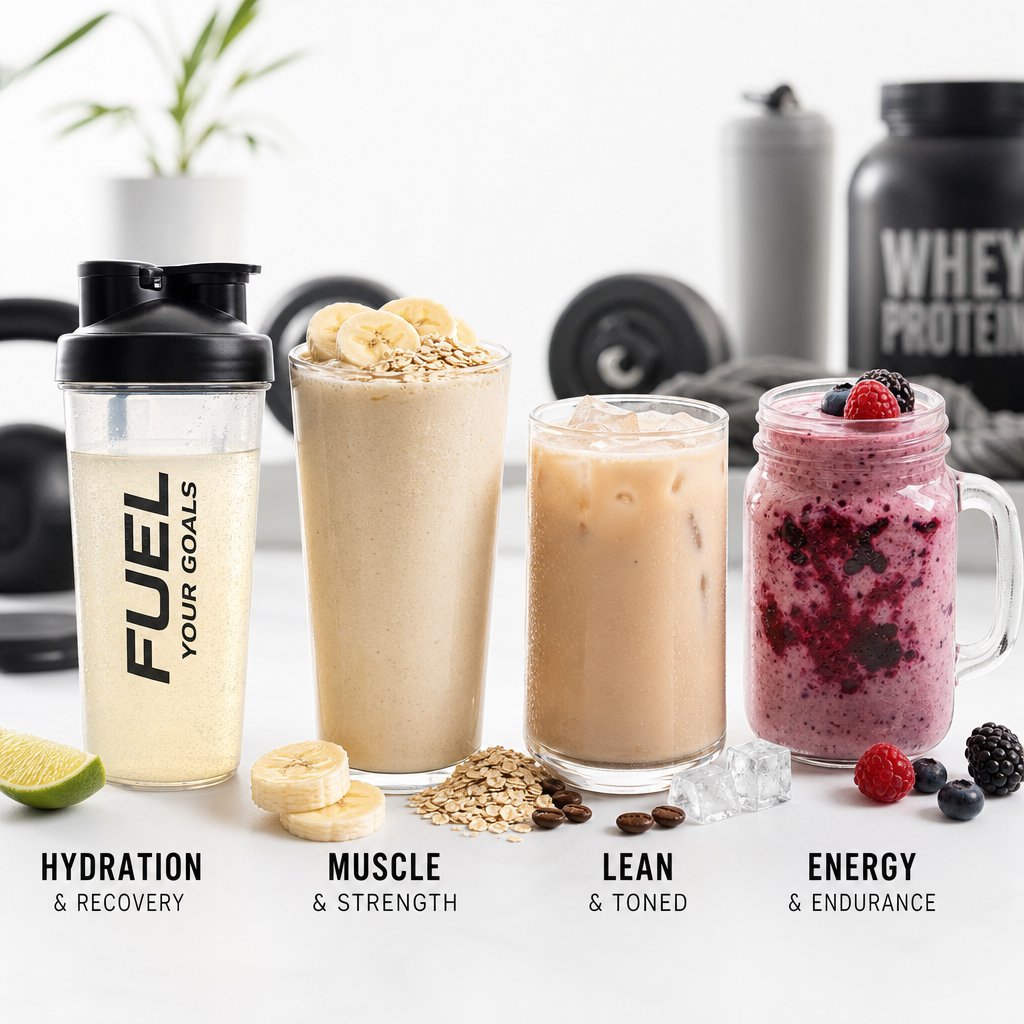
Let's organize the options into four clear pathways based on the most common fitness goals.
Mixing for Weight Loss and Calorie Control
When you're in a calorie deficit, every extra calorie from your mixing base counts against your daily budget. The goal here is simple: maximize protein per calorie while keeping the total shake as lean as possible. What to mix with protein powder for weight loss comes down to two reliable options — water and unsweetened almond milk.
Water adds zero calories, making a standard 25-gram scoop of whey isolate clock in at roughly 100-120 calories of pure protein. Unsweetened almond milk adds only 30-40 calories per cup while providing a slightly richer mouthfeel that makes the shake more enjoyable without meaningful caloric impact.
If you want to know how to use protein powder for weight loss effectively, satiety matters just as much as calorie count. A randomized crossover study published in Current Developments in Nutrition found that a high-protein, high-fiber beverage significantly reduced hunger and desire to eat compared to a lower-protein alternative. The practical takeaway: adding a small amount of fiber to your shake — a tablespoon of chia seeds or a handful of spinach — can help control appetite without adding many calories. Thicker shakes with fiber-rich additions keep you fuller longer because they slow gastric emptying and extend the satiety signal.
Mixing for Muscle Gain and Recovery
Building muscle requires a calorie surplus, and your protein shake is one of the easiest places to stack extra energy. The best liquid for protein shakes in a gaining phase is whole milk. One cup adds roughly 150 calories, 8 grams of protein, and enough fat to slow digestion for sustained amino acid delivery to your muscles over several hours.
But the liquid is just the starting point. Good things to mix with protein powder when you're bulking include:
- Banana: Adds 100 calories, natural sweetness, and fast-digesting carbs for glycogen replenishment.
- Rolled oats: A quarter cup blended in adds roughly 75 calories of complex carbs and makes the shake noticeably thicker.
- Nut butter: One tablespoon of peanut or almond butter contributes around 95 calories of healthy fats and makes any shake taste like dessert.
- Frozen berries: Add volume, micronutrients, and a smoothie-like texture without excessive sugar.
A single shake built with whole milk, a banana, a scoop of oats, and a tablespoon of peanut butter alongside your protein powder can easily reach 500-600 calories — a meaningful contribution toward a surplus without requiring you to eat another full meal.
Mixing for Taste and Convenience
Sometimes the goal isn't cutting or bulking. It's just making something you actually look forward to drinking — or something you can prepare in 30 seconds at the gym.
For convenience and portability, water remains unbeatable. It's available everywhere, requires no refrigeration, and works with a basic shaker bottle. Toss a scoop of powder in your gym bag, fill the bottle at the fountain, shake for 30 seconds, and you're done. No blender, no cleanup, no planning. If you travel frequently or train at odd hours, this is the path of least resistance.
For taste-first shakes, a blender changes everything. The best liquid to mix protein powder with when flavor is the priority is regular milk or oat milk combined with frozen fruit. Imagine blending chocolate protein with frozen banana, a tablespoon of almond butter, and a cup of oat milk. The result tastes closer to a milkshake than a supplement. Frozen fruit thickens the shake without ice (which dilutes flavor), and nut butters add richness that masks any chalky undertones from the powder.
What to add to a protein shake for maximum enjoyment? Think of it like building a smoothie that happens to contain protein, not a protein shake you're trying to make tolerable. Cocoa powder, cinnamon, vanilla extract, and frozen mango are all zero-effort additions that elevate flavor dramatically.
| Goal | Recommended Base | Add-Ins | Approximate Calorie Range | Timing |
|---|---|---|---|---|
| Weight Loss | Water or unsweetened almond milk | Chia seeds, spinach, ice | 100-160 calories | Between meals or post-workout |
| Muscle Gain | Whole milk | Banana, oats, nut butter, berries | 450-650 calories | Post-workout or as a snack between meals |
| Convenience | Water | None needed | 100-130 calories | Anytime — gym, travel, office |
| Taste-First | Milk or oat milk | Frozen fruit, nut butter, cocoa, cinnamon | 300-500 calories | Breakfast replacement or afternoon treat |
Notice how the calorie range swings from around 100 to over 600 depending on your goal. That's the power of choosing your base intentionally rather than defaulting to whatever is in the fridge. The best thing to mix with protein powder isn't a universal answer — it's the option that aligns with what you're working toward right now.
One variable this table doesn't capture is how different protein powder types interact with these bases. A whey isolate dissolves cleanly in water, but a plant-based blend might turn gritty and unpleasant in the same liquid. The type of powder you're using changes which mixing strategy actually works in practice.
How Protein Powder Type Affects What You Should Mix It With
You could follow every mixing tip perfectly — the right liquid, the right ratio, the right technique — and still end up with a gritty, clumpy, or weirdly thin shake. Why? Because not all protein powders behave the same way in liquid. The type of protein you're using fundamentally changes what to mix whey protein with versus what works for a pea protein blend or a casein powder. Understanding these differences saves you from wasted scoops and disappointing results.
Whey Isolate and Concentrate Mixing Differences
Whey protein is the most popular powder category, but "whey" isn't a single product. Whey isolate and whey concentrate go through different levels of processing, and that directly affects how they dissolve and what they taste like in your glass.
Whey isolate undergoes more intensive filtration, yielding a product that's roughly 90% or more protein by weight with minimal fat, carbs, and lactose. From a mixing standpoint, this means isolate dissolves quickly and cleanly in almost any liquid — including plain water. A whey protein powder shake made with isolate and water produces a thin, light consistency that's easy to drink fast. If you prefer fruity flavors with a less milky taste, isolate in water is your best match. It's also the easiest type to mix whey protein with nothing more than a shaker bottle and 30 seconds of effort.
Whey concentrate retains more fat and carbohydrate content — typically around 80% protein with the remaining 20% made up of other milk components. Those extra fats and sugars give concentrate a slightly creamier natural taste, but they also make it less soluble in water alone. You'll notice concentrate can feel gritty or leave a film on your tongue when mixed with just water, especially unflavored versions. The solution? Mix it with milk. The fats in dairy (or a creamy plant milk like oat) complement the concentrate's natural richness and mask any textural roughness. Protein shakes with whey protein concentrate taste noticeably better in milk than in water — that's not opinion, it's chemistry.
How to drink whey protein ultimately depends on which form you have. Isolate gives you flexibility to use any liquid. Concentrate rewards you for choosing a creamier base.
Plant-Based and Casein Powder Behavior
Casein protein behaves unlike any other powder in your cabinet. It's the slow-digesting counterpart to whey, making up about 80% of the protein in cow's milk, and it has a unique property: it thickens dramatically when mixed with liquid. A casein shake mixed with 5-6 ounces of water in a bowl and stirred vigorously for a minute or two creates a pudding-like mousse you can eat with a spoon. Use the standard 10-12 ounces in a shaker cup and you get a thick, milkshake-like consistency that's noticeably richer than whey.
Here's the detail most people discover by accident: casein thickens over time. If you prep a casein shake and leave it in the fridge for 20-30 minutes, it will be significantly thicker than when you first mixed it. That's the nature of micellar casein — it continues to absorb liquid and gel. This makes casein ideal for overnight prep (mix before bed, eat as pudding in the morning) but frustrating if you mix it too far ahead and expect a drinkable shake. How to use whey protein versus casein comes down to timing: whey for quick post-workout drinks, casein for thick, satisfying snacks between meals or before sleep.
Plant-based protein blends — pea, rice, hemp, and seed proteins — present the biggest mixing challenge. These powders contain more insoluble fiber and larger particle sizes than animal-based proteins, which means they take longer to dissolve and often leave a grainy mouthfeel. Insoluble fiber simply doesn't break down in water, so the more of it your powder contains, the grittier the result will be regardless of how long you shake.
The practical fix: blend whey protein or animal-based powders with a shaker bottle if you want, but always blend plant-based powders in an actual blender. Thirty to sixty seconds on high breaks down those larger particles enough to produce a smooth result. Pairing plant proteins with oat milk or soy milk rather than water also helps considerably — the creamier base masks the textural roughness that water exposes. Adding frozen banana or a tablespoon of nut butter further smooths things out by introducing fats that coat the palate.
Collagen peptides are the outlier in this lineup. Unlike every other protein type, collagen dissolves almost invisibly in both hot and cold liquids. It doesn't thicken, doesn't clump, and adds virtually no flavor or texture. You can stir it into morning coffee, iced water, soup, or tea and barely notice it's there. This makes collagen the most versatile powder for people who want to add protein without changing the taste or experience of what they're already eating and drinking. The tradeoff is that collagen isn't a complete protein — it lacks tryptophan and is low in leucine — so it works best as a supplement alongside other protein sources rather than a standalone.
| Powder Type | Best Liquid Match | Texture in Water | Texture in Milk | Blending Required |
|---|---|---|---|---|
| Whey Isolate | Water, any liquid | Smooth, thin, dissolves quickly | Creamy, light milkshake | No — shaker bottle works fine |
| Whey Concentrate | Dairy milk, oat milk | Slightly gritty, can leave film | Smooth, naturally creamy | No — shaker bottle works, blender improves it |
| Casein | Water or milk (less volume) | Thick, pudding-like | Very thick, rich milkshake | No — spoon or shaker works; thickens over time |
| Plant-Based (pea, rice, hemp) | Oat milk, soy milk, blended with fruit | Grainy, chalky, slow to dissolve | Improved but still textured | Yes — blender strongly recommended |
| Collagen Peptides | Coffee, tea, water, any liquid | Clear, nearly invisible | Undetectable | No — dissolves with a spoon |
The pattern is clear: the more processed and filtered a protein is, the easier it mixes. Whey isolate and collagen sit at the top for solubility. Plant-based blends and whey concentrate need more help from your liquid choice and mixing method. Casein plays by its own rules entirely — thick by nature, thicker over time, and best treated as a food rather than a drink.
Matching your powder type to the right liquid eliminates most texture complaints. But there's another variable that trips people up just as often: temperature. Pouring protein powder into hot coffee or stirring it into steaming oatmeal raises a question worth answering — does heat actually damage the protein, or is that just a myth?
The Truth About Mixing Protein Powder With Hot Liquids
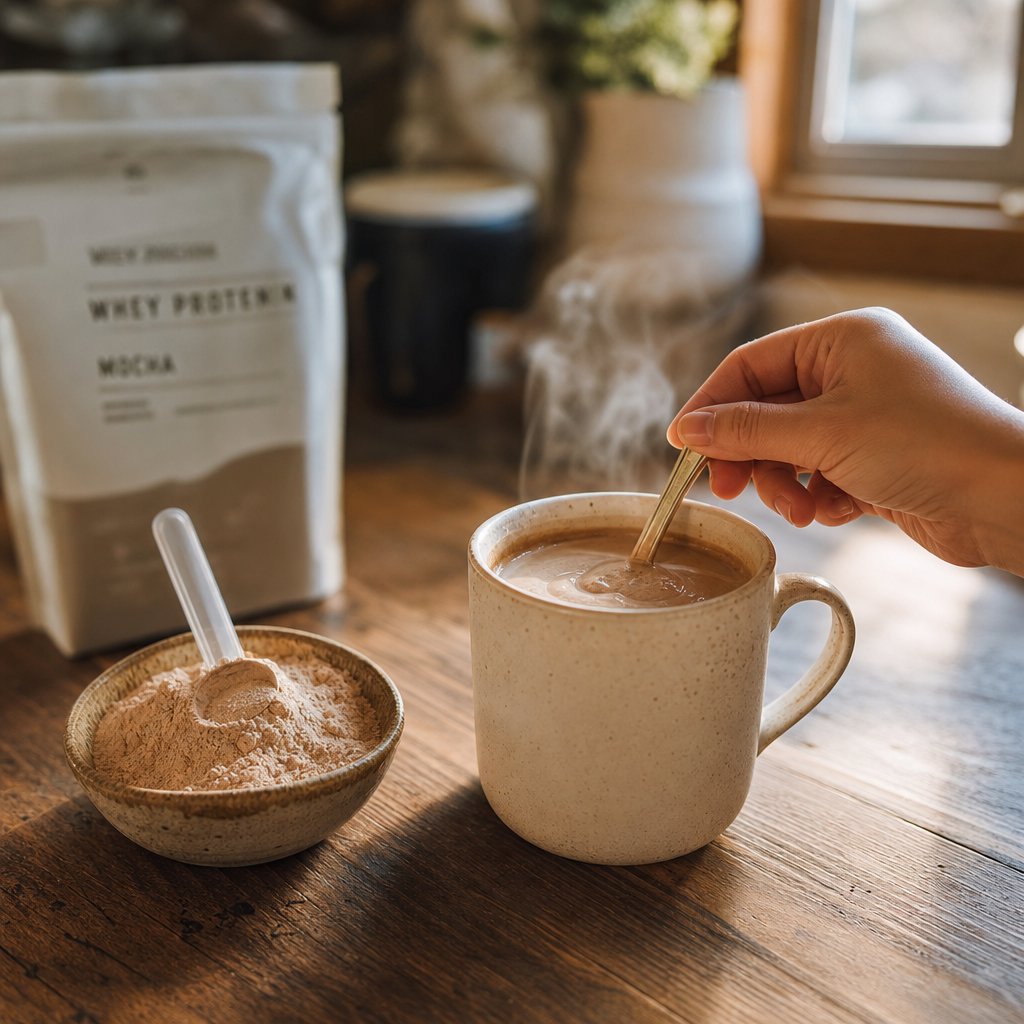
You want to stir a scoop into your morning coffee or fold it into hot oatmeal — but you've heard heat "destroys" protein. Should you worry? This is one of the most common questions around protein powder uses in warm foods and drinks, and the short answer is reassuring: heat does not destroy the nutritional value of your protein powder. What it does change is the structure of the protein molecules, and that distinction matters.
Does Heat Destroy Protein Powder Nutrients
When protein is exposed to heat, a process called denaturation occurs. Imagine a protein molecule as a tightly wound ball of yarn. Heat transfers energy to the weak bonds holding that ball together, causing it to unwind and stretch out. The three-dimensional shape changes — but the amino acids themselves, the actual building blocks your body needs for muscle repair and growth, remain completely intact.
Here's the part that puts this into perspective: your stomach does the exact same thing. Digestive acids and enzymes denature every protein you eat as a necessary step before absorbing the amino acids. Stirring protein powder into hot coffee essentially gives your digestive system a head start on a process it was going to perform anyway.
Denaturation changes the structure of protein, not its nutritional value. Your body absorbs the same amino acids from heated protein powder as from a cold shake.
Think of a cooked egg. Raw egg white is liquid and clear; heat turns it firm and white. The structure changed dramatically, but research using stable isotope techniques has shown that cooked egg delivers the same protein content as raw egg — and is actually more bioavailable. The same principle applies to your protein powder drink, whether you mix it cold or warm.
What about baking? Oven temperatures of 350-400°F (175-200°C) are far higher than a cup of coffee, yet protein bars, muffins, and pancakes made with protein powder still deliver their full amino acid content. Genuine protein degradation — the actual breaking of peptide bonds between amino acids — requires extreme conditions well above 400°F (200°C) sustained over prolonged periods combined with strongly acidic or alkaline environments. Standard baking doesn't come close. So yes, you can cook protein powder into baked goods without losing nutritional benefits.
Practical Tips for Hot Liquid Mixing
The real problem with hot liquids isn't nutrition — it's texture. When you dump dry protein powder directly into very hot liquid (above 160°F/70°C), the outermost layer of each powder particle denatures instantly from the temperature shock. That denatured outer layer forms a water-repellent seal around the still-dry powder inside, creating hard, rubbery lumps that no amount of stirring will dissolve. You end up with chewy chunks floating in your coffee rather than a smooth protein powder drink.
The fix is simple. Use what's called the slurry method:
- Add your protein powder to a small amount of cold or room-temperature liquid (2-3 tablespoons of water or milk).
- Stir until you have a smooth, lump-free paste.
- Slowly pour your hot coffee, tea, or oatmeal into the paste while stirring continuously.
This gradual temperature increase allows the protein to denature evenly without forming that rubbery outer seal. The result is a perfectly dissolved, creamy hot drink. Can you put protein powder in water that's boiling? Technically yes — the protein won't lose nutritional value — but the clumping will make it undrinkable. Letting your liquid cool to around 140-160°F (60-70°C) before mixing, or using the slurry method, solves the problem entirely.
For people exploring how to eat whey protein beyond cold shakes, hot applications open up real variety. Stir it into oatmeal after removing from heat. Blend it into warm coffee for a latte-style protein drink. Fold it into pancake batter cooked over medium heat. What can you add protein powder to in the hot category? Coffee, tea, porridge, soup (unflavored powder), baked goods, and warm sauces all work — as long as you manage the mixing technique rather than worrying about the temperature itself.
The science is clear: heat is not your enemy. Clumping is. And clumping is entirely preventable with the right approach. That brings up the next practical question — beyond temperature, what mixing tools and techniques actually produce a smooth, consistent shake every time?
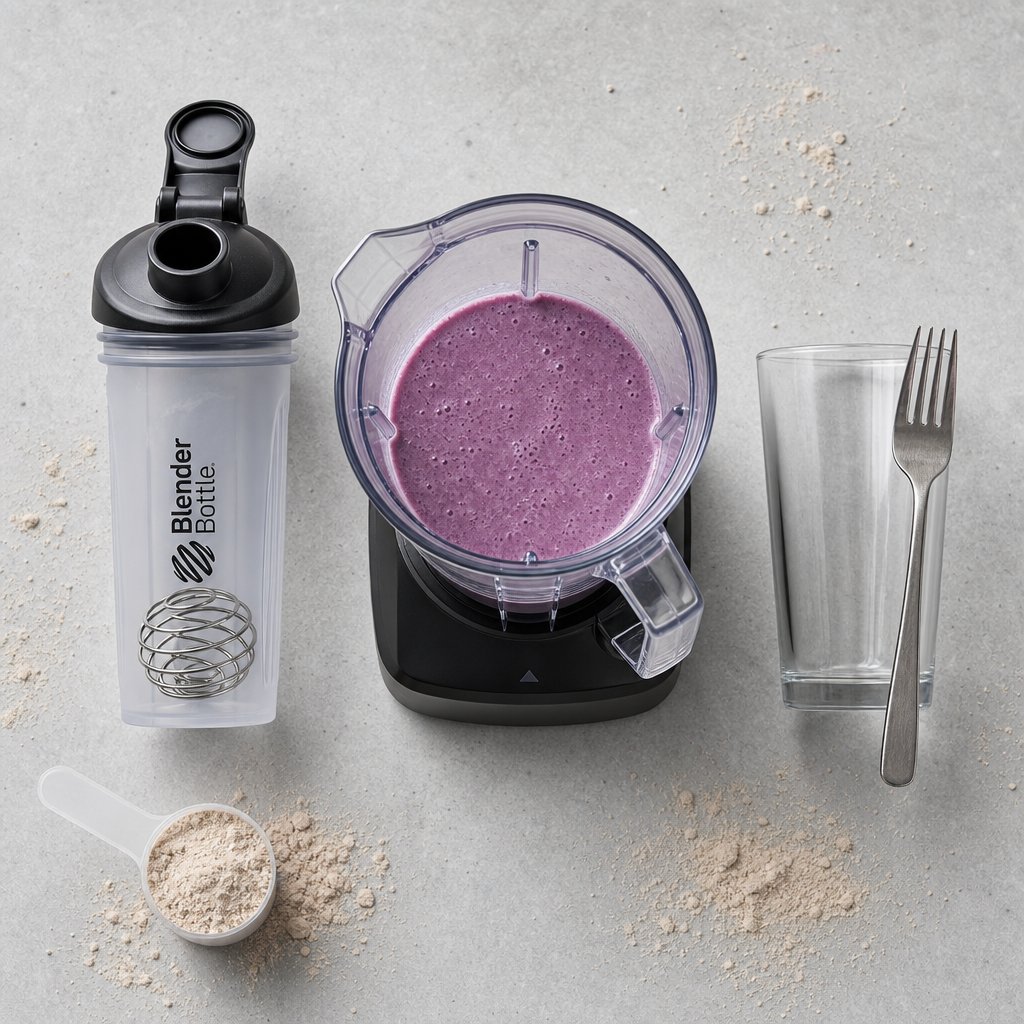
Mixing Techniques and Ratios That Prevent Clumping
You've picked the right liquid, matched it to your powder type, and even managed the temperature. But if your technique is off, you'll still end up fishing lumps out of your shake with a spoon. Knowing how to mix protein powder properly is the difference between a smooth drink and a chalky mess — and it comes down to three things: the tool you use, the order you follow, and the ratio of liquid to powder.
Shaker Bottle vs Blender vs Spoon
How do you mix protein powder in practice? The tool you reach for should match what's going into the cup.
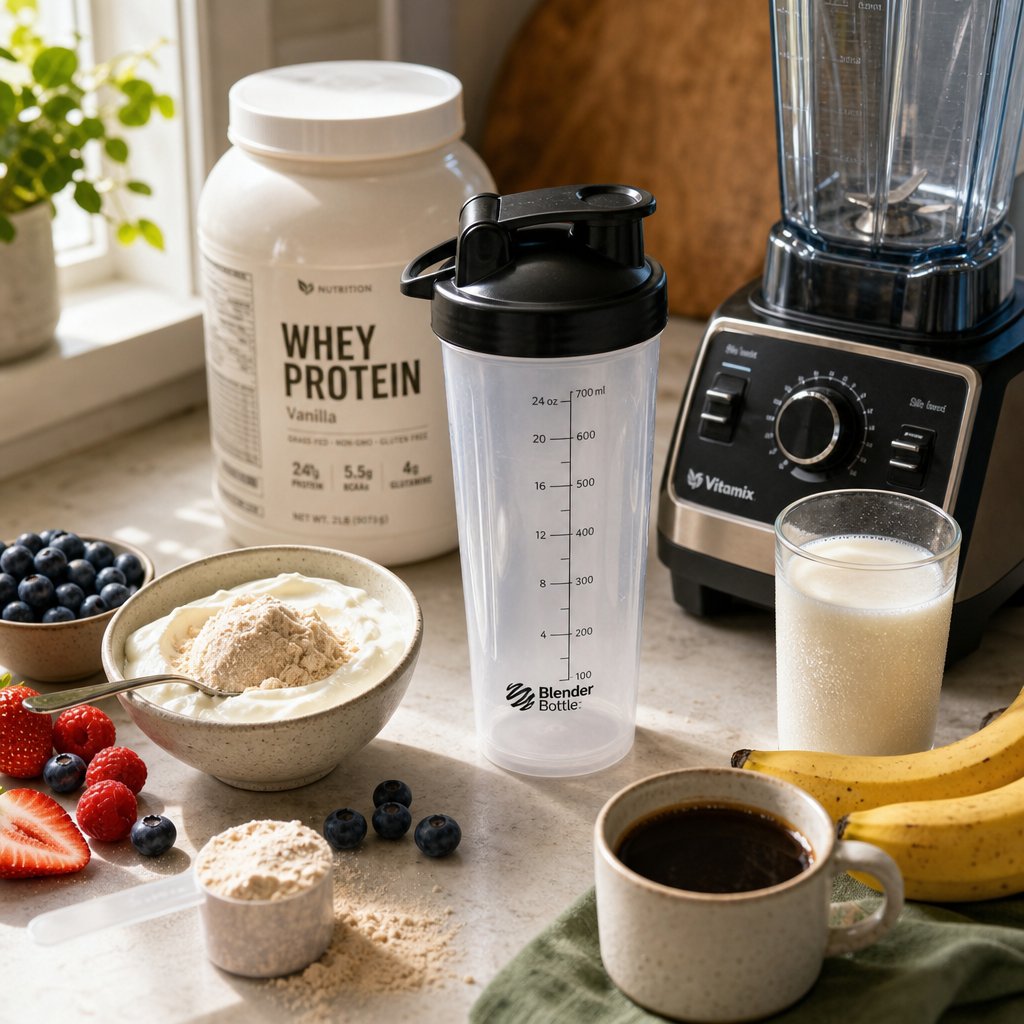
Shaker bottle: The most portable option and perfectly adequate for water, milk, or any thin liquid combined with powder alone. The internal mixing mechanism — whether it's a wire ball, a mesh grid, or a built-in agitator — creates enough turbulence to break up powder clumps during shaking. Shaker bottles are ideal for the gym, the office, or travel. Their limitation? They can't handle frozen fruit, ice, nut butters, or thick add-ins. Trying to shake a banana through a wire ball just makes a mess.
Blender: Required when you want to blend protein powder with solid ingredients. Frozen fruit, oats, nut butter, ice, and leafy greens all need blade power to break down into a smooth consistency. A high-speed blender also produces the smoothest results with plant-based powders that tend to stay grainy in a shaker. If taste and texture are your top priorities, a blender is worth the extra cleanup.
Immersion blender: A middle ground. It handles single servings directly in your glass or mug without dirtying a full blender pitcher. Useful for mixing powder into hot coffee, stirring into soups, or blending a quick shake with soft ingredients like ripe banana. Less powerful than a countertop blender, but far more effective than shaking alone.
Spoon or fork: Only works reliably with highly soluble powders — think whey isolate or collagen peptides — in room-temperature liquid. If you're wondering how to mix protein powder without a shaker, a fork in a pinch works better than a spoon because the tines break up small clumps more effectively. But for anything beyond a basic isolate-and-water combination, you'll fight clumps the entire time.
How to Prevent Clumping Every Time
Clumping happens when dry powder particles contact liquid and immediately form a water-repellent outer shell before the inside dissolves. The protein and fat molecules in the powder are hydrophilic — they attract and hold onto moisture — which means they grab water on contact and seal themselves into lumps. Preventing this is mostly about controlling how powder meets liquid.
Here's a step-by-step process for how to mix a protein shake without clumps:
- Add liquid to your shaker or blender first. This ensures the powder falls into an already-moving liquid environment rather than sitting dry against the walls of the container.
- Use room-temperature or cold liquid — not ice-cold. Extremely cold liquids can slow dissolution. Room temperature gives you the fastest, smoothest mix.
- Add protein powder on top of the liquid. Let it sit on the surface for 2-3 seconds before sealing and shaking. This brief pause allows the bottom layer of powder to begin absorbing liquid naturally.
- Seal and shake vigorously for at least 30 seconds. Most people stop too early. A full 30 seconds of consistent shaking gives the mixing mechanism enough time to break apart every clump.
- Let the shake rest for 10-15 seconds, then shake again briefly. This pause allows ingredients to settle and dissolve further, catching any remaining undissolved particles.
- If clumps persist, sift your powder before adding. Protein powder stored in humid conditions absorbs ambient moisture and pre-clumps in the container. Running it through a fine mesh strainer breaks those dry clumps apart before they ever touch liquid.
One more tip: adding a few ice cubes to your shaker bottle acts as an extra agitator, physically smashing clumps as they form during shaking. This is especially helpful if you don't have a blender ball or mixing grid in your bottle.
Liquid-to-Powder Ratios for Perfect Consistency
The most common mistake people make when learning how to mix protein shake consistency isn't clumping — it's using too much liquid. A 24-ounce shaker filled to the top with water and one scoop of powder produces a watery, flavorless drink that tastes like you're sipping from a swimming pool that vaguely remembers chocolate. More liquid doesn't mean smoother. It means thinner and less satisfying.
Here are the ratios that work for different applications:
| Application | Liquid Amount per Scoop | Resulting Consistency | Best Tool |
|---|---|---|---|
| Standard drinkable shake | 6-8 oz (180-240 ml) | Medium body, easy to drink | Shaker bottle |
| Thick smoothie | 4-5 oz (120-150 ml) + frozen fruit | Thick, spoonable if desired | Blender |
| Stirred into yogurt or oatmeal | 2-3 oz (60-90 ml) splash to loosen | Paste-like, integrated into food | Spoon or fork |
| Light, refreshing post-workout | 10-12 oz (300-350 ml) | Thin, fast to drink | Shaker bottle |
A good starting point recommended by Natural Force is 10-12 oz per scoop for a smooth, lighter shake, or 6-8 oz plus ice or fruit for something thicker. If you find your shake too thin, reduce liquid by an ounce at a time rather than adding more powder — extra scoops change the protein dose, while less liquid just changes the texture.
The right ratio also depends on your powder type. Casein naturally thickens, so you can start with more liquid and let it gel. Plant-based powders benefit from slightly more liquid because their fiber content absorbs moisture over time. Whey isolate is the most forgiving — it stays consistent at almost any ratio.
Technique and ratios solve the user-side equation. But there's a manufacturing-side equation too: how a protein powder is actually formulated and processed determines whether it dissolves effortlessly or fights you at every step.
How Powder Formulation Quality Shapes Your Mixing Experience
Every mixing tip in this guide assumes your protein powder is capable of dissolving properly in the first place. But here's what most people never consider: the reason one protein powder mix dissolves effortlessly in a shaker bottle while another clumps no matter what you do comes down to how the powder was manufactured — not how hard you shake.
What Makes a Protein Powder Mix Smoothly
Three manufacturing variables determine whether you'll enjoy your protein powder protein shake or spend two minutes fishing out lumps:
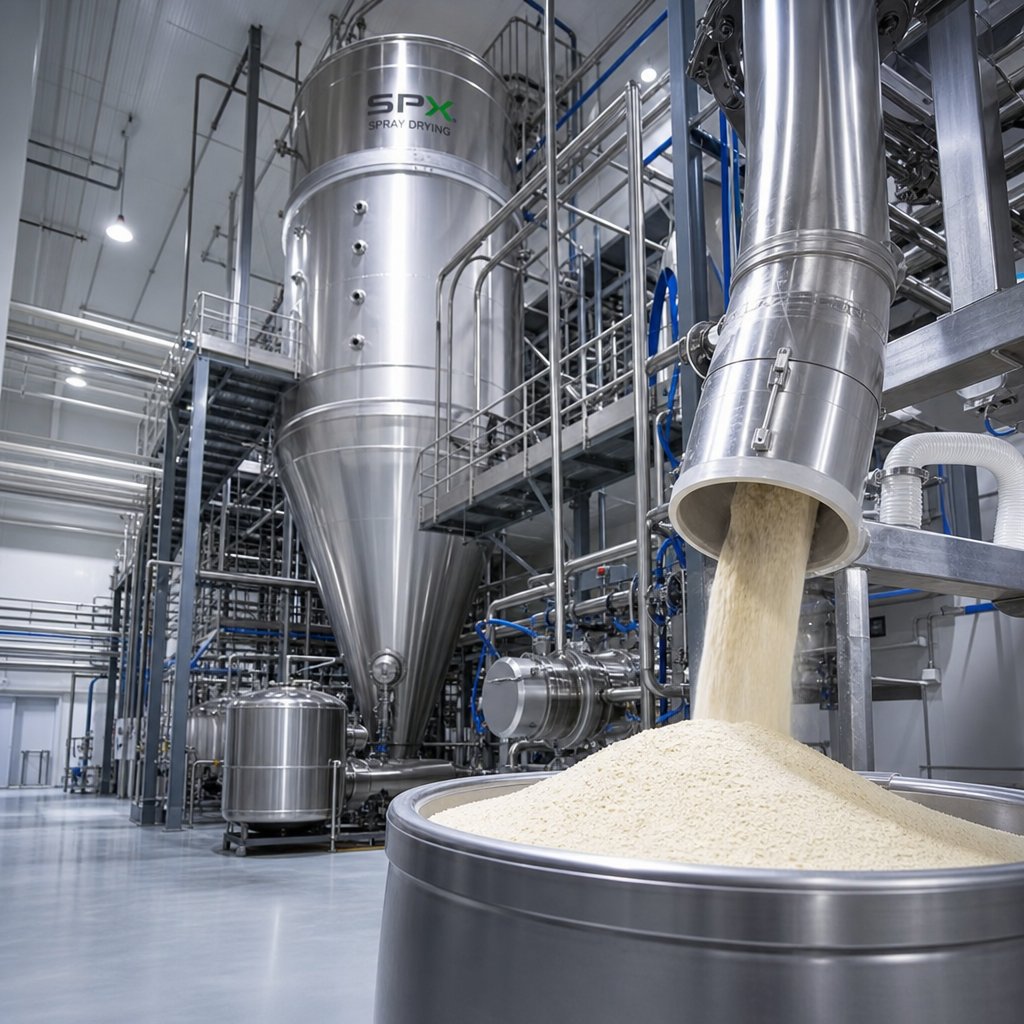
Particle size controls how quickly liquid penetrates each grain of powder. Smaller particles have more surface area exposed to liquid, but if they're too fine, they clump together on contact with moisture and form that frustrating gel barrier on the outside while staying dry inside. The sweet spot is a controlled particle size range — typically achieved through fluidized bed agglomeration — that creates slightly larger, porous granules liquid can penetrate evenly.
Instantization is the process that separates a premium protein drink mix from a budget one. During instantization, powder particles are treated with a surface agent like sunflower lecithin, which makes each particle more hydrophilic — meaning it attracts water rather than repelling it. The result is a powder that wets immediately on contact with liquid instead of floating on the surface or clumping into balls. When you shake protein powder into water and it dissolves in seconds, instantization is the reason.
Ingredient purity and composition also play a role. Higher-fat powders (like some whey concentrates) resist wetting because fat is naturally hydrophobic. Powders with added gums, thickeners, or poorly processed flavoring systems can introduce inconsistencies that affect how evenly the protein shake mix dissolves across different liquids and temperatures.
Key formulation factors that affect protein powder mixing performance:
- Particle size distribution: Controlled granule size (typically 0.2-0.5 mm) allows liquid to penetrate evenly without dust formation or clumping.
- Lecithin treatment: Surface coating with sunflower or soy lecithin reduces surface tension, enabling rapid wetting and dispersion in hot or cold liquids.
- Agglomeration method: Fluidized bed processing creates porous particle structures that dissolve faster than dense, fine powders.
- Fat content management: Lower residual fat improves wettability; higher-fat formulas require more aggressive instantization to compensate.
- Moisture control during storage: Proper packaging and desiccant use prevent pre-clumping caused by ambient humidity absorption.
Powder and granule formats are also engineered differently depending on the intended application. A protein powder drink mix designed for instant shaker-bottle use needs maximum solubility and minimal foam. A powder formulated for baking needs heat stability and consistent behavior when combined with flour and fats. A granule format intended for stirring into yogurt or oatmeal benefits from slightly larger particle size that integrates without dissolving too quickly and thinning the food.
Choosing Protein Powders Designed for Versatile Mixing
If you've tried multiple mixing strategies from this guide and still struggle with texture, the issue may not be your technique — it may be the powder itself. Not every protein mix on the market undergoes proper instantization or particle size optimization. Budget formulas often skip these steps to reduce manufacturing costs, which is why they clump in water and taste chalky regardless of what you pair them with.
For brands and private label sellers developing their own protein powder lines, this is where manufacturing partnership matters. Companies like ZhuFeng offer OEM/ODM health food manufacturing with customized formulation that can engineer particle size, instantization levels, and format (powder or granules) specifically for the mixing scenarios a product is designed to serve — whether that's instant-dissolving formulas for water, creamier blends optimized for smoothies, or baking-stable variants that hold up under heat. Scalable production with flexible product formats means brands can launch a protein powder that actually performs across every liquid and food application their customers will try.
As a consumer, look for powders that list lecithin (sunflower or soy) in the ingredients — it's a reliable indicator that instantization was part of the manufacturing process. Brands that invest in proper formulation engineering produce a protein shake mix that works with a simple shaker bottle, not just a high-powered blender. The best protein powder mixing experience starts before you ever open the tub.
Frequently Asked Questions About Mixing Protein Powder
1. What is the healthiest thing to mix protein powder with?
The healthiest option depends on your goal. For minimal calories and fast absorption, water is ideal — especially post-workout. For added nutrition without excess sugar, unsweetened almond milk or plain Greek yogurt provides extra vitamins and healthy fats while keeping the calorie count low. If you want a nutrient-dense shake, blending with spinach, frozen berries, and a splash of oat milk delivers fiber, antioxidants, and protein in one serving.
2. Can you mix protein powder with milk instead of water?
Yes, and many people prefer it. Milk adds 8 grams of extra protein per cup, natural creaminess, and a milkshake-like taste that water simply cannot provide. The fats in milk slow digestion, creating a more sustained amino acid release over several hours. Whole milk adds around 150 calories per cup, while skim milk keeps it closer to 80 calories. The tradeoff is slower absorption compared to water, making milk better for meal replacements or between-meal shakes rather than immediately post-workout.
3. Does mixing protein powder with hot liquids destroy the protein?
No. Heat causes denaturation, which changes the protein's three-dimensional structure but does not destroy the amino acids your body needs. Your digestive system denatures all protein naturally during digestion anyway. The real concern with hot liquids is texture — temperatures above 160°F (70°C) can cause clumping. The fix is simple: mix powder into a small amount of cold liquid first to create a paste, then gradually add your hot coffee or oatmeal while stirring.
4. What can I mix protein powder into if I hate shakes?
You have plenty of food-based options. Greek yogurt mixed with a scoop of protein creates a pudding-like snack with over 40 grams of protein. Oatmeal, pancake batter, muffin recipes, chia pudding, and smoothie bowls all work well. The key is adding powder after removing food from heat and using unflavored varieties for savory dishes. Many dietitians recommend stirring protein into foods you already eat daily rather than forcing yourself to drink shakes.
5. Why does my protein powder clump no matter what I do?
Clumping usually comes from one of three issues: adding powder before liquid (always pour liquid first), using extremely cold liquid that slows dissolution, or using a powder that lacks proper instantization during manufacturing. High-quality powders treated with sunflower lecithin dissolve much faster. If your current powder clumps consistently, try sifting it before mixing, shaking for a full 30 seconds, and adding a few ice cubes as extra agitators. Plant-based powders with higher fiber content almost always require a blender rather than a shaker bottle.