Iron Tablets and Headaches
You started taking iron, and now your head is pounding. Sound familiar? If you're wondering whether iron tablets cause headaches, the short answer is yes — they can. But before you toss the bottle, here's what matters: this is a recognized, common iron supplement side effect, and for most people, it's temporary and manageable rather than a sign of something serious.
The Short Answer About Iron and Headaches
Headache is documented as an adverse effect of iron therapy in clinical literature. A 2025 study published in Nutrients found that among patients reporting side effects from anemia treatment, headaches were significantly correlated with fatigue and appeared as a recognized systemic symptom alongside gastrointestinal complaints. Can iron supplements give you headaches? Absolutely — and roughly 1 in 4 people receiving iron therapy experience headaches, nausea, or other minor systemic reactions in the days following treatment.
Headaches from iron supplementation are common and typically temporary. They tend to diminish as your body adjusts, and multiple strategies exist to reduce or eliminate them without stopping treatment.
Why This Side Effect Worries People
When you're already dealing with fatigue and low energy from iron deficiency, adding a headache on top feels alarming. Many people search "can iron tablets give you headaches" or "can iron pills give you headaches" because they're genuinely worried something is going wrong — maybe the supplement is harmful, maybe they're taking too much, or maybe the headache signals a deeper problem.
Most of the time, none of those fears are warranted. Iron supplements and headaches have a well-understood relationship, and the discomfort usually reflects your body adjusting to a rapid change in iron levels rather than toxicity or danger.
Here's what makes this topic tricky, though: the relationship between iron and headaches runs in both directions. Iron deficiency itself can cause headaches by reducing oxygen delivery to the brain. Starting iron supplementation can also trigger headaches through different biological mechanisms. And in rare cases, too much iron creates its own set of problems. Understanding which scenario applies to you is the key to finding the right fix — and that's exactly what this guide covers, from the biology behind it to the timeline of relief and the formulation switches that most people miss.

How Iron Tablets Trigger Headaches in Your Body
Most explanations of side effects of iron supplements focus on your gut — nausea, constipation, dark stools. But what about your head? The iron supplement headache you feel an hour or two after swallowing your dose isn't random. It traces back to three specific biological pathways, each tied to what happens when a concentrated dose of iron enters your system all at once.
- Rapid serum iron changes — affecting blood vessel dilation in the brain
- Oxidative stress and inflammation — triggered by free iron in the GI tract
- Histamine release — a direct consequence of iron absorption
These mechanisms explain why headaches iron supplements cause tend to peak within one to two hours of taking a dose — right when serum iron levels spike.
How Iron Affects Blood Vessels and the Brain
When you take an iron tablet, your serum iron levels rise quickly. This sudden shift influences nitric oxide signaling, which controls how blood vessels dilate and constrict. Iron interacts with nitric oxide pathways, and a rapid increase in circulating iron can trigger vasodilation — the widening of blood vessels in and around the brain. That vascular change is the same basic mechanism behind many common headache types, including migraines. Think of it as your blood vessels reacting to a chemical signal they weren't expecting at that intensity.
The Role of Oxidative Stress and Inflammation
Here's where the science gets more specific. Not all the iron you swallow gets absorbed — in fact, research published in Nutrients notes that roughly 90% of oral iron remains unabsorbed in the intestines. That unabsorbed iron participates in Fenton and Haber-Weiss reactions, generating reactive oxygen species (ROS) — highly reactive molecules that damage cells and trigger inflammatory cascades.
This isn't just a local gut problem. ROS production increases intestinal barrier permeability, allowing bacterial toxins like lipopolysaccharides (LPS) to enter the bloodstream. Once in circulation, LPS activates immune cells and stimulates the release of pro-inflammatory cytokines including IL-6, TNF-alpha, and IFN-gamma. These inflammatory mediators don't stay in your gut — they circulate systemically and can sensitize pain pathways in the brain, producing headaches. So when people ask "do iron supplements cause headaches," the answer involves this gut-to-brain inflammatory signaling that most sources overlook.
Histamine Release During Iron Absorption
The third pathway is more immediate. Iron absorption in the duodenum can stimulate mast cells to release histamine. You probably associate histamine with allergies, but it also acts as a potent vasodilator in the brain. Elevated histamine levels are a well-established headache trigger — it's why some people get headaches from aged cheese or wine, both high in histamine.
When iron triggers a localized histamine response during absorption, the effect can radiate beyond the gut. The resulting vasodilation and neural sensitization contribute to that throbbing iron supplement side effect many people notice shortly after their dose.
A systematic review of randomized trials has documented headache as a recognized side effect of oral iron supplementation, alongside the more commonly discussed gastrointestinal symptoms. The side effects from iron supplements aren't limited to your digestive tract — they reflect whole-body responses to a potent mineral entering your system in concentrated form.
These three pathways also hint at something practical: if the timing and intensity of your headache correlate with peak absorption, adjusting when, how much, or what form of iron you take could change the equation entirely.
Iron Deficiency Headaches vs Supplement Headaches
Here's the part that confuses most people: iron can cause headaches whether you have too little of it, you're just starting to replenish it, or you end up with too much. The same mineral sits at the center of three very different headache scenarios — and figuring out which one applies to you determines what you should actually do about it. Can iron pills cause headaches? Yes. Can a lack of iron cause headaches? Also yes. The direction matters more than the simple yes-or-no answer.
Headaches From Iron Deficiency
Iron deficiency anemia reduces your blood's ability to carry oxygen. Fewer healthy red blood cells means less oxygen reaching your brain — and your brain doesn't tolerate oxygen deprivation quietly. The result is often a dull, persistent headache, sometimes escalating into full migraines.
Research supports this connection strongly. A 2024 literature review published in Cureus found that iron deficiency anemia was significantly more prevalent among migraine sufferers, with 22% of female migraine patients diagnosed with IDA compared to just 3.9% in control groups. The same review highlighted an inverse relationship between serum ferritin levels and migraine severity — lower iron stores correlated with higher pain scores and greater headache impact. Another study within that review demonstrated that low dietary iron intake was significantly associated with severe headaches or migraines in women aged 20-50 (p = 0.002).
These aren't mild associations. Iron deficiency headaches tend to be chronic, worsening over weeks or months as stores deplete further. You might also notice fatigue, dizziness, shortness of breath, and pale skin alongside the head pain. Can low iron cause nausea? Absolutely — nausea frequently accompanies iron deficiency alongside headaches, especially when anemia becomes moderate to severe.
In this scenario, iron supplements for headaches aren't just appropriate — they're the treatment. Correcting the deficiency addresses the root cause. One study found that iron therapy with ferrous sulfate significantly reduced monthly headache frequency from an average of 22.89 episodes to 10.13, while also cutting severity scores nearly in half.
Headaches After Starting Iron Supplements
This is the paradox that catches people off guard. You start taking iron to fix a deficiency — and your headaches get worse before they get better. Do iron pills cause headaches even when you genuinely need them? They can, through the mechanisms covered earlier: rapid serum iron changes, oxidative stress, and histamine release.
The key difference is timing. Supplement-related headaches appear shortly after starting iron therapy, typically within one to two hours of each dose. They're tied to the act of taking the pill rather than to your baseline iron status. Common iron pills symptoms in this category include a throbbing headache that peaks and then fades within a few hours, often accompanied by mild nausea or stomach discomfort. Symptoms of ferrous sulfate — the most commonly prescribed form — tend to be more pronounced than gentler formulations because of its higher free-iron content and faster absorption rate.
The good news: these headaches usually diminish over the first few weeks as your body adapts to regular iron intake. They're a sign of adjustment, not a sign that something is going wrong.
How to Tell Which Type You Have
The distinction often comes down to pattern recognition. Ask yourself: did the headaches exist before you started supplementing, or did they begin after? Do they correlate with your dosing schedule, or are they constant regardless of when you take your pill? Are they improving week over week, or staying the same?
A third possibility — iron overload — is less common but worth knowing about. Cleveland Clinic notes that hemochromatosis (iron overload) can cause joint pain, fatigue, abdominal pain, and organ damage over time. Headaches in this context tend to be persistent, accompanied by other systemic symptoms, and don't improve with continued supplementation — they worsen.
| Cause | Typical Timing | Associated Symptoms | What to Do |
|---|---|---|---|
| Iron Deficiency | Chronic, worsening over weeks/months before supplementation begins | Fatigue, pallor, dizziness, shortness of breath, nausea, brain fog | Begin iron supplementation under medical guidance; headaches should improve as levels normalize |
| Iron Supplementation (adjustment) | 1-2 hours after each dose; most common in first 1-4 weeks of therapy | Mild-to-moderate throbbing headache, nausea, stomach discomfort that fades between doses | Adjust timing, split doses, switch formulations, or take with a small snack; usually resolves with continued use |
| Iron Overload | Persistent and worsening over months of excessive intake or genetic predisposition | Joint pain (especially knuckles), abdominal pain, skin darkening, fatigue, heart irregularities | Stop supplementation immediately; seek medical evaluation including serum ferritin and transferrin saturation testing |
Most people reading this article fall into the second category — you started iron, you got headaches, and you want to know if it's normal. For the majority, it is. But if your headaches existed long before supplementation, you may actually need more iron, not less. And if headaches are worsening alongside joint pain or abdominal symptoms after prolonged high-dose use, that's a signal to get your iron levels checked rather than pushing through.
The timeline of these headaches — how quickly they appear, how long they last, and when they should fade — gives you the clearest roadmap for deciding whether to wait it out, make adjustments, or seek help.

Timeline of Iron Tablet Headaches and When They Fade
Knowing that iron tablets can cause headaches is one thing. Knowing how long they'll last is what actually helps you decide whether to push through or change course. Most people want a concrete answer: how long does it take for iron supplements to work, and when will the headaches stop? Here's the week-by-week picture based on what clinical evidence and patient experience tell us.
- Week 1: Peak headache intensity — Your body encounters a concentrated iron dose it isn't accustomed to, and side effects are at their strongest.
- Weeks 2-4: Gradual adaptation — Headaches typically become less frequent and less intense as your system adjusts to regular iron intake.
- Beyond 4 weeks: Resolution or reassessment — Headaches should be minimal or gone. Persistent head pain at this stage signals a need to change your approach.
What to Expect in the First Week
The first seven days are usually the roughest. Your body is adjusting to a sudden influx of elemental iron, and the vascular, inflammatory, and histamine responses discussed earlier are at full strength. You might notice a headache within an hour or two of each dose that lasts anywhere from 30 minutes to several hours. Iron supplement fatigue — feeling drained rather than energized — can also appear during this initial phase, which feels counterintuitive when you're taking iron specifically for energy.
Clinical guidance from HealthEd suggests that minor side effects like nausea and pain often begin settling within the first one to two weeks. The same applies to headaches. If symptoms are tolerable, staying the course through this adjustment window is generally worthwhile.
Weeks Two Through Four — The Adjustment Period
This is where most people turn the corner. Your body begins adapting to the regular iron dose, and the intensity of side effects drops noticeably. How long do iron pills take to work for symptom relief? According to GoodRx, hemoglobin levels generally rise after two to four weeks of consistent supplementation, and symptoms like fatigue, weakness, and headache should start improving during this timeframe.
Here's the encouraging part: signs iron pills are working — better energy, improved concentration, less breathlessness — often emerge right around the same time headaches begin to fade. You're essentially crossing paths with the benefits as the side effects retreat. Many people report that by week three or four, the post-dose headache has either disappeared entirely or reduced to something barely noticeable.
When Headaches Should Resolve
If you've been taking iron consistently for more than four weeks and headaches haven't improved — or worse, they're intensifying — that's a clear signal something needs to change. How long for iron supplements to work without ongoing side effects varies by person, but persistent headaches beyond a month typically point to one of a few issues:
- Your current formulation is too harsh for your system
- The dose is higher than your body can comfortably absorb at once
- The timing or food pairing isn't optimal for your routine
- An underlying issue (like iron overload or a drug interaction) needs investigation
How long does it take for iron pills to work fully? Medical News Today notes that complete replenishment of iron stores can take up to three months, and doctors often recommend continuing supplementation for an additional month after levels normalize. But headaches shouldn't persist for that entire duration. If they do, the formulation or dosage — not the concept of iron supplementation itself — is likely the problem.
The practical takeaway: give your body two to four weeks to adapt. Track whether headaches are trending down in frequency and severity. If the trajectory is improving, you're on the right path. If it's flat or worsening, it's time to explore a different iron format, a lower dose, or an alternate-day schedule — strategies that can dramatically change how long for iron tablets to take effect without the unwanted side effects.

Iron Formulations Compared by Headache Risk
If your headaches haven't faded after a few weeks — or they're severe enough to make you dread each dose — the problem likely isn't iron itself. It's the specific type of iron you're taking. Not all iron supplements are created equal, and the differences between formulations go far beyond marketing labels. The type of iron salt, the delivery format, and the speed of absorption all influence whether that iron tablet triggers a headache or goes down smoothly.
This is the fix most people miss. They assume iron is iron, suffer through weeks of headaches, and eventually quit supplementation altogether — leaving their deficiency uncorrected. A smarter path is switching formulations rather than abandoning treatment.
Ferrous Sulfate vs Gentler Alternatives
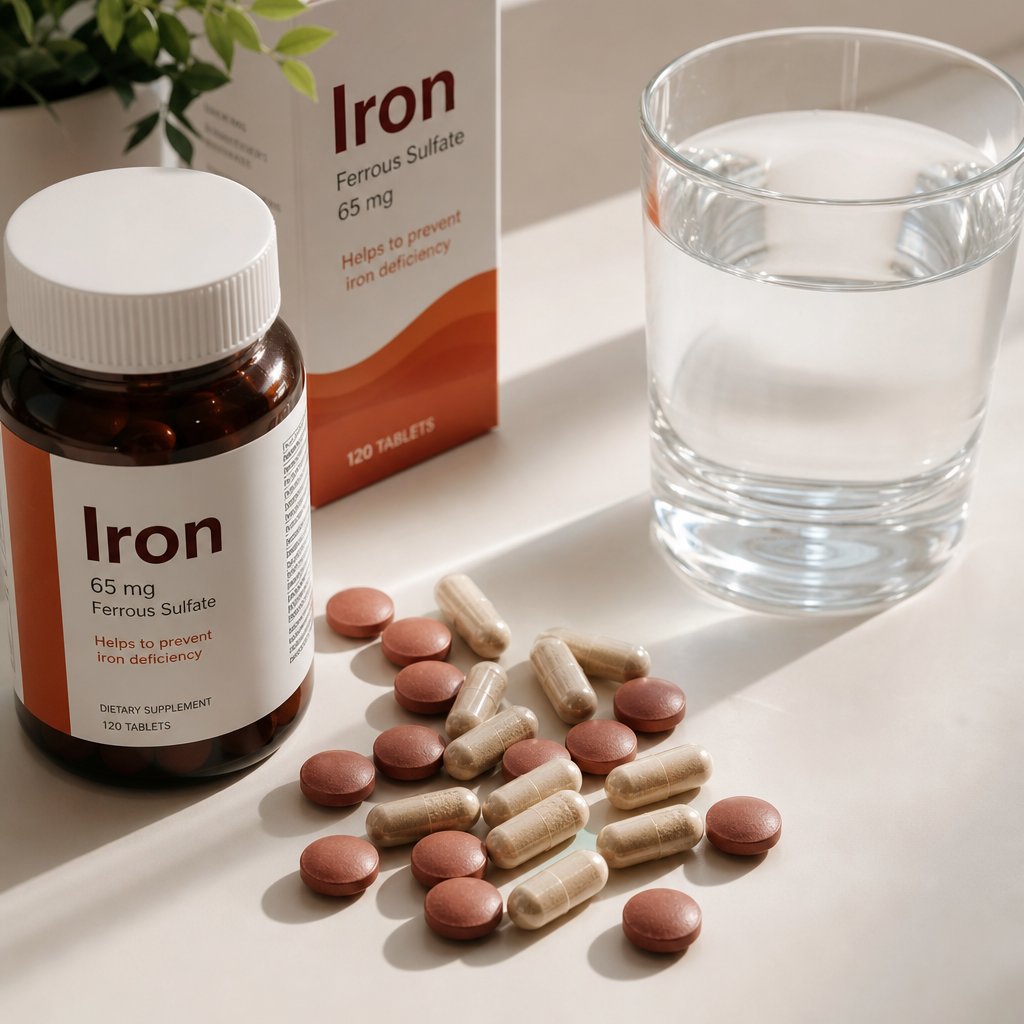
Ferrous sulfate is the most commonly prescribed and least expensive iron formulation worldwide. A standard 325 mg ferrous sulfate tablet delivers about 65 mg of elemental iron — a substantial dose that enters your system quickly. That rapid absorption is exactly what makes it effective, but it's also what drives the ferrous sulfate 325 mg side effects that send people searching for alternatives.
A comprehensive review in Haematologica confirmed that ferrous sulfate significantly increases the risk of gastrointestinal side effects compared to placebo, with an odds ratio of 2.32 in a meta-analysis of 43 randomized controlled trials involving 6,831 adults. The same review noted that ferrous sulfate promotes a transient increase in non-transferrin bound iron (NTBI) — redox-active iron that generates reactive oxygen species and triggers the inflammatory cascades linked to headaches. Slower-absorbed ferric polysaccharides, by contrast, had negligible effects on NTBI levels.
This matters for headache risk specifically because the faster iron floods your bloodstream, the more pronounced the vascular and inflammatory responses become. Ferrous sulfate liquid forms can be even more rapidly absorbed than tablets, potentially intensifying the headache window — though liquid iron does allow for easier dose adjustments.
So what are the gentler alternatives? Several types of iron supplements offer different trade-offs between efficacy and tolerability:
- Ferrous gluconate — Contains less elemental iron per dose (about 35 mg per 325 mg tablet), which means a slower serum iron spike. Ferrous gluconate side effects tend to be milder, though you may need to take more tablets to match the same elemental iron intake.
- Ferrous fumarate — Delivers approximately 106 mg of elemental iron per 325 mg tablet, making it the most iron-dense ferrous salt. Ferrous fumarate side effects fall in a moderate range — more elemental iron than sulfate per tablet, but some users report better stomach tolerance.
- Iron bisglycinate (chelated iron) — Iron bound to two glycine molecules. This chelated form is absorbed via amino acid transport pathways rather than the standard DMT1 route, resulting in less free iron in the gut and significantly reduced oxidative stress. Clinical data suggest better tolerability with comparable or superior absorption.
- Heme iron polypeptide — Derived from bovine hemoglobin, absorbed through a different mechanism than inorganic iron. Absorption is less affected by food interactions, but tolerability data are limited and it hasn't shown clear advantages over ferrous sulfate in controlled trials.
- Polysaccharide iron complex — A ferric (Fe3+) form complexed with polysaccharides. Slower absorption kinetics mean less NTBI generation, though efficacy may be slightly lower than ferrous salts for rapidly correcting anemia.
- Sucrosomial iron — Ferric pyrophosphate encapsulated in a phospholipid matrix. Absorbed via paracellular and transcellular routes independently of DMT1. Studies show excellent gastrointestinal tolerability — in one prospective study, only 17% of patients reported mild GI side effects, and it was well tolerated even by patients who couldn't handle ferrous sulfate.
Why Iron Format Matters for Side Effects
Beyond the iron salt itself, the physical format of your supplement — whether it's a standard tablet, an iron capsule, a liquid, or a soft gel — affects how quickly iron is released and absorbed. Imagine the difference between dropping a sugar cube into water versus pouring in loose granules. The dissolution rate changes everything about the absorption curve.
A standard compressed iron tablet dissolves in the stomach and releases its full iron payload relatively quickly. Iron capsules may offer slightly more controlled release depending on the capsule material. Liquid iron forms allow precise dose titration but can cause rapid absorption spikes (and teeth staining with prolonged use). Enteric-coated formulations were designed to bypass the stomach and reduce GI irritation, but the Haematologica review notes that serious concerns have been raised about their efficacy — iron absorption is optimal in the duodenum and upper jejunum, and delayed release past these sites may reduce how much iron actually enters your bloodstream.
Modern supplement manufacturers now offer iron in diverse delivery systems — from slow-dissolving tablets to liquid forms and gentle capsule formats — giving consumers and brands more options to find formulations that minimize side effects like headaches. Brands working with experienced contract manufacturers can develop customized iron formulations optimized for tolerability, selecting specific iron salts, encapsulation methods, and release profiles tailored to reduce the rapid serum iron spikes that trigger headaches.
A Practical Formulation-Switching Path
If your current iron tablet is causing persistent headaches, here's a logical switching sequence based on the clinical evidence:
| Formulation Type | Product Format | Elemental Iron Content | Headache Risk Level | Best For |
|---|---|---|---|---|
| Ferrous sulfate | Tablets, capsules, liquid | ~65 mg per 325 mg tablet | Higher — rapid absorption, high NTBI generation | Fast correction of severe deficiency when cost is a priority |
| Ferrous fumarate | Tablets, capsules, liquid, gummies | ~106 mg per 325 mg tablet | Moderate — high elemental iron but some report better GI tolerance | Those needing high elemental iron with moderate tolerance |
| Ferrous gluconate | Tablets, capsules, powders | ~35 mg per 325 mg tablet | Lower-moderate — smaller iron dose per unit reduces spike intensity | Mild deficiency or those sensitive to higher doses |
| Iron bisglycinate (chelated) | Tablets, capsules, powders | ~20-25 mg per typical dose | Lower — amino acid pathway absorption, less free gut iron | Side-effect-sensitive individuals; maintenance supplementation |
| Polysaccharide iron complex | Capsules, liquid | ~150 mg per capsule (varies) | Lower — slow-release ferric form, minimal NTBI | Those who failed ferrous salts; need for high-dose with fewer side effects |
| Heme iron polypeptide | Tablets, capsules | ~12 mg per tablet | Lower — different absorption mechanism | Those with food-interaction concerns; mild deficiency |
| Sucrosomial iron | Capsules, sachets | ~14-30 mg per dose | Lowest — phospholipid-encapsulated, DMT1-independent absorption | Patients intolerant of all ferrous salts; inflammatory conditions |
The pattern is clear: formulations that slow down iron release or bypass the standard absorption pathway tend to produce fewer headaches. Iron bisglycinate and sucrosomial iron sit at the gentler end of the spectrum, while ferrous sulfate — despite being the clinical gold standard for efficacy — sits at the harsher end.
Your practical switching path looks like this: if ferrous sulfate is causing headaches, try ferrous gluconate or fumarate first (same class, potentially better tolerated). If those still trigger symptoms, move to iron bisglycinate or a polysaccharide iron complex. For people who react to every ferrous salt, sucrosomial or liposomal iron capsules represent the gentlest option currently available, though at higher cost.
Keep in mind that switching formulations may mean adjusting your dose to account for different elemental iron content. A 325 mg ferrous sulfate tablet and a 325 mg ferrous gluconate tablet deliver very different amounts of actual iron — 65 mg versus 35 mg. Work with your healthcare provider to ensure you're still getting enough elemental iron to correct your deficiency, just in a form your body handles better.
The formulation you choose shapes your side effect experience. But even within the same formulation, how much you take and when you take it can make a meaningful difference — which brings us to dosage strategies that further reduce headache risk.
Dosage Strategies That Reduce Iron Headaches
Even the gentlest iron formulation can trigger headaches if you're taking too much at once or timing it poorly. The standard iron supplements dosage — one 325 mg ferrous sulfate tablet delivering 65 mg of elemental iron — was designed for rapid deficiency correction, not for comfort. That's a large bolus of iron hitting your system in a short window, and for many people, it's more than their body can process without protest.
The good news? You don't have to white-knuckle through it. Adjusting how much you take, how often, and when can dramatically reduce headache intensity without sacrificing the iron your body needs.
Why Lower Doses May Work Better
Here's something counterintuitive: taking less iron can sometimes mean absorbing more of it. Research from ETH Zurich published in Haematologica demonstrated that fractional iron absorption (the percentage of iron your body actually uses) decreases as the dose increases. In women with iron deficiency anemia, fractional absorption from a 100 mg dose was significantly higher than from a 200 mg dose. The unabsorbed excess doesn't just pass through harmlessly — it generates the oxidative stress and inflammatory signaling that trigger headaches.
A study in octogenarians found that low-dose iron therapy (15 mg elemental iron daily) was effective at correcting deficiency with far fewer side effects than standard doses. For headache-prone individuals, starting at 25-30 mg of elemental iron and titrating upward over one to two weeks gives your body time to adapt without overwhelming it.
Split Dosing and Alternate-Day Strategies
If lower doses alone aren't enough, how you space them matters just as much. Two key strategies stand out in the research:
- Alternate-day dosing — A randomized controlled trial published in The Lancet Haematology found that iron given on alternate days resulted in 34% higher fractional absorption compared to consecutive-day dosing. The mechanism involves hepcidin — a hormone that rises after each iron dose and suppresses absorption for roughly 24 hours. Skipping a day lets hepcidin return to baseline, so your next dose is absorbed more efficiently. Better absorption means less unabsorbed iron sitting in your gut generating free radicals and headache-triggering inflammation.
- Single morning dose over split doses — The same research group showed that splitting iron 325 mg into two daily doses (morning and evening) actually increased hepcidin more than a single morning dose, without improving total absorption. Twice-daily dosing essentially doubles the inflammatory stimulus without doubling the benefit. A single dose gives your body one absorption event to manage rather than two.
- Start low, titrate up — Begin with half your target dose for the first week. If headaches are manageable, increase to the full dose in week two. This gradual approach lets your vascular and inflammatory systems adapt incrementally rather than facing a full-strength challenge from day one.
For practical purposes, if your doctor has prescribed iron 325 mg daily, ask whether taking it every other day — or starting with a lower-dose formulation — might be appropriate for your situation. The Haematologica data showed that total iron absorption from a single 200 mg dose given on alternate days was approximately twice that from 100 mg given on consecutive days. You can get the same total iron into your system with fewer doses and fewer headaches.
Best Time to Take Iron to Avoid Headaches
When should you take iron supplements? The timing question involves a direct trade-off between absorption and tolerability. MedlinePlus states that iron is best absorbed on an empty stomach — but also acknowledges that this maximizes side effects including nausea and, by extension, headaches.
So what's the best time to take iron pills if headaches are your main concern?
- Morning on an empty stomach — Maximum absorption, but highest headache risk. Best for people who tolerate iron well and want the fastest deficiency correction.
- Morning with a small snack — A piece of fruit or a few crackers slightly reduces absorption (by roughly 10-15%) but can meaningfully blunt the serum iron spike that triggers headaches. Vitamin C-rich foods like orange juice can partially offset the absorption reduction while buffering the stomach.
- Evening before bed — Some people find that taking iron at night lets them sleep through the headache window. However, hepcidin naturally rises throughout the day, so evening doses may be slightly less well absorbed than morning ones.
The best time to take iron tablets morning or night ultimately depends on your individual response. If morning doses consistently trigger headaches that disrupt your day, an evening dose with a small snack is a reasonable compromise — slightly less absorption, but dramatically better quality of life.
One more timing consideration: the best time to take iron supplement is at least two hours away from certain medications. MedlinePlus notes that iron tablets may reduce the effectiveness of tetracycline, penicillin, ciprofloxacin, and medications for Parkinson disease and seizures. Antacids and proton pump inhibitors reduce stomach acid, impairing iron absorption and potentially causing erratic absorption patterns — which can intensify headaches by creating unpredictable serum iron fluctuations. Calcium supplements and dairy products should also be separated from iron by at least two hours, as calcium directly competes with iron for absorption.
These drug interactions don't just reduce iron's effectiveness — they can create the kind of inconsistent absorption that makes headaches harder to predict and manage. Keeping a consistent schedule with proper separation from interfering substances gives your body a predictable iron load it can adapt to over time.

When Iron Tablet Headaches Need Medical Attention
Adjusting your dose and timing handles most cases. But what if you've tried the strategies above and headaches persist — or they feel different from a typical post-dose nuisance? Not all iron tablets side effects are created equal, and knowing the line between "normal adjustment" and "something's wrong" keeps you from either panicking unnecessarily or ignoring a real warning sign.
Headaches That Are Normal and Manageable
Most headaches triggered by iron supplementation fall into a predictable, benign pattern. You can generally continue your current regimen (or make minor tweaks) if your headaches match this profile:
- Mild to moderate intensity — uncomfortable but not debilitating
- Appear within one to two hours of taking your dose and fade within a few hours
- Respond to hydration, rest, or standard over-the-counter pain relief like acetaminophen
- Decrease in frequency or severity over the first two to four weeks
- Occur without other alarming symptoms like vision changes or severe abdominal pain
If this sounds like your experience, you're likely in the adjustment phase. The side effects of taking iron pills during this window reflect your body adapting to a new iron load — not a sign of toxicity or harm. Staying hydrated, eating a small snack with your dose, and tracking whether headaches trend downward week over week gives you a clear picture of progress.
Warning Signs That Need Medical Attention
Some headache patterns warrant a call to your doctor rather than a wait-and-see approach. If you're feeling worse after taking iron supplements in any of the following ways, don't dismiss it:
- Severe headaches that don't respond to OTC pain relief or interfere with daily functioning
- Headaches with vision changes — blurred vision, seeing spots, or light sensitivity alongside head pain
- Iron tablets dizziness that goes beyond mild lightheadedness, especially if accompanied by fainting or near-fainting episodes
- Headaches persisting beyond four weeks without any improvement despite dosage or timing adjustments
- Headaches worsening over time rather than stabilizing or decreasing
- Joint pain — particularly in the knuckles of your index and middle fingers — alongside persistent headaches (a hallmark of iron overload)
- Upper abdominal pain, skin darkening, or heart irregularities combined with headaches — these suggest iron is accumulating in tissues rather than being used properly
The side effects from taking iron pills should follow a downward trajectory. Any upward trend — especially when paired with systemic symptoms like joint pain, skin changes, or cardiac symptoms — raises the possibility of iron overload or an underlying condition that needs investigation. What are the side effects of iron tablets that cross into dangerous territory? Anything that suggests your body is storing too much iron rather than using it.
What to Tell Your Doctor
If you decide to seek medical guidance, arriving with specific information makes the appointment far more productive. Your doctor needs context to distinguish between a simple side effect and something requiring intervention. Bring this information:
- Your exact iron formulation and brand name (ferrous sulfate, bisglycinate, etc.)
- The dose you're taking and how many times per day
- When you take it relative to meals and other medications
- How long you've been supplementing
- When headaches started and whether they've changed in pattern or intensity
- Any other symptoms — nausea, dizziness, joint pain, fatigue changes, dark stools, abdominal discomfort
- Your most recent blood work, if available (hemoglobin, ferritin, transferrin saturation)
This information helps your provider determine whether to adjust your regimen, order labs to check for overload, or investigate other causes. The side effects of taking iron tablets are well-documented, and most providers can quickly distinguish between expected adjustment symptoms and signs that warrant a formulation change, dose reduction, or further testing.
The goal isn't to suffer through iron therapy — it's to get the iron you need in a way your body can handle. For most people, that means a few weeks of mild discomfort followed by real improvement. For others, it means finding the right combination of formulation, dose, and timing that delivers benefits without ongoing headaches. Either way, a clear action plan makes the path forward straightforward.
Choosing a Gentler Iron Supplement That Works for You
You've made it through the biology, the timelines, the formulation comparisons, and the warning signs. The picture is clear: iron tablets can cause headaches, but you're far from stuck with them. The real question isn't whether to take iron — if you're deficient, you need it. The question is how to take it in a way that actually works for your body without making you miserable in the process.
Your Action Plan for Iron Headaches
Whether you're two days into supplementation or two months in, this step-by-step path gives you a structured way forward:
- Identify the source of your headaches. Did they exist before you started iron (suggesting deficiency is the cause), or did they begin after starting supplementation (suggesting a side effect)? Use the comparison table from earlier to pinpoint your scenario.
- Adjust timing and food pairing first. Try taking your dose with a small vitamin C-rich snack rather than on a completely empty stomach. If mornings are rough, experiment with an evening dose. These simple changes resolve headaches for many people without any other intervention.
- Try alternate-day dosing. If daily doses trigger consistent headaches, switch to every other day. Research shows this approach maintains absorption efficiency while giving your body a full recovery window between doses.
- Switch formulations if headaches persist beyond two to three weeks. Move from ferrous sulfate to iron bisglycinate or a polysaccharide iron complex. The best iron supplement for anemia isn't always the cheapest or most commonly prescribed — it's the one you can actually take consistently without quitting.
- Lower your dose and build up gradually. Start at half the prescribed amount for the first week, then increase. A smaller iron load produces a smaller serum spike and a milder headache response.
- Monitor for warning signs. If headaches worsen after four weeks, come with vision changes, or appear alongside joint pain or abdominal symptoms, contact your healthcare provider for blood work including ferritin and transferrin saturation.
- Reassess after three months. By this point, your iron stores should be improving measurably. If headaches resolved and energy is better, you're on the right track. If not, discuss IV iron or further investigation with your doctor.
The best iron supplement for anemia without constipation — or without headaches — exists. It just might not be the first one you tried. Iron tablets for tiredness and fatigue iron supplements are only useful if you can tolerate them long enough to see results. Compliance matters more than potency.
Finding the Right Iron Supplement for You
The over the counter iron supplements market has expanded significantly in recent years. You're no longer limited to a single harsh ferrous sulfate tablet. Chelated iron, slow-release formats, liquid iron, iron capsules paired with cofactors — the options reflect a growing understanding that tolerability drives real-world outcomes.
If you're choosing an iron booster for general maintenance or mild deficiency, gentler forms like bisglycinate at 25 mg daily offer a solid starting point. For moderate deficiency, you might need 50 mg elemental iron in a well-tolerated format. Multivitamins with iron can work for prevention but rarely deliver enough elemental iron to correct an established deficiency — they're better suited for maintaining levels once you've built them back up.
Iron supplements for tiredness work best when matched to your body's tolerance threshold. The goal is sustained, consistent intake over months — not heroic doses that last a week before you abandon them. A supplement you take reliably at a moderate dose will outperform a high-dose option you can't stick with.
For supplement brands and private label sellers, this consumer pain point represents a clear product development opportunity. Understanding why traditional iron formulations drive poor compliance — headaches, nausea, constipation — informs better product design. Experienced OEM/ODM manufacturers like ZhuFeng help nutrition brands create customized iron products in formats optimized for tolerability, whether that means slow-release tablets, liquid iron, chelated iron capsules, or gentle gummy formats. Bringing better-tolerated iron options to market means fewer people abandoning supplementation and more people actually correcting their deficiency.
The bottom line: iron headaches are common, usually temporary, and almost always solvable. You don't have to choose between correcting your deficiency and feeling decent while doing it. Identify your headache pattern, make targeted adjustments, and give your body the form of iron it can work with — not fight against.
Frequently Asked Questions About Iron Tablets and Headaches
1. How long do headaches from iron tablets last?
Iron tablet headaches are typically strongest during the first week of supplementation and gradually diminish over weeks two through four as your body adapts. If headaches persist beyond four weeks without improvement, this usually indicates a need to switch formulations, lower your dose, or try alternate-day dosing rather than continuing to push through. Most people find that headaches fade right around the same time they start noticing benefits like improved energy and reduced fatigue.
2. Can iron deficiency itself cause headaches?
Yes, iron deficiency anemia reduces your blood's oxygen-carrying capacity, which directly affects the brain and triggers persistent headaches or migraines. Research shows iron deficiency anemia is significantly more prevalent among migraine sufferers, with low serum ferritin levels correlating with higher pain scores. In this case, iron supplementation is the treatment rather than the cause — correcting the deficiency typically reduces headache frequency and severity over several weeks.
3. What is the best iron supplement to avoid headaches?
Iron bisglycinate (chelated iron) and sucrosomial iron are among the gentlest options with the lowest headache risk. These forms are absorbed through alternative pathways that generate less free iron in the gut, reducing oxidative stress and inflammatory signaling that trigger headaches. Polysaccharide iron complex is another well-tolerated option. The delivery format also matters — slow-dissolving tablets and specialized capsules can reduce absorption spikes compared to standard compressed tablets. OEM/ODM manufacturers like ZhuFeng offer brands the ability to develop customized iron formulations in formats optimized for tolerability.
4. Should I take iron on an empty stomach or with food to prevent headaches?
Taking iron on an empty stomach maximizes absorption but also maximizes side effects including headaches. A practical compromise is taking iron with a small vitamin C-rich snack like orange slices or a few strawberries. This slightly reduces absorption (roughly 10-15%) but can meaningfully blunt the serum iron spike responsible for headaches. Some people also find that taking iron in the evening before bed allows them to sleep through the peak headache window.
5. Is it better to take iron every day or every other day to reduce side effects?
Research published in The Lancet Haematology found that alternate-day iron dosing resulted in 34% higher fractional absorption compared to consecutive-day dosing. This happens because hepcidin, a hormone that suppresses iron absorption, rises after each dose and takes about 24 hours to return to baseline. Skipping a day allows better absorption per dose while reducing the total inflammatory burden on your system, which means fewer headaches and less GI distress without sacrificing how much iron your body actually uses.